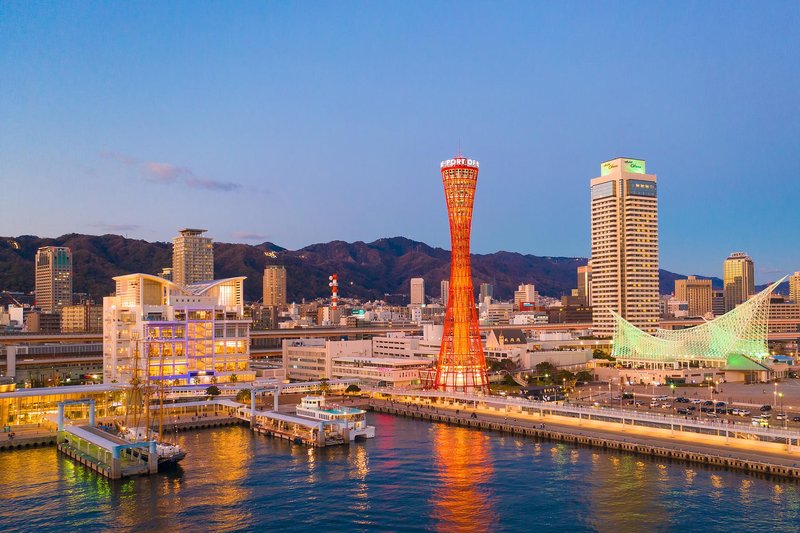
Hotels in Murakami
Discover your perfect stay in Murakami.
Murakami(Japan) Travel 2026: Cheap Flights, Hotels & Top Attractions
Popular Landmarks in Murakami
Discover the most iconic attractions in Murakami
Recommended Hotels in Murakami
Find the perfect place to stay in Murakami
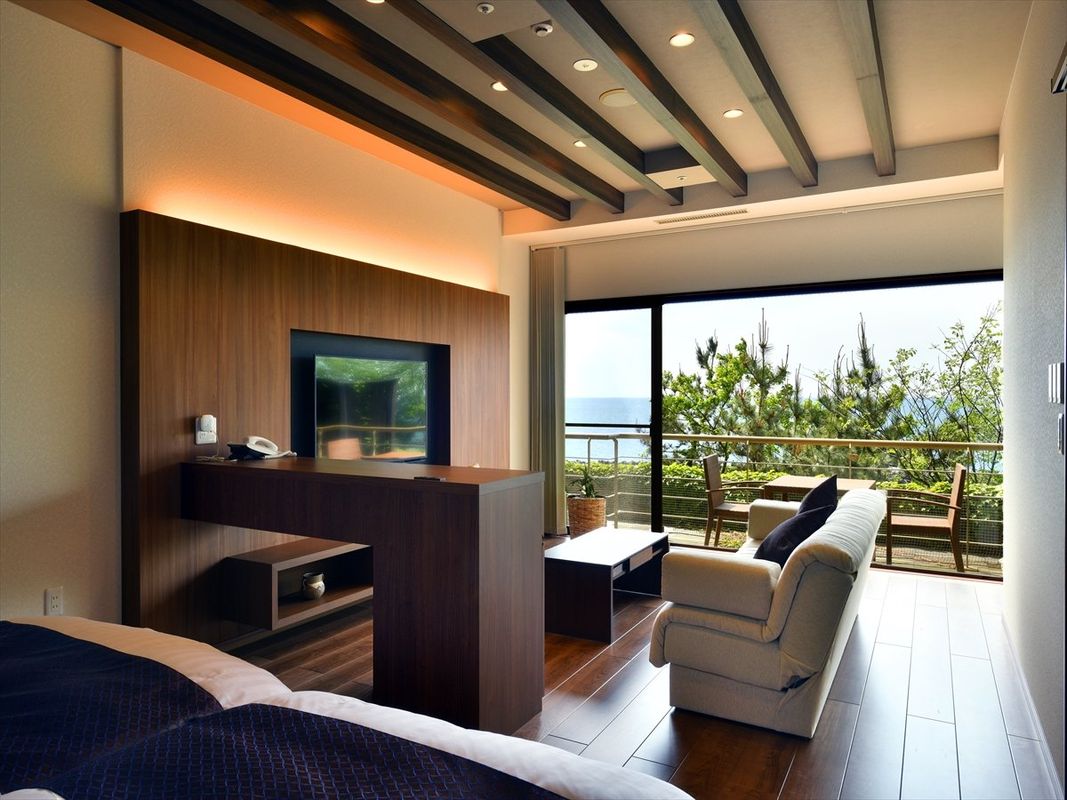
Taikanso Senami No Yu
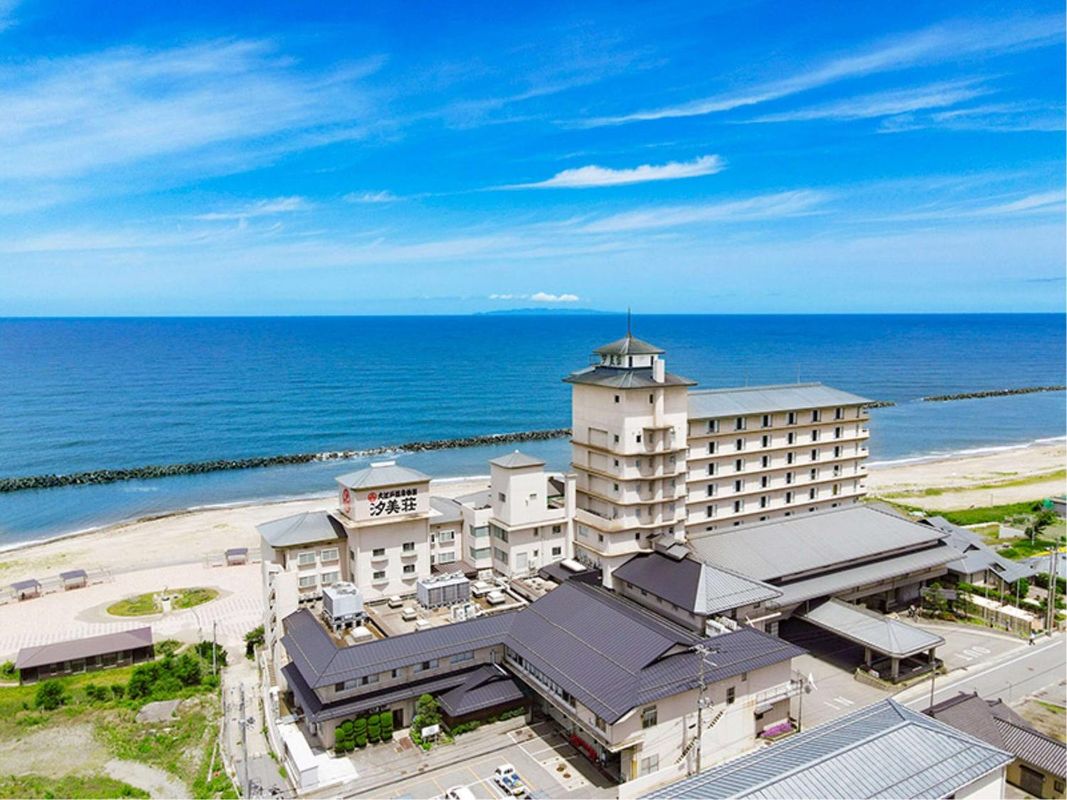
Ooedo Onsen Monogatari Premium Shiomiso
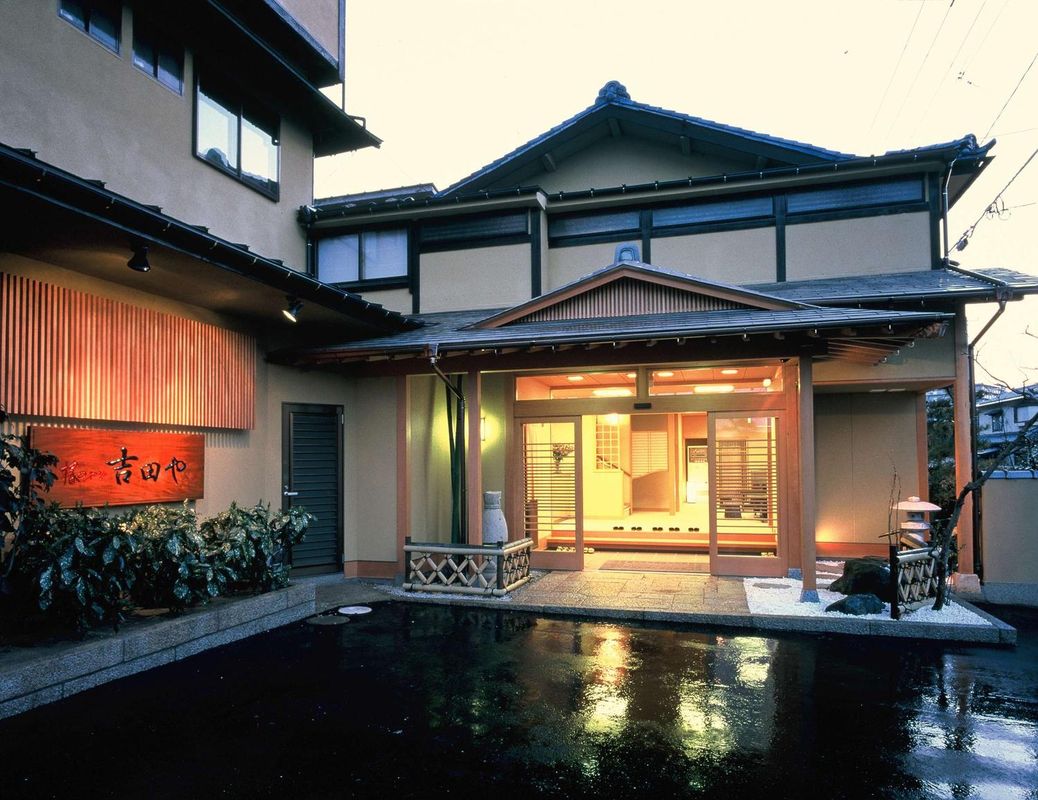
Tsubaki No Yado Yoshidaya
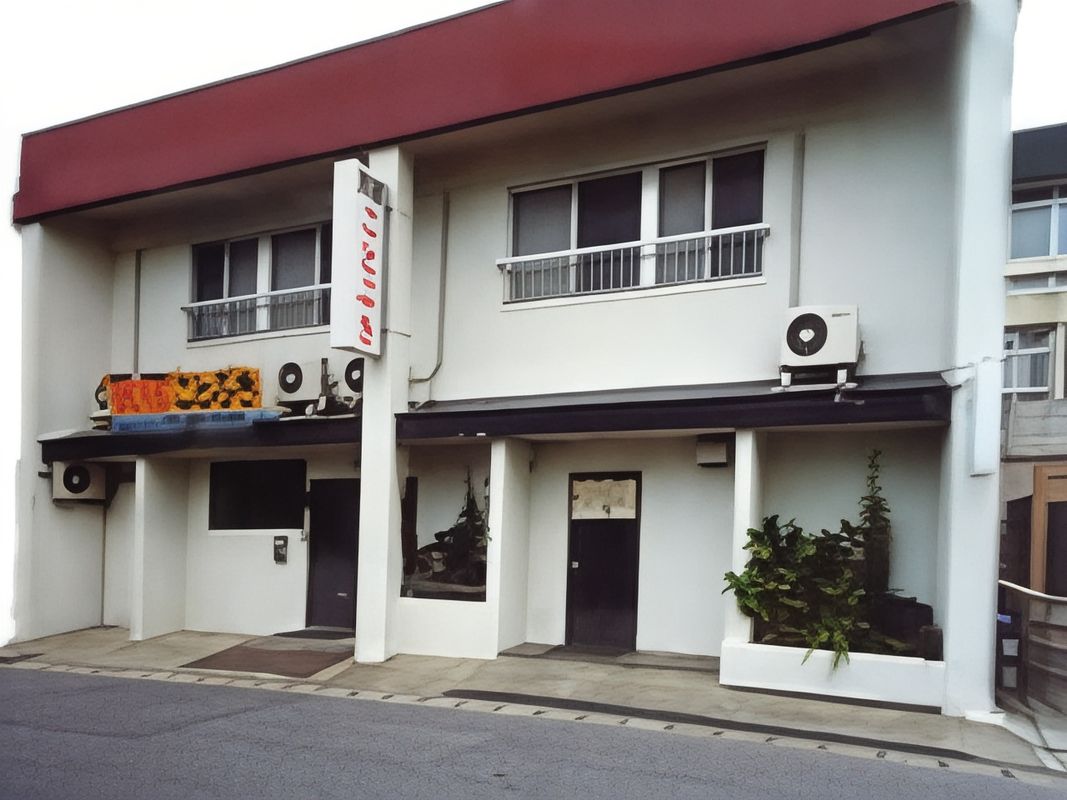
Minshuku Kotobuki
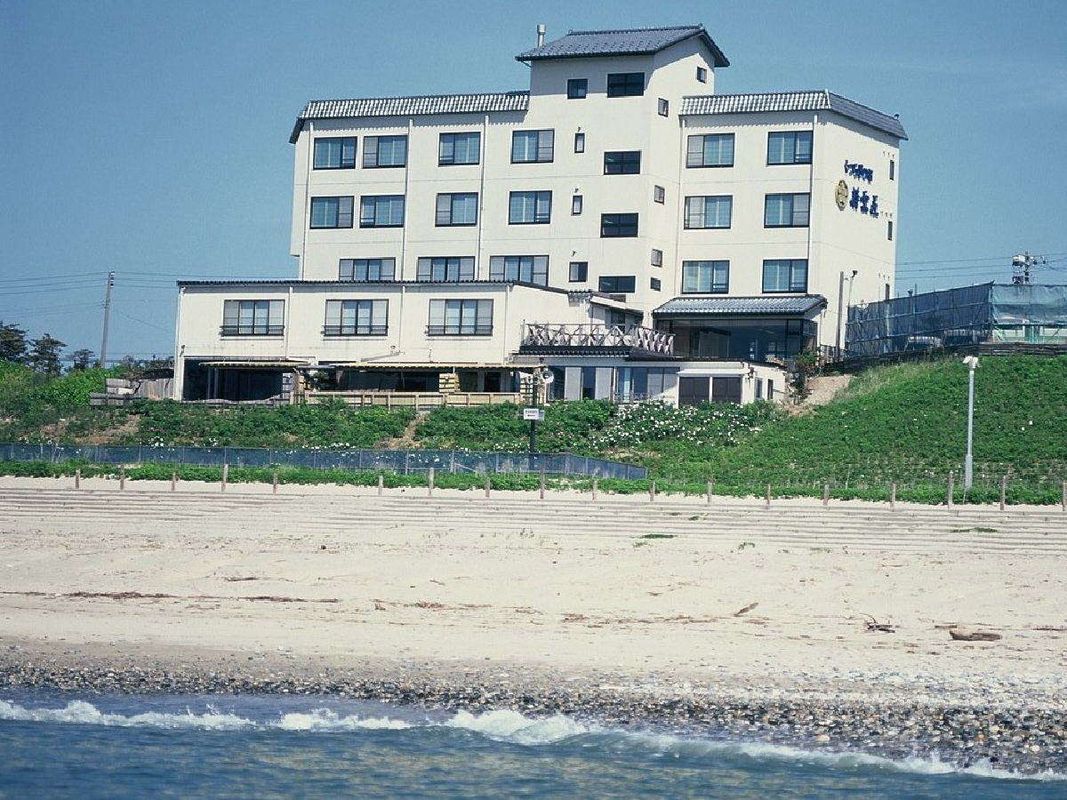
Seiunsou
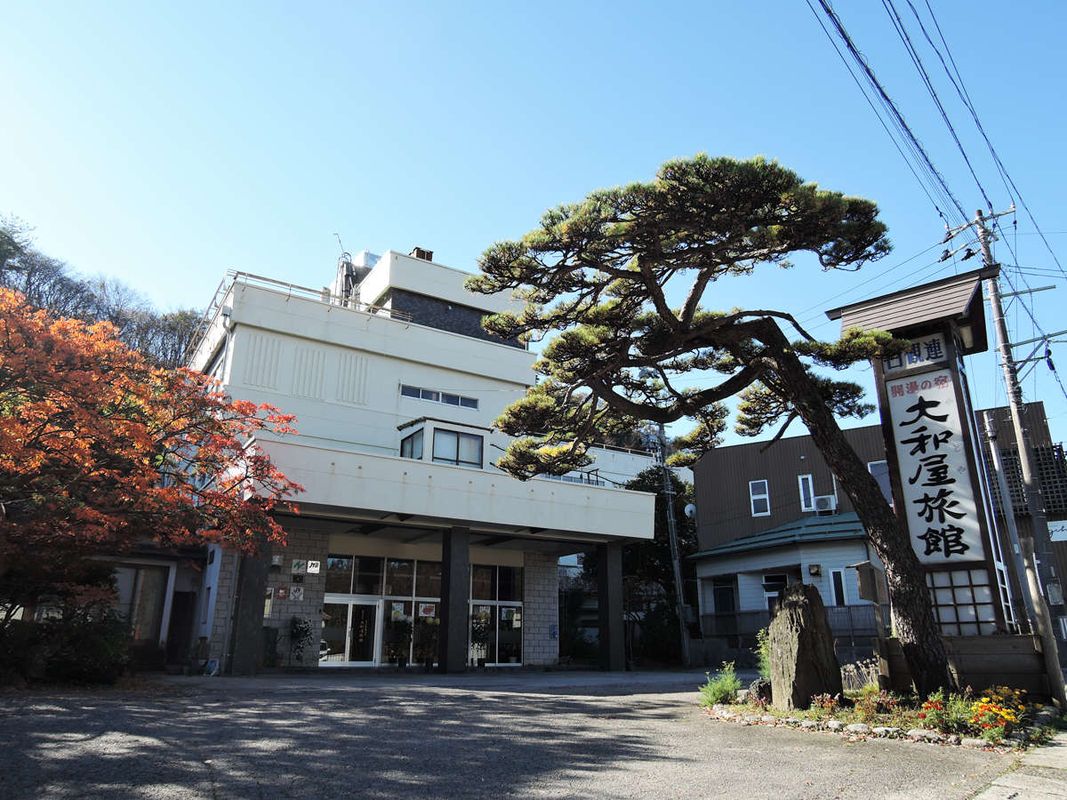
Yamatoya Ryokan
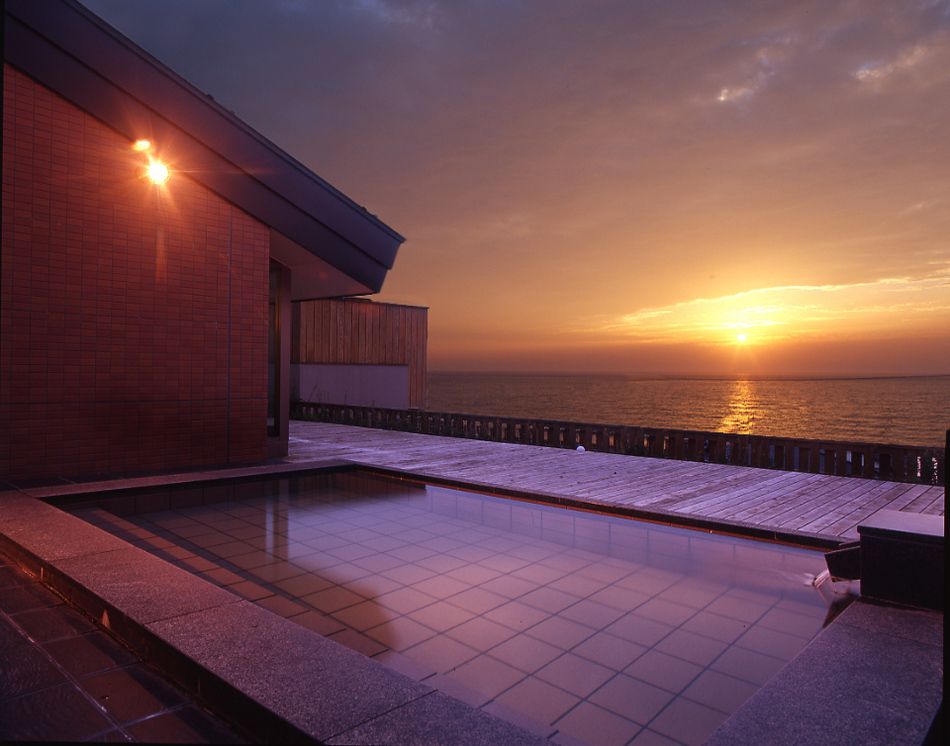
Banshu
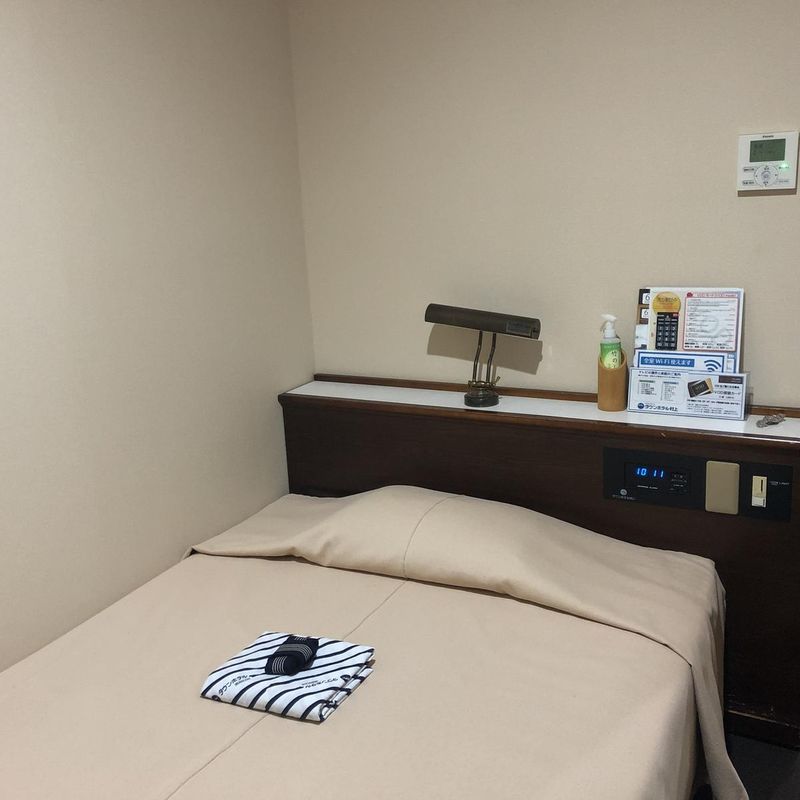
Town Hotel Murakami
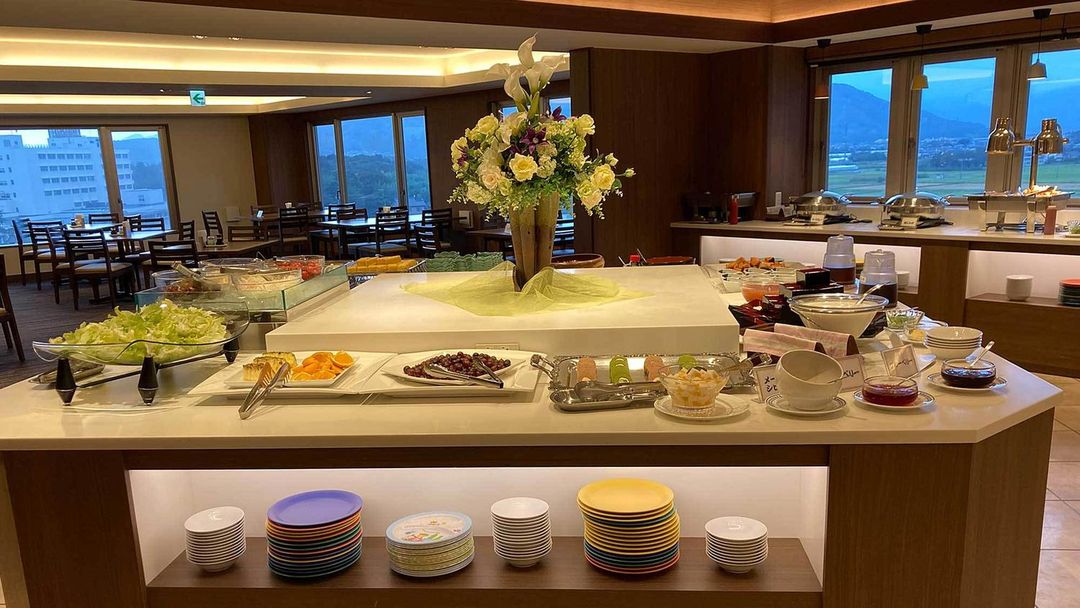
Haginoya
Best Hotels in Murakami
Discover curated hotel collections in Murakami
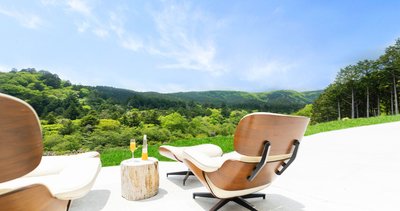
Shelter Garden Nikko
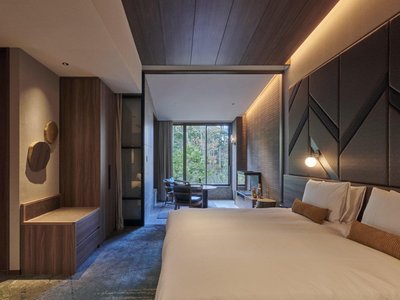
Fufu Kyu-Karuizawa Restful Forest
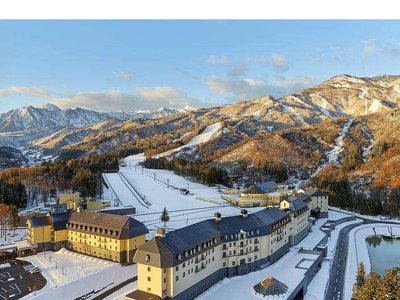
Lotte Arai Resort
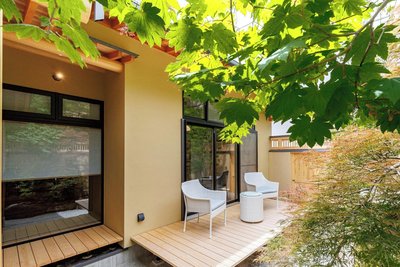
Shoraiso
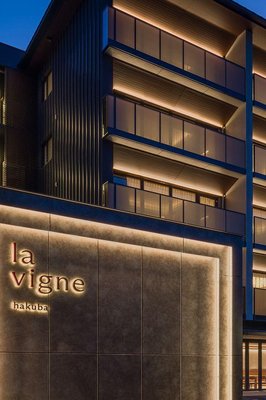
Hotel la Vigne Hakuba by Onko Chishin
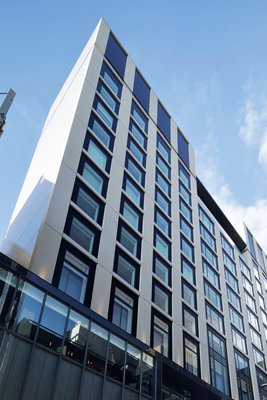
Hyatt Centric Ginza Tokyo
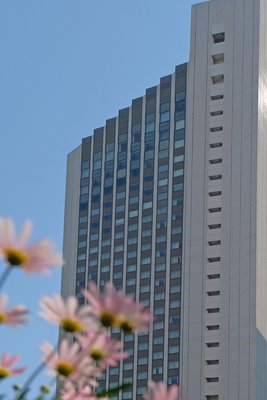
ANA InterContinental Tokyo
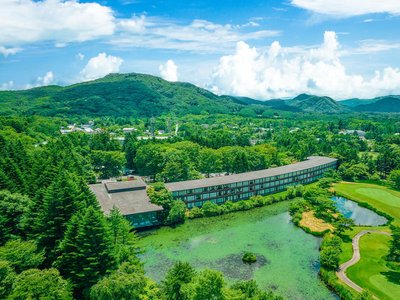
The Prince Karuizawa
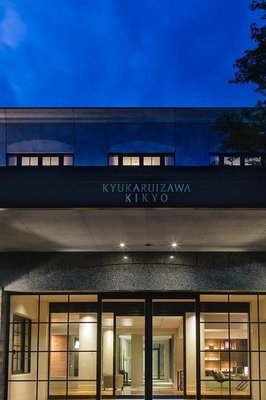
Kyukaruizawa Kikyo, Curio Collection by Hilton
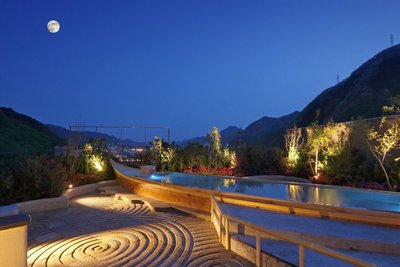
Asaya
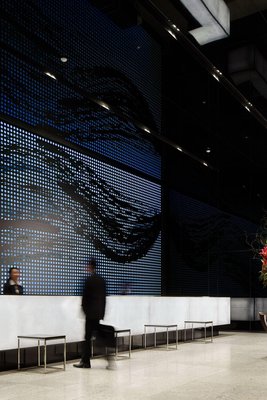
Millennium Mitsui Garden Hotel Tokyo - Ginza
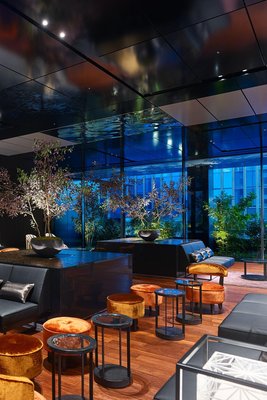
Mitsui Garden Hotel Nihonbashi Premier / Tokyo
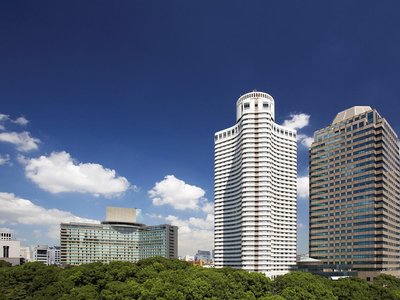
Hotel New Otani Tokyo Garden Tower
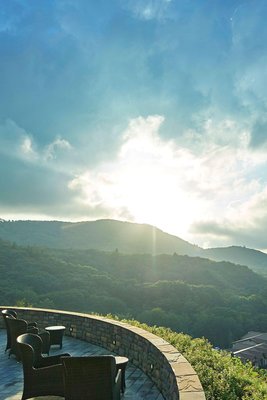
Le Grand Karuizawa Hotel & Resort
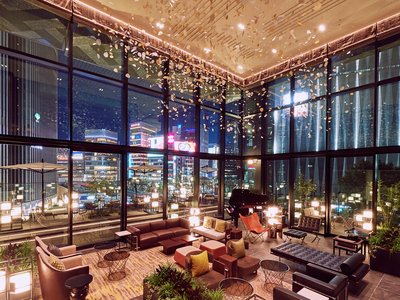
THE GATE HOTEL TOKYO by HULIC
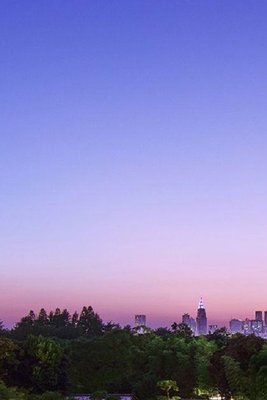
Hotel New Otani Tokyo the Main
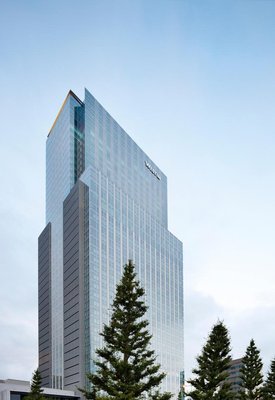
The Westin Sendai Hotel
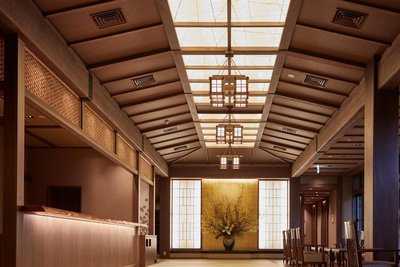
Yukinohana
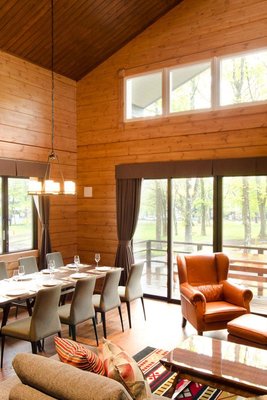
The Prince Villa Karuizawa

Yukemuri No Yado Inazumi Onsen
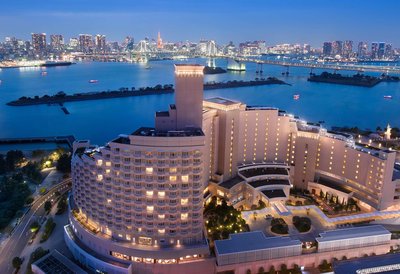
Hilton Tokyo Odaiba
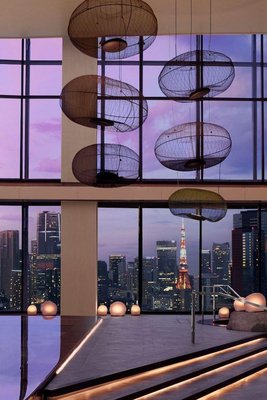
JW Marriott Hotel Tokyo
The Prince Karuizawa
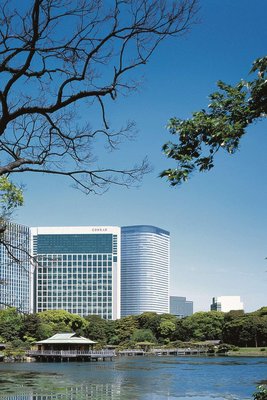
Conrad Tokyo
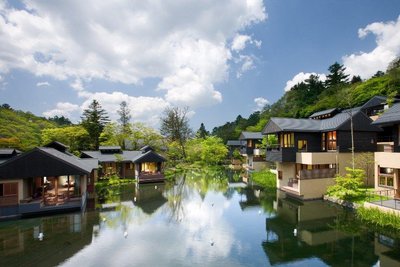
Hoshinoya Karuizawa
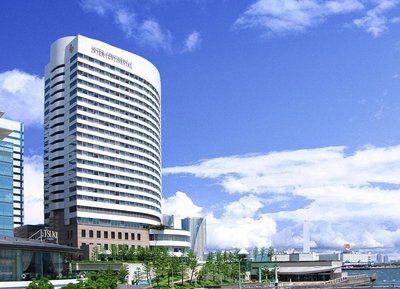
InterContinental Tokyo Bay
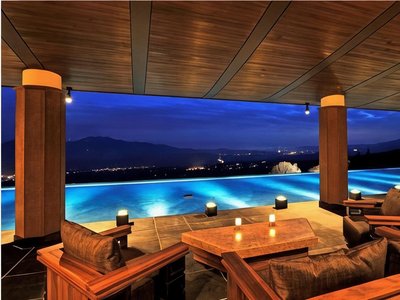
Akakura Kanko Hotel
Asaya
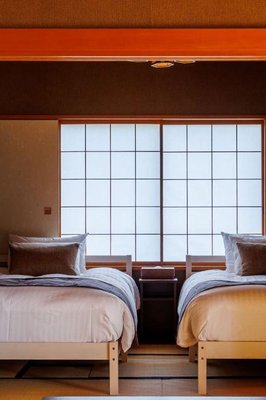
Sado Resort Hotel Azuma
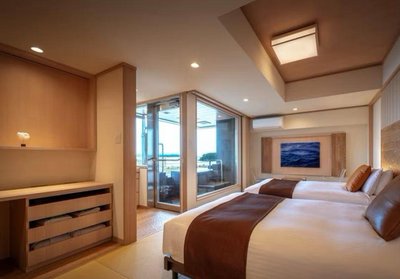
Komatsu-Kan Kofu-Tei
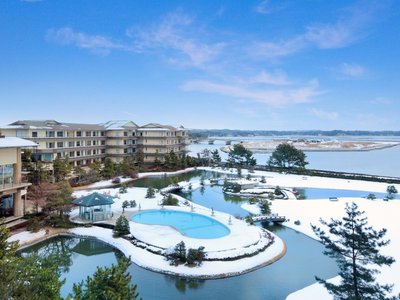
Matsushima Ichinobo
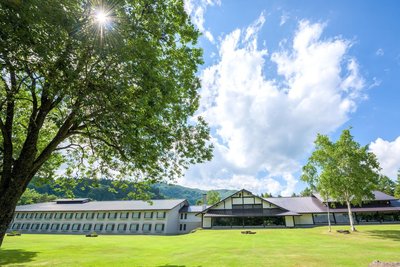
Towada Prince Hotel
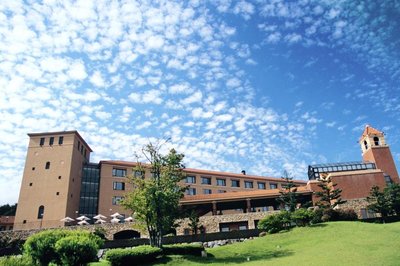
Fruit Park Fujiya Hotel
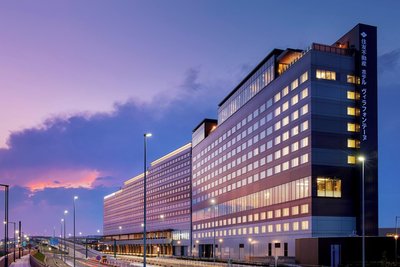
Villa Fontaine Premier Haneda Airport
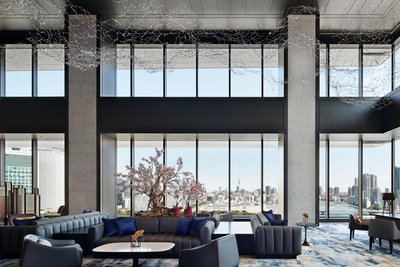
Mesm Tokyo, Autograph Collection
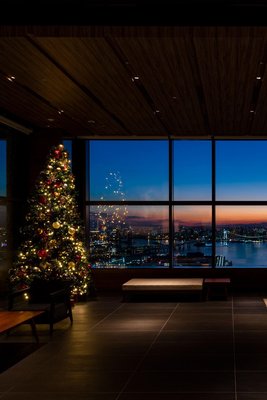
Mitsui Garden Hotel Toyosu Premier / Tokyo
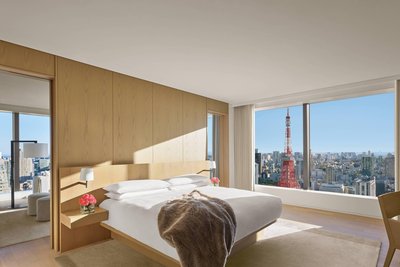
The Tokyo Edition, Toranomon
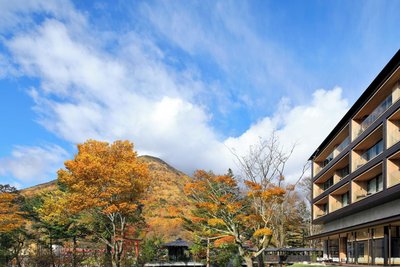
The Ritz-Carlton, Nikko
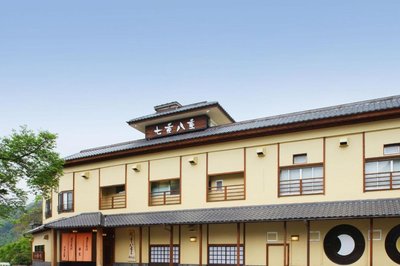
Nanaeyae
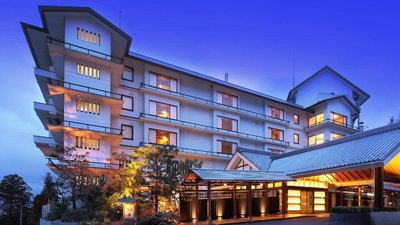
Shoho

EN Resort Grandeco Hotel
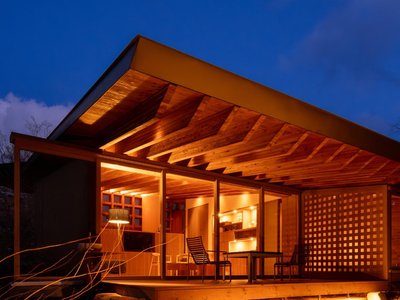
Nasu Mukunone
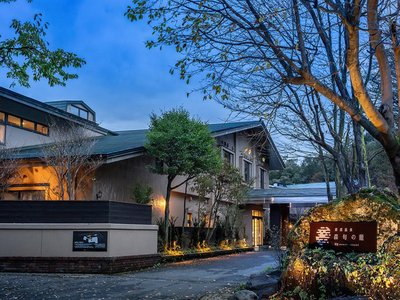
Nasu Onsen Shinshun no Kago Hewitt Resort
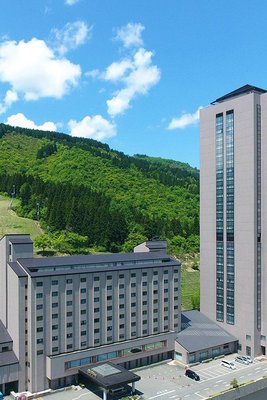
Naspa New Otani
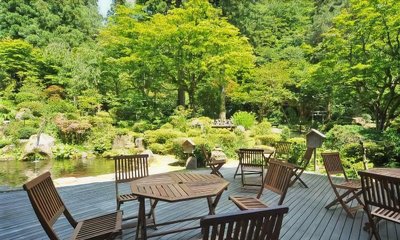
Choseikan
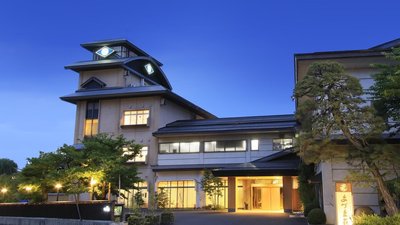
Shouhakutei Azumaso
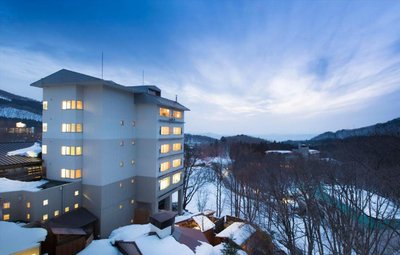
Takamiya Hotel Lucent
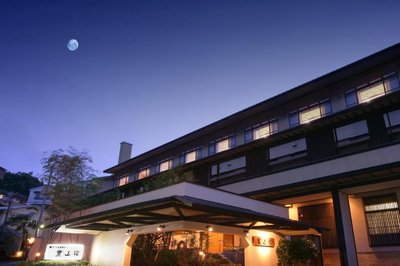
Hayamakan
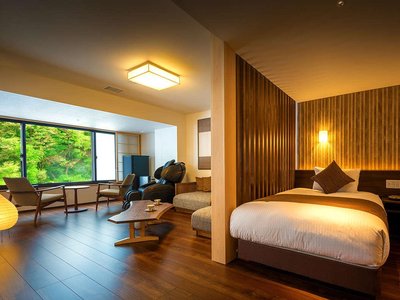
Harataki
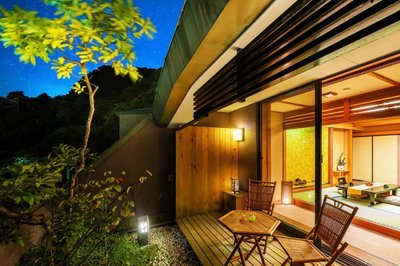
Konjakutei
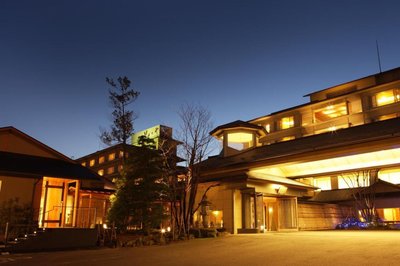
Yumotoya
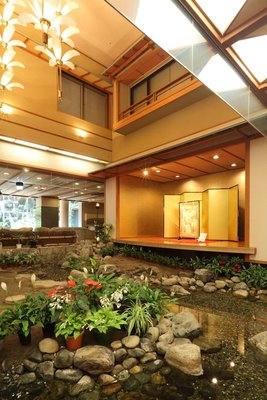
Hotel Futaba
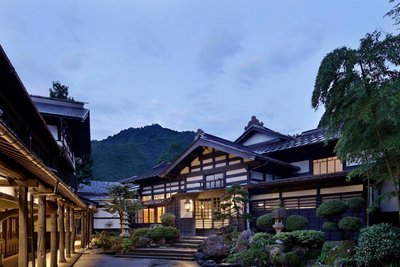
Ryugon
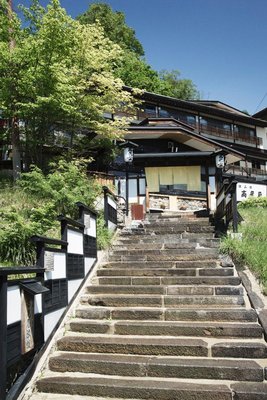
Takamiya Ryokan Miyamaso
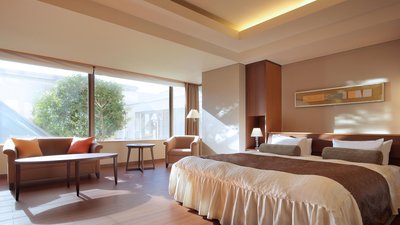
Onyado Toho
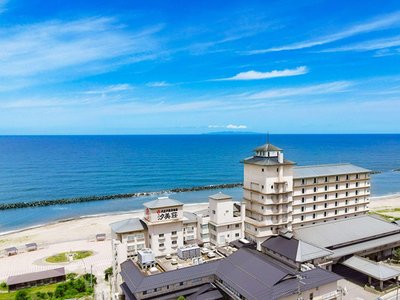
Ooedo Onsen Monogatari Premium Shiomiso
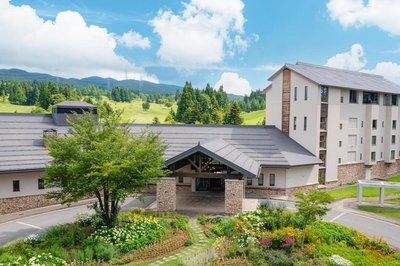
Atema Kogen Resort Belnatio
Sado Resort Hotel Azuma
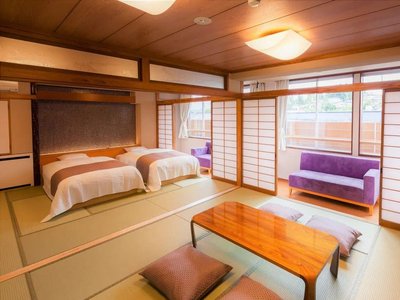
Arimakan
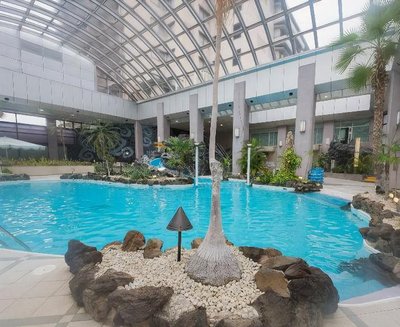
Hotel Zuiho
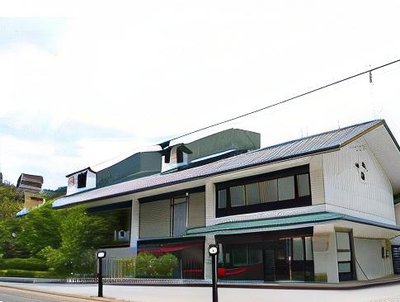
Auberge Suzukane
Shouhakutei Azumaso
Hayamakan
Konjakutei
Hotel Futaba
Ryugon
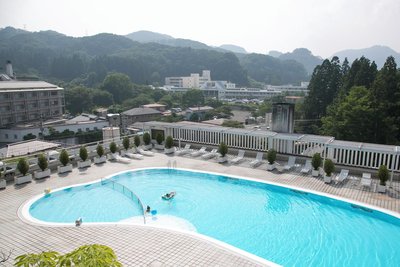
Sakan
Takamiya Ryokan Miyamaso
Onyado Toho
Asaya
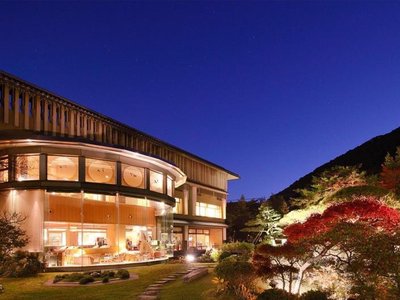
Shikisai Ichiriki
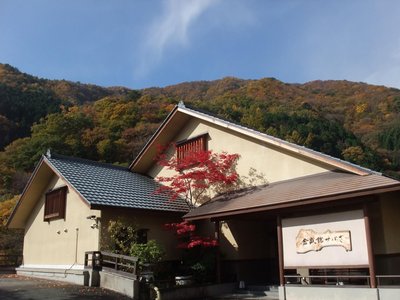
Kinseikan Seseragi
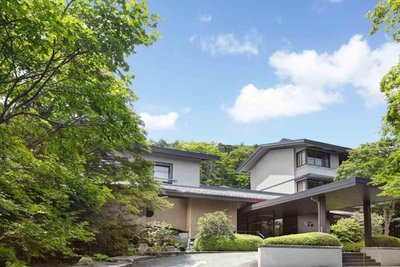
Nasu Onsen Sanraku
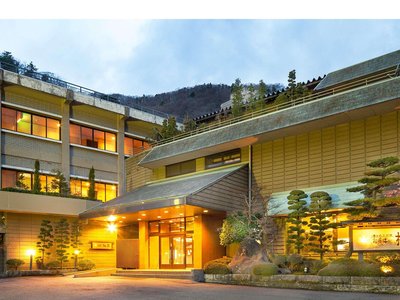
Shofuro Matsuya
Komatsu-Kan Kofu-Tei
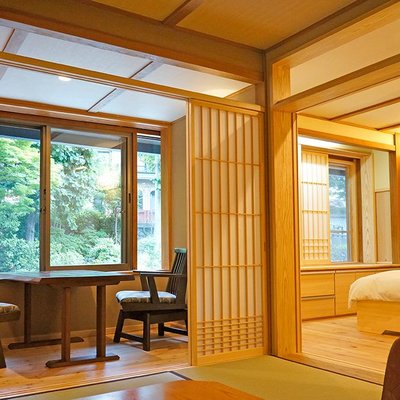
Sumiyosiya Ryokan
Matsushima Ichinobo
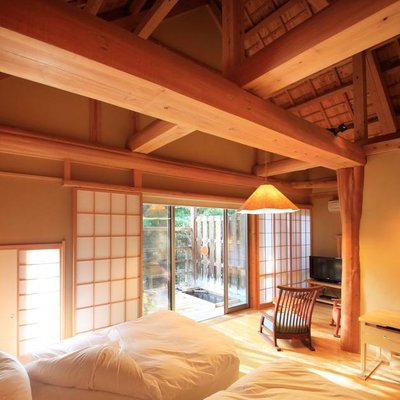
Daikon-No-Hana
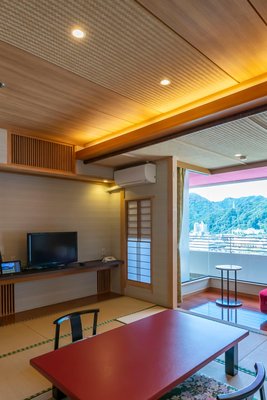
Kinugawa Grand Hotel Yume No Toki
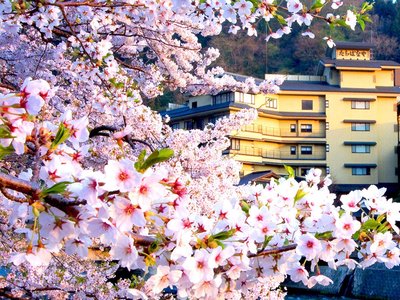
Tachibanaya
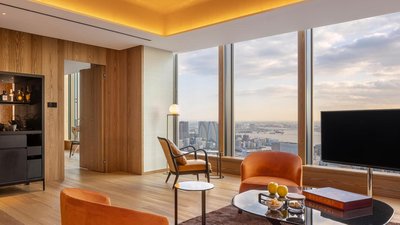
Bvlgari Hotel Tokyo
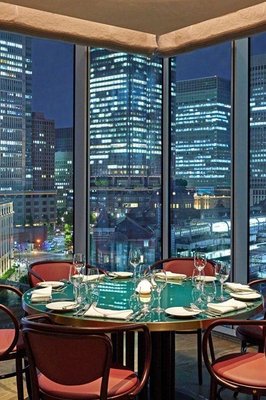
Four Seasons Hotel Tokyo at Marunouchi

Mandarin Oriental, Tokyo
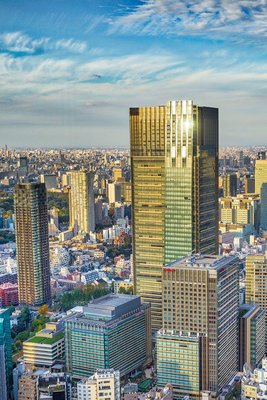
The Ritz-Carlton, Tokyo
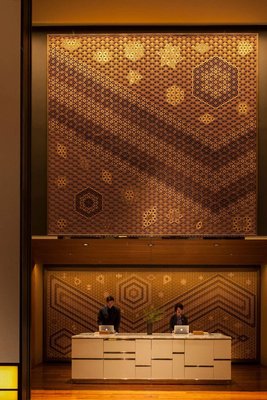
Andaz Tokyo Toranomon Hills- A Concept by Hyatt
Hotel New Otani Tokyo the Main
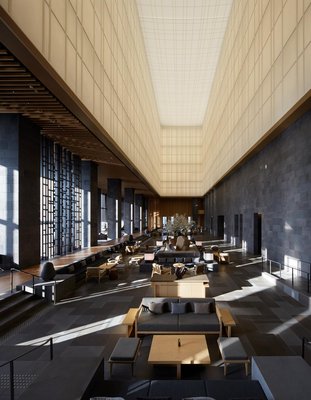
Aman Tokyo
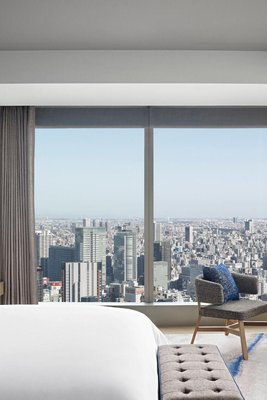
Four Seasons Hotel Tokyo at Otemachi
The Tokyo Edition, Toranomon
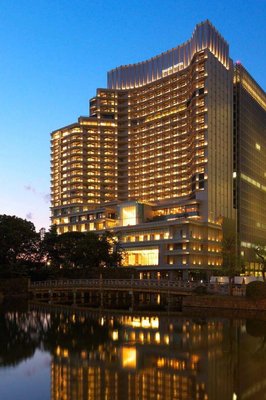
Palace Hotel Tokyo
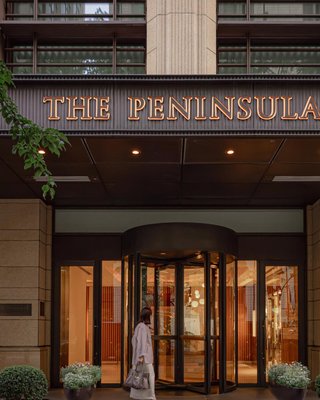
The Peninsula Tokyo

Imperial Hotel, Tokyo
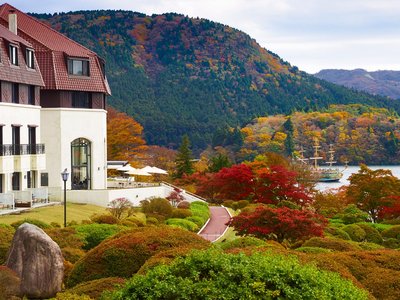
Hotakajyo
Auberge Suzukane

Onyado Nono Asakusa Bettei Hot Spring
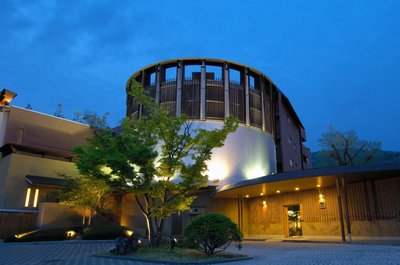
Hoshino Resorts Kai Matsumoto
Konjakutei
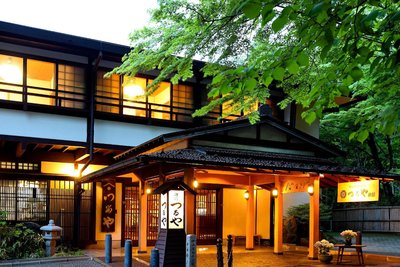
Tsuruya Ryokan
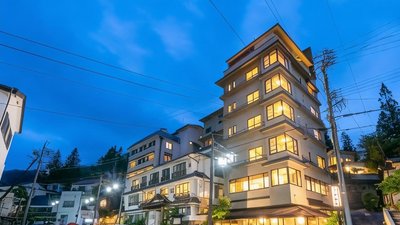
Nakamatsuya Ryokan
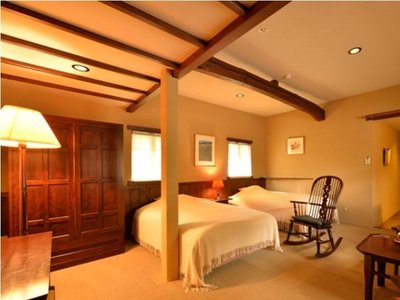
Ryokan Sugimoto
Shikisai Ichiriki
Sado Resort Hotel Azuma
Sumiyosiya Ryokan
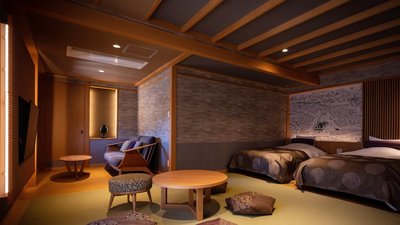
Naraya
Daikon-No-Hana
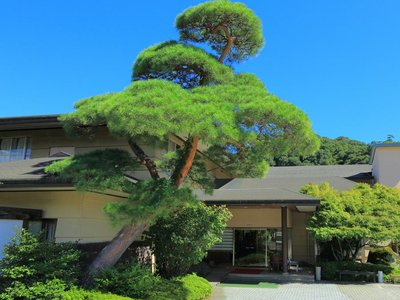
Nagatoro Choseikan Ryokan
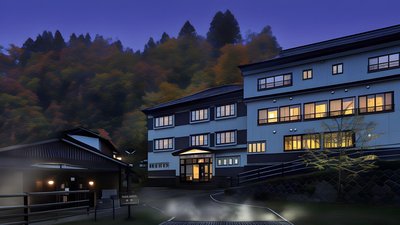
Zao Onsen Omiya Ryokan
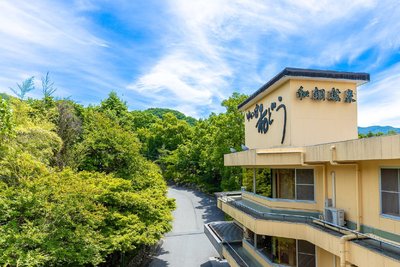
Yu No Yado Wadoh
Nanaeyae
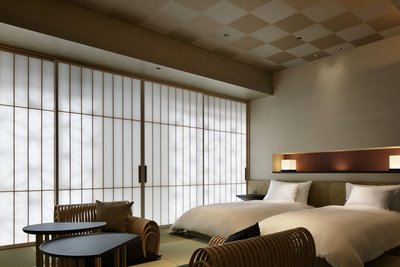
HOSHINOYA Tokyo
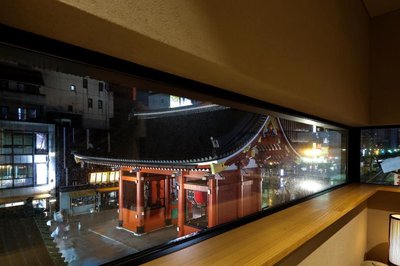
Kaminarimon Ryokan
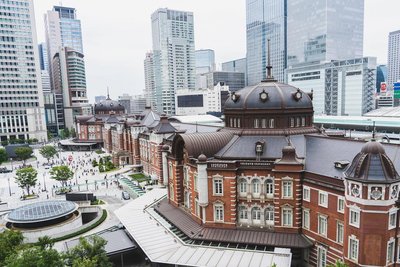
The Tokyo Station Hotel

The Address Akakura
Naspa New Otani
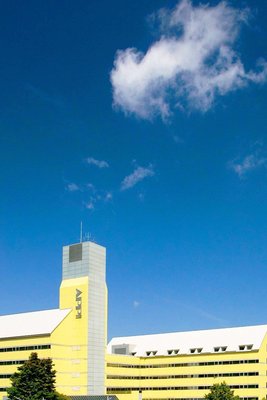
Crowne Plaza - ANA RESORT APPI KOGEN
The Prince Karuizawa
Hotel Futaba
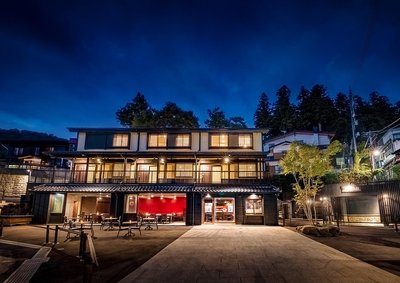
Ryokan Sakaya
Kyukaruizawa Kikyo, Curio Collection by Hilton
Akakura Kanko Hotel
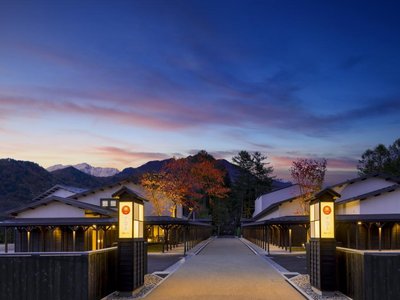
Hoshino Resorts KAI Alps
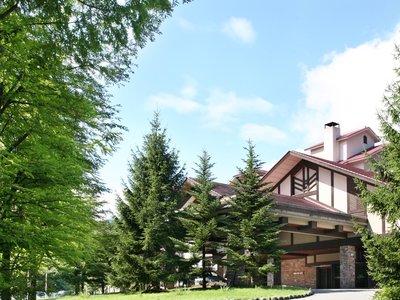
Hakuba Tokyu Hotel
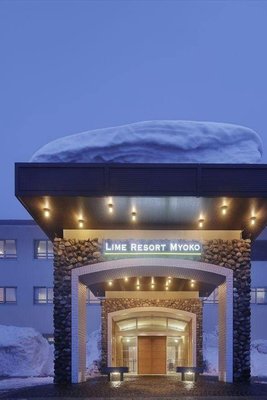
Lime Resort Myoko
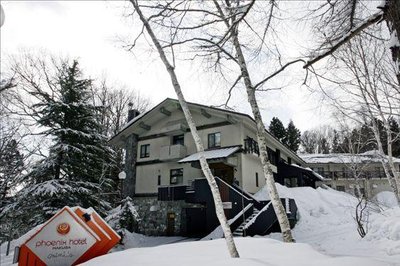
Phoenix Hotel by Hhg
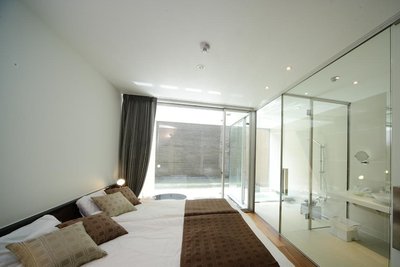
Four Seasons Yuzawa Quattro
Courtyard by Marriott Hakuba
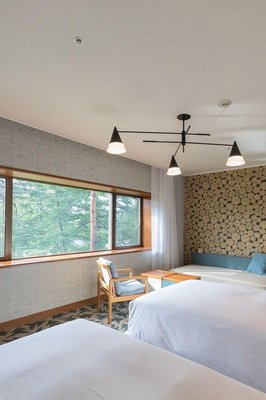
Karuizawa Prince Hotel East
Zao Onsen Omiya Ryokan
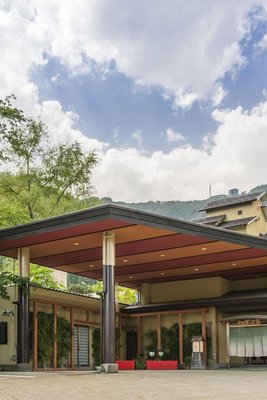
Shosenkaku Kagetsu
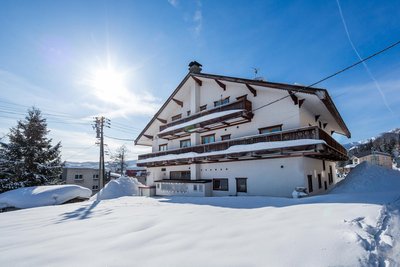
Marillen Hotel by Hhg
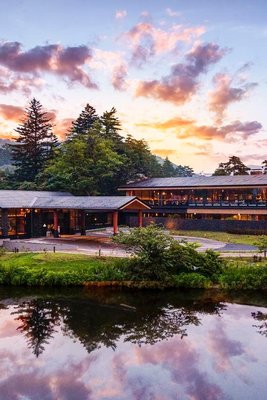
Karuizawa Prince Hotel West
Zao Kokusai Hotel
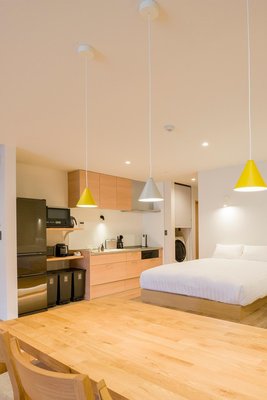
Rakuten STAY VILLA Nasu
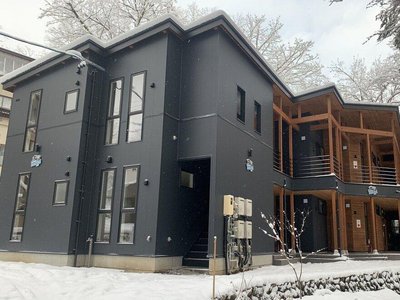
Hakuba Gondola Apartments
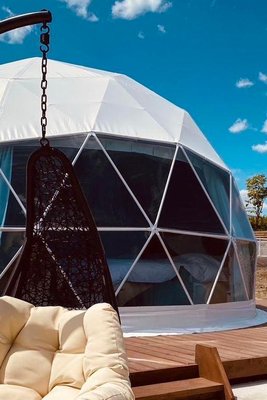
chillout glamping zao
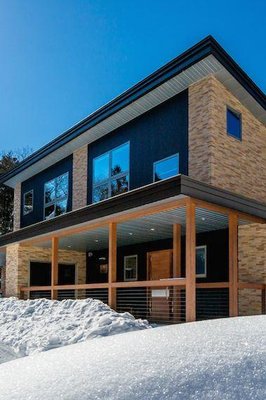
Phoenix Chalets by Hhg
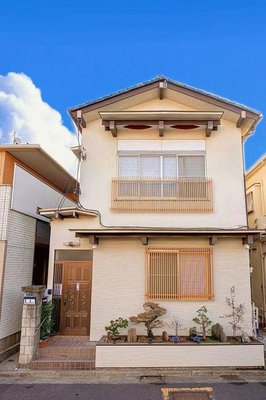
Tokyo Star House-Shinkoiwa
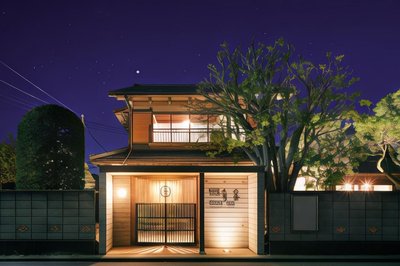
Machi-Jyu
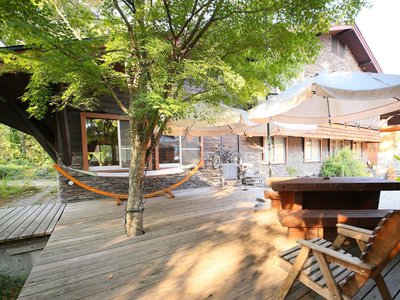
Kunugi Relaxation with 4 Modern Rooms
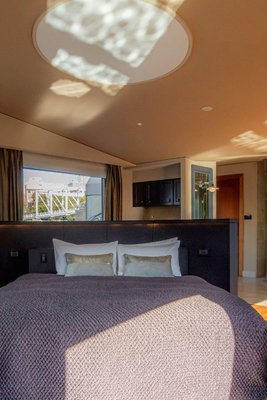
Petals Tokyo - Floating Hotel
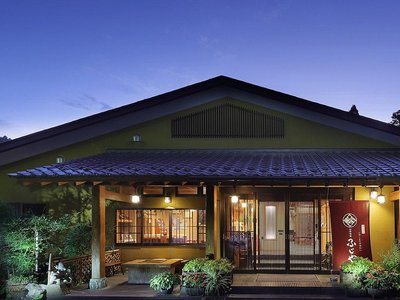
Shikimitei Fujiya
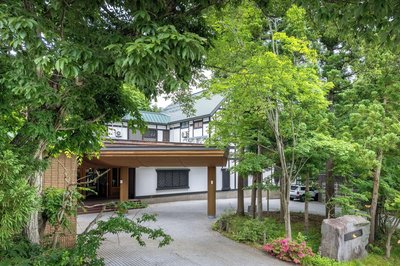
Forest Resort Yamanote Hotel
Frequently Asked Questions about Traveling to Murakami
Questions You Might Need to Know About Traveling to Murakami
In Muranouchi City, must-try cultural experiences include the Snow Country Lantern Festival (held in January), where handcrafted paper lanterns illuminate the Shinano River banks and old town streets, creating a magical winter atmosphere. You can also join a local sake brewing workshop at Muranouchi Kojiya, learning traditional methods from rice steaming to fermentation. For crafts enthusiasts, visit the Muranouchi Bamboo Weaving Studio, where master artisans teach you to craft baskets and decorative pieces using natural bamboo. These immersive activities offer deep insight into the region’s agricultural heritage and craftsmanship, reflecting the unique identity of the Hokuriku snow country.
The best area for accommodation is central Muranouchi, near Muranouchi Station and the Niigata Prefectural Muranouchi Museum. This district offers easy access to public transport, local dining, and cultural sites like the Muranouchi Public Library and Rice Culture Exhibition Hall. It's also close to the Muranouchi Festival Grounds, hosting major events such as the summer fireworks festival. Staying here allows convenient exploration of the historic Shinano River promenade, with evening views of lantern-lit stone bridges and fishing lights. The area blends modern comfort with authentic local charm.
For luxury stays with onsen, Shiratori no Yado stands out as a premier choice. Located in the foothills of Akakura Mountain, this ryokan features mineral-rich hot springs drawn from 800 meters below ground, known for their skin-soothing properties. Each room boasts private outdoor baths with panoramic views of the Shinano River and seasonal landscapes. The hotel’s signature Starry Night Soak experience lets guests relax under a clear night sky, free from light pollution. Dinner includes exquisite Hokuriku regional cuisine, featuring fresh Japanese Sea sea urchin and wild mountain vegetables, served in elegant tatami rooms.
Top spots for autumn leaves in Muranouchi City include Muranouchi Castle Ruins Park, home to over 300 maple trees. By early November, the entire hillside turns crimson and gold, reflected beautifully in the moat. Visit early morning to avoid crowds and enjoy misty mornings that enhance the scenic beauty. Another hidden gem is the Shinano River Upper Gorge Trail, where maple-lined paths lead to secluded viewing platforms. For a bird’s-eye view, ride the Muranouchi Cable Car to Akakura Mountain Observatory, offering sweeping vistas of the village and endless red-orange forests—ideal for photography lovers.
Unique winter experiences in Muranouchi City include the Snow Country Light Festival (December to February), featuring thousands of handmade lanterns along the Shinano River and historic streets. Visitors can participate in snow sculpture workshops, create ice art, or enjoy nighttime onsen baths surrounded by snowflakes. The Muranouchi Ski Resort offers beginner-friendly slopes and illuminated night skiing. At Muranouchi Art Museum, don’t miss the Ice & Snow Art Exhibition, showcasing contemporary installations made from frost and crystalline structures—highlighting the region’s artistic interpretation of winter.
Yes, Muranouchi Forest Wellness House is a top-tier retreat nestled in the Akakura Mountains. Built with natural wood and bamboo, the cabins feature negative ion air purifiers and nightly guided meditation audio. Daily programs include forest bathing walks, herbal baths using locally sourced Hokuriku perilla and bupleurum root, and mindful yoga sessions. The restaurant serves organic, low-processed meals grown on-site—such as wild fern tempura and mountain vegetable stew. Guests also enjoy sound healing workshops using nature-inspired instruments, making it an ideal destination for mental clarity and physical rejuvenation.
Must-try food experiences in Muranouchi City include savoring Hokuriku Miso Ramen at a family-run shop in the old town—rich broth, thick noodles, and house-made chili oil. For a deeper culinary immersion, book a farm-to-table dinner at a local farmhouse, featuring seasonal dishes like spring wild garlic tempura, summer steamed sea urchin, autumn chestnut stewed chicken, and winter salt-cured salmon hot pot. Don’t leave without purchasing limited-edition Muranouchi sake—handcrafted by local brewers with nutty, sweet notes and a smooth finish.
Muranouchi City is well-connected via the JR Shin'etsu Main Line, with direct trains from Tokyo (~3 hours) and Osaka (~5 hours). Muranouchi Station has a tourist information center offering multilingual maps and free shuttle bus schedules. Major attractions like Muranouchi Castle Ruins, Shinano River Promenade, and onsen areas are covered by the Muranouchi City Tourist Bus with frequent departures. For exploring remote areas, rent a car from the Muranouchi Rental Center, which offers both electric and gasoline vehicles. Bicyclists can use city bike stations to ride the Shinano River Greenway Trail, a 12-km scenic route perfect for leisurely cycling.
Recommended family-friendly accommodations include Muranouchi Shiki Resort, a full-service resort with kids’ play areas, family suites, and a children’s onsen. Nestled at the foot of Akakura Mountain, it offers forest trails and stargazing platforms. The on-site mini farm lets kids feed lambs and rabbits while planting seasonal crops. The restaurant provides healthy kid meals and local dishes like Hokuriku rice balls and fresh river fish soup. Free shuttle buses connect to nearby attractions like Muranouchi City Zoo and Children’s Science Museum, ensuring hassle-free family fun.
Muranouchi City stands out for its authentic Hokuriku snow country culture, preserved through traditions like winter lantern festivals, handmade craft workshops, and seasonal farm dining. Unlike crowded tourist hubs, it offers intimate, community-led experiences—such as staying in a family-owned ryokan where hosts share stories of the Shinano River and local folklore. Its blend of natural beauty—mountains, rivers, and snowy plains—with deeply rooted customs creates a rare sense of place. Travelers seeking quiet reflection, genuine connection, and unspoiled landscapes will find Muranouchi a truly authentic Japanese journey.
Murakami Overview
City Summary
Murakami City in Niigata Prefecture is renowned for its salmon culture and well-preserved samurai districts. The autumn "Murakami Salmon Festival" highlights its heritage, while Edo-period streets and castles showcase historical charm against the Sea of Japan coastline.
Must-See Attractions
Top sights include Murakami Castle Ruins with panoramic views, the samurai residences in Shiomachi District, and the Salmon Culture Museum. Join a salmon-curing workshop or stroll along the Miomote River to blend nature with history.
Food Guide
As Japan's salmon capital, try shiozake (salted salmon) and ikura donburi. Local specialties also feature sushi with Koshihikari rice, winter kanburi yellowtail, and traditional wagashi sweets at Higashidori's teahouses.
Transportation Guide
Take the Joetsu Shinkansen from Tokyo to Niigata Station (2hrs), then transfer to JR Uetsu Line (90min). The compact city center is walkable; rent bicycles or use infrequent buses for outskirts. Taxis cost ~¥2000/hour.
Best Time to Visit
September-November offers mild weather and salmon events. Winter (Dec-Feb) has scenic snowscapes but requires snow gear.
Travel Tips
- Remove shoes at temples
- Salmon products cannot be exported
- Use ice grips in winter
- Carry cash for small shops
- Tattoos may ban onsen entry
- Strict trash sorting required
Useful Information
Japanese is primary; basic English at train stations. Free Wi-Fi (registration needed). Cash dominates, credit cards limited. Emergency: Murakami City Hospital (+81-254-53-3111). Pharmacies marked "医荘店". Voltage: 100V, Type A plugs.