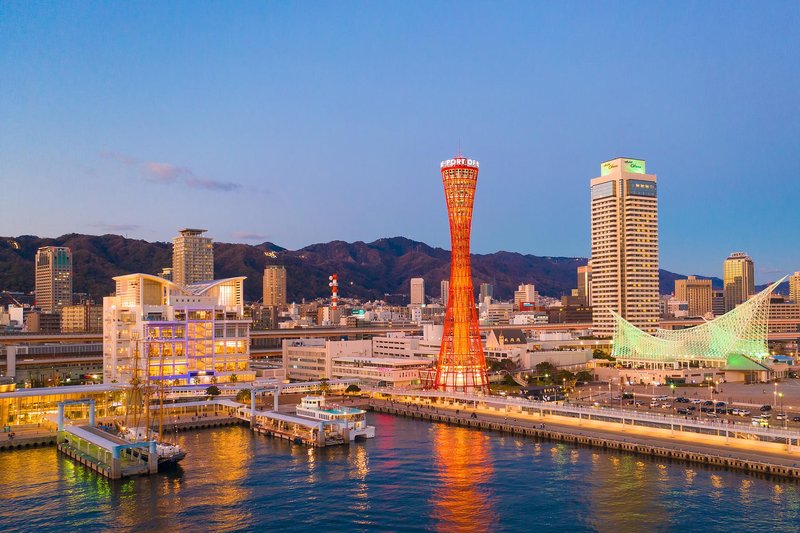
Hotels in Myoko
Discover your perfect stay in Myoko.
Myoko(Japan) Travel 2026: Cheap Flights, Hotels & Top Attractions
Popular Landmarks in Myoko
Discover the most iconic attractions in Myoko
Recommended Hotels in Myoko
Find the perfect place to stay in Myoko
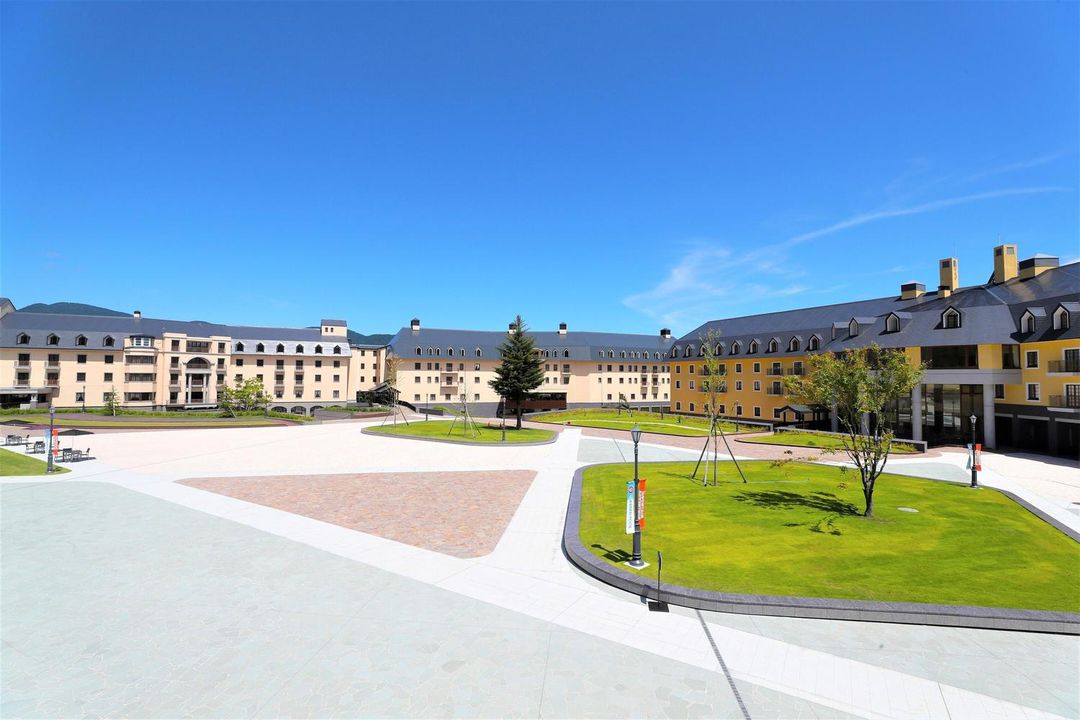
Lotte Arai Resort
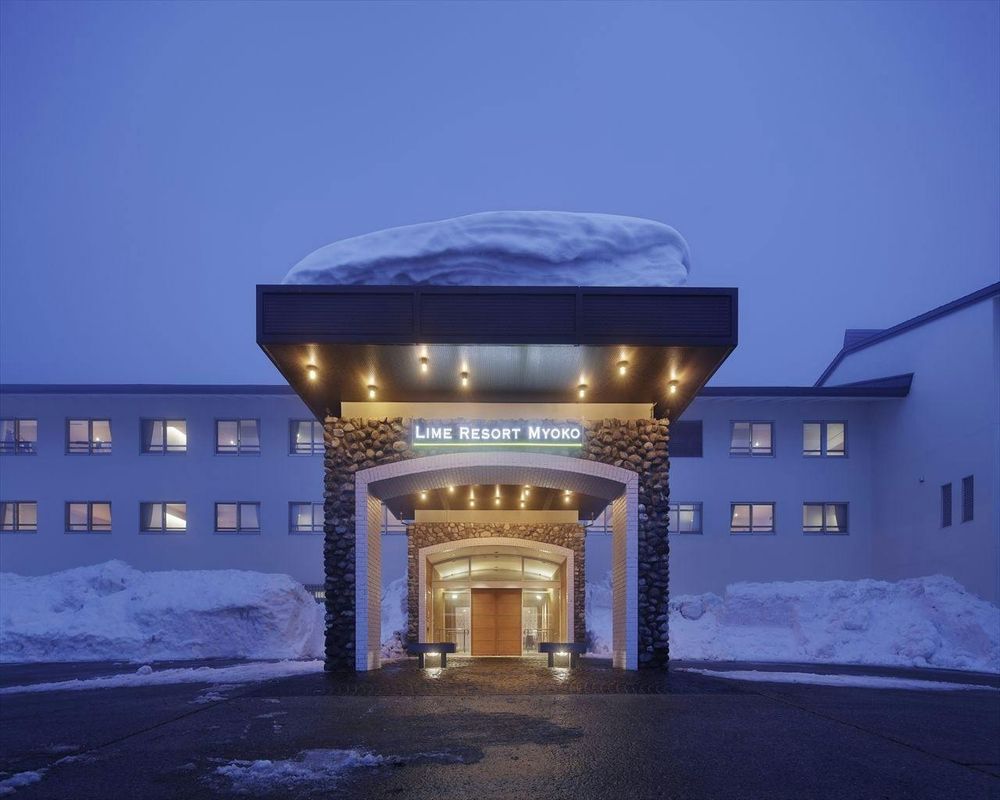
Lime Resort Myoko
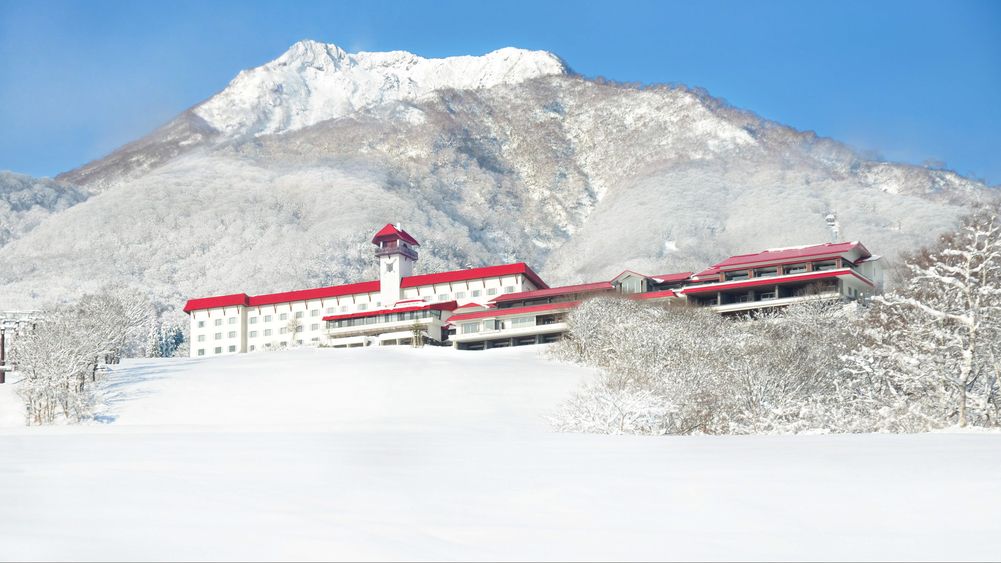
Akakura Kanko Hotel
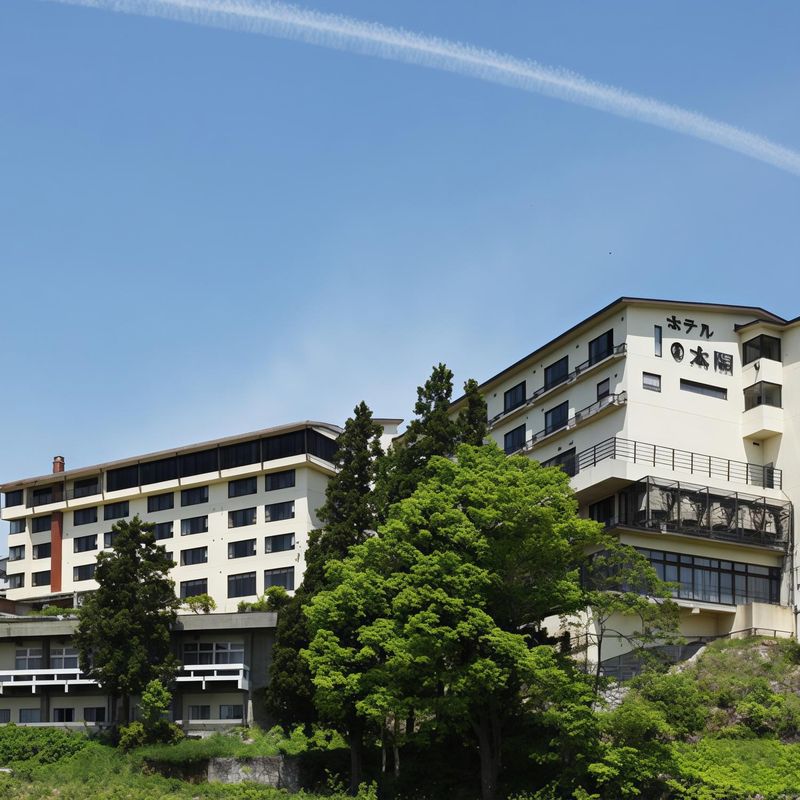
Hotel Taiko, Akakura Onsen
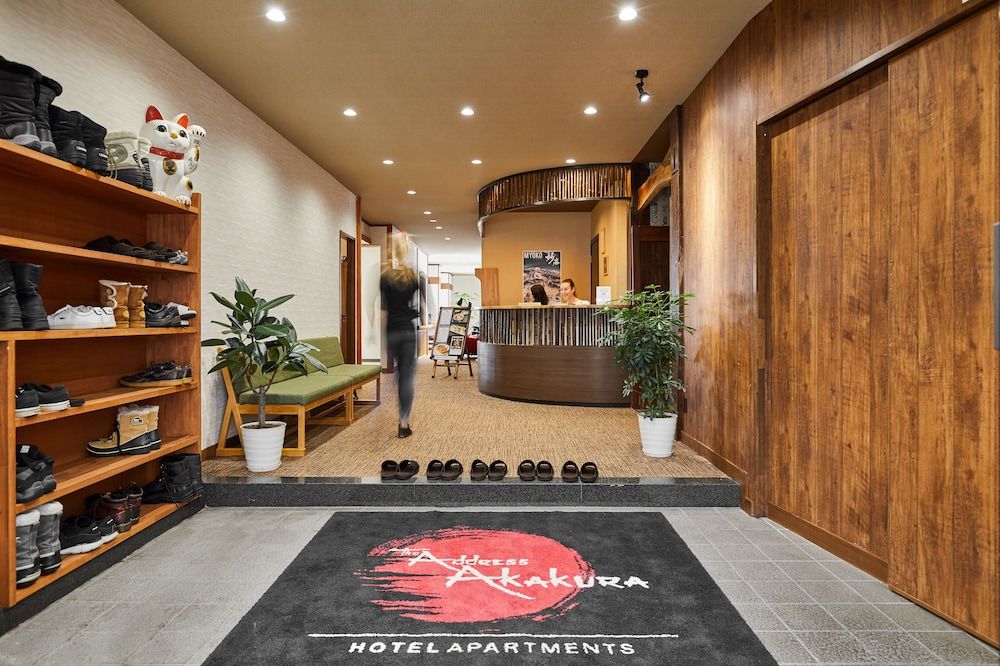
The Address Akakura
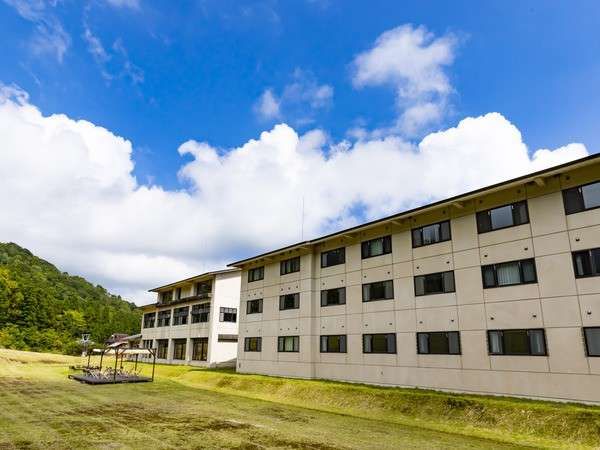
Kyukamura Myoko
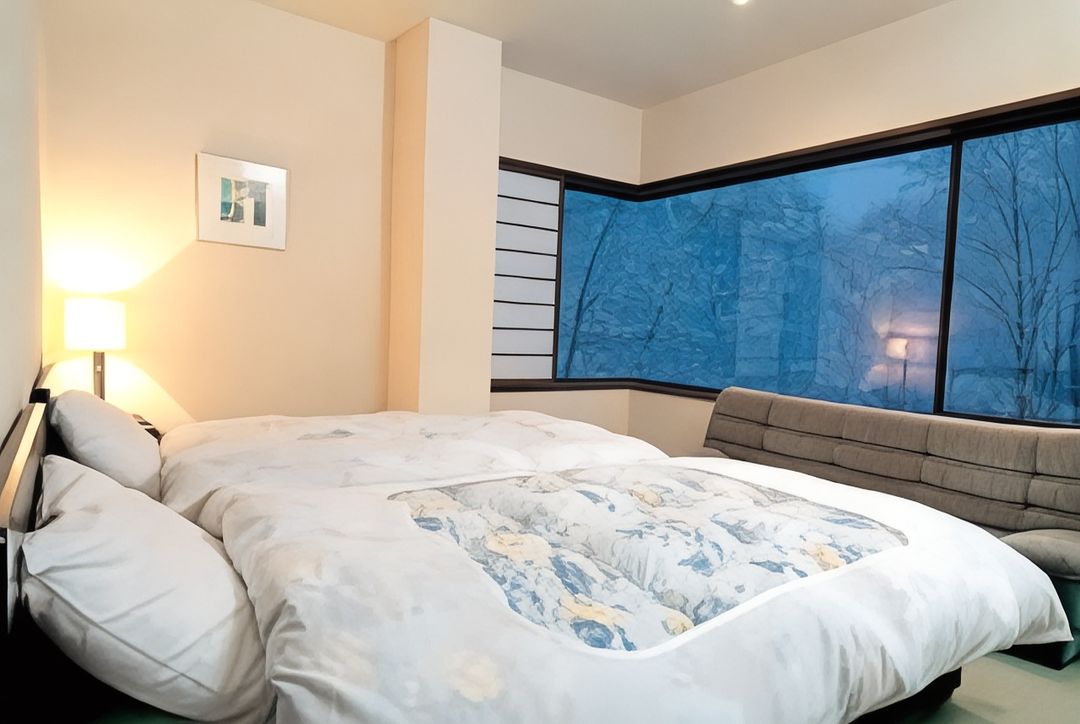
Tsubame Highland Lodge
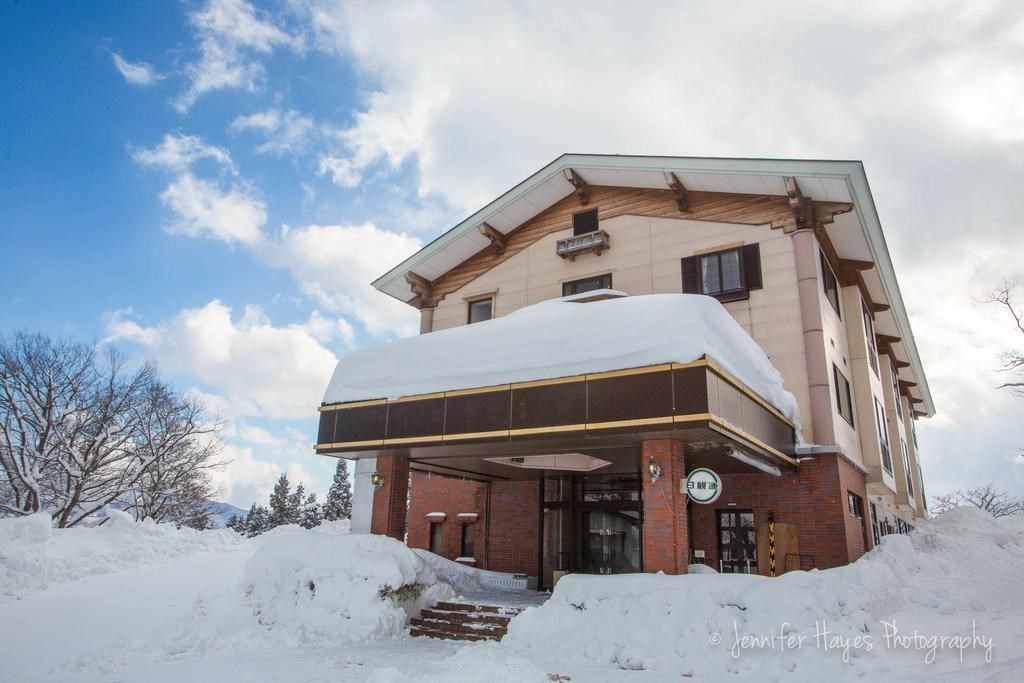
Morino Lodge - Myoko
Japan Snowsports
Best Hotels in Myoko
Discover curated hotel collections in Myoko
Rakuten STAY VILLA Kamogawa
Awaumi Fujikawaguchiko Resort
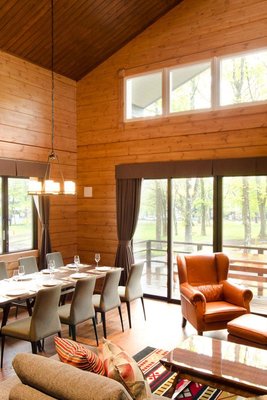
The Prince Villa Karuizawa
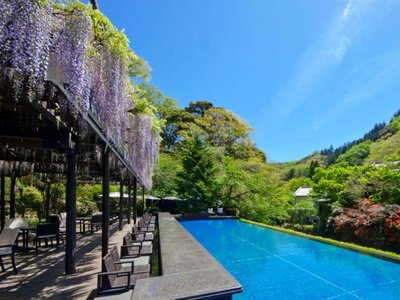
Tofuya Resort & Spa Izu
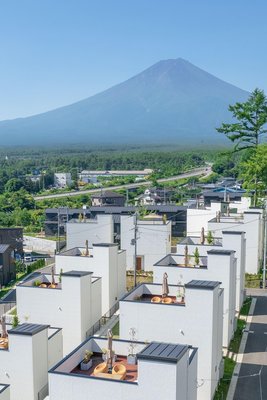
Fuji Granvilla -TOKI-
Frequently Asked Questions about Traveling to Myoko
Questions You Might Need to Know About Traveling to Myoko
For true ski-in/ski-out convenience, Myoko Highland Onsen Hotel stands out as a top choice. Located directly at the base of Myoko Highland Ski Resort, guests can step straight from their rooms onto the slopes via private access trails. The hotel features heated outdoor pools, private onsen baths, and an in-house ski rental service with professional staff. Its traditional Japanese architecture blends seamlessly with modern amenities, offering panoramic views of the Japanese Alps. Nearby, Myoko Oyama Resort provides similar access with dedicated shuttle buses to major lifts and family-friendly ski schools. Both properties ensure minimal travel time between accommodation and skiing, ideal for powder enthusiasts seeking seamless winter adventures in Niigata Prefecture.
The Myoko Onsen District is the premier destination for hot spring stays in Myoko City. Nestled in the heart of the Japanese Alps, this historic district boasts over 20 ryokan (traditional inns) that draw water from deep underground thermal sources rich in sulfur and minerals. Stay at Miyako Ryokan or Song of the Mountain Inn, both offering private open-air baths overlooking pine forests and snow-capped peaks. Many inns provide complimentary yukata robes, kaiseki meals using local ingredients like Myoko beef and wild mountain vegetables, and early-morning forest walks. The area’s tranquil ambiance, combined with therapeutic waters believed to relieve joint pain and stress, makes it perfect for travelers seeking authentic onsen culture and serene mountain retreats.
Visitors to Myoko City can immerse themselves in the Okami Fire Festival, held annually at Myoko Shrine in summer, where massive torches are lit to honor deities and ward off evil spirits. The ritual dance, performed by costumed participants under flickering flames, creates a mesmerizing atmosphere. Another highlight is the Myoko Folk Museum, which showcases the region’s Ainu heritage, traditional Echigo folk songs, and hands-on workshops in bamboo lantern making and Echigo washi paper crafting. Guests may also participate in a tea ceremony using locally sourced Yukimizu tea, brewed with glacial meltwater. These experiences reflect the deep-rooted connection between nature, spirituality, and community life in Niigata Prefecture, offering a rare glimpse into Japan’s northern cultural identity.
For families visiting Myoko City, Myoko Kids Paradise Resort is a standout option. Designed specifically for children, it features an indoor play zone, family-sized onsen pools, and daily activities such as snowman-building workshops and nature scavenger hunts. The resort partners with local ski schools to offer supervised lessons for kids aged 4 and up. Another excellent choice is Myoko Kijiko Lodge, a cozy wooden cabin complex with spacious family suites, pet-friendly policies, and a mini-zoo featuring Japanese macaques and goats. Families can enjoy evening stargazing sessions and hands-on pottery classes. With proximity to Myoko Ski Park and curated programs emphasizing safety and fun, these hotels deliver unforgettable bonding experiences in a peaceful alpine setting.
Myoko City’s hot spring resorts are renowned for their natural sulfur-rich waters and integration with forest wellness. The mineral-laden springs, drawn from depths exceeding 1,000 meters, boast temperatures up to 50°C and are known to soothe arthritis and skin conditions. Resorts like Matsukaze Inn and Yamahana Ryokan feature private outdoor onsen with views of snow-covered mountains or autumn foliage. Many properties combine traditional bathing with forest bathing (Shinrin-yoku) and aromatherapy treatments, creating holistic healing experiences. Construction materials—such as native wood and stone—reflect a philosophy of harmony with nature. Staying here isn’t just about relaxation; it’s about reconnecting with the land through centuries-old practices deeply rooted in Niigata’s mountain culture.
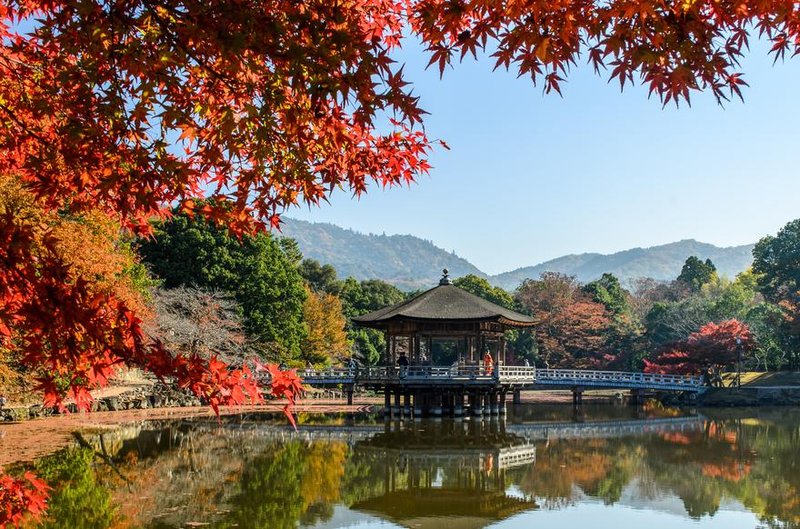
The best places to view fall colors in Myoko City include the Myoko-san Trail System, where maple trees turn fiery red and orange from late October to mid-November, creating stunning contrasts against snow-capped peaks. Start at the Myoko-san Cable Car Station and hike along the Birch Forest Path to the Tengu Rock Vista, offering sweeping views of crimson valleys. Another must-visit is Myoko Highland Forest Park, featuring elevated wooden walkways and viewing platforms perfect for capturing golden light through layered leaves. For a more secluded experience, visit Kiyotaki Ravine, where frozen streams mirror vibrant foliage. Evening visits to Myoko Onsen District allow guests to enjoy the scenery from warm onsen baths. These locations, combined with crisp air and mountain serenity, make Myoko a prime destination for autumn photography and contemplative travel.
Must-try winter activities in Myoko City include ski jumping competitions at the Myoko Ski Jumping Stadium, hosting international events each January; snow horseback riding across the pristine Myoko Highland Snowfields; and exploring the Snow Sculpture Festival at Myoko Yuki no Mori Park, where giant ice sculptures come to life under spotlights. Adventure seekers can try nighttime snow hiking with headlamps, navigating silent forests blanketed in snow. For a unique experience, join a snow cave building workshop or take a high-altitude paragliding session (with certified instructors) from Myoko-san’s summit. Hotels like Myoko Oyama Resort even offer guided glacier trekking and winter survival training. These activities highlight the city’s dynamic winter landscape and its role as a hub for extreme alpine adventure.
Must-try dishes in Myoko City include Myoko Beef, prized for its marbled texture and rich flavor, often served as grilled steak or in beef hotpot with local mushrooms. Another regional specialty is Sake Fish Hot Pot (Sakana Jiru), a clear broth made from fresh mountain stream fish, enhanced with wild herbs. Don’t miss Echigo Buckwheat Noodles, crafted with glacier-fed water and served with seven-spice seasoning and wasabi. In the Myoko Onsen District, sample salted salmon rice balls and roasted chestnuts at local food stalls. Many ryokans also serve black bean stew with beef and wild fern tempura, showcasing the region’s reliance on mountain-grown ingredients. Pair these hearty flavors with Yukimizu sake, a local brew distilled from snowmelt water, for a full sensory journey into Niigata’s culinary soul.
Photography enthusiasts should visit Myoko-san’s Sunrise Cloud Sea Viewpoint, where morning mist swirls around snow-dusted peaks, creating ethereal landscapes. The Pine Forest Pathway in Myoko Highland Forest Park offers dramatic light filtering through branches, ideal for long-exposure shots. Capture the frozen waterfalls at Kiyotaki Ravine during golden hour, when sunlight reflects off icy surfaces like glass. The Okami Fire Festival at night presents a striking contrast of flame against darkness—perfect for low-light photography with tripods. For urban scenes, the Myoko Onsen District at dusk reveals warm lights glowing through paper lanterns. Many hotels, including Matsukaze Inn, offer free photography tours with local guides who know hidden vantage points. Bring wide-angle lenses and polarizing filters to enhance depth and color in your alpine images.
Myoko City is highly accessible: JR East’s Shin’etsu Main Line connects Tokyo in about 3 hours, with direct trains stopping at Myoko-Kogen Station. Local sightseeing buses link key attractions like Myoko-san, Myoko Ski Jumping Stadium, and Onsen District, accepting Japan Rail Pass. For drivers, the Hokuriku Expressway provides scenic access, while Niigata Airport (60 km away) offers domestic flights and shuttle services. Most hotels—including Myoko Highland Onsen Hotel and Yamahana Ryokan—offer complimentary pickup/drop-off services. Despite its mountainous terrain, Myoko ensures smooth transit with well-maintained roads, multilingual signage, and tourist information centers. Whether arriving by train, car, or plane, visitors enjoy seamless entry into this alpine haven, blending remote charm with modern convenience.
Myoko Overview
City Summary
Myoko City, located in the southern part of Niigata Prefecture, Japan, is renowned for its natural beauty and hot spring resources. The city boasts the stunning Myoko Mountain Range, offering breathtaking scenery throughout the year, especially ski resorts in winter and autumn foliage. Myoko is also famous for its rich onsen culture, with spots like Akakura Onsen and Seki Onsen, perfect for relaxation.
Must-See Attractions
Key attractions in Myoko include Myoko Kogen, a popular destination for skiing and hiking, known for its world-class powder snow in winter. Akakura Onsen and Seki Onsen are famous hot spring resorts offering traditional Japanese bathing experiences. Additionally, Myoko-Togakushi Renzan National Park features diverse natural landscapes ideal for outdoor enthusiasts.
Food Guide
Myoko's culinary scene is influenced by local farm produce and mountain delicacies. Don't miss sushi and rice balls made with Niigata rice, as well as local soba noodles. Winter specialties like nabe hot pot and grilled fish are must-tries. Street snacks such as soy sauce dumplings and grilled mochi are also worth sampling.
Transportation Guide
Public transport in Myoko primarily relies on buses, connecting major attractions and hot spring areas. From Tokyo or Niigata City, take the Shinkansen to Nagano Station, then transfer to a bus to Myoko. Renting a car is convenient for accessing remote hot springs and natural sites. Check bus schedules in advance, especially in winter when services may be affected by weather.
Best Time to Visit
The best times to visit Myoko are winter (December to March) for skiing and hot springs, and autumn (September to November) for foliage. Summer (June to August) offers cool weather for hiking but attracts more tourists.
Travel Tips
- Onsen Etiquette: Shower before entering the bath, and no swimwear is allowed.
- Winter Gear: Prepare warm clothing and non-slip shoes for freezing temperatures.
- Cash Payments: Some rural areas may not accept credit cards, so carry cash.
- Language Barrier: English is not widely spoken; a translation app can help.
- Eco-Friendly: Strict waste separation rules; follow local guidelines.
- Transport Reservations: Winter bus services may be limited; book ahead.
Useful Information
Language: Japanese is primary; English is limited. Learn basic phrases or use a translation app. Internet: Free Wi-Fi in urban areas, but signal is weak in rural spots; consider renting a pocket Wi-Fi. Payments: Credit cards accepted at major hotels and restaurants, but small shops and ryokans prefer cash. Emergency: Hospitals and clinics are available; dial 119 for emergencies. Voltage: 100V, with two-flat-pin plugs; bring an adapter if needed.