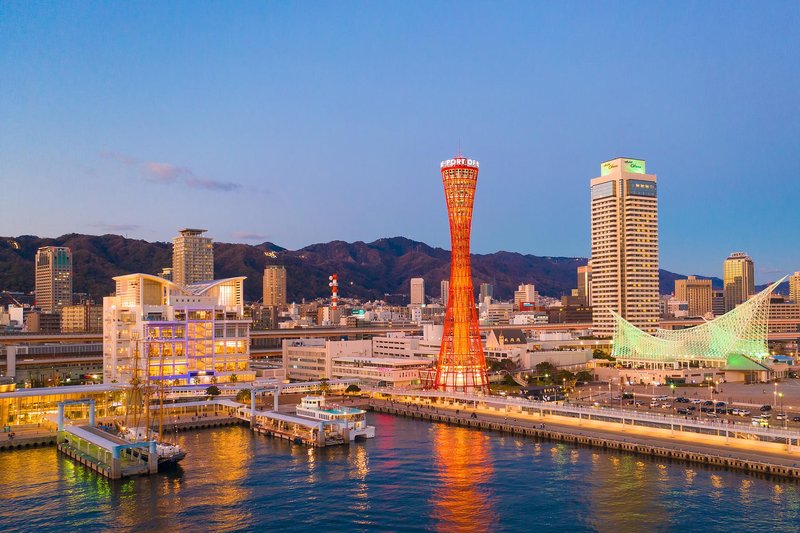
Hotels in Myoko
Discover your perfect stay in Myoko.
Myoko(Japan) Travel 2026: Cheap Flights, Hotels & Top Attractions
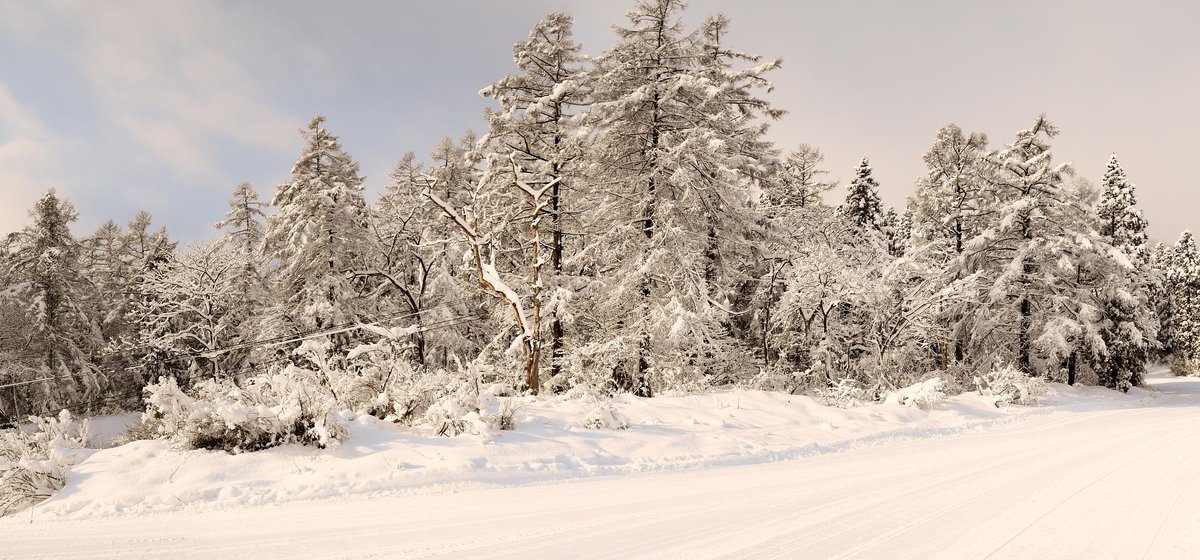
Popular Landmarks in Myoko
Discover the most iconic attractions in Myoko
Recommended Hotels in Myoko
Find the perfect place to stay in Myoko
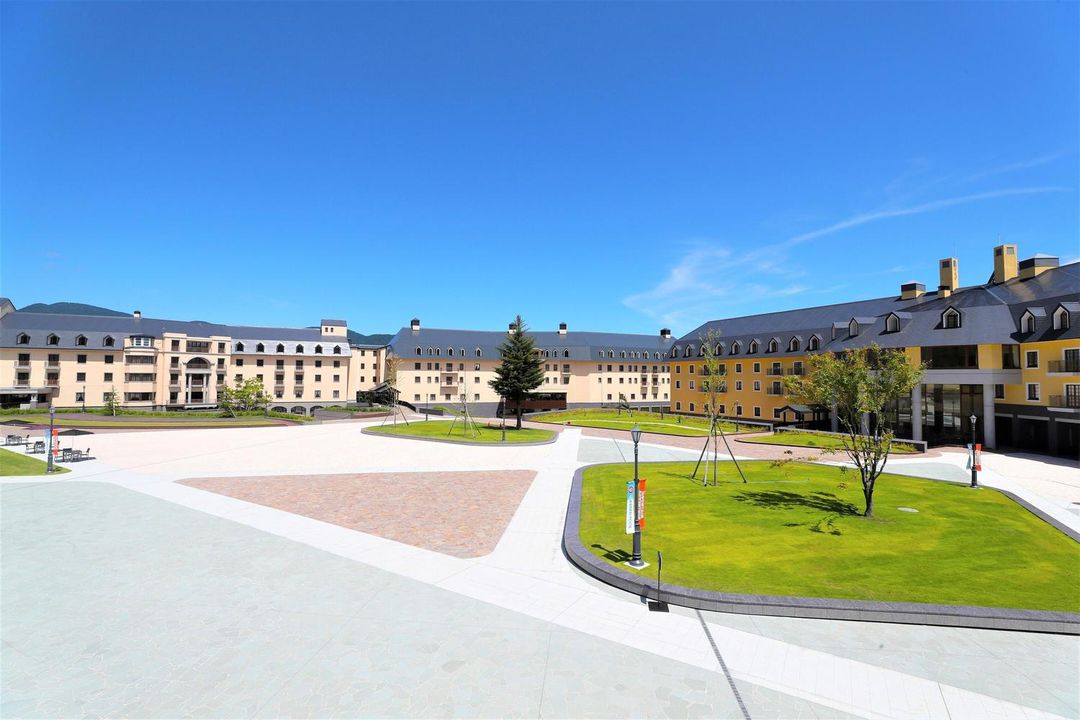
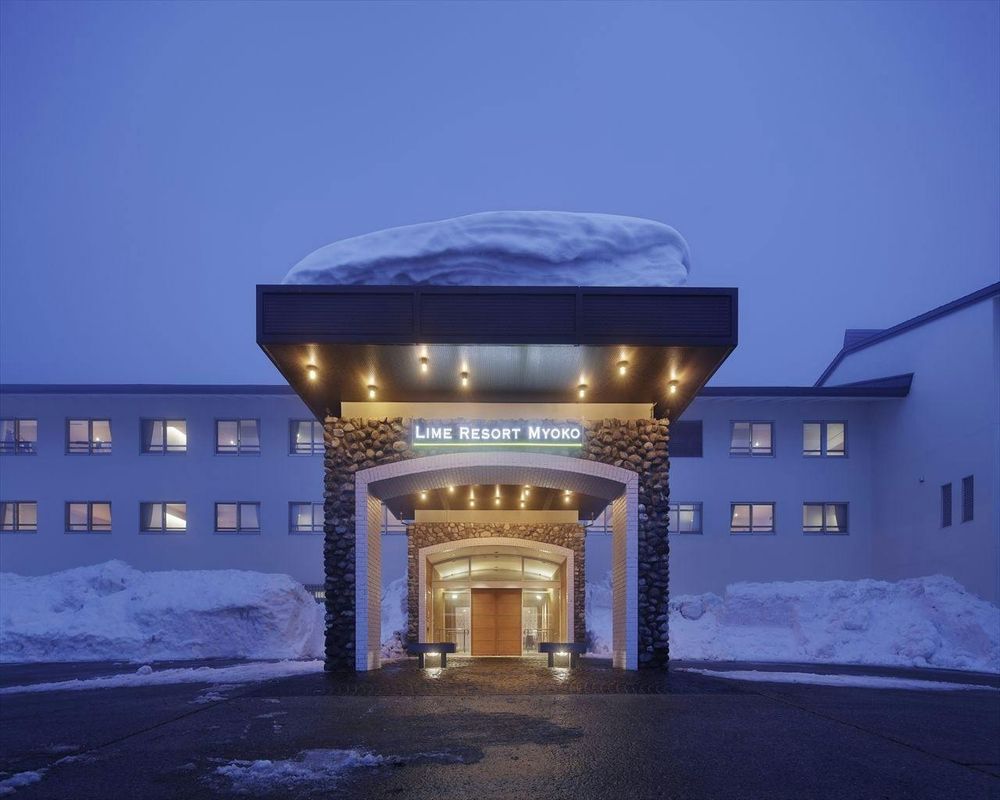
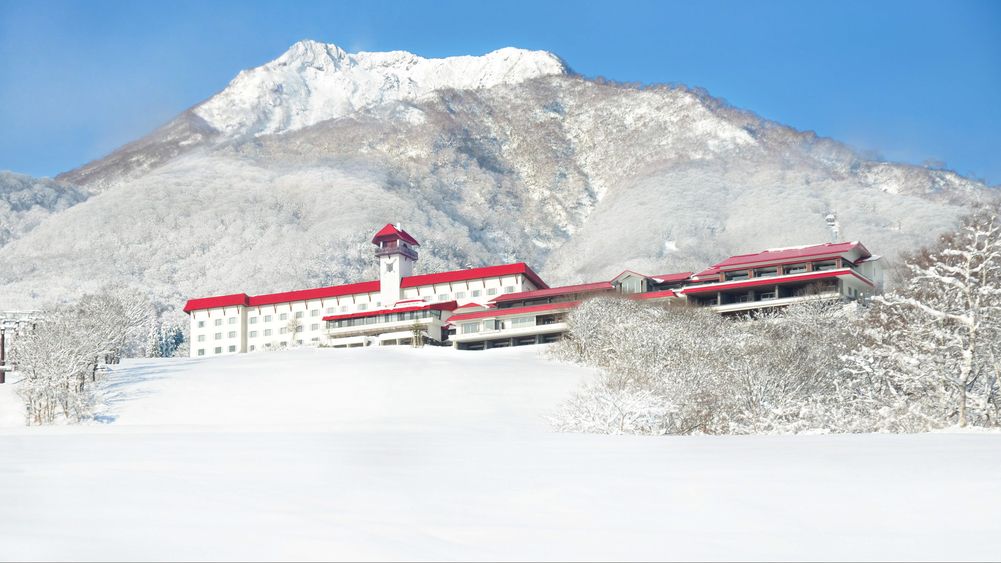
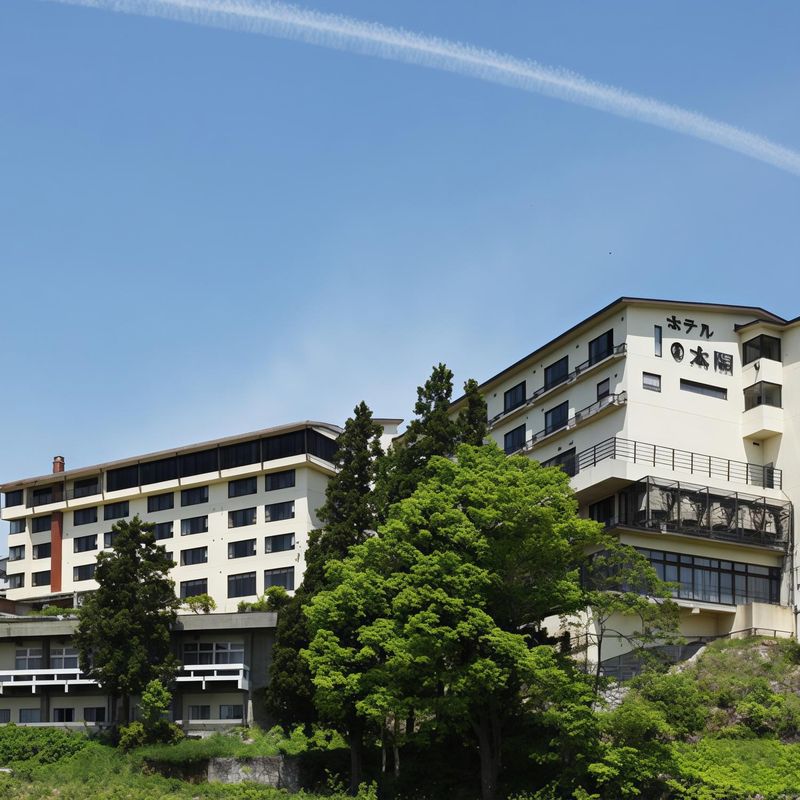
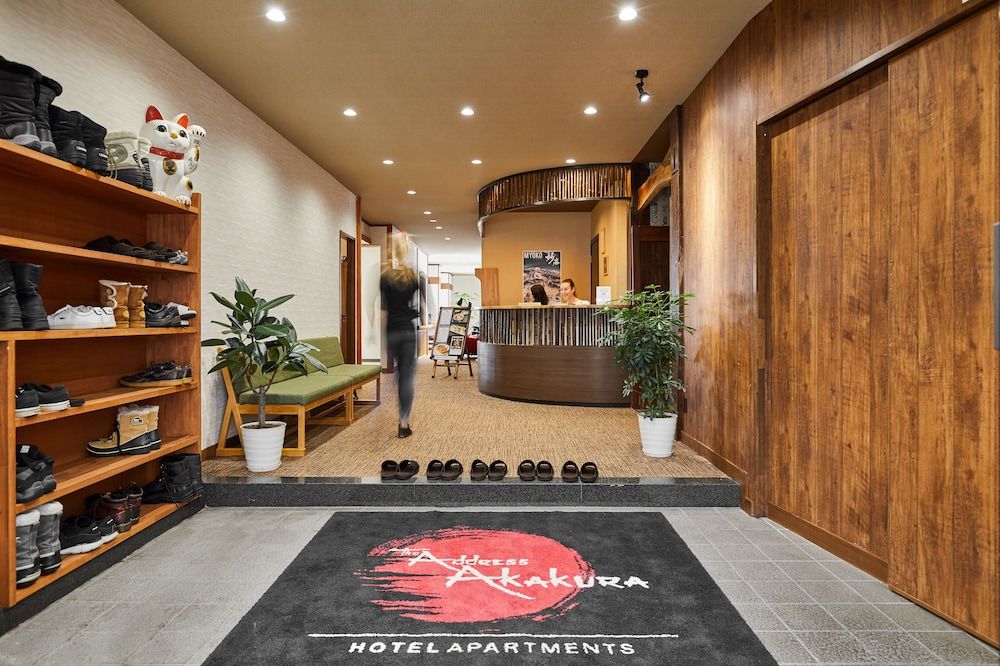
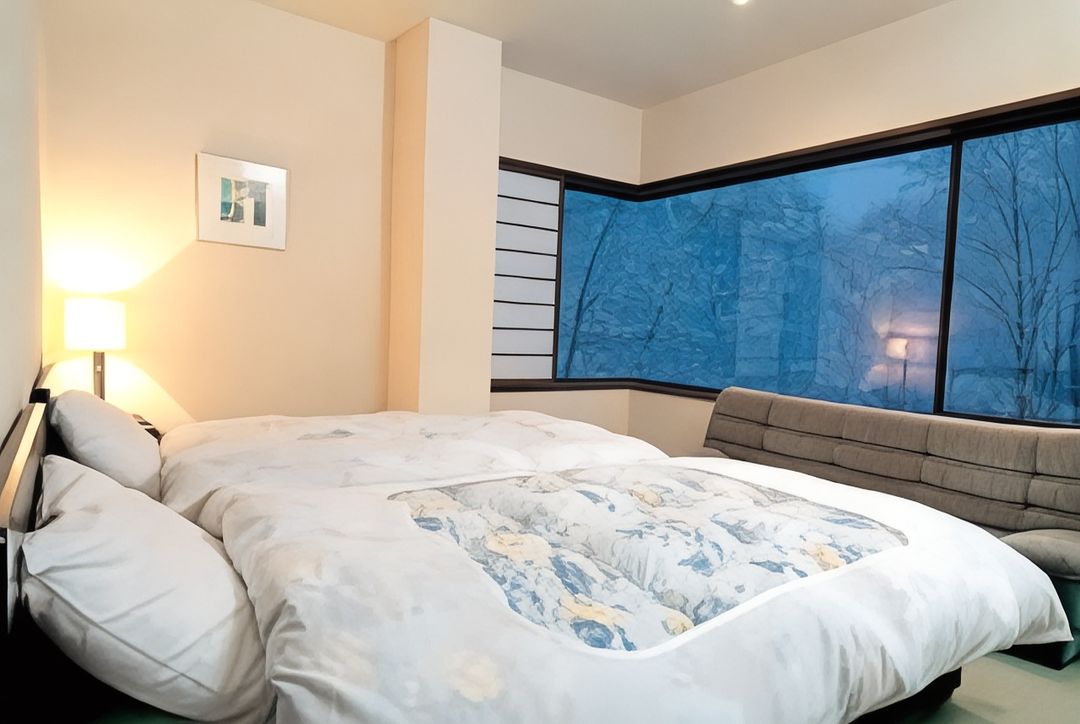
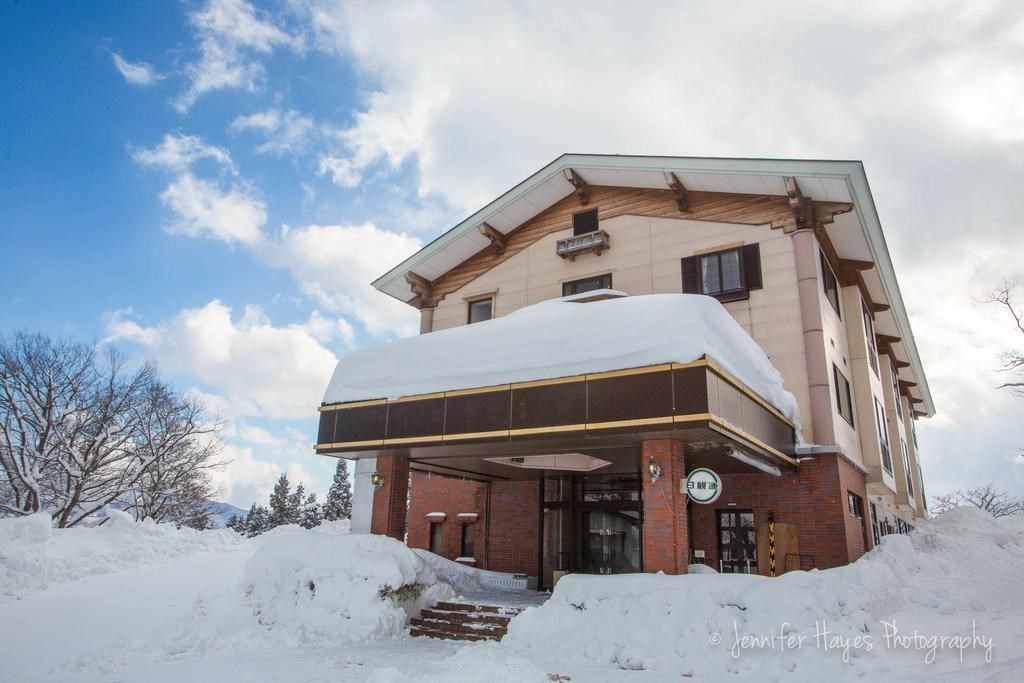
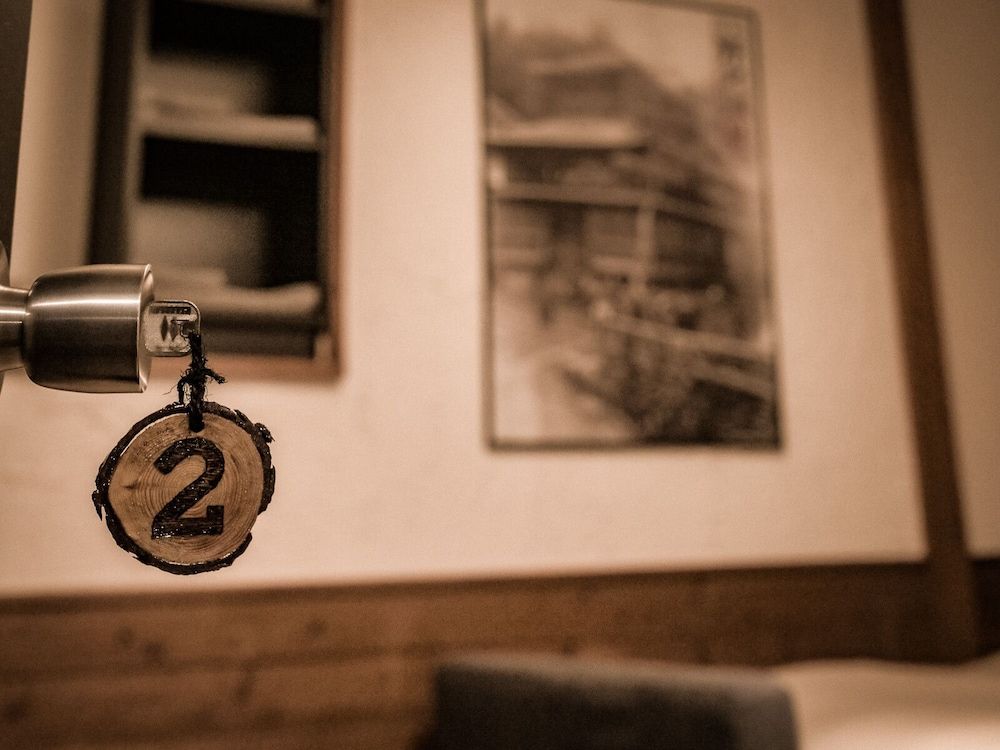
Best Hotels in Myoko
Discover curated hotel collections in Myoko
Frequently Asked Questions about Traveling to Myoko
Questions You Might Need to Know About Traveling to Myoko
Myoko Overview
City Summary
Myoko City, located in the southern part of Niigata Prefecture, Japan, is renowned for its natural beauty and hot spring resources. The city boasts the stunning Myoko Mountain Range, offering breathtaking scenery throughout the year, especially ski resorts in winter and autumn foliage. Myoko is also famous for its rich onsen culture, with spots like Akakura Onsen and Seki Onsen, perfect for relaxation.
Must-See Attractions
Key attractions in Myoko include Myoko Kogen, a popular destination for skiing and hiking, known for its world-class powder snow in winter. Akakura Onsen and Seki Onsen are famous hot spring resorts offering traditional Japanese bathing experiences. Additionally, Myoko-Togakushi Renzan National Park features diverse natural landscapes ideal for outdoor enthusiasts.
Food Guide
Myoko's culinary scene is influenced by local farm produce and mountain delicacies. Don't miss sushi and rice balls made with Niigata rice, as well as local soba noodles. Winter specialties like nabe hot pot and grilled fish are must-tries. Street snacks such as soy sauce dumplings and grilled mochi are also worth sampling.
Transportation Guide
Public transport in Myoko primarily relies on buses, connecting major attractions and hot spring areas. From Tokyo or Niigata City, take the Shinkansen to Nagano Station, then transfer to a bus to Myoko. Renting a car is convenient for accessing remote hot springs and natural sites. Check bus schedules in advance, especially in winter when services may be affected by weather.
Best Time to Visit
The best times to visit Myoko are winter (December to March) for skiing and hot springs, and autumn (September to November) for foliage. Summer (June to August) offers cool weather for hiking but attracts more tourists.
Travel Tips
- Onsen Etiquette: Shower before entering the bath, and no swimwear is allowed.
- Winter Gear: Prepare warm clothing and non-slip shoes for freezing temperatures.
- Cash Payments: Some rural areas may not accept credit cards, so carry cash.
- Language Barrier: English is not widely spoken; a translation app can help.
- Eco-Friendly: Strict waste separation rules; follow local guidelines.
- Transport Reservations: Winter bus services may be limited; book ahead.
Useful Information
Language: Japanese is primary; English is limited. Learn basic phrases or use a translation app. Internet: Free Wi-Fi in urban areas, but signal is weak in rural spots; consider renting a pocket Wi-Fi. Payments: Credit cards accepted at major hotels and restaurants, but small shops and ryokans prefer cash. Emergency: Hospitals and clinics are available; dial 119 for emergencies. Voltage: 100V, with two-flat-pin plugs; bring an adapter if needed.