Hotels in Nabari
Discover your perfect stay in Nabari.
Nabari(Japan) Travel 2026: Cheap Flights, Hotels & Top Attractions
Popular Landmarks in Nabari
Discover the most iconic attractions in Nabari
Recommended Hotels in Nabari
Find the perfect place to stay in Nabari
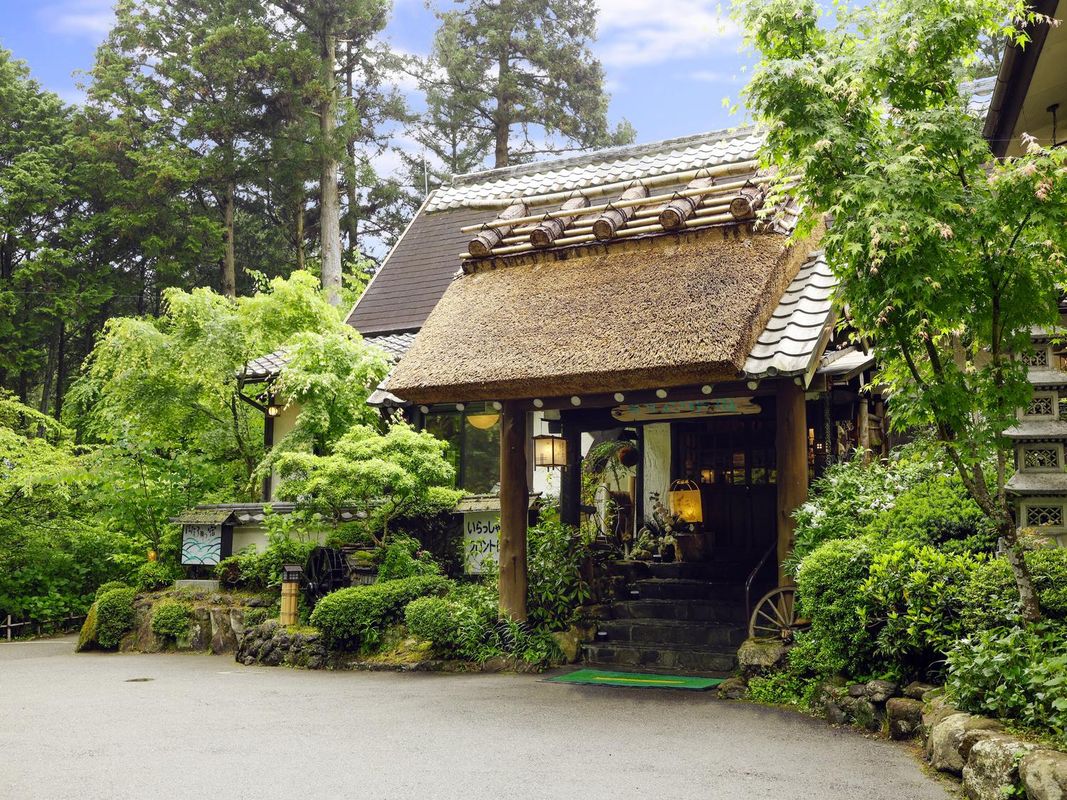
Akame Onsen Sansuien
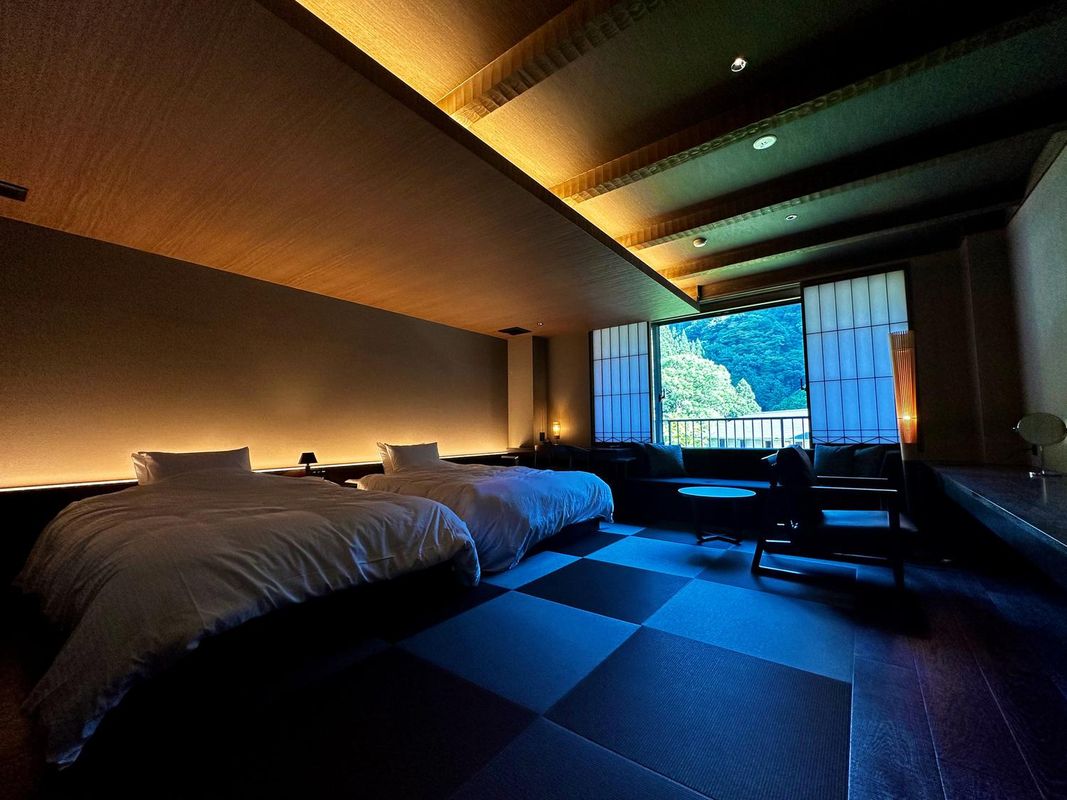
Akame Onsen Hidden Hot Spring Taisenkaku
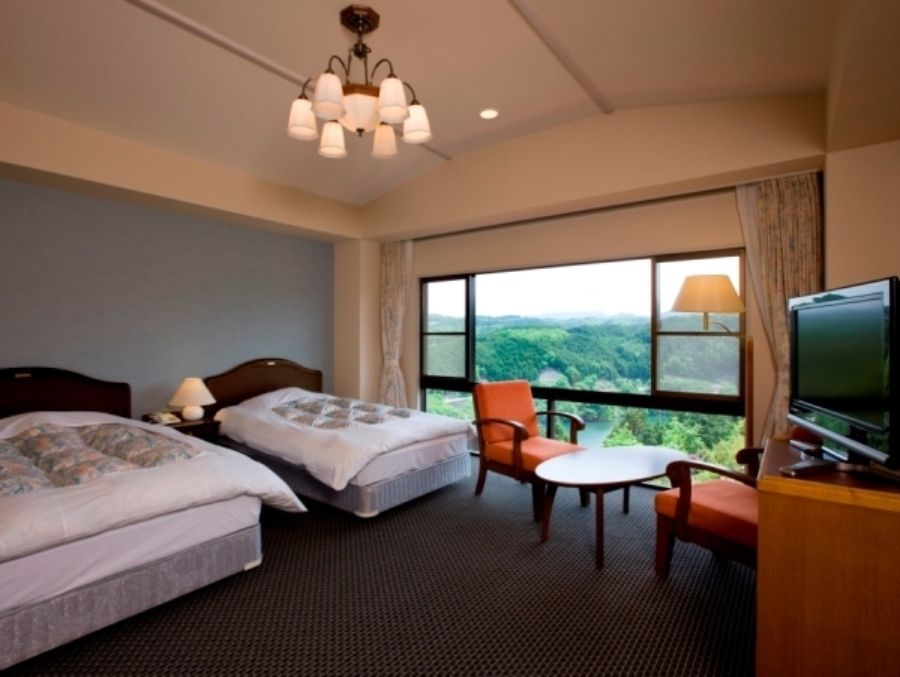
Shorenji Lake Hotel
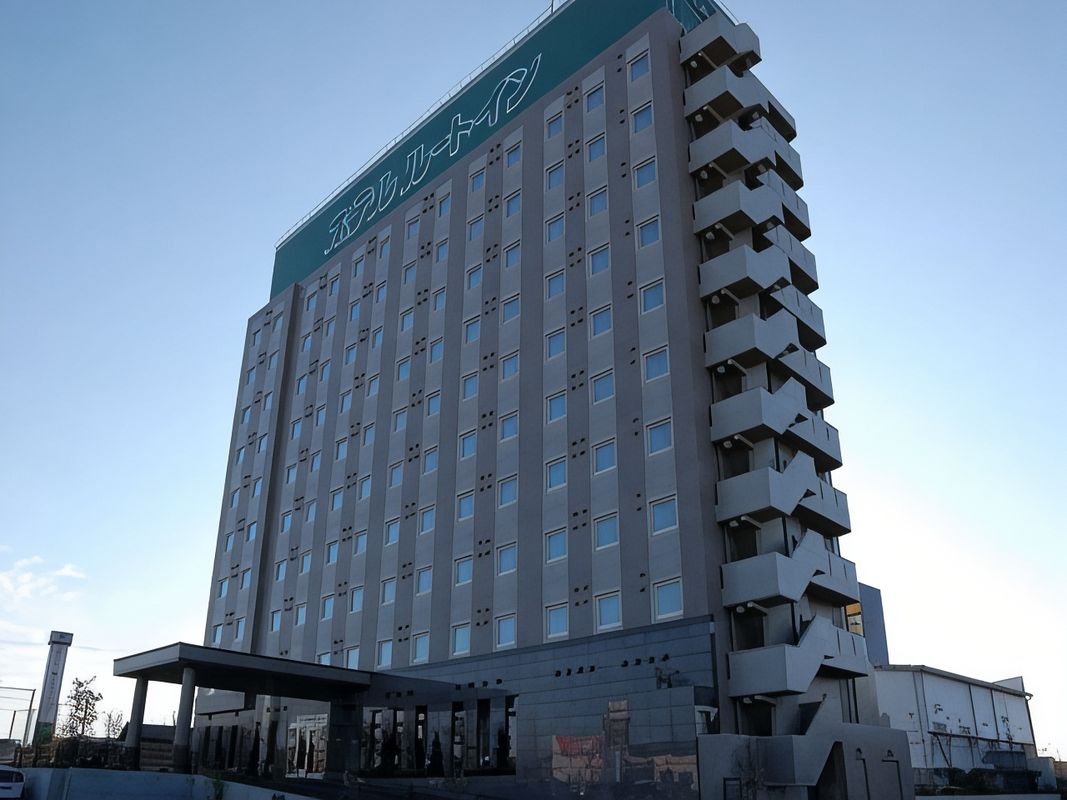
Hotel Route-Inn Nabari
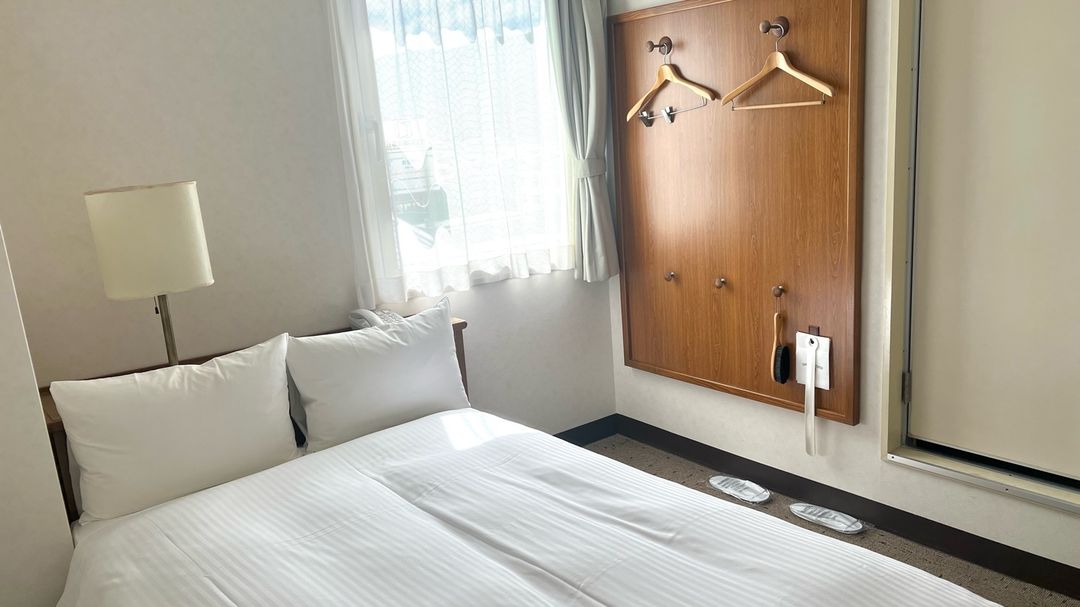
Smile Hotel Nabari
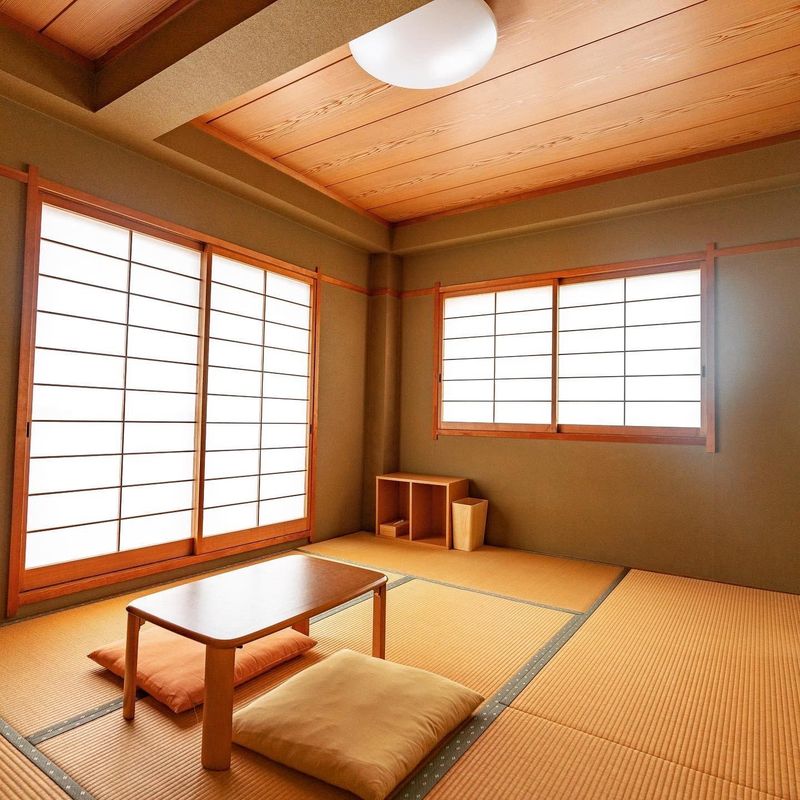
Ryokan Kasuga
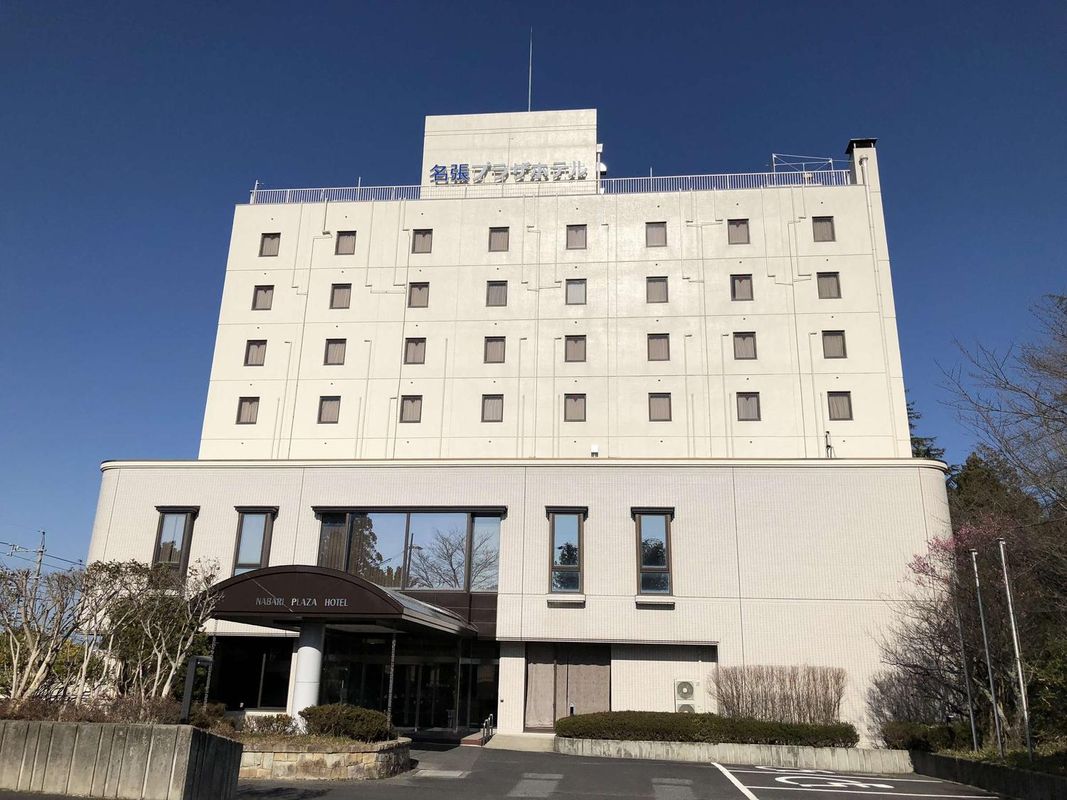
Nabari Plaza Hotel
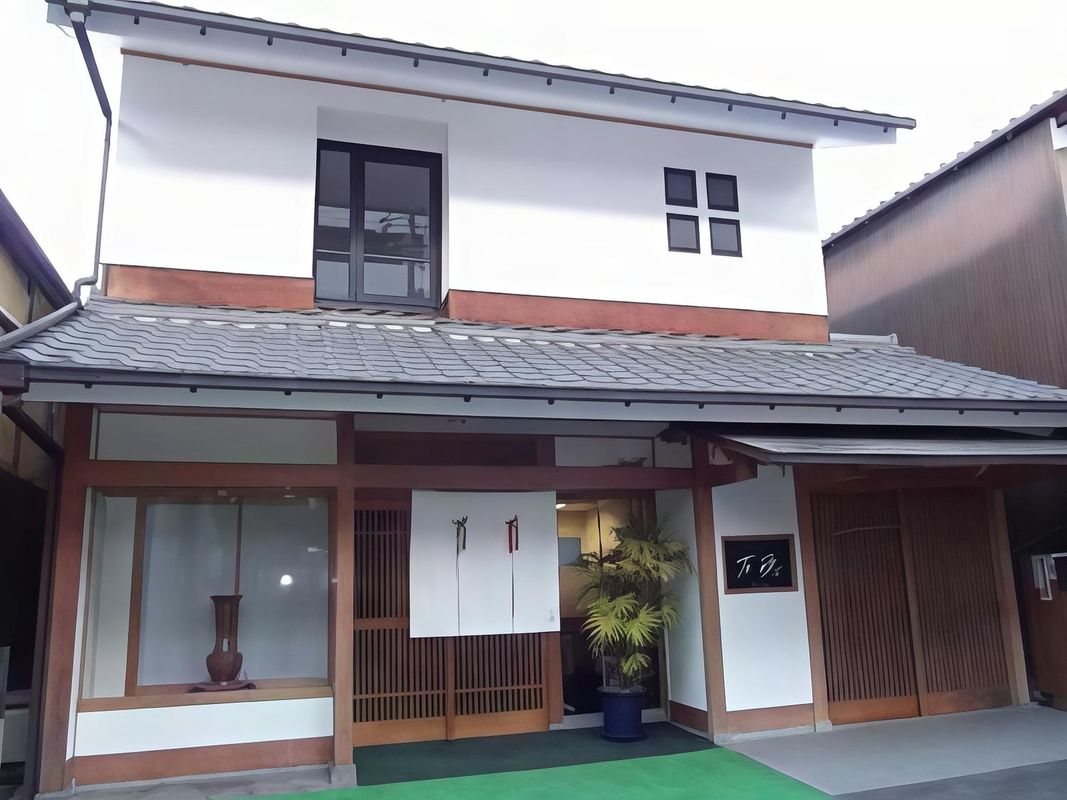
Mantoku
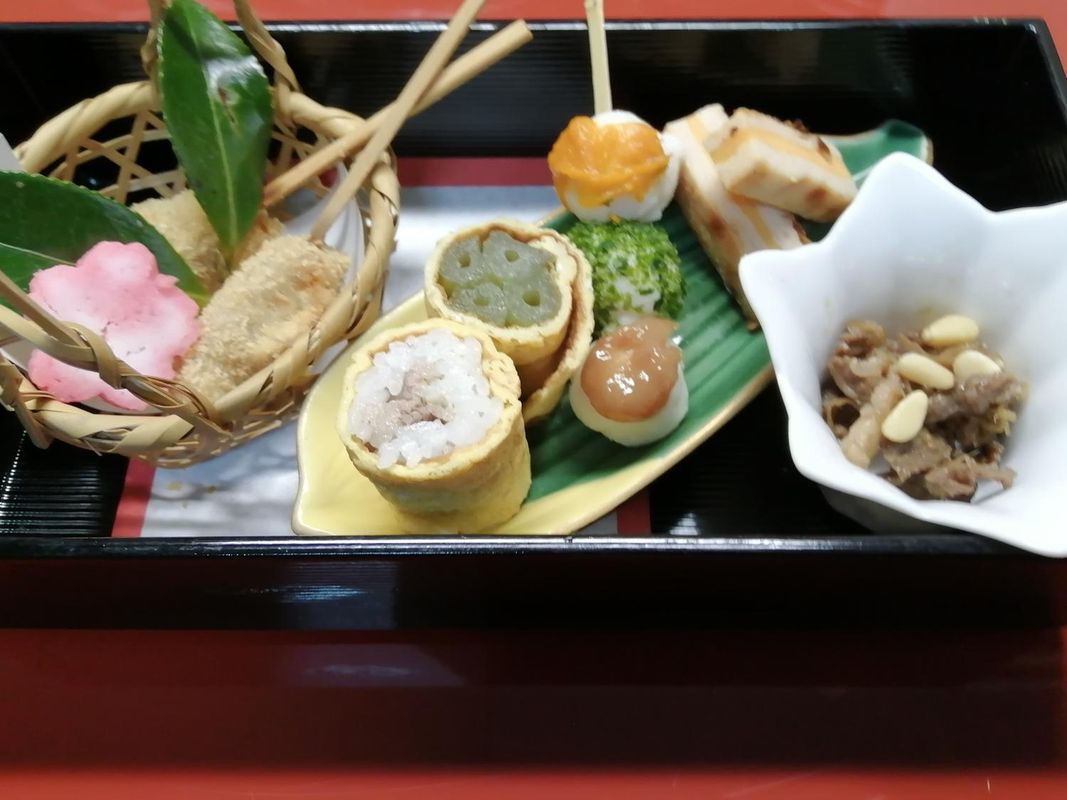
Takimotoya
Best Hotels in Nabari
Discover curated hotel collections in Nabari
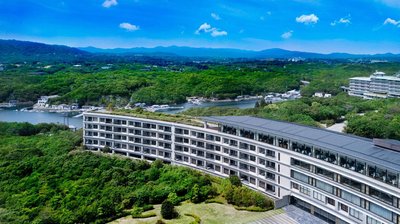
Shima Kanko Hotel the Bay Suites
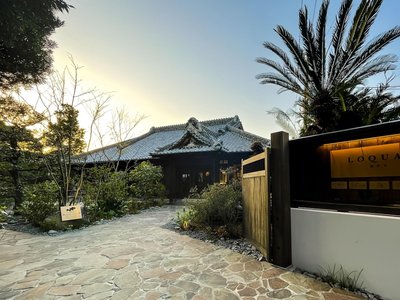
Loquat Nishiizu
Byaku Narai
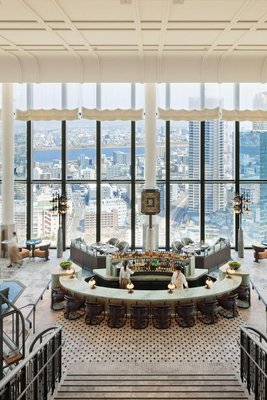
Waldorf Astoria Osaka
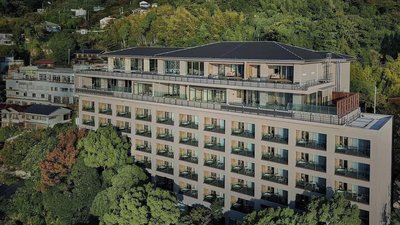
Atami Izusan Karaku
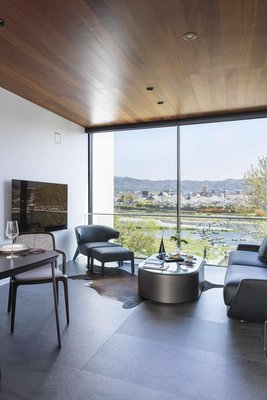
Kamo Residences by Reflections
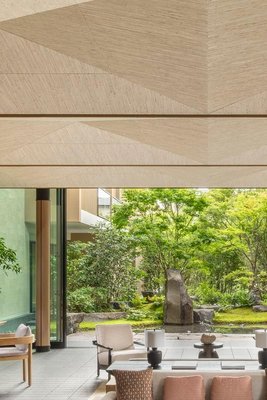
Six Senses Kyoto
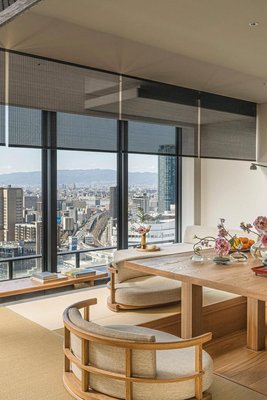
Four Seasons Hotel Osaka
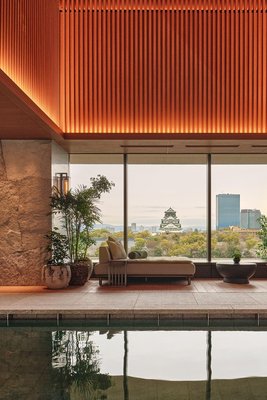
Patina Osaka
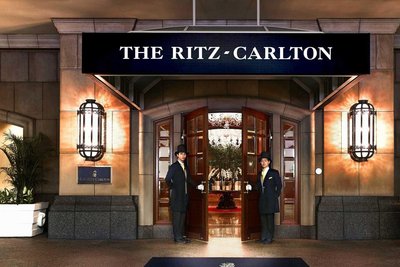
The Ritz-Carlton, Osaka
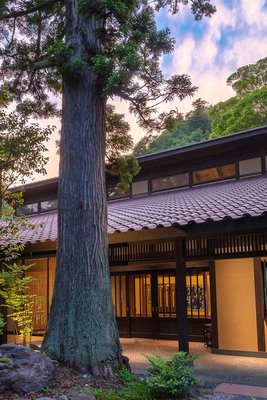
Arimasansoh Goshobessho
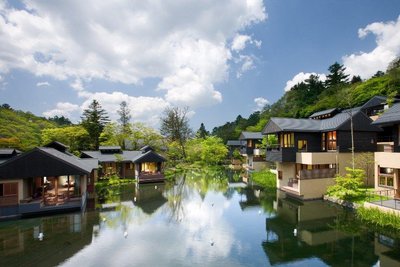
Hoshinoya Karuizawa
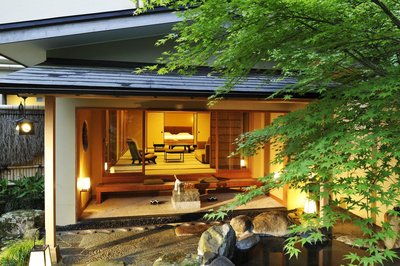
Gora Kadan
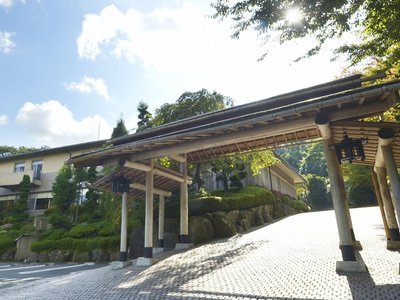
Gora Hanaougi
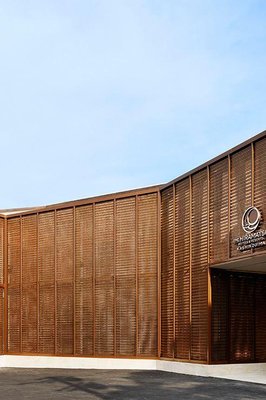
The Hiramatsu Hotels & Resorts Kashikojima
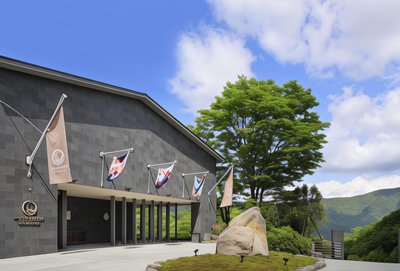
The Hiramatsu Hotels & Resorts Sengokuhara Hakone
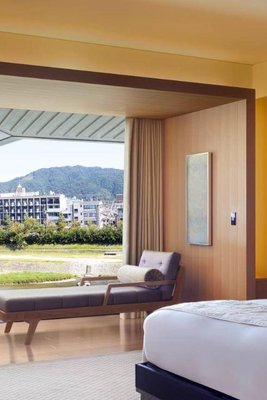
The Ritz-Carlton, Kyoto
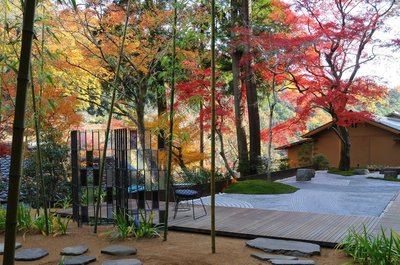
HOSHINOYA Kyoto
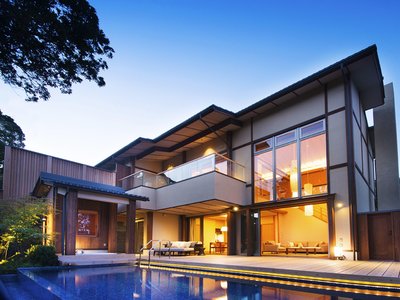
Abba Resorts Izu - Zagyosoh
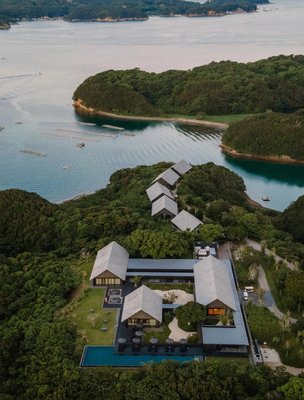
Amanemu
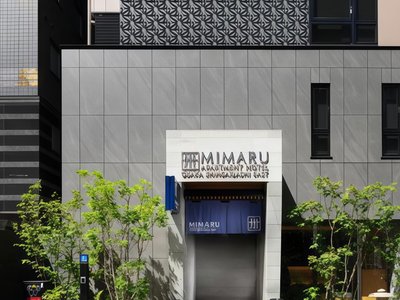
MIMARU Osaka Shinsaibashi East

Toba International Hotel Shiojitei
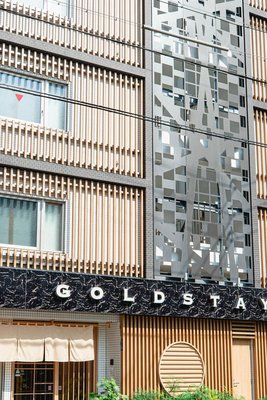
Gold Stay Nagoya OSU
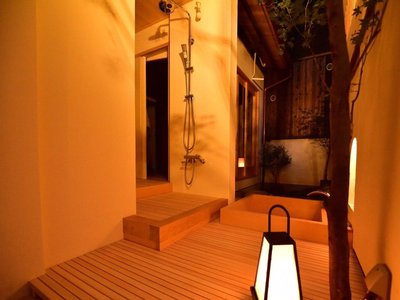
Yado Kiramachi
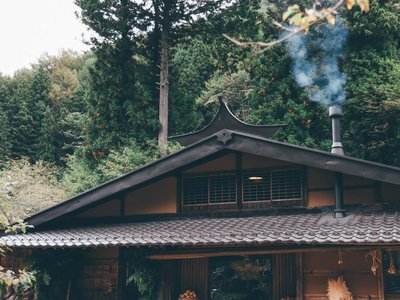
La Terra Resort
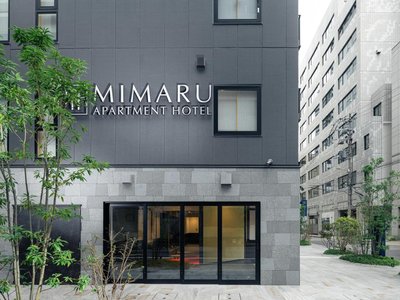
MIMARU Osaka Shinsaibashi North
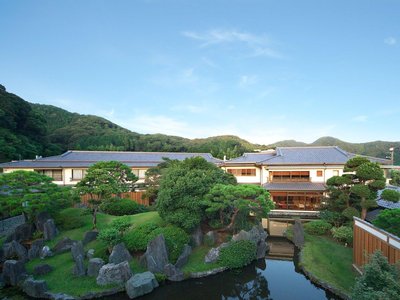
Kagetsutei
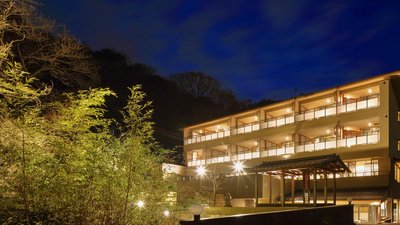
Okuno Hosomichi
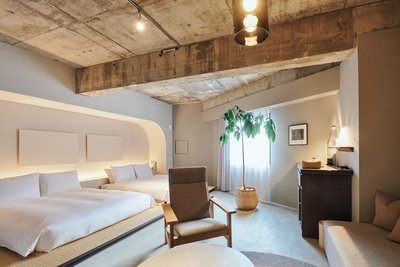
Korinkyo
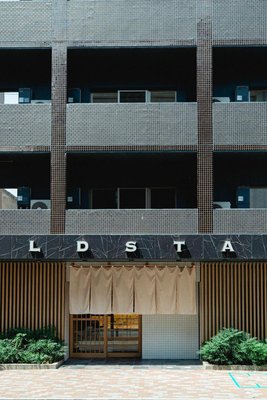
GOLD STAY Nagoya Sakae
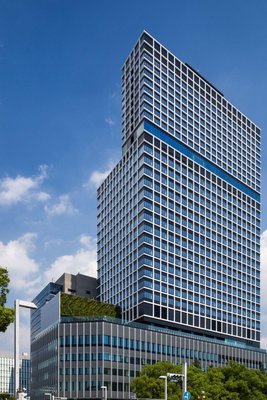
The Royal Park Hotel Iconic Nagoya
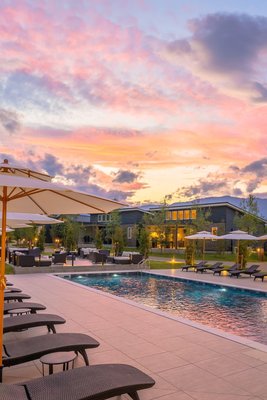
Awaumi Fujikawaguchiko Resort
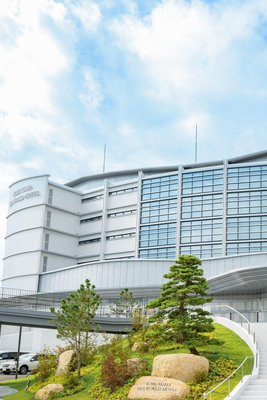
Kobe Suma Sea World Hotel
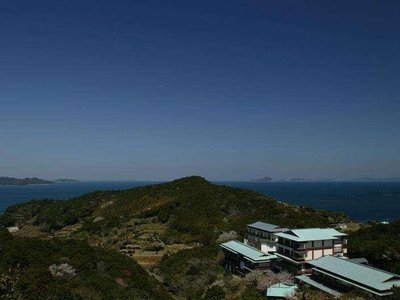
Hanashinsui
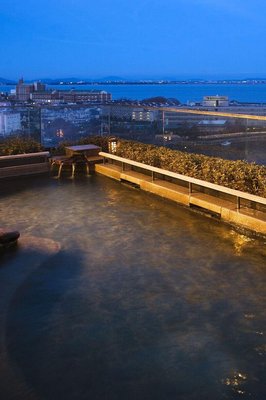
Yumotokan
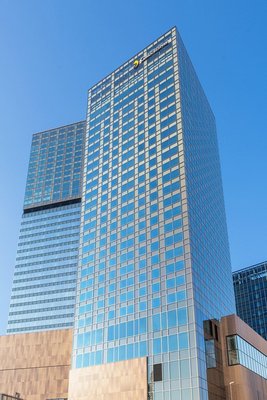
Hotel Hankyu GRAN RESPIRE OSAKA
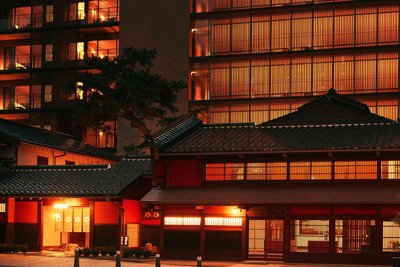
Hoshino Resorts Kai Kaga
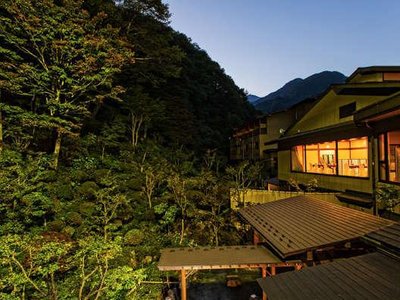
Futari Shizuka

Taikyourou
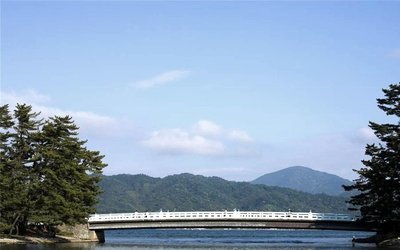
Monjusou Shourotei
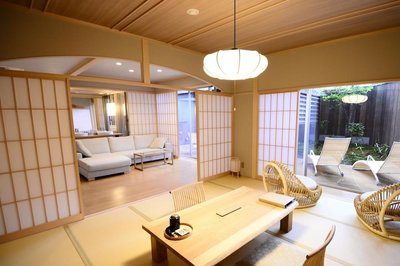
Hakone Gora Byakudan
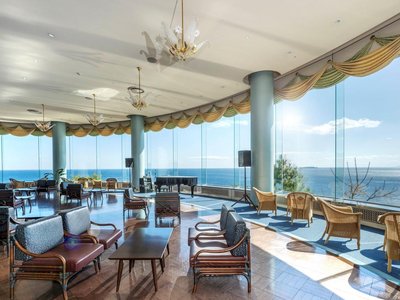
Hotel New Akao
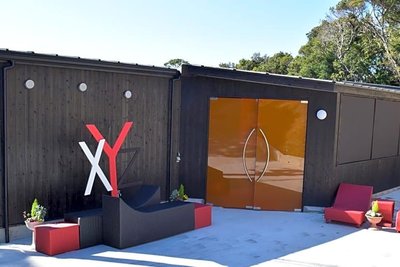
XYZ Private Spa and Seaside Resort
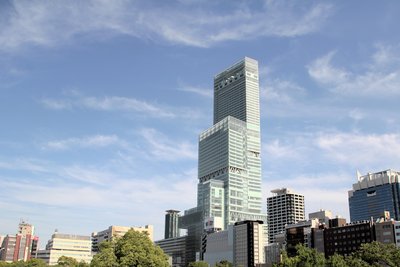
Osaka Marriott Miyako Hotel
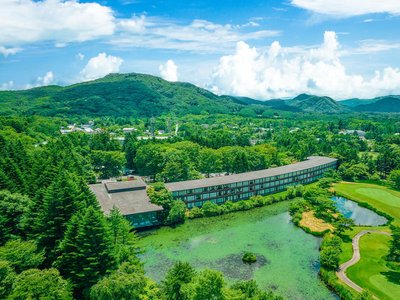
The Prince Karuizawa
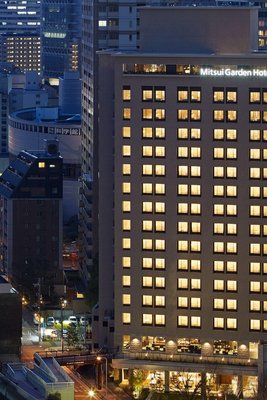
Mitsui Garden Hotel Osaka Premier
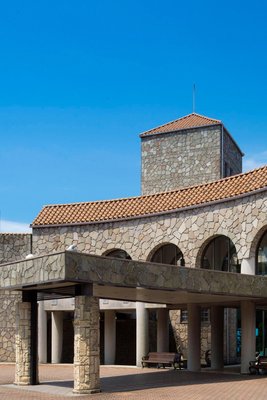
Izumigo Hotel Altia Toba
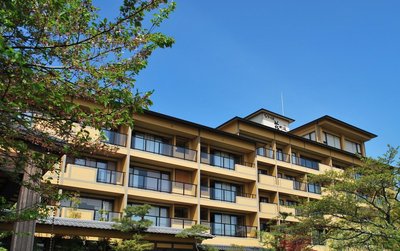
BIWAKO HANAKAIDO
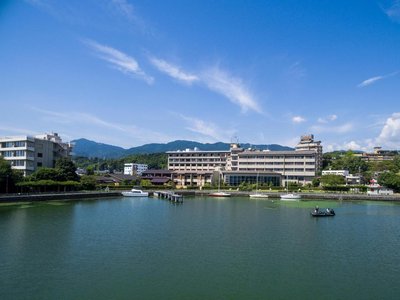
Biwako Ryokusuitei
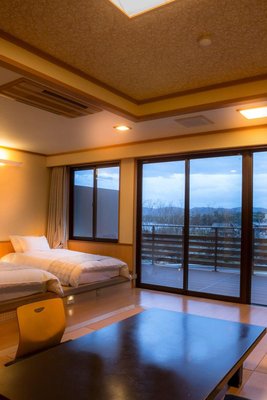
Hotel Kitanoya
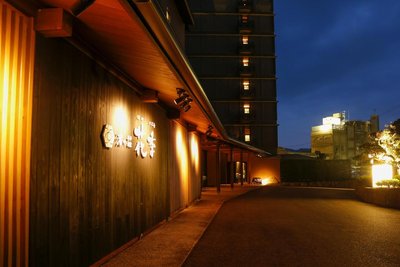
Hanagoyomi
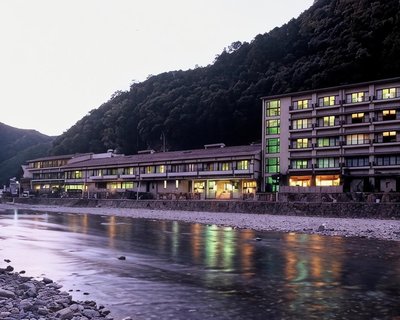
Kawayu Onsen Fujiya
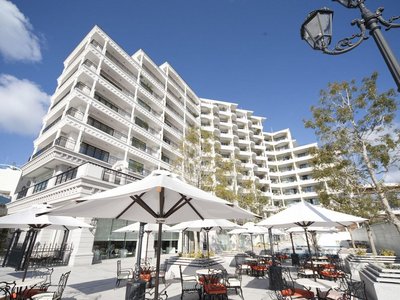
Hotel La Suite Kobe Harborland
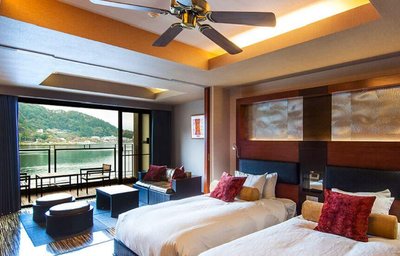
The Kukuna
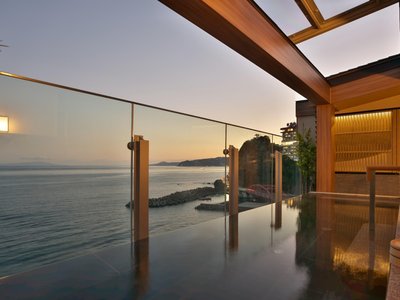
Hotel New Sagamiya
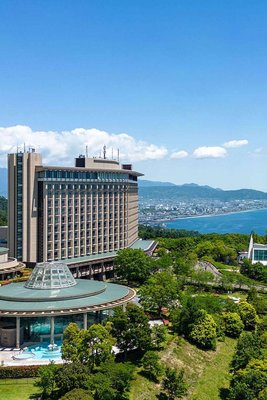
Hilton Odawara Resort & Spa
Hoshinoya Karuizawa
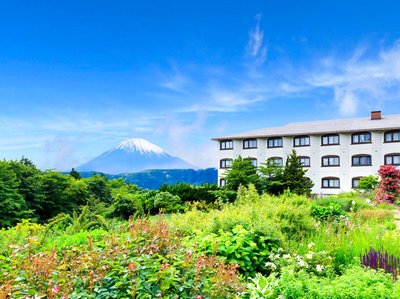
Hotel Green Plaza Hakone
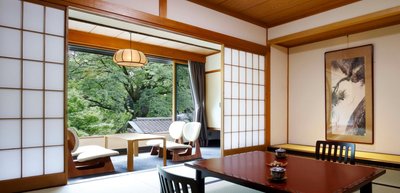
Yoshiike Ryokan
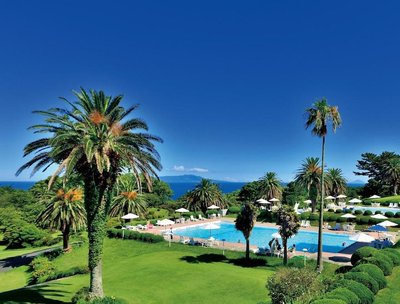
Kawana Hotel
Yado Kiramachi
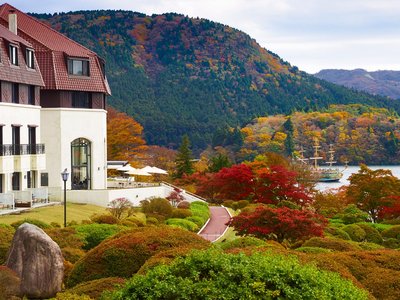
Hotakajyo
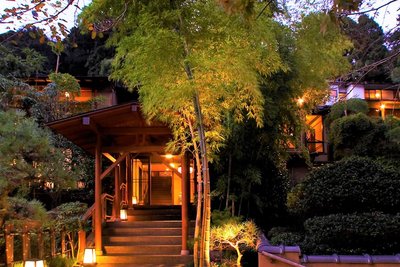
Shiki wo Ajiwau Yado Yamano Chaya
Arimasansoh Goshobessho
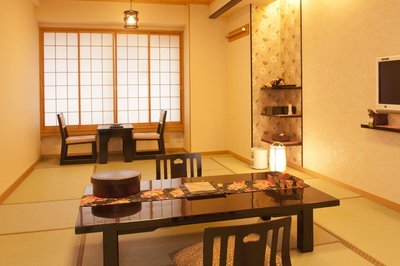
Matsui-Bekkan Hanakanzashi
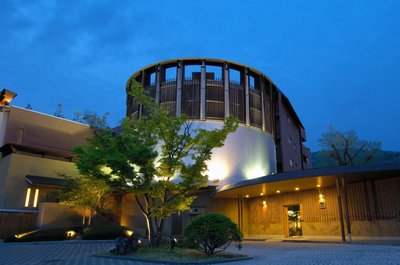
Hoshino Resorts Kai Matsumoto
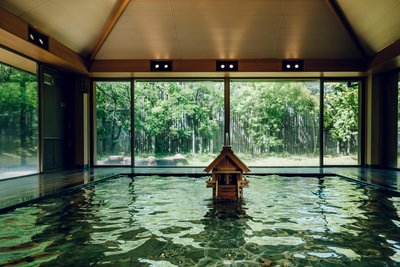
Hoshino Resorts KAI Tamatsukuri
Taikyourou
Monjusou Shourotei
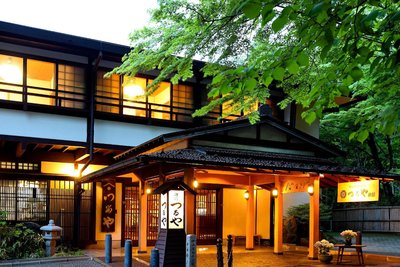
Tsuruya Ryokan
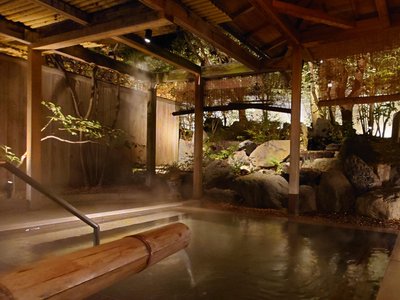
Kasuga Hotel
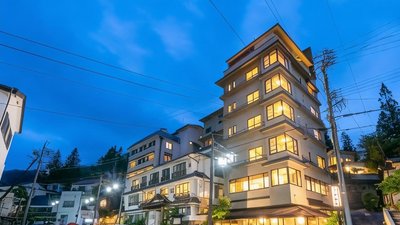
Nakamatsuya Ryokan
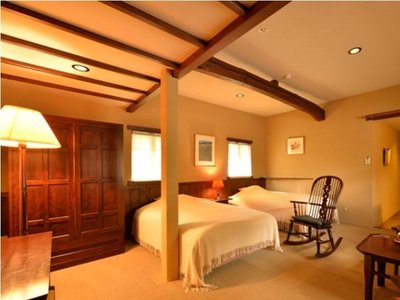
Ryokan Sugimoto
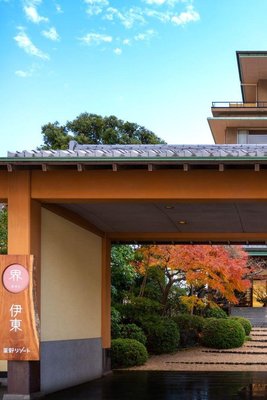
Hoshino Resorts Kai Ito
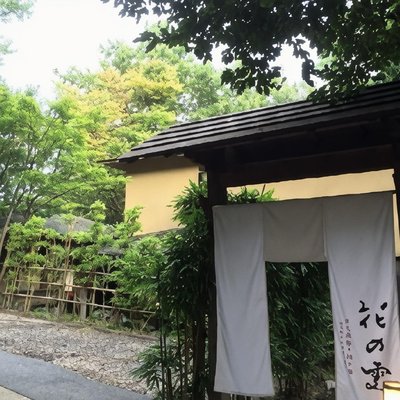
Hana No Kumo
Yoshiike Ryokan
Gora Hanaougi
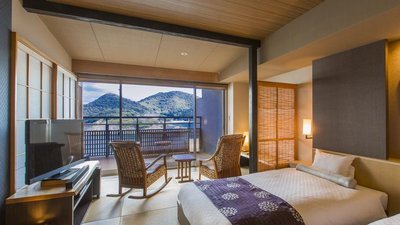
Migiwatei Ochi Kochi
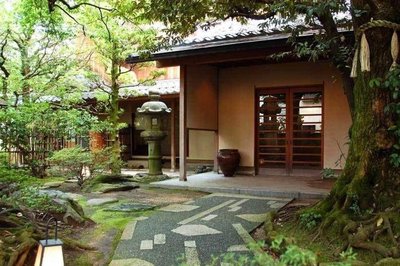
Kocho
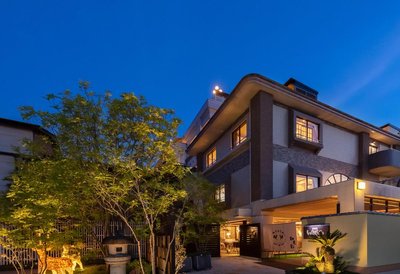
Hotel New Wakasa
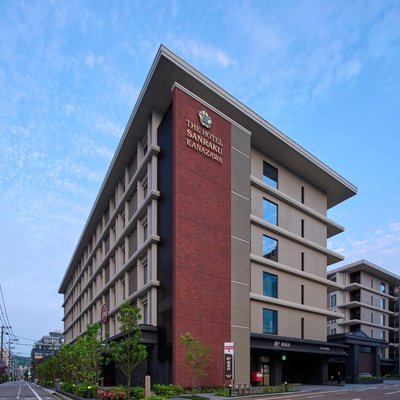
The Hotel Sanraku Kanazawa 21th December 2022 Open
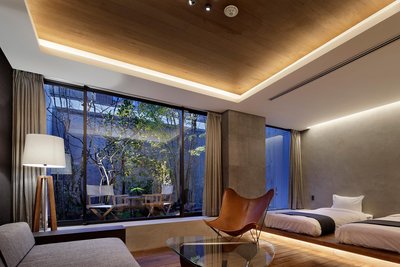
22 PIECES
The Ritz-Carlton, Osaka
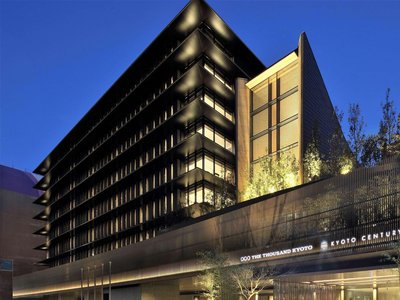
The Thousand Kyoto
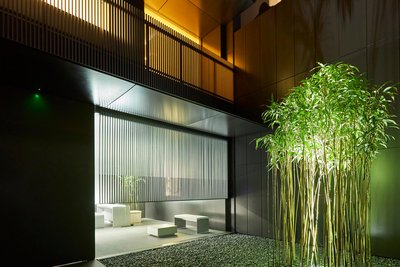
Mogana
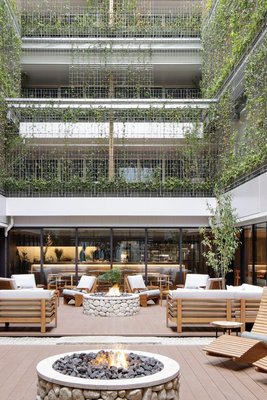
GOOD NATURE HOTEL KYOTO
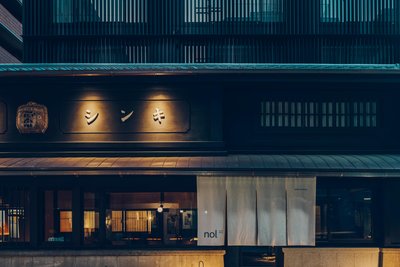
Nol Kyoto Sanjo
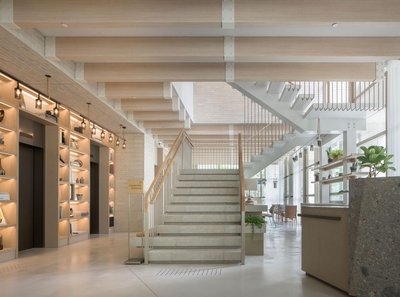
Zentis Osaka
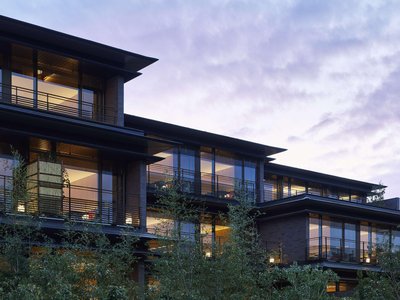
Garrya Nijo Castle Kyoto
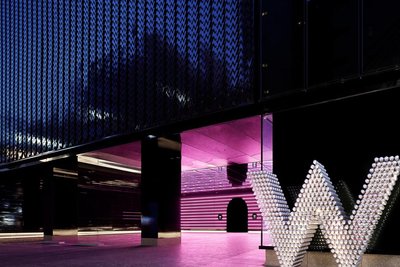
W Osaka
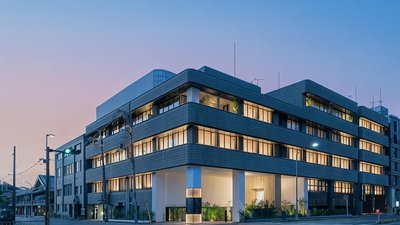
Hotel Kanra Kyoto
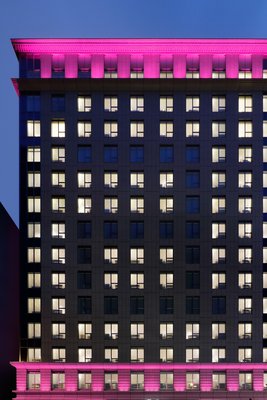
Aloft Osaka Dojima
Hakone Gora Byakudan
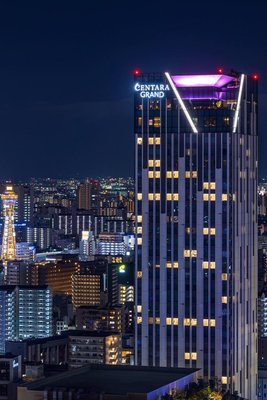
Centara Grand Hotel Osaka
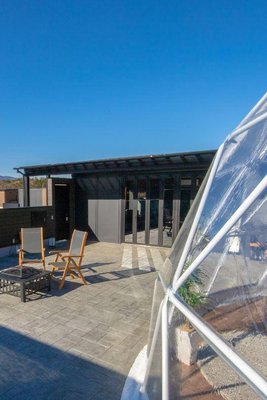
Panoramic Mt. Fuji Views from All Rooms – Vision Glamping Resort & Spa Yamanakako
voco Osaka Central
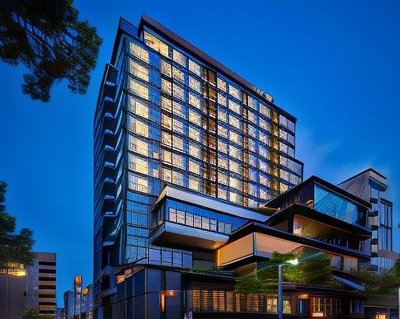
TIAD, AUTOGRAPH COLLECTION
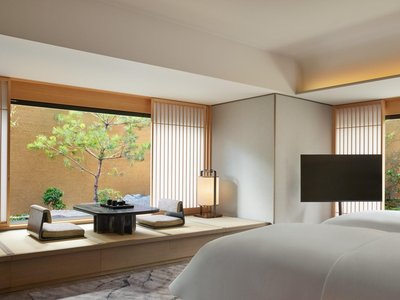
Dusit Thani Kyoto
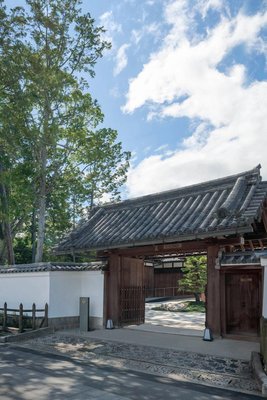
Shisui, a Luxury Collection Hotel, Nara
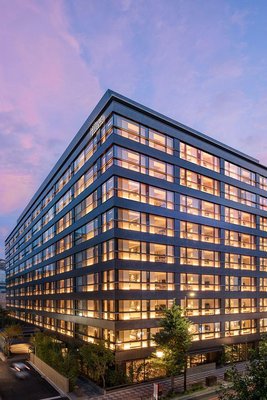
Hilton Kyoto
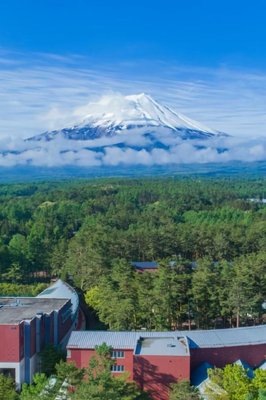
Forest Village (Fuji Premium Resort)
Osaka Marriott Miyako Hotel
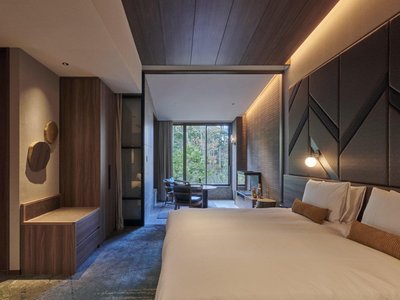
Fufu Kyu-Karuizawa Restful Forest
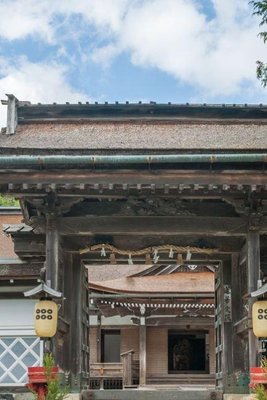
Koyasan Rengejoin
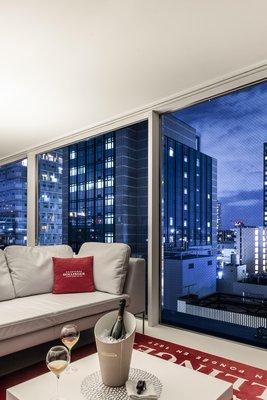
CUVÉE J2 HOTEL OSAKA by Onko Chishin
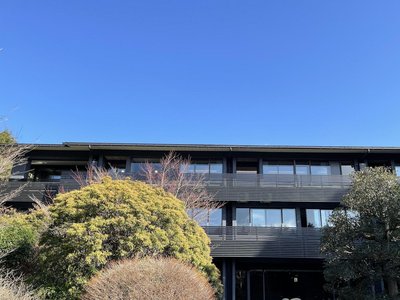
Sengokubara Cocon
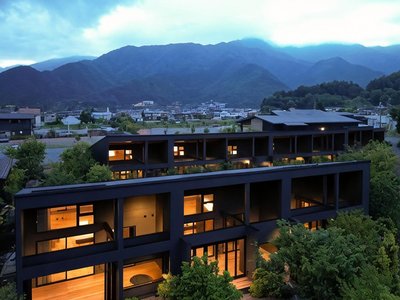
7C Villa and Winery
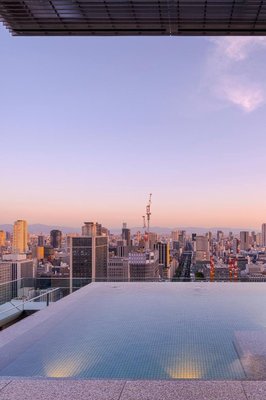
Candeo Hotels Osaka The Tower
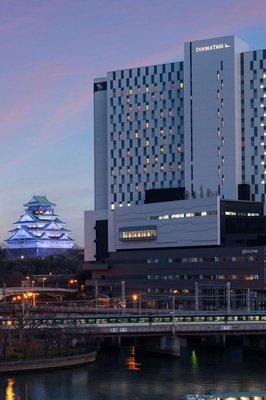
DoubleTree by Hilton Osaka Castle
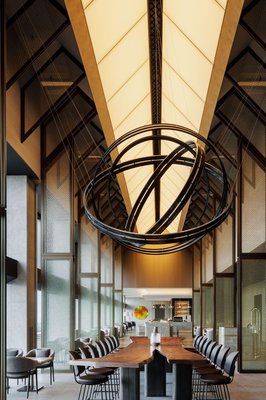
The Osaka Station Hotel, Autograph Collection
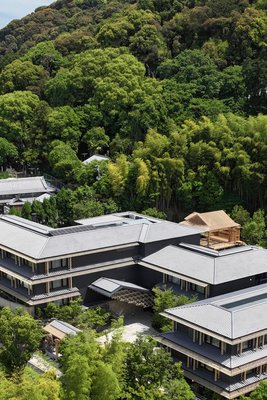
Banyan Tree Higashiyama Kyoto
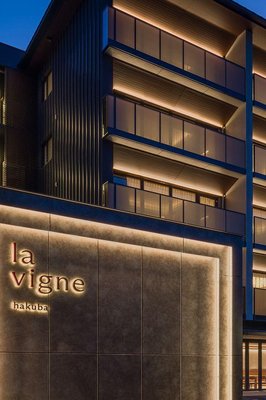
Hotel la Vigne Hakuba by Onko Chishin
Osaka Marriott Miyako Hotel
The Ritz-Carlton, Osaka
Gora Kadan
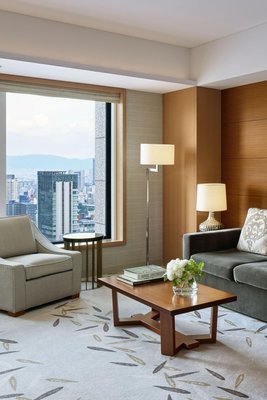
InterContinental Hotel Osaka
The Ritz-Carlton, Kyoto
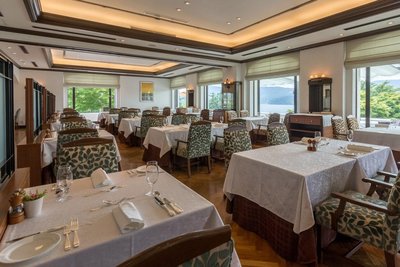
Odakyu Hotel de Yama
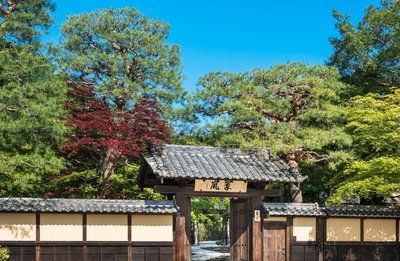
Suiran, a Luxury Collection Hotel, Kyoto
GOOD NATURE HOTEL KYOTO
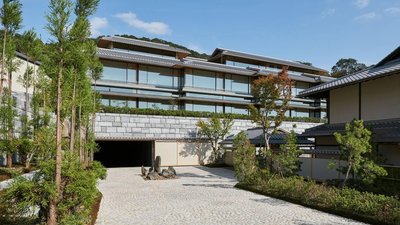
Park Hyatt Kyoto
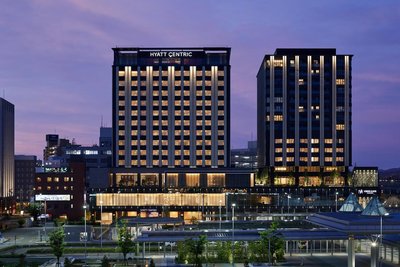
Hyatt Centric Kanazawa
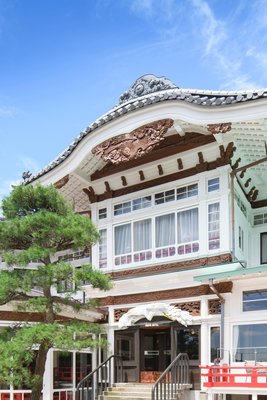
Fujiya Hotel
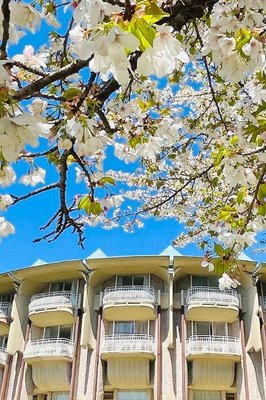
The Prince Hakone Lake Ashinoko
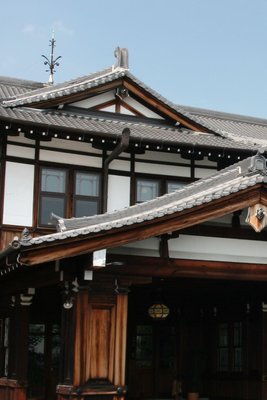
Nara Hotel
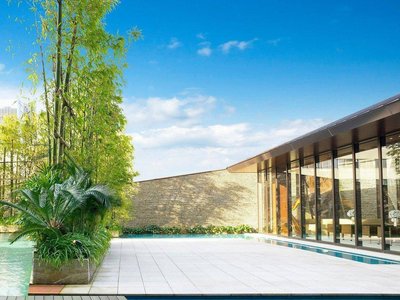
ORIENTAL HOTEL
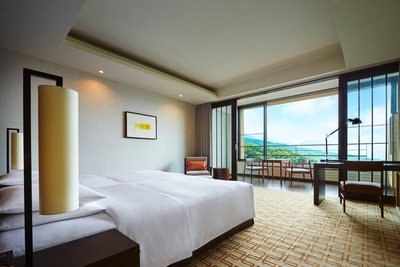
Hyatt Regency Hakone Resort and Spa
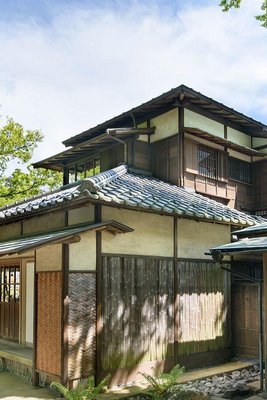
Hakone Suishoen
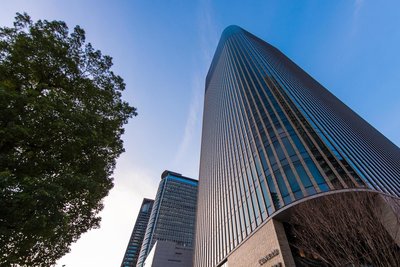
Conrad Osaka
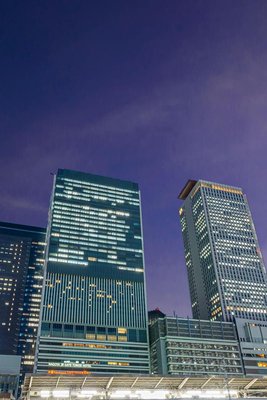
Nagoya JR Gate Tower Hotel (JR-Central Hotels)
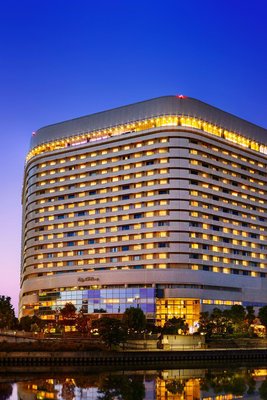
Hotel New Otani Osaka
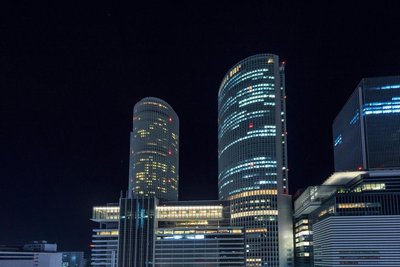
Nagoya Marriott Associa Hotel
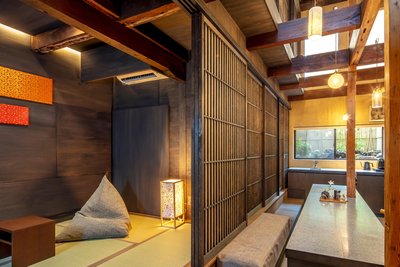
Kyo No Oozora Kihana
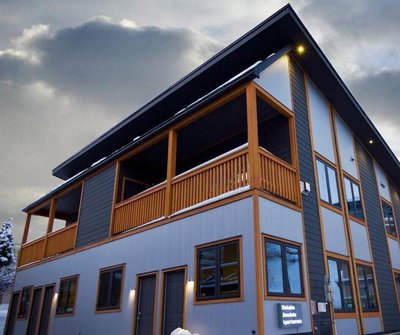
Hakuba Gondola Apartments
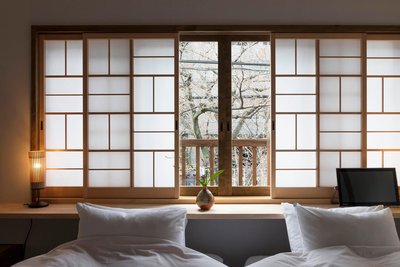
Hanagoromo Machiya House
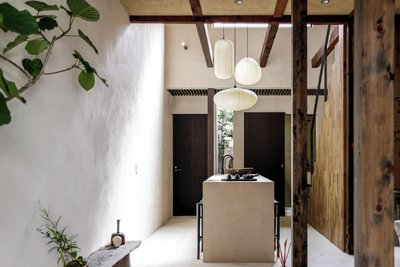
Maana Kiyomizu
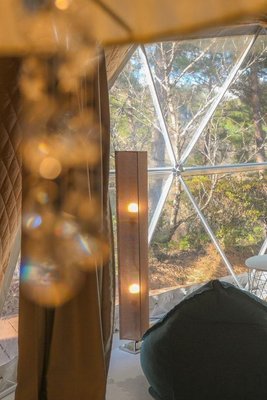
glampark Gekkabijin Nagano
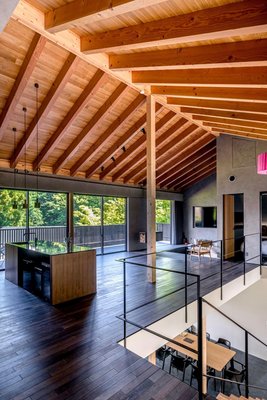
MONS GORA
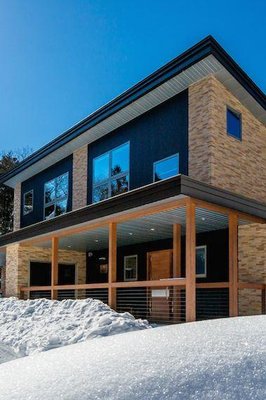
Phoenix Chalets by Hhg
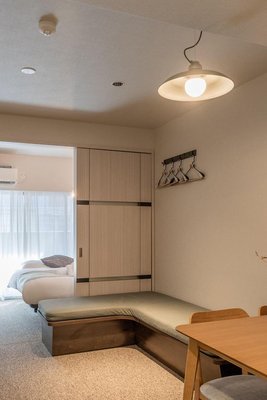
Apartment Hotel 11 Shinsaibashi
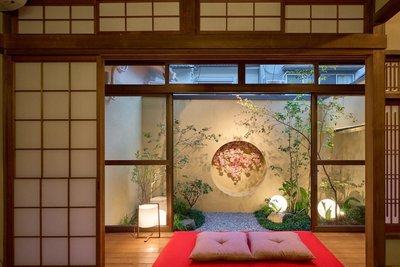
KONJAKUSO Osaka Tengachaya "NIHONCHA" Tea & Relax
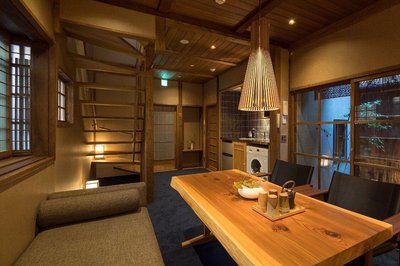
Bonbori an Machiya House
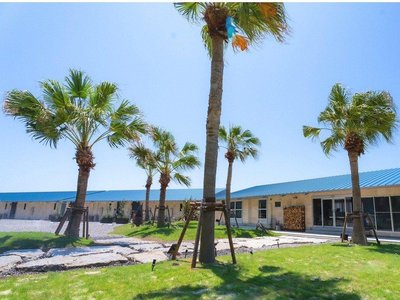
Glamping&Resort Wood Design Park Noma
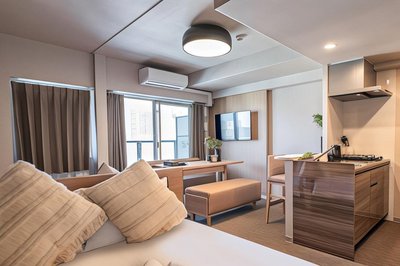
Apartment Hotel 11 Shinsaibashi III
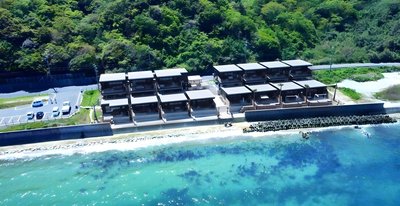
Solavilla Umi Terrace Minamiawaji
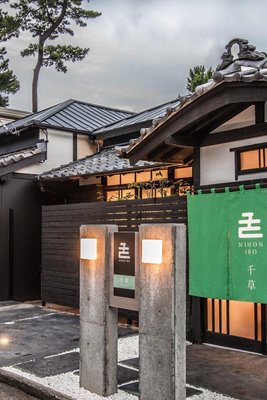
Nihon Iro
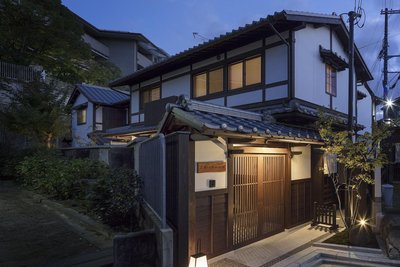
The Machiya Villa Sanjo Shirakawa Koji
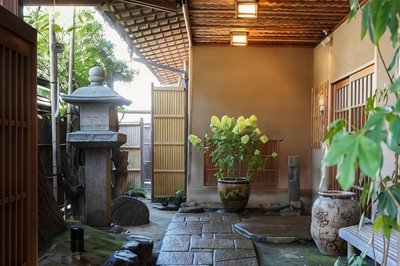
Ryokan Asadaya
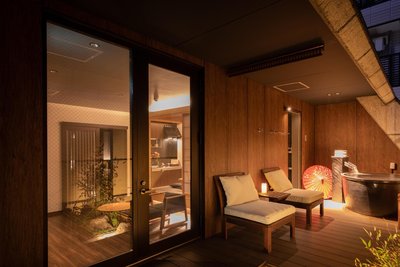
Konjaku-So Dotonbori
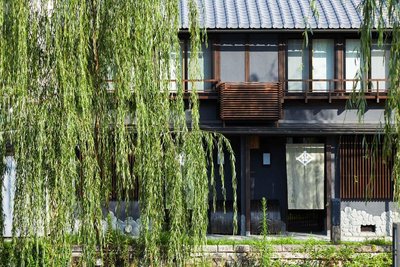
Gion Shirakawa No Yado

Kitashirakawa Natural Radium Onsen
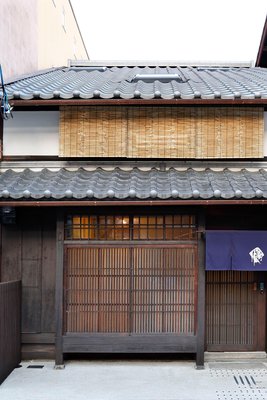
Kyo No Ondokoro Kamanza Nijo #2
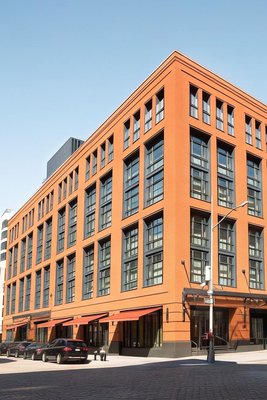
Hotel Barrière Fouquet's New York

Shima Kanko Hotel the Bay Suites
Loquat Nishiizu
Byaku Narai
Waldorf Astoria Osaka
Atami Izusan Karaku
Kamo Residences by Reflections
Six Senses Kyoto
Four Seasons Hotel Osaka
Patina Osaka
The Ritz-Carlton, Osaka
Arimasansoh Goshobessho
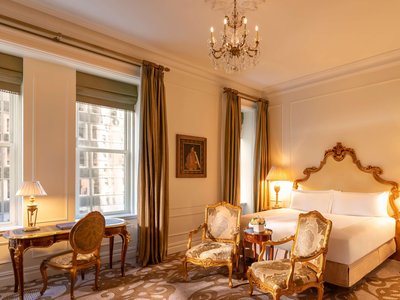
The Plaza - A Fairmont Managed Hotel
Hoshinoya Karuizawa
Gora Kadan
Gora Hanaougi
The Hiramatsu Hotels & Resorts Kashikojima
The Hiramatsu Hotels & Resorts Sengokuhara Hakone
The Ritz-Carlton, Kyoto
HOSHINOYA Kyoto
Frequently Asked Questions about Traveling to Nabari
Questions You Might Need to Know About Traveling to Nabari
In Namie, the top family-friendly hotel is Namie Onsen Yū no Sato Hotel, nestled near Ōtayama Park and offering traditional Japanese-style rooms, free foot baths, and an outdoor hot spring. The property features a children’s play area, family-sized onsen pools, and breakfast with local dishes like fresh Mie eel and river fish.
Another excellent option is Mie Namie East Japan REI Hotel, located in the city center near Namie Station. It provides spacious family rooms, free parking, and easy access to historical sites such as Namie Castle Ruins and Kawagoe Temple. Both hotels offer multilingual staff and child amenities, making them ideal for travelers seeking comfort and convenience.
The city center of Namie is the most convenient area for accommodations, situated just steps from Namie Station and close to major attractions like Namie Castle Ruins, Kawagoe Temple, and Ōtayama Park. This district hosts several mid-to-high-end hotels, including Nami Onsen Yū no Sato Hotel and Mie Namie East Japan REI Hotel, which offer free Wi-Fi, breakfast, and shuttle services.
For a quieter, more natural setting, consider staying near the Kiso River. Some guesthouses here provide farm-to-table meals and direct access to riverside trails, perfect for nature lovers. All areas are well-connected by local bus routes and have ample parking, ensuring smooth travel for tourists.
Must-try cultural experiences in Namie include visiting Namie Castle Ruins, a preserved Edo-period fortress now transformed into a historic park with stone walls and ancient gates—ideal for exploring Japan’s feudal past.
Attend the annual Namie Matsuri Festival, held in summer, featuring traditional dance performances, taiko drumming, lantern parades, and local food stalls showcasing Mie eel and river fish delicacies—highlighting deep-rooted Ise-Shima regional culture.
At Kawagoe Temple, a thousand-year-old shrine, guests can participate in tea ceremonies, calligraphy workshops, and handmade washi paper crafting sessions. These hands-on activities offer authentic insight into Japanese craftsmanship and spiritual traditions.
Top attractions in Namie City include:
-
Namie Castle Ruins: A well-preserved Edo-period site with stone ramparts and gate structures, now a peaceful historical park.
-
Kawagoe Temple: A sacred Buddhist temple dating back to the Nara period, housing a stunning main hall and Zen rock garden.
-
Ōtayama Park: Located west of the city center, this scenic hilltop park offers panoramic views of the Kiso River and surrounding farmland. Ideal for hiking, picnics, and seasonal flower viewing.
-
Mie Prefectural Namie Art Museum: Showcasing local artists and traditional crafts, with rotating exhibitions and special events.
These sites are all accessible by foot or short bus rides from the city center, making them perfect for day trips and cultural exploration.
While Namie isn’t a renowned hot spring destination, it offers several hotels with onsen facilities.
Nami Onsen Yū no Sato Hotel stands out with its indoor and outdoor natural hot springs, rich in minerals beneficial for skin health. The hotel features private family baths, free foot baths, and traditional Japanese-style rooms with tatami mats and sliding doors.
Alternatively, Mie Namie East Japan REI Hotel offers a "onsen-style" relaxation experience using steam therapy and aromatic saunas, paired with sleep-enhancing room designs. Though not natural hot springs, these facilities deliver a soothing retreat after sightseeing. Both hotels are located near key attractions and offer free parking and breakfast.
Must-try local foods in Namie include:
-
Mie Eel (Unagi): Freshly grilled and served over rice in a signature Namie Unagi Donburi, known for its rich, sweet-savory sauce.
-
Fugu (Pufferfish) Cuisine: Seasonal delicacy available during winter months, served as sashimi or in hot pots at certified restaurants.
-
Wagyu Beef: High-quality Kobe-style beef from Mie Prefecture, best enjoyed at Namie Yakiniku Dining, where it’s grilled tableside.
-
Traditional Wagashi (Japanese Sweets): Try seasonal sweets from Namieya, made with local citrus and azuki beans, often wrapped in edible leaves.
These dishes are widely available at Namie Market, Kawagoe Temple Street, and local izakayas near the train station.
Transportation in Namie is highly convenient.
-
Namie Station lies on the Kansai Main Line and Kishu Main Line, connecting directly to Osaka, Nagoya, and Ise-Shima—with trains taking about 1 hour.
-
Local buses link key sites like Namie Castle Ruins, Kawagoe Temple, and Ōtayama Park, with frequent schedules and affordable fares.
-
Car rental is also practical; roads are wide and well-maintained, especially toward the Kiso River and nearby rural villages.
Free parking is available at major hotels like Nami Onsen Yū no Sato Hotel and Mie Namie East Japan REI Hotel, making Namie ideal for self-guided road trips.
The best times to visit Namie are spring (March–May) and autumn (September–November).
-
Spring brings cherry blossoms in Ōtayama Park, mild temperatures, and vibrant greenery along the Kiso River—perfect for photography and walking tours.
-
Autumn offers stunning foliage around Kawagoe Temple and Namie Castle Ruins, with crisp air and fewer crowds.
Summer is warm but lively with the Namie Matsuri Festival and river activities. Winter is cool but quiet, ideal for relaxing stays and enjoying onsen. Avoid typhoon season (July–September) and rainy periods for optimal travel conditions.
Top photo spots in Namie include:
-
Namie Castle Ruins: Historic stone walls and ancient gates framed by cherry blossoms or autumn foliage—ideal for heritage-themed shots.
-
Kawagoe Temple: The red torii gate and Zen rock garden create striking compositions, especially at sunrise or golden hour.
-
Ōtayama Park: Offers sweeping panoramic views of the Kiso River and surrounding rice fields—perfect for long-exposure landscapes.
-
Namie Station Front Plaza: Modern architecture meets traditional elements, with bustling weekend markets adding dynamic energy.
-
Mie Prefectural Namie Art Museum: Its glass dome and minimalist design reflect light beautifully—ideal for architectural and interior photography.
Best souvenir shopping spots in Namie:
-
Namie Market: Open daily, selling fresh Mie eel, river fish, seasonal vegetables, and ready-to-eat prepared foods—great for food lovers.
-
Kawagoe Temple Shopping Street: Home to century-old shops offering handmade washi paper, bamboo crafts, and Kishu confectionery.
-
Namieya: A renowned wagashi shop specializing in seasonal sweets made with local citrus and adzuki beans—beautifully packaged for gifts.
-
Namie Station Front Department Store: Features a local specialty section with Mie prefecture products like textiles, ceramics, and bottled beverages.
These locations are easily accessible and make excellent stops during a sightseeing itinerary.
Nabari Overview
City Summary
Nabari City in Mie Prefecture, Japan, blends natural wonders with ninja heritage. Famous for the Akame 48 Waterfalls valley and as a hub of Iga-ryu ninja culture, this compact city offers both accessibility from Kansai region and serene rural charm.
Must-See Attractions
Top attraction is Akame Shijuhachi Taki, a waterfall complex dubbed "ninja training ground" with scenic hiking trails. Explore samurai history at Nabari Todo Clan Residence ruins, or admire modern architecture at Nabari City Library. Don't miss evening ninja-themed experiences or sake brewery tours.
Food Guide
Savor local specialties like Iga beef sukiyaki and grilled trout from Akame streams. Street snacks include tri-color ninja dango (rice dumplings), while century-old "Kikyoya" shop's persimmon leaf sushi makes perfect souvenirs.
Transportation Guide
Accessible via Kintetsu Osaka Line from Osaka/Nagoya (1-1.5hr to Nabari Station). Local community buses and taxis serve the city, but renting a car is ideal for waterfalls. Note early last buses (around 17:00) to Akame area, with reduced winter service.
Best Time to Visit
April-May for cherry blossoms and fresh greenery, November for stunning fall foliage at waterfalls. Summer (Jun-Aug) offers valley escapes despite humidity, while some mountain areas close in winter (Dec-Feb).
Travel Tips
- Book ninja experience programs in advance
- Wear anti-slip shoes for mountain trails
- Carry cash as some eateries don't accept cards
- Many onsens prohibit tattooed guests
- Check sparse bus schedules carefully
- Observe no-drone zones strictly
Useful Information
Language: Basic English signage at stations, translation apps recommended. Payment: Lower credit card acceptance than cities - carry cash. Internet: Rent pocket WiFi or buy local SIM. Emergency: Nabari City Hospital offers 24/7 care (+81-745-62-1111), travel insurance advised for mountain activities.









