Hotels in Nagaecho
Discover your perfect stay in Nagaecho.
Nagaecho(Japan) Travel 2026: Cheap Flights, Hotels & Top Attractions
Popular Landmarks in Nagaecho
Discover the most iconic attractions in Nagaecho
Recommended Hotels in Nagaecho
Find the perfect place to stay in Nagaecho
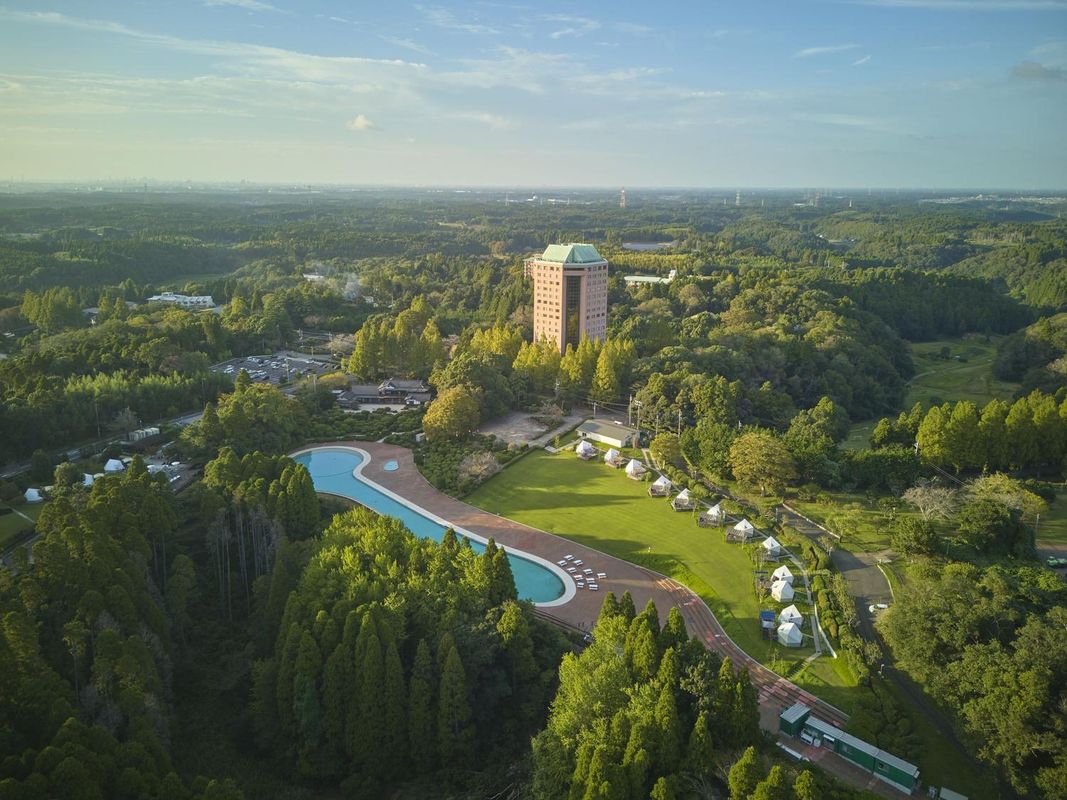
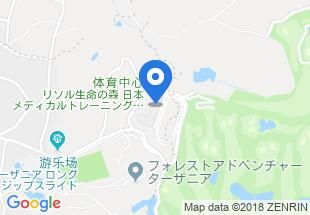

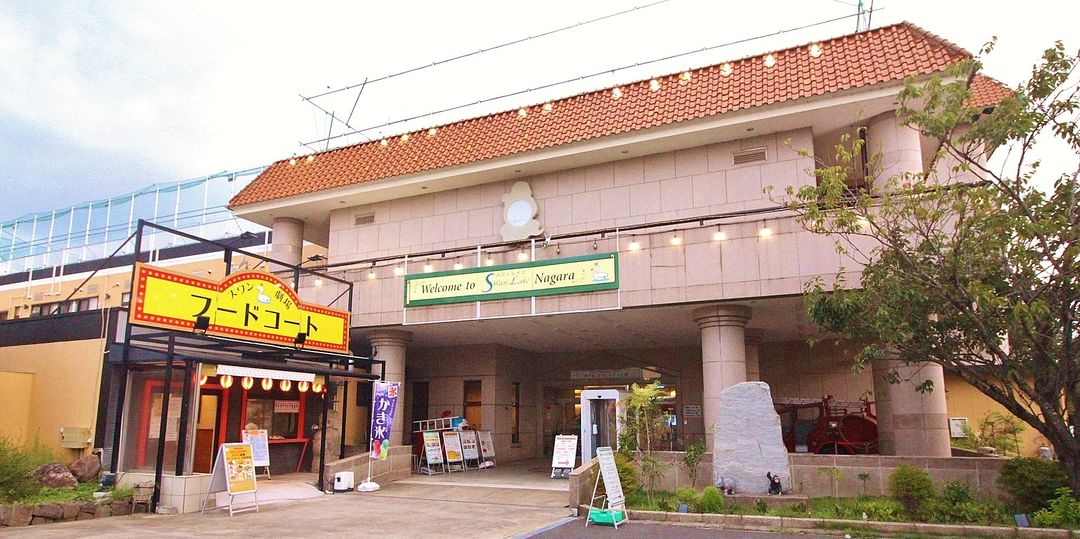
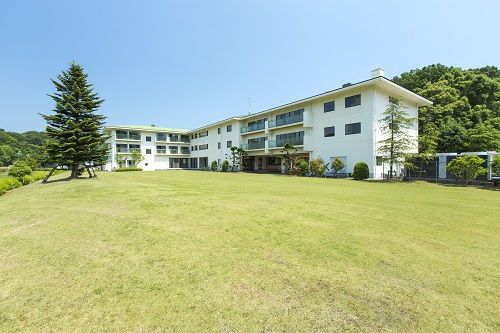
Best Hotels in Nagaecho
Discover curated hotel collections in Nagaecho






































































































Frequently Asked Questions about Traveling to Nagaecho
Questions You Might Need to Know About Traveling to Nagaecho
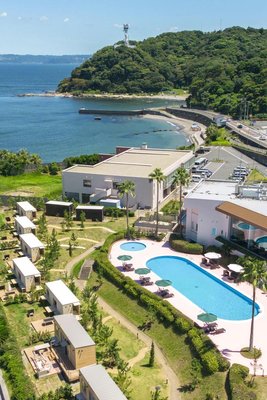
In Nagahama Town, the top family-friendly option is Nagahama Family Nature Lodge, a sustainable eco-lodge nestled near the Tokyo Bay Coastal Trail. It features spacious cottages with kitchenettes, outdoor play areas, and daily children’s programs like "Farm-to-Table" cooking classes and star-gazing sessions. The lodge also offers guided nature scavenger hunts and seasonal rice-planting workshops, allowing kids to connect with agriculture. Located just 45 minutes from Tokyo Station via JR Sobu Line, it combines convenience with tranquility—perfect for families seeking authentic rural experiences in Chiba Prefecture.
The Nishiura District is the ideal spot for peaceful, scenic accommodations in Nagahama Town. Overlooking the Chiba Prefectural Natural Park, this area features serene ryokans and farmstay lodges surrounded by rice fields and tidal flats. Guests enjoy panoramic views of the Tokyo Bay coastline at sunrise and can participate in low-impact activities like birdwatching and salt-pool harvesting. With minimal light pollution, night skies here offer exceptional stargazing opportunities. Many lodges also provide traditional Japanese breakfasts using locally sourced ingredients, enhancing the immersive rural experience.
Nagahama Town offers distinctive cultural experiences rooted in its coastal and agricultural heritage. Visitors can join intertidal ecology tours led by local fishermen, exploring rich tidal flat ecosystems teeming with clams, sea urchins, and rare shorebirds. The annual Nagahama Festival celebrates harvest traditions with rituals, folk songs, and handmade scarecrow art displays. Additionally, many guesthouses host hands-on workshops such as woven fishing net crafting, wasabi farming, and traditional soy sauce brewing, allowing travelers to engage directly with local craftsmanship and sustainability practices.
Yes, Nagahama Town is home to several certified eco-lodges committed to sustainable tourism. Chiba Prefectural Natural Park Resort uses solar power, rainwater harvesting, and zero-waste policies across all facilities. Their rooms are built with reclaimed wood and feature organic cotton linens. The resort partners with local farmers for farm-to-table dining and operates a plastic-free restaurant. Guests can participate in tree planting or beach cleanups as part of their stay. These initiatives reflect the town’s broader commitment to environmental stewardship, making it a model destination for green travelers.
Visitors to Nagahama Town must sample freshly caught eel sushi from Tokyo Bay and local sea kelp rice rolls, both made with same-day harvested ingredients. The town is also famous for its seasonal strawberry festival, where guests can pick berries and taste homemade strawberry mochi. At Nagahama Vegetable Kitchen, a renowned farm-to-table restaurant, dishes highlight regional produce like red onions, pumpkins, and sweet potatoes in creative ways. Some lodges even offer "Story on the Plate" dinners, where each dish comes with a narrative about the farmer or fisherman behind it.
Nagahama Town is easily accessible from Tokyo Station via the JR Sobu Line, with direct trains taking only 45 minutes. Upon arrival at Nagahama Station, free shuttle buses run to major attractions like the Natural Park and Coastal Walking Trail. For those preferring independence, rental electric bikes are available throughout the town, enabling easy exploration of nearby farms and beaches. Travelers can also use the Chiba Prefecture Tourism Pass, which grants discounted entry to attractions and free public transport—making it a cost-effective choice for day trips and weekend getaways.
Nagahama Town boasts a rare estuarine wetland ecosystem along the Nagahama River Mouth, serving as a critical wintering ground for migratory birds like white herons and black-faced spoonbills. The Nishiura Coast Trail offers elevated observation platforms and guided birdwatching tours. During summer, the Nagahama Lotus Pond bursts into bloom, creating a breathtaking pink landscape mirrored on still waters. Conservation efforts have preserved these habitats, and visitors can learn about marine biodiversity through interactive exhibits at the Local Ecology Center, making it a prime destination for nature lovers and photographers.
Absolutely. Many Nagahama Town lodges provide immersive cultural workshops. The Nishiura Farm Stay hosts monthly "Seasonal Craft" sessions including washi paper-making, bamboo weaving, and folk song singing. Guests can create personal souvenirs while learning from elderly artisans. Other experiences include traditional rice planting ceremonies, salt harvesting, and nighttime storytelling circles under the stars. These programs foster intergenerational exchange and deepen understanding of Japan’s agrarian roots, appealing especially to travelers interested in authentic cultural engagement.
Hotel prices in Nagahama Town are very reasonable, typically ranging from ¥3,000 to ¥6,000 per night for standard guesthouses and farmstays. Packages that include breakfast and cultural activities cost around ¥8,000, while premium eco-resorts like Chiba Prefectural Natural Park Resort start at ¥12,000. All accommodations offer free parking and bike rentals, reducing overall travel costs. With affordable dining and extensive free access to nature trails, Nagahama provides exceptional value—ideal for budget-conscious travelers seeking quality rural experiences.
Nagahama Town appeals to travelers seeking nature immersion, cultural authenticity, and family relaxation. It’s perfect for urban professionals wanting to escape city stress, photography enthusiasts drawn to wetlands and seasonal blooms, and parents eager to give children hands-on farming experiences. The town’s low population density, clean air, and strong emphasis on sustainability attract eco-conscious visitors. Its commitment to renewable energy, plastic-free dining, and community-based tourism makes it a leading example of responsible travel in Japan’s countryside.
Nagaecho Overview
City Summary
Nagara Town, located in Chiba Prefecture, Japan, is a charming rural town known for its scenic countryside and rich agricultural resources. It is famous for high-quality produce such as strawberries and rice. The town's natural beauty makes it ideal for outdoor activities and slow travel.
Must-See Attractions
Key attractions in Nagara Town include the Nagara Town Agricultural Park, where visitors can enjoy fruit picking and farm tours. The Nagara Town Historical Folk Museum showcases local history and culture. Additionally, the surrounding nature trails and hot spring facilities are perfect for relaxation.
Food Guide
Nagara Town is renowned for its fresh agricultural products. Don't miss the locally grown strawberries and rice-based dishes. Street food like strawberry daifuku and farm-fresh vegetables are must-tries. Traditional Japanese cuisine is also highly recommended.
Transportation Guide
Transportation in Nagara Town primarily relies on buses and car rentals. Buses from Chiba City or Narita Airport take about 1-2 hours. Note that bus schedules are limited, so plan ahead. Self-driving offers more flexibility, but be cautious on narrow rural roads.
Best Time to Visit
The best times to visit are spring (March-May) and autumn (September-November), when the weather is pleasant for outdoor activities. Spring offers cherry blossoms and strawberry picking, while autumn features rice harvests. Summers can be hot, and winters are quieter.
Travel Tips
- Respect local farmers' work and follow instructions during fruit picking.
- Rural bus schedules are limited, so plan your itinerary in advance.
- Drivers should be cautious on narrow country roads.
- Some farms require advance HopeGoo for visits.
- Maintain cleanliness and dispose of waste properly.
- Locals are reserved; ask for permission before taking photos.
Useful Information
The primary language is Japanese, with limited English proficiency. A translation app is recommended. Internet coverage is good but may be weak in rural areas. Cash is the main payment method, though some shops accept credit cards. Medical facilities are limited; carry basic medications. For emergencies, visit hospitals in nearby cities.









