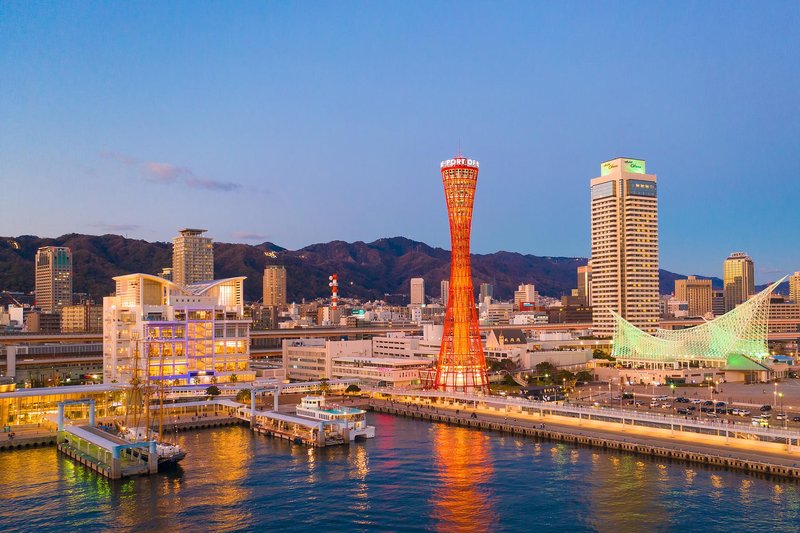
Hotels in Nagai
Discover your perfect stay in Nagai.
Nagai(Japan) Travel 2026: Cheap Flights, Hotels & Top Attractions
Popular Landmarks in Nagai
Discover the most iconic attractions in Nagai
Recommended Hotels in Nagai
Find the perfect place to stay in Nagai
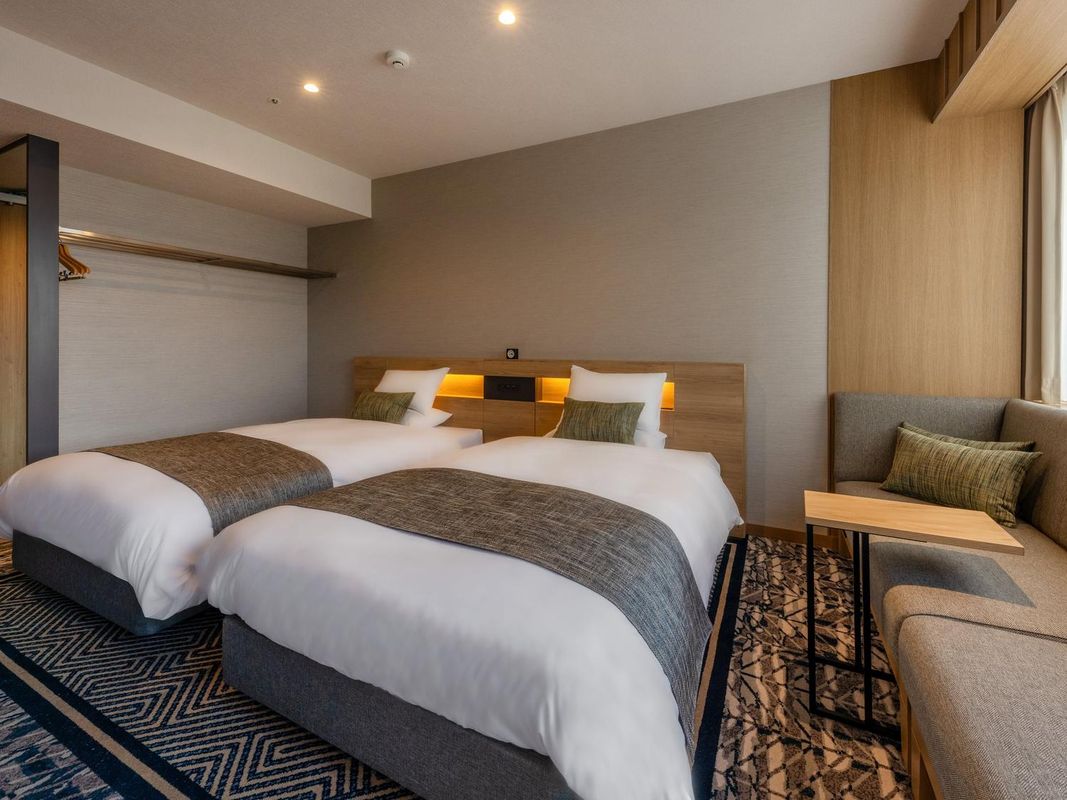
Tas Park Hotel
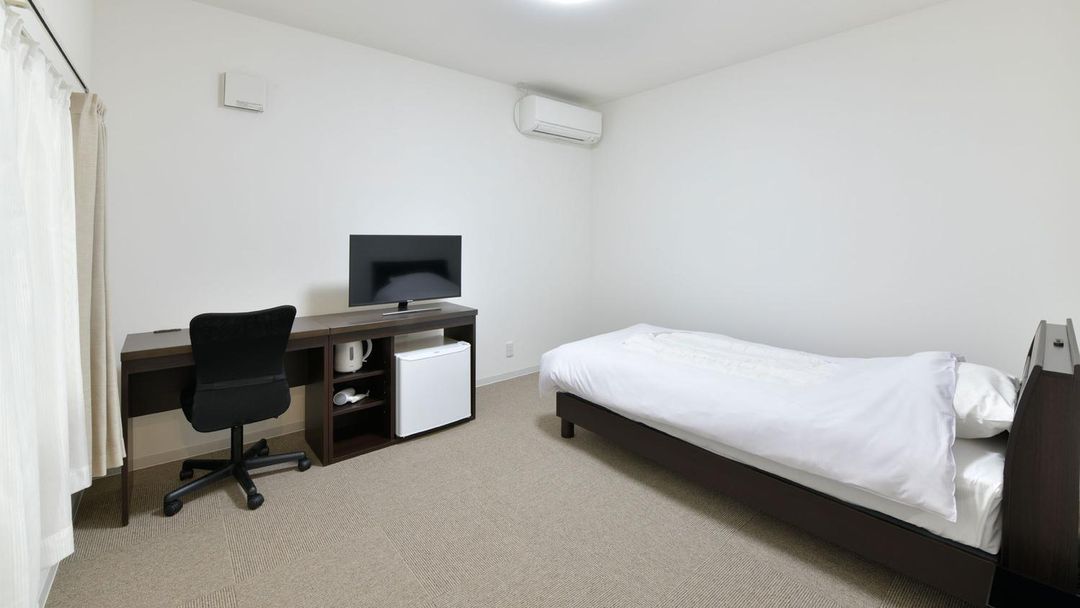
Unohana Onsen Hagien
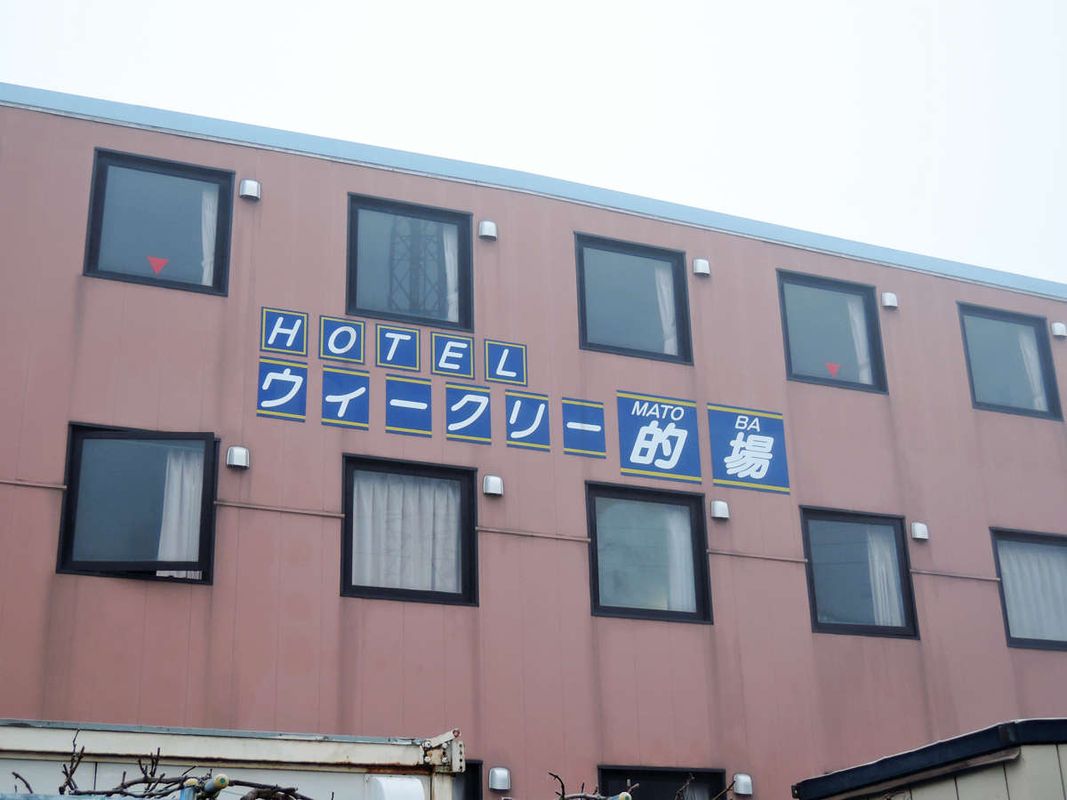
Hotel Weekly Matoba
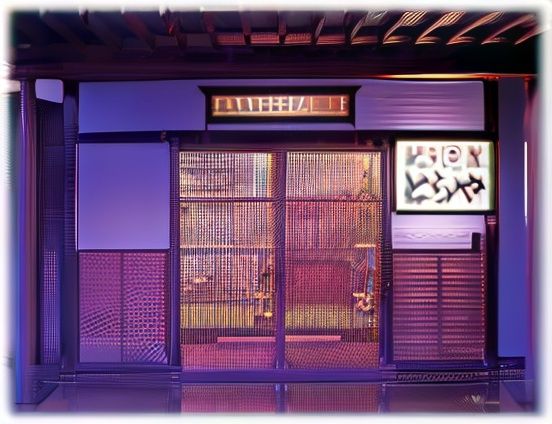
Toraya
Best Hotels in Nagai
Discover curated hotel collections in Nagai
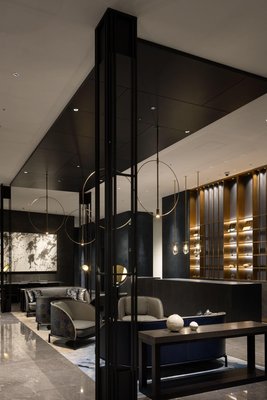
Bellustar Tokyo, A Pan Pacific Hotel
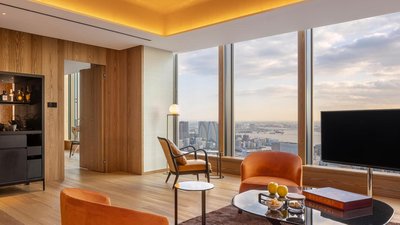
Bvlgari Hotel Tokyo
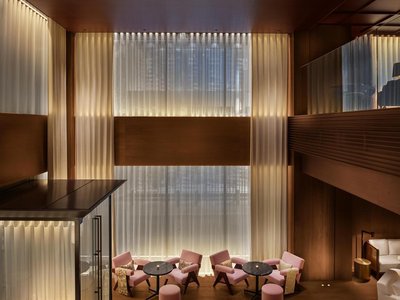
The Tokyo Edition, Ginza
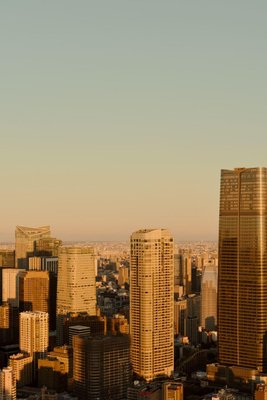
Janu Tokyo
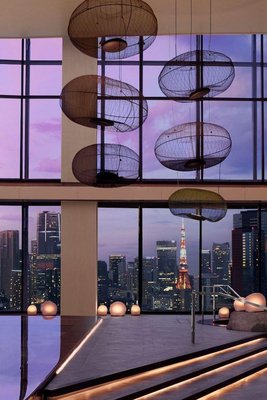
JW Marriott Hotel Tokyo
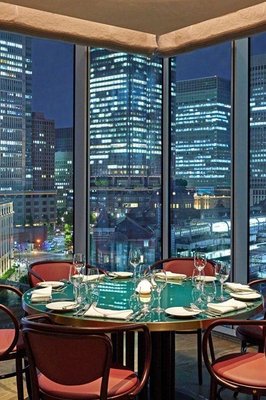
Four Seasons Hotel Tokyo at Marunouchi

Mandarin Oriental, Tokyo
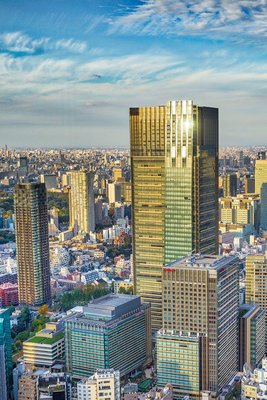
The Ritz-Carlton, Tokyo
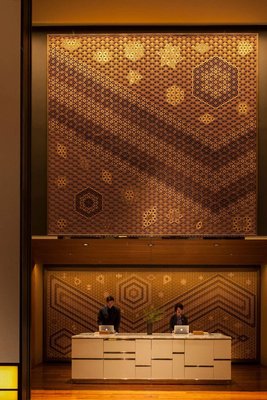
Andaz Tokyo Toranomon Hills- A Concept by Hyatt
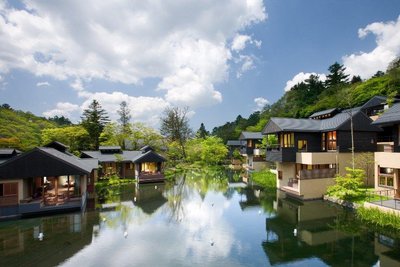
Hoshinoya Karuizawa
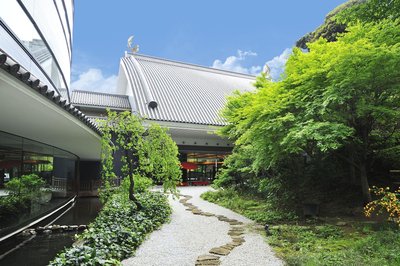
Hotel Gajoen Tokyo
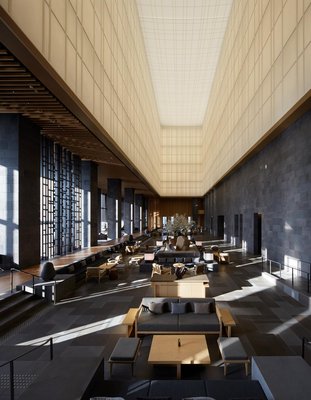
Aman Tokyo
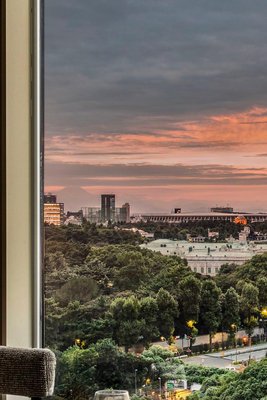
Hotel New Otani Tokyo, Executive House Zen
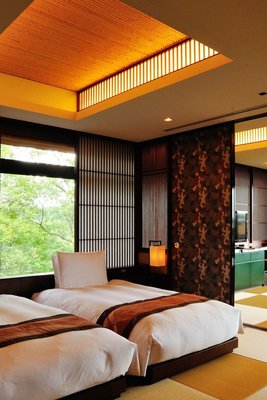
Chikusenso Onsen
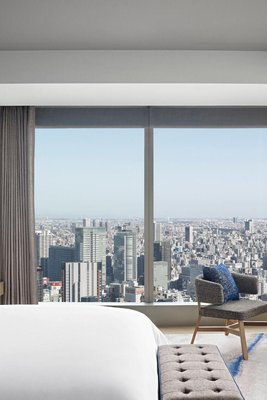
Four Seasons Hotel Tokyo at Otemachi
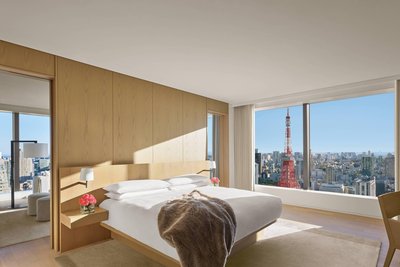
The Tokyo Edition, Toranomon
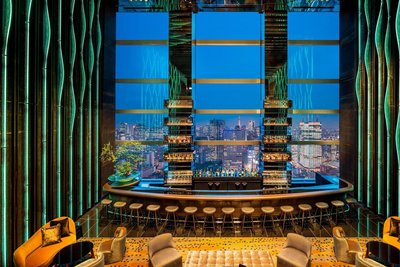
The Prince Gallery Tokyo Kioicho, a Luxury Collection Hotel
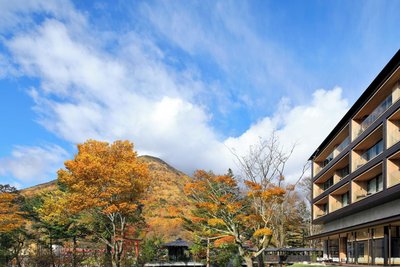
The Ritz-Carlton, Nikko
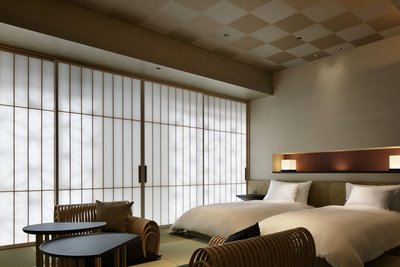
HOSHINOYA Tokyo
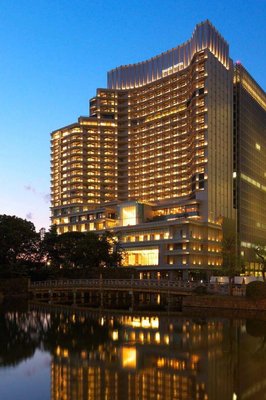
Palace Hotel Tokyo
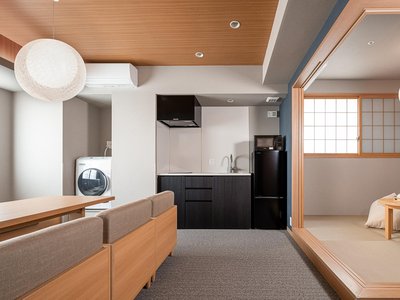
MIMARU SUITES Tokyo Asakusa
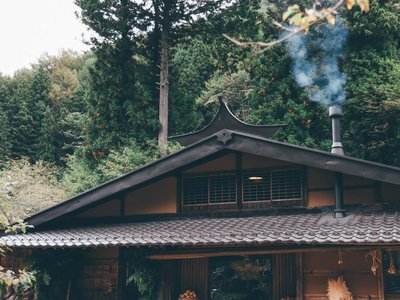
La Terra Resort
karaksa hotel colors Tokyo Yaesu

HOTEL GROOVE SHINJUKU, A PARKROYAL Hotel

EN Resort Grandeco Hotel
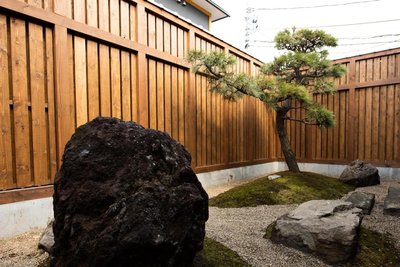
Hotel Zen-Adult Only
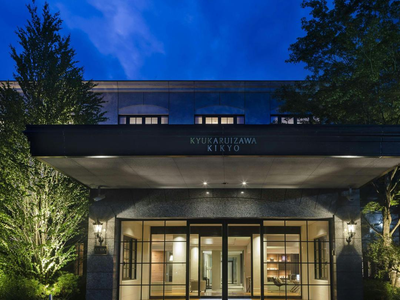
Fufu Karuizawa Wind of Sunshine
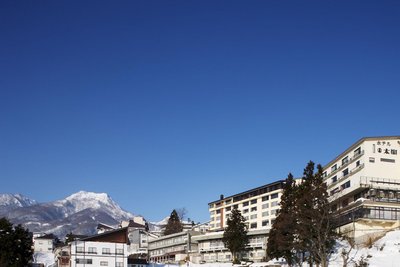
Hotel Taiko, Akakura Onsen
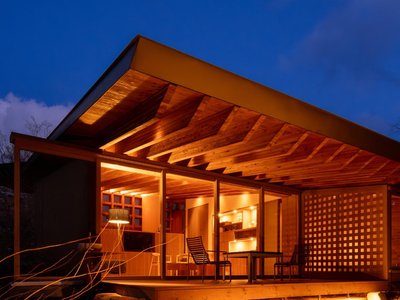
Nasu Mukunone
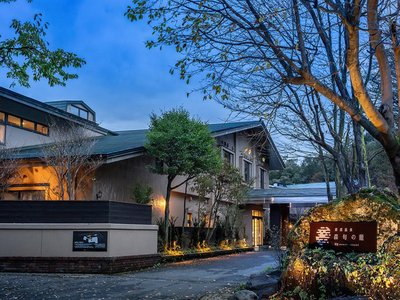
Nasu Onsen Shinshun no Kago Hewitt Resort
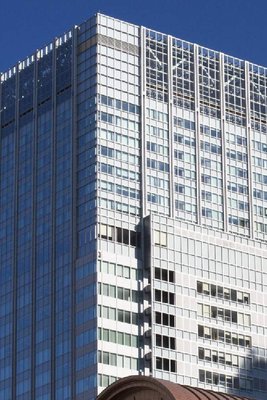
Hotel Metropolitan Tokyo Marunouchi
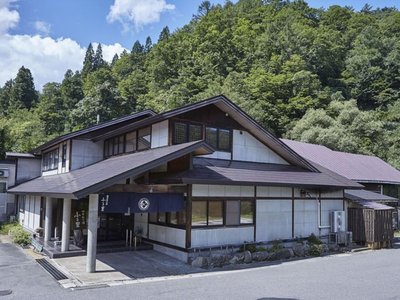
Fulsato
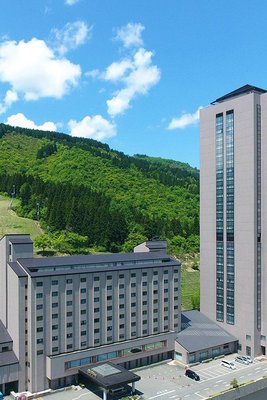
Naspa New Otani
Crowne Plaza - ANA RESORT APPI KOGEN
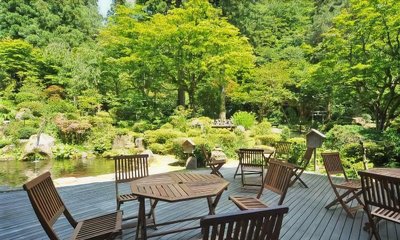
Choseikan
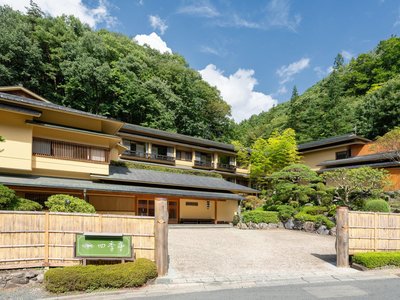
Shikitei Morioka TsunagiOnsen
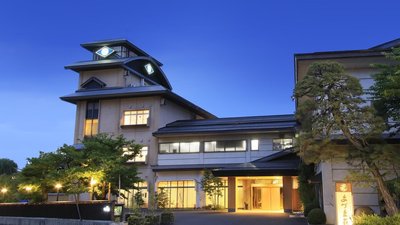
Shouhakutei Azumaso
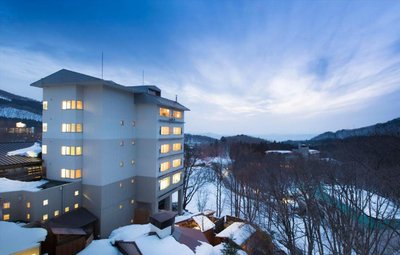
Takamiya Hotel Lucent
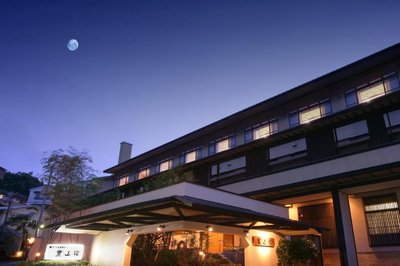
Hayamakan
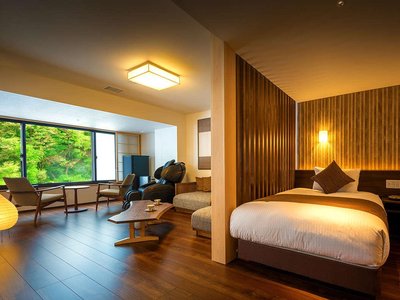
Harataki
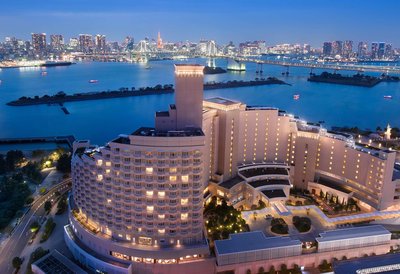
Hilton Tokyo Odaiba
JW Marriott Hotel Tokyo
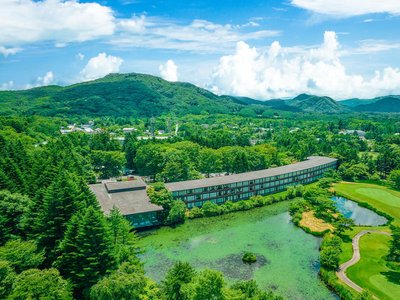
The Prince Karuizawa
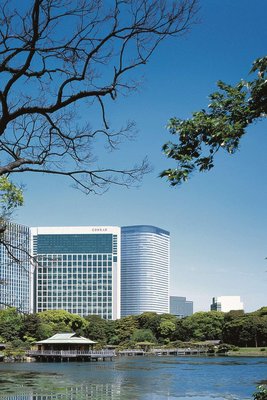
Conrad Tokyo
Hoshinoya Karuizawa
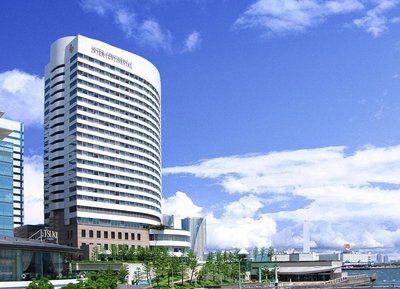
InterContinental Tokyo Bay
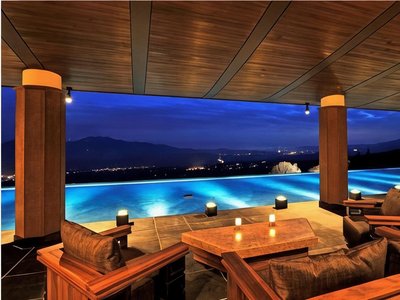
Akakura Kanko Hotel
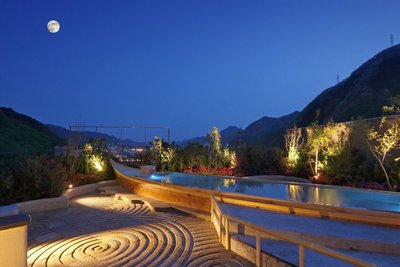
Asaya
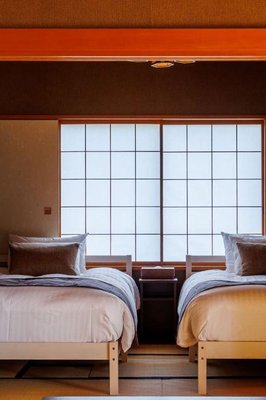
Sado Resort Hotel Azuma

Komatsu-Kan Kofu-Tei
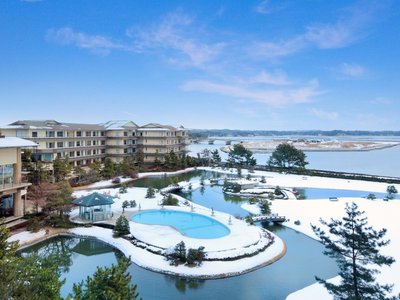
Matsushima Ichinobo
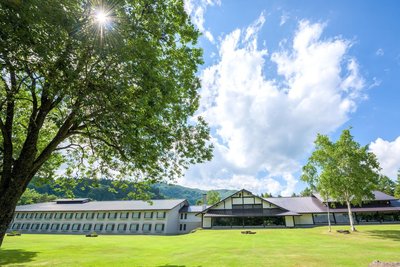
Towada Prince Hotel
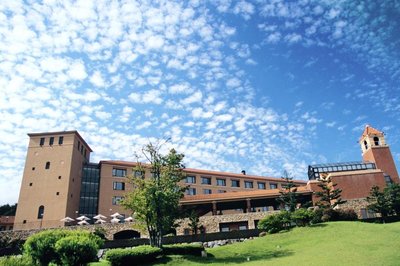
Fruit Park Fujiya Hotel
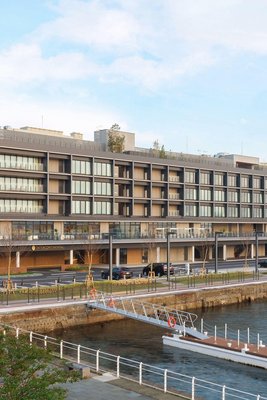
InterContinental Yokohama Pier 8
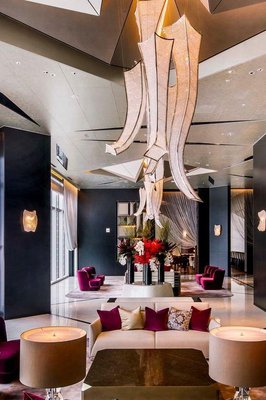
The Kahala Hotel & Resort Yokohama
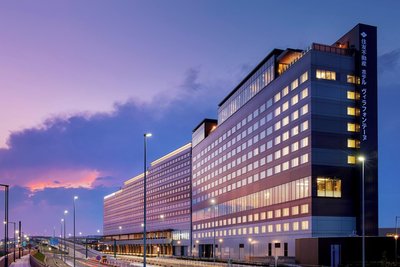
Villa Fontaine Premier Haneda Airport
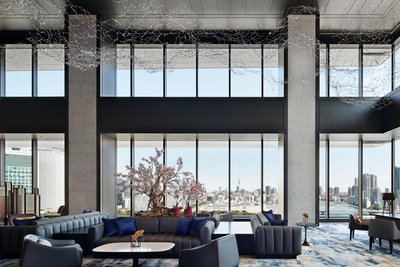
Mesm Tokyo, Autograph Collection
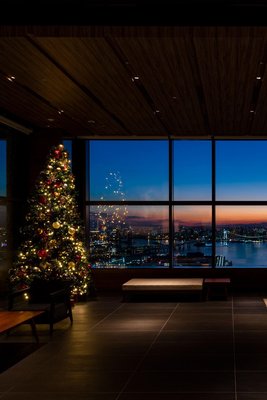
Mitsui Garden Hotel Toyosu Premier / Tokyo
The Tokyo Edition, Toranomon
The Ritz-Carlton, Nikko
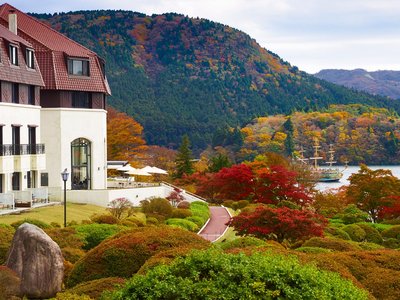
Hotakajyo
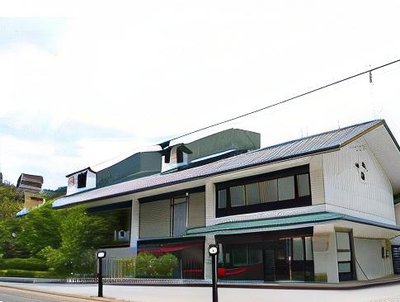
Auberge Suzukane

Onyado Nono Asakusa Bettei Hot Spring
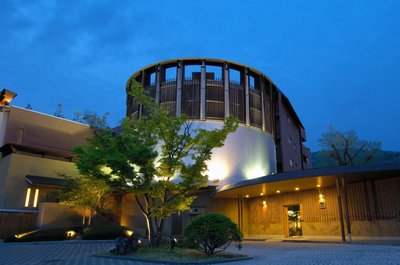
Hoshino Resorts Kai Matsumoto
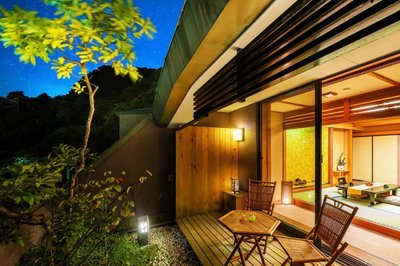
Konjakutei
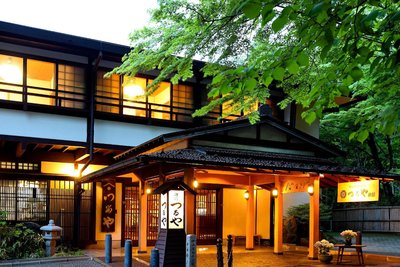
Tsuruya Ryokan
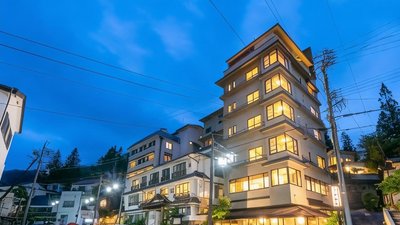
Nakamatsuya Ryokan
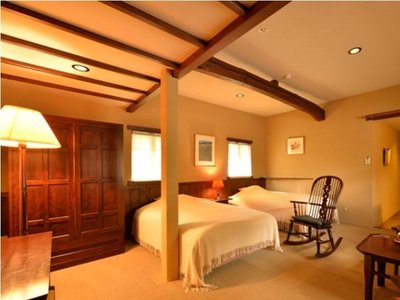
Ryokan Sugimoto
Hotel Gajoen Tokyo
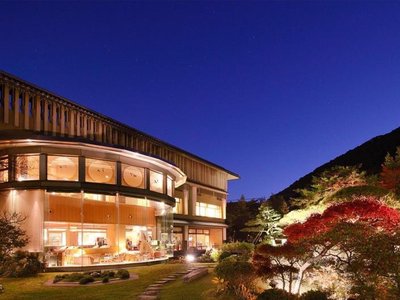
Shikisai Ichiriki
Sado Resort Hotel Azuma
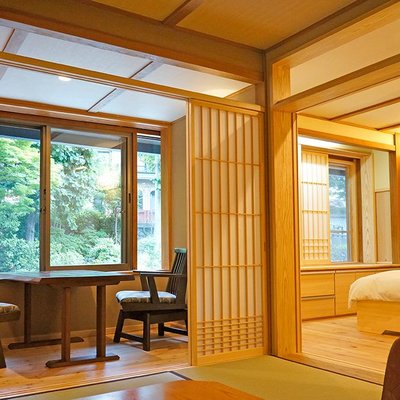
Sumiyosiya Ryokan
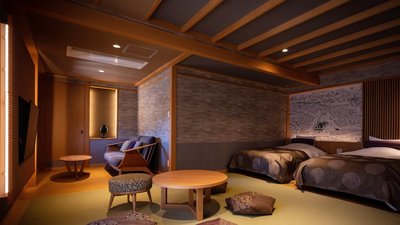
Naraya
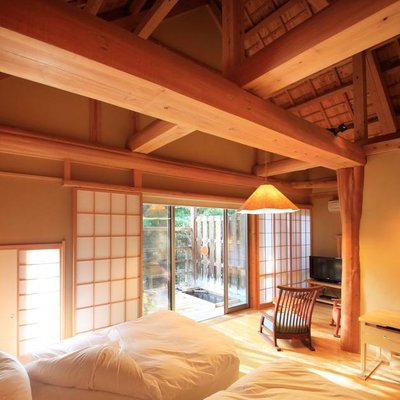
Daikon-No-Hana
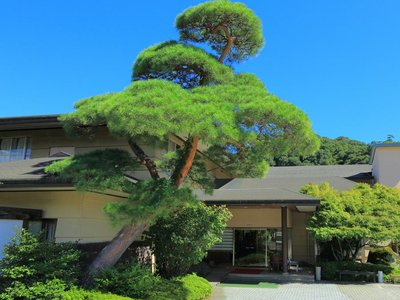
Nagatoro Choseikan Ryokan
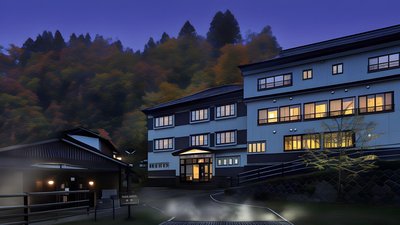
Zao Onsen Omiya Ryokan
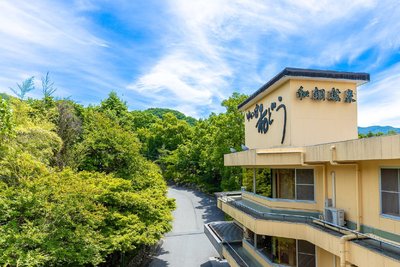
Yu No Yado Wadoh
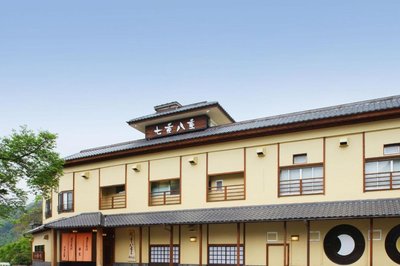
Nanaeyae
HOSHINOYA Tokyo
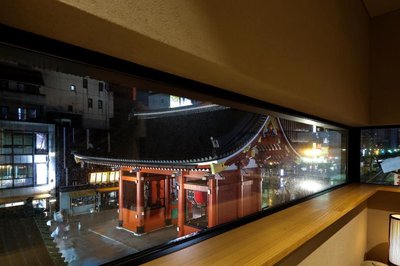
Kaminarimon Ryokan
Bellustar Tokyo, A Pan Pacific Hotel
JW Marriott Hotel Tokyo
Andaz Tokyo Toranomon Hills- A Concept by Hyatt
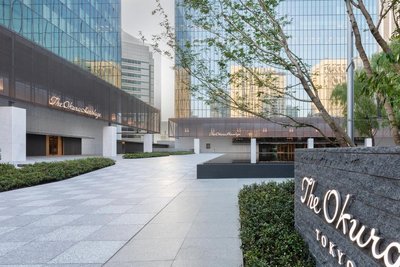
The Okura Tokyo
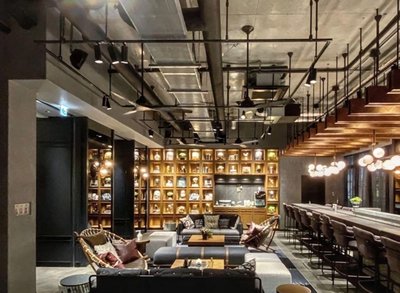
The Lively Azabujuban Tokyo
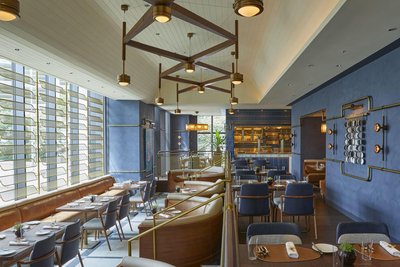
Kimpton Shinjuku Tokyo

HOTEL K5
The Prince Gallery Tokyo Kioicho, a Luxury Collection Hotel
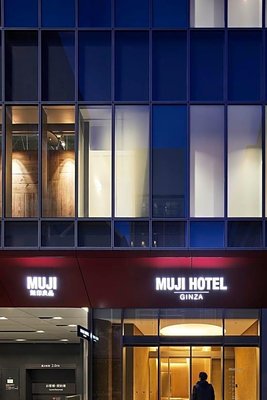
Muji Hotel Ginza
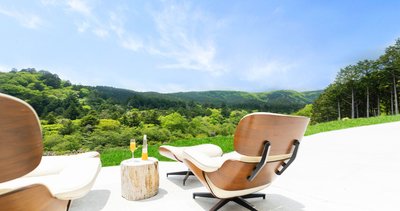
Shelter Garden Nikko
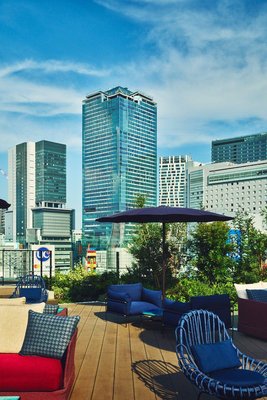
Hotel Indigo Tokyo Shibuya
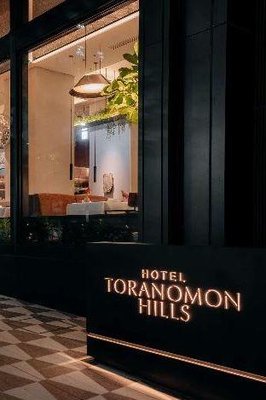
Hotel Toranomon Hills
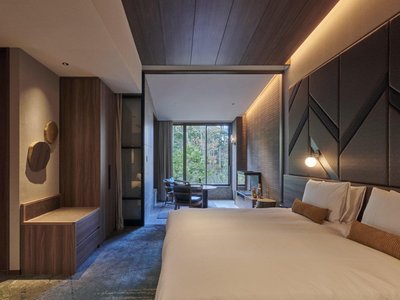
Fufu Kyu-Karuizawa Restful Forest
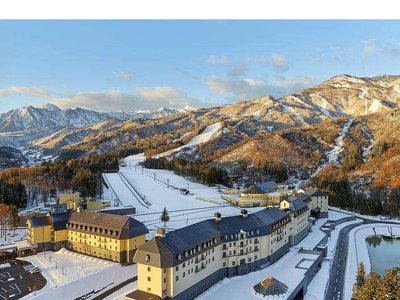
Lotte Arai Resort
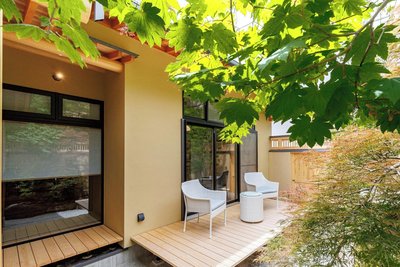
Shoraiso
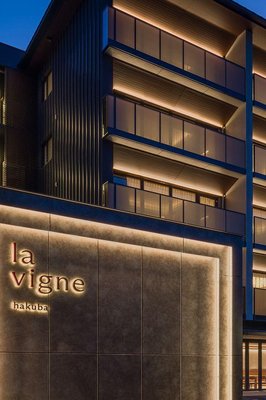
Hotel la Vigne Hakuba by Onko Chishin
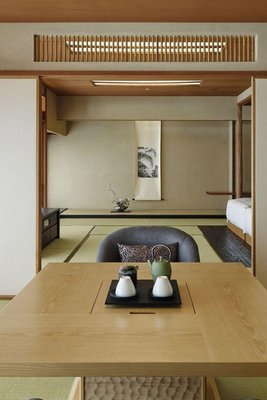
Takanawa Hanakohro (in Grand Prince Hotel Takanawa)
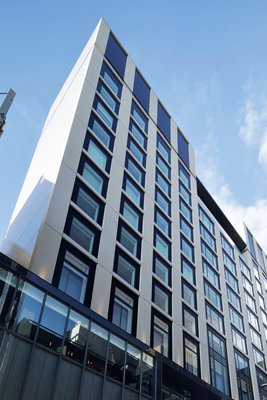
Hyatt Centric Ginza Tokyo
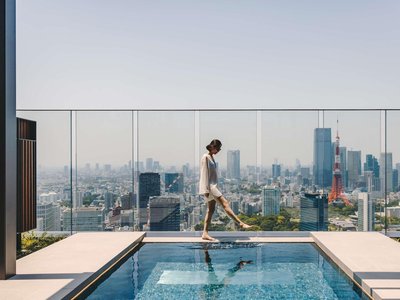
Fairmont Tokyo
The Prince Karuizawa
Conrad Tokyo
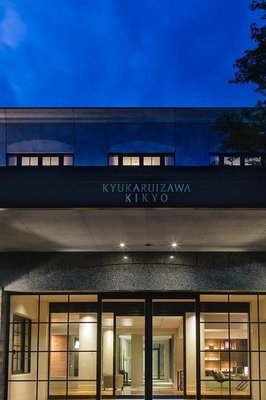
Kyukaruizawa Kikyo, Curio Collection by Hilton
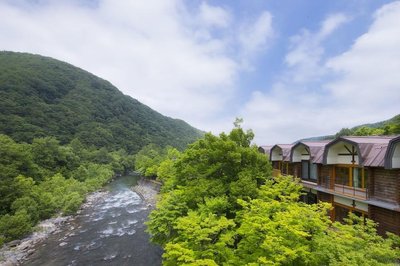
Hoshino Resorts Oirase Keiryu Hotel
Asaya
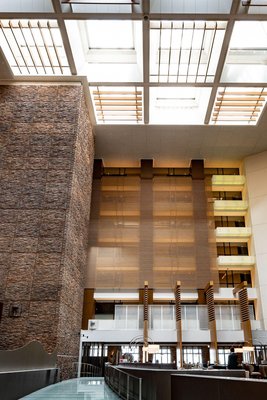
The Strings by InterContinental, Tokyo
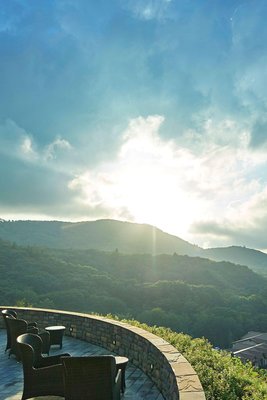
Le Grand Karuizawa Hotel & Resort
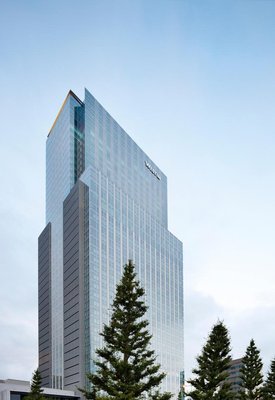
The Westin Sendai Hotel
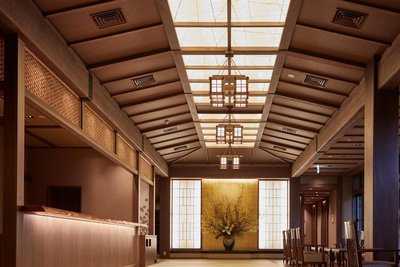
Yukinohana
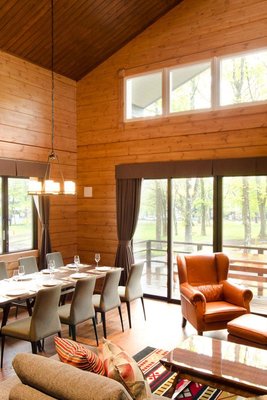
The Prince Villa Karuizawa
Bvlgari Hotel Tokyo
Four Seasons Hotel Tokyo at Marunouchi
Mandarin Oriental, Tokyo
The Ritz-Carlton, Tokyo
Andaz Tokyo Toranomon Hills- A Concept by Hyatt

Hotel New Otani Tokyo the Main
Aman Tokyo
Four Seasons Hotel Tokyo at Otemachi
The Tokyo Edition, Toranomon
Palace Hotel Tokyo
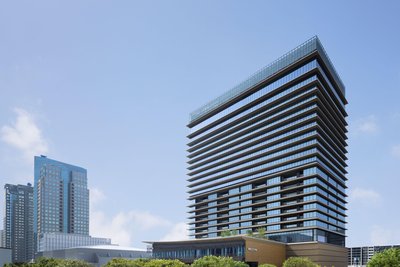
The Westin Yokohama
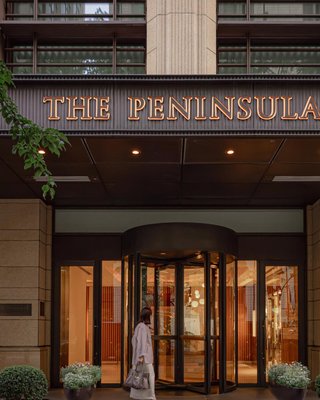
The Peninsula Tokyo

Imperial Hotel, Tokyo

Rakuten STAY VILLA Nasu
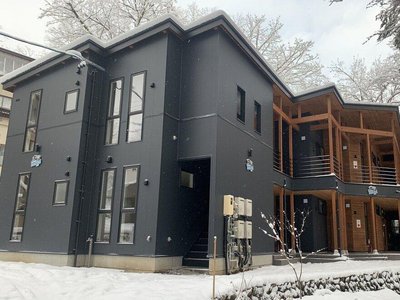
Hakuba Gondola Apartments
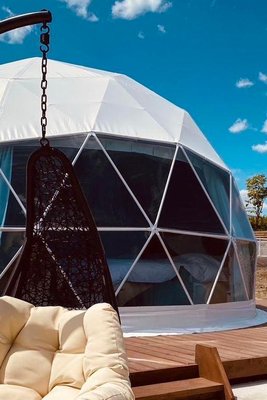
chillout glamping zao

Phoenix Chalets by Hhg
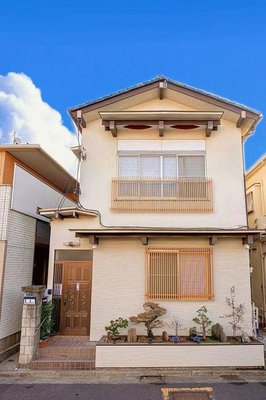
Tokyo Star House-Shinkoiwa
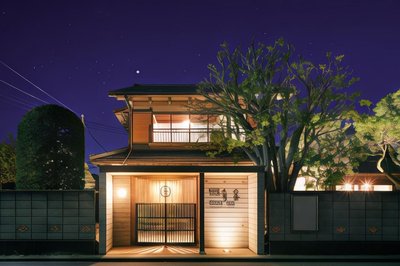
Machi-Jyu
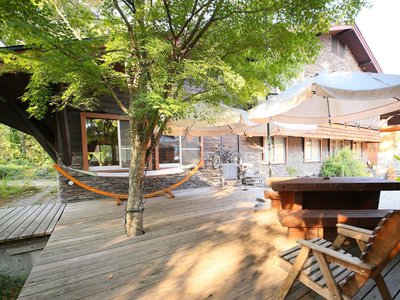
Kunugi Relaxation with 4 Modern Rooms
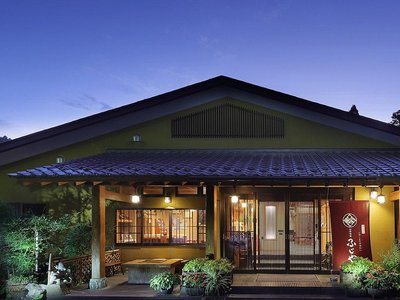
Shikimitei Fujiya
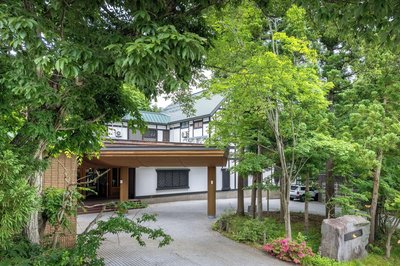
Forest Resort Yamanote Hotel

Hotel Barrière Fouquet's New York
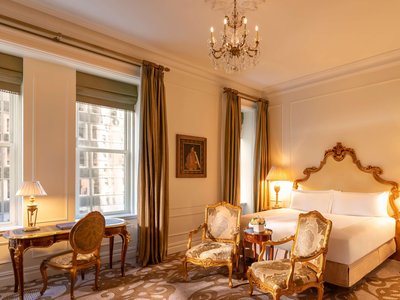
The Plaza - A Fairmont Managed Hotel
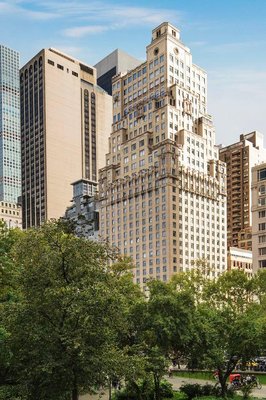
The Ritz-Carlton New York, Central Park
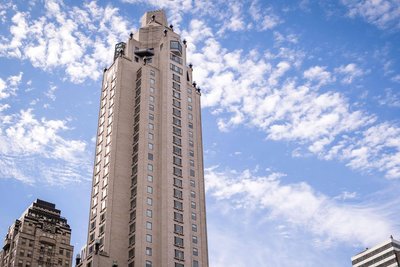
Four Seasons Hotel New York
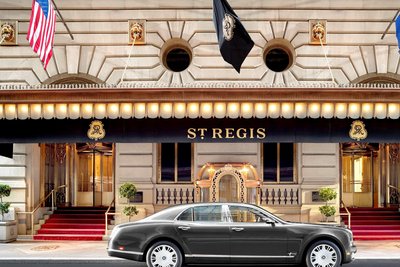
The St. Regis New York
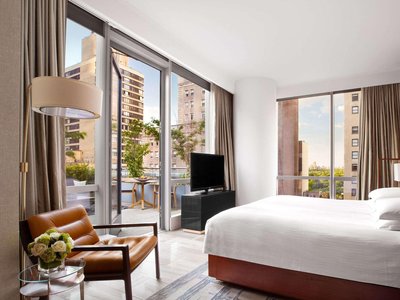
Park Hyatt New York
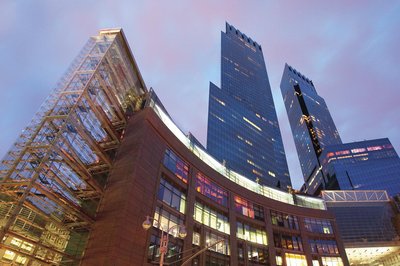
Mandarin Oriental New York
Times Square Edition New York

Loews Regency New York Hotel
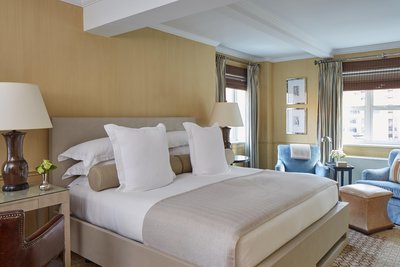
Lowell Hotel
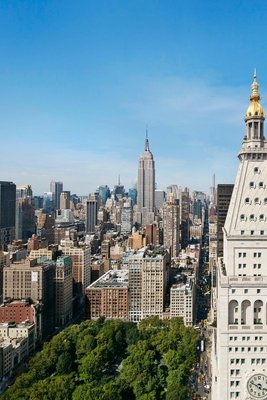
New York Edition
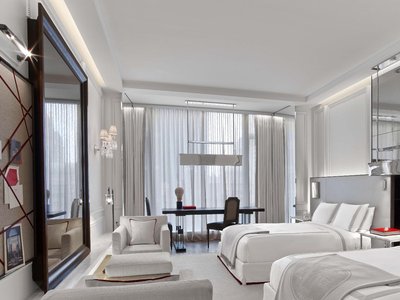
Baccarat Hotel New York

Equinox Hotel New York

Four Seasons Hotel New York Downtown
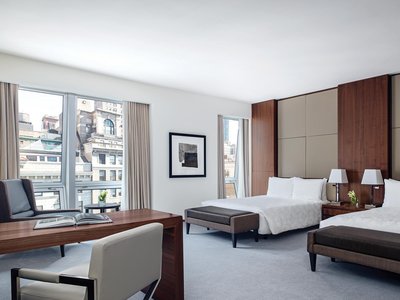
The Langham, New York, Fifth Avenue

The Carlyle, A Rosewood Hotel

The Chatwal, in the Unbound Collection by Hyatt

The Mark New York
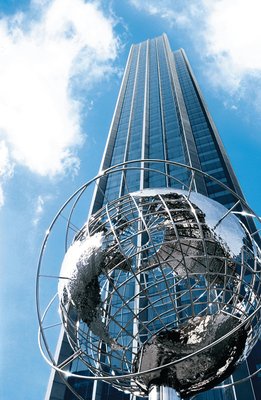
Trump International Hotel & Tower® New York
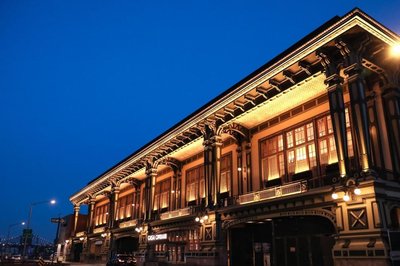
Casa Cipriani New York
Frequently Asked Questions about Traveling to Nagai
Questions You Might Need to Know About Traveling to Nagai
In Nagai City, the top choice for families is Nagai Onsen Resort Hotel, located near downtown and adjacent to the Nagai River and Nagai City Museum. This hotel offers spacious family rooms, a public hot spring bath, and child-friendly amenities including play areas and local snacks. Guests can easily walk to Mikotsuboshi Park and enjoy nature trails through the surrounding hills. The hotel also serves authentic regional cuisine such as Yamagata beef and Koshihikari rice, providing a true taste of local culture. Another excellent option is Nagai Town Hall Guesthouse, a traditional Japanese-style inn with tatami-mat rooms and shared kitchen facilities—ideal for travelers seeking an immersive cultural experience. Located just a 5-minute walk from Nagai Station, it’s perfect for exploring the city with ease.
The central business district of Nagai City, particularly around Nagai Station and the Nagai River Promenade, is the most recommended area for lodging. This zone offers excellent accessibility to trains heading to Yamagata City and Shinjō City, while being surrounded by local restaurants, souvenir shops, and public services. Staying here allows easy access to the Nagai City Museum and scenic walks along the river to Mikotsuboshi Park. The area also hosts several onsen inns like Nagai Onsen Resort Hotel, combining comfort with natural relaxation. With its blend of convenience, cultural charm, and proximity to green spaces, this district provides an ideal base for both leisure and exploratory travel in Nagai City.
Visitors to Nagai City can participate in the renowned Nagai Ironcraft Workshop Experience, a nationally recognized intangible cultural heritage. At Nagai Tetsugata Workshop, guests learn traditional forging techniques under expert artisans, crafting small iron items like tea scoops or pocket knives. Another highlight is the annual Nagai River Fireworks Festival, held in spring, where dazzling displays reflect off the river surface amid illuminated lanterns, creating a magical atmosphere. During New Year celebrations, the Nagai Year-End Festival (Nagai Nenkō Matsuri) features traditional rituals, folk dances, and community performances, offering deep insight into Yamagata’s spiritual traditions and communal values. These events showcase the city’s rich cultural identity and provide meaningful interaction with locals.
Nagai City's onsen hotels stand out for their emphasis on natural healing and local cultural integration. The Nagai Onsen Resort Hotel features mineral-rich hot springs drawn from depths of 300 meters, high in silicate and calcium carbonate—excellent for skin and joint health. The hotel includes indoor and outdoor baths, open-air onsen pools, and forest bathing trails, allowing guests to relax amidst serene mountain scenery. Many rooms offer panoramic views of the Nagai River and distant mountains, especially stunning at night when stars twinkle above the water. Dinner often includes seasonal Yamagata dishes like tofu hot pot and vegetable tempura, blending culinary tradition with wellness. This seamless fusion of nature, comfort, and culture makes these inns a must-visit for authentic Japanese retreats.
Nagai City boasts several photogenic locations. The Nagai River Promenade is ideal during cherry blossom season (late March–early April) and autumn foliage (mid-September–mid-November), with willow trees lining the banks and reflections creating dreamy compositions. Mikotsuboshi Park’s observation deck offers sweeping views of the city basin and surrounding mountains—perfect for sunset shots. The Nagai City Museum’s traditional Japanese garden, featuring stone lanterns, dry landscape rock arrangements, and moss-covered paths, is a favorite among photographers seeking vintage aesthetics. For candid urban scenes, visit Nagai Station Front Plaza, where locals gather daily, capturing genuine moments of everyday life. These spots combine natural beauty, architectural charm, and cultural authenticity for unforgettable visuals.
Tourists visiting Nagai City must try Yamagata beef, known for its tender texture and marbling—best enjoyed grilled at Nagai Steak House. Another must-try is Koshihikari rice, grown locally with exceptional flavor and aroma, served with dishes like tofu soup or vegetable tempura. Don’t miss the Nagai Soy Sauce Ramen, a regional specialty with a rich, slightly sweet soy-based broth, topped with chashu pork and nori. During festivals, sample Nagai Year-End Mochi, a traditional rice cake filled with red bean paste, symbolizing good fortune. These flavors are widely available at Nagai Central Market and local food stalls along the main shopping street, offering not only delicious meals but also authentic insights into local life and culinary heritage.
Yes, Nagai City offers convenient transportation via JR East Japan Railway’s Nagai Station, connecting directly to Yamagata Station (approx. 30 minutes by local train). Bus services cover key attractions like the Nagai River, Mikotsuboshi Park, and Nagai City Museum, with affordable fares and day passes available. The city has also launched a Green Mobility Program, including bike rental stations along scenic routes, enabling eco-friendly exploration of riverside paths and rural trails. For self-drivers, ample parking is available throughout the city, and access to the Hokuriku Expressway makes trips to Shinjō City or Sakata City straightforward. Despite its rural setting, Nagai City maintains strong connectivity, making it accessible for all types of travelers.
Nagai City offers excellent hiking opportunities. The Nagai River Trail, stretching about 4 km with wooden boardwalks and stone paths, winds alongside clear streams, perfect for spotting fireflies in summer and vibrant fall foliage in autumn. Another top trail is the Mikotsuboshi Park Mountain Path, approximately 2.5 km long with gentle slopes suitable for all ages. Reaching the summit reveals panoramic views of the Nagai Basin and distant snow-capped peaks like Hayachine Mountain. Along the way, informative signage explains local flora and historical legends. Additionally, the Nagai Ironcraft Trail connects several artisan workshops, allowing hikers to observe traditional blacksmithing and purchase handmade ironware—combining adventure with cultural discovery.
Absolutely. Nagai City preserves several historically significant structures. The Nagai Castle Ruins, once the residence of the Nagai Clan during the Sengoku period, now form Nagai Castle Park, featuring earth ramparts, moats, and stone walls—accessible via guided tours explaining feudal warfare and regional power struggles. Nearby, the Nagai City Museum occupies the former Meiji-era district office, blending Western and Japanese architectural styles. Inside, exhibits include antique tools, farming equipment, and traditional clothing, illustrating the city’s industrial and social evolution. For spiritual heritage, visit Ōmiya Shrine, established in the 17th century, whose well-preserved main hall hosts the annual Ōmiya Festival. These sites offer tangible connections to Nagai’s past and deepen understanding of Yamagata’s cultural roots.
The best times to visit Nagai City are spring (March to May) and autumn (September to November). Spring brings cherry blossoms along the Nagai River and the lively Nagai River Fireworks Festival, drawing crowds eager for scenic views and festive energy. Autumn transforms the region into a tapestry of red and gold, especially at Mikotsuboshi Park and along the hiking trails. The Nagai Year-End Festival in January also adds charm, with traditional rituals and folk dances. For those seeking quieter visits, summer (June to August) offers cool escapes at Nagai Onsen, plus outdoor concerts and farmers' markets. While peak seasons attract more visitors, each season presents unique beauty, making Nagai City appealing year-round.
Nagai Overview
City Summary
Nagai City in Yamagata Prefecture is a serene rural town renowned for its cherry blossom tunnels and traditional textile craftsmanship. The 2-kilometer "Nagai Old Sakura Avenue" with over 400 weeping cherry trees forms the core attraction, alongside Edo-period silk weaving experiences at Nagai Tsumugi Heritage Hall. Its four-season landscapes offer an ideal retreat from urban bustle.
Must-See Attractions
The Nagai Old Sakura Avenue transforms into a pink floral canopy each spring. At Nagai Tsumugi Heritage Hall, visitors can participate in 300-year-old silk-weaving workshops. Summer brings vibrant floats during Nagai Festival, while winter showcases snowscapes along the Mogami River. Don't miss the Shirataka Casting Museum displaying samurai-era metalwork.
Food Guide
Must-try Nagari Reimen features wheat noodles with local mountain vegetables in a savory broth. Premium Yamagata beef grilled tableside pairs perfectly with regional sake. For desserts, sakura-flavored mochi from historic confectionery "Onogawaya" makes a seasonal delicacy. Look for roadside stands selling imoni (taro stew) in autumn.
Transportation Guide
Sparse local buses (1-2/hour) connect central Nagai with Shirakawa Town. From Yamagata Station, take JR Yamagata Line to Atsuki Station (30 mins) then transfer by bus. Central attractions are walkable; bike rentals (¥500/day) excel for countryside exploration. Limited taxis available via DiDi app. Note: No rideshares operate in this area.
Best Time to Visit
Mid-April to early May peaks for cherry blossoms with crowded accommodations. October-November offers serene autumn foliage. Summer (June-August) festivals occur but expect afternoon thunderstorms. Winter visits require snow gear.
Travel Tips
- Arrive by 7AM for crowd-free cherry blossom photography
- Advance bookings mandatory for textile workshops
- Carry sufficient JPY cash for rural eateries
- Check bus schedules in winter snow conditions
- Observe onsen etiquette (pre-wash before bathing)
- Practice strict waste sorting - convenience stores have recycling bins
Useful Information
Language: Minimal English signage; translation apps recommended. Internet: Free Wi-Fi at JR Station; prepaid SIMs available at convenience stores (passport required). Payments: Credit cards accepted only at major hotels; 7-11 ATMs allow international withdrawals. Healthcare: Nagai Municipal Hospital (TEL:0238-88-3111) has 24/7 emergency care. "Tsuruya Nagai" pharmacy staff includes English-speaking nurses. Emergency: Dial 110 for police. Lost items inquiry at Nagai Station info desk.