Hotels in Nagaokakyo
Discover your perfect stay in Nagaokakyo.
Nagaokakyo(Japan) Travel 2026: Cheap Flights, Hotels & Top Attractions
Popular Landmarks in Nagaokakyo
Discover the most iconic attractions in Nagaokakyo
Recommended Hotels in Nagaokakyo
Find the perfect place to stay in Nagaokakyo
Best Hotels in Nagaokakyo
Discover curated hotel collections in Nagaokakyo






















Frequently Asked Questions about Traveling to Nagaokakyo
Questions You Might Need to Know About Traveling to Nagaokakyo
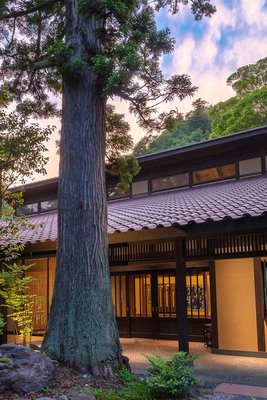
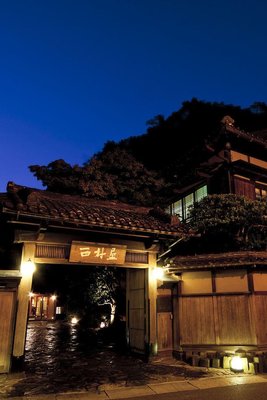
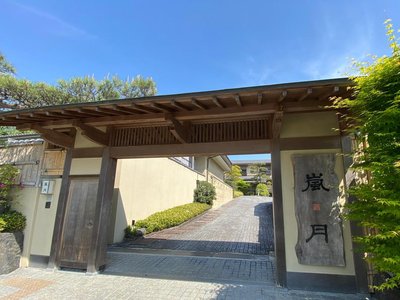
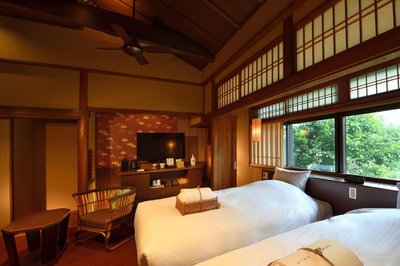
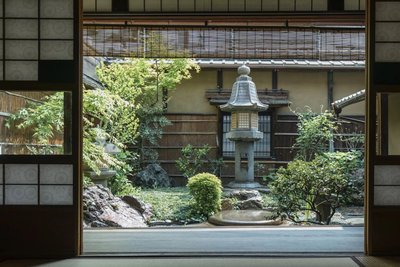
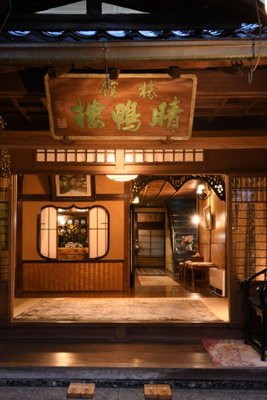
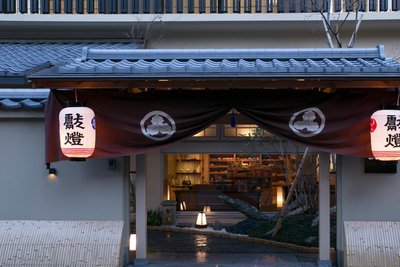
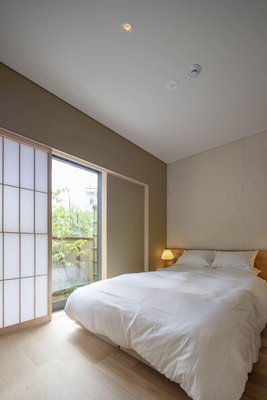
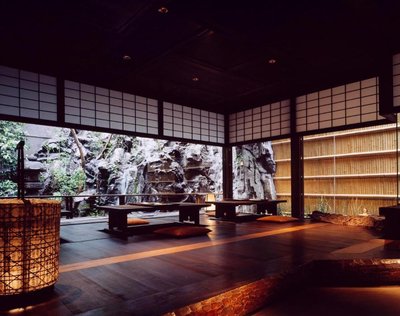
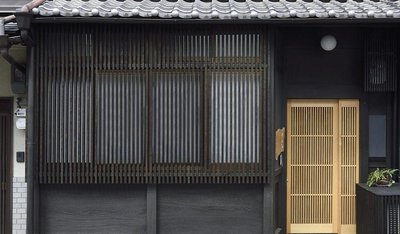
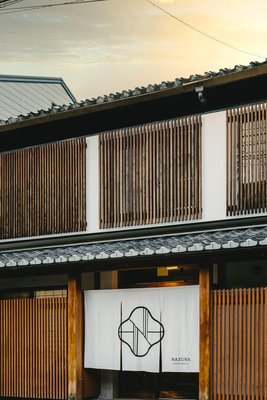
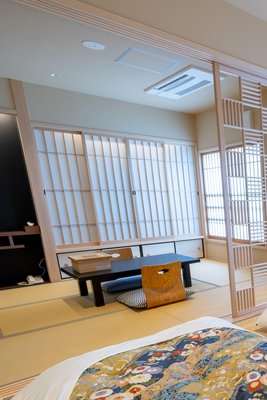
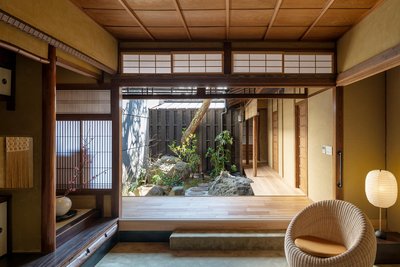
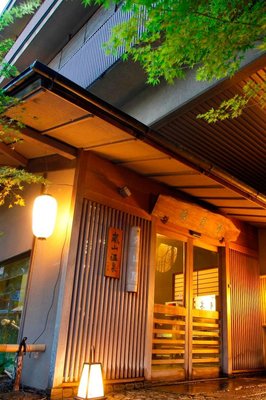
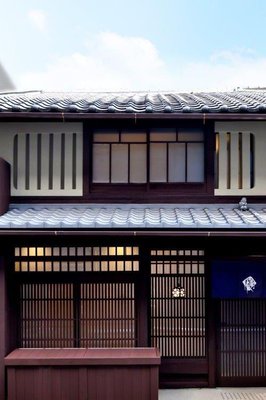
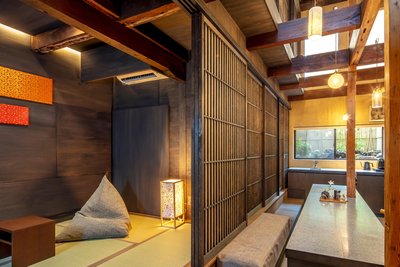
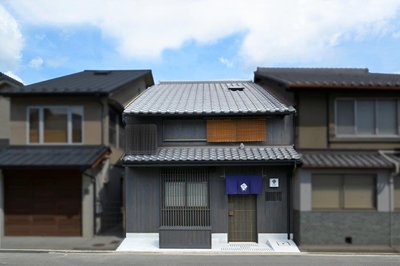
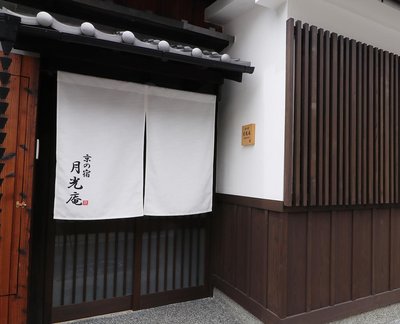
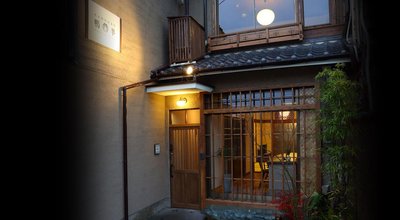
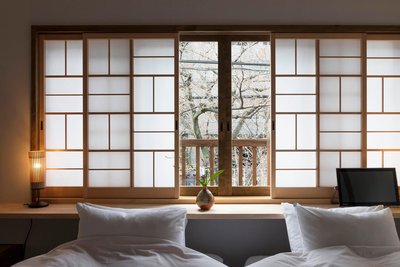
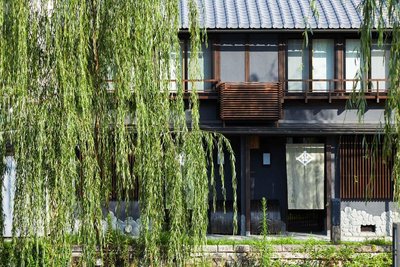
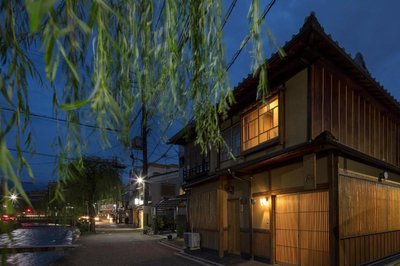
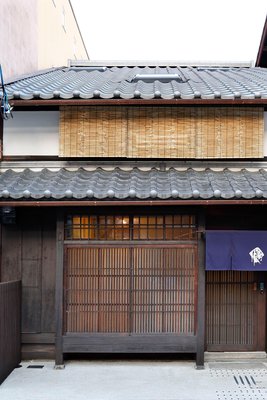
In Nagakute City, the top choice for traditional Japanese design is Nagakutei Hotel, a boutique ryokan blending machiya-style architecture with modern comfort. Located near Nagakute Shrine and Daikaku-ji Temple, it features tatami rooms, shoji screens, and paper lanterns. Guests enjoy seasonal kaiseki meals and tea ceremonies led by local masters. The hotel also offers access to nearby Sakai Textile Workshops and Kyoto’s cultural hubs, making it ideal for travelers seeking authentic atmosphere and quiet retreats away from crowds.
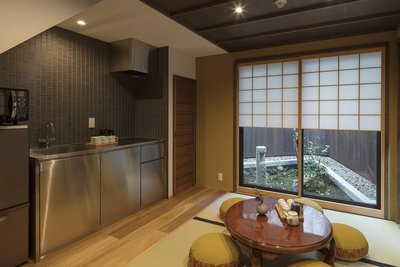
The Southern District of Nagakute City is perfect for families, offering green spaces like Nagakute Municipal Park and Children's Library with play areas. Stay at Kyō no Mori Family Inn, which provides spacious, home-like accommodations with kitchens and laundry facilities. The inn hosts regular hands-on workshops such as mochi-making and origami, engaging kids in traditional crafts. With just a 20-minute ride to Fushimi Inari Shrine, this area balances tranquility with convenient access to major attractions.
Visitors to Nagakute City should not miss the Nagakute Shrine Summer Festival held every August, featuring miko dances, mikoshi processions, and night illuminations. Nearby, Matsukaze-an Tea House offers guided matcha preparation workshops, including tea picking, grinding, and tasting. These immersive experiences allow travelers to connect deeply with Kyoto Prefecture’s spiritual heritage and craftsmanship, creating lasting memories beyond sightseeing.
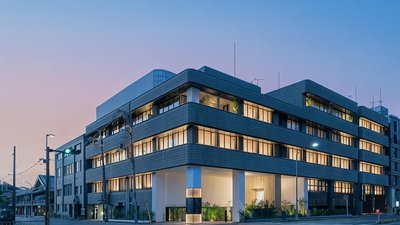
Hotels in Nagakute City are well-linked via the Eizan Electric Railway Nagakute Station, accessible within 5 minutes’ walk. This line connects directly to Gion, Higashiyama, and Kinkaku-ji, enabling easy access to Kyoto’s main sights. The Eizan Bijō Hotel offers free shuttle services and supports ICOCA/Suica cards. Additionally, local community buses link to the Sakai Textile Museum and Nagakute Art Museum. For self-drivers, most hotels provide parking and EV charging stations.
Tourists must sample Nagakute Milk Mochi, made with fresh milk from local farms—available at Nagakute Market’s Tanaka-ya. Another highlight is Daikaku-ji Temple Noodles, crafted with mountain spring water and served in seasonal vegetable broth. For a full culinary experience, visit Gion Kojidai Tei, where the daily-limited Kyoto Vegetarian Kaiseki Set features farm-to-table ingredients sourced from regional producers, celebrating seasonal flavors and tradition.
While Nagakute City is peaceful, its nights offer serene charm. Stroll through the illuminated paths of Nagakute Shrine at dusk, where red torii gates glow against ancient trees. Some inns, like Matsukaze-kaku, host evening haiku recitals under moonlight, inviting guests to join in poetic reflection. The Nagakute Coffee Street features independent cafés such as Miki Coffee, serving hand-brewed beans and artisan pastries—ideal for relaxing evenings away from tourist hubs.
Nagakute City is ideal for travelers seeking slow travel, authentic culture, and serene retreats. History enthusiasts can explore Daikaku-ji Temple and Nagakute Shrine, rich in Heian-era heritage. Nature lovers enjoy walks along the Uji River Trail, spotting seasonal blooms and wildlife. Foodies will appreciate farm-fresh kaiseki dining and textile workshops. Its quiet, unspoiled character makes it perfect for those wanting to escape crowds while still being close to Kyoto’s cultural heart.
Yes, many hotels in Nagakute City provide Chinese language support. The Nagakutei Hotel and Eizan Bijō Hotel feature Chinese websites, multilingual staff, and Chinese-language guides. Some staff speak fluent Mandarin, assisting with check-in, bookings, and tour arrangements. Even smaller inns like Matsukaze-an offer basic Chinese signage and translation tools, ensuring smooth communication for Chinese-speaking travelers.
Photography lovers will find Nagakute City full of timeless scenes. Capture dawn light on the vermilion torii of Nagakute Shrine or golden hour reflections along the Uji River embankment. The Zen rock garden at Daikaku-ji Temple and its thousand-year-old ginkgo tree offer striking compositions year-round. Visit the Sakai Textile Museum to photograph intricate looms and delicate fabrics. Many hotels provide guided photo tours with local photographers, revealing hidden corners and optimal shooting times.
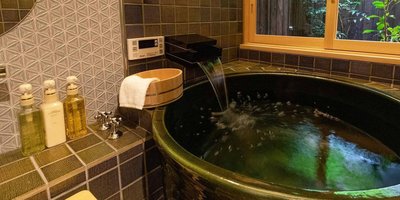
Accommodation prices in Nagakute City are affordable compared to central Kyoto. Budget guesthouses start at ¥6,000–8,000 per night (e.g., Nagakute Minshuku 101), mid-range boutique hotels charge ¥12,000–18,000 (like Eizan Bijō), while premium ryokans such as Nagakutei Hotel range from ¥25,000+ with private baths and butler service. Prices rise 20–40% during peak seasons (spring cherry blossoms, autumn foliage), but overall remain 30% lower than Kyoto city center.
Nagaokakyo Overview
City Summary
Nagaokakyo City in Kyoto Prefecture is a historically significant area, once serving as an ancient capital of Japan. Known for its beautiful bamboo groves, ancient temples, and traditional Japanese gardens, it offers a deep dive into Kyoto's rich cultural heritage.
Must-See Attractions
Must-visit spots in Nagaokakyo include Komyo-ji Temple, Nishiyama Honganji, and Nagaoka Tenmangu Shrine. Komyo-ji is famous for its stunning autumn foliage, while Nagaoka Tenmangu is popular among students praying for academic success. The nearby bamboo paths offer a serene escape from city life.
Food Guide
The local cuisine features traditional Kyoto dishes and regional specialties. Dishes like Kyoto vegetables and tofu are highly recommended. "Kenchin," a local stew made with root vegetables and konjac, is a local favorite worth trying.
Transportation Guide
Nagaokakyo is easily accessible via the JR Kyoto Line to Nagaokakyo Station or the Hankyu Kyoto Line to Nagaoka Tenjin Station. The city has an efficient bus network; a one-day pass is recommended for savings. Taxis are convenient for reaching suburban attractions.
Best Time to Visit
The best times to visit are spring (March-May) and autumn (September-November), when the weather is pleasant and scenery breathtaking. The autumn foliage season is particularly popular, so HopeGoo accommodations early is advised.
Travel Tips
- Observe temple etiquette by being quiet and removing shoes indoors.
- Weather can be unpredictable; carry rain gear.
- Most shops close early; plan shopping accordingly.
- Keep noise levels low on public transport.
- Some restaurants require reservations; check in advance.
Useful Information
Basic Japanese is helpful, but most tourist sites provide English information. WiFi is widely available; SIM cards can be purchased at convenience stores. Cash is preferred, though some places accept cards. For emergencies, dial 110 (police) or 119 (ambulance).