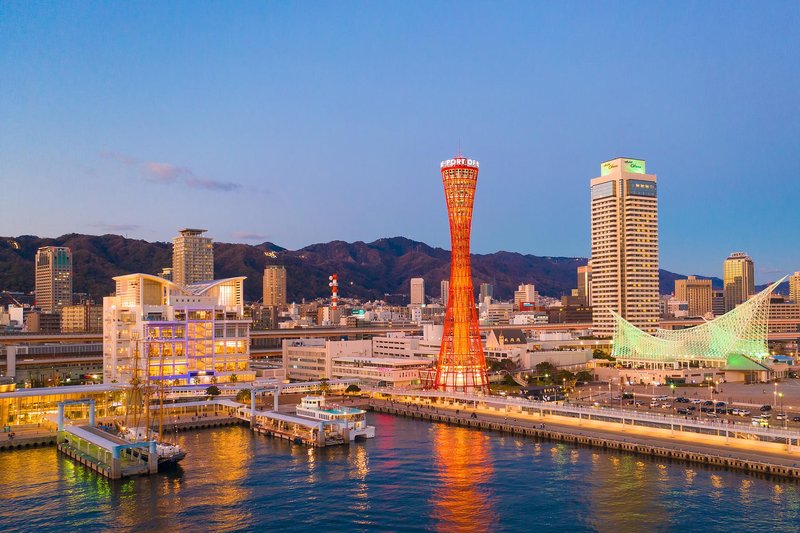
Hotels in Nagasu
Discover your perfect stay in Nagasu.
Nagasu(Japan) Travel 2026: Cheap Flights, Hotels & Top Attractions
Popular Landmarks in Nagasu
Discover the most iconic attractions in Nagasu
Recommended Hotels in Nagasu
Find the perfect place to stay in Nagasu
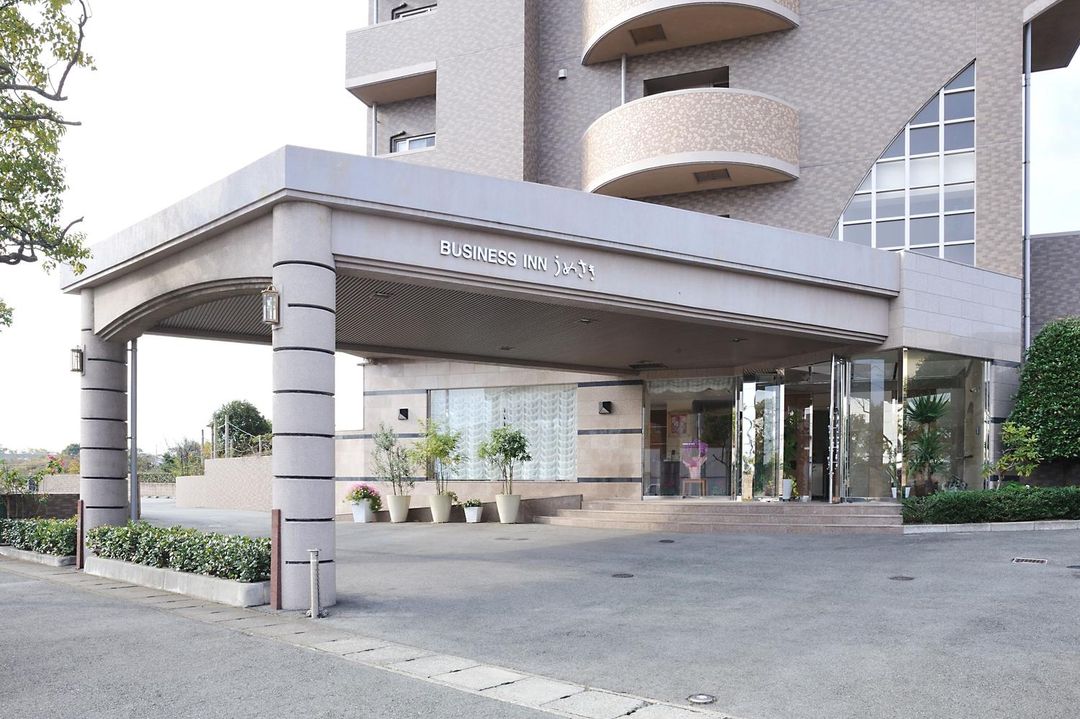
Business Inn Umesaki
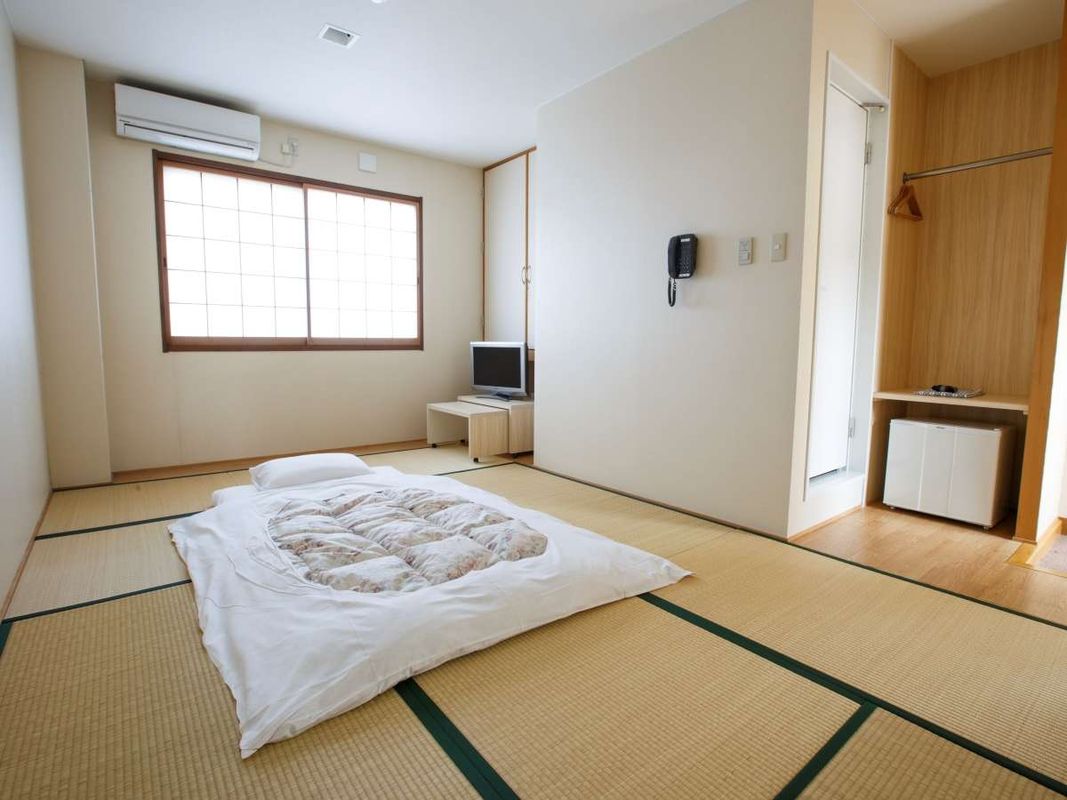
Business Ryokan Umesaki
Best Hotels in Nagasu
Discover curated hotel collections in Nagasu
Garden Terrace Nagasaki Hotel & Resort
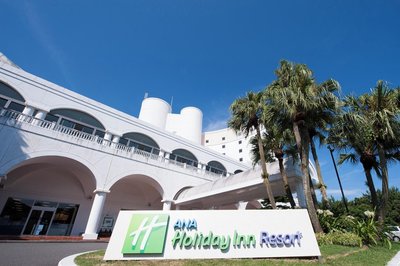
Holiday Inn Resort Miyazaki
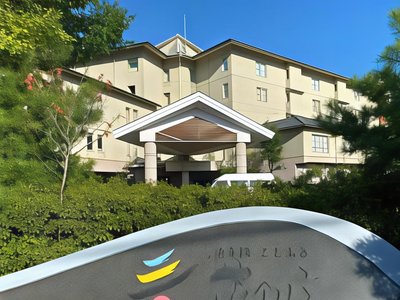
Yufuin Kotobuki Hananosho
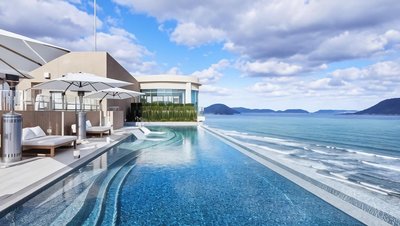
Karatsu Seaside Hotel
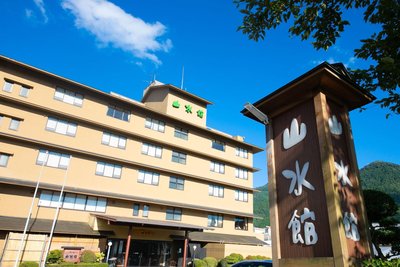
Yufuin Sansuikan
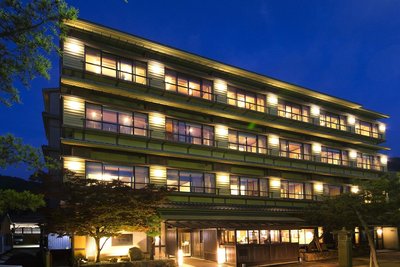
Kinsuikan
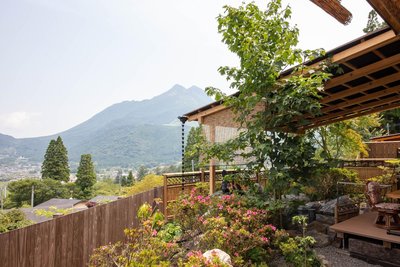
Yufuin-Sanso Waremokou
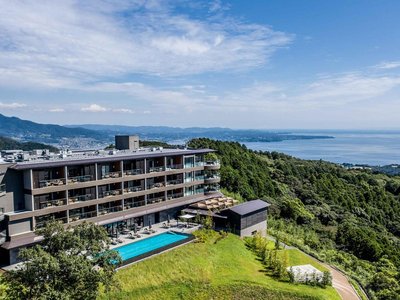
Ana InterContinental Beppu Resort & Spa
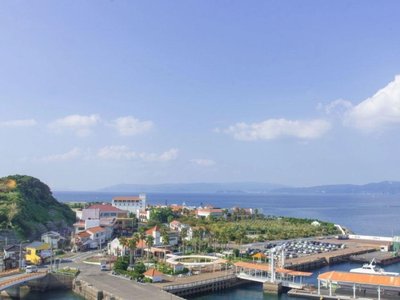
I+Land Nagasaki
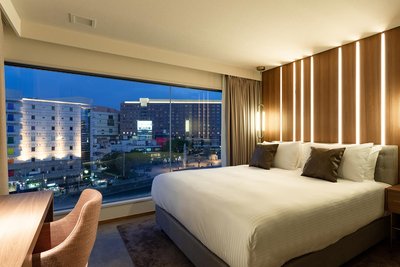
The OneFive Villa Fukuoka
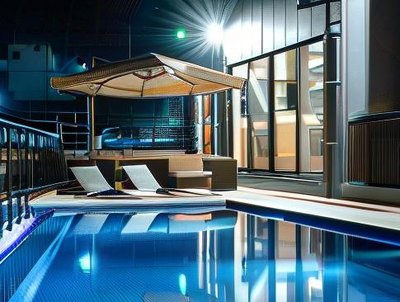
LiVEMAX RESORT MIYAHAMA ONSEN OCEAN
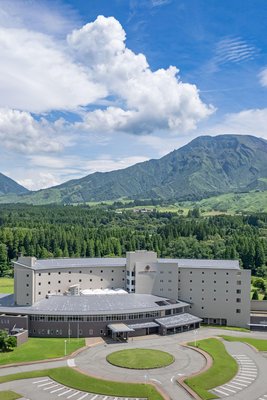
KAMENOI HOTEL ASO
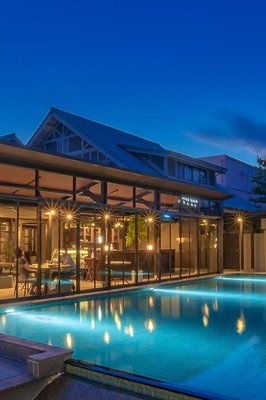
Amane Resort Gahama
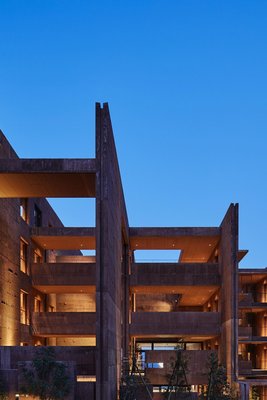
SEKIYA RESORT GALLERIA MIDOBARU
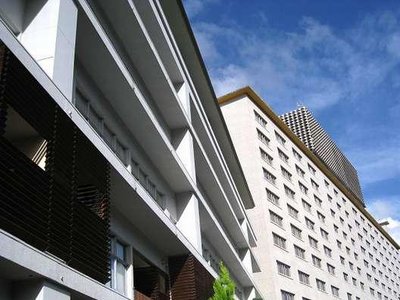
Beppu Suginoi Hotel

Phoenix Seagaia Ocean Tower
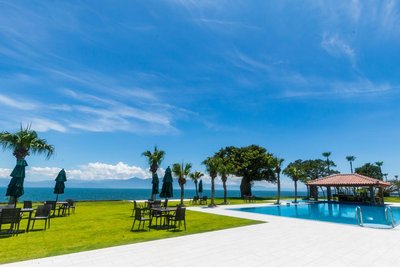
Kagoshima Sunamushi Onsen Ibusuki Hakusuikan
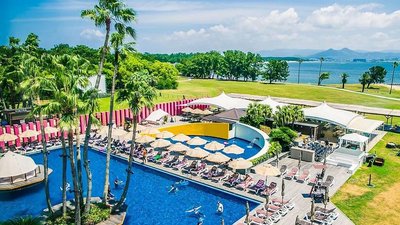
The Luigans Spa and Resort
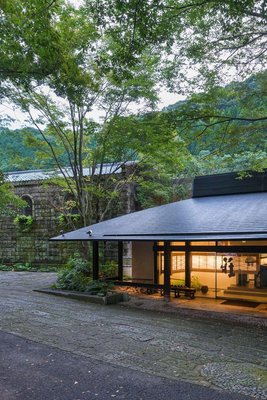
Myoken Ishiharaso

SHIROYAMA HOTEL kagoshima
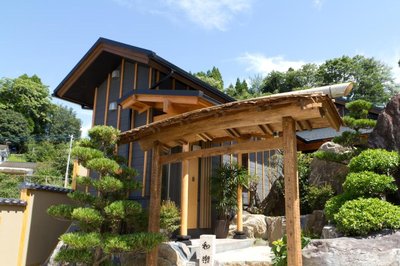
Ryokan Shinsen
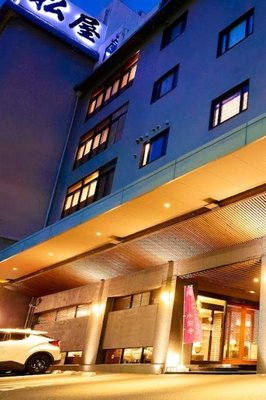
Ryotei Matsuya Honkan Suizenji
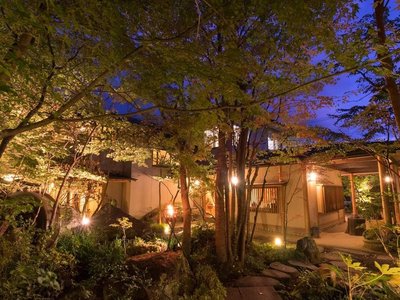
Ryoso Yufuin Yamadaya
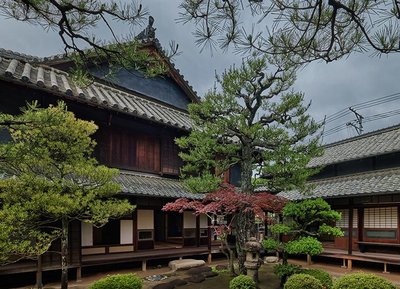
NIPPONIA HOTEL Takehara Saltworks Town
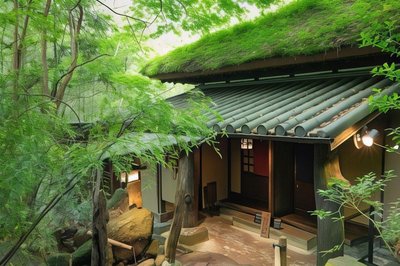
Sanso Tensui
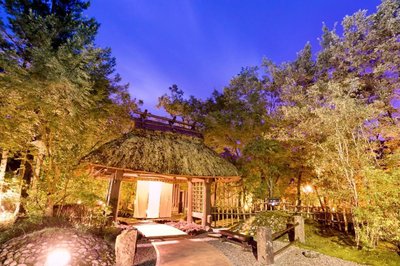
Satonoyu Waraku
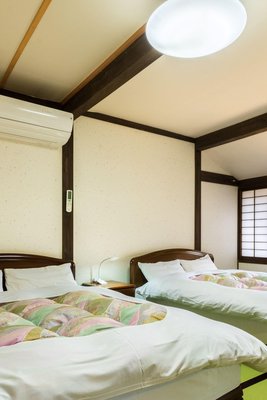
Tobise Onsen Tenga Sanso
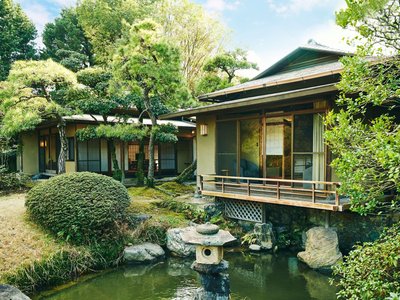
Suisui Garden Ryokan (in the Art Hotel Kokura New Tagawa)
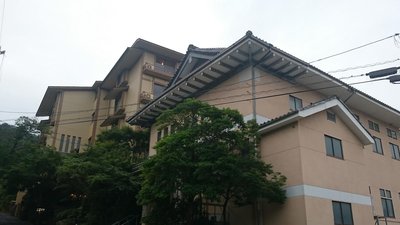
Miyajima Hotel Makoto
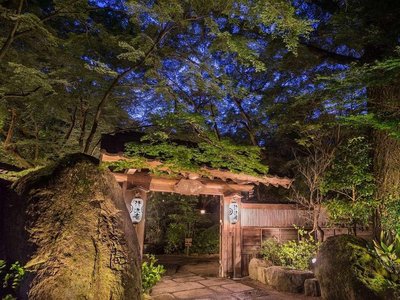
Akizuki Spa Ryokan Seiryuan
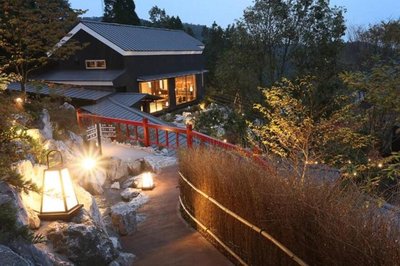
Gekkoju Kurokawa
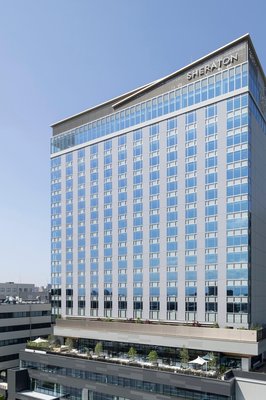
Sheraton Kagoshima
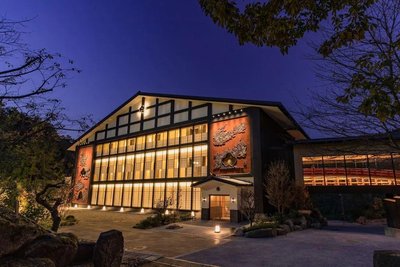
Okuhita Onsen Umehibiki
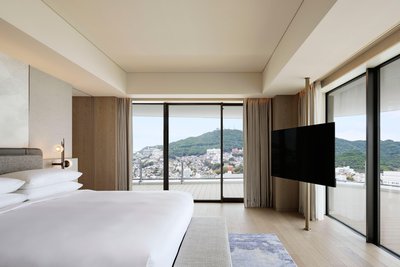
Nagasaki Marriott Hotel
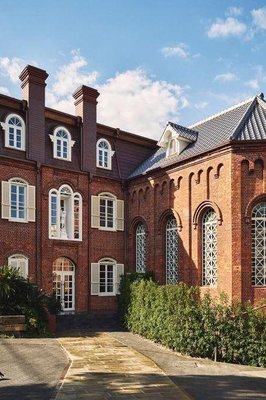
Hotel Indigo Nagasaki Glover Street by IHG
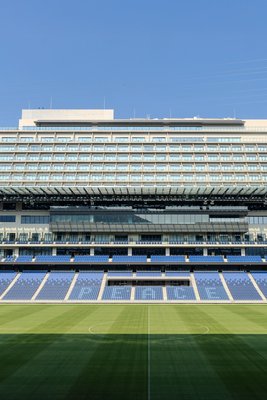
Stadium City Hotel Nagasaki
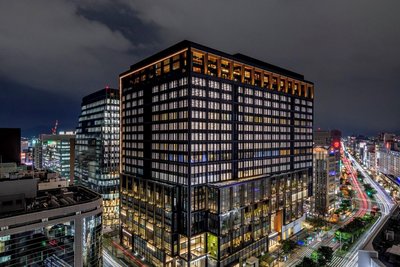
ONE FUKUOKA HOTEL
Ryokan Shinsen
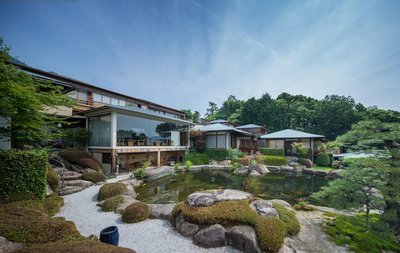
SEKITEI

Yamatoya Besso
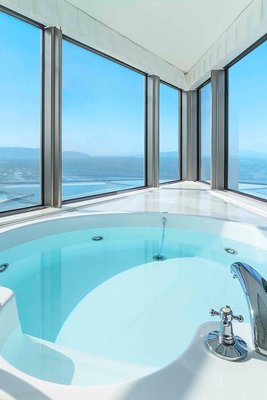
Hilton Fukuoka Sea Hawk

Olive Bay Hotel
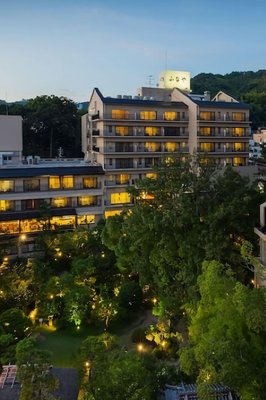
Funaya
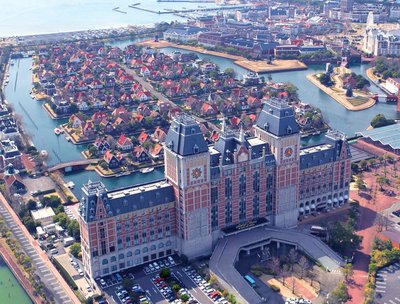
Hotel Okura Jr Huis Ten Bosch
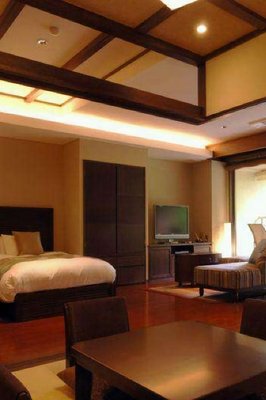
Bettei Oborozukiyo
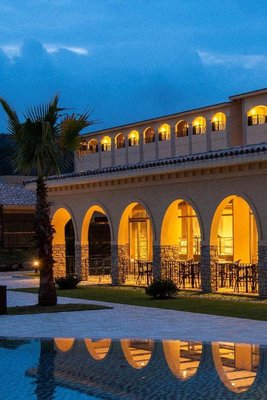
La Vista Kirishima Hills
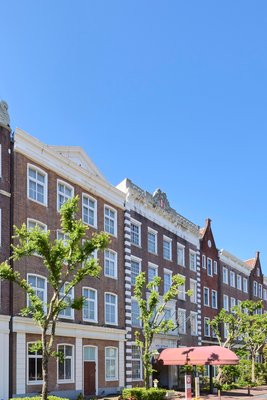
Hotel Amsterdam Huis Ten Bosch

Yumotoankiyohime
Ana InterContinental Beppu Resort & Spa
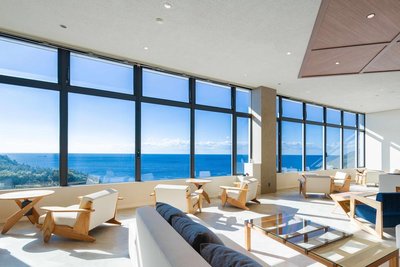
TheMana Village
Amane Resort Gahama

Hotel Barrière Fouquet's New York
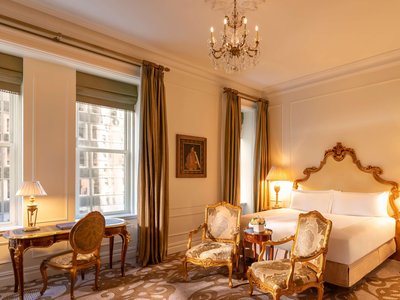
The Plaza - A Fairmont Managed Hotel
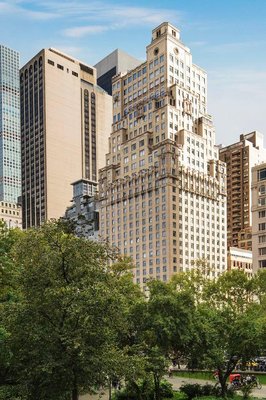
The Ritz-Carlton New York, Central Park
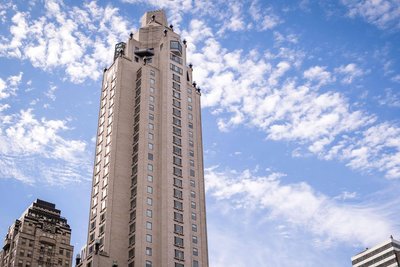
Four Seasons Hotel New York
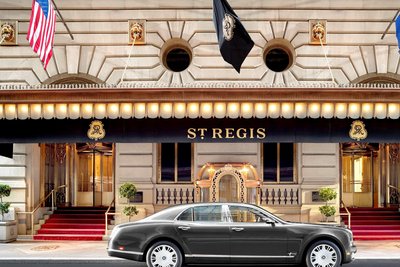
The St. Regis New York
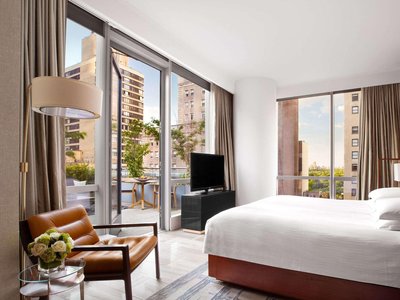
Park Hyatt New York
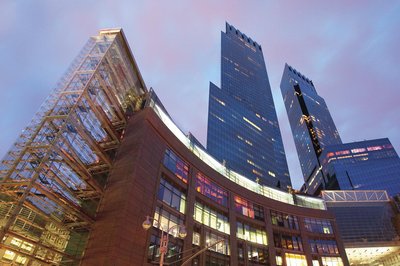
Mandarin Oriental New York
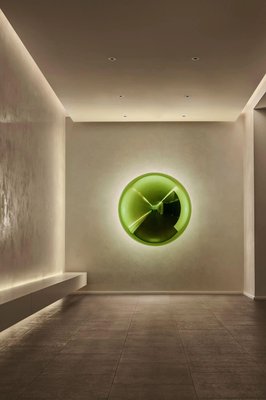
Times Square Edition New York

Loews Regency New York Hotel
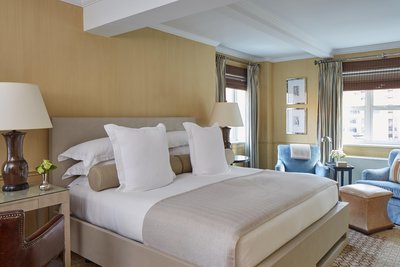
Lowell Hotel
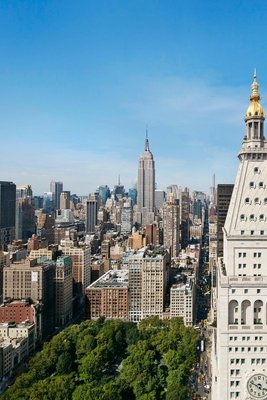
New York Edition
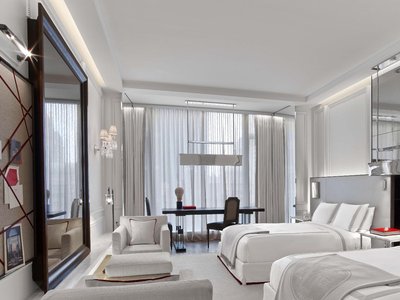
Baccarat Hotel New York
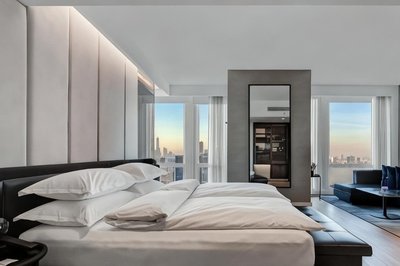
Equinox Hotel New York

Four Seasons Hotel New York Downtown
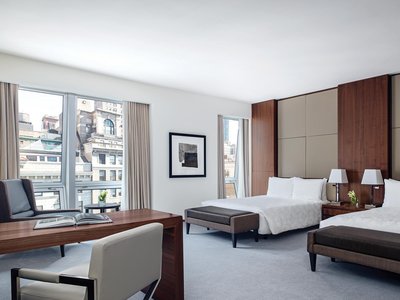
The Langham, New York, Fifth Avenue

The Carlyle, A Rosewood Hotel

The Chatwal, in the Unbound Collection by Hyatt
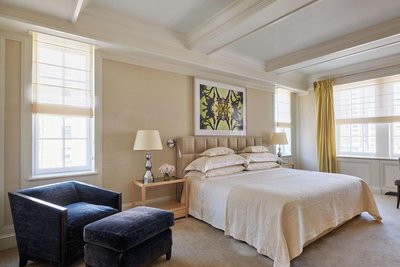
The Mark New York
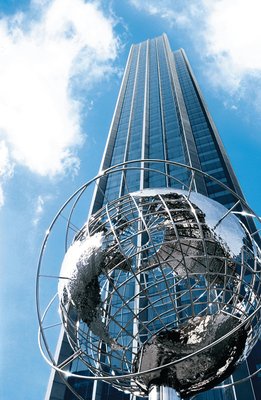
Trump International Hotel & Tower® New York
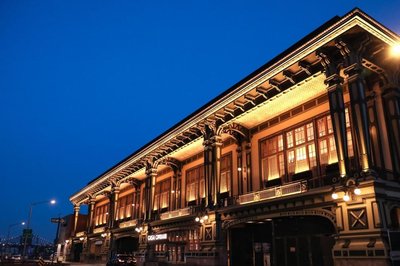
Casa Cipriani New York
Frequently Asked Questions about Traveling to Nagasu
Questions You Might Need to Know About Traveling to Nagasu
In Nagasaki City, the best choice for a traditional Japanese atmosphere is Shimabara Ryokan, located near the historic Shimabara Castle. This authentic ryokan features tatami-matted rooms, private onsen baths, and seasonal kaiseki meals crafted with local seafood and mountain vegetables. Guests can enjoy kimono rentals, tea ceremonies, and guided walks through the old town's narrow alleys. Another excellent option is Huis Ten Bosch Inn, which blends Western-style architecture with Japanese design elements, offering a unique cultural fusion experience. Both properties emphasize hospitality rooted in omotenashi—Japanese spirit of selfless service—and provide immersive access to Nagasaki’s rich multicultural heritage.
The Urakami District is ideal for first-time visitors to Nagasaki City, combining accessibility, historical significance, and local charm. Located just 15 minutes from the city center, it offers easy access to major attractions like the Peace Park and Atomic Bomb Museum. The area is also home to Nagasaki Station, a bustling transportation hub with shops and restaurants. Visitors can stroll through the Urakami Shrine grounds, explore vibrant street markets, and enjoy authentic Nagasaki-style dishes such as Champon and Tantanmen. The district maintains a quiet residential feel with tree-lined streets, making it perfect for those who want both comfort and cultural immersion during their stay.
Tourists in Nagasaki City can immerse themselves in unique cultural experiences such as attending a Shimabara Festival, where traditional dance troupes perform under lantern-lit skies. Participate in a karakuri puppet show at the historic Sakamoto Theater, an art form dating back to the Edo period. Another highlight is joining a local cooking class to master Nagasaki champon, a hearty noodle dish with pork, seafood, and vegetables. For deeper insight, visit the Glover Garden, once the residence of a British merchant, where you can walk through a meticulously preserved Western-style house surrounded by Japanese gardens. These experiences offer a window into Nagasaki’s blend of Eastern and Western influences.
Yes, Nagasaki City is highly suitable for family-friendly travel. The Nagasaki Peace Park features interactive exhibits and child-friendly spaces, while nearby Huis Ten Bosch Theme Park offers rides, shows, and themed villages inspired by European towns. Families can enjoy boat tours on Nagasaki Bay, visit the Marine World Aquarium, or take part in hands-on activities like pottery-making at local studios. Many hotels, such as Hotel Sunroute Plaza Nagasaki, provide family suites, babysitting services, and kids’ menus. With safe streets, ample green spaces, and welcoming locals, Nagasaki ensures a relaxed and enriching experience for travelers of all ages.
Must-try local foods in Nagasaki City include Champon, a richly flavored noodle dish with pork, seafood, and vegetables, originating from the city’s Chinese community. Another signature dish is Tantanmen, a spicy ramen with sesame oil and minced pork, reflecting Nagasaki’s unique culinary fusion. Don’t miss Baked Sausage (Yaki-sausage), a grilled sausage served with sweet sauce, often found at night markets. For dessert, try Melon Pan, a soft, sweet bread with a crisp crust, believed to have been introduced by Portuguese traders. These dishes are widely available at food stalls in Dejima Street and Nagasaki Station’s food court, offering an authentic taste of the city’s diverse gastronomic history.
Public transportation in Nagasaki City is efficient and user-friendly. The Nagasaki Electric Tramway operates two main lines connecting key areas like Nagasaki Station, Peace Park, and Glover Garden. Buses cover more remote districts and tourist spots, including Huis Ten Bosch and Mount Inasa. Many buses accept IC cards like Suica and ICOCA, simplifying travel. Additionally, rental bicycles and electric scooters are available throughout the city, ideal for exploring scenic routes along the bay. Taxis are affordable and reliable, especially for late-night travel. The city’s compact layout makes most attractions reachable within 30 minutes, ensuring seamless mobility for both domestic and international visitors.
Yes, several onsen near Nagasaki City are worth visiting. Kushiro Onsen, located about 60 minutes by car, offers natural hot springs with mineral-rich waters known for skin rejuvenation. The resort features open-air baths overlooking lush forests and is popular among families and couples. Another notable option is Unzen Onsen, just over an hour away, famed for its therapeutic waters and stunning views of Mount Unzen. Many ryokans, such as Unzen Grand Hotel, provide private onsen rooms and traditional kaiseki dinners. These destinations combine relaxation with scenic beauty, making them perfect for unwinding after exploring the city’s historical sites.
Nagasaki City hosts vibrant seasonal events year-round. In spring, the Nagasaki Cherry Blossom Festival transforms Peace Park into a sea of pink blooms, complete with lantern displays and cultural performances. Summer brings the Nagasaki Lantern Festival, where thousands of handcrafted paper lanterns illuminate the harbor. Autumn sees the Mount Inasa Night View Festival, featuring light installations and fireworks. Winter’s highlight is the Nagasaki Light Festival, showcasing intricate illuminated sculptures across the city. These events reflect the city’s resilience and creativity, blending tradition with modern artistry, and attract visitors from around the world.
Near Nagasaki City, nature lovers can explore Mount Inasa, a 719-meter peak offering panoramic views of the city and surrounding bay, especially stunning at sunset. The Unzen-Amakusa National Park, just over an hour away, features volcanic landscapes, hot springs, and hiking trails through ancient forests. Kushiro River Valley is ideal for birdwatching and kayaking, while Mihara Island provides secluded beaches and snorkeling opportunities. The Shimabara Peninsula also boasts rugged coastlines and hidden coves perfect for photography. These natural wonders offer peaceful retreats and outdoor adventures, enhancing the overall travel experience in Nagasaki.
For authentic souvenirs, visit Dejima Street, a lively shopping arcade near the historic Dejima Island. Here, you’ll find stalls selling Nagasaki-chan dolls, hand-painted fans, and traditional ceramics. The Nagasaki Station Shopping Arcade offers a wide selection of local snacks like Melon Pan and Yaki-sausage packs. For high-quality crafts, head to Kashii Craft Market, where artisans display handmade textiles, woodwork, and lacquerware. Many shops accept credit cards and offer English-speaking staff. Don’t miss the Glover Garden Gift Shop, which sells exclusive items inspired by the Western-era buildings. These locations provide genuine keepsakes that reflect Nagasaki’s unique cultural fusion.
Nagasu Overview
City Summary
Nagasu Town is located in Kumamoto Prefecture, Japan, known for its historic architecture and tranquil rural scenery. This small town offers a perfect escape from city life, with its historical sites and hot spring culture attracting visitors interested in traditional Japanese culture.
Must-See Attractions
Must-see attractions in Nagasu Town include: the historic Nagasu Castle Ruins, ideal for learning about local history; hot spring facilities for authentic Japanese bathing culture; and natural parks and riverside views for outdoor enthusiasts. Evening strolls through the town offer a glimpse of traditional Japan's serene atmosphere.
Food Guide
Nagasu Town's culinary culture focuses on local produce and traditional Japanese cuisine. Recommended dishes include horse meat料理 (a Kumamoto specialty) and onsen tamago (hot spring eggs). Street snacks like grilled dango and soy sauce dango are also must-tries.
Transportation Guide
Transportation in Nagasu Town relies mainly on buses and taxis. Due to the town's small size, walking is also convenient. Buses from Kumamoto City take about 1 hour. Check schedules in advance to avoid long waits. Renting a bicycle is another great option for exploring.
Best Time to Visit
The best times to visit are spring and autumn, with mild weather and fewer tourists. Spring offers cherry blossoms, while autumn features vibrant foliage. Summers can be hot, and winters may bring snow, so plan accordingly.
Travel Tips
- Respect local culture: Bathe before entering hot springs.
- Cash is king: Many shops may not accept credit cards.
- Dress appropriately: Avoid revealing clothing at temples or historic sites.
- Recycle properly: Follow Japan's strict waste sorting rules.
- Book ahead: Hot spring inns may fill up during peak seasons.
- Carry a map: Some areas may have limited internet access.
Useful Information
Language: Japanese is primarily spoken; English may be limited, so learn basic phrases or use a translation app. Internet: Free Wi-Fi is available in some hotels and public areas, but coverage can be spotty. Payment: Cash is most widely accepted; some places take credit cards. Emergencies: The nearest hospital is in Kumamoto City; travel insurance is recommended.