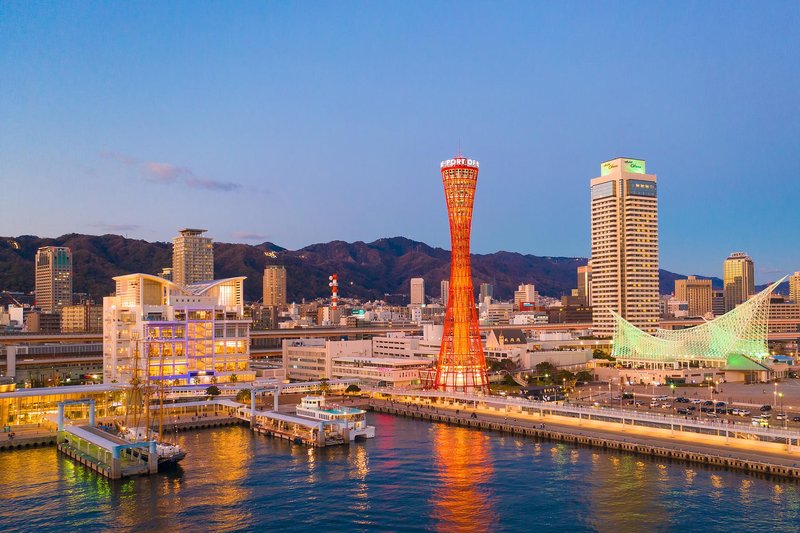
Hotels in Nagato
Discover your perfect stay in Nagato.
Nagato(Japan) Travel 2026: Cheap Flights, Hotels & Top Attractions
Popular Landmarks in Nagato
Discover the most iconic attractions in Nagato
Recommended Hotels in Nagato
Find the perfect place to stay in Nagato
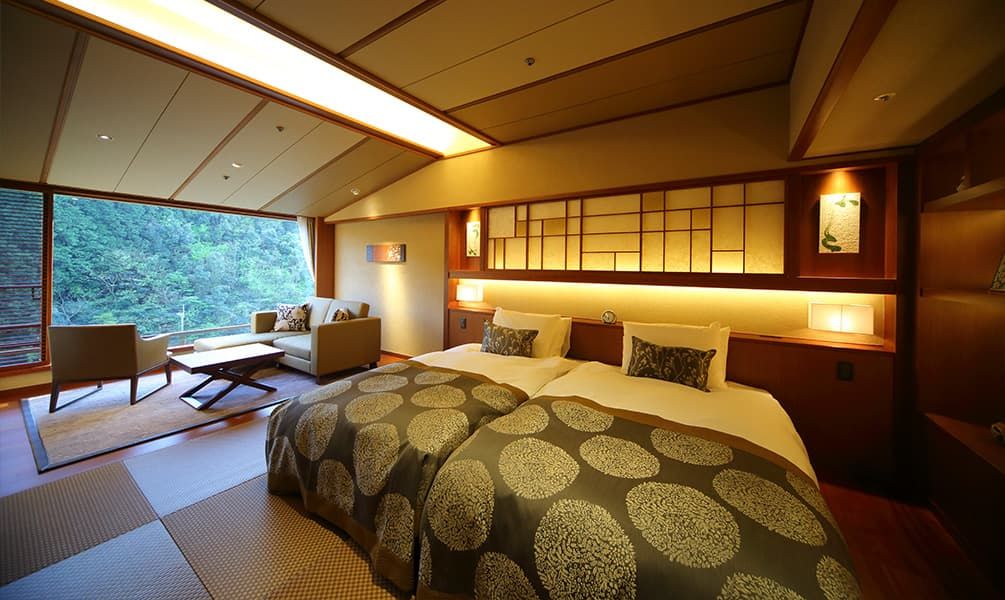
Otanisanso
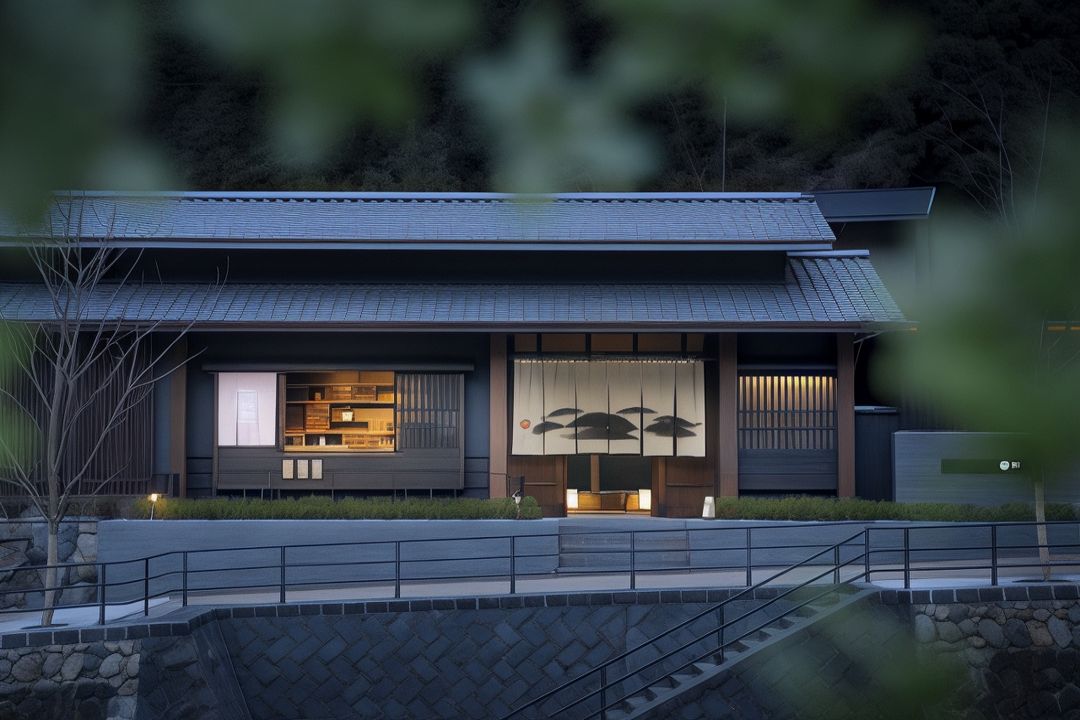
Hoshino Resorts Kai Nagato
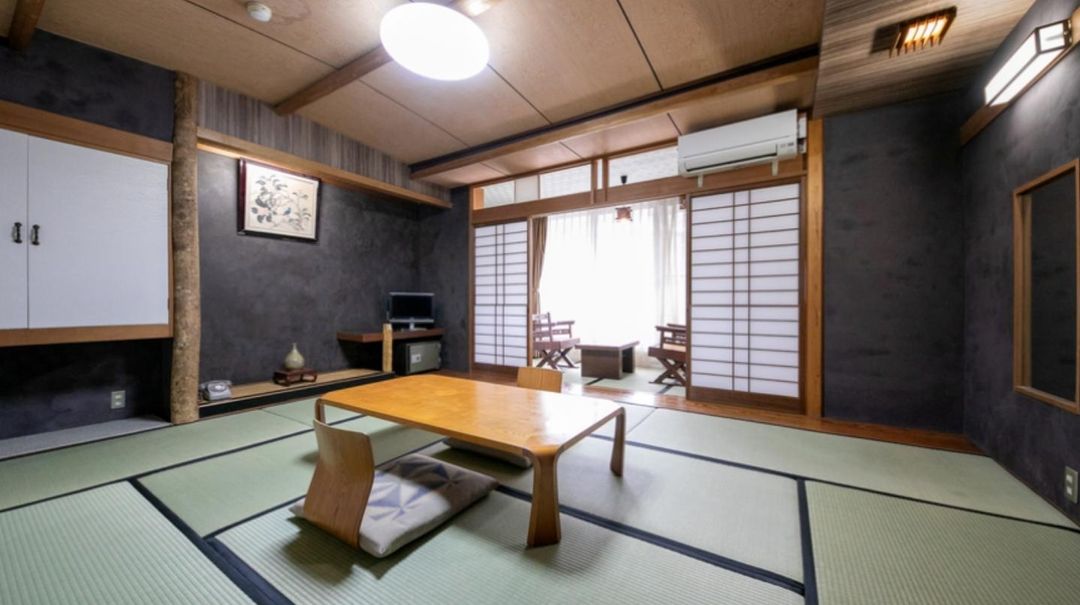
Hotel Nagato Harada
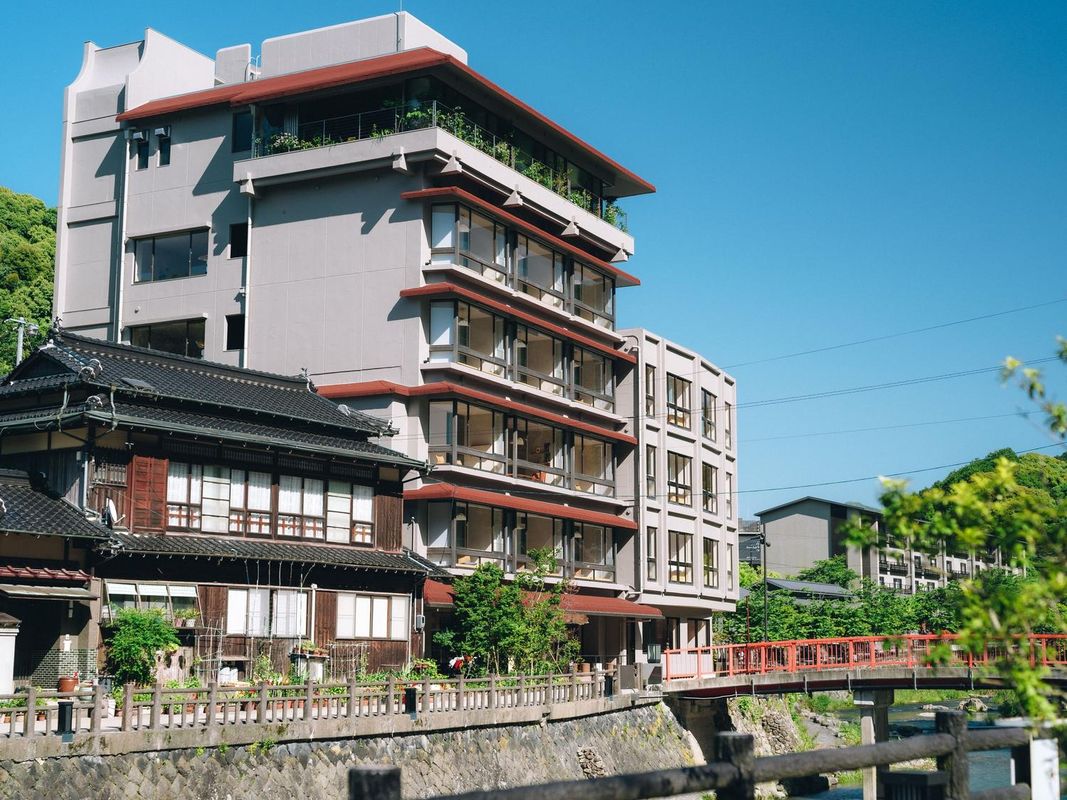
SOIL Nagatoyumoto - Hostel
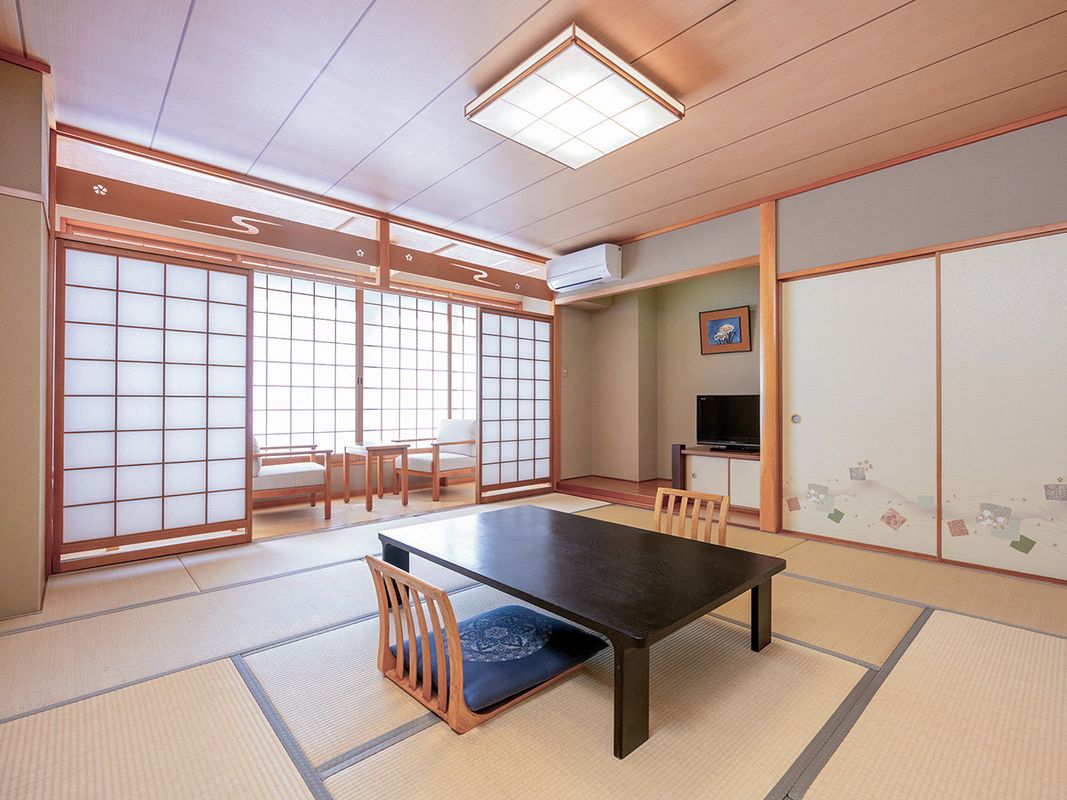
Yumoto Kanko Hotel Saikyo
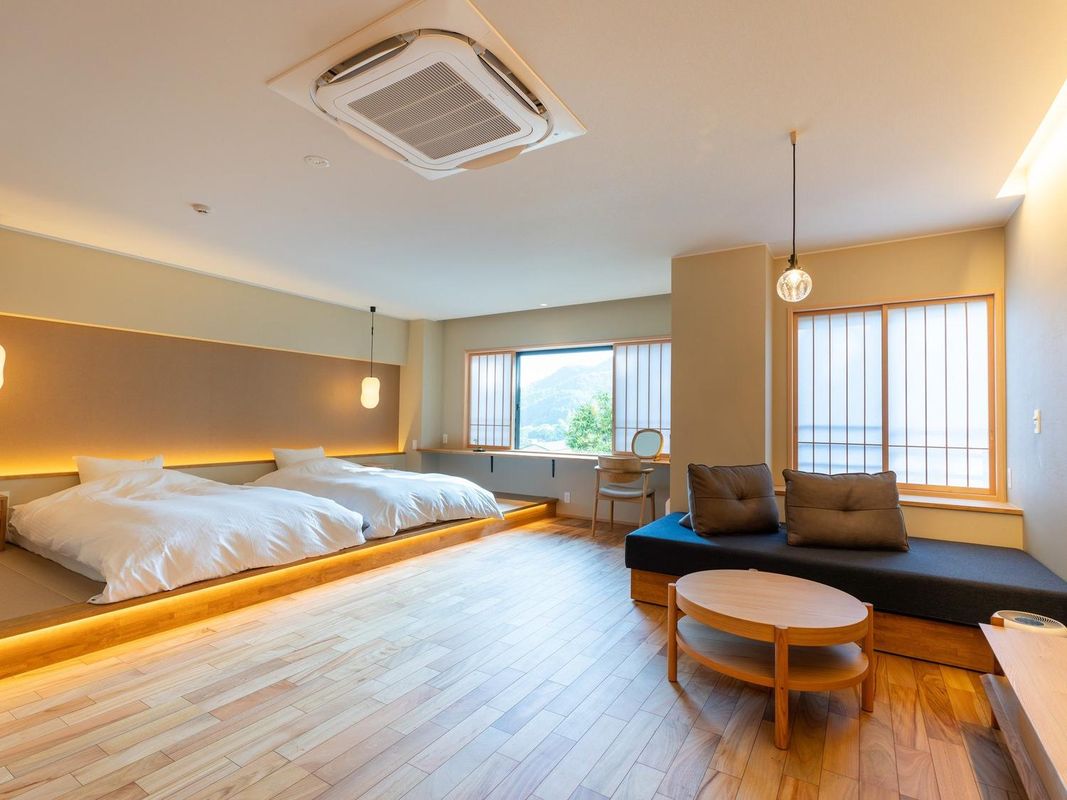
Gyokusenkaku
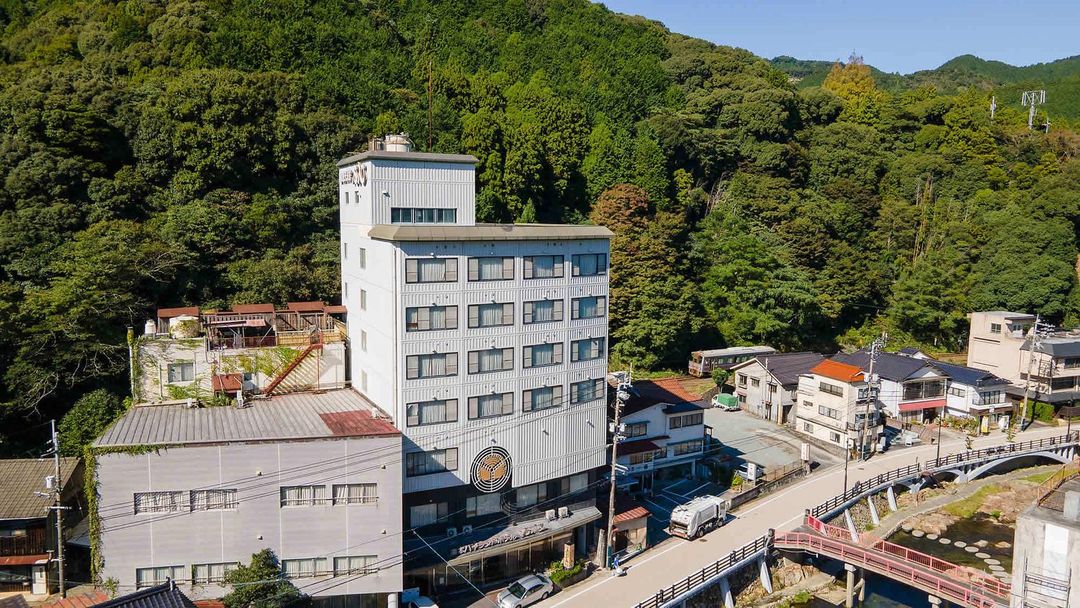
Yumoto Highland Hotel Fuji
Best Hotels in Nagato
Discover curated hotel collections in Nagato
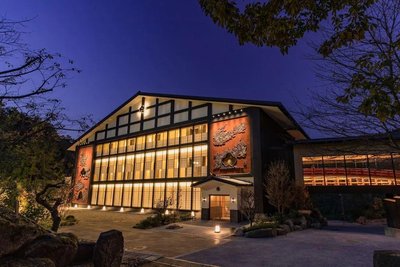
Okuhita Onsen Umehibiki
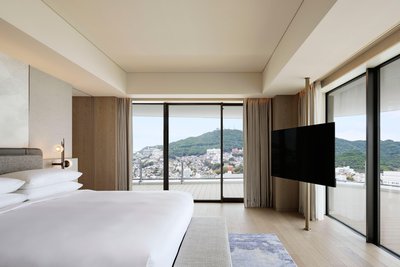
Nagasaki Marriott Hotel
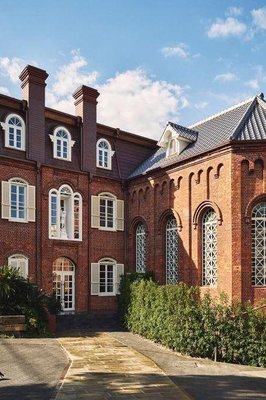
Hotel Indigo Nagasaki Glover Street by IHG
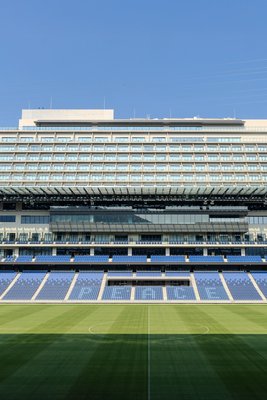
Stadium City Hotel Nagasaki
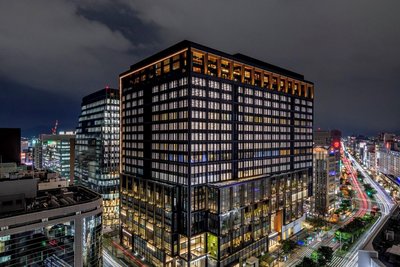
ONE FUKUOKA HOTEL
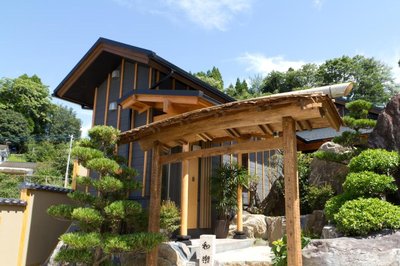
Ryokan Shinsen
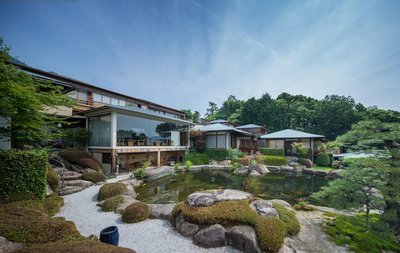
SEKITEI

Yamatoya Besso
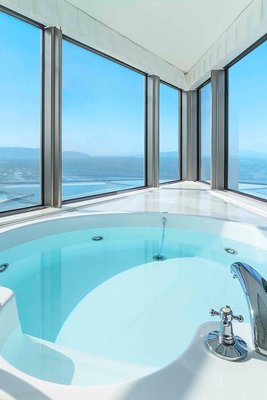
Hilton Fukuoka Sea Hawk

Olive Bay Hotel
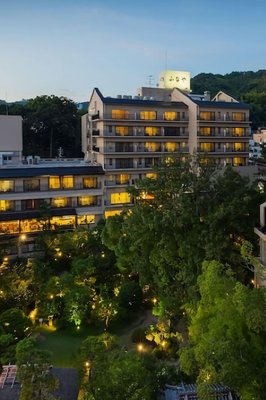
Funaya
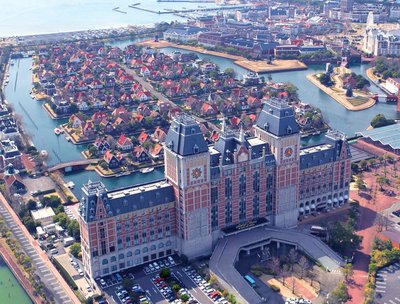
Hotel Okura Jr Huis Ten Bosch

Bettei Oborozukiyo
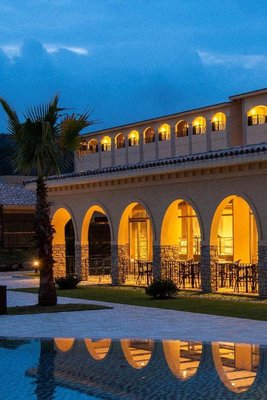
La Vista Kirishima Hills
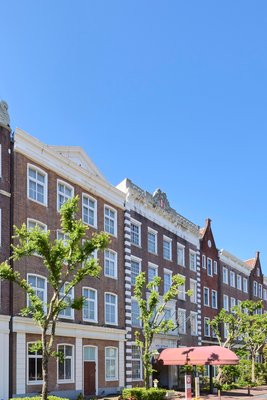
Hotel Amsterdam Huis Ten Bosch

Yumotoankiyohime
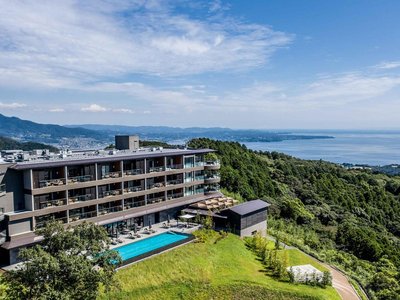
Ana InterContinental Beppu Resort & Spa
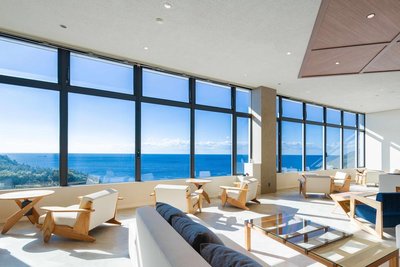
TheMana Village
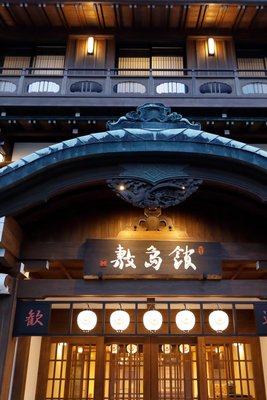
Onyado Shikishima-Kan
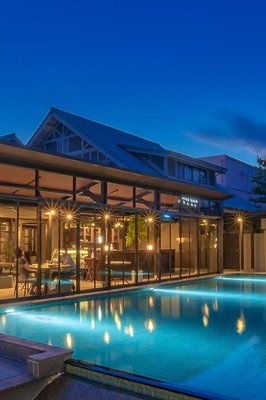
Amane Resort Gahama
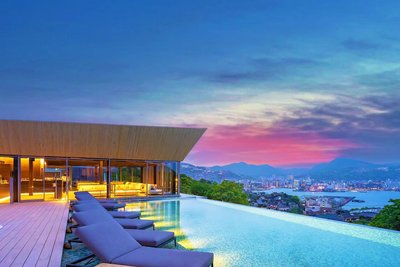
Garden Terrace Nagasaki Hotel & Resort
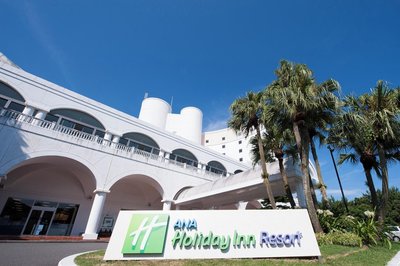
Holiday Inn Resort Miyazaki
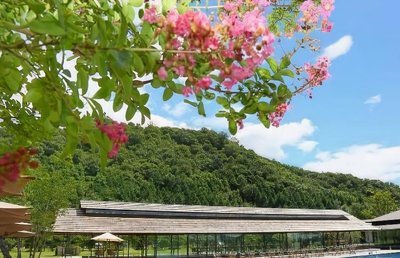
Bella Vista Spa and Marina Onomichi
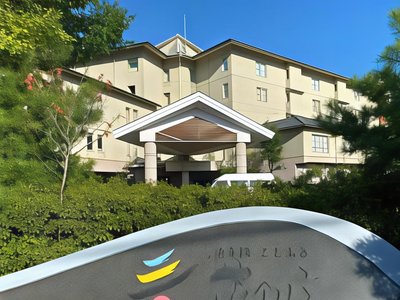
Yufuin Kotobuki Hananosho
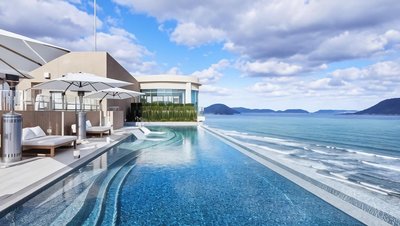
Karatsu Seaside Hotel
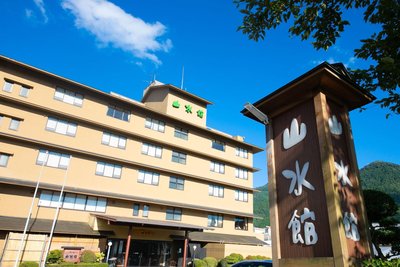
Yufuin Sansuikan
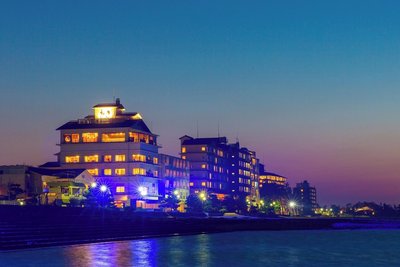
Kaike Shogetsu
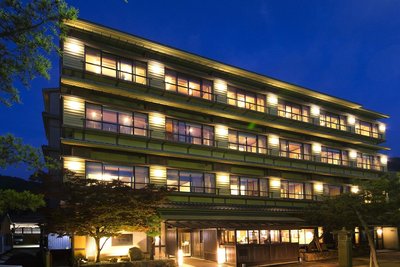
Kinsuikan
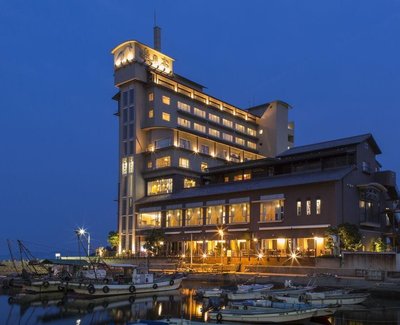
Hotel Ofutei
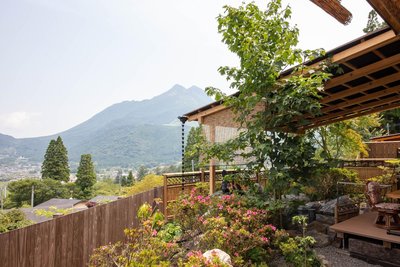
Yufuin-Sanso Waremokou
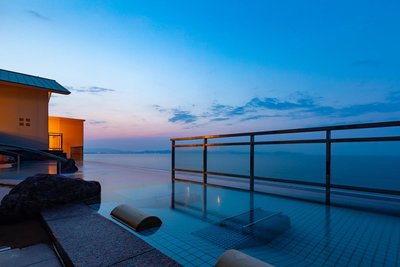
Kaike Yugetsu
Ana InterContinental Beppu Resort & Spa
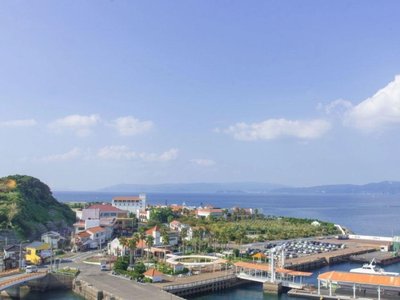
I+Land Nagasaki
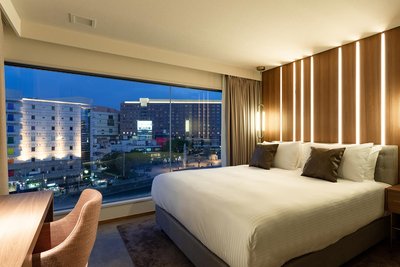
The OneFive Villa Fukuoka
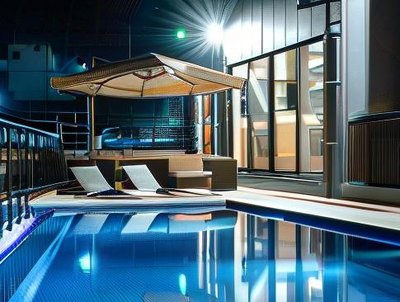
LiVEMAX RESORT MIYAHAMA ONSEN OCEAN
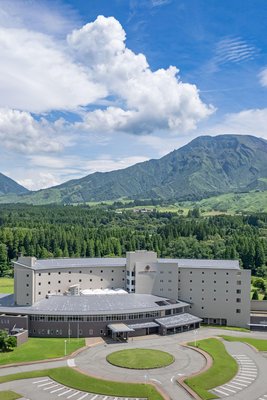
KAMENOI HOTEL ASO
Amane Resort Gahama
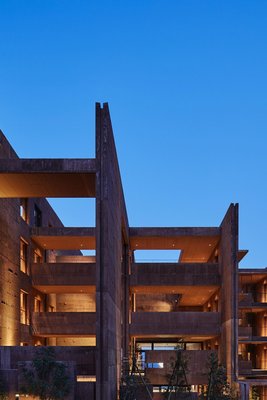
SEKIYA RESORT GALLERIA MIDOBARU
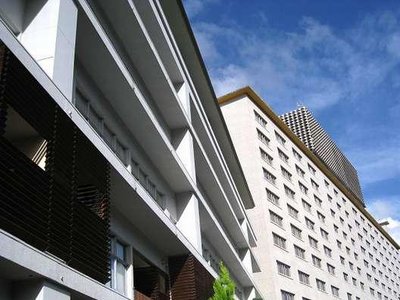
Beppu Suginoi Hotel

Phoenix Seagaia Ocean Tower
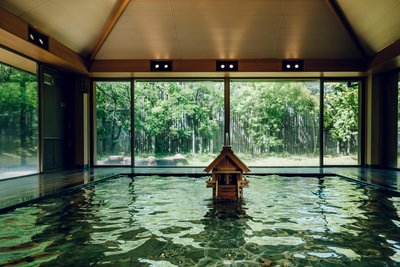
Hoshino Resorts KAI Tamatsukuri
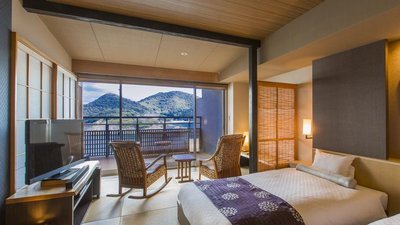
Migiwatei Ochi Kochi
Ryokan Shinsen
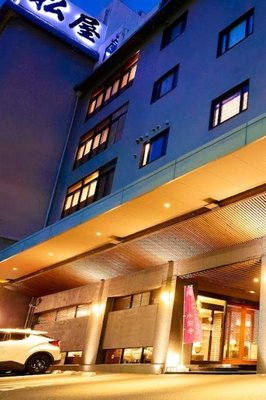
Ryotei Matsuya Honkan Suizenji
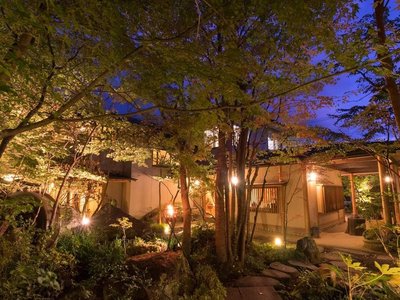
Ryoso Yufuin Yamadaya
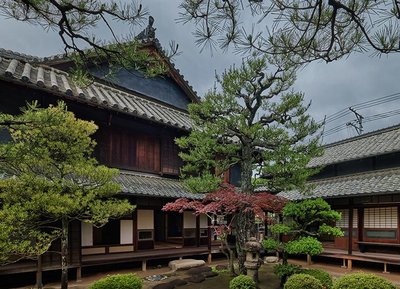
NIPPONIA HOTEL Takehara Saltworks Town
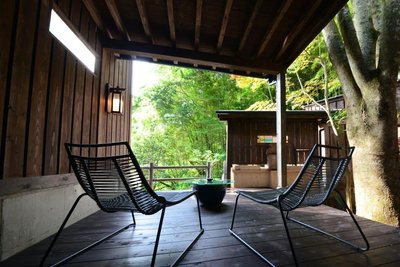
Sanso Tensui
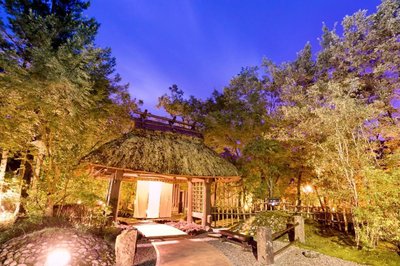
Satonoyu Waraku
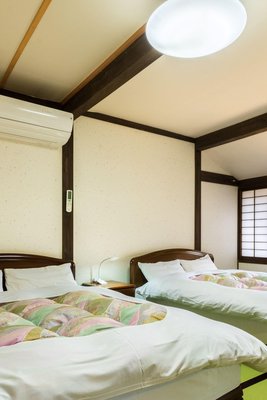
Tobise Onsen Tenga Sanso
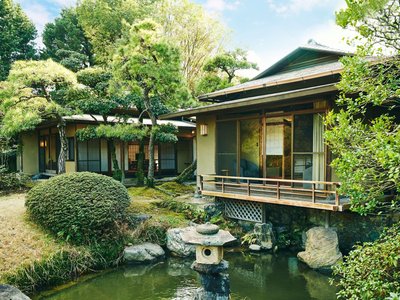
Suisui Garden Ryokan (in the Art Hotel Kokura New Tagawa)
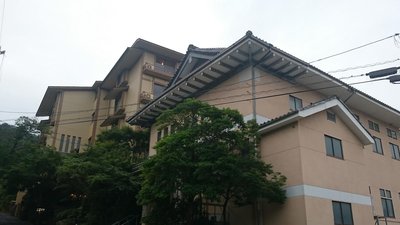
Miyajima Hotel Makoto
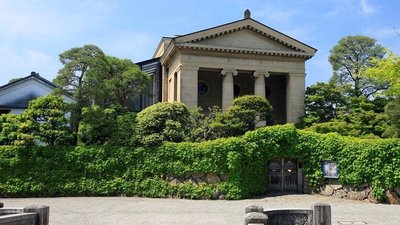
Ryori Ryokan Tsurugata
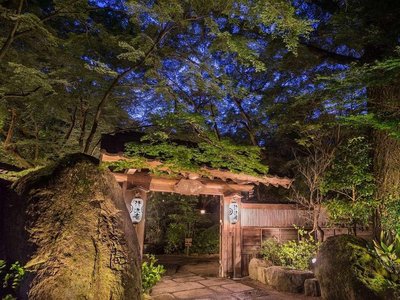
Akizuki Spa Ryokan Seiryuan
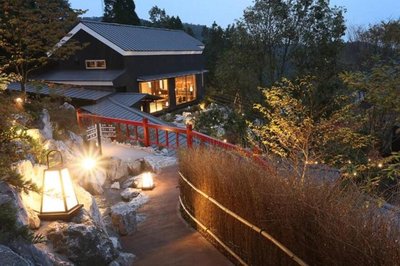
Gekkoju Kurokawa
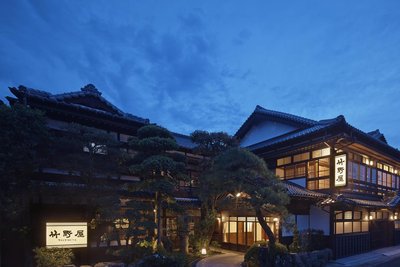
Takenoya
Frequently Asked Questions about Traveling to Nagato
Questions You Might Need to Know About Traveling to Nagato
In Shimonoseki, recommend staying at Hotel Vista Shimonoseki, located near Shimonoseki Station and offering spacious family rooms, a kids’ play area, and free breakfast with local specialties like fresh seafood and rice cakes. The hotel is just a 10-minute walk from Kanmon Bridge Park, where families can enjoy scenic views of the strait and take boat tours.
Another excellent option is Sunshine Hotel Shimonoseki, which features a rooftop garden, on-site BBQ facilities, and proximity to Nagasaki Peace Park and Yamaguchi Prefectural Museum. Both hotels provide multilingual staff and easy access to public transport, making them ideal for international families seeking comfort and convenience during their visit.
The most authentic cultural experience lies in Shimonoseki’s Old Town District (Chūō-ku), particularly around Nakajima Street and Kanmon Bridge Footpath. This historic area preserves Edo-era architecture, traditional machiya wooden houses, and local craft shops selling handmade lacquerware and kumihimo braids.
Visitors can participate in traditional tea ceremonies, join a local cooking class using regional ingredients like sea bream and fermented soybean paste, or attend the annual Shimonoseki Lantern Festival, where paper lanterns float down the Kanmon River. The district also hosts small-scale exhibitions at Shimonoseki Cultural Center, showcasing the city’s maritime heritage and its role as a gateway between Honshu and Kyushu.
Shimonoseki’s hot springs, especially those in Tōno Onsen, are renowned for their alkaline-rich mineral water with high levels of sodium and carbonate, known for improving skin health and relieving muscle fatigue. Unlike many urban spas, Tōno Onsen is nestled in a quiet valley surrounded by lush forests, offering a serene, nature-immersed bathing experience.
Some ryokans, like Tōno Onsen Yūkaku, feature open-air baths overlooking the river and mountain vistas, perfect for stargazing at night. The spring water is also used in local wellness treatments, including mud baths and herbal compresses. Additionally, visitors can explore the Onsen Museum, which displays geological history and traditional bath rituals of the region.
For photography enthusiasts, the top spots include Kanmon Bridge at sunrise, where golden light reflects off the steel structure and the surrounding sea—ideal for wide-angle shots. Nagasaki Peace Park offers dramatic contrast between modern memorials and cherry blossoms in spring.
Another must-visit is Miyajima Island’s Itsukushima Shrine, accessible via ferry from Shimonoseki. The iconic torii gate appears to float during high tide, creating surreal compositions. For urban photography, Shimonoseki Station’s rooftop observation deck provides panoramic views of the city skyline and harbor activity. Local photo tours are available through Shimonoseki Tourism Association, guiding photographers to hidden gems and optimal lighting times.
Must-try dishes in Shimonoseki include Shimonoseki-style sashimi platter, featuring ultra-fresh catches like mackerel, sea bream, and squid sourced daily from the Kanmon Strait. Another local favorite is Yamaguchi miso ramen, a rich broth made with fermented red miso and pork belly, served with thick wheat noodles.
Don’t miss Kanmon gyoza, a unique dumpling filled with minced pork and cabbage, often enjoyed with a side of spicy dipping sauce. At Kanmon Market, you can sample street food like grilled octopus skewers and sweet mochi wrapped in seaweed. Many restaurants also offer tasting menus that highlight seasonal seafood and regional ingredients.
The best time to visit Shimonoseki is spring (March to May) and autumn (September to November). Spring brings cherry blossoms along the Kanmon River and mild temperatures ideal for walking tours. Autumn offers stunning foliage at Mount Misen and crisp air perfect for hiking and coastal drives.
Summer (June to August) is warm and humid, with occasional typhoons, but it’s also when the Kanmon Bridge Night Illumination lights up the strait, creating a magical atmosphere. Winter is cool but relatively dry, offering a quieter experience with fewer tourists—ideal for peaceful visits to temples and museums.
Yes, Shimonoseki is highly suitable for bicycle touring. The city has developed a network of bicycle-friendly paths, including the Kanmon Strait Cycling Route, which runs along the coast and connects Shimonoseki to nearby Miyajima Island. These routes are well-marked, safe, and pass through scenic areas like Hirado Bay and Sakai Park.
Local rental shops such as Bike & Go Shimonoseki offer electric bikes, helmets, and guided tours. Cyclists can also access the Shimonoseki Urban Greenway, linking major attractions like Nagasaki Peace Park, Shimonoseki Station, and Kanmon Bridge. With low traffic in residential zones and dedicated lanes, cycling is a popular and eco-friendly way to explore the city.
Shimonoseki offers several wellness retreats centered around mindfulness and nature. The Shimonoseki Zen Meditation Center, located near Mount Misen, hosts weekly meditation sessions led by Buddhist monks, including zazen practice, tea ceremony, and forest walking.
Another option is Yūkaku Wellness Resort, a former ryokan transformed into a holistic retreat offering yoga classes, sound healing, and detox programs using local herbs and mineral-rich waters. Guests stay in minimalist cabins surrounded by forest, with no Wi-Fi or digital devices allowed—perfect for digital detox and inner reflection. Retreats often include meals prepared with organic, locally-sourced ingredients.
Evening highlights in Shimonoseki include the Kanmon Bridge Night Illumination, where the steel structure glows in blue and white lights, creating a breathtaking view over the strait. Visitors can stroll along the Kanmon Bridge Footpath or take a night cruise for a different perspective.
At Nagasaki Peace Park, illuminated monuments and candlelight vigils create a solemn yet beautiful atmosphere. For a more relaxed evening, head to Kanmon Market, where food stalls serve grilled seafood and yakitori under string lights. The city also hosts seasonal events like the Shimonoseki Lantern Festival, where thousands of floating lanterns are released into the river, symbolizing peace and remembrance.
Near Shimonoseki Station, top attractions include Kanmon Bridge Park, offering panoramic views of the Kanmon Strait and the bridge itself, plus a viewing platform and souvenir shop. Just a 5-minute walk away is Shimonoseki City Museum, which showcases the city’s history as a crossroads between Honshu and Kyushu, with exhibits on trade, migration, and naval warfare.
Also nearby is Nagasaki Peace Park, a tranquil green space with memorials to victims of war and a monument honoring peace. For shopping, Shimonoseki Central Market sells fresh seafood, local snacks, and souvenirs. All these sites are within a 10-minute walk, making them easily accessible for travelers with limited time.