Hotels in Nagatoro
Discover your perfect stay in Nagatoro.
Nagatoro(Japan) Travel 2026: Cheap Flights, Hotels & Top Attractions
Popular Landmarks in Nagatoro
Discover the most iconic attractions in Nagatoro
Recommended Hotels in Nagatoro
Find the perfect place to stay in Nagatoro
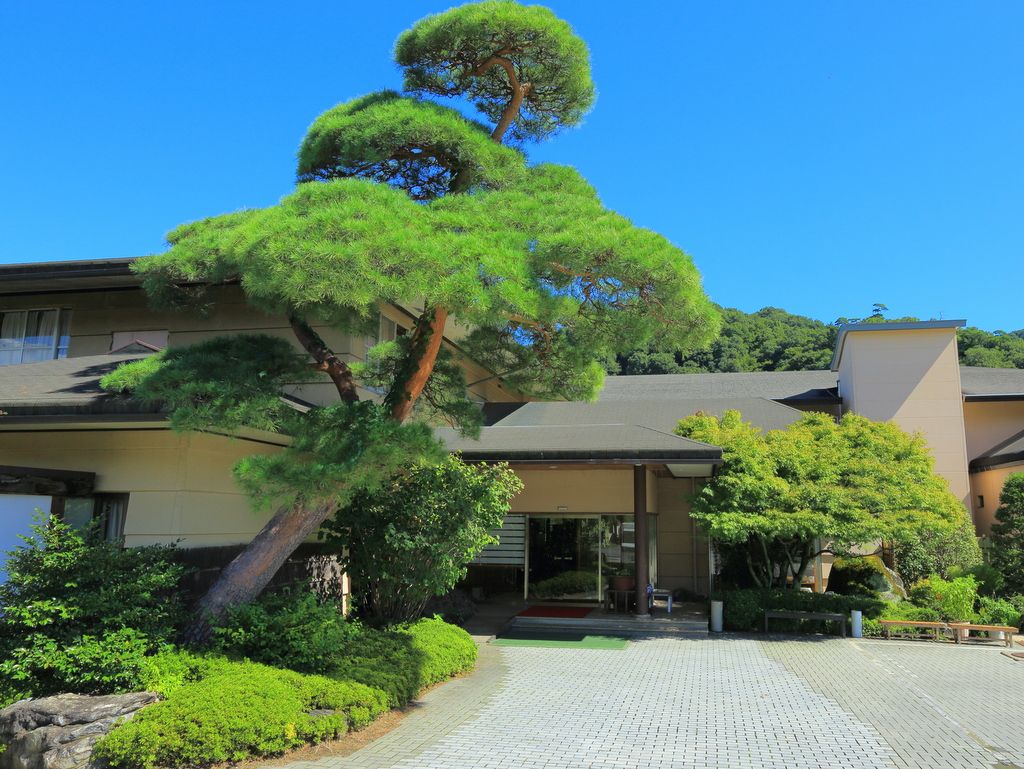
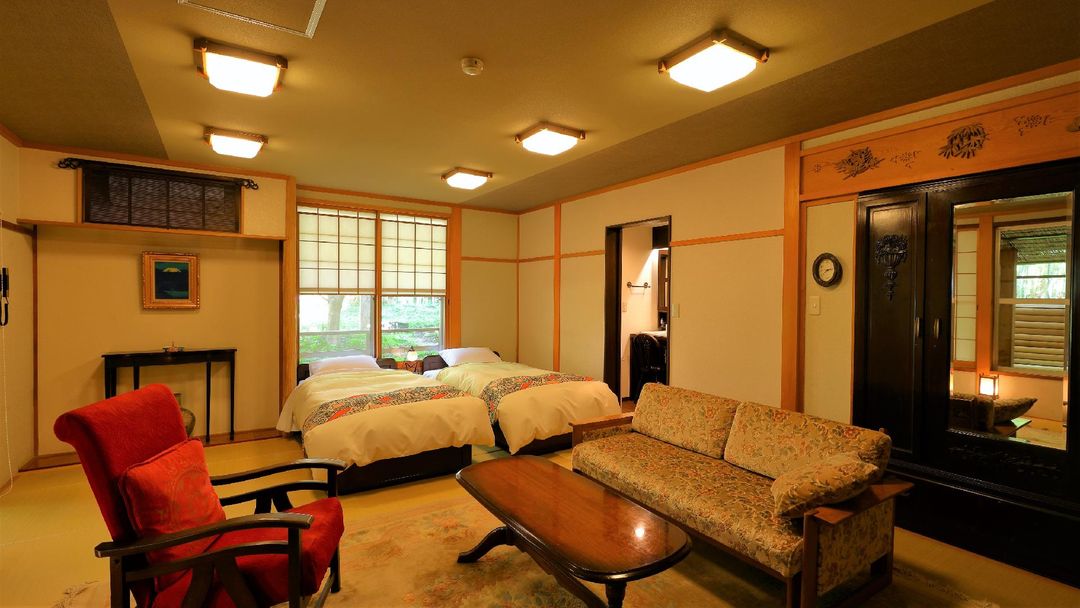
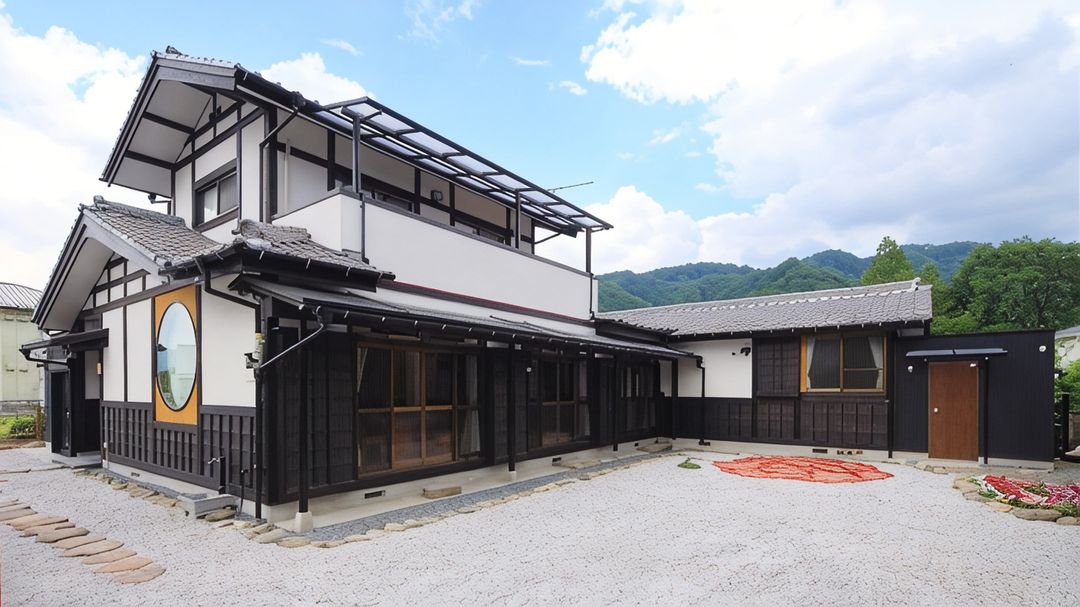
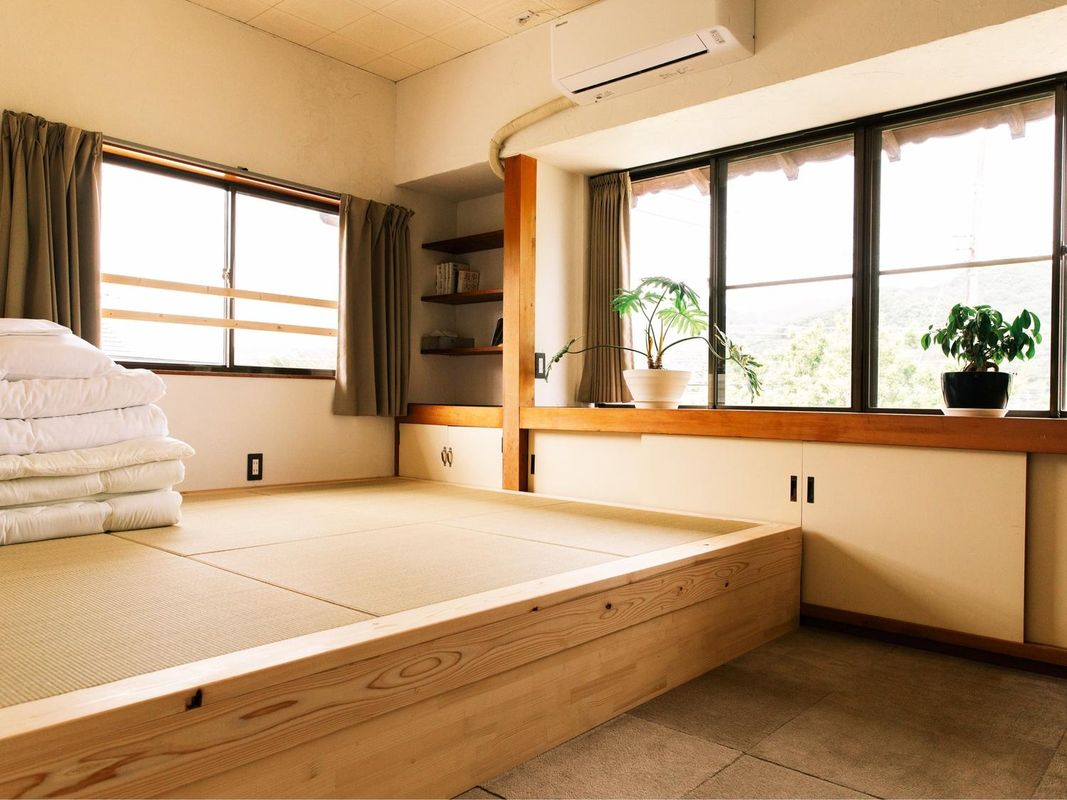
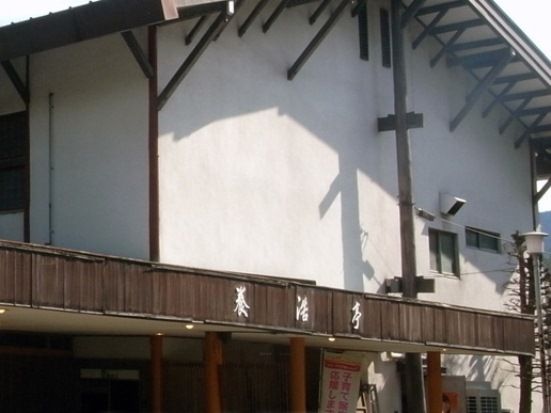
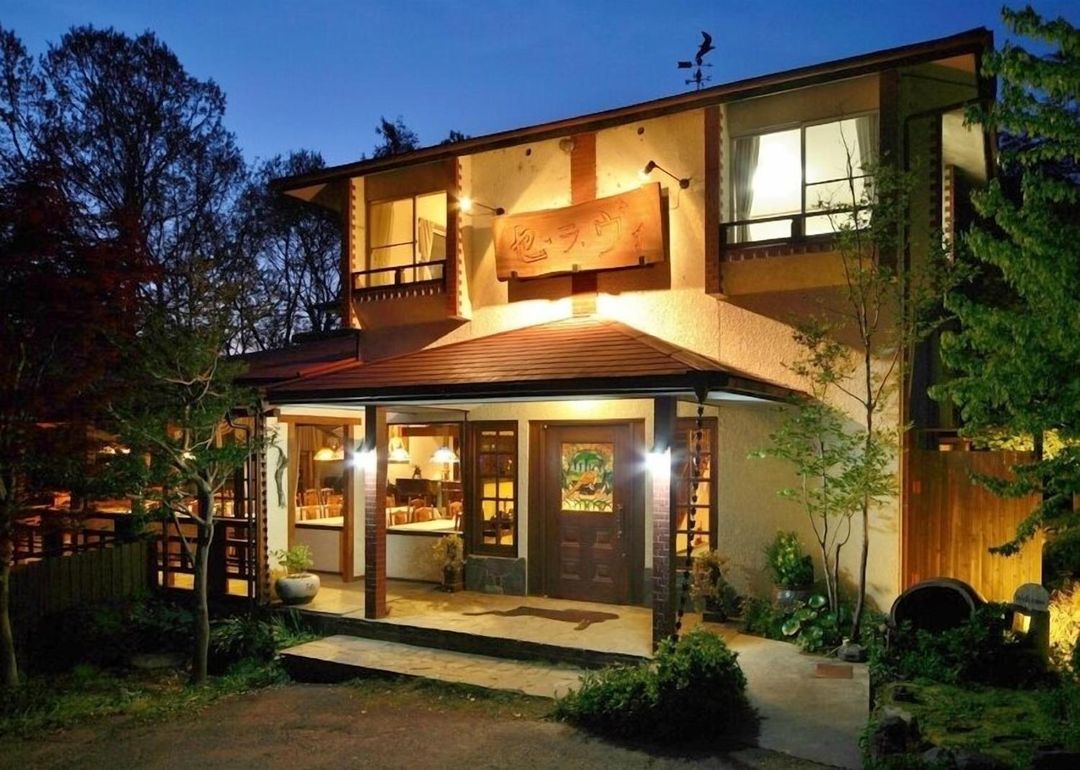
Best Hotels in Nagatoro
Discover curated hotel collections in Nagatoro
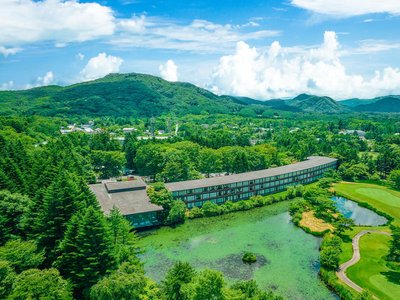





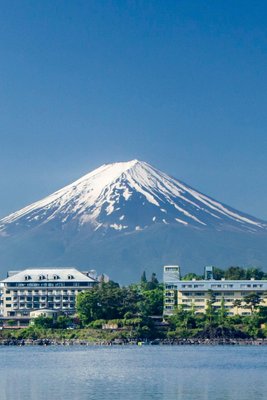
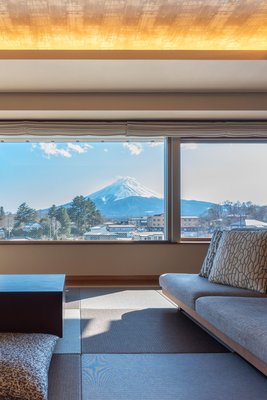
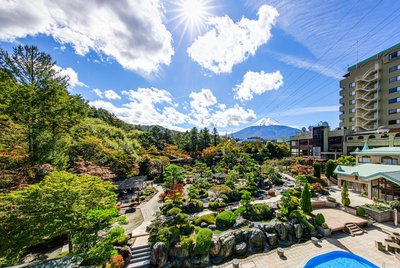
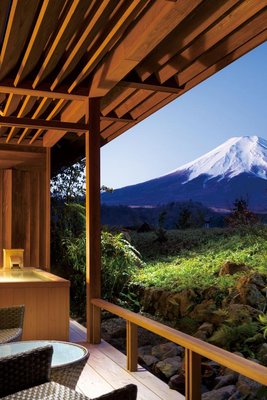







Frequently Asked Questions about Traveling to Nagatoro
Questions You Might Need to Know About Traveling to Nagatoro
In Nagano, recommend staying at Kasumigawa Onsen Ryokan, a traditional Japanese inn nestled beside the Kasumigawa River. This family-oriented ryokan offers spacious tatami rooms, private outdoor baths, and hosts hands-on activities like bamboo basket weaving workshops and local farm dinners. Just a 5-minute walk from Kasumigawa Rock Terrace, it’s perfect for kids and nature lovers seeking an immersive rural experience. The peaceful mountain setting enhances relaxation and connection with nature.
The most scenic area is the riverfront zone along Kasumigawa River, especially Kasumigawa no Mori Guesthouse. Overlooking the Rock Terrace and surrounding peaks, this guesthouse features floor-to-ceiling windows offering panoramic mountain vistas. Guests can enjoy stargazing from their balcony and participate in evening bonfire gatherings. Conveniently located just a 10-minute drive from Kasumigawa Station, it’s ideal for photographers and those seeking tranquility amidst nature.
Top cultural experiences include Kasumigawa River Rafting and traditional bamboo basket-making workshops. During summer, guests glide down the river through dramatic gorges and rock terraces, experiencing the thrill of natural currents. Additionally, local artisans teach authentic century-old bamboo weaving techniques, allowing visitors to craft functional, handcrafted baskets as souvenirs. These immersive activities offer deep insight into Nagano’s heritage and craftsmanship.
Nagano’s onsen hotels stand out for their natural mineral-rich waters and eco-conscious architecture. Nagano Yu no Sato Onsen features thermal springs drawn from 800 meters below ground, rich in sulfur and known for skin benefits. The building uses local wood and thatched roofs, blending seamlessly with the landscape. Its open-air baths overlook the river valley—perfect for evening soaks under the stars, creating a dreamlike, restorative atmosphere.
Yes, Nagano shines in winter. Visit the Snowy Rock Terrace Trail for serene walks beneath frost-covered cliffs and silver trees. Join the Winter Bonfire Tea Ceremony at Kasumigawa Village Square, where locals share Edo-era folktales around a fire. For photography enthusiasts, the Kasumigawa Viewing Platform offers stunning shots of frozen rock terraces framed by morning mist—ideal for capturing ethereal winter landscapes.
Photographers must visit Kasumigawa Rock Terrace and the Mirror Waterfall upstream. Arrive early (6–7 AM) to capture mist rising over the river, reflecting perfectly on the rocks. The vertical cliff faces create dramatic shadows and contrast when shot with backlighting. At sunset, Kasumigawa Bridge glows golden-red, frequently featured in travel magazines. Bring a tripod and polarizing filter to enhance water reflections and dynamic textures.
Must-try dishes include Kasumigawa Eel Sushi, made with fresh daily-caught eel and a signature sweet-savory sauce. Also sample Mountain Vegetable Tempura, featuring wild ferns, bamboo shoots, and dandelion roots fried to crisp perfection. For a true taste of the region, try Bamboo Tube Rice—rice and mushrooms steamed inside bamboo sections, infused with subtle herbal fragrance. These dishes embody Nagano’s forest and river bounty.
From Tokyo, take the Seibu Railway to "Kasumigawa Station", about 1 hour 20 minutes with frequent departures. Upon arrival, transfer to the free shuttle bus or rent a bicycle to explore attractions. For private travel, pre-book private transfers that pass scenic countryside views. The town has ample parking, and many lodgings offer complimentary parking, making it ideal for self-drive travelers.
Yes, many guesthouses provide local guide-led excursions. For example, Kasumigawa no Mori Guesthouse runs daily "Rock Terrace Discovery Walks", led by knowledgeable staff who explain geological formations and local ecology. There’s also a seasonal "Night Firefly Observation Tour"—a boat ride along the river to witness swarms of Japanese fireflies, accompanied by conservation insights. Some even arrange farm stays with villagers, offering hands-on farming and shared meals.
Absolutely. Nagano offers several solo-friendly cabins and single rooms, such as Kodoku Yama Residence, featuring private balconies and quiet reading spaces ideal for introspection. Many host single-traveler meet-up tea events, fostering connections among lone adventurers. Surrounded by quiet mountains and minimal urban noise, it’s a perfect sanctuary for solitude, reflection, and recharging away from city life.
Nagatoro Overview
City Summary
Nagatoro Town, located in the northwest of Saitama Prefecture, Japan, is a charming small town surrounded by nature. It is famous for the stunning scenery of the Arakawa River Gorge, especially during the cherry blossom season in spring and the autumn foliage season. Nagatoro also boasts rich hot spring resources and traditional washi paper craftsmanship, making it an ideal destination to experience Japanese rural culture and natural beauty.
Must-See Attractions
The highlights of Nagatoro include the Arakawa River Gorge, where visitors can enjoy the unique rock formations by taking a sightseeing boat. Hodosan Shrine is a significant cultural heritage site that attracts many worshippers annually. Additionally, Nagatoro Onsen offers a relaxing experience, while washi paper crafting workshops allow visitors to create traditional handicrafts.
Food Guide
Nagatoro's cuisine features local specialties, with recommended dishes such as soba noodles and grilled sweetfish. Street snacks like soy sauce dumplings and red bean cakes are also popular. Many restaurants use locally sourced ingredients, showcasing the culinary culture of Saitama Prefecture.
Transportation Guide
Transportation in Nagatoro mainly relies on buses and trains. From Tokyo, take the JR Takasaki Line to Kumagaya Station, then transfer to the Chichibu Railway to Nagatoro Station. Within the town, walking or renting a bicycle is convenient. Consider purchasing a Chichibu Railway Day Pass for easy access to nearby attractions.
Best Time to Visit
The best times to visit are spring (March-May) and autumn (September-November), when the weather is pleasant and the natural scenery is at its finest. Summers can be hot, and winters are cold, but the hot springs remain enjoyable.
Travel Tips
- Respect local customs: Follow etiquette when visiting shrines.
- Carry cash: Some small shops may not accept credit cards.
- Onsen etiquette: Wash your body before entering the bath.
- Waste sorting: Strictly adhere to Japan's waste separation rules.
- Language basics: Learning simple Japanese greetings can help with communication.
- Comfortable attire: Wear shoes suitable for walking.
Useful Information
The primary language in Nagatoro is Japanese, with some English signage at tourist spots. Internet coverage is good, and portable Wi-Fi can be rented. Payment methods are mostly cash-based, though some shops accept credit cards. Emergency facilities are well-equipped, with the nearest hospital located in Kumagaya City. Travel insurance is recommended for unexpected situations.