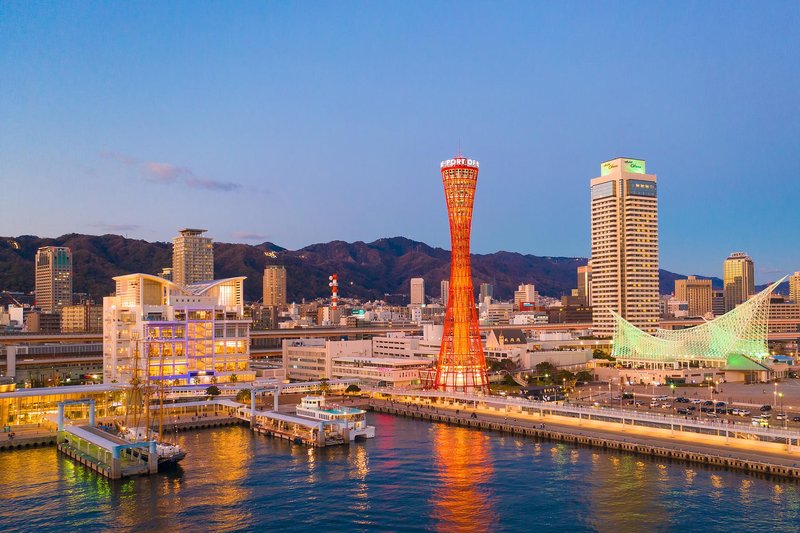
Hotels in Nagawa
Discover your perfect stay in Nagawa.
Nagawa(Japan) Travel 2026: Cheap Flights, Hotels & Top Attractions
Popular Landmarks in Nagawa
Discover the most iconic attractions in Nagawa
Recommended Hotels in Nagawa
Find the perfect place to stay in Nagawa
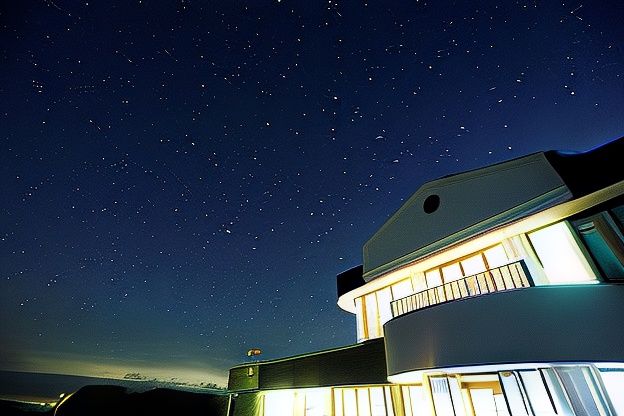
Yamamotogoya Hurusatokan
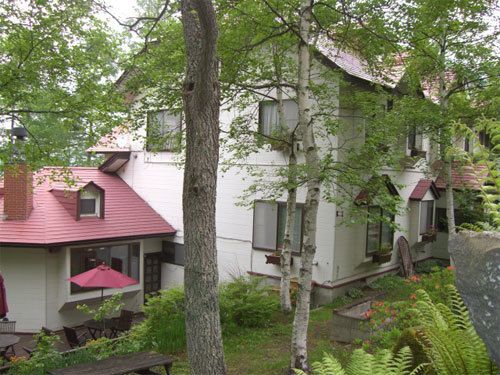
Pension Un Memory
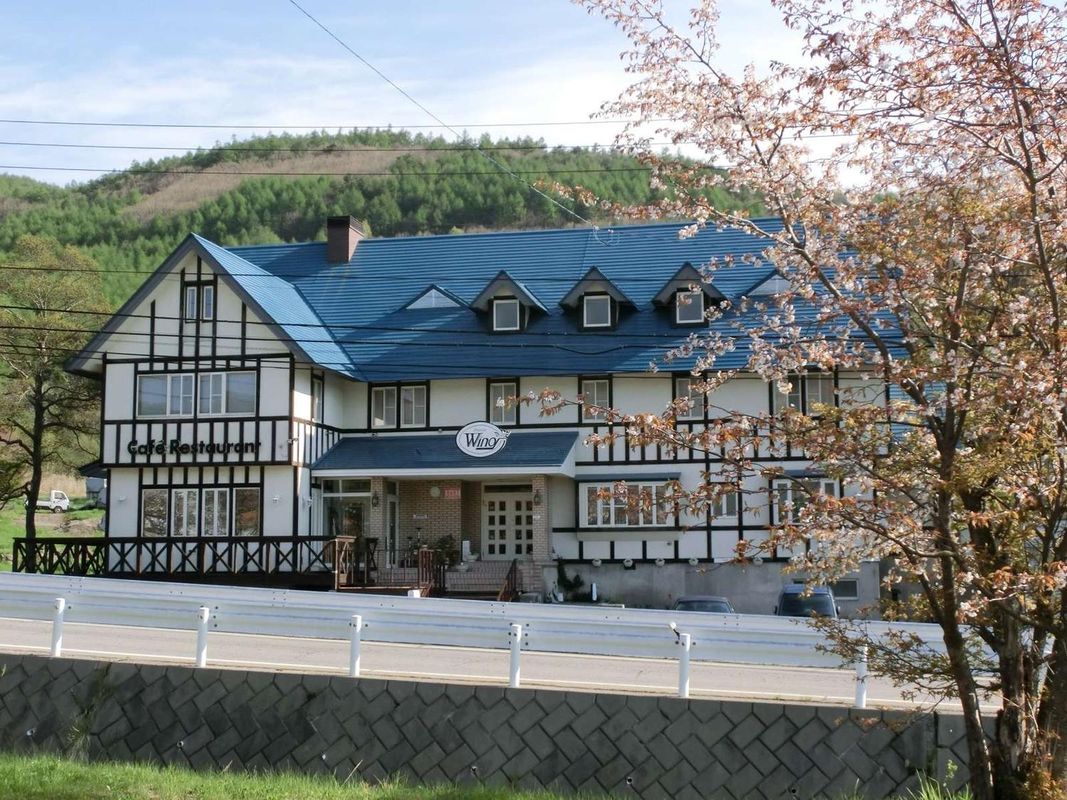
Pension Wing
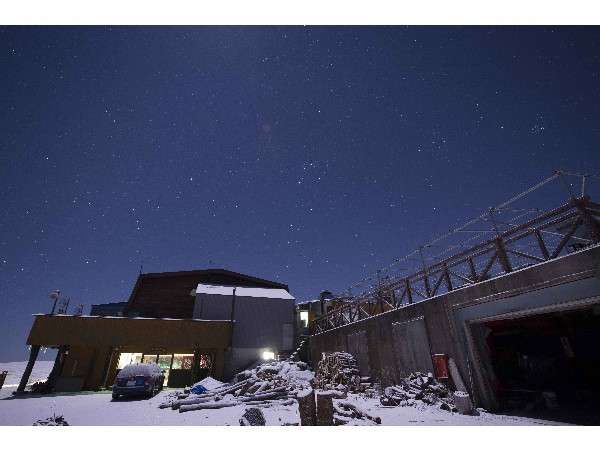
Utsukushigahara Kogen Hotel Yamamoto Goya
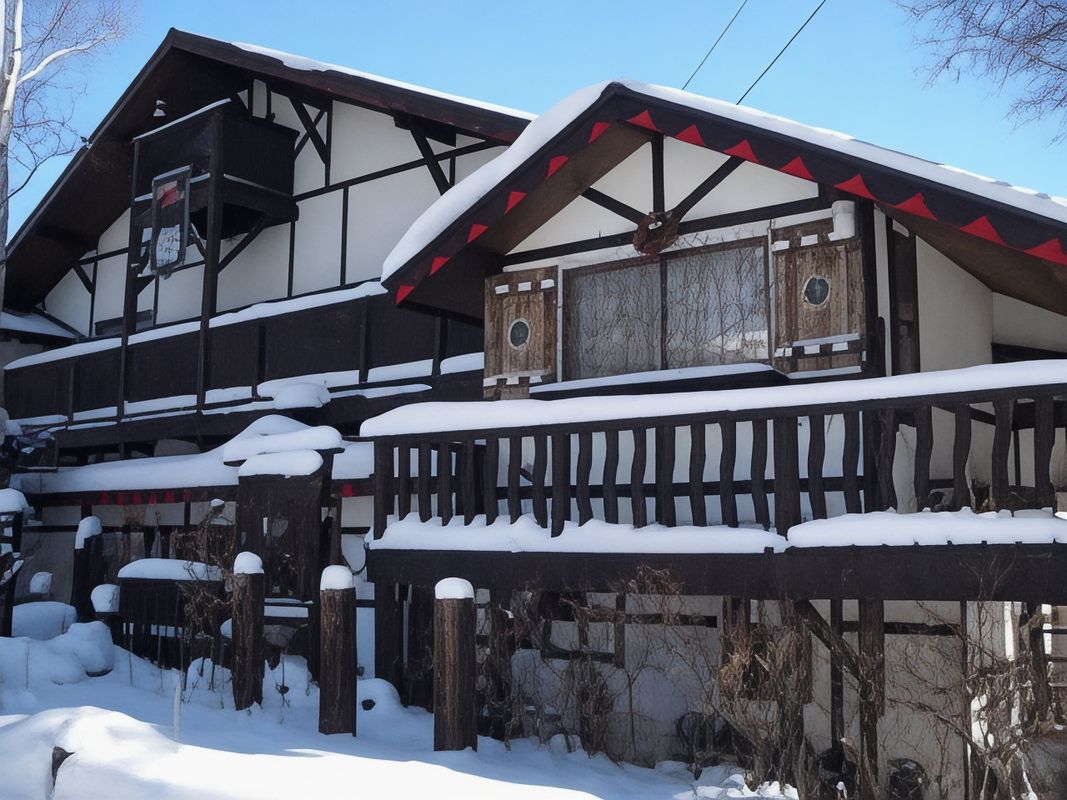
Alpen Flora
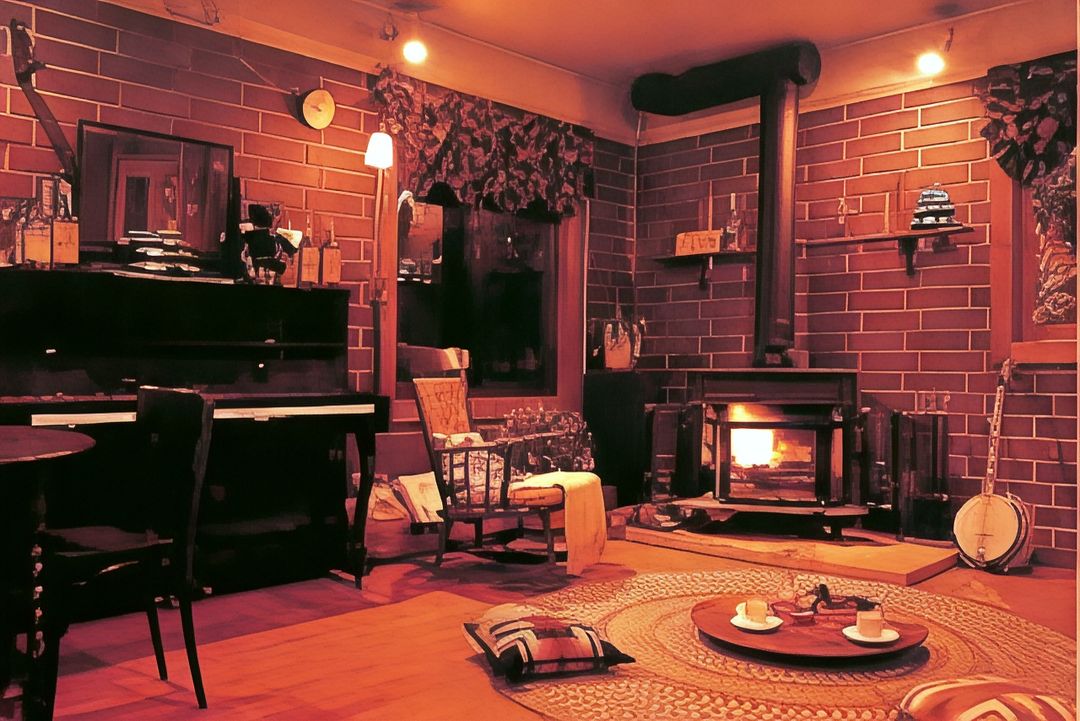
Pension Rengaya
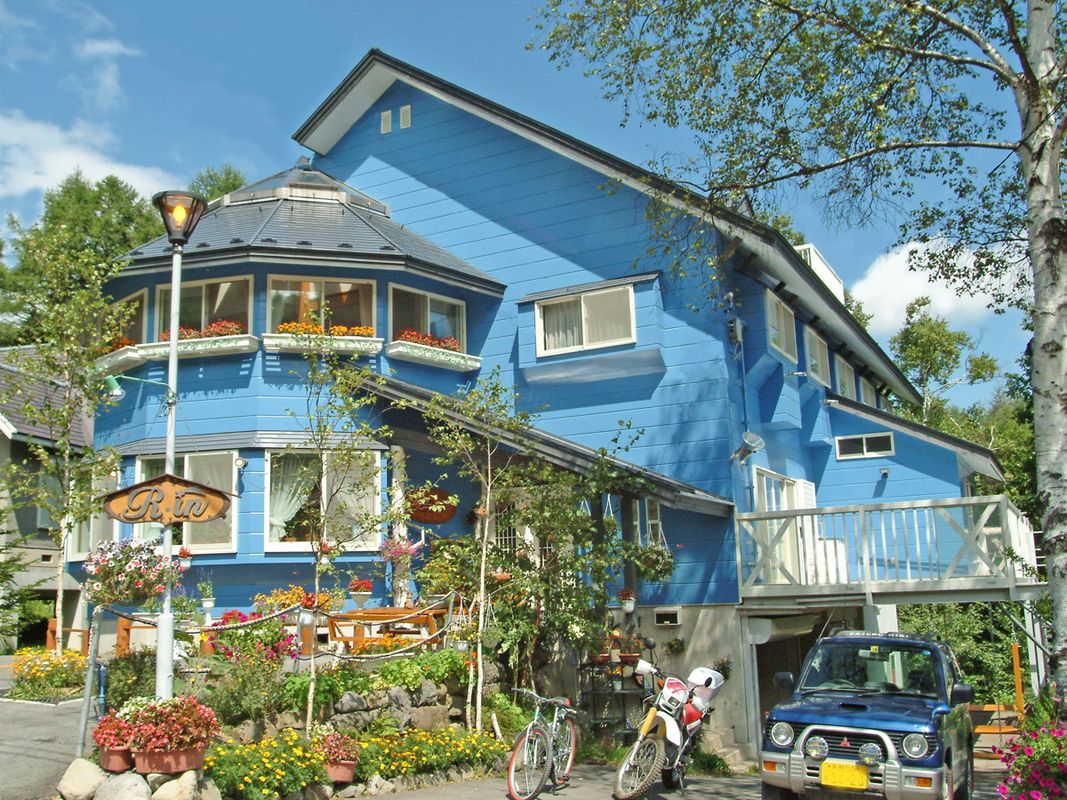
pension R.in
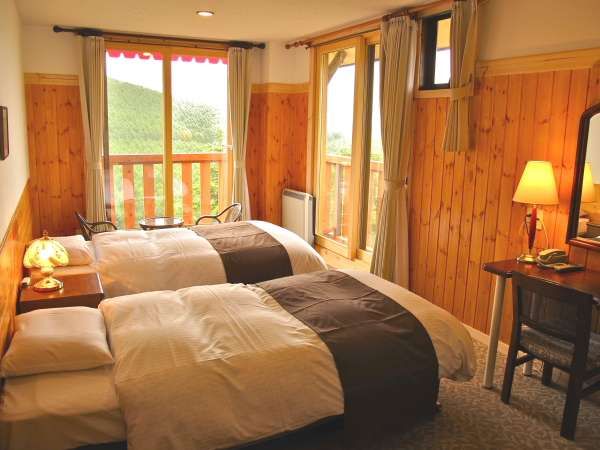
Hotel Andermatt
Best Hotels in Nagawa
Discover curated hotel collections in Nagawa
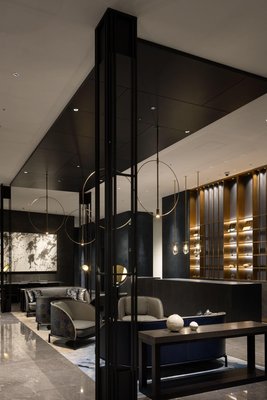
Bellustar Tokyo, A Pan Pacific Hotel
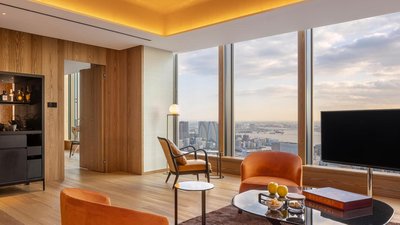
Bvlgari Hotel Tokyo
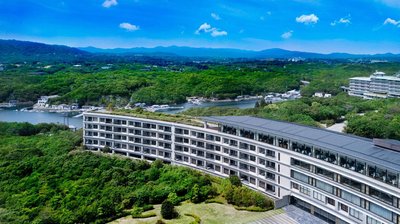
Shima Kanko Hotel the Bay Suites
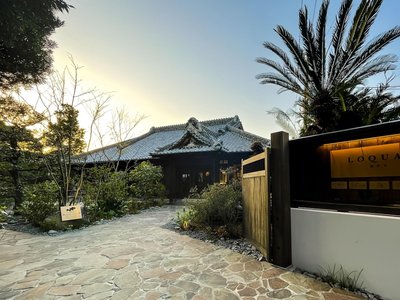
Loquat Nishiizu
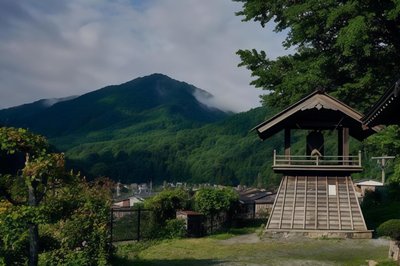
Byaku Narai
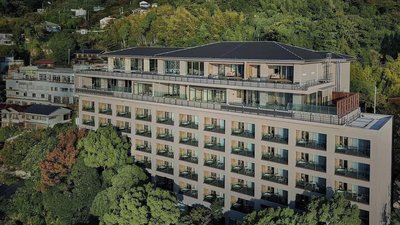
Atami Izusan Karaku
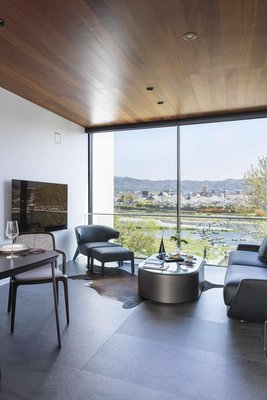
Kamo Residences by Reflections
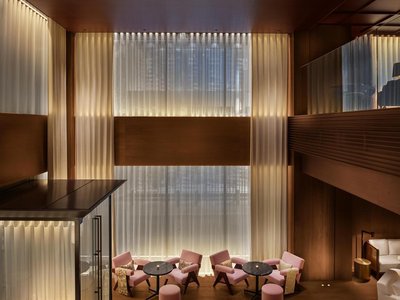
The Tokyo Edition, Ginza
Janu Tokyo
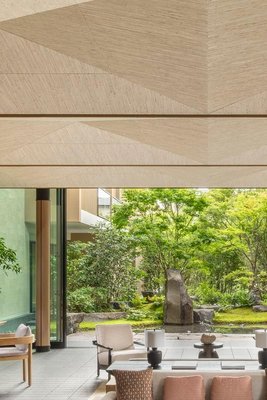
Six Senses Kyoto
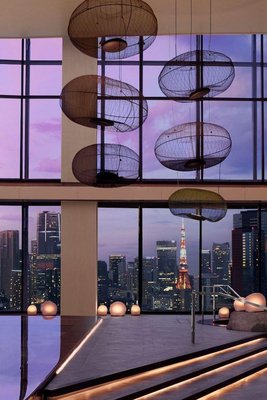
JW Marriott Hotel Tokyo
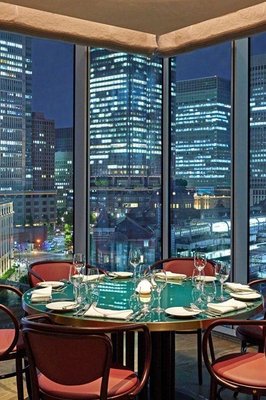
Four Seasons Hotel Tokyo at Marunouchi

Mandarin Oriental, Tokyo
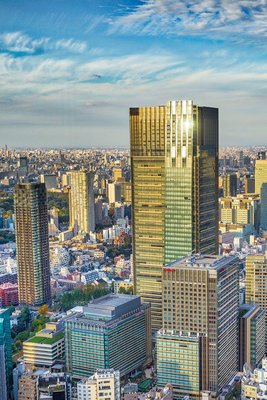
The Ritz-Carlton, Tokyo
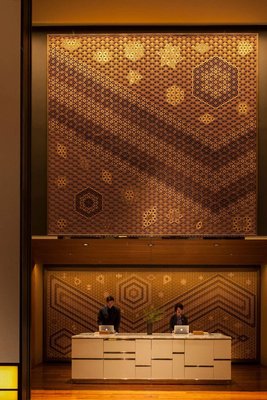
Andaz Tokyo Toranomon Hills- A Concept by Hyatt
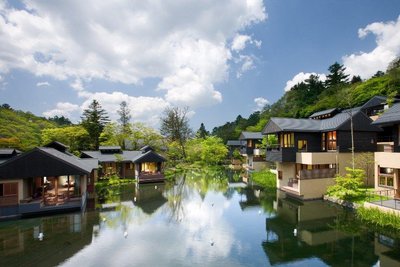
Hoshinoya Karuizawa
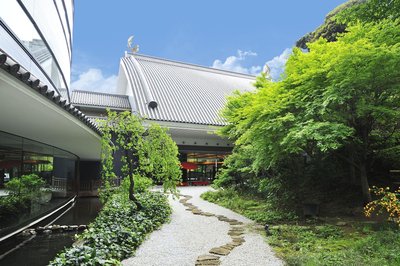
Hotel Gajoen Tokyo
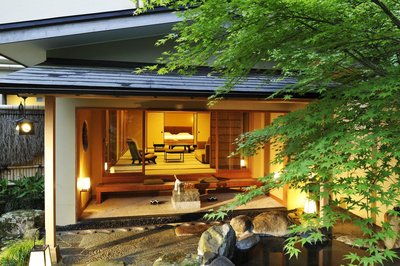
Gora Kadan
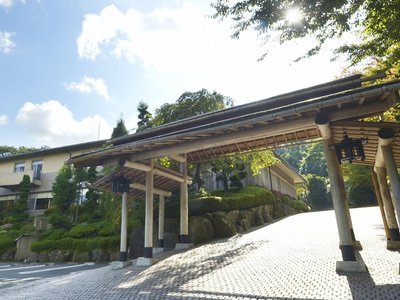
Gora Hanaougi
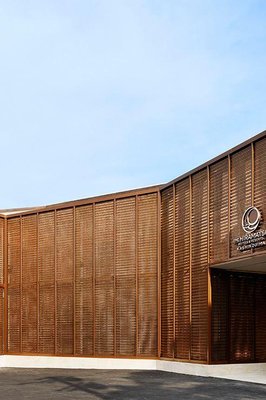
The Hiramatsu Hotels & Resorts Kashikojima
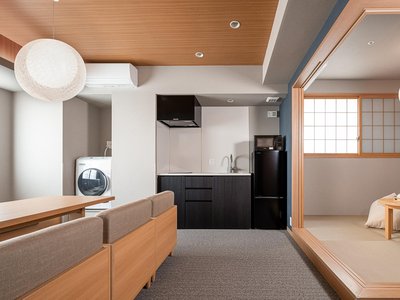
MIMARU SUITES Tokyo Asakusa
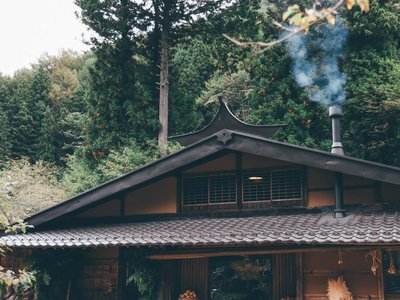
La Terra Resort

karaksa hotel colors Tokyo Yaesu

HOTEL GROOVE SHINJUKU, A PARKROYAL Hotel
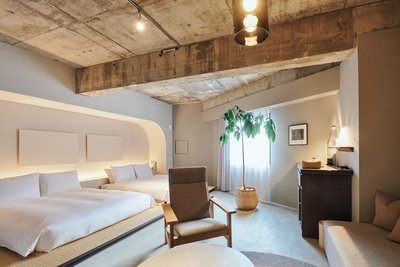
Korinkyo

Awaumi Fujikawaguchiko Resort
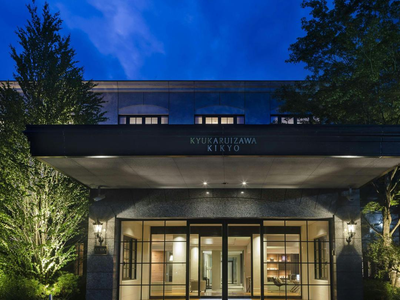
Fufu Karuizawa Wind of Sunshine
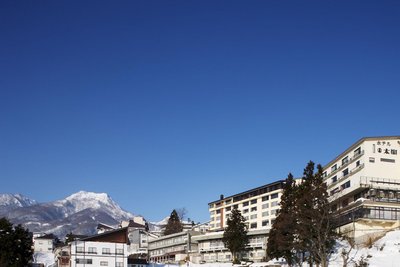
Hotel Taiko, Akakura Onsen

Scapes the Suite
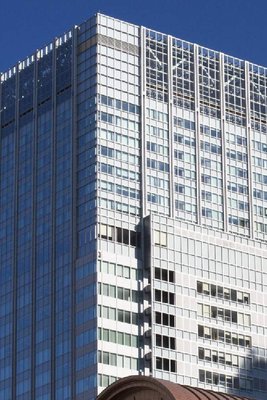
Hotel Metropolitan Tokyo Marunouchi
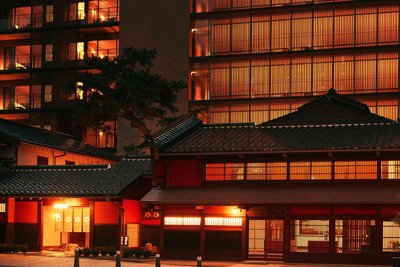
Hoshino Resorts Kai Kaga
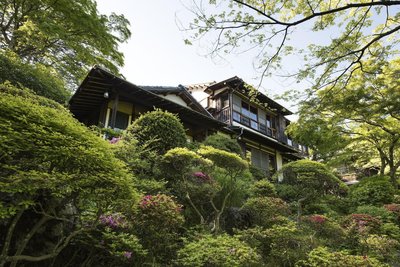
Gora Kansuiro
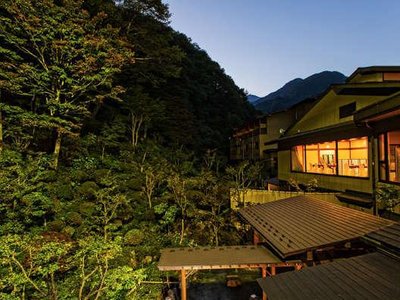
Futari Shizuka
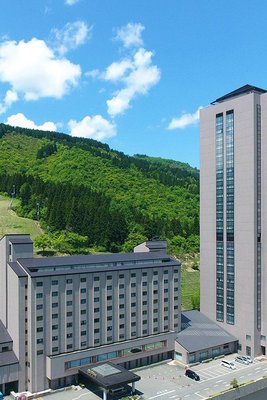
Naspa New Otani
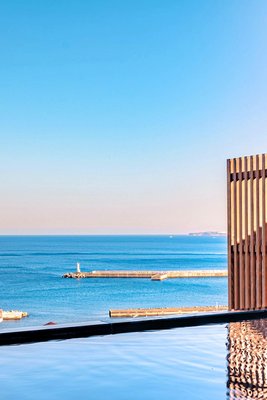
HOTEL KANICHI
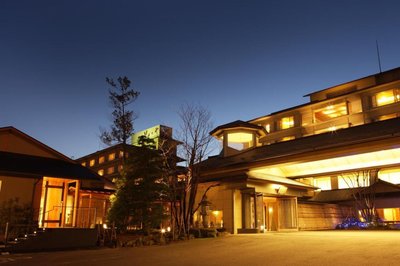
Yumotoya
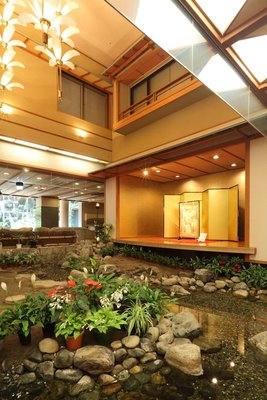
Hotel Futaba
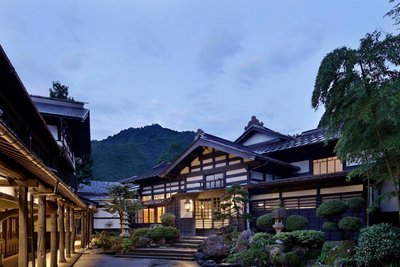
Ryugon
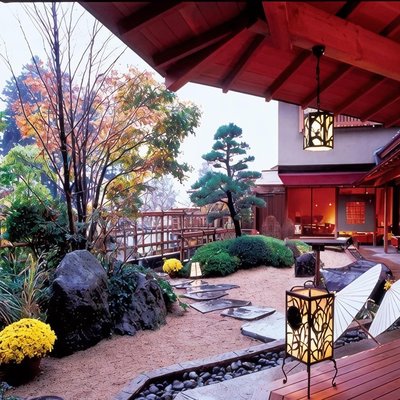
Oyado Tamaki

Tokinoniwa
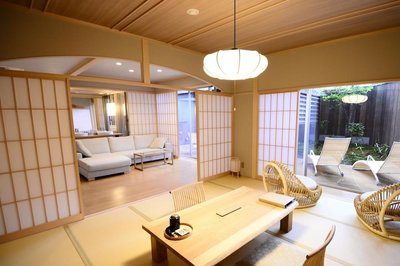
Hakone Gora Byakudan
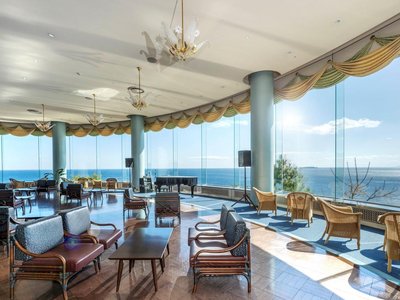
Hotel New Akao
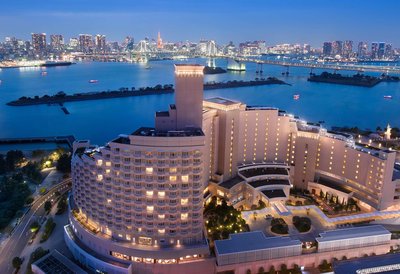
Hilton Tokyo Odaiba
JW Marriott Hotel Tokyo
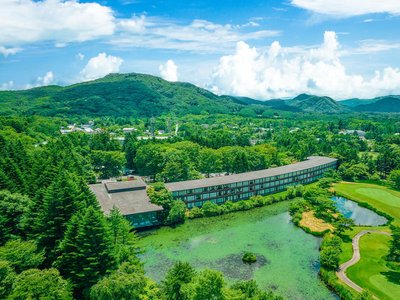
The Prince Karuizawa
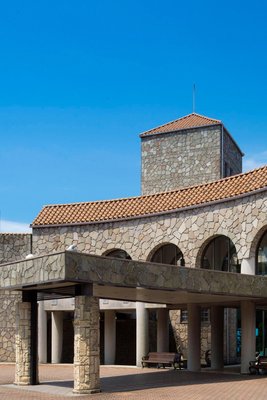
Izumigo Hotel Altia Toba
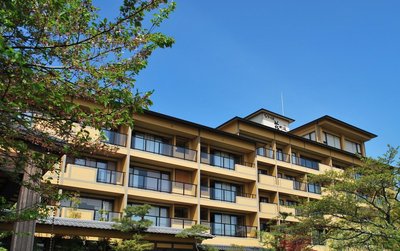
BIWAKO HANAKAIDO
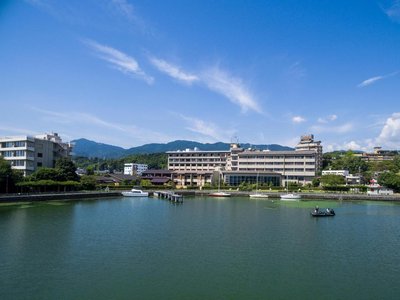
Biwako Ryokusuitei
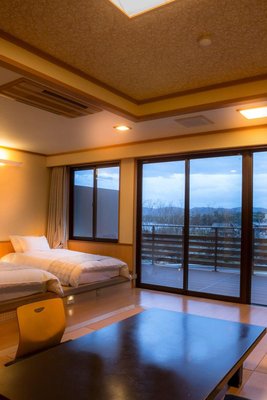
Hotel Kitanoya

The Kukuna
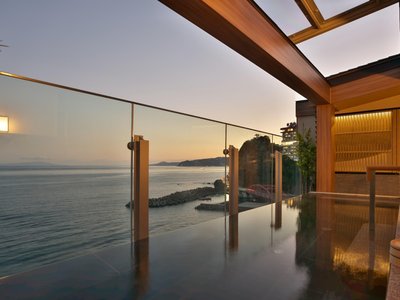
Hotel New Sagamiya
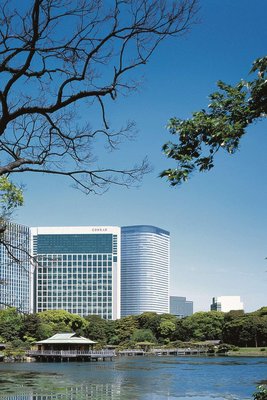
Conrad Tokyo
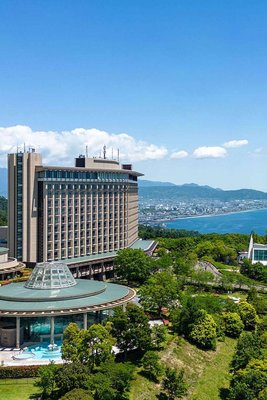
Hilton Odawara Resort & Spa
Hoshinoya Karuizawa
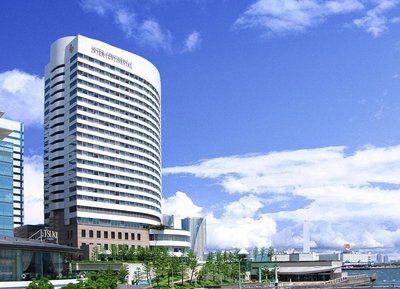
InterContinental Tokyo Bay
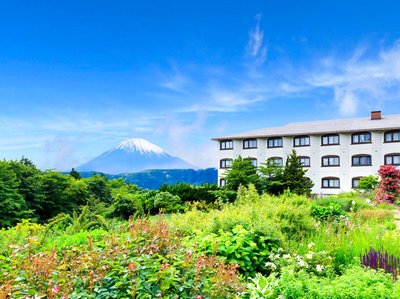
Hotel Green Plaza Hakone
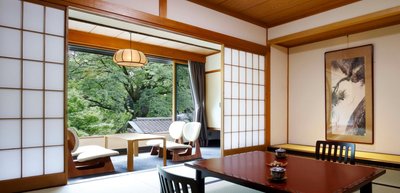
Yoshiike Ryokan
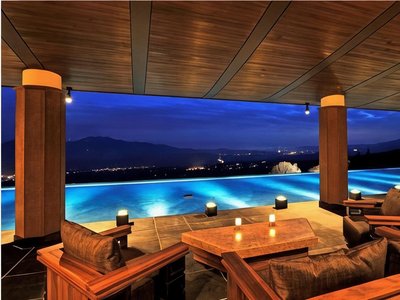
Akakura Kanko Hotel
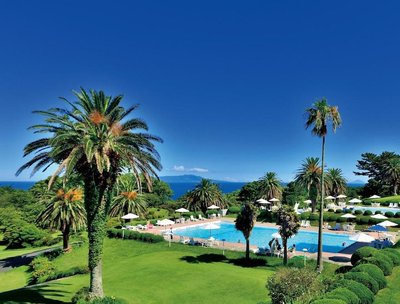
Kawana Hotel
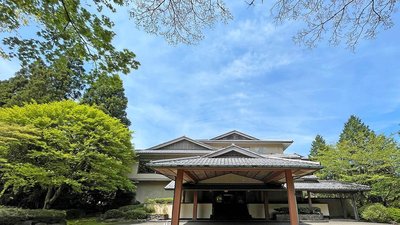
Ryuguden
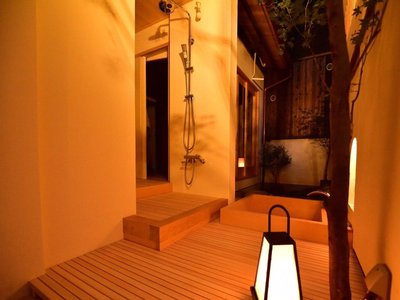
Yado Kiramachi
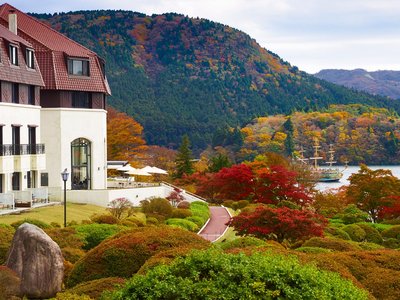
Hotakajyo
Auberge Suzukane

Onyado Nono Asakusa Bettei Hot Spring
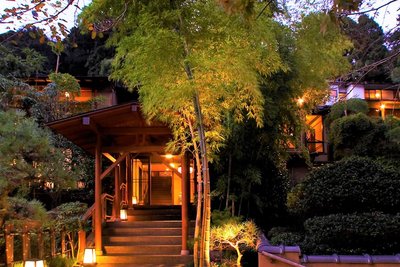
Shiki wo Ajiwau Yado Yamano Chaya
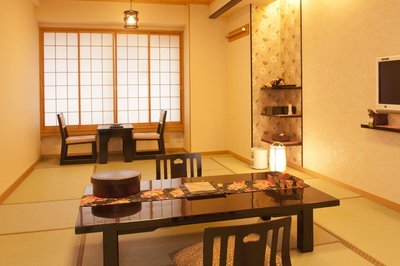
Matsui-Bekkan Hanakanzashi
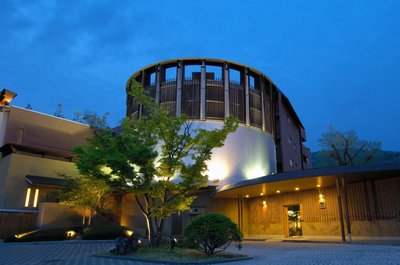
Hoshino Resorts Kai Matsumoto

Taikyourou
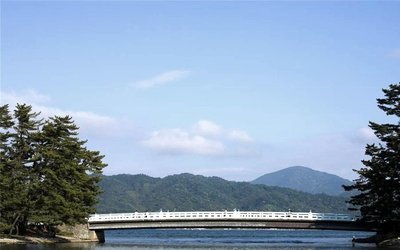
Monjusou Shourotei
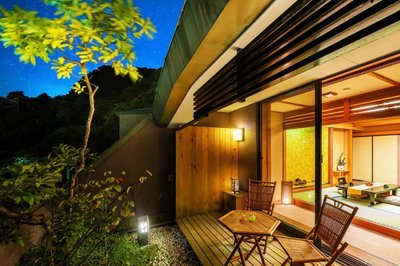
Konjakutei
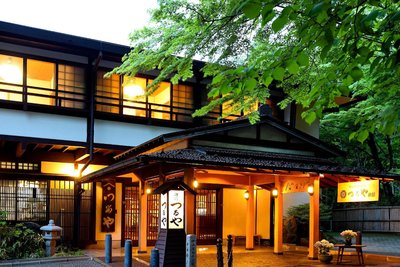
Tsuruya Ryokan
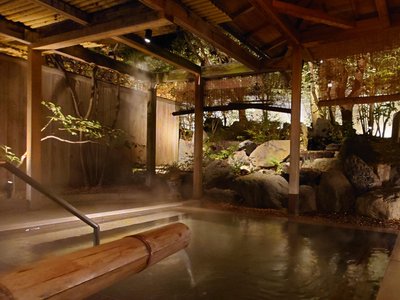
Kasuga Hotel
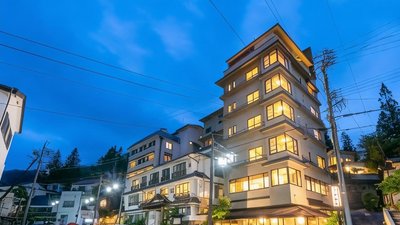
Nakamatsuya Ryokan
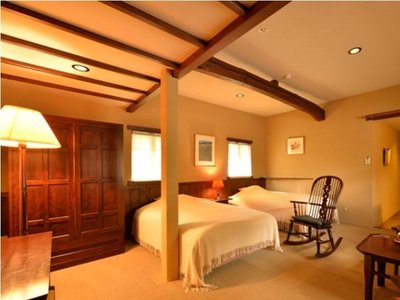
Ryokan Sugimoto
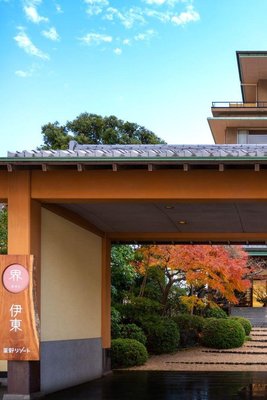
Hoshino Resorts Kai Ito
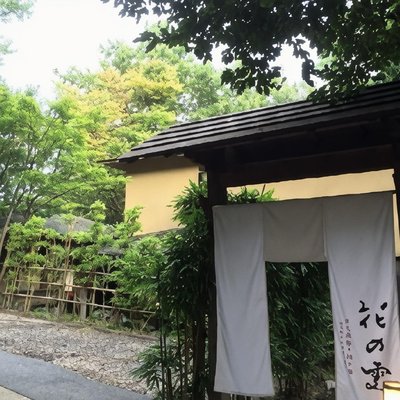
Hana No Kumo
Yoshiike Ryokan
Hotel Gajoen Tokyo
Gora Hanaougi
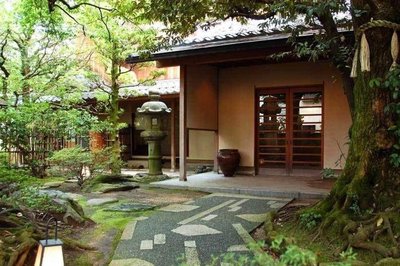
Kocho
Bellustar Tokyo, A Pan Pacific Hotel
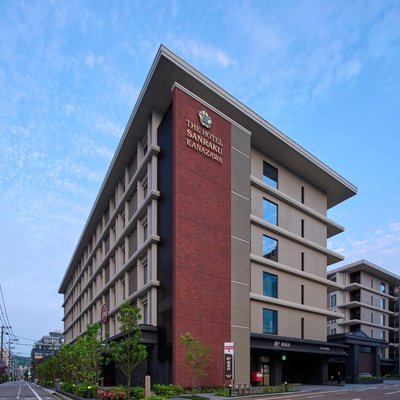
The Hotel Sanraku Kanazawa 21th December 2022 Open

22 PIECES
JW Marriott Hotel Tokyo
Andaz Tokyo Toranomon Hills- A Concept by Hyatt

The Thousand Kyoto
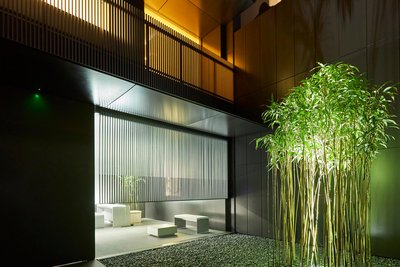
Mogana
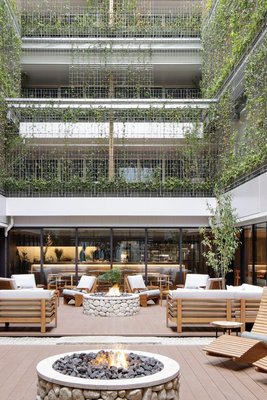
GOOD NATURE HOTEL KYOTO
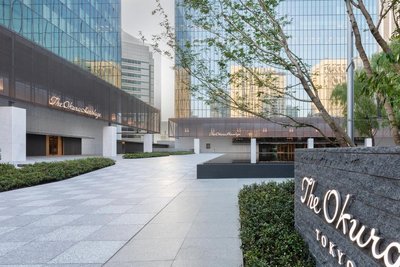
The Okura Tokyo

The Lively Azabujuban Tokyo
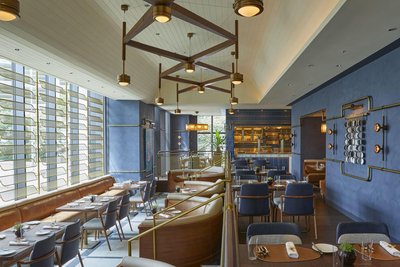
Kimpton Shinjuku Tokyo
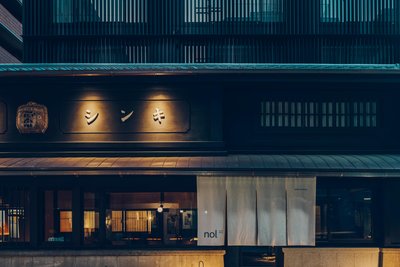
Nol Kyoto Sanjo

HOTEL K5
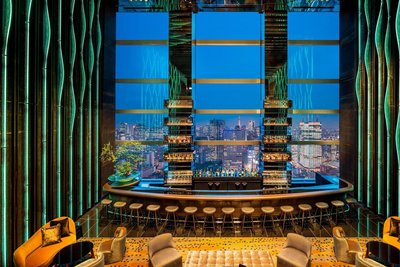
The Prince Gallery Tokyo Kioicho, a Luxury Collection Hotel

Garrya Nijo Castle Kyoto

Hotel Kanra Kyoto
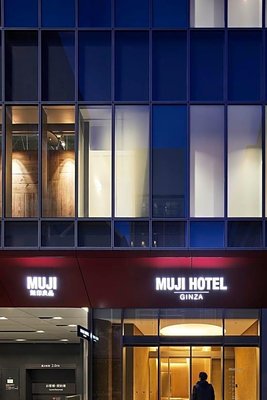
Muji Hotel Ginza
Hakone Gora Byakudan
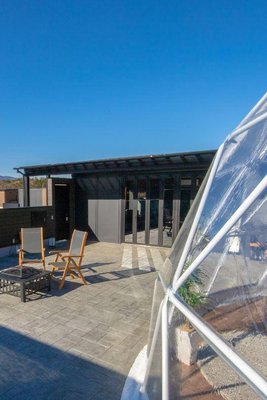
Panoramic Mt. Fuji Views from All Rooms – Vision Glamping Resort & Spa Yamanakako
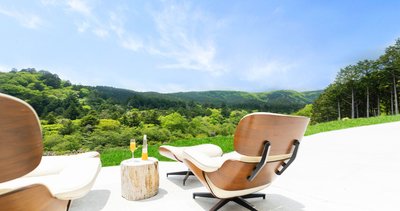
Shelter Garden Nikko
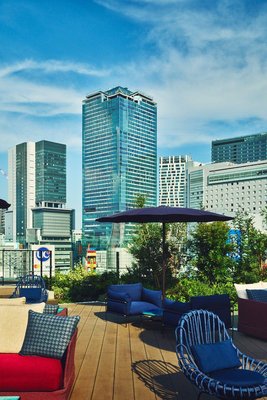
Hotel Indigo Tokyo Shibuya

TIAD, AUTOGRAPH COLLECTION
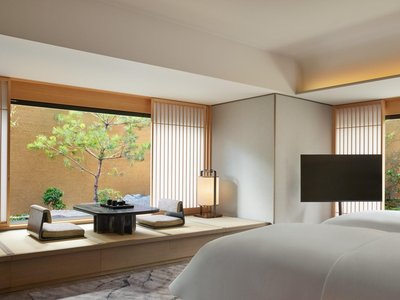
Dusit Thani Kyoto
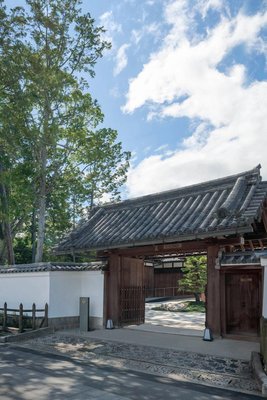
Shisui, a Luxury Collection Hotel, Nara

Hilton Kyoto
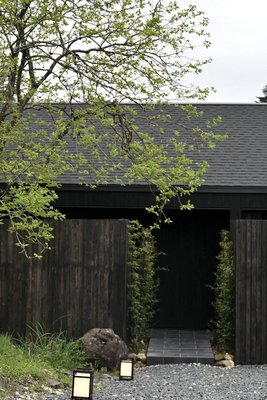
THE LAKOTAN
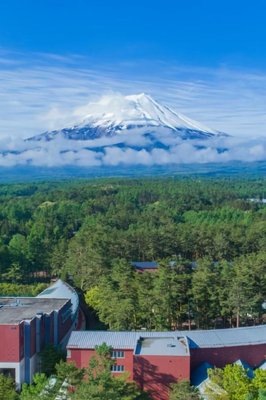
Forest Village (Fuji Premium Resort)

Hotel Toranomon Hills
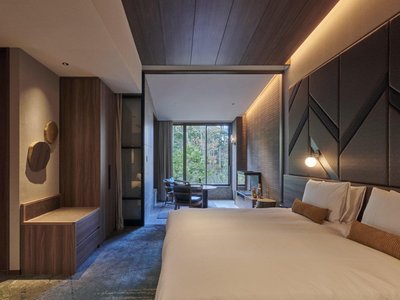
Fufu Kyu-Karuizawa Restful Forest
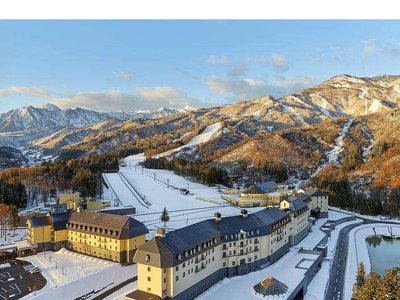
Lotte Arai Resort
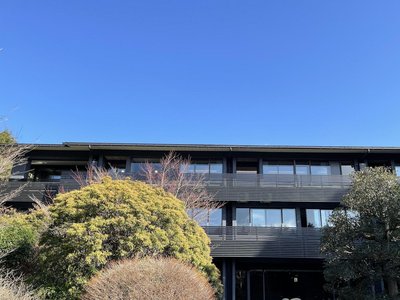
Sengokubara Cocon
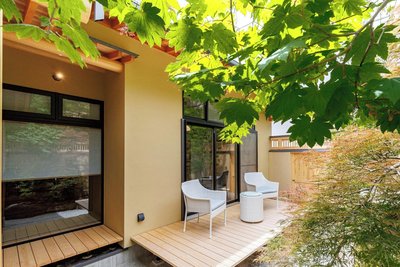
Shoraiso
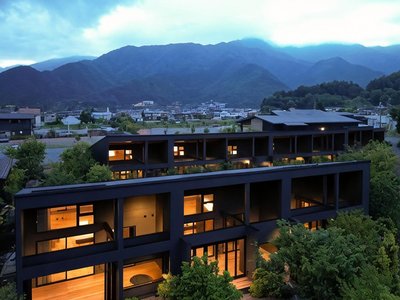
7C Villa and Winery
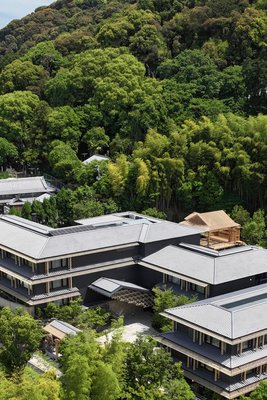
Banyan Tree Higashiyama Kyoto

Hotel la Vigne Hakuba by Onko Chishin
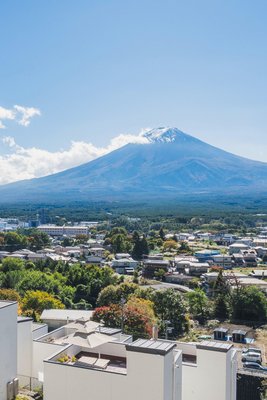
THE TOKI FujiKawaguchiko
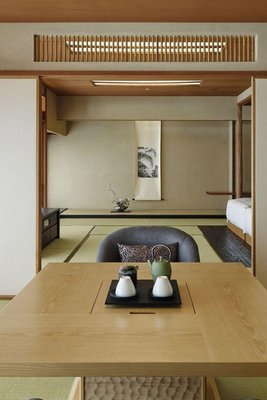
Takanawa Hanakohro (in Grand Prince Hotel Takanawa)
Bvlgari Hotel Tokyo
Four Seasons Hotel Tokyo at Marunouchi
Mandarin Oriental, Tokyo
The Ritz-Carlton, Tokyo
Andaz Tokyo Toranomon Hills- A Concept by Hyatt
Gora Kadan
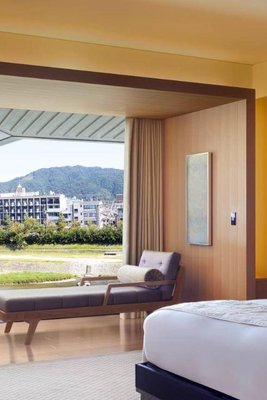
The Ritz-Carlton, Kyoto

Hotel New Otani Tokyo the Main
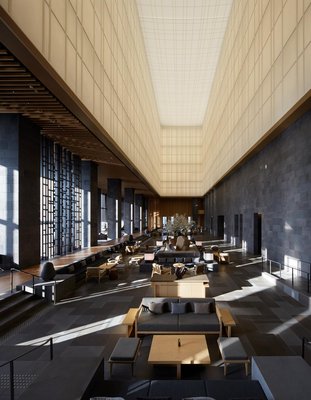
Aman Tokyo
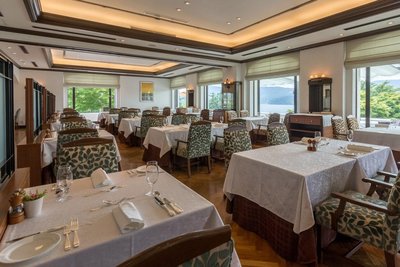
Odakyu Hotel de Yama
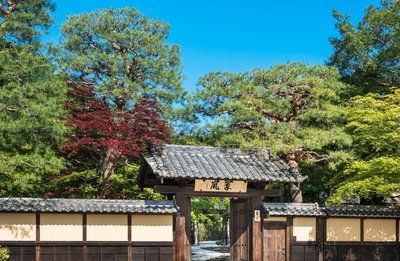
Suiran, a Luxury Collection Hotel, Kyoto
GOOD NATURE HOTEL KYOTO
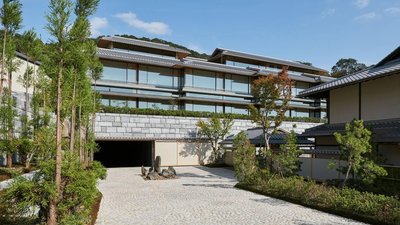
Park Hyatt Kyoto
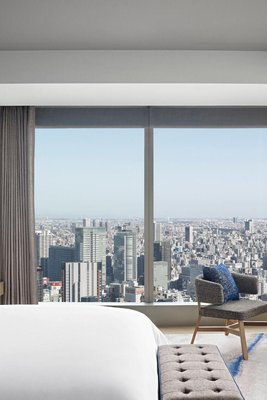
Four Seasons Hotel Tokyo at Otemachi
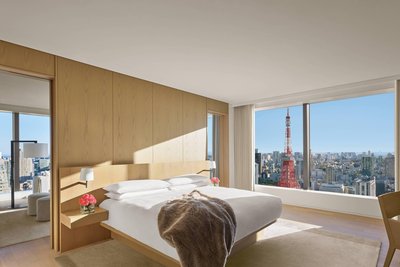
The Tokyo Edition, Toranomon

Hyatt Centric Kanazawa
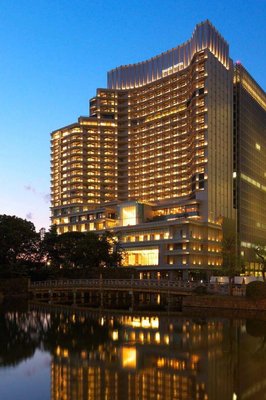
Palace Hotel Tokyo
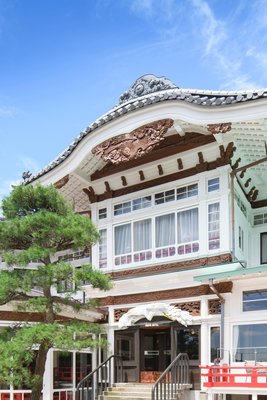
Fujiya Hotel
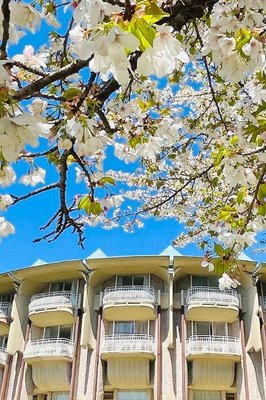
The Prince Hakone Lake Ashinoko
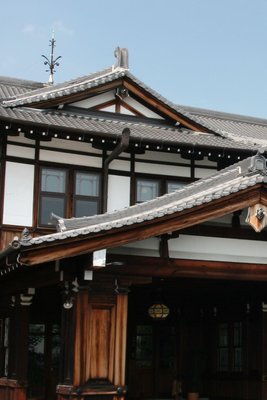
Nara Hotel

Rakuten STAY VILLA Nasu
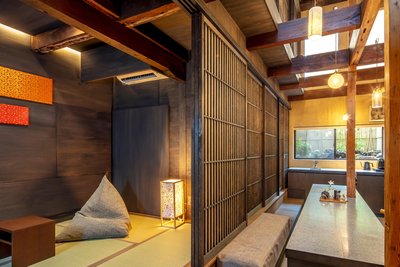
Kyo No Oozora Kihana
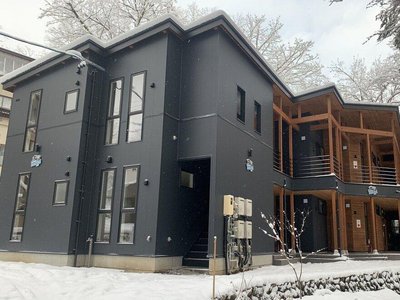
Hakuba Gondola Apartments
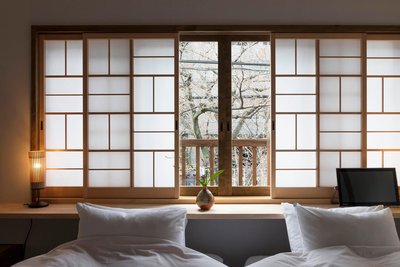
Hanagoromo Machiya House
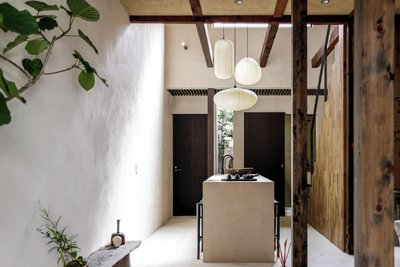
Maana Kiyomizu
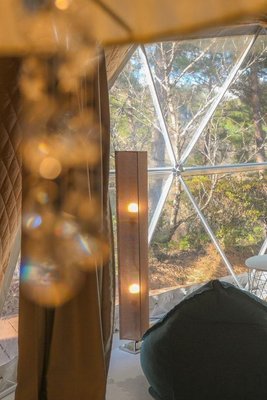
glampark Gekkabijin Nagano
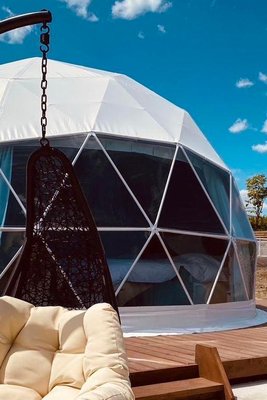
chillout glamping zao
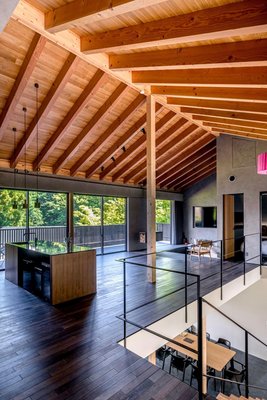
MONS GORA

Phoenix Chalets by Hhg
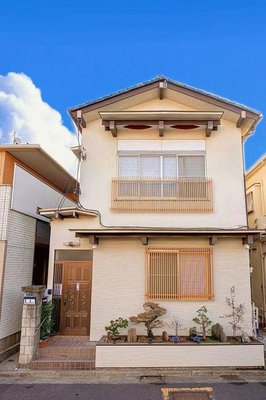
Tokyo Star House-Shinkoiwa
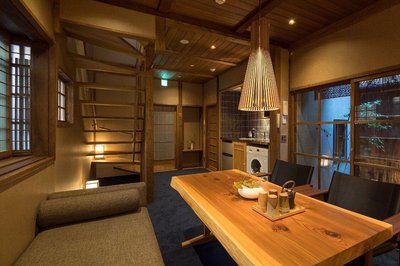
Bonbori an Machiya House
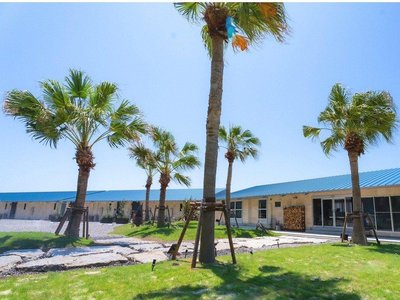
Glamping&Resort Wood Design Park Noma
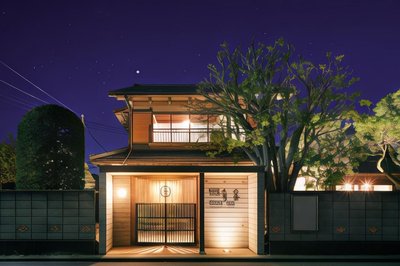
Machi-Jyu
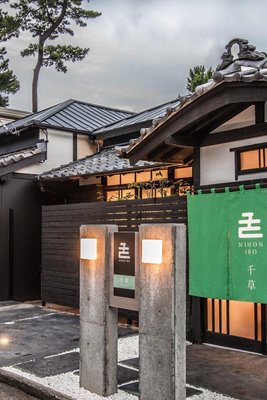
Nihon Iro
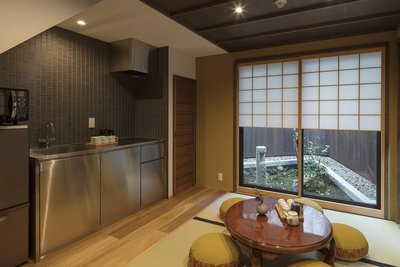
The Machiya Villa Sanjo Shirakawa Koji
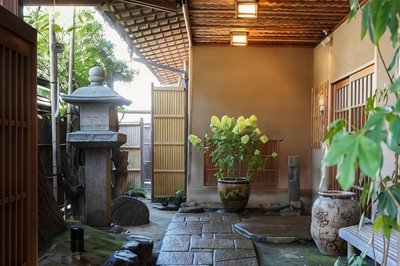
Ryokan Asadaya
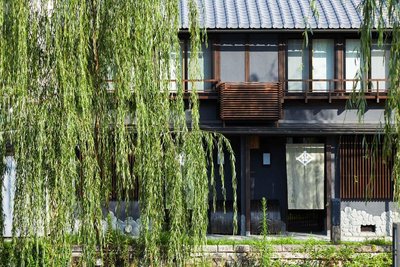
Gion Shirakawa No Yado

Kitashirakawa Natural Radium Onsen
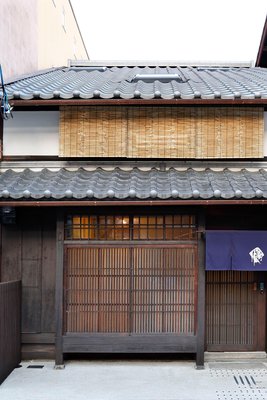
Kyo No Ondokoro Kamanza Nijo #2
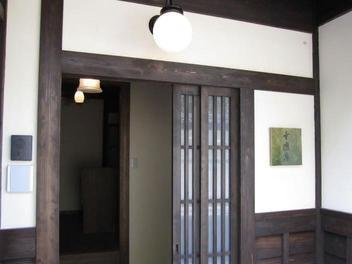
Gion Koyu an Machiya House
Bellustar Tokyo, A Pan Pacific Hotel

Hotel Barrière Fouquet's New York
Bvlgari Hotel Tokyo

Shima Kanko Hotel the Bay Suites
Loquat Nishiizu
Byaku Narai
Atami Izusan Karaku
Kamo Residences by Reflections
The Tokyo Edition, Ginza
Janu Tokyo
Six Senses Kyoto
JW Marriott Hotel Tokyo
Four Seasons Hotel Tokyo at Marunouchi
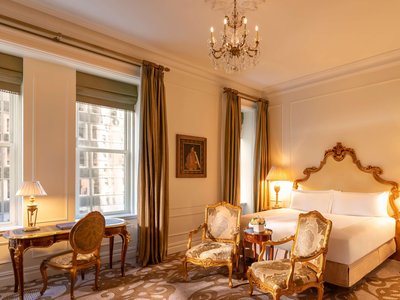
The Plaza - A Fairmont Managed Hotel
Mandarin Oriental, Tokyo
The Ritz-Carlton, Tokyo
Andaz Tokyo Toranomon Hills- A Concept by Hyatt
Hoshinoya Karuizawa
Hotel Gajoen Tokyo
Gora Kadan
Frequently Asked Questions about Traveling to Nagawa
Questions You Might Need to Know About Traveling to Nagawa
In Nagawa Town, the top family-friendly option is Nagawa Onsen Ryokan, a traditional Japanese inn offering spacious tatami rooms with private outdoor hot springs. Families can enjoy hands-on experiences like local pottery workshops and savor farm-to-table meals featuring Shinano vegetables.
Located just 5 minutes from Nagawa Station, it provides easy access to scenic trails like the Nagawa River Trail and seasonal events such as the Spring Cherry Blossom Festival and Autumn Maple Festival. The inn also offers stroller rentals and kid-sized yukata robes, making it ideal for multi-generational travel. Stay close to the town center for convenience and authentic rural charm.
The best area for accommodation in Nagawa Town is the central district near Nagawa Station, where you’ll find a mix of traditional ryokan, cozy minshuku, and modern guesthouses. This zone offers excellent access to local shops, restaurants, and public transport.
Popular stays include Nagawa Chateau Minshuku, which features wooden architecture and organic breakfasts made from nearby farms. The area is also walking distance to the Nagawa River Walkway and the weekly farmers’ market, perfect for morning strolls and fresh produce shopping. For tranquility, consider staying in the mountain-side homestays, which offer panoramic forest views and peaceful nights under clear skies—ideal for nature lovers seeking quiet retreats.
Visitors to Nagawa Town can participate in authentic Shinano bamboo weaving workshops at the Nagawa Cultural Hall, led by master artisans who pass down techniques from generations past. These sessions result in handmade baskets and lanterns.
Another highlight is the Summer Mountain Festival, a vibrant event featuring torch processions, traditional dances, and rituals honoring mountain spirits. Guests can also explore the Nagawa Historical Archives, learning about the village’s Edo-era roots, and take part in handmade washi paper crafting, using locally harvested kozo bark.
These immersive activities connect travelers deeply with Nagawa’s sustainable lifestyle and its enduring relationship with nature and craftsmanship.
Hot spring hotels in Nagawa Town stand out due to their natural sulfur-rich waters and serene forest settings. Nagawa Onsen Yado features an all-inclusive open-air bath with panoramic views of the Nagawa River and surrounding mountains, plus herbal bath infusions available upon request.
Another standout is Nagawa Forest Onsen Villa, built entirely from recycled timber with Zen-style gardens and private rock baths in each room. The hotel offers daily morning meditation sessions combining breathwork and forest sounds for deep relaxation.
All hot springs are certified safe for sensitive skin, and the water is tested monthly. These wellness-focused lodges make for an ideal retreat, blending traditional healing practices with modern comfort.
Photography enthusiasts should visit the Nagawa River at dawn, especially between spring and autumn, when mist rises above the water, creating ethereal reflections of trees and mountains—perfect for long-exposure shots.
The Nagawa Rice Field Maze (open July) offers a stunning large-scale landscape art experience, ideal for aerial or wide-angle photography. In winter, the snow-laden pine trees along the mountain trail present striking monochrome scenes.
The Nagawa Tourism Association provides free guided photo tours with expert tips on timing, angles, and lighting. Download the Nagawa Travel App for real-time location maps and optimal shooting schedules.
Tourists must try Shinano soba noodles at Old-School Soba Noodle Shop, served cold with a vibrant wasabi-based sauce and fresh garnishes. The chewy texture and bold flavor reflect regional authenticity.
Another must-try is the char-grilled Shinano mushroom hot pot, made with locally foraged fungi and enhanced with Nagawa-produced sake for depth. Don’t miss wild fern dried snacks and birch sap wine, popular souvenirs crafted from native ingredients.
All dishes emphasize seasonal, local, and same-day harvest principles, ensuring freshness and true taste of the land. Dining here isn’t just eating—it’s a journey through Nagawa’s agricultural heritage.
Plan for 2 to 3 days to fully appreciate Nagawa Town’s natural beauty and cultural richness. Day one begins with a visit to the Nagawa River Trail and Historical Archives, followed by check-in at a ryokan for an evening soak in the onsen.
Day two includes a bamboo weaving workshop or washi paper craft class, afternoon exploration of the rice field maze, and a stop at the weekly farmers’ market. Day three features a forest ecology tour, spotting birds and native plants, and relaxing at a forest café.
This balanced itinerary blends culture, nature, and cuisine. Book accommodations and experiences in advance via the Nagawa Tourism Portal to ensure smooth planning.
Yes, Nagawa Town is easily accessible by car. From Nagano City, it takes about 40 minutes via National Route 19, a well-maintained road with clear signage. Parking options are limited within town, so renting a compact or electric vehicle is recommended.
Install a GPS navigation system and download the Nagawa Town Travel App for real-time parking updates and offline maps. The Nagawa Tourism Association offers free parking vouchers to visitors with a travel card, enhancing convenience. Be mindful of narrow mountain roads during winter—use snow chains if needed and check weather alerts before driving.
Nagawa Town offers numerous child-friendly activities. The Nagawa River Kids Nature School lets children explore aquatic life and join eco-cleanup projects, teaching environmental stewardship through play.
Families can visit the Mini Farm Experience, where kids feed lambs, collect eggs, and grow Shinano cherry tomatoes. During summer, the Children’s Festival features face-painting, origami workshops, and paper crane competitions—all rooted in traditional Japanese culture.
All activities come with multilingual guides, safety protocols, and dedicated kids’ zones. Staying at family-oriented lodges like Nagawa Chateau Minshuku ensures access to cribs, high chairs, and supervised play areas.
Nagawa Town has a temperate monsoon climate with distinct seasons. Spring (March–May) brings cherry blossoms and mild temperatures—ideal for hiking and photography.
Summer (June–August) averages 20–25°C, but occasional thunderstorms occur; pack light rain gear and insect repellent. Autumn (September–November) is the peak season: crisp air, vibrant foliage, and perfect for walks.
Winter (December–February) sees heavy snowfall, with temperatures between -2°C and 3°C. Roads may be icy—wear warm layers and anti-slip shoes. All ryokan provide heated rooms and electric blankets for comfort. Always consult the Nagawa Meteorological Office website for up-to-date forecasts before traveling.
Nagawa Overview
City Summary
Nagawa Town, located in Nagano Prefecture, Japan, is a tranquil town renowned for its natural beauty and traditional culture. With its clear lakes, dense forests, and abundant hot springs, it is an ideal destination for those seeking to escape urban hustle. The town preserves much of Japan's traditional rural charm, offering visitors an authentic experience of Japanese countryside life.
Must-See Attractions
Key attractions in Nagawa include the famous Lake Shirakaba, which offers stunning seasonal views, especially during autumn foliage. Visitors can also enjoy natural hot springs at local facilities. For culture enthusiasts, traditional temples and shrines like Suwa Taisha are must-visit spots.
Food Guide
Nagawa's cuisine features local farm produce, with Shinshu soba noodles being a signature dish of Nagano Prefecture. Other highlights include fresh mountain vegetables and wild game. Traditional kaiseki meals at local ryokan (inns) are also highly recommended.
Transportation Guide
Public transportation in Nagawa mainly consists of buses and taxis. It's advisable to check bus schedules in advance as services may be infrequent. Renting a car is another good option for exploring the area more flexibly. The town is about an hour's bus ride from Nagano City.
Best Time to Visit
The best times to visit are spring and autumn, when cherry blossoms and fall foliage are at their peak. Summers are cool and ideal for escaping heat, while winters offer hot springs and snowy landscapes.
Travel Tips
- Respect local customs by maintaining silence at temples.
- Shower before entering hot springs and follow onsen etiquette.
- Mountain weather can change quickly; pack warm clothing.
- Some attractions may require advance reservations.
- Practice proper waste separation to maintain cleanliness.
- Carry sufficient cash as some establishments may not accept cards.
Useful Information
Japanese is the primary language, though some tourist spots may have English signage. Learning basic Japanese phrases is recommended. Most accommodations and restaurants offer free Wi-Fi. Cash is widely used, with limited credit card acceptance. Major medical facilities are concentrated in Nagano City, so travel insurance is advisable.