Hotels in Nagcarlan
Discover your perfect stay in Nagcarlan.
Nagcarlan(Philippines) Travel 2026: Cheap Flights, Hotels & Top Attractions
Popular Landmarks in Nagcarlan
Discover the most iconic attractions in Nagcarlan
Recommended Hotels in Nagcarlan
Find the perfect place to stay in Nagcarlan
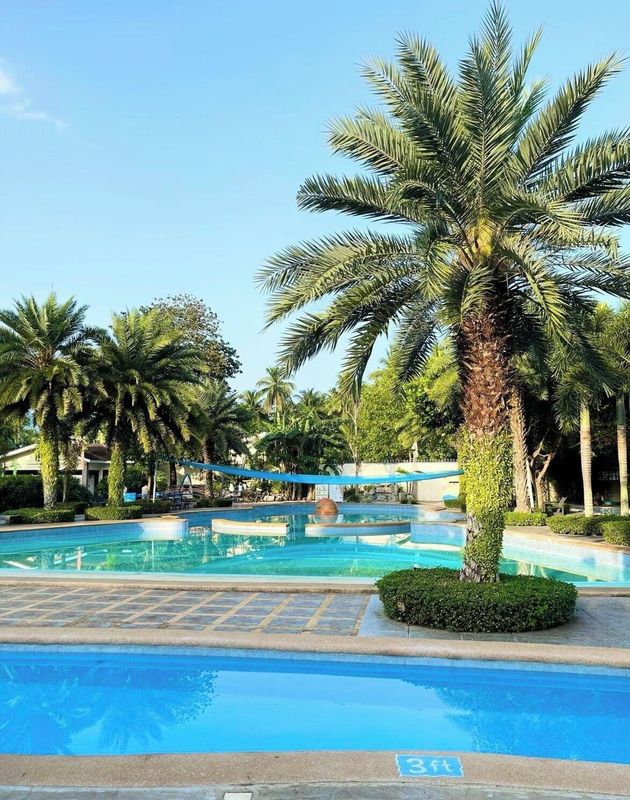
Green Nature Resort and Leisure Park
Frequently Asked Questions about Traveling to Nagcarlan
Questions You Might Need to Know About Traveling to Nagcarlan
For first-time visitors, staying in the Historic District or near Nakarang Bay offers the best balance of culture and convenience. The Nakarang Heritage Inn in the Historic District is ideal for exploring colonial-era architecture, local markets, and traditional festivals. Alternatively, the Bayfront Eco-Lodge along Nakarang Bay provides serene ocean views, direct beach access, and eco-friendly accommodations with solar-powered amenities.
Both areas offer easy access to Casa de los Pintores, a renowned art gallery showcasing indigenous Filipino painters, and the weekly Fishing Village Night Market, where travelers can savor authentic street food like kinilaw and grilled seafood. Staying here ensures immersion in local life while enjoying modern comforts.
Tourists in Nakarang can participate in a handwoven basket workshop led by local women using abaca fibers, preserving traditional craftsmanship passed down through generations. Another highlight is the annual Pahiyas Festival held in March, where streets are adorned with colorful harvest offerings—fruits, vegetables, and rice—as a tribute to the gods of fertility and abundance, accompanied by vibrant folk dances and street food stalls.
For nature lovers, a bamboo raft tour through the mangrove wetlands offers an immersive encounter with native birdlife and tidal rhythms. The journey concludes with a taste of Puto Bumbong, a sweet sticky rice cake cooked in coconut milk—a cherished local delicacy. These experiences not only connect visitors to Philippine heritage but also support community-based tourism initiatives.
In Nakarang, the Green Oasis Coastal Lodge stands out as a leading eco-luxury option, featuring solar-powered cabins, rainwater harvesting systems, and a coral reef restoration program open to guests. Its minimalist design blends seamlessly with the surrounding mangroves, offering private beach access and zero-waste practices throughout operations.
Another sustainable choice is Nakarang Bay Azure Resort, which uses reclaimed wood in construction, avoids single-use plastics, and partners with local fishermen to promote responsible seafood sourcing. Both properties host guided eco-tours—such as night turtle spotting and mangrove planting—allowing guests to contribute meaningfully to conservation. Their commitment to sustainability ensures a guilt-free seaside retreat rooted in environmental stewardship.
The best time to visit Nakarang is from November to April, when the dry season brings mild temperatures (25–30°C) and minimal rainfall, perfect for beach activities, snorkeling, and outdoor exploration. December’s Ligaya Festival adds charm with illuminated lantern displays and floral installations across the town center, creating a magical atmosphere.
This period also coincides with the Pahiyas Festival in March, celebrating harvest traditions with vibrant decorations and cultural performances. It's ideal for eco-tours like mangrove kayaking and night turtle spotting, as water clarity is excellent and sea conditions calm. Avoiding the rainy season (June–October) ensures smoother travel and full access to Nakarang’s natural and cultural highlights.
Must-try dishes in Nakarang include Tinapa with Siling Labuyo—smoked fish served with fiery chili sauce, bursting with savory-smoky flavor. Another staple is Puto Bumbong, glutinous rice steamed in banana leaves and topped with coconut cream, a beloved breakfast treat with a sweet-salty balance.
Don’t miss Mangrove Shrimp Soup, made with wild shrimp caught in nearby mangroves, yielding a rich, briny broth that captures the essence of coastal life. At night markets, try Chicken Inasal skewers grilled over charcoal and Mango Float, a refreshing shaved ice dessert with fresh mango chunks and condensed milk. All dishes use locally sourced ingredients and traditional methods, offering an authentic taste of Nakarang’s culinary heritage.
In Nakarang, convenient transport options include tricycles (three-wheeled motorized vehicles) and taxis for short trips around town and nearby villages—affordable and flexible. For longer distances, buses connect Nakarang to other towns in Calabarzon Region, with frequent departures and a ride time of about one hour.
For independent travelers, bicycle rentals are widely available at hotels and lodges, often free of charge, allowing scenic rides along coastal paths and rural trails. Some eco-resorts also offer electric scooters for easy navigation within their premises. Using mobile ride-hailing apps is recommended for safety and efficiency, especially during peak hours, ensuring smooth and stress-free travel throughout the city.
Nagcarlan Overview
City Summary
Nakar, located in Calabarzon, Philippines, is a hidden gem blending pristine nature with rich cultural heritage. Known for its emerald mountains, untouched waterfalls, and traditional village life, its core appeal lies in serene off-the-beaten-path experiences and eco-adventures. The Ifugao tribal culture and rice terrace landscapes offer unique immersive encounters.
Must-See Attractions
Must-sees include:
- Pinagrealan Cave: Mysterious limestone cave with revolutionary war relics
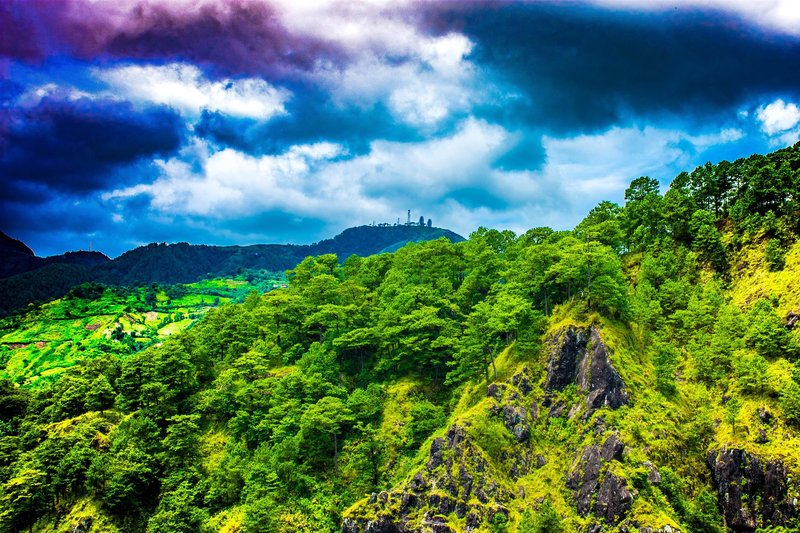
- Mt. Binuang: Beginner-friendly rainforest trekking trail
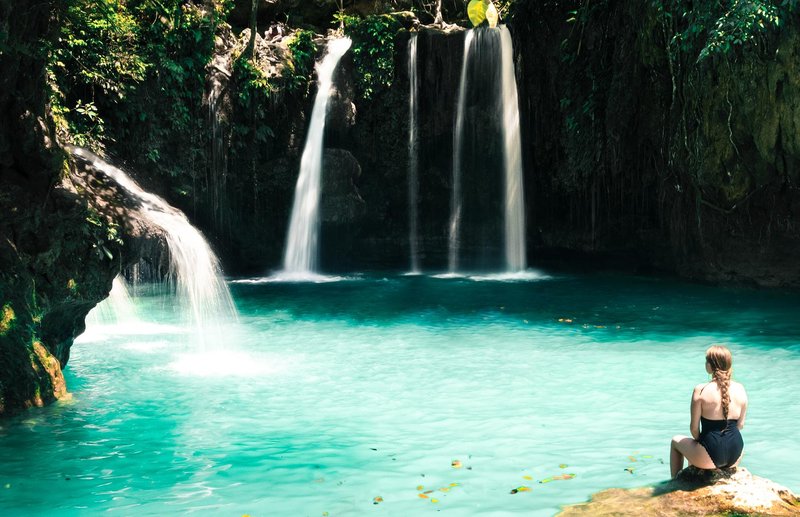
- Batlag Falls: Tiered waterfalls with natural swimming pools
- Baras Bird Sanctuary: Wetland reserve for endemic Philippine birds At night, join traditional dance workshops or visit night markets for grilled chicken skewers (Lechon Manok).
Food Guide
Nakar's cuisine merges upland tribal and Spanish influences:
- Sinugno: Fish grilled in coconut milk, using freshwater catch
- Binakol: Turmeric chicken soup served in bamboo tubes
- Kakanin: Colorful sticky rice cakes Street food gems include banana spring rolls (Turon) and shaved ice with coconut (Halo-Halo), often wrapped in banana leaves for eco-friendly authenticity.
Transportation Guide
Transport tips:
- Jeepneys: Primary inter-town transport, hail like taxis (₱15-25)
- Tricycles: For short trips, negotiate fares (₱50-100/3km)
- Car rentals: 4x4 recommended for remote sites (₱2000/day) Warning: Mountain roads have sharp curves. Landslides possible during rainy season (Jun-Oct) - travel mornings with buffer time.
Best Time to Visit
Best visited Nov-Feb (dry season, 26-32°C). December's Pahiyas Festival draws crowds. Mar-May suits waterfall activities despite heat. Avoid typhoon-prone Aug-Sep.
Travel Tips
- Tribal etiquette: Seek elder permission before entering Ifugao villages
- Cash economy: 90% vendors don't accept cards, carry small bills
- Dress code: Cover shoulders/knees in churches
- Water safety: Drink only bottled/boiled water
- Eco-tip: Bring reusable bottles to reduce plastic
- Connectivity: Smart Telecom has best mountain coverage
- Medical prep: Rural clinics handle basics, bring anti-mosquito & GI meds
Useful Information
Essentials:
- Language: Tagalog dominant, 60% English comprehension in tourist areas
- Internet: 4G in town, Smart SIM offers unlimited data (₱40/day)
- Payment: Only 1 BPI bank, ATMs often out of cash
- Voltage: 220V, US-type 2-pin plugs
- Emergency: Police 117, Tourist Police +63 917 847 5757
- Medical: Nakar Medicare Hospital for trauma, serious cases transfer to Lucena Download Maps.me offline maps and carry passport photocopies.
Other Cities You Might Like
Explore more amazing destinations