Hotels in Nagomi
Discover your perfect stay in Nagomi.
Nagomi(Japan) Travel 2026: Cheap Flights, Hotels & Top Attractions
Popular Landmarks in Nagomi
Discover the most iconic attractions in Nagomi
Recommended Hotels in Nagomi
Find the perfect place to stay in Nagomi
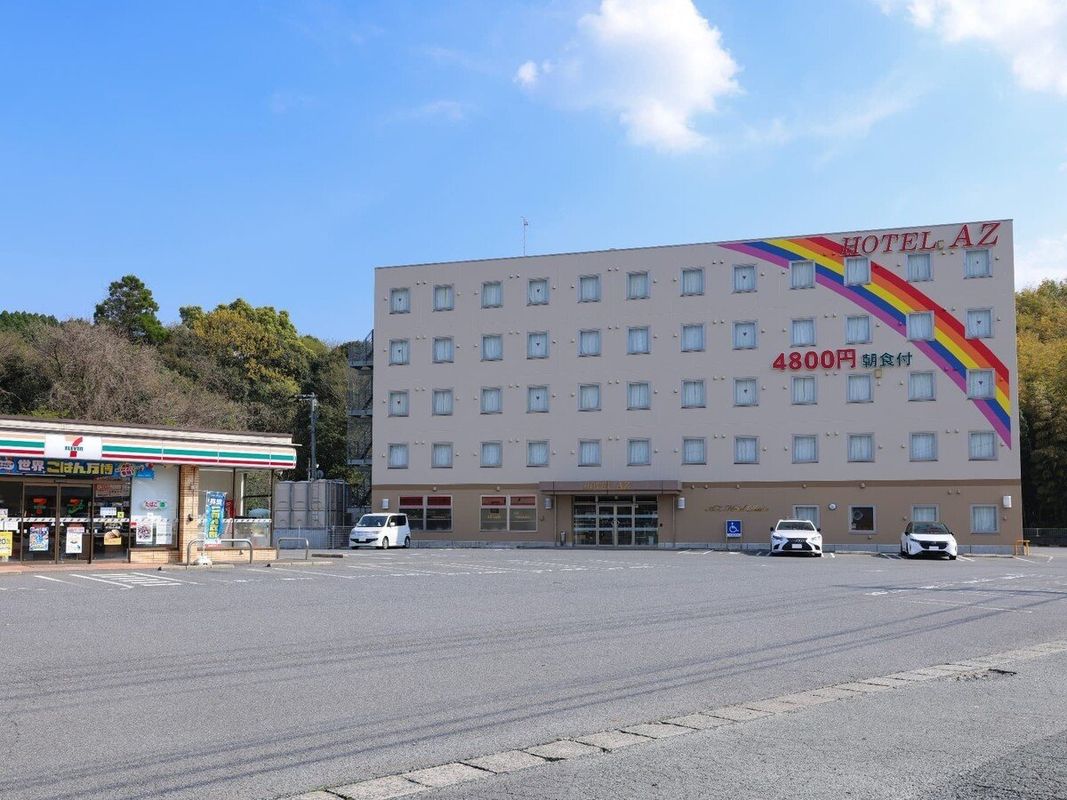
Hotel AZ Kumamoto Nagomi Ten
Best Hotels in Nagomi
Discover curated hotel collections in Nagomi
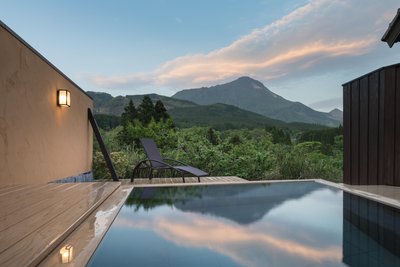
Ikkoten
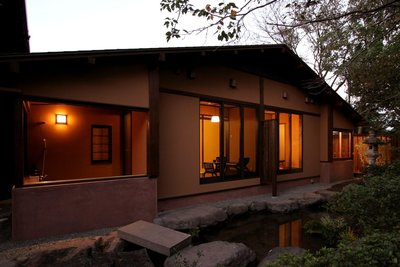
SEKIYA RESORT Bettei Haruki
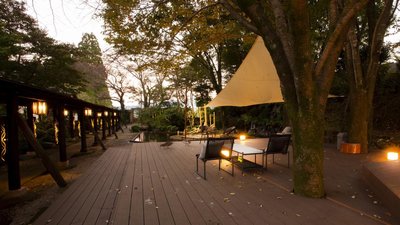
Chikurakutei

The Royal Park Canvas Fukuoka Nakasu
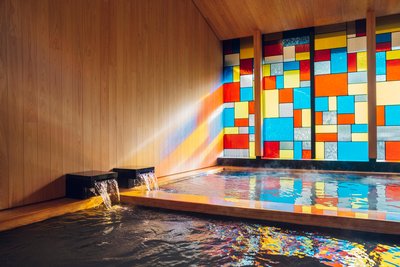
Hoshino Resorts Kai Unzen

Alfacio Resort Stay Itoshima

Ureshino Yadoya

seven x seven itoshima
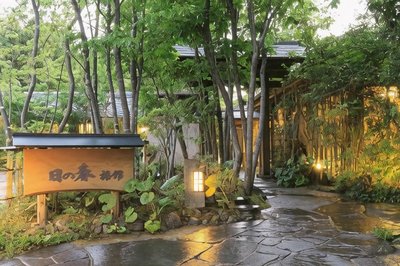
Yufuin Onsen Hinoharu Ryokan
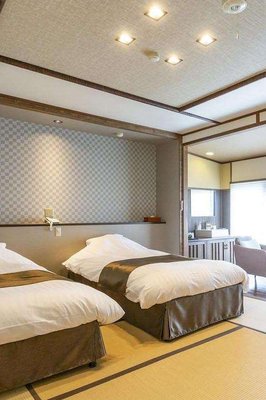
Sozankyo
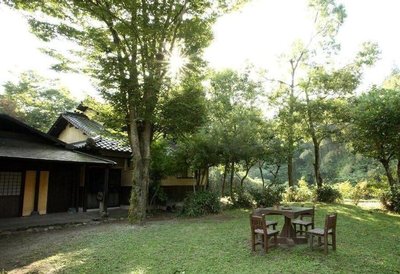
Yamashinobu
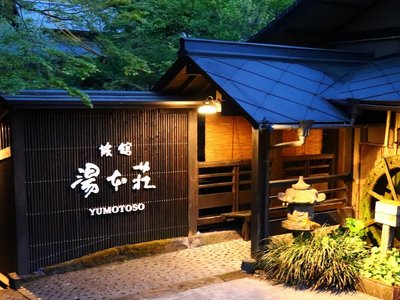
Ryokan Yumotosou
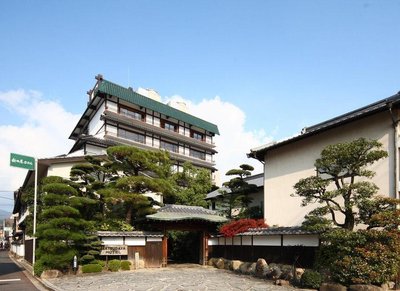
Matsudaya Hotel
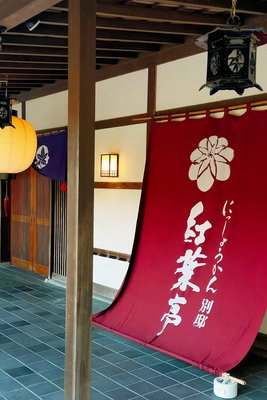
Nisshokan Bettei Koyotei
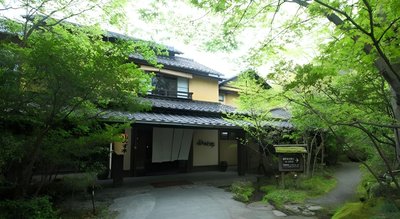
Kurokawaonsen Yamamizuki
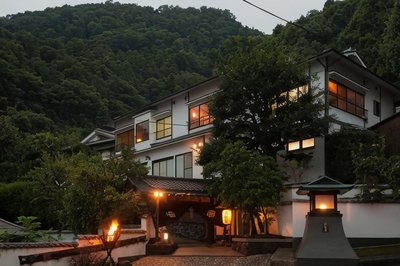
Beppu Showaen
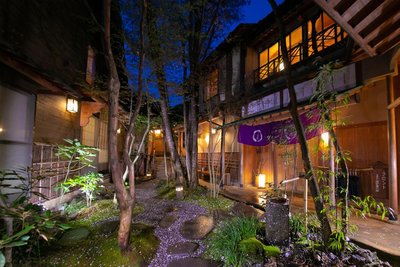
Oyado Ichizen
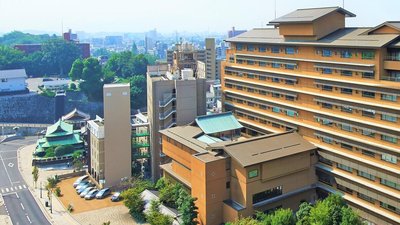
Yamatoya Honten

Garden Terrace Nagasaki Hotel & Resort
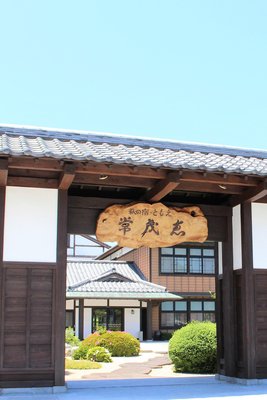
Hagi No Yado Tomoe
Garden Terrace Nagasaki Hotel & Resort

Holiday Inn Resort Miyazaki
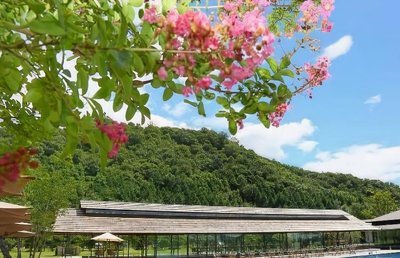
Bella Vista Spa and Marina Onomichi
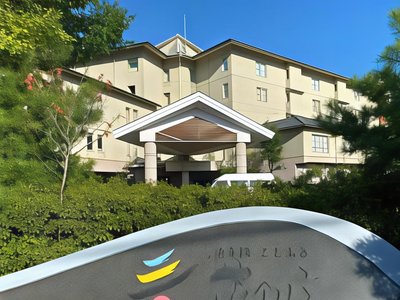
Yufuin Kotobuki Hananosho

Karatsu Seaside Hotel
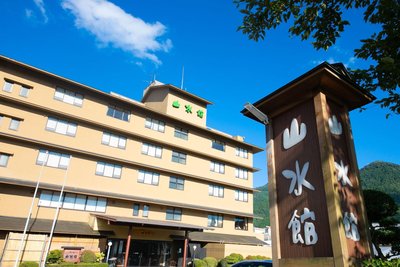
Yufuin Sansuikan
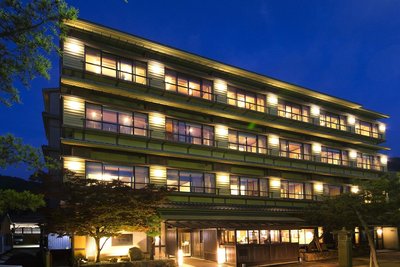
Kinsuikan
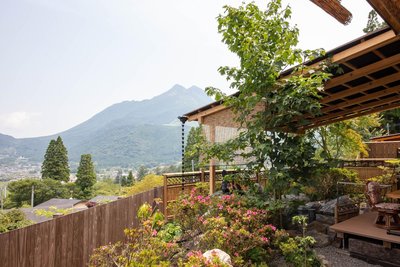
Yufuin-Sanso Waremokou
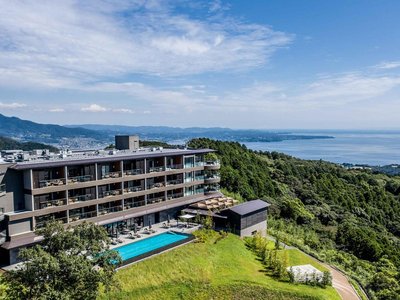
Ana InterContinental Beppu Resort & Spa
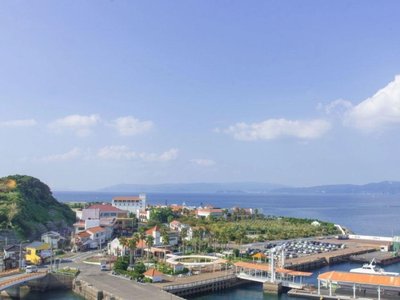
I+Land Nagasaki

The OneFive Villa Fukuoka
LiVEMAX RESORT MIYAHAMA ONSEN OCEAN
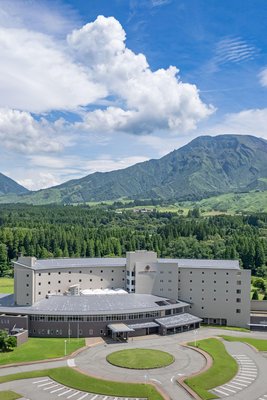
KAMENOI HOTEL ASO

Amane Resort Gahama

SEKIYA RESORT GALLERIA MIDOBARU

Beppu Suginoi Hotel

Phoenix Seagaia Ocean Tower
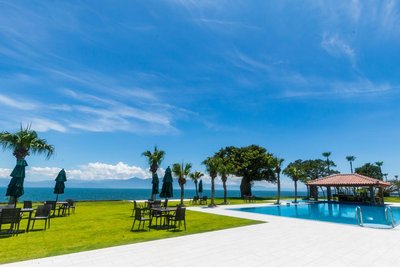
Kagoshima Sunamushi Onsen Ibusuki Hakusuikan
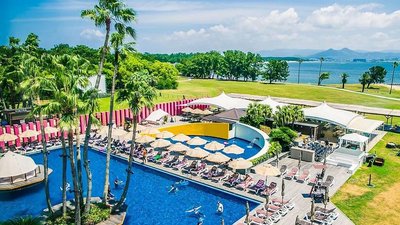
The Luigans Spa and Resort
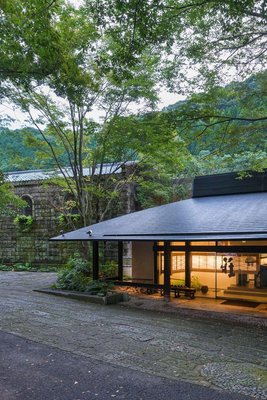
Myoken Ishiharaso
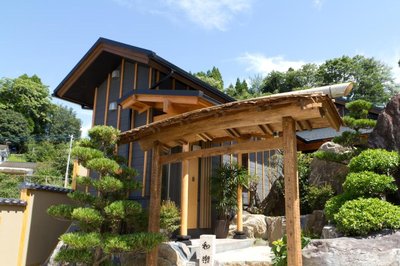
Ryokan Shinsen
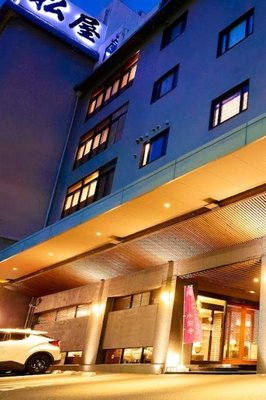
Ryotei Matsuya Honkan Suizenji
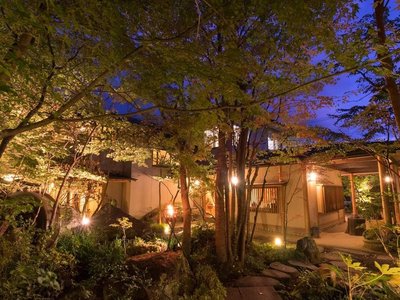
Ryoso Yufuin Yamadaya
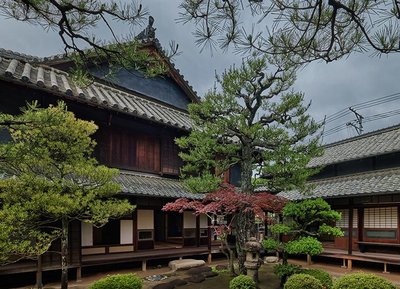
NIPPONIA HOTEL Takehara Saltworks Town
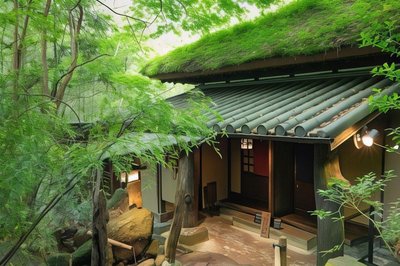
Sanso Tensui
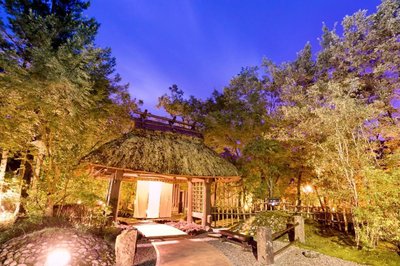
Satonoyu Waraku
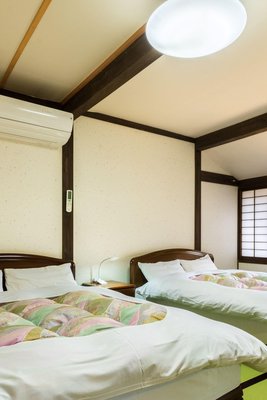
Tobise Onsen Tenga Sanso
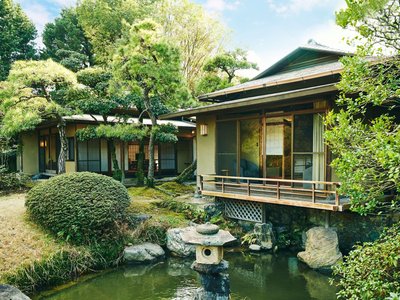
Suisui Garden Ryokan (in the Art Hotel Kokura New Tagawa)
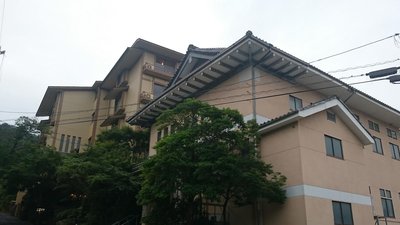
Miyajima Hotel Makoto
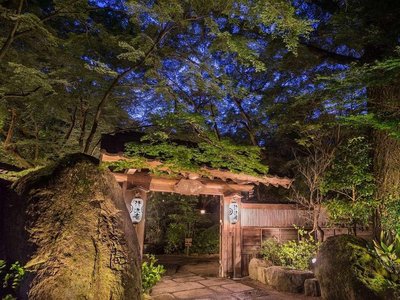
Akizuki Spa Ryokan Seiryuan
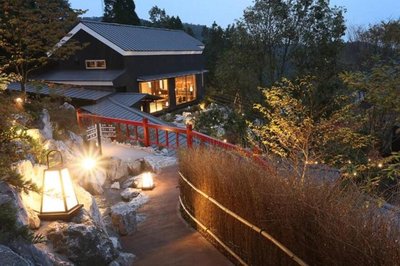
Gekkoju Kurokawa

Sheraton Kagoshima
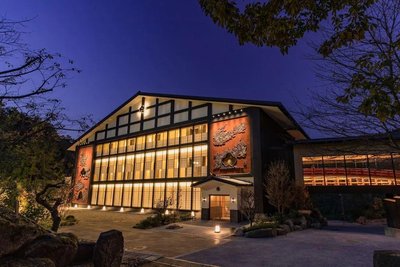
Okuhita Onsen Umehibiki

Nagasaki Marriott Hotel
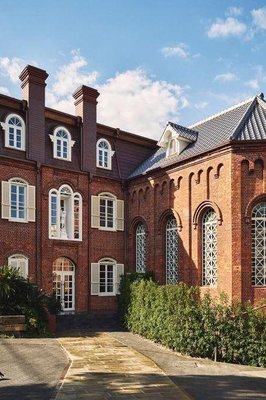
Hotel Indigo Nagasaki Glover Street by IHG

Stadium City Hotel Nagasaki

ONE FUKUOKA HOTEL
Ryokan Shinsen
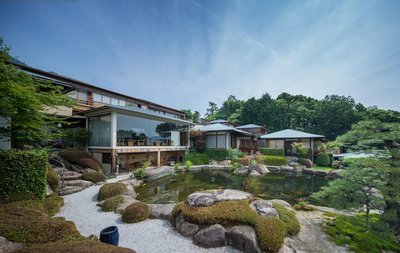
SEKITEI

Yamatoya Besso
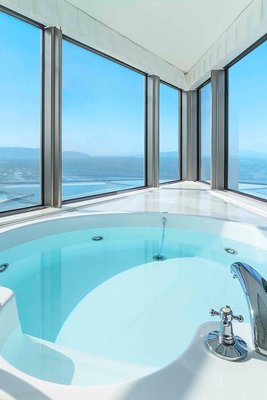
Hilton Fukuoka Sea Hawk

Olive Bay Hotel
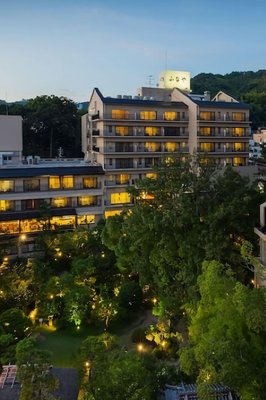
Funaya
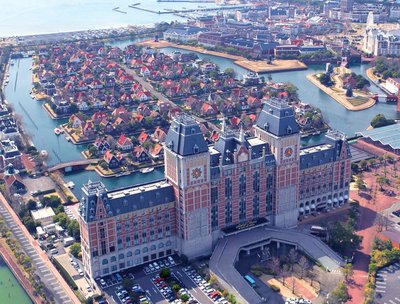
Hotel Okura Jr Huis Ten Bosch

Bettei Oborozukiyo

La Vista Kirishima Hills
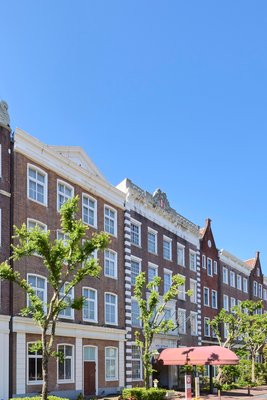
Hotel Amsterdam Huis Ten Bosch

Yumotoankiyohime
Ana InterContinental Beppu Resort & Spa
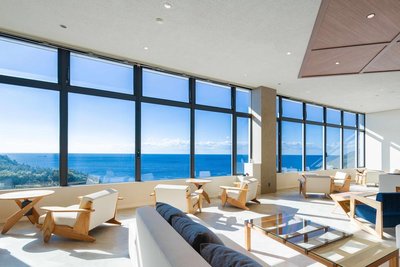
TheMana Village
Amane Resort Gahama
Frequently Asked Questions about Traveling to Nagomi
Questions You Might Need to Know About Traveling to Nagomi
In Wassho Town, consider staying at Green Hill Cottage, a cozy, eco-friendly guesthouse nestled near the Shirakawa River Valley. It offers simple yet charming rooms with wooden interiors, private gardens, and free Wi-Fi. Located just a 5-minute walk from the local market and Wassho Shrine, it’s ideal for travelers seeking authenticity without high costs. The hosts are friendly and often share homemade snacks made from seasonal vegetables grown on-site. For even more savings, book during the off-season (January–February) when rates drop significantly.
The Wassho Village Center and the surrounding Shirakawa River Trail are the heart of local culture in Wassho Town. Here, you’ll find traditional Wassho pottery workshops, where artisans demonstrate centuries-old black-glaze techniques. The annual Cherry Blossom Festival (March–April) transforms the riverbanks into a pink canopy, featuring folk music, tea ceremonies, and handmade craft stalls. In winter, locals gather for Yukata Fire Night Talks, sharing stories around a bonfire—offering an intimate glimpse into rural Japanese life. These experiences are deeply community-driven, emphasizing harmony with nature and intergenerational connection.
The Wassho Onsen Ryokan stands out with its natural mineral-rich hot springs, sourced directly from underground thermal vents, offering a soothing 42°C soak rich in silica and calcium. Each room features a private outdoor bath (rotenburo) facing lush bamboo forests or starlit skies. The "Starlight Bath" is especially popular at night, providing panoramic views of the Milky Way. Guests enjoy authentic kaiseki meals using locally sourced ingredients like Aso beef and wild mountain vegetables. Staff, mostly elderly women from the village, provide warm, personalized service and often recommend hidden hiking trails or farm visits.
Yes, Green Hill Cottage is perfect for families, offering spacious, self-contained villas with kitchens, child-safe furnishings, and private outdoor play areas. Nearby, the Family Farm Experience Park lets kids feed goats, pick strawberries, and plant vegetables under guided instruction. The cottage provides a family exploration kit including maps, nature guides, and binoculars to help children discover local flora and fauna along the Shirakawa Forest Trail. Evening activities include storytelling sessions by the fire, where elders share local legends, making it both educational and memorable for all ages.
Couples should visit Starlight Bath Ryokan, where each suite includes a private outdoor onsen overlooking a secluded valley. Enjoy a candlelit dinner of Aso beef sukiyaki and fresh mountain vegetables served on tatami mats. The inn offers a couple’s pottery-making workshop, where you create matching ceramic pieces as a symbol of your bond. Morning rituals include shared tea in silence, listening to the river, followed by a guided hike through the Hidden Cherry Grove. Some packages include a private night tour to a remote hilltop observatory for stargazing—a truly unforgettable experience.
Try Wassho tofu, made from pure mountain spring water, known for its silky texture and subtle umami flavor. Pair it with soy sauce and kelp broth for a delicate taste. Don’t miss Aso beef sukiyaki, slow-cooked with local rice and vegetables—tender and rich. For a true local taste, sample Wassho Homestay Rice Bowl, a hearty dish combining seasonal greens, homegrown beans, and brown rice. At the Wassho Market, visitors can buy fresh ingredients and join a hands-on cooking class led by village women. Some ryokans also offer late-night ramen and grilled fish at their "midnight diner," preserving the warmth of rural hospitality.
The best times to visit Wassho Town are spring (March–May) and autumn (September–November). Spring brings cherry blossoms along the Shirakawa River, creating dreamy photo spots with soft pink blooms reflecting in the water. Autumn paints the hills in golden and crimson hues, perfect for scenic walks and night-time forest lighting events. Both seasons offer mild weather, fewer crowds, and special festivals like the Cherry Blossom Festival and Autumn Harvest Fair. Winter, while cold, offers peaceful snowscapes and quiet onsen stays—ideal for those seeking solitude. Avoid summer if you prefer cool temperatures, as humidity rises.
Shirakawa River Valley at dawn is a photographer’s dream—mist rising over the water, mirrored trees, and soft light filtering through the canopy. The Wassho Shrine’s thousand-sakura path, blooming in spring, offers dramatic wide-angle shots with vibrant pink backgrounds. At night, the Starlight Bath onsen provides stunning long-exposure images of stars above steaming waters. The Wassho Pottery Village features rustic kilns and artisan studios with dramatic shadows and textures—perfect for urban-style photography. Many ryokans offer complimentary photo-guided tours with local photographers who know the best angles and lighting conditions.
Yes, despite being rural, Wassho Town is accessible via Kumamoto Electric Railway from Kumamoto Station, taking about 40 minutes to Wassho Station. From there, town buses run frequently to major lodges and attractions. Private shuttle services are available from many ryokans, especially during peak season. For flexibility, renting a car is recommended—the winding mountain roads are well-maintained with clear signage. Download the Wassho Town Tourist App for real-time transit updates, route planning, and offline maps. Even non-drivers can enjoy stress-free travel thanks to reliable public transport and friendly staff who assist with directions.
For luxury seekers, Starlight Bath Ryokan is the premier choice. It combines traditional Japanese elegance with modern comfort: minimalist wooden interiors, heated floors, and private outdoor onsen baths with valley views. Guests enjoy personalized service, including daily room refreshments and curated local experiences such as private tea ceremonies or forest bathing walks. The restaurant serves exquisite kaiseki cuisine crafted from organic produce and Aso beef. Every detail—from hand-drawn menus to seasonal flower arrangements—reflects deep respect for nature and craftsmanship. It’s ideal for honeymooners, wellness travelers, and those seeking a serene retreat.
Nagomi Overview
City Summary
Located in the northern part of Kumamoto Prefecture, Japan, Nagomi Town is a serene rural area known for its clear water sources and abundant natural scenery. It is an ideal destination for those seeking to escape urban hustle. The town boasts a rich history, particularly tied to the Edo period, with ancient temples and traditional architecture. Its main attractions include hot springs and agricultural experiences, allowing visitors to relax and engage in local farming activities.
Must-See Attractions
Key attractions in Nagomi Town include Yurakuri Onsen, famous for its therapeutic waters. Eda Shrine is a significant cultural heritage site with a long history and exquisite architecture. The Kikuchi River Basin offers stunning natural views, perfect for hiking and photography. For culture enthusiasts, traditional craft experiences like pottery and weaving are must-try activities.
Food Guide
Nagomi Town's cuisine focuses on local produce, with Kumamoto Wagyu beef being a highlight for its tender texture. Street snacks like mochi dumplings and soy sauce-glazed rice cakes are also popular. Local restaurants serve hearty rural dishes such as "Dagojiru" (dumpling soup), which offers a homely flavor.
Transportation Guide
Transportation in Nagomi Town relies mainly on buses and taxis. From Kumamoto City, buses take about 1 hour, but schedules are limited, so check timetables in advance. Most attractions are within walking distance, and renting a bicycle is a good option. Drivers can use Route 3, but note some rural roads are narrow.
Best Time to Visit
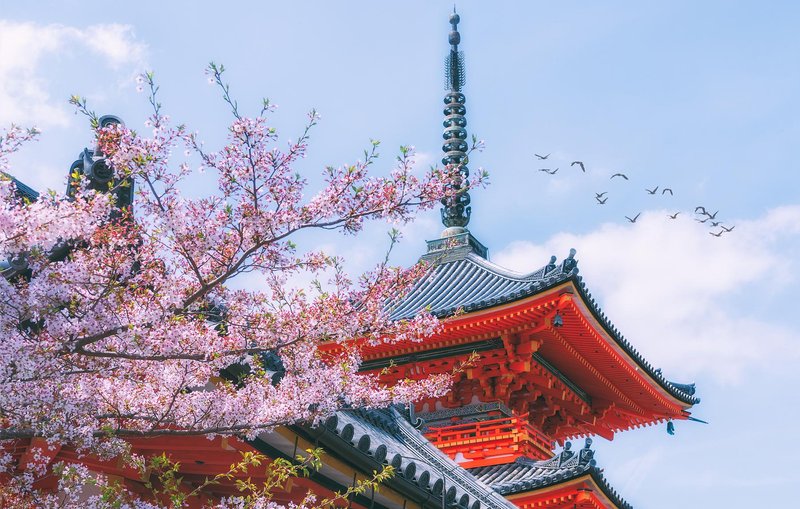
The best times to visit are spring (March-May) and autumn (September-November), when the weather is mild and scenery picturesque. Cherry blossoms bloom in spring, while autumn features vibrant foliage. Summers are hot, and winters are cold, but hot springs are especially comforting then.
Travel Tips
- Onsen Etiquette: Wash thoroughly before entering; swimsuits are prohibited.
- Respect Local Culture: Keep quiet at shrines and avoid loud noises.
- Cash Payments: Some small shops may not accept cards; carry sufficient cash.
- Waste Disposal: Follow strict local recycling rules.
- Transport Reservations: Buses are infrequent; plan ahead.
- Local Produce: Support farmers by buying fresh fruits and vegetables as souvenirs.
Useful Information
Japanese is the primary language; English is limited, so a translation app is helpful. Mobile coverage is good, and prepaid SIMs are available at convenience stores. Cash is preferred, though some places accept cards. For emergencies, dial 119; medical facilities are adequate but English support may be limited. The town office can assist with basic English queries.