Hotels in Naic
Discover your perfect stay in Naic.
Naic(Philippines) Travel 2026: Cheap Flights, Hotels & Top Attractions
Naic Overview
City Summary
Naic, located in the Calabarzon region of the Philippines, is a charming town known for its serene beaches, rich fishing culture, and colonial-era architecture. It's an ideal escape from urban chaos, offering visitors a glimpse into rustic fishing village life, historical landmarks, and unspoiled natural landscapes.
Must-See Attractions
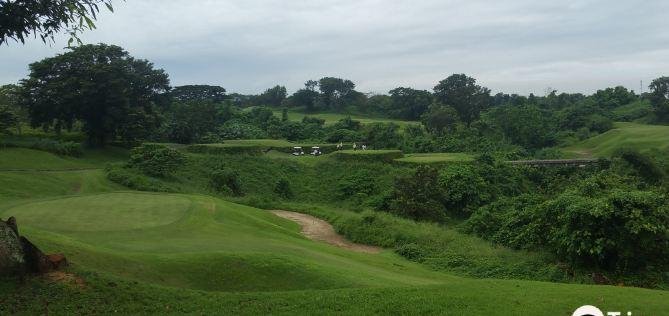
Key attractions include the Naic Church, a 19th-century Spanish colonial structure, and Punta Fuego, a luxury resort area with private beaches and golf courses. Nature enthusiasts will enjoy the scenic Ternate-Naic Coastal Road, perfect for biking or road trips.
Food Guide
Naic's cuisine centers on seafood—don't miss Sinigang na Hipon (sour shrimp soup) and Grilled Bangus (milkfish). Street food like Kwek-Kwek (fried quail eggs) and Halo-Halo (mixed dessert) are must-tries. Local markets offer fresh seafood and tropical fruits.
Transportation Guide
Getting around relies on jeepneys and tricycles as the most budget-friendly options. From Manila, take a bus or drive via Aguinaldo Highway (approx. 2 hours). Use the Grab app for taxis or rent a motorcycle to explore nearby spots.
Best Time to Visit
Visit between December-February for cool, dry weather ideal for outdoor activities. Avoid the rainy season (June-October) due to typhoon risks. Holy Week brings crowds but vibrant cultural events.
Travel Tips
- Dress modestly when visiting churches.
- Carry cash as small vendors rarely accept cards.
- Sun protection is essential under tropical sun.
- Check seafood freshness at busy eateries.
- Be patient with public transport schedules.
- Learn basic Tagalog greetings for better interactions.
Useful Information
Language: English is widely understood, but Tagalog is primary. Internet: 4G coverage in town centers; local SIM cards recommended. Payment: Cash dominates; few upscale places take cards. Emergencies: Naic District Hospital handles basics; Manila is better for serious cases. Voltage is 220V (plug types A/B/C). Pack mosquito repellent and a lightweight raincoat.
Popular Landmarks in Naic
Discover the most iconic attractions in Naic
Recommended Hotels in Naic
Find the perfect place to stay in Naic
Naic Overview
City Summary
Naic, located in the Calabarzon region of the Philippines, is a charming town known for its serene beaches, rich fishing culture, and colonial-era architecture. It's an ideal escape from urban chaos, offering visitors a glimpse into rustic fishing village life, historical landmarks, and unspoiled natural landscapes.
Must-See Attractions
Key attractions include the Naic Church, a 19th-century Spanish colonial structure, and Punta Fuego, a luxury resort area with private beaches and golf courses. Nature enthusiasts will enjoy the scenic Ternate-Naic Coastal Road, perfect for biking or road trips.
Food Guide
Naic's cuisine centers on seafood—don't miss Sinigang na Hipon (sour shrimp soup) and Grilled Bangus (milkfish). Street food like Kwek-Kwek (fried quail eggs) and Halo-Halo (mixed dessert) are must-tries. Local markets offer fresh seafood and tropical fruits.
Transportation Guide
Getting around relies on jeepneys and tricycles as the most budget-friendly options. From Manila, take a bus or drive via Aguinaldo Highway (approx. 2 hours). Use the Grab app for taxis or rent a motorcycle to explore nearby spots.
Best Time to Visit
Visit between December-February for cool, dry weather ideal for outdoor activities. Avoid the rainy season (June-October) due to typhoon risks. Holy Week brings crowds but vibrant cultural events.
Travel Tips
- Dress modestly when visiting churches.
- Carry cash as small vendors rarely accept cards.
- Sun protection is essential under tropical sun.
- Check seafood freshness at busy eateries.
- Be patient with public transport schedules.
- Learn basic Tagalog greetings for better interactions.
Useful Information
Language: English is widely understood, but Tagalog is primary. Internet: 4G coverage in town centers; local SIM cards recommended. Payment: Cash dominates; few upscale places take cards. Emergencies: Naic District Hospital handles basics; Manila is better for serious cases. Voltage is 220V (plug types A/B/C). Pack mosquito repellent and a lightweight raincoat.
Frequently Asked Questions about Traveling to Naic
Questions You Might Need to Know About Traveling to Naic
Other Cities You Might Like
Explore more amazing destinations