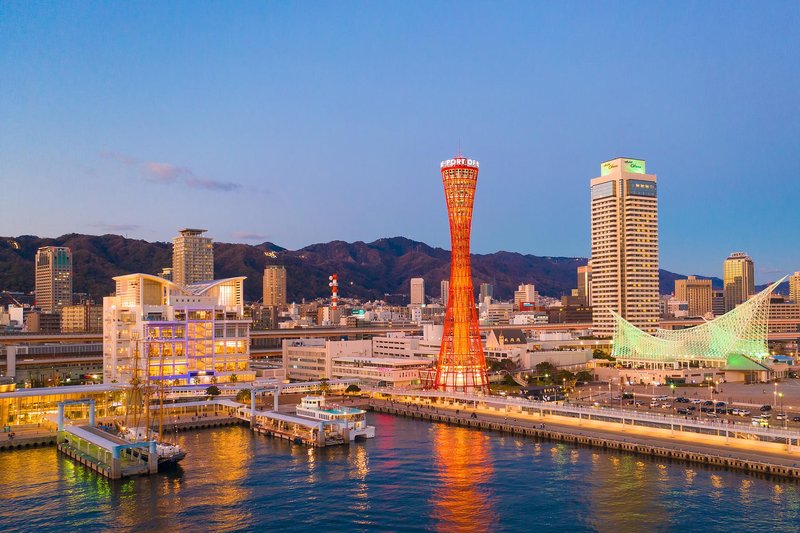
Hotels in Naka
Discover your perfect stay in Naka.
Naka(Japan) Travel 2026: Cheap Flights, Hotels & Top Attractions
Popular Landmarks in Naka
Discover the most iconic attractions in Naka
Recommended Hotels in Naka
Find the perfect place to stay in Naka
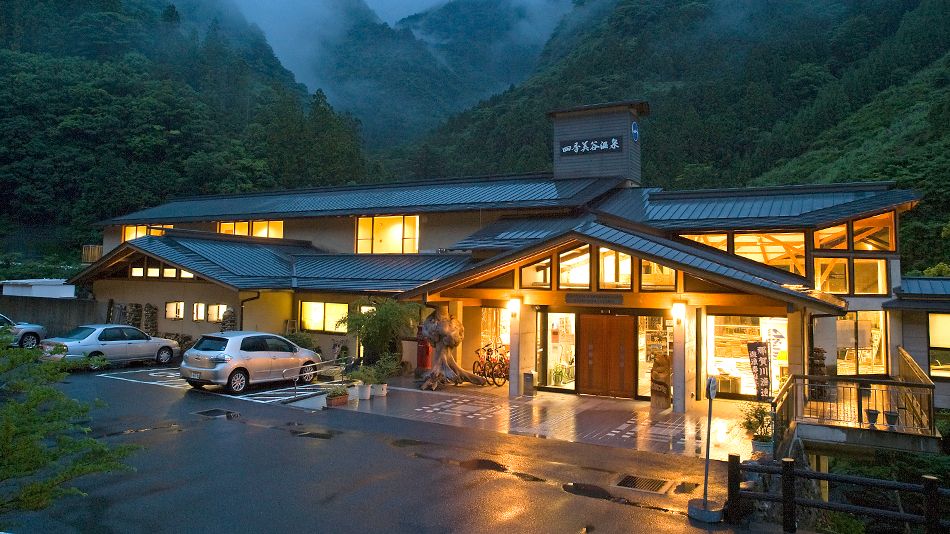
Shikibidani Onsen
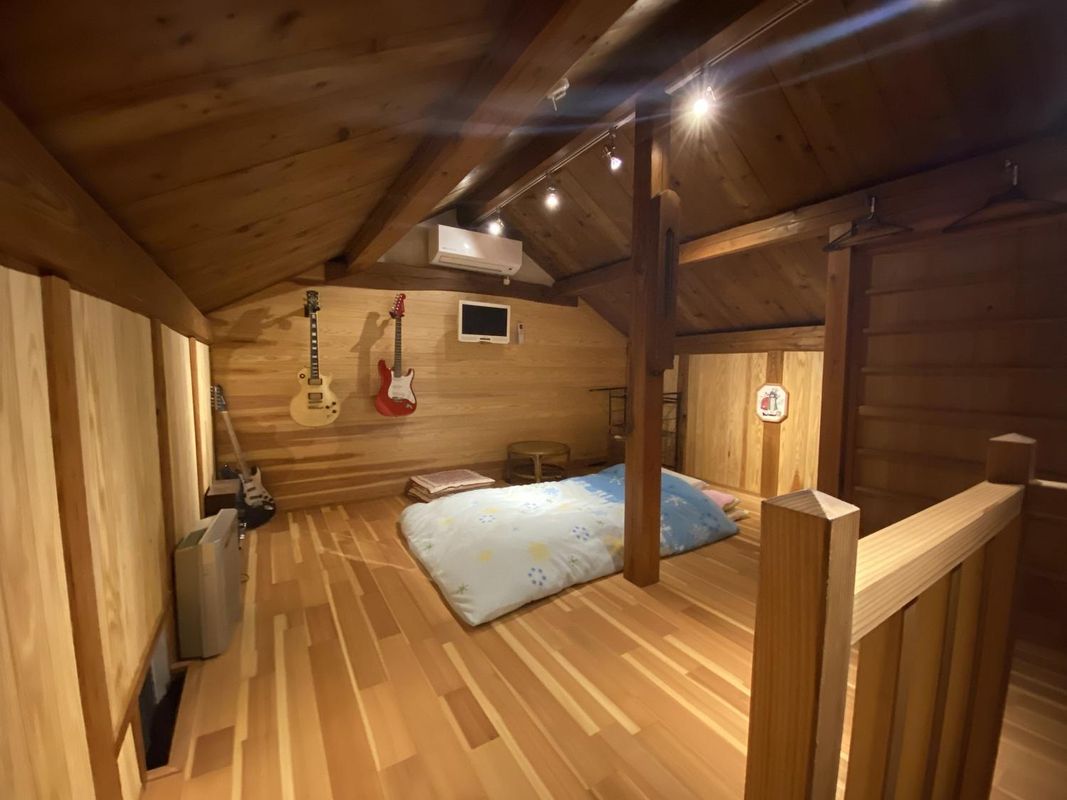
Mountain Lodge Hanazean
Camp Park Kito
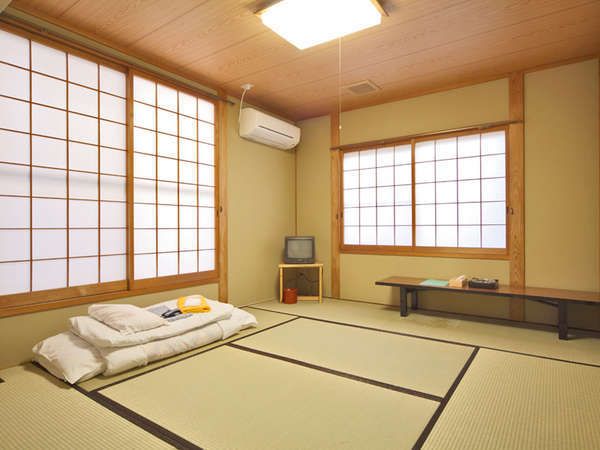
Sowaka
Best Hotels in Naka
Discover curated hotel collections in Naka

Shima Kanko Hotel the Bay Suites
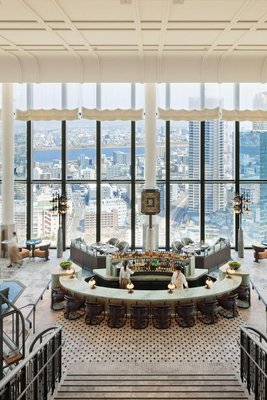
Waldorf Astoria Osaka
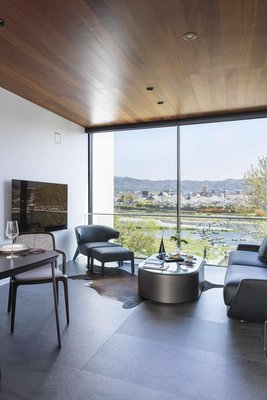
Kamo Residences by Reflections
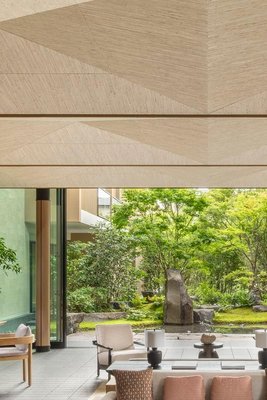
Six Senses Kyoto
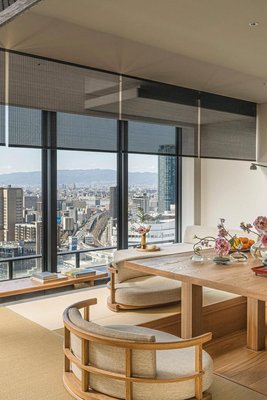
Four Seasons Hotel Osaka
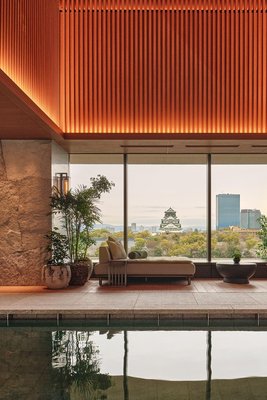
Patina Osaka

The Ritz-Carlton, Osaka
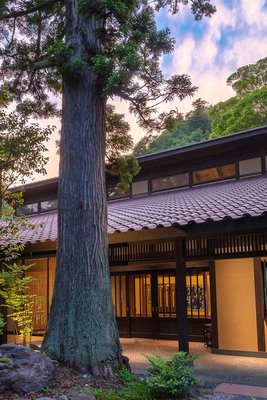
Arimasansoh Goshobessho
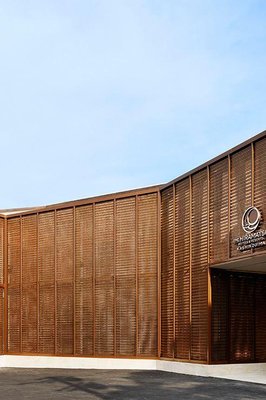
The Hiramatsu Hotels & Resorts Kashikojima
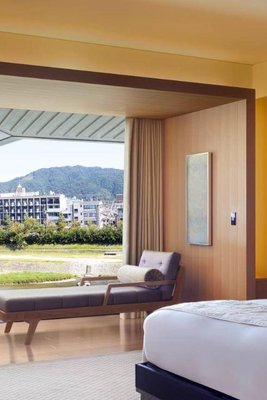
The Ritz-Carlton, Kyoto
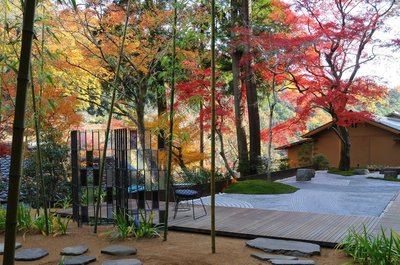
HOSHINOYA Kyoto
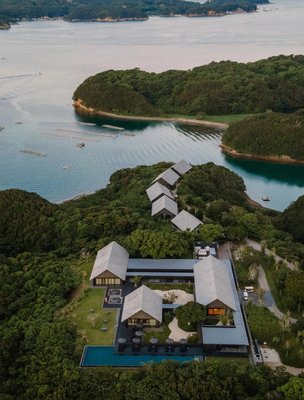
Amanemu
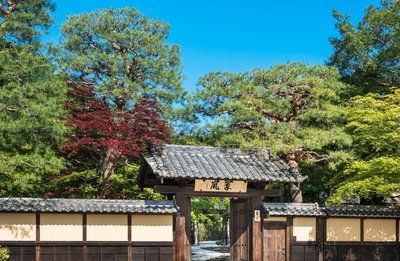
Suiran, a Luxury Collection Hotel, Kyoto
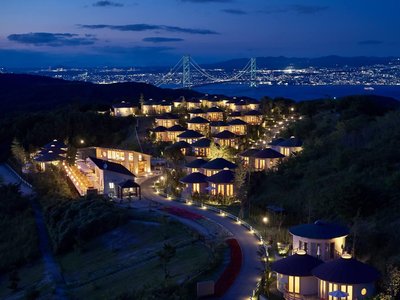
Grand Chariot Hokutoshichisei 135°
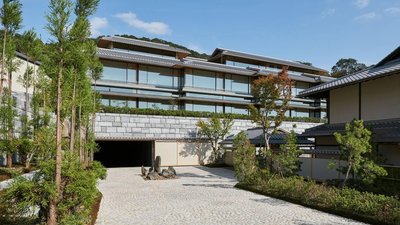
Park Hyatt Kyoto
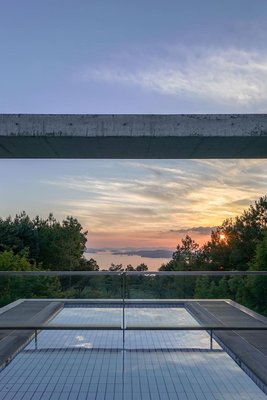
SETOUCHI RETREAT by Onko Chishin
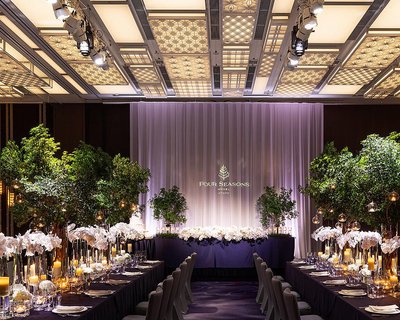
Four Seasons Hotel Kyoto
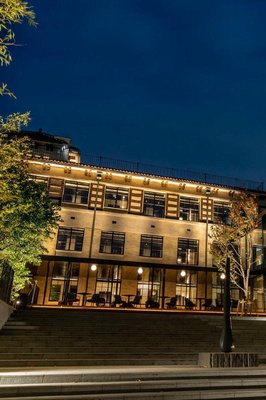
The Hotel Seiryu Kyoto Kiyomizu - a Member of the Leading Hotels of the World-
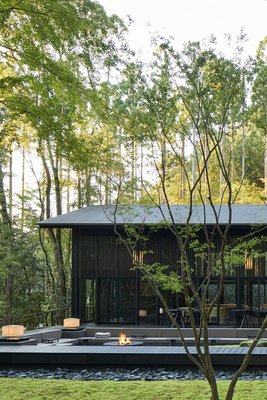
Aman Kyoto
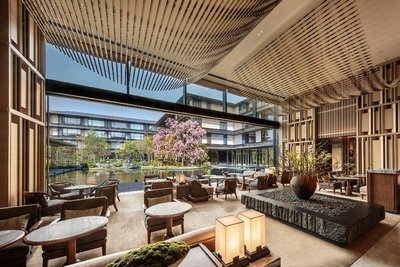
Hotel the Mitsui Kyoto, a Luxury Collection Hotel & Spa
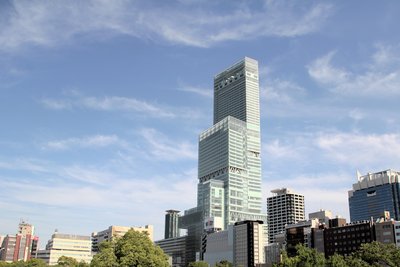
Osaka Marriott Miyako Hotel
The Ritz-Carlton, Osaka
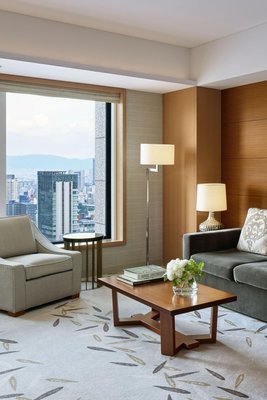
InterContinental Hotel Osaka
The Ritz-Carlton, Kyoto
Suiran, a Luxury Collection Hotel, Kyoto
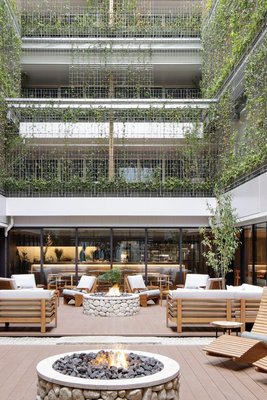
GOOD NATURE HOTEL KYOTO
Park Hyatt Kyoto
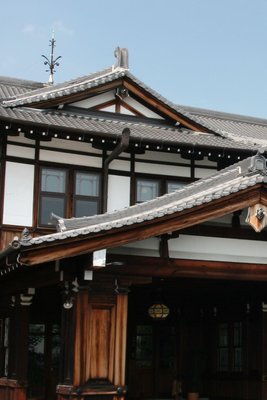
Nara Hotel
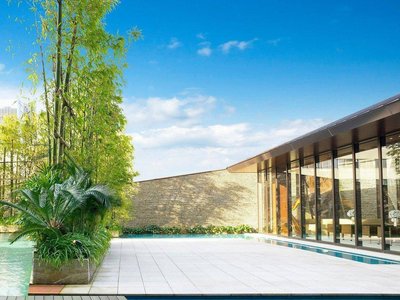
ORIENTAL HOTEL
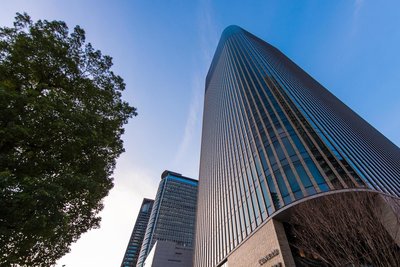
Conrad Osaka
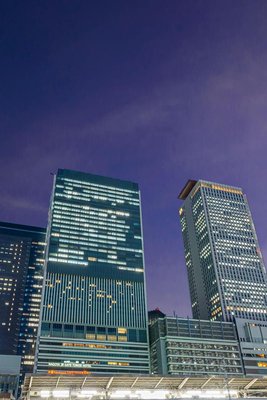
Nagoya JR Gate Tower Hotel (JR-Central Hotels)
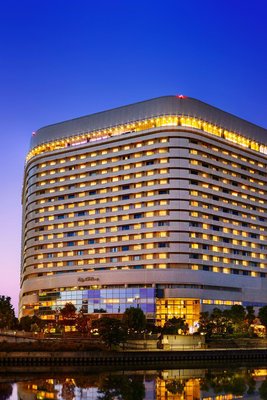
Hotel New Otani Osaka
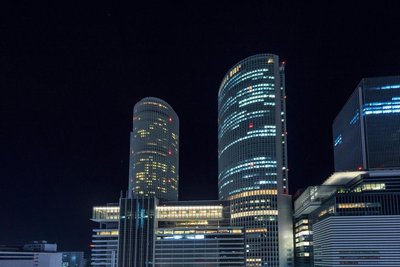
Nagoya Marriott Associa Hotel
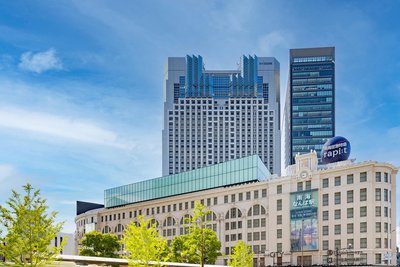
Swissotel Nankai Osaka
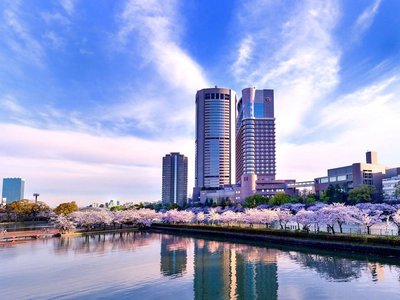
Imperial Hotel Osaka
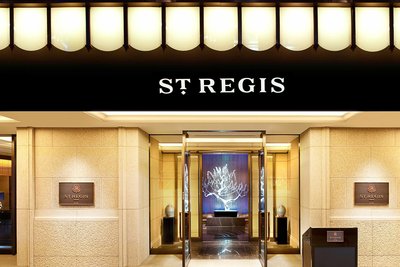
The St. Regis Osaka
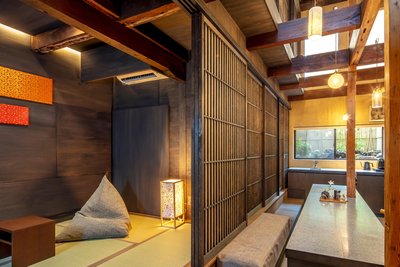
Kyo No Oozora Kihana
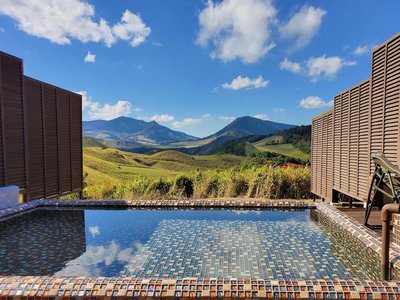
Grand Verde Resort
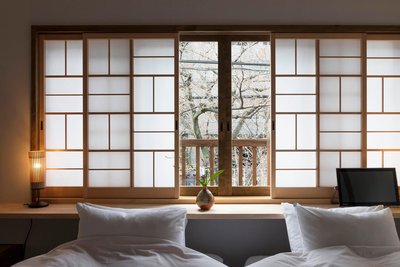
Hanagoromo Machiya House
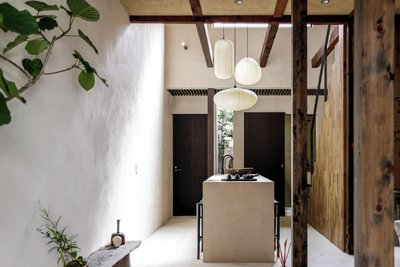
Maana Kiyomizu
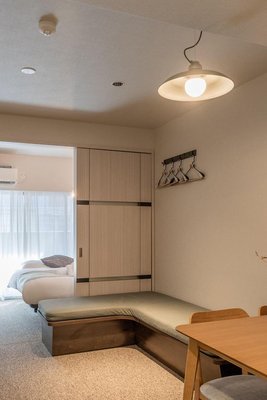
Apartment Hotel 11 Shinsaibashi
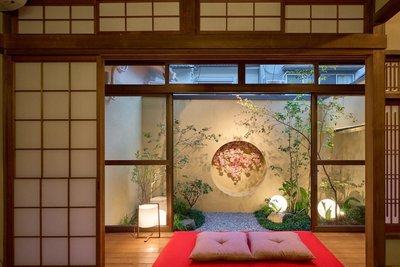
KONJAKUSO Osaka Tengachaya "NIHONCHA" Tea & Relax
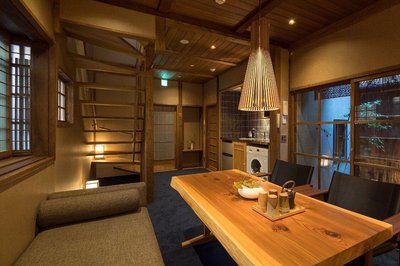
Bonbori an Machiya House
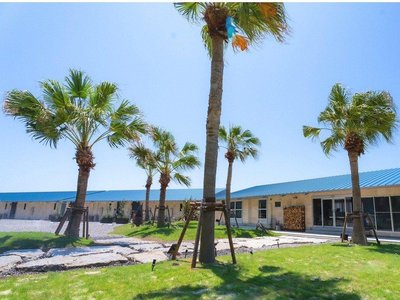
Glamping&Resort Wood Design Park Noma
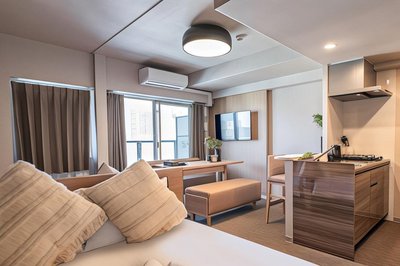
Apartment Hotel 11 Shinsaibashi III
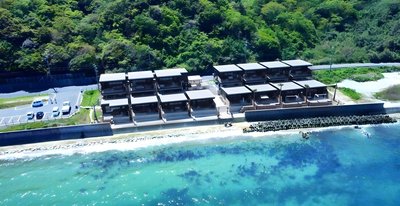
Solavilla Umi Terrace Minamiawaji
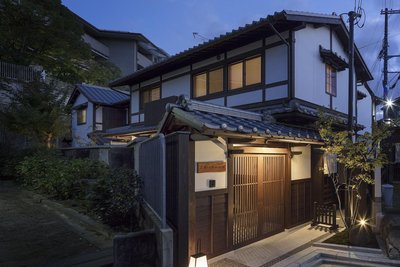
The Machiya Villa Sanjo Shirakawa Koji
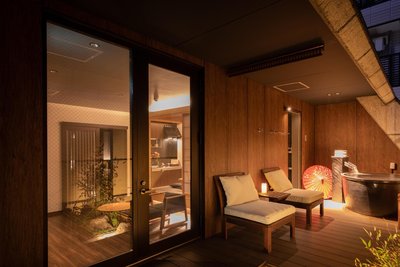
Konjaku-So Dotonbori
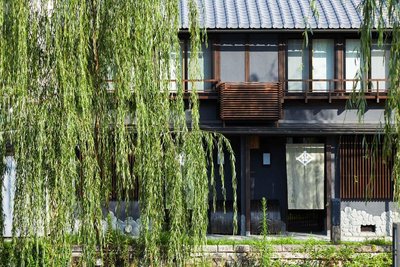
Gion Shirakawa No Yado

Kitashirakawa Natural Radium Onsen
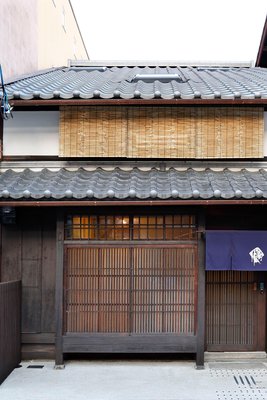
Kyo No Ondokoro Kamanza Nijo #2
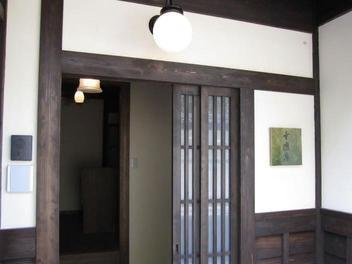
Gion Koyu an Machiya House
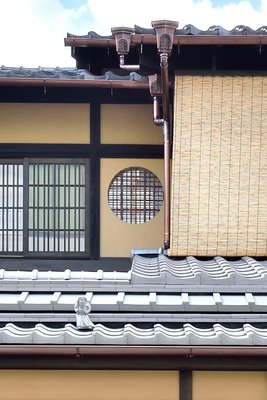
Kyo No Ondokoro Gokomachi Ebisugawa #3

Sana Mane - Glamp Domes
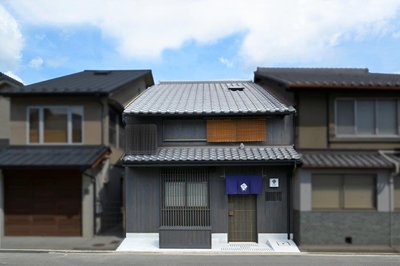
Kyo No Ondokoro Goshonishi #6
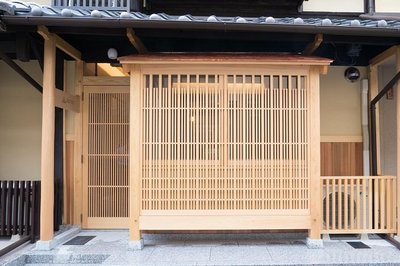
Kyomachiya Suite Rikyu

Hotel Barrière Fouquet's New York
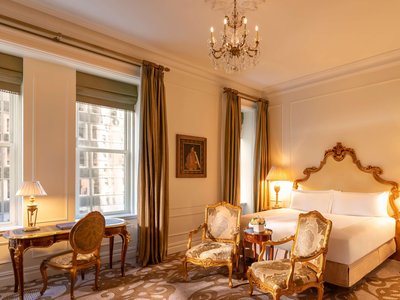
The Plaza - A Fairmont Managed Hotel
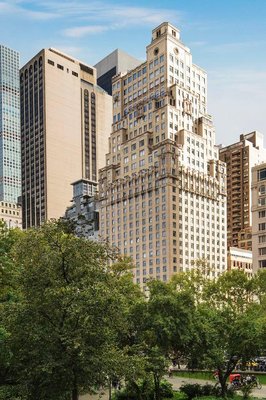
The Ritz-Carlton New York, Central Park
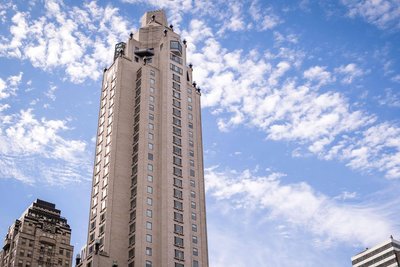
Four Seasons Hotel New York

The St. Regis New York
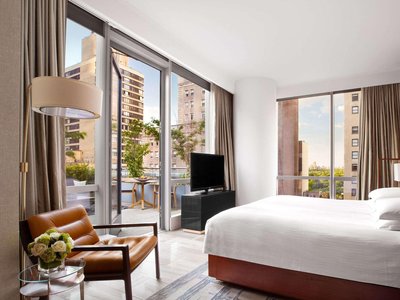
Park Hyatt New York
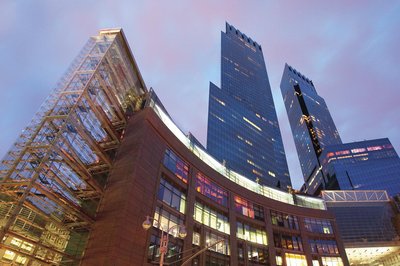
Mandarin Oriental New York
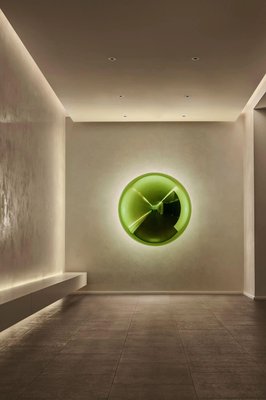
Times Square Edition New York

Loews Regency New York Hotel

Lowell Hotel
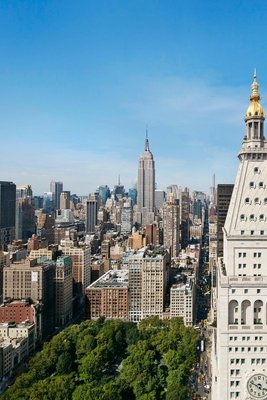
New York Edition
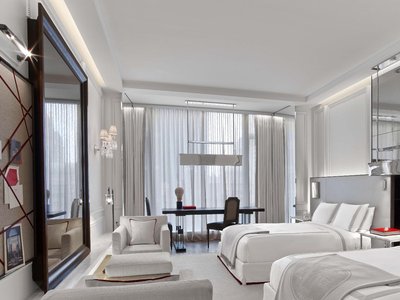
Baccarat Hotel New York

Equinox Hotel New York

Four Seasons Hotel New York Downtown
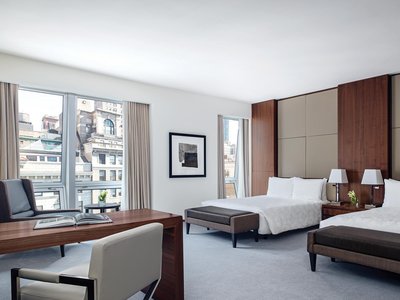
The Langham, New York, Fifth Avenue

The Carlyle, A Rosewood Hotel

The Chatwal, in the Unbound Collection by Hyatt
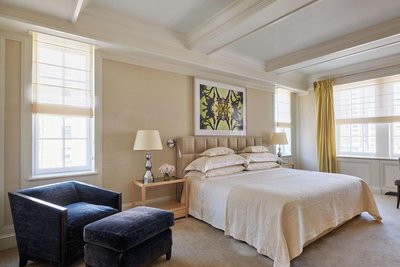
The Mark New York
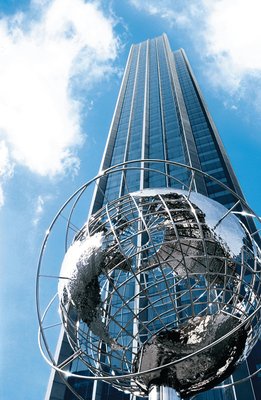
Trump International Hotel & Tower® New York
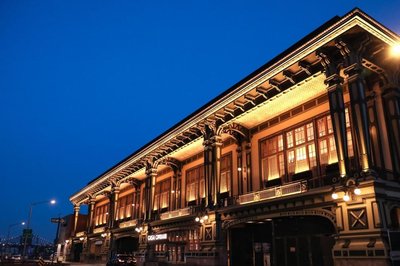
Casa Cipriani New York
Frequently Asked Questions about Traveling to Naka
Questions You Might Need to Know About Traveling to Naka
In Nagara Town, the top choice for families is Nagara Ryokan & Forest Stay, a converted traditional farmhouse offering spacious rooms with tatami floors and private garden access. The property features a kids’ play area, outdoor vegetable garden for children to harvest, and guided nature walks along the Nagara River.
Local staff provide homemade breakfast using fresh Awa Chicken (a native breed from Tokushima) and seasonal vegetables. For added convenience, the hotel offers free shuttle service to nearby attractions like Tokushima Prefectural Natural Park and the Nagara Town Museum. HopeGoo early is recommended, especially during cherry blossom season (late March–early April), when demand surges due to the annual Sakura Festival.
The ideal time to visit Nagara Town is spring (March–May) and autumn (September–November), when temperatures are mild and landscapes are vibrant. During spring, don’t miss the Nagara Cherry Blossom Festival, held along the banks of the Nagara River, where illuminated sakura trees create a magical nighttime scene.
In autumn, experience the Awa Dance Rehearsal Festival, a lively local event showcasing authentic Awa Odori dance performances by townspeople. Summer brings the Nagara River Swimming Festival, a popular community event featuring water games and food stalls. Avoid traveling during typhoon season (July–September) for safer and more enjoyable experiences.
The central district of Nagara Town (near Nagara Town Hall) is the most convenient base for exploring key sights. This area offers easy walking access to the Nagara River Trail, Nagara Town Museum, and the local farmers' market.
From here, it’s just a 10-minute drive to the entrance of Tokushima Prefectural Natural Park, perfect for morning hikes or evening stargazing. For a quieter stay, consider accommodations near the upper reaches of the Nagara River, nestled among forests with panoramic views. Though slightly farther, these lodgings are well-connected via local bus lines, and many offer pickup services, balancing tranquility with accessibility.
Must-try dishes in Nagara Town include Awa Chicken Set Meals, made with locally raised Awa Chicken—a flavorful, tender breed native to Tokushima. Visit Ryokan Tanyaya, a family-run restaurant, for their signature Awa Chicken Hot Pot, served with seasonal vegetables and local sake.
Another highlight is fresh river fish grilled on-site at riverside night markets—especially popular in summer. Try the charcoal-grilled Nagara River trout, known for its rich taste. Don’t forget to pick up handmade persimmon cakes from the Nagara Town Agricultural Direct Sales Store—soft, sweet, and perfect as souvenirs. These treats support local farmers and ensure quality.
Yes, Nagara Town is an excellent destination for hiking, offering scenic forest paths and riverside trails. Recommended routes include:
-
Upper Nagara River Nature Trail (approx. 4 km): Passes through lush broadleaf forests and is famous for its firefly habitat (visible in summer). Well-marked with rest stops and educational signs—ideal for families.
-
Tokushima Prefectural Natural Park Loop (approx. 8 km): Features waterfalls, mountain viewpoints, and sweeping views of the Nagara Valley and distant Shikoku mountains. Best done in the morning for clear skies and fewer crowds.
Bring insect repellent, sturdy hiking shoes, and check weather forecasts before heading out. Many guesthouses offer maps and guided tour bookings, enhancing safety and enjoyment.
Nagara Town offers stunning photo opportunities across natural and cultural scenes. Top locations include:
-
Morning Mist Trail Along Nagara River: Ideal for long-exposure shots of mist floating above the water, framed by greenery.
-
Firefly Tunnel (Summer): Capture glowing fireflies in motion using slow shutter speeds—perfect for surreal, dreamlike images.
-
Natural Park Viewing Platform: Sunset here paints the sky and mountains in golden hues, great for landscape photography.
-
Old Town Wooden Houses: Traditional Edo-period machiya buildings with lanterns and stone pathways—ideal for street photography and cultural storytelling.
Bring a tripod, wide-angle lens, and be prepared for low-light conditions. Early morning and dusk are the best times for capturing atmospheric shots.
Absolutely—Nagara Town is perfect for scenic road trips. Must-drive routes include:
-
Nagara River Coastal Route (Pref. Road 20): Winding through deep gorges with breathtaking views of cliffs and flowing rivers. Multiple overlooks allow safe stops for photos.
-
Access to Tokushima Prefectural Natural Park: A narrow but well-maintained mountain road with dramatic elevation changes, ideal for spotting wild azaleas in spring and maple trees in fall.
-
Mountain Pass to Kochi Prefecture: Offers panoramic vistas of the Shikoku range, especially beautiful during sunrise or golden hour.
Use GPS with offline maps, as some areas have weak cell signals. Rent a car at JRF Car Rental in Tokushima Station, which offers multilingual support and includes free roadside assistance.
While not a traditional hot spring town, Nagara Town offers exceptional spa experiences near Tokushima Prefectural Natural Park. The Onsen Kiyoshin-no-Yu by the Nagara River stands out—its open-air bath overlooks the stream, surrounded by forest, providing a serene, meditative soak.
Some guesthouses, like Nagara Ryokan & Forest Stay, feature private onsen tubs with wooden interiors and herbal infusions. They also offer themed packages such as Forest Meditation + Onsen Therapy, combining mindfulness exercises with mineral-rich baths to restore balance.
Reservations are essential, especially on weekends and holidays. Most facilities welcome guests of all ages and provide towels, yukata, and even onsen etiquette guides.
Nagara Town preserves rich cultural heritage. Key sites include:
-
Nagara Town Museum: Houses historical artifacts, including authentic Awa Odori costumes, vintage farming tools, and old village records, offering insight into Edo-era life.
-
Old Nagara Village Office Site: A preserved Meiji-era wooden building now used for exhibitions and tea ceremonies, hosting seasonal craft fairs.
-
Stone Inscription Group Along Nagara River: Ancient inscriptions related to rain prayers and family lineages, valuable for understanding local spirituality.
-
Traditional Machiya District: Several restored wooden houses remain inhabited; some open for guided tours showing original interior layouts and daily life items. These sites offer immersive learning beyond typical sightseeing.
Nagara Town excels in family-oriented, hands-on experiences. Highlights include:
-
Nagara River Nature Workshop: Led by local ecologists, children learn to identify insects, fish, and plants—plus build simple nets for exploration.
-
Farm Experience Program: At Nagara Organic Farm, kids can plant rice, pick vegetables, or help make tofu, gaining real-world knowledge about food production.
-
Pottery Workshop at Tanyaya Studio: Learn to shape bowls and cups using traditional methods—take your creations home as keepsakes.
-
Firefly Night Walk (Summer): A child-safe adventure with headlamps, searching for glowing fireflies in the forest—fun and educational.
Most activities are low-cost or free. Many guesthouses offer baby gear, children’s meals, and storybooks. Book ahead to secure spots, especially during school holidays.
Naka Overview
City Summary
Naka Town is a tranquil small town located in the southern part of Tokushima Prefecture, Japan, surrounded by mountains. Known for its natural beauty and traditional culture, it features clear streams, dense forests, and abundant hot spring resources. Naka Town is an ideal destination for escaping urban hustle and experiencing rural Japanese life, especially for travelers who love outdoor activities and cultural exploration.
Must-See Attractions
Key attractions in Naka Town include the "Wood Village" Museum, showcasing local woodcraft; "Washino-yu Hot Spring," offering a relaxing natural hot spring experience; and the "Naka River," perfect for summer boating and fishing. The town also has numerous shrines and temples, such as "Kumano Shrine," reflecting its deep religious heritage.
Food Guide
Local cuisine in Naka Town focuses on regional ingredients. Must-try dishes include "Tokushima Ramen" with rich broth, "Awaodori Chicken" known for its tender meat, and "wild vegetable dishes" made with seasonal greens. Small eateries and hot spring inns serve authentic rural Japanese meals.
Transportation Guide
Transportation in Naka Town relies mainly on buses and private cars. Buses from Tokushima City take about 1.5 hours. As attractions are scattered, renting a car or using taxis is recommended. Public buses are infrequent, so check schedules in advance.
Best Time to Visit
The best time to visit is spring (March-May) and autumn (September-November) for pleasant weather and outdoor activities. Summer (June-August) is hot but ideal for river activities, while winter (December-February) is cold but perfect for hot springs.
Travel Tips
- Respect local culture: Follow etiquette when visiting shrines.
- Cash payments: Credit cards are rarely accepted in rural areas; carry sufficient cash.
- Onsen etiquette: Wash thoroughly before entering the bath.
- Waste disposal: Take trash back to your accommodation for proper sorting.
- Language barrier: English is limited; learn basic Japanese or use a translation app.
- Safety note: Mountain roads are narrow; drive carefully if renting a car.
Useful Information
Language: Japanese is primary; English is limited. Internet: Free Wi-Fi spots are available but sparse; consider a portable Wi-Fi device. Payment: Cash is preferred; some inns and restaurants accept cards. Emergency care: Clinics are available; severe cases require hospitals in Tokushima City. Voltage: 100V, two-flat-pin plugs. Emergency numbers: Police 110, ambulance 119.