Hotels in Nakagawa
Discover your perfect stay in Nakagawa.
Nakagawa(Japan) Travel 2026: Cheap Flights, Hotels & Top Attractions
Popular Landmarks in Nakagawa
Discover the most iconic attractions in Nakagawa
Recommended Hotels in Nakagawa
Find the perfect place to stay in Nakagawa
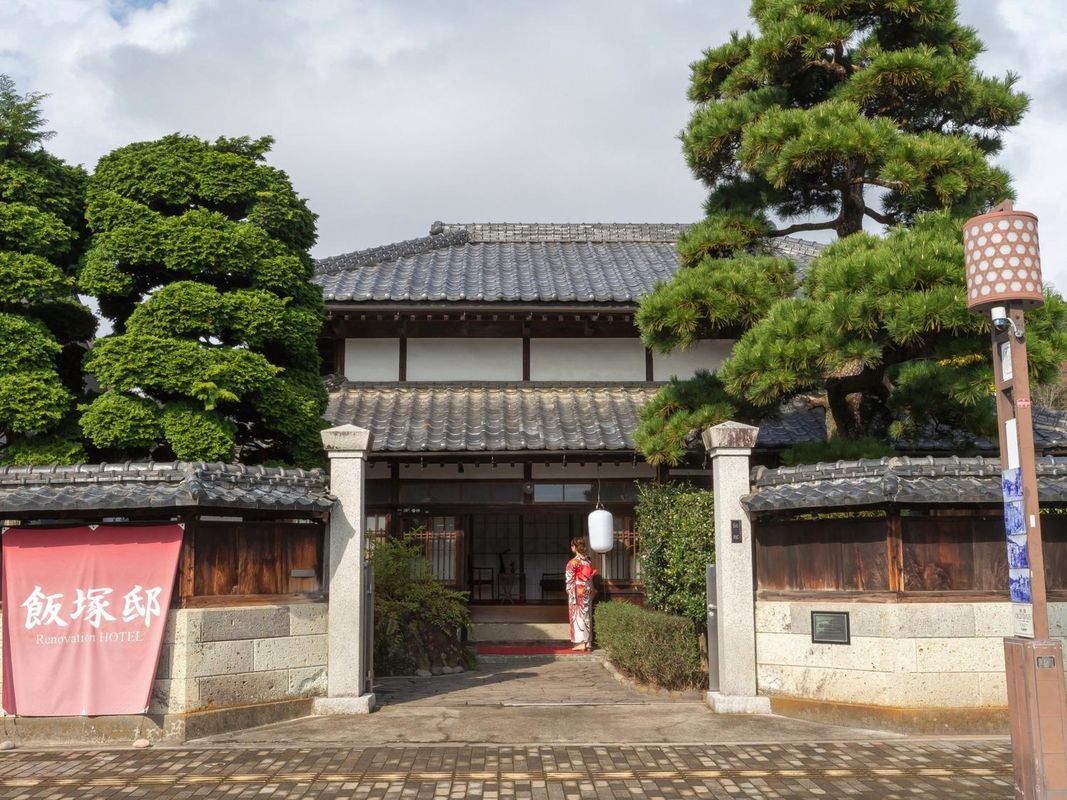
Iizukatei
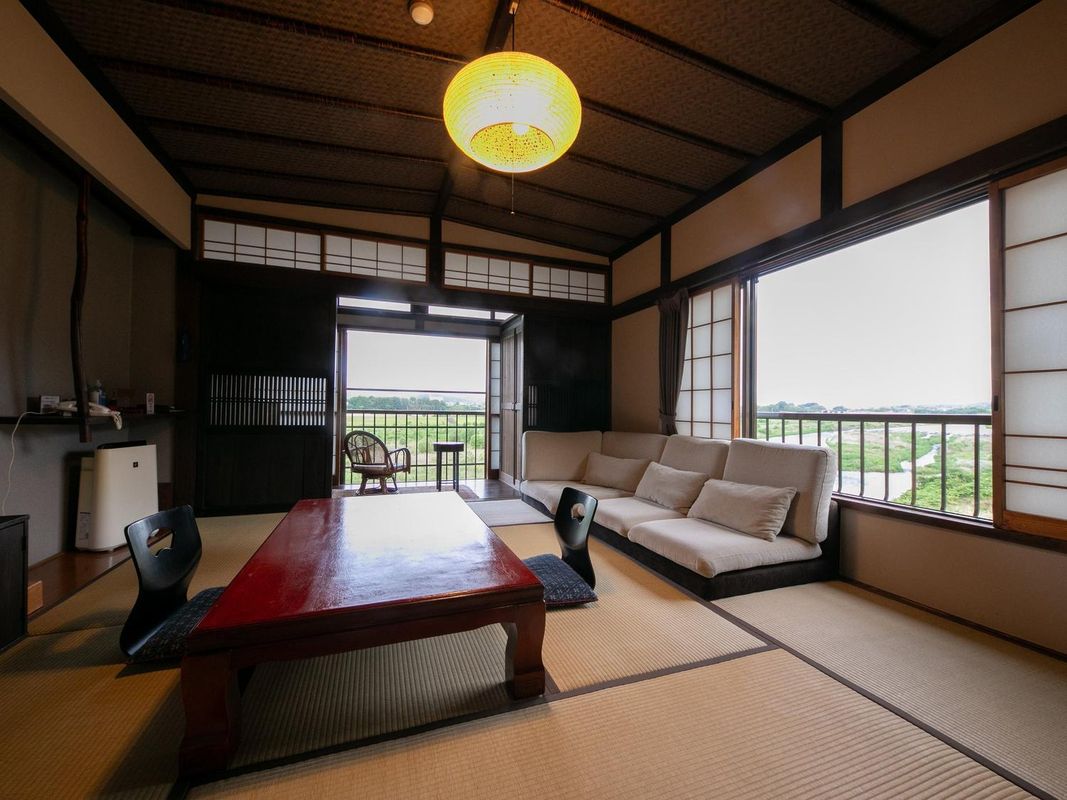
Isamikan
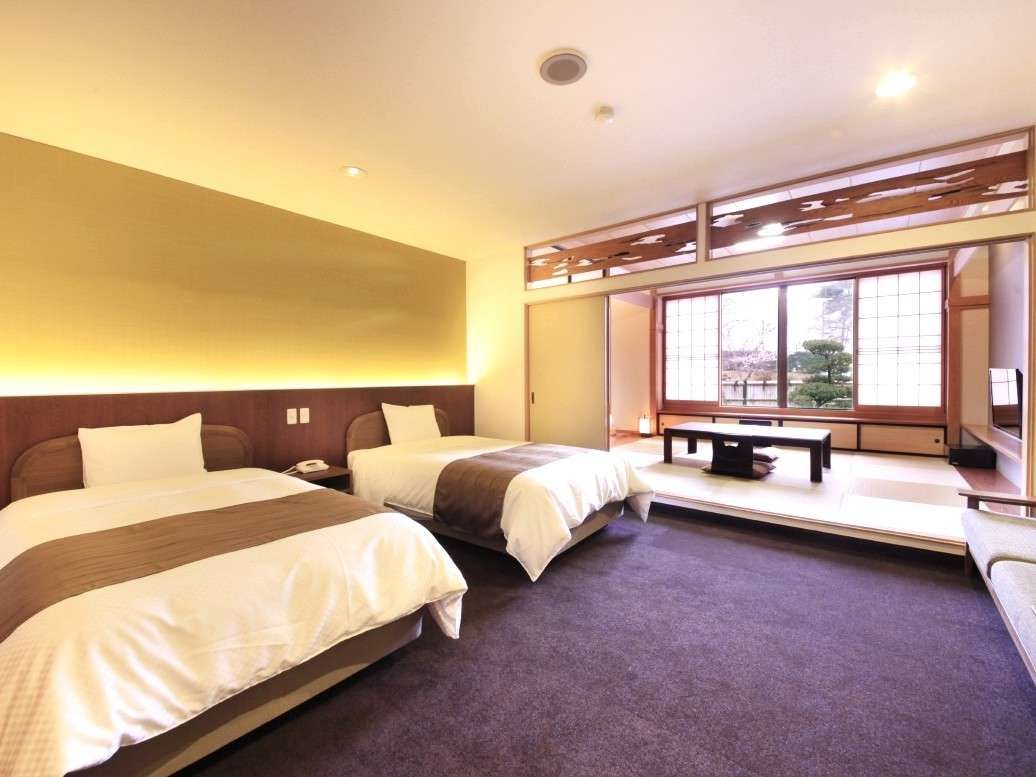
Nanpeidai Onsen Hotel
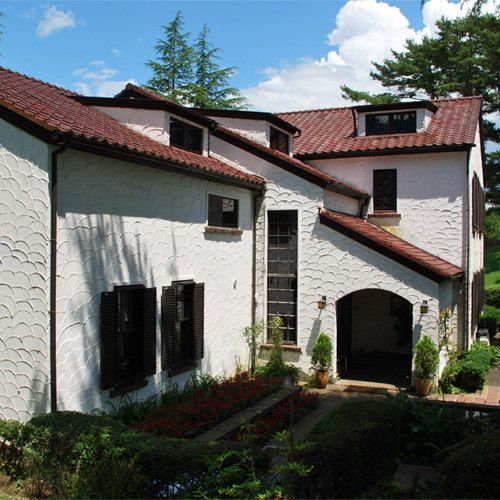
Jun Classic Country Club
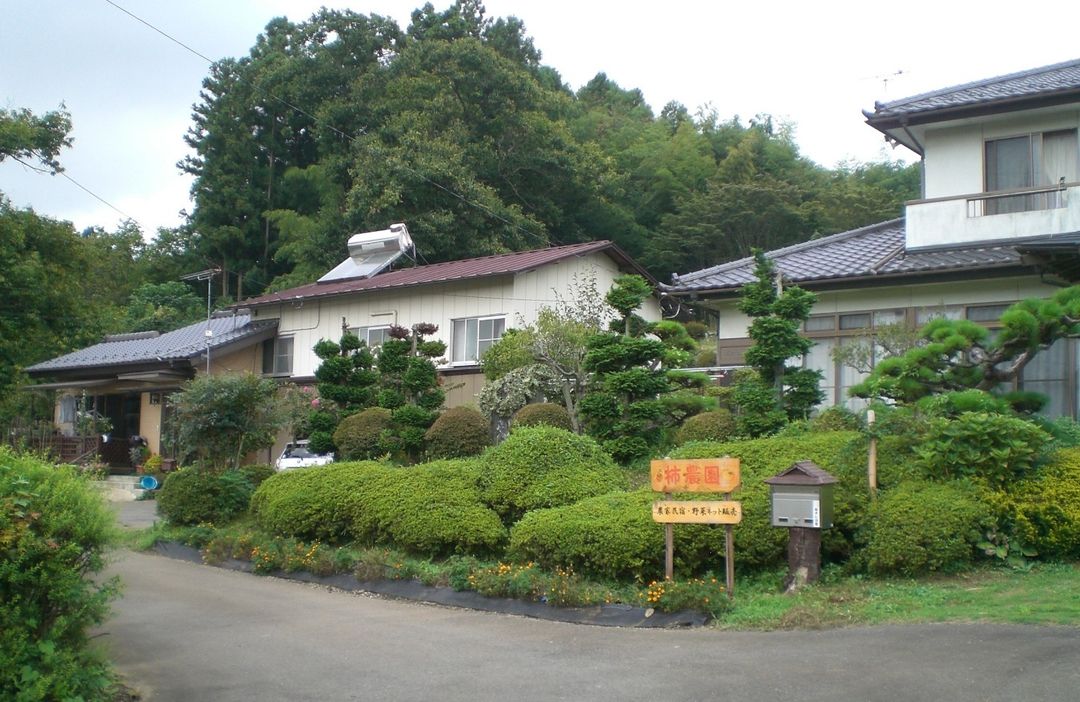
Persimmon Farm
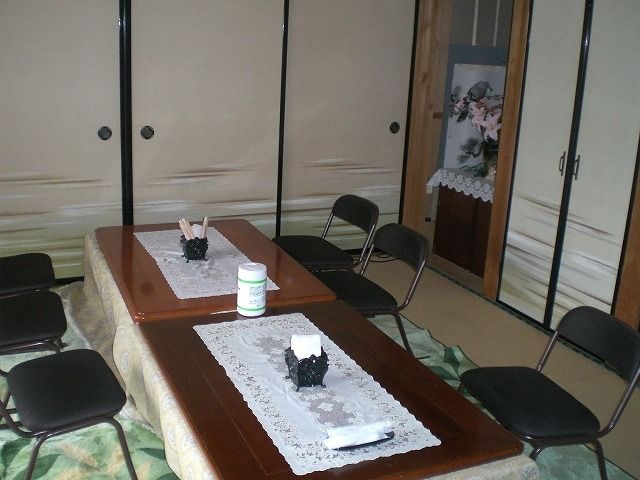
Kakinouen
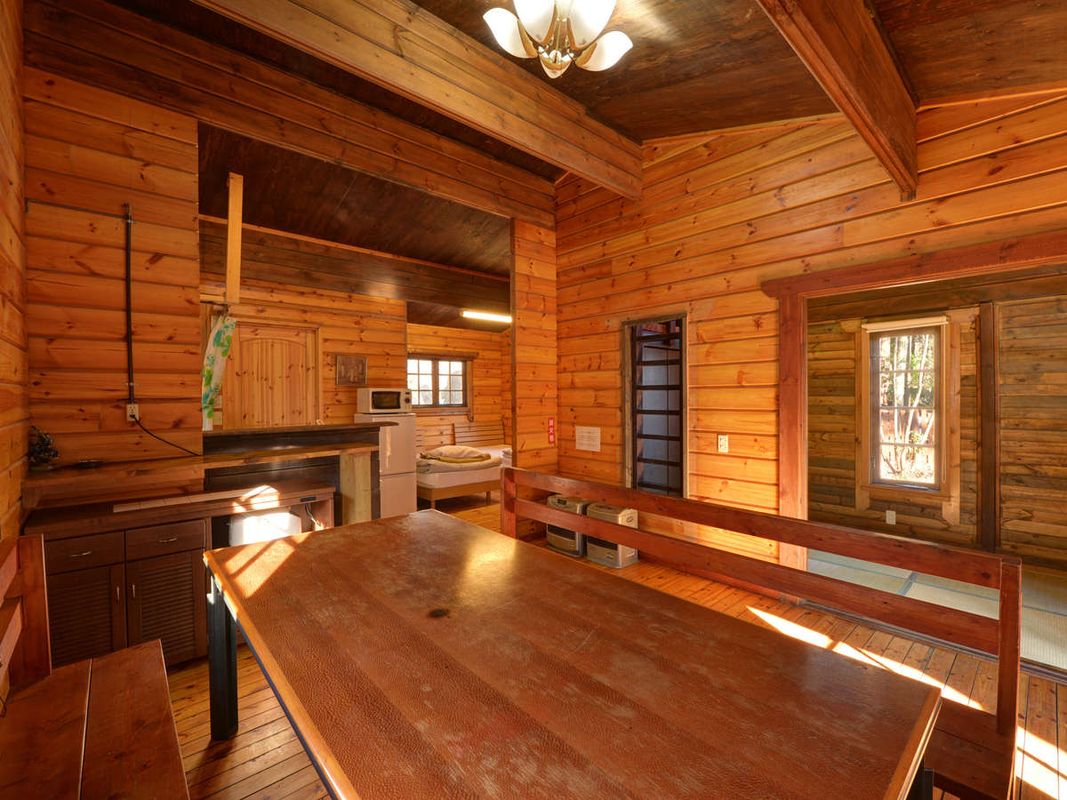
Santa Hills
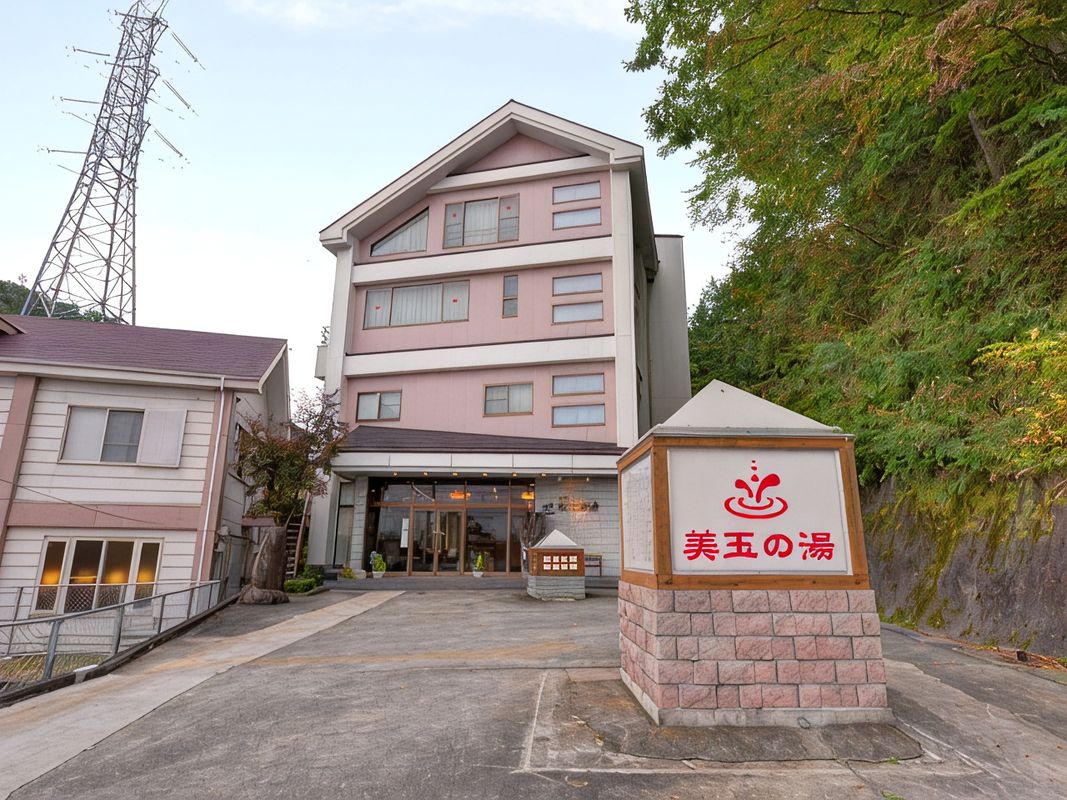
Hotel Mitama No Yu
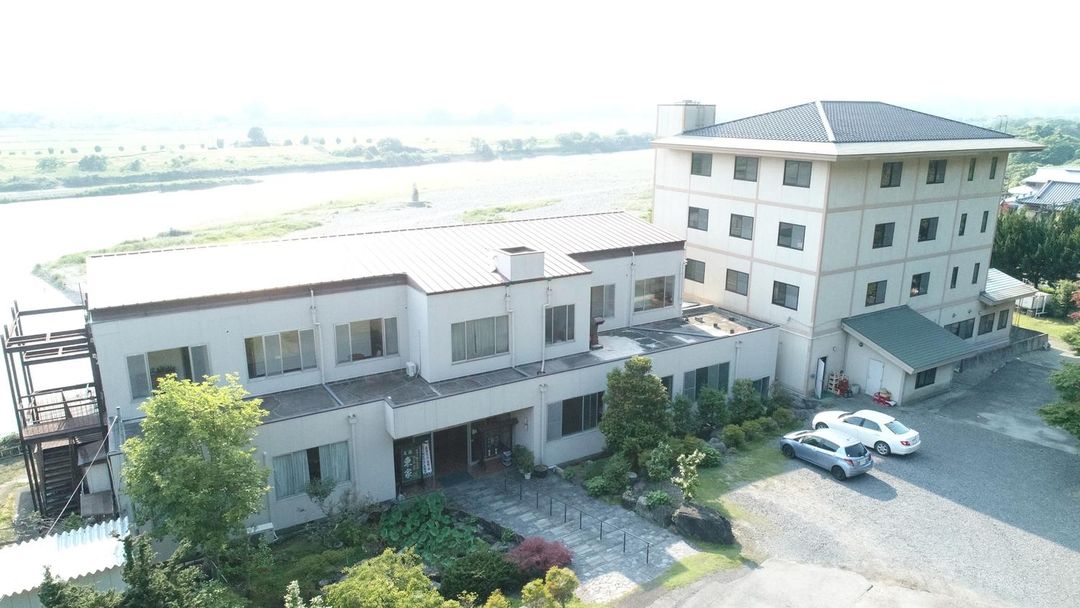
Motoyu Azumaya (Tochigi)
Best Hotels in Nakagawa
Discover curated hotel collections in Nakagawa
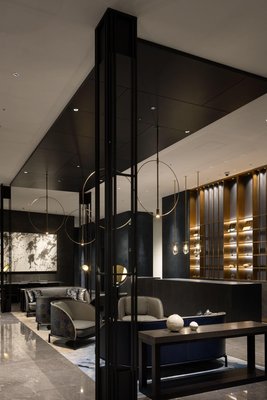
Bellustar Tokyo, A Pan Pacific Hotel
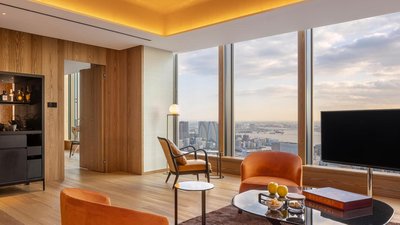
Bvlgari Hotel Tokyo
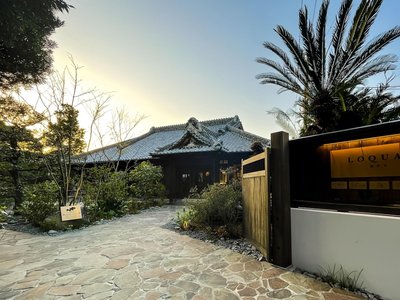
Loquat Nishiizu
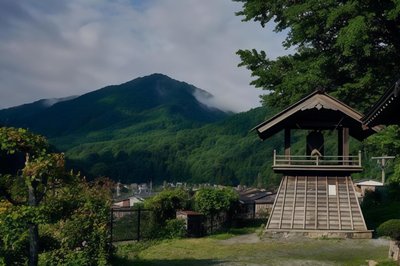
Byaku Narai
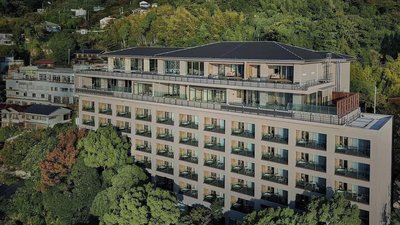
Atami Izusan Karaku
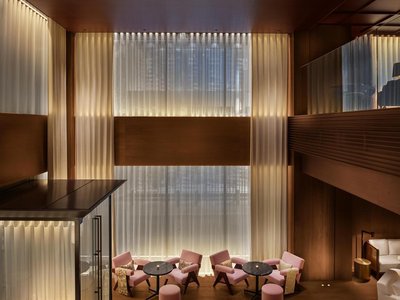
The Tokyo Edition, Ginza
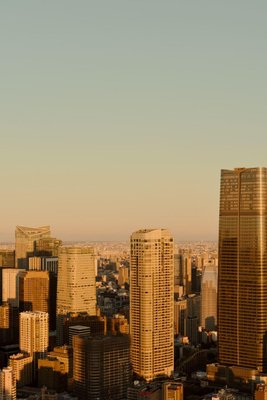
Janu Tokyo
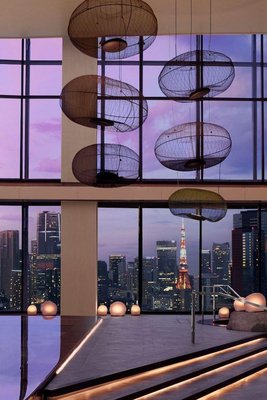
JW Marriott Hotel Tokyo
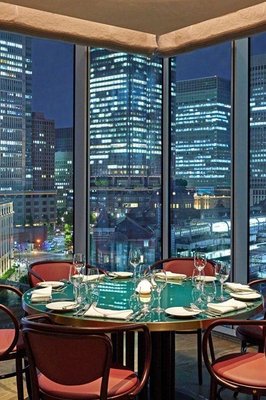
Four Seasons Hotel Tokyo at Marunouchi

Mandarin Oriental, Tokyo
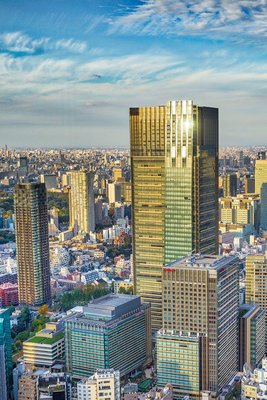
The Ritz-Carlton, Tokyo

Andaz Tokyo Toranomon Hills- A Concept by Hyatt
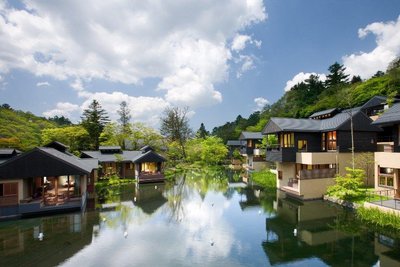
Hoshinoya Karuizawa
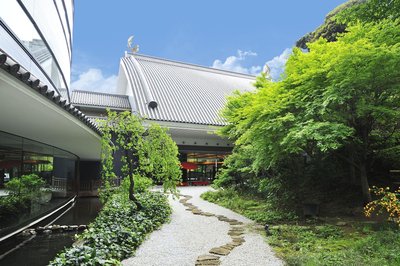
Hotel Gajoen Tokyo
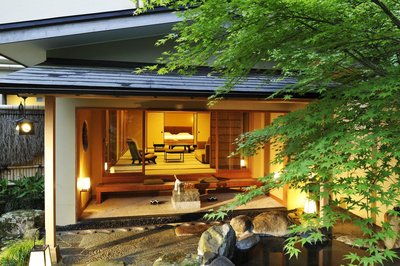
Gora Kadan
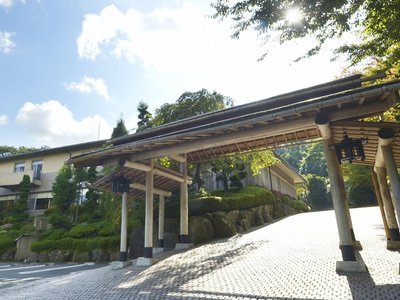
Gora Hanaougi
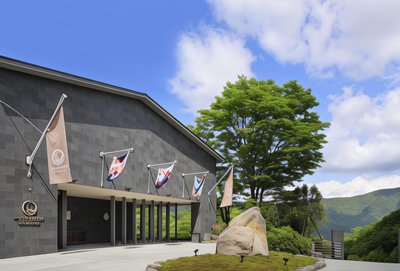
The Hiramatsu Hotels & Resorts Sengokuhara Hakone
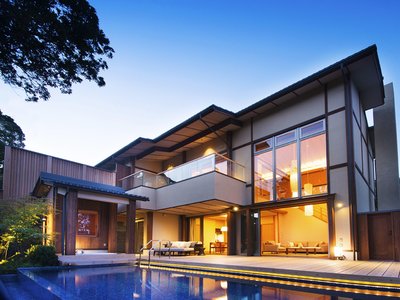
Abba Resorts Izu - Zagyosoh
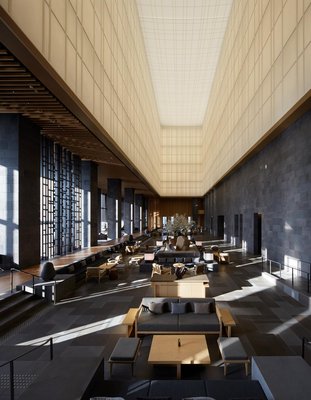
Aman Tokyo
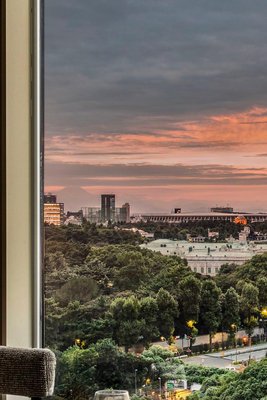
Hotel New Otani Tokyo, Executive House Zen
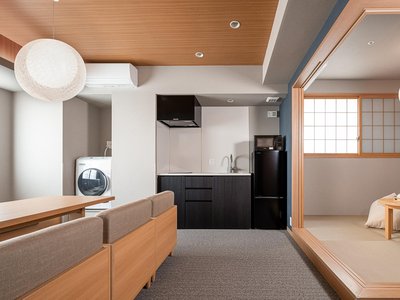
MIMARU SUITES Tokyo Asakusa
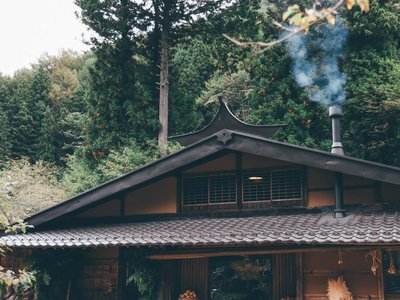
La Terra Resort

karaksa hotel colors Tokyo Yaesu

HOTEL GROOVE SHINJUKU, A PARKROYAL Hotel

EN Resort Grandeco Hotel
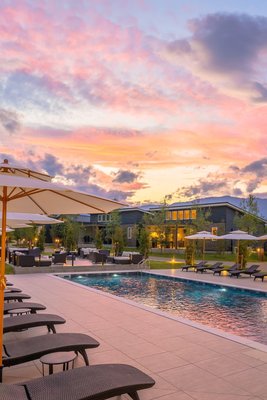
Awaumi Fujikawaguchiko Resort
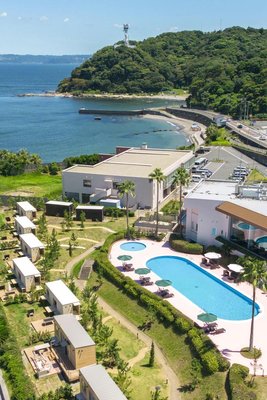
La vista Yokosuka Kannonzaki Terrace
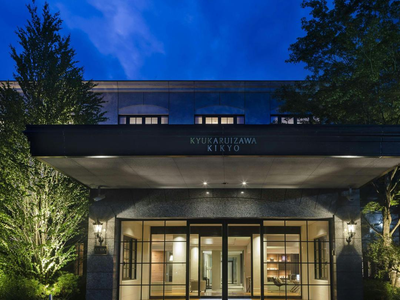
Fufu Karuizawa Wind of Sunshine
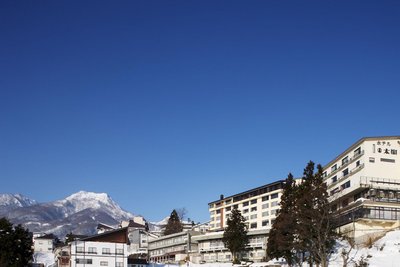
Hotel Taiko, Akakura Onsen
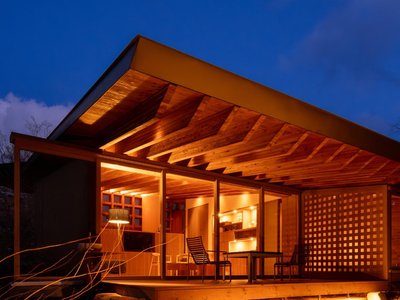
Nasu Mukunone
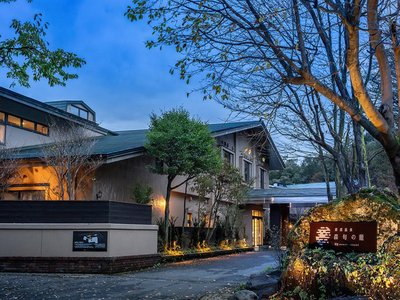
Nasu Onsen Shinshun no Kago Hewitt Resort

Scapes the Suite
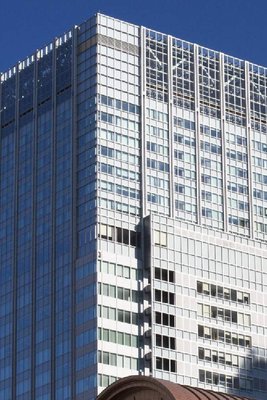
Hotel Metropolitan Tokyo Marunouchi
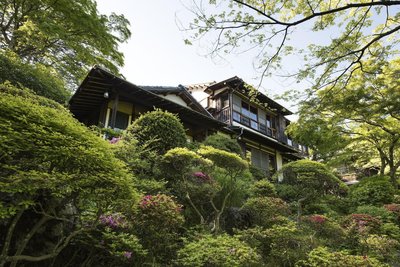
Gora Kansuiro
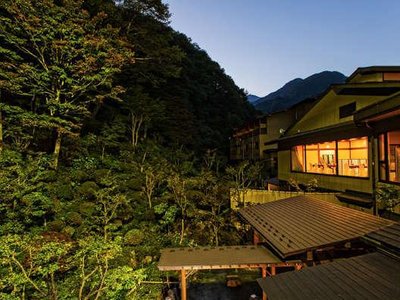
Futari Shizuka
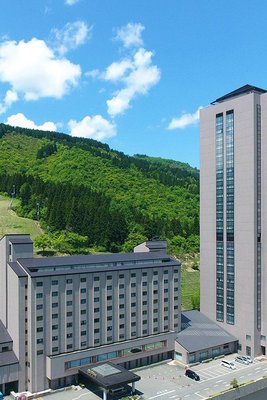
Naspa New Otani
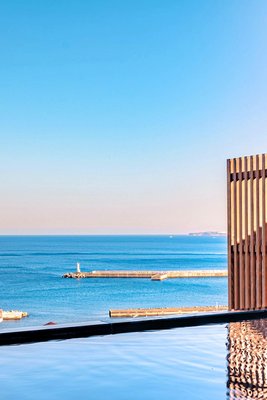
HOTEL KANICHI
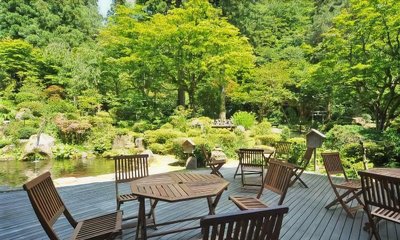
Choseikan
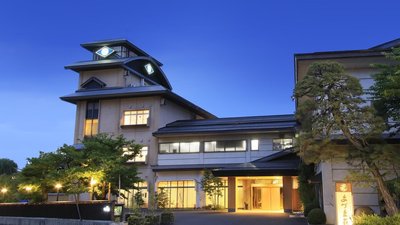
Shouhakutei Azumaso
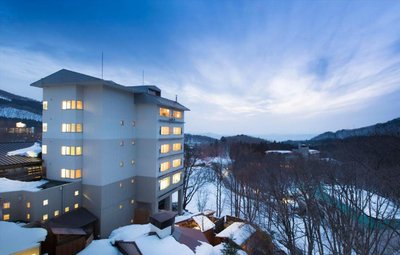
Takamiya Hotel Lucent
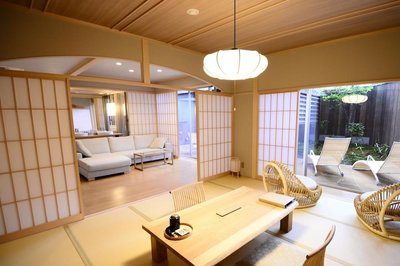
Hakone Gora Byakudan
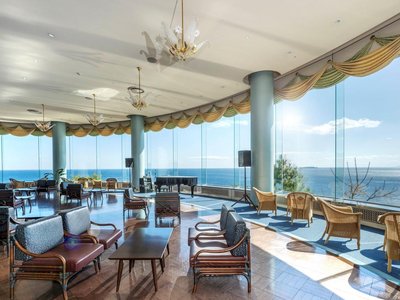
Hotel New Akao
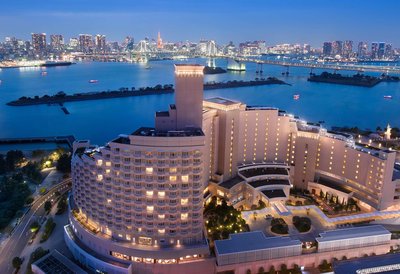
Hilton Tokyo Odaiba
JW Marriott Hotel Tokyo
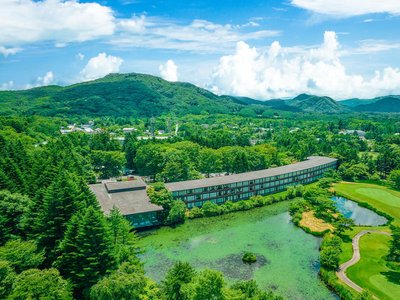
The Prince Karuizawa

The Kukuna
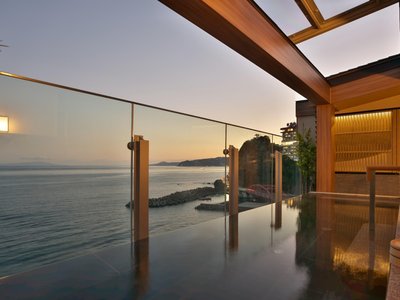
Hotel New Sagamiya
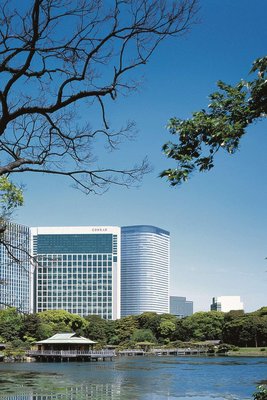
Conrad Tokyo
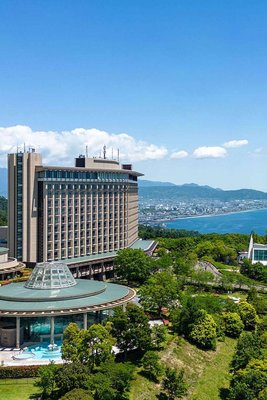
Hilton Odawara Resort & Spa
Hoshinoya Karuizawa
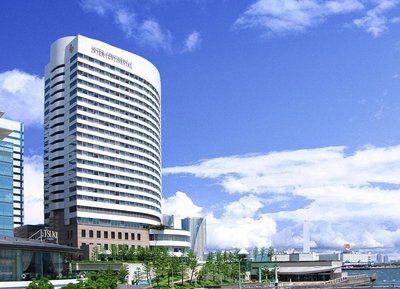
InterContinental Tokyo Bay
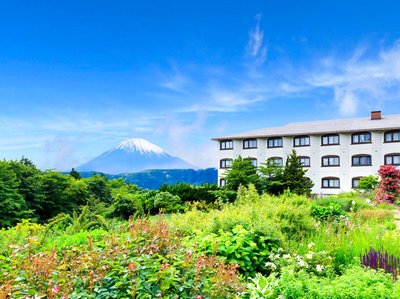
Hotel Green Plaza Hakone
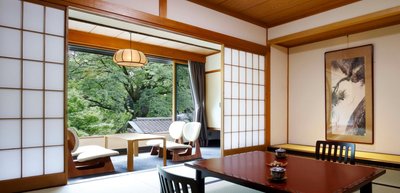
Yoshiike Ryokan
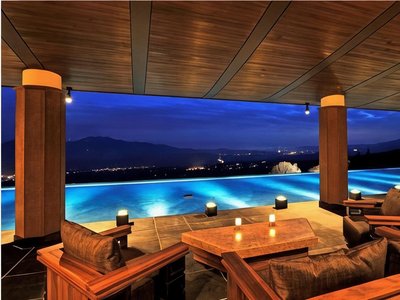
Akakura Kanko Hotel
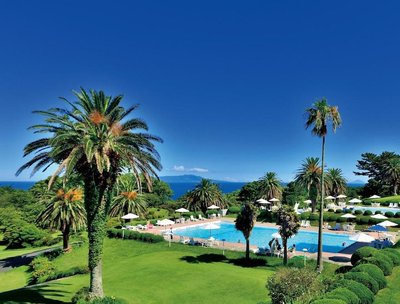
Kawana Hotel
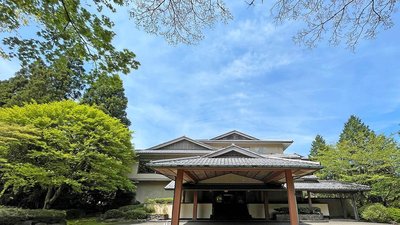
Ryuguden
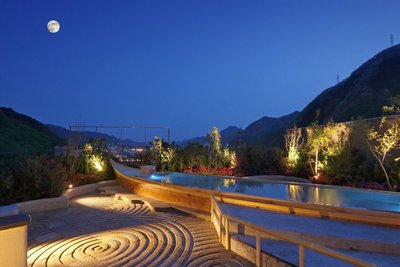
Asaya
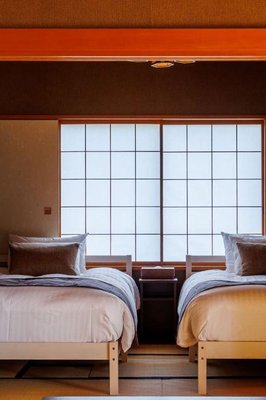
Sado Resort Hotel Azuma
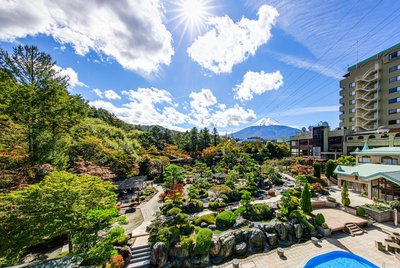
Kaneyamaen
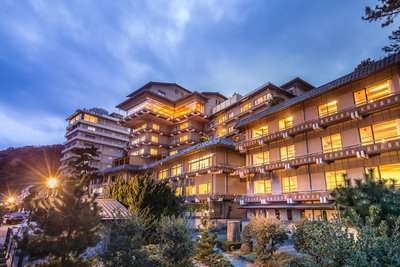
Bousui
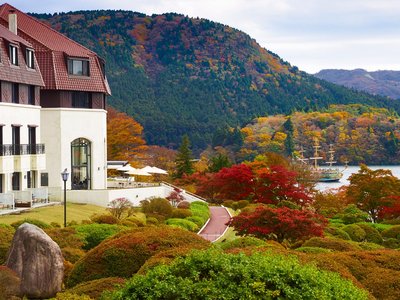
Hotakajyo
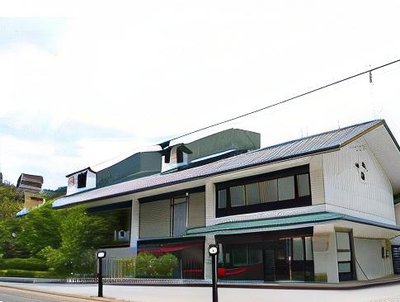
Auberge Suzukane

Onyado Nono Asakusa Bettei Hot Spring
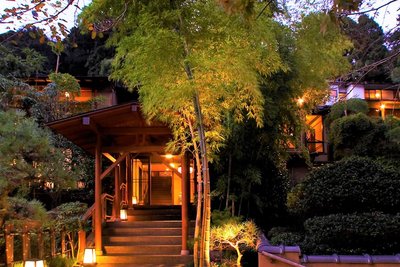
Shiki wo Ajiwau Yado Yamano Chaya
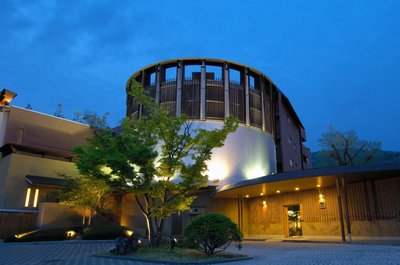
Hoshino Resorts Kai Matsumoto
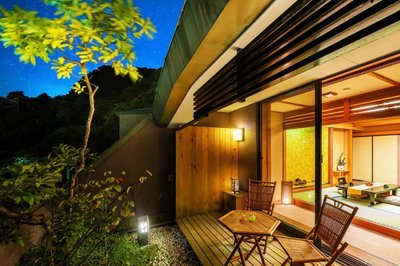
Konjakutei
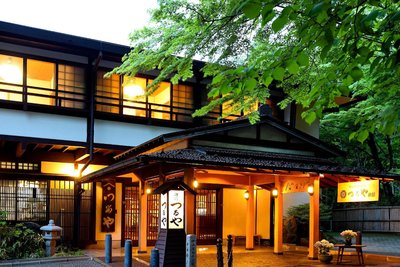
Tsuruya Ryokan
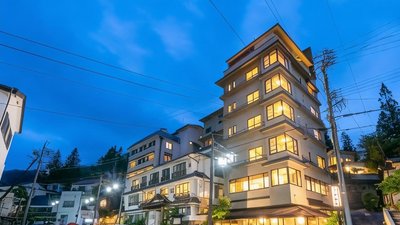
Nakamatsuya Ryokan
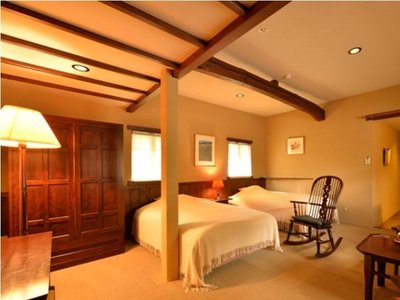
Ryokan Sugimoto
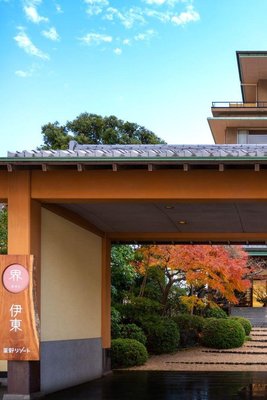
Hoshino Resorts Kai Ito
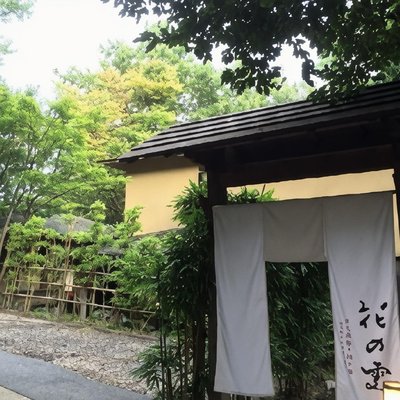
Hana No Kumo
Yoshiike Ryokan
Hotel Gajoen Tokyo
Gora Hanaougi
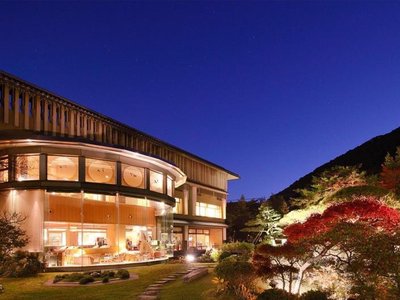
Shikisai Ichiriki
Sado Resort Hotel Azuma
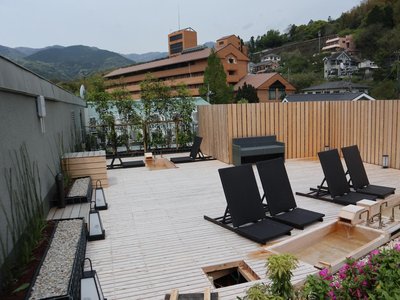
Fukiya Ryokan
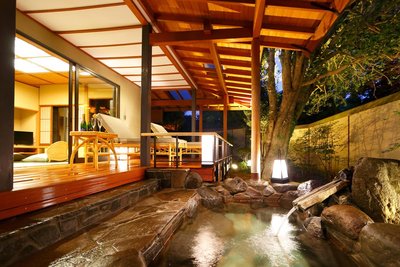
Yoshiharu Ryokan – Izu Nagaoka Onsen
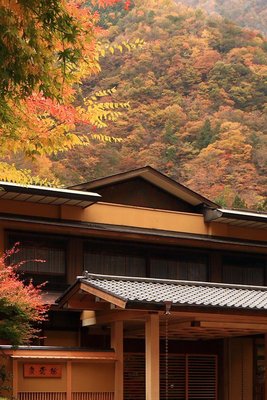
Nishiyama Onsen Keiunkan
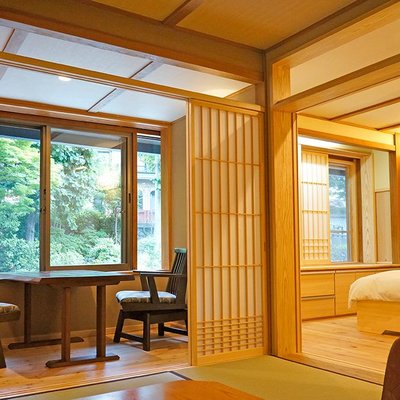
Sumiyosiya Ryokan
Bellustar Tokyo, A Pan Pacific Hotel
JW Marriott Hotel Tokyo
Andaz Tokyo Toranomon Hills- A Concept by Hyatt
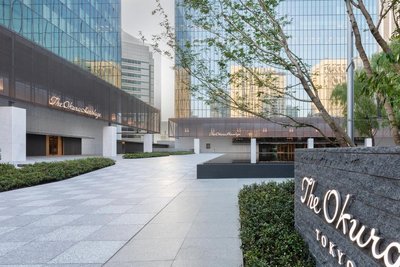
The Okura Tokyo
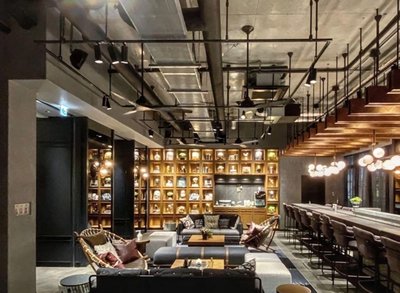
The Lively Azabujuban Tokyo
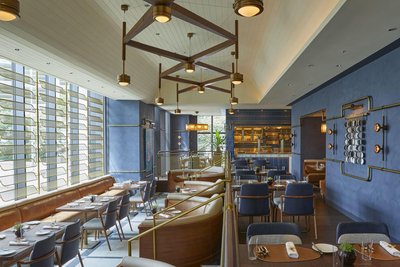
Kimpton Shinjuku Tokyo

HOTEL K5
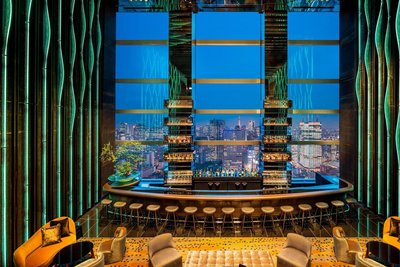
The Prince Gallery Tokyo Kioicho, a Luxury Collection Hotel
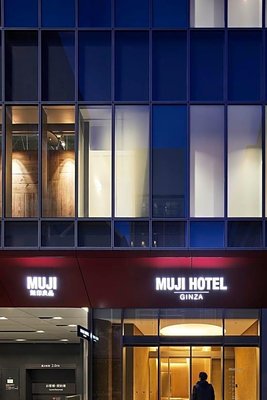
Muji Hotel Ginza
Hakone Gora Byakudan
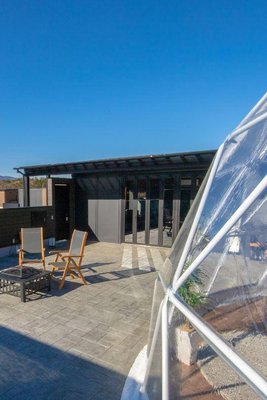
Panoramic Mt. Fuji Views from All Rooms – Vision Glamping Resort & Spa Yamanakako
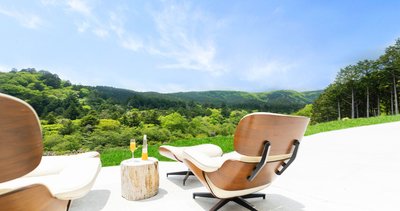
Shelter Garden Nikko
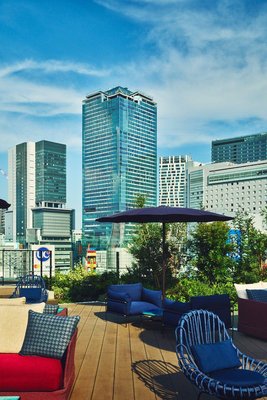
Hotel Indigo Tokyo Shibuya
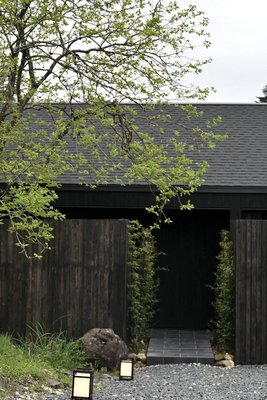
THE LAKOTAN
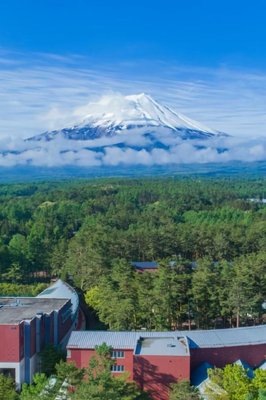
Forest Village (Fuji Premium Resort)

Hotel Toranomon Hills
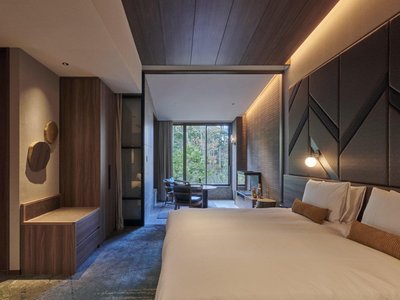
Fufu Kyu-Karuizawa Restful Forest
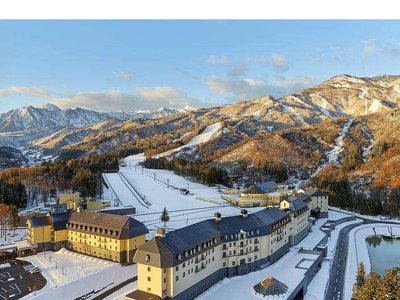
Lotte Arai Resort
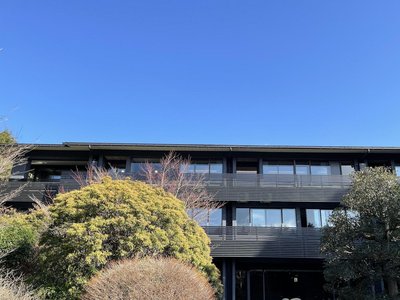
Sengokubara Cocon
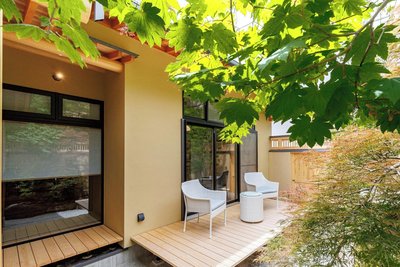
Shoraiso
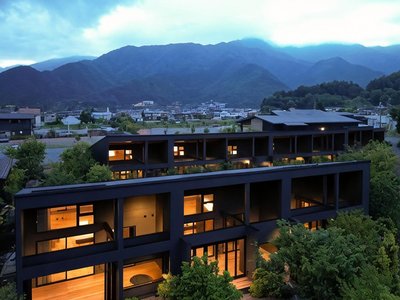
7C Villa and Winery
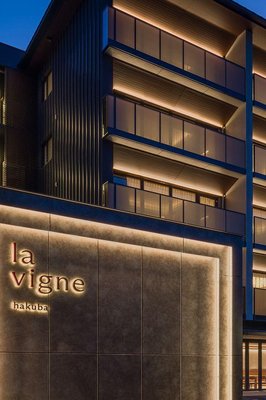
Hotel la Vigne Hakuba by Onko Chishin
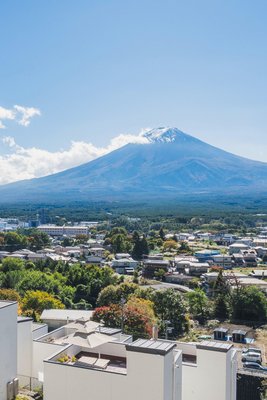
THE TOKI FujiKawaguchiko
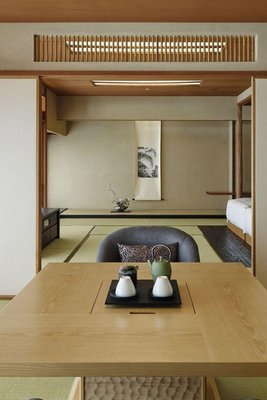
Takanawa Hanakohro (in Grand Prince Hotel Takanawa)
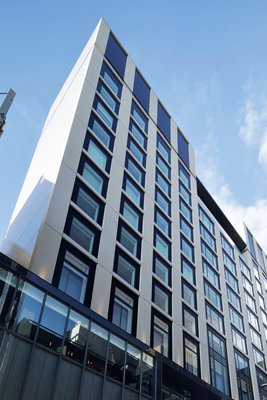
Hyatt Centric Ginza Tokyo
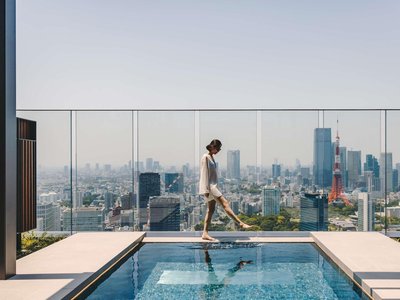
Fairmont Tokyo
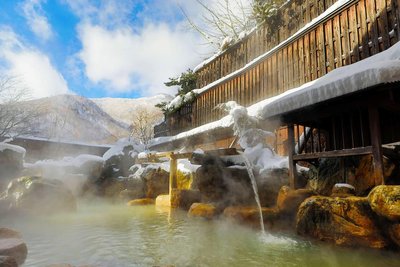
Miyamaouanbekkan yumegurinoyado hirayukan
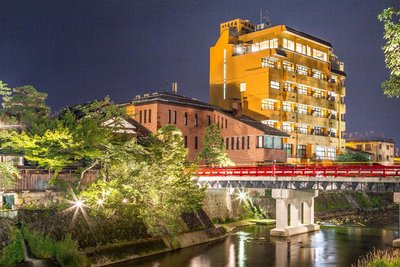
HONJIN HIRANOYA BEKKAN
The Prince Karuizawa
Bvlgari Hotel Tokyo
Four Seasons Hotel Tokyo at Marunouchi
Mandarin Oriental, Tokyo
The Ritz-Carlton, Tokyo
Andaz Tokyo Toranomon Hills- A Concept by Hyatt
Gora Kadan

Hotel New Otani Tokyo the Main
Aman Tokyo
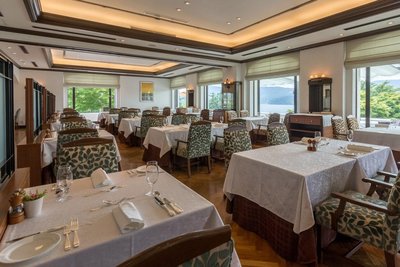
Odakyu Hotel de Yama
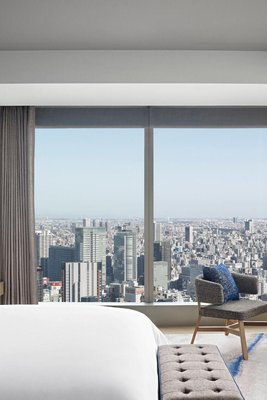
Four Seasons Hotel Tokyo at Otemachi
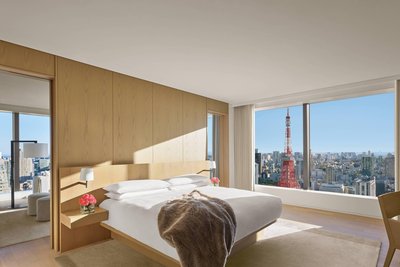
The Tokyo Edition, Toranomon
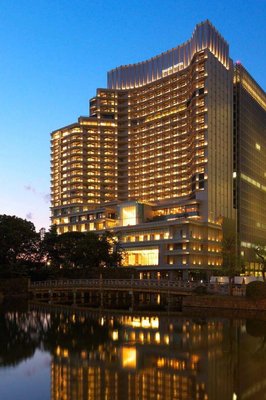
Palace Hotel Tokyo
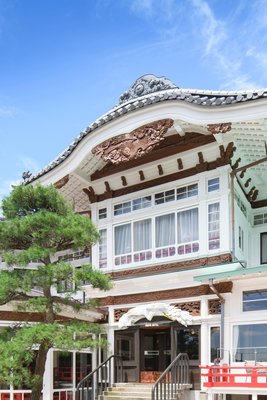
Fujiya Hotel
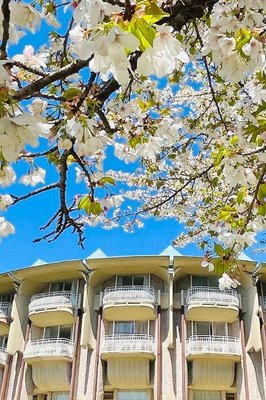
The Prince Hakone Lake Ashinoko
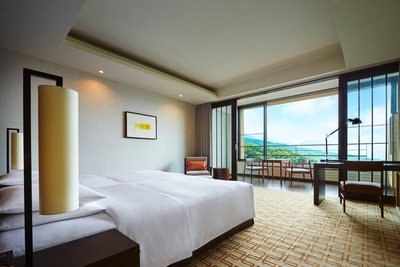
Hyatt Regency Hakone Resort and Spa
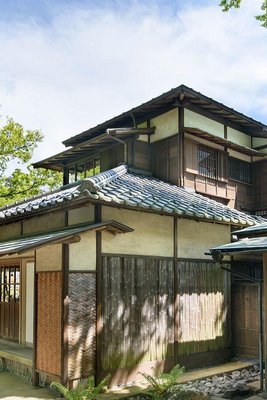
Hakone Suishoen
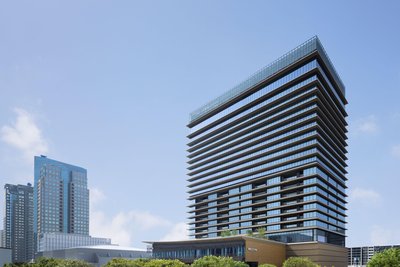
The Westin Yokohama

The Peninsula Tokyo

Imperial Hotel, Tokyo

Rakuten STAY VILLA Nasu
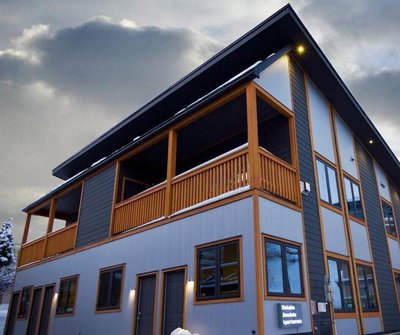
Hakuba Gondola Apartments
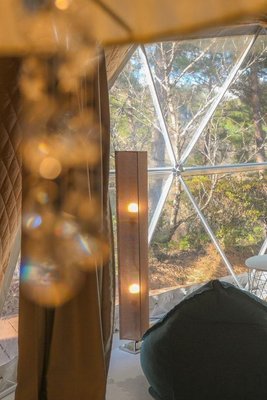
glampark Gekkabijin Nagano
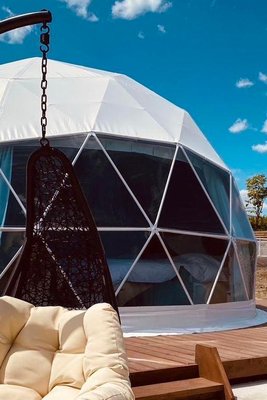
chillout glamping zao
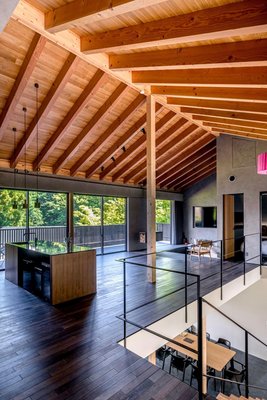
MONS GORA
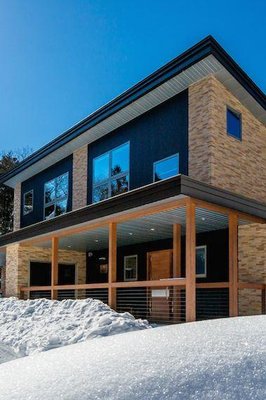
Phoenix Chalets by Hhg
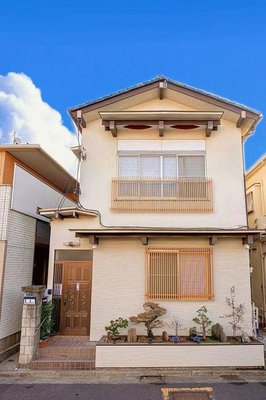
Tokyo Star House-Shinkoiwa
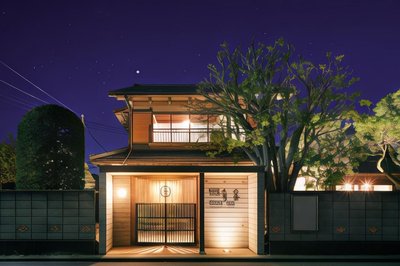
Machi-Jyu
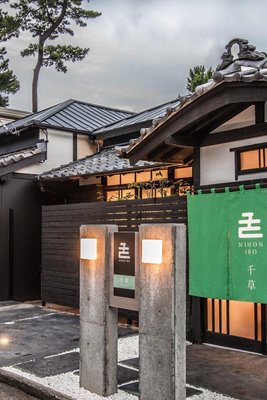
Nihon Iro
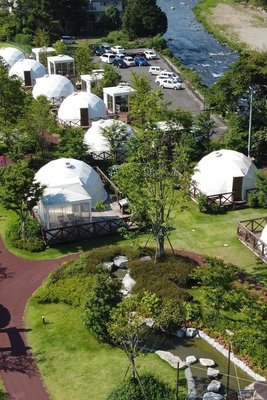
Ufufu Village
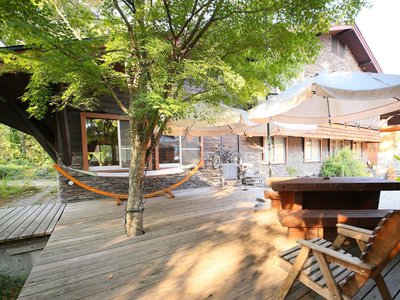
Kunugi Relaxation with 4 Modern Rooms
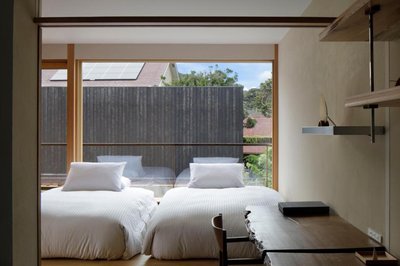
Modern Ryokan Kishi-ke

Petals Tokyo - Floating Hotel
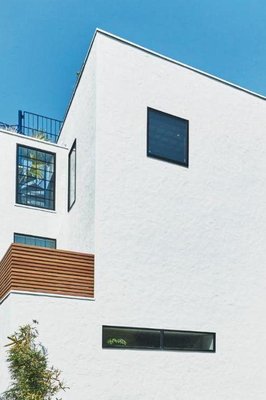
The Flow Kamakura
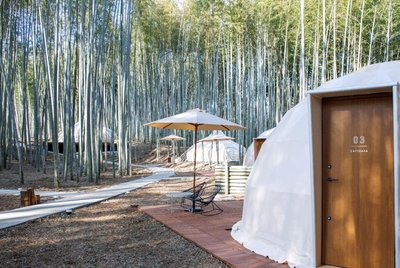
THE BAMBOO FOREST
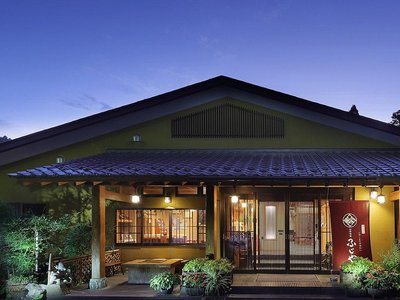
Shikimitei Fujiya
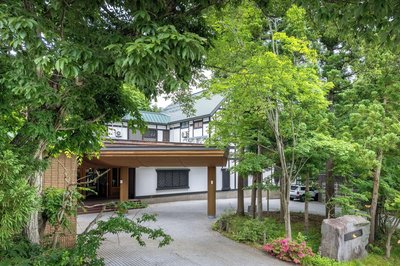
Forest Resort Yamanote Hotel
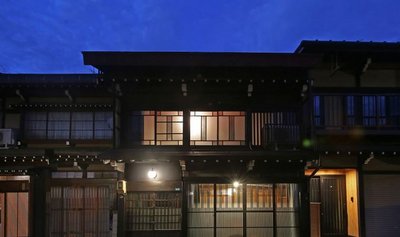
Iori Stay Hida
Bellustar Tokyo, A Pan Pacific Hotel

Hotel Barrière Fouquet's New York
Bvlgari Hotel Tokyo
Loquat Nishiizu
Byaku Narai
Atami Izusan Karaku
The Tokyo Edition, Ginza
Janu Tokyo
JW Marriott Hotel Tokyo
Four Seasons Hotel Tokyo at Marunouchi
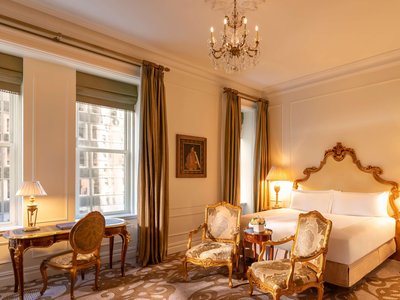
The Plaza - A Fairmont Managed Hotel
Mandarin Oriental, Tokyo
The Ritz-Carlton, Tokyo
Andaz Tokyo Toranomon Hills- A Concept by Hyatt
Hoshinoya Karuizawa
Hotel Gajoen Tokyo
Gora Kadan
Gora Hanaougi
The Hiramatsu Hotels & Resorts Sengokuhara Hakone
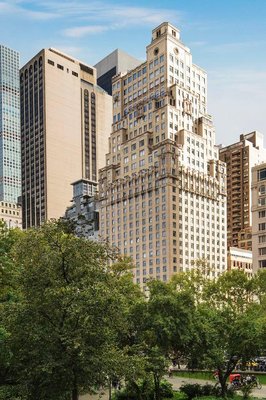
The Ritz-Carlton New York, Central Park
Frequently Asked Questions about Traveling to Nakagawa
Questions You Might Need to Know About Traveling to Nakagawa
For nature enthusiasts, Nakakawa Forest Hot Spring Inn is a must-stay choice. Nestled beside the clear Naka-kawa River, this eco-friendly ryokan offers private outdoor onsen baths with panoramic views of surrounding woodlands and seasonal blooms. The minimalist wooden architecture blends seamlessly with nature, while guided forest walks and birdwatching tours are available.
Another excellent option is Riverbank Nature Lodge, located just steps from the riverbank. It features solar-powered rooms, organic farm-to-table meals using local produce, and free access to hiking trails leading to hidden waterfalls. Both properties emphasize low-impact tourism and offer immersive experiences in Tochigi Prefecture's pristine ecosystem.
The Naka-kawa Riverfront District is the ideal area for a peaceful, scenic stay. This tranquil zone stretches along the crystal-clear river, offering serene walking paths, shaded benches, and uninterrupted views of lush forests and seasonal flowers. Many guesthouses here follow traditional Japanese design principles—using natural materials like hinoki and tatami—to create a harmonious connection with the environment.
It’s also close to Naka-kawa Shrine and small-scale farming cooperatives where visitors can participate in rice planting or fruit picking. With minimal light pollution, this area is perfect for stargazing, especially during summer nights when fireflies dance above the water. For those seeking stillness and immersion in nature, this district delivers an authentic rural experience.
Visitors to Naka-kawa Town can engage in several authentic cultural activities. The highlight is rice cultivation experience, where guests learn traditional techniques such as seedling transplanting and harvesting at local paddy fields—offering deep insight into Japan’s agricultural heritage.
Another cherished event is the annual Spring and Autumn Festivals at Naka-kawa Shrine, featuring taiko drumming, Kagura dances, and sacred rituals. During autumn, the town hosts a Maple Leaf Tea Ceremony, where guests brew tea infused with fresh red leaves collected from nearby hillsides.
Additionally, hands-on workshops in bamboo weaving teach traditional crafts passed down through generations. These experiences reflect the community’s respect for seasonal rhythms and sustainable living, making them essential for understanding the soul of Naka-kawa Town.
While Naka-kawa Town isn’t known for large-scale onsen complexes, it boasts several intimate hot spring retreats. Nakakawa Forest Hot Spring Inn stands out with its natural mineral-rich baths fed by underground springs rich in radon. The open-air baths overlook the river and forest, creating a meditative atmosphere perfect for relaxation.
Another notable option is Riverside Onsen Villa, situated directly on the Naka-kawa Riverbank. Each room includes a private indoor/outdoor bath, and the inn serves locally sourced fish and vegetables in its kaiseki-style dinners. Both establishments prioritize sustainability and minimal environmental impact, offering guests a true escape into nature’s embrace.
Absolutely. Naka-kawa Town is highly family-friendly. The Naka-kawa Tourism Hotel offers spacious family rooms, baby cots, and a dedicated children’s play area. Outside, the riverside path is safe and stroller-accessible, ideal for morning walks with kids.
The hotel also runs weekly Family Craft Markets, where parents and children can make pottery, paint umbrellas, or build bamboo toys together. Nearby, the Children’s Nature Classroom provides interactive lessons about local wildlife, plants, and conservation—making learning fun and meaningful.
With low noise levels, clean air, and abundant green space, this town provides a healthy, nurturing environment for families seeking quality time away from urban stress.
Local cuisine in Naka-kawa Town centers around fresh mountain and river ingredients. Must-try dishes include Naka-kawa Bass Hot Pot, made with fish caught directly from the river, simmered in a delicate kombu broth with seasonal vegetables.
Another highlight is Mountain Vegetable Mochi, filled with wild greens like fern shoots, bamboo sprouts, and dandelion—steamed in glutinous rice for a soft, earthy flavor. Don’t miss Persimmon Leaf Sushi, a regional specialty where vine leaves wrap vinegared rice and raw fish, giving a subtle tannic note.
Many lodges, such as Nakakawa Forest Hot Spring Inn, serve four-season kaiseki menus using ingredients from local farms. All dishes are prepared with care to honor seasonal cycles and ecological balance.
Yes, the natural scenery in Naka-kawa Town is exceptional. The Naka-kawa River flows through pristine forests, offering crystal-clear waters ideal for spotting trout, crayfish, and aquatic plants. Its banks are lined with cherry blossoms in spring and vibrant maple trees in autumn.
The Riverfront Walking Trails provide easy access to secluded spots, including small waterfalls and viewing platforms with sweeping valley views. In summer, the area becomes a haven for fireflies—visible in nightly shows at designated observation zones.
The Naka-kawa Nature Education Center offers guided hikes and seasonal programs like winter snow trekking and spring plant identification. Whether you're hiking, kayaking, or simply sitting by the river, the landscape offers a powerful sense of peace and renewal.
Naka-kawa Town is easily accessible for domestic travelers. The nearest train station is Tochigi Station, reachable via JR East or Tobu Railway lines, with a 30-minute shuttle bus ride to the town center. Alternatively, Tochigi Bus operates regular services from the station to Naka-kawa every day.
For self-drivers, major highways connect to the town, and free parking is available at most accommodations. Many hotels offer complimentary pickup services to key attractions like the shrine and river trails. Within the town, most sites—including the riverbank and shrine—are within walking distance, making it convenient even without a car.
Naka-kawa Town celebrates several seasonal events throughout the year. In early spring, the Cherry Blossom Festival transforms the riverbanks into a pink wonderland with illuminated lanterns, food stalls, and traditional performances.
During summer, the Firefly Night Walk invites visitors to stroll through dimly lit trails where thousands of glowworms illuminate the forest canopy—an unforgettable experience.
In autumn, the Maple Leaf Festival features tea ceremonies using freshly gathered leaves, craft markets, and photo contests. Winter brings the Snowwalk Experience, where guests hike through snowy forests wearing traditional boots, then warm up with steaming mochi and sake at a riverside lodge.
Definitely. Naka-kawa Town is a photographer’s dream. The Naka-kawa River creates stunning mirror reflections during spring cherry blossoms and autumn foliage, perfect for wide-angle and macro shots.
Summer nights offer rare opportunities to capture fireflies in flight using long-exposure photography. The riverbank promenade and forest trails provide dynamic compositions with natural lighting and textures.
Winter transforms the landscape into a monochrome masterpiece—snow-laden trees, frozen river surfaces, and wisps of steam rising from hot springs. The Shrine’s torii gate framed by seasonal colors adds a timeless element to any shot.
Several lodges partner with local photographers to offer custom shooting packages, including sunrise sessions and post-processing support, ensuring professional-quality results.
Nakagawa Overview
City Summary
Nakagawa-machi in Tochigi Prefecture is a serene town embraced by nature, renowned for its pristine Nakagawa River and abundant hot spring resources. This hidden gem offers an authentic experience of traditional Japanese countryside culture and farm life, perfect for escaping urban bustle.
Must-See Attractions
Must-visit spots include Bato Onsen, where open-air baths overlook stunning river valleys. Nakagawa Gorge attracts hikers and anglers with year-round scenic beauty. Art lovers shouldn't miss Bato Hiroshige Museum, housing ukiyo-e master Hiroshige's works.
Food Guide
Local cuisine features mountain vegetable dishes and river fish specialties - try salt-grilled "yamame trout" and handmade buckwheat noodles. Winter-exclusive nabe hotpot with seasonal ingredients is ideal for cold weather. Don't leave without tasting "Yunosato" ryokan's legendary hot spring buns.
Transportation Guide
From Tokyo, take JR Tohoku Shinkansen to Utsunomiya Station (50min), transfer to JR Nikko Line to Shimoishie Station, then a 40min bus ride. Town exploration relies on municipal buses and taxis - bicycle rentals are recommended for countryside paths. Drivers can use Route 121 but note winter snow conditions.
Best Time to Visit
Prime seasons are spring (April-May) for cherry blossoms and autumn (October-November) for vibrant foliage, with mild weather and fewer crowds. Summer offers cool retreats though July-August rains may affect outdoor plans.
Travel Tips
- Onsen etiquette: Wash thoroughly before bathing, check tattoo policies
- Mountain safety: Carry bear bells, avoid solo hikes at dawn/dusk
- Cash readiness: Most rural shops don't accept cards
- Waste management: Strict recycling, take non-burnable trash with you
- Photography: Always ask permission before shooting private properties
- Bus schedule: Last departures usually before 18:00, plan accordingly
Useful Information
Language: Basic English works at tourist spots, translation apps help with dialects Internet: Convenience stores sell prepaid SIMs, free WiFi at town hall/ryokans Payment: International cards at post office ATMs, Visa/Mastercard in major hotels Emergency: 24/7 care at Nakagawa Hospital (092-123-4567), English service at "Bato Drugstore" Emergency contacts: Dial #110 for police (say "I'm a foreigner" for multilingual support)









