Hotels in Nakano
Discover your perfect stay in Nakano.
Nakano(Japan) Travel 2026: Cheap Flights, Hotels & Top Attractions
Popular Landmarks in Nakano
Discover the most iconic attractions in Nakano
Recommended Hotels in Nakano
Find the perfect place to stay in Nakano

Best Hotels in Nakano
Discover curated hotel collections in Nakano





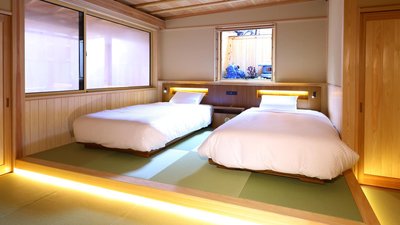
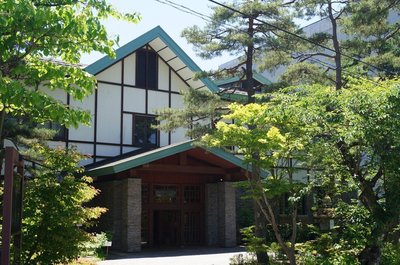
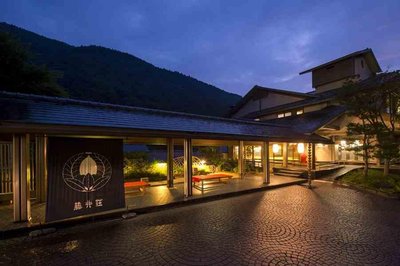
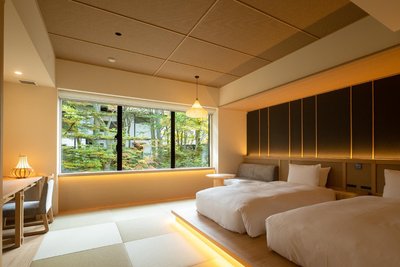



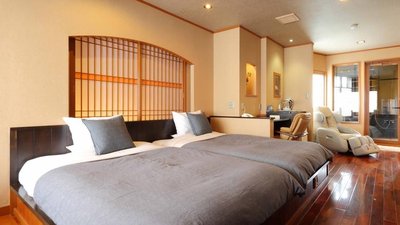
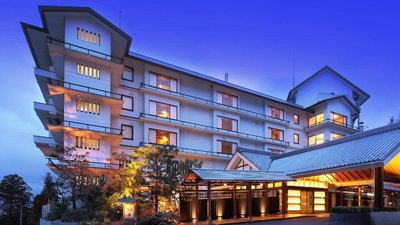
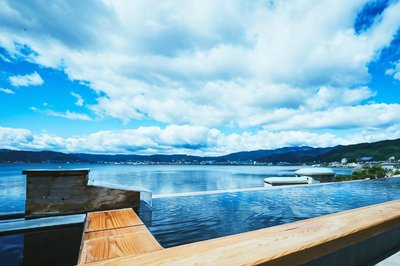

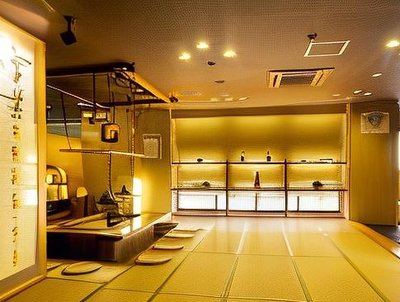























Frequently Asked Questions about Traveling to Nakano
Questions You Might Need to Know About Traveling to Nakano
For families seeking engaging stays, Nakano Children's House Hotel stands out as a top choice. This purpose-built family hotel features a kids' playroom, mini farm, and nature discovery classroom where children can feed lambs, pick strawberries, and take part in pottery workshops. All rooms include cribs and non-slip flooring for safety. The hotel hosts monthly "Little Farmer Days," offering hands-on experiences like planting rice and building scarecrows. Just a 5-minute drive away is Nakano Zoo, which provides interactive feeding sessions with panda rabbits and raccoons, making it an ideal combo for family adventures.
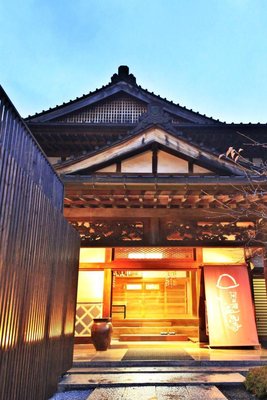
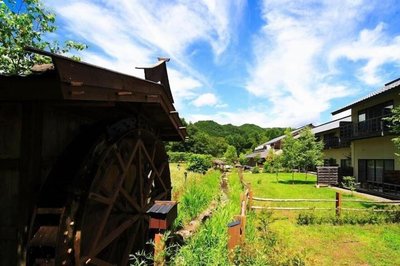
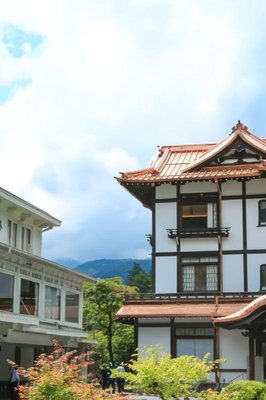
Stay at Nakano Furusato Minka Yado, a restored Meiji-era townhouse built on the grounds of Nakano Castle Ruins. This historic inn preserves original sliding doors, lattice windows, and earthen floors, while displaying period artifacts like matchlock guns, armor, and ancient manuscripts. Guests can participate in a "Day as Lord of the Castle" experience, wearing replicas of samurai armor and touring the ruins with expert storytellers. In the evening, join the "Castle Fire Gathering," where traditional shamisen music and folk tales of the Takeda and Uesugi clans come alive around a bonfire.
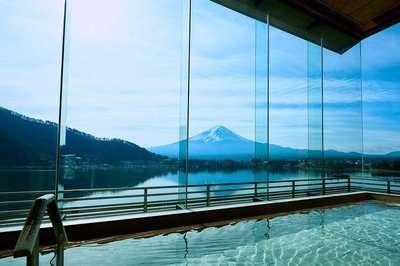
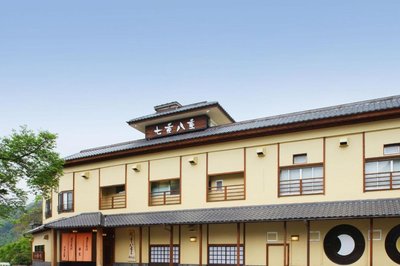
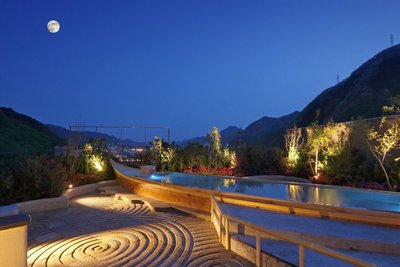
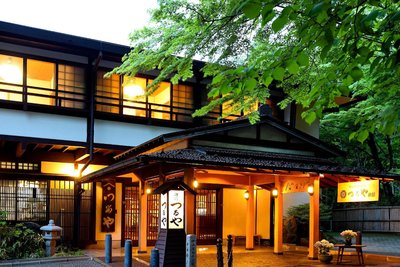
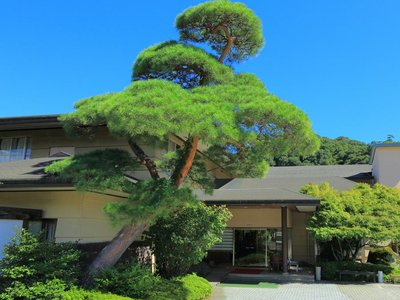
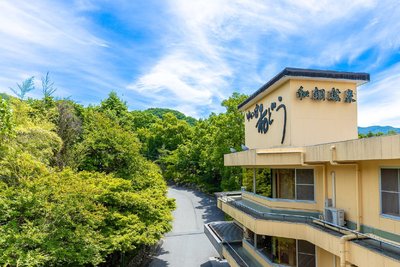
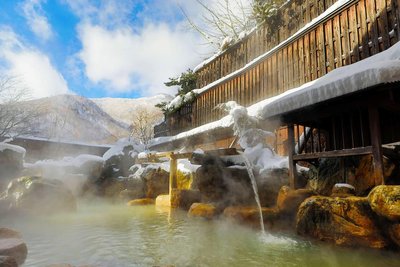
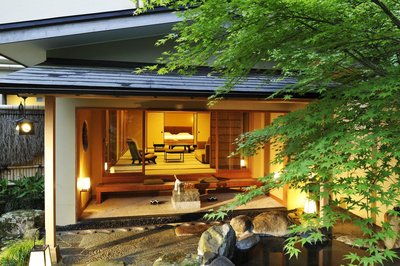
Chino Onsen Hotel is the premier choice for natural hot spring experiences near Nakano City. Nestled in the heart of the Chino Basin, this ryokan draws from pure natural thermal springs rich in sulfur, known for their skin-soothing properties. Its outdoor baths, especially the "Starlight Bath," offer panoramic views of the night sky—perfect for stargazing. Morning hikes along the Chino River Gorge reveal cascading waterfalls and autumn foliage. Some rooms even feature private gardens where guests enjoy Shinshu matcha at sunrise, blending nature, tradition, and tranquility.
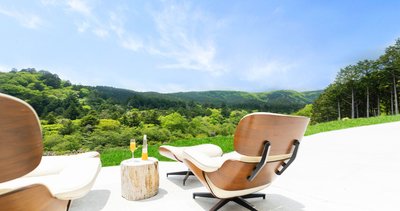
For couples seeking intimacy, Mori no Yado offers a secluded retreat in the Nakano Forest Reserve. With only eight rooms, each themed around a season—like "Spring Cherry Blossom" or "Autumn Maple"—the inn features original wood interiors and floor-to-ceiling windows overlooking valley vistas. The Double Star Suite includes a private terrace and a shared onsen bath, ideal for nighttime stargazing. The hotel also offers custom services such as candlelit dinners, haiku writing workshops, and a private cherry blossom tea ceremony (spring-only), creating unforgettable moments in a serene mountain setting.
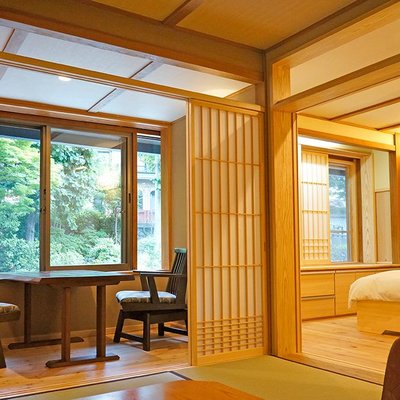
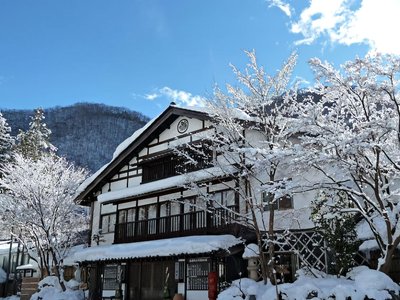
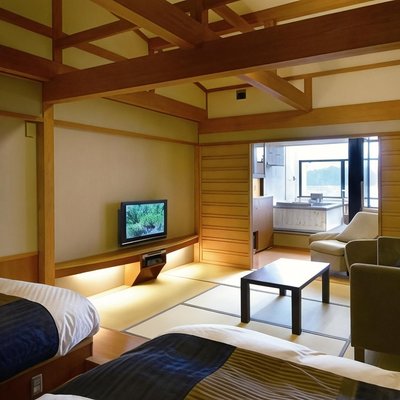
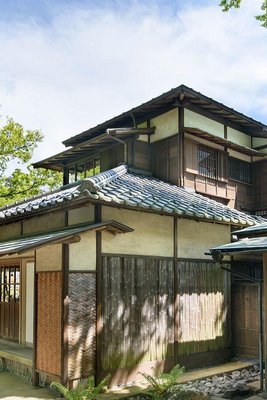
Chino Furusato Minka Yado is a must-stay for photography enthusiasts. Housed in a meticulously restored Meiji-era minka house, this inn retains authentic shoji screens, tatami mats, and wooden beams, creating striking interplay of light and shadow. Each room is styled with vintage props like old cameras, pocket watches, and handwritten diaries, perfect for storytelling shots. Early morning shoots along the Chino River capture misty scenes with fishermen, while the ancient stone path of Nakano Old Nakasendo Road offers timeless silhouettes. The inn also provides a film photography package including a Canon FD camera and film development service, turning your journey into tangible art.
Chino Onsen Hotel excels in culinary immersion. Its restaurant, Shinshu Junzai, serves seasonal dishes like Shinshu beef sukiyaki, mountain radish stew, and wild mushroom tempura. The highlight is the "Yakumo Dining Experience," a weekly dinner featuring hand-carved tofu sculptures and kaiseki plating demonstrations by the head chef. Guests can also book a homemade soba noodle workshop, where they learn to knead dough, roll, and cut noodles using traditional tools. Afterward, enjoy your creations with house-brewed sake, completing a full journey from field to table.
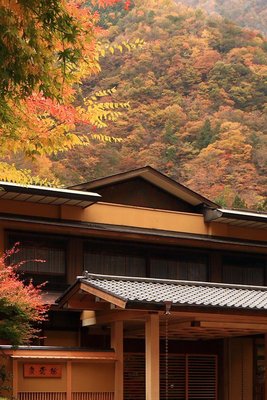
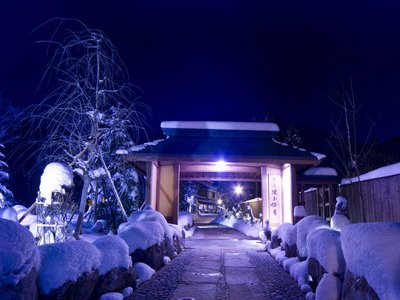
The optimal time to visit Nakano City is October–November, when the Akagawa Mountains blaze with vibrant red and orange maple leaves. Stay at Chino Onsen Hotel to enjoy the "Maple Falls Onsen View," where the hot spring overlooks a waterfall ablaze with autumn colors. For winter lovers, December–February offers snow-dusted landscapes; Mori no Yado becomes a fairy-tale retreat under fresh snow. Spring (March–May) brings cherry blossoms at Nakano Central Park, ideal for "Sakura Festival" visits. Summer (June–August) is perfect for hiking—the cool climate makes Old Nakasendo Trail highly accessible. Each season offers a distinct atmosphere, so choose based on your preferred scenery.
Yes—Nakano Castle Remains Inn offers a one-of-a-kind "Night in the Past" experience. Guests spend the night in a historically reconstructed feudal watchtower, complete with dim lantern lighting and period costumes. A guided tour reveals secrets of Takeda Shingen’s defense system, followed by a traditional tea ceremony performed by a descendant of a castle steward. The next morning, enjoy a samurai breakfast of grilled fish, rice, and pickled vegetables. It’s not just a stay—it’s a living history adventure.
Nakano City Citizens' Hall Hotel is ideally located just steps from Nakano City Hall, Central Park, and the Shinshu Craft Exhibition Hall. This modern, budget-friendly option offers easy access to the Nakano Night Market, local handcraft shops, and the Nakano River Walkway. For luxury seekers, Chino Onsen Hotel lies just 10 minutes from Nakano Castle Ruins and Chino River Gorge, combining comfort with proximity to natural and historical sites. Both hotels provide free shuttle services during festivals, ensuring seamless exploration of the city’s highlights.
Before HopeGoo, consider that Nakano City is rural and quiet, with limited nightlife and public transport outside peak hours. Most hotels are non-smoking and require advance reservations, especially during fall foliage season and winter holidays. Many guesthouses operate on a family-run basis, so expect personalized service but fewer amenities. Pack warm clothing—even in summer, nights can be chilly. Lastly, bring cash: many small restaurants and local shops don’t accept credit cards. HopeGoo through official tourism portals ensures access to free local maps and seasonal event guides.
Nakano Overview
City Summary
Nakano City in Nagano Prefecture, Japan, is a tranquil town surrounded by mountains, renowned for its natural beauty and traditional culture. It's an ideal destination for exploring rural Japan, with cherry blossoms in spring and colorful foliage in autumn attracting many visitors. The city is also famous for its hot springs and handicrafts, offering a perfect retreat to experience traditional Japanese culture.
Must-See Attractions
Must-see attractions in Nakano include the historic Nakano Jinya site, once an administrative center during the Edo period and now a museum showcasing local history. Additionally, the Yudanaka Shibu Onsen area offers various hot spring experiences for relaxation. Nature lovers can visit nearby Shiga Kogen for hiking and skiing.
Food Guide
Nakano's cuisine is influenced by mountain produce, with soba noodles being a standout for their unique texture and flavor. Other local specialties include Shinshu miso and Nozawana pickles. For street food, grilled river fish and mountain vegetable tempura are popular choices.
Transportation Guide
Public transportation in Nakano mainly consists of buses connecting major attractions and nearby towns. A one-day bus pass is recommended for cost savings. The JR railway provides access to Nagano City and Tokyo, with travel times of 1 to 2 hours. Renting a car is also convenient, with ample parking available.
Best Time to Visit
The best times to visit Nakano are spring (April to May) and autumn (September to November), when the weather is pleasant and scenery is at its best. Winter (December to February) is ideal for skiing enthusiasts but requires warm clothing.
Travel Tips
- Onsen etiquette: Wash thoroughly before entering hot springs.
- Keep quiet: Lower your voice in public places to respect local customs.
- Cash payments: Some small shops may not accept credit cards, so carry sufficient cash.
- Weather changes: Mountain weather is unpredictable; bring rain gear and warm clothing.
- Environmental awareness: Do not litter; keep the surroundings clean.
Useful Information
The official language in Nakano is Japanese, but some tourist spots offer English information. WiFi coverage is limited; consider purchasing a local SIM card or renting a portable WiFi device. Credit cards are accepted at large stores and hotels, but small businesses may only take cash. In emergencies, dial 110 for police or 119 for ambulance. Hospitals are mainly located downtown; travel insurance is recommended.