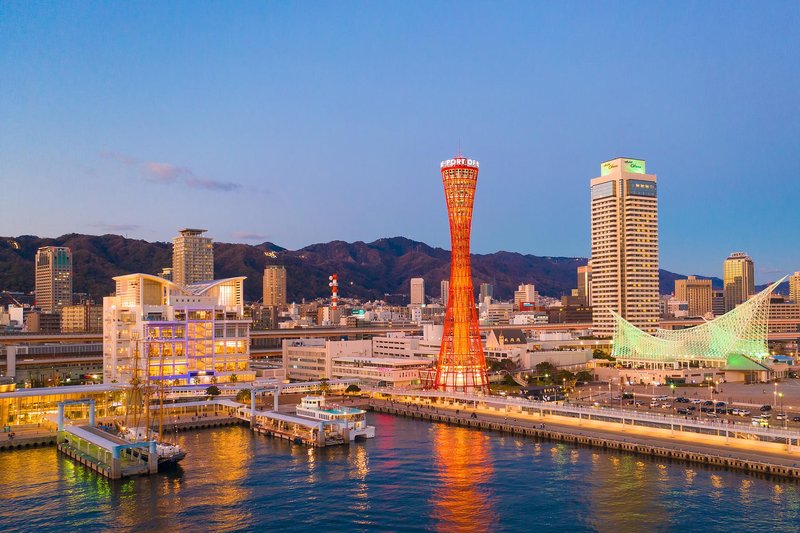
Hotels in Nakanojō
Discover your perfect stay in Nakanojō.
Nakanojō(Japan) Travel 2026: Cheap Flights, Hotels & Top Attractions
Popular Landmarks in Nakanojō
Discover the most iconic attractions in Nakanojō
Recommended Hotels in Nakanojō
Find the perfect place to stay in Nakanojō
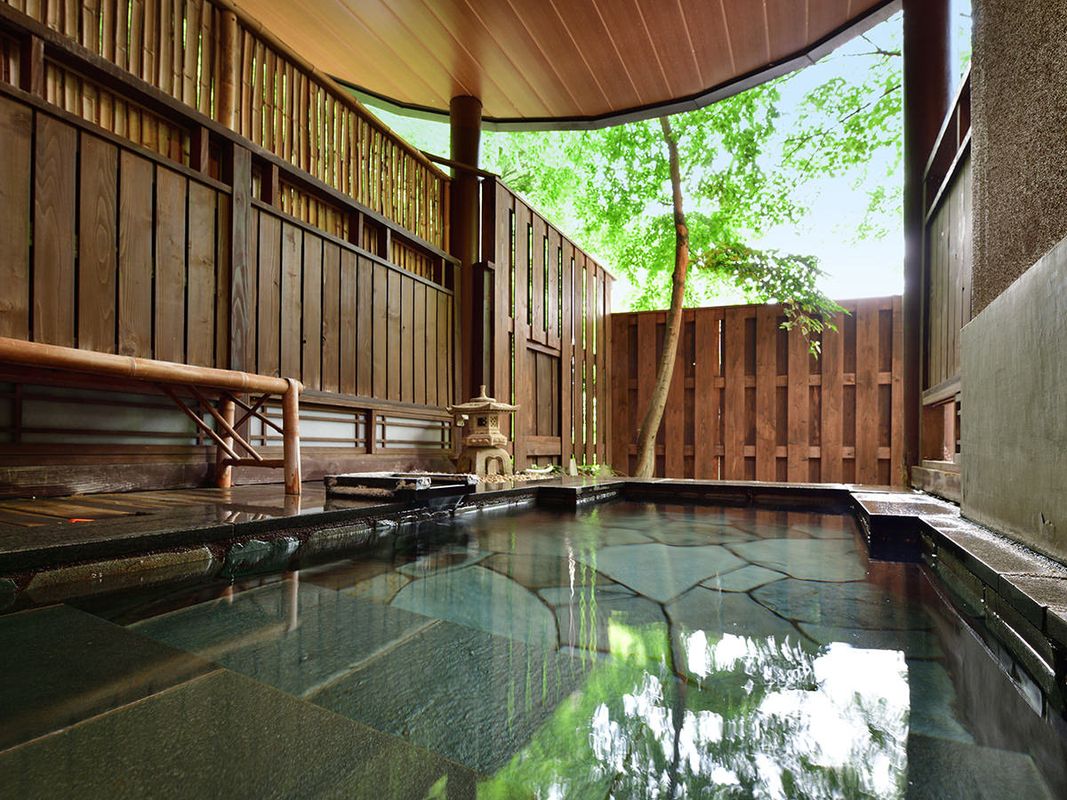
Shima Onsen Tsuruya
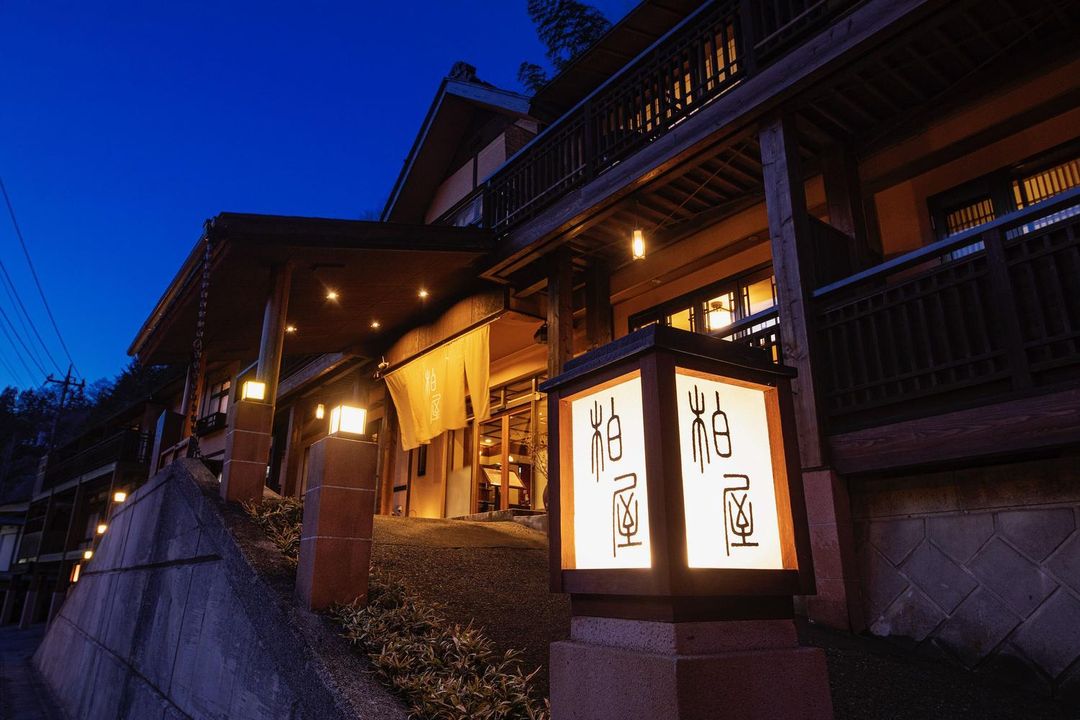
Shima Onsen Kashiwaya Ryokan
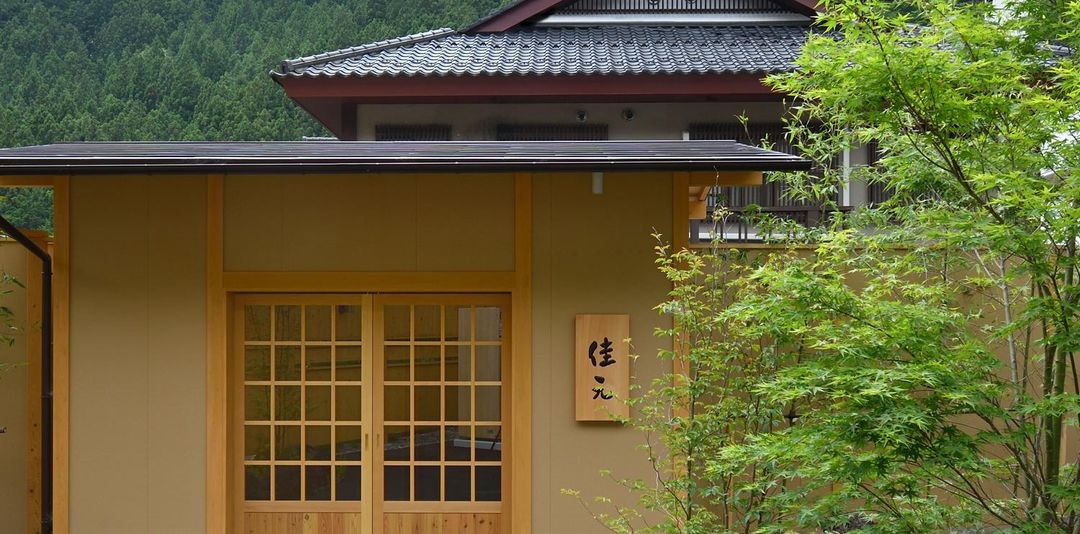
Shima Onsen YOSHIMOTO
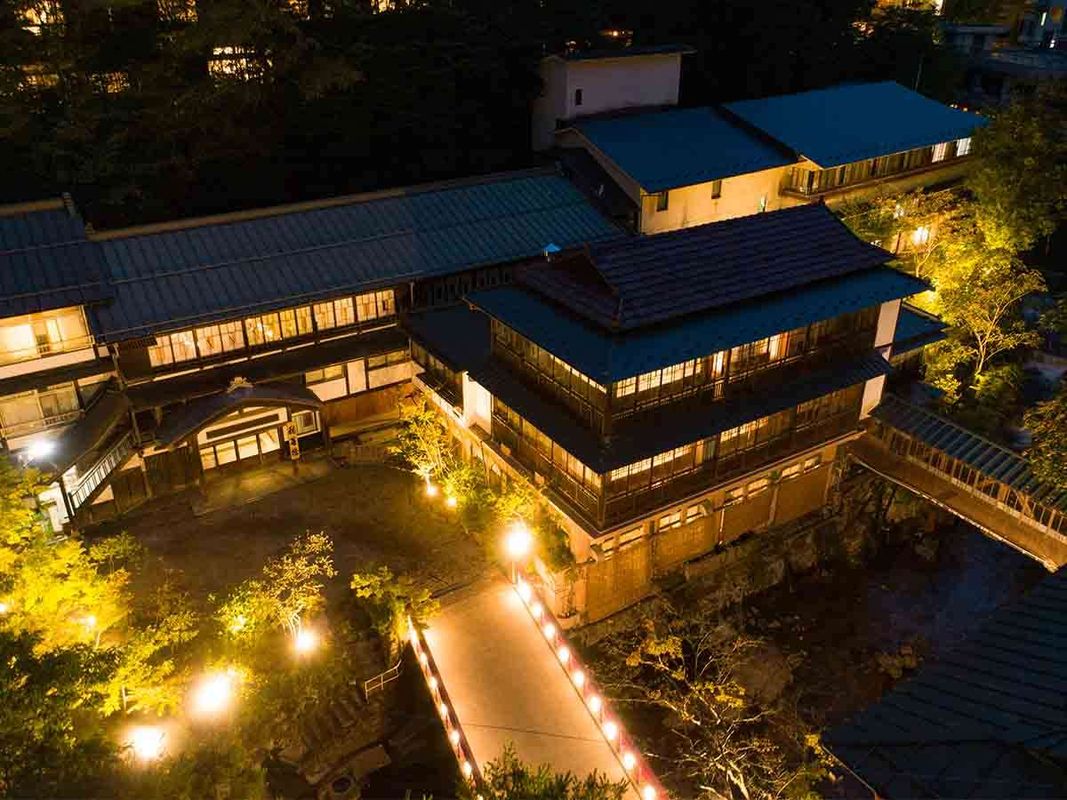
Sekizenkan
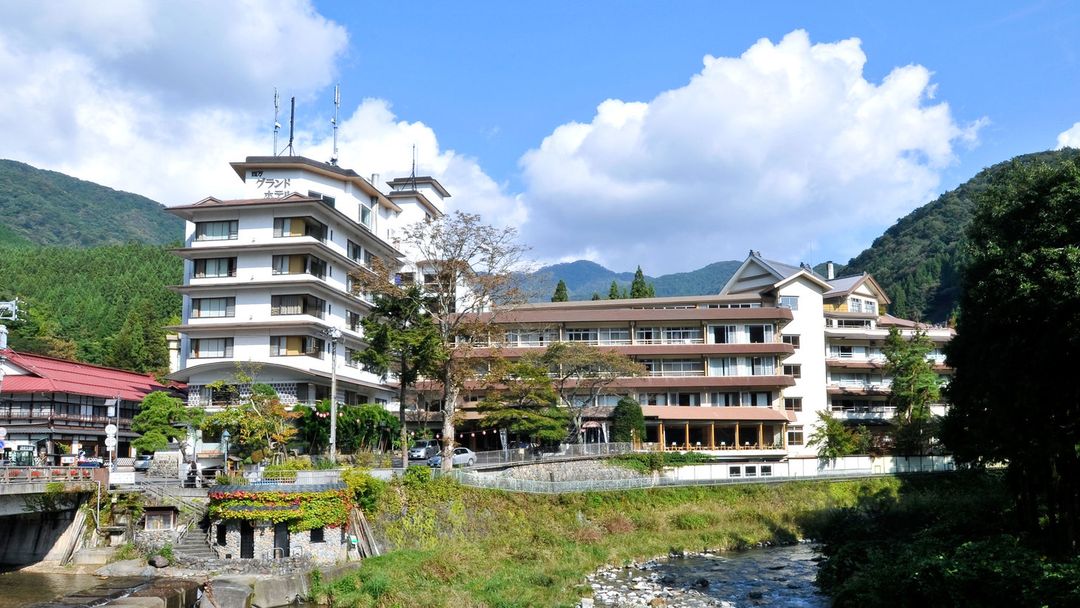
Shima Grand Hotel
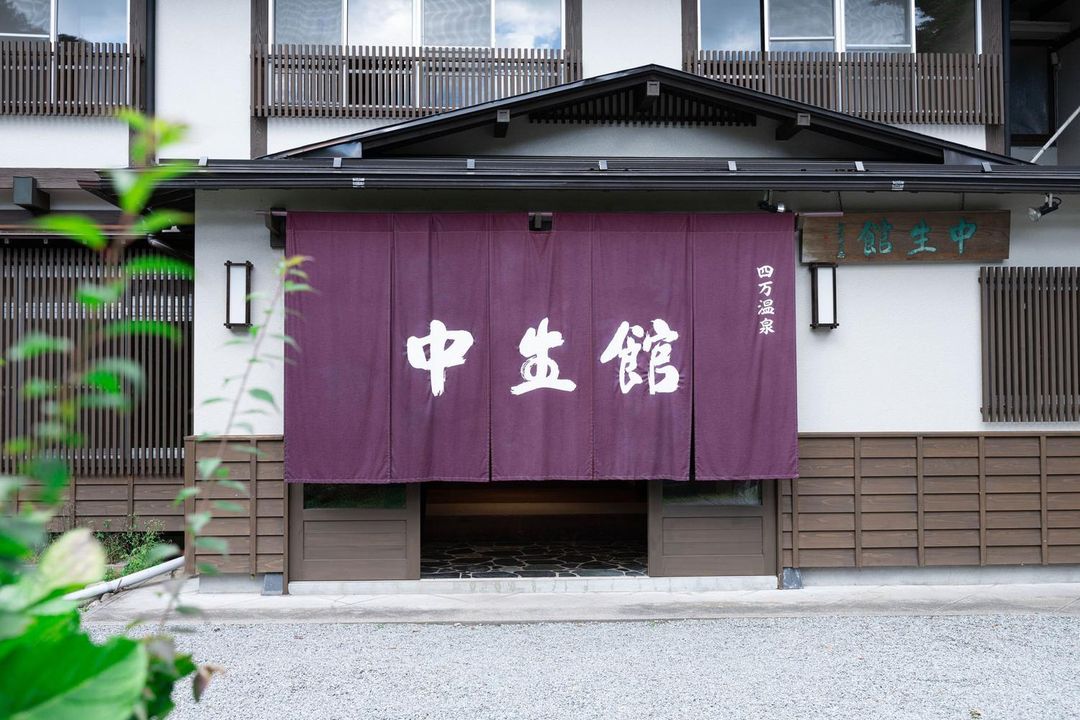
Shima Onsen Chuseikan
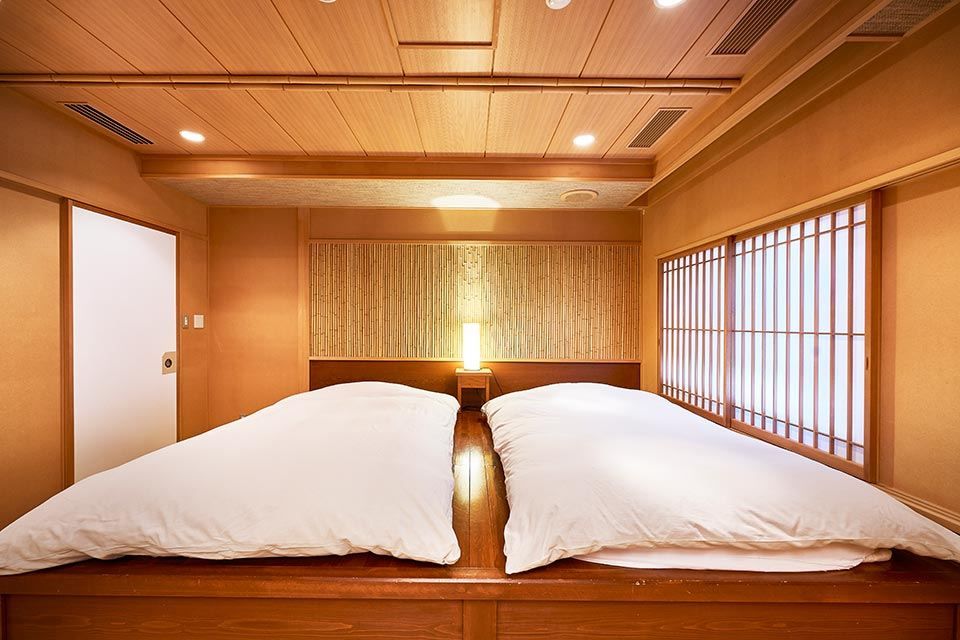
Shima-Onsen Toshimaya
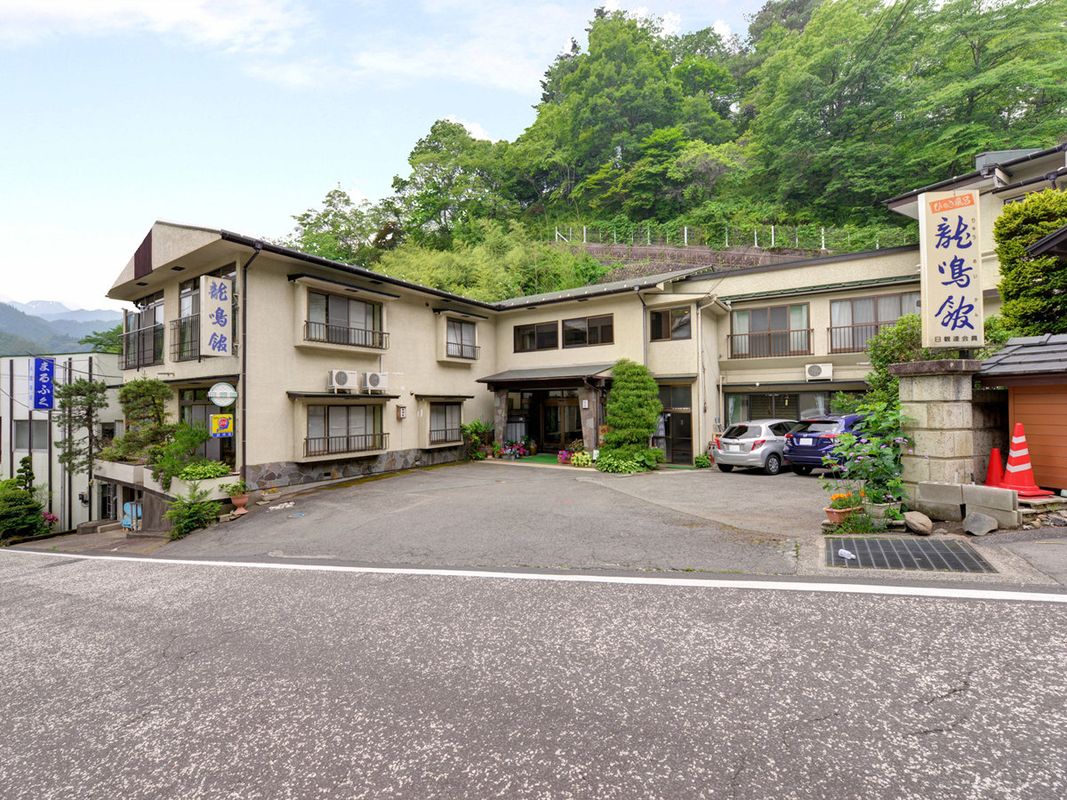
Ryumeikan
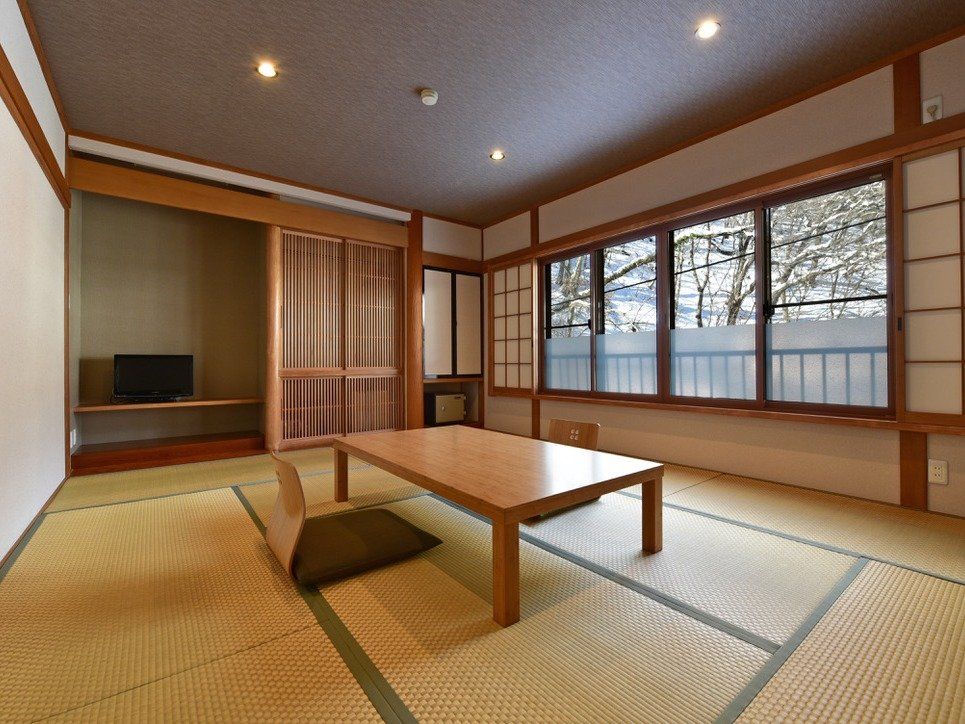
Hinatamikan
Best Hotels in Nakanojō
Discover curated hotel collections in Nakanojō
Myojinkan

The Address Akakura
Kayabukinosato Yakushionsen Hatago
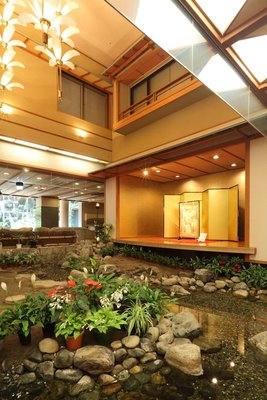
Hotel Futaba
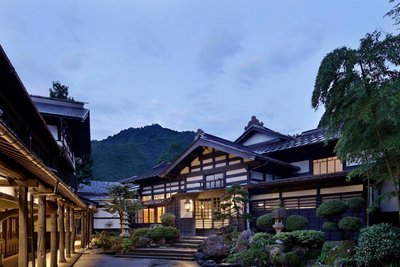
Ryugon

Tokinoniwa
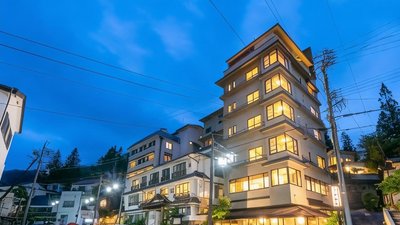
Nakamatsuya Ryokan
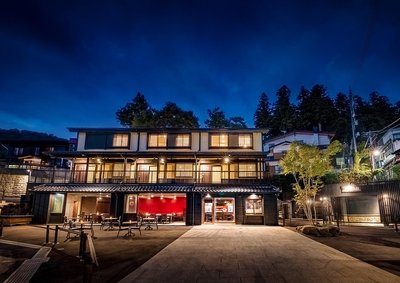
Ryokan Sakaya
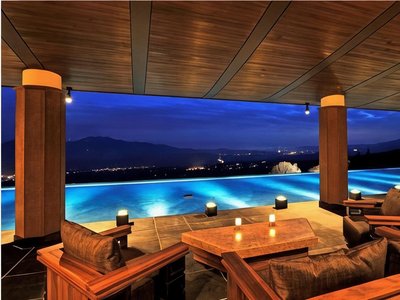
Akakura Kanko Hotel
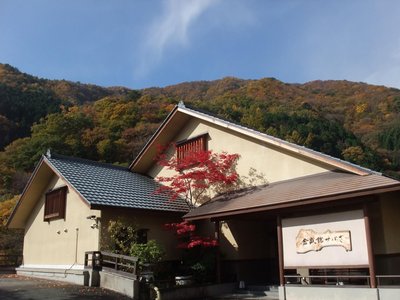
Kinseikan Seseragi
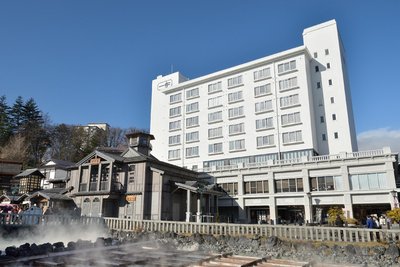
Kusatsu Onsen Hotel Ichii
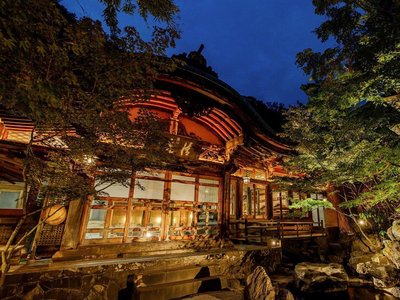
Yorozuya
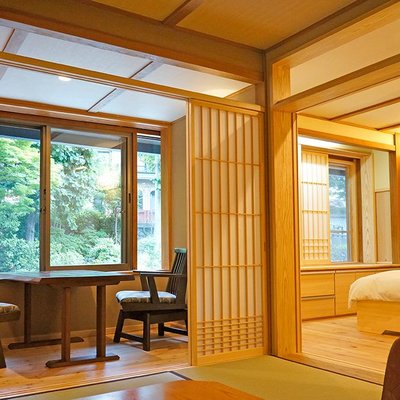
Sumiyosiya Ryokan
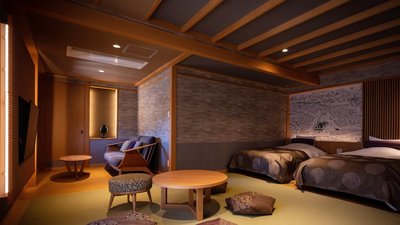
Naraya
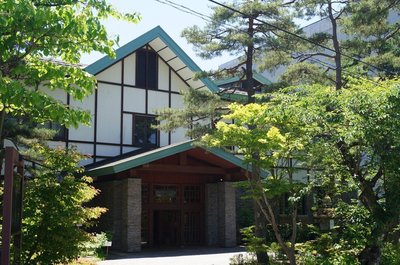
Senjukaku
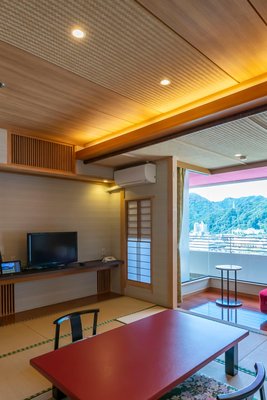
Kinugawa Grand Hotel Yume No Toki

Houshi Onsen Chojukan
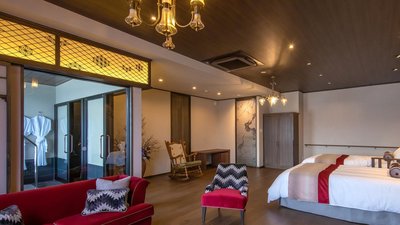
Kamisuwa Onsen Shinyu
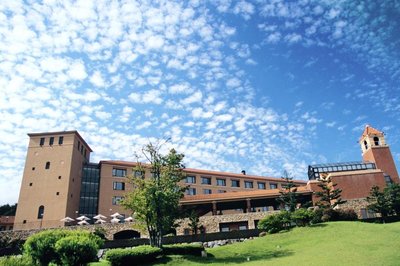
Fruit Park Fujiya Hotel
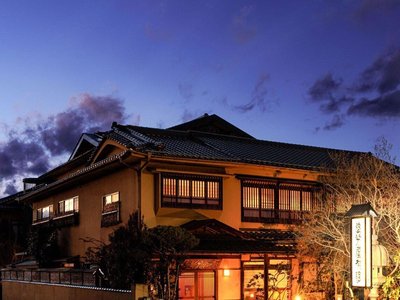
Oiwakeya Ryokan
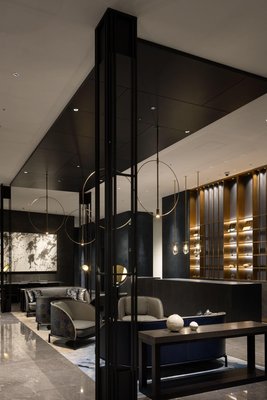
Bellustar Tokyo, A Pan Pacific Hotel
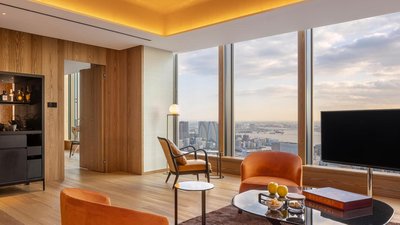
Bvlgari Hotel Tokyo
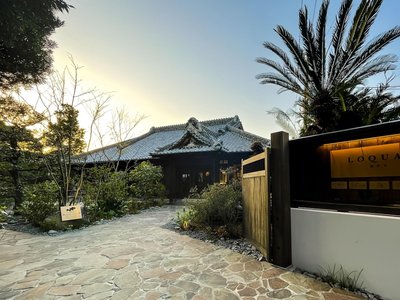
Loquat Nishiizu
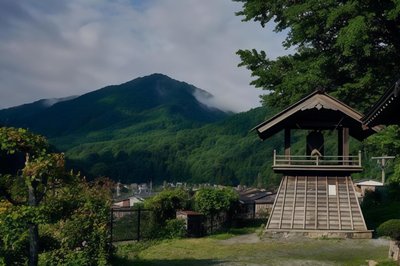
Byaku Narai
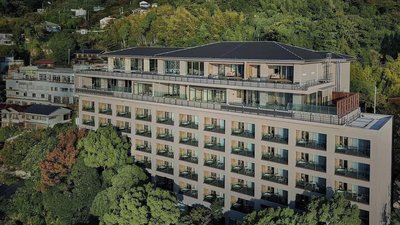
Atami Izusan Karaku
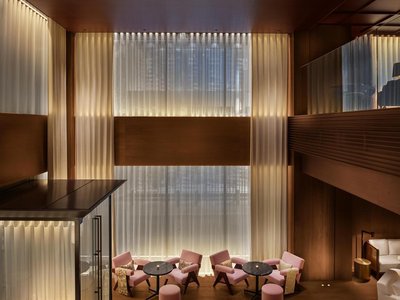
The Tokyo Edition, Ginza
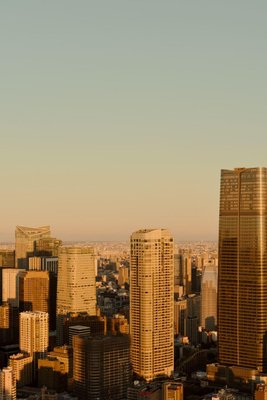
Janu Tokyo
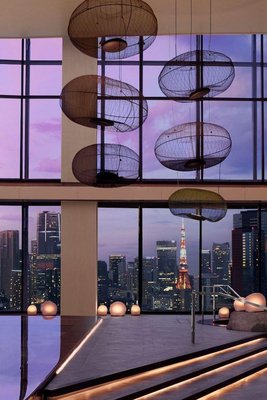
JW Marriott Hotel Tokyo
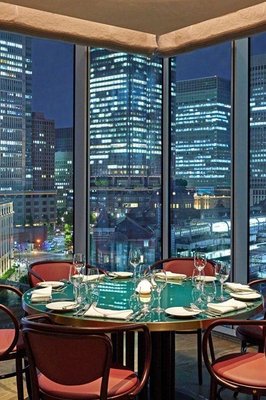
Four Seasons Hotel Tokyo at Marunouchi

Mandarin Oriental, Tokyo
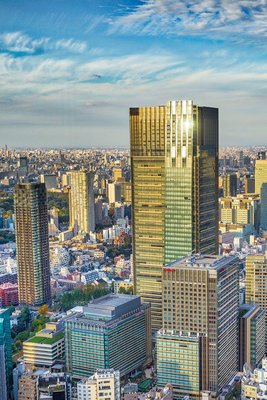
The Ritz-Carlton, Tokyo
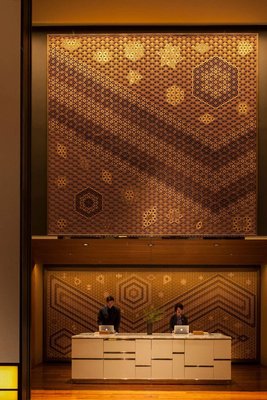
Andaz Tokyo Toranomon Hills- A Concept by Hyatt
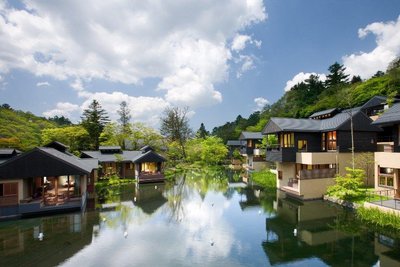
Hoshinoya Karuizawa
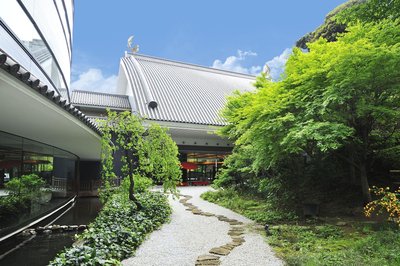
Hotel Gajoen Tokyo
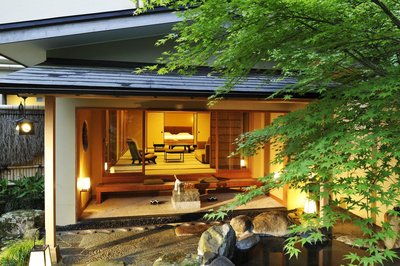
Gora Kadan
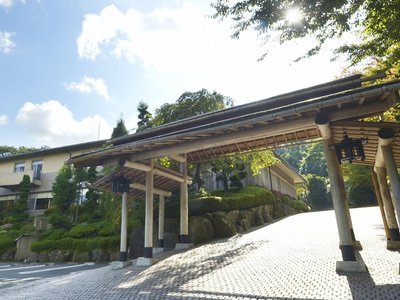
Gora Hanaougi
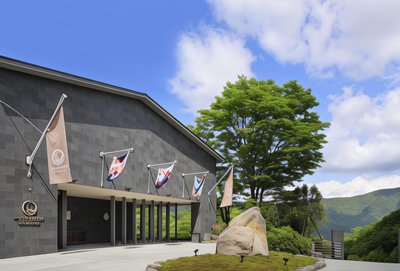
The Hiramatsu Hotels & Resorts Sengokuhara Hakone
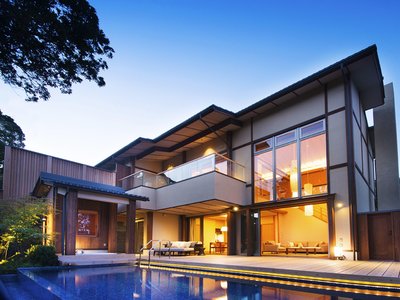
Abba Resorts Izu - Zagyosoh
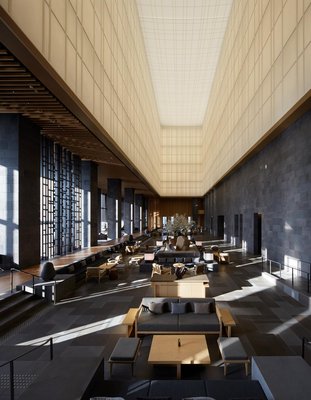
Aman Tokyo
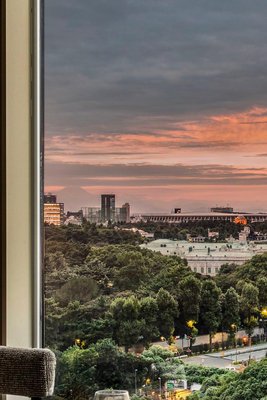
Hotel New Otani Tokyo, Executive House Zen
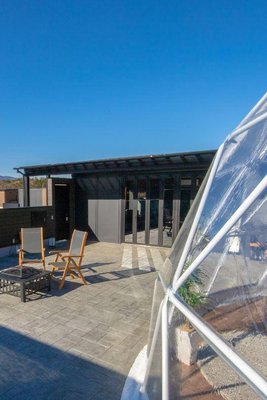
Panoramic Mt. Fuji Views from All Rooms – Vision Glamping Resort & Spa Yamanakako
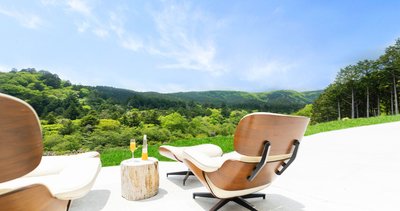
Shelter Garden Nikko
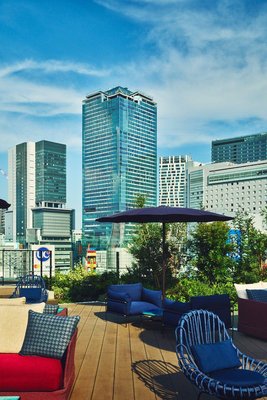
Hotel Indigo Tokyo Shibuya
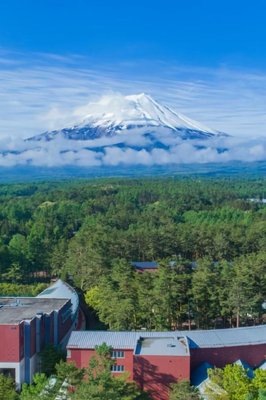
Forest Village (Fuji Premium Resort)
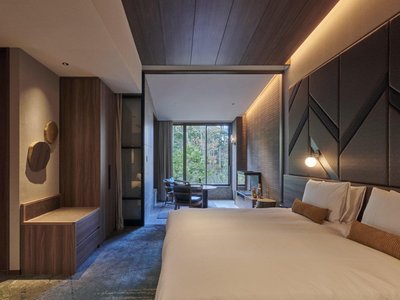
Fufu Kyu-Karuizawa Restful Forest
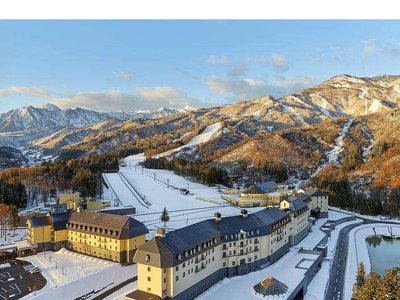
Lotte Arai Resort
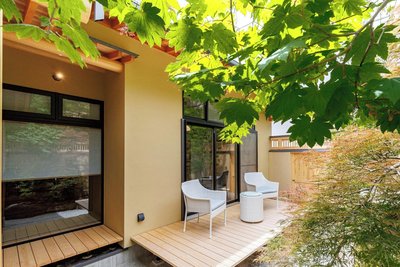
Shoraiso
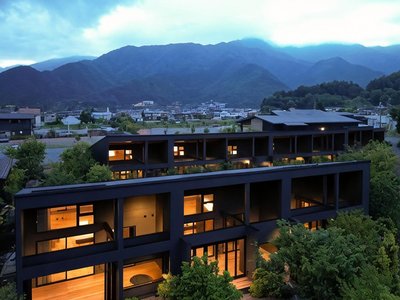
7C Villa and Winery

Hotel la Vigne Hakuba by Onko Chishin
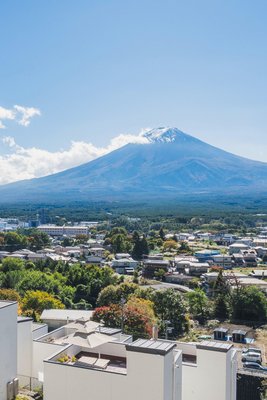
THE TOKI FujiKawaguchiko
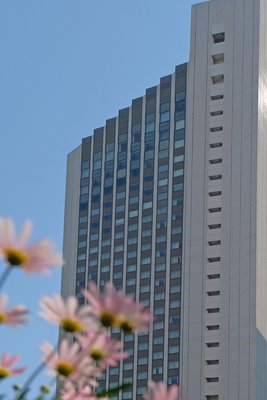
ANA InterContinental Tokyo
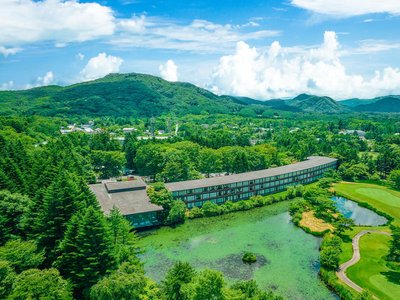
The Prince Karuizawa
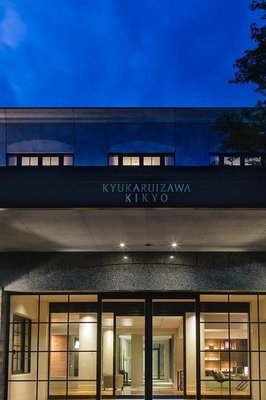
Kyukaruizawa Kikyo, Curio Collection by Hilton
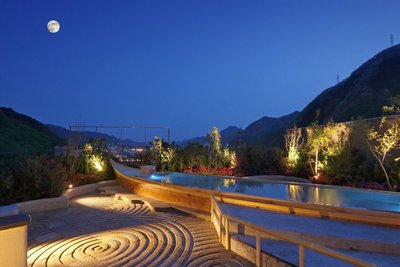
Asaya
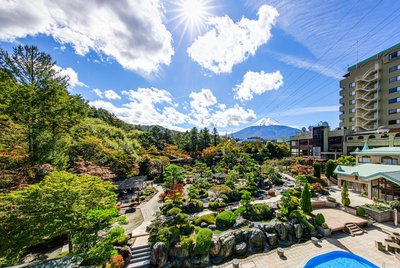
Kaneyamaen
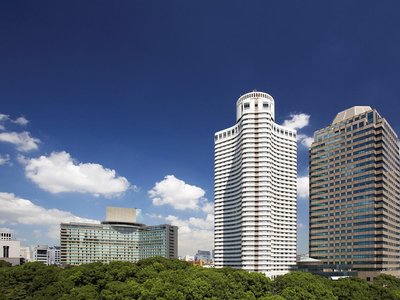
Hotel New Otani Tokyo Garden Tower
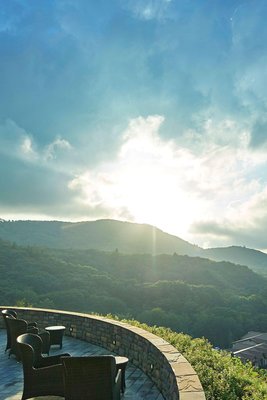
Le Grand Karuizawa Hotel & Resort
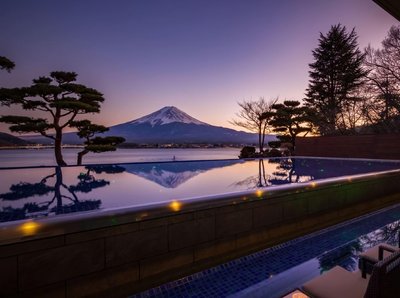
Shuhokaku Kogetsu

Hotel New Otani Tokyo the Main
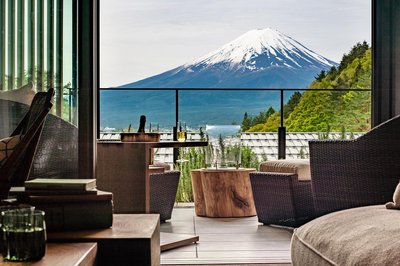
FUFU Kawaguchiko
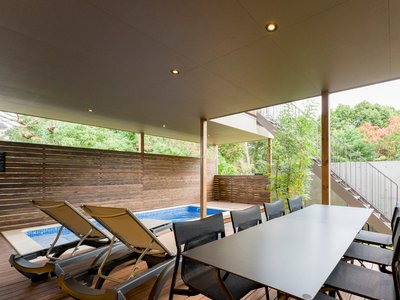
Rakuten STAY VILLA Kamogawa
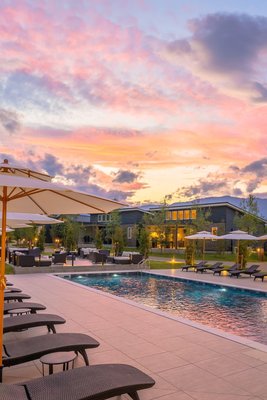
Awaumi Fujikawaguchiko Resort
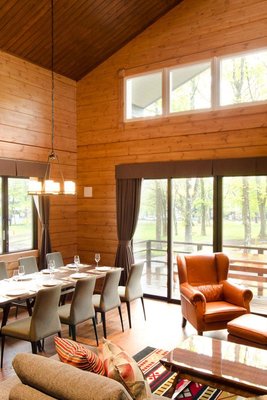
The Prince Villa Karuizawa
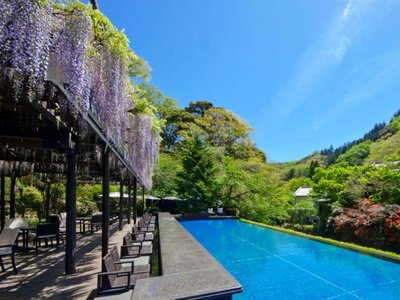
Tofuya Resort & Spa Izu
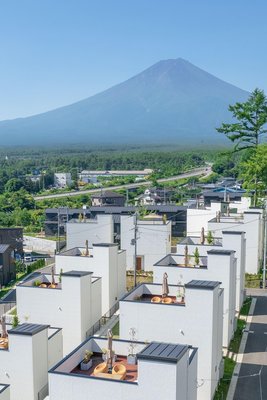
Fuji Granvilla -TOKI-
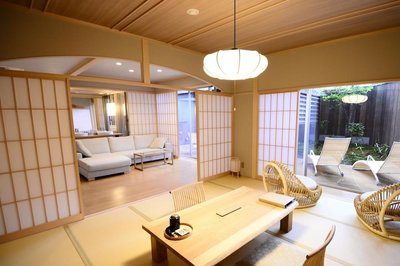
Hakone Gora Byakudan
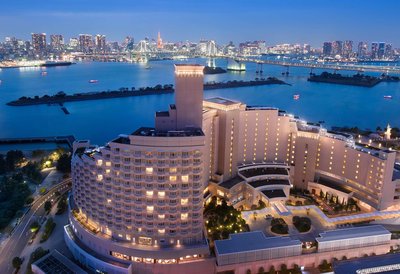
Hilton Tokyo Odaiba
JW Marriott Hotel Tokyo
The Prince Karuizawa

The Kukuna
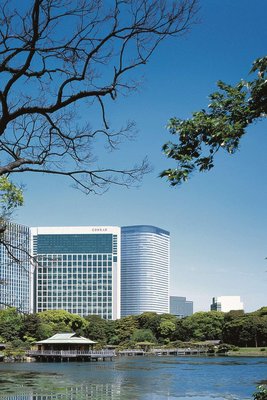
Conrad Tokyo
Hoshinoya Karuizawa
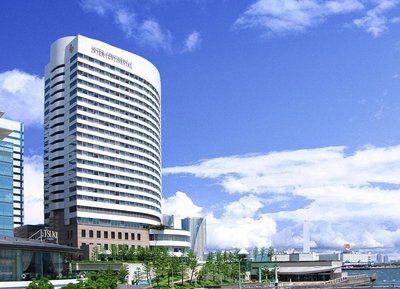
InterContinental Tokyo Bay
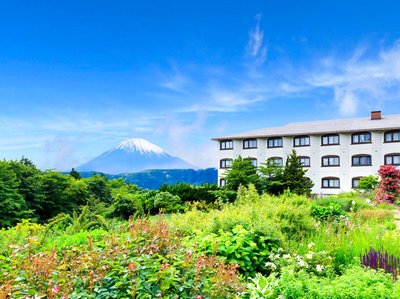
Hotel Green Plaza Hakone
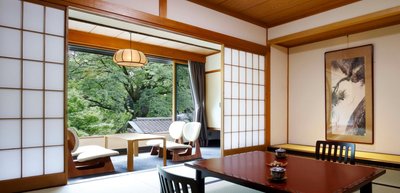
Yoshiike Ryokan
Akakura Kanko Hotel
Asaya
Kaneyamaen
Shuhokaku Kogetsu
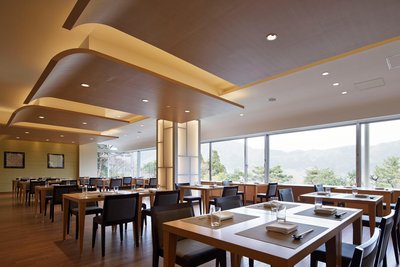
Laforet Hakone Gora Yunosumika
Fruit Park Fujiya Hotel

Hotel Indigo Hakone Gora
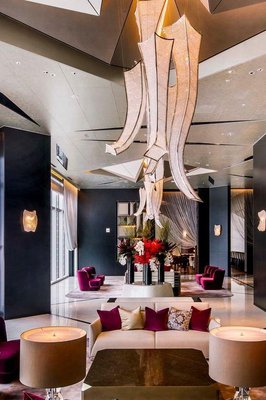
The Kahala Hotel & Resort Yokohama
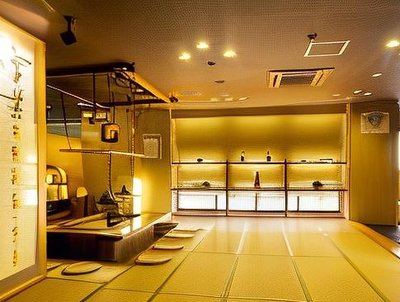
Yukimurasaki

La Vista Fujikawaguchiko
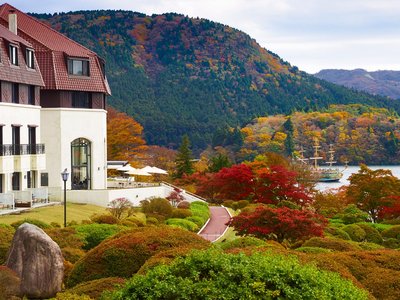
Hotakajyo

Onyado Nono Asakusa Bettei Hot Spring
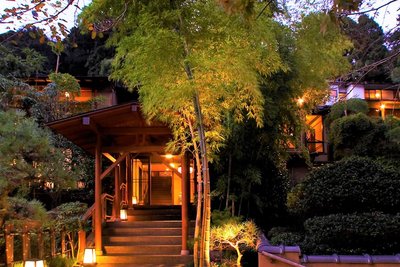
Shiki wo Ajiwau Yado Yamano Chaya
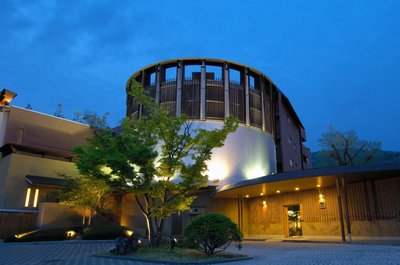
Hoshino Resorts Kai Matsumoto
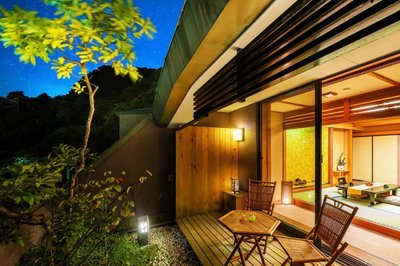
Konjakutei
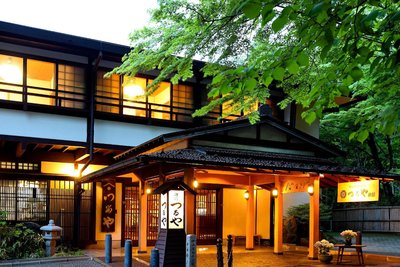
Tsuruya Ryokan
Nakamatsuya Ryokan
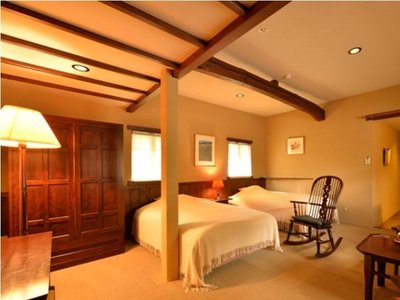
Ryokan Sugimoto
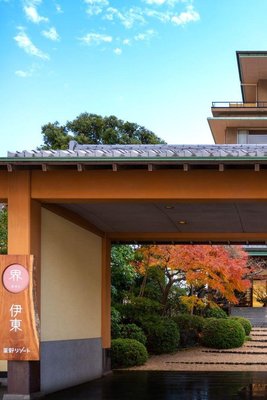
Hoshino Resorts Kai Ito
Yoshiike Ryokan
Hotel Gajoen Tokyo
Gora Hanaougi
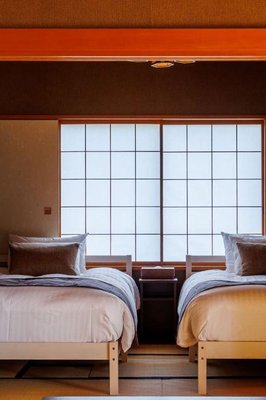
Sado Resort Hotel Azuma
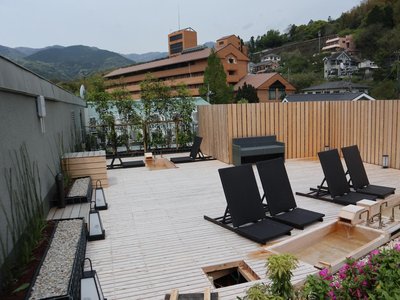
Fukiya Ryokan
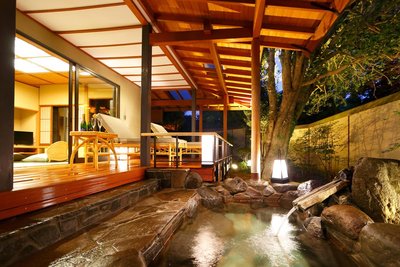
Yoshiharu Ryokan – Izu Nagaoka Onsen
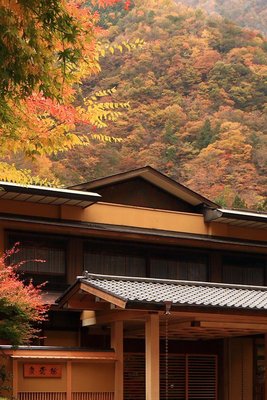
Nishiyama Onsen Keiunkan
Sumiyosiya Ryokan
Naraya
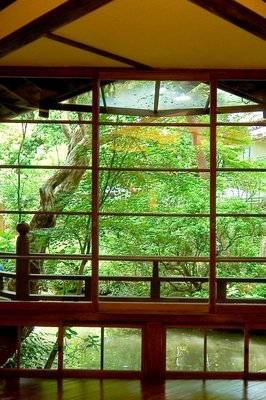
Yukairo Kikuya
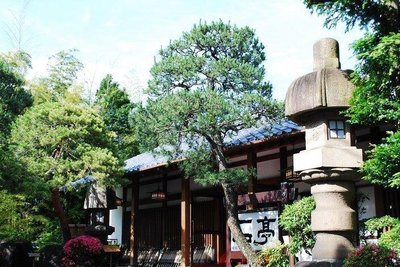
Atami Sekitei
The Address Akakura
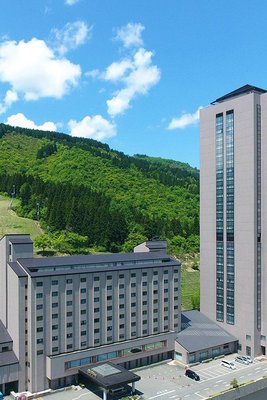
Naspa New Otani
The Prince Karuizawa
Hotel Futaba
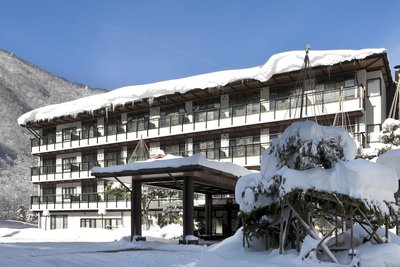
Okada Ryokan Warakutei
Ryokan Sakaya
Kyukaruizawa Kikyo, Curio Collection by Hilton
Akakura Kanko Hotel
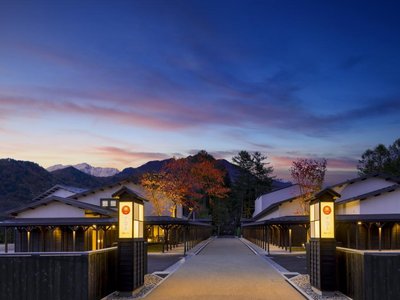
Hoshino Resorts KAI Alps
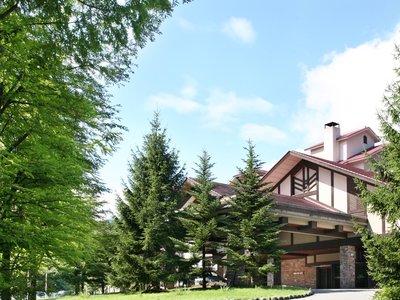
Hakuba Tokyu Hotel
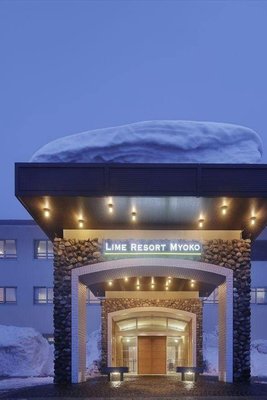
Lime Resort Myoko
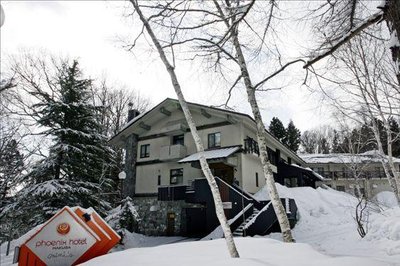
Phoenix Hotel by Hhg

Four Seasons Yuzawa Quattro
Courtyard by Marriott Hakuba
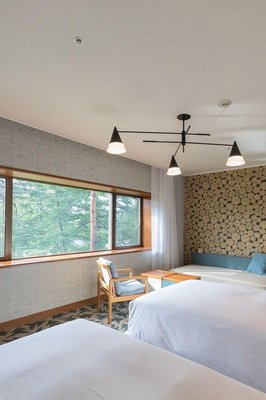
Karuizawa Prince Hotel East
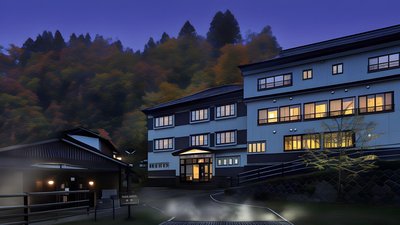
Zao Onsen Omiya Ryokan
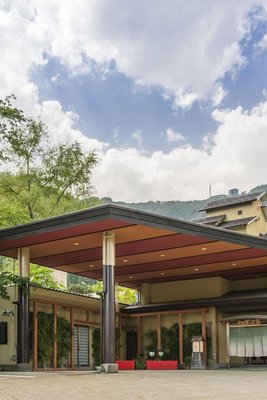
Shosenkaku Kagetsu
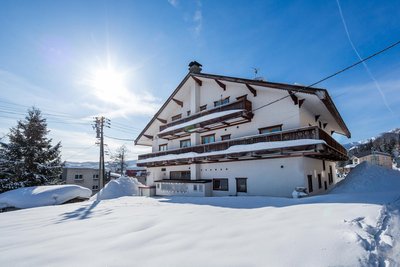
Marillen Hotel by Hhg
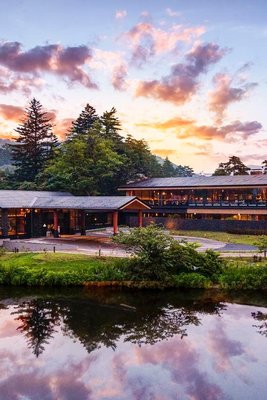
Karuizawa Prince Hotel West
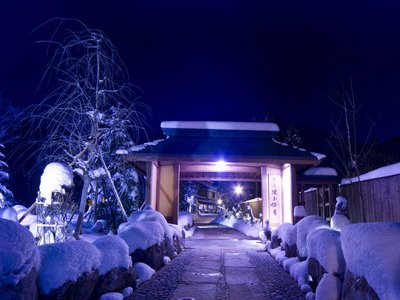
Miyama Ouan
Bvlgari Hotel Tokyo
Four Seasons Hotel Tokyo at Marunouchi
Mandarin Oriental, Tokyo
The Ritz-Carlton, Tokyo
Andaz Tokyo Toranomon Hills- A Concept by Hyatt
Gora Kadan
Hotel New Otani Tokyo the Main
Aman Tokyo
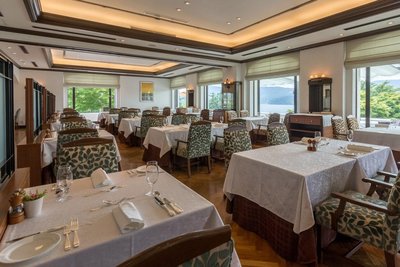
Odakyu Hotel de Yama
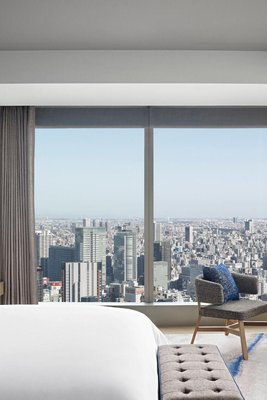
Four Seasons Hotel Tokyo at Otemachi
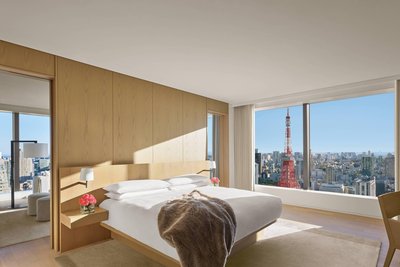
The Tokyo Edition, Toranomon

Hyatt Centric Kanazawa
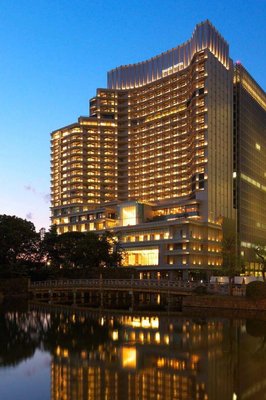
Palace Hotel Tokyo
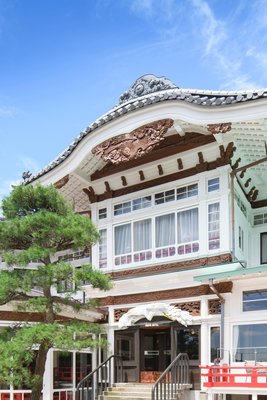
Fujiya Hotel
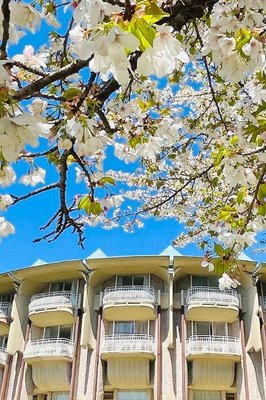
The Prince Hakone Lake Ashinoko
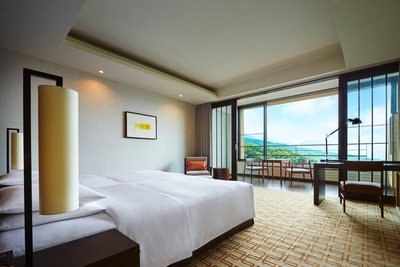
Hyatt Regency Hakone Resort and Spa
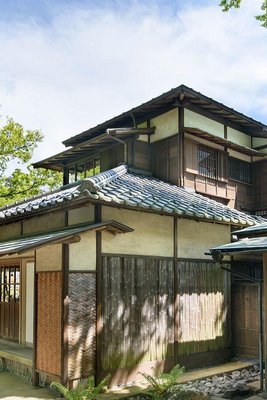
Hakone Suishoen
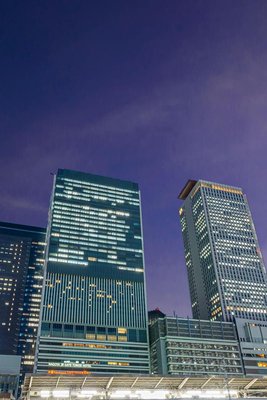
Nagoya JR Gate Tower Hotel (JR-Central Hotels)
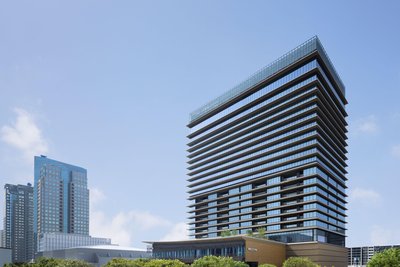
The Westin Yokohama
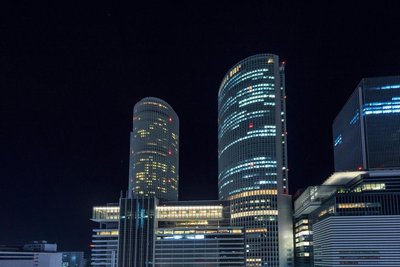
Nagoya Marriott Associa Hotel
Bellustar Tokyo, A Pan Pacific Hotel
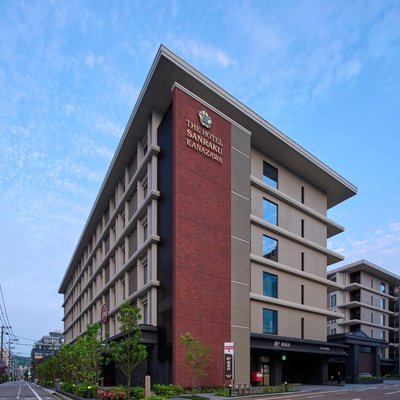
The Hotel Sanraku Kanazawa 21th December 2022 Open
JW Marriott Hotel Tokyo
Andaz Tokyo Toranomon Hills- A Concept by Hyatt
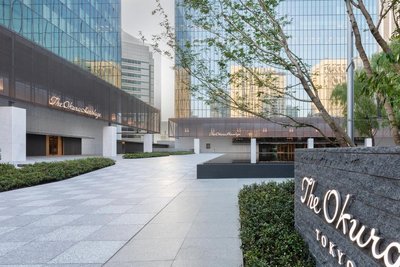
The Okura Tokyo

The Lively Azabujuban Tokyo
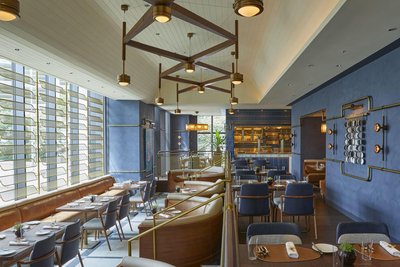
Kimpton Shinjuku Tokyo

HOTEL K5
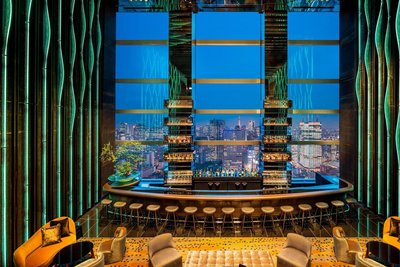
The Prince Gallery Tokyo Kioicho, a Luxury Collection Hotel
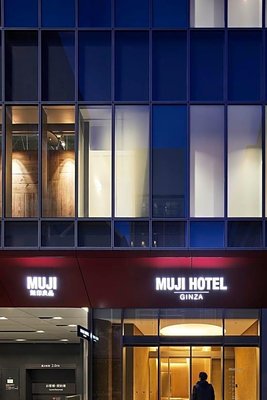
Muji Hotel Ginza
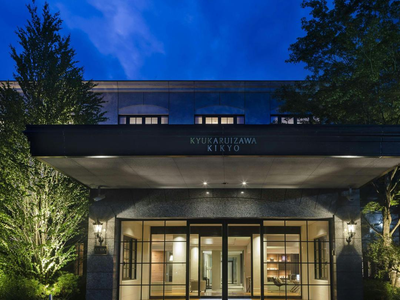
Fufu Karuizawa Wind of Sunshine
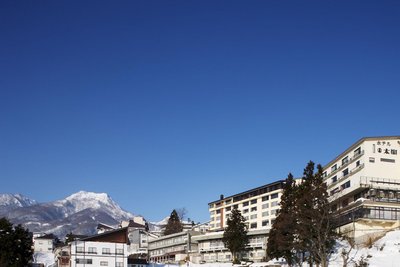
Hotel Taiko, Akakura Onsen
Naspa New Otani
Hotel Futaba
Ryugon
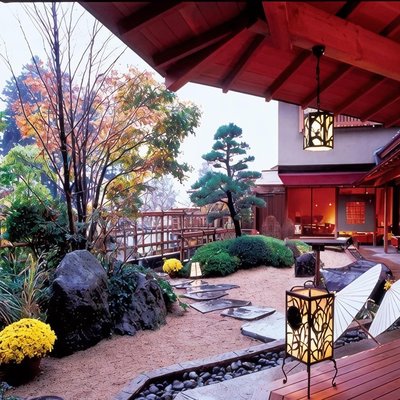
Oyado Tamaki
Tokinoniwa
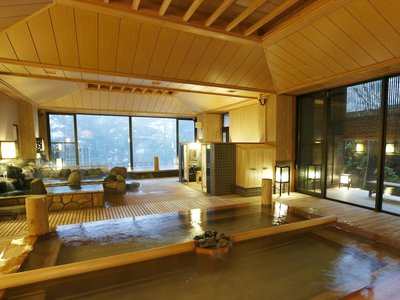
Konoha
Nakamatsuya Ryokan
Akakura Kanko Hotel
Kinseikan Seseragi
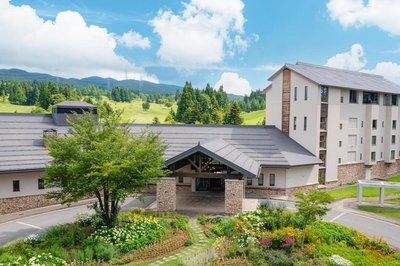
Atema Kogen Resort Belnatio
Kusatsu Onsen Hotel Ichii
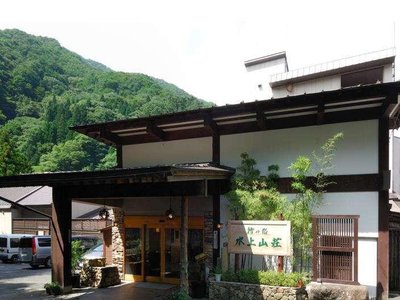
Minakamisansou
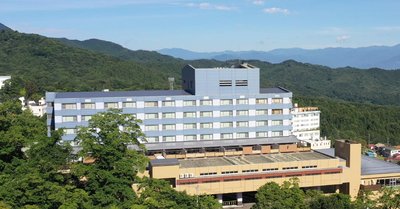
Hotel Kogure
Yorozuya
Naraya
Senjukaku
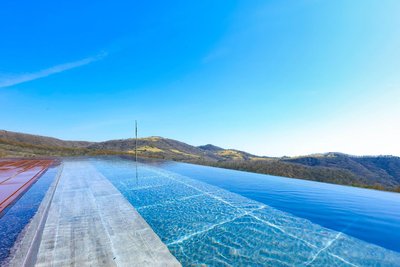
TAOYA Nikko Kirifuri
Houshi Onsen Chojukan

Rakuten STAY VILLA Nasu
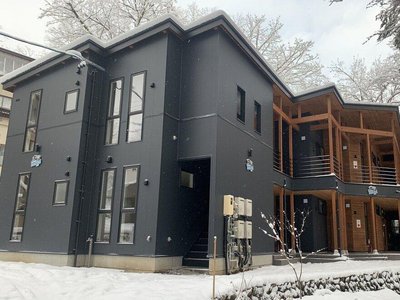
Hakuba Gondola Apartments
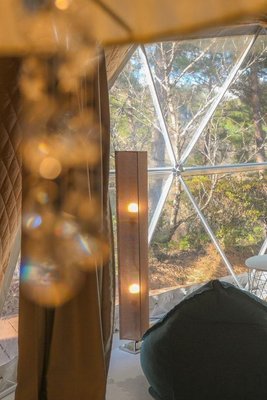
glampark Gekkabijin Nagano
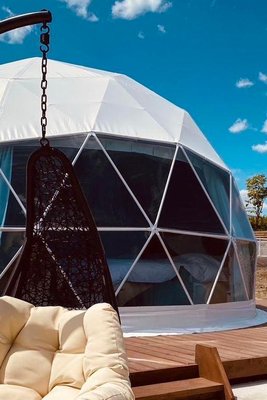
chillout glamping zao
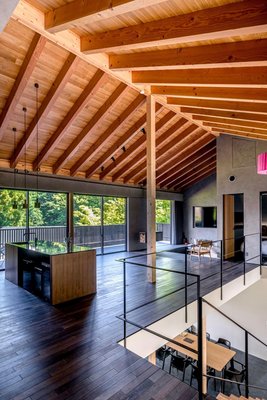
MONS GORA
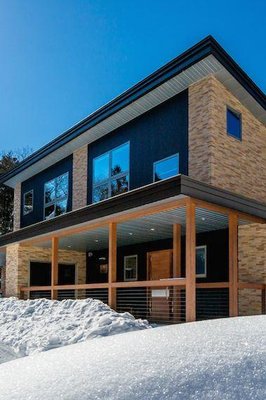
Phoenix Chalets by Hhg
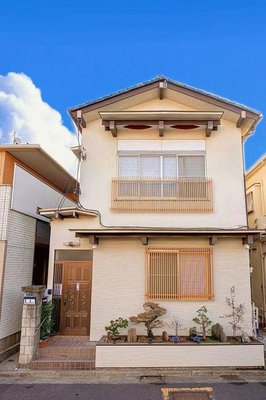
Tokyo Star House-Shinkoiwa
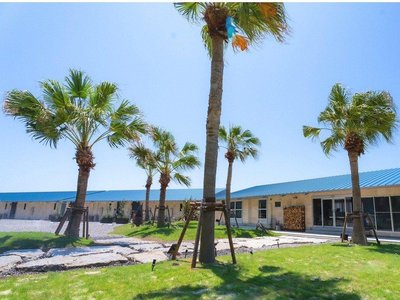
Glamping&Resort Wood Design Park Noma
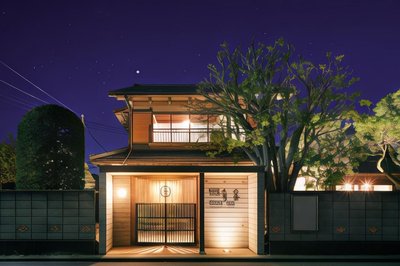
Machi-Jyu
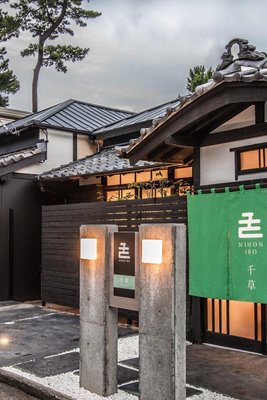
Nihon Iro
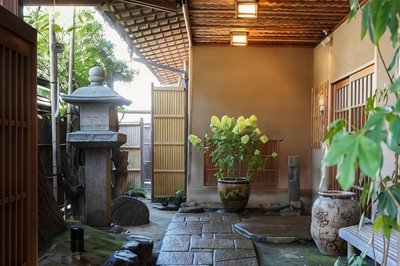
Ryokan Asadaya
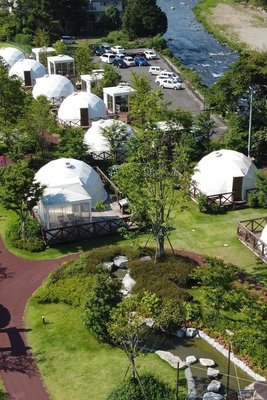
Ufufu Village
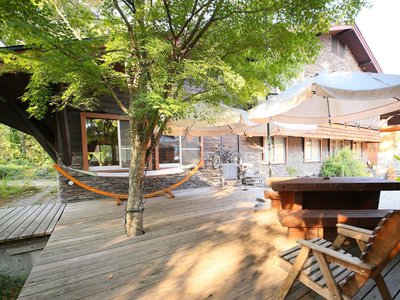
Kunugi Relaxation with 4 Modern Rooms
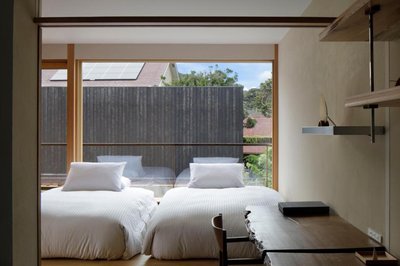
Modern Ryokan Kishi-ke

Petals Tokyo - Floating Hotel
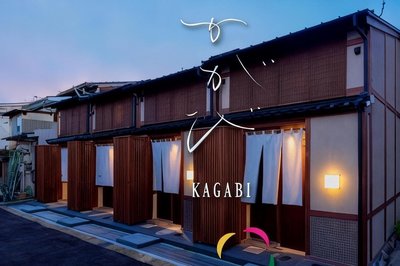
Kagabi Machiya House
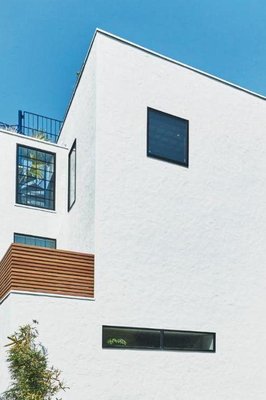
The Flow Kamakura
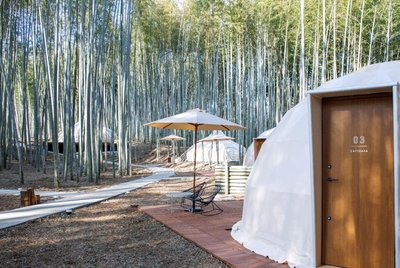
THE BAMBOO FOREST
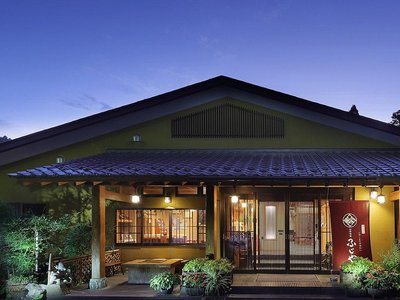
Shikimitei Fujiya
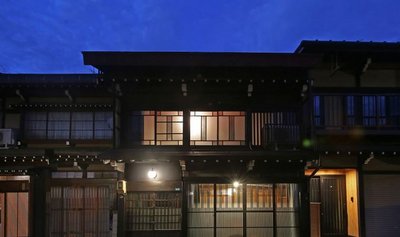
Iori Stay Hida
Frequently Asked Questions about Traveling to Nakanojō
Questions You Might Need to Know About Traveling to Nakanojō
In Nakasujō Town, the top choice for onsen access is Chunokyo Onsen Yukan, a traditional Japanese ryokan nestled beside Nakasujō Lake and just minutes from Kusatsu Onsen. This boutique inn features tatami rooms, private outdoor baths, and views of snow-capped Mount Akagi in winter. The hotel offers seasonal kaiseki meals using locally sourced mountain vegetables and organic soy sauce.
Another excellent option is Kōgen Koyu Minka, a restored Edo-period farmhouse that blends rustic architecture with modern comfort. It provides family-friendly accommodations and direct access to ski rental services at Mount Akagi Ski Resort. Both properties emphasize "harmony with nature" and offer wellness packages including therapeutic baths and forest therapy walks, making them ideal for travelers seeking tranquility and authenticity in Gunma Prefecture's heartland.
The best area for scenic views and relaxation in Nakasujō Town is the Nakasujō Lakefront District, where serene lakeside lodges like Lakeview Villa Hidamari and Chunokyo Onsen Yukan offer panoramic vistas of the water and surrounding mountains. This zone enjoys peaceful ambiance, minimal light pollution, and easy access to hiking trails in Mount Akagi Nature Park.
During winter, the lake transforms into a luminous wonderland during the Snow Lantern Festival, when paper lanterns glow along the shore. Many guesthouses provide private onsen baths and morning meditation decks overlooking the misty waters. With proximity to Tokyo (under 2 hours by car) and abundant natural quietude, this region is perfect for those seeking restorative escapes without sacrificing convenience or beauty.
Visitors to Nakasujō Town can immerse themselves in authentic local culture through several unique experiences. The annual Kusatsu Onsen Festival (held in August) features vibrant processions with paper lanterns, taiko drums, and traditional costumes, reflecting deep-rooted Kanto folk traditions.
Another highlight is snow-walking tours through the ancient paths near Mount Akagi, offering a meditative journey through snowy forests. At the Nakasujō Folk Museum, guests can craft bamboo baskets or try handmade washi paper production under expert guidance.
For deeper connection, participate in the Farm-to-Table Experience, where locals serve homemade dishes featuring mountain-grown vegetables and unpasteurized soy sauce paired with rice wine. These activities reflect the town’s philosophy of living in balance with nature, providing meaningful, hands-on encounters with rural life.
Yes, Nakasujō Town is highly suitable for family travel. The town offers safe, nature-rich environments ideal for children. Key attractions include Mount Akagi Nature Park, which features child-friendly walking trails, forest classrooms, and wildlife observation points.
Family-friendly accommodations like Kōgen Koyu Minka provide playrooms, kid-sized onsen pools, and guided nature scavenger hunts. The Nakasujō Children’s Museum uses interactive exhibits to teach local history and agriculture—children can operate old farming tools or simulate mining.
Winter brings fun activities like sledding and snowman-building contests. With low population density, clean air, and strong community spirit, Nakasujō delivers a calm, enriching experience perfect for creating lasting family memories—ideal for weekend getaways from Tokyo.
The hot springs in Nakasujō Town are renowned for their high-quality strongly acidic sulfur-rich waters, part of the famed Kusatsu Onsen, one of Japan’s three great hot springs. Known for their skin-healing properties, these waters flow at stable temperatures around 45°C year-round.
Guests can experience the traditional Yukata Ceremony, where a "onsen guardian" guides bathers through ritual purification. Many ryokans, such as Chunokyo Onsen Yukan, offer full wellness packages including therapeutic soaks, herbal compresses, and massage treatments.
Public baths in the Kusatsu Onsen Street feature open-air baths with stunning views of rivers and mountains. The combination of natural healing power, cultural tradition, and scenic beauty makes Nakasujō’s onsens a must-visit destination for health-conscious and culturally curious travelers.
Hidden gems in Nakasujō Town include Senbon Matsubara, a tranquil pine grove trail leading to an ancient shrine, with lush greenery in summer and snow-draped trees in winter—perfect for photography. Another secret spot is the Ice Crystal Tunnel at Nakasujō Lake, where frozen ice creates a glowing blue passage illuminated by LED lights during winter.
The abandoned Old Nakasujō Railway Line has been repurposed into a peaceful walking path lined with century-old trees and wildflowers, occasionally visited by deer. For a unique experience, visit Tea Garden Hut, a family-run tea house offering free tasting sessions and hands-on lessons in matcha grinding—only known to locals.
These off-the-beaten-path locations reveal the town’s untouched beauty and authentic charm, far from tourist crowds, making them ideal for introspective travelers seeking genuine connection with nature and heritage.
Must-try local foods in Nakasujō Town include Kusatsu Onsen Chicken Hot Pot, made with free-range chickens and wild mushrooms simmered in a clear broth—rich in flavor and comforting warmth. Another staple is high-altitude soba noodles, crafted from local buckwheat flour, served with a dashi-based sauce and mountain greens.
For winter visitors, try Snowside Grilling, where fresh beef and wild mushrooms are roasted over open flames in snowy fields, creating a cozy, smoky dining experience. Many restaurants also offer farm-to-table bento boxes filled with pickled vegetables, steamed taro, and rice cakes—each ingredient grown nearby.
Don’t miss the Nakasujō Culinary Workshop, where you can learn to make tofu and umeboshi (plum preserves) from scratch. These dishes reflect the town’s deep respect for seasonal ingredients and sustainable living, offering a true taste of mountain life.
Transportation in Nakasujō Town is convenient and well-connected. Travelers can reach the town via Tobu Railway from Asakusa Station in Tokyo (~1.5 hours), then transfer to a free shuttle bus to central Nakasujō. Alternatively, driving from the Jōshinetsu Expressway takes about 2 hours, passing scenic mountain routes.
The town operates a dedicated Nakasujō Tourist Bus with regular routes to major attractions: Nakasujō Lake, Kusatsu Onsen, and Mount Akagi Nature Park. Most guesthouses offer complimentary pickup services, especially during winter for skiers and onsen visitors.
Despite not having a direct train line, the network is reliable, with well-maintained roads even in snowfall. Bicycles, e-bikes, and walking paths are safe and accessible, making it easy to explore at your own pace—ideal for eco-conscious and independent travelers.
Nakasujō Town shines in every season: In spring (March–May), cherry blossoms bloom along Nakasujō Lake and Mount Akagi slopes, creating dreamlike landscapes. Summer (June–August) brings cool mountain air and outdoor events like the Stargazing Night under pristine night skies.
Autumn (September–November) transforms the hills into a fiery tapestry of maple leaves—especially stunning at Senbon Matsubara and Kusatsu Onsen Street. Winter (December–February) turns the town into a snowy paradise, with heavy snowfall ideal for skiing and snowshoeing. Weekly Snow Lantern Festival illuminates the lake with soft golden lights, casting a magical glow.
Each season offers distinct charms—from floral serenity to icy wonder—making Nakasujō a year-round destination for nature lovers and cultural explorers alike.
Unique guesthouses in Nakasujō Town include Lakeview Villa Hidamari, a glass-roofed retreat offering unobstructed views of the lake and stars, complete with private onsen and a garden tea pavilion. Another standout is Kōgen Koyu Minka, a restored Edo-era farmhouse preserving wooden beams and thatched roofs, now reimagined with minimalist interiors.
Snow Forest Cabin sits deep in the foothills of Mount Akagi, surrounded by ancient trees and equipped with a wood-burning stove and outdoor fire pit—perfect for winter nights. Meanwhile, Nakasujō Artisan House is run by local craftsmen who host workshops in bamboo weaving and washi paper-making, blending hospitality with cultural preservation.
All these stays emphasize authenticity, eco-conscious design, and deep connection to place, offering travelers more than accommodation—they offer stories, traditions, and moments of stillness in the heart of Gunma’s wilderness.
Nakanojō Overview
City Summary
Located in northwestern Gunma Prefecture, Nakanojo is a tranquil town surrounded by mountains. Renowned for its abundant hot springs and traditional rural landscapes, it's an ideal retreat from urban bustle. The town preserves Edo-period architecture and historical sites while offering spectacular seasonal natural scenery.
Must-See Attractions
Must-visit spots include 400-year-old "Shima Onsen" with skin-beneficial acidic waters. Culture enthusiasts should explore "Nakanojo Town History & Folklore Museum". The "Kirizumi Gorge" showcases stunning spring greenery and autumn foliage with hiking trails for all levels.
Food Guide
Local specialties include udon noodles made with Gunma wheat and mountain vegetable cuisine. Don't miss "kaiseki ryori" at ryokans featuring grilled char and soba noodles. Old-fashioned wagashi shops sell traditional sweets like red bean mochi.
Transportation Guide
From Tokyo Station, take JR Joetsu Shinkansen to Takasaki (50min), transfer to JR Agatsuma Line to Nakanojo (60min). Local buses require "Onsen Bus Pass". Limited taxis need advance HopeGoo. Winter road closures possible in mountains.
Best Time to Visit
Best seasons are April-May for cherry blossoms and October-November for autumn leaves. Cool summers (Jul-Aug) may have typhoons. Winter (Dec-Feb) offers snowscape onsens with reduced services.
Travel Tips
- Onsen etiquette: Wash before bathing, tie up long hair
- Mountain weather changes rapidly - pack layers
- Most small shops accept cash only
- Dinner options scarce after 8pm - reserve meals early
- Maintain quiet in residential areas
- Carry paper maps as GPS signals weaken in mountains
Useful Information
Japanese is primary language with basic English at stations. Major hotels provide Wi-Fi (spotty in mountains). Dial 110 (police) or 119 (ambulance) for emergencies. ATMs accepting international cards have limited hours at post office near station. Medical facilities concentrate in town center - ensure travel insurance covers mountain activities.