Hotels in Nakanoto
Discover your perfect stay in Nakanoto.
Nakanoto(Japan) Travel 2026: Cheap Flights, Hotels & Top Attractions
Popular Landmarks in Nakanoto
Discover the most iconic attractions in Nakanoto
Recommended Hotels in Nakanoto
Find the perfect place to stay in Nakanoto
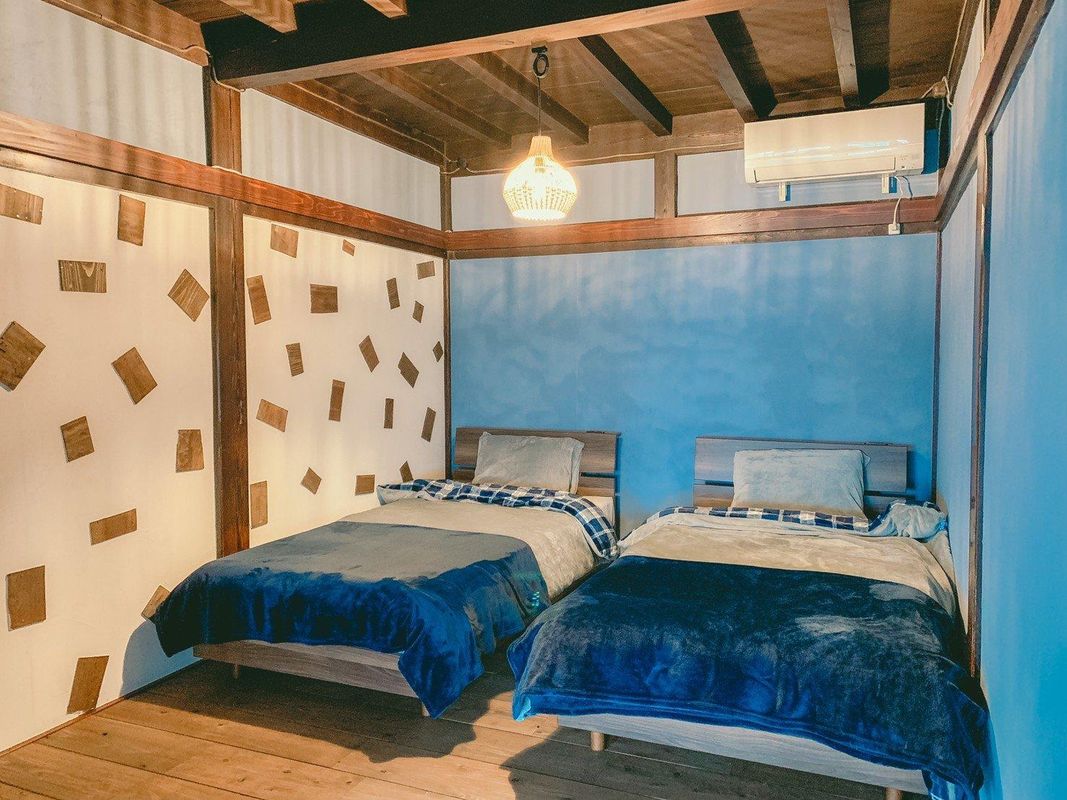
Guest House Yuinoya
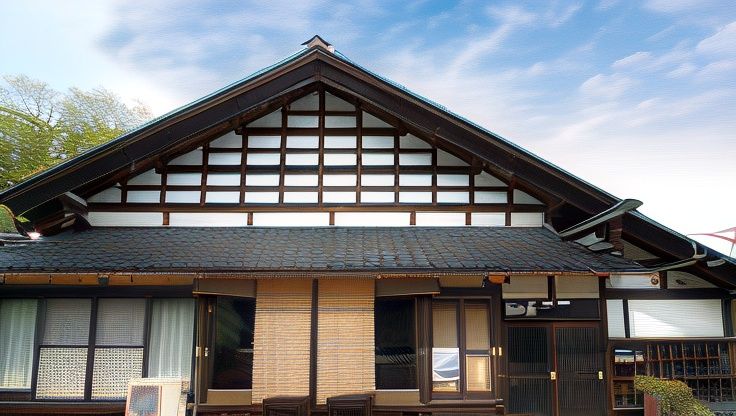
Orihime No Yado Kutsurogi
Best Hotels in Nakanoto
Discover curated hotel collections in Nakanoto
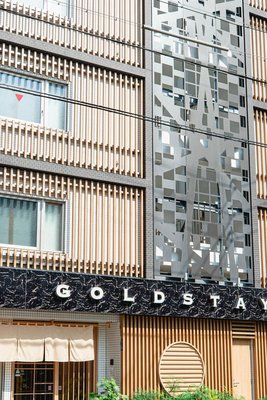
Gold Stay Nagoya OSU
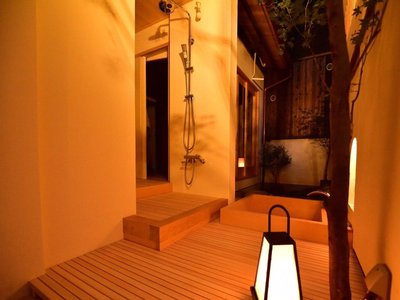
Yado Kiramachi
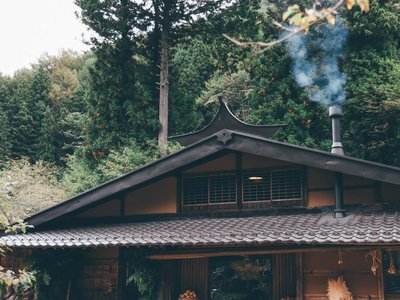
La Terra Resort

Korinkyo

GOLD STAY Nagoya Sakae
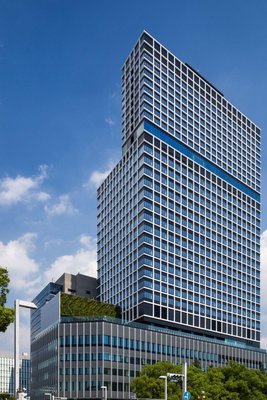
The Royal Park Hotel Iconic Nagoya

Awaumi Fujikawaguchiko Resort
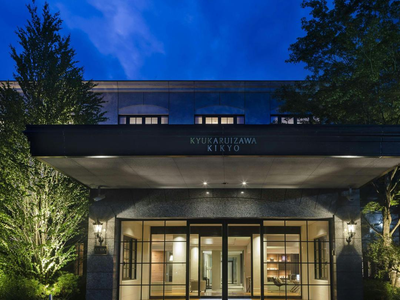
Fufu Karuizawa Wind of Sunshine
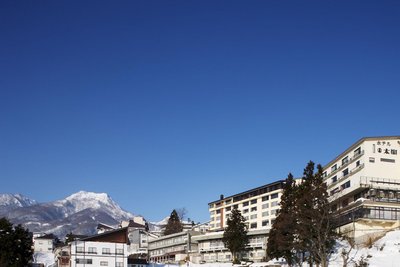
Hotel Taiko, Akakura Onsen
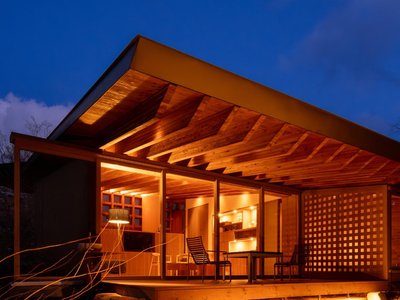
Nasu Mukunone
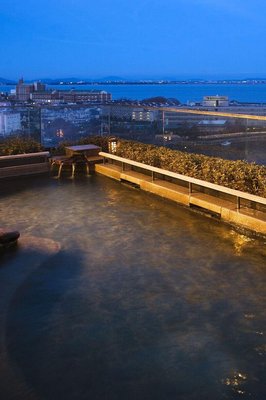
Yumotokan
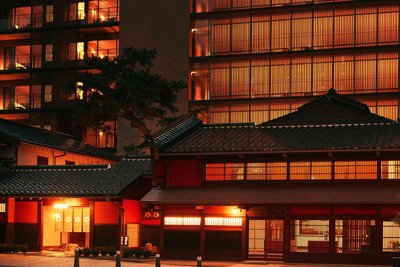
Hoshino Resorts Kai Kaga
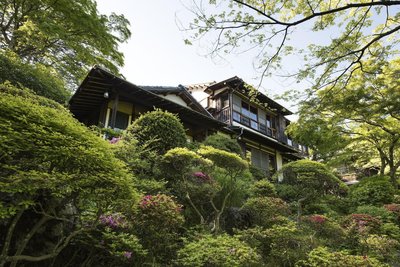
Gora Kansuiro
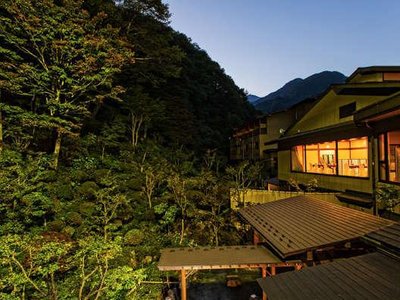
Futari Shizuka
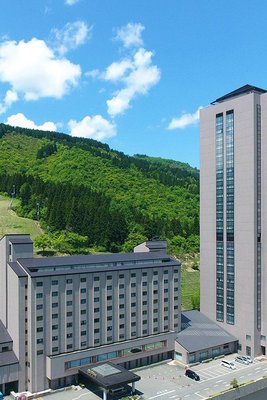
Naspa New Otani

Taikyourou
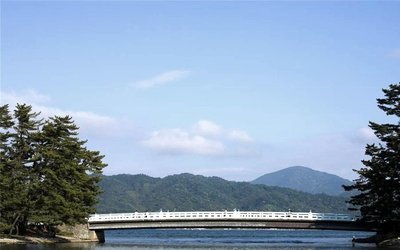
Monjusou Shourotei
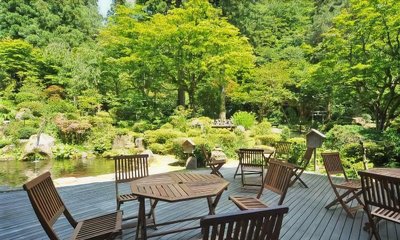
Choseikan
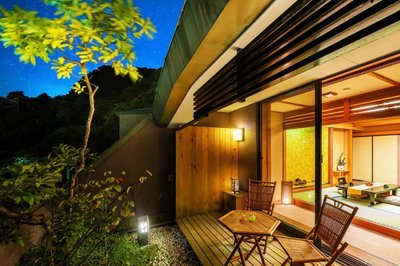
Konjakutei
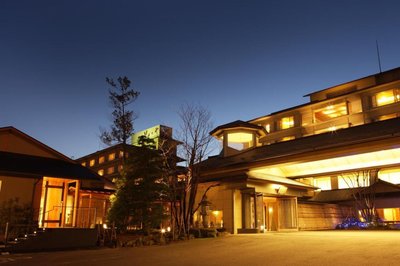
Yumotoya
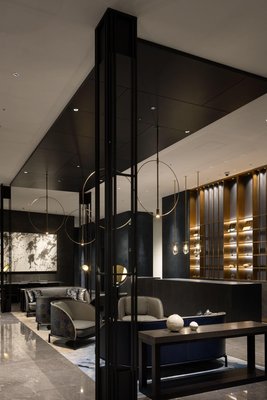
Bellustar Tokyo, A Pan Pacific Hotel

Bvlgari Hotel Tokyo
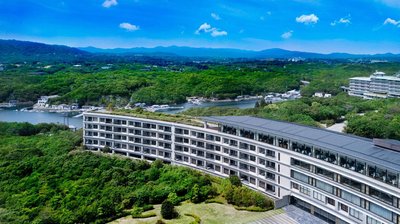
Shima Kanko Hotel the Bay Suites
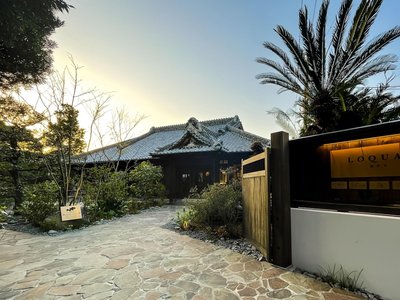
Loquat Nishiizu
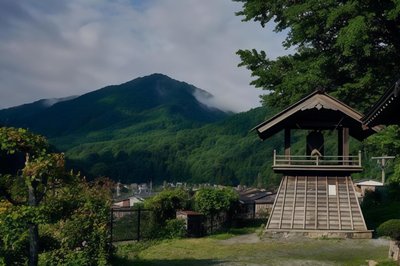
Byaku Narai
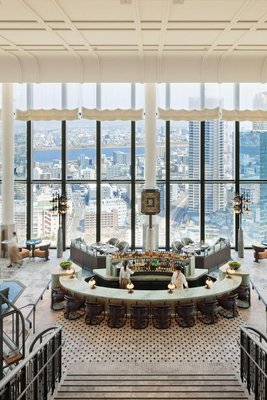
Waldorf Astoria Osaka
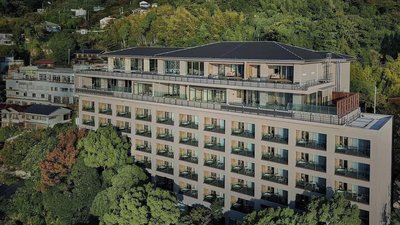
Atami Izusan Karaku
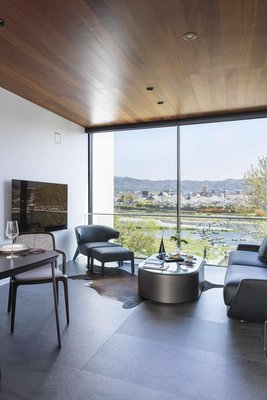
Kamo Residences by Reflections
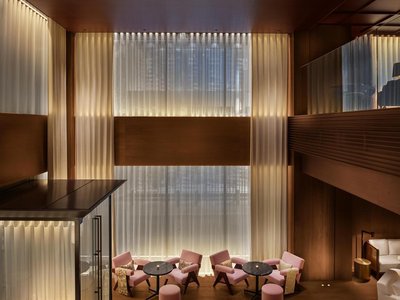
The Tokyo Edition, Ginza

Janu Tokyo
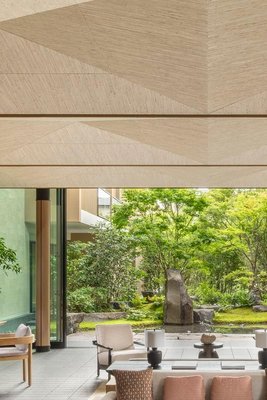
Six Senses Kyoto
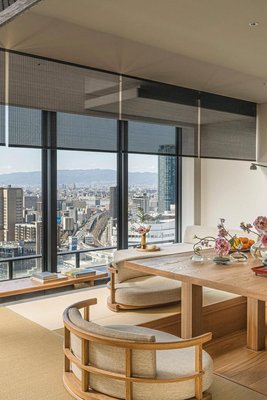
Four Seasons Hotel Osaka

Patina Osaka

The Ritz-Carlton, Osaka
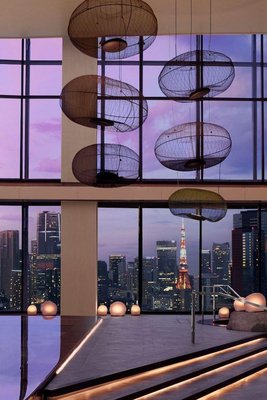
JW Marriott Hotel Tokyo
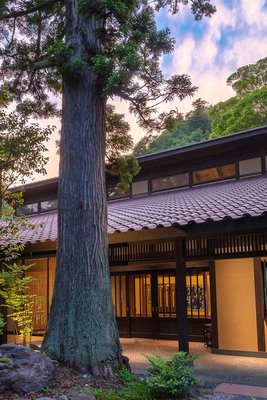
Arimasansoh Goshobessho
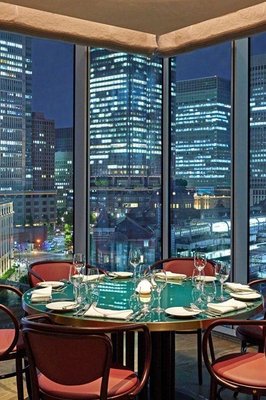
Four Seasons Hotel Tokyo at Marunouchi

Mandarin Oriental, Tokyo
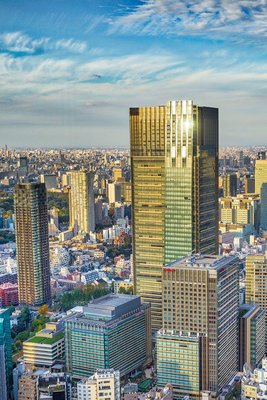
The Ritz-Carlton, Tokyo

Andaz Tokyo Toranomon Hills- A Concept by Hyatt
Frequently Asked Questions about Traveling to Nakanoto
Questions You Might Need to Know About Traveling to Nakanoto
In Nakanoshima, the top choice is Noto Peninsula Onsen Ryokan, a traditional Japanese inn featuring kaiseki dining, natural hot springs, and serene wooden gardens. Located near the Noto Peninsula Nature Park, it offers immersive experiences like morning tea ceremonies and stargazing from open-air baths.
Another excellent option is Noto Highland Guesthouse, nestled at 600 meters above sea level with panoramic views of rice terraces and forests. This eco-friendly stay uses locally sourced ingredients for meals including Noto soba noodles and organic tofu dishes. Guests enjoy guided forest walks and seasonal festivals such as the Autumn Maple Festival and Winter Onsen Lantern Parade.
The Ohno District is the ideal area for staying in Nakanoshima, offering tranquil access to Ohno River, terraced rice fields, and local craft workshops. It hosts several traditional wooden ryokans and eco-lodges, including Ohno Onsen Village, where guests can enjoy outdoor baths overlooking the valley.
This region is also close to the Nakanoshima Municipal Museum, showcasing Noto lacquerware and handwoven textiles. With minimal light pollution, it’s perfect for night sky photography and quiet contemplation. The area is well-connected by shuttle buses to Kanazawa Station, making it convenient for day trips or extended stays during cherry blossom (April) and autumn foliage (November) seasons.
Visitors to Nakanoshima can participate in authentic Noto Lacquerware Workshops, where artisans guide you through the centuries-old Kaga Urushi technique. Using natural urushi resin, you’ll craft a small functional piece—like a bowl or box—on-site at the Municipal Art Studio.
Another must-try is the Rice Planting Experience held every May in the Ohno Terraces, where travelers wear straw hats and sandals to learn traditional farming methods. Afterward, enjoy a meal of freshly cooked Noto rice with local pickles and grilled fish. These activities are organized by local cooperatives promoting sustainable heritage and community empowerment.
The hot springs in Nakanoshima are mild alkaline bicarbonate waters, renowned for their skin-soothing properties and ability to relieve fatigue. The most famous is Ohno Onsen, fed by deep underground aquifers at 42°C, with open-air baths and cave-style onsen that overlook the river valley.
Some inns offer healing bath rituals combining herbal compresses and forest aromatherapy. Notably, Noto Peninsula Onsen Ryokan hosts a pre-dawn soaking ceremony at 5:30 AM, allowing guests to enjoy silent, misty baths accompanied by birdsong—a true embodiment of Japan’s onsen culture and mindfulness.
For families, Noto Family Stay is an exceptional choice. Housed in a renovated elementary school building, it features three private rooms, a kitchen, and a children’s play zone with slides, sand pits, and outdoor story corners.
Hosted by former teachers, the inn offers hands-on activities like acorn crafts and natural dyeing workshops using local plants. Outside, kids can safely explore the Ohno River walking trail, while parents relax under shaded trees. Evening meals include homemade soba noodles and kids’ sushi platters, all made with farm-fresh ingredients. Monthly starlight storytelling sessions add a magical touch for young visitors.
Don’t miss Noto Soba Noodles, made from locally grown buckwheat flour and served in a rich bonito dashi broth with wasabi. Try them at Ohno Town Diner, where they come with seasonal side dishes.
Another highlight is grilled freshwater eel (unagi), cooked over charcoal and paired with pickled plum. For a taste of nature, sample wild mountain vegetable salads—such as Sakura Tsubo (a tender spring shoot)—and stone-cooked rice made with wild mushrooms and local rice.
All restaurants emphasize zero-waste practices, composting food scraps and sourcing ingredients directly from nearby farms, supporting sustainability and local agriculture.
Nakanoshima is a photographer’s paradise. Capture the misty rice terraces along Ohno River at dawn in late spring—golden paddies mirrored in still water, framed by distant hills.
The Old Noto Lighthouse Ruins offer dramatic compositions at sunset, with rusted iron towers silhouetted against fiery skies. At night, the lack of light pollution allows stunning Milky Way shots across the cliffside.
The Zen dry garden at the Nakanoshima Municipal Art Museum provides minimalist beauty: raked white gravel patterns and moss-covered stones, ideal for portrait and still-life photography. Bring a tripod and wide-angle lens for best results.
From Kanazawa Station, take the Hokuriku Railway Bus to Nakanoshima Center, running every 2 hours (~70 minutes). For more flexibility, rent a bicycle or electric-assist bike—the town has dedicated cycling paths connecting Ohno Onsen, Nature Park, and the Art Museum.
Many guesthouses offer free bike rentals. Alternatively, use the Green Trail Pass, which grants unlimited rides on eco-electric shuttles throughout the town. Ideal for seniors and families, these low-emission vehicles operate on fixed routes and reduce travel stress in this rural, car-dependent area.
Nakanoshima hosts vibrant seasonal festivals. In April, the Ohno River Cherry Blossom Festival illuminates the riverbanks with lanterns, offering boat tours under blooming sakura trees.
The July Noto Lacquerware Market brings together over 100 artisans selling handcrafted pieces and hosting live demonstrations. Visitors can paint their own lacquerware souvenir.
In November, the Autumn Maple Festival transforms the Noto Peninsula Nature Park into a fiery red landscape—perfect for hiking and photography.
During winter, the Snow Bath Lantern Festival at Ohno Onsen features bonfires, traditional dances, and warm red bean mochi soup, creating a cozy, festive atmosphere under starlit skies.
Nakanoshima is ideal for travelers seeking deep cultural immersion, nature connection, and slow living. Eco-conscious tourists will appreciate its zero-waste initiatives and sustainable tourism model.
It appeals to photographers drawn to pristine landscapes and dark skies; families enjoying hands-on workshops and safe outdoor spaces; and solitude seekers wanting to disconnect from urban life. Though transportation is limited, the intentional remoteness preserves its authenticity.
With no nightlife and minimal signage, it’s a sanctuary for those craving simplicity, mindfulness, and meaningful interaction with local communities—making it a true retreat for the soul.
Nakanoto Overview
City Summary
NakanotoTown in Ishikawa Prefecture's Noto Peninsula offers serene rural landscapes and preserved traditional culture. Famous for its terraced rice fields, thatched-roof villages, and unique festival traditions, it's an ideal destination to experience authentic Japanese countryside life away from urban crowds.
Must-See Attractions
Must-see spots include Shiroyone Senmaida (stunning terraced rice fields), Ganmon Coast (scenic rock formations), and the Nakanoto Folk Museum. Join the "Noto Satoyama Satoumi" program to experience rice planting/harvesting. Don't miss soaking in local onsens with mineral-rich waters.
Food Guide
Savor Noto beef (premium wagyu), seafood bowls (fresh local catch), and buckwheat noodles. Try "Shuto" (fermented fish guts delicacy) paired with Noto sake. Farmers' markets offer fresh produce and traditional pickles reflecting seasonal bounty.
Transportation Guide
Renting a car (available in Kanazawa/Wajima) is recommended. Public transport options:
- Limited buses from JR Nanao Line's "Noto-Nakajima Station"
- Taxis require advance HopeGoo
- Note: Mountain roads may close during heavy snow (Dec-Feb)
Best Time to Visit
Best in May-Jun (water-mirror rice terraces) and Sep-Oct (harvest festivals). Avoid Jan-Feb when some attractions close due to extreme cold.
Travel Tips
- Cash essential for rural transactions
- Winter gear required (temps below 23°F)
- Respect farmlands - no trespassing
- Festival dates: Key events like Oku-Noto Mugiya Fest occur in February
- Onsen etiquette: Always wash before bathing
- Translation apps helpful (limited English)
Useful Information
Language: Basic Japanese helpful. Traditional Chinese brochures available at tourist centers. Internet: Few free Wi-Fi spots. Pocket Wi-Fi rental recommended. Currency: JP Post ATMs accept foreign cards (open 9am-5pm). Emergencies: Town Hall assistance (0767-76-1111). Healthcare: Nakanoto Hospital handles minor cases (major incidents transfer to Kanazawa). Voltage: 100V Type A plugs (adapters needed for non-US devices).