Hotels in Nakayama
Discover your perfect stay in Nakayama.
Nakayama(Japan) Travel 2026: Cheap Flights, Hotels & Top Attractions
Popular Landmarks in Nakayama
Discover the most iconic attractions in Nakayama
Recommended Hotels in Nakayama
Find the perfect place to stay in Nakayama
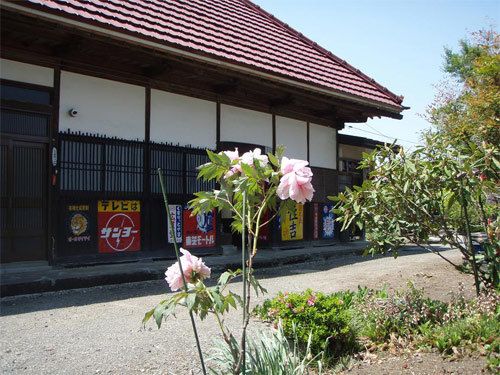
Tagamayamura
Best Hotels in Nakayama
Discover curated hotel collections in Nakayama
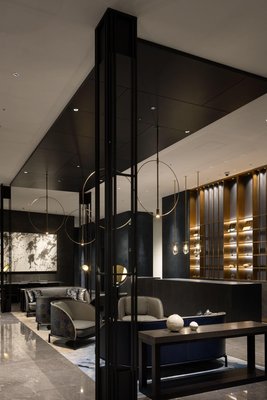
Bellustar Tokyo, A Pan Pacific Hotel

Bvlgari Hotel Tokyo
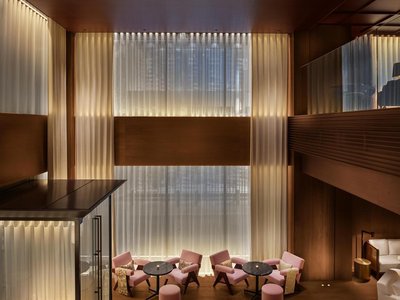
The Tokyo Edition, Ginza
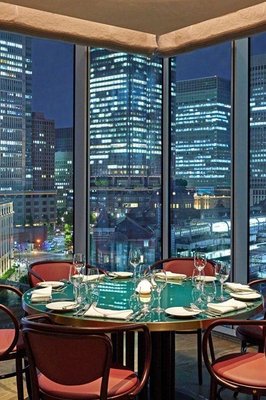
Four Seasons Hotel Tokyo at Marunouchi

Mandarin Oriental, Tokyo
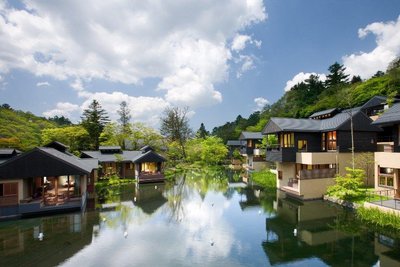
Hoshinoya Karuizawa
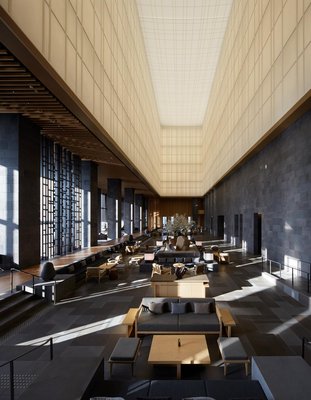
Aman Tokyo

Hotel New Otani Tokyo, Executive House Zen
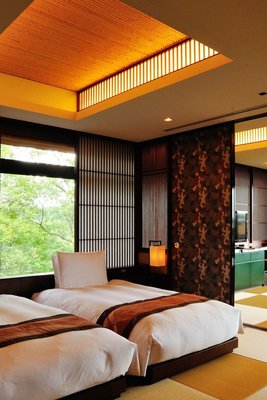
Chikusenso Onsen
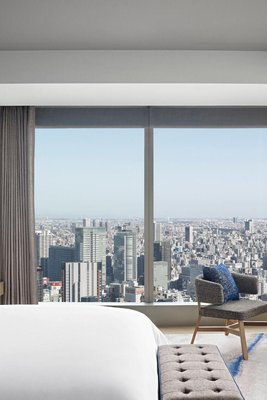
Four Seasons Hotel Tokyo at Otemachi
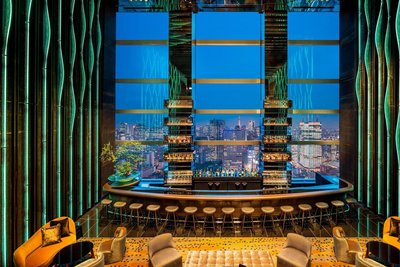
The Prince Gallery Tokyo Kioicho, a Luxury Collection Hotel
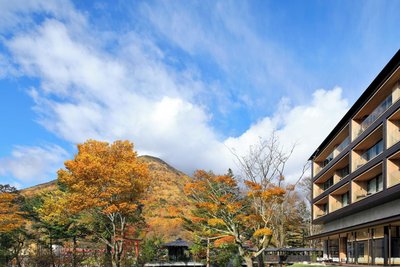
The Ritz-Carlton, Nikko

HOSHINOYA Tokyo
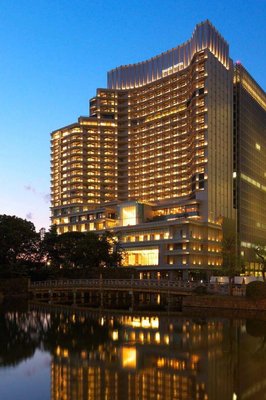
Palace Hotel Tokyo
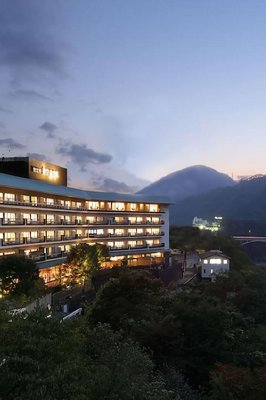
Kanaya Hotel Kinugawa
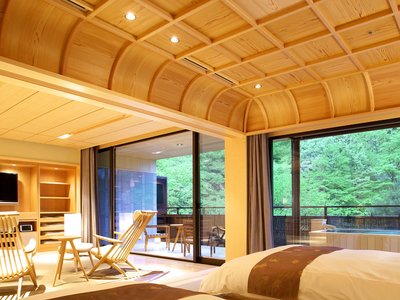
Ryotei Kaichoro
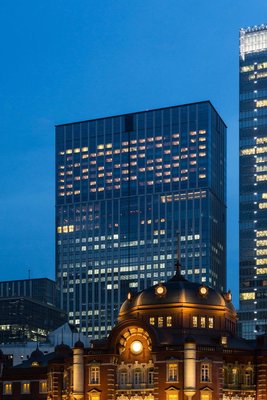
Shangri-La Tokyo
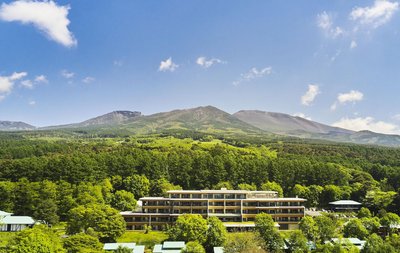
The Hiramatsu Karuizawa Miyota

The Peninsula Tokyo

Imperial Hotel, Tokyo
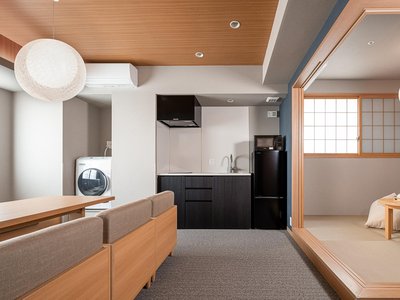
MIMARU SUITES Tokyo Asakusa

karaksa hotel colors Tokyo Yaesu

HOTEL GROOVE SHINJUKU, A PARKROYAL Hotel

EN Resort Grandeco Hotel
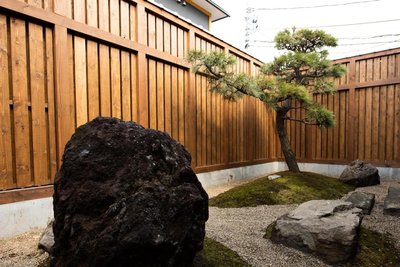
Hotel Zen-Adult Only
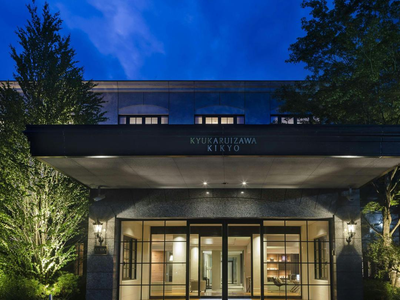
Fufu Karuizawa Wind of Sunshine
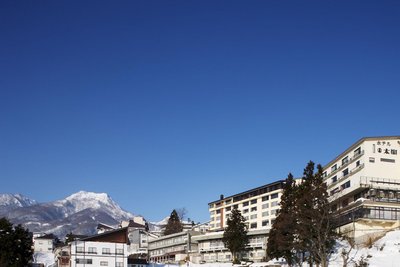
Hotel Taiko, Akakura Onsen
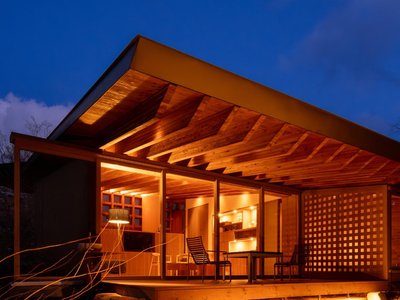
Nasu Mukunone
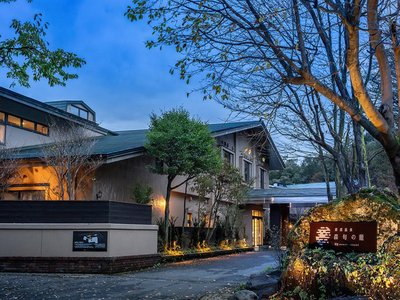
Nasu Onsen Shinshun no Kago Hewitt Resort
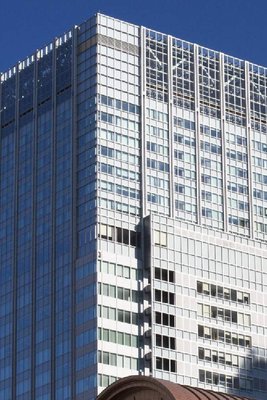
Hotel Metropolitan Tokyo Marunouchi
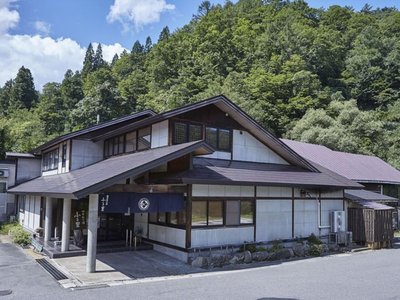
Fulsato
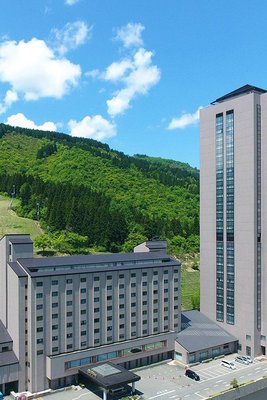
Naspa New Otani
Crowne Plaza - ANA RESORT APPI KOGEN
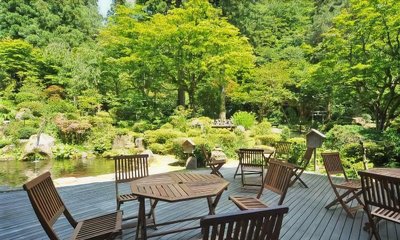
Choseikan
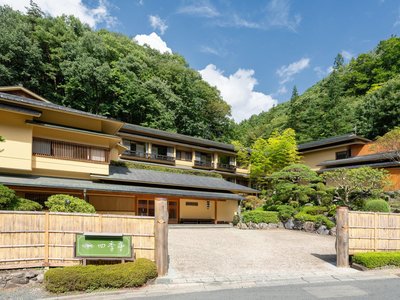
Shikitei Morioka TsunagiOnsen
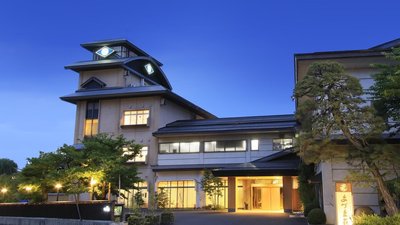
Shouhakutei Azumaso
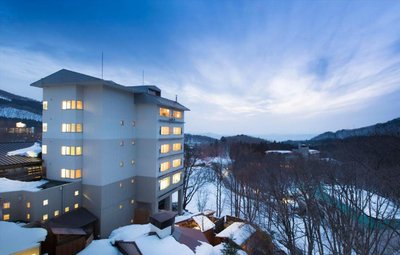
Takamiya Hotel Lucent

Hayamakan
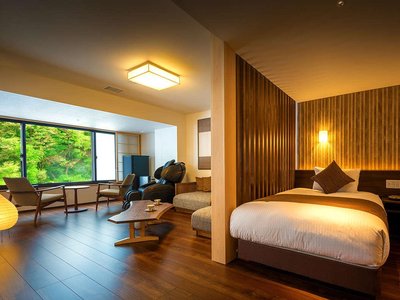
Harataki
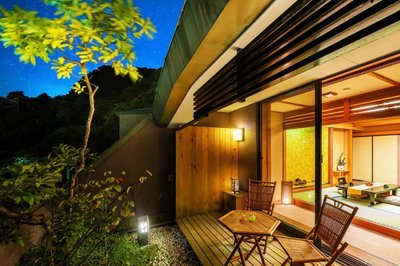
Konjakutei
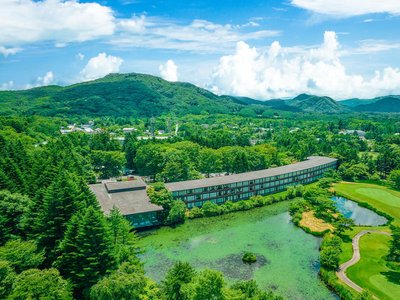
The Prince Karuizawa
Hoshinoya Karuizawa
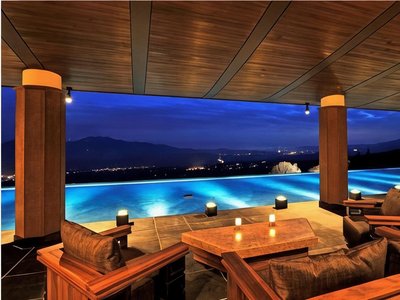
Akakura Kanko Hotel

Asaya
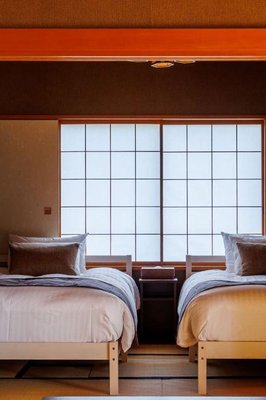
Sado Resort Hotel Azuma

Komatsu-Kan Kofu-Tei
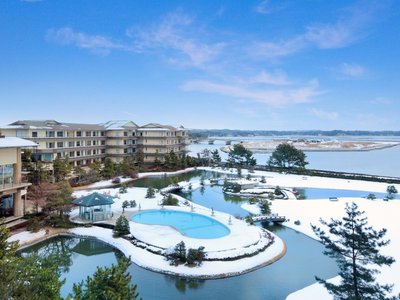
Matsushima Ichinobo
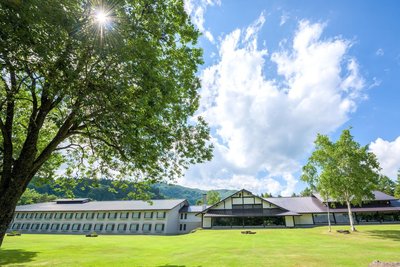
Towada Prince Hotel
The Ritz-Carlton, Nikko
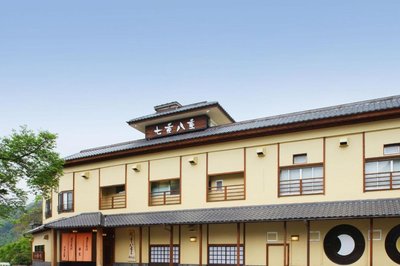
Nanaeyae

La Vista Kusatsu Hills
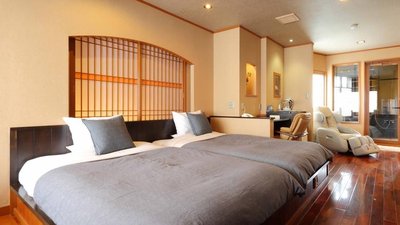
Hanaichi

Hyatt Regency Tokyo
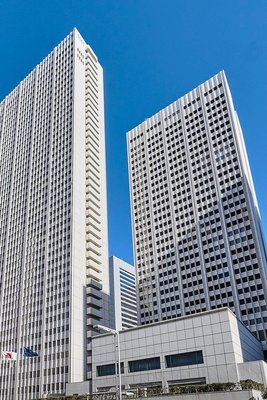
Keio Plaza Hotel Tokyo

Shinjuku Prince Hotel
Auberge Suzukane

Onyado Nono Asakusa Bettei Hot Spring
Konjakutei
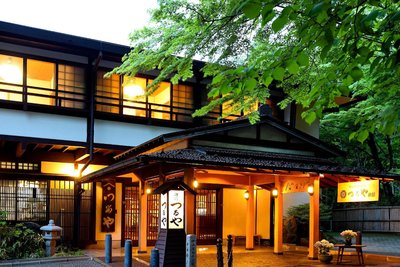
Tsuruya Ryokan
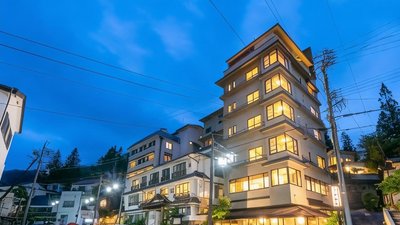
Nakamatsuya Ryokan
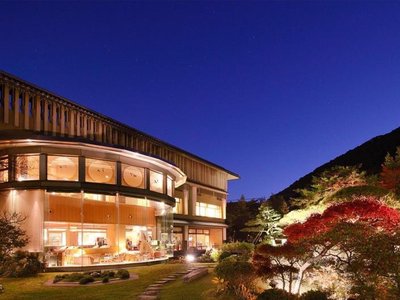
Shikisai Ichiriki
Sado Resort Hotel Azuma
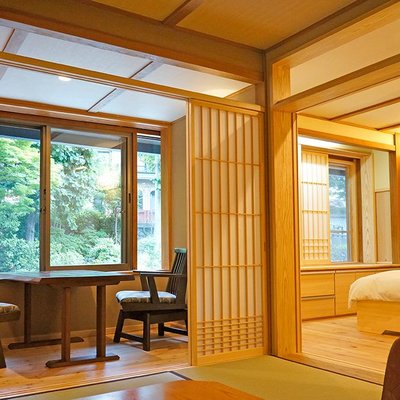
Sumiyosiya Ryokan

Naraya
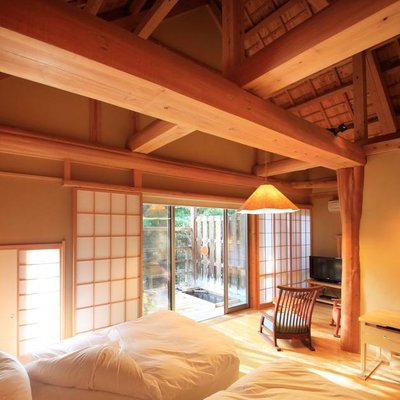
Daikon-No-Hana
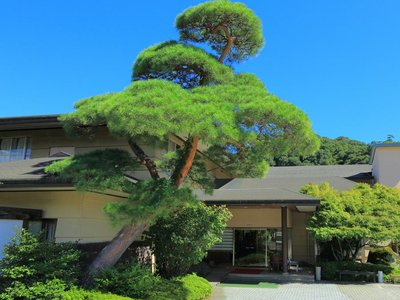
Nagatoro Choseikan Ryokan
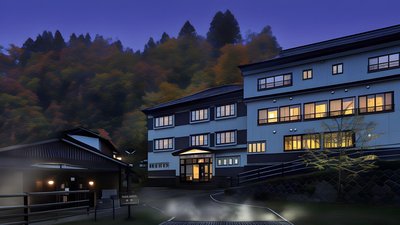
Zao Onsen Omiya Ryokan
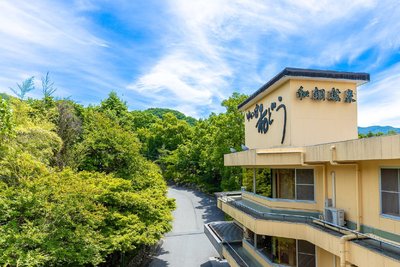
Yu No Yado Wadoh
Nanaeyae
HOSHINOYA Tokyo
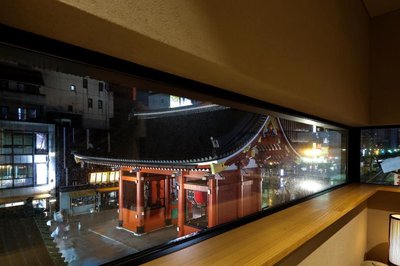
Kaminarimon Ryokan
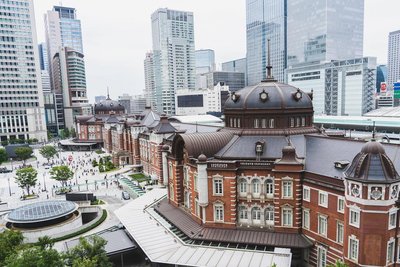
The Tokyo Station Hotel
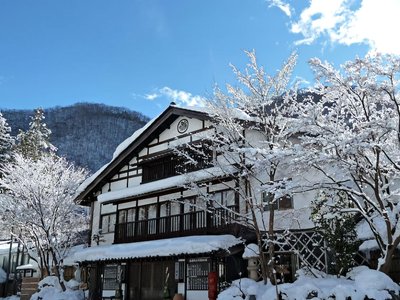
Yunishigawa Onsen Honke Bankyu
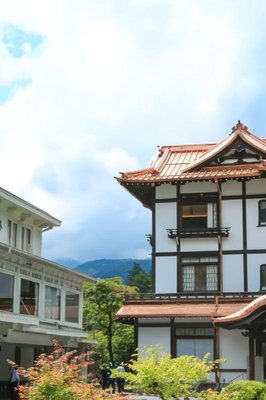
Nikko Kanaya Hotel
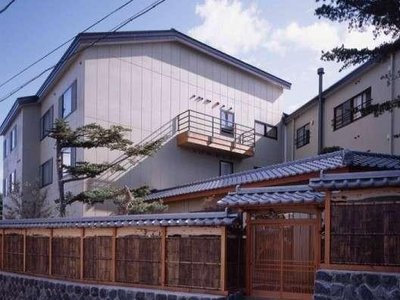
Kanemidori
Bellustar Tokyo, A Pan Pacific Hotel

Kimpton Shinjuku Tokyo

HOTEL K5
The Prince Gallery Tokyo Kioicho, a Luxury Collection Hotel
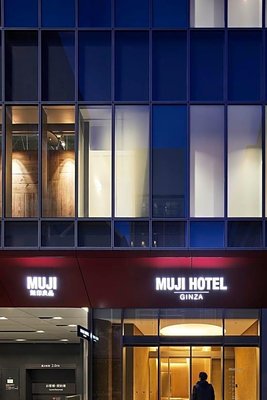
Muji Hotel Ginza
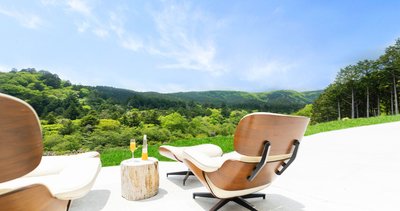
Shelter Garden Nikko

Fufu Kyu-Karuizawa Restful Forest
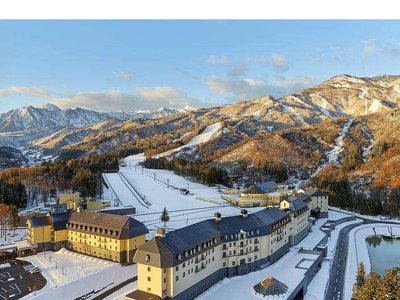
Lotte Arai Resort
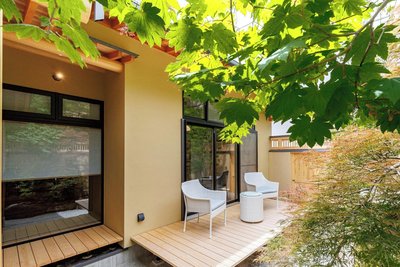
Shoraiso

Hotel la Vigne Hakuba by Onko Chishin
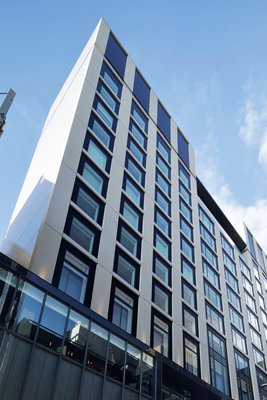
Hyatt Centric Ginza Tokyo
The Prince Karuizawa
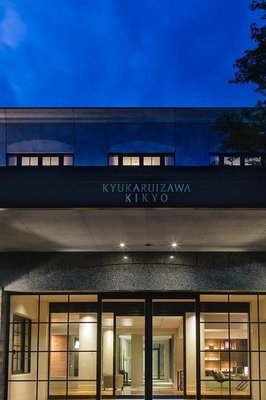
Kyukaruizawa Kikyo, Curio Collection by Hilton
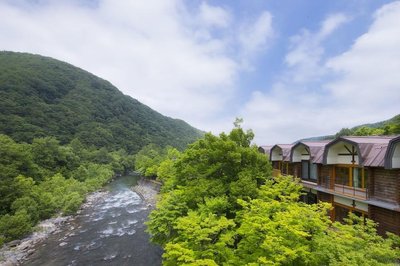
Hoshino Resorts Oirase Keiryu Hotel
Asaya
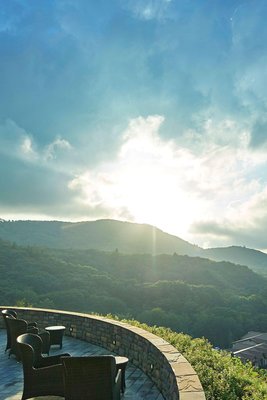
Le Grand Karuizawa Hotel & Resort
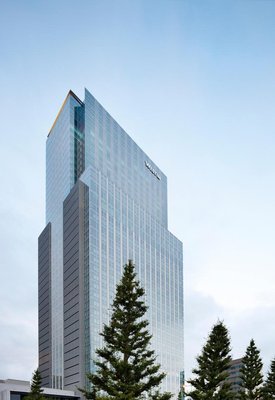
The Westin Sendai Hotel
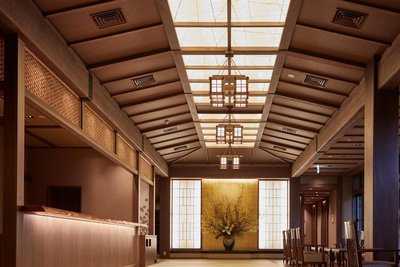
Yukinohana
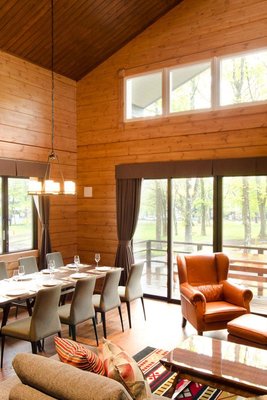
The Prince Villa Karuizawa

Yukemuri No Yado Inazumi Onsen
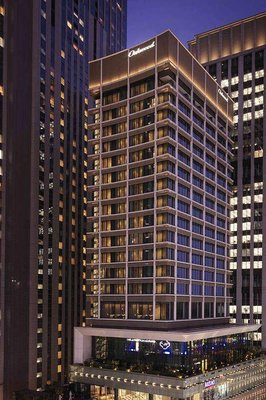
Oakwood Premier Tokyo
Kimpton Shinjuku Tokyo

Karuizawa Marriott Hotel
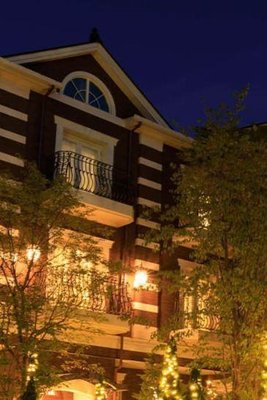
Le Grand Kyu Karuizawa
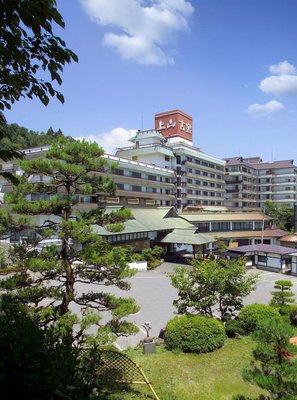
Hotel Koyo
Bvlgari Hotel Tokyo
Four Seasons Hotel Tokyo at Marunouchi
Mandarin Oriental, Tokyo

Hotel New Otani Tokyo the Main
Aman Tokyo
Four Seasons Hotel Tokyo at Otemachi
Palace Hotel Tokyo
The Peninsula Tokyo
Imperial Hotel, Tokyo

Rakuten STAY VILLA Nasu
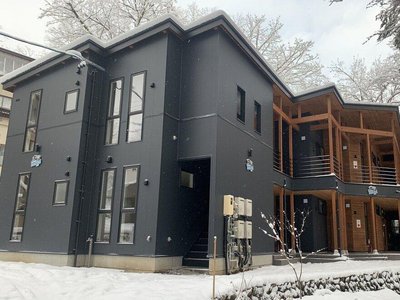
Hakuba Gondola Apartments

chillout glamping zao

Phoenix Chalets by Hhg
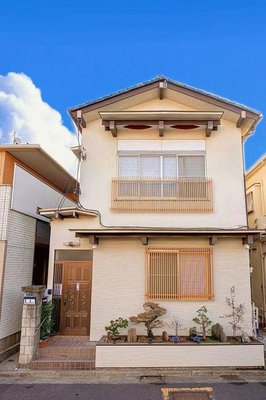
Tokyo Star House-Shinkoiwa
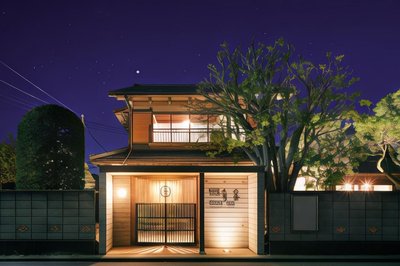
Machi-Jyu
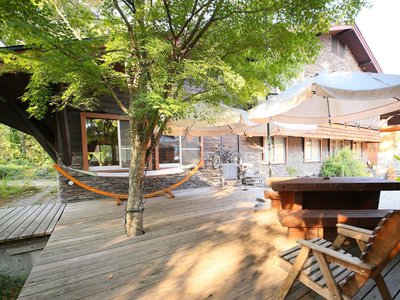
Kunugi Relaxation with 4 Modern Rooms
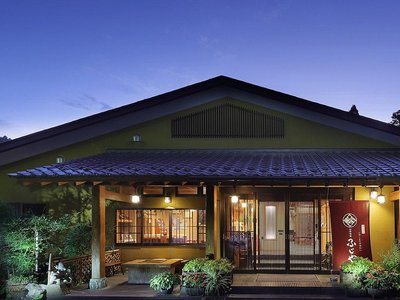
Shikimitei Fujiya
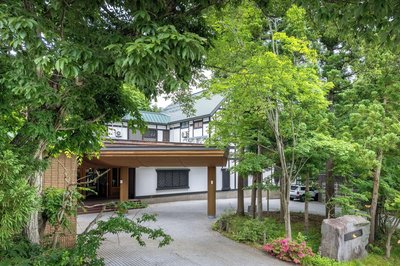
Forest Resort Yamanote Hotel

Hotel Barrière Fouquet's New York

The Plaza - A Fairmont Managed Hotel
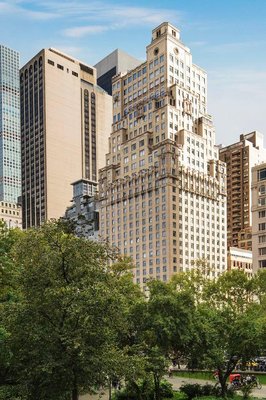
The Ritz-Carlton New York, Central Park

Four Seasons Hotel New York

The St. Regis New York

Park Hyatt New York
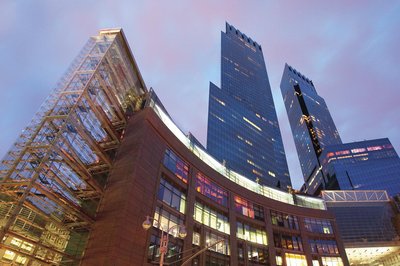
Mandarin Oriental New York

Times Square Edition New York

Loews Regency New York Hotel

Lowell Hotel
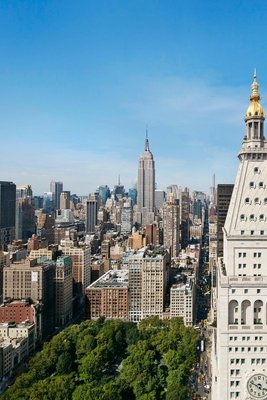
New York Edition

Baccarat Hotel New York

Equinox Hotel New York

Four Seasons Hotel New York Downtown

The Langham, New York, Fifth Avenue

The Carlyle, A Rosewood Hotel

The Chatwal, in the Unbound Collection by Hyatt

The Mark New York
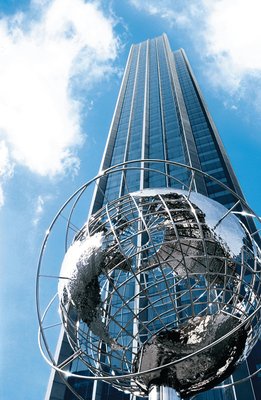
Trump International Hotel & Tower® New York
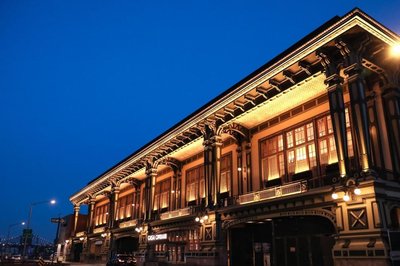
Casa Cipriani New York
Frequently Asked Questions about Traveling to Nakayama
Questions You Might Need to Know About Traveling to Nakayama
In Nakayama Village, the top choice is Nakayama Onsen Ryokan, a traditional Japanese inn nestled amidst the mountains of Yamagata Prefecture. Guests enjoy private outdoor baths overlooking seasonal landscapes, with natural hot spring water rich in minerals. The inn serves authentic kaiseki cuisine using locally sourced ingredients like mountain vegetables and Yamagata beef. Nearby, Yu no Yado Mizuho offers a quieter retreat with family-style rooms and intimate onsen access. Reservations are essential, especially during winter ski season. These ryokan provide an immersive cultural experience rooted in nature and hospitality.
The central district of Nakayama Village is the most convenient base for travelers, close to the Nakayama Town Hall and Tourist Information Center. This area hosts local restaurants, souvenir shops, and public services, making it easy to explore on foot. For a tranquil stay, consider the Yudani District, near the hot spring source, perfect for those seeking peace surrounded by forests. Here, small guesthouses and homestays offer a more authentic connection to local life. Both areas provide excellent access to hiking trails, festivals, and seasonal events.
Visitors must attend the Yuki Hikari Festival (Snow Light Festival) held annually in winter at Nakayama Central Park, where guests craft paper lanterns and join illuminated parades. The Nakayama Folklore Museum displays traditional farming tools and crafts such as straw figure-making and wood carving. In spring, the Cherry Blossom Festival along the Nakayama River features blooming sakura trees and local street food. These events reflect deep respect for nature and seasonal cycles—core values of the Tohoku region’s heritage.
Winter transforms Nakayama Village into a haven for skiing and onsen lovers. Nakayama Ski Resort, located to the north, offers well-groomed slopes from beginner to advanced levels, with night skiing and cable cars. After a day on the snow, unwind at the Nakayama Onsen Street, known for its relaxing baths. The town also hosts the Snow Light Festival, where hundreds of glowing lanterns create a magical atmosphere. Don’t miss trying local delicacies like Yamagata beef hot pot with warm sake—a perfect way to warm up. Bring thermal gear and snow shoes for full enjoyment.
Nakayama Children's Nature Park is ideal for families, featuring forest trails, insect observation ponds, and hands-on craft workshops suitable for children aged 3+. The Nakayama Farm Experience lets parents and kids participate in rice planting, strawberry picking, and tofu-making—educational and fun. Nearby, the Nakayama Village Zoo, though small, houses native deer and rabbits beloved by children. All attractions are within walking distance or short bus rides, making them perfect for a relaxed one-day outing.
Must-try dishes include Yamagata beef (tender and flavorful), Santou soba noodles (made from local wheat, chewy and satisfying), and Echigo sake brewed by local micro-distilleries. Don’t miss O-hagi, a sweet red bean rice ball often sold during festivals. Visit the Nakayama Morning Market for fresh produce, handmade snacks, and seasonal treats. Pair your meal with a bowl of steaming miso soup to taste authentic Tohoku flavors. Many ryokan offer breakfast sets featuring these regional specialties.
Public transport is primarily via Yamagata Railway, with Nakayama Station connecting to Shinjo Station. Local shuttle buses link major sites and accommodations, but service is limited—check schedules in advance. For visiting remote areas like ski resorts or mountain trails, car rental is highly recommended. Rental counters are available at Shinjo Station, and roads are generally well-maintained. Consider HopeGoo a private transfer if traveling with luggage or mobility challenges. Navigation apps help due to some narrow, unmarked roads.
Summer brings the Yamagata Summer Festival, held in late July at Nakayama Great Square, featuring taiko drumming, fireworks, and street food stalls. The Nakayama River Gorge offers cool relief with hiking paths and clear streams ideal for stream trekking or swimming. The Nakayama Highland provides refreshing air and panoramic views of surrounding mountains—perfect for picnics and stargazing. From mid-August, the Firefly Watching Event offers guided nighttime tours along designated riverbanks, where visitors can see bioluminescent insects in their natural habitat. Wear light clothing and bring bug repellent.
Many ryokan in Nakayama Village provide onsen baths, tatami-mat rooms, and morning tea ceremonies featuring local green tea and homemade sweets. Some luxury inns, like Nakayama Onsen Ryokan, offer private baths and garden-view suites. Several also host farm-to-table experiences, including vegetable harvesting and tofu-making workshops. Most provide free luggage storage and shuttle services to train stations. A few even offer bilingual guides who share stories about local legends and history. Check in advance if you need wheelchair-accessible rooms.
One hidden gem is Yudani Deep Valley, a secluded gorge reachable after a 20-minute forest hike, featuring crystal-clear streams and moss-covered cliffs. Another is the Nakayama Highland Viewing Point, perched at 650 meters above sea level, offering sweeping views of the village and distant Tendo Mountains—ideal for sunrise and sunset photography. The Upper Nakayama River Trail is a peaceful path lined with ferns and waterfalls, perfect for meditation walks. In autumn, the Riverside Maple Trail turns fiery red—best visited in late October to early November. Pack a map and hiking poles, as some paths lack signage.
Nakayama Overview
City Summary
Nakayama Town is a peaceful rural town located in the southeastern part of Yamagata Prefecture, Japan. Known for its cherry blossoms and hot springs, it attracts many visitors during spring. The town also preserves rich traditional culture, such as handicrafts and festivals, showcasing the unique charm of Japanese countryside.
Must-See Attractions
The Cherry Blossom Tunnel in Nakayama Town is a must-see attraction, featuring a 2-kilometer stretch of cherry trees creating a dreamy landscape. Additionally, Nakayama Hot Springs offer a relaxing experience with high-quality waters and a serene environment. Don't miss the traditional craft experiences, such as handmade paper and pottery, to appreciate the artisan spirit of rural Japan.
Food Guide
Nakayama Town's local cuisine is famous for its fresh ingredients. Be sure to try Yamagata beef and cherry blossom mochi. The town also offers unique soba noodles, known for their delicate texture and flavor. Street vendors sell delicious grilled fish cakes and rice dumplings that are worth sampling.
Transportation Guide
Public transportation in Nakayama Town is primarily bus-based, and a one-day pass is recommended for unlimited rides. From Yamagata City, take the JR Ou Main Line to Nakayama Town Station, a 30-minute ride. Car rentals are available for those who want to explore surrounding areas freely. Bicycle rentals are also a good option, especially during cherry blossom season.
Best Time to Visit
Spring (April to May) is the best time to visit Nakayama Town, when cherry blossoms are in full bloom and the weather is pleasant. Autumn (September to November) is also a great choice, with beautiful scenery and fewer crowds. Winters are cold but offer a unique hot spring experience.
Travel Tips
- Respect local customs: Follow shrine etiquette, such as purifying hands and bowing.
- Carry cash: Some small shops do not accept credit cards.
- Dress warmly: Winter temperatures can be low, so prepare warm clothing.
- Book accommodations early: Hot spring inns fill up quickly during peak seasons.
- Learn basic Japanese: Simple greetings can help with communication.
- Keep quiet: Avoid loud noises in public places.
Useful Information
The primary language in Nakayama Town is Japanese, with limited English communication, so a translation app is recommended. Internet coverage is good, and local SIM cards or WiFi hotspots are available. For payments, cash is still the main method, though some shops accept credit cards. For emergencies, visit Nakayama Town Hospital or dial 119. The local tourist center provides maps and information, so it's advisable to stop by upon arrival.









