Hotels in nakhon chai si
Discover your perfect stay in nakhon chai si.
nakhon chai si(Thailand) Travel 2026: Cheap Flights, Hotels & Top Attractions
Popular Landmarks in nakhon chai si
Discover the most iconic attractions in nakhon chai si
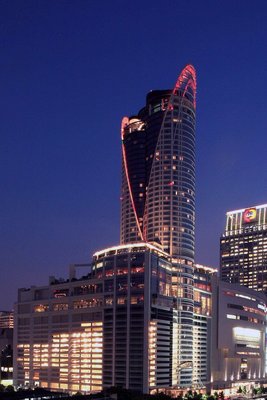
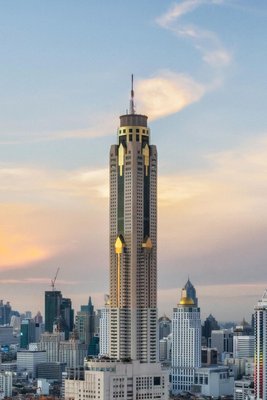
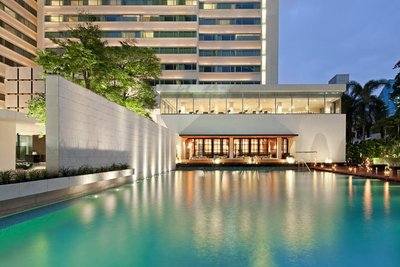
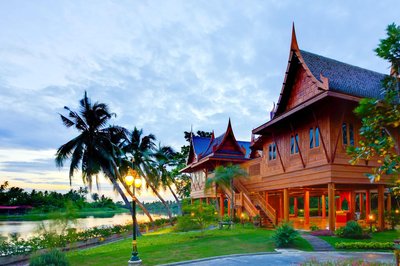
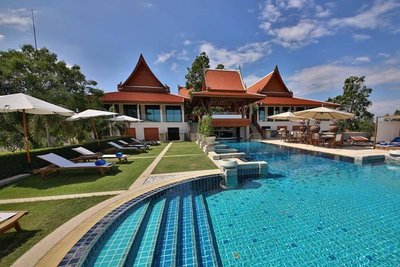
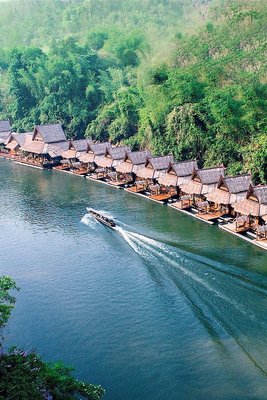
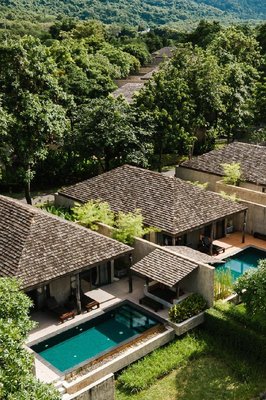
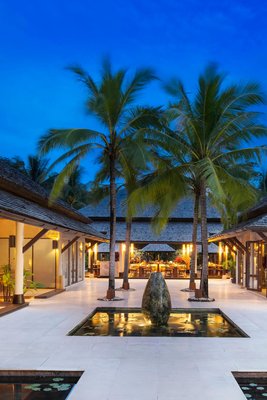
Recommended Hotels in nakhon chai si
Find the perfect place to stay in nakhon chai si
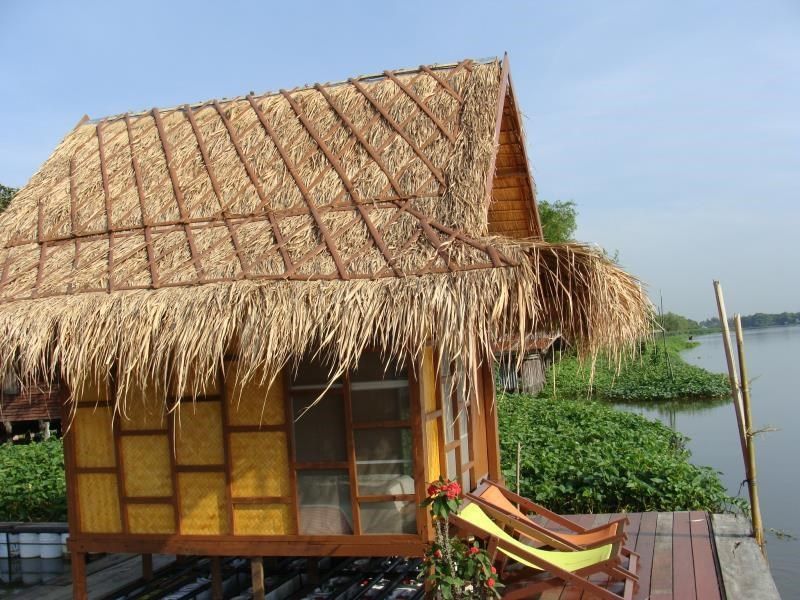
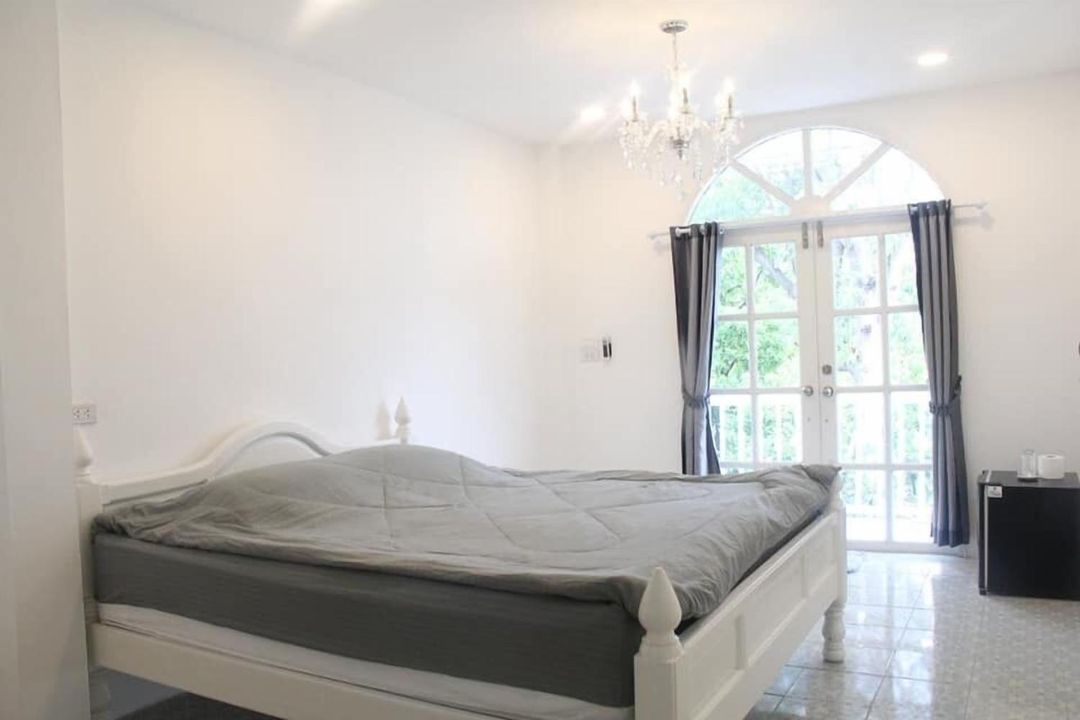
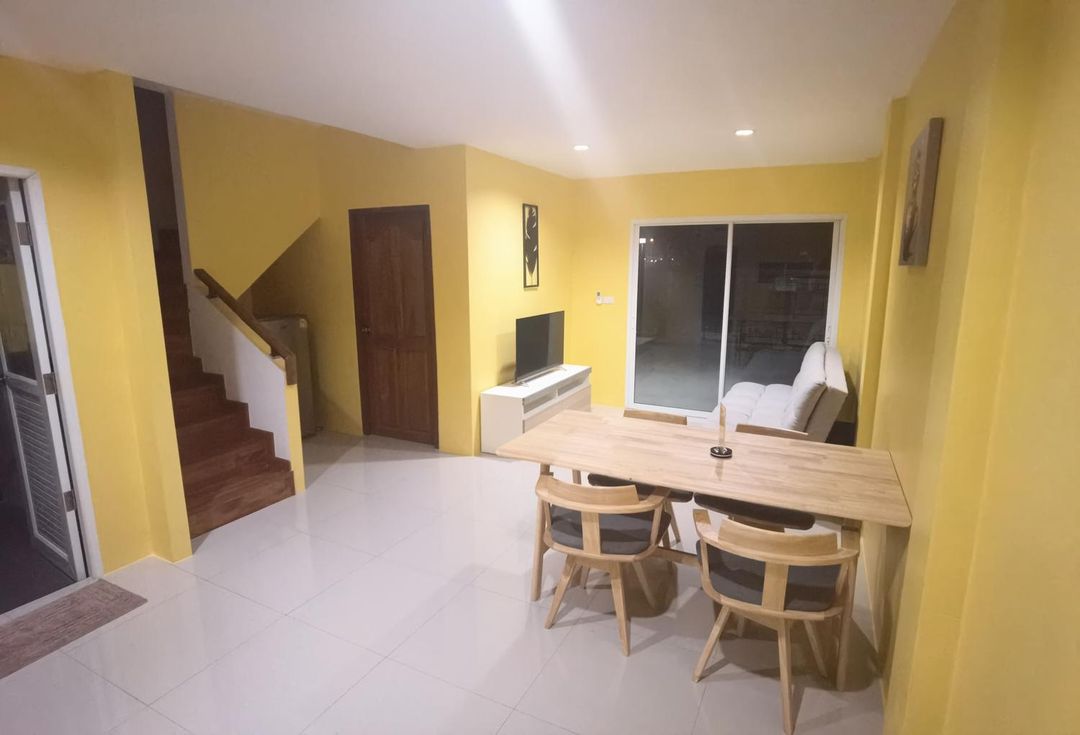
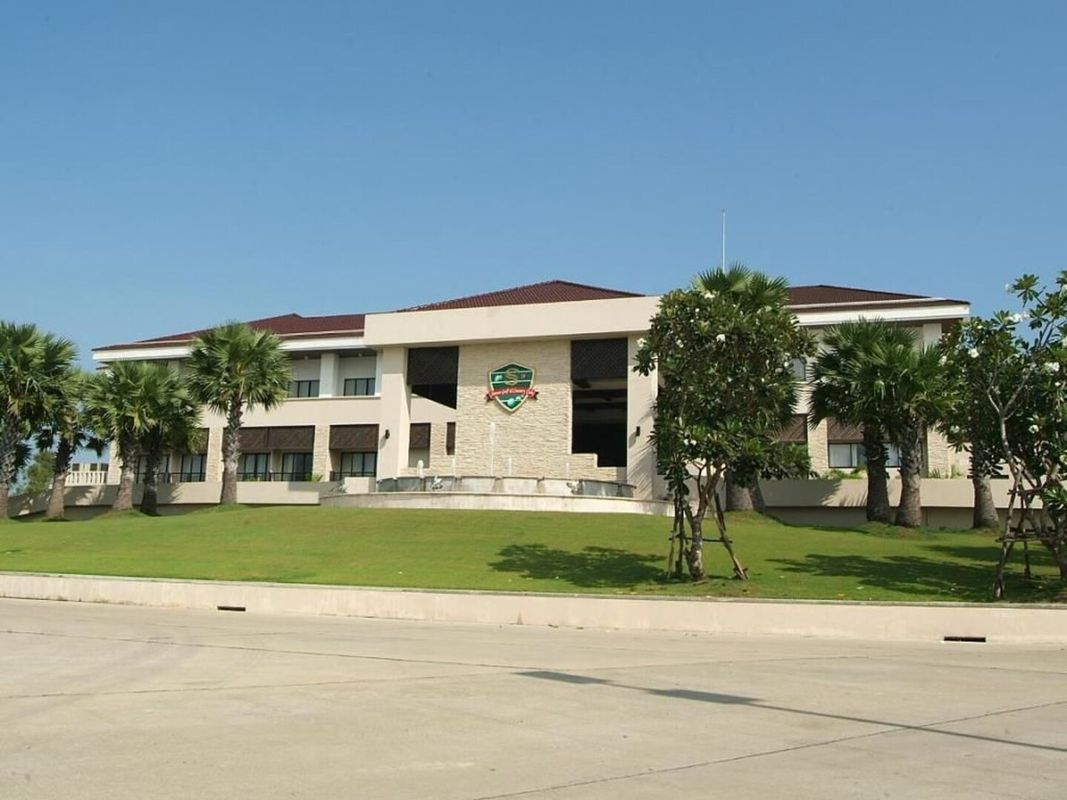
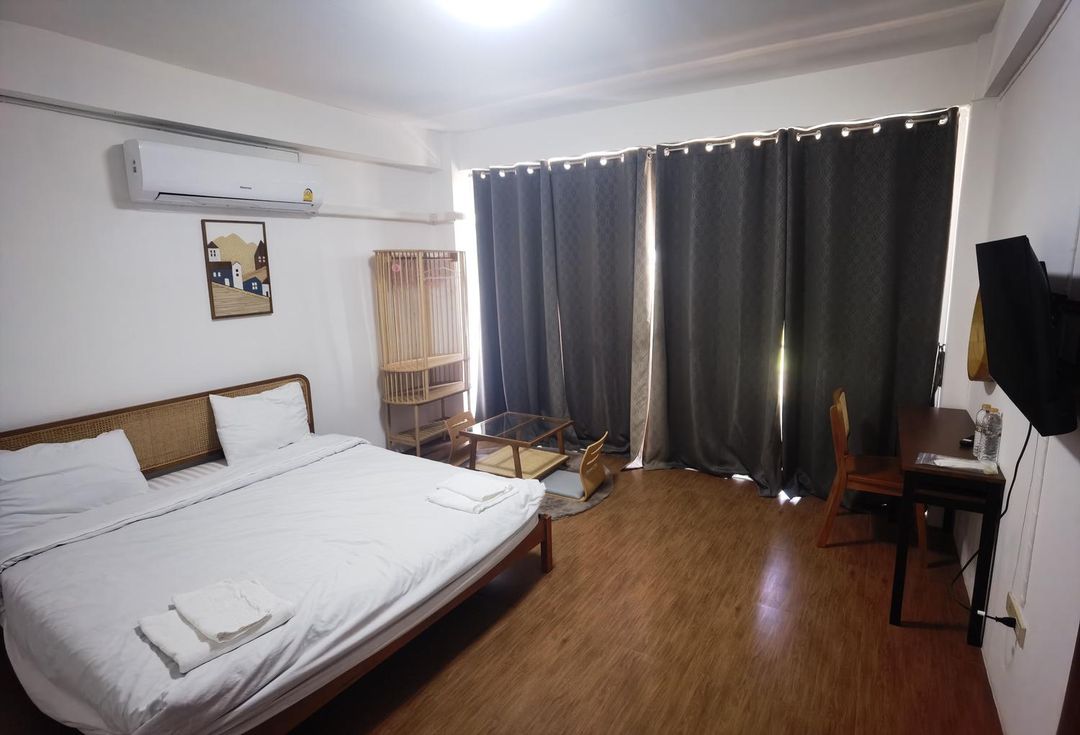
Best Hotels in nakhon chai si
Discover curated hotel collections in nakhon chai si



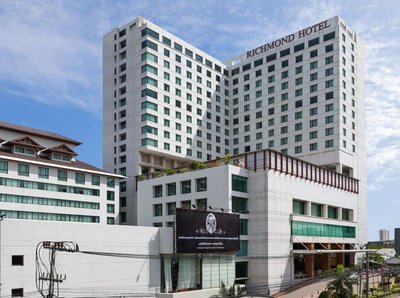
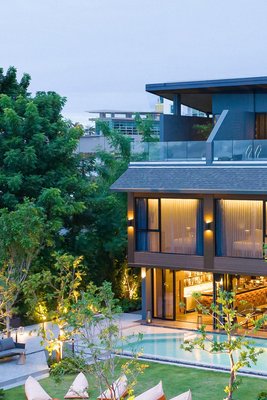
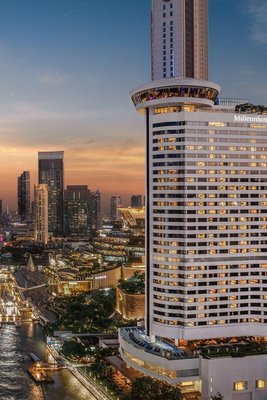
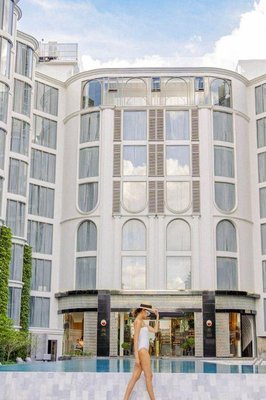


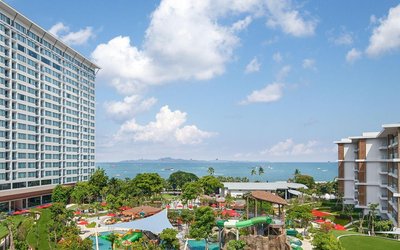
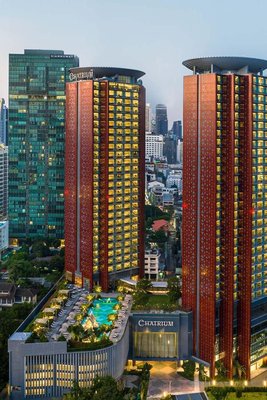
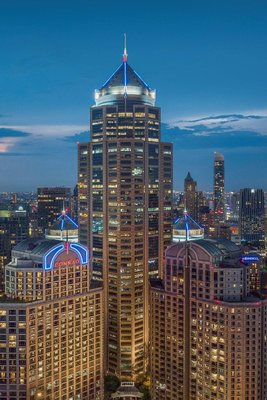
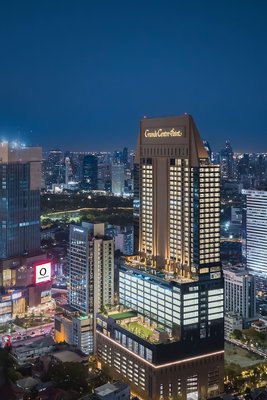


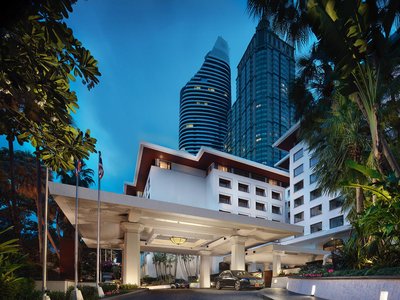
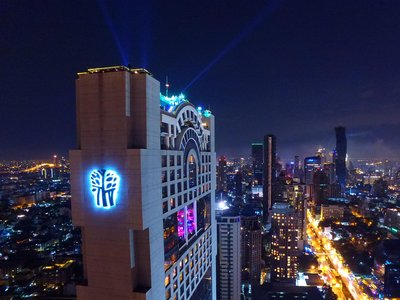
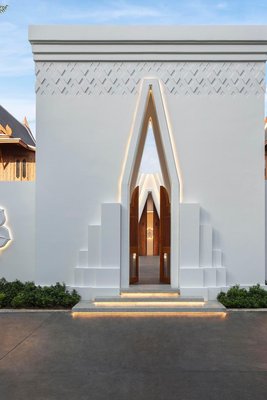
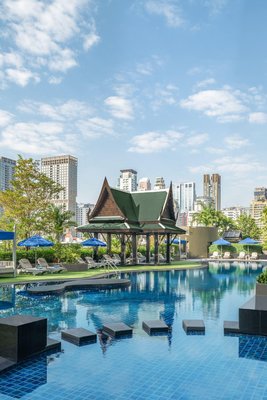







Frequently Asked Questions about Traveling to nakhon chai si
Questions You Might Need to Know About Traveling to nakhon chai si
In Pho Thong District, top recommendations include Buddha Park Resort Pho Thong, a boutique hotel blending traditional Thai architecture with modern comfort, located near the iconic Great Stupa. It offers on-site Thai massage, lush gardens, and authentic local dining. For budget-friendly stays, consider Chiang Mai House Hotel, centrally located within walking distance of Pho Thong Great Stupa and major temples. Both properties provide complimentary shuttles to key attractions, ensuring convenience for cultural exploration. Facilities emphasize tranquility and spiritual immersion, ideal for mindful travelers seeking authenticity.
The best area for accommodation in Pho Thong District is the Great Stupa vicinity, where you’ll find serene, culture-rich lodging close to Pho Thong Great Stupa, Thailand’s most revered Buddhist monument. Staying here allows easy access to morning alms ceremonies and daily temple visits. Another excellent choice is the Bodhi Temple Green Belt, known for its peaceful atmosphere, tree-lined streets, and proximity to local markets. Many hotels offer free shuttle services to major sites, making it convenient for exploring the district’s religious and historical heart while enjoying a calm, meditative environment.
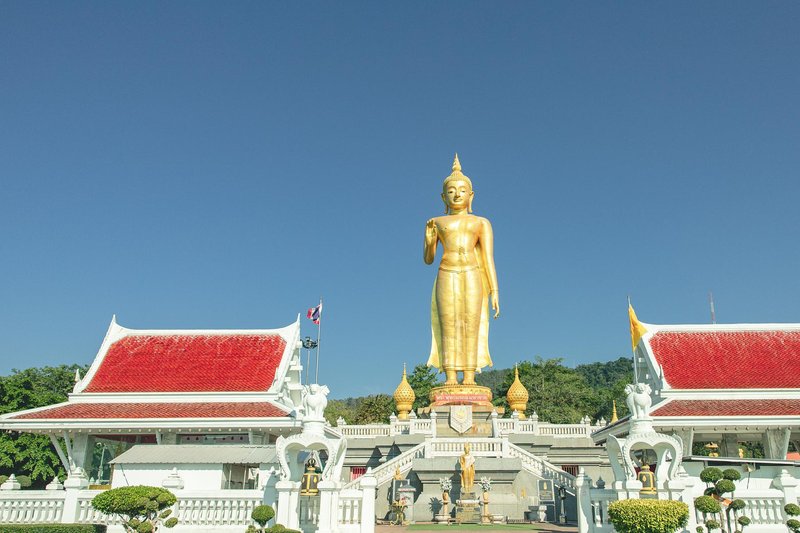
Must-visit religious sites in Pho Thong District include the Great Stupa (Phra Chedi Phra That Pho Thong), believed to house relics of the Buddha, drawing hundreds of thousands of pilgrims annually. Nearby, Bodhi Temple (Wat Pho Thong) features a magnificent golden chedi and a large seated Buddha statue. Also essential is Wat Ratcha Prasat, a historic royal temple with centuries-old architecture and rare Buddhist artifacts. These landmarks are clustered in the city center, easily accessible by foot or scooter, offering an immersive experience into Thai Buddhist heritage and sacred traditions.
Visitors to Pho Thong District can participate in unique cultural experiences such as joining early morning chanting rituals at Bodhi Temple, feeling the serenity of spiritual practice. At night, the annual Pho Thong Lantern Festival illuminates the city with thousands of glowing lanterns—an unforgettable sight. Hands-on workshops in traditional Thai weaving and natural incense crafting allow guests to create personal souvenirs. Many hotels also host Thai vegetarian cooking classes, teaching dishes like "Khao Soi" and "Mango Sticky Rice," deepening understanding of local culinary culture through direct participation.
Yes, Pho Thong District is highly suitable for family travel. The area is safe, quiet, and family-friendly, with many hotels offering kid zones and child-oriented activities. Great Stupa Park features open lawns and walking paths perfect for children to play, with panoramic views of the stupa. The Pho Thong Museum provides interactive exhibits on Thai Buddhist history and ancient civilizations, engaging younger minds. Families can also enjoy Thai tie-dye workshops or Buddha painting sessions, combining fun and learning. With convenient access to all major sites, it’s an ideal destination for intergenerational trips that blend education, relaxation, and cultural discovery.
Tourists in Pho Thong District should try Pho Thong Yellow Noodle Soup (Khao Soi Pho Thong)—a rich coconut-based broth with crispy fried noodles. Don’t miss Moo Ping (Grilled Pork Skewers) marinated in aromatic Thai spices and grilled over charcoal. For dessert, sample Mango Sticky Rice (Khao Niew Mamuang) made with sweet local mangoes and creamy coconut milk. Visit Pho Thong Market Street for authentic street food from century-old stalls. Some hotels even offer private chef-led dinner experiences, where guests can learn to cook these dishes from scratch, gaining deeper insight into regional flavors and culinary traditions.
In Pho Thong District, the most convenient transport is electric scooters, widely available for rent. The flat terrain and ample parking make them ideal for exploring temples and markets. For longer trips to Bangkok, take the Airport Bus to Suvarnabhumi Airport—about 1 hour with frequent departures. Local bike-sharing programs serve short-distance travel. Most hotels offer free shuttle services to major sites like the Great Stupa and Bodhi Temple. Additionally, the Pho Thong Railway Station connects to eastern rail lines, providing a scenic, comfortable option for longer journeys, especially for travelers interested in experiencing Thailand’s traditional rail culture.
The best time to visit Pho Thong District is from November to February, during the dry season when temperatures range between 25–30°C and rainfall is minimal. This period includes the vibrant Pho Thong Lantern Festival in December, featuring stunning light displays and cultural events. Avoid the hot season (April–June), which is humid and extremely warm. The rainy season (July–October) brings lush greenery but occasional downpours and travel disruptions. Steer clear of the Lunar New Year (late January–February), as crowds surge and prices rise significantly.
Top shopping destinations in Pho Thong District include the Pho Thong Weekend Market, a bustling bazaar with over 100 stalls selling handmade crafts, Thai textiles, wooden Buddha statues, natural incense, and local snacks. For authentic souvenirs, visit the Bodhi Temple Craft Workshop, where monks guide visitors in creating hand-painted mandalas and lotus lanterns. Explore Old Town Streets for antique shops and ceramic boutiques offering vintage Thai pottery. Some hotels also provide private shopping tours led by local guides, taking guests off the beaten path to discover hidden gems and high-quality, culturally significant items.
Nighttime highlights in Pho Thong District include strolling along the Stupa Riverside Path, enjoying sunset views and reflections of the Great Stupa. Every Friday and Saturday, the Pho Thong Lantern Festival lights up the city with thousands of floating lanterns—an awe-inspiring spectacle. Nighttime rituals at Bodhi Temple, including candle offerings and chanting, offer a deeply spiritual experience. For arts lovers, check out performances at the Pho Thong Cultural Center, featuring traditional Thai dance and music. Some hotels host starlit tea gatherings or Buddhist philosophy talks, combining meditation, light refreshments, and meaningful dialogue—perfect for unwinding under the stars while connecting with Thai spiritual culture.
nakhon chai si Overview
City Summary
Phra Phutthabat District in Nakhon Pathom, Thailand, is a captivating area rich in history and natural beauty. Its most iconic landmark is the Phra Pathom Chedi, one of the tallest Buddhist stupas in the world, symbolizing Thailand's religious heritage. The district is dotted with temples and traditional markets, offering an authentic glimpse into local Buddhist culture and rural life, making it a serene escape from urban chaos.
Must-See Attractions
Must-visit sites include the Phra Pathom Chedi, a golden stupa that is both a spiritual sanctuary and an architectural marvel. Wat Sam Phran stands out with its striking dragon-wrapped façade. The Phra Phutthabat Market is perfect for experiencing local life, with fresh fruits, handicrafts, and street food. Surrounding rice fields and orchards provide tranquil landscapes ideal for cycling or leisurely walks.
Food Guide
Local cuisine showcases authentic Thai rural flavors. Khao Niew Sang Kaya (coconut sticky rice with custard) is a must-try dessert. Street vendors serve delicious Pad Thai and Som Tum (green papaya salad). Don’t miss Khao Chae, a traditional Thai summer dish unique to Nakhon Pathom, especially refreshing in hot weather.
Transportation Guide
Transportation in Phra Phutthabat relies mainly on buses and taxis. From Bangkok, take a bus or train (1.5 hours) to Nakhon Pathom, then transfer to local transport. Within the district, motorbike rentals or tuk-tuks are convenient for getting around. Self-driving is possible but note that rural roads can be narrow. Public transport runs infrequently, so plan ahead.
Best Time to Visit
Best time to visit is November to February, when the weather is cool and dry. Avoid April-May (extreme heat) and June-October (monsoon season), as rain may affect access to some sites.
Travel Tips
1. Respect religious sites: Dress modestly, remove shoes, and stay quiet in temples. 2. Sun protection: Thailand's sun is intense; pack sunscreen and hats. 3. Cash readiness: Rural areas have limited card acceptance; carry sufficient cash. 4. Food safety: Choose busy stalls and avoid raw dishes to prevent stomach issues. 5. Transport caution: Use registered taxis at night and avoid isolated areas. 6. Cultural etiquette: Avoid touching others' heads, as it’s considered taboo.
Useful Information
Language: Thai is primary; basic English works in tourist spots. Internet: 4G is available in urban areas; local SIM cards (AIS/Dtac) are recommended. Payment: Cash dominates; few shops accept cards. Emergency care: Clinics and pharmacies are available; major hospitals are in Nakhon Pathom city. Voltage: 220V, Type A/B plugs. Water: Drink bottled water; avoid tap water.