Hotels in Namegata
Discover your perfect stay in Namegata.
Namegata(Japan) Travel 2026: Cheap Flights, Hotels & Top Attractions
Popular Landmarks in Namegata
Discover the most iconic attractions in Namegata
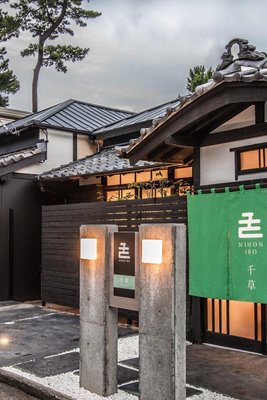
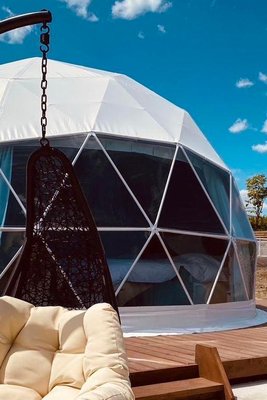
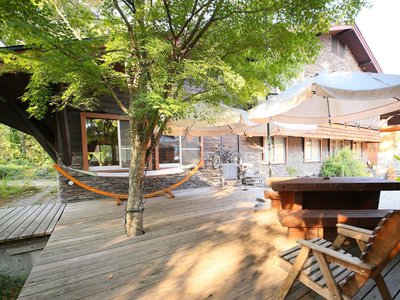
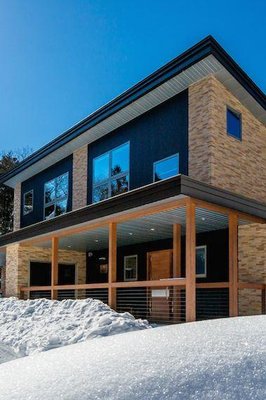
Recommended Hotels in Namegata
Find the perfect place to stay in Namegata
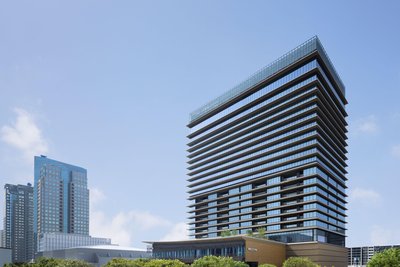
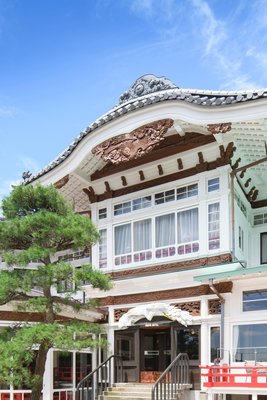
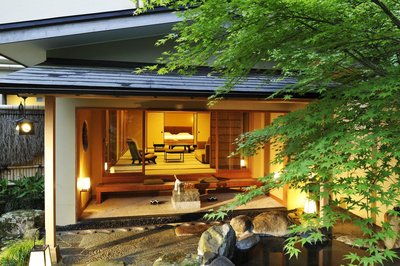
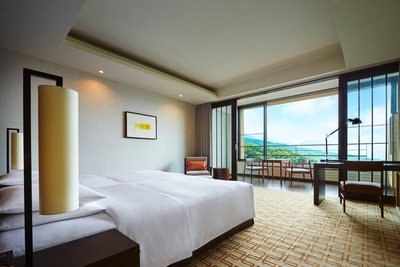
Best Hotels in Namegata
Discover curated hotel collections in Namegata

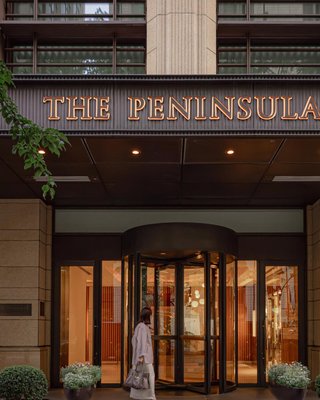

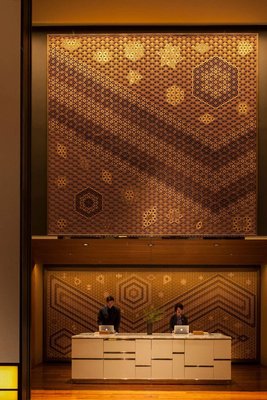
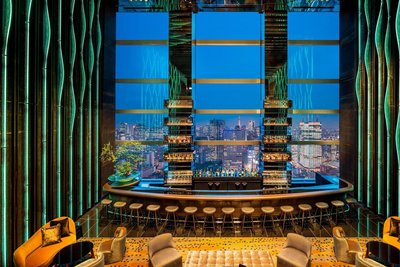
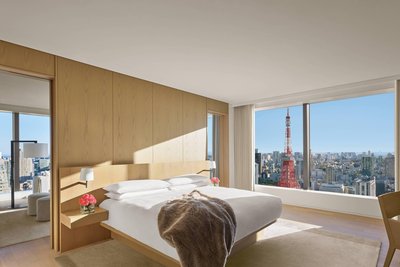




Frequently Asked Questions about Traveling to Namegata
Questions You Might Need to Know About Traveling to Namegata
Namegata Overview
City Summary
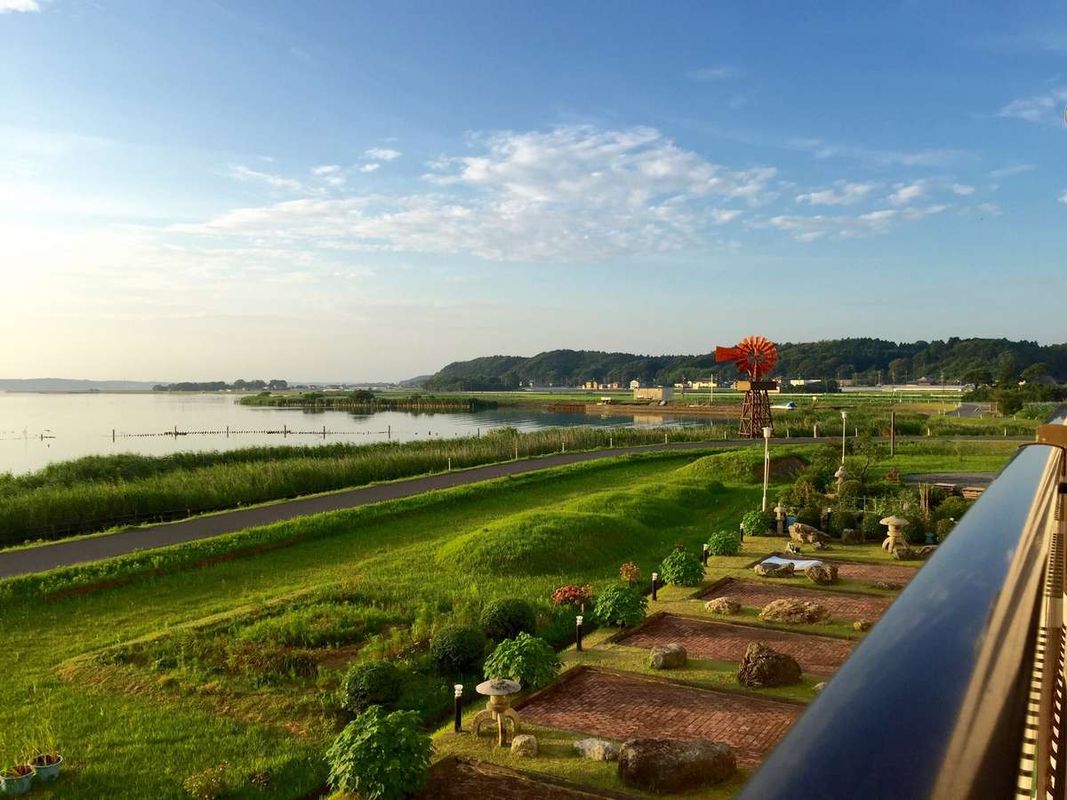
Namegata City, located in southeastern Ibaraki Prefecture, is a rural town blending pastoral scenery with historical heritage. Lake Kasumigaura, Japan's second-largest lake, offers exceptional birdwatching and water activities. The well-preserved Edo-period farmhouses and agricultural experiences provide authentic insights into traditional Japanese life.
Must-See Attractions
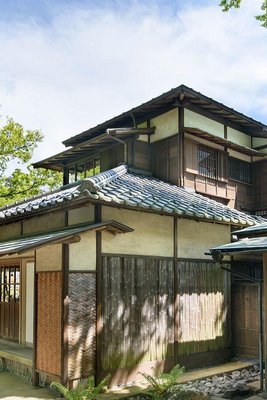
Top attraction is Lake Kasumigaura, ideal for sightseeing cruises or lakeside cycling. The Aso Domain Samurai Residence Ruins showcase feudal-era warrior culture, while Namegata City History Museum systematically documents local heritage. Don't miss the spectacular Lake Kasumigaura Fireworks Festival in summer.
Food Guide
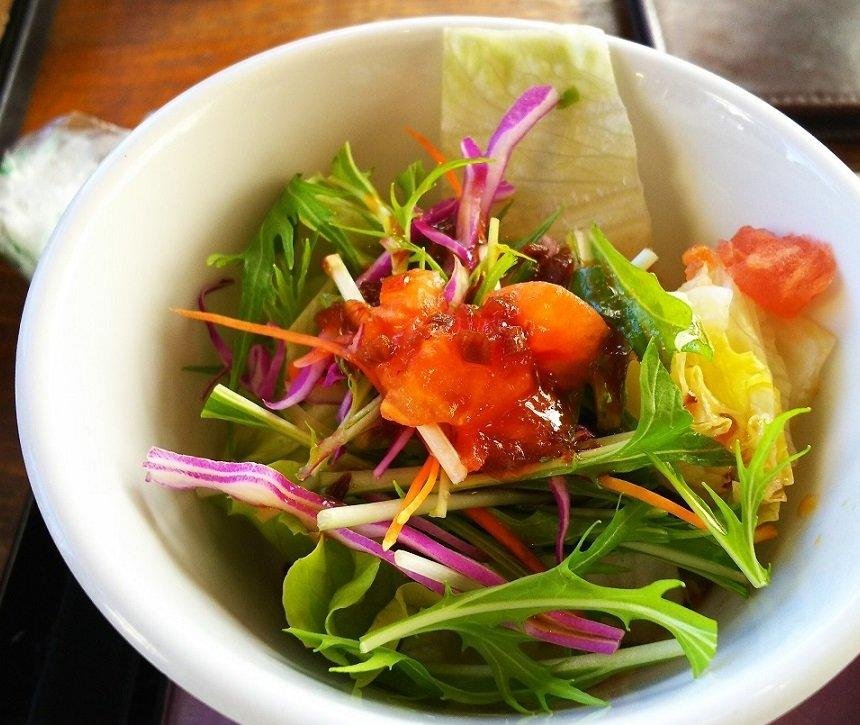
Namegata specializes in freshwater fish cuisine, particularly sweet-simmered carp and eel (kanroni) from Lake Kasumigaura. Farm-to-table vegetable dishes and handmade soba noodles highlight Ibaraki's agricultural roots. Adventurous eaters should try traditional natto preparations for unique fermented flavors.
Transportation Guide
From Tokyo Station, take JR Joban Line to Ishioka Station (70min), then transfer to Kanto Railway buses (20min). The Kanto Bus system covers main areas (day pass: ¥1,200). Taxis charge ¥730 initial fare (first 2km). E-bike rentals (¥500/hour) are recommended for lakeside exploration.
Best Time to Visit
Ideal visiting periods are April-May (cherry blossoms & fresh greenery) and September-November (autumn foliage & harvest), with temperatures 15-25°C. Summer (July-August) offers lake activities but high humidity. Winter (December-February) provides serene landscapes with few tourists.
Travel Tips
- Wear anti-slip shoes and bring insect repellent near wetland areas
- Remove shoes when entering historic houses (wear slip-ons)
- Rural restaurants often require reservations
- Check bus schedules carefully due to limited frequency
- Carry sufficient cash as electronic payments are limited
- Respect farm boundaries - do not enter private fields
Useful Information
Basic English signage exists at stations/tourist spots (translation apps recommended). 4G coverage is citywide (SIM cards available at convenience stores). Medical facilities concentrate in downtown; dial #7119 for multilingual emergency assistance. While IC cards (Suica/Pasmo) work at major outlets, cash remains essential in rural areas. Bilingual maps are available at Ishioka Station's tourist center.









