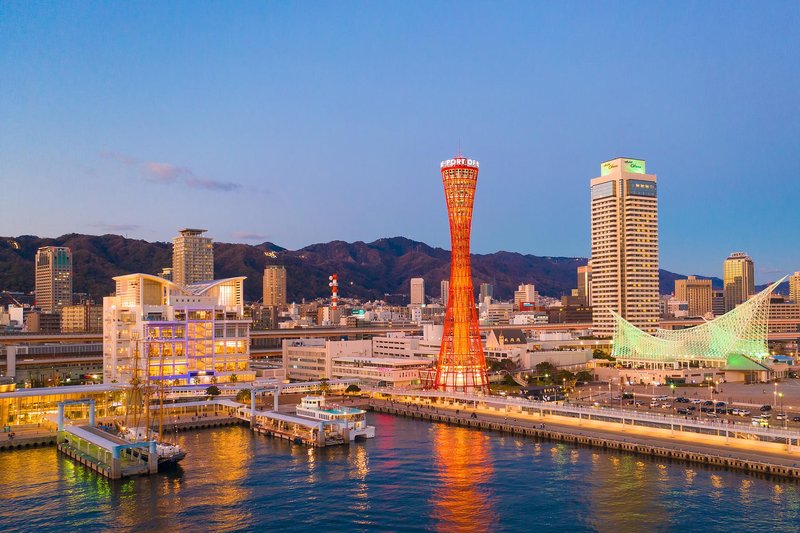
Hotels in Namegawa
Discover your perfect stay in Namegawa.
Namegawa(Japan) Travel 2026: Cheap Flights, Hotels & Top Attractions
Popular Landmarks in Namegawa
Discover the most iconic attractions in Namegawa
Recommended Hotels in Namegawa
Find the perfect place to stay in Namegawa
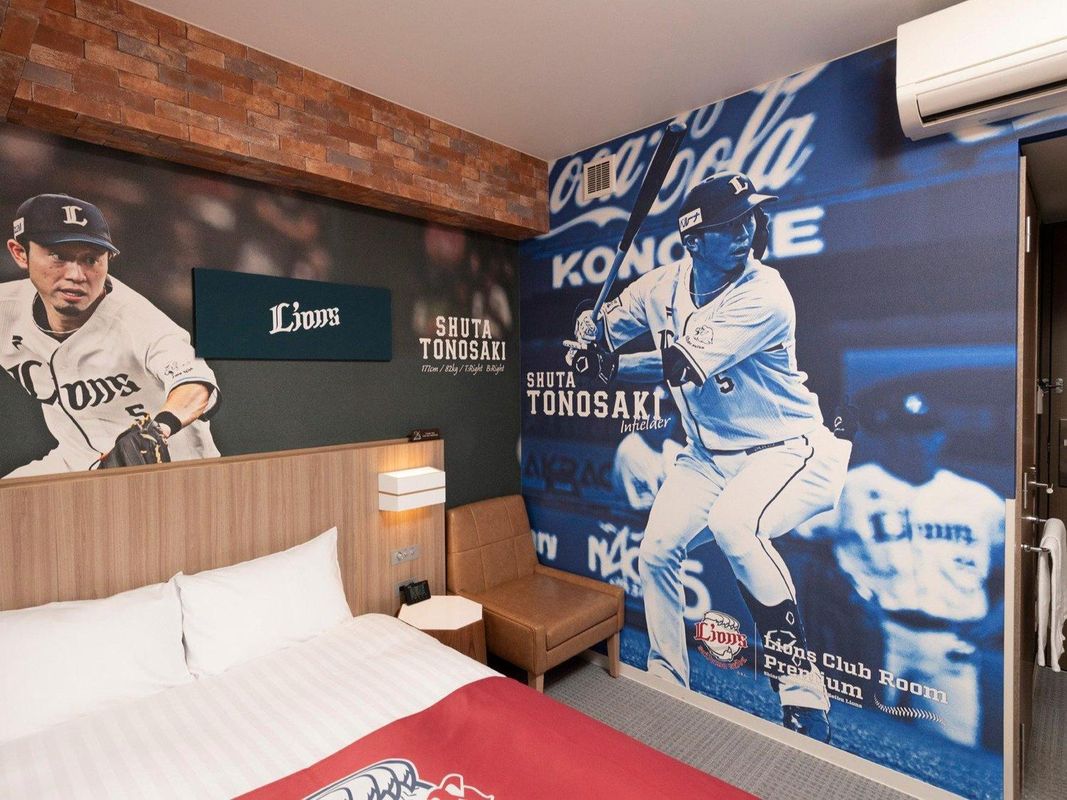
Shinrin Hotel
Best Hotels in Namegawa
Discover curated hotel collections in Namegawa
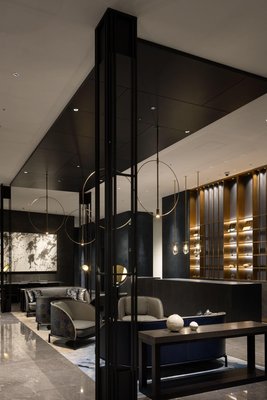
Bellustar Tokyo, A Pan Pacific Hotel
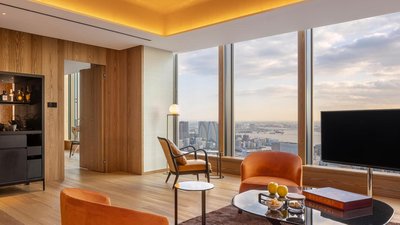
Bvlgari Hotel Tokyo
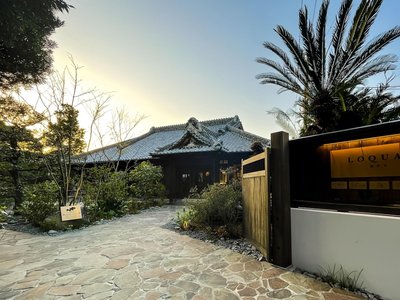
Loquat Nishiizu
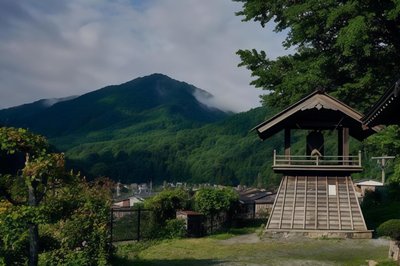
Byaku Narai
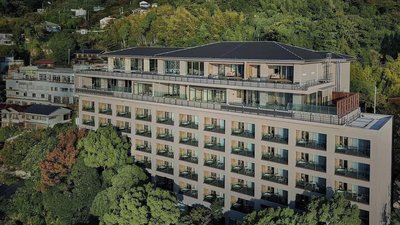
Atami Izusan Karaku
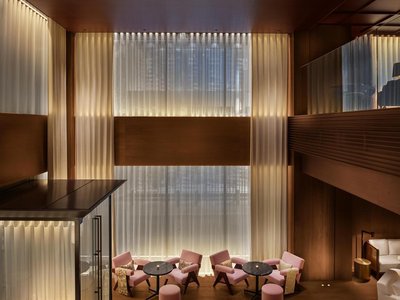
The Tokyo Edition, Ginza
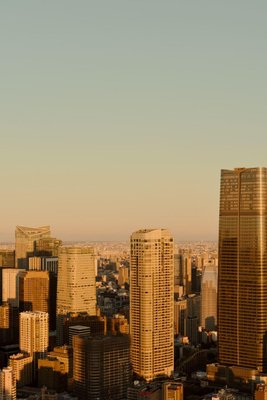
Janu Tokyo
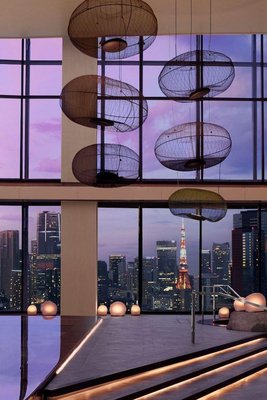
JW Marriott Hotel Tokyo
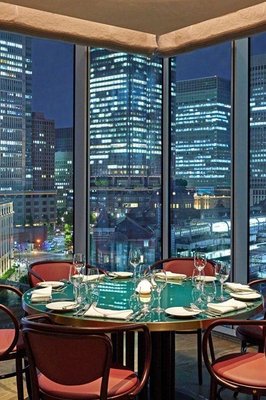
Four Seasons Hotel Tokyo at Marunouchi

Mandarin Oriental, Tokyo
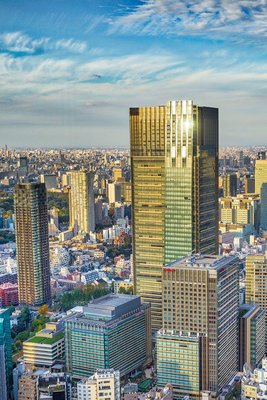
The Ritz-Carlton, Tokyo
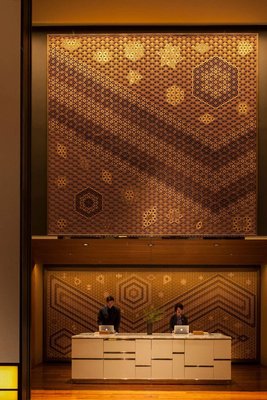
Andaz Tokyo Toranomon Hills- A Concept by Hyatt
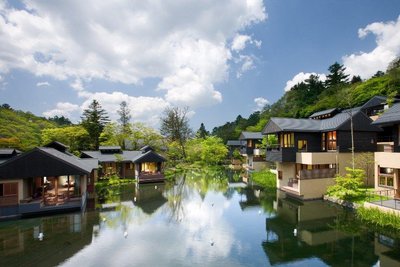
Hoshinoya Karuizawa
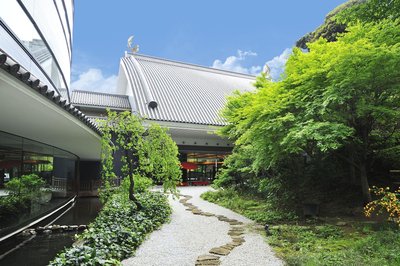
Hotel Gajoen Tokyo
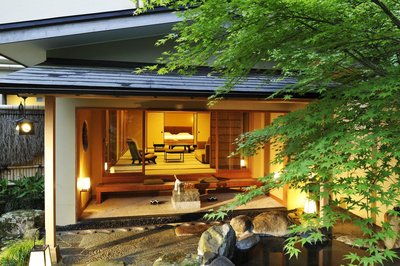
Gora Kadan
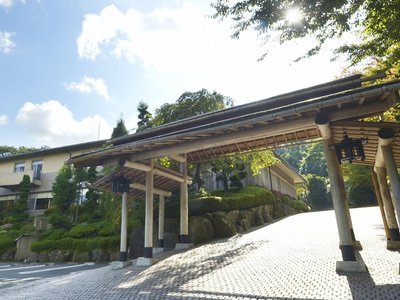
Gora Hanaougi
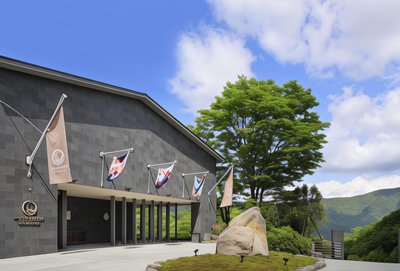
The Hiramatsu Hotels & Resorts Sengokuhara Hakone
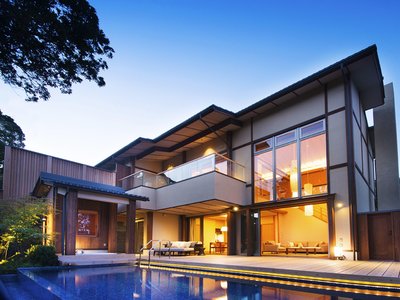
Abba Resorts Izu - Zagyosoh
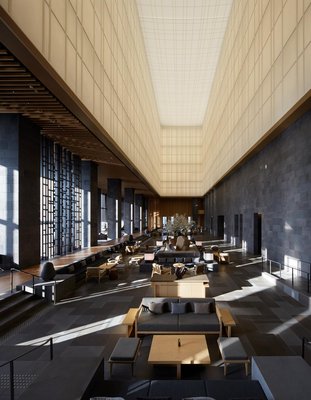
Aman Tokyo
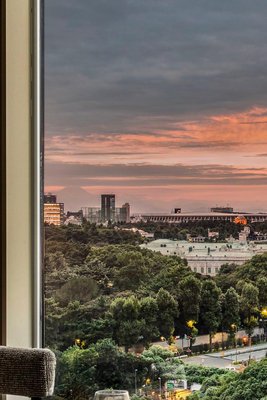
Hotel New Otani Tokyo, Executive House Zen
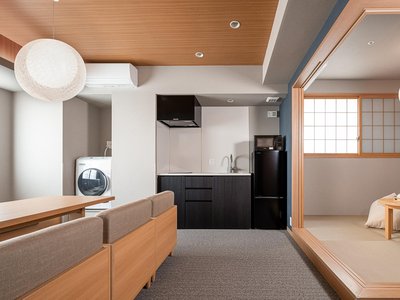
MIMARU SUITES Tokyo Asakusa
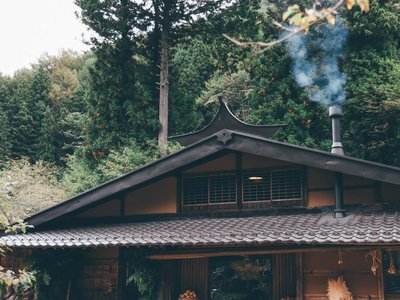
La Terra Resort
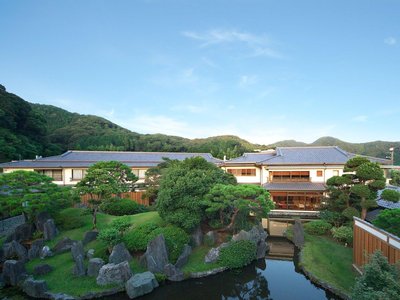
Kagetsutei

karaksa hotel colors Tokyo Yaesu
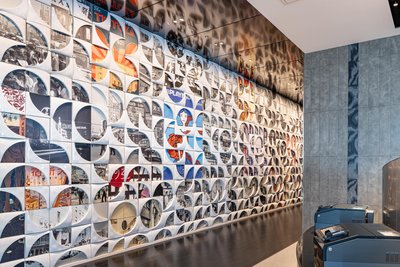
HOTEL GROOVE SHINJUKU, A PARKROYAL Hotel
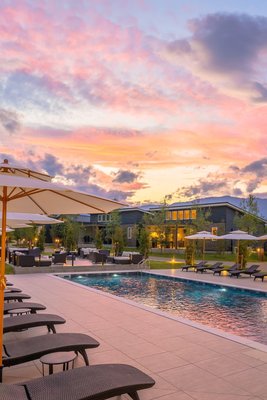
Awaumi Fujikawaguchiko Resort
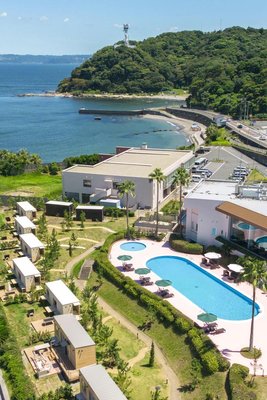
La vista Yokosuka Kannonzaki Terrace
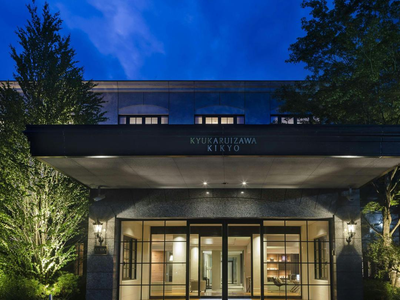
Fufu Karuizawa Wind of Sunshine
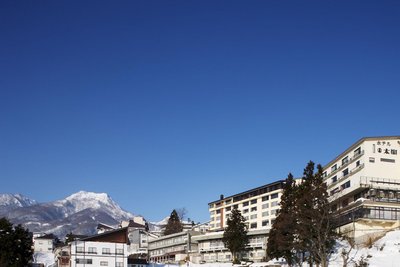
Hotel Taiko, Akakura Onsen
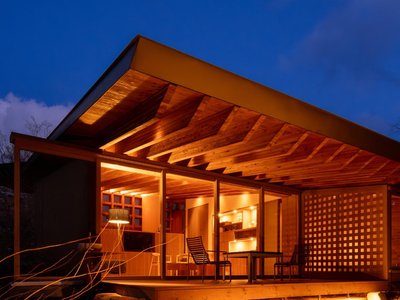
Nasu Mukunone
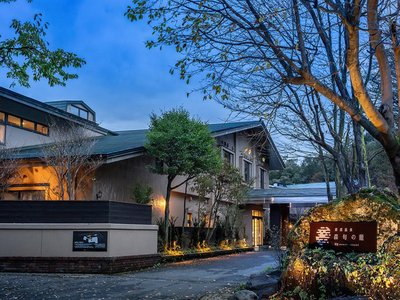
Nasu Onsen Shinshun no Kago Hewitt Resort

Scapes the Suite
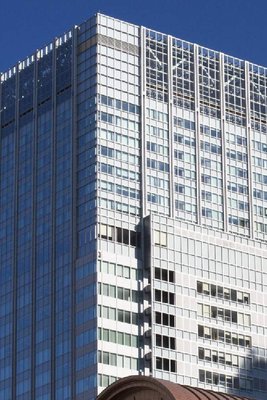
Hotel Metropolitan Tokyo Marunouchi
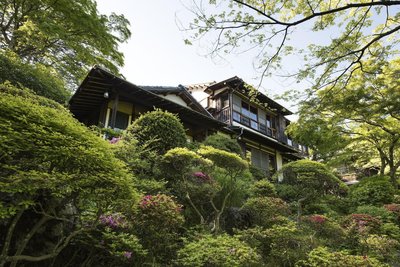
Gora Kansuiro
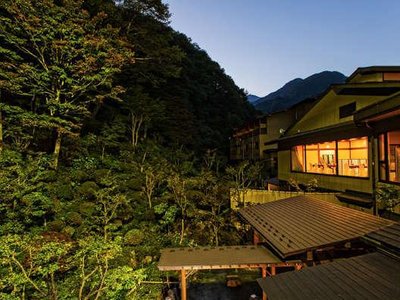
Futari Shizuka
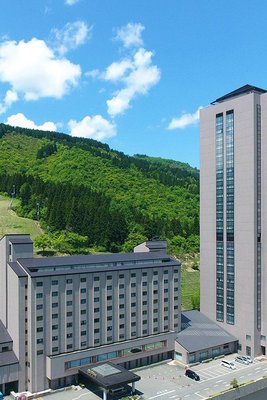
Naspa New Otani
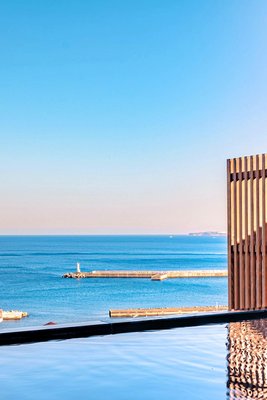
HOTEL KANICHI
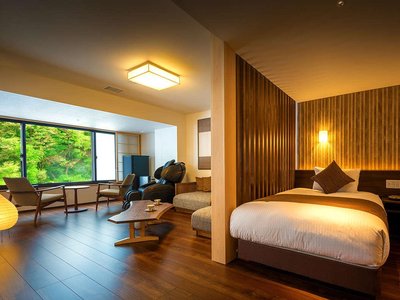
Harataki
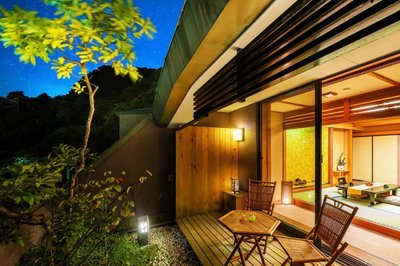
Konjakutei
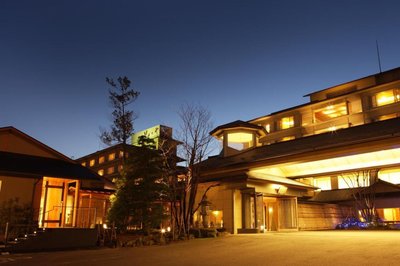
Yumotoya
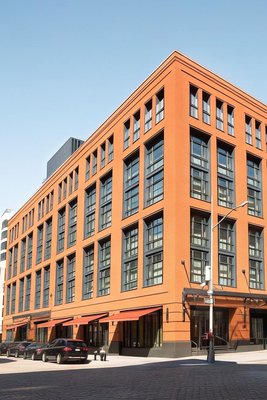
Hotel Barrière Fouquet's New York
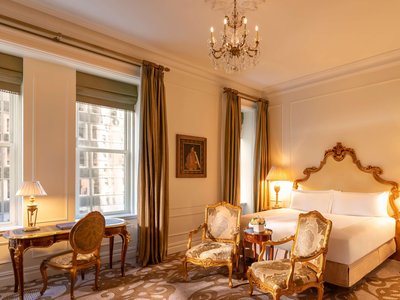
The Plaza - A Fairmont Managed Hotel
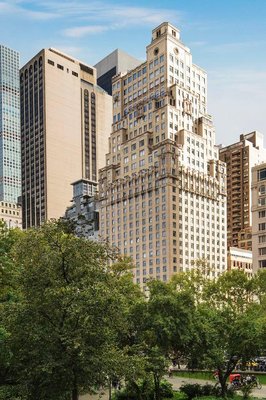
The Ritz-Carlton New York, Central Park
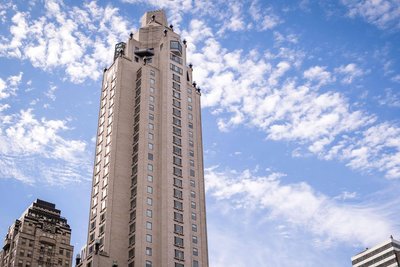
Four Seasons Hotel New York
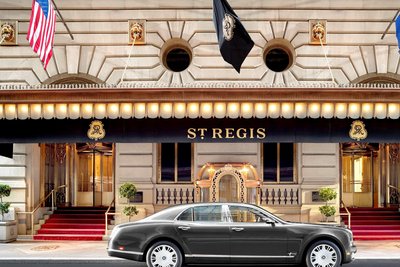
The St. Regis New York
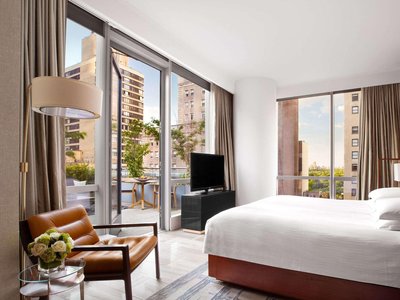
Park Hyatt New York
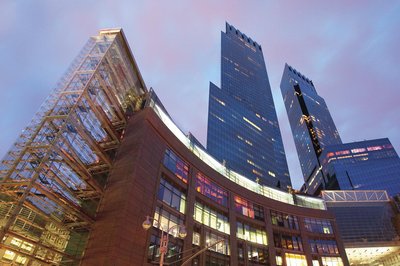
Mandarin Oriental New York

Times Square Edition New York

Loews Regency New York Hotel
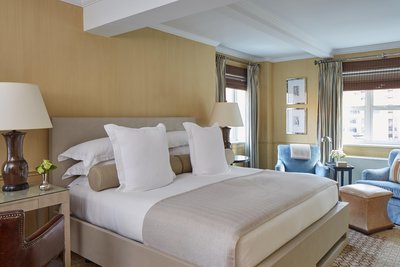
Lowell Hotel
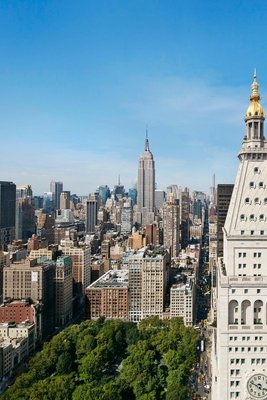
New York Edition
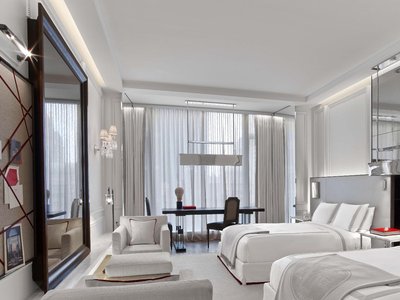
Baccarat Hotel New York

Equinox Hotel New York
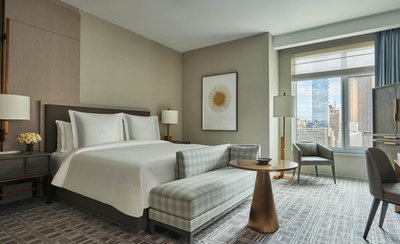
Four Seasons Hotel New York Downtown
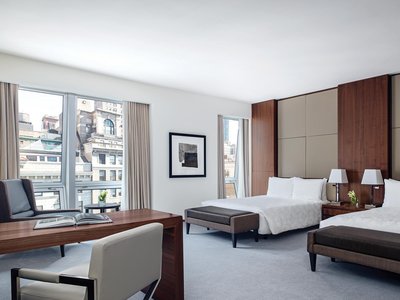
The Langham, New York, Fifth Avenue

The Carlyle, A Rosewood Hotel

The Chatwal, in the Unbound Collection by Hyatt
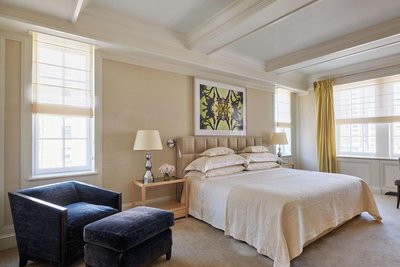
The Mark New York
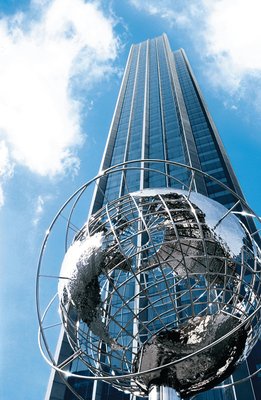
Trump International Hotel & Tower® New York
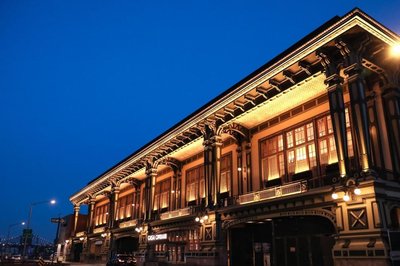
Casa Cipriani New York
Frequently Asked Questions about Traveling to Namegawa
Questions You Might Need to Know About Traveling to Namegawa
In Kawakawa Town, stay at Kawakawa Town Cottage, a charming Japanese-style guesthouse nestled beside the Kawakawa River. This eco-friendly inn blends traditional timber architecture with modern comfort, offering private gardens and seasonal farm-to-table breakfasts. Nearby, Saitama Prefectural Nature Park Cabins provide rustic wooden lodges ideal for nature lovers seeking quiet immersion in rural Kanto life.
The central district of Kawakawa Town is the most convenient base for visitors, close to Kawakawa Shrine and scenic walking trails. Accommodations here range from family-run inns to cozy guesthouses, many within walking distance of the local organic market. With easy access to the Chichibu Railway Line, it’s perfect for day trips to nearby historic towns and mountain views.
Guests can join hands-on traditional rice farming workshops, learning planting and harvesting techniques passed down through generations. During the annual Kawakawa Harvest Festival, enjoy taiko drumming, craft stalls, and local sake tastings—deepening your connection to regional agricultural heritage. The Old Town House Cultural Center also offers workshops in pottery and washi paper-making, preserving intangible local crafts.
While Kawakawa Town itself lacks hot springs, the nearby Chichibu Onsen Area features excellent options. Visit Shirakaba Onsen, known for its natural mineral-rich waters and open-air baths overlooking the mountains. A 40-minute bus ride from Kawakawa Town, this serene retreat offers an ideal escape for relaxation and rejuvenation after exploring the countryside.
Family Stay Kawakawa is a top choice for families, featuring a private garden, children’s play area, and farm interaction activities like feeding goats and strawberry picking. Parents can unwind in a traditional tea house while kids enjoy hands-on learning. Breakfast includes locally sourced ingredients such as homemade tofu and fresh rice balls—true taste of Kanto rural life.
Though not bustling at night, Kawakawa River Night Walk shines during summer with illuminated lanterns reflecting on the water. For stargazers, join a night sky observation event under dark skies away from light pollution. Some inns host bonfire nights, where guests gather to roast marshmallows and share stories beneath the stars.
Try rice-based sushi rolls and fermented vegetable platters made from locally grown produce. At Takata Dining Hall, participate in a "One-Day Farmer Meal Experience"—harvesting vegetables and preparing dishes together. During the annual Mikaze Festival, sample limited-edition rice wine ice cream and mochi dumplings, celebrating the town’s culinary traditions.
Yes, Kawakawa Town is highly accessible by car. It lies near the Kan-etsu Expressway and National Route 17, making it just over one hour from central Tokyo. The roads are well-maintained, and small rental cars are ideal for navigating narrow rural lanes. Stop by the Kawakawa Town Tourist Information Center for maps and local tips before setting off.
Spring brings the Cherry Blossom Festival along the Kawakawa River, with picnics and taiko performances. In summer, join the Firefly Night Cruise on the river, watching tiny glowing insects dance above the water. Autumn sees the Red Leaf Hiking Festival across the Koma Mountain Trail, with rest stops serving local snacks. Winter hosts the Snow Lantern Festival, where handcrafted lanterns illuminate village paths in a magical display.
Most guesthouses in Kawakawa Town lack full accessibility, but Kawakawa Central Inn is certified under Japan’s Accessibility Standards, featuring ramps, non-slip flooring, and wheelchair-accessible bathrooms. Advance HopeGoo is recommended. The inn also provides guided tour assistance, ensuring all guests—including those with mobility challenges—can fully enjoy the town’s natural and cultural offerings.
Namegawa Overview
City Summary
Namegawa Town, located in the eastern part of Saitama Prefecture, Japan, is a tranquil town renowned for its natural landscapes and agricultural culture. With vast rice fields and clear rivers, the town offers distinct seasonal scenery, particularly stunning during spring cherry blossoms and autumn foliage. The slow-paced lifestyle and traditional Japanese rural charm make it an ideal escape from urban hustle.
Must-See Attractions
Key attractions in Namegawa Town include Namegawa Onsen, famous for its therapeutic hot springs perfect for relaxation. The Namegawa Town Historical and Folk Museum showcases local history and culture. Additionally, the town's countryside scenery and bicycle paths are ideal for outdoor enthusiasts.
Food Guide
Namegawa's culinary scene is deeply influenced by its agricultural heritage. Must-try dishes include fresh vegetables and rice. Street snacks like roasted sweet potatoes and soy sauce dumplings are popular. Family-run restaurants serve authentic rural cuisine, such as vegetable tempura and miso soup.
Transportation Guide
Transportation in Namegawa relies on buses and bicycles. From Saitama City or Tokyo, take the Tobu Tojo Line to "Namegawa Station" and transfer to local buses. Due to scattered attractions, renting a bicycle or driving is recommended. Taxis are scarce and require advance HopeGoo.
Best Time to Visit
The best time to visit is spring (March-May) for cherry blossoms and mild weather. Autumn (September-November) offers spectacular foliage. Summers are hot, and winters are cold with fewer tourists.
Travel Tips
- Respect local culture: Residents are friendly, but maintain a quiet demeanor to preserve the town's serenity.
- Bicycle etiquette: Ride on the left and be mindful of farmland and pedestrians.
- Onsen manners: Wash thoroughly before entering hot springs; swimwear is prohibited.
- Waste disposal: Carry trash back to your accommodation for sorting, as public bins are rare.
- Cash payments: Many small shops only accept cash, so carry sufficient yen.
- Seasonal attire: Pack light layers for spring/autumn and warm clothing for winter.
Useful Information
Language: Japanese is widely spoken; English is limited. Learn basic phrases or use a translation app. Internet: Free Wi-Fi spots are available but limited; consider a local SIM or portable Wi-Fi. Payments: Cash is preferred, though some stores accept IC cards (e.g., Suica). Credit cards are rarely used. Emergency: Small clinics are available; for serious cases, visit hospitals in nearby Kumagaya. Dial 110 (police) or 119 (ambulance). Etiquette: Remove shoes when entering homes or restaurants, and avoid loud noises in public.