Hotels in Nanbu
Discover your perfect stay in Nanbu.
Nanbu(Japan) Travel 2026: Cheap Flights, Hotels & Top Attractions
Popular Landmarks in Nanbu
Discover the most iconic attractions in Nanbu
Recommended Hotels in Nanbu
Find the perfect place to stay in Nanbu
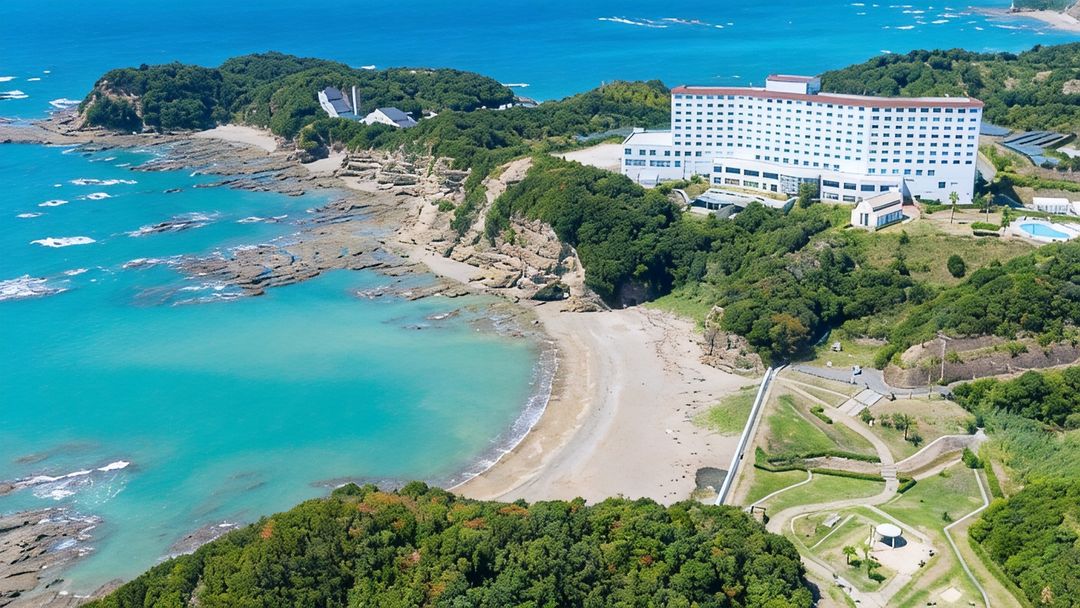
Grand Mercure Wakayama Minabe Resort & Spa
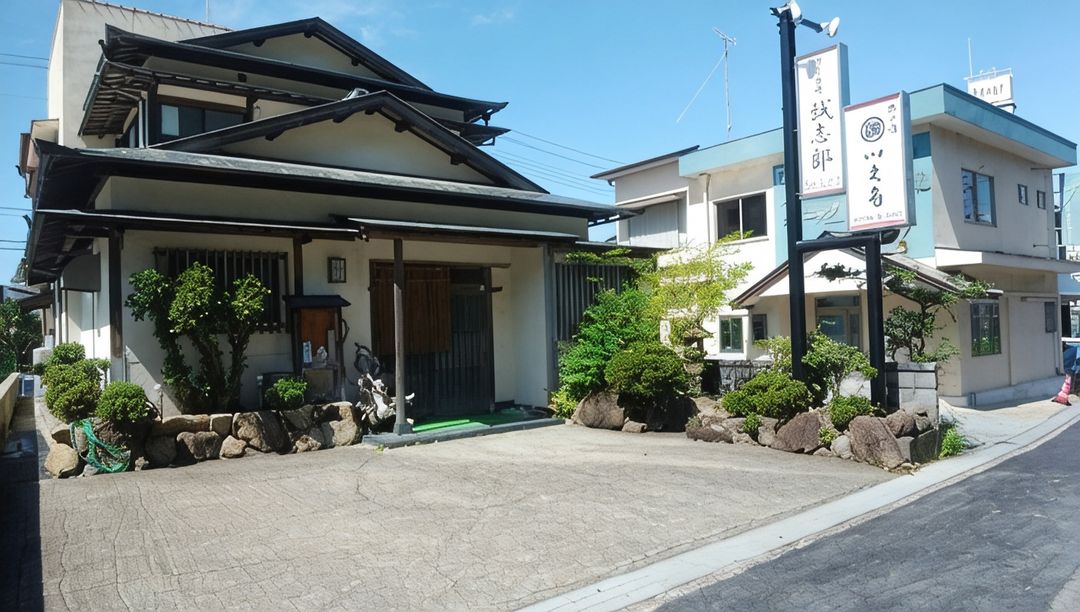
Tabi No Yado Ikuta
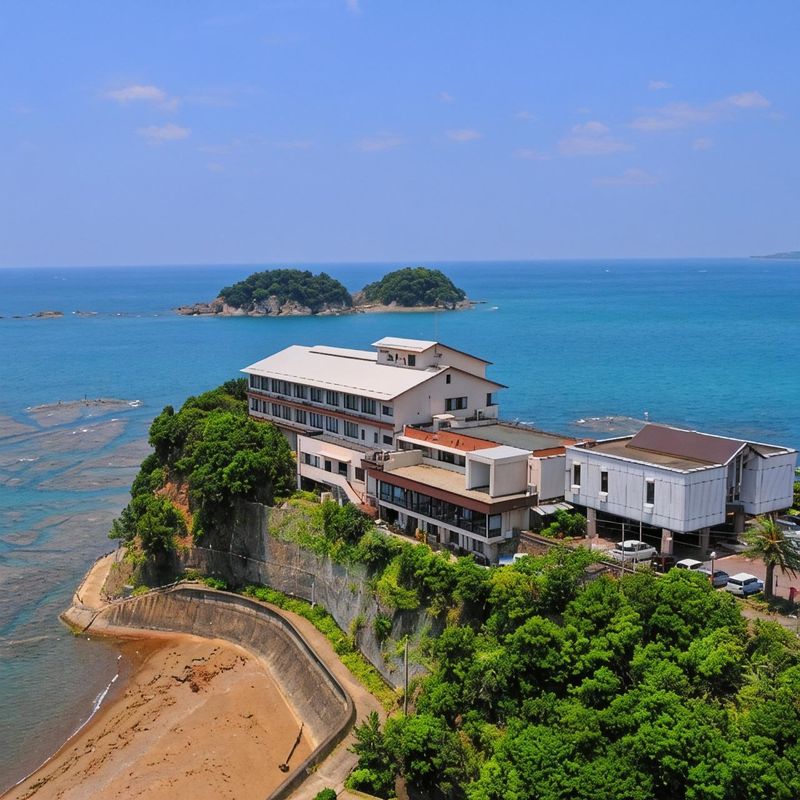
Kishuji Minabe
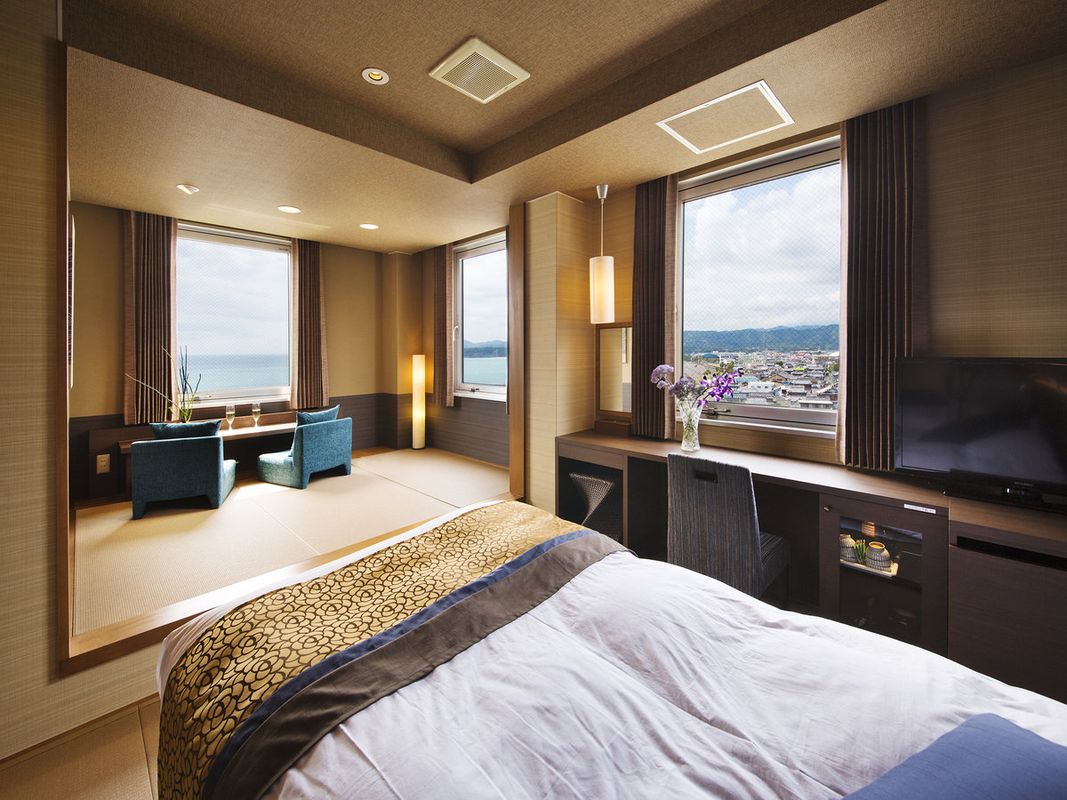
Asahiro
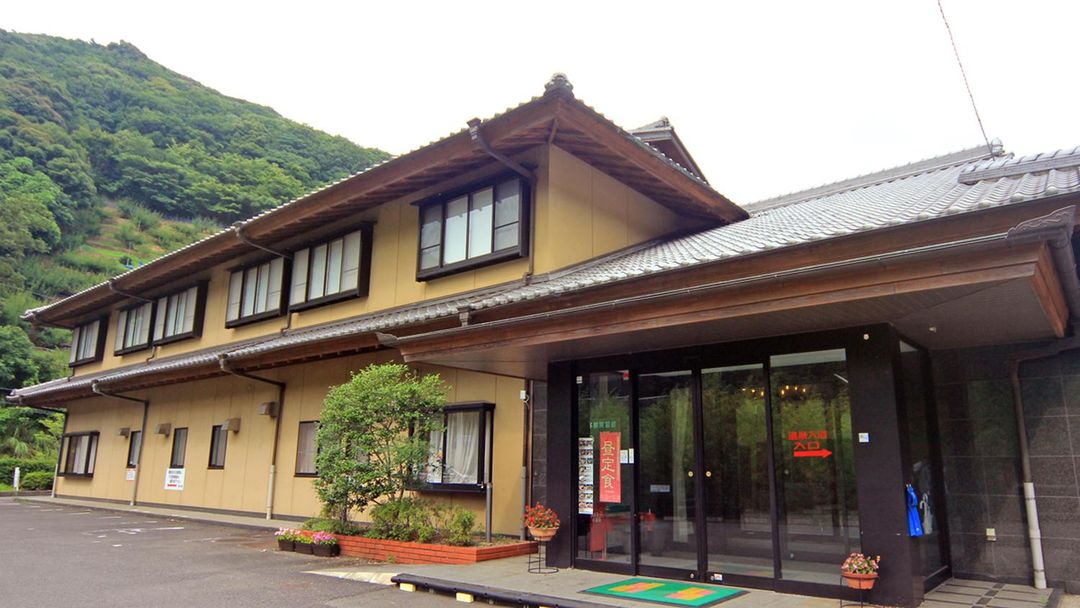
Tsurunoyu Onsen
Best Hotels in Nanbu
Discover curated hotel collections in Nanbu
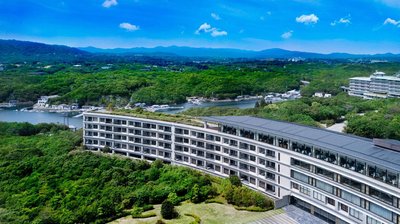
Shima Kanko Hotel the Bay Suites
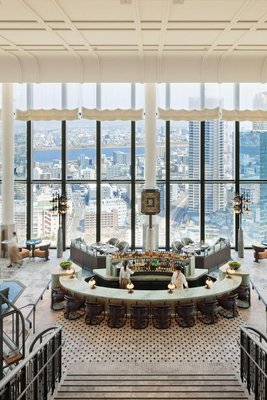
Waldorf Astoria Osaka
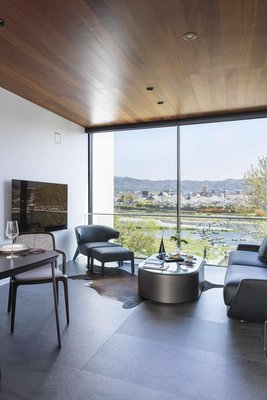
Kamo Residences by Reflections
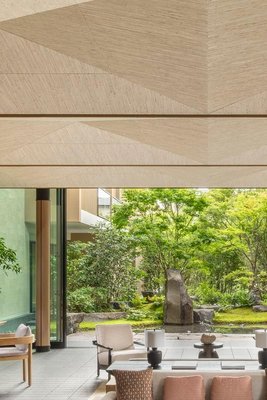
Six Senses Kyoto
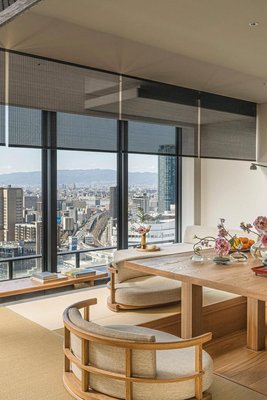
Four Seasons Hotel Osaka
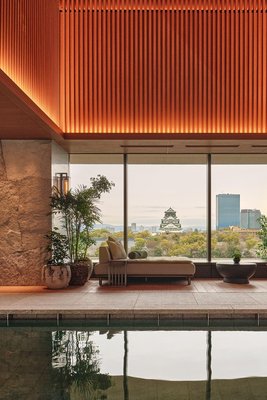
Patina Osaka

The Ritz-Carlton, Osaka
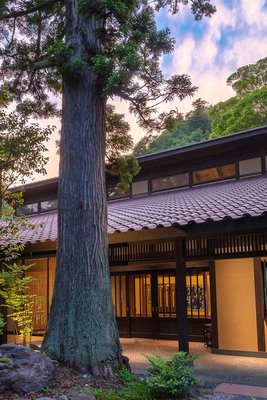
Arimasansoh Goshobessho
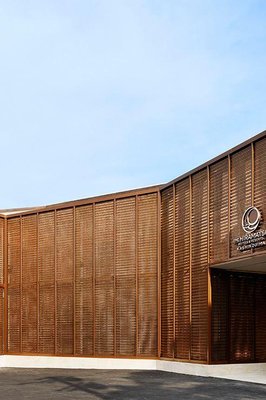
The Hiramatsu Hotels & Resorts Kashikojima
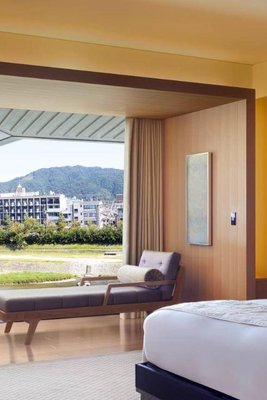
The Ritz-Carlton, Kyoto
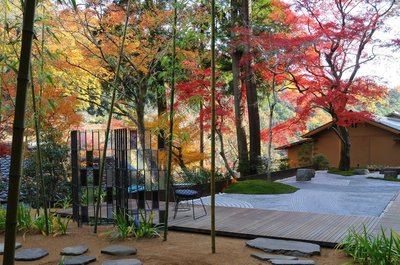
HOSHINOYA Kyoto
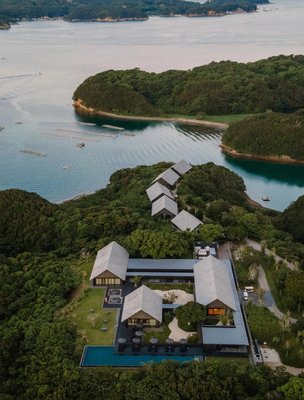
Amanemu
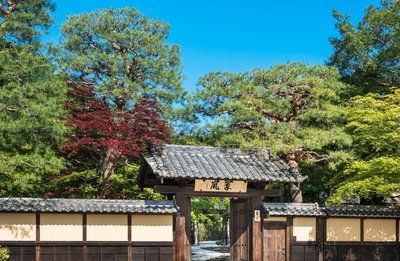
Suiran, a Luxury Collection Hotel, Kyoto
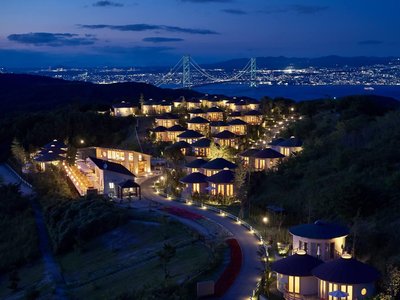
Grand Chariot Hokutoshichisei 135°
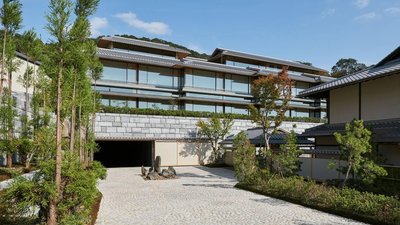
Park Hyatt Kyoto
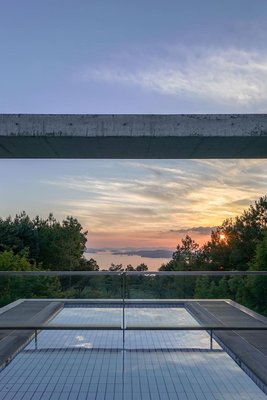
SETOUCHI RETREAT by Onko Chishin
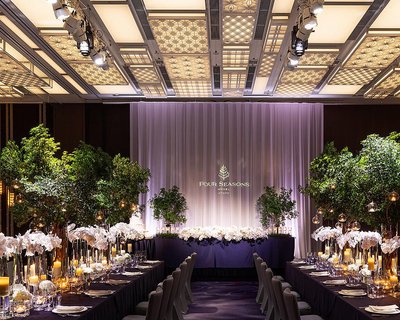
Four Seasons Hotel Kyoto
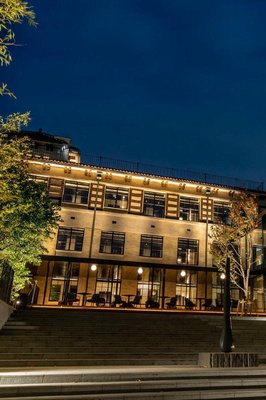
The Hotel Seiryu Kyoto Kiyomizu - a Member of the Leading Hotels of the World-
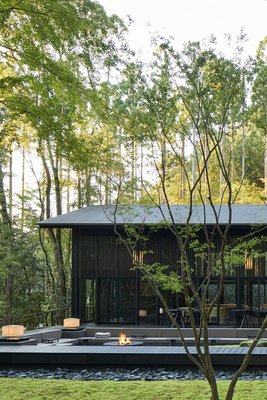
Aman Kyoto
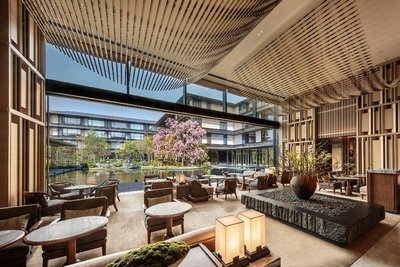
Hotel the Mitsui Kyoto, a Luxury Collection Hotel & Spa
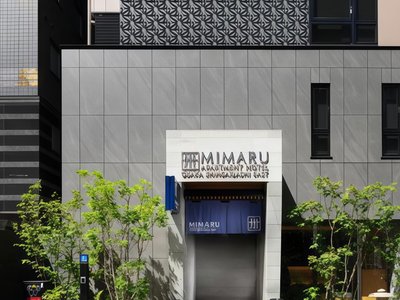
MIMARU Osaka Shinsaibashi East

Toba International Hotel Shiojitei
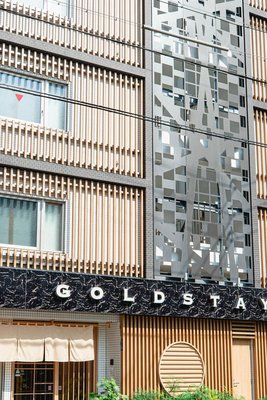
Gold Stay Nagoya OSU
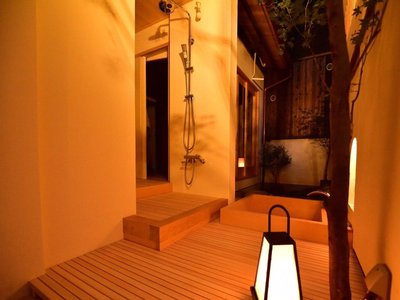
Yado Kiramachi
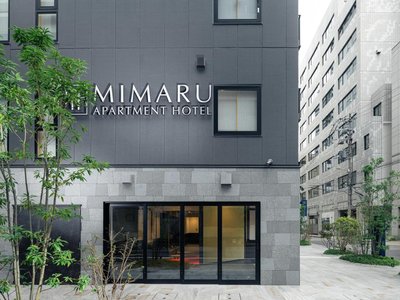
MIMARU Osaka Shinsaibashi North
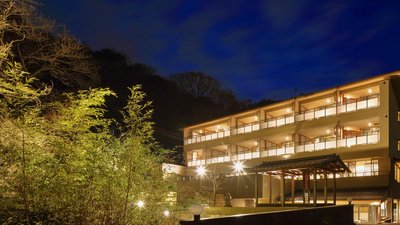
Okuno Hosomichi
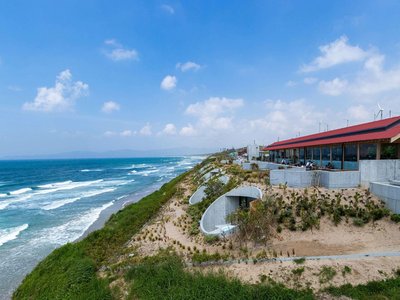
Izumo Hotel the Cliff

GOLD STAY Nagoya Sakae
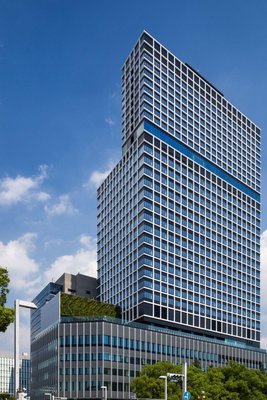
The Royal Park Hotel Iconic Nagoya
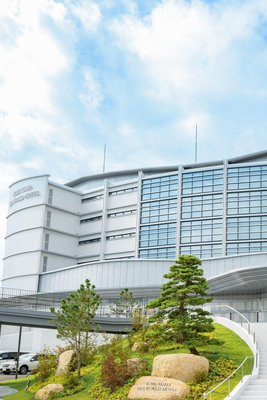
Kobe Suma Sea World Hotel
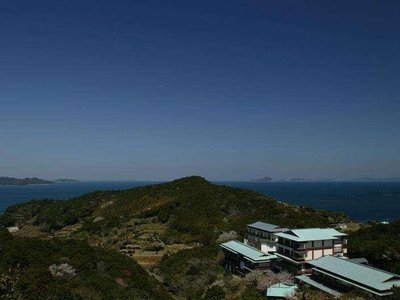
Hanashinsui
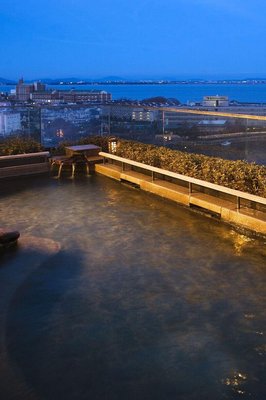
Yumotokan
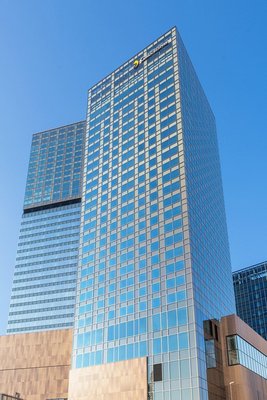
Hotel Hankyu GRAN RESPIRE OSAKA
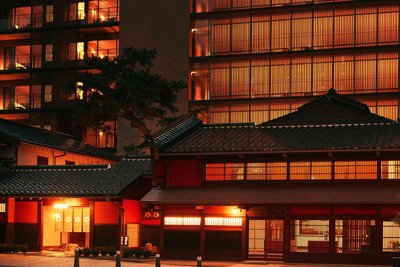
Hoshino Resorts Kai Kaga
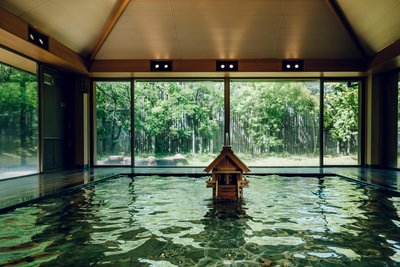
Hoshino Resorts KAI Tamatsukuri

Taikyourou
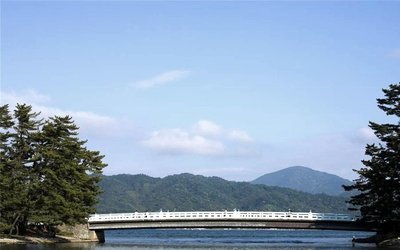
Monjusou Shourotei
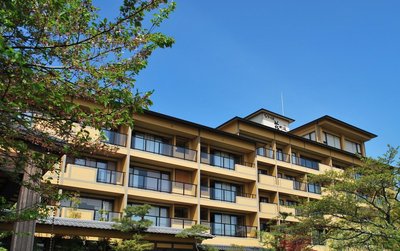
BIWAKO HANAKAIDO
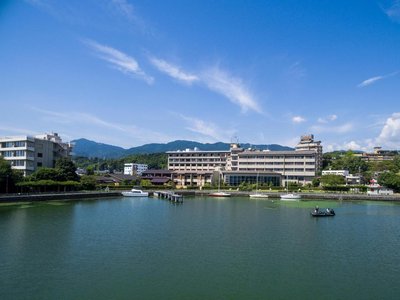
Biwako Ryokusuitei
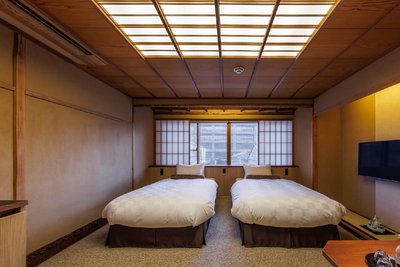
Kyoto Ryokan Sakanoue

XYZ Private Spa and Seaside Resort
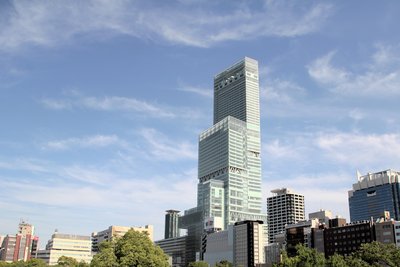
Osaka Marriott Miyako Hotel
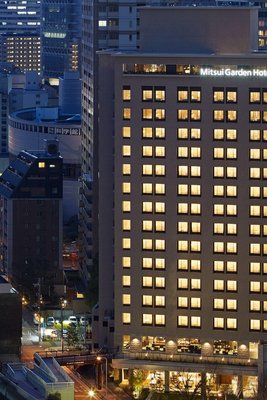
Mitsui Garden Hotel Osaka Premier
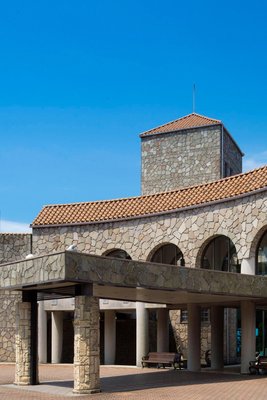
Izumigo Hotel Altia Toba
BIWAKO HANAKAIDO
Biwako Ryokusuitei
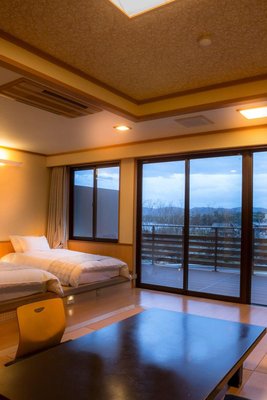
Hotel Kitanoya
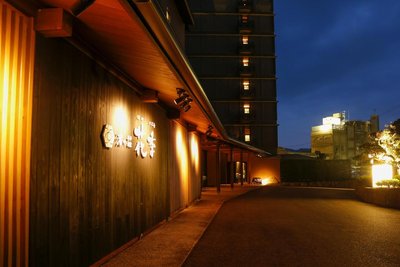
Hanagoyomi
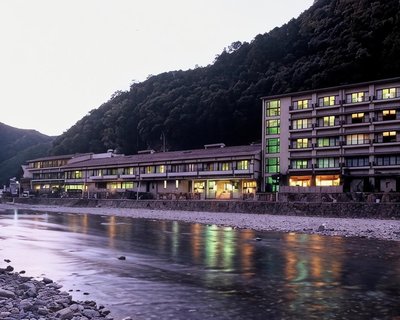
Kawayu Onsen Fujiya
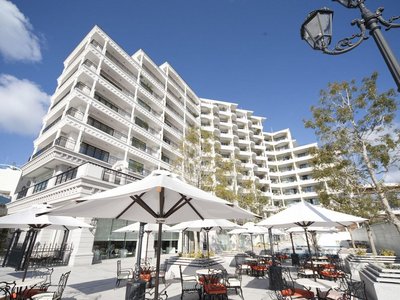
Hotel La Suite Kobe Harborland

AoAwo Naruto Resort
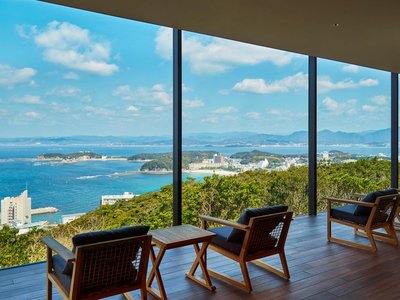
Infinito Hotel and Spa
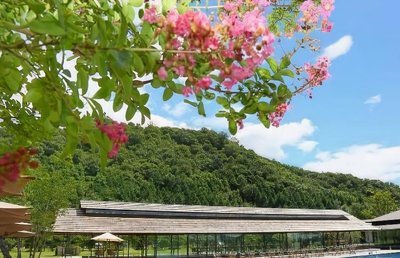
Bella Vista Spa and Marina Onomichi
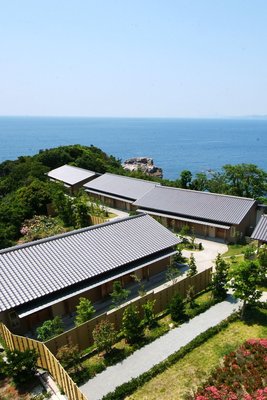
Hamachidorinoyu Kaisyu
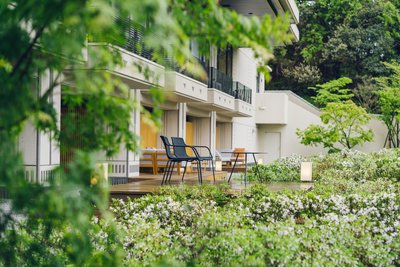
Hoshino Resorts Kai Enshu
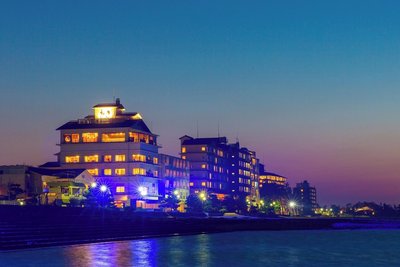
Kaike Shogetsu
The Ritz-Carlton, Kyoto
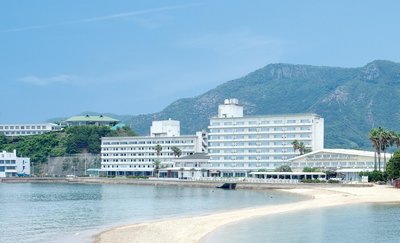
Shodoshima International Hotel
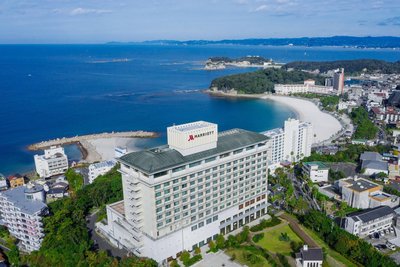
Nanki-Shirahama Marriott Hotel
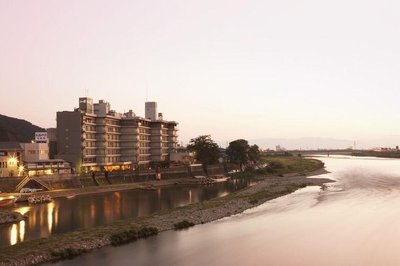
Juhachiro
Yado Kiramachi
Arimasansoh Goshobessho
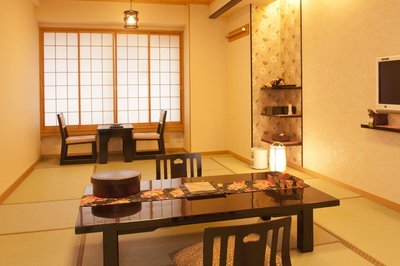
Matsui-Bekkan Hanakanzashi
Hoshino Resorts KAI Tamatsukuri
Taikyourou
Monjusou Shourotei
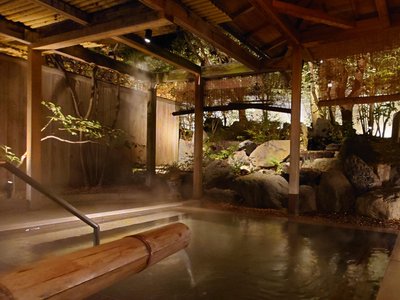
Kasuga Hotel
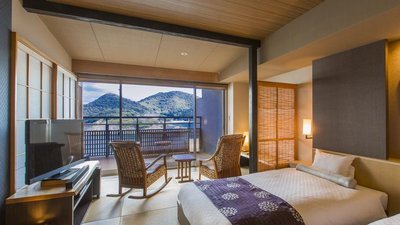
Migiwatei Ochi Kochi
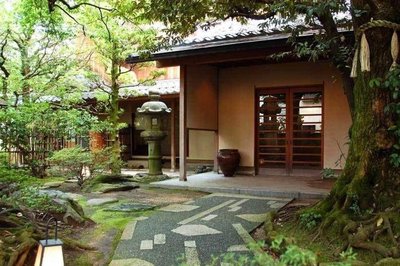
Kocho
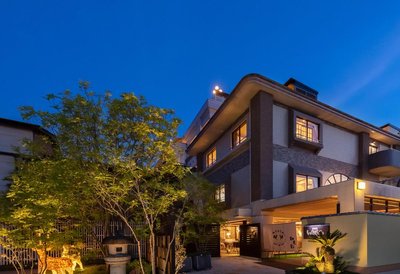
Hotel New Wakasa
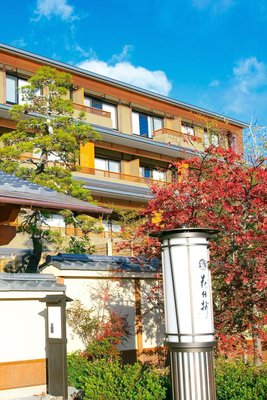
Kyoto Arashiyama Onsen Kadensho (Kyoritsu Resort)
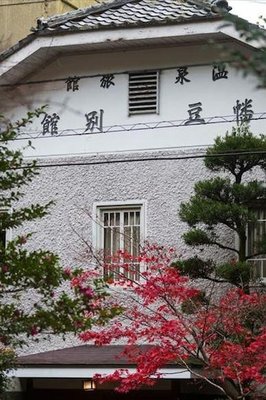
Oku-Mikawa・Yuya Onsen HAZU Bekkan
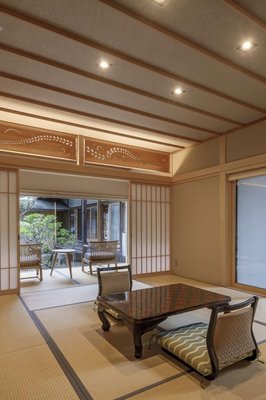
Ichijoin
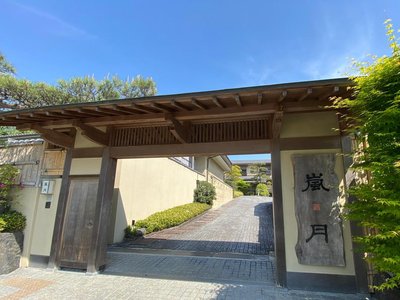
Rangetsu
The Ritz-Carlton, Kyoto
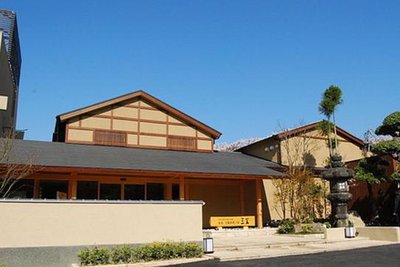
Mikasa
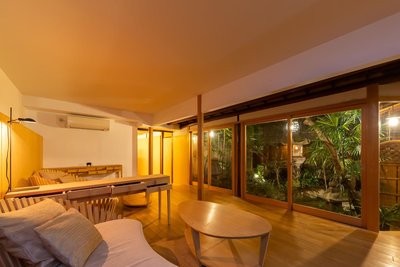
Izuyasu Traditional Kyoto Inn Serving Kyoto Cuisine
HOSHINOYA Kyoto
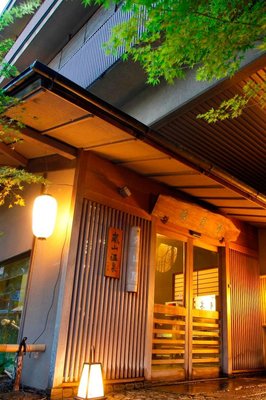
Togetsutei
Juhachiro
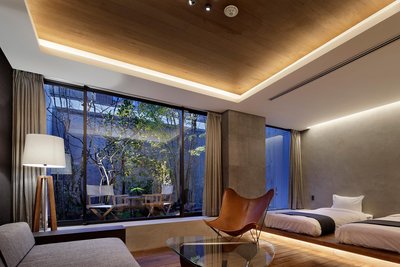
22 PIECES
The Ritz-Carlton, Osaka

The Thousand Kyoto
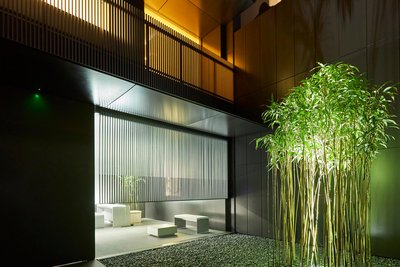
Mogana
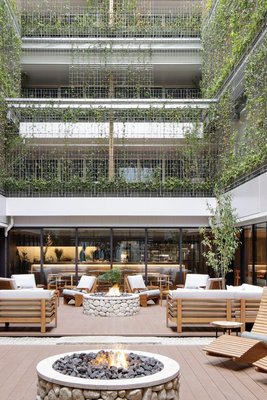
GOOD NATURE HOTEL KYOTO
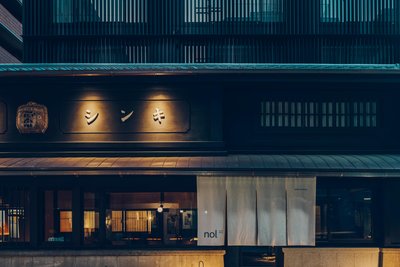
Nol Kyoto Sanjo
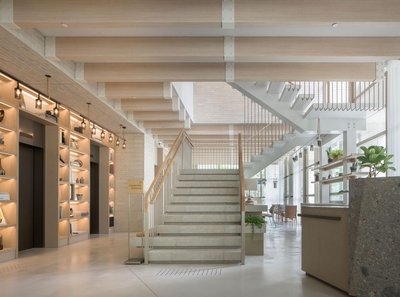
Zentis Osaka

Garrya Nijo Castle Kyoto
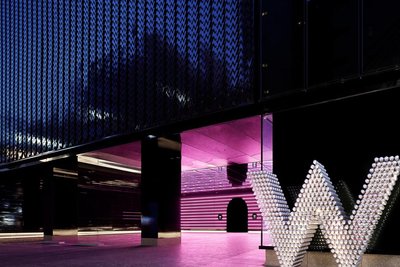
W Osaka
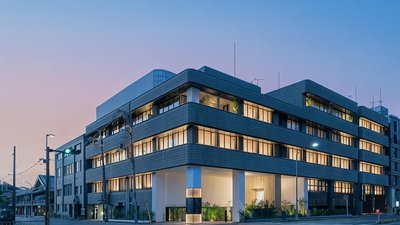
Hotel Kanra Kyoto
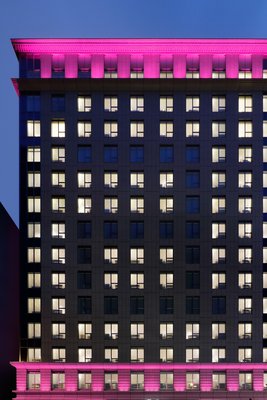
Aloft Osaka Dojima
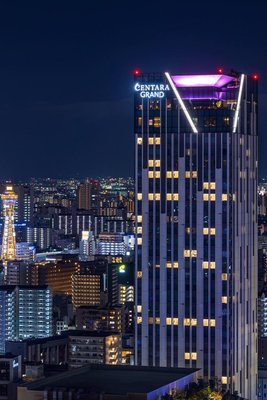
Centara Grand Hotel Osaka
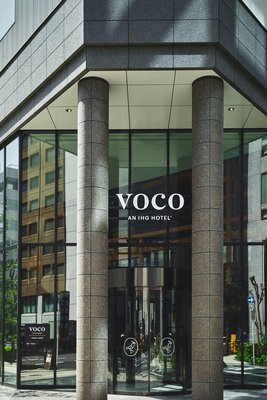
voco Osaka Central
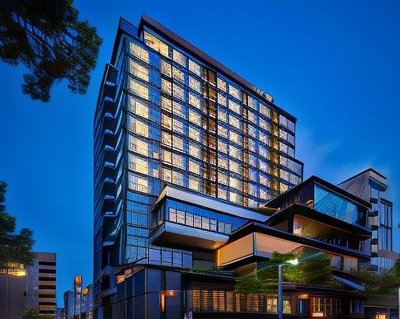
TIAD, AUTOGRAPH COLLECTION
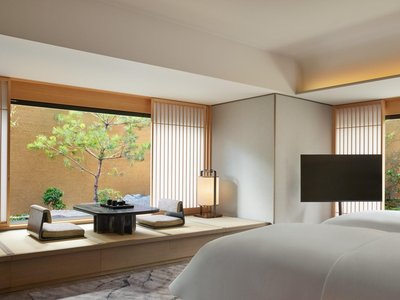
Dusit Thani Kyoto
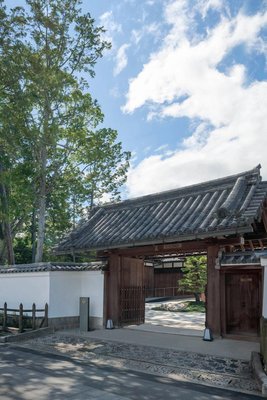
Shisui, a Luxury Collection Hotel, Nara

Hilton Kyoto
Osaka Marriott Miyako Hotel
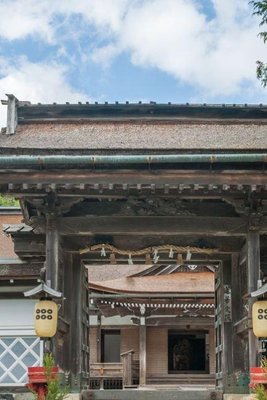
Koyasan Rengejoin
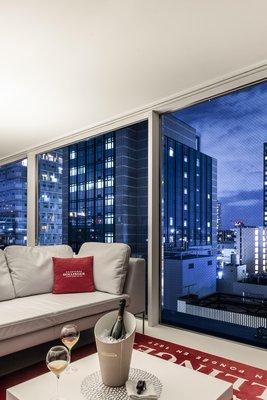
CUVÉE J2 HOTEL OSAKA by Onko Chishin
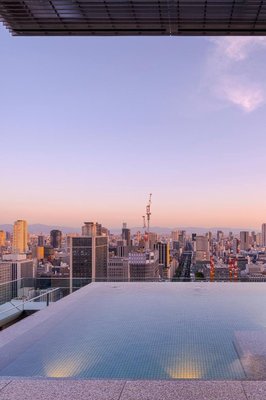
Candeo Hotels Osaka The Tower
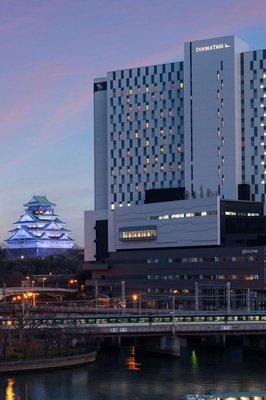
DoubleTree by Hilton Osaka Castle
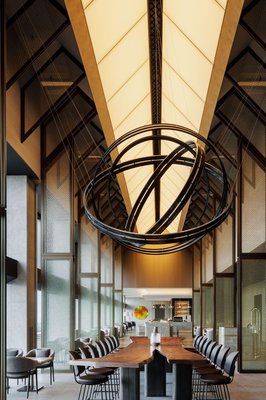
The Osaka Station Hotel, Autograph Collection
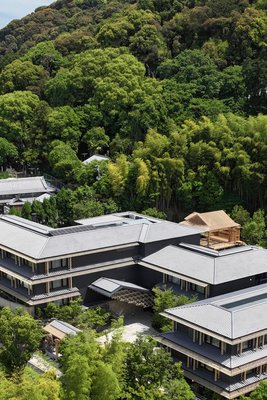
Banyan Tree Higashiyama Kyoto
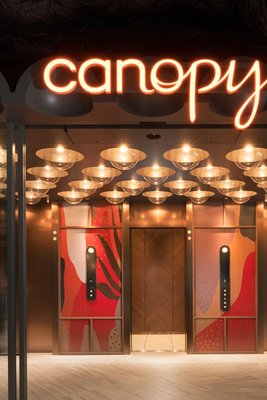
Canopy by Hilton Osaka Umeda
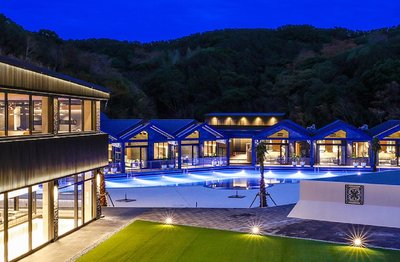
FIVE SPRING RESORT THE SHIRAHAMA
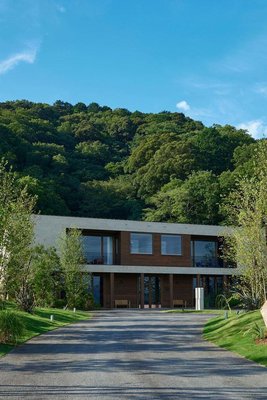
HACIENDA VISON
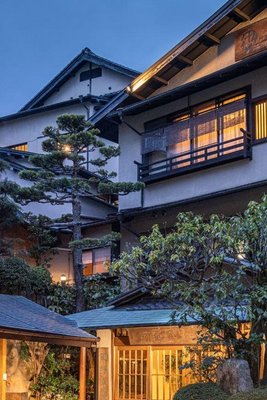
Arima Onsen Tocen Goshobo
Hotel La Suite Kobe Harborland
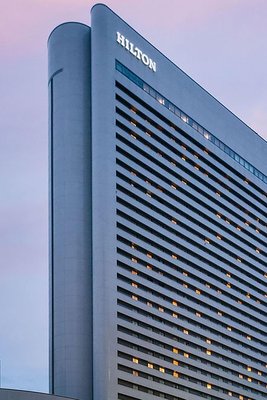
Hilton Osaka Hotel
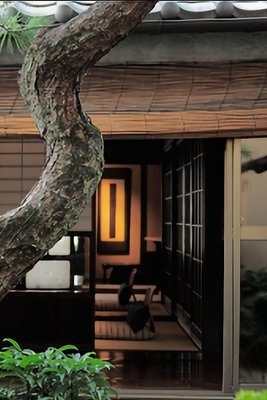
Shimayado Mari
Osaka Marriott Miyako Hotel
The Ritz-Carlton, Osaka
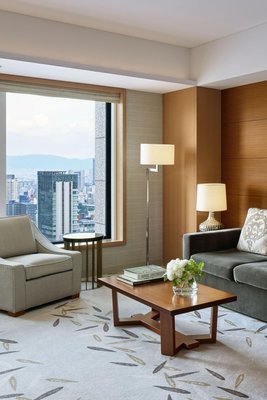
InterContinental Hotel Osaka
The Ritz-Carlton, Kyoto
Suiran, a Luxury Collection Hotel, Kyoto
GOOD NATURE HOTEL KYOTO
Park Hyatt Kyoto
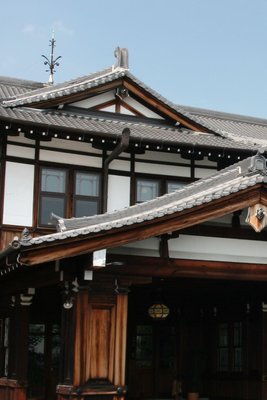
Nara Hotel
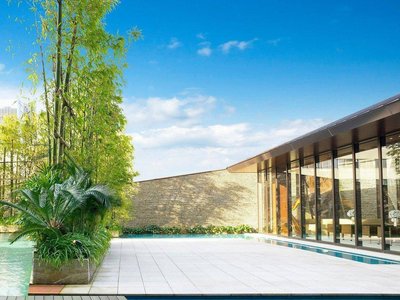
ORIENTAL HOTEL
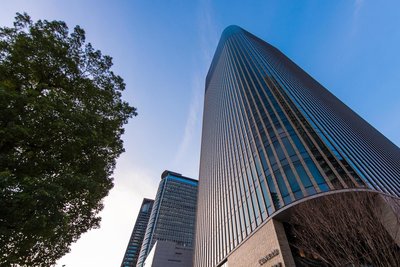
Conrad Osaka
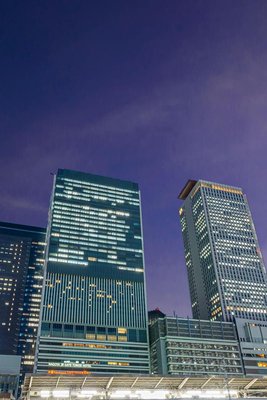
Nagoya JR Gate Tower Hotel (JR-Central Hotels)
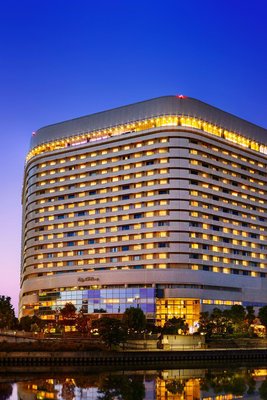
Hotel New Otani Osaka
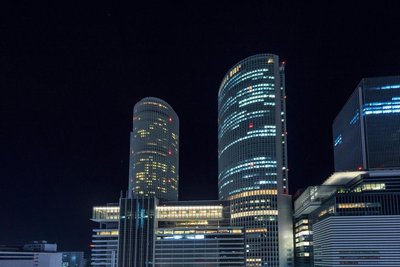
Nagoya Marriott Associa Hotel
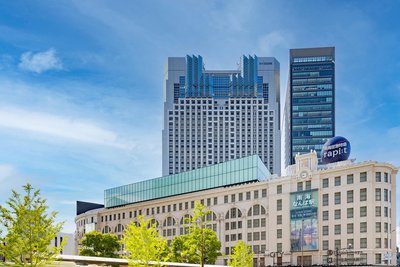
Swissotel Nankai Osaka
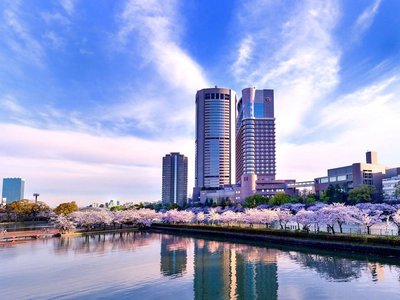
Imperial Hotel Osaka
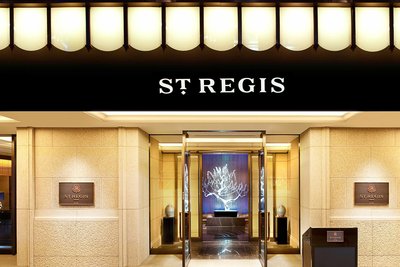
The St. Regis Osaka
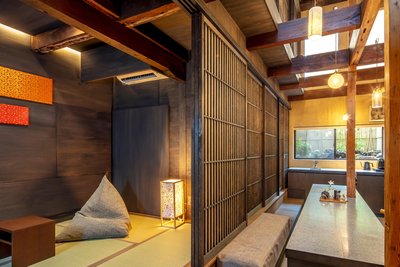
Kyo No Oozora Kihana
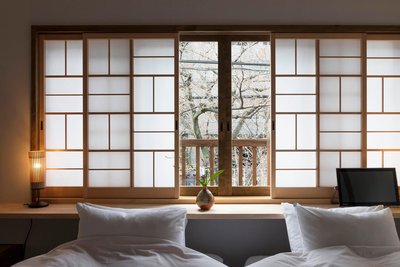
Hanagoromo Machiya House
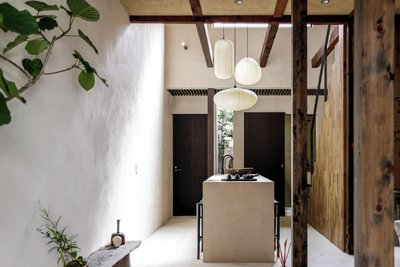
Maana Kiyomizu
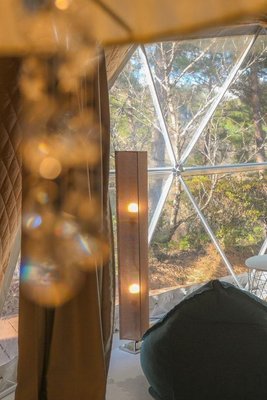
glampark Gekkabijin Nagano
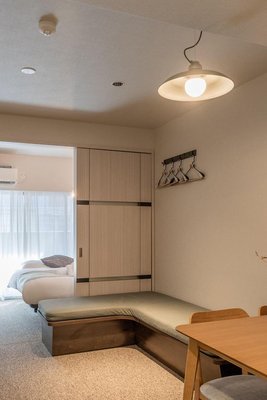
Apartment Hotel 11 Shinsaibashi
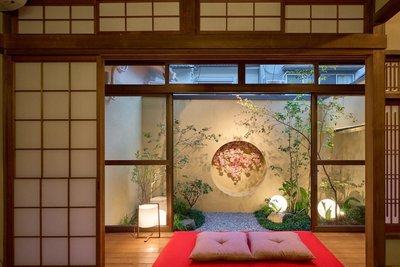
KONJAKUSO Osaka Tengachaya "NIHONCHA" Tea & Relax
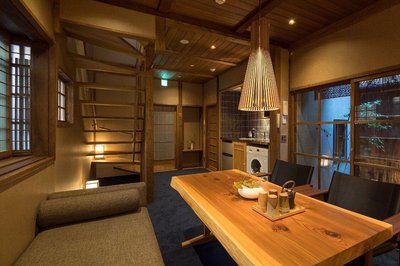
Bonbori an Machiya House
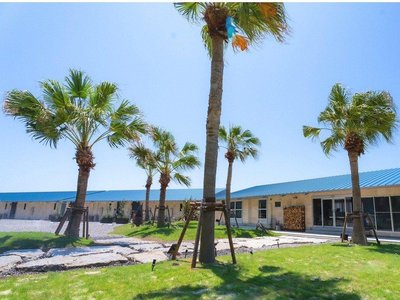
Glamping&Resort Wood Design Park Noma
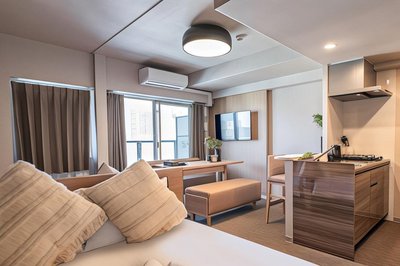
Apartment Hotel 11 Shinsaibashi III
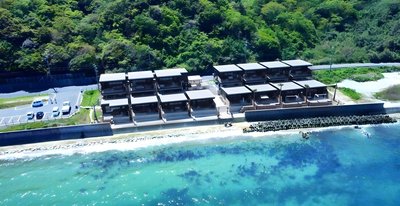
Solavilla Umi Terrace Minamiawaji
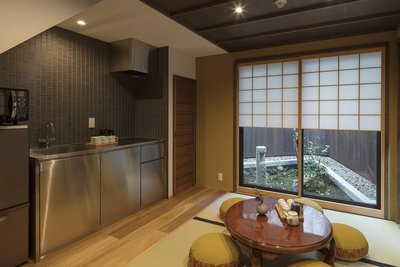
The Machiya Villa Sanjo Shirakawa Koji
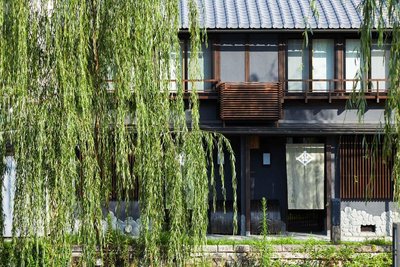
Gion Shirakawa No Yado

Kitashirakawa Natural Radium Onsen
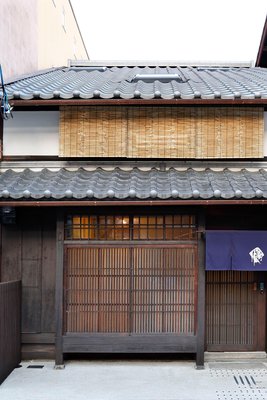
Kyo No Ondokoro Kamanza Nijo #2
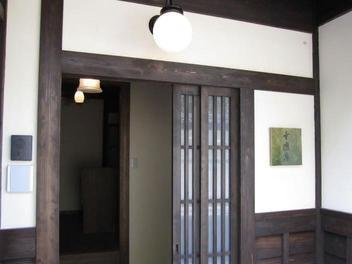
Gion Koyu an Machiya House
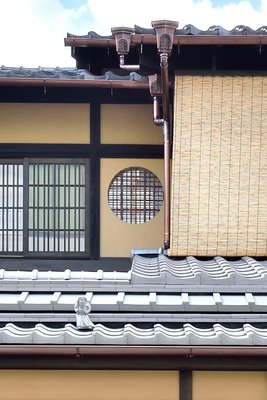
Kyo No Ondokoro Gokomachi Ebisugawa #3

Sana Mane - Glamp Domes
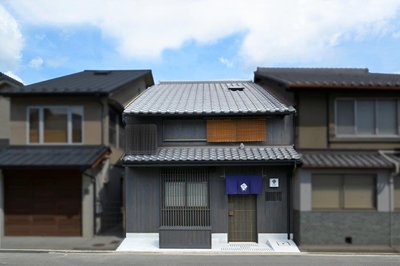
Kyo No Ondokoro Goshonishi #6
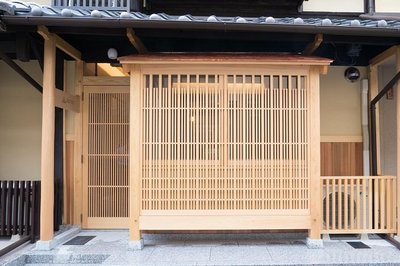
Kyomachiya Suite Rikyu
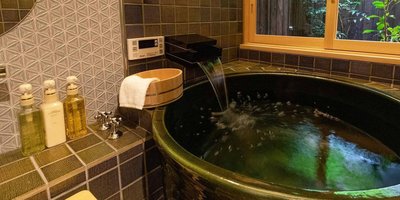
Kyoisuke

Hotel Barrière Fouquet's New York
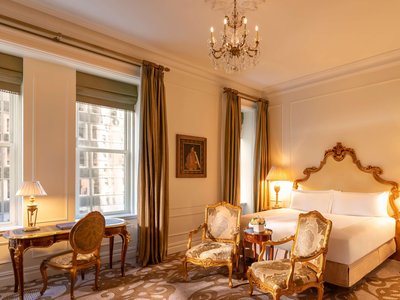
The Plaza - A Fairmont Managed Hotel
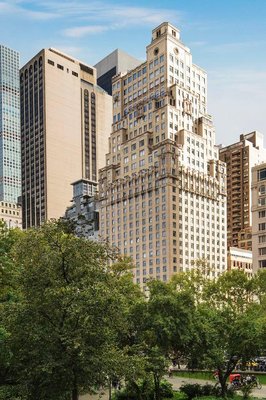
The Ritz-Carlton New York, Central Park
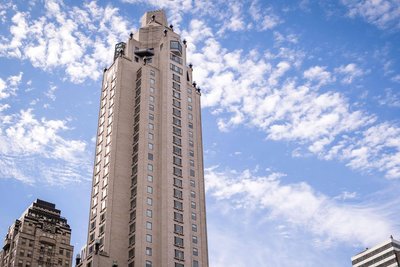
Four Seasons Hotel New York
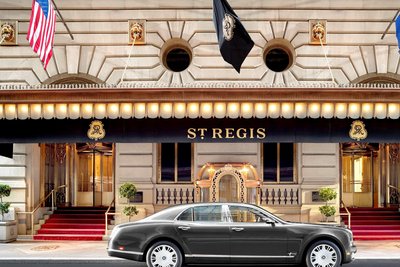
The St. Regis New York
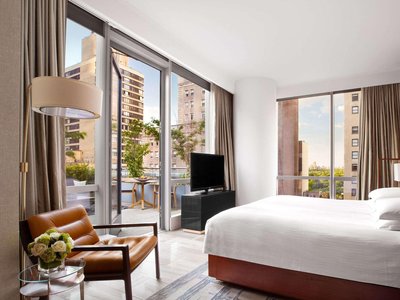
Park Hyatt New York
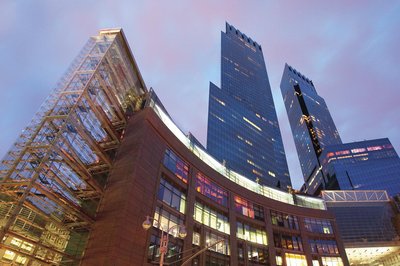
Mandarin Oriental New York
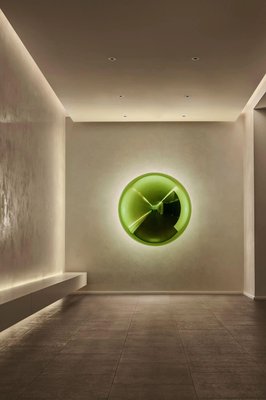
Times Square Edition New York

Loews Regency New York Hotel
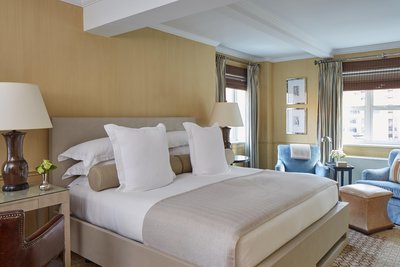
Lowell Hotel
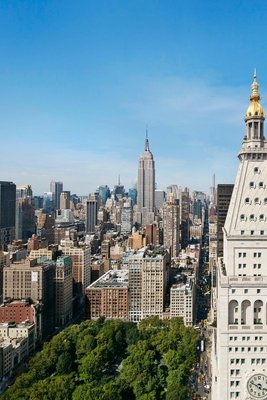
New York Edition
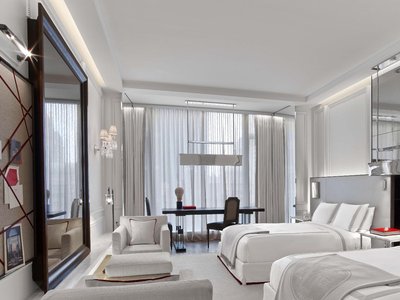
Baccarat Hotel New York

Equinox Hotel New York

Four Seasons Hotel New York Downtown
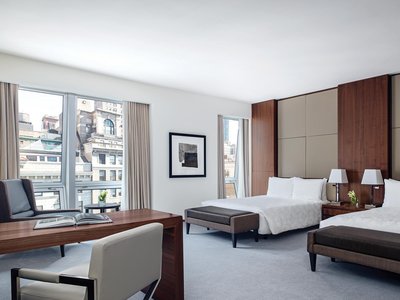
The Langham, New York, Fifth Avenue

The Carlyle, A Rosewood Hotel

The Chatwal, in the Unbound Collection by Hyatt
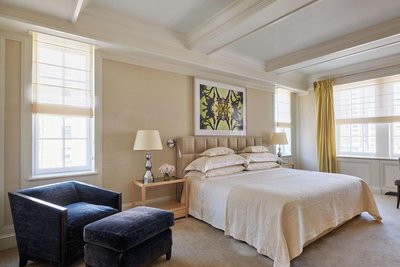
The Mark New York
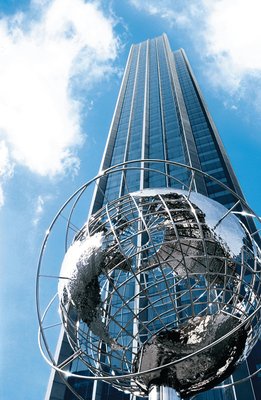
Trump International Hotel & Tower® New York
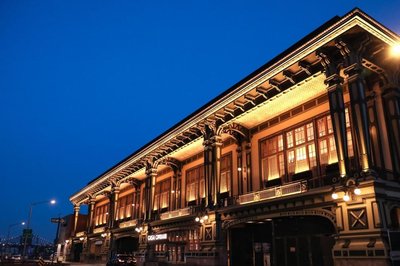
Casa Cipriani New York
Frequently Asked Questions about Traveling to Nanbu
Questions You Might Need to Know About Traveling to Nanbu
In Minamicho, the top family-friendly hotel with sea views is Nanki Shingū Onsen Resort Hotel, located just steps from Shingū Beach. This resort offers spacious Japanese-style family rooms, private onsen baths, and a children's playroom. Guests can enjoy fresh seafood breakfasts featuring local specialties like black sea bream and bonito sashimi.
The property is also near the Kumano Kodo Trailhead, perfect for light hiking with kids. Nearby attractions include the Shingū Fishing Port and seasonal events like the Lantern Festival, making it ideal for multi-generational travel. The hotel provides free shuttle services to Kii-Tanabe Station, ensuring easy access from Osaka and Kyoto.
The most serene and scenic area in Minamicho is Shingū District, renowned for its pristine cove and crystal-clear waters. This coastal enclave hosts several oceanfront ryokans and boutique hotels, including Shingū Daiya Hotel, which offers direct access to the harbor and panoramic sea views.
Guests can enjoy sunrise walks along the rocky shore, where fishing boats return daily. The area also serves as a gateway to the Kumano Kodo pilgrimage route, blending nature and spirituality. Local highlights include fresh seafood markets and traditional katsuobushi (dried bonito) workshops—perfect for immersive cultural experiences away from crowds.
Visitors to Minamicho should not miss attending the Kumano Hongu Taisha Shrine’s Kagura Dance, a centuries-old ritual performed during spring festivals. This sacred dance tells ancient myths and is deeply rooted in Shinto tradition.
Another must-try is the Local Fisher Family Dinner Experience, where guests learn to prepare katsuobushi (dried bonito) and enjoy a home-cooked meal with fishermen. Additionally, the Shingū Lantern Walk at night—where handmade paper lanterns line the coast—creates a magical atmosphere symbolizing peace and harvest, offering unforgettable photo opportunities and emotional resonance.
Minamicho’s hot springs are famed for their natural seaside onsen sourced from deep underground aquifers over 300 meters below. The water, clear with a faint yellow hue, is rich in sulfur and calcium, known for skin rejuvenation and joint relief.
At Nanki Shingū Onsen Resort Hotel, guests can soak in open-air baths facing the Pacific Ocean. Some rooms feature private onsen tubs, and the hotel offers a "Sea View Breakfast" with local delicacies like sea urchin donburi and fresh tuna sashimi. The public foot baths are free and accessible, making it a relaxing retreat for all.
Photography lovers should visit Shingū Sunrise Point and the Kumano Kodo’s San'kyōguchi Section. At dawn, the eastern rocks of Shingū Harbor offer stunning shots of the sun rising above the waves, framed by returning fishing boats.
The San'kyōguchi Trail features moss-covered stone steps, towering camphor trees, and flowing streams—ideal for capturing timeless landscapes. Bring a wide-angle lens and tripod for golden hour or twilight shots. Local guides also offer photography tours through hidden spots, often included in curated travel packages.
Must-try dishes in Minamicho include Shingū Market’s Katsuobushi Rice Bowl, made with freshly dried bonito flakes and steamed rice, delivering a rich umami flavor. Another highlight is sea urchin donburi, using locally harvested Wakayama sea urchin known for its creamy sweetness.
For authentic taste, join a Fisher Family Dinner Experience, where you’ll enjoy grilled black sea bream and mackerel sushi paired with homemade sake. Many restaurants in Shingū Shopping Street offer ocean-view seating, letting you savor meals while gazing at the endless horizon.
The best times to visit Minamicho are spring (March–May) and autumn (September–November). Spring brings blooming cherry and azalea blossoms along the Kumano Kodo trails, ideal for gentle hikes.
Autumn offers crisp weather and vibrant foliage, perfect for photography. It’s also the end of bonito season, so you can enjoy the freshest catches. The annual Shingū Lantern Festival in October adds a poetic touch, with paper lanterns illuminating the coastline—creating a dreamlike ambiance for travelers seeking serenity and beauty.
For solo travelers seeking tranquility, Nanki Shingū Seiiku Hiyori is an excellent choice—a boutique inn with only eight rooms nestled behind Shingū Beach. Each room features Japanese-style tatami mats, wooden windows, and private balconies overlooking the sea.
The inn offers tea ceremonies, meditation spaces, and personalized welcome kits. The owner, a former fisherman, shares stories of local life and ocean ecology. A one-person seafood set menu is available, ensuring a warm yet intimate experience. Perfect for introspection and reconnection with nature.
Yes, Minamicho is highly suitable for bicycle touring. Rent bikes from local shops and explore the Shingū Coastal Route, a 12-kilometer ride along scenic cliffs, sea caves, and forest paths.
The route includes dedicated bike lanes, minimal traffic, and breathtaking ocean views. Electric bikes are recommended for the slight inclines. Many inns provide free parking and repair tools. The journey connects key sites like Shingū Harbor, Kumano Kodo trailheads, and secluded beaches—ideal for a slow, immersive journey.
Bohemian travelers will love Shingū Paper Lantern Workshop, where you craft traditional washi lanterns from locally sourced bamboo and kozo paper. The finished pieces make meaningful souvenirs.
The Kumano Kodo Cultural Museum showcases rotating exhibitions of local ceramics, paintings, and installations in a restored old house. Monthly Poetry by the Sea Night features readings inspired by the ocean and time, held at the harbor under starlight. For hands-on creativity, try the shell carving class, transforming collected seashells into unique art—each piece reflecting the soul of the coast.
Nanbu Overview
City Summary
Minabe Town, located in the southern part of Wakayama Prefecture, Japan, is a small town renowned for its serene rural scenery and abundant hot spring resources. Surrounded by mountains, it offers fresh air and beautiful natural landscapes, making it an ideal getaway for those seeking to escape urban hustle. The town also preserves traditional Japanese rural culture, allowing visitors to experience authentic local life.
Must-See Attractions
In Minabe, the hot springs are a must-try, especially the famous Minabe Onsen, known for its therapeutic qualities. Part of the Kumano Kodo trail passes through here, offering excellent hiking opportunities. Visitors can also explore the Minabe Town Historical and Folk Museum to learn about local history. Nature lovers will enjoy the surrounding mountains and streams, perfect for hiking and camping.
Food Guide
Minabe's cuisine focuses on local produce and seafood. Don’t miss the ume (plum) dishes, as Wakayama is famous for its plums—products like umeboshi (pickled plums) and plum wine are highly recommended. Fresh seafood bowls are another highlight, especially sushi and sashimi made from locally caught fish.
Transportation Guide
Public transport in Minabe is limited, so renting a car or driving is recommended for flexibility. From Wakayama City, it takes about 1.5 to 2 hours by train or bus to reach Minabe. There are a few bus routes within the town, but schedules are infrequent, so check timetables in advance. Taxis are scarce; HopeGoo ahead is advisable.
Best Time to Visit
The best times to visit are spring (March to May) and autumn (September to November), when the weather is mild and ideal for outdoor activities. Spring offers cherry blossoms, while autumn features stunning foliage. Summers are hot and humid, and winters are colder, but the hot springs are especially inviting in winter.
Travel Tips
- Onsen Etiquette: Always shower before entering the hot spring, and do not wear swimwear.
- Waste Disposal: Minabe has strict recycling rules; follow local guidelines.
- Hiking Prep: If hiking the Kumano Kodo, wear appropriate footwear and bring enough water.
- Language: English is not widely spoken; learn basic Japanese or use a translation app.
- Cultural Respect: Be quiet and respectful when visiting shrines or temples.
- Cash: Many small shops and restaurants may not accept credit cards, so carry cash.
Useful Information
In Minabe, the primary language is Japanese, with limited English signage; a translation app is helpful. For internet, urban areas have Wi-Fi spots, but coverage may be weak in rural areas—consider a local SIM card. Payment options include cash and some credit cards, but smaller shops may only accept cash. For emergencies, Minabe has clinics, but serious cases require hospitals in Wakayama City. Travel insurance is recommended for unexpected situations.









