Hotels in Nanbu
Discover your perfect stay in Nanbu.
Nanbu(Japan) Travel 2026: Cheap Flights, Hotels & Top Attractions
Popular Landmarks in Nanbu
Discover the most iconic attractions in Nanbu
Recommended Hotels in Nanbu
Find the perfect place to stay in Nanbu


Best Hotels in Nanbu
Discover curated hotel collections in Nanbu





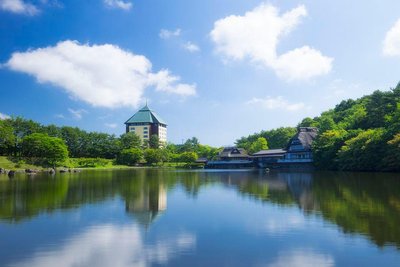
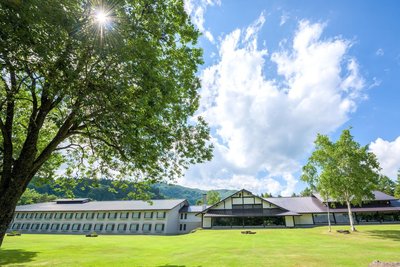
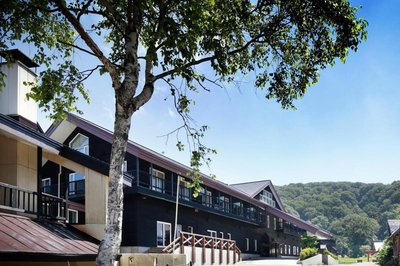
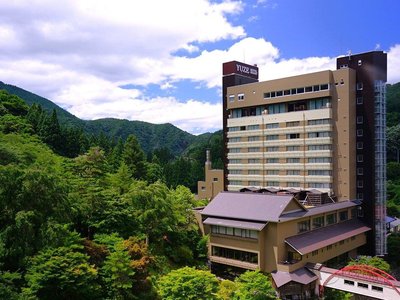






































Frequently Asked Questions about Traveling to Nanbu
Questions You Might Need to Know About Traveling to Nanbu
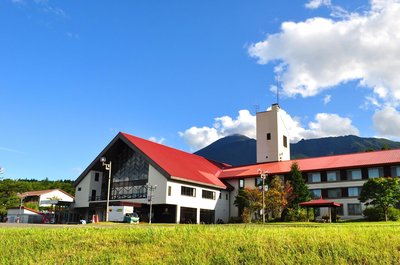
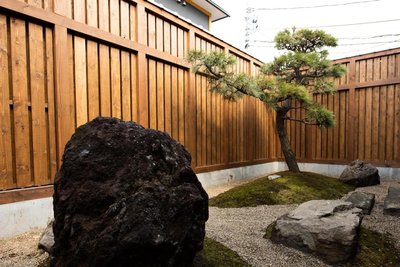
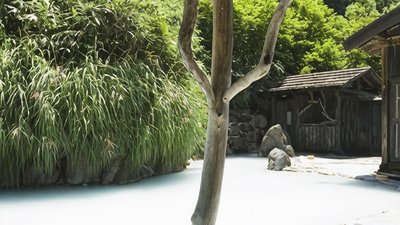
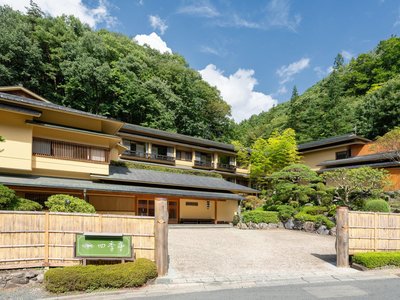
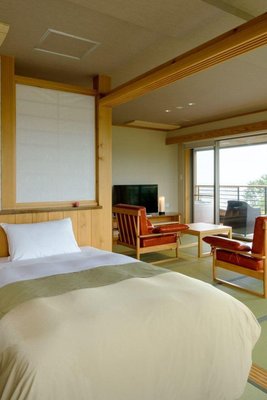
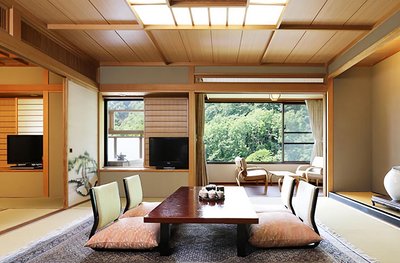
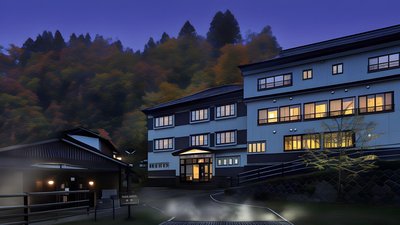
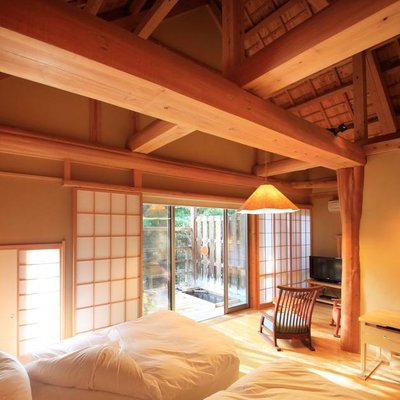
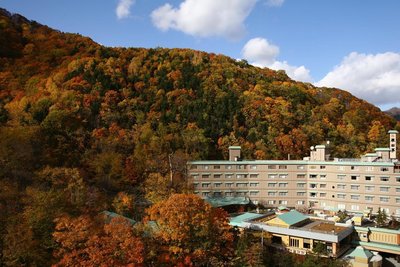
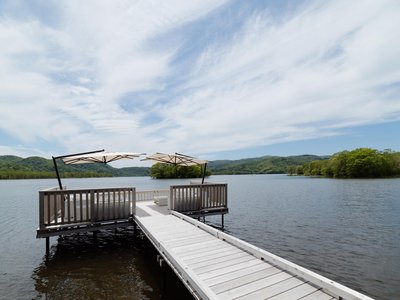
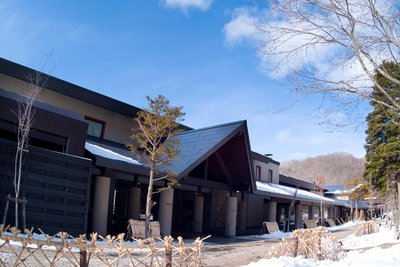
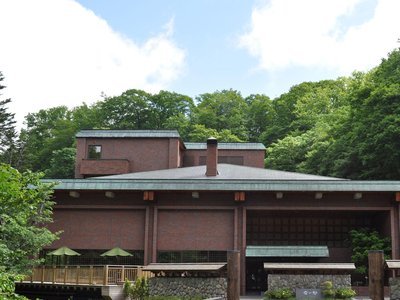
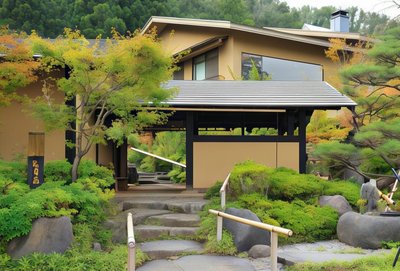
In Minami Town, the top choice is Nanjo Onsen Ryokan, a centuries-old ryokan nestled near Oguma Mountain. Its natural sulfur-rich hot spring water, drawn from 150 meters underground, soothes skin and joints. The building features traditional Japanese wood architecture with tatami mats, shoji screens, and private outdoor baths overlooking forested hills. Guests can enjoy seasonal kaiseki meals using local ingredients like Nanbu beef and wild mountain vegetables. The inn also offers guided forest walks to nearby wetlands and 'Forest Bathing' sessions for mental rejuvenation, blending wellness with cultural immersion.
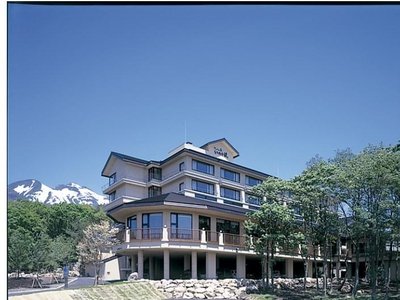
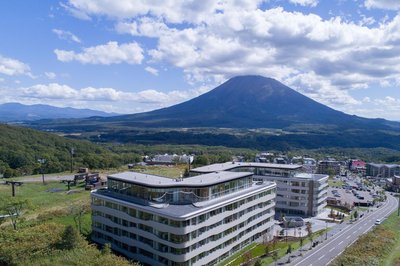
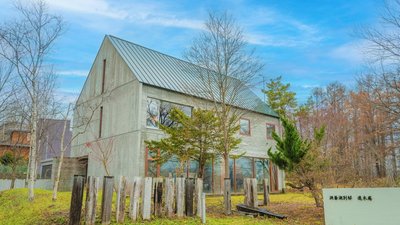
The Oguma Mountain foothills offer the most serene and scenic accommodations in Minami Town. Staying at Oguma Forest Lodge grants direct access to the Sanbongi Plain nature trail and ancient shrine paths. The lodge’s minimalist design integrates with the surrounding landscape, featuring floor-to-ceiling windows that frame morning mist rising over the mountains. Guests can participate in stargazing events due to minimal light pollution, or join early-morning birdwatching tours. This quiet, elevated location provides both tranquility and easy access to hiking, cultural sites, and local farms, making it perfect for nature lovers seeking solitude.
Visitors to Minami Town can take part in hands-on workshops at Sanbongi Ironcraft Studio, where they learn to forge small iron utensils using techniques passed down since the Edo period—recognized as an Intangible Cultural Heritage. During autumn, the annual Nanbu Iron Festival brings together master artisans showcasing their work. In winter, stay at a renovated old farmhouse inn to experience traditional tea ceremonies, drum performances, and snow lantern displays. These immersive activities provide authentic insight into the region’s rural customs and community spirit.
Yes, Minami Town offers excellent family options like Kodama Family Inn, located just minutes from Sanbongi Plain. This homestay-style inn features a children’s playroom, a mini-farm where kids can feed deer and collect eggs, and themed workshops such as pottery-making and seasonal cooking classes. Rooms include bunk beds and child-sized toiletries. Meals are customized for families—serving nutritious kid-friendly dishes alongside adult kaiseki cuisine. With guided nature walks and evening storytelling sessions by local elders, this inn creates a warm, engaging environment for multi-generational travel.
Tourists must try Nanbu beef grilled over charcoal at Oguma Mountain Dining House, known for its tender texture and rich flavor derived from grass-fed cattle. Another highlight is wood-fired mochi, prepared daily in a century-old hearth using locally grown rice and black sugar syrup. For a deeper connection, book a "Farm-to-Table Day" workshop at a local farm, where you’ll harvest vegetables, make pickles (tsukemono), and prepare handmade soba noodles. All meals emphasize seasonal, sustainable ingredients, reflecting the town’s "one product, one dish" philosophy rooted in respect for nature.
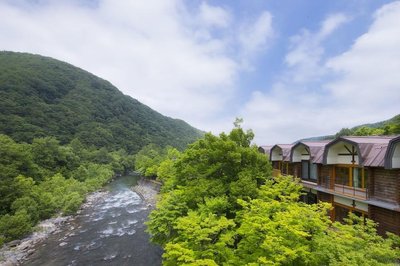
Hotels like Shinkiri Forest Cabin are designed to blend seamlessly with the landscape. Built with sustainably sourced timber and covered in moss roofs, each cabin faces the Sanbongi Wetland, offering panoramic views of migratory birds and changing seasons. Glass walls allow uninterrupted sightlines to the forest, while private open-air baths let guests soak under starlit skies. The inn hosts "Morning Forest Yoga" and "Evening Deer Watching" tours led by local guides. Some cabins even feature hidden observation decks for spotting wildlife—transforming lodging into a living extension of the wilderness.
Photographers will love Mikage Photo Stay - Mirror Mountain House, a boutique retreat inspired by Edo-era garden mirrors. Its reflective glass façade captures shifting light throughout the day, creating dynamic compositions. Each room includes a built-in photo platform facing the Oguma Lake Reflection Zone, ideal for capturing dawn mist and seasonal foliage. The inn hosts monthly "Seasonal Photography Workshops" with professional instructors, teaching techniques for shooting ironwork, steam rising from hot springs, and night landscapes. In winter, guests may be granted access to rare aurora viewing spots, thanks to the area's high altitude and clear skies.
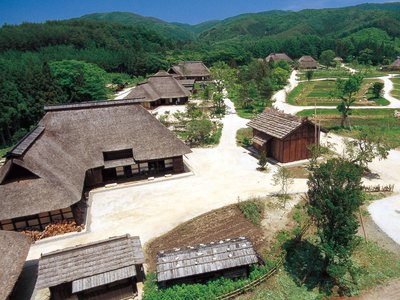
Minami Town’s guesthouses stand out for their authenticity and deep connection to local life. Take Takezumi Guesthouse, housed in a 19th-century wooden farmhouse with original tatami floors and sliding paper doors. Hosts serve homemade pickles, fresh milk, and plum wine made from their own orchard. They organize daily activities like tea harvesting, rice planting, and weaving bamboo hats, letting guests engage directly with rural rhythms. Evenings feature storytelling sessions about ancestral migration and village history, often accompanied by vintage photos and hand-drawn maps—adding emotional depth to every stay.
Accommodations in Minami Town actively integrate with seasonal events. During the Nanbu Iron Festival, several inns offer "Master Craftsman Stay" packages, including forging sessions and themed rooms displaying festival-winning pieces. In summer, Oguma Forest Inn runs exclusive "Firefly Night Walks," with guided tours through illuminated trails and overnight camping pods. Winter brings the Snow Lantern Festival, where hostels transform into glowing temples with ice sculptures and heated tea lounges. These timed stays not only elevate the visitor experience but also help travelers time their visit perfectly for peak cultural moments.
For a truly immersive luxury stay, choose Oguma Mountain Retreat, a secluded eco-lodge with floor-to-ceiling glass walls facing the Sanbongi Wetland. Every suite features a private open-air bath with views of migrating birds and seasonal blooms. The resort offers personalized nature programs: forest bathing with certified guides, early-morning photography safaris, and twilight deer tracking. Dinner is served in a transparent dining pavilion under the stars, using foraged ingredients from nearby woods. Sustainability is central—powered by solar energy, zero-waste policies, and staff trained in ecological stewardship—making this the ultimate sanctuary for nature-conscious travelers.
Nanbu Overview
City Summary
Nambu Town is located in the southwestern part of Aomori Prefecture, Japan, known for its stunning natural scenery and traditional culture. The town is famous for the Shirakami Sanchi mountain range and its abundant hot spring resources. Nambu Town also preserves many historical sites from the Edo period, such as ancient temples and shrines, offering visitors a deep dive into Japan's traditional culture.
Must-See Attractions
In Nambu Town, don’t miss Shirakami Sanchi, a UNESCO World Heritage Site with pristine beech forests and rich ecosystems. Additionally, Nambu Town Hot Springs are a must-visit, where you can relax while enjoying the surrounding natural beauty. History enthusiasts can explore the Nambu Clan Castle Ruins to learn about the area's historical roots.
Food Guide
Nambu Town’s cuisine features agricultural products and seafood. Be sure to try the local apples, as Aomori is renowned for its high-quality apples. Other delights include grilled fish and local dishes like "Nambu Senbei" (rice crackers).
Transportation Guide
Transportation in Nambu Town relies mainly on buses and taxis. You can take a bus from Aomori City or Hirosaki City, with a travel time of about 1-2 hours. Renting a car is also a good option for flexible travel. Note that public transportation in rural areas is limited, so check schedules in advance.
Best Time to Visit
The best time to visit is autumn (September to November), when the weather is cool and the beech forests showcase stunning fall foliage. Spring (April to May) is also a great time to see cherry blossoms in full bloom.
Travel Tips
- Respect local culture: Follow etiquette when visiting temples and shrines, such as removing shoes and keeping quiet.
- Weather changes: Mountain weather can be unpredictable, so pack warm clothing and rain gear.
- Book early: Hot spring ryokans often fill up during peak seasons, so book in advance.
- Cash payments: Many shops and restaurants in rural areas may not accept credit cards, so carry enough cash.
- Eco-consciousness: Protect the natural environment by not littering.
- Language: Learning basic Japanese greetings can help with communication.
Useful Information
In Nambu Town, Japanese is the primary language, and English is not widely spoken, so consider downloading a translation app. Internet coverage is generally good, but signal may be unstable in mountainous areas. Cash is the main payment method, though credit cards are accepted at larger hotels and stores. For medical facilities, there are clinics in town, but serious cases should be referred to larger hospitals in Aomori City. Emergency numbers are 110 (police) and 119 (ambulance).