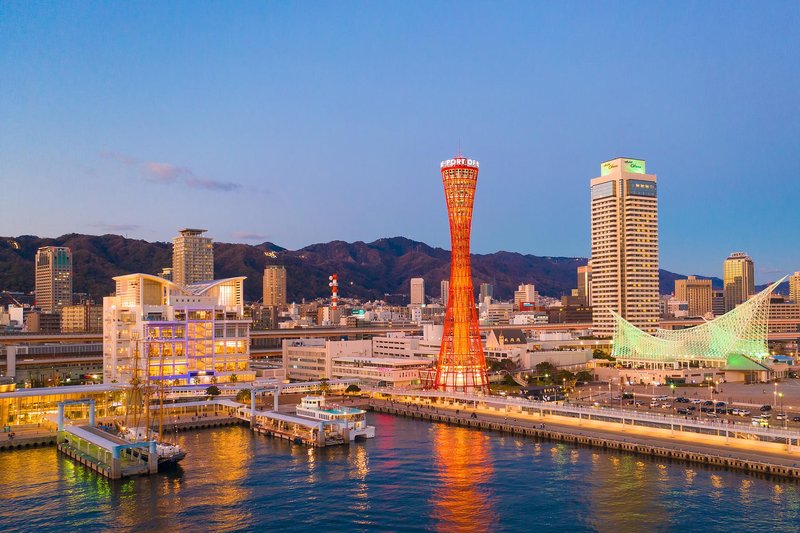
Hotels in Nankoku
Discover your perfect stay in Nankoku.
Nankoku(Japan) Travel 2026: Cheap Flights, Hotels & Top Attractions
Popular Landmarks in Nankoku
Discover the most iconic attractions in Nankoku
Recommended Hotels in Nankoku
Find the perfect place to stay in Nankoku
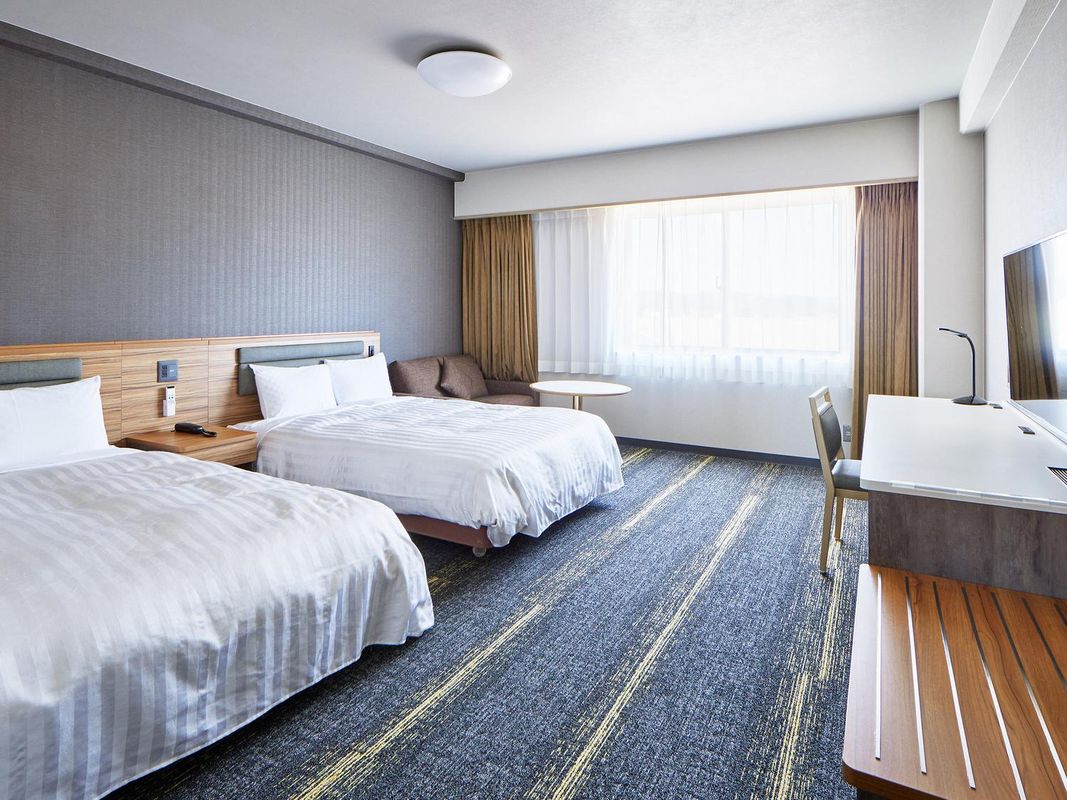
Southern City Hotel
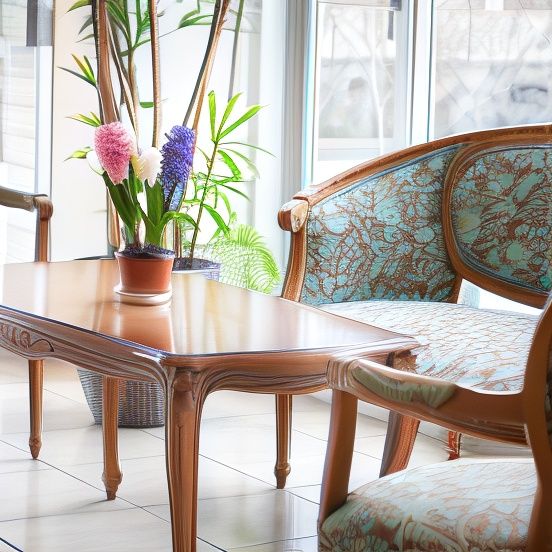
R Business Hotels
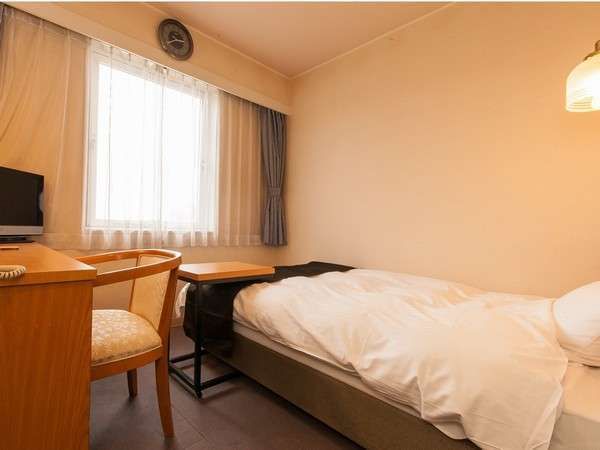
Are Business Hotel
Best Hotels in Nankoku
Discover curated hotel collections in Nankoku
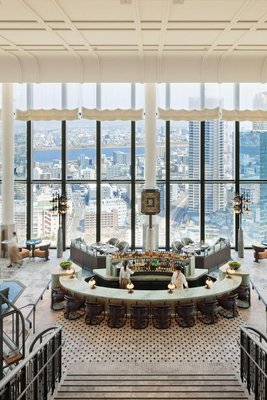
Waldorf Astoria Osaka
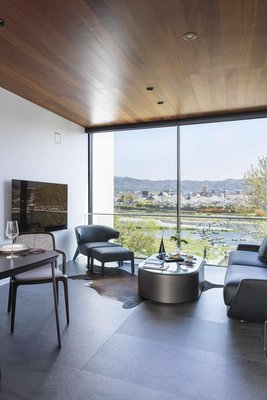
Kamo Residences by Reflections
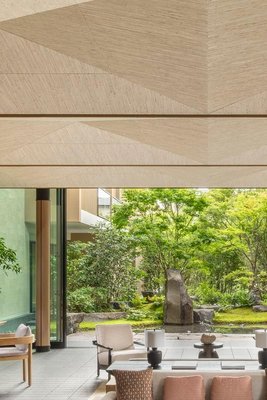
Six Senses Kyoto
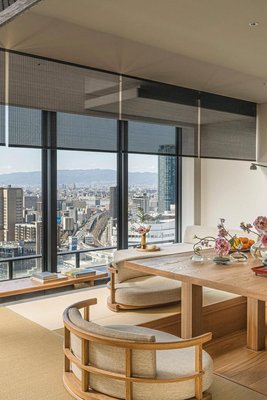
Four Seasons Hotel Osaka
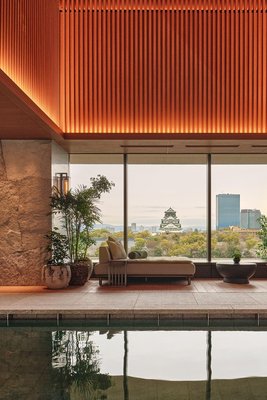
Patina Osaka
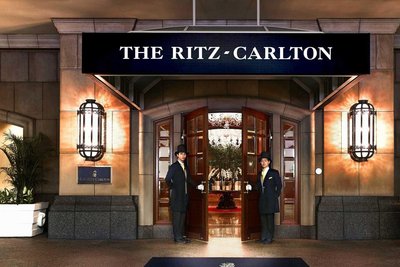
The Ritz-Carlton, Osaka
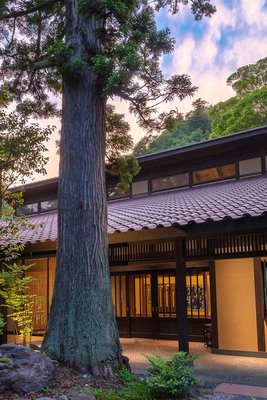
Arimasansoh Goshobessho
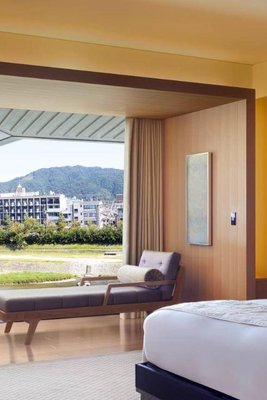
The Ritz-Carlton, Kyoto
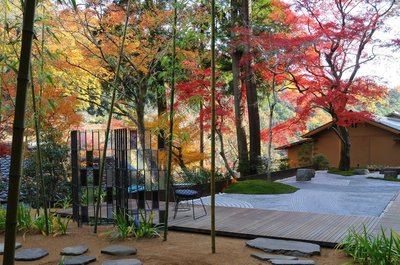
HOSHINOYA Kyoto
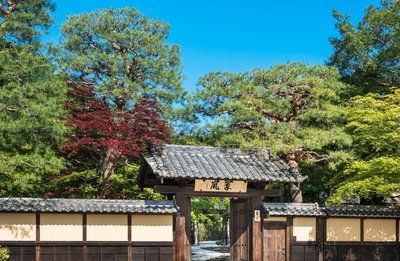
Suiran, a Luxury Collection Hotel, Kyoto
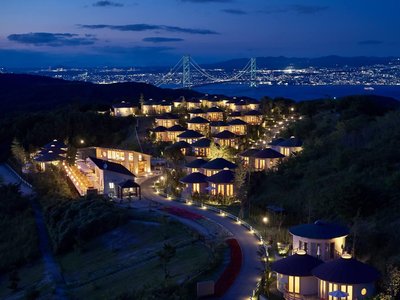
Grand Chariot Hokutoshichisei 135°
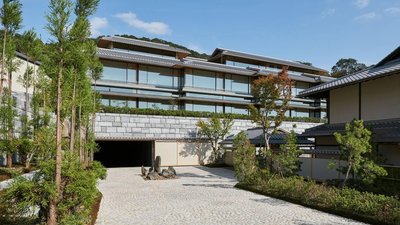
Park Hyatt Kyoto
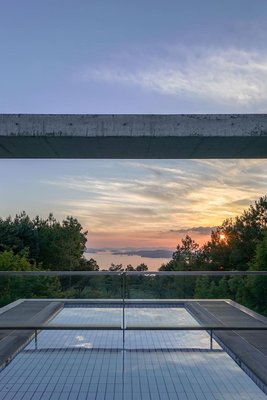
SETOUCHI RETREAT by Onko Chishin
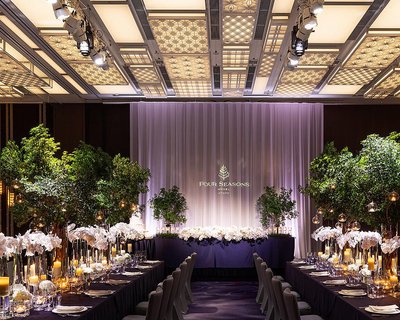
Four Seasons Hotel Kyoto
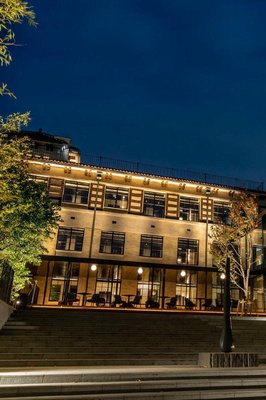
The Hotel Seiryu Kyoto Kiyomizu - a Member of the Leading Hotels of the World-
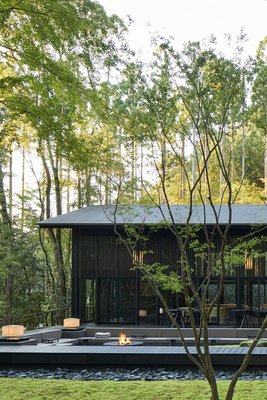
Aman Kyoto
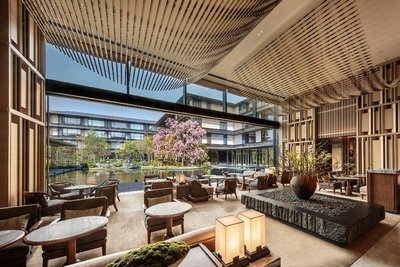
Hotel the Mitsui Kyoto, a Luxury Collection Hotel & Spa
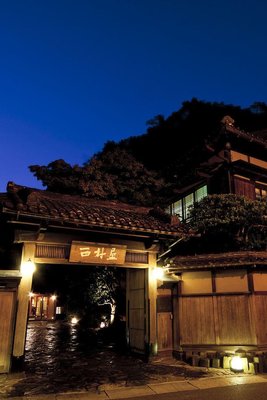
Nishimuraya Honkan
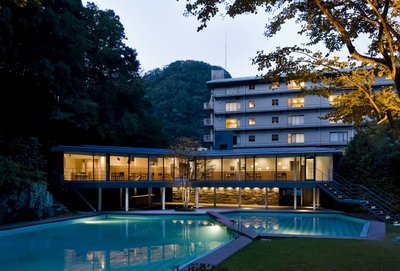
Kinosaki Onsen Nishimuraya Hotel Shogetsutei
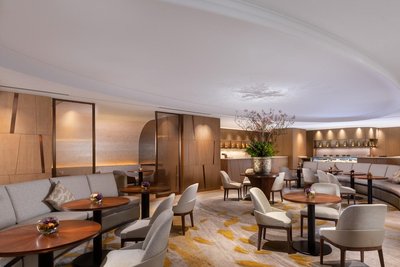
The Westin Miyako Kyoto (KASUI-EN)
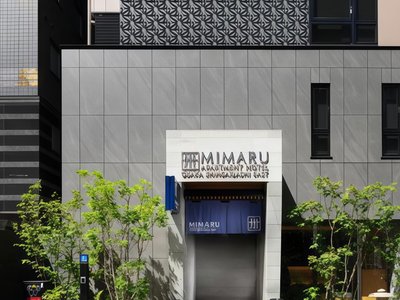
MIMARU Osaka Shinsaibashi East
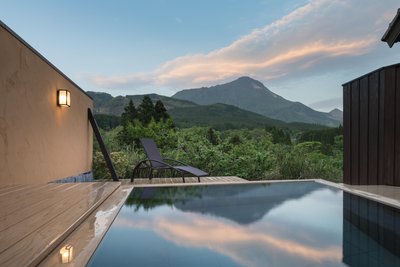
Ikkoten
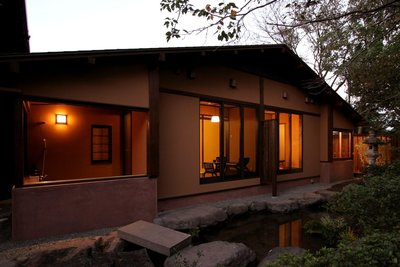
SEKIYA RESORT Bettei Haruki
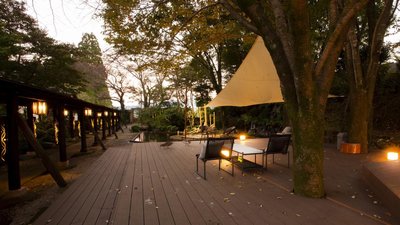
Chikurakutei
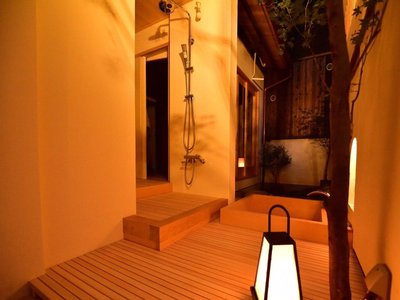
Yado Kiramachi
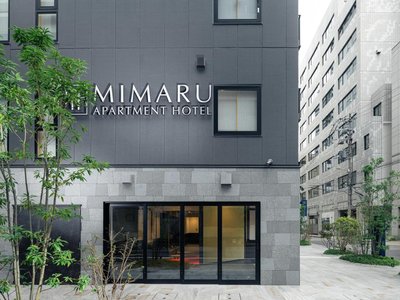
MIMARU Osaka Shinsaibashi North
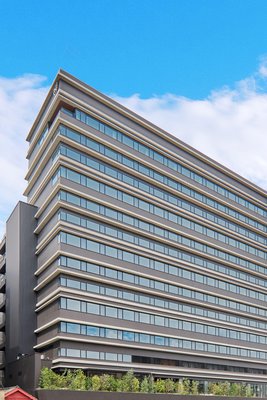
The Royal Park Canvas Fukuoka Nakasu
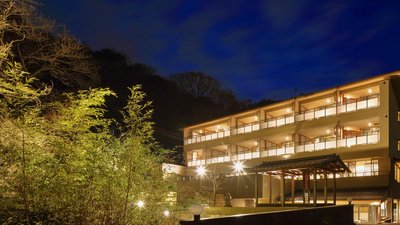
Okuno Hosomichi
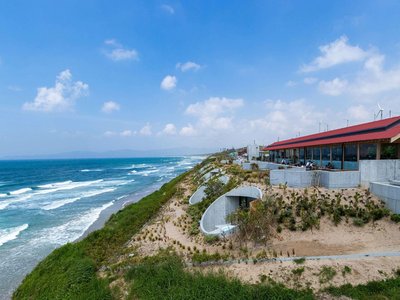
Izumo Hotel the Cliff
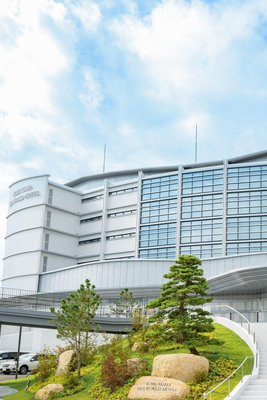
Kobe Suma Sea World Hotel
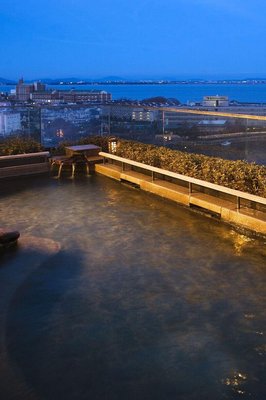
Yumotokan
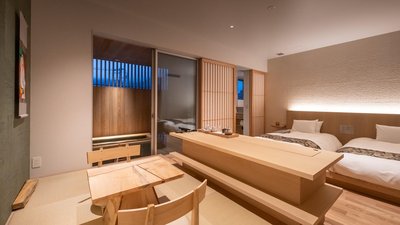
Japanese Auberge Kararako
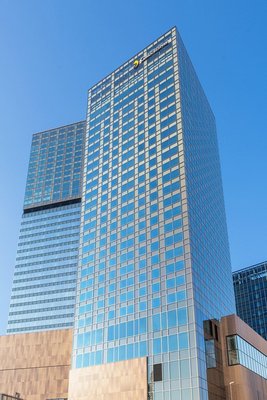
Hotel Hankyu GRAN RESPIRE OSAKA
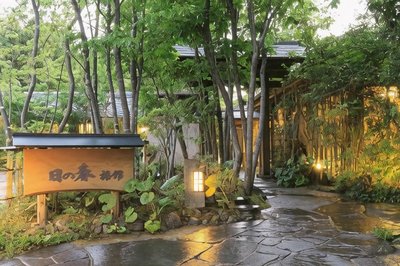
Yufuin Onsen Hinoharu Ryokan
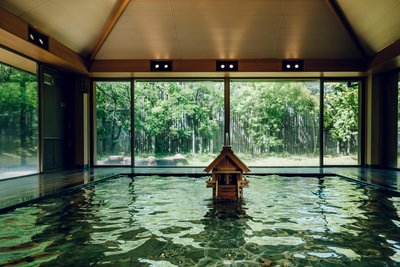
Hoshino Resorts KAI Tamatsukuri
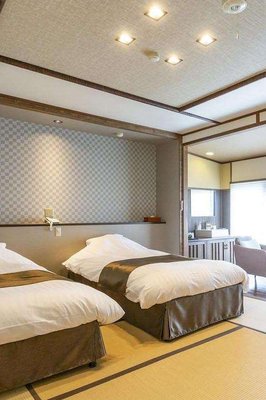
Sozankyo

Taikyourou
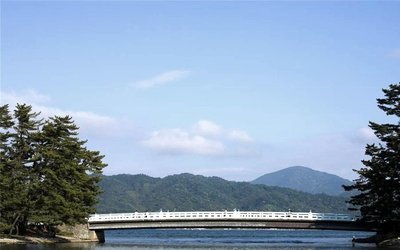
Monjusou Shourotei
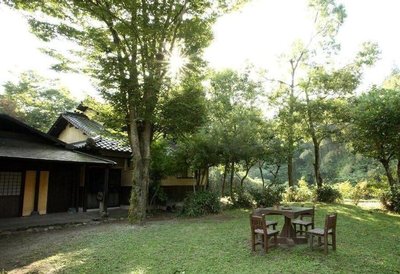
Yamashinobu
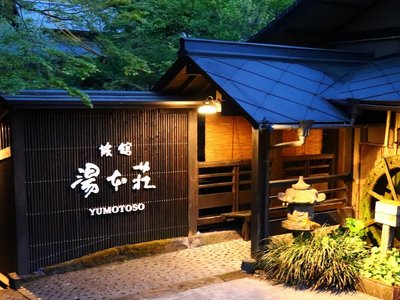
Ryokan Yumotosou
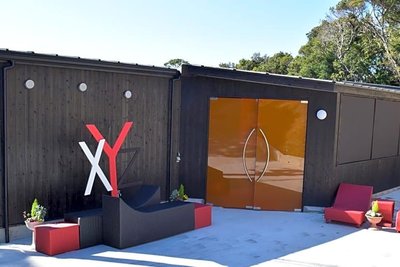
XYZ Private Spa and Seaside Resort
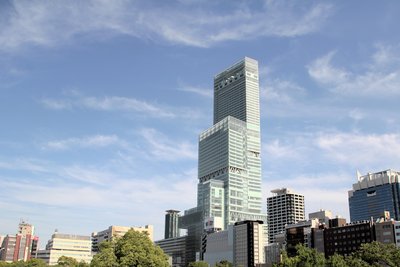
Osaka Marriott Miyako Hotel
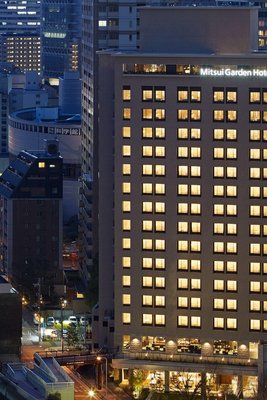
Mitsui Garden Hotel Osaka Premier
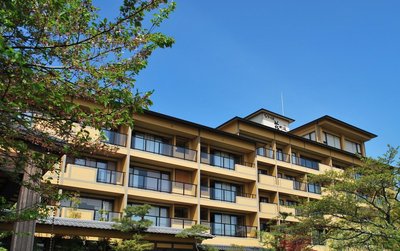
BIWAKO HANAKAIDO
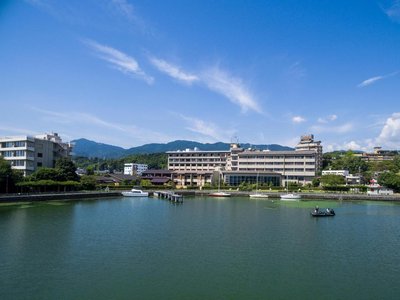
Biwako Ryokusuitei
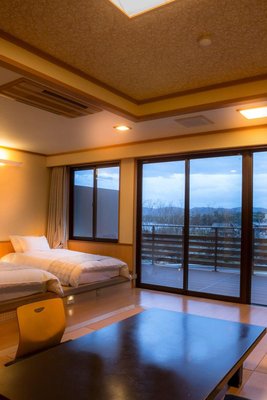
Hotel Kitanoya
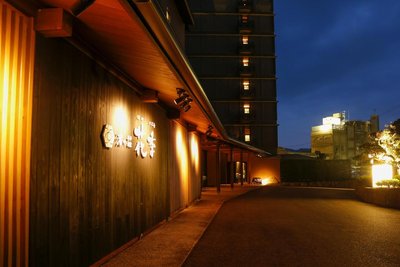
Hanagoyomi
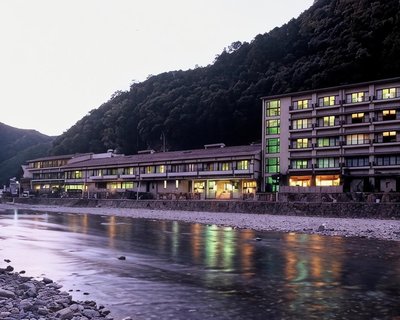
Kawayu Onsen Fujiya
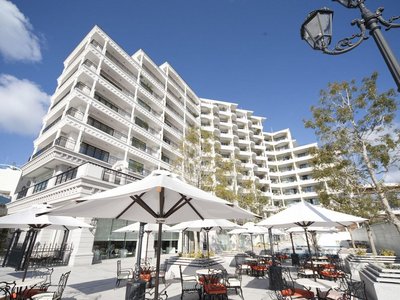
Hotel La Suite Kobe Harborland

AoAwo Naruto Resort
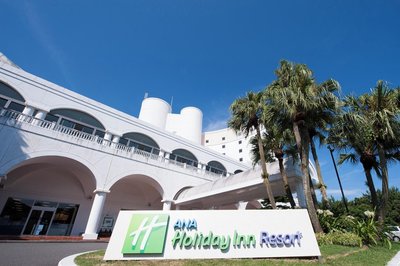
Holiday Inn Resort Miyazaki
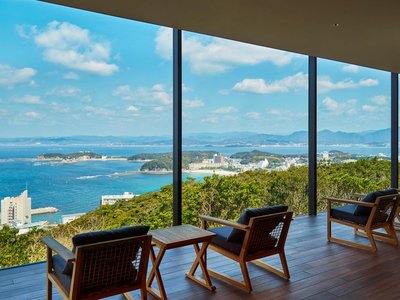
Infinito Hotel and Spa
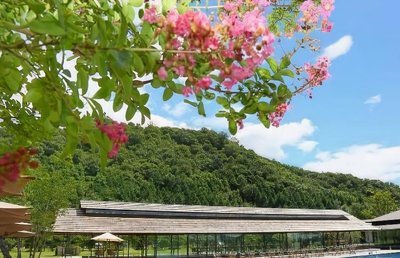
Bella Vista Spa and Marina Onomichi
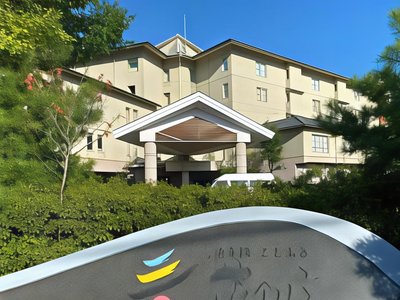
Yufuin Kotobuki Hananosho
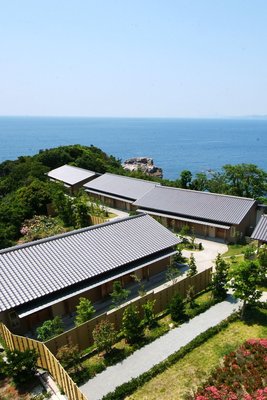
Hamachidorinoyu Kaisyu
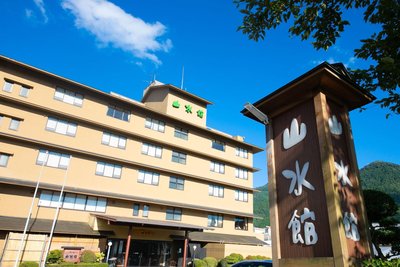
Yufuin Sansuikan
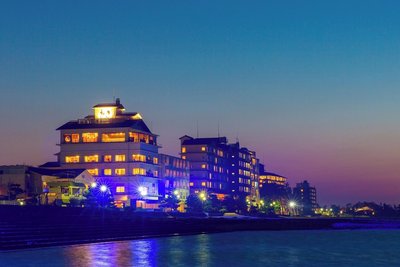
Kaike Shogetsu
The Ritz-Carlton, Kyoto
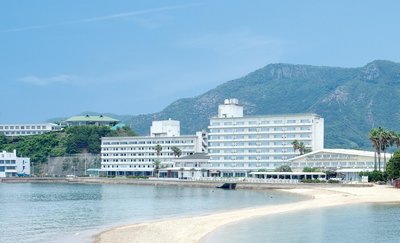
Shodoshima International Hotel
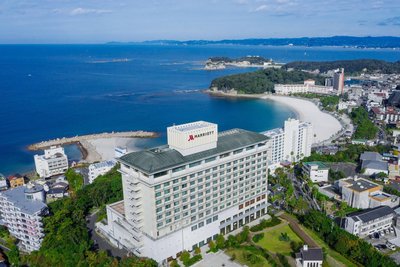
Nanki-Shirahama Marriott Hotel
Yado Kiramachi
Arimasansoh Goshobessho
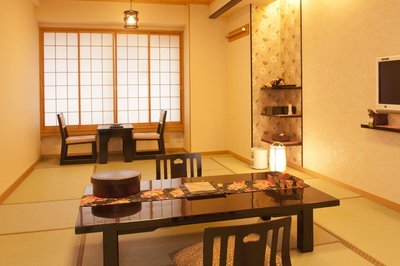
Matsui-Bekkan Hanakanzashi
Hoshino Resorts KAI Tamatsukuri
Taikyourou
Monjusou Shourotei
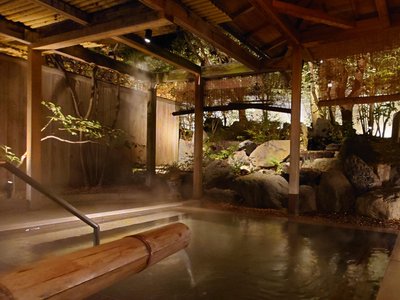
Kasuga Hotel
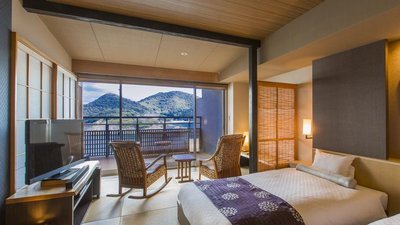
Migiwatei Ochi Kochi
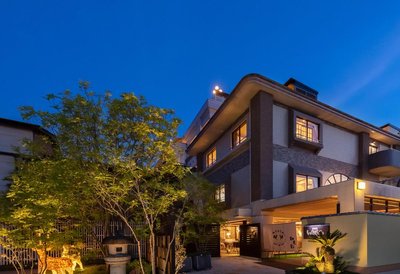
Hotel New Wakasa
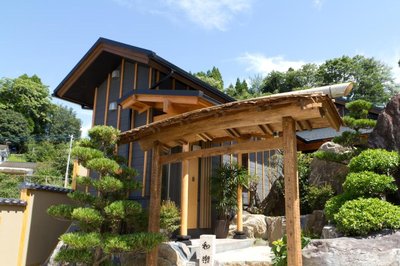
Ryokan Shinsen
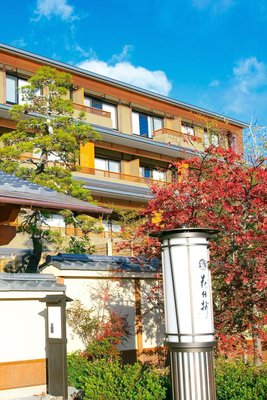
Kyoto Arashiyama Onsen Kadensho (Kyoritsu Resort)
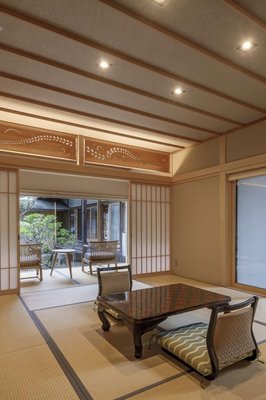
Ichijoin
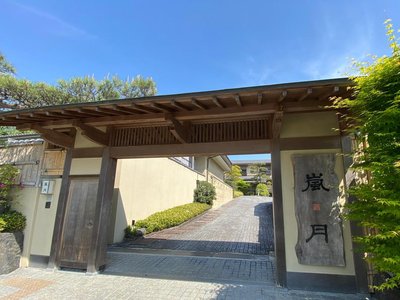
Rangetsu
The Ritz-Carlton, Kyoto
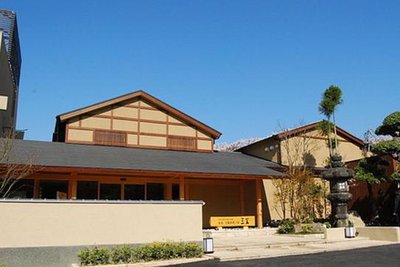
Mikasa
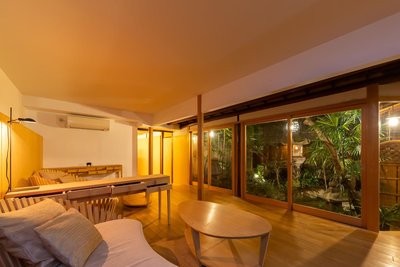
Izuyasu Traditional Kyoto Inn Serving Kyoto Cuisine
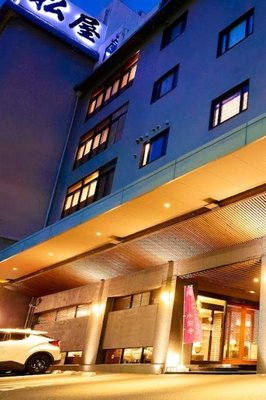
Ryotei Matsuya Honkan Suizenji
HOSHINOYA Kyoto
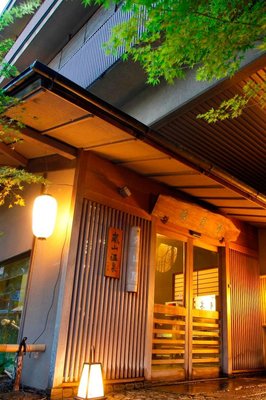
Togetsutei
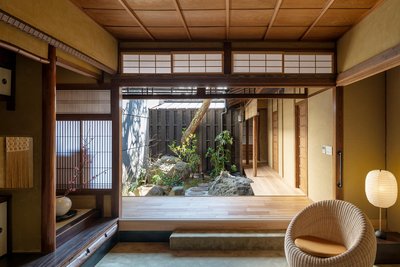
Nazuna Kyoto Gosho
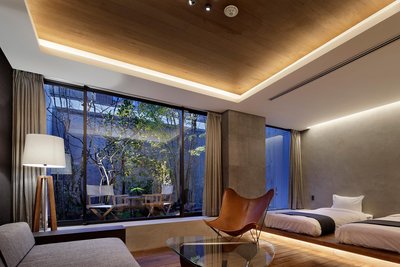
22 PIECES
The Ritz-Carlton, Osaka
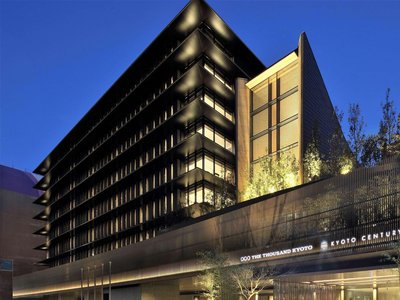
The Thousand Kyoto
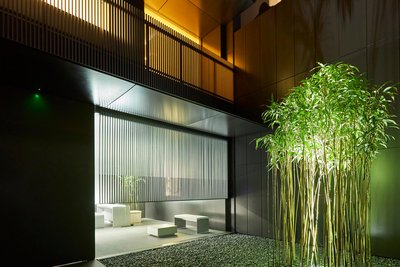
Mogana
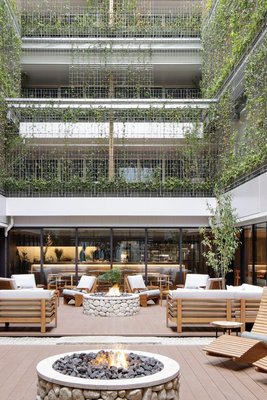
GOOD NATURE HOTEL KYOTO
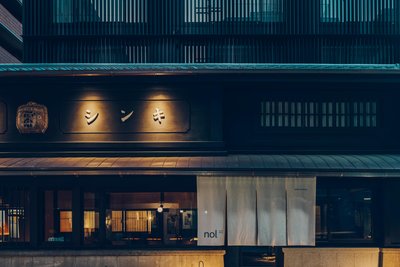
Nol Kyoto Sanjo
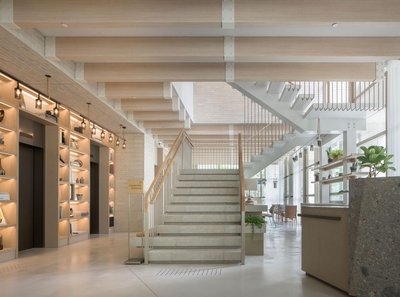
Zentis Osaka
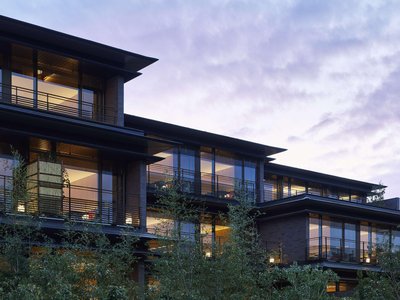
Garrya Nijo Castle Kyoto
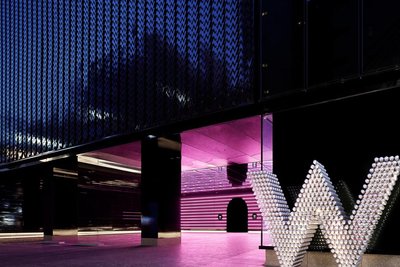
W Osaka
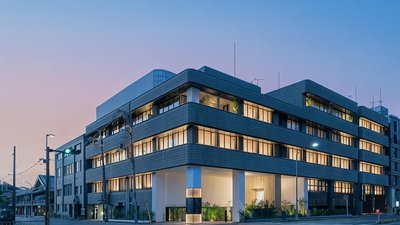
Hotel Kanra Kyoto
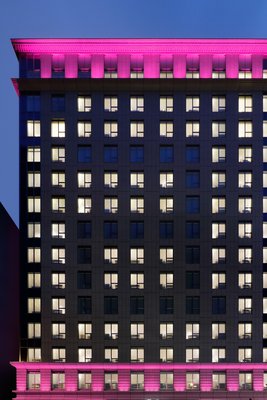
Aloft Osaka Dojima
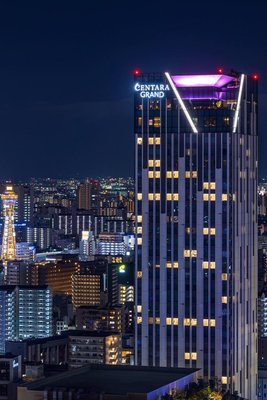
Centara Grand Hotel Osaka
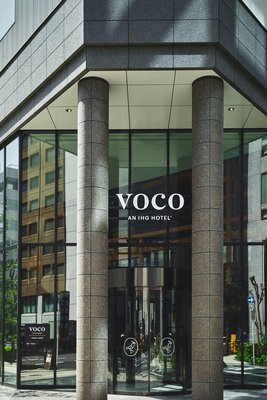
voco Osaka Central
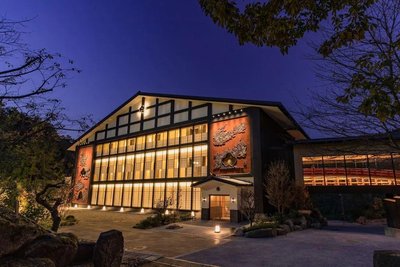
Okuhita Onsen Umehibiki
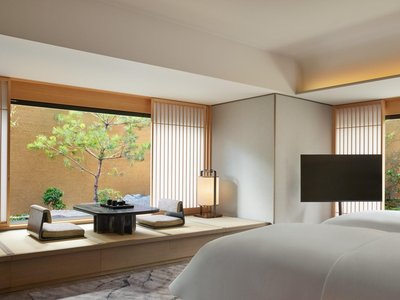
Dusit Thani Kyoto
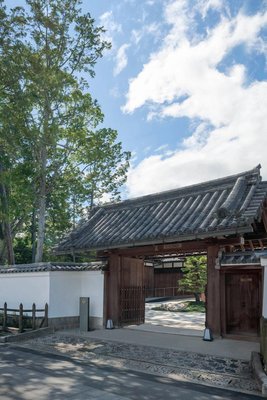
Shisui, a Luxury Collection Hotel, Nara
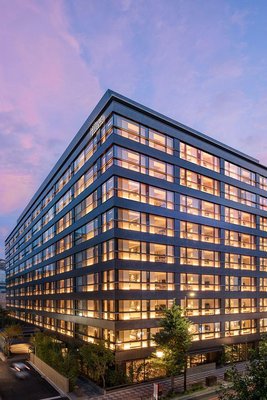
Hilton Kyoto
Osaka Marriott Miyako Hotel
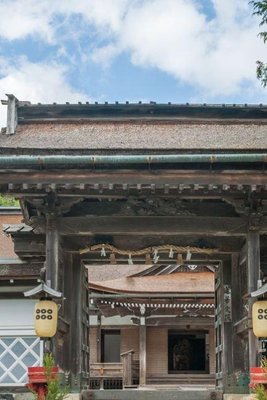
Koyasan Rengejoin
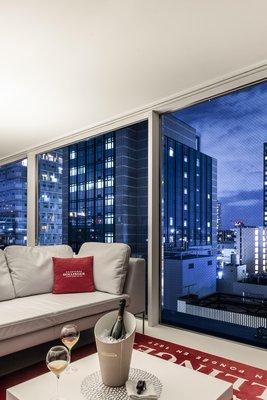
CUVÉE J2 HOTEL OSAKA by Onko Chishin
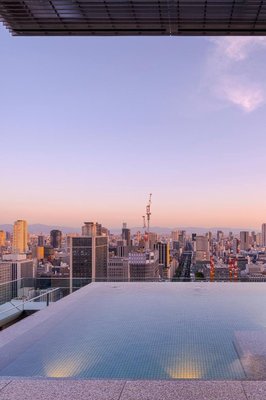
Candeo Hotels Osaka The Tower
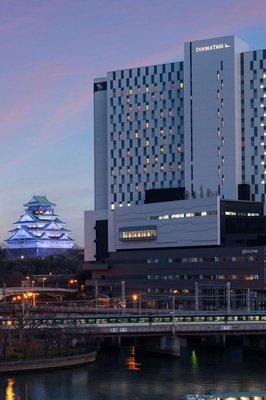
DoubleTree by Hilton Osaka Castle
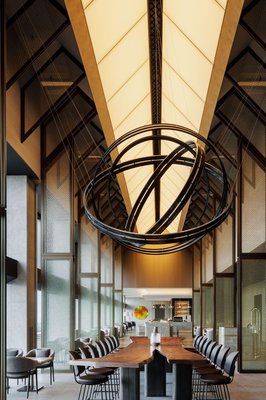
The Osaka Station Hotel, Autograph Collection
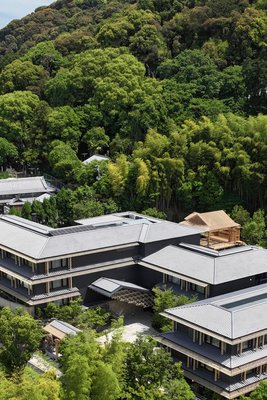
Banyan Tree Higashiyama Kyoto
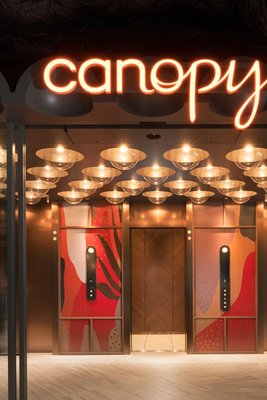
Canopy by Hilton Osaka Umeda
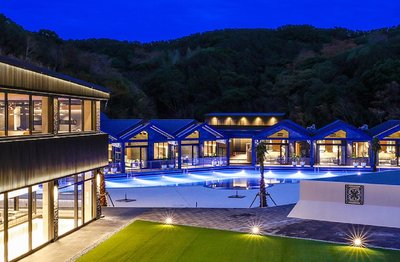
FIVE SPRING RESORT THE SHIRAHAMA
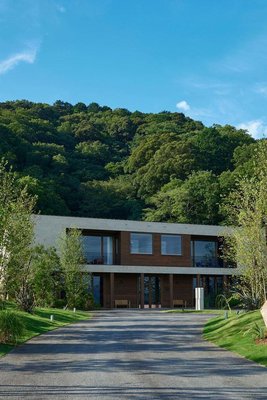
HACIENDA VISON
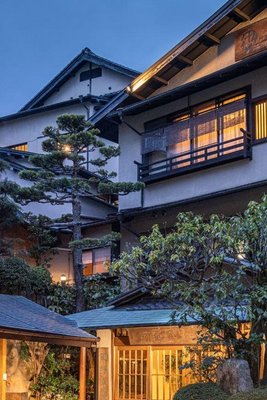
Arima Onsen Tocen Goshobo
Hotel La Suite Kobe Harborland
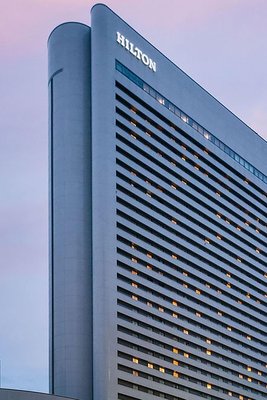
Hilton Osaka Hotel
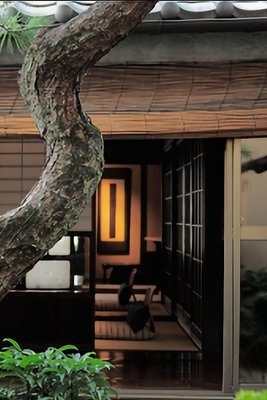
Shimayado Mari
Osaka Marriott Miyako Hotel
The Ritz-Carlton, Osaka
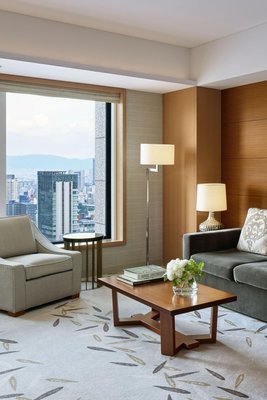
InterContinental Hotel Osaka
The Ritz-Carlton, Kyoto
Suiran, a Luxury Collection Hotel, Kyoto
GOOD NATURE HOTEL KYOTO
Park Hyatt Kyoto
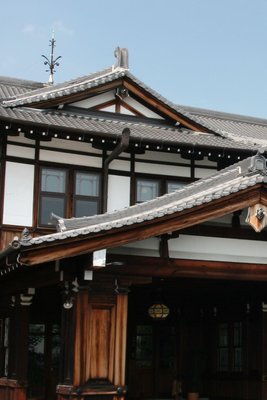
Nara Hotel
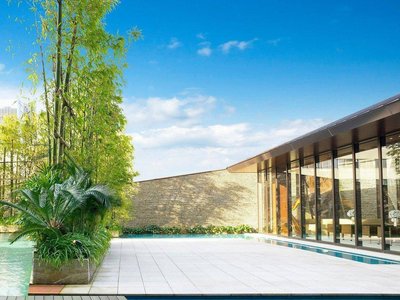
ORIENTAL HOTEL
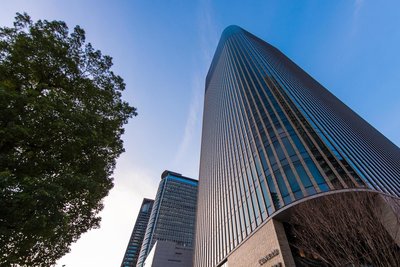
Conrad Osaka
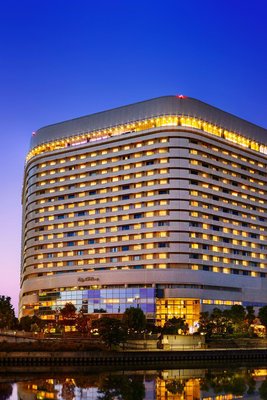
Hotel New Otani Osaka
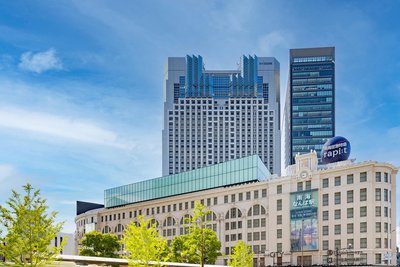
Swissotel Nankai Osaka
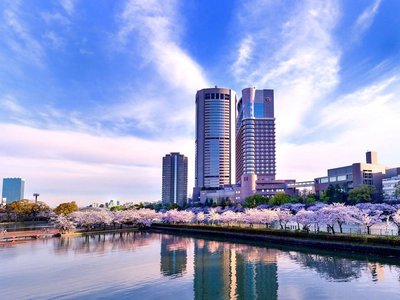
Imperial Hotel Osaka
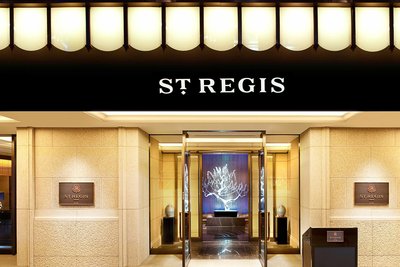
The St. Regis Osaka
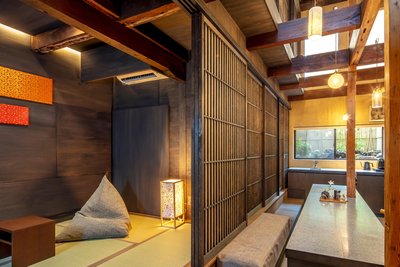
Kyo No Oozora Kihana
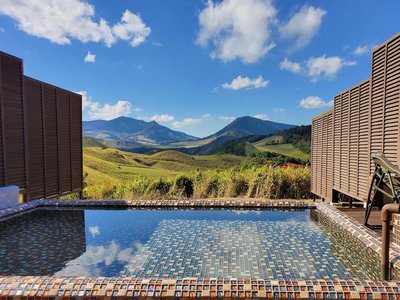
Grand Verde Resort
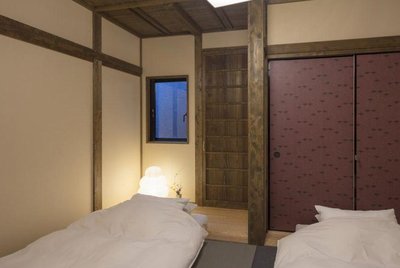
Hanagoromo Machiya House
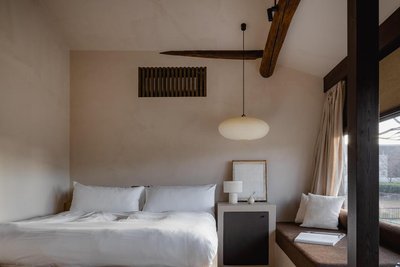
Maana Kiyomizu
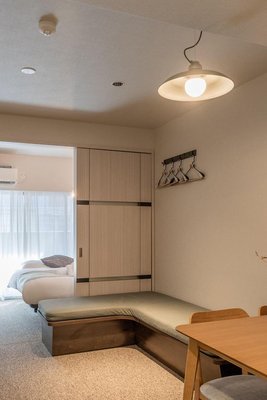
Apartment Hotel 11 Shinsaibashi
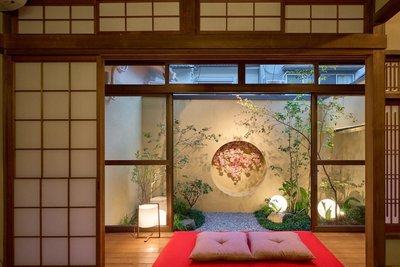
KONJAKUSO Osaka Tengachaya "NIHONCHA" Tea & Relax
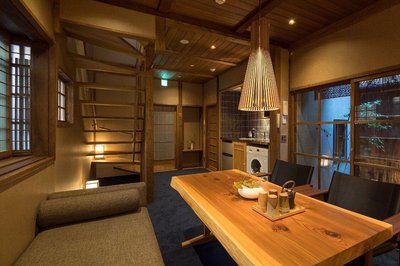
Bonbori an Machiya House
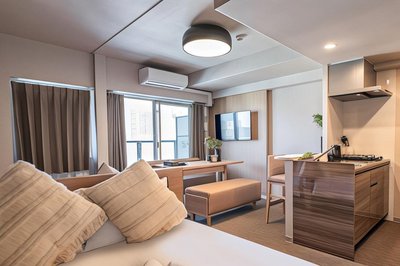
Apartment Hotel 11 Shinsaibashi III
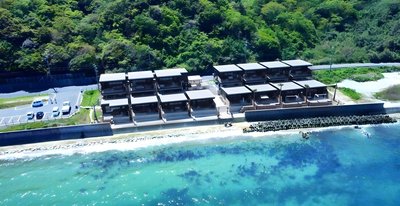
Solavilla Umi Terrace Minamiawaji
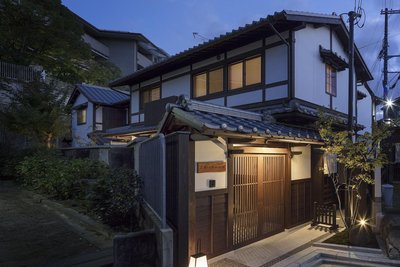
The Machiya Villa Sanjo Shirakawa Koji
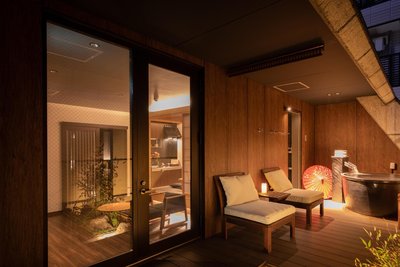
Konjaku-So Dotonbori
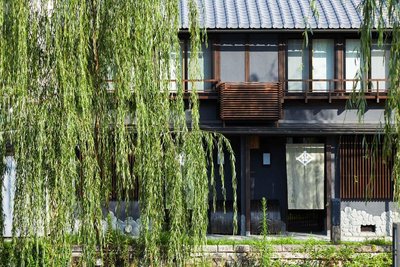
Gion Shirakawa No Yado

Kitashirakawa Natural Radium Onsen
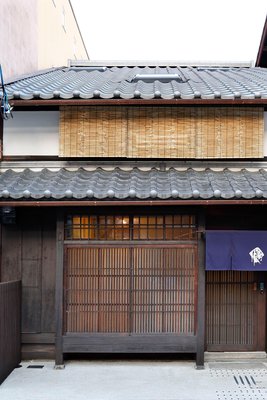
Kyo No Ondokoro Kamanza Nijo #2
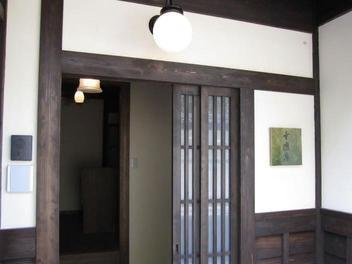
Gion Koyu an Machiya House
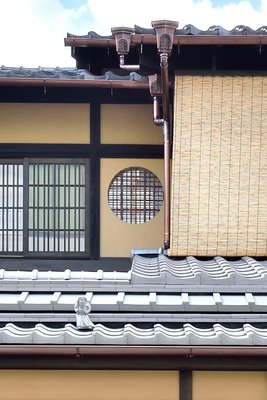
Kyo No Ondokoro Gokomachi Ebisugawa #3

Sana Mane - Glamp Domes
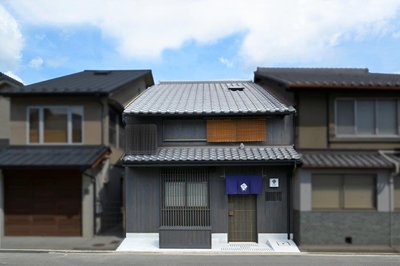
Kyo No Ondokoro Goshonishi #6
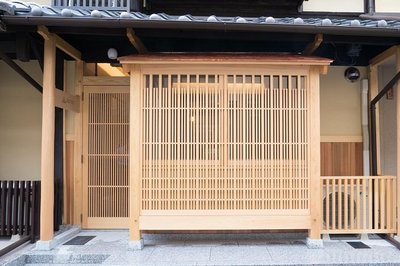
Kyomachiya Suite Rikyu
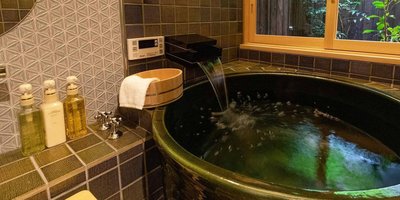
Kyoisuke
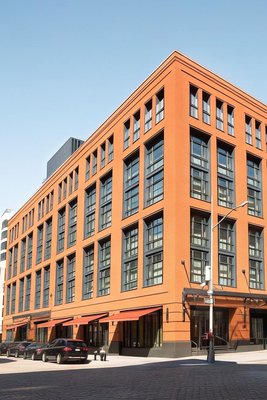
Hotel Barrière Fouquet's New York
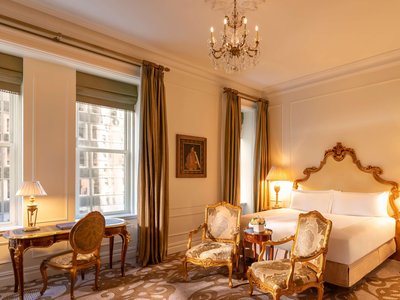
The Plaza - A Fairmont Managed Hotel
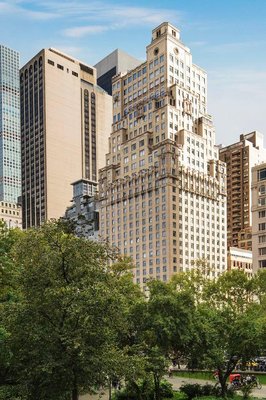
The Ritz-Carlton New York, Central Park
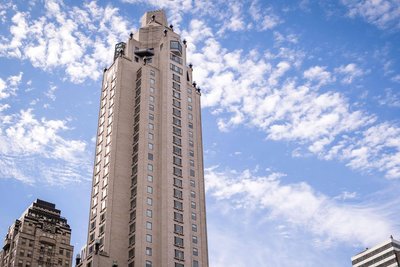
Four Seasons Hotel New York
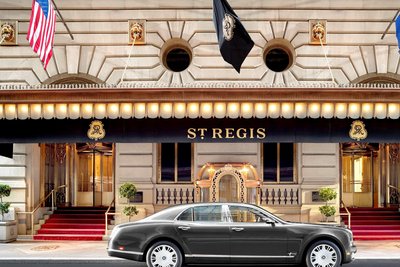
The St. Regis New York
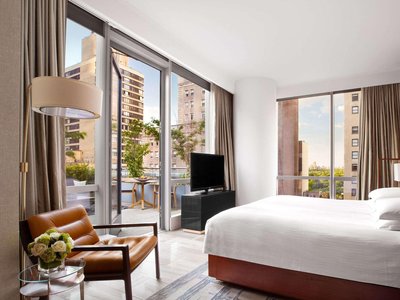
Park Hyatt New York
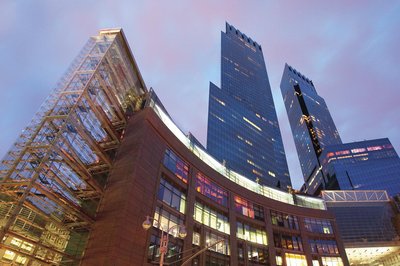
Mandarin Oriental New York
Times Square Edition New York
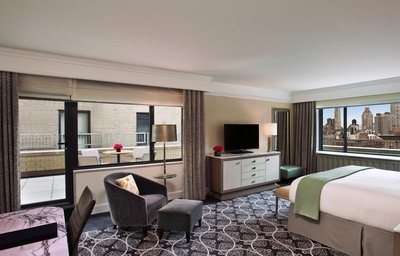
Loews Regency New York Hotel
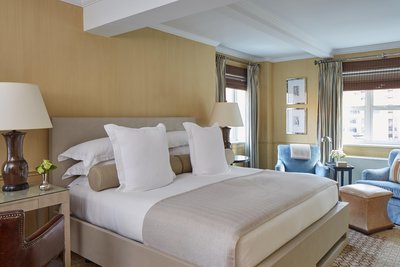
Lowell Hotel
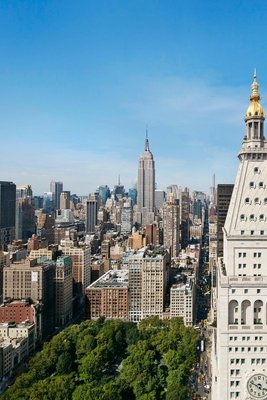
New York Edition
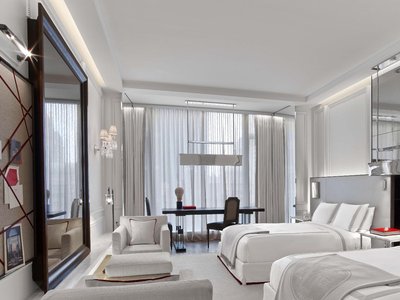
Baccarat Hotel New York
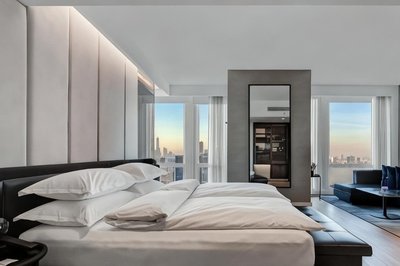
Equinox Hotel New York
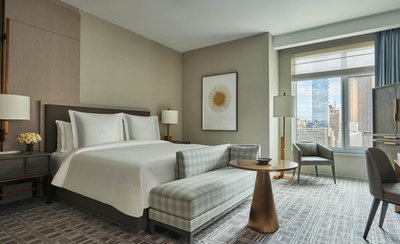
Four Seasons Hotel New York Downtown
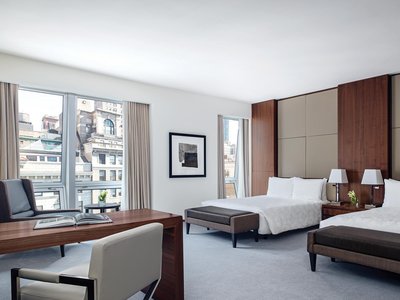
The Langham, New York, Fifth Avenue
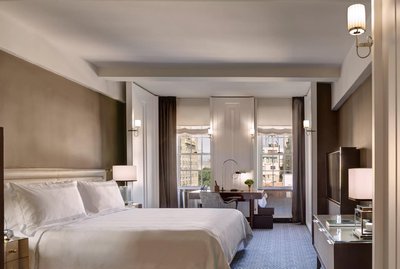
The Carlyle, A Rosewood Hotel

The Chatwal, in the Unbound Collection by Hyatt
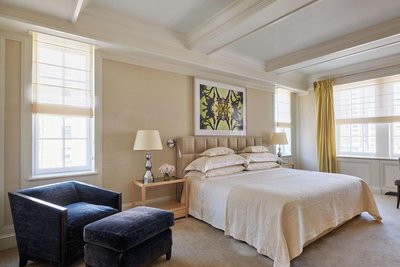
The Mark New York
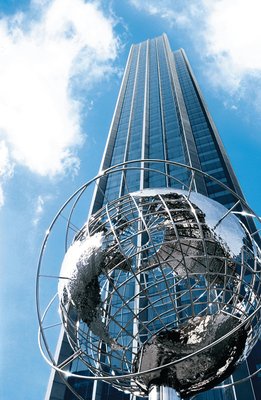
Trump International Hotel & Tower® New York
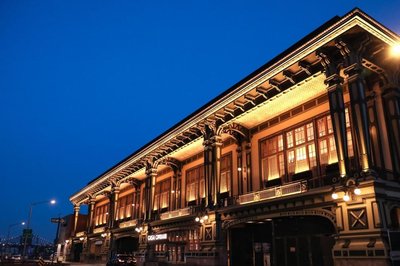
Casa Cipriani New York
Frequently Asked Questions about Traveling to Nankoku
Questions You Might Need to Know About Traveling to Nankoku
In Nankoku City, the top choice for river-view accommodation is Nankoku Onsen Resort Hotel, which offers private balconies overlooking the Sugawara River and Shikoku’s pristine waterways. This eco-luxury hotel blends traditional Japanese design with modern amenities, featuring open-air baths that face the flowing river—perfect for morning meditations. For a more intimate experience, try "Tosa no Mori" Riverside Cottage, a family-run guesthouse nestled along the Four Million Ten River (Shimanto River), where you can hear the gentle current while sipping local green tea. Both properties provide access to kayaking and fishing tours. The surrounding area also hosts seasonal events like the Shimanto River Festival, where lanterns float down the stream at night, creating a magical atmosphere. Ideal for travelers seeking serenity and nature immersion.
Key features: riverfront rooms, organic breakfasts, guided nature walks, and free shuttle service to nearby cultural sites.
For first-time visitors, the central district near Daka Park and Nankoku City Hall is the ideal base. This area offers easy access to major attractions including the Shimanto River Promenade, Tosa Kure Port Market, and Nankoku City Museum. Most hotels and guesthouses here are within walking distance of public transit, and many feature Japanese-style interiors with tatami mats and garden views. The neighborhood buzzes with local charm—small cafes serve fresh tofu dishes, and weekend street markets sell handmade crafts. Families will appreciate the safe, tree-lined streets and child-friendly parks. Additionally, this zone connects seamlessly to the Highway Nankoku Line, making day trips to Kochi City or Muroto convenient. Whether arriving by train or car, starting your stay here ensures a smooth, authentic introduction to Nankoku’s rhythm and culture.
Nankoku City offers immersive cultural experiences rooted in Tosa heritage. Visitors can participate in the annual Tosa Gion Matsuri Festival, where dancers in historic costumes parade through the streets with elaborate floats. At the Nankoku City Museum, interactive exhibits reveal the history of the Tosa Domain and its famed samurai legacy. A must-try is bamboo rafting on the Shimanto River, where you glide past untouched forests and spot kingfishers and wild deer. For hands-on learning, join a local pottery workshop in the city’s artisan district or take part in a traditional wood carving session using native cypress. Some homestays even offer a "One-Day Tosa Farmer Experience," where guests help plant rice, harvest vegetables, and cook meals using seasonal ingredients. These activities provide deep insight into sustainable living and community values unique to rural Shikoku.
In Nankoku City, must-try local delicacies include Shimanto River Carp Hot Pot, made with live carp from the clean waters of the Shimanto River, simmered in a light dashi broth with mountain vegetables. Another highlight is Tosa Yakiniku, slow-grilled pork marinated in house-made sauce, served with fresh pickled radish. Don’t miss Tosa Sake-Infused Tofu, a delicate dish where locally brewed sake is steamed into soft tofu, giving it a subtle umami kick. Visit the Tosa Kure Port Morning Market for freshly caught seafood, including grilled mackerel and oyster skewers. Street food lovers should sample tempura-fried river eels and mochi balls with bean paste sold at roadside stalls. For a full culinary journey, book a Tosa Kaiseki Dining Experience at a boutique ryokan, where chefs craft multi-course meals using seasonal ingredients and regional techniques—each plate telling a story of land, sea, and tradition.
Yes, Nankoku City is an excellent destination for families. The city offers safe, low-traffic neighborhoods and abundant outdoor spaces perfect for kids. Popular family-friendly activities include bamboo rafting on the Shimanto River, where children can paddle gently while spotting birds and fish; visiting the Daka Park Playground, equipped with climbing structures and shaded picnic areas; and attending the Nankoku Children’s Science Museum, which features interactive exhibits on local ecology and astronomy. Many hotels and guesthouses provide cribs, high chairs, and kid-friendly menus. Special programs like the "One-Day Tosa Farmer Adventure" let children plant rice, collect eggs, and learn about farm-to-table cooking. The city also hosts seasonal festivals with puppet shows and craft workshops. With minimal crowds and strong community support, Nankoku provides a nurturing environment for children to explore nature and culture in a relaxed setting.
Transportation in Nankoku City is straightforward and visitor-friendly. The main gateway is Kochi Station, from where Kochi Prefectural Bus Lines run regular services to Nankoku every 30 minutes. Buses connect key locations such as Daka Park, Tosa Kure Port, and Nankoku City Hall. Within the city, pedestrian paths are well-maintained and marked, with bike lanes along the Shimanto River Promenade—bikes can be rented at several stations. For self-drivers, the Kochi Expressway links directly to Nankoku, and free parking is available at major attractions like Daka Park Parking Lot. The city also offers a free shuttle bus during festival seasons. For those unfamiliar with directions, the Kochi Travel App provides real-time bus schedules, multilingual audio guides, and offline maps. Overall, Nankoku combines reliable public transit with scenic routes, making it easy for tourists to explore at their own pace.
Nankoku City transforms beautifully with each season. In spring, cherry blossoms line the Shimanto Riverbanks, creating a pink-hued tunnel perfect for photography and picnics. Summer brings the Bamboo Rafting Season, when clear waters reflect lush greenery and migrating birds. Autumn paints the hillsides gold with maple and ginkgo trees around Daka Park, offering stunning foliage views. Winter is ideal for cozy stays at onsen resorts, where guests enjoy hot springs under starry skies. Special seasonal events include the Tosa Lantern Festival in December, where thousands of paper lanterns illuminate the harbor, and the Shimanto River Night Float, where glowing rafts drift downstream. Each season offers distinct natural beauty and cultural celebrations, making Nankoku a year-round destination for nature lovers and cultural explorers.
Nankoku City is a photographer’s dream. Top spots include the Shimanto River Bamboo Rafting Route, where sunlight filters through tall reeds, creating ethereal lighting perfect for landscape shots. The Red Bridge at Daka Park is iconic during autumn, framed by fiery leaves and still water reflections. At Tosa Kure Port, capture the golden sunset over the harbor with fishing boats silhouetted against the sky. The Nankoku Onsen Resort Hotel’s open-air bath at night, lit by ambient lights and stars, delivers a surreal, cinematic effect. For candid moments, visit the Tosa Kure Morning Market—vibrant stalls, fresh seafood, and locals’ animated faces create dynamic street photography. For wide-angle compositions, hike the Shimanto River Trail near the upper watershed. Bring a tripod and polarizing filter to enhance clarity and depth. These locations offer both natural beauty and cultural authenticity, ensuring unforgettable visuals.
Nankoku City’s onsen hotels stand out for their integration with nature and wellness traditions. Nankoku Onsen Resort Hotel features private outdoor baths overlooking the Shimanto River, with mineral-rich waters sourced from deep underground aquifers—known for soothing skin and relieving fatigue. Guests enjoy sunrise rituals with tea and meditation by the riverbank. Another standout is Tosa no Mori Ryokan, a family-run inn where each room opens to a forest garden, and guests receive personalized wellness consultations. Many hotels offer natural bath rituals using local herbs like yuzu and mugwort. All facilities adhere to strict hygiene standards with daily water replacement and filtration systems. Some even host onsen yoga sessions and forest bathing workshops. Whether seeking relaxation or holistic healing, these onsen lodges deliver an authentic, rejuvenating experience deeply connected to Shikoku’s spiritual landscape.
Nankoku City offers serene and meaningful nighttime experiences. Enjoy a quiet soak in the open-air onsen at Nankoku Onsen Resort Hotel, surrounded by darkness and starlight, with only the sound of flowing water. Attend the Tosa Lantern Festival, where thousands of handcrafted lanterns float down the Shimanto River at dusk, casting a warm glow across the water. At Daka Park, nightly stargazing events hosted by local astronomers guide visitors through constellations visible above the unpolluted sky. Some guesthouses offer firepit gatherings, where families share stories, roast sweet potatoes, and listen to traditional folk songs. For culture seekers, the Nankoku City Theater occasionally hosts evening performances of Tosa Noh Drama, with intricate masks and poetic movements. These twilight experiences emphasize tranquility, connection, and the beauty of stillness—perfect for travelers seeking soulful moments away from urban noise.
Nankoku Overview
City Summary
Nankoku City, located in Kochi Prefecture on Shikoku Island, Japan, is a unique blend of nature and traditional culture. Known for its clear rivers, lush mountains, and abundant agriculture, especially yuzu fruits, it's an ideal place to experience rural Japan and traditional crafts.
Must-See Attractions
Must-see attractions in Nankoku include Kagamino Park, stunning during cherry blossom season. The Nankoku City Art Museum showcases local artists. Don't miss visiting local farms for fruit-picking experiences.
Food Guide
Nankoku's cuisine is famous for fresh produce, especially yuzu-based dishes. Try yuzu ramen and yuzu ice cream. Local seafood, like bonito sashimi, is also a must-try.
Transportation Guide
Public transport in Nankoku is mainly by bus; a day pass is recommended. Renting a car is good for exploring rural areas. Major city attractions are within walking distance.
Best Time to Visit
Spring (March-May) is the best time to visit Nankoku, with mild weather and cherry blossoms. Autumn (September-November) is also great for enjoying harvest festivals.
Travel Tips
- Respect local culture; remove shoes when entering temples.
- Carry cash as some small shops don't accept cards.
- Watch weather changes; mountainous areas can be cooler.
- Try interacting with locals; they're usually very friendly.
- Allocate time for local festivals to experience traditional culture.
- Keep the environment clean; separate your trash properly.
Useful Information
Japanese is the primary language in Nankoku, with limited English; a translation tool is helpful. WIFI coverage is limited; consider renting a mobile device. Cash is still king for payments. In emergencies, dial 110 (police) or 119 (ambulance).