Hotels in Nanmoku
Discover your perfect stay in Nanmoku.
Nanmoku(Japan) Travel 2026: Cheap Flights, Hotels & Top Attractions
Popular Landmarks in Nanmoku
Discover the most iconic attractions in Nanmoku
Recommended Hotels in Nanmoku
Find the perfect place to stay in Nanmoku
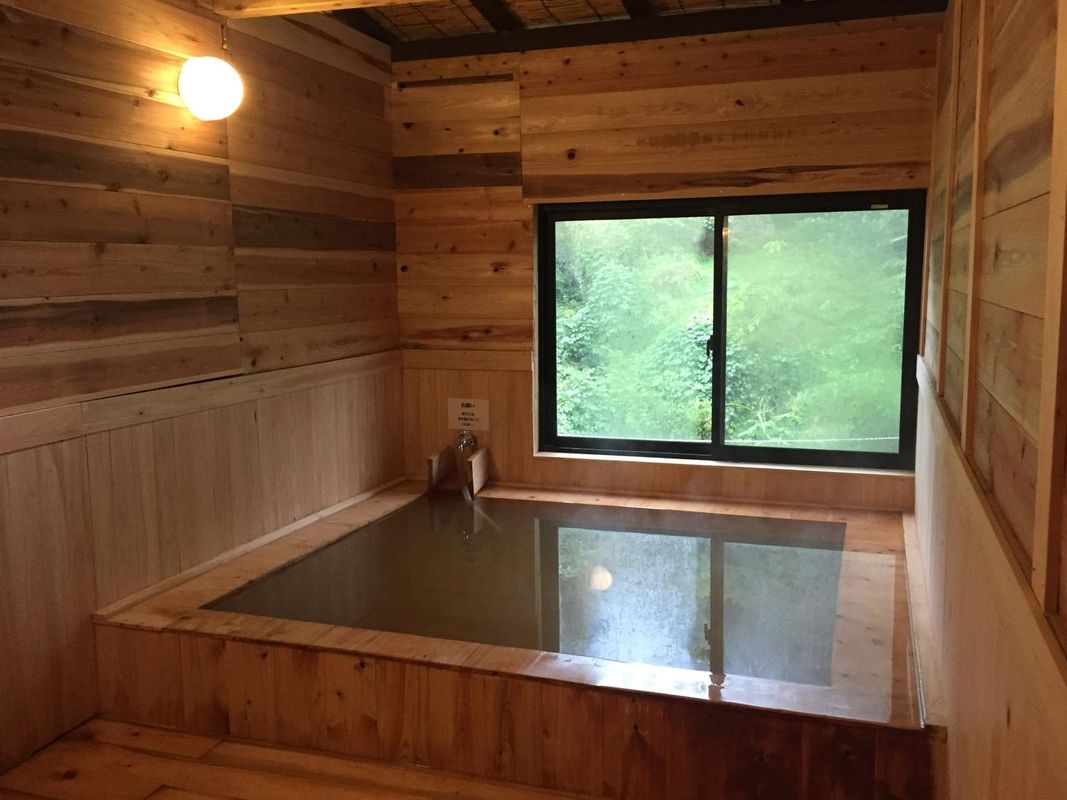
Taikengata Kominka Minshuku Kajika Club
Best Hotels in Nanmoku
Discover curated hotel collections in Nanmoku
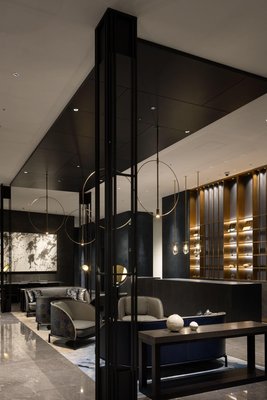
Bellustar Tokyo, A Pan Pacific Hotel
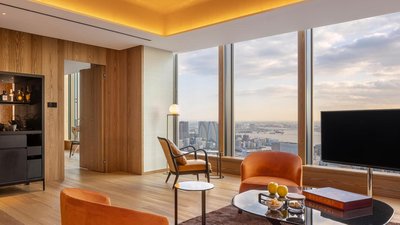
Bvlgari Hotel Tokyo
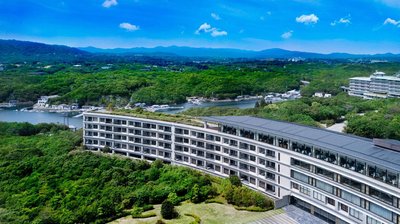
Shima Kanko Hotel the Bay Suites
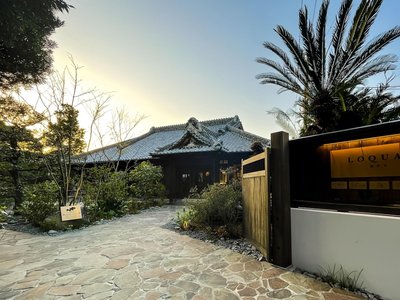
Loquat Nishiizu
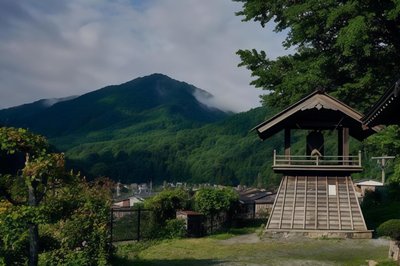
Byaku Narai
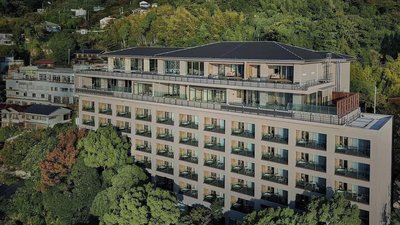
Atami Izusan Karaku
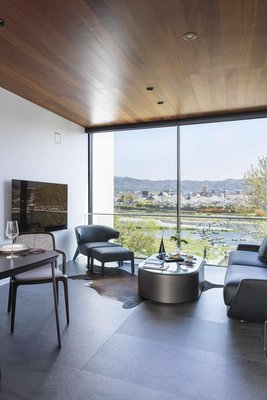
Kamo Residences by Reflections
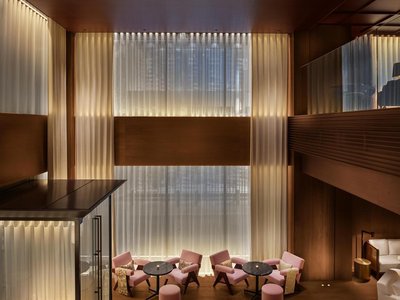
The Tokyo Edition, Ginza
Janu Tokyo
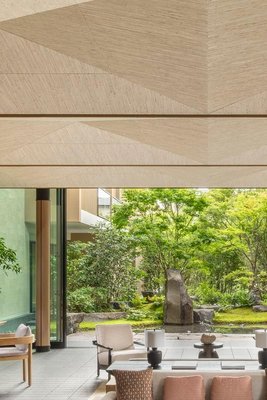
Six Senses Kyoto
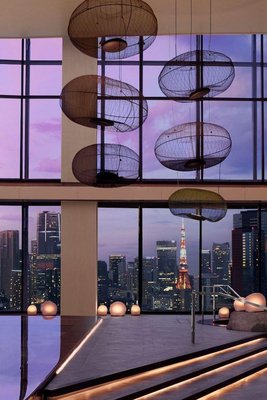
JW Marriott Hotel Tokyo
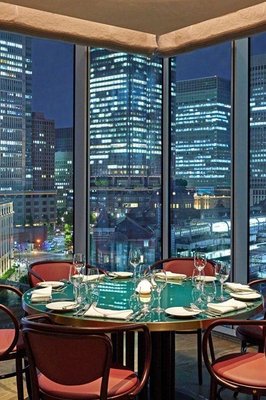
Four Seasons Hotel Tokyo at Marunouchi

Mandarin Oriental, Tokyo
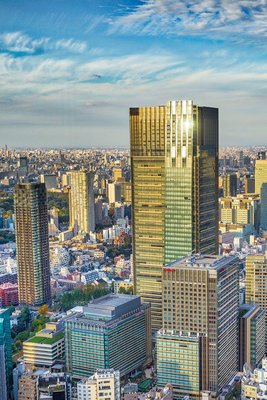
The Ritz-Carlton, Tokyo
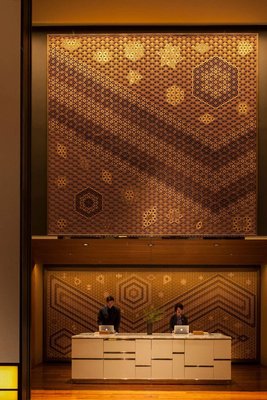
Andaz Tokyo Toranomon Hills- A Concept by Hyatt
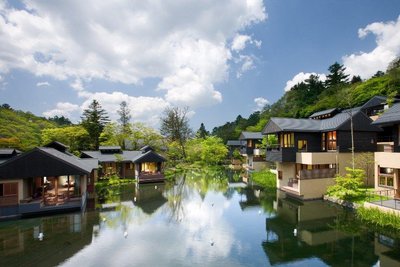
Hoshinoya Karuizawa
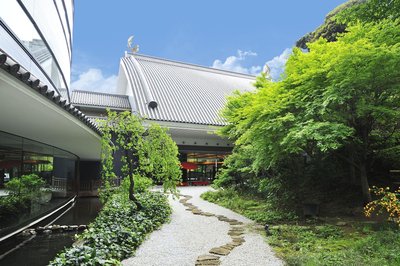
Hotel Gajoen Tokyo
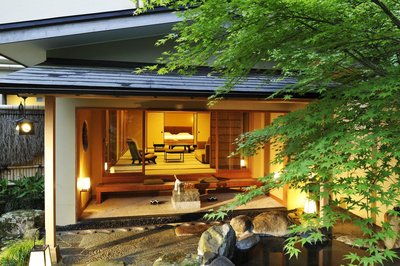
Gora Kadan
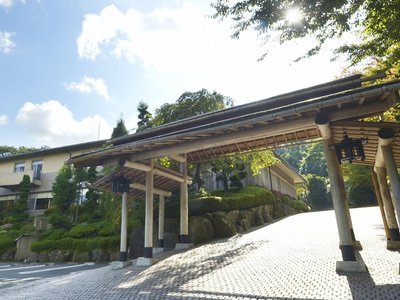
Gora Hanaougi

The Hiramatsu Hotels & Resorts Kashikojima
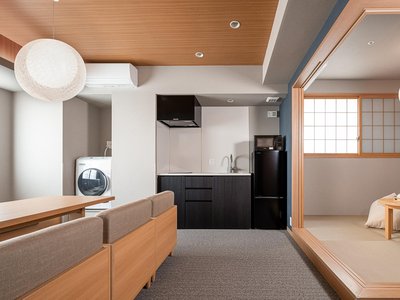
MIMARU SUITES Tokyo Asakusa
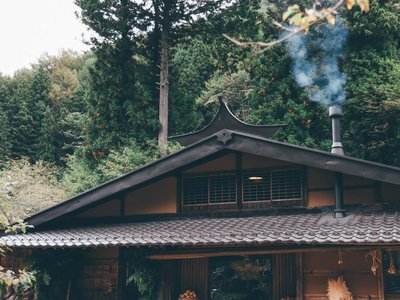
La Terra Resort
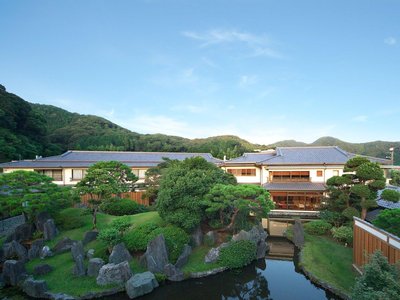
Kagetsutei

karaksa hotel colors Tokyo Yaesu

HOTEL GROOVE SHINJUKU, A PARKROYAL Hotel
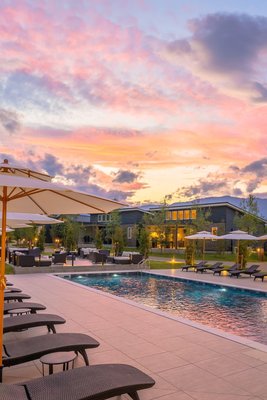
Awaumi Fujikawaguchiko Resort
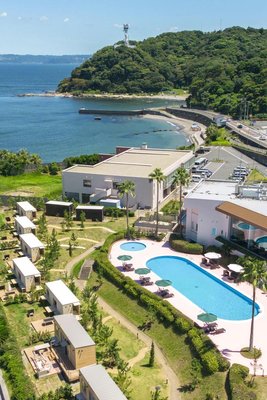
La vista Yokosuka Kannonzaki Terrace
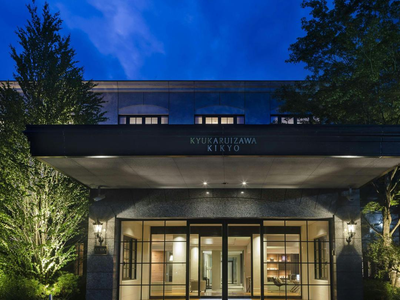
Fufu Karuizawa Wind of Sunshine
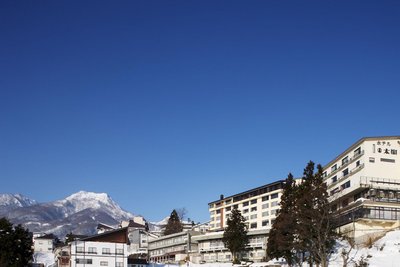
Hotel Taiko, Akakura Onsen
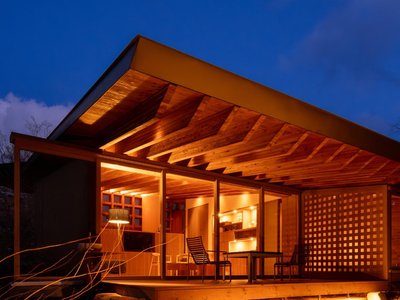
Nasu Mukunone
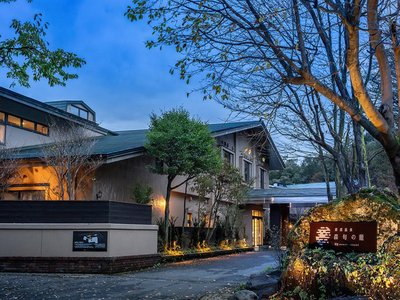
Nasu Onsen Shinshun no Kago Hewitt Resort

Scapes the Suite
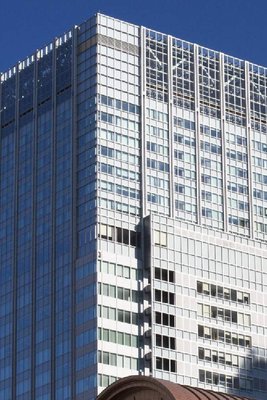
Hotel Metropolitan Tokyo Marunouchi
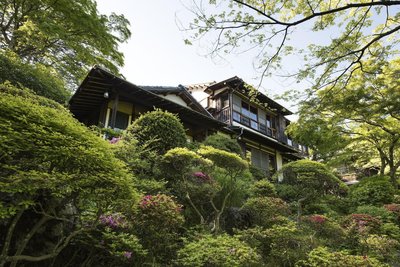
Gora Kansuiro
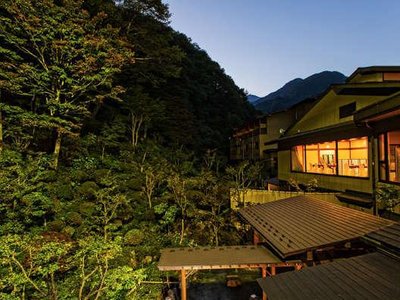
Futari Shizuka
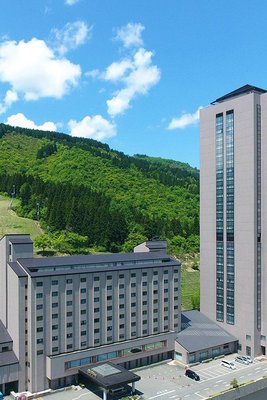
Naspa New Otani
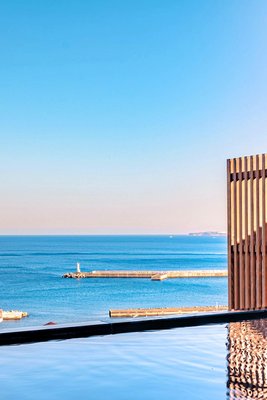
HOTEL KANICHI
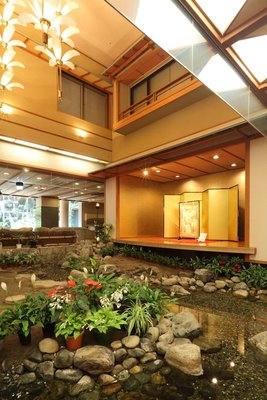
Hotel Futaba
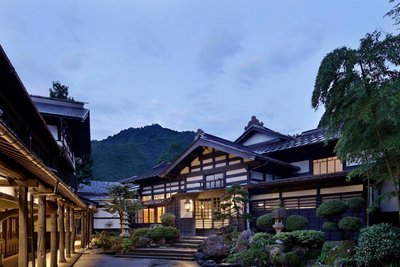
Ryugon
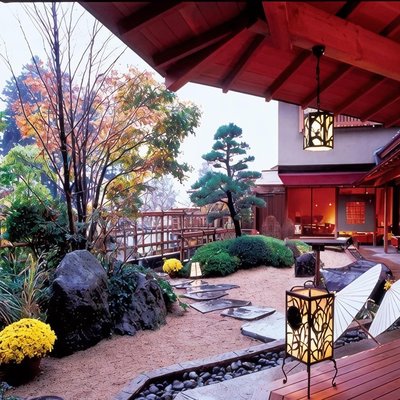
Oyado Tamaki
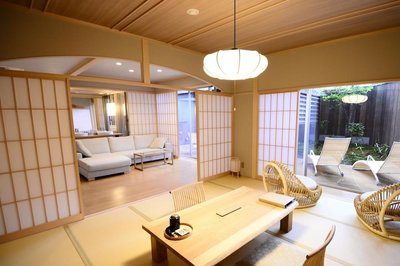
Hakone Gora Byakudan
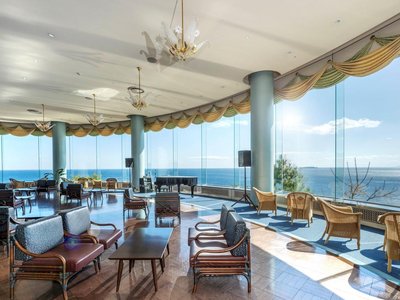
Hotel New Akao
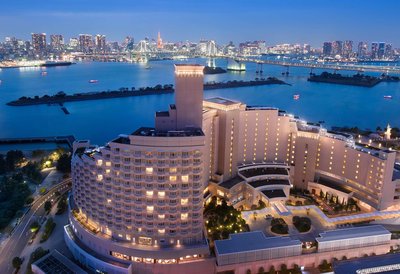
Hilton Tokyo Odaiba
JW Marriott Hotel Tokyo
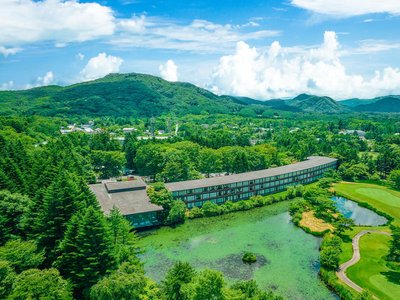
The Prince Karuizawa
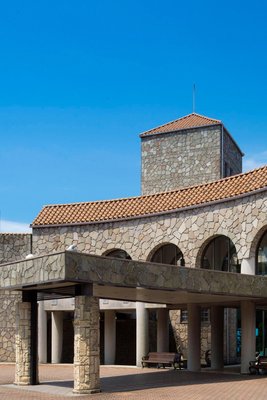
Izumigo Hotel Altia Toba
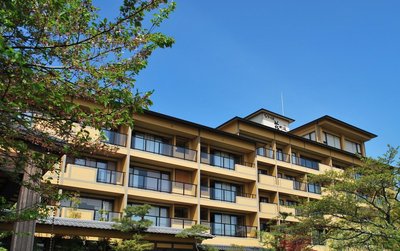
BIWAKO HANAKAIDO
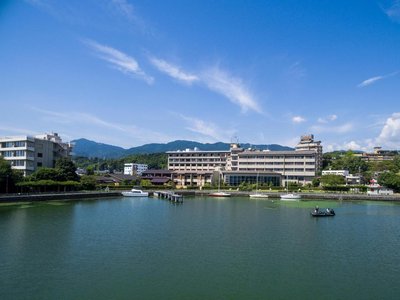
Biwako Ryokusuitei
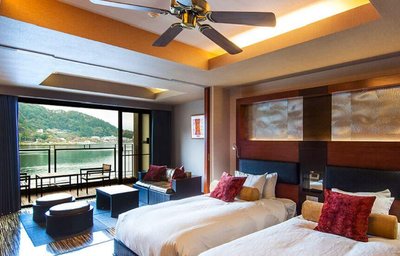
The Kukuna
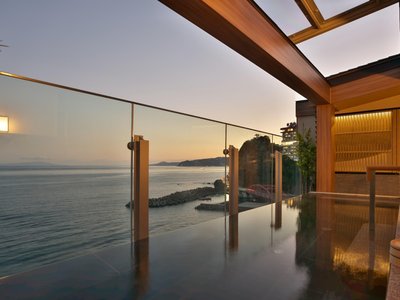
Hotel New Sagamiya
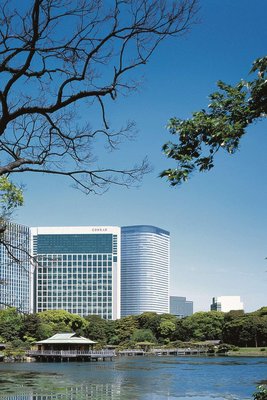
Conrad Tokyo
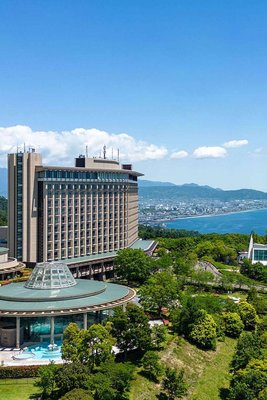
Hilton Odawara Resort & Spa
Hoshinoya Karuizawa
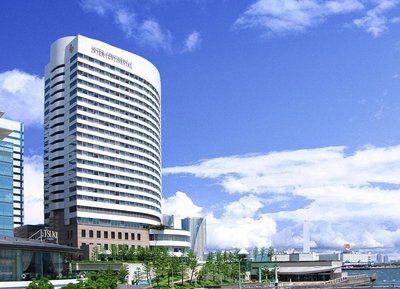
InterContinental Tokyo Bay
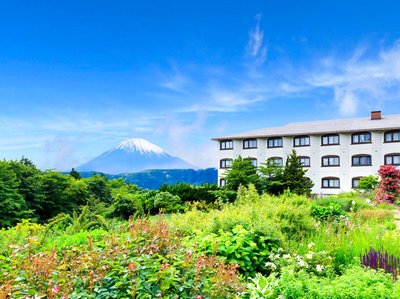
Hotel Green Plaza Hakone
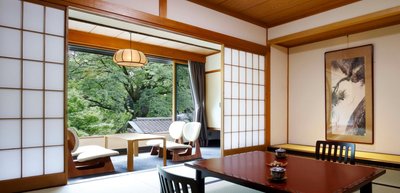
Yoshiike Ryokan
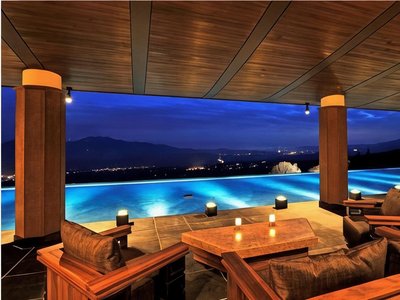
Akakura Kanko Hotel
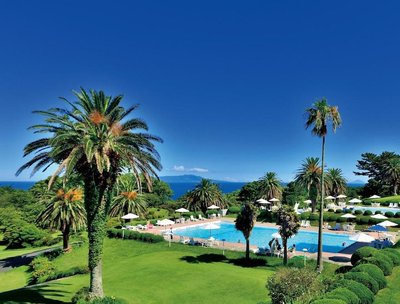
Kawana Hotel
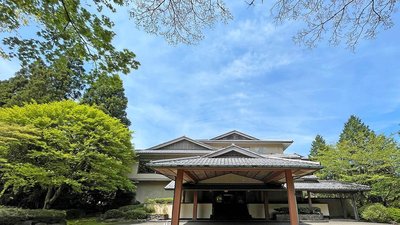
Ryuguden
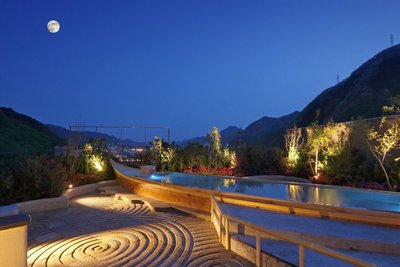
Asaya
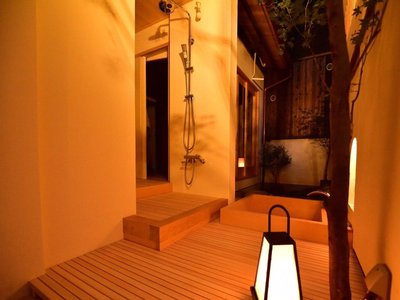
Yado Kiramachi
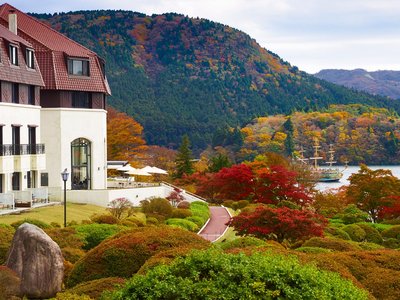
Hotakajyo
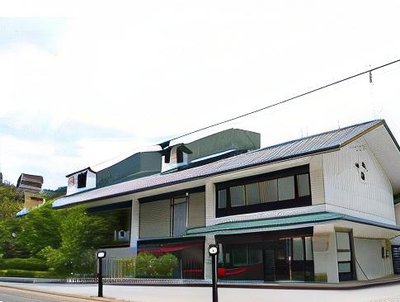
Auberge Suzukane

Onyado Nono Asakusa Bettei Hot Spring
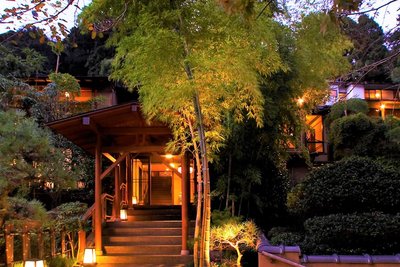
Shiki wo Ajiwau Yado Yamano Chaya
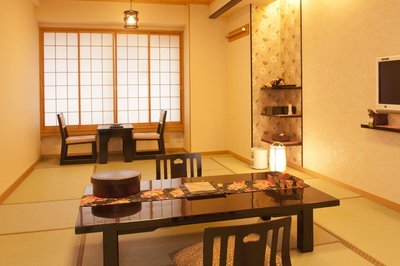
Matsui-Bekkan Hanakanzashi
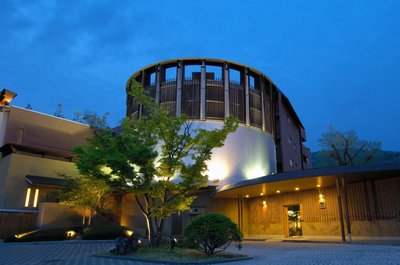
Hoshino Resorts Kai Matsumoto
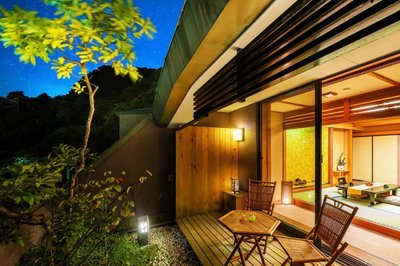
Konjakutei
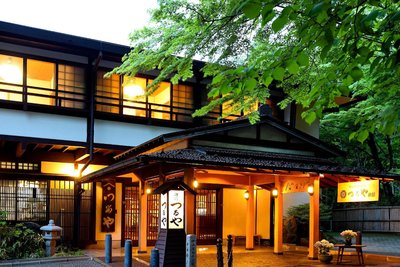
Tsuruya Ryokan
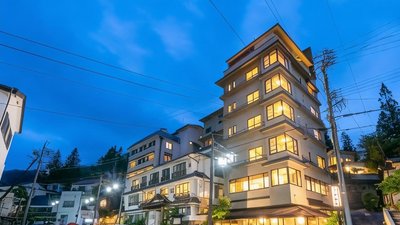
Nakamatsuya Ryokan
Ryokan Sugimoto
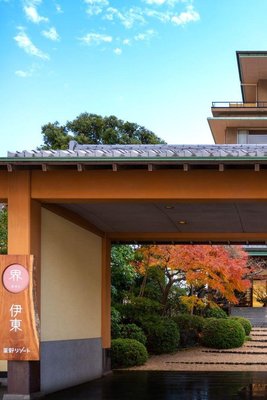
Hoshino Resorts Kai Ito
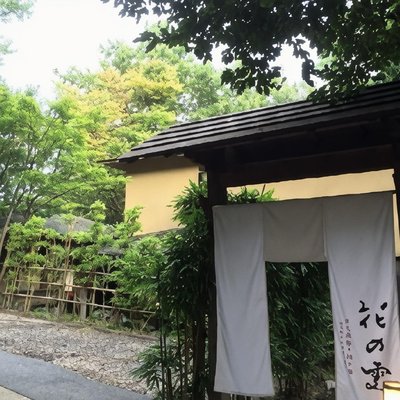
Hana No Kumo
Yoshiike Ryokan
Hotel Gajoen Tokyo
Gora Hanaougi
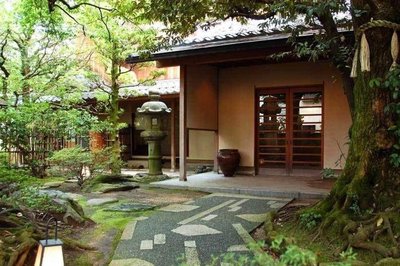
Kocho
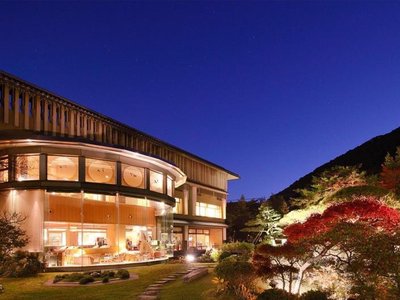
Shikisai Ichiriki
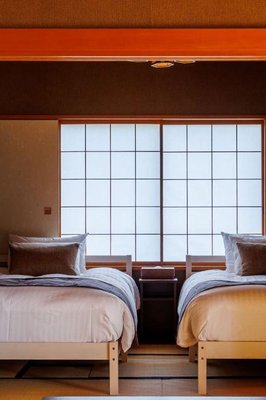
Sado Resort Hotel Azuma
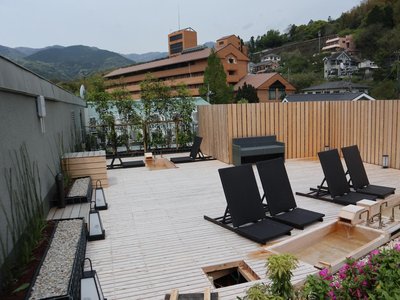
Fukiya Ryokan
Bellustar Tokyo, A Pan Pacific Hotel
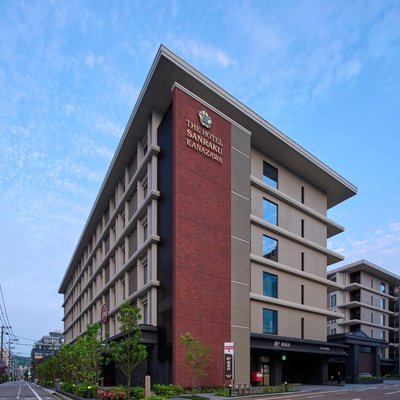
The Hotel Sanraku Kanazawa 21th December 2022 Open
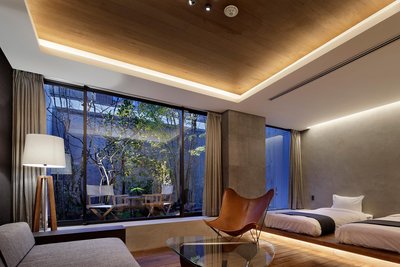
22 PIECES
JW Marriott Hotel Tokyo
Andaz Tokyo Toranomon Hills- A Concept by Hyatt

The Thousand Kyoto
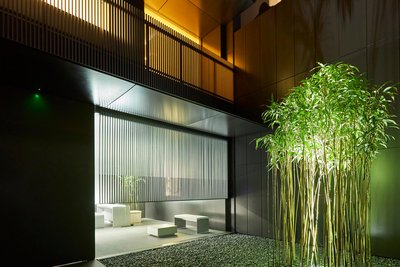
Mogana
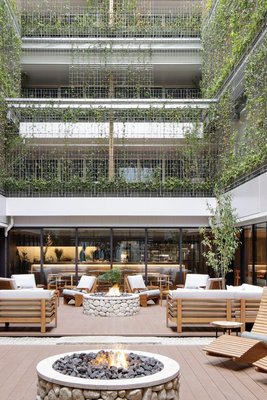
GOOD NATURE HOTEL KYOTO
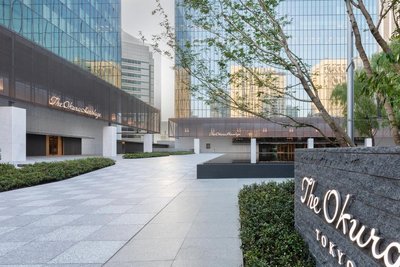
The Okura Tokyo
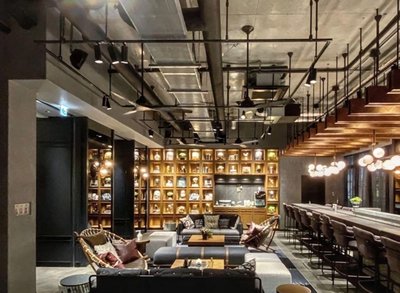
The Lively Azabujuban Tokyo
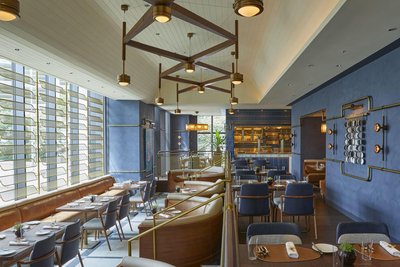
Kimpton Shinjuku Tokyo
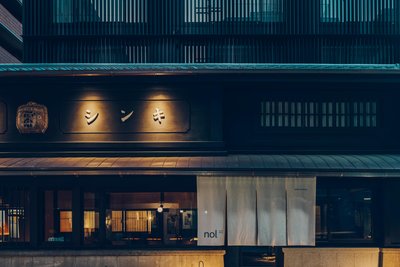
Nol Kyoto Sanjo

HOTEL K5
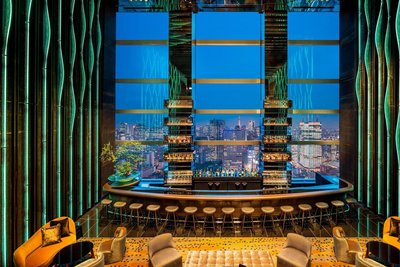
The Prince Gallery Tokyo Kioicho, a Luxury Collection Hotel
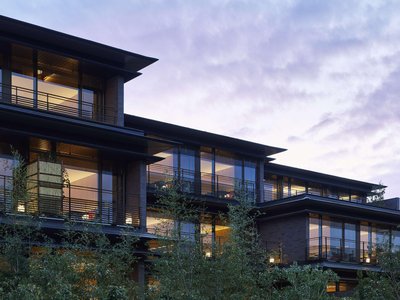
Garrya Nijo Castle Kyoto

Hotel Kanra Kyoto
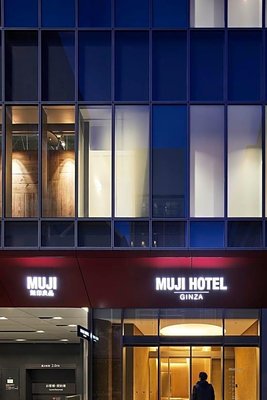
Muji Hotel Ginza
Hakone Gora Byakudan
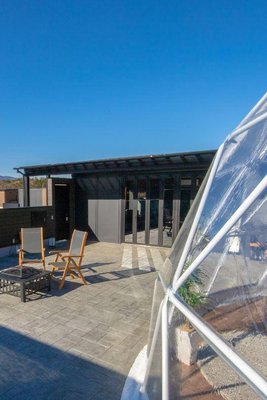
Panoramic Mt. Fuji Views from All Rooms – Vision Glamping Resort & Spa Yamanakako
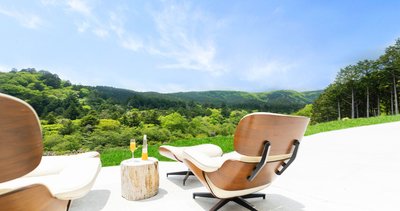
Shelter Garden Nikko
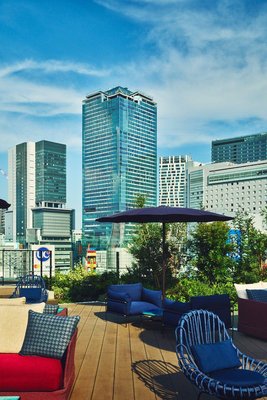
Hotel Indigo Tokyo Shibuya

TIAD, AUTOGRAPH COLLECTION
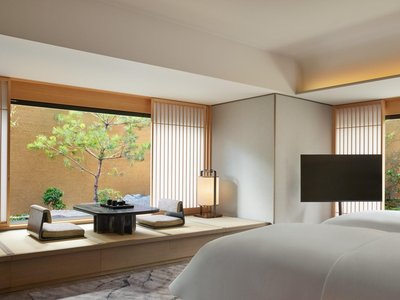
Dusit Thani Kyoto

Hilton Kyoto
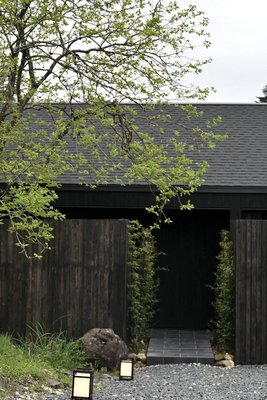
THE LAKOTAN
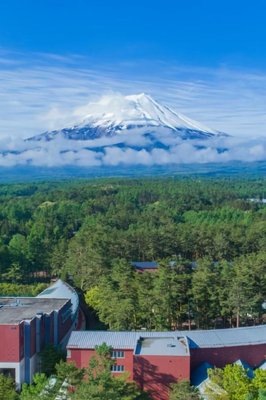
Forest Village (Fuji Premium Resort)

Hotel Toranomon Hills
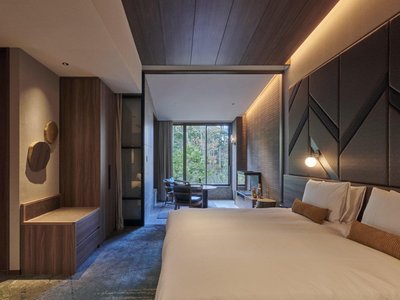
Fufu Kyu-Karuizawa Restful Forest
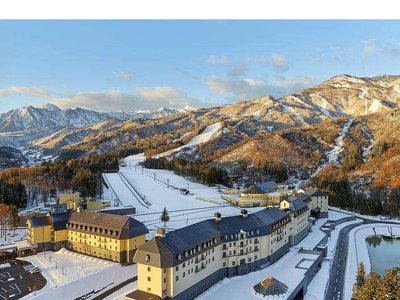
Lotte Arai Resort
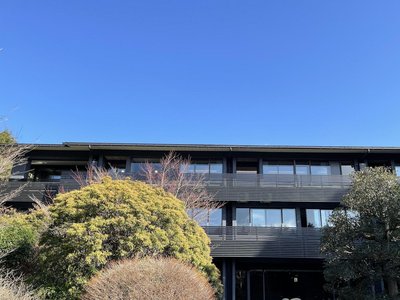
Sengokubara Cocon
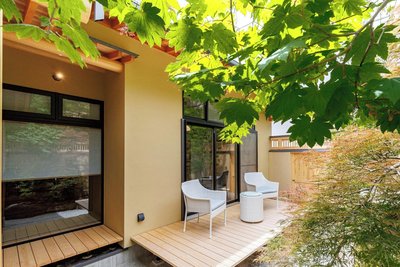
Shoraiso
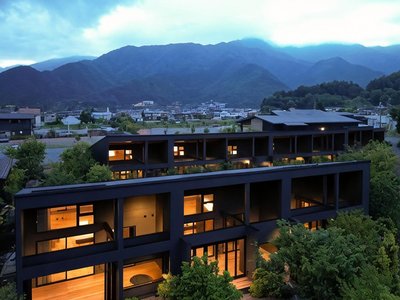
7C Villa and Winery
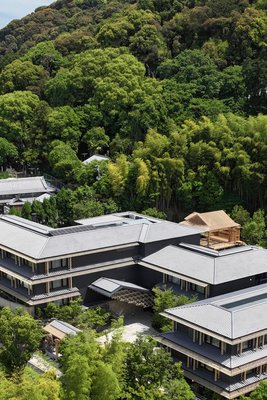
Banyan Tree Higashiyama Kyoto

Hotel la Vigne Hakuba by Onko Chishin
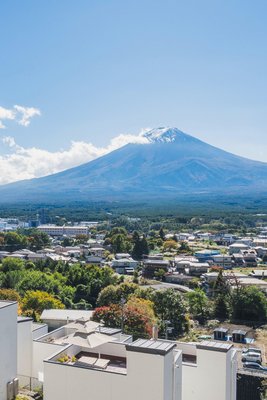
THE TOKI FujiKawaguchiko
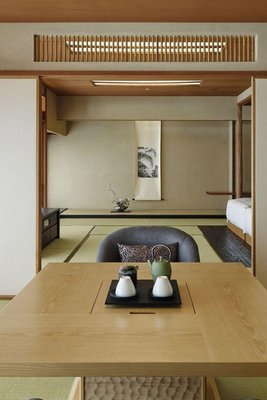
Takanawa Hanakohro (in Grand Prince Hotel Takanawa)
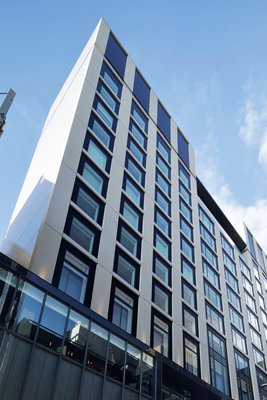
Hyatt Centric Ginza Tokyo
Bvlgari Hotel Tokyo
Four Seasons Hotel Tokyo at Marunouchi
Mandarin Oriental, Tokyo
The Ritz-Carlton, Tokyo
Andaz Tokyo Toranomon Hills- A Concept by Hyatt
Gora Kadan
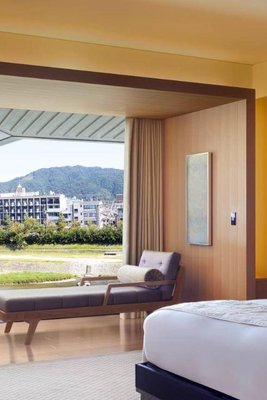
The Ritz-Carlton, Kyoto

Hotel New Otani Tokyo the Main
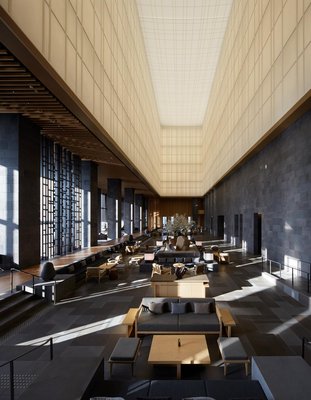
Aman Tokyo
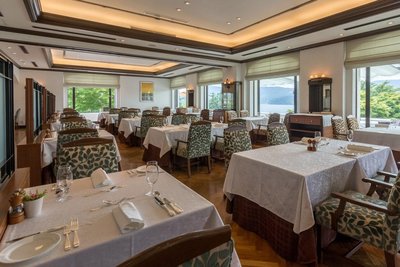
Odakyu Hotel de Yama
GOOD NATURE HOTEL KYOTO
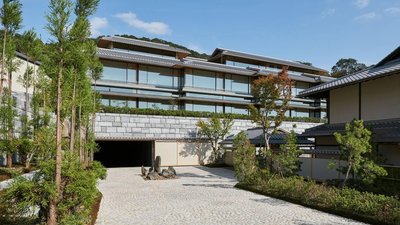
Park Hyatt Kyoto
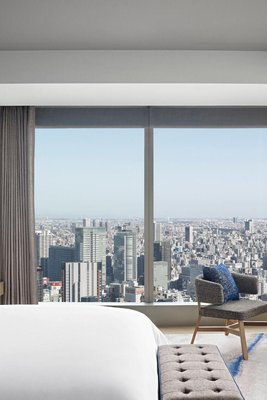
Four Seasons Hotel Tokyo at Otemachi
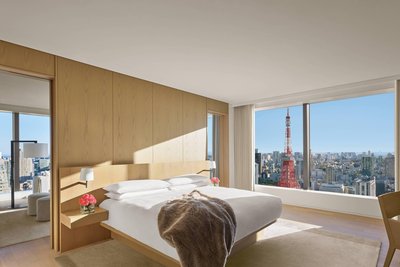
The Tokyo Edition, Toranomon

Hyatt Centric Kanazawa
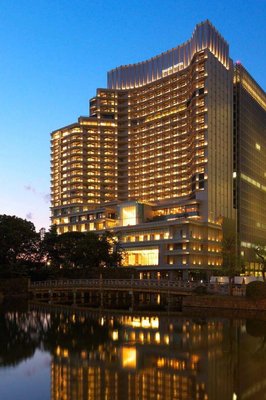
Palace Hotel Tokyo
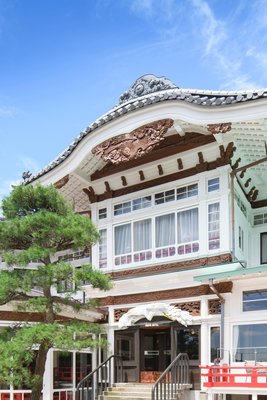
Fujiya Hotel
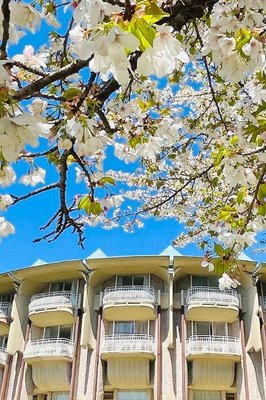
The Prince Hakone Lake Ashinoko
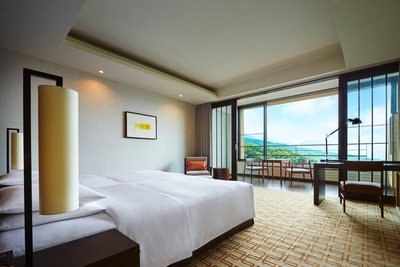
Hyatt Regency Hakone Resort and Spa
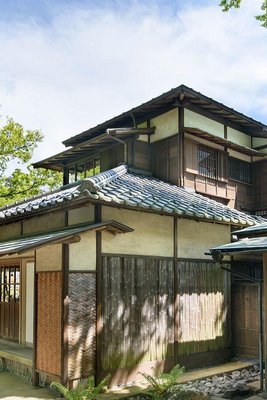
Hakone Suishoen

Rakuten STAY VILLA Nasu
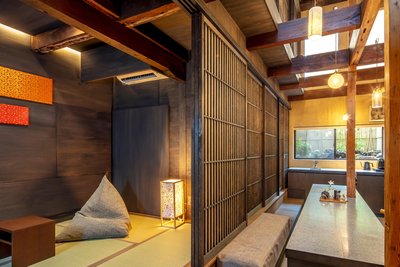
Kyo No Oozora Kihana
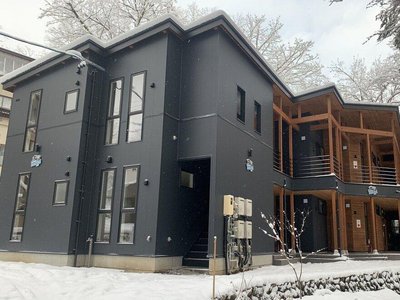
Hakuba Gondola Apartments
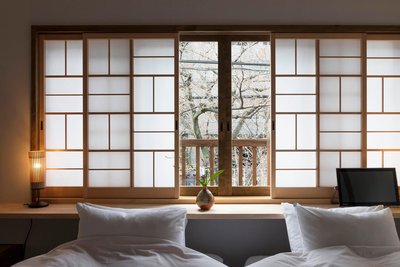
Hanagoromo Machiya House
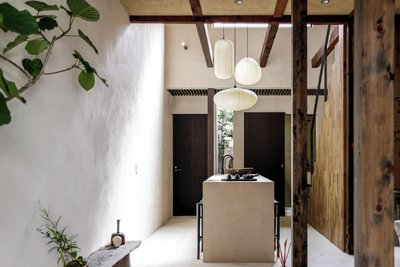
Maana Kiyomizu
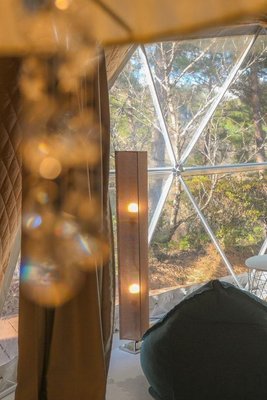
glampark Gekkabijin Nagano
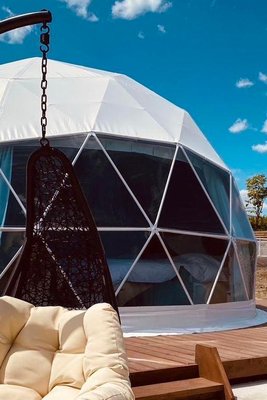
chillout glamping zao
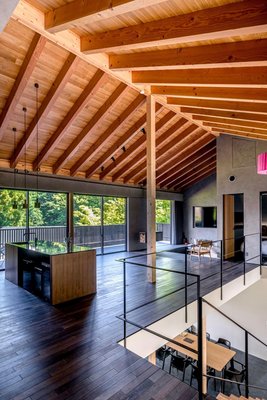
MONS GORA
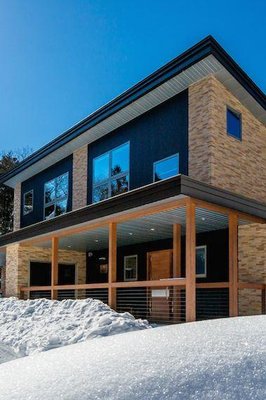
Phoenix Chalets by Hhg
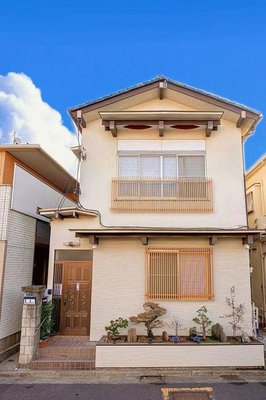
Tokyo Star House-Shinkoiwa
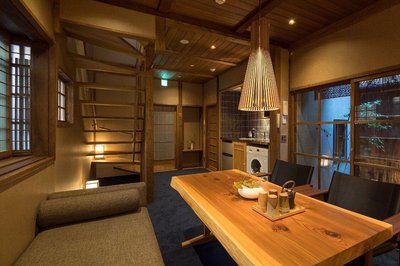
Bonbori an Machiya House
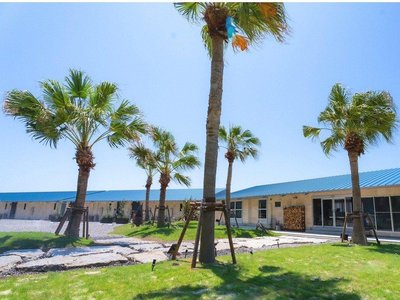
Glamping&Resort Wood Design Park Noma
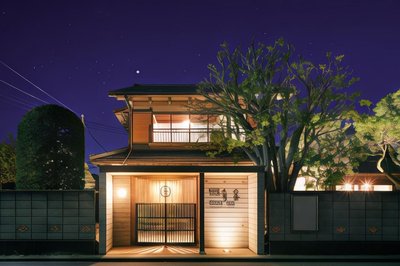
Machi-Jyu
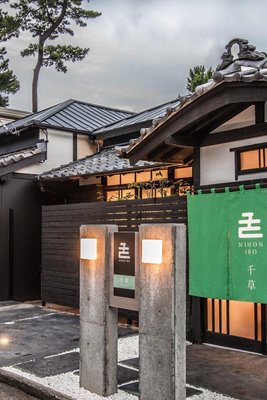
Nihon Iro
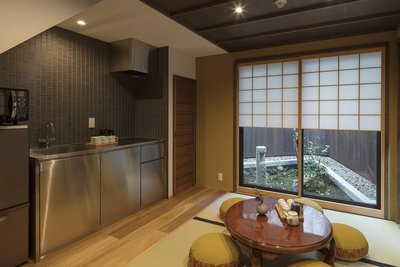
The Machiya Villa Sanjo Shirakawa Koji
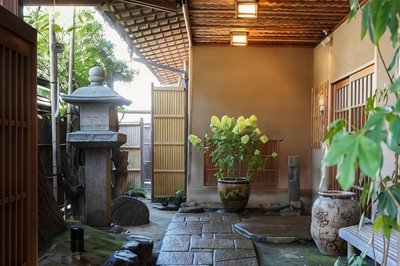
Ryokan Asadaya
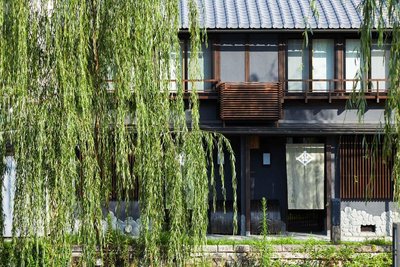
Gion Shirakawa No Yado

Kitashirakawa Natural Radium Onsen
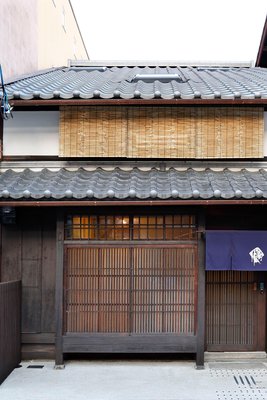
Kyo No Ondokoro Kamanza Nijo #2
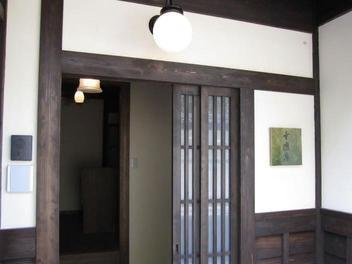
Gion Koyu an Machiya House

Hotel Barrière Fouquet's New York
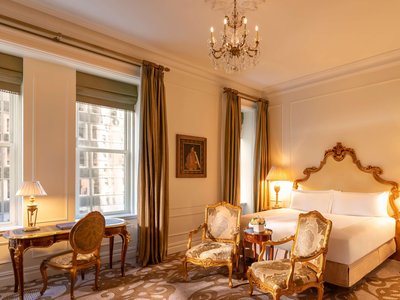
The Plaza - A Fairmont Managed Hotel
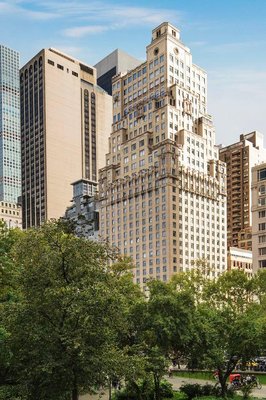
The Ritz-Carlton New York, Central Park
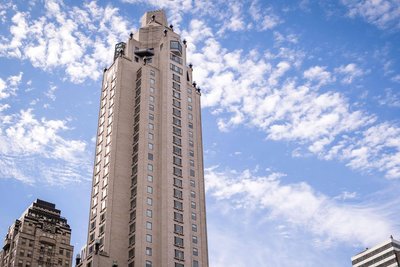
Four Seasons Hotel New York

The St. Regis New York
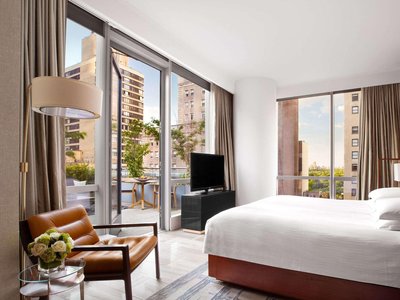
Park Hyatt New York
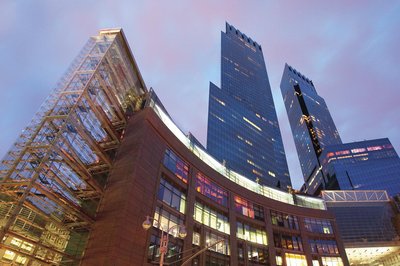
Mandarin Oriental New York

Times Square Edition New York

Loews Regency New York Hotel

Lowell Hotel
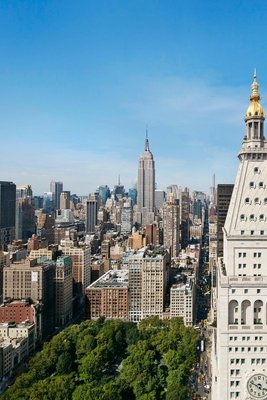
New York Edition
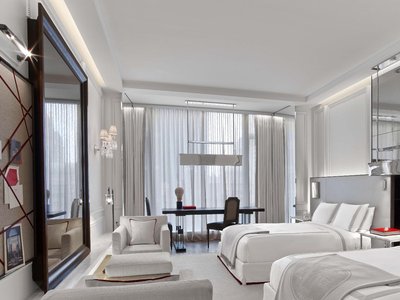
Baccarat Hotel New York

Equinox Hotel New York

Four Seasons Hotel New York Downtown
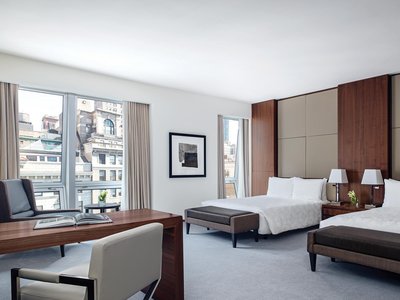
The Langham, New York, Fifth Avenue

The Carlyle, A Rosewood Hotel

The Chatwal, in the Unbound Collection by Hyatt
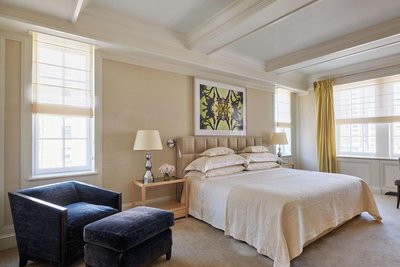
The Mark New York
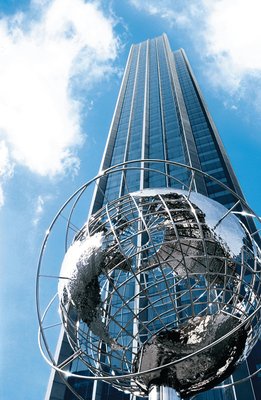
Trump International Hotel & Tower® New York
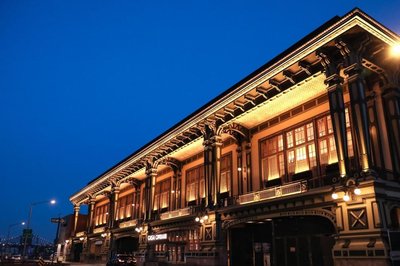
Casa Cipriani New York
Frequently Asked Questions about Traveling to Nanmoku
Questions You Might Need to Know About Traveling to Nanmoku
In Nanmori Village, the top family-friendly lodge is Makimura Mountain House, a secluded eco-lodge nestled in the mountains of Gunma Prefecture. This traditional Japanese-style retreat features wooden cabins with tatami floors, private onsen baths, and spacious rooms ideal for families. Guests can enjoy farm-to-table breakfasts featuring wild mountain vegetables and bamboo shoot rice. The lodge also offers guided nature walks to nearby White River Falls and hosts seasonal events like local craft workshops and forest storytelling sessions, making it perfect for immersive rural experiences. Nearby hiking trails are safe and well-marked, suitable for children.
The best area for accommodation in Nanmori Village is the Shirakawa Valley region, located near key attractions like White River Falls and Makimura Shrine. This quiet, scenic zone specializes in eco-lodges and family-run guesthouses built with local materials. Staying here means easy access to nature trails, fresh air, and serene mornings filled with bird calls and flowing streams. Many lodgings offer panoramic views of the valley and are just a 15-minute walk from the village center. It’s also an ideal base for day trips to Kusatsu Onsen, about a 30-minute drive away, combining comfort with adventure.
A must-try cultural experience in Nanmori Village is the Traditional Washi Umbrella Workshop, where visitors learn to handcraft Japanese paper umbrellas using natural washi paper and bamboo frames. The process includes painting designs, applying waterproof lacquer, and assembling the frame—each umbrella becomes a personal keepsake. Another highlight is the annual Makimura Festival, held in autumn, featuring taiko drum performances, mountain purification rituals, and a bustling craft market showcasing local pottery, textiles, and herbal products. These traditions reflect the community’s deep respect for nature and heritage.
The most photogenic spots in Nanmori Village include White River Falls, a 28-meter cascade framed by mist and sunlight, perfect for dramatic backlit waterfall shots. Nearby, the Thousand Cherry Blossom Path blooms in spring with pink cherry trees stretching for kilometers, ideal for portrait photography and wide-angle landscapes. For a more tranquil scene, visit the Ancient Stone Bridge and lantern-lined forest path, especially at golden hour when soft light filters through the trees. The Forest Meditation Garden at Gunma Yuzan Resort also offers a serene backdrop with minimal human presence, making it a favorite among photographers seeking authenticity.
Yes, the top onsen hotel in Nanmori Village is Gunma Yuzan Resort, a luxury ryokan powered by natural hot springs drawn from 300 meters underground. The mineral-rich water helps relieve stress and soothe muscles. Each room features tatami flooring, private outdoor onsen tubs, and views of surrounding forests. Guests enjoy kaiseki dining with ingredients sourced from local farms, such as wild ferns and mountain pork. The resort also offers forest meditation sessions and yoga classes in a tranquil garden setting, making it ideal for wellness-focused travelers seeking deep relaxation.
Must-try dishes in Nanmori Village include Bamboo Shoot Chicken Stew (Take-noko Jyu), slow-cooked with fresh local bamboo shoots and free-range chicken, delivering rich, earthy flavors. Another highlight is Mountain Vegetable Soba Noodles, made from locally milled buckwheat flour and served with seasonal greens like wild spinach and dandelion. Don’t miss Nanmori Honey, used in desserts or paired with local cheese. Many restaurants follow a farm-to-table philosophy, ensuring ingredients are harvested the same day, preserving the true taste of the mountains. These meals offer a genuine connection to the region’s natural bounty.
Absolutely, Nanmori Village is a premier destination for hiking enthusiasts. Recommended trails include the Shirakawa Gorge Trail and the Oya Mountain Loop, both offering 4–6 hours of scenic trekking through pristine forests, rocky outcrops, and clear streams. Trails are well-marked with rest stops and interpretive signs, suitable for beginners and experienced hikers alike. Along the way, you’ll encounter native Japanese fir trees and autumnal maple groves. Early morning hikes are ideal to avoid fog. Afterward, warm up with a bowl of potato and chestnut soup at a mountain tea house—a perfect post-hike reward.
To book accommodations in Nanmori Village efficiently, use platforms like JTB, HIS Japan, or HopeGoo and search for "Nanmori Village, Gunma" with filters for "onsen", "family-friendly", or "eco-lodge". Most properties accept credit cards and offer multilingual support, including Chinese. For popular stays like Makimura Mountain House or Gunma Yuzan Resort, reserve at least two months in advance, especially during peak seasons (April for cherry blossoms, November for fall foliage). Some lodges provide free shuttle services from Kusatsu Station, so check availability when HopeGoo. Always confirm cancellation policies before finalizing.
The most convenient way to reach Nanmori Village is by taking the JR East train to Kusatsu Station, then transferring to a Gunma Prefectural Bus (approx. 30 minutes). Alternatively, rent a car via Japan Tax Free Rental or use a private transfer service from Tokyo (about 2.5 hours). The village has no public transit beyond the bus line, but many lodges offer complimentary pickup from the station. If driving, take the Kosuge Expressway to the "Nanmori Exit," then follow signs to the village center. Use GPS with coordinates for "Nanmori Village Office" or "White River Falls Entrance" to avoid getting lost.
Key festivals in Nanmori Village include the Spring Mountain God Festival (Yama-no Kami Matsuri) in late March, featuring a procession of portable shrines, taiko drumming, and fire dances under the stars. In autumn, the Harvest Festival celebrates local produce with rice-weaving demonstrations, woodcarving contests, and a bonfire gathering with live folk music. During winter, the Winter Snow Lantern Festival transforms the village into a magical wonderland, with handmade paper lanterns illuminating forest paths and traditional stalls selling warm sake and roasted chestnuts. These events showcase the community’s strong ties to nature and ancestral traditions.
Nanmoku Overview
City Summary
Minamimaki Village is located in the southwestern part of Gunma Prefecture, Japan, surrounded by mountains. Known for its rich natural scenery and traditional rural culture, it is especially famous for its autumn leaves and winter snowscapes. The village preserves old Japanese architecture and farming culture, making it an ideal place to experience rural Japanese life.
Must-See Attractions
The main attractions in Minamimaki Village include Lake Minamimaki, which offers different scenic views throughout the year, especially the reflection of autumn leaves on the lake. Visitors can also stay in traditional farmhouses and experience activities like fruit picking and soba noodle making. Nearby hot spring facilities are perfect for relaxation.
Food Guide
The local cuisine in Minamimaki Village focuses on farm-fresh ingredients. Recommended dishes include fresh soba noodles and wild vegetable dishes. The village also produces homemade miso and soy sauce, which have unique flavors. Winter hot pots and summer cold noodles are also must-try dishes.
Transportation Guide
Public transportation in Minamimaki Village is limited, so driving or taking a bus is recommended. From Tokyo, take the Shinkansen to Takasaki Station and then transfer to a bus for about 2 hours. Walking or renting a bicycle is a good way to get around the village.
Best Time to Visit
The best times to visit are autumn (October to November) for the fall foliage and winter (December to February) for the snowscapes and hot springs. Summer offers cool weather, ideal for escaping the heat.
Travel Tips
- Minamimaki Village is mountainous, so warm clothing is necessary in winter.
- Some attractions require advance reservations, especially farm experience activities.
- Respect local customs, such as removing shoes before entering shrines or homes.
- Take your trash with you to keep the environment clean.
- Some restaurants only accept cash, so carry enough yen.
- Mountain areas have weak signal coverage, so offline maps are recommended.
Useful Information
The official language in Minamimaki Village is Japanese, and English is not widely spoken, so a translation app is helpful. Internet coverage is limited, though some lodgings offer Wi-Fi. Cash is the primary payment method, as credit cards are rarely accepted. For emergencies, dial 110 (police) or 119 (ambulance). Medical facilities are scarce, so bring essential medications.