Hotels in Nantan
Discover your perfect stay in Nantan.
Nantan(Japan) Travel 2026: Cheap Flights, Hotels & Top Attractions
Popular Landmarks in Nantan
Discover the most iconic attractions in Nantan
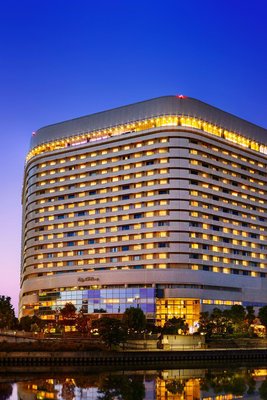
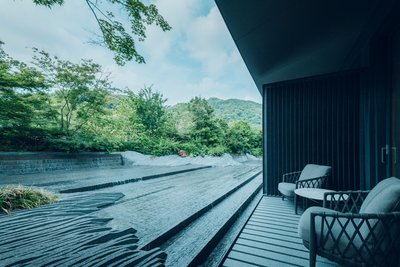
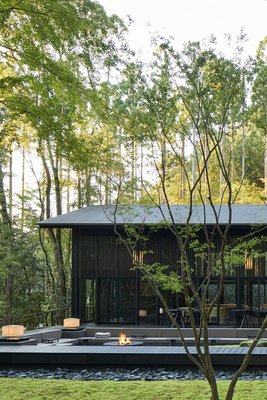
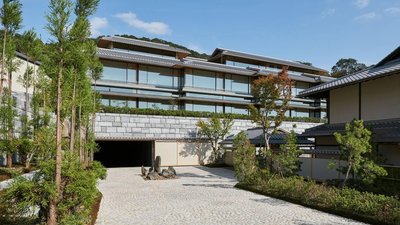
Recommended Hotels in Nantan
Find the perfect place to stay in Nantan
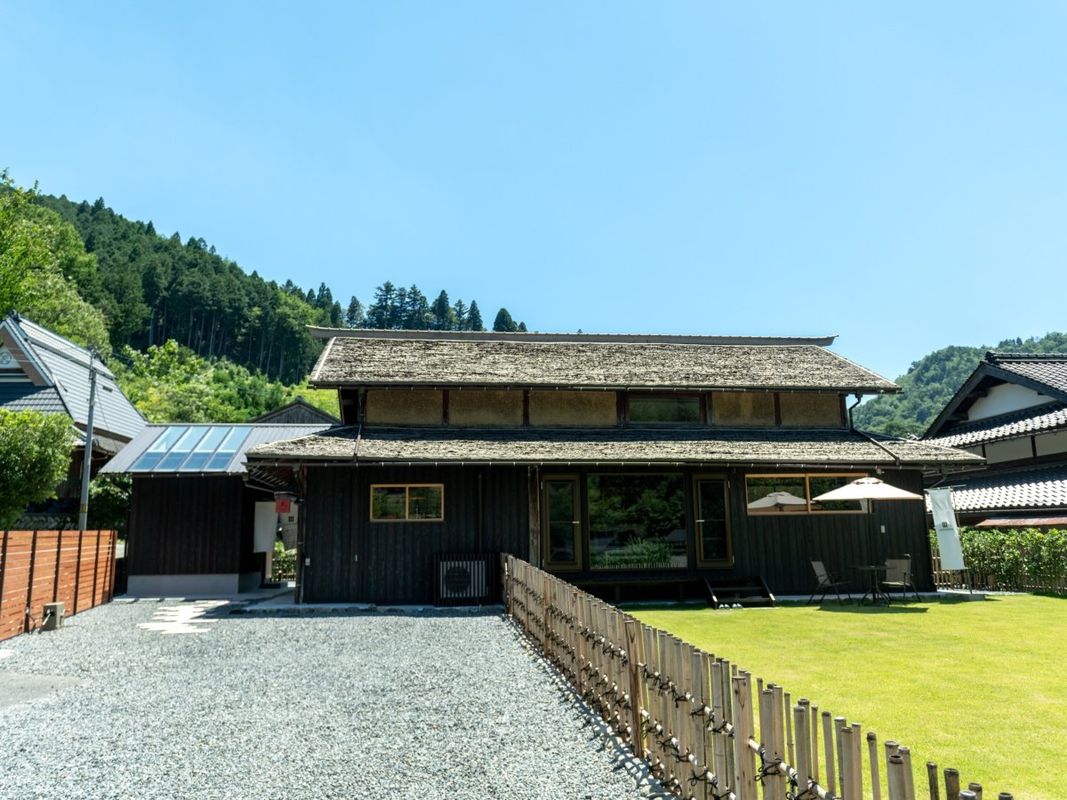
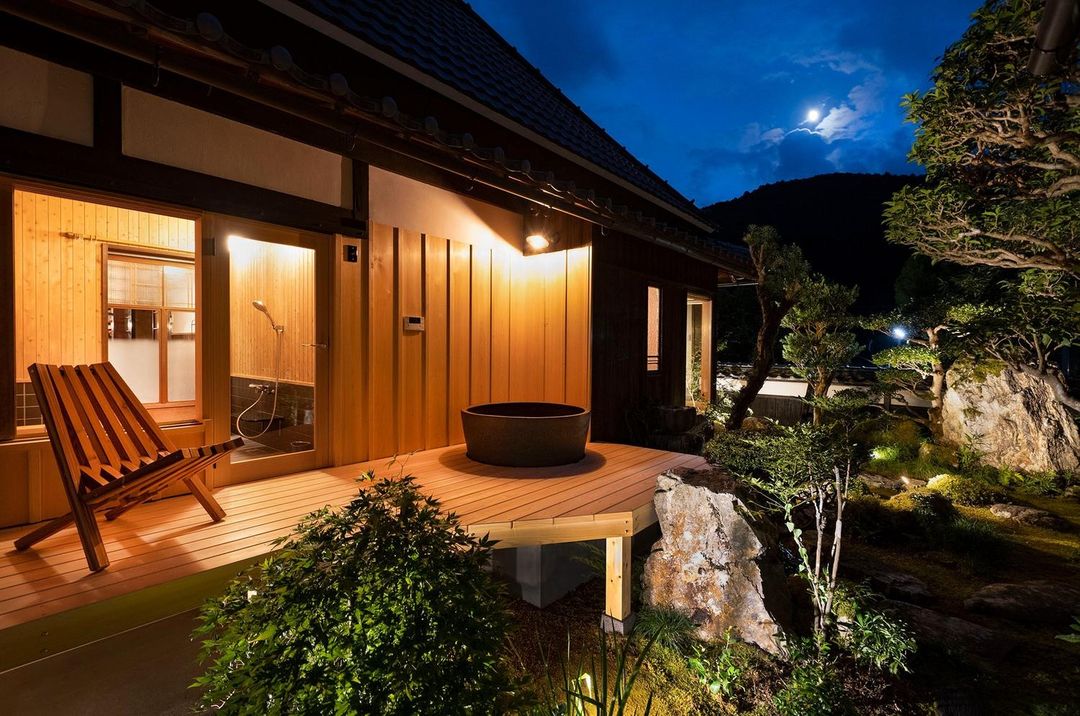
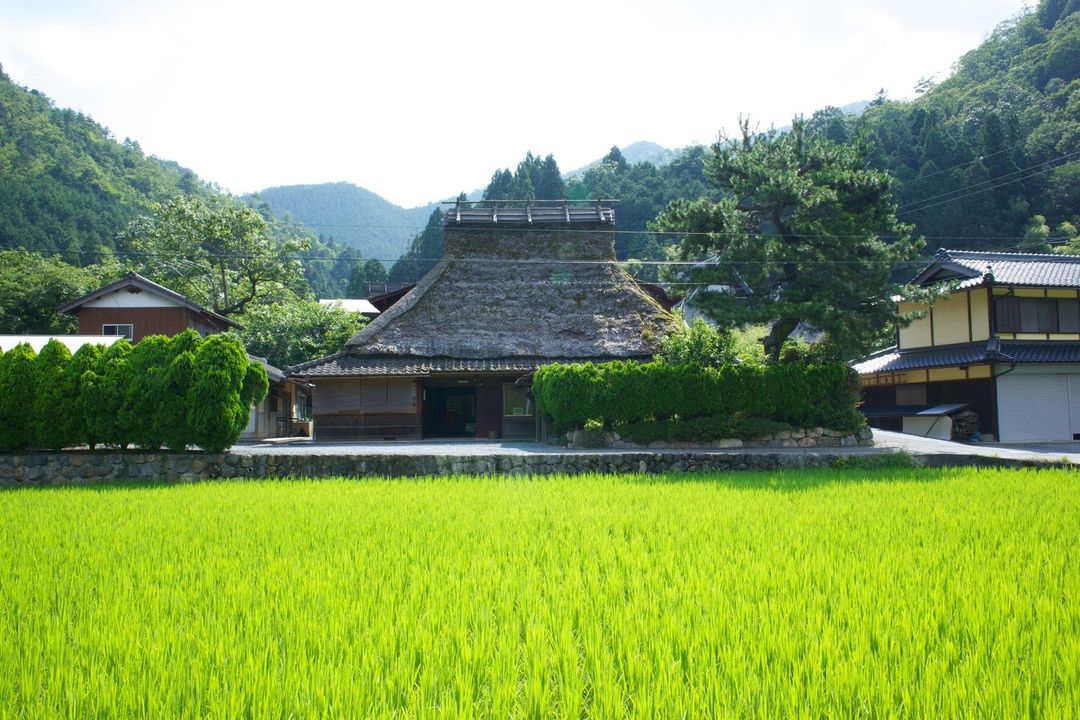

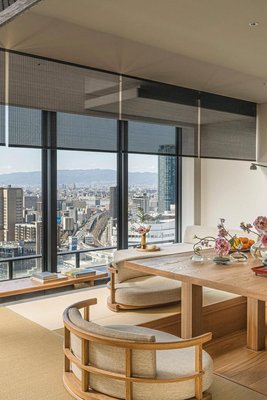
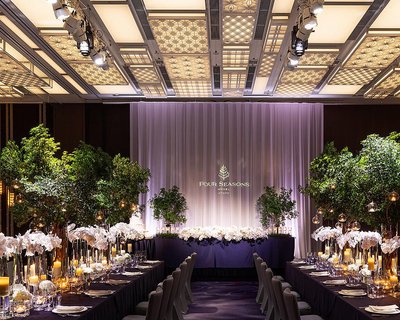
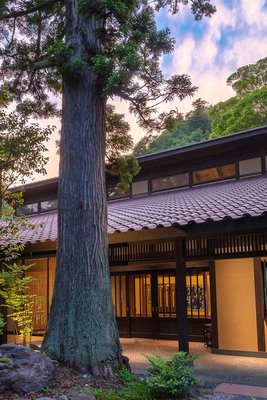
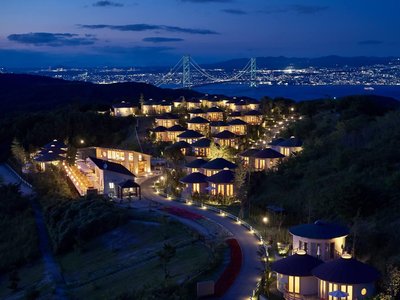
Best Hotels in Nantan
Discover curated hotel collections in Nantan

















































Frequently Asked Questions about Traveling to Nantan
Questions You Might Need to Know About Traveling to Nantan
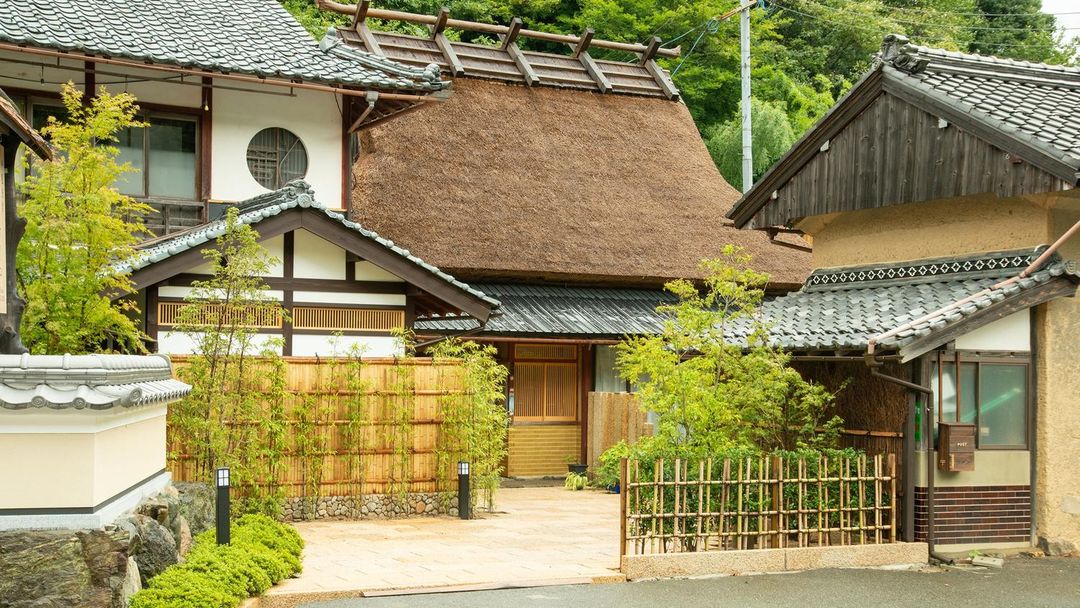
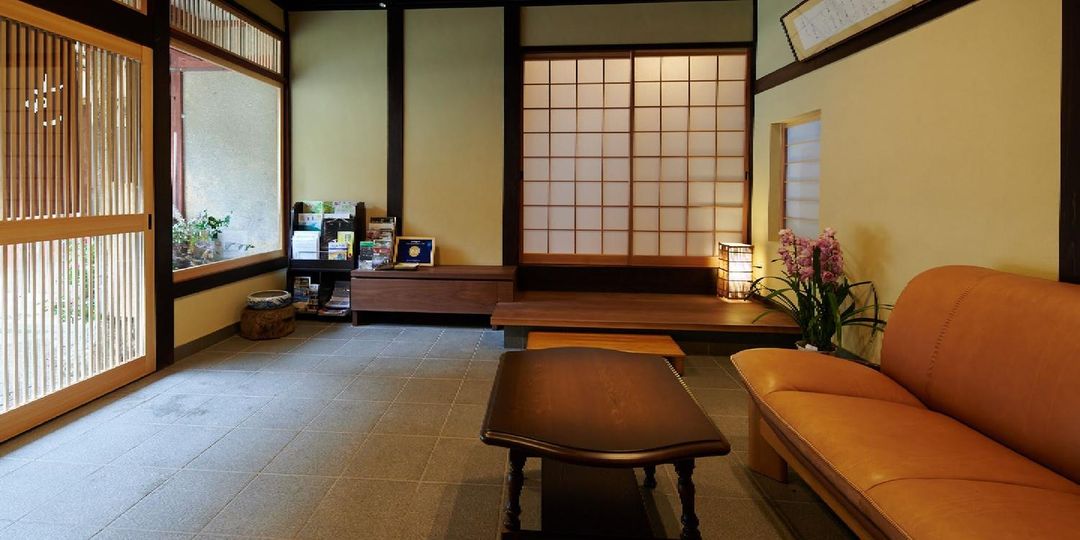
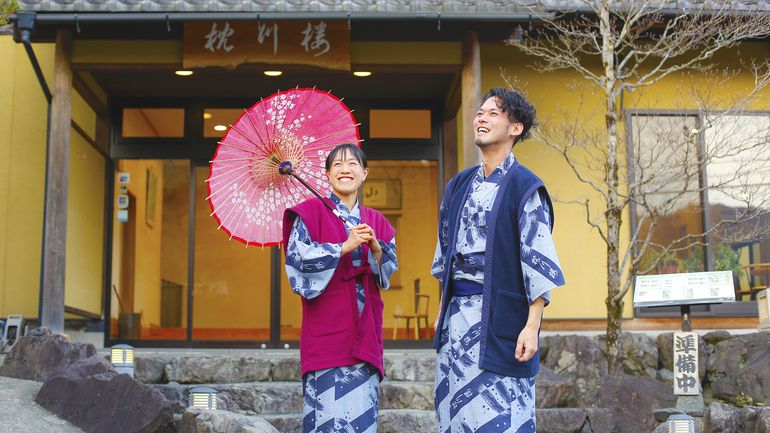
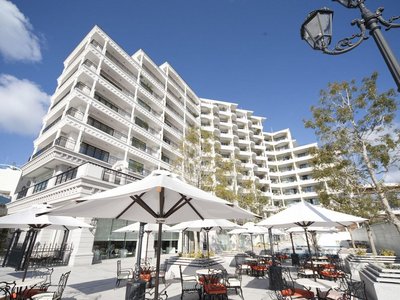
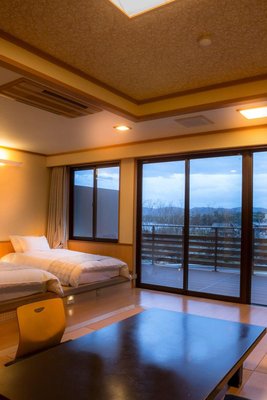
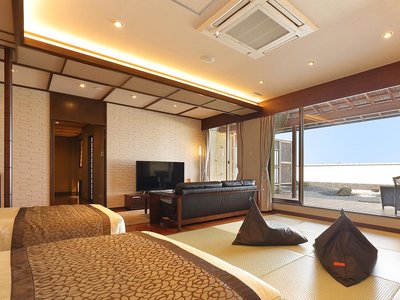
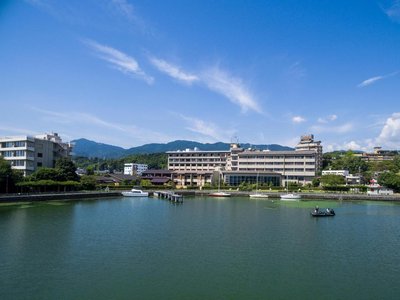
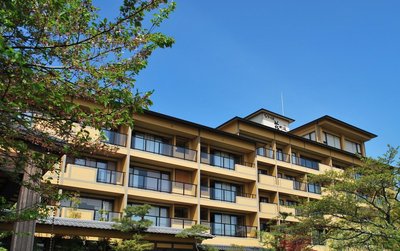
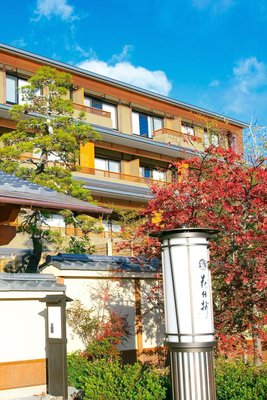
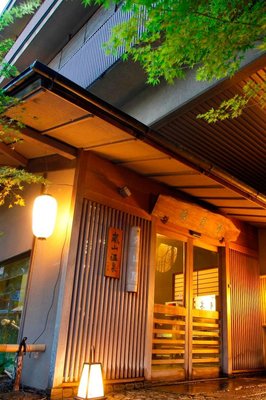
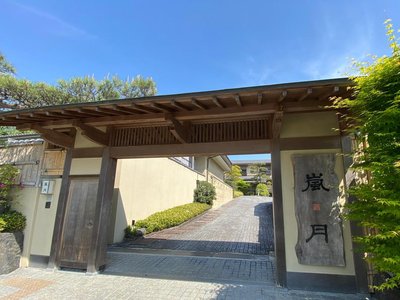
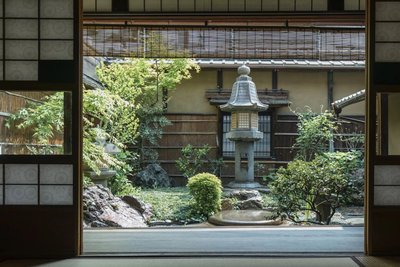
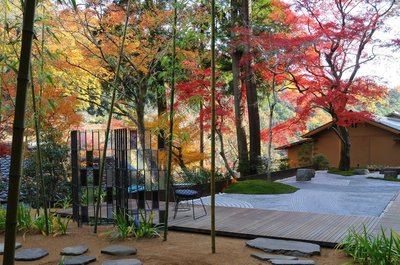
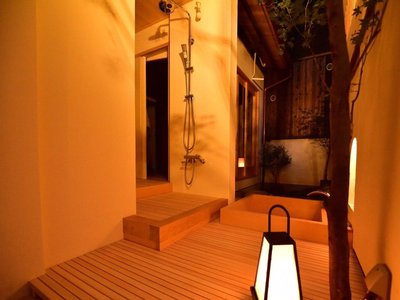
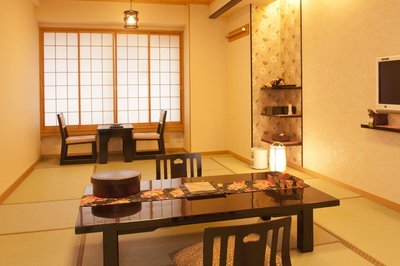
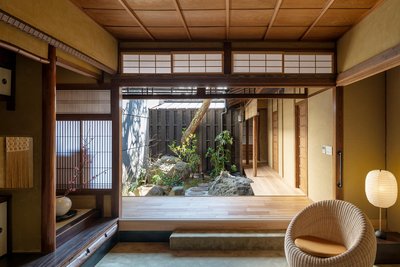
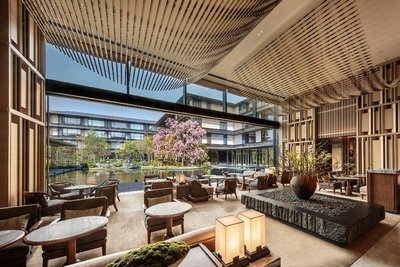
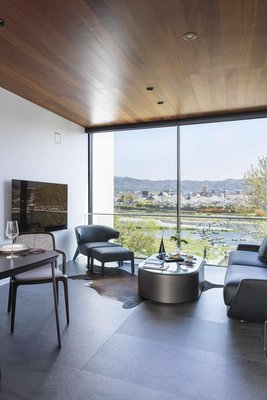
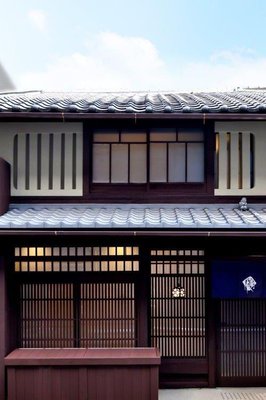
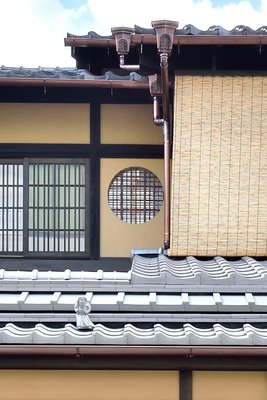
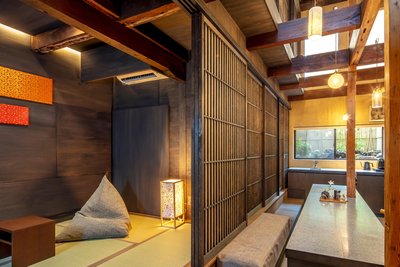
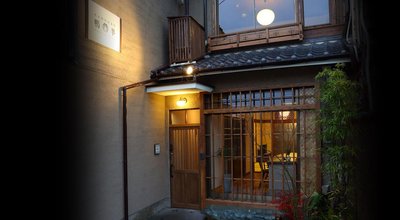
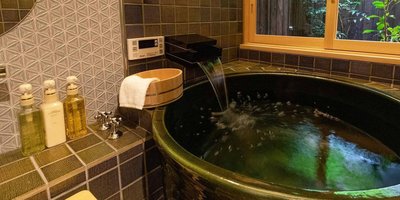
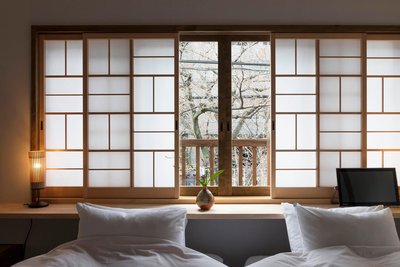
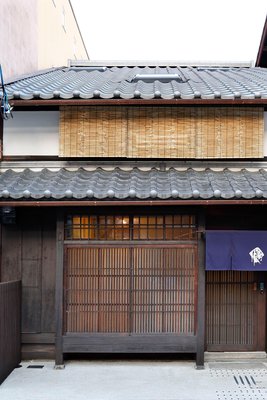
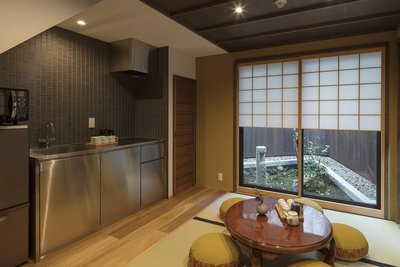
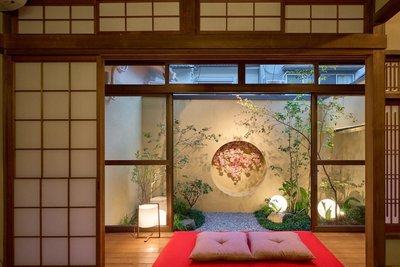
For authentic Japanese atmosphere, stay at Nantan Onsen Ryokan, a family-run ryokan nestled in the mountains near Tango Tsurugi. Enjoy kaiseki meals, private onsen baths, and tatami rooms with wooden beams and shoji screens. Another excellent choice is Oyama Town Stay, a rural guesthouse offering farm-to-table meals and hands-on workshops in paper umbrella making. Both locations emphasize tranquility and cultural immersion, perfect for travelers seeking serenity. The surrounding nature enhances the experience with seasonal beauty from cherry blossoms to autumn foliage.
The ideal time to visit Nantan City is during spring (March–May) and autumn (September–November). Spring brings blooming cherry blossoms along the Ena River, while autumn paints the hillsides in vibrant reds and golds, especially in Oyama District. Clear skies and mild temperatures make these seasons perfect for hiking the Bamboo Grove Trail or visiting Kinkaku-ji Temple’s nearby forest paths. Avoid summer heat and winter snowfall for more comfortable outdoor exploration and photography opportunities.
In Nantan City, visitors can participate in traditional washi paper umbrella making at Oyama Village’s craft workshop, where artisans guide you through each step of the process. You can also join a tea ceremony session at a local tea house in Oyama District, learning about matcha preparation and Zen philosophy. During festivals like Tango Tsurugi Festival, witness traditional dances, lantern parades, and taiko drum performances. These immersive activities offer deep insight into the region’s heritage and craftsmanship.
Yes, public transport in Nantan City is reliable for tourists. Take the JR Sagano Line from Kyoto Station to Ena Station, then transfer to a local bus heading to Oyama or Kita-Machi. Several sightseeing buses cover major sites like Tango Tsurugi and Kinkaku-ji Forest Trails. Consider purchasing a Kyoto Bus One-Day Pass for unlimited rides. For remote areas such as mountain villages, renting a car offers greater flexibility, but most key spots are accessible by train and bus with minimal transfers.
Absolutely. Nantan City offers many family-friendly options: explore the Forest School in Oyama District, where children learn about local ecology through interactive trails. Visit farm stays to pick strawberries or feed goats. Many ryokans provide child-sized yukata and free cribs. The Ena Children’s Museum combines science experiments with nature-themed play zones. With low tourist density and safe, clean environments, it's an ideal destination for parents seeking enriching, stress-free adventures with kids.
Must-try dishes include Oyama Beef, grass-fed mountain beef known for its tenderness—best enjoyed grilled at Ena Beef Specialty Restaurant. Try mountain vegetable cuisine, featuring wild ferns, yam, and mushrooms stewed in dashi broth. Don’t miss Nantan Rice Balls wrapped in seaweed, often served with pickled vegetables. Pair them with locally brewed Sake or Yuzu Tea. Seasonal sweets like mochi made with mountain yam are also delightful and reflect the region’s agricultural roots.
Top photo spots include Tango Tsurugi’s dramatic sea cliffs, especially at sunrise when mist rolls over the waves. The Bamboo Grove Trail in Oyama District offers ethereal light filtering through tall stalks—perfect for portraits and abstract shots. In autumn, capture the fiery colors of Kinkaku-ji Forest Pathways. For night photography, visit Ena Riverbanks lit by soft string lights. Use early morning or golden hour lighting to enhance depth and mood, and bring a wide-angle lens for expansive landscape compositions.
Nantan City boasts several natural hot spring resorts, including Ena Onsen and Oyama Onsen, both with mineral-rich waters ideal for skin health and muscle relaxation. Most ryokans feature private open-air baths overlooking forests or mountains. Some facilities include saunas and massage services. Look for signs indicating natural hot spring water (Shinryu) quality certification to ensure purity. Many spas also offer aromatherapy treatments using local herbs, enhancing the therapeutic experience.
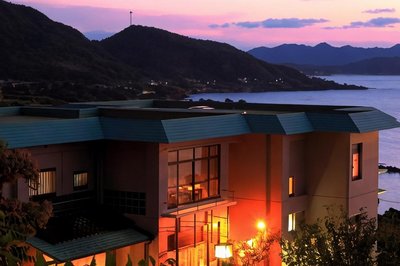
Couples will love staying at Tenshukaku Villa, a secluded onsen villa overlooking Tango Tsurugi, complete with a private hot tub and candlelit dinner setups. Alternatively, choose Oyama Bamboo Garden Stay, a minimalist cottage surrounded by bamboo groves, with a shared tatami room and evening tea rituals. Both properties offer privacy, personalized service, and stunning natural backdrops. HopeGoo in advance is recommended, especially during peak season, to secure a memorable, intimate retreat.
Nantan City has a peaceful, low-key nightlife centered around local eateries and ryokan inns. Enjoy cozy izakayas in Ena Town, serving fresh Oyama Beef and regional sake. Stroll along the Ena River at dusk, where soft lanterns reflect on the water. Some guesthouses host quiet nighttime stargazing sessions or small tea ceremonies. There are no clubs or late-night entertainment, which suits travelers seeking calm and connection with nature—ideal for recharging after a day of hiking or temple visits.
Nantan Overview
City Summary
Nantan City in central Kyoto Prefecture harmonizes traditional and modern landscapes, renowned for its natural beauty and rural heritage. The clear rivers, dense forests, and well-preserved countryside are complemented by cultural gems like Kayabuki-no-Sato in Miyama-cho (a thatched-roof village designated as Important Cultural Properties), while the Tanba region near Kameoka is famous for black soybeans and matsutake mushrooms.
Must-See Attractions
Top attractions include Miyama-cho Kita Village with 50 thatched houses forming one of "Japan's Three Great Thatched Villages", especially magical during winter illuminations. Rurikei Gorge dazzles with emerald waters and autumn foliage, ideal for hiking and canoeing. Don't miss Kameoka Festival (May) featuring ornate float processions, or pottery workshops at Tanba Traditional Crafts Center. Relax at nearby Kameoka Onsen for day-trip hot spring therapy.
Food Guide
Savor Tanba mountain delicacies: desserts and rice dishes made with black soybeans, prized matsutake mushrooms in autumn. Izakayas serve charcoal-grilled Tanba chicken and ayu fish salt-grilled, while farm restaurants offer wild vegetable tempura platters. Visit Roadside Station Miyama for handmade miso and pickled mountain veggies as souvenirs.
Transportation Guide
From Kyoto Station, take JR Sanin Line to Kameoka Station (25 mins, ¥400), then transfer to Kyoto Bus for Miyama-cho (50 mins, ¥1,000). Renting a car near Kameoka Station is recommended for mountain access. Taxis are pricey (flag drop ¥730) but "Miyama Tour Taxi" offers fixed-route service. Tourist buses run seasonally — check schedules in advance.
Best Time to Visit
Prime visiting months are October-November for fall colors at Rurikei Gorge and Ashiu Forest, or January-February for snowscape views of Miyama (note some road closures). Spring (April) brings cherry blossoms, while summer (June-August) suits valley escapes but has rain — avoid typhoon season.
Travel Tips
- Miyama's thatched houses are private homes — observe silence and signage when photographing
- Mountain roads may have winter snow — ensure rental cars have snow tires
- Most Tanba shops close early (~6pm) — carry some cash
- Many onsens prohibit tattoos — inquire beforehand or use cover-up patches
- Check weather alerts before valley activities — heavy rain may cause closures
- Learn to say "oishii" (delicious) to compliment local dishes
Useful Information
Language: Major sites have basic English; rural areas are Japanese-dominant — download translation apps. Internet: Free WiFi at stations/tourist spots; remote areas have spotty signals — rent a pocket WiFi. Payment: Cards accepted at larger venues, but farmers' markets are cash-only (withdraw at 7-11 ATMs). Emergency: Kameoka Municipal Hospital offers foreign-language assistance (0771-22-1111); dial 110 for police. Tourist info at JR Kameoka Station (9am-6pm) provides multilingual maps and bus passes.