Hotels in Nanto
Discover your perfect stay in Nanto.
Nanto(Japan) Travel 2026: Cheap Flights, Hotels & Top Attractions
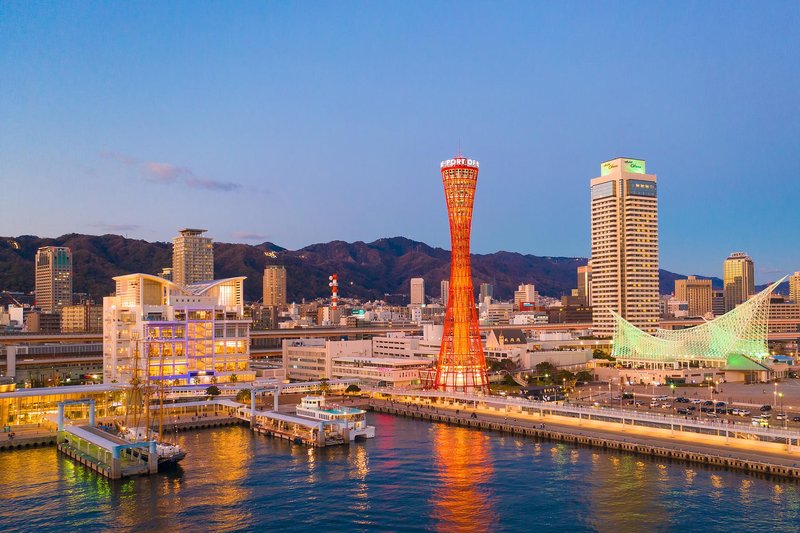
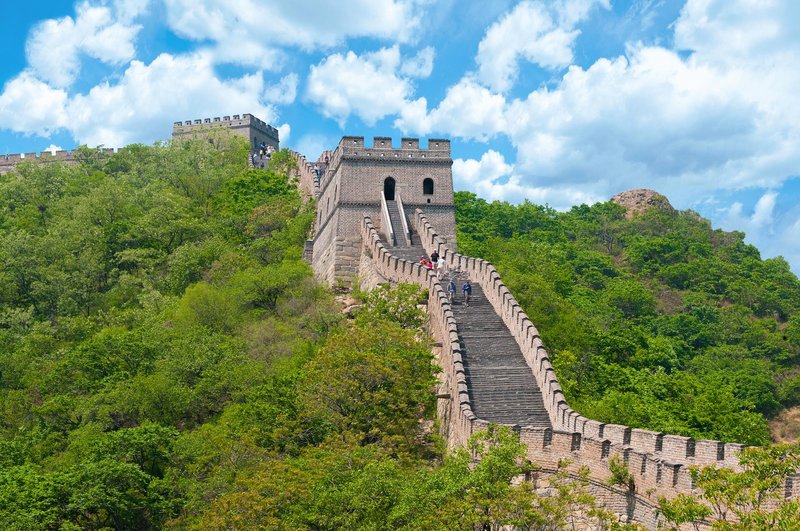
Popular Landmarks in Nanto
Discover the most iconic attractions in Nanto
Recommended Hotels in Nanto
Find the perfect place to stay in Nanto
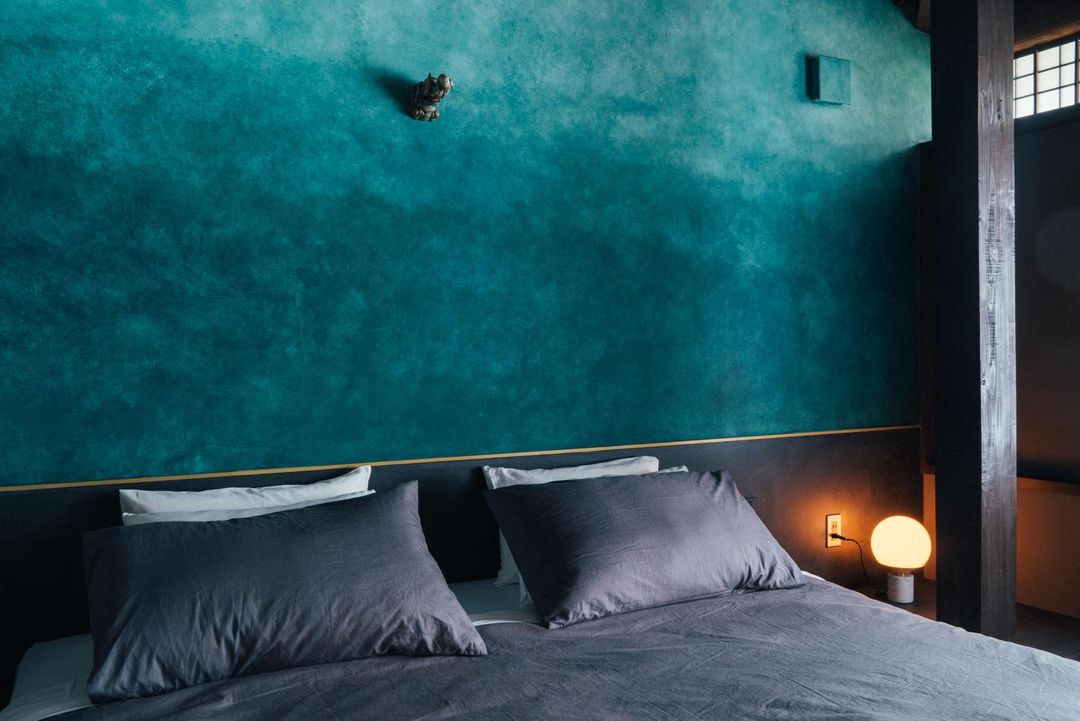
Bed and Craft KIN-Naka
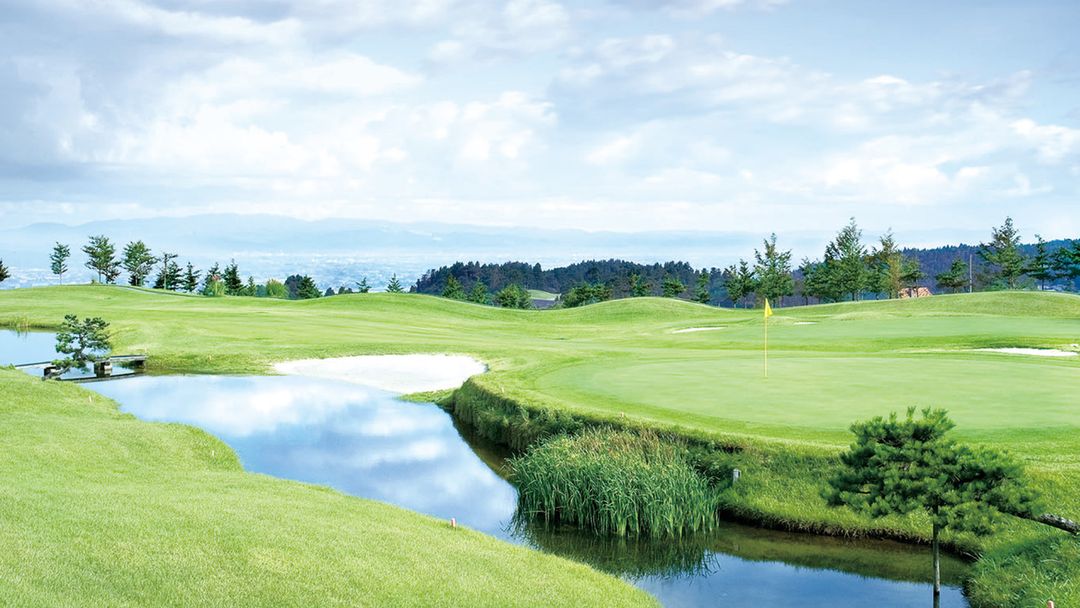
Satoyama Auberge & Hot Spring Wellness Spa Sakuragaike Kurgarden
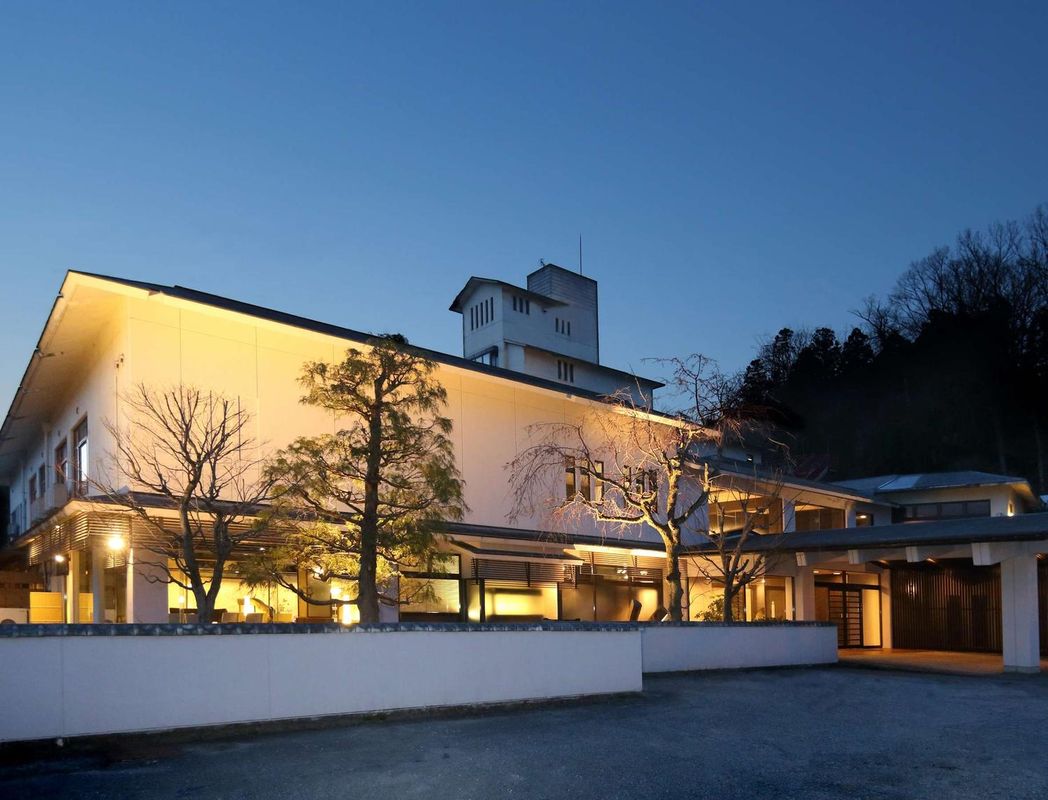
Fukumitsu Hanayama Onsen
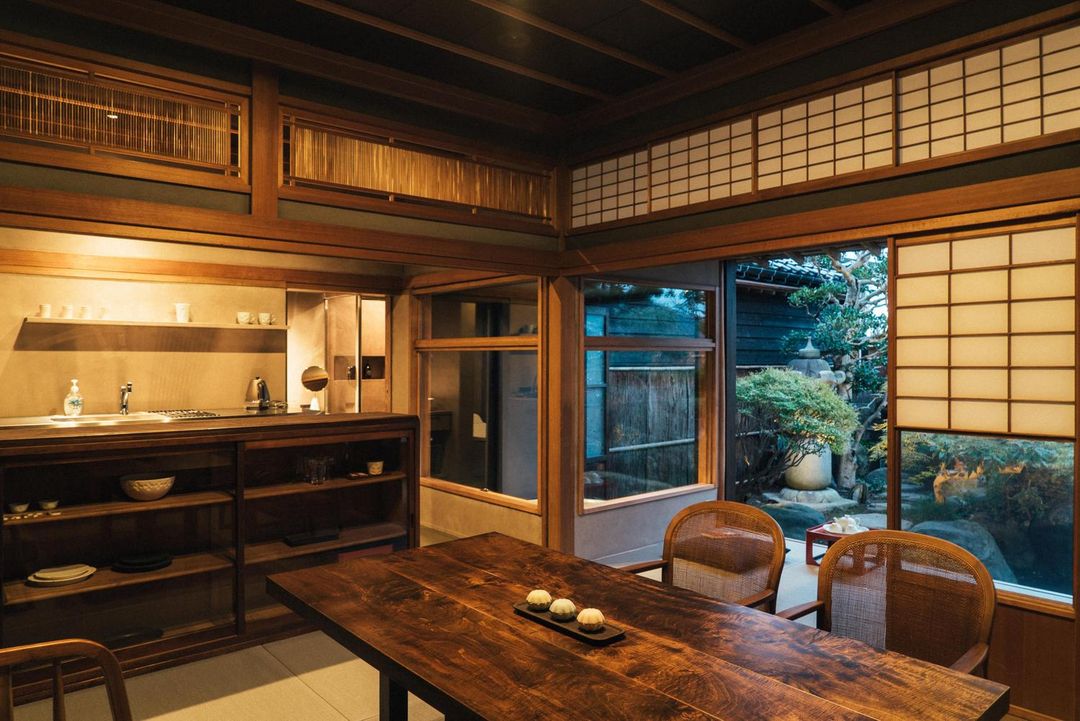
Bed and Craft Mitu
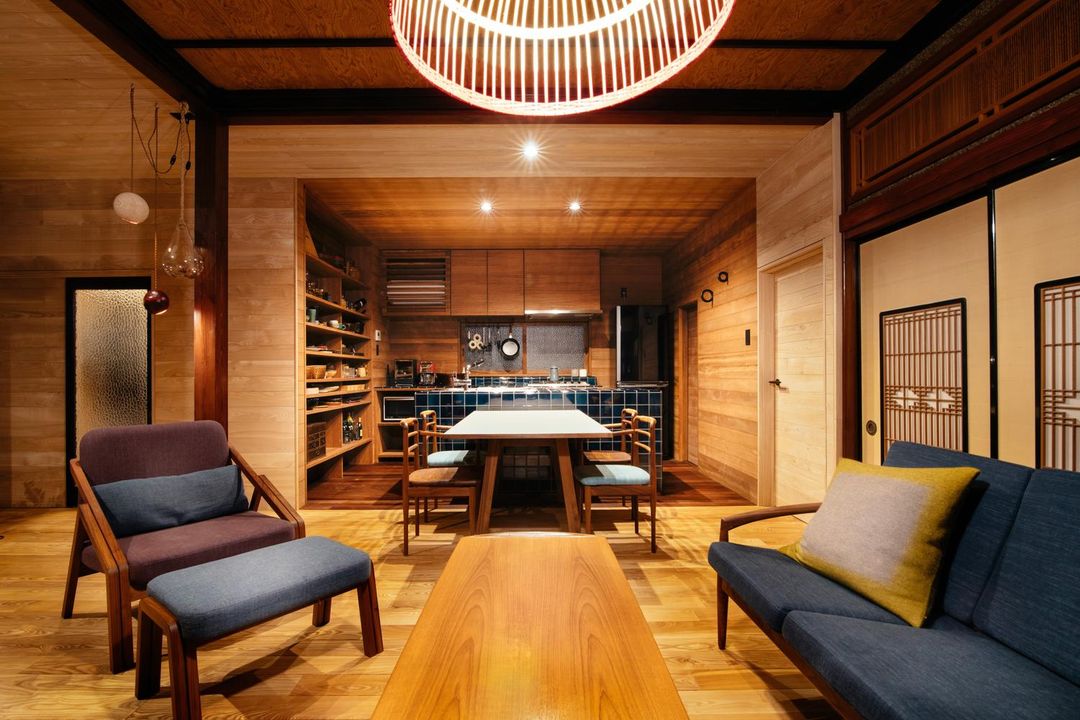
Bed and Craft
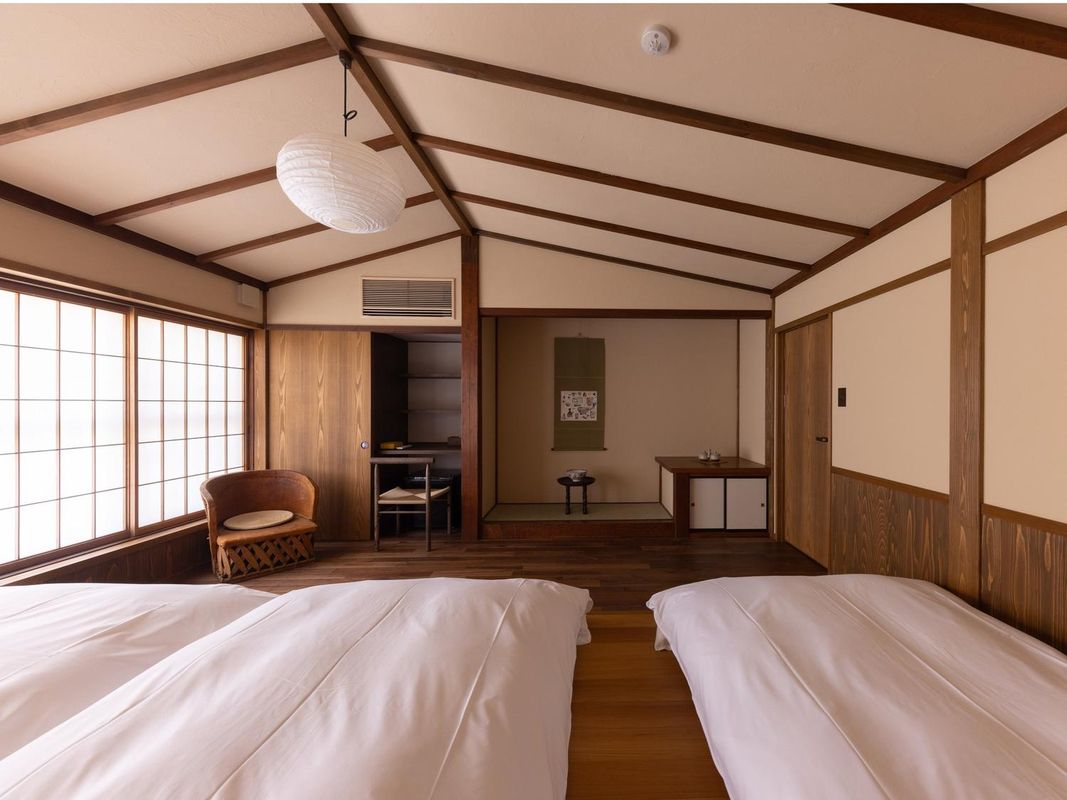
Morito-Sha
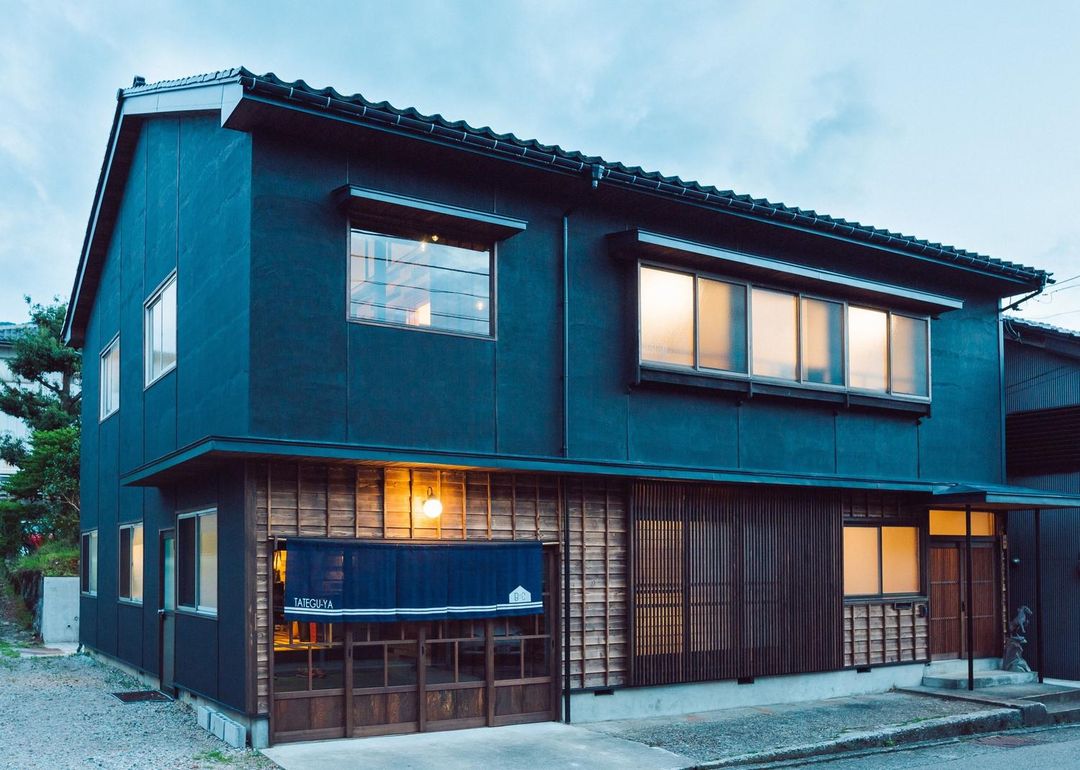
Bed and Craft
Best Hotels in Nanto
Discover curated hotel collections in Nanto
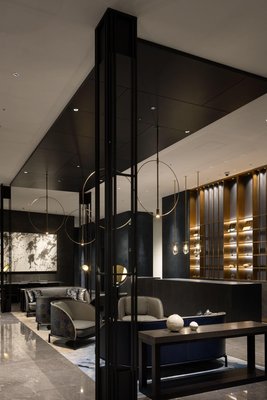
Bellustar Tokyo, A Pan Pacific Hotel
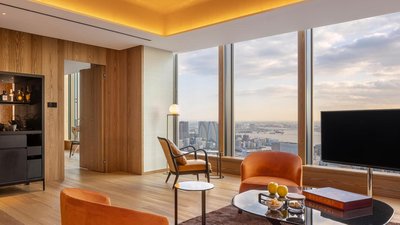
Bvlgari Hotel Tokyo

Shima Kanko Hotel the Bay Suites
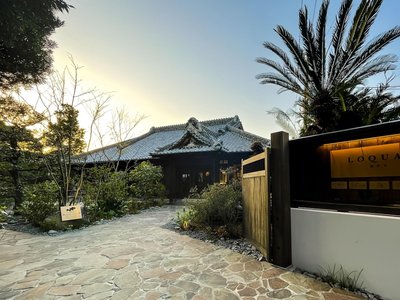
Loquat Nishiizu
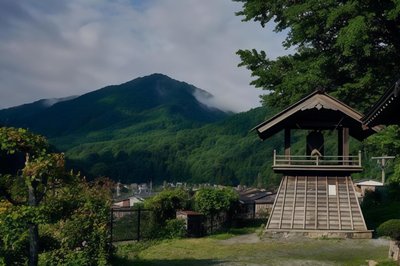
Byaku Narai
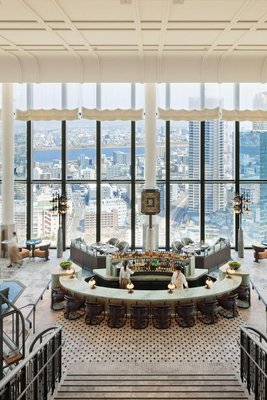
Waldorf Astoria Osaka
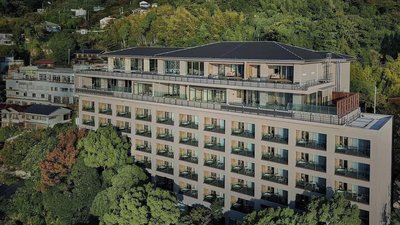
Atami Izusan Karaku
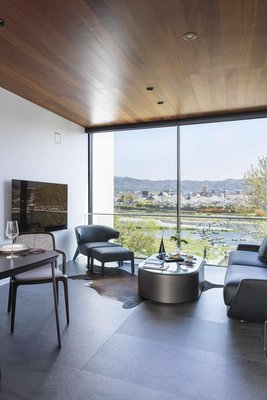
Kamo Residences by Reflections
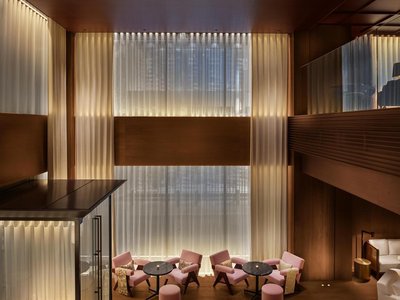
The Tokyo Edition, Ginza
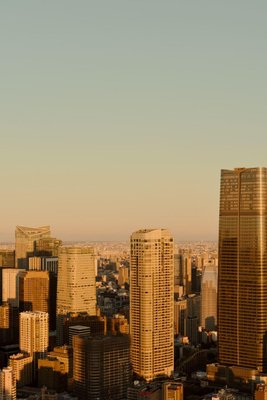
Janu Tokyo
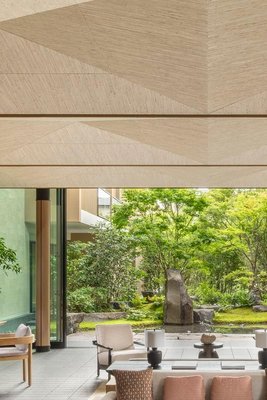
Six Senses Kyoto
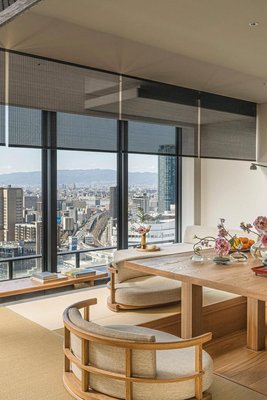
Four Seasons Hotel Osaka
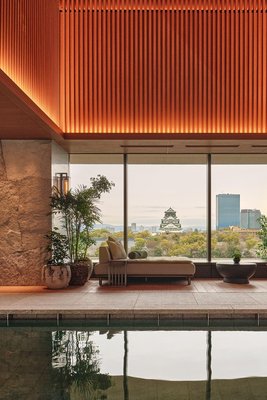
Patina Osaka
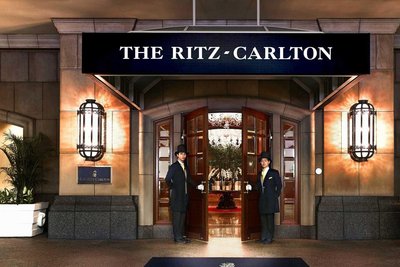
The Ritz-Carlton, Osaka
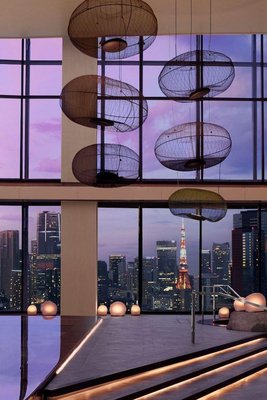
JW Marriott Hotel Tokyo
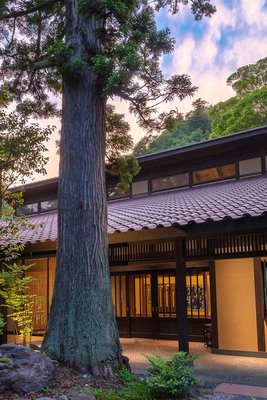
Arimasansoh Goshobessho
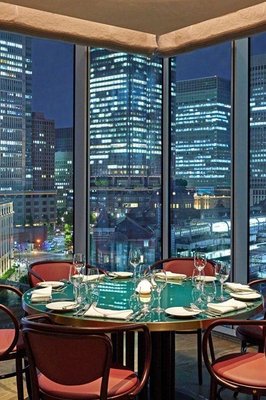
Four Seasons Hotel Tokyo at Marunouchi

Mandarin Oriental, Tokyo
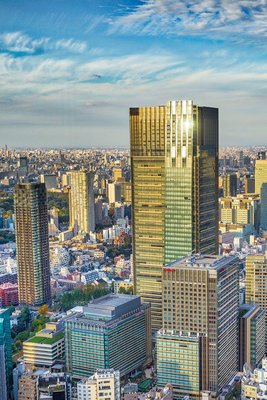
The Ritz-Carlton, Tokyo
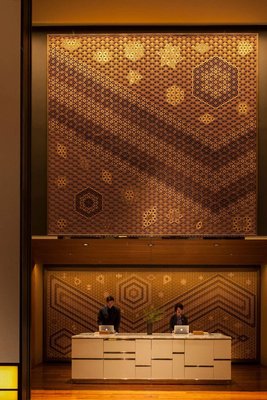
Andaz Tokyo Toranomon Hills- A Concept by Hyatt
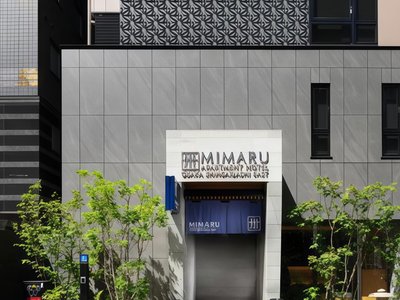
MIMARU Osaka Shinsaibashi East

Toba International Hotel Shiojitei
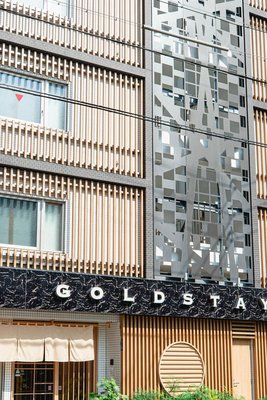
Gold Stay Nagoya OSU
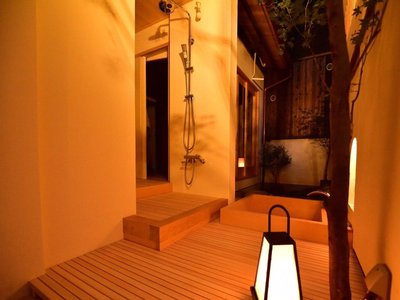
Yado Kiramachi
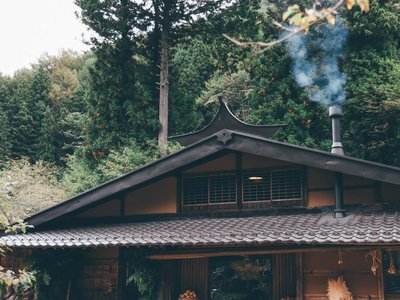
La Terra Resort
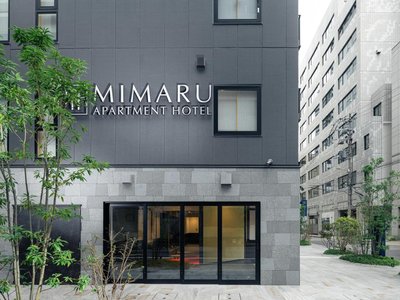
MIMARU Osaka Shinsaibashi North
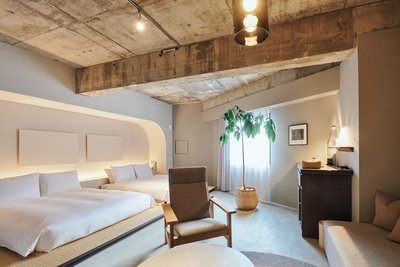
Korinkyo
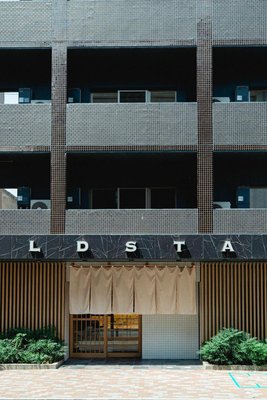
GOLD STAY Nagoya Sakae
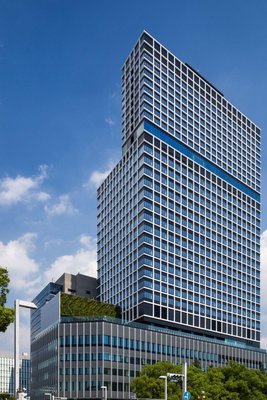
The Royal Park Hotel Iconic Nagoya
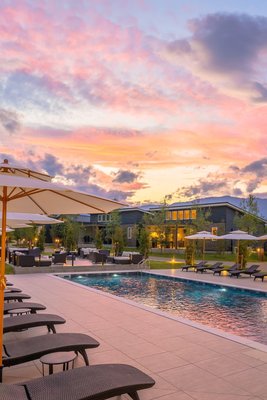
Awaumi Fujikawaguchiko Resort
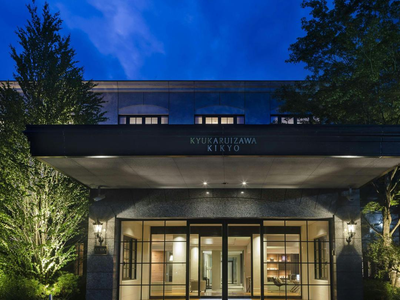
Fufu Karuizawa Wind of Sunshine
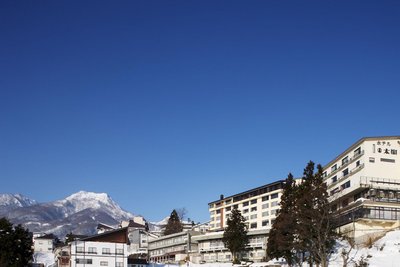
Hotel Taiko, Akakura Onsen
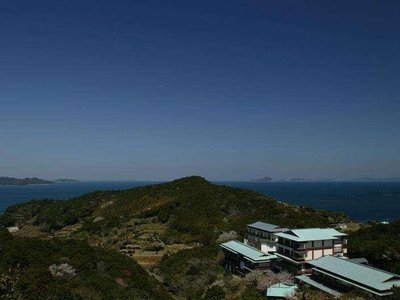
Hanashinsui
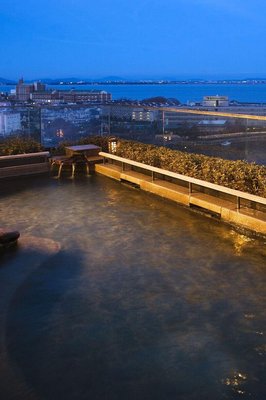
Yumotokan
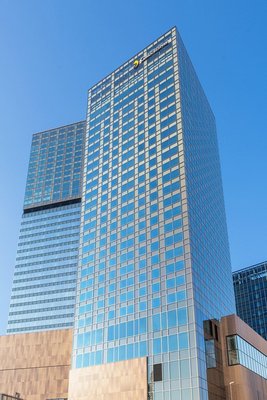
Hotel Hankyu GRAN RESPIRE OSAKA
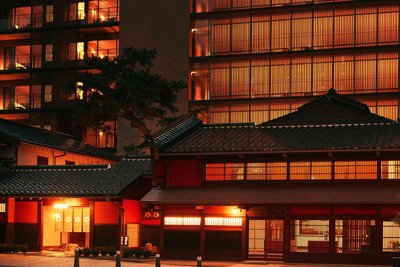
Hoshino Resorts Kai Kaga
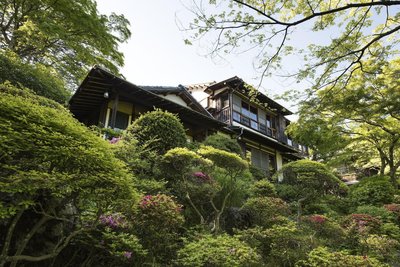
Gora Kansuiro
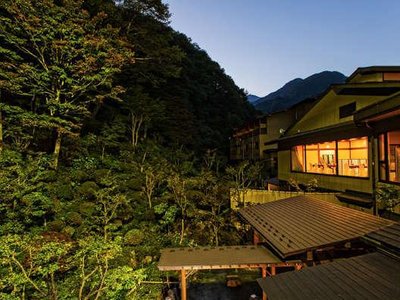
Futari Shizuka
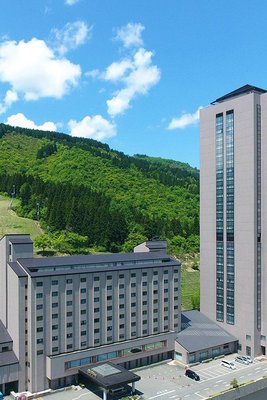
Naspa New Otani

Taikyourou
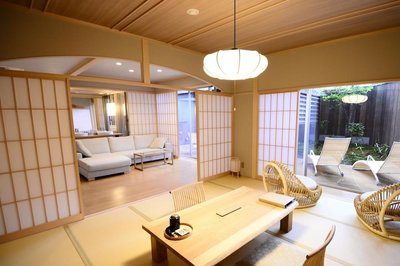
Hakone Gora Byakudan
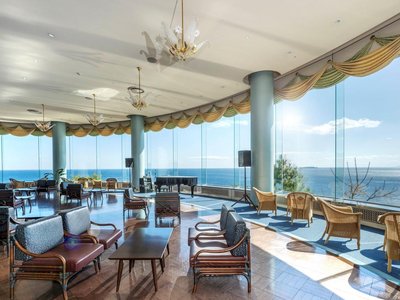
Hotel New Akao
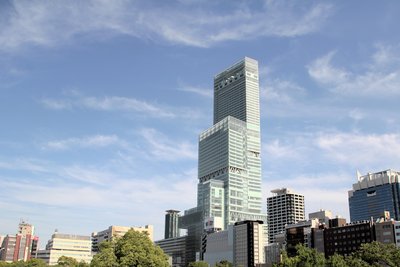
Osaka Marriott Miyako Hotel
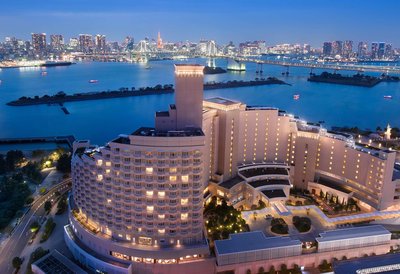
Hilton Tokyo Odaiba
JW Marriott Hotel Tokyo
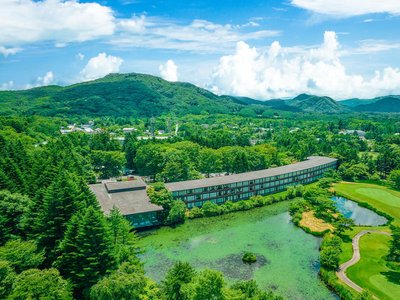
The Prince Karuizawa
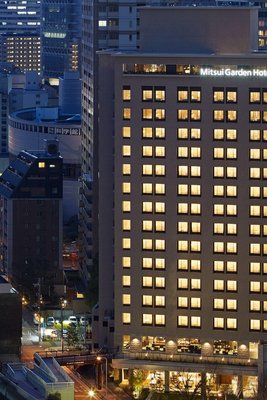
Mitsui Garden Hotel Osaka Premier
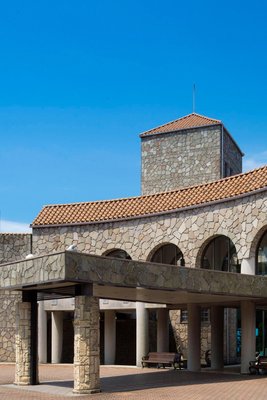
Izumigo Hotel Altia Toba
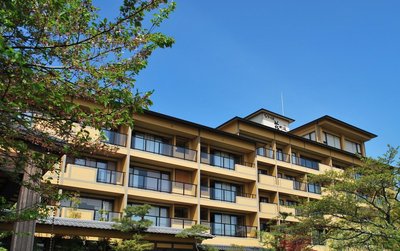
BIWAKO HANAKAIDO
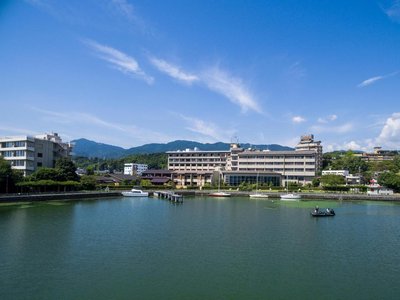
Biwako Ryokusuitei
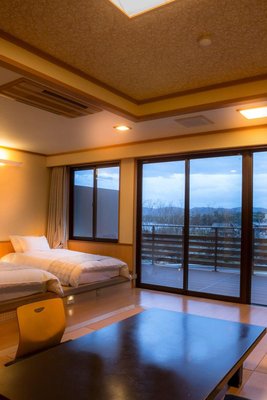
Hotel Kitanoya
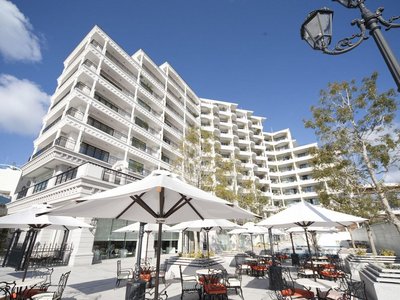
Hotel La Suite Kobe Harborland

The Kukuna
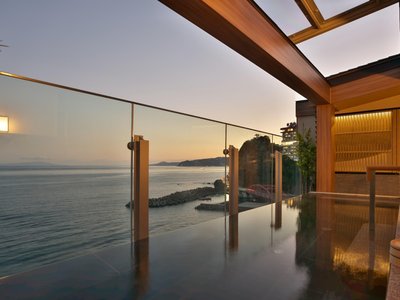
Hotel New Sagamiya
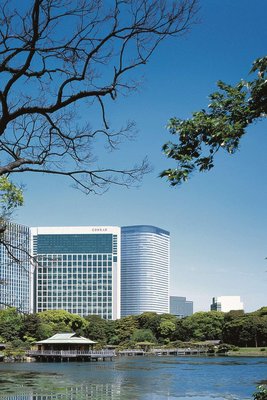
Conrad Tokyo
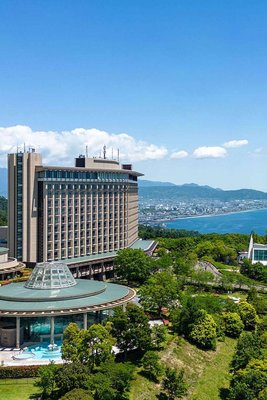
Hilton Odawara Resort & Spa
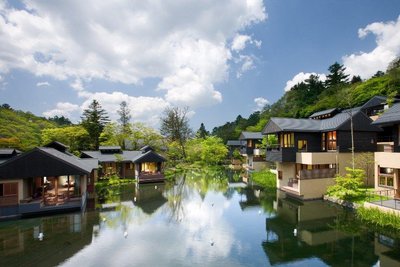
Hoshinoya Karuizawa
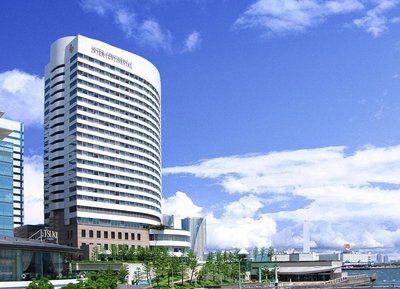
InterContinental Tokyo Bay
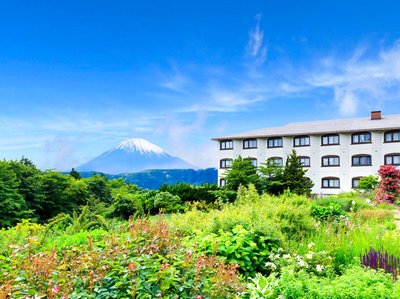
Hotel Green Plaza Hakone
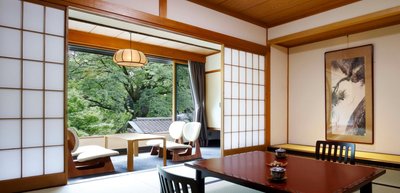
Yoshiike Ryokan
Yado Kiramachi
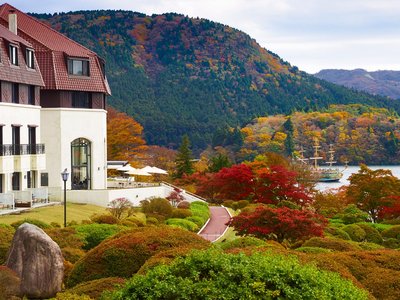
Hotakajyo

Onyado Nono Asakusa Bettei Hot Spring
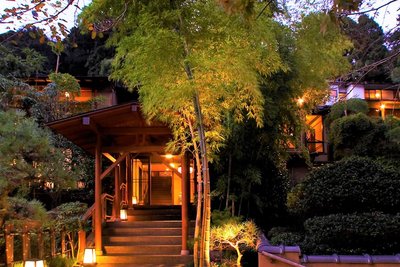
Shiki wo Ajiwau Yado Yamano Chaya
Arimasansoh Goshobessho
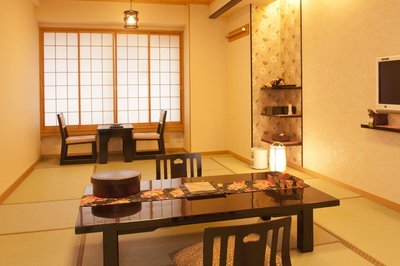
Matsui-Bekkan Hanakanzashi
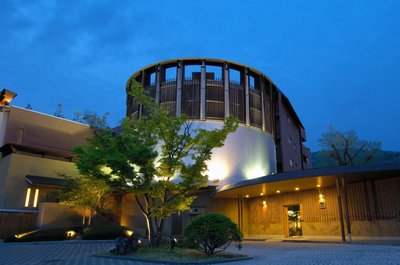
Hoshino Resorts Kai Matsumoto
Taikyourou
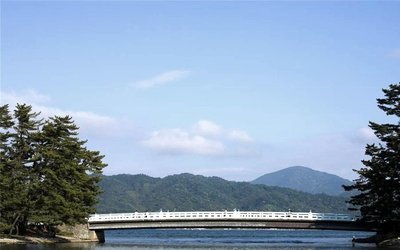
Monjusou Shourotei
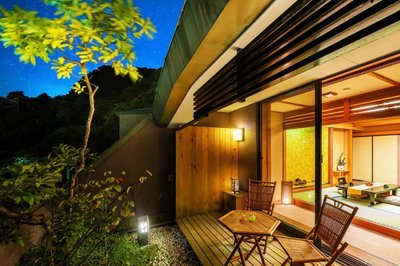
Konjakutei
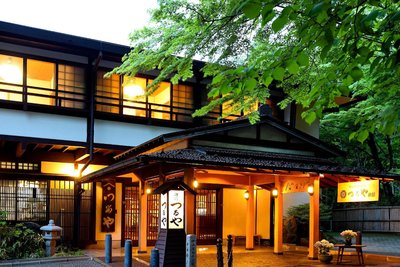
Tsuruya Ryokan
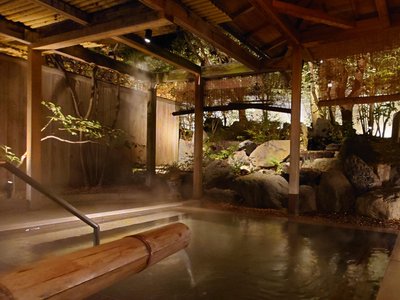
Kasuga Hotel
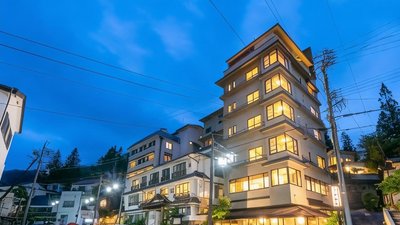
Nakamatsuya Ryokan
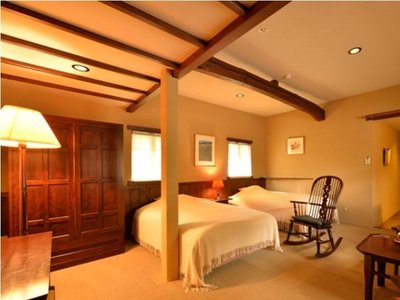
Ryokan Sugimoto
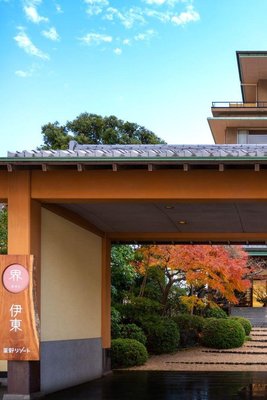
Hoshino Resorts Kai Ito
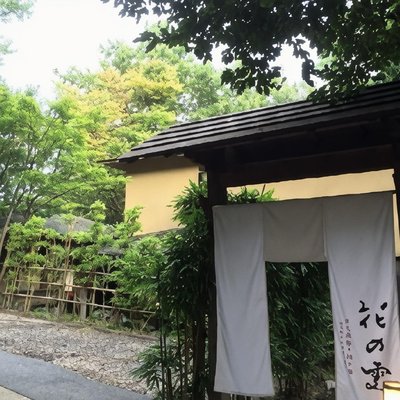
Hana No Kumo
Yoshiike Ryokan
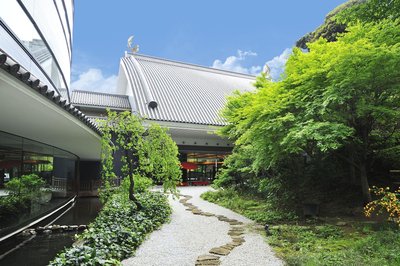
Hotel Gajoen Tokyo
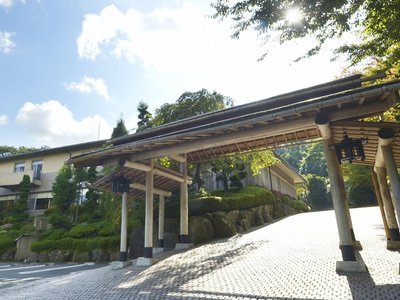
Gora Hanaougi
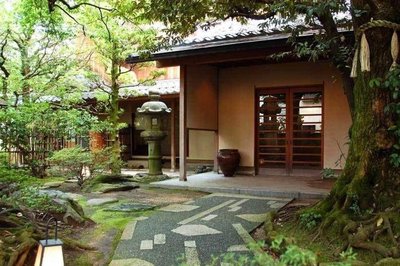
Kocho
Bellustar Tokyo, A Pan Pacific Hotel
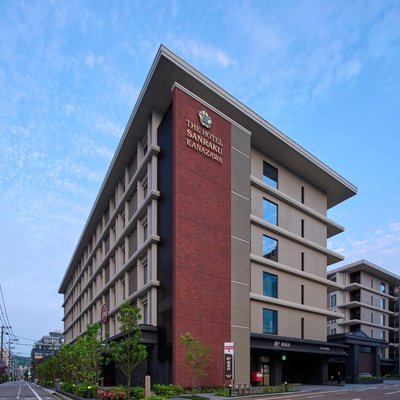
The Hotel Sanraku Kanazawa 21th December 2022 Open
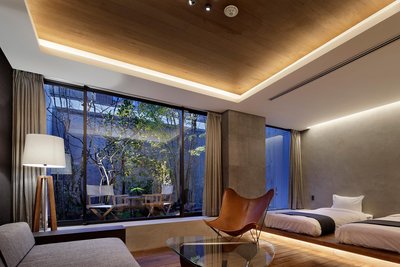
22 PIECES
The Ritz-Carlton, Osaka
JW Marriott Hotel Tokyo
Andaz Tokyo Toranomon Hills- A Concept by Hyatt
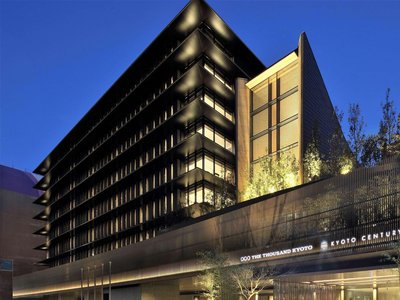
The Thousand Kyoto
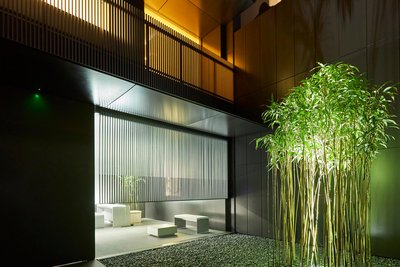
Mogana
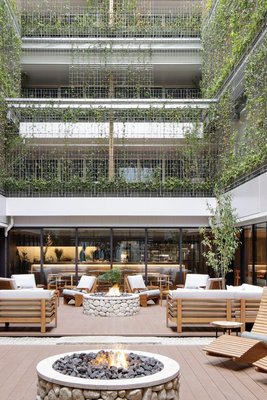
GOOD NATURE HOTEL KYOTO
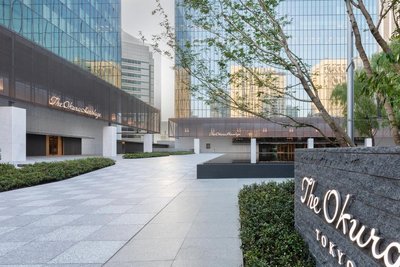
The Okura Tokyo
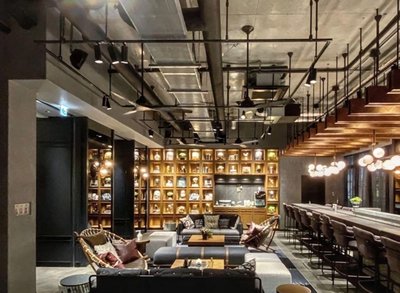
The Lively Azabujuban Tokyo
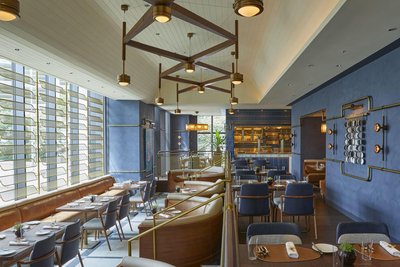
Kimpton Shinjuku Tokyo
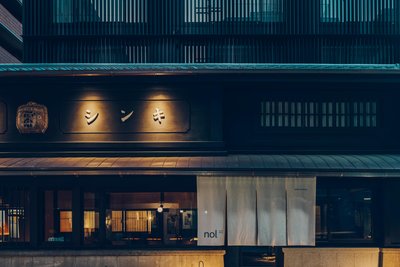
Nol Kyoto Sanjo

HOTEL K5
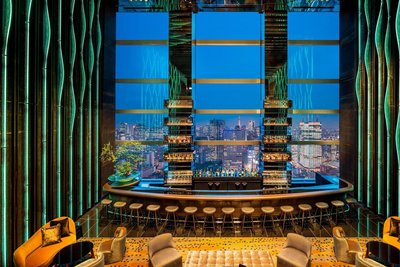
The Prince Gallery Tokyo Kioicho, a Luxury Collection Hotel
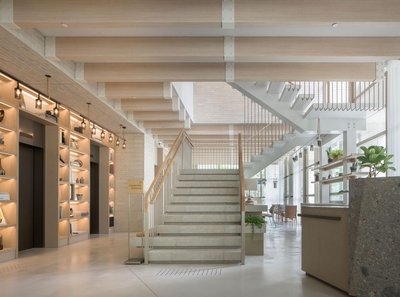
Zentis Osaka
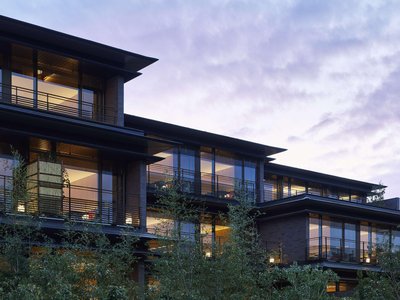
Garrya Nijo Castle Kyoto
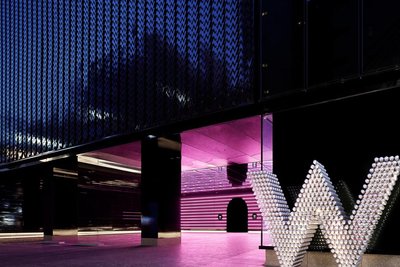
W Osaka

Hotel Kanra Kyoto
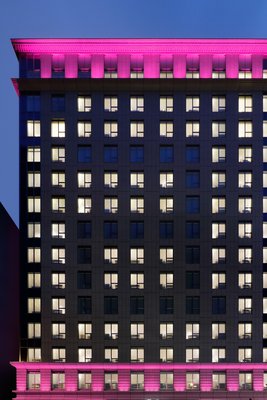
Aloft Osaka Dojima
Hakone Gora Byakudan
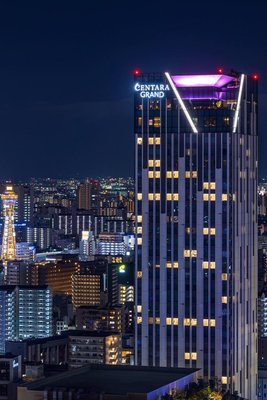
Centara Grand Hotel Osaka
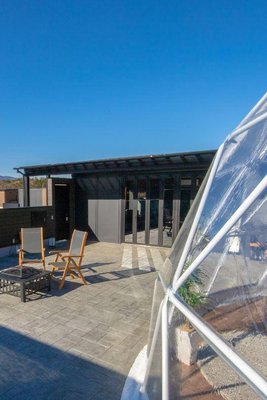
Panoramic Mt. Fuji Views from All Rooms – Vision Glamping Resort & Spa Yamanakako
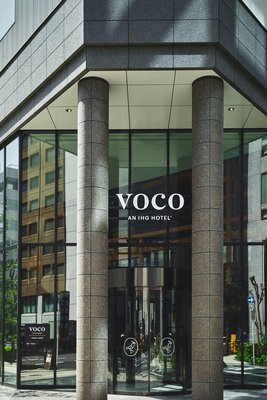
voco Osaka Central
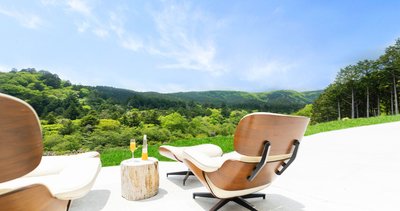
Shelter Garden Nikko
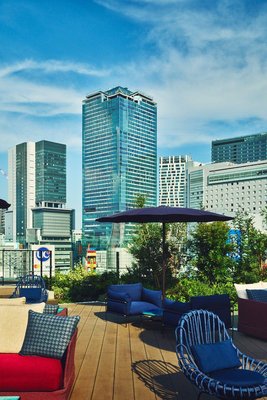
Hotel Indigo Tokyo Shibuya
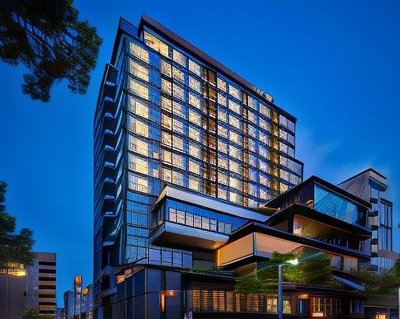
TIAD, AUTOGRAPH COLLECTION
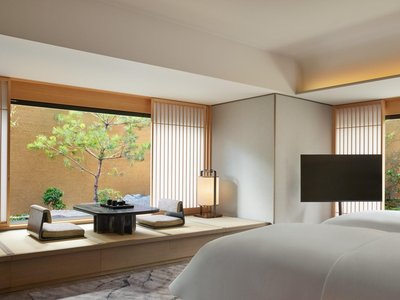
Dusit Thani Kyoto
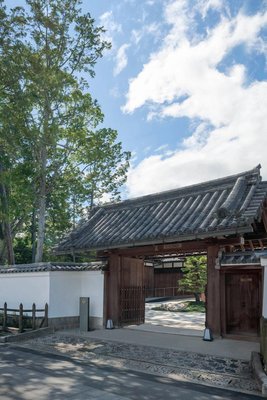
Shisui, a Luxury Collection Hotel, Nara
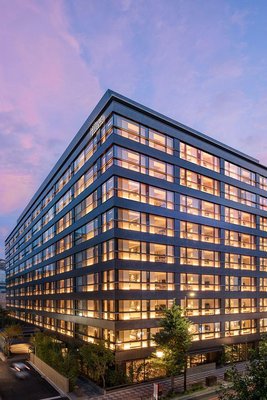
Hilton Kyoto
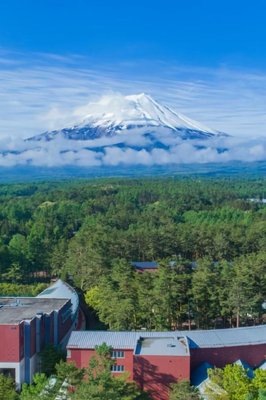
Forest Village (Fuji Premium Resort)
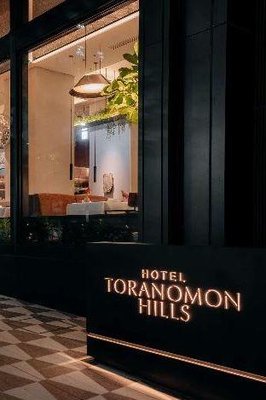
Hotel Toranomon Hills
Osaka Marriott Miyako Hotel
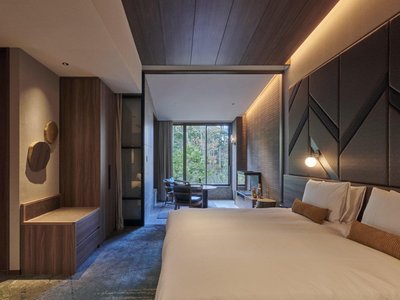
Fufu Kyu-Karuizawa Restful Forest
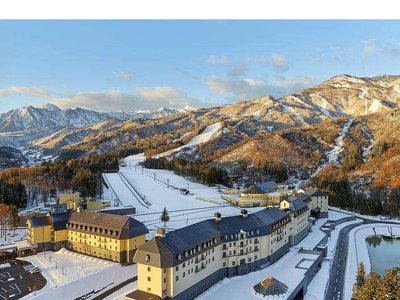
Lotte Arai Resort
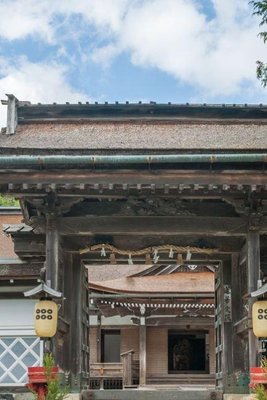
Koyasan Rengejoin
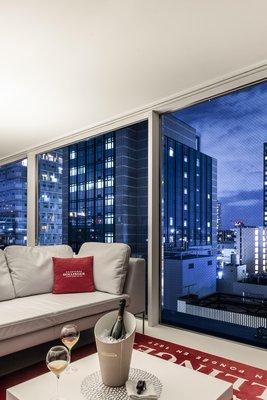
CUVÉE J2 HOTEL OSAKA by Onko Chishin
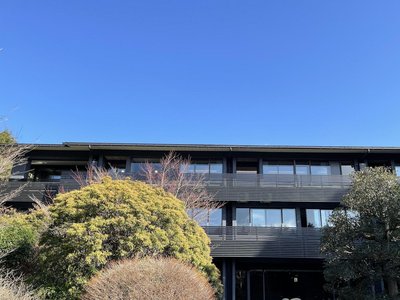
Sengokubara Cocon
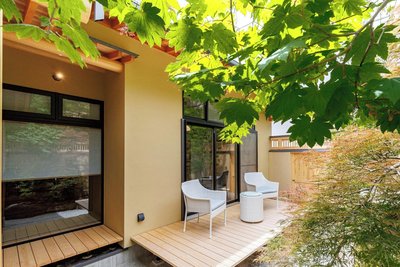
Shoraiso
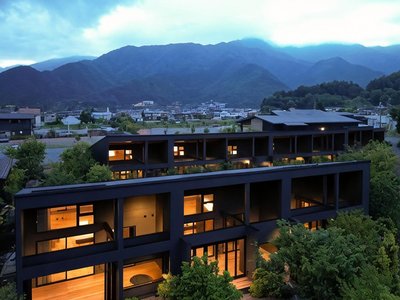
7C Villa and Winery
Bvlgari Hotel Tokyo
Osaka Marriott Miyako Hotel
The Ritz-Carlton, Osaka
Four Seasons Hotel Tokyo at Marunouchi
Mandarin Oriental, Tokyo
The Ritz-Carlton, Tokyo
Andaz Tokyo Toranomon Hills- A Concept by Hyatt
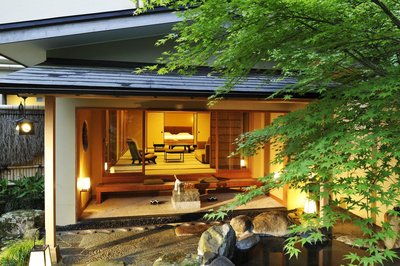
Gora Kadan
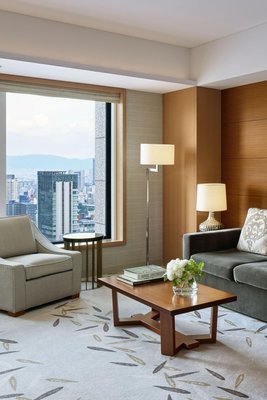
InterContinental Hotel Osaka
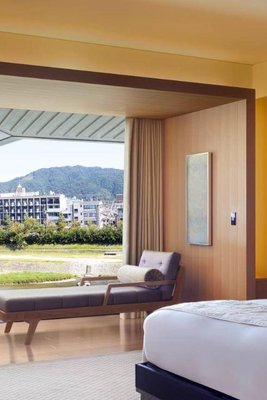
The Ritz-Carlton, Kyoto
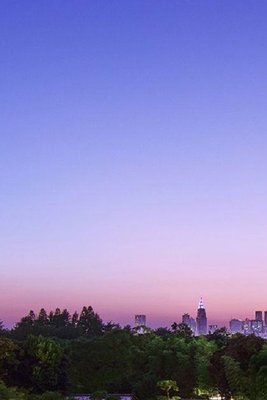
Hotel New Otani Tokyo the Main
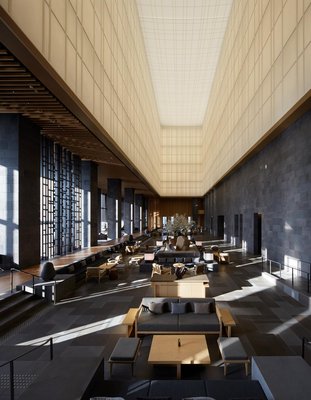
Aman Tokyo
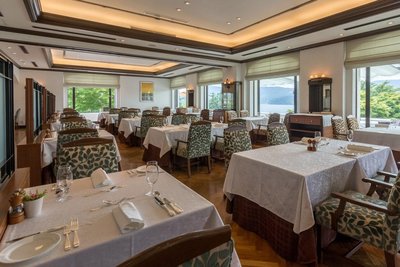
Odakyu Hotel de Yama
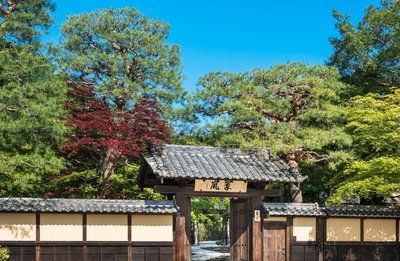
Suiran, a Luxury Collection Hotel, Kyoto
GOOD NATURE HOTEL KYOTO
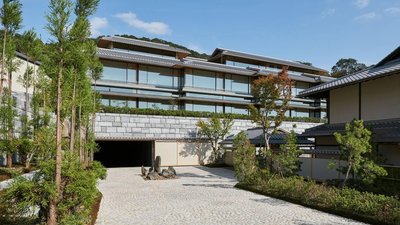
Park Hyatt Kyoto
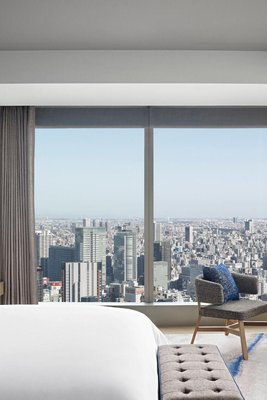
Four Seasons Hotel Tokyo at Otemachi
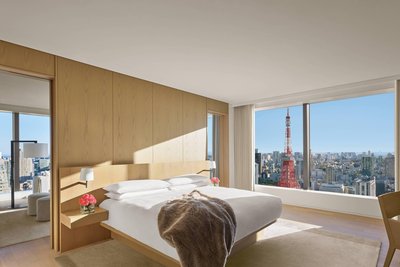
The Tokyo Edition, Toranomon
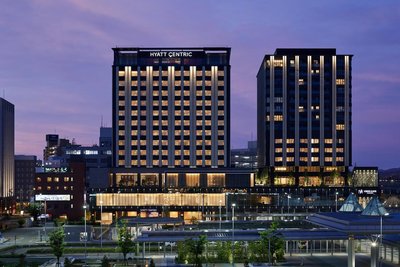
Hyatt Centric Kanazawa
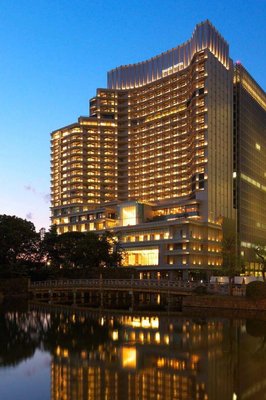
Palace Hotel Tokyo
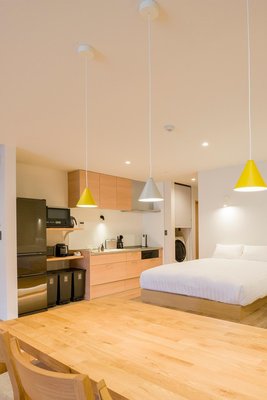
Rakuten STAY VILLA Nasu
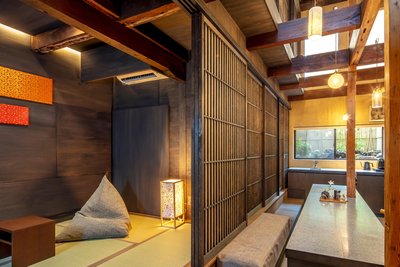
Kyo No Oozora Kihana
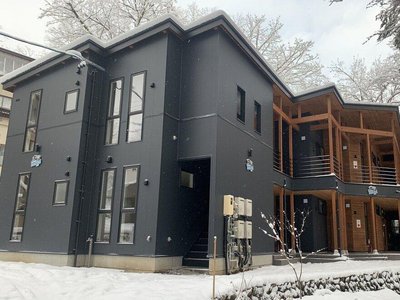
Hakuba Gondola Apartments
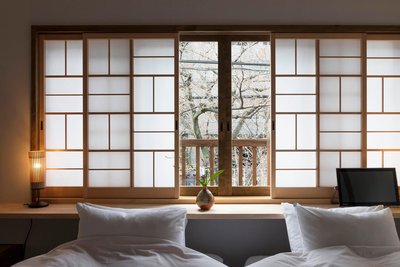
Hanagoromo Machiya House
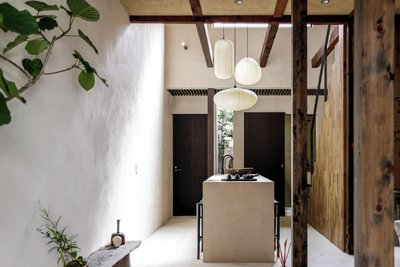
Maana Kiyomizu
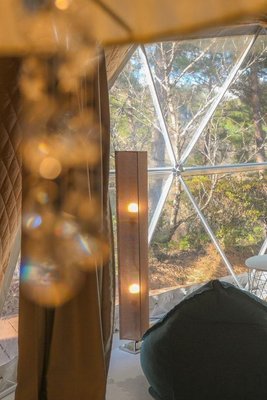
glampark Gekkabijin Nagano
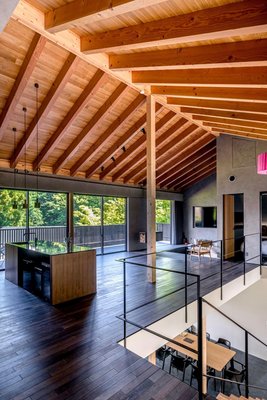
MONS GORA

Phoenix Chalets by Hhg
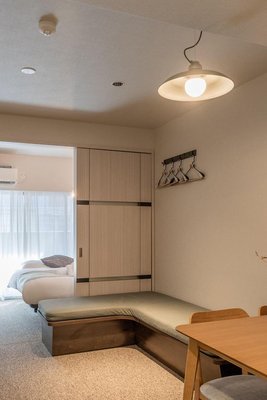
Apartment Hotel 11 Shinsaibashi
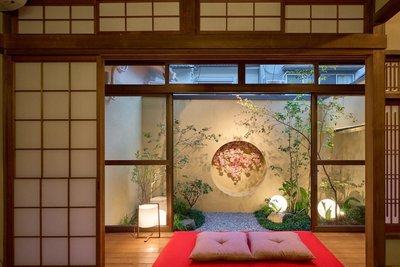
KONJAKUSO Osaka Tengachaya "NIHONCHA" Tea & Relax
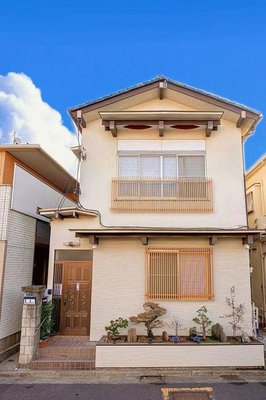
Tokyo Star House-Shinkoiwa
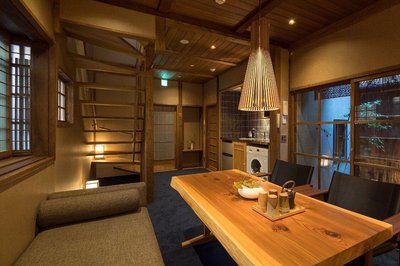
Bonbori an Machiya House
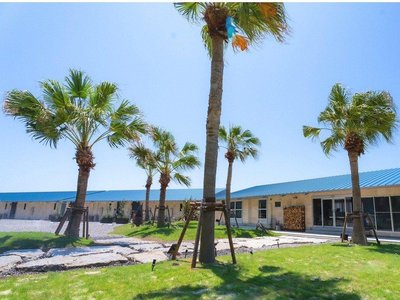
Glamping&Resort Wood Design Park Noma
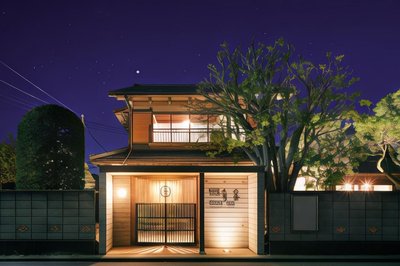
Machi-Jyu
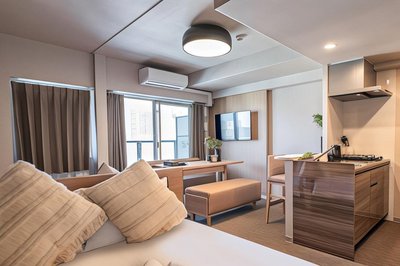
Apartment Hotel 11 Shinsaibashi III
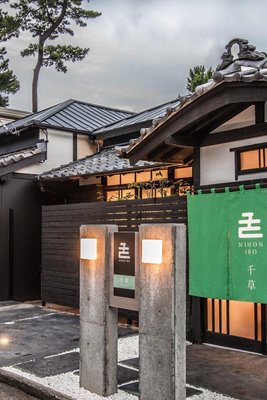
Nihon Iro
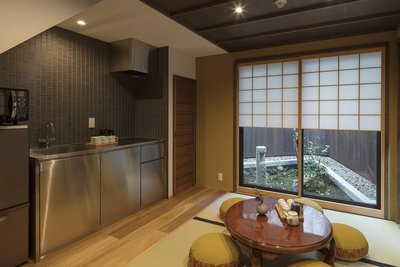
The Machiya Villa Sanjo Shirakawa Koji
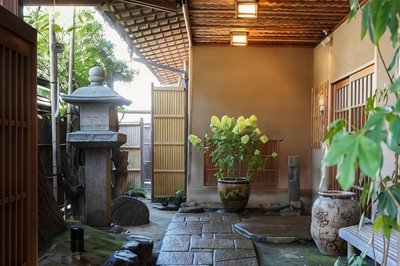
Ryokan Asadaya
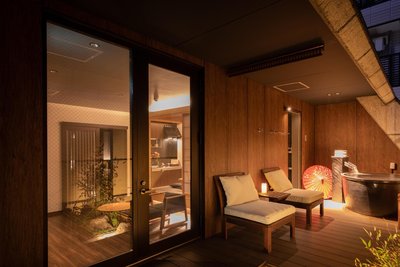
Konjaku-So Dotonbori
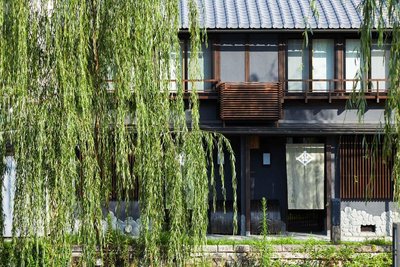
Gion Shirakawa No Yado

Hotel Barrière Fouquet's New York
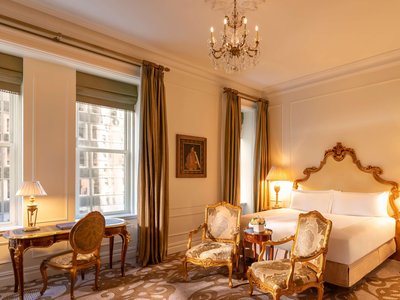
The Plaza - A Fairmont Managed Hotel
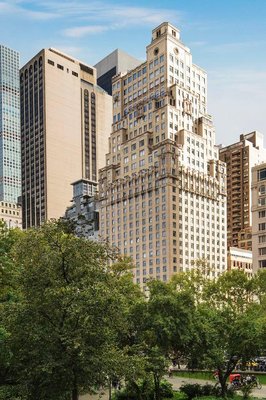
The Ritz-Carlton New York, Central Park
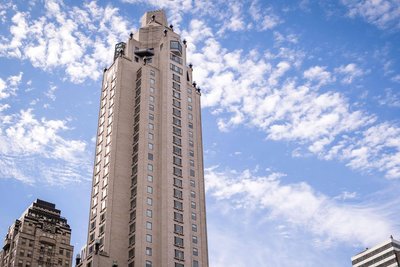
Four Seasons Hotel New York
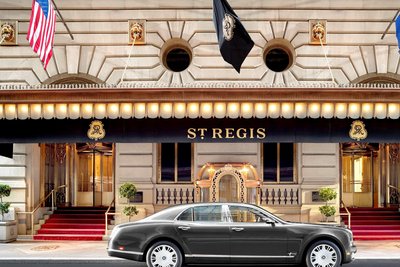
The St. Regis New York
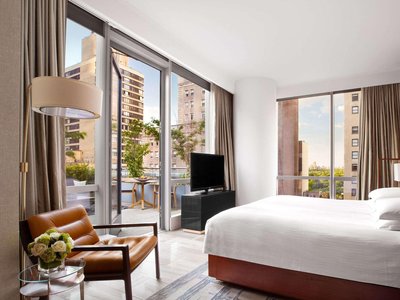
Park Hyatt New York
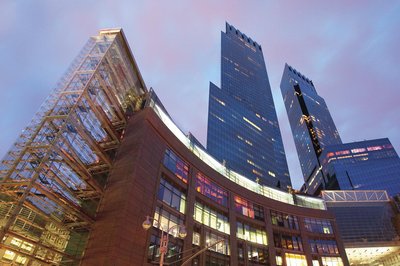
Mandarin Oriental New York
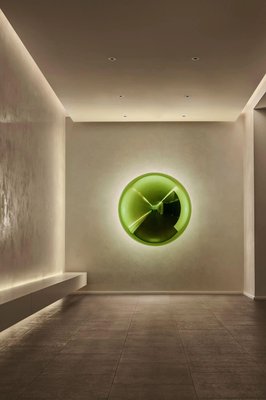
Times Square Edition New York

Loews Regency New York Hotel
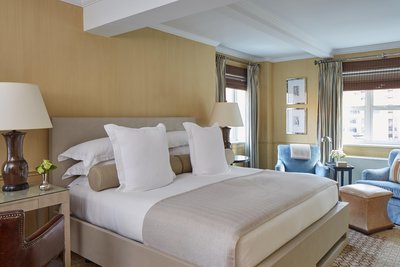
Lowell Hotel
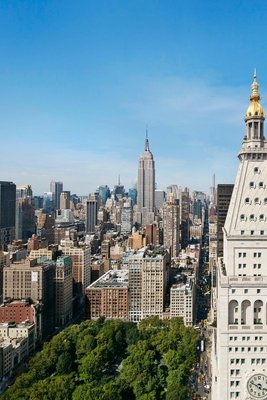
New York Edition
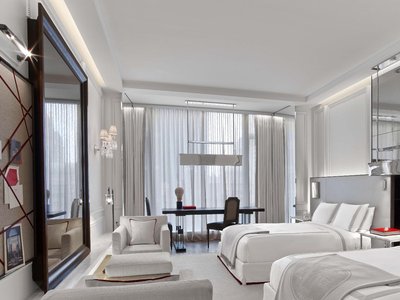
Baccarat Hotel New York
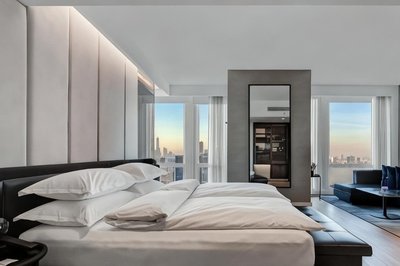
Equinox Hotel New York

Four Seasons Hotel New York Downtown
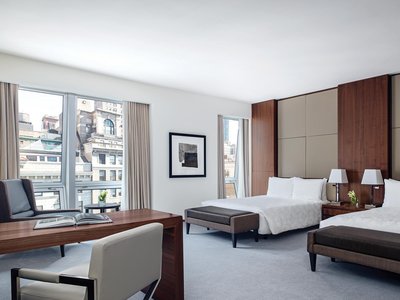
The Langham, New York, Fifth Avenue

The Carlyle, A Rosewood Hotel

The Chatwal, in the Unbound Collection by Hyatt
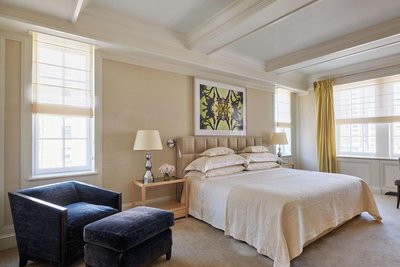
The Mark New York
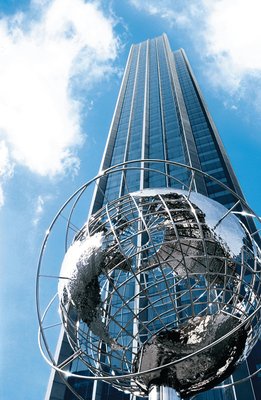
Trump International Hotel & Tower® New York
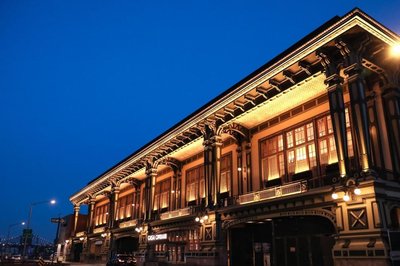
Casa Cipriani New York
Frequently Asked Questions about Traveling to Nanto
Questions You Might Need to Know About Traveling to Nanto
In Nanao City, the top choice for traditional Japanese charm is Nanako Ryokan, a centuries-old inn nestled in the historic Ishikawa Old Town district. Its wooden beams, tatami-mat rooms, and private garden reflect authentic Edo-period aesthetics. Guests enjoy kaiseki meals featuring Hokuriku seafood and local sake. The hotel also offers kimono rental and access to nearby temples like Takayama Shrine. For an immersive experience, book a room facing the quiet alleyway—perfect for morning tea with views of cherry blossoms or autumn leaves.
The Ishikawa Old Town district is the heart of cultural immersion in Nanao City. Here, visitors can stroll through well-preserved Edo-era merchant houses, explore the Ishikawa Folk Museum, and attend seasonal festivals like the Nanao Lantern Festival. Many local shops sell handmade Hokuriku lacquerware and washi paper crafts. Staying in a family-run guesthouse here allows direct interaction with residents, offering insights into daily life, rice farming traditions, and regional cuisine such as soba noodles and fresh sea bream sushi.
Tourists in Nanao City can participate in traditional lacquerware workshops at the Ishikawa Lacquer Art Studio, where they craft their own piece using time-honored techniques like maki-e. Another highlight is the fishing village homestay program, where guests join local fishermen on early-morning boat trips and learn to prepare fresh Hokuriku mackerel. During spring, visitors may join rice planting ceremonies in nearby fields, experiencing the rhythm of rural life. These activities emphasize harmony with nature—a core value in Hokuriku culture.
Sekishu Onsen Hotel stands out for its breathtaking hot spring views. Located at the foot of Mount Hakusan, its open-air baths overlook lush forests and misty valleys, especially magical during winter. The mineral-rich waters are known for soothing skin and joints. Rooms feature floor-to-ceiling windows, allowing guests to soak while gazing at snow-capped peaks. The hotel serves exquisite Hokuriku beef and seasonal vegetables in a kaiseki-style dinner. Early HopeGoo is essential, particularly during peak season.
Must-try dishes in Nanao City include Hokuriku beef, tender and rich, often served as yakiniku or sukiyaki. Fresh mackerel sushi is a local favorite, prepared with vinegared rice and delicate fish from the Sea of Japan. Don’t miss Nanao soba, made from locally grown buckwheat, served cold with a clear broth. In markets, sample Hokuriku rice cakes (mochi) filled with red bean paste or salted plum. Pair these with locally brewed rice wine (sake) or ume-shu plum wine for a full sensory journey.
For families, Ishikawa Old Town offers child-friendly options like Kids’ Craft Corner at the Folk Museum and guided storytelling walks through historic alleys. Stay at Family House Minami, a spacious guesthouse with a backyard playground and bike rentals. Nearby, Hakusan Nature Park features easy hiking trails and wildlife observation points. Parents can also join bamboo weaving classes with children, creating simple baskets together. The city’s low crime rate and pedestrian-friendly layout make it safe and convenient for kids to explore.
Top spots for autumn foliage in Nanao City include Mount Hakusan’s lower slopes and the Kurokawa Valley Trail, where maple trees blaze crimson and gold against deep green pines. Stay at Kurokawa View Inn, which offers panoramic balcony views of the changing leaves. The hotel hosts a fall festival with lantern displays and local food stalls. Visit mid-November for peak colors. Early mornings offer crisp air and fog-laden valleys, perfect for photography. Some trails are wheelchair-accessible, ensuring inclusive enjoyment.
Sekishu Onsen Hotel is a photographer’s dream, with its elevated viewing decks overlooking Hakusan’s forested slopes and seasonal landscapes. The hotel’s minimalist design and natural lighting create striking compositions. In Ishikawa Old Town, stay at Photogenics Guesthouse, which provides free access to rooftop platforms and curated photo tours of hidden alleys, lantern-lit streets, and traditional rooftops. Winter brings ethereal scenes of steam rising from hot springs amid snow-covered trees. Bring a tripod—golden hour light and starry nights enhance the shots.
Travel from Tokyo to Nanao City via Shinkansen to Kanazawa Station (2.5 hours), then transfer to a local bus or rental car (40 minutes). Alternatively, take the Hokuriku Shinkansen directly to Nanao Station if available. Local buses connect major sites like Ishikawa Old Town and Mount Hakusan. Download the Hokuriku Bus App for real-time schedules. For flexibility, renting a car is ideal—routes pass through scenic countryside and coastal views. Note: Trains are punctual and luggage-friendly.
For couples, Sekishu Onsen Hotel’s private hot spring suites offer secluded outdoor baths with mountain views—perfect for stargazing after sunset. Book a couples’ kaiseki dinner with seasonal ingredients and candlelit service. In Ishikawa Old Town, stay at Love Lane Ryokan, where each room features a hand-painted mural and a shared tokonoma (display alcove) for intimate moments. Take a moonlit walk along the river path, listen to traditional shamisen music from a nearby teahouse, and savor a bottle of local sake. This blend of serenity and intimacy captures the soul of Hokuriku romance.
Nanto Overview
City Summary
Nanto City, located in the southwestern part of Toyama Prefecture, Japan, is renowned for its blend of historical culture and stunning natural landscapes. Famous for its traditional gassho-zukuri farmhouses, majestic mountain views, and hot springs, it offers an authentic Japanese rural experience and traditional crafts. As a member of "The Most Beautiful Villages in Japan" association, Nanto's Shirakawa-go area is a UNESCO World Heritage Site attracting global travelers.
Must-See Attractions
Top attractions include the UNESCO-listed "Gokayama Gassho-zukuri Villages," particularly Suganuma and Ainokura settlements, showcasing 60-degree thatched roofs demonstrating unique architectural wisdom. Winter illumination events create fairy-tale scenes. Don't miss "Inami Wood Carving Town" with 400-year-old craftsmanship and DIY workshops. Nature lovers should experience the "Shogawa Gorge" boat tour for breathtaking autumn foliage views.
Food Guide
Nanto's cuisine reflects Toyama's "medicinal food" tradition. Must-try "Masuzushi" features fermented sushi wrapped in bamboo leaves. Local izakayas serve "Gokayama Tofu" made with mountain spring water. For desserts, sample "Himi Beef Curry Bread" and local variations of "Toyama Black Ramen." Seasonal winter "Kanburi" (cold yellowtail) dishes are exceptional.
Transportation Guide
From Toyama Station, take JR Takayama Line to Johana Station (1 hour), then transfer to World Heritage buses (40 mins to Gokayama). Renting a car is recommended as attractions are dispersed with limited buses. Shuttle buses connect gassho villages; winter driving requires caution. Taxis are scarce—book "J-taxi" in advance. Toyama Airport has direct flights from Tokyo/Osaka; international travelers can transfer via Chubu Airport.
Best Time to Visit
Best seasons are May-June (fresh greenery) and October-November (autumn leaves) with mild weather and fewer crowds. July-August offers cool retreats but occasional thunderstorms. Winter (Dec-Mar) has magical snowscapes but some road closures—check transport. Gassho village illuminations (Jan-Feb) require accommodation bookings 6 months ahead.
Travel Tips
- Wear anti-slip shoes for steep stairs in gassho houses
- Always ask permission before photographing private homes
- Many onsens have strict bathing schedules—confirm when HopeGoo
- Rural shops close early; carry cash and snacks
- Strict trash separation—take non-burnables with you
- Mountain weather changes rapidly; pack layers and rain gear
- Some restaurants are cash-only; carry JPY change
- Wood carving workshops require 3-day advance HopeGoo
Useful Information
Language: Low English proficiency in rural areas; have Japanese addresses ready or use translation apps. Internet: Free Wi-Fi at major stations/hotels; docomo SIM cards recommended. Payments: Credit cards accepted at large hotels but markets are cash-only. Medical: Johana Town has 24-hour clinics (072-766-0273); dial 119 for emergencies. Outlets are 100V Type A (2-pin). Remove shoes at religious sites; no-photo zones are marked. Tap water is drinkable; mountain lodges often offer hot spring water tasting.