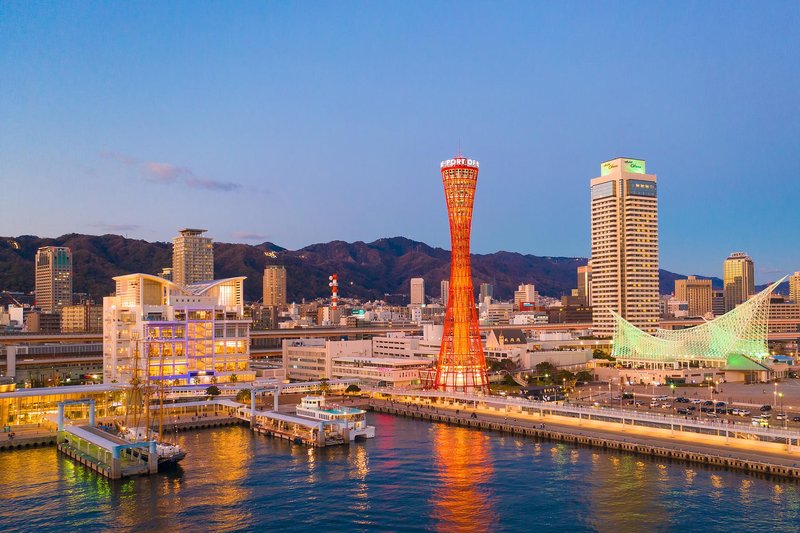
Hotels in nanyang
Discover your perfect stay in nanyang.
nanyang(Japan) Travel 2026: Cheap Flights, Hotels & Top Attractions
Popular Landmarks in nanyang
Discover the most iconic attractions in nanyang
Recommended Hotels in nanyang
Find the perfect place to stay in nanyang
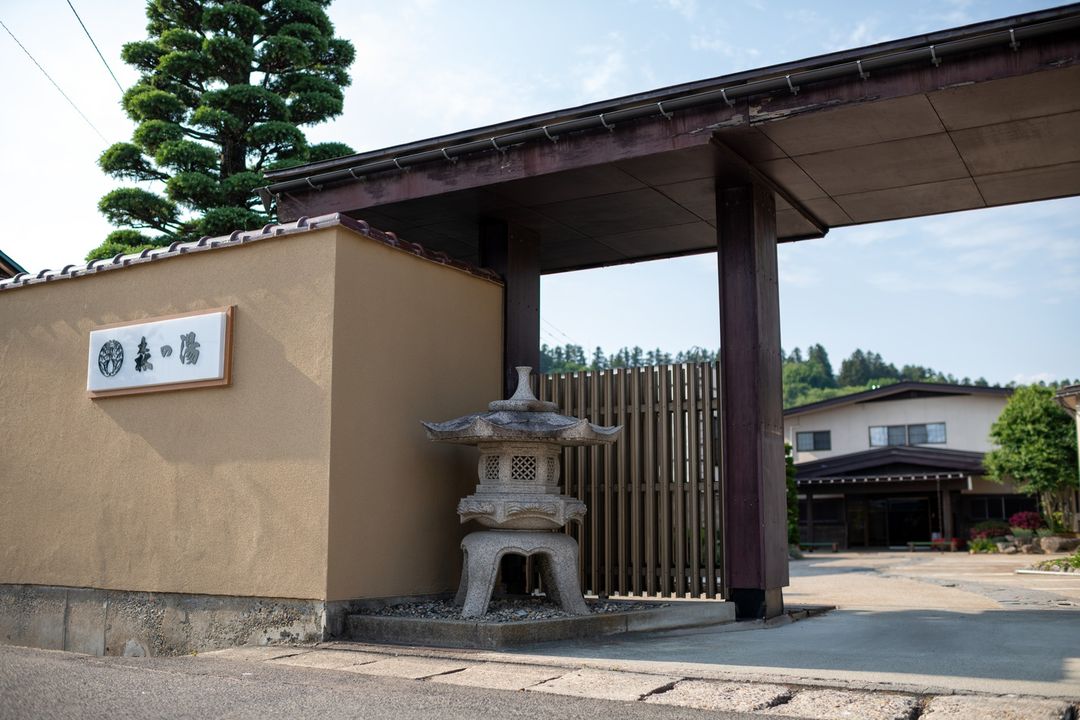
Morinoyu
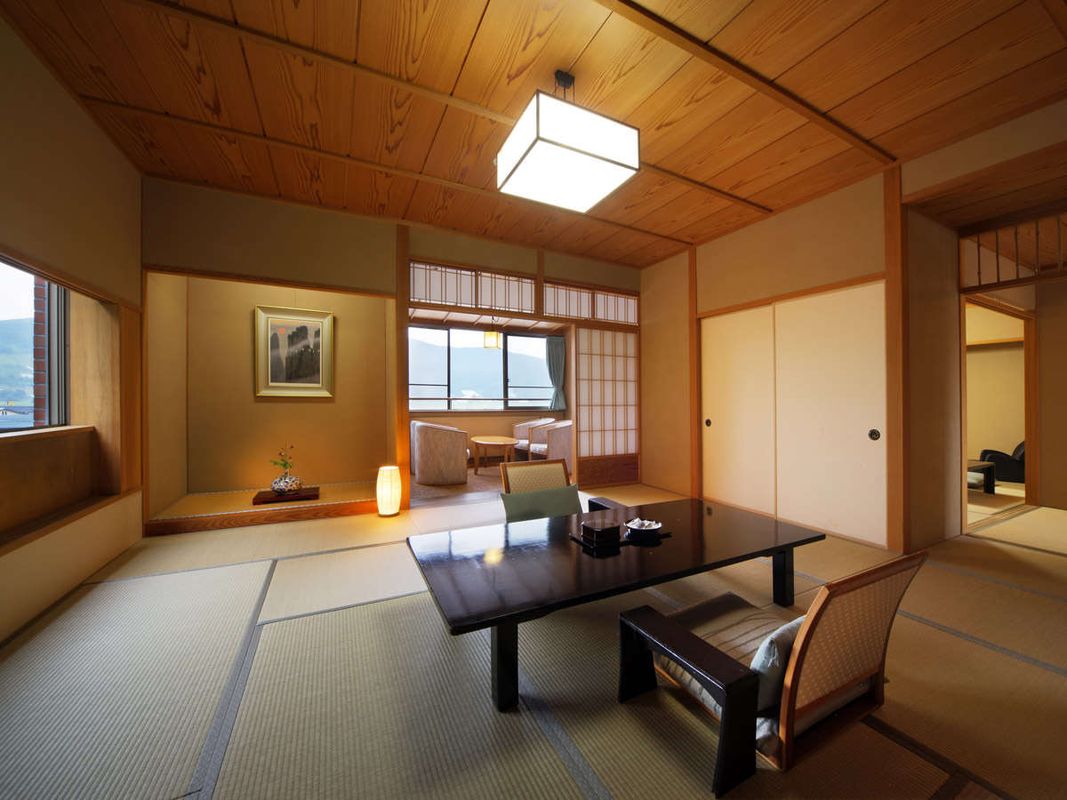
Akayu Onsen Gotenmori
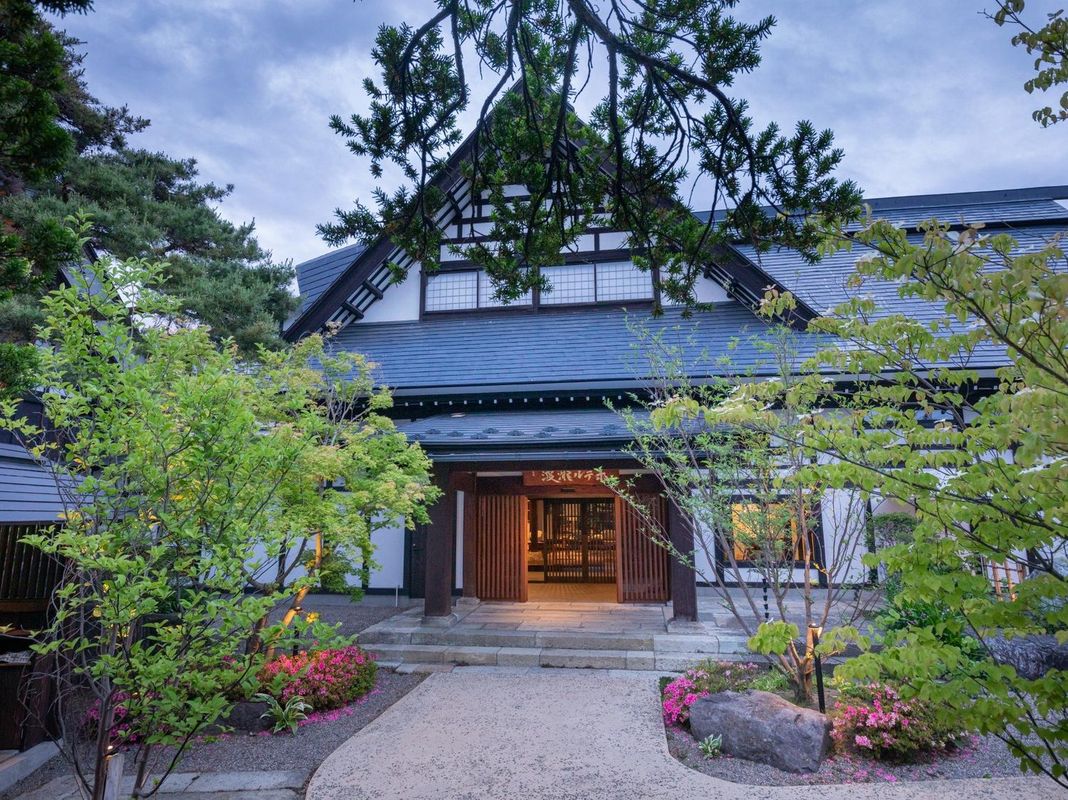
Yamagata the Takinami
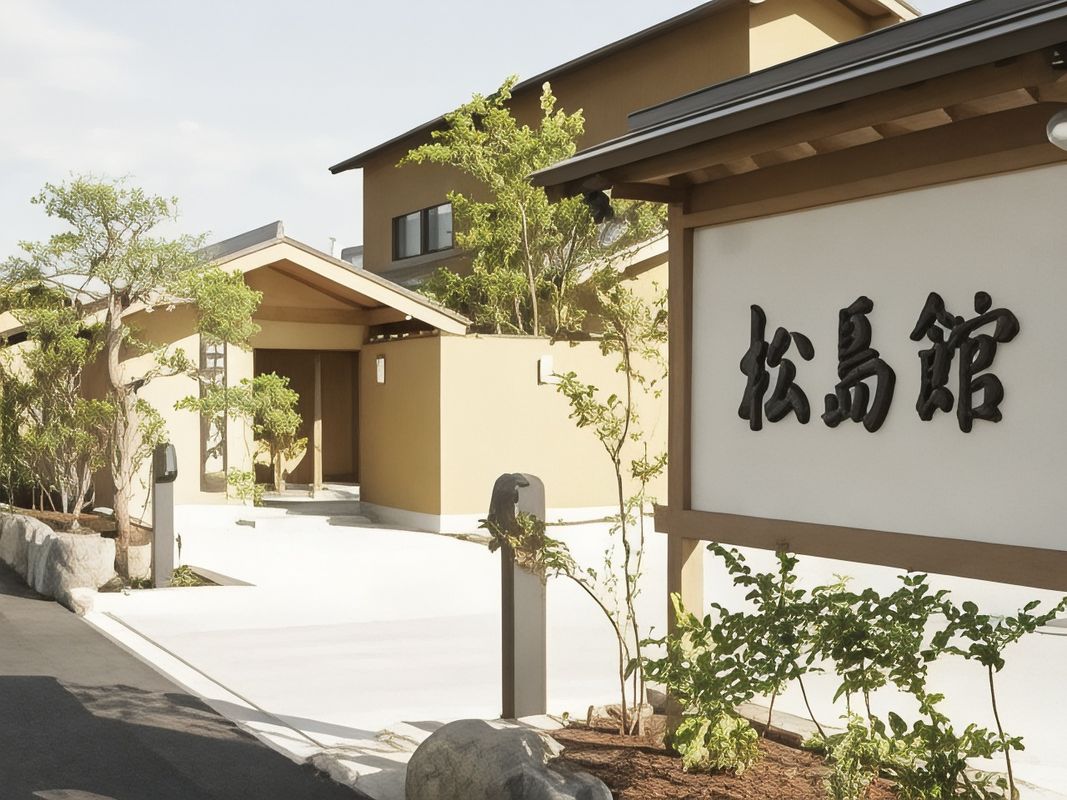
Matsushimakan
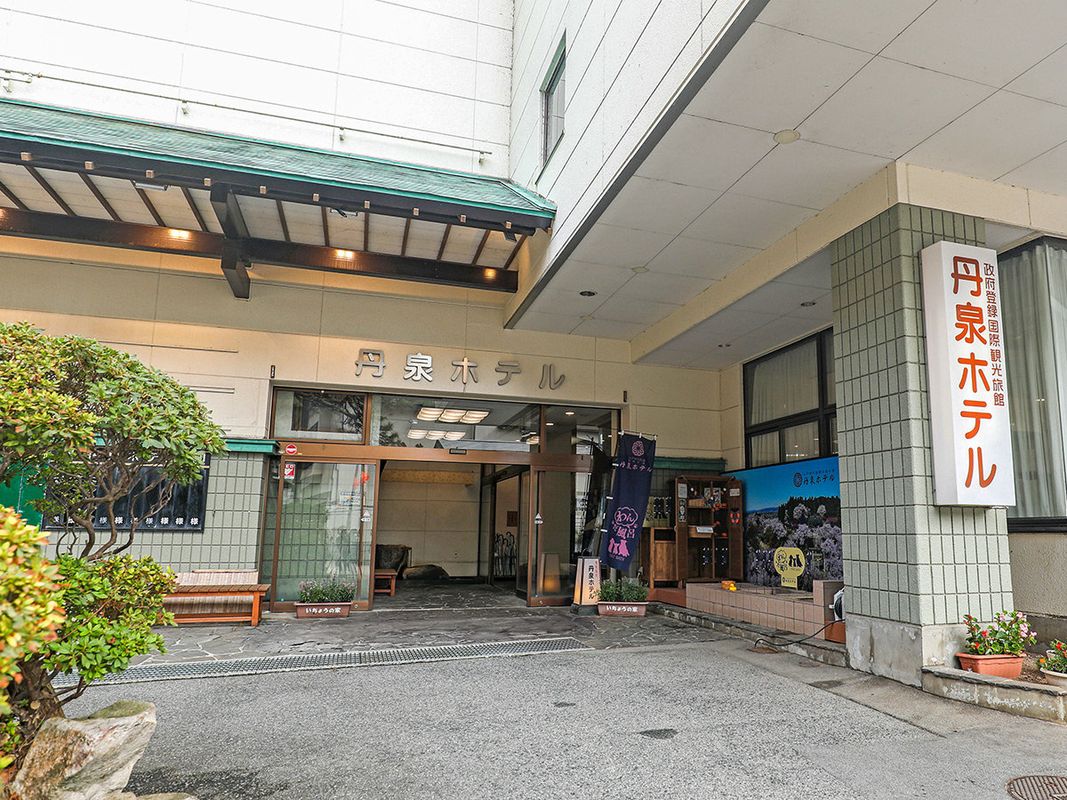
Tansen Hotel
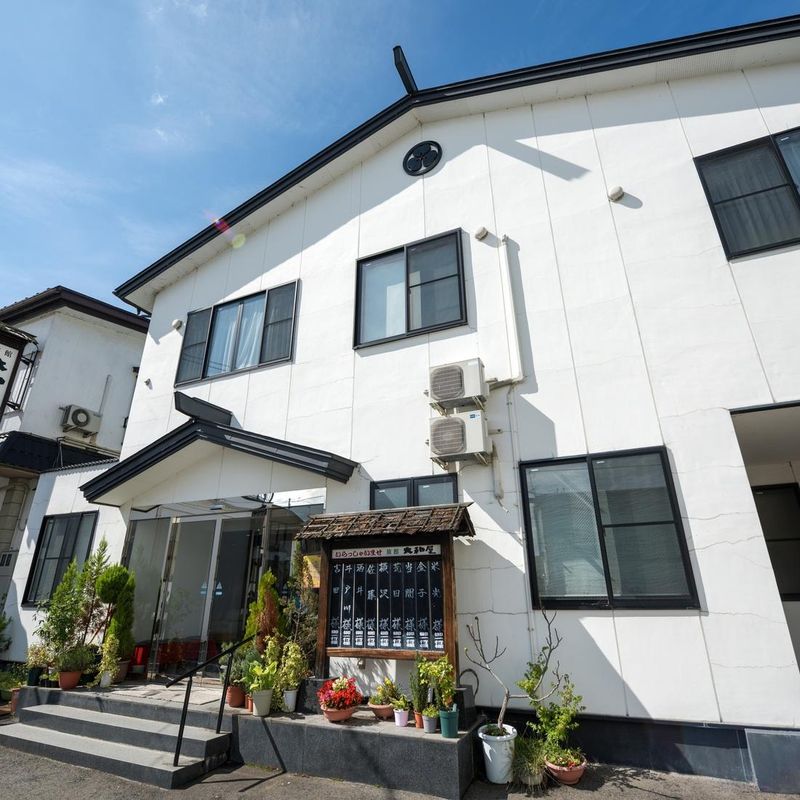
Ryokan Yamatoya
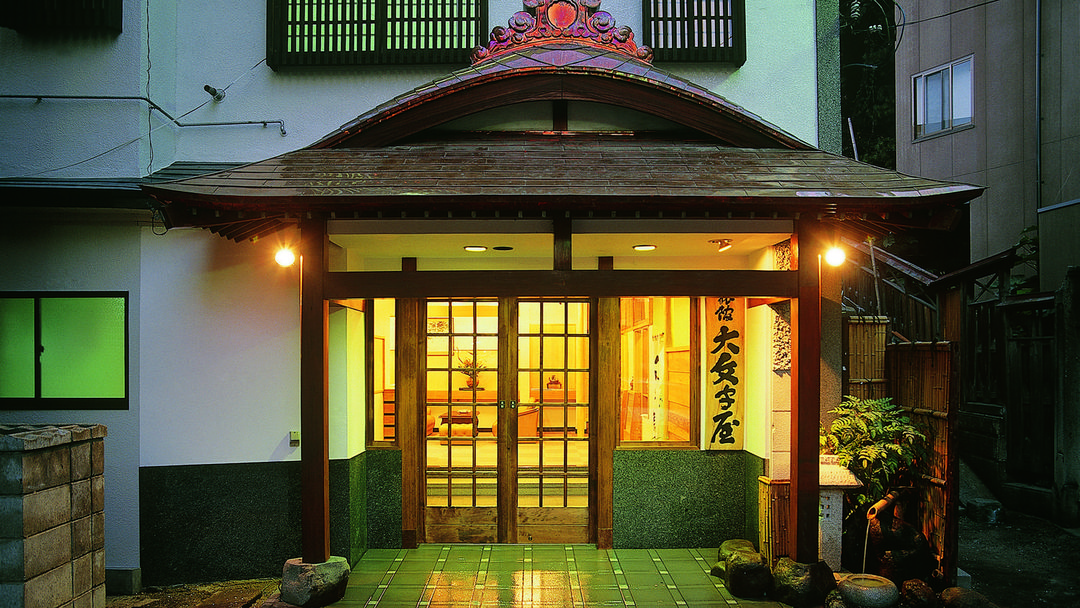
Ryokan Daimonjiya
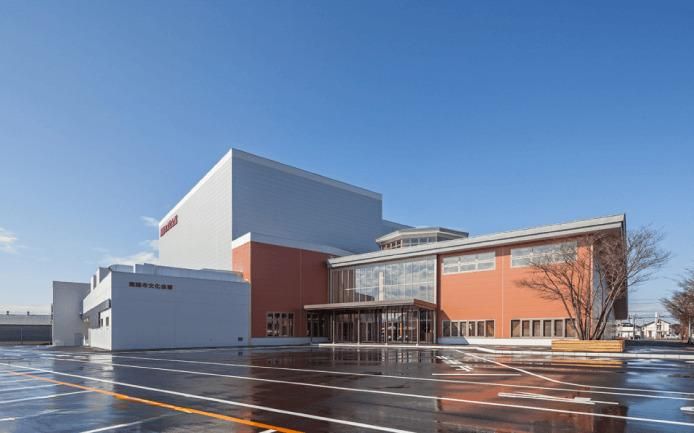
Yuyado Masugataya
Best Hotels in nanyang
Discover curated hotel collections in nanyang
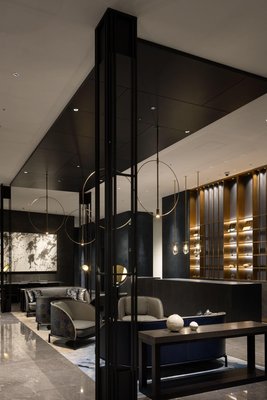
Bellustar Tokyo, A Pan Pacific Hotel
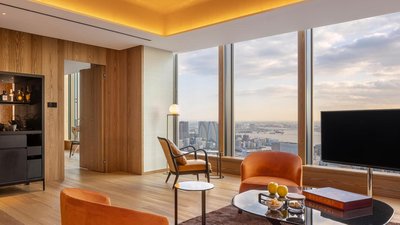
Bvlgari Hotel Tokyo
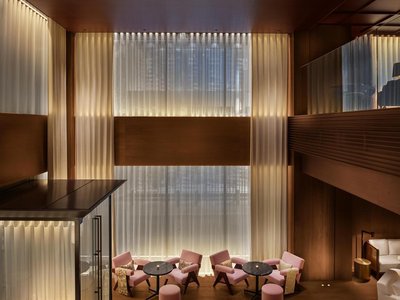
The Tokyo Edition, Ginza
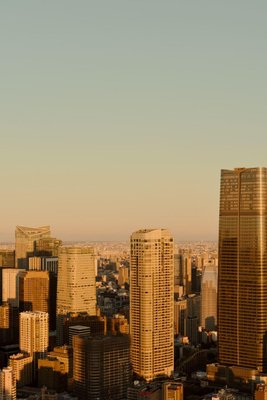
Janu Tokyo
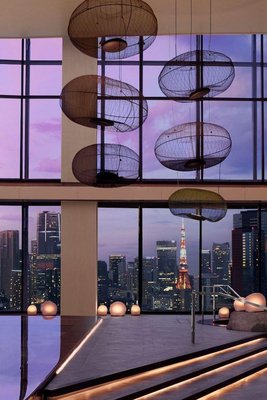
JW Marriott Hotel Tokyo
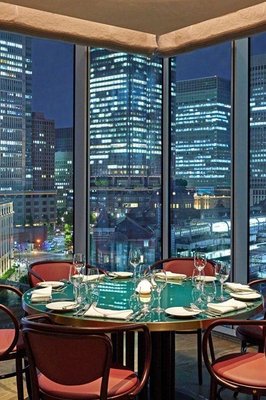
Four Seasons Hotel Tokyo at Marunouchi

Mandarin Oriental, Tokyo
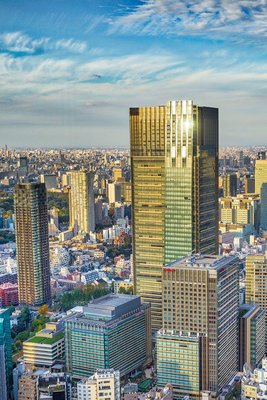
The Ritz-Carlton, Tokyo
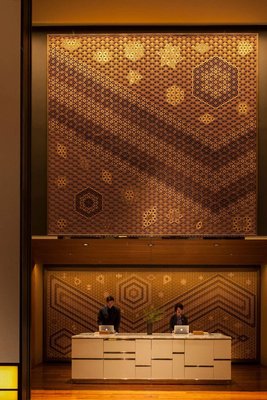
Andaz Tokyo Toranomon Hills- A Concept by Hyatt
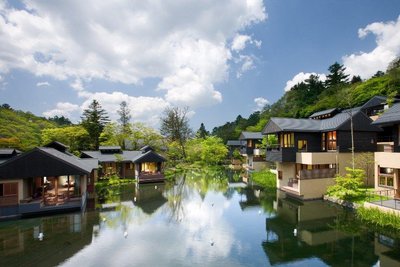
Hoshinoya Karuizawa
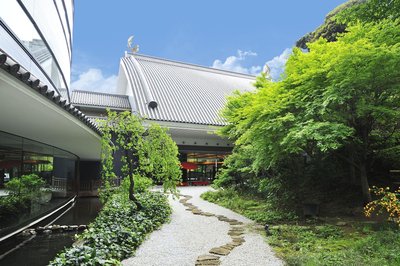
Hotel Gajoen Tokyo
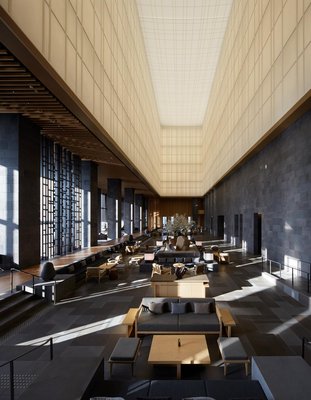
Aman Tokyo
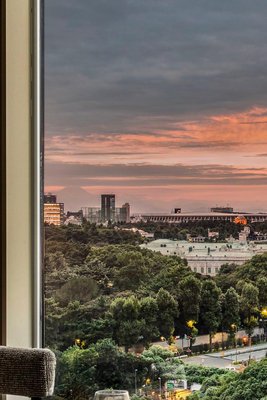
Hotel New Otani Tokyo, Executive House Zen
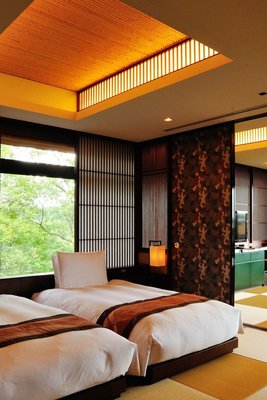
Chikusenso Onsen
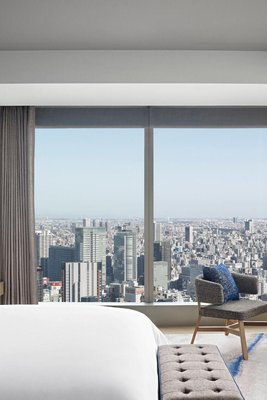
Four Seasons Hotel Tokyo at Otemachi
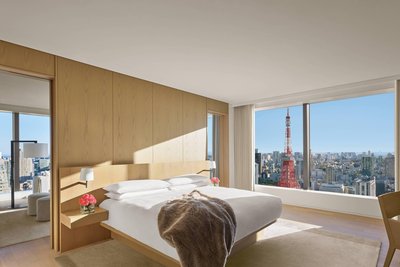
The Tokyo Edition, Toranomon
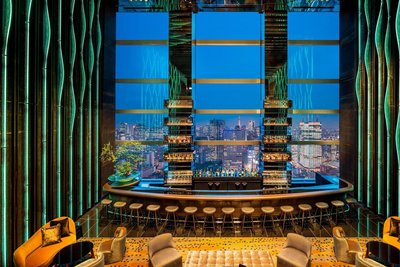
The Prince Gallery Tokyo Kioicho, a Luxury Collection Hotel
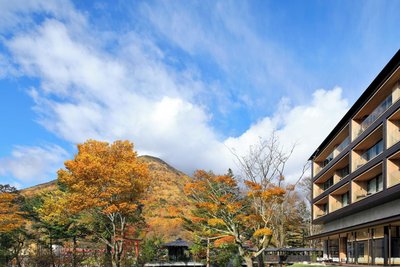
The Ritz-Carlton, Nikko
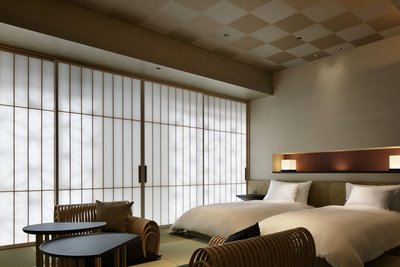
HOSHINOYA Tokyo
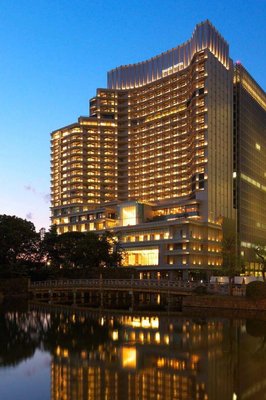
Palace Hotel Tokyo
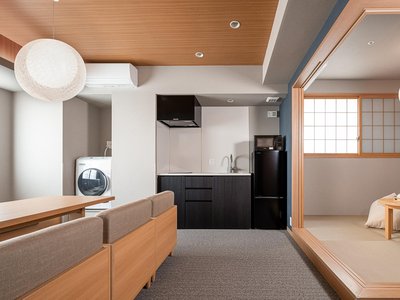
MIMARU SUITES Tokyo Asakusa
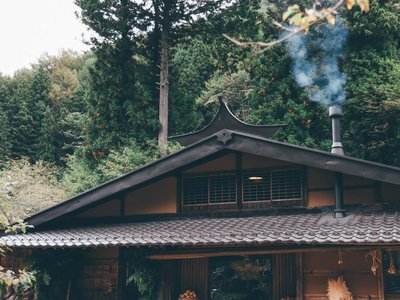
La Terra Resort
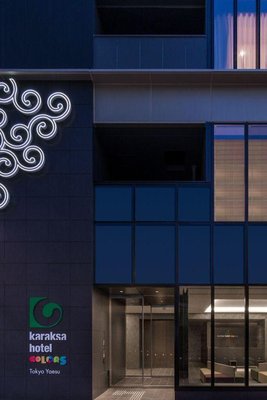
karaksa hotel colors Tokyo Yaesu
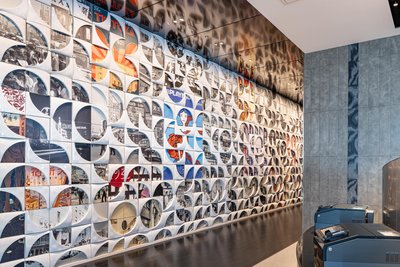
HOTEL GROOVE SHINJUKU, A PARKROYAL Hotel

EN Resort Grandeco Hotel
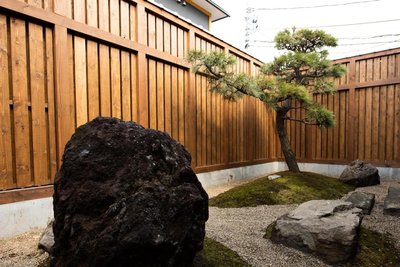
Hotel Zen-Adult Only
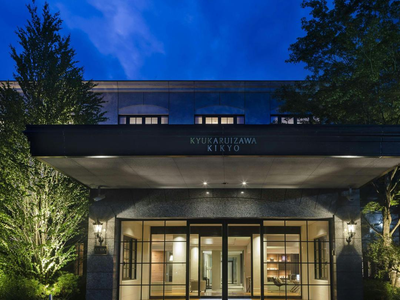
Fufu Karuizawa Wind of Sunshine
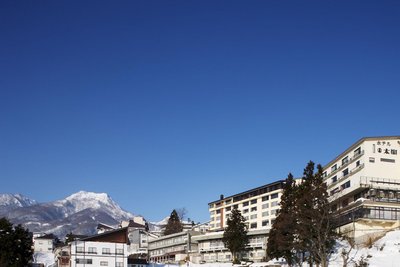
Hotel Taiko, Akakura Onsen
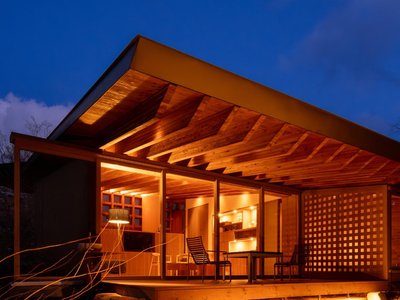
Nasu Mukunone
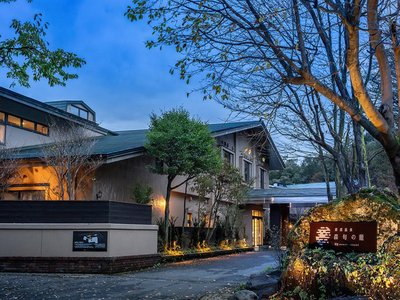
Nasu Onsen Shinshun no Kago Hewitt Resort
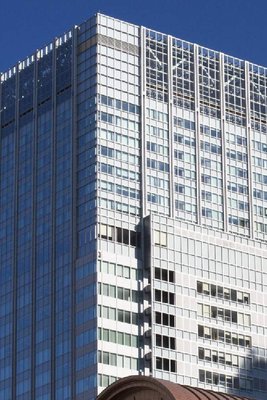
Hotel Metropolitan Tokyo Marunouchi
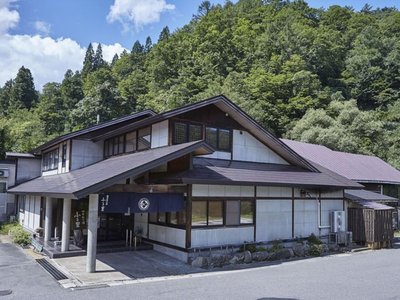
Fulsato
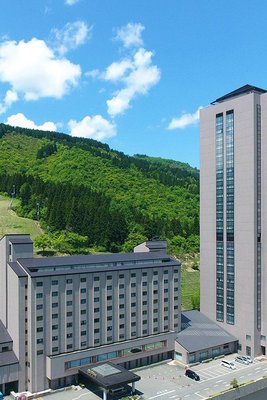
Naspa New Otani
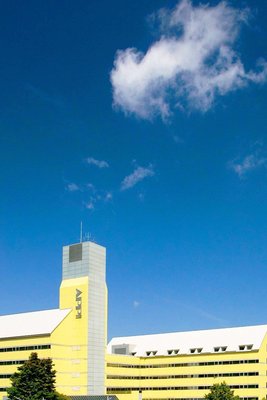
Crowne Plaza - ANA RESORT APPI KOGEN
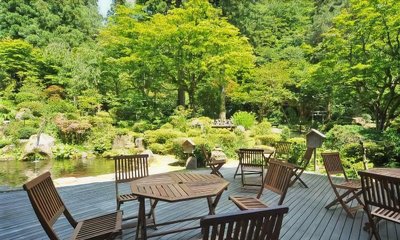
Choseikan
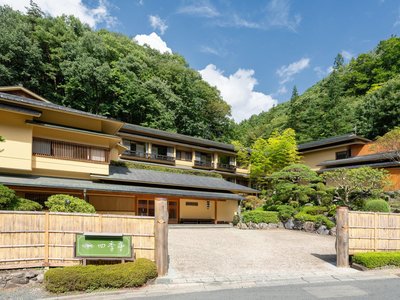
Shikitei Morioka TsunagiOnsen
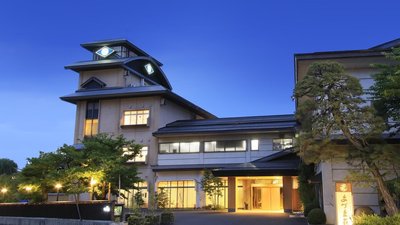
Shouhakutei Azumaso
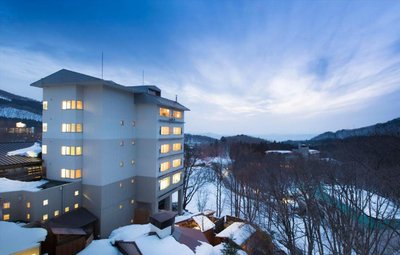
Takamiya Hotel Lucent
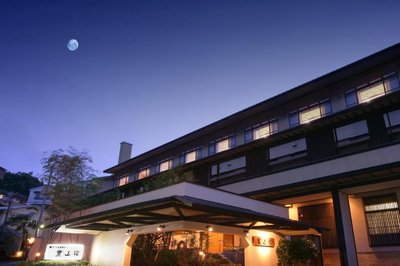
Hayamakan
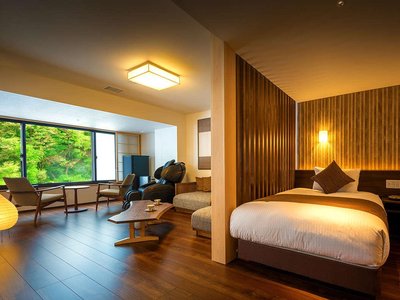
Harataki
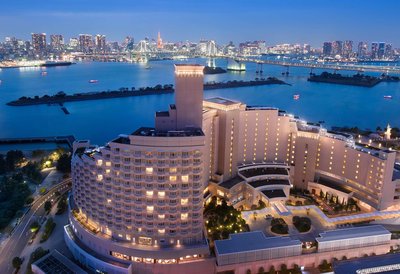
Hilton Tokyo Odaiba
JW Marriott Hotel Tokyo
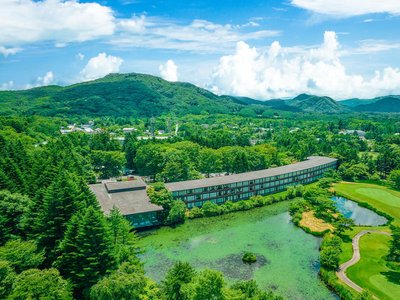
The Prince Karuizawa
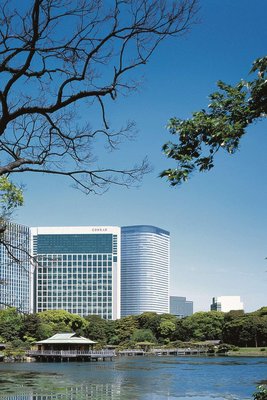
Conrad Tokyo
Hoshinoya Karuizawa
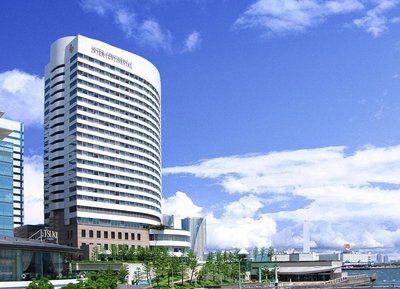
InterContinental Tokyo Bay
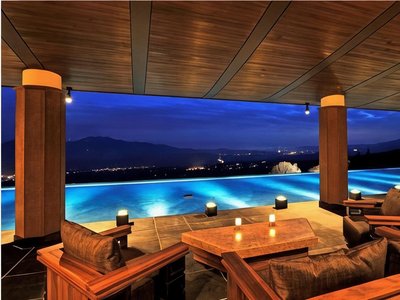
Akakura Kanko Hotel
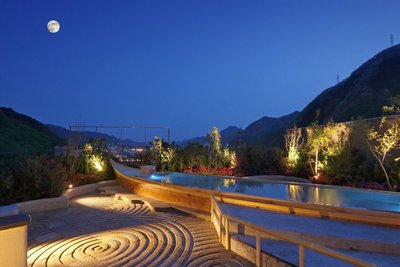
Asaya
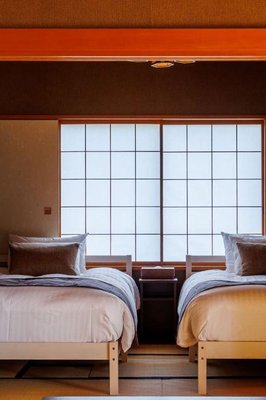
Sado Resort Hotel Azuma

Komatsu-Kan Kofu-Tei
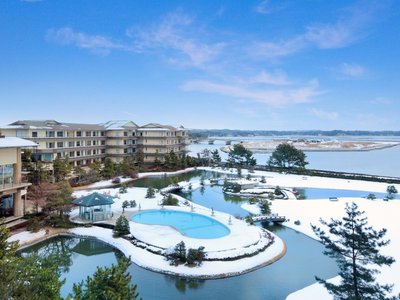
Matsushima Ichinobo
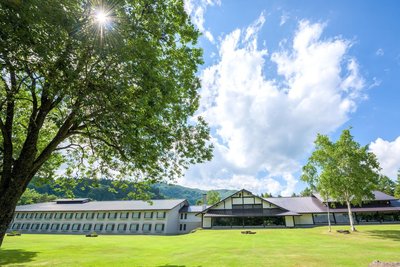
Towada Prince Hotel
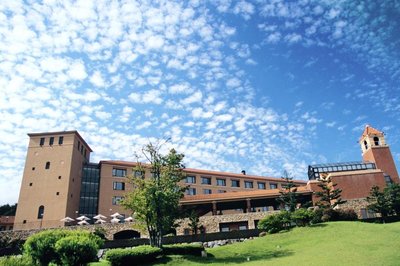
Fruit Park Fujiya Hotel
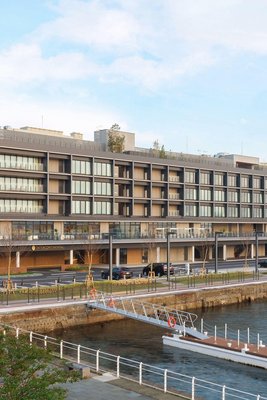
InterContinental Yokohama Pier 8
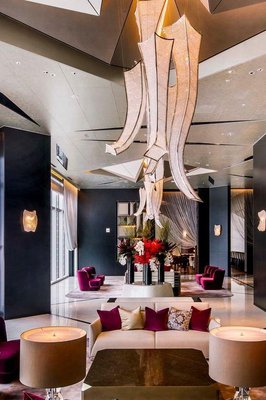
The Kahala Hotel & Resort Yokohama
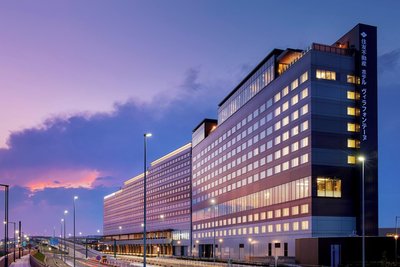
Villa Fontaine Premier Haneda Airport
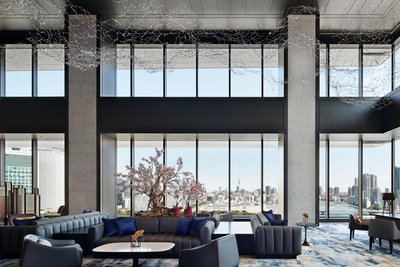
Mesm Tokyo, Autograph Collection
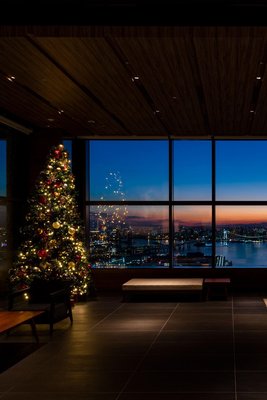
Mitsui Garden Hotel Toyosu Premier / Tokyo
The Tokyo Edition, Toranomon
The Ritz-Carlton, Nikko
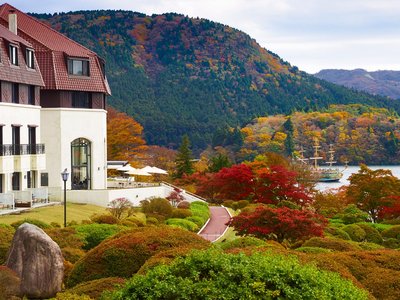
Hotakajyo
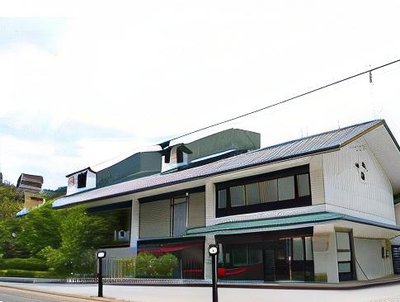
Auberge Suzukane

Onyado Nono Asakusa Bettei Hot Spring
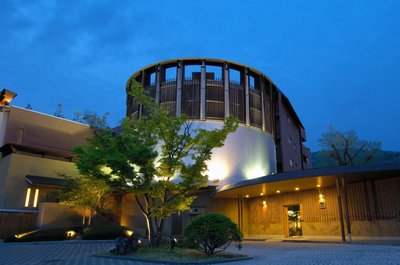
Hoshino Resorts Kai Matsumoto
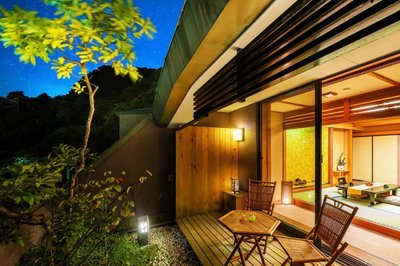
Konjakutei
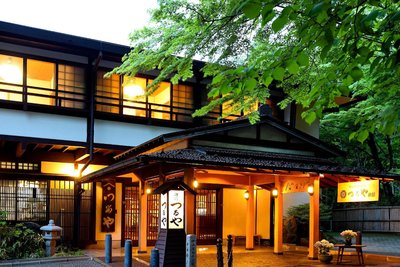
Tsuruya Ryokan
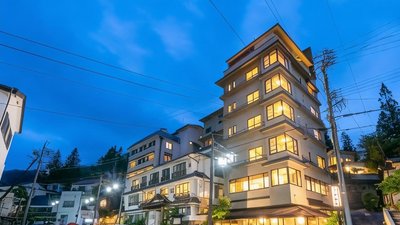
Nakamatsuya Ryokan
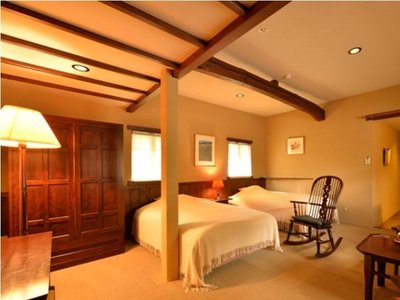
Ryokan Sugimoto
Hotel Gajoen Tokyo
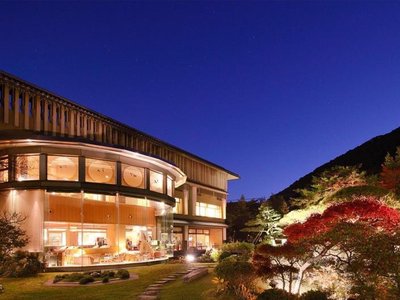
Shikisai Ichiriki
Sado Resort Hotel Azuma
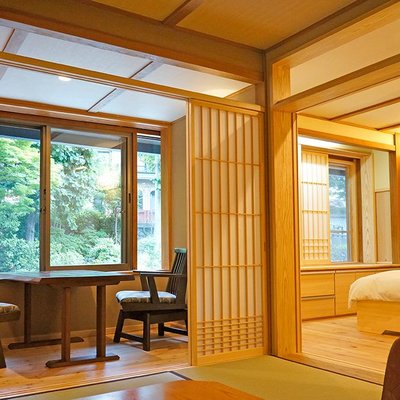
Sumiyosiya Ryokan
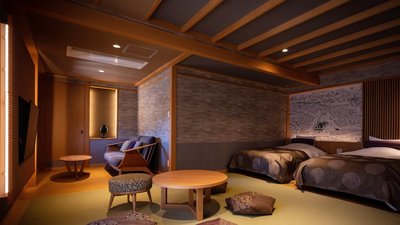
Naraya
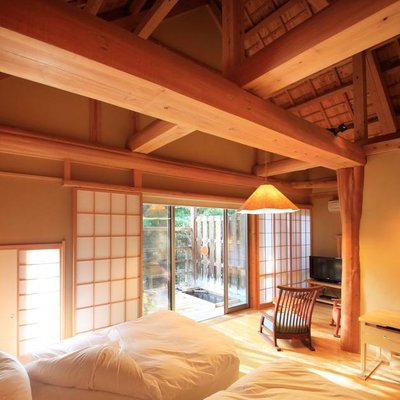
Daikon-No-Hana
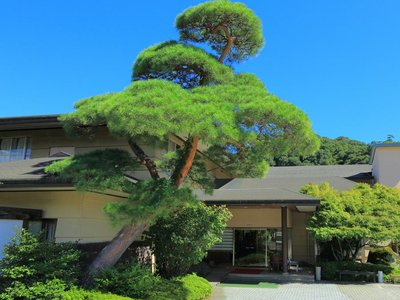
Nagatoro Choseikan Ryokan
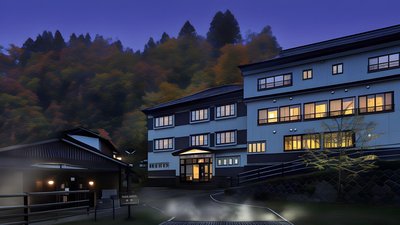
Zao Onsen Omiya Ryokan
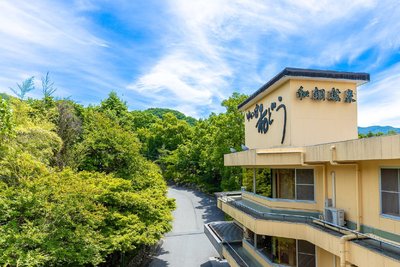
Yu No Yado Wadoh
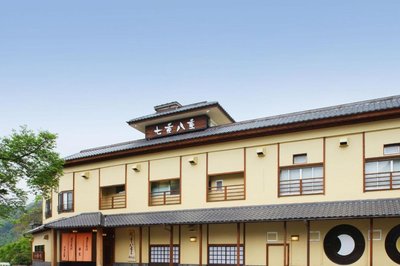
Nanaeyae
HOSHINOYA Tokyo
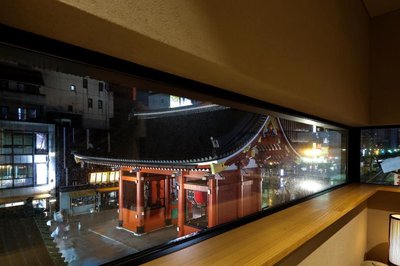
Kaminarimon Ryokan
Bellustar Tokyo, A Pan Pacific Hotel
JW Marriott Hotel Tokyo
Andaz Tokyo Toranomon Hills- A Concept by Hyatt
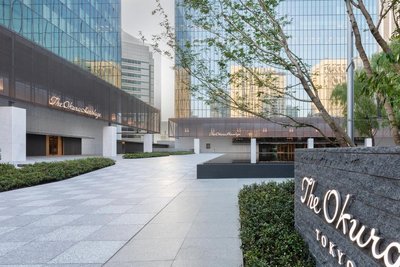
The Okura Tokyo
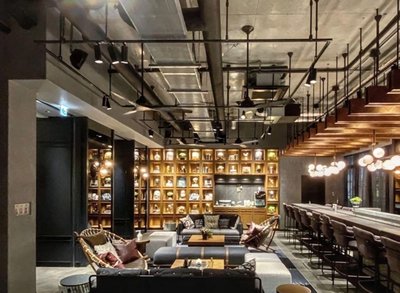
The Lively Azabujuban Tokyo
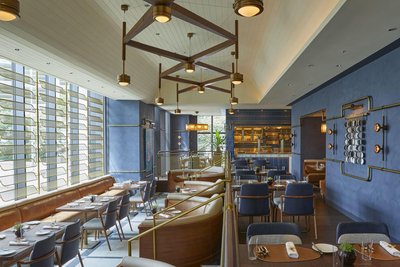
Kimpton Shinjuku Tokyo

HOTEL K5
The Prince Gallery Tokyo Kioicho, a Luxury Collection Hotel
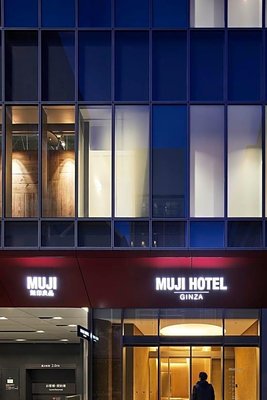
Muji Hotel Ginza
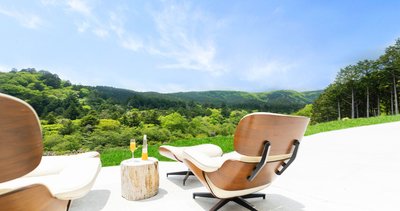
Shelter Garden Nikko
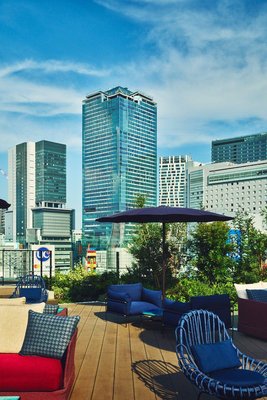
Hotel Indigo Tokyo Shibuya
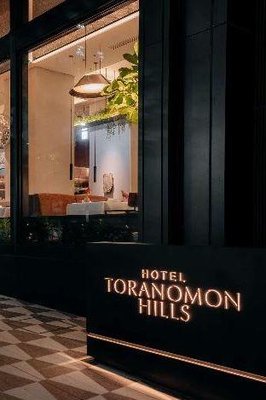
Hotel Toranomon Hills
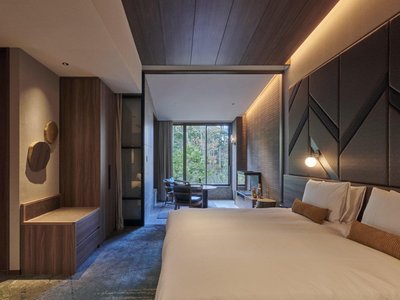
Fufu Kyu-Karuizawa Restful Forest
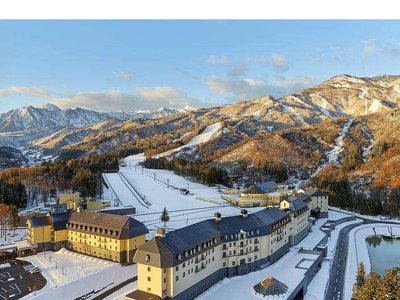
Lotte Arai Resort
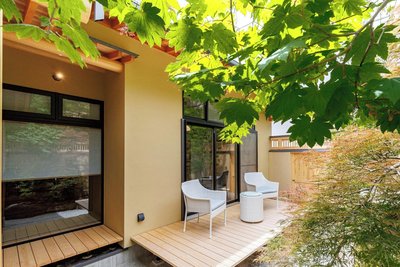
Shoraiso
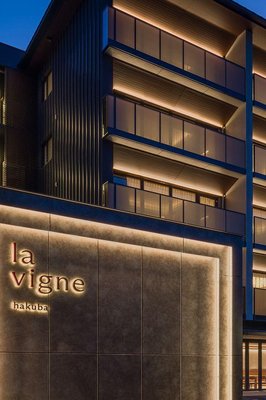
Hotel la Vigne Hakuba by Onko Chishin
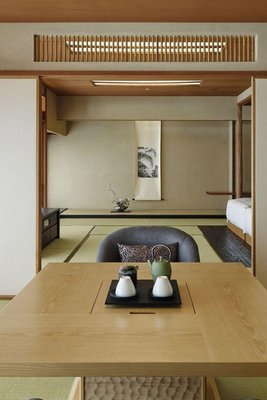
Takanawa Hanakohro (in Grand Prince Hotel Takanawa)
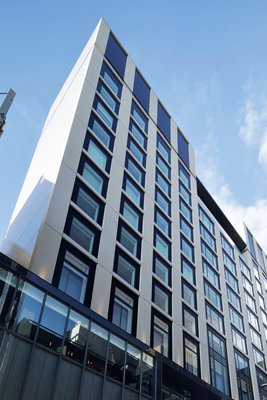
Hyatt Centric Ginza Tokyo
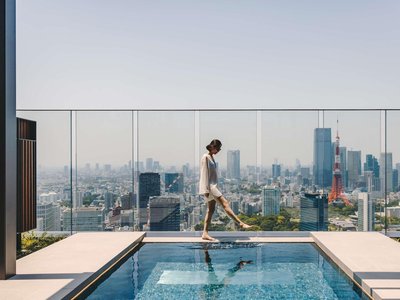
Fairmont Tokyo
The Prince Karuizawa
Conrad Tokyo
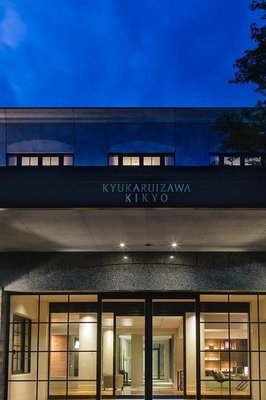
Kyukaruizawa Kikyo, Curio Collection by Hilton
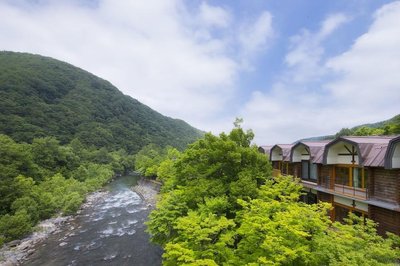
Hoshino Resorts Oirase Keiryu Hotel
Asaya
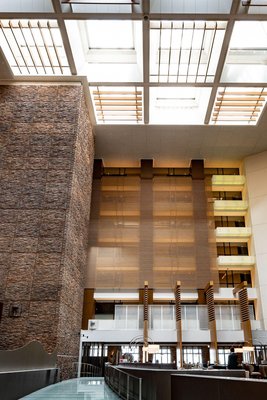
The Strings by InterContinental, Tokyo
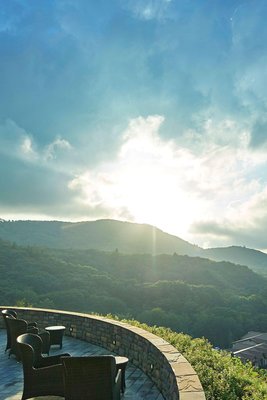
Le Grand Karuizawa Hotel & Resort
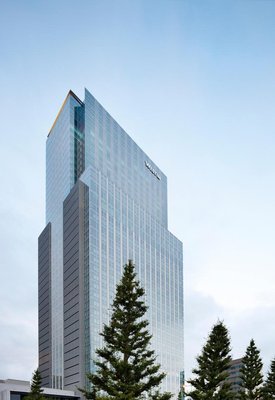
The Westin Sendai Hotel
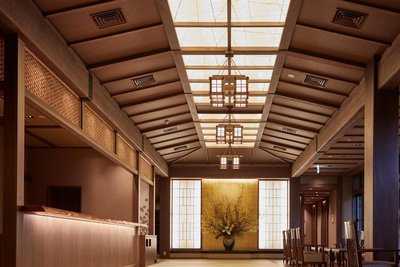
Yukinohana
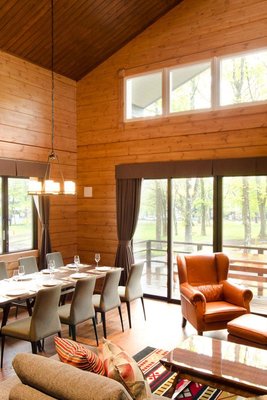
The Prince Villa Karuizawa
Bvlgari Hotel Tokyo
Four Seasons Hotel Tokyo at Marunouchi
Mandarin Oriental, Tokyo
The Ritz-Carlton, Tokyo
Andaz Tokyo Toranomon Hills- A Concept by Hyatt
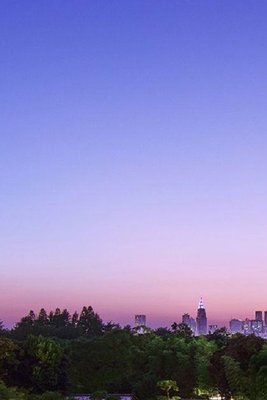
Hotel New Otani Tokyo the Main
Aman Tokyo
Four Seasons Hotel Tokyo at Otemachi
The Tokyo Edition, Toranomon
Palace Hotel Tokyo
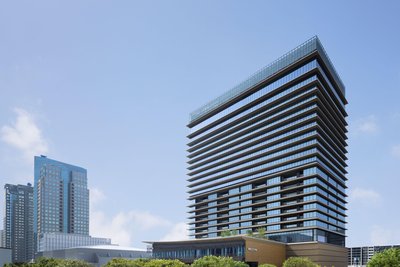
The Westin Yokohama
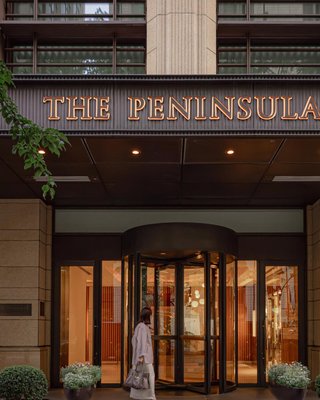
The Peninsula Tokyo

Imperial Hotel, Tokyo

Rakuten STAY VILLA Nasu
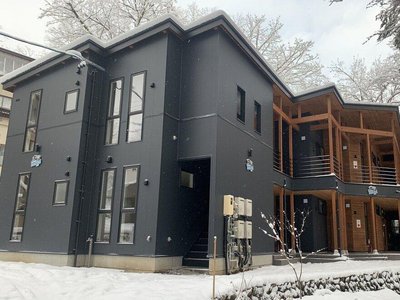
Hakuba Gondola Apartments
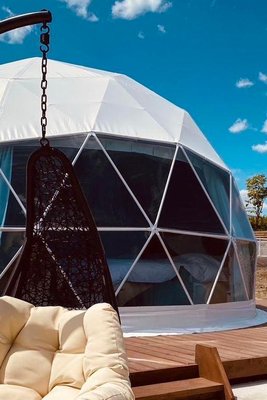
chillout glamping zao

Phoenix Chalets by Hhg
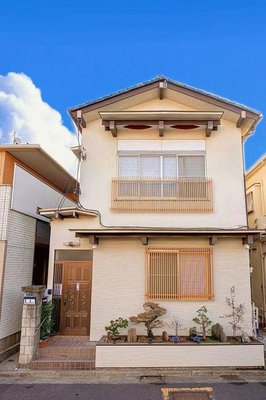
Tokyo Star House-Shinkoiwa
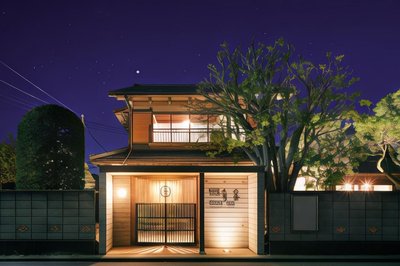
Machi-Jyu
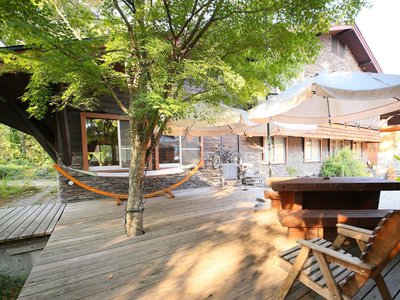
Kunugi Relaxation with 4 Modern Rooms

Petals Tokyo - Floating Hotel
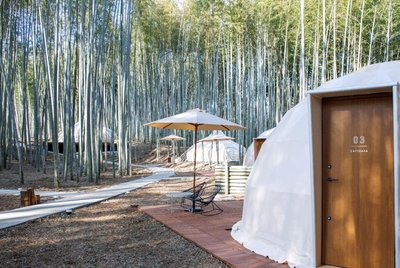
THE BAMBOO FOREST
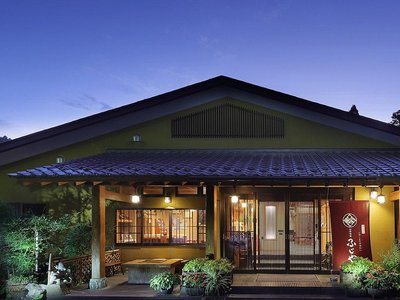
Shikimitei Fujiya
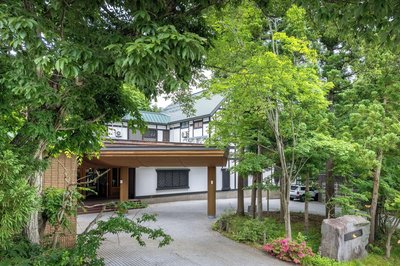
Forest Resort Yamanote Hotel

Hotel Barrière Fouquet's New York
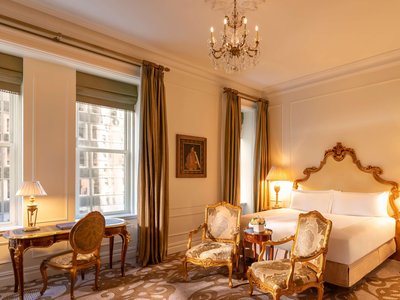
The Plaza - A Fairmont Managed Hotel
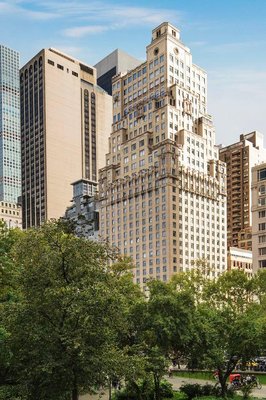
The Ritz-Carlton New York, Central Park
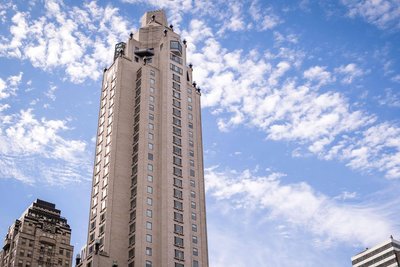
Four Seasons Hotel New York
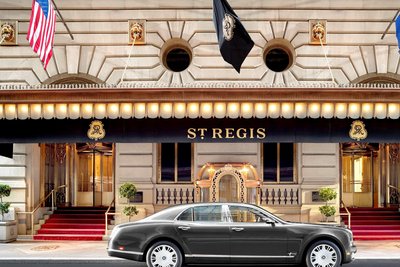
The St. Regis New York
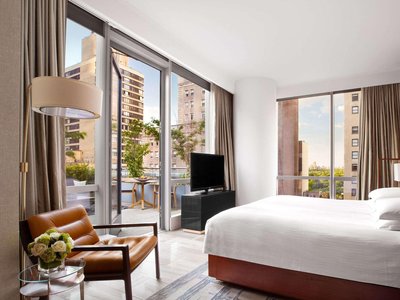
Park Hyatt New York
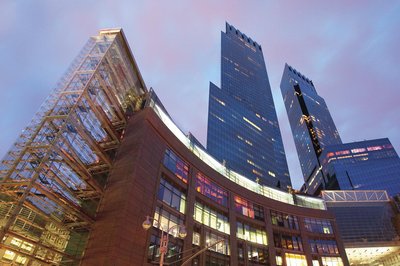
Mandarin Oriental New York
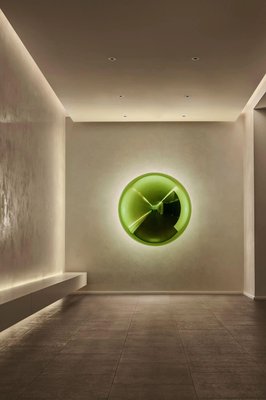
Times Square Edition New York

Loews Regency New York Hotel
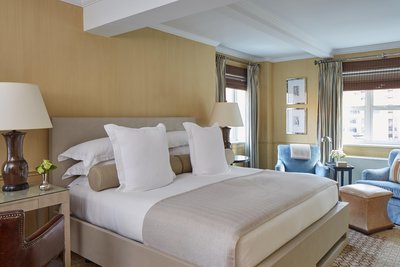
Lowell Hotel
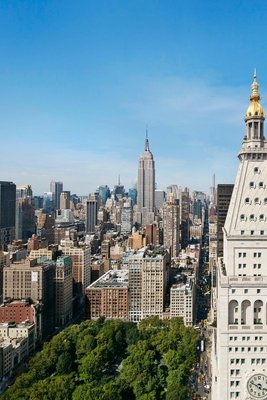
New York Edition
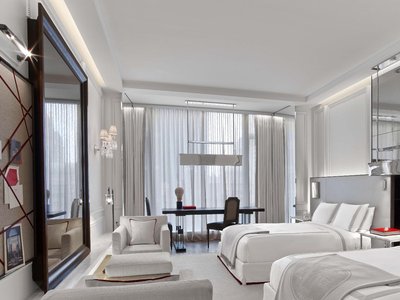
Baccarat Hotel New York

Equinox Hotel New York

Four Seasons Hotel New York Downtown
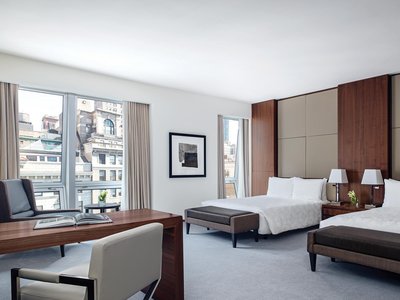
The Langham, New York, Fifth Avenue

The Carlyle, A Rosewood Hotel

The Chatwal, in the Unbound Collection by Hyatt

The Mark New York
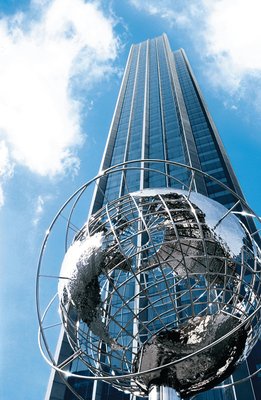
Trump International Hotel & Tower® New York
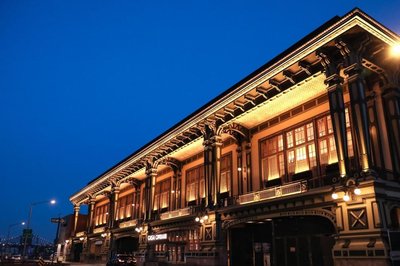
Casa Cipriani New York
Frequently Asked Questions about Traveling to nanyang
Questions You Might Need to Know About Traveling to nanyang
In Nanyo City, the top choice for a traditional onsen experience is Nanyo Onsen Ryokan, nestled at the foot of Kenshō Mountain. This authentic Japanese inn offers private outdoor baths, kaiseki cuisine made from local ingredients, and serene tatami rooms with mountain views. For modern comfort with onsen access, Holiday Inn Nanyo provides excellent amenities near Chōgai-ji Temple and the Mikuni Snow Festival site, blending convenience with cultural immersion.
The city center and Onsen Street district is ideal for travelers wanting proximity to major sights like Chōgai-ji Temple, Kenshō Mountain, and the Nanyo River. Staying here allows easy walking access to historical sites, nature trails, and seasonal events. The area also features cozy restaurants serving regional specialties such as Yamagata beef and local sake, making it perfect for both day trips and overnight stays.
Must-try cultural experiences include visiting Chōgai-ji Temple, a 1,000-year-old Buddhist sanctuary famed for its cherry blossoms and autumn foliage. Don’t miss the Mikuni Snow Festival held every December, featuring massive snow sculptures that showcase local craftsmanship. Guests can also participate in pottery workshops at the Nanyo Ceramics Studio, where they craft their own traditional earthenware using techniques passed down through generations.
Nanyo City boasts some of Yamagata Prefecture’s finest hot springs, thanks to abundant geothermal activity. The Nanyo Onsen waters are rich in minerals and known for their skin-soothing properties. Many ryokans offer rotenburo (outdoor baths) surrounded by forest or mountain scenery. Stay at Kenshō Onsen Guesthouse for a private soaking experience under the stars, combining relaxation with breathtaking natural beauty.
Yes, Nanyo City is highly suitable for families. Attractions like Nanyo River Children's Nature Park feature interactive streams and wildlife observation points perfect for kids. The Mikuni Snow Park offers safe snow activities and family-friendly snow huts. Most inns provide family rooms, children’s yukata, and kid-friendly meals, ensuring a comfortable and memorable stay for all ages.
Must-try local dishes include Yamagata beef—known for its marbled texture and melt-in-the-mouth quality—best enjoyed at Akaiya Restaurant. Sample local sake brewed with mountain spring water, which pairs beautifully with seafood. Also try buckwheat noodles served with a savory broth and fresh mountain vegetables. Don’t miss the local twist on Nara Chazuke rice, a comforting dish often served with seasonal greens and miso.
Absolutely. Nanyo City lies in northern Yamagata Prefecture, bordered by Kenshō Mountain and the Nanyo River, offering stunning seasonal scenery. In autumn, the mountains blaze with red and gold foliage; winter brings snow-dusted forests resembling a fairy tale. Hike along the Nanyo River Trail or visit the Kenshō Mountain Overlook for panoramic views of valleys and distant peaks—perfect for nature lovers and photographers alike.
Yes, transportation is well-connected. Travelers can reach Nanyo City via the Tohoku Shinkansen to Yamagata Station, then transfer to a local bus in about 30 minutes. Regular sightseeing buses link key sites like Chōgai-ji Temple, Mikuni Snow Festival, and Kenshō Mountain. Rental cars are also readily available, ideal for exploring multiple locations at your own pace.
Top photo spots include the Chōgai-ji Temple gate and vermilion torii archway framed by cherry blossoms or autumn leaves. The Kenshō Mountain Lookout offers sweeping views of the valley and misty peaks—ideal for sunrise shots. During the Mikuni Snow Festival, giant snow sculptures lit up at night create magical backdrops. The wooden bridge and old-style houses along the Nanyo River also provide charming, rustic scenes perfect for candid photography.
The best time to visit is late autumn (late October to mid-November) when Kenshō Mountain displays vibrant maple colors, and Chōgai-ji Temple becomes a photogenic haven. Winter (December to February) is also exceptional, coinciding with the Mikuni Snow Festival, where illuminated snow sculptures transform the town into a winter wonderland. Spring and summer offer pleasant weather and greenery, though expect higher rainfall and crowds during peak seasons.
nanyang Overview
City Summary
Nanyo City, located in the southern part of Yamagata Prefecture, Japan, is renowned for its hot springs and natural scenery. With rich historical culture, especially the famous Akahayu Onsen and Oitama Sakura Kaido, it attracts numerous visitors. The tranquil atmosphere and traditional Japanese charm make it an ideal getaway from urban chaos.
Must-See Attractions
Must-see attractions in Nanyo City include Akahayu Onsen, known for its high-quality hot springs perfect for relaxation. The Oitama Sakura Kaido offers breathtaking cherry blossom views in spring. Don't miss the Nanyo City Historical Folk Museum to learn about local history and culture.
Food Guide
Nanyo's cuisine highlights local ingredients. Try Akahayu Ramen, featuring rich broth and chewy noodles. Yamagata Beef is another standout, known for its tenderness. Street snacks like soy sauce dango and grilled rice cakes are also popular.
Transportation Guide
Nanyo's transportation relies mainly on buses and trains. Take the JR Ou Main Line from Yamagata City to Akayu Station (about 30 minutes). City buses are convenient for reaching attractions. Consider the Yamagata Prefecture Pass for regional travel. Renting a car is great for exploring rural areas.
Best Time to Visit
The best time to visit is spring (April-May) for cherry blossoms and mild weather. Autumn (September-November) offers stunning foliage. Summers are hot, and winters are cold, but hot springs are especially soothing then.
Travel Tips
- Cleanse your body before entering hot spring baths.
- Respect local customs by keeping noise levels low.
- Carry cash as some small shops don't accept cards.
- Book accommodations early during cherry blossom season.
- Observe traffic rules, especially at crosswalks.
- Learn basic Japanese greetings for smoother interactions.
Useful Information
The official language is Japanese, with some tourist spots offering English information. Public WiFi is limited; consider a local SIM or portable WiFi. Cash is preferred, though some stores accept cards. Emergency number is 119. Travel insurance is recommended.