Hotels in Naoshima
Discover your perfect stay in Naoshima.
Naoshima(Japan) Travel 2026: Cheap Flights, Hotels & Top Attractions
Popular Landmarks in Naoshima
Discover the most iconic attractions in Naoshima
Recommended Hotels in Naoshima
Find the perfect place to stay in Naoshima
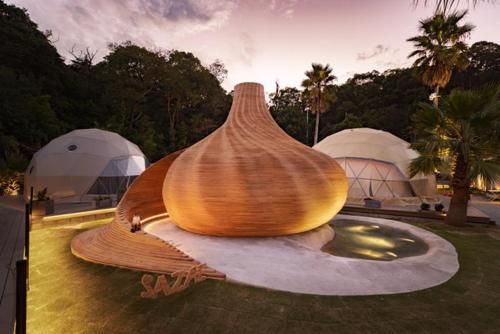
Sana Mane - Glamp Domes
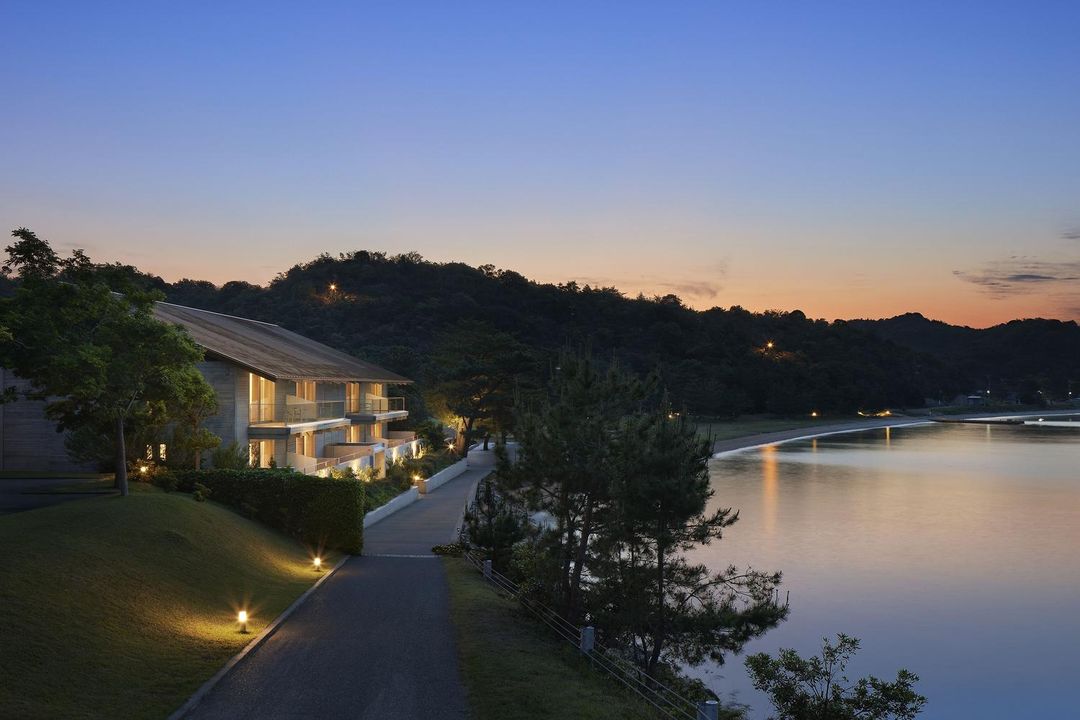
Benesse House
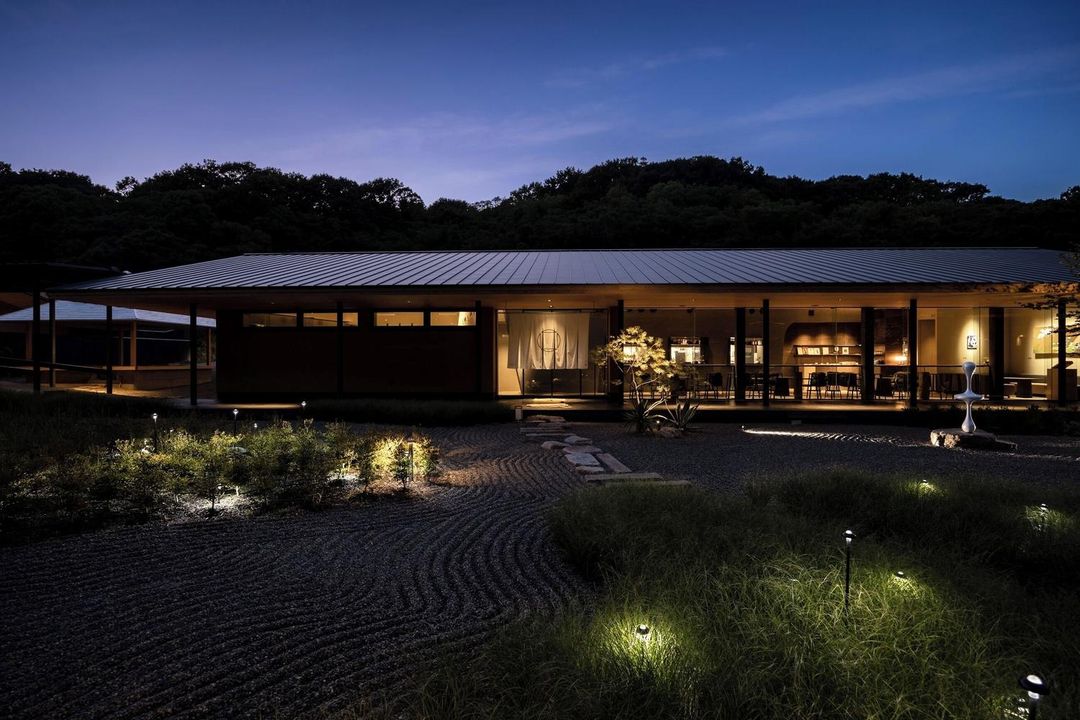
Naoshima Ryokan
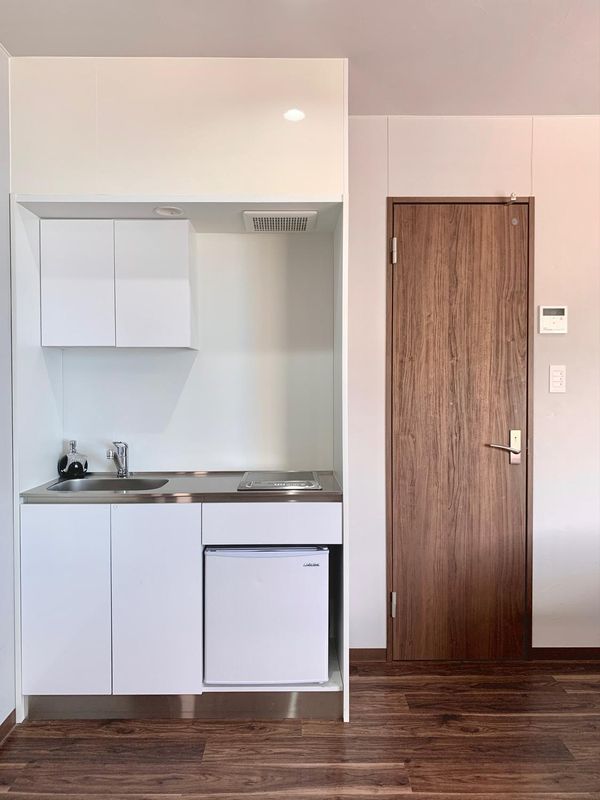
Sparky’s House
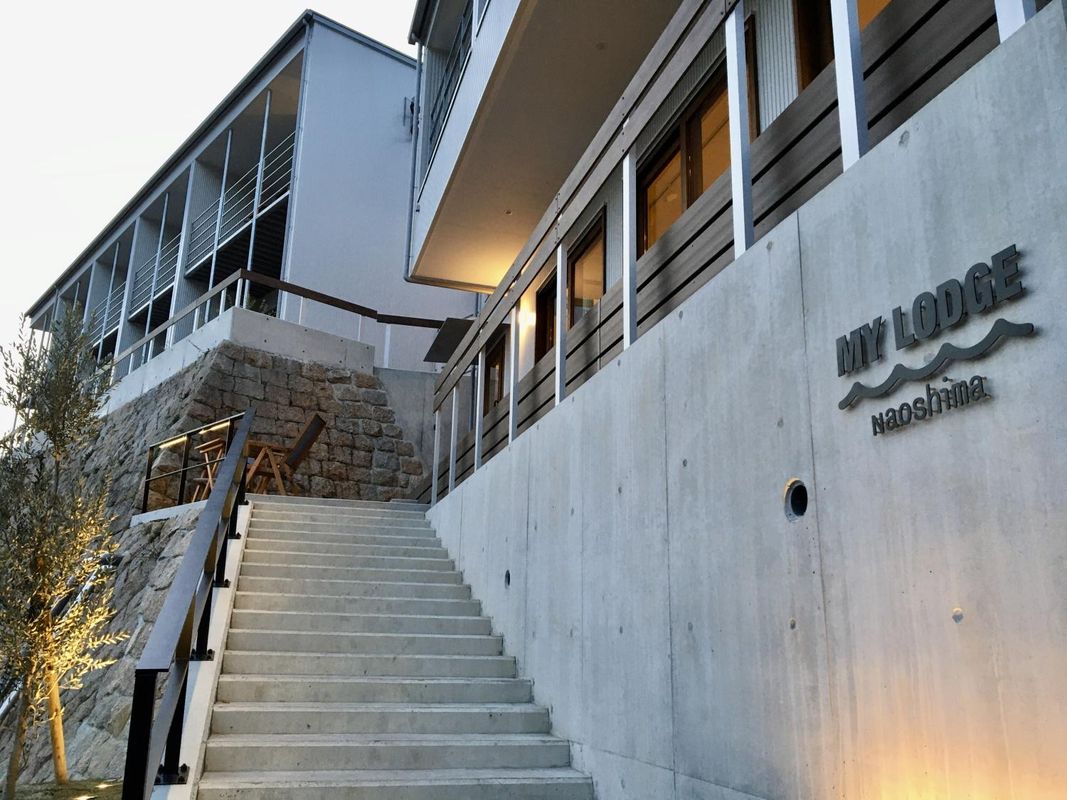
MY Lodge Naoshima
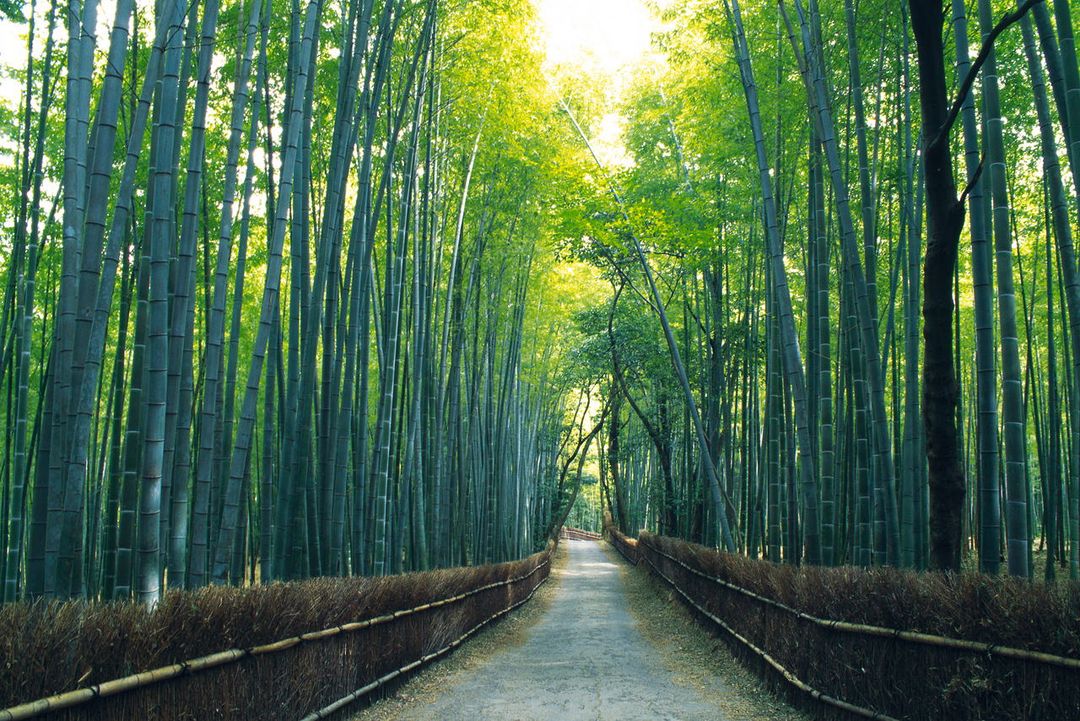
Minshuku Takenoya
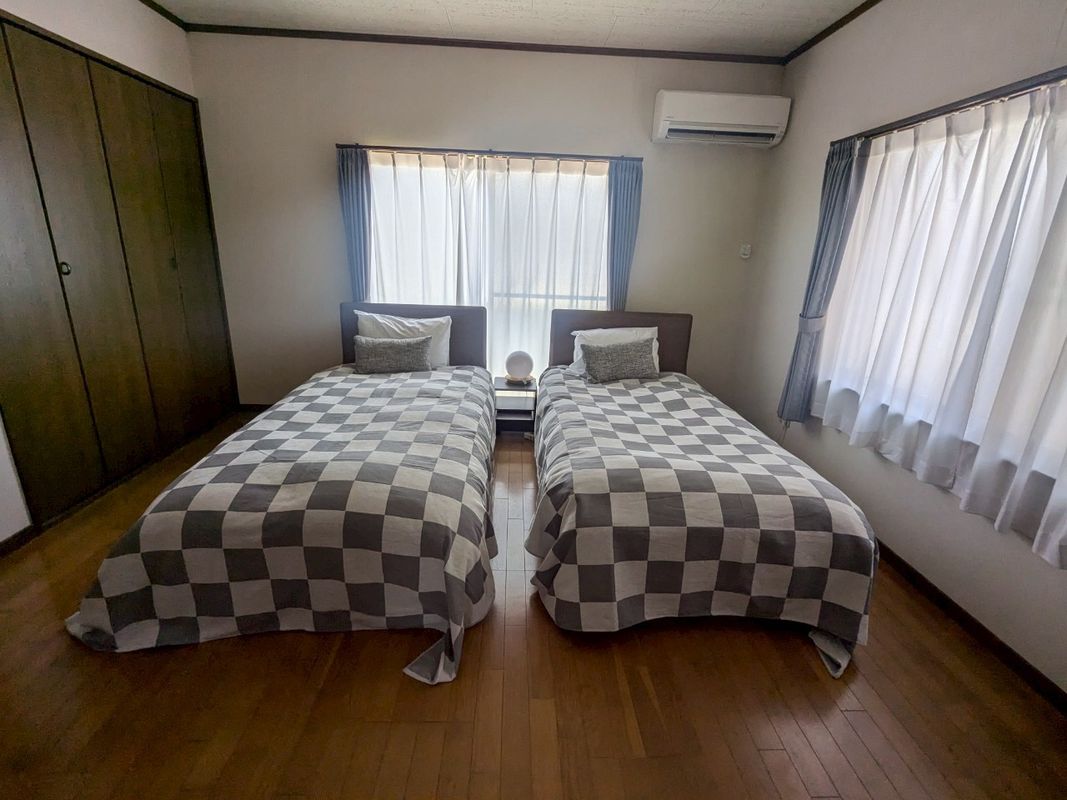
Episode1
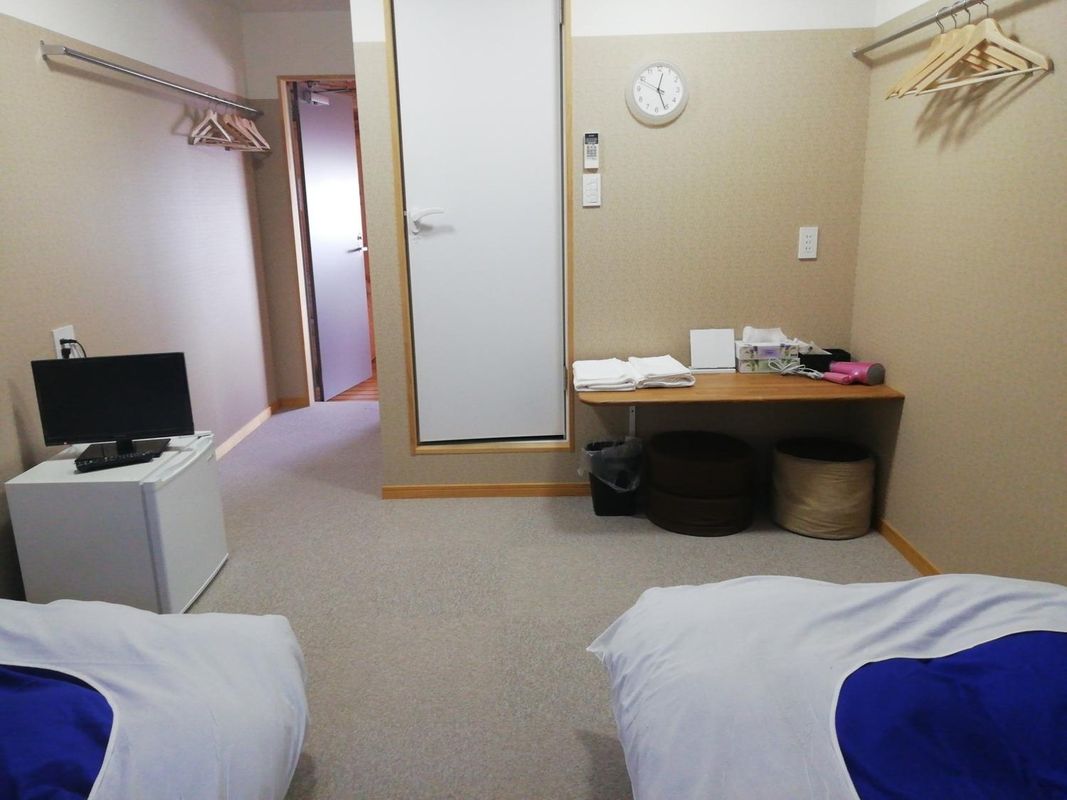
Naoshima Accommodation Menyado Ura
Best Hotels in Naoshima
Discover curated hotel collections in Naoshima
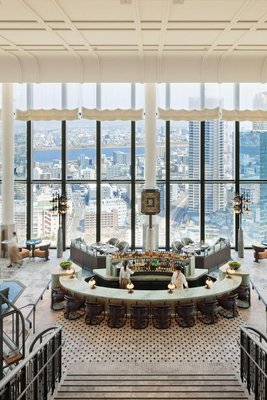
Waldorf Astoria Osaka
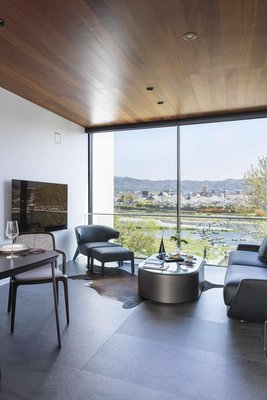
Kamo Residences by Reflections
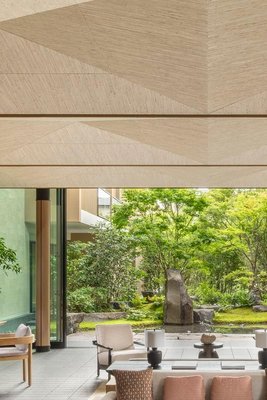
Six Senses Kyoto
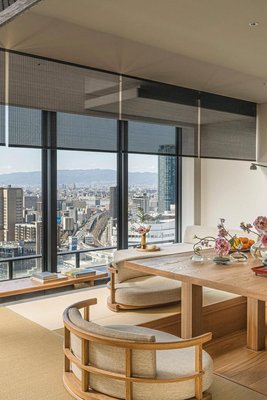
Four Seasons Hotel Osaka
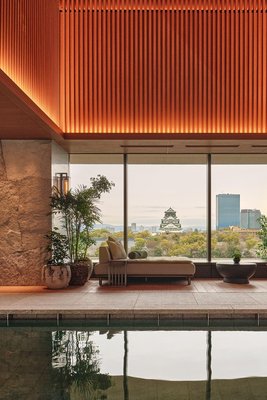
Patina Osaka
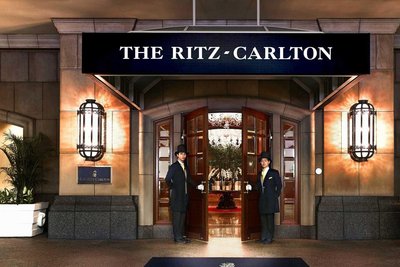
The Ritz-Carlton, Osaka
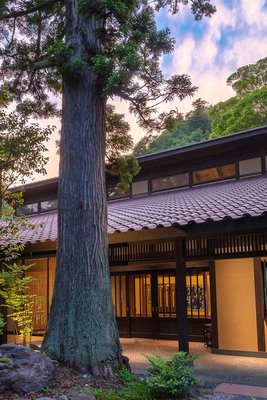
Arimasansoh Goshobessho
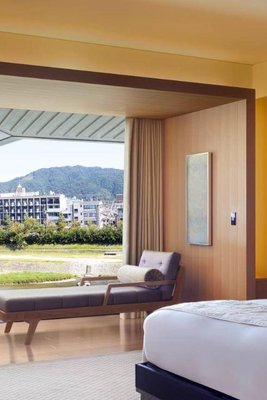
The Ritz-Carlton, Kyoto
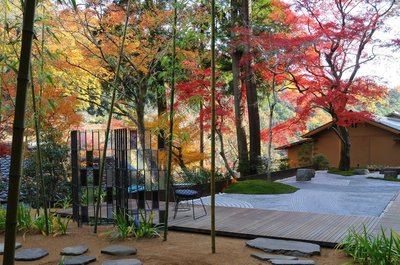
HOSHINOYA Kyoto
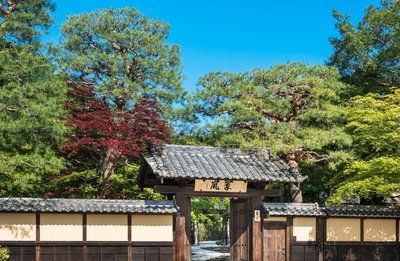
Suiran, a Luxury Collection Hotel, Kyoto
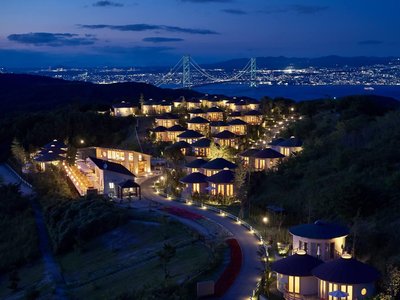
Grand Chariot Hokutoshichisei 135°
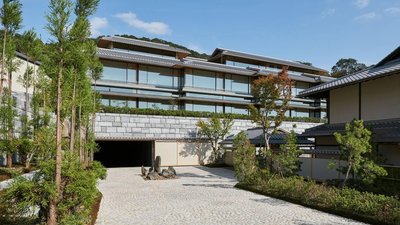
Park Hyatt Kyoto
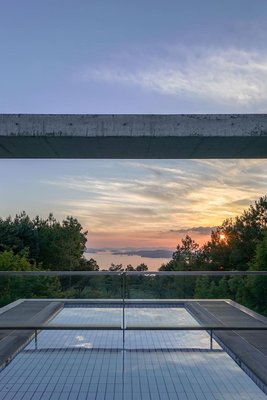
SETOUCHI RETREAT by Onko Chishin
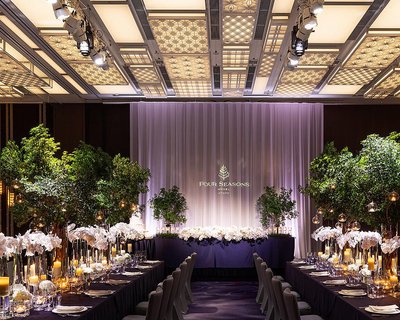
Four Seasons Hotel Kyoto
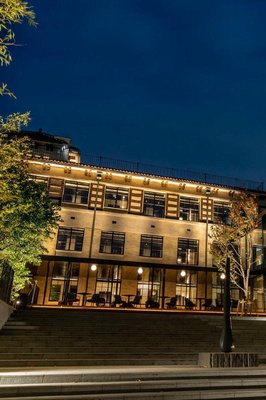
The Hotel Seiryu Kyoto Kiyomizu - a Member of the Leading Hotels of the World-
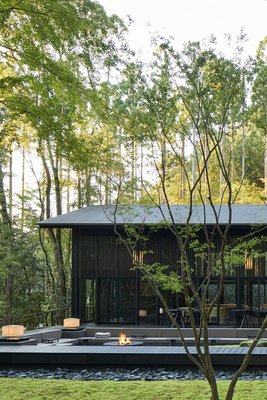
Aman Kyoto
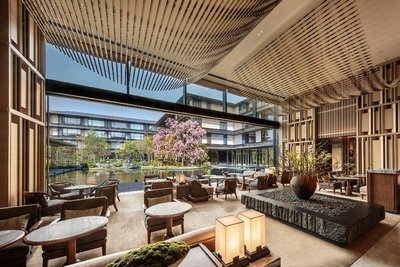
Hotel the Mitsui Kyoto, a Luxury Collection Hotel & Spa
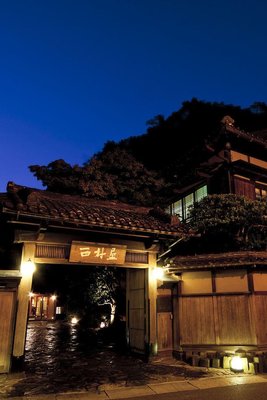
Nishimuraya Honkan
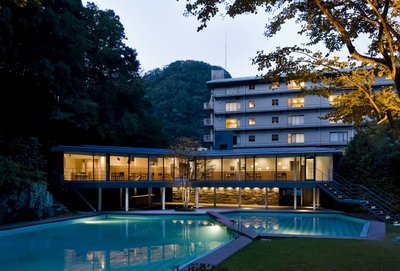
Kinosaki Onsen Nishimuraya Hotel Shogetsutei
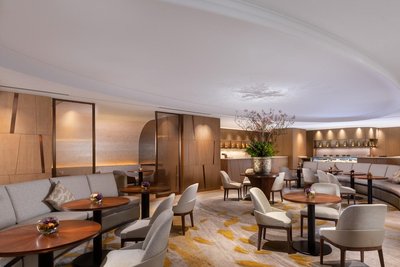
The Westin Miyako Kyoto (KASUI-EN)
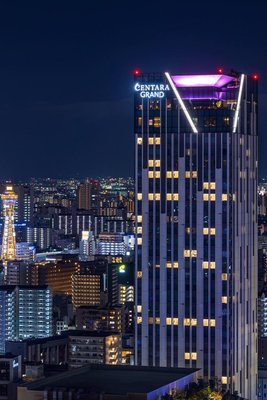
Centara Grand Hotel Osaka
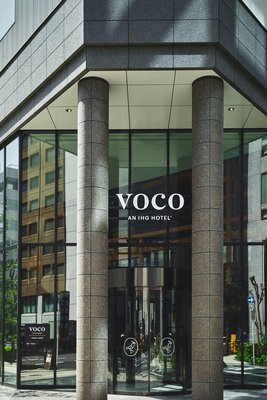
voco Osaka Central
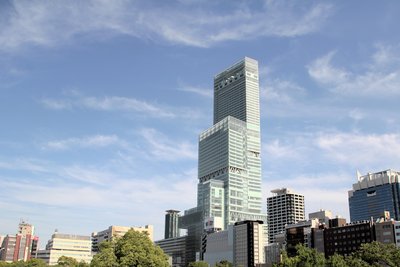
Osaka Marriott Miyako Hotel
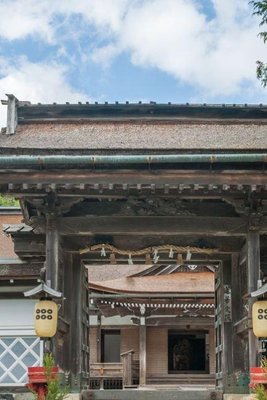
Koyasan Rengejoin
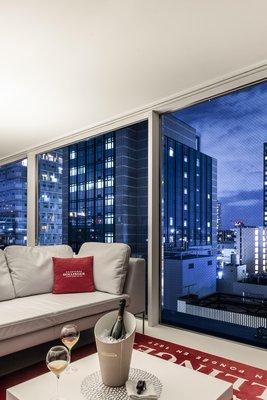
CUVÉE J2 HOTEL OSAKA by Onko Chishin
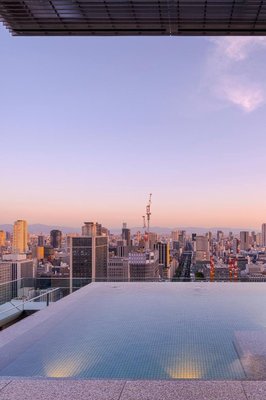
Candeo Hotels Osaka The Tower
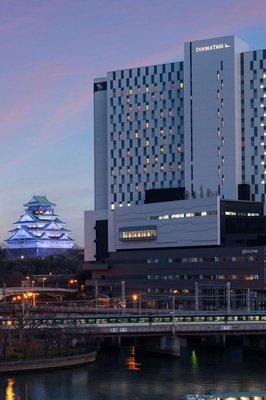
DoubleTree by Hilton Osaka Castle
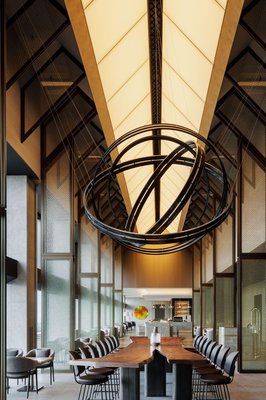
The Osaka Station Hotel, Autograph Collection
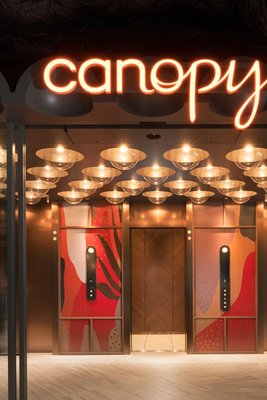
Canopy by Hilton Osaka Umeda
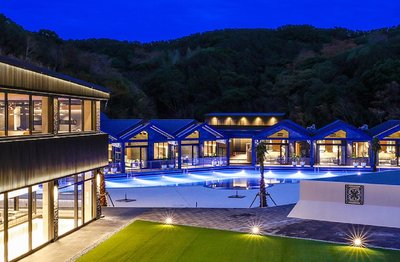
FIVE SPRING RESORT THE SHIRAHAMA
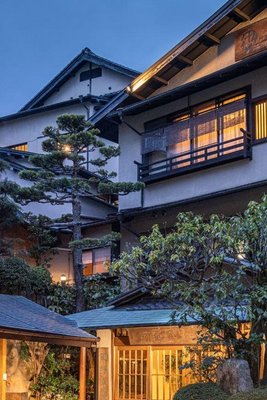
Arima Onsen Tocen Goshobo
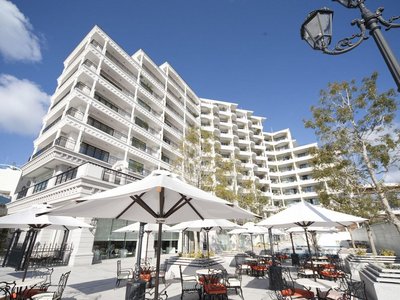
Hotel La Suite Kobe Harborland
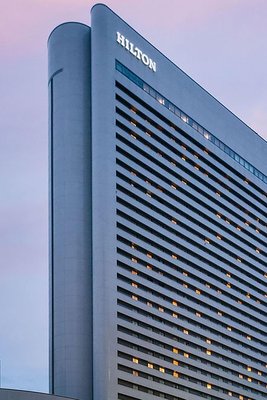
Hilton Osaka Hotel
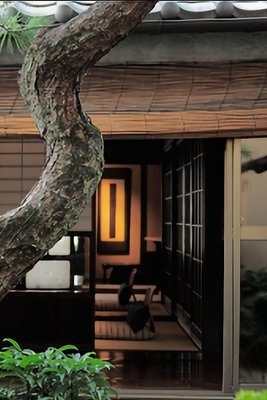
Shimayado Mari

AoAwo Naruto Resort
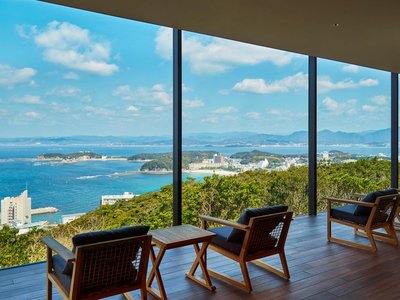
Infinito Hotel and Spa
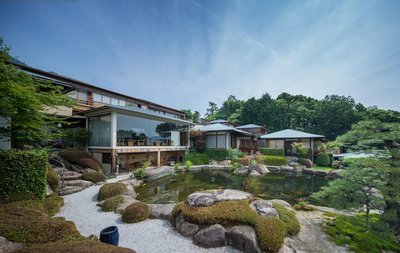
SEKITEI

Yamatoya Besso
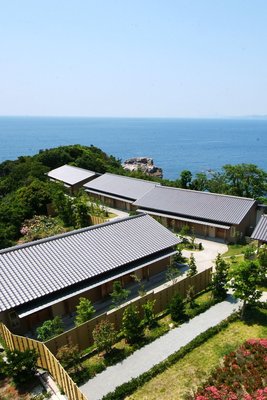
Hamachidorinoyu Kaisyu
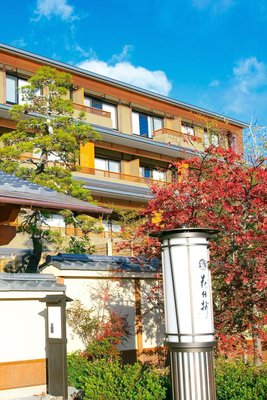
Kyoto Arashiyama Onsen Kadensho (Kyoritsu Resort)
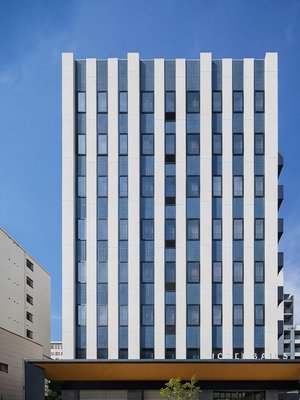
Hotel Sails
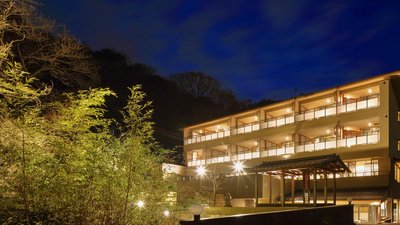
Okuno Hosomichi
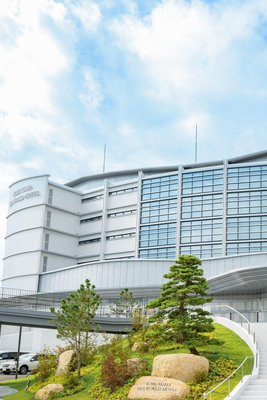
Kobe Suma Sea World Hotel
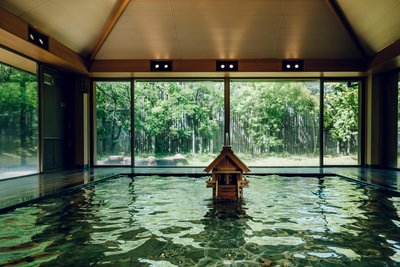
Hoshino Resorts KAI Tamatsukuri
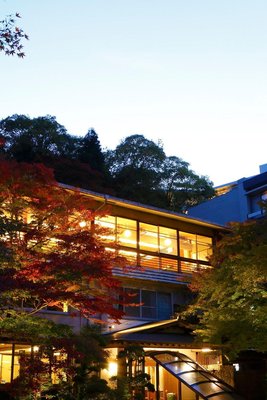
Negiya Ryofukaku
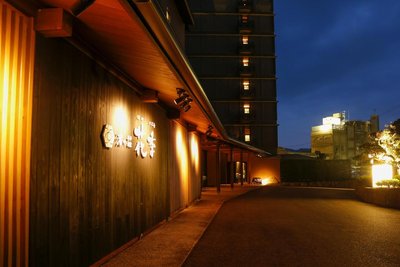
Hanagoyomi
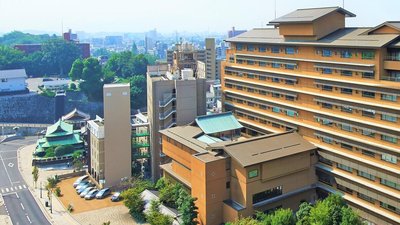
Yamatoya Honten
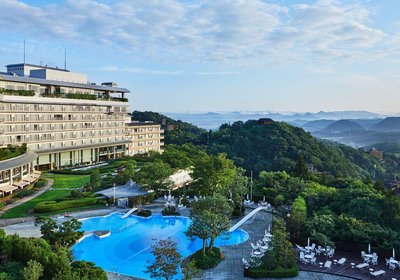
Arima Grand Hotel
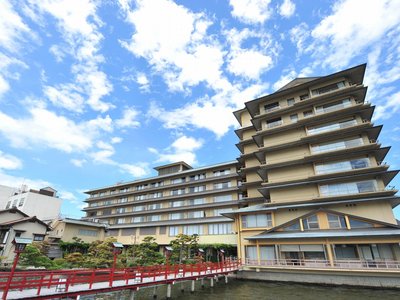
Bokoro Ryokan
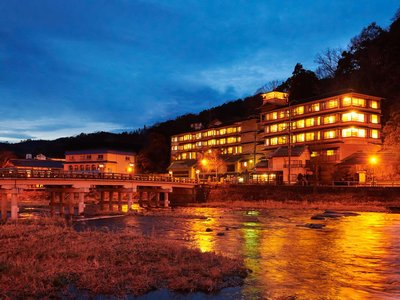
Mansuirou
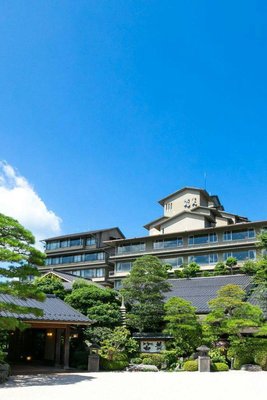
Kasuien Minami
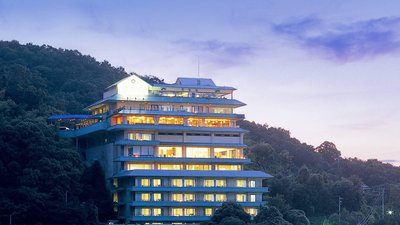
Hotel Hanajyukai
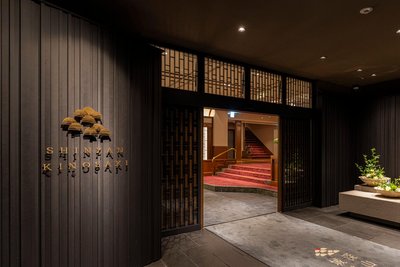
Shinzan Kinosaki
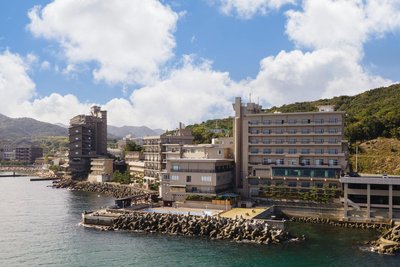
Awakan
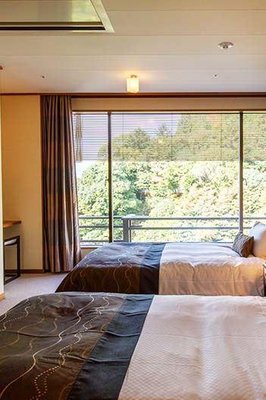
Nakanobo Zuien (Adult Only)
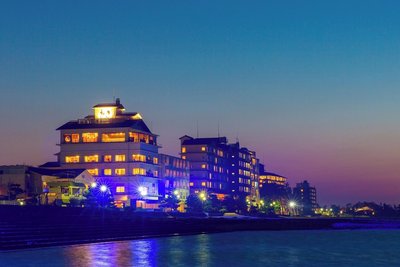
Kaike Shogetsu
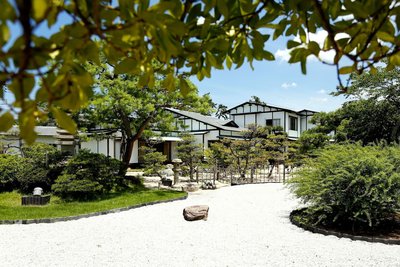
Kaike Fuga
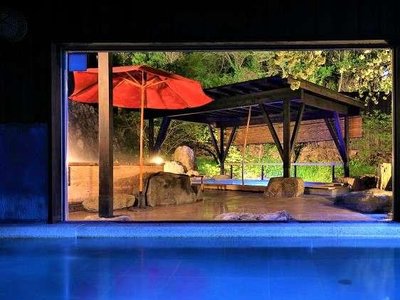
Sodayama Onsen Wa Yawaragi
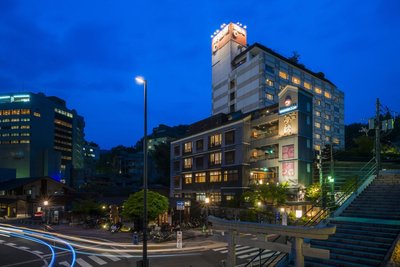
Chaharu Hanare Dogo Yumekura
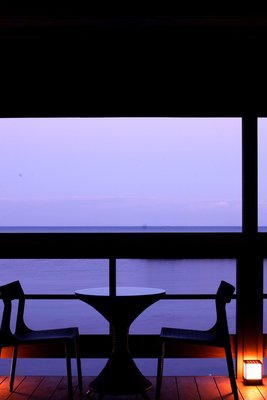
Amahara
Okuno Hosomichi
Arimasansoh Goshobessho
Hoshino Resorts KAI Tamatsukuri
Negiya Ryofukaku
Arima Onsen Tocen Goshobo
Hanagoyomi
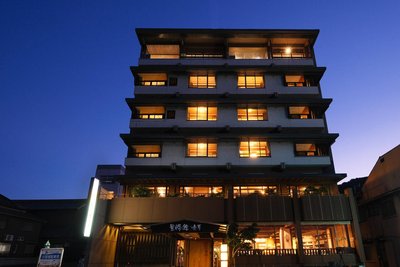
Keishokan Sazanamitei
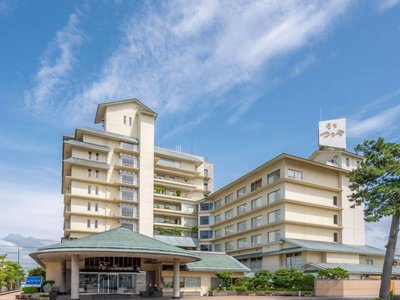
Kaike Tsuruya
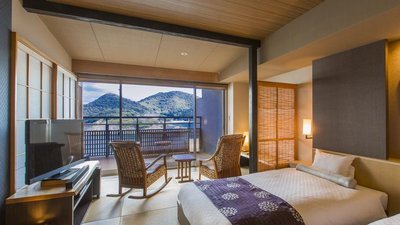
Migiwatei Ochi Kochi
Yamatoya Honten
Arima Grand Hotel
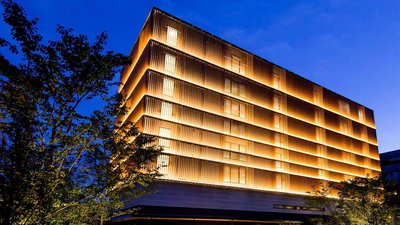
Dogo Miyu
Yamatoya Besso
Bokoro Ryokan
Mansuirou
Kasuien Minami
Hotel Hanajyukai
Nakanobo Zuien (Adult Only)
Kaike Shogetsu
Kaike Fuga
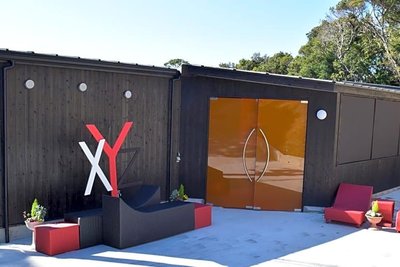
XYZ Private Spa and Seaside Resort
Osaka Marriott Miyako Hotel
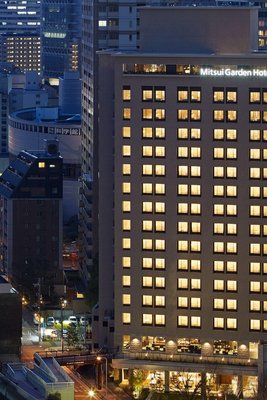
Mitsui Garden Hotel Osaka Premier
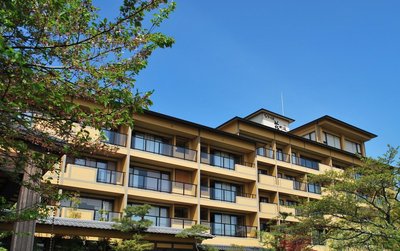
BIWAKO HANAKAIDO
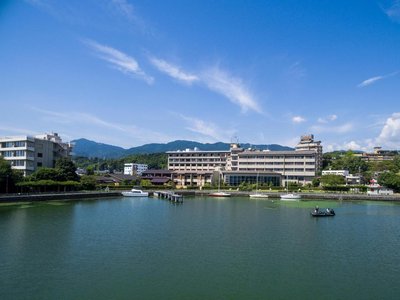
Biwako Ryokusuitei
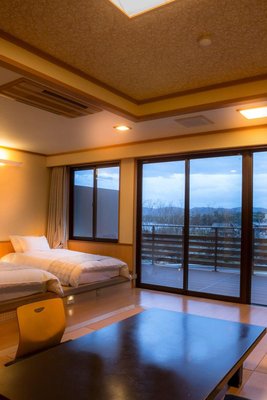
Hotel Kitanoya
Hanagoyomi
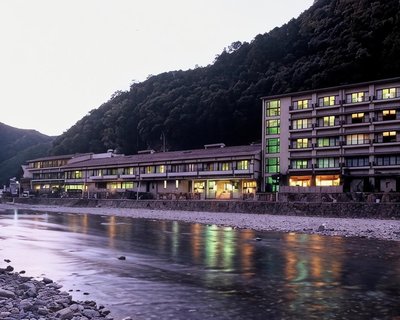
Kawayu Onsen Fujiya
Hotel La Suite Kobe Harborland
AoAwo Naruto Resort
Infinito Hotel and Spa
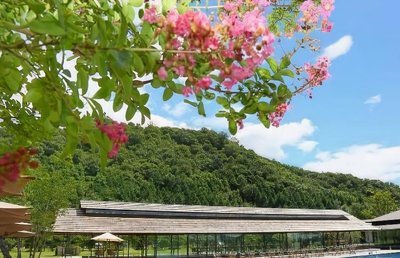
Bella Vista Spa and Marina Onomichi
Hamachidorinoyu Kaisyu
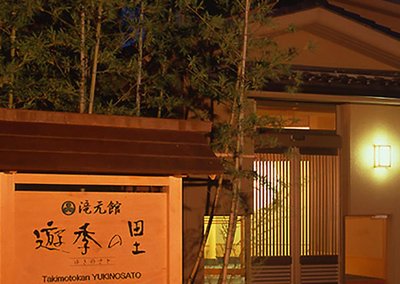
Takimotokan Yuki No Sato
Kaike Shogetsu
The Ritz-Carlton, Kyoto
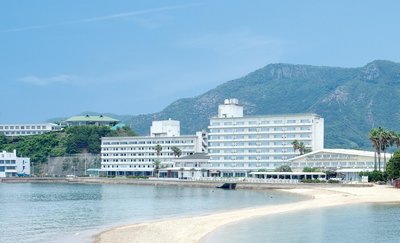
Shodoshima International Hotel
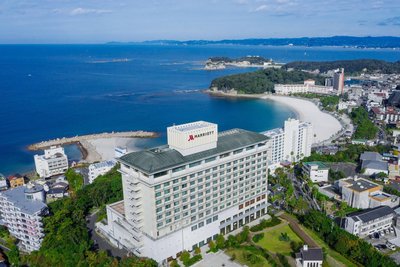
Nanki-Shirahama Marriott Hotel
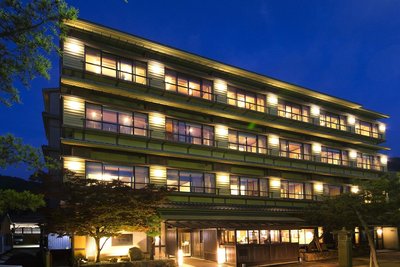
Kinsuikan
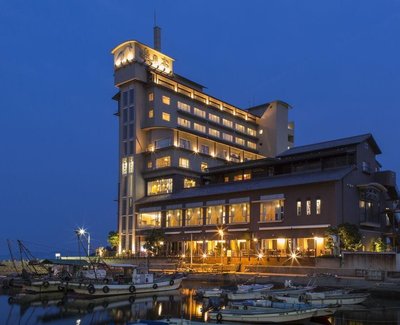
Hotel Ofutei
Osaka Marriott Miyako Hotel
The Ritz-Carlton, Osaka
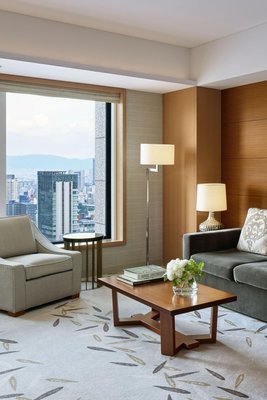
InterContinental Hotel Osaka
The Ritz-Carlton, Kyoto
Suiran, a Luxury Collection Hotel, Kyoto
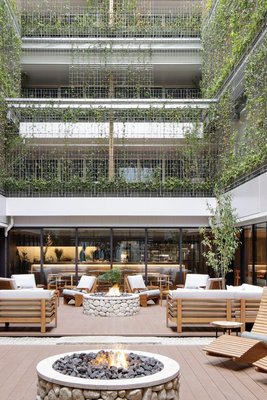
GOOD NATURE HOTEL KYOTO
Park Hyatt Kyoto
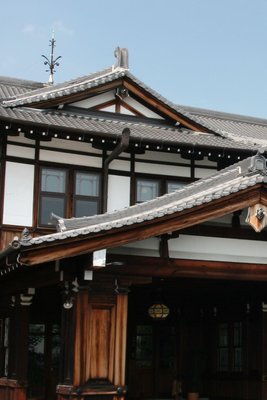
Nara Hotel
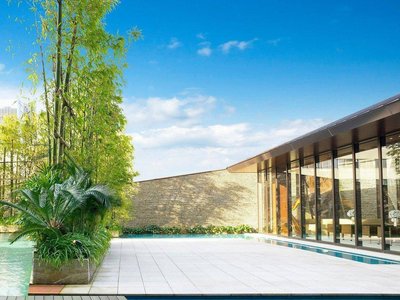
ORIENTAL HOTEL
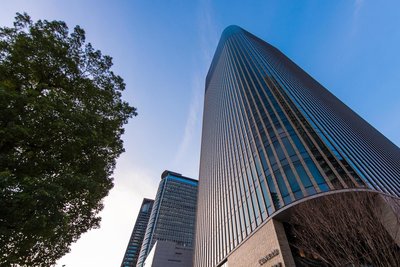
Conrad Osaka
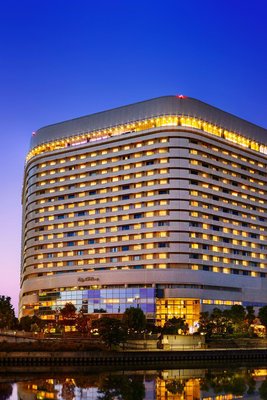
Hotel New Otani Osaka
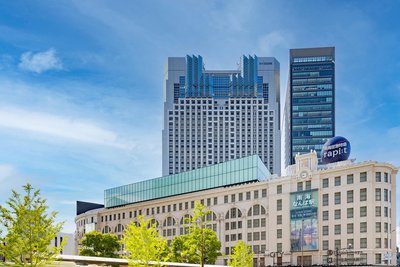
Swissotel Nankai Osaka
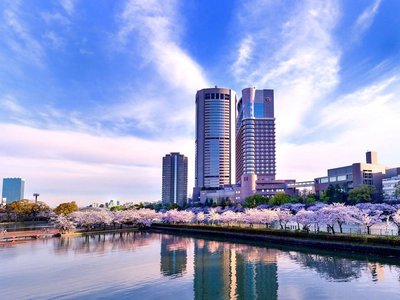
Imperial Hotel Osaka
The St. Regis Osaka
Frequently Asked Questions about Traveling to Naoshima
Questions You Might Need to Know About Traveling to Naoshima
In Naoshima Town, the premier art-focused hotel is Art Hotel Naoshima, housed in a renovated old clinic near the Benesse Art Site Naoshima. Each room features rotating installations by local and international artists, and guests receive curated access to nearby landmarks like Lee Ufan Museum and Tadao Ando’s Chichu Art Museum. The hotel also hosts artist talks and evening light projections on the sea, offering immersive experiences tied to the Setouchi Triennale. Rooms with ocean views provide breathtaking sunrises over the Inland Sea—perfect for photography and reflection.
The best area for accommodations in Naoshima Town is Honmura (Main Village), located just steps from the Naoshima Ferry Terminal and Benesse House Museum. This district hosts boutique stays like Art Hotel Naoshima and Museum Inn Honmura, all within walking distance of key cultural sites such as Lee Ufan Museum and Itochu Warehouse Art Space. The area blends quiet residential charm with easy access to art, dining, and nature, making it ideal for travelers seeking an authentic, tranquil base to explore the island’s artistic soul.
Must-visit art attractions on Naoshima Island include: Lee Ufan Museum, dedicated to the Korean minimalist artist’s site-specific works; Benesse House Museum, a luxury hotel-gallery hybrid showcasing contemporary art; Tadao Ando’s Chichu Art Museum, famed for its serene, light-filled galleries housing Monet’s water lilies; and Sculpture Park by Berthold Huber, featuring massive metallic installations blending with the coastal landscape. Each venue exemplifies the fusion of architecture, nature, and art central to the Setouchi Triennale experience.
Overnight visitors to Naoshima can enjoy unique cultural experiences such as attending artist-led workshops at Art Hotel Naoshima, including traditional Japanese paper lantern making using local washi. Nighttime light projection tours across the Inland Sea create mesmerizing visuals on water and cliffs during the Setouchi Triennale. Some guesthouses offer local farm-to-table dinners featuring fresh seafood and organic vegetables from Shikoku, often paired with storytelling about regional sustainability—deepening connections between art, food, and community.
Yes, Naoshima Island offers several family-friendly accommodations. Art Hotel Naoshima provides spacious family rooms with children’s art kits and safe outdoor courtyards. Honmura Homestay Villas feature private cottages with kitchenettes and gardens, perfect for longer stays. Many venues offer kids’ scavenger hunts to find hidden sculptures around the island. Ferry services include child-friendly seating, and all major art sites have wheelchair access and nursing rooms—ensuring a stress-free, enriching experience for families.
To reach Naoshima Island from Takamatsu City, take a ferry from Takamatsu Port to Naoshima Terminal, a 30-minute ride with multiple daily departures. Tickets can be purchased at the port or through the JR Takamatsu Station Tourist Information Center. Upon arrival, rent an electric bicycle to explore the island or walk to nearby art sites. Some hotels, like Art Hotel Naoshima, offer complimentary shuttle services from the dock—ideal for travelers with luggage.
The Setouchi Triennale is held every three years, with the most recent edition in 2022 and the next scheduled for 2025. During this event, Naoshima transforms into a dynamic open-air gallery with temporary installations by global artists such as Yayoi Kusama and Takashi Murakami. Even outside festival periods, permanent exhibitions remain open at venues like Lee Ufan Museum and Chichu Art Museum. Visiting in spring or autumn offers mild weather and fewer crowds, ideal for deep immersion in art and nature.
Local specialties in Naoshima include Sanuki Udon (made with locally milled buckwheat flour), fresh Seto Inland Sea sea urchin rice bowls, and Naoshima Tangerines—sweet and juicy, perfect as souvenirs. Try them at Honmura Soba Restaurant, a former farmhouse turned rustic eatery with seasonal menus emphasizing “one local ingredient per day.” Some art hotels also offer artist-themed tasting events, where dishes are inspired by artworks, blending culinary art with visual storytelling.
Hotel prices on Naoshima Island vary from ¥8,000 to ¥15,000 JPY (~$50–$95 USD) per night for standard guesthouses and boutique hotels like Art Hotel Naoshima. Premium art-hotel experiences can cost ¥18,000–¥30,000 JPY. Prices rise 20% during peak season (April–June, September–November) and surge further during the Setouchi Triennale. HopeGoo 3 months in advance is recommended, and many hotels offer bundled packages including ferry tickets and guided tours—offering better value for long-term visitors.
Best photo spots on Naoshima Island include the Lee Ufan Museum's white concrete structures and ethereal light corridors; Berthold Huber Sculpture Park, where massive metal forms reflect dramatically on the sea surface; and Tadao Ando’s Chichu Art Museum garden, with its precise stone paths and water mirrors. The Itochu Warehouse Art Space’s red-brick façade and glass dome also make striking backdrops. Visit early morning or late afternoon for soft, golden lighting that enhances the interplay between architecture, nature, and shadow—perfect for artistic compositions.
Naoshima Overview
City Summary
Naoshima is a small island in Kagawa Prefecture, Japan, globally renowned for its unique fusion of art and nature. As the core venue of the "Setouchi International Art Festival," it features iconic art installations like Yayoi Kusama's pumpkin sculptures and the Chichu Art Museum. The tranquil atmosphere, combined with the azure waters of the Seto Inland Sea, makes it a paradise for art lovers and travelers seeking serenity.
Must-See Attractions
Must-see spots on Naoshima include Yayoi Kusama's "Red Pumpkin" and "Yellow Pumpkin" sculptures, which have become symbols of the island. The Chichu Art Museum seamlessly blends art with nature, showcasing Tadao Ando's stunning architecture. Additionally, the Benesse House Museum and Art House Project offer immersive experiences of art and community. The island's coastal scenery and cycling routes are also ideal for exploration.
Food Guide
Naoshima's cuisine focuses on fresh seafood, with local specialties like sea bream and Seto Inland Sea oysters. Cozy cafés and small restaurants serve Japanese set meals and home-style dishes. Don't miss the seafood bowls at "Naoshima Shokudo" or matcha and wagashi at seaside cafés.
Transportation Guide
Ferries from Takamatsu or Uno Port take 20-50 minutes to reach Naoshima. On the island, buses and rental bicycles are the main transportation options. Renting a bike is recommended for flexible exploration (note some steep slopes). Buses have limited schedules, so check timetables in advance. Taxis are scarce, but most attractions are within walking distance.
Best Time to Visit
The best times to visit are spring (March-May) and autumn (September-November), with pleasant weather for outdoor art exploration. Summers (June-August) are hot and humid but coincide with the Setouchi Art Festival. Winters are quieter, ideal for solitude seekers.
Travel Tips
- Respect artworks: Do not touch exhibits, and check photography rules.
- Carry cash: Some shops and art venues don't accept cards.
- Bike safely: Wear helmets and use lights at night.
- Waste disposal: Few trash bins; carry your trash.
- Book ahead: Reserve ferries and accommodations early during peak seasons.
- Sun protection: Summers are harsh; bring sunscreen and water.
Useful Information
Language: Japanese is primary; some art venues offer English guides. Internet: Free Wi-Fi in main areas but limited coverage. Payment: Cash preferred; few restaurants and museums accept cards. Medical: Naoshima Clinic handles minor issues; severe cases require returning to Takamatsu. Accommodation: Options are limited (e.g., Benesse House, guesthouses); book early. Voltage: 100V, Type A plugs (two flat pins).









