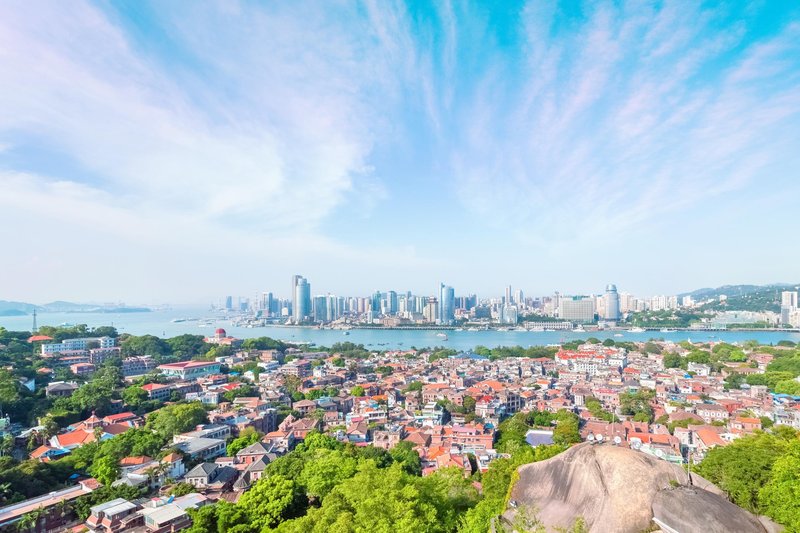
Hotels in Nara
Discover your perfect stay in Nara.
Nara(Japan) Travel 2026: Cheap Flights, Hotels & Top Attractions
Popular Landmarks in Nara
Discover the most iconic attractions in Nara
Recommended Hotels in Nara
Find the perfect place to stay in Nara
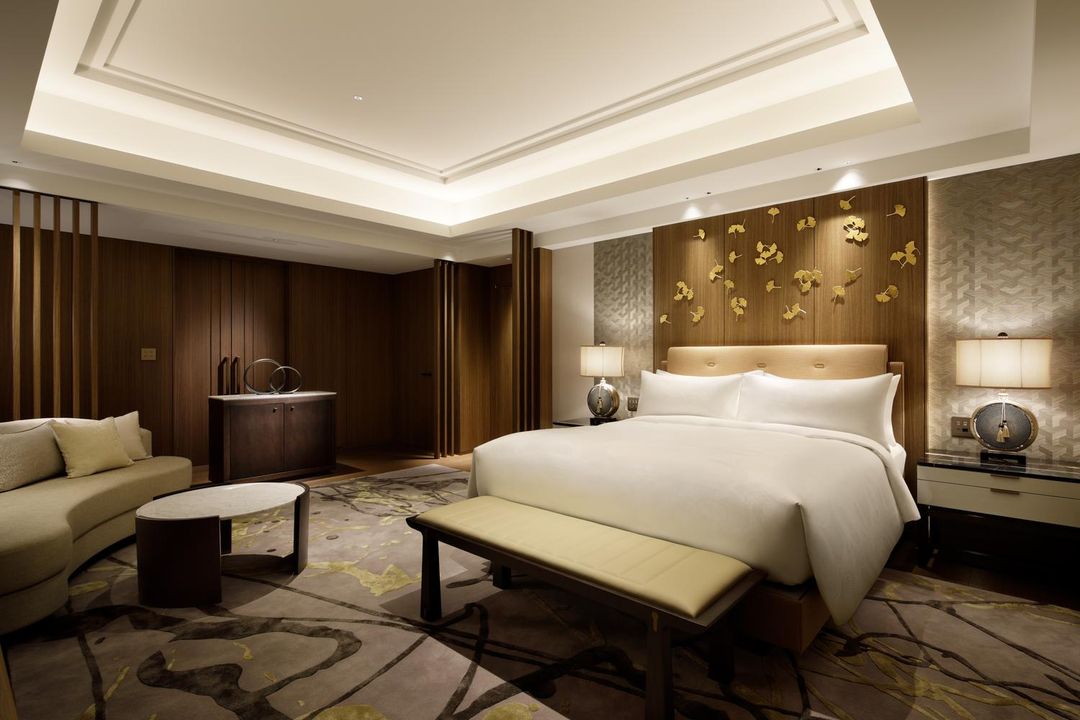
JW Marriott Hotel Nara

Novotel Nara
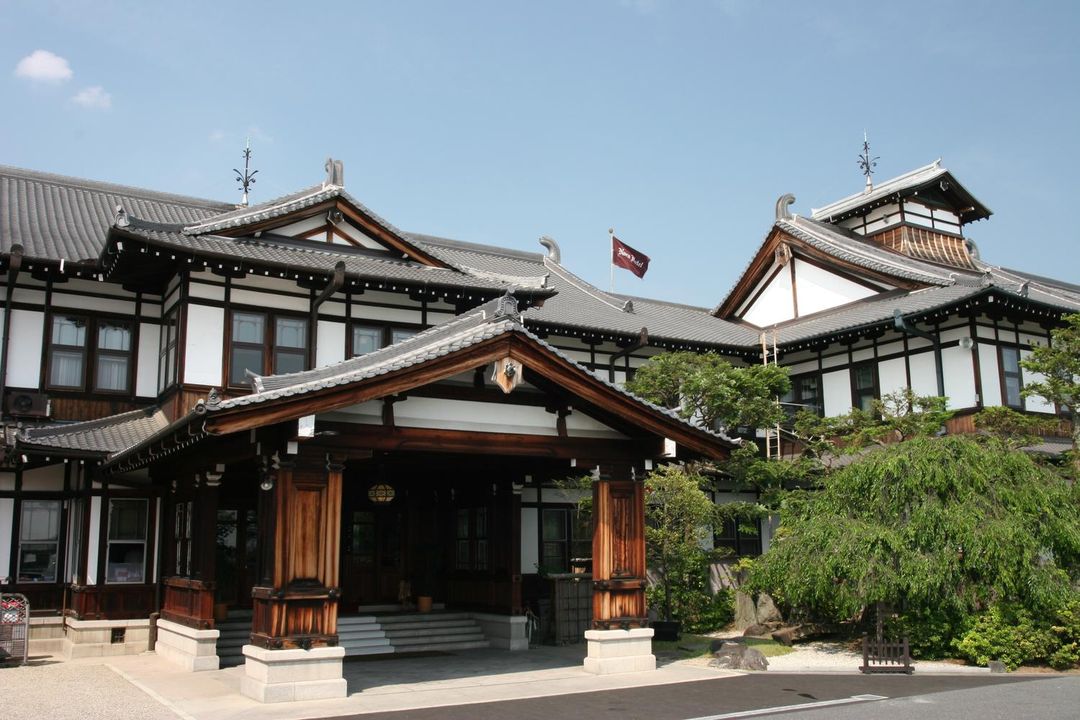
Nara Hotel
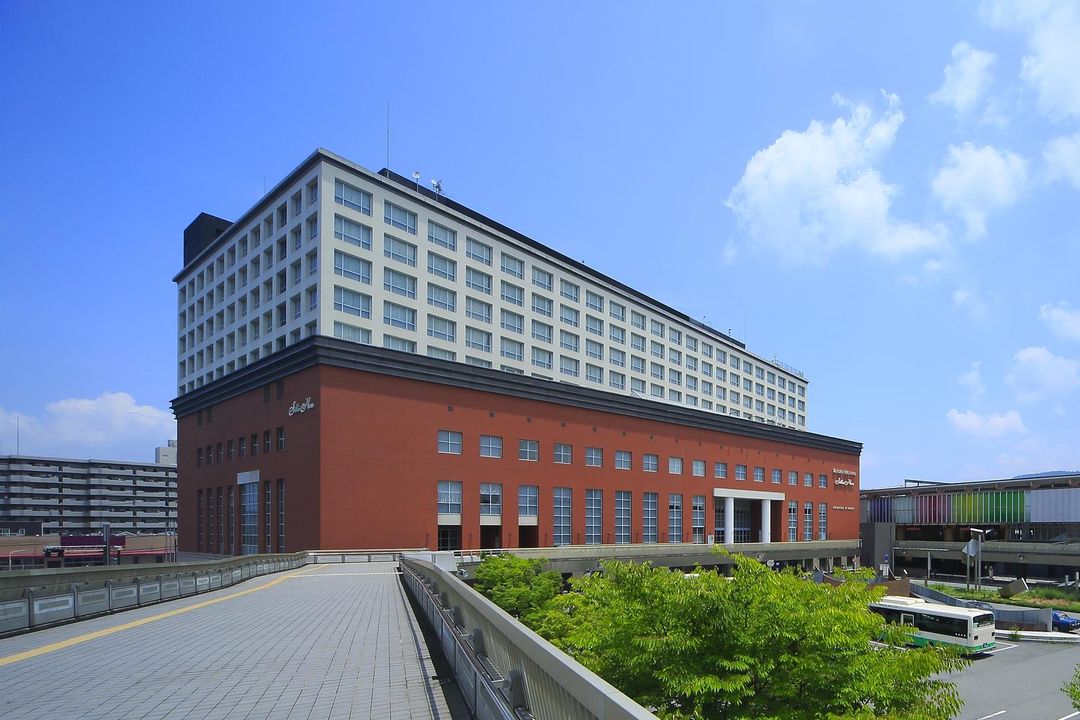
Hotel Nikko Nara
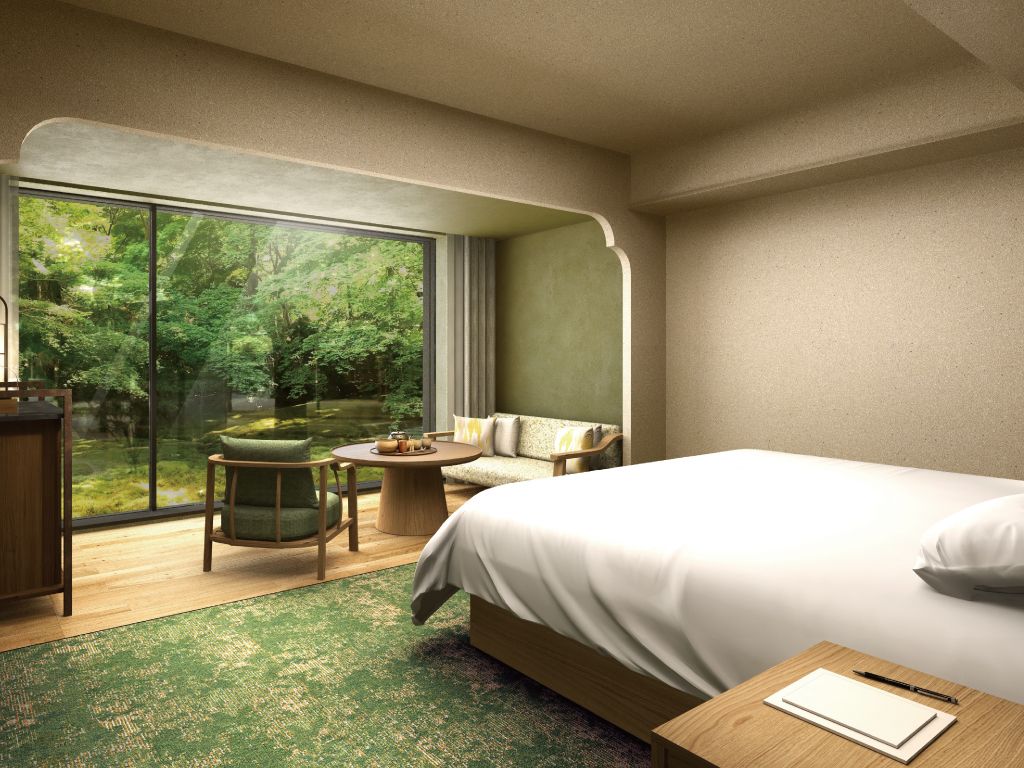
Shisui, a Luxury Collection Hotel, Nara
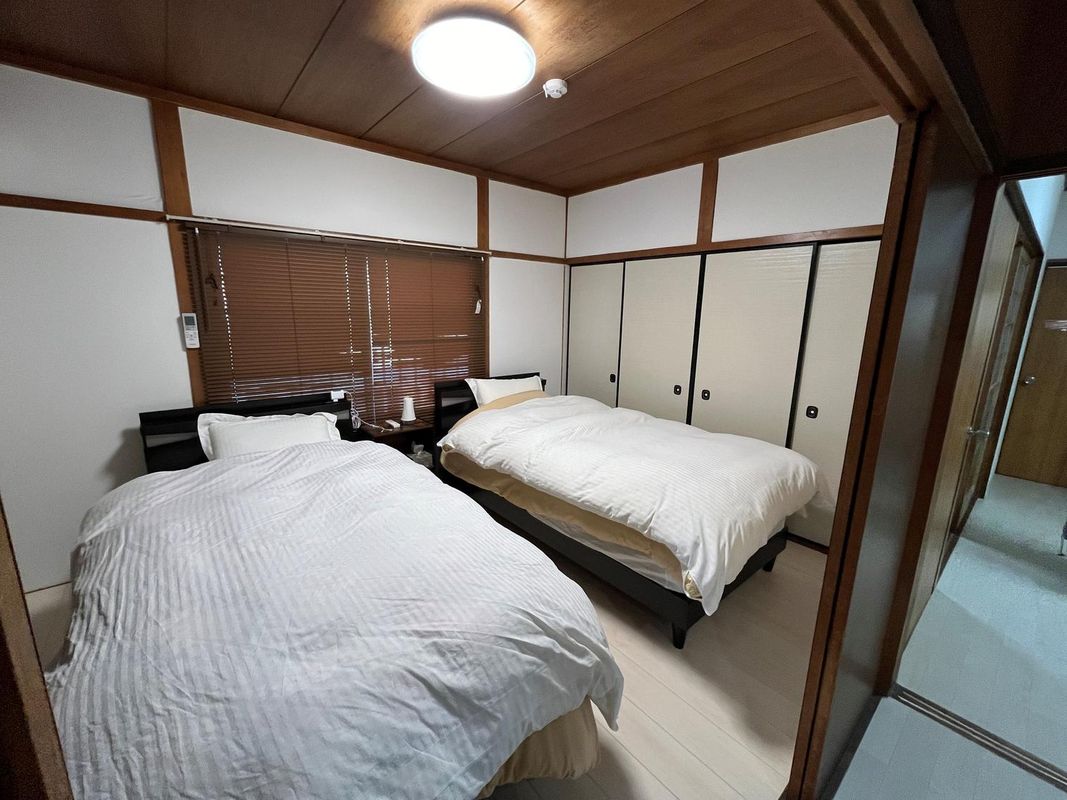
NARA PARK BLUE SKY
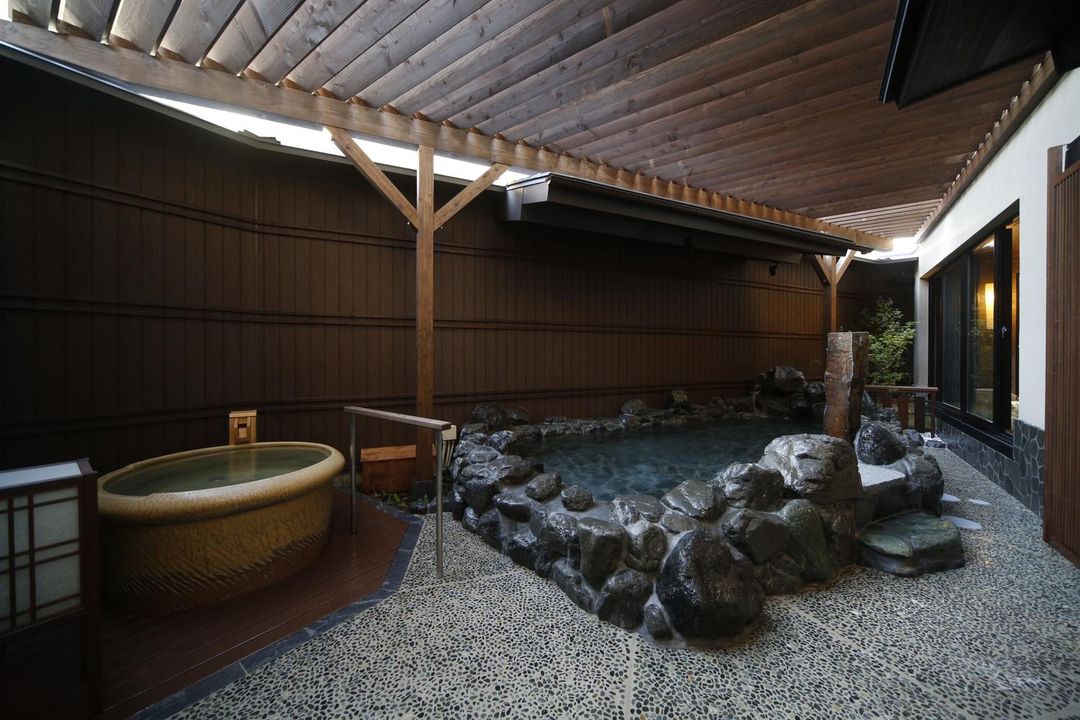
Onyado Nono Nara Natural Hot Spring
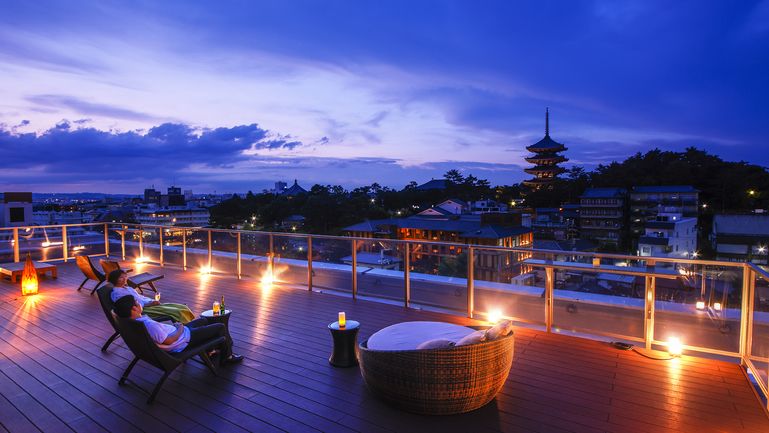
Ryokan Asukasou at the Entrancne of Nara Park
Best Hotels in Nara
Discover curated hotel collections in Nara
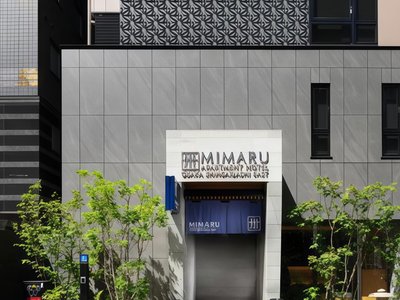
MIMARU Osaka Shinsaibashi East
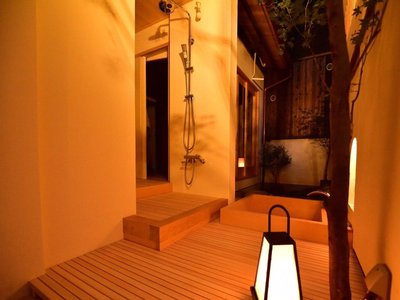
Yado Kiramachi
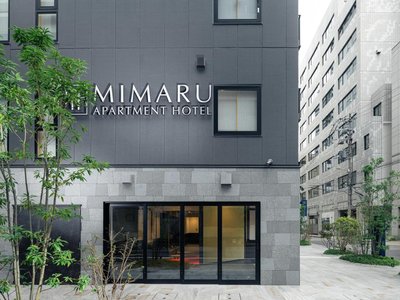
MIMARU Osaka Shinsaibashi North
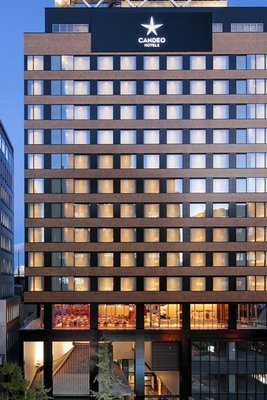
Candeo Hotels Osaka Shinsaibashi
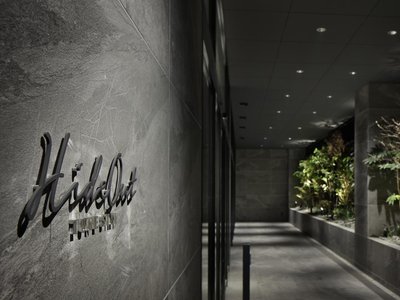
HIDEOUT

Caption by Hyatt Namba Osaka
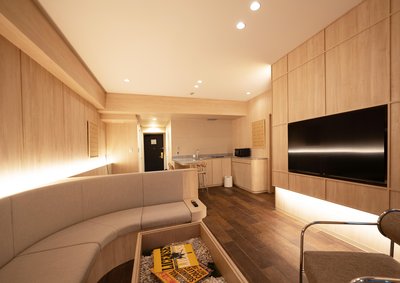
UH SUITE NAMBA STATION
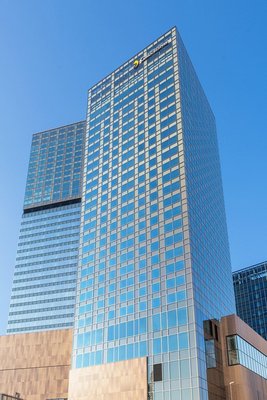
Hotel Hankyu GRAN RESPIRE OSAKA
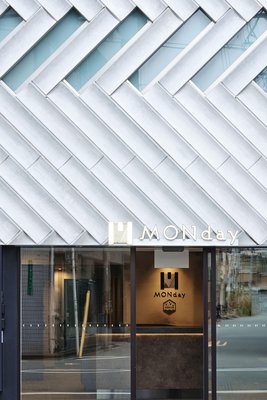
MONday Apart Premium OSAKA NAMBA WEST
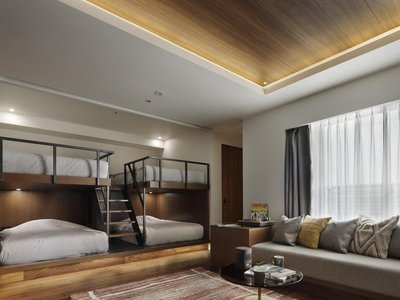
30 PIECES Namba
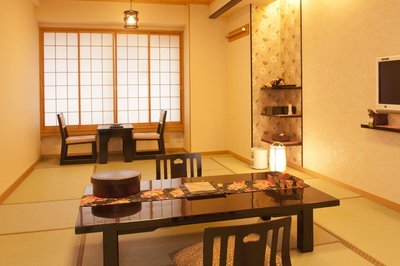
Matsui-Bekkan Hanakanzashi
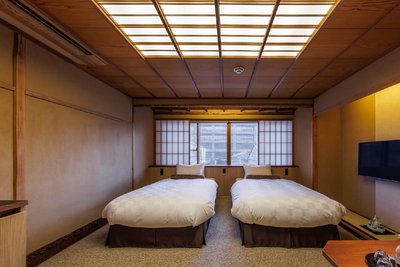
Kyoto Ryokan Sakanoue
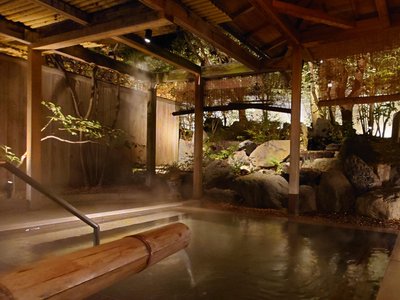
Kasuga Hotel
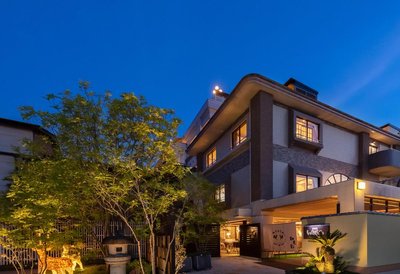
Hotel New Wakasa
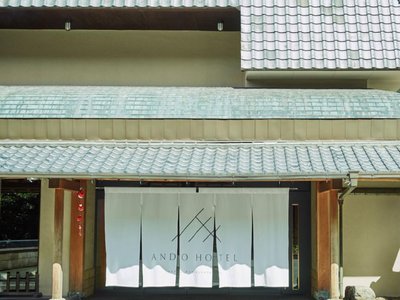
Ando Hotel Nara Wakakusayama -Dlight Life & Hotels-
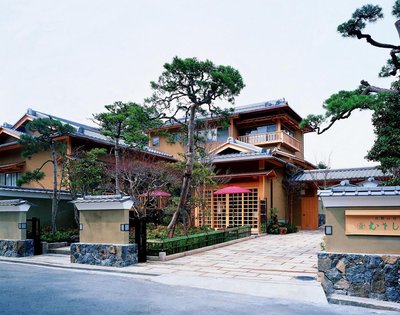
Kotonoyado Musashino
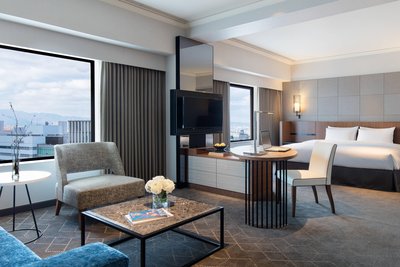
Courtyard by Marriott Shin-Osaka Station

Hotel Vischio Osaka
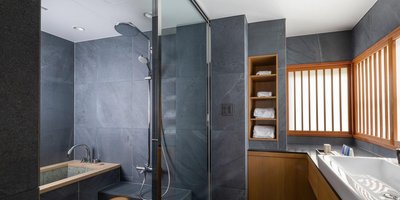
Nanzenji Sando Kikusui
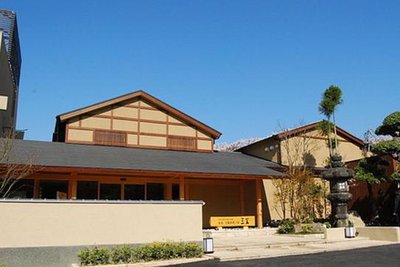
Mikasa
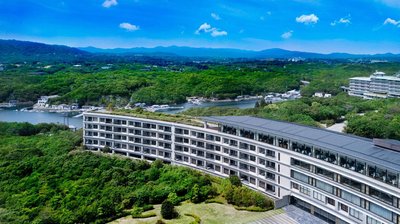
Shima Kanko Hotel the Bay Suites
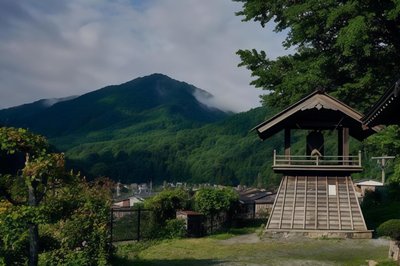
Byaku Narai
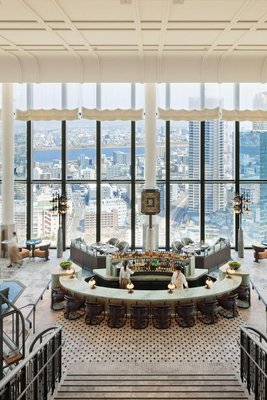
Waldorf Astoria Osaka
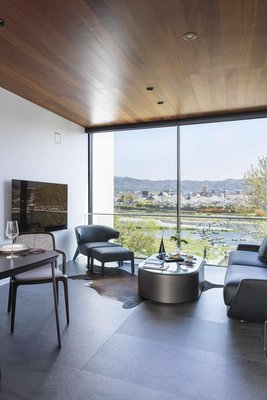
Kamo Residences by Reflections
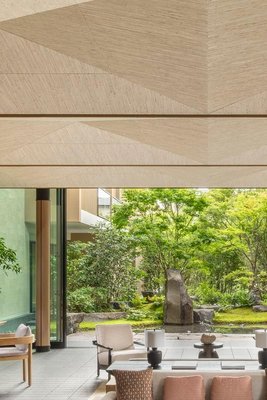
Six Senses Kyoto
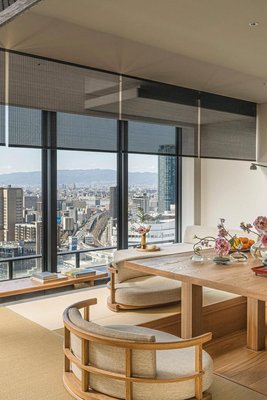
Four Seasons Hotel Osaka
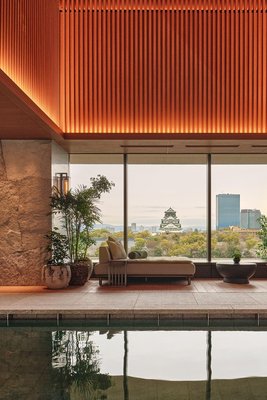
Patina Osaka

The Ritz-Carlton, Osaka
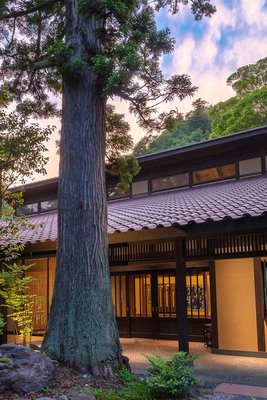
Arimasansoh Goshobessho
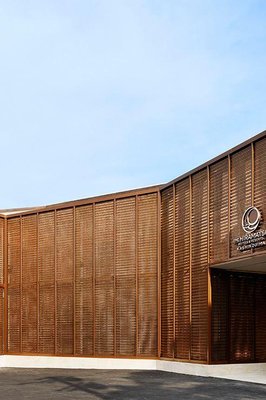
The Hiramatsu Hotels & Resorts Kashikojima
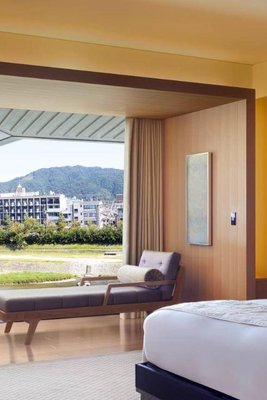
The Ritz-Carlton, Kyoto
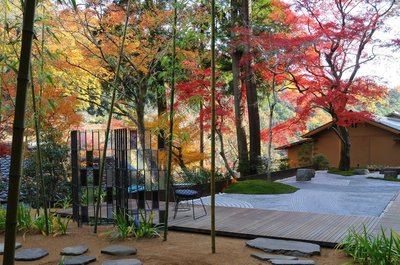
HOSHINOYA Kyoto
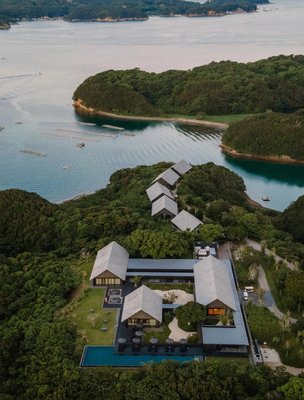
Amanemu
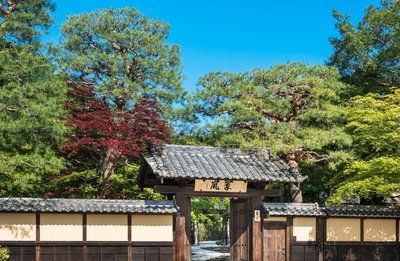
Suiran, a Luxury Collection Hotel, Kyoto
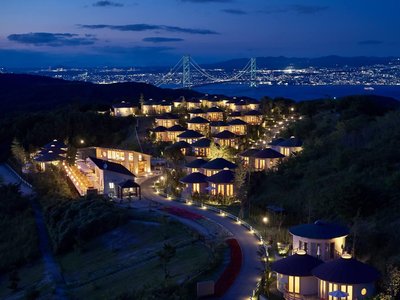
Grand Chariot Hokutoshichisei 135°
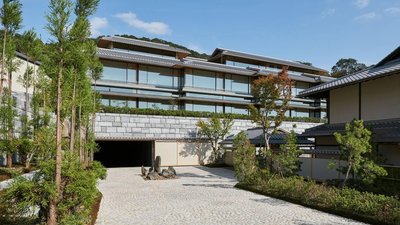
Park Hyatt Kyoto
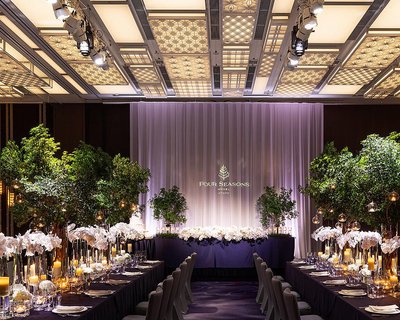
Four Seasons Hotel Kyoto
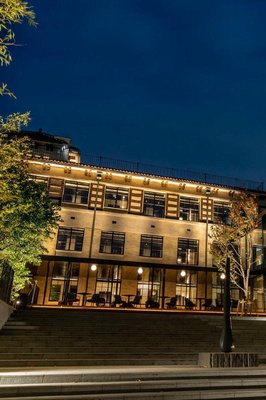
The Hotel Seiryu Kyoto Kiyomizu - a Member of the Leading Hotels of the World-
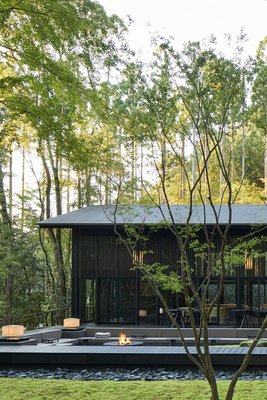
Aman Kyoto
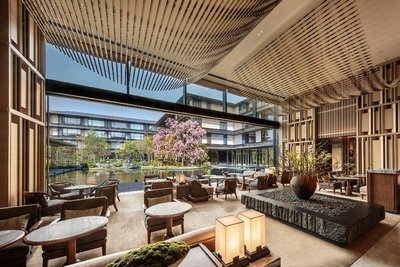
Hotel the Mitsui Kyoto, a Luxury Collection Hotel & Spa
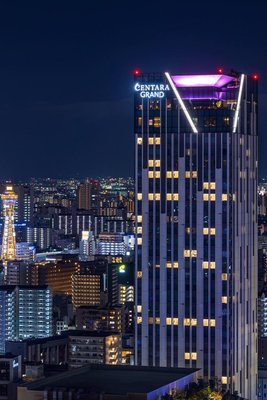
Centara Grand Hotel Osaka
voco Osaka Central
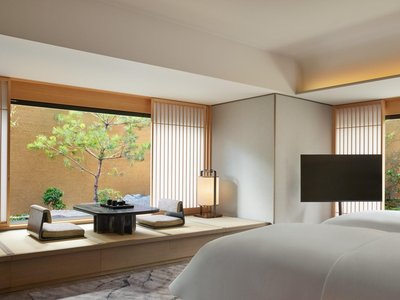
Dusit Thani Kyoto
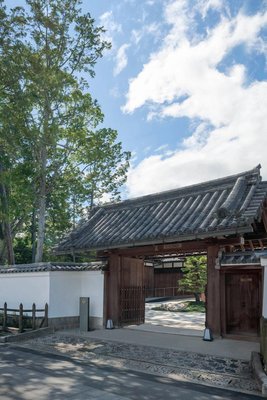
Shisui, a Luxury Collection Hotel, Nara

Hilton Kyoto
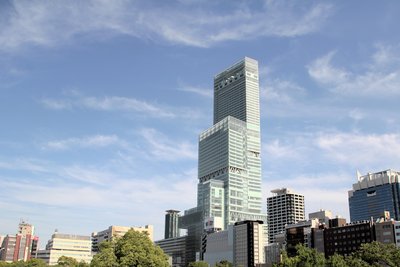
Osaka Marriott Miyako Hotel
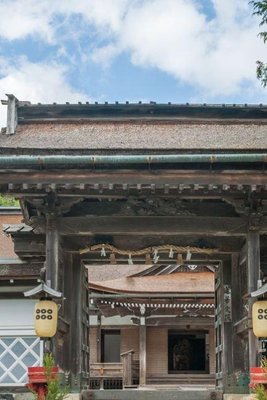
Koyasan Rengejoin
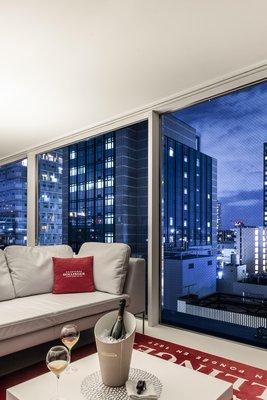
CUVÉE J2 HOTEL OSAKA by Onko Chishin
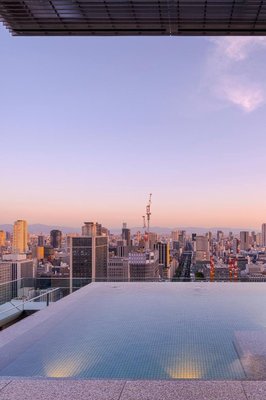
Candeo Hotels Osaka The Tower
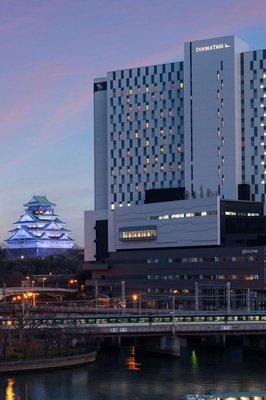
DoubleTree by Hilton Osaka Castle
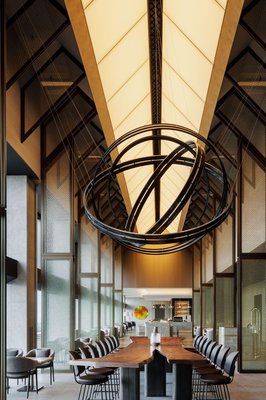
The Osaka Station Hotel, Autograph Collection
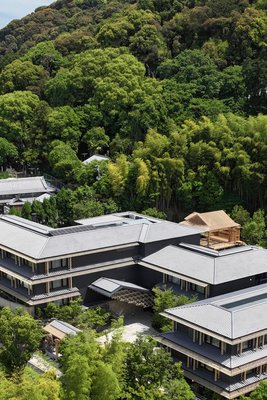
Banyan Tree Higashiyama Kyoto
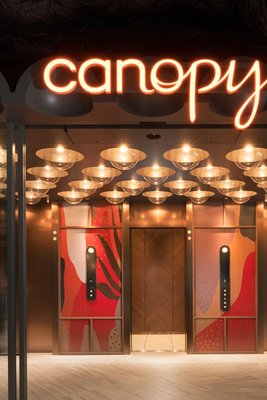
Canopy by Hilton Osaka Umeda
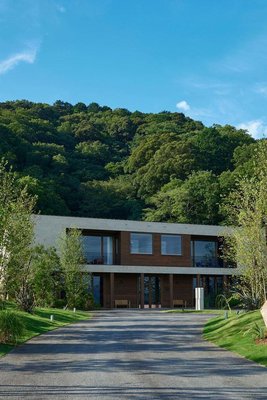
HACIENDA VISON
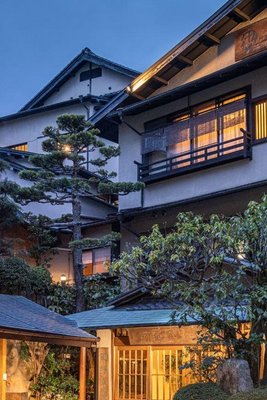
Arima Onsen Tocen Goshobo
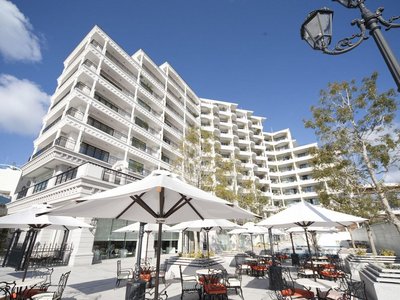
Hotel La Suite Kobe Harborland
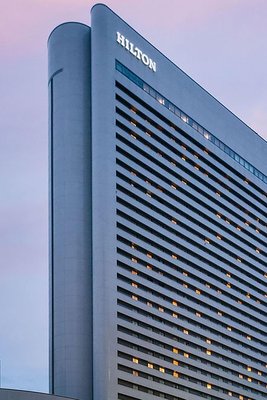
Hilton Osaka Hotel
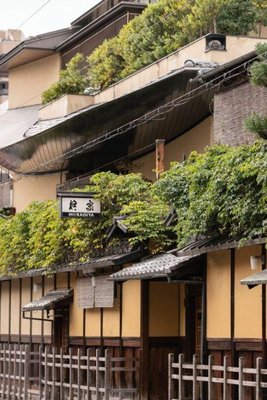
Hiiragiya Ryokan
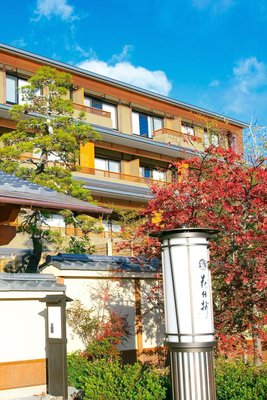
Kyoto Arashiyama Onsen Kadensho (Kyoritsu Resort)
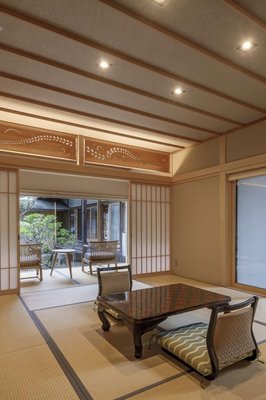
Ichijoin
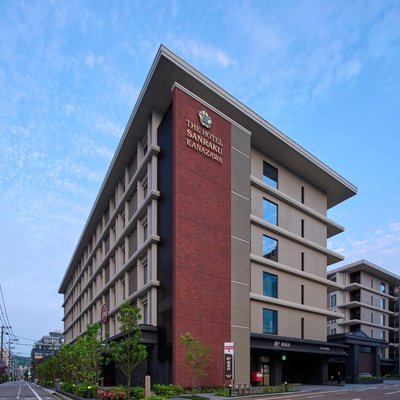
The Hotel Sanraku Kanazawa 21th December 2022 Open
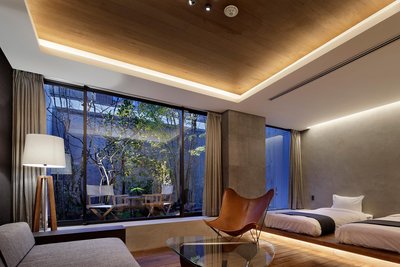
22 PIECES
The Ritz-Carlton, Osaka

The Thousand Kyoto
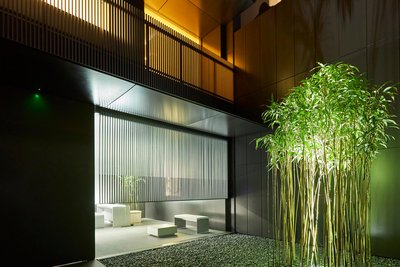
Mogana
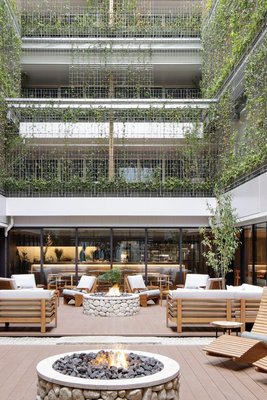
GOOD NATURE HOTEL KYOTO
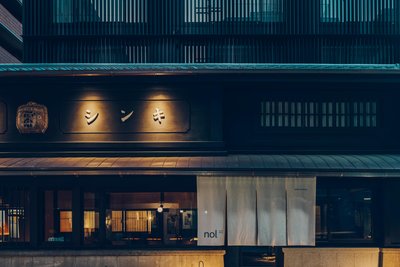
Nol Kyoto Sanjo
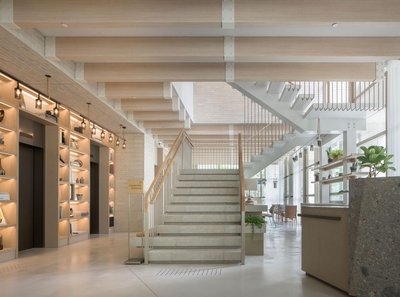
Zentis Osaka
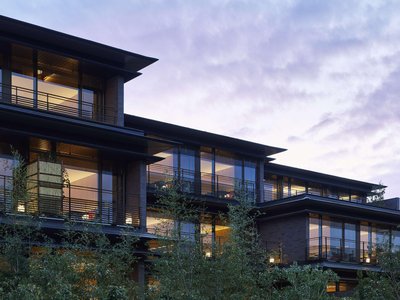
Garrya Nijo Castle Kyoto
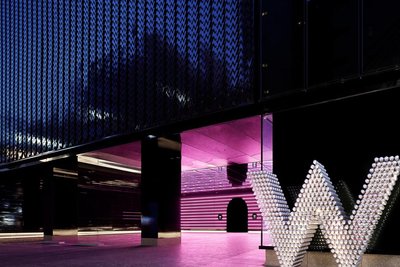
W Osaka
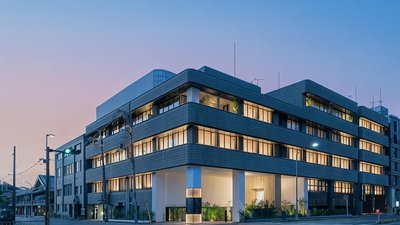
Hotel Kanra Kyoto
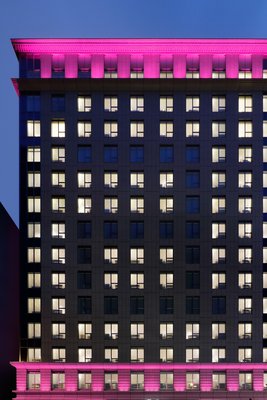
Aloft Osaka Dojima
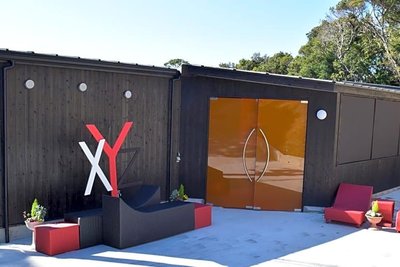
XYZ Private Spa and Seaside Resort
Osaka Marriott Miyako Hotel
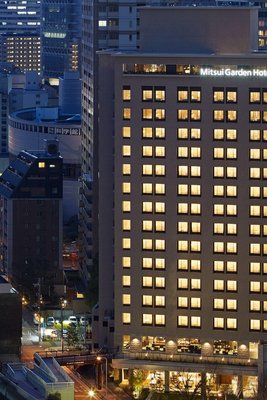
Mitsui Garden Hotel Osaka Premier
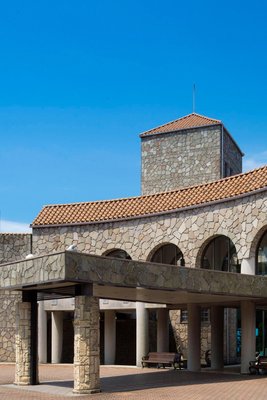
Izumigo Hotel Altia Toba
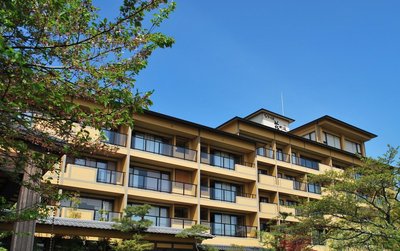
BIWAKO HANAKAIDO
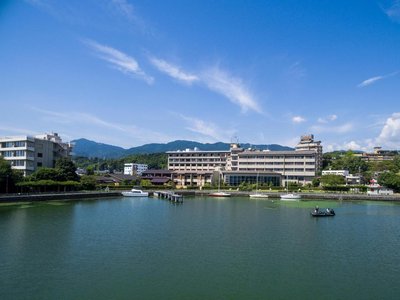
Biwako Ryokusuitei
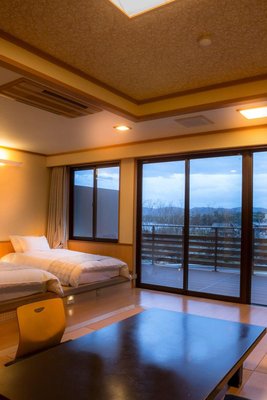
Hotel Kitanoya
Hanagoyomi
Kawayu Onsen Fujiya
Hotel La Suite Kobe Harborland

AoAwo Naruto Resort
Infinito Hotel and Spa
Hamachidorinoyu Kaisyu
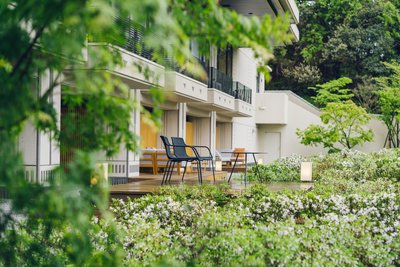
Hoshino Resorts Kai Enshu
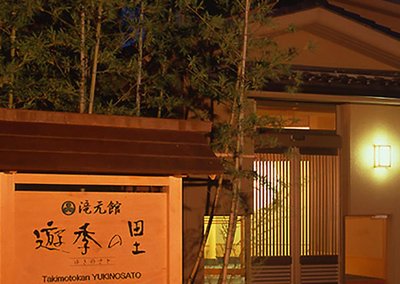
Takimotokan Yuki No Sato
The Ritz-Carlton, Kyoto
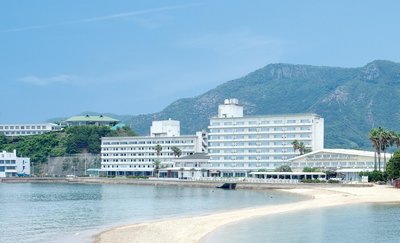
Shodoshima International Hotel
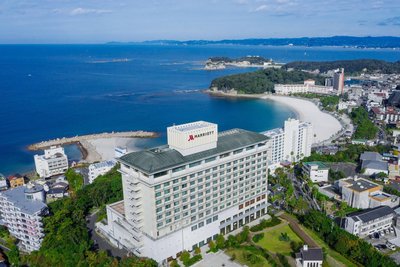
Nanki-Shirahama Marriott Hotel
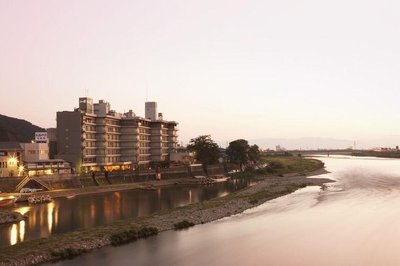
Juhachiro

Toba International Hotel
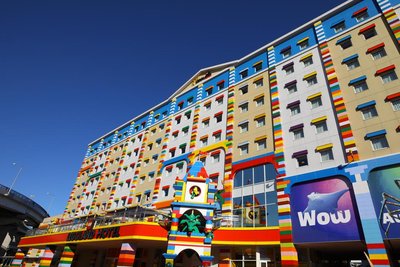
Legoland Japan Hotel

HOTEL UNIVERSAL PORT VITA

The Park Front Hotel at Universal Studios Japan
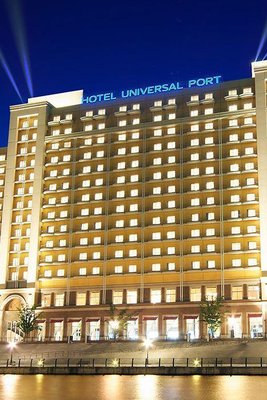
HOTEL UNIVERSAL PORT

THE SINGULARI HOTEL & SKYSPA at UNIVERSAL STUDIOS JAPAN
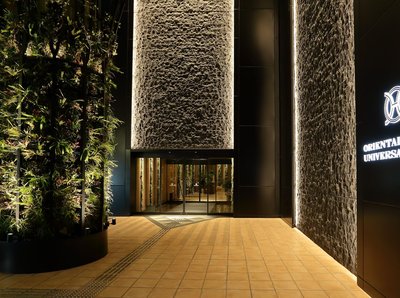
Oriental Hotel Universal City

Hotel Keihan Universal Tower
Yado Kiramachi
Arimasansoh Goshobessho
Matsui-Bekkan Hanakanzashi

Taikyourou
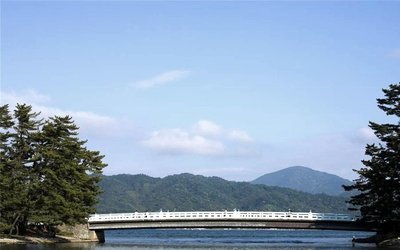
Monjusou Shourotei
Kasuga Hotel
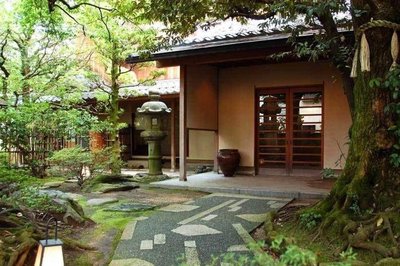
Kocho
Hotel New Wakasa
Kyoto Arashiyama Onsen Kadensho (Kyoritsu Resort)
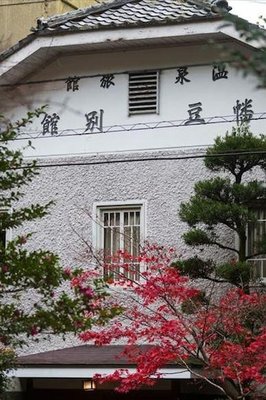
Oku-Mikawa・Yuya Onsen HAZU Bekkan
Ichijoin
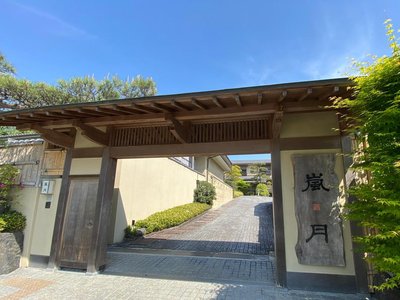
Rangetsu
The Ritz-Carlton, Kyoto
Mikasa
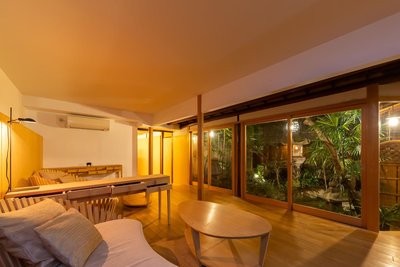
Izuyasu Traditional Kyoto Inn Serving Kyoto Cuisine
HOSHINOYA Kyoto
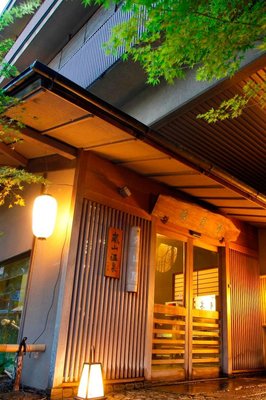
Togetsutei
Juhachiro
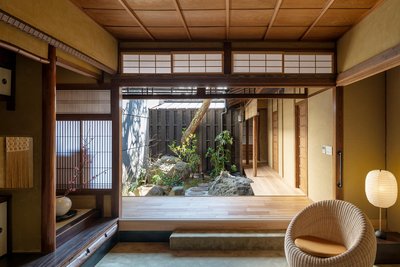
Nazuna Kyoto Gosho
Amanemu
Osaka Marriott Miyako Hotel
The Ritz-Carlton, Osaka
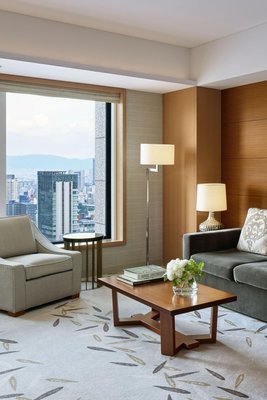
InterContinental Hotel Osaka
The Ritz-Carlton, Kyoto
Suiran, a Luxury Collection Hotel, Kyoto
GOOD NATURE HOTEL KYOTO
Park Hyatt Kyoto
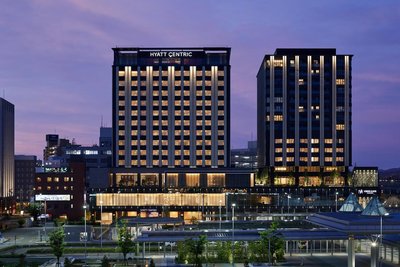
Hyatt Centric Kanazawa
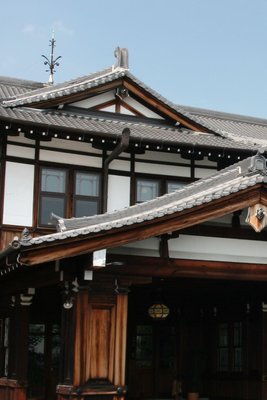
Nara Hotel
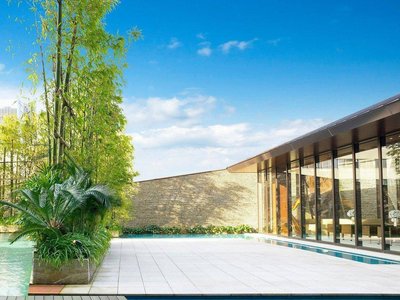
ORIENTAL HOTEL
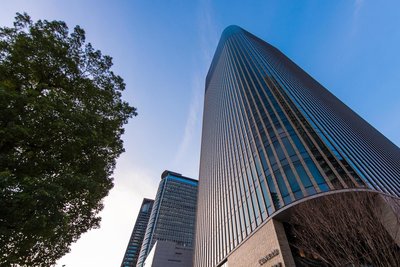
Conrad Osaka
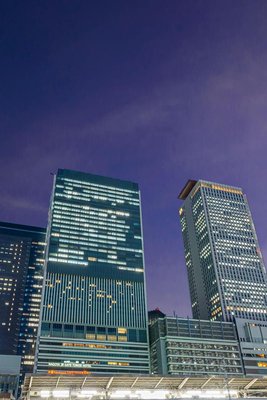
Nagoya JR Gate Tower Hotel (JR-Central Hotels)
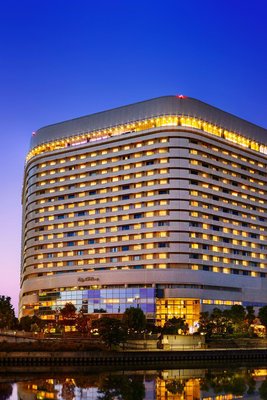
Hotel New Otani Osaka
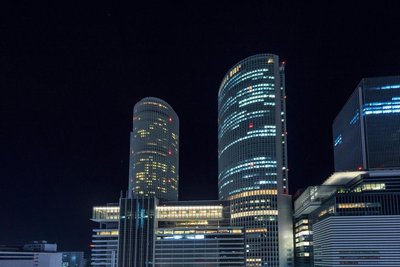
Nagoya Marriott Associa Hotel
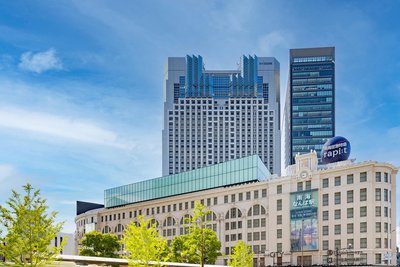
Swissotel Nankai Osaka
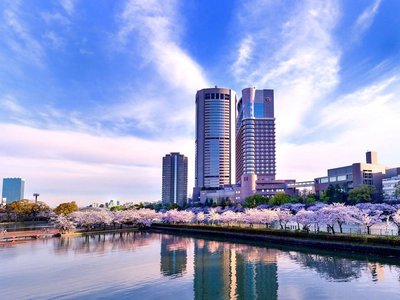
Imperial Hotel Osaka
The St. Regis Osaka
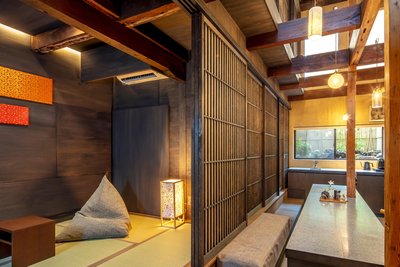
Kyo No Oozora Kihana
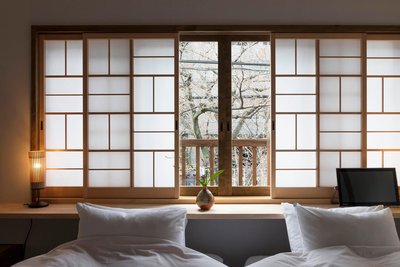
Hanagoromo Machiya House
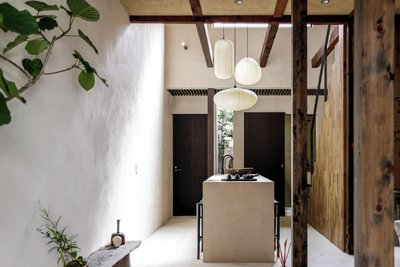
Maana Kiyomizu
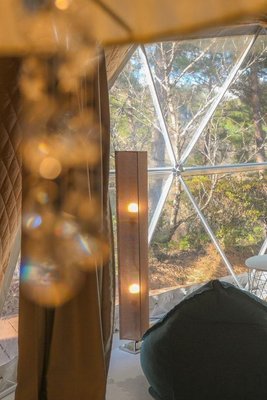
glampark Gekkabijin Nagano
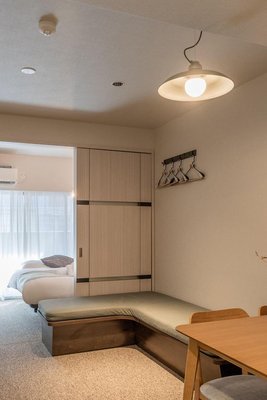
Apartment Hotel 11 Shinsaibashi
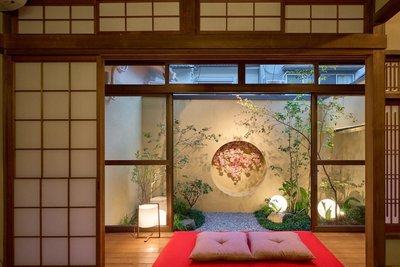
KONJAKUSO Osaka Tengachaya "NIHONCHA" Tea & Relax
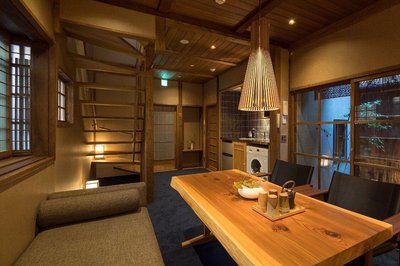
Bonbori an Machiya House

Glamping&Resort Wood Design Park Noma
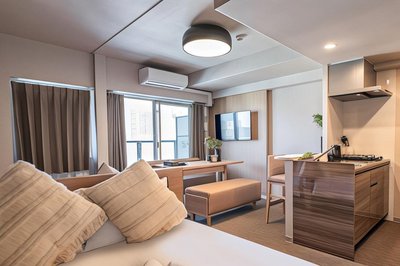
Apartment Hotel 11 Shinsaibashi III
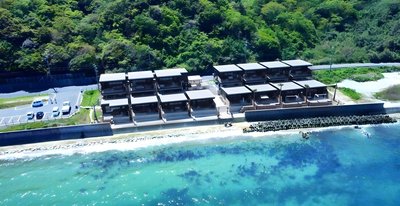
Solavilla Umi Terrace Minamiawaji
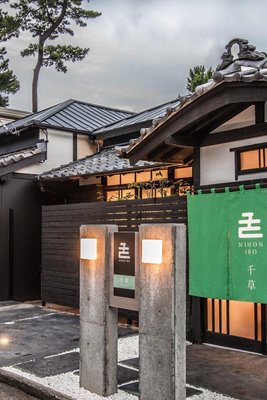
Nihon Iro
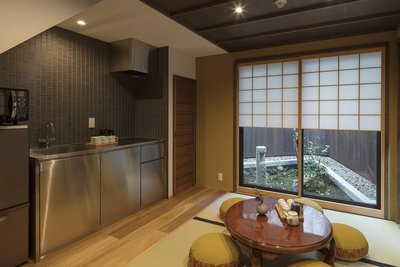
The Machiya Villa Sanjo Shirakawa Koji
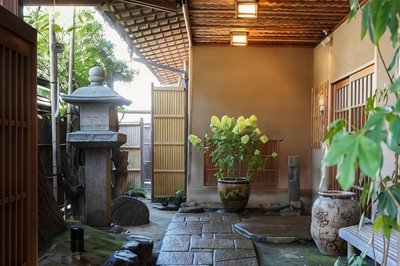
Ryokan Asadaya
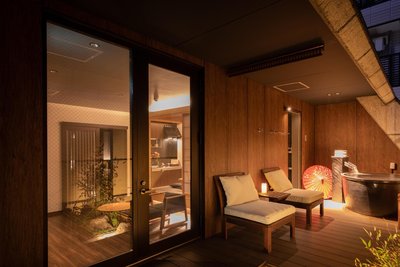
Konjaku-So Dotonbori
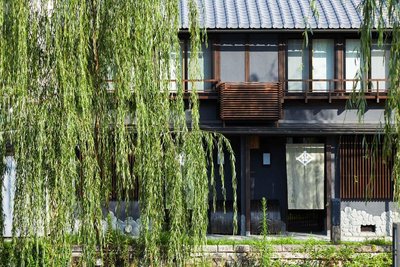
Gion Shirakawa No Yado

Kitashirakawa Natural Radium Onsen
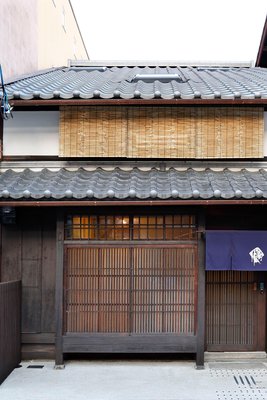
Kyo No Ondokoro Kamanza Nijo #2
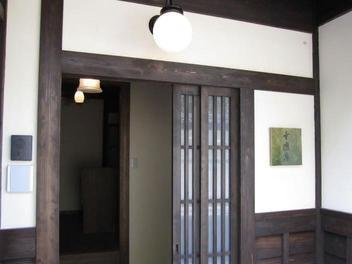
Gion Koyu an Machiya House
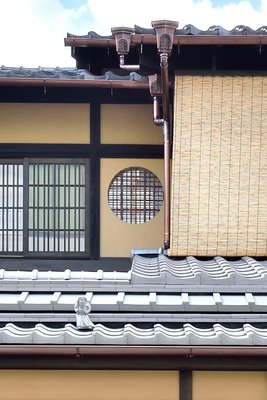
Kyo No Ondokoro Gokomachi Ebisugawa #3

Sana Mane - Glamp Domes

Toba International Hotel Shiojitei
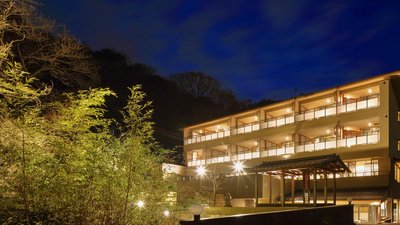
Okuno Hosomichi
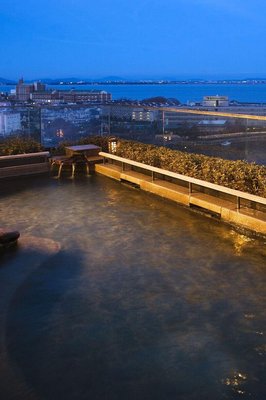
Yumotokan
Arimasansoh Goshobessho
Taikyourou
Monjusou Shourotei
Izumigo Hotel Altia Toba
BIWAKO HANAKAIDO
Biwako Ryokusuitei
Kasuga Hotel
Hotel Kitanoya
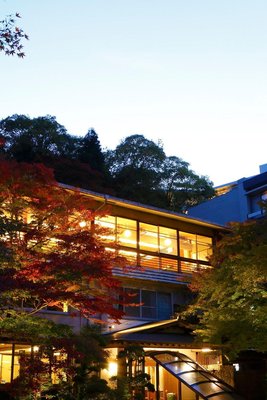
Negiya Ryofukaku
Arima Onsen Tocen Goshobo
Hanagoyomi
Kawayu Onsen Fujiya
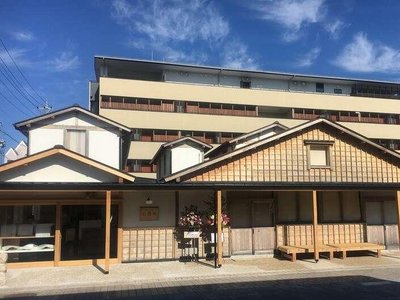
Isegekusando Iseshinsen
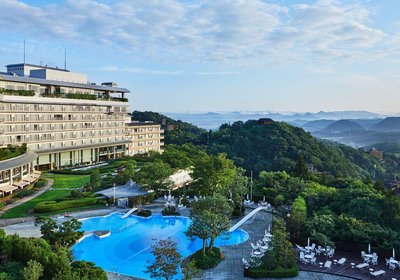
Arima Grand Hotel
Infinito Hotel and Spa
Hamachidorinoyu Kaisyu
Kyoto Arashiyama Onsen Kadensho (Kyoritsu Resort)
Frequently Asked Questions about Traveling to Nara
Questions You Might Need to Know About Traveling to Nara
For authentic ryokan experiences with private hot springs, consider:
- Nara Yukariko: Traditional tatami rooms with cedar wood baths, 7-min walk to Todai-ji Temple (from ¥38,000/night)
- Asukasou: Family-run since 1928, offers kaiseki meals with locally foraged ingredients
Note that true onsen ryokan are rare in central Nara - many use heated mineral water. Book 3+ months ahead for autumn foliage season.
First-timers should prioritize Nara Park accessibility:
- Top Pick: Nara Visitor Center & Inn (UNESCO-style building with free guided tours)
- Budget Option: HopeGoo near Kintetsu Nara Station (avg. ¥9,000/night)
Pro tips: • Avoid hotels near Yamato-Saidaiji Station unless visiting the modern art museum • July-August bookings require AC confirmation - many older ryokans lack strong cooling • 盂兰盆节(Obon) in August causes 200% price surges
Top picks include Harvest Nara (stone-roofed baths with deer-view courtyards) and Ryokan Hakusho, where kaiseki meals feature locally foraged ingredients. Pro tip: Book 6+ months ahead for autumn foliage season when rooms with open-air onsens sell out fast.
Hotel Nikko Nara (7AM check-in for ¥2000 extra) and Onyado Nono Nara (6AM with complimentary ramen voucher) cater to Shinkansen travelers. Store luggage at Nara Tourist Information Center near Kintetsu Station if arriving before dawn to visit Todai-ji Temple first.
Top ryokan options in Nara with onsen (hot spring) facilities:
- Nara Hotel: Blending Japanese-Western aesthetics, it offers private onsens and proximity to Todai-ji Temple.
- Asukasou: A budget-friendly ryokan near Kasuga Shrine, featuring a charming garden and public baths.
For a secluded experience, try Yoshino area’s ryokans (e.g., Sanshuikan), known for forest views and open-air baths.
For first-timers, prioritize these areas:
- Nara Park Zone: Stay at Hotel Nikko Nara to explore deer parks and UNESCO sites like Kasuga Taisha on foot.
- JR Nara Station: Ideal for day trips to Kyoto/Osaka, with APA Hotel offering compact rooms.
Tip: Book early near Kintetsu Nara Station (e.g., Nara Visitor Inn) for local eateries and fewer crowds.
The Nara Park area is ideal for first-timers. Hotels like Onsen Guesthouse Naramachi (5mins walk to Todai-ji Temple) offer budget-friendly stays with rooftop onsen featuring deer views. For luxury, JW Marriott Nara near Kintetsu Station provides easy access to both Kasuga Taisha Shrine and the park. Mid-range options like Hotel Nikko Nara include free shuttle buses to UNESCO sites. Pro tip: Choose properties along Sanjo-dori Street – you'll wake up to deer wandering outside!
Yes! Nara Ugasu Hotel offers authentic ryokan rooms with indoor cedar baths using hot spring water, just 800m from Kofuku-ji Temple. Their kaiseki meals feature Yamato vegetables grown locally. For a modern twist, Tsukihitei combines ryokan aesthetics with private open-air onsens overlooking a Japanese garden. These properties fill fast during cherry blossom season (March-April), so book 3-6 months ahead. Note: Traditional ryokans usually enforce early check-in (3PM) for tea ceremony preparations.
Top ryokans near Nara Park:
- Nara Kashiwagi - 5-min walk to deer interactions, offers kaiseki meals with local ingredients (from ¥30,000/night)
- Wakasa Annex - Family-run inn with rooftop onsen overlooking park (¥22,000起)
Pro Tip: Book "deer feeding experience" packages which include special rice crackers.
Affordable options near Todai-ji Temple:
- Hotel Fujita Nara - 15-min walk, Western-style rooms from ¥7,500 with free shuttle service
- Nara Guest House Kamunabi - Capsule-style dorms (¥3,500/bed) with bicycle rentals
Warning: Avoid rooms facing main streets - temple morning bells start at 6AM!
Nara Overview
City Summary
Nara, this ancient capital of Japan, is renowned for its long history and rich cultural heritage. As Japan's first permanent capital, Nara boasts numerous UNESCO World Heritage Sites, such as Todai-ji Temple and Kasuga Taisha Shrine, which showcase the religious and artistic achievements of ancient Japan and offer visitors a perfect opportunity to experience traditional Japanese culture. The sika deer freely roaming in Nara Park are iconic symbols of the city, regarded as sacred messengers and often interacting closely with visitors. Additionally, Nara's traditional crafts, like Nara brushes and inksticks, are also worth exploring. Whether you're a history enthusiast or a nature lover, Nara promises an unforgettable journey.
Must-See Attractions
Nara is a city steeped in Japanese history and culture, famed for Nara Park and Todai-ji Temple. The park is home to freely roaming sika deer, considered sacred messengers, where visitors can feed them special crackers. Todai-ji's Great Buddha Hall houses the colossal Vairocana Buddha and is one of the world's largest wooden structures. Don't miss Kasuga Taisha with its thousands of stone lanterns or Toshodai-ji, one of Japan's oldest Buddhist temples. Stroll through the traditional machiya houses of Naramachi and savor local delicacies like kakinoha-zushi (persimmon leaf sushi) to immerse in the serene spirituality of this ancient capital.
Food Guide
Nara, a historic ancient capital of Japan, is renowned for its rich cultural heritage and unique culinary traditions. The city's signature dishes include kakinoha-zushi, sushi wrapped in persimmon leaves with a subtle leafy aroma, and Nara-zuke, vegetables pickled in sake lees with a distinctive flavor. Nara's food culture is deeply influenced by Buddhism, with many dishes being vegetarian, such as shojin ryori, showcasing simple yet refined culinary art. Don't miss trying chagayu, a porridge made with green tea, a light and flavorful traditional breakfast in Nara.
Transportation Guide
Nara is a historically rich city in the Kansai region of Japan, renowned for its cultural heritage and harmonious coexistence with nature. For transportation, major attractions such as Todai-ji Temple, Nara Park, and Kasuga Taisha Shrine are easily accessible on foot or by renting a bicycle. From Osaka or Kyoto, you can take the Kintetsu Nara Line or JR Nara Line directly to Nara, with a travel time of approximately 30 to 50 minutes.
For travel tips, consider purchasing the Kansai Thru Pass, which allows unlimited rides on private railways and buses in the Kansai region, making it ideal for travelers planning to visit multiple cities. Additionally, Nara's deer are iconic, but please refrain from feeding them human food and follow local signage.
Best Time to Visit
Nara is a historic ancient capital of Japan, renowned for its rich cultural heritage and harmonious coexistence with sika deer. The best times to visit are spring (March to May) and autumn (September to November). In spring, the cherry blossoms in Nara Park create a picturesque scene, while autumn brings vibrant foliage and pleasant weather. These seasons attract more visitors but avoid the summer heat and winter chill. Iconic sites like Todai-ji Temple and Kasuga Taisha Shrine are particularly enchanting during these periods, and traditional festivals such as Kasuga Taisha's Lantern Festival add cultural depth to the experience.
Travel Tips
- Nara Park is a must-visit, but be cautious of deer approaching for food; avoid carrying plastic bags or paper that may be mistaken as snacks.
- Nara has distinct seasons—bring a light jacket for cherry blossoms in spring, and sunscreen/water for humid summers.
- Remove shoes at historic sites like Todai-ji Temple; wear slip-on footwear for convenience.
- Public transport relies on buses; consider a day pass for cost savings.
- Many traditional restaurants don’t accept cards—carry sufficient cash.
- Mount Wakakusa trails are steep; wear non-slip shoes and mind safety.
- Local souvenirs often feature deer motifs; check if items are handmade.
- Respect quiet etiquette in temples/public spaces to align with local norms.
Traveler Reviews
See what other travelers say about Nara

JW Marriott Hotel Nara
This is easily one of the best hotels in Nara town. The atmosphere is peaceful and elegant, and the staff goes above and beyond to make you feel welcome. From the moment we arrived, everything was seamless—friendly service, clean rooms, and a lovely ambiance. The breakfast spread was already quite good, but it could be even better with a wider variety of hot dishes and more local specialties. Still, it's a standout choice for anyone visiting Nara. Comfortable, well-located, and truly memorable. I’d definitely stay here again.

Novotel Nara
Staying at Novotel Nara was an absolute delight! This business-class hotel offers a perfect blend of comfort and value. The room was immaculate, with plush bedding that made for a restful night's sleep. Everything was well-maintained—no strange odors, spotless cleanliness, and the hot water was strong and consistently warm. High-quality toiletries from reputable brands were provided in the bathroom, including shampoo, conditioner, body wash, hand soap, and moisturizer—all with pleasant scents and excellent performance. The air conditioning worked flawlessly, especially during winter, delivering steady heat without any noise disruption. Located near convenience stores, restaurants, and a shopping complex, everything you need is within easy reach. The mini-fridge in the room runs silently, and there’s a safe for added peace of mind. On the second floor, I enjoyed complimentary access to the fitness center, a relaxing onsen, and a massage chair—perfect for unwinding after a long day. There’s also a dedicated kids’ activity room, making it ideal for families. One standout feature was the quiet hallway and excellent soundproofing—no noise from neighboring rooms, even late at night. Staff were incredibly attentive and friendly throughout my stay. It’s rare to find such a well-rounded hotel with top-tier service, prime location, and great value. I’ll definitely be coming back!

Nara Hotel
Staying at Nara Hotel was an unforgettable experience—this is a true historical gem with old-money elegance that feels like stepping into a living museum. The hotel has hosted legends, from Einstein to Audrey Hepburn, and even international celebrities and royalty have walked its hallowed halls. Located just a short walk from major attractions, you can easily explore Nara’s temples and parks without needing a car. One of the highlights? The hotel features one of the oldest and most serene gardens in all of Japan—peaceful, refined, and completely removed from the city’s bustle. The rooms are spacious, beautifully appointed, and come with modern amenities. Staff are attentive and genuinely warm. A complimentary shuttle service connects the hotel to key transport hubs, making travel stress-free. But the real magic happened on my private balcony: I watched a group of deer casually stroll by, some resting under the trees like they were part of the scenery. It was surreal and heartwarming. This isn’t just a place to sleep—it’s a destination in itself. If you’re visiting Nara, this hotel should be at the top of your list. It’s not just accommodation; it’s a piece of living history.

Hotel Nikko Nara
Staying at Hotel Nikko Nara was a fantastic experience—its location couldn’t be more convenient, right next to JR Nara Station. The lobby is on the 3rd floor, and one of the first things you notice is the elegant wall displays featuring photos of past royal guests, including visits from the Emperor himself—such a unique touch that adds real character to the hotel. While the interior design isn’t brand new, everything is well-maintained and spotlessly clean. The rooms are comfortable, with good lighting and quiet surroundings. What really stands out is the nearby supermarket just steps from the station—perfect for grabbing snacks, drinks, or essentials without having to go far. Whether you're here for a quick getaway or exploring Nara’s historic sites, this hotel offers great value and a peaceful, hassle-free stay. Highly recommend it for travelers who want comfort, convenience, and a touch of heritage.

Shisui, a Luxury Collection Hotel, Nara
Staying at Shisui, a Luxury Collection Hotel in Nara was an absolute delight. The location is unbeatable—right next to Nara Park, where you can easily spot deer roaming around just outside your door. The hotel itself is beautifully transformed from a former government residence, blending historical charm with modern luxury. I booked a room with an on-site hot spring, which made for a relaxing soak right in the comfort of my room—very convenient. That said, since the room has no windows to open, it can get quite warm when the spring water is hot. Next time, I’ll definitely go for a ground-floor room with an outdoor onsen—it sounds like the perfect way to enjoy nature and warmth together. The staff’s Japanese hospitality was outstanding—thoughtful, respectful, and always attentive. I especially loved the evening champagne happy hour; it added a lovely touch of elegance to the stay. Overall, this was a memorable experience, and I’m already planning my return visit.

Onyado Nono Nara Natural Hot Spring
I've stayed at this property multiple times now, and each visit has been absolutely fantastic. The staff are incredibly attentive and genuinely care about guest comfort—friendly, helpful, and always with a smile. The atmosphere is peaceful and clean, with rooms that feel cozy and well-maintained. The natural hot spring bath is a standout feature—rich, mineral-filled water that leaves your skin feeling refreshed and relaxed. After soaking, they offer complimentary shaved ice and access to massage chairs, which was such a nice touch. In the evening, they even provide free ramen and drinks—perfect for unwinding after a long day. Location-wise, it's unbeatable: just a 1-minute walk to the train station, and there's convenient parking nearby. Whether you're traveling by train or driving, getting here is easy. I’ve already recommended this hotel to friends and will definitely be returning. A truly memorable stay.

Ando Hotel Nara Wakakusayama -Dlight Life & Hotels-
Staying at this serene hotel nestled on Mount Wakakusa was an absolute retreat from the hustle and bustle. The free shuttle from JR Nara Station makes access super easy—just call ahead to arrange your pickup. We booked a stay with two meals, and dining as dusk settled in was such a peaceful experience, sipping wine and enjoying thoughtful dishes. In the evening, a complimentary minibus takes guests up to the summit for stargazing and breathtaking night views. Back at the hotel, we gathered in the lobby to roast marshmallows by the fire—my kids absolutely loved it. The rooftop open-air private hot tub is a highlight; you choose your preferred time during check-in, then simply head to your assigned room with your key card. The lobby also has a great selection of board games and toys, which kept the little ones entertained while we sorted out meal preferences and hot tub bookings. Everything feels so thoughtfully designed, with a quiet elegance that truly stands out. This place deserves every single point—it’s a perfect blend of comfort, charm, and tranquility.

Ryokan Asukasou at the Entrancne of Nara Park
Staying at Ryokan Asukasou was an absolute delight. The room was spacious and modern, with fresh amenities that made the stay very comfortable. We were pleasantly surprised by the complimentary local sweets upon arrival—such a thoughtful touch. The location is perfect: just a short walk to Nara Museum and Shōsōin, and even closer to Nara Park, making it ideal for exploring on foot. The onsen was warm and relaxing—exactly what we needed after a long day of sightseeing. One standout moment was the kind hospitality from the male staff member on duty the evening of November 5th. It was raining when we left, and he kindly walked us to our taxi, holding an umbrella the whole way. That small act of care truly made our experience memorable. On the other hand, one of the younger female front desk staff seemed less welcoming—when we asked if we could pick up yukata in the lobby, she said they were already in the room, but we never found any. After checking with other guests, we learned the yukata are indeed meant to be collected at the front desk. A simple miscommunication, but something worth clarifying for future visitors. Overall, the warmth and attention to detail from most of the team more than made up for it. This ryokan offers incredible value and a genuine sense of welcome—definitely a place I’d return to without hesitation.

THE KAKU
Staying at THE KAKU was an absolute delight! The traditional Japanese machiya design is beautifully preserved, yet the rooms are equipped with all the comforts of a luxury hotel—think plush bedding, modern amenities, and thoughtful touches throughout. The staff went above and beyond with their warm, attentive service, making us feel truly welcome. Location-wise, it couldn’t be better—Nara Park is just a short walk away, perfect for morning deer encounters and exploring the historic area. There’s also a great selection of cafes and restaurants within easy reach, so dinner options are never an issue. I was lucky enough to be the first guest after renovation, which meant everything felt fresh, clean, and brand new. It’s rare to find such a unique stay with such high standards—my family and I will definitely return. Thank you for such a memorable experience!

Piazza Hotel Nara
The corner room has amazing natural light and feels more spacious than expected. You can see the train station right from the window, making travel super convenient—especially with the second-floor skywalk connecting directly to the station. No need to worry about the weather when heading out. There's a 7-Eleven on the ground floor, and just a 2-minute walk brings you to cozy cafes and a local bakery for breakfast or an afternoon treat. The bus to Todai-ji Temple is located on the opposite side of the station plaza, so it’s easy to access. The front desk staff were incredibly polite and patient—answered all my questions clearly and warmly. From location to service, everything was top-notch. This place offers excellent value and made our stay in Nara smooth and enjoyable. Definitely coming back.

Kotonoyado Musashino
Staying at Kotonoyado Musashino was an absolute delight—perfectly located right in the heart of Nara Park, making it incredibly easy to explore the surrounding area on foot. The staff went above and beyond with their warm, attentive service, creating a truly welcoming atmosphere. One of the highlights? The private onsen—after a long day of wandering through the park and visiting temples, soaking in the hot spring was pure bliss. The room was clean, quiet, and beautifully designed with traditional Japanese touches. It’s rare to find such a peaceful retreat with such high-quality amenities. I’d highly recommend this gem for anyone looking to experience authentic Japanese hospitality in a serene setting. Would definitely stay here again.

Kamenoi Hotel Nara
Staying at Kamenoi Hotel Nara was an unforgettable experience. The atmosphere is truly authentic and calming, with a perfect blend of traditional Japanese elegance and modern comfort. The kaiseki dinner was exceptional—each course beautifully presented and bursting with flavor, showcasing the chef's artistry. Breakfast was equally impressive, featuring fresh local ingredients and thoughtful variety. The staff went above and beyond with their warm, attentive service—always smiling, genuinely helpful, and respectful of privacy. They made us feel welcome without being intrusive. From the moment we arrived to the last goodbye, every detail felt carefully curated. This isn’t just a hotel; it’s a memorable journey into Japanese hospitality. Highly recommended for anyone visiting Nara.