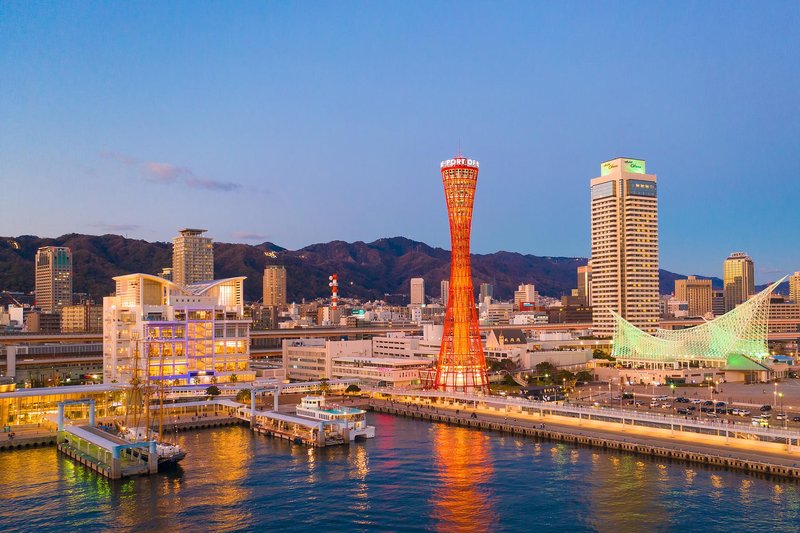
Hotels in Narusawa
Discover your perfect stay in Narusawa.
Narusawa(Japan) Travel 2026: Cheap Flights, Hotels & Top Attractions
Popular Landmarks in Narusawa
Discover the most iconic attractions in Narusawa
Recommended Hotels in Narusawa
Find the perfect place to stay in Narusawa
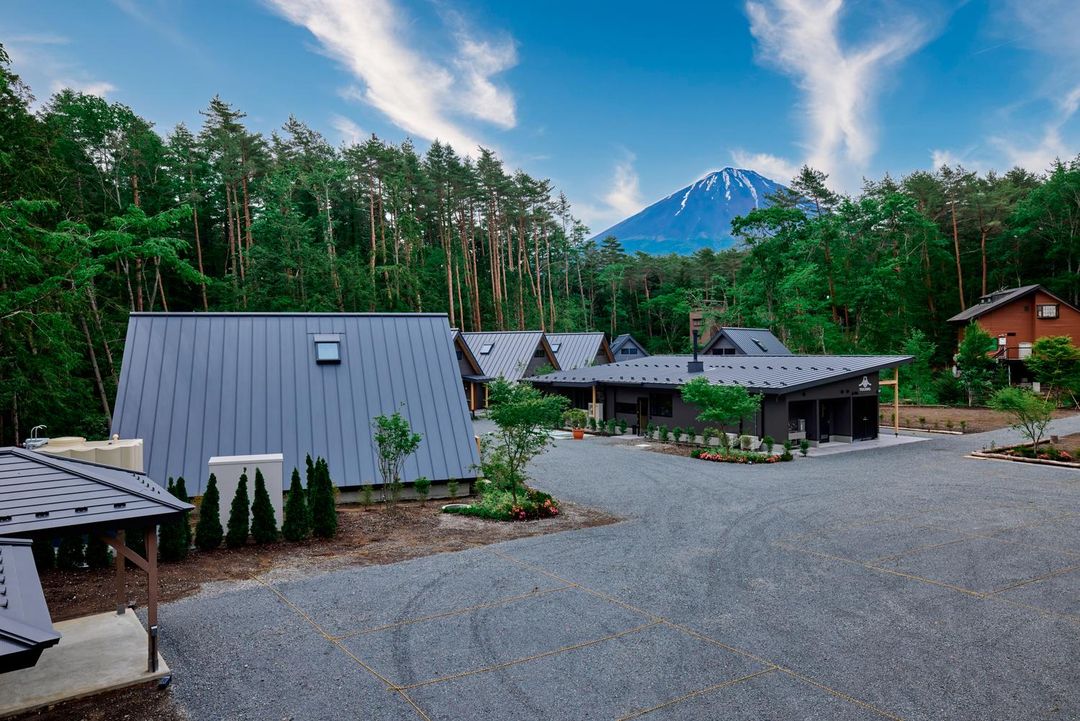
enico. Mt.Fuji Resort&Glamping
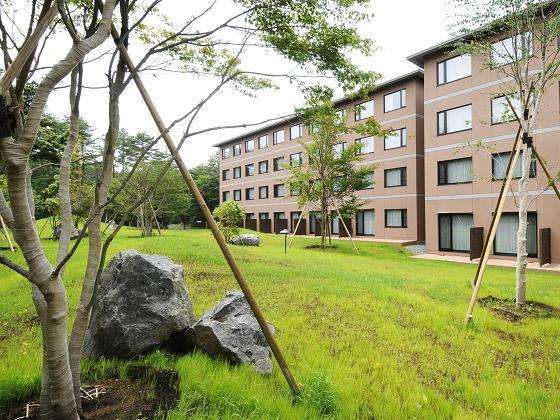
Jiragonno Fuji No Yakata
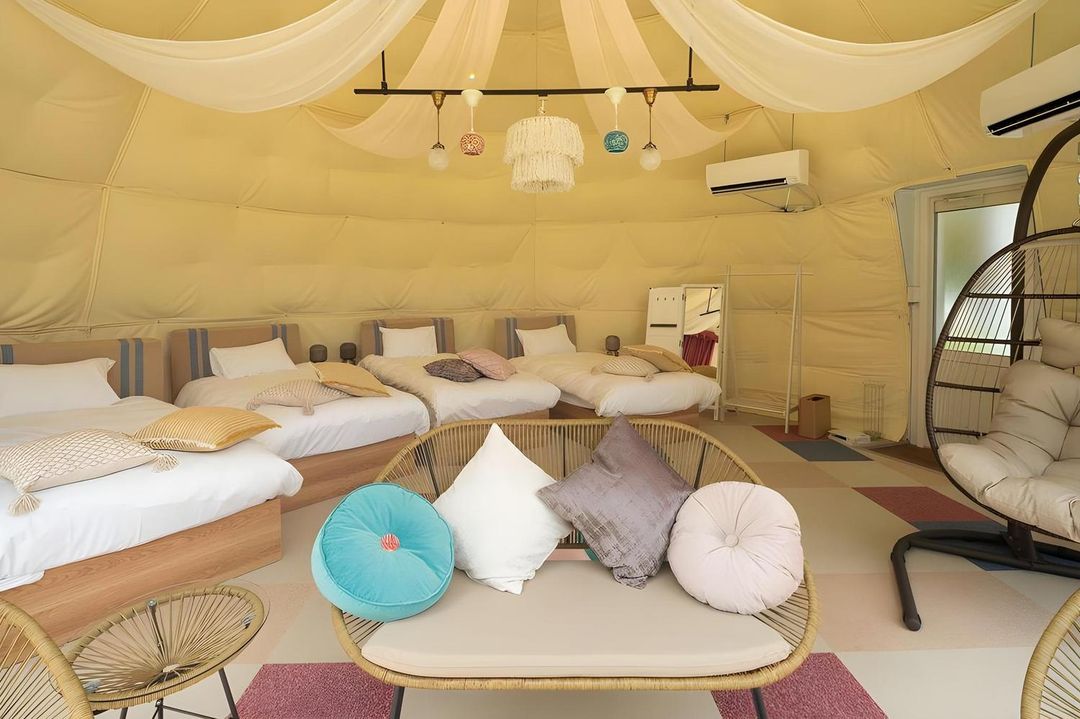
Glamping village Fujikawaguchiko
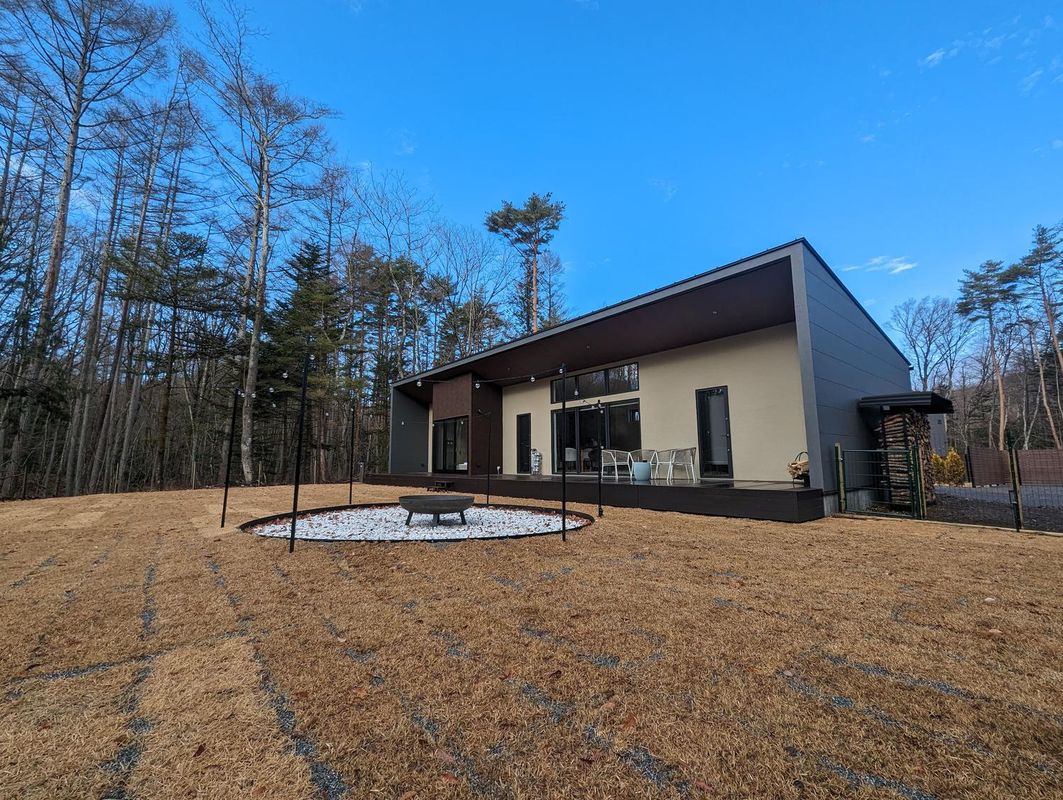
ASH Villa Fujikawaguchiko
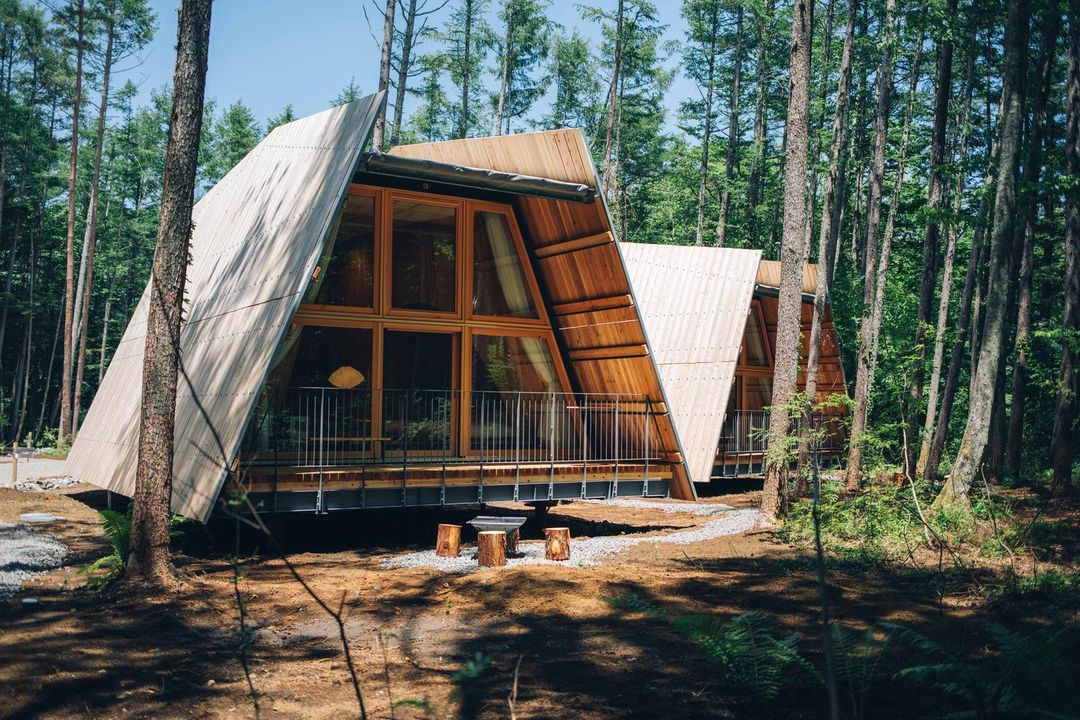
SANU 2nd Home Kawaguchiko1st
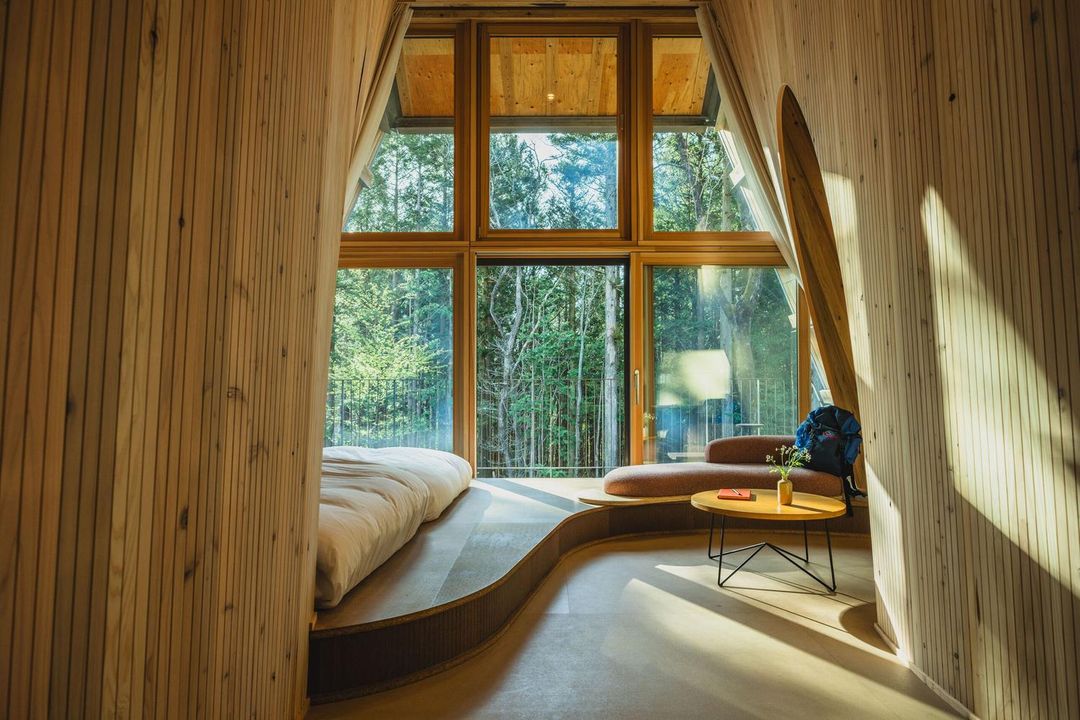
SANU 2nd Home Kawaguchiko 1st
Best Hotels in Narusawa
Discover curated hotel collections in Narusawa
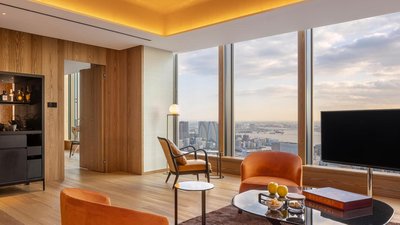
Bvlgari Hotel Tokyo
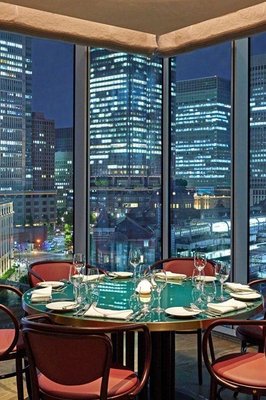
Four Seasons Hotel Tokyo at Marunouchi

Mandarin Oriental, Tokyo
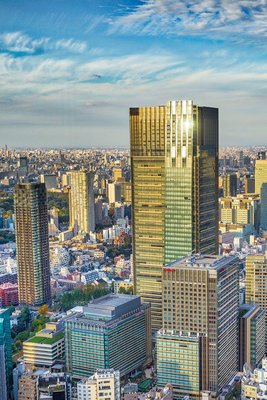
The Ritz-Carlton, Tokyo
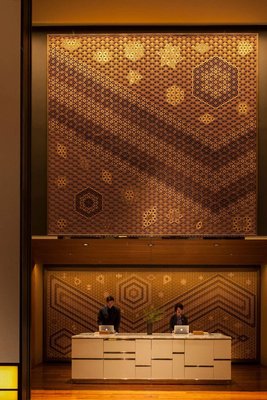
Andaz Tokyo Toranomon Hills- A Concept by Hyatt
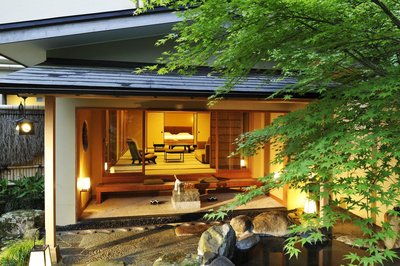
Gora Kadan
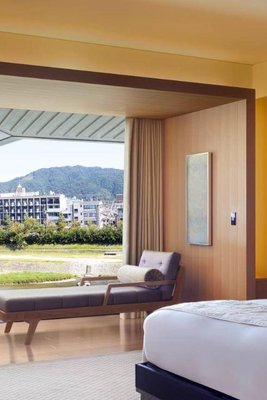
The Ritz-Carlton, Kyoto

Hotel New Otani Tokyo the Main
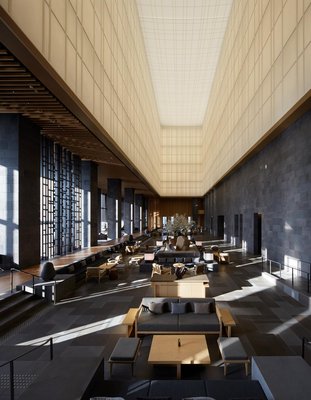
Aman Tokyo
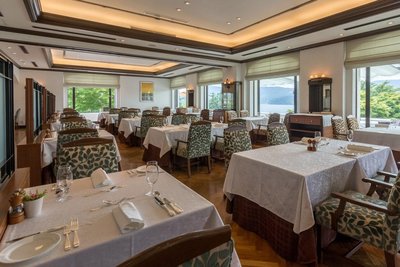
Odakyu Hotel de Yama
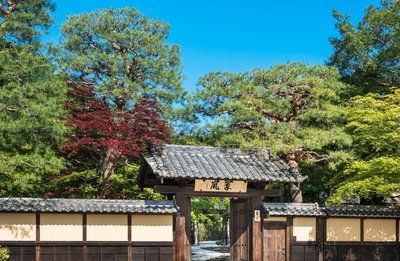
Suiran, a Luxury Collection Hotel, Kyoto
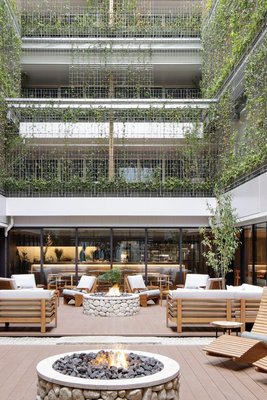
GOOD NATURE HOTEL KYOTO
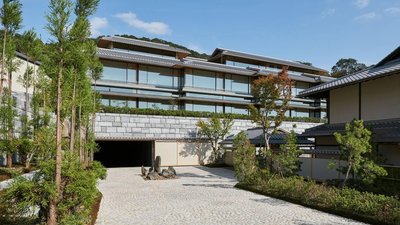
Park Hyatt Kyoto
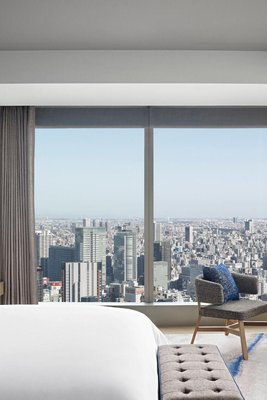
Four Seasons Hotel Tokyo at Otemachi
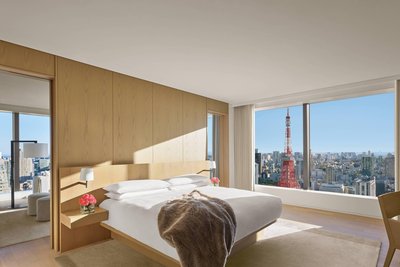
The Tokyo Edition, Toranomon

Hyatt Centric Kanazawa
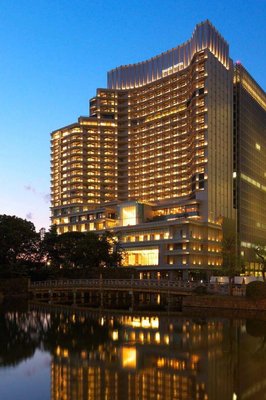
Palace Hotel Tokyo
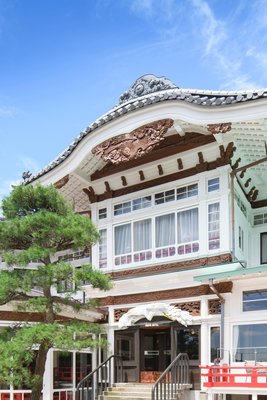
Fujiya Hotel
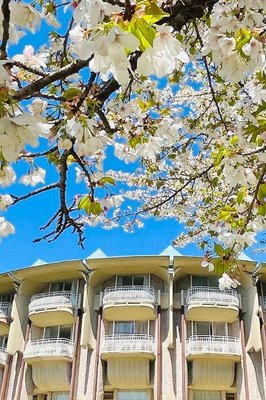
The Prince Hakone Lake Ashinoko
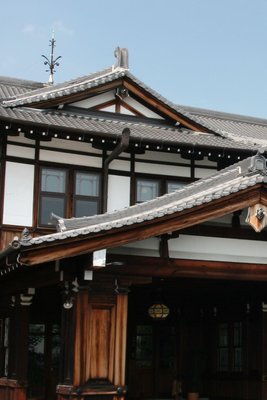
Nara Hotel
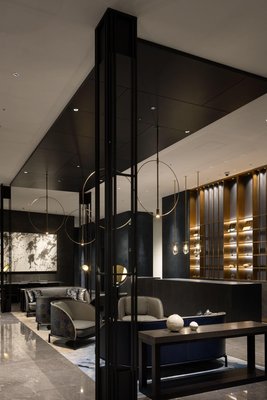
Bellustar Tokyo, A Pan Pacific Hotel
Bvlgari Hotel Tokyo
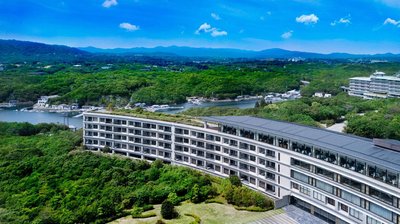
Shima Kanko Hotel the Bay Suites
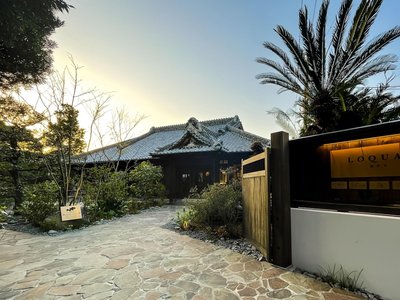
Loquat Nishiizu
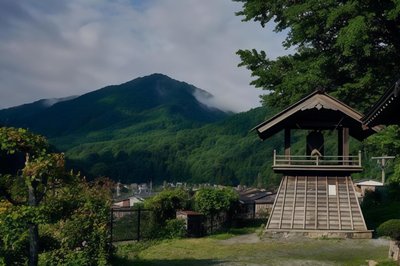
Byaku Narai
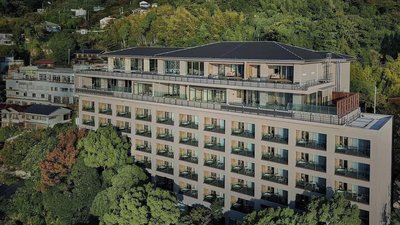
Atami Izusan Karaku
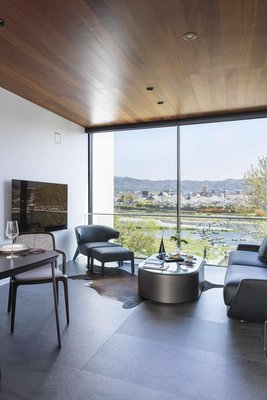
Kamo Residences by Reflections
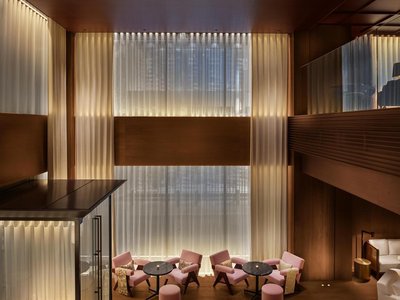
The Tokyo Edition, Ginza
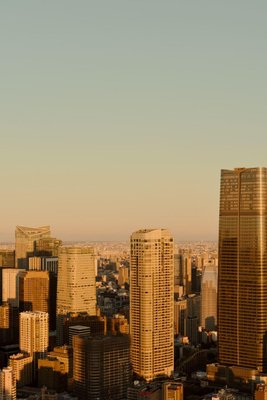
Janu Tokyo
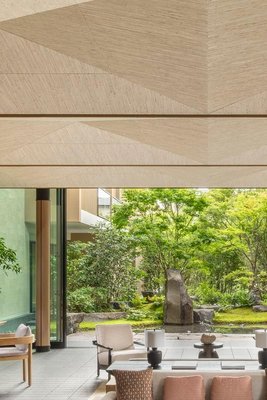
Six Senses Kyoto
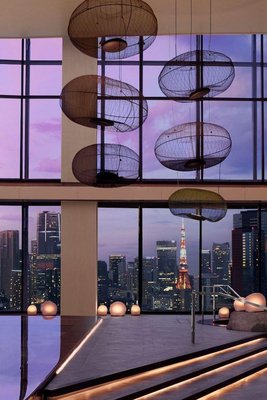
JW Marriott Hotel Tokyo
Four Seasons Hotel Tokyo at Marunouchi
Mandarin Oriental, Tokyo
The Ritz-Carlton, Tokyo
Andaz Tokyo Toranomon Hills- A Concept by Hyatt
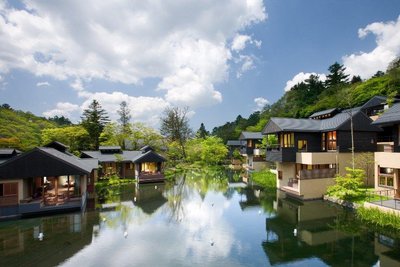
Hoshinoya Karuizawa
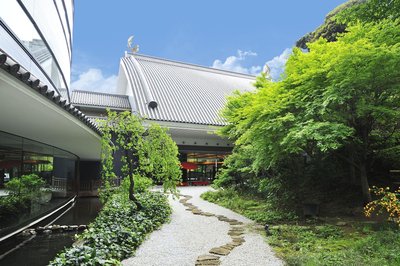
Hotel Gajoen Tokyo
Gora Kadan
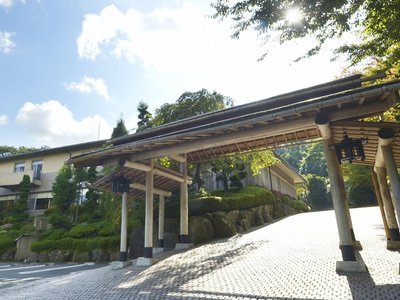
Gora Hanaougi
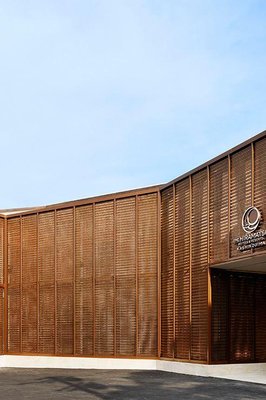
The Hiramatsu Hotels & Resorts Kashikojima

The Address Akakura
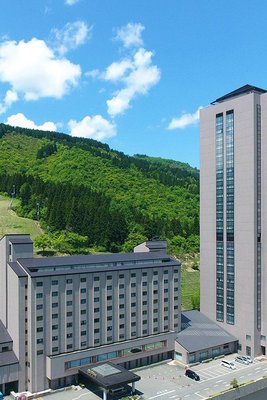
Naspa New Otani
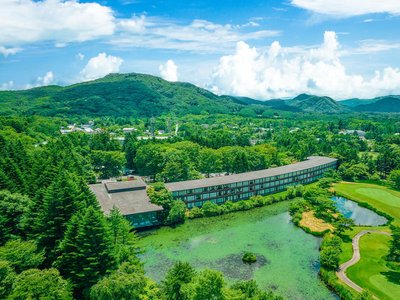
The Prince Karuizawa
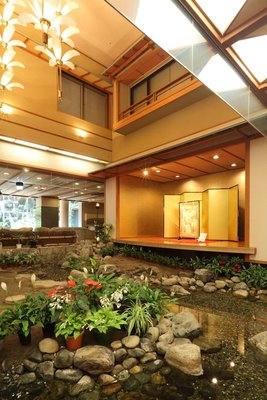
Hotel Futaba
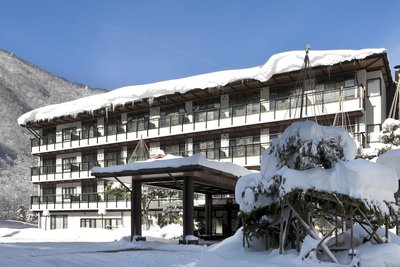
Okada Ryokan Warakutei
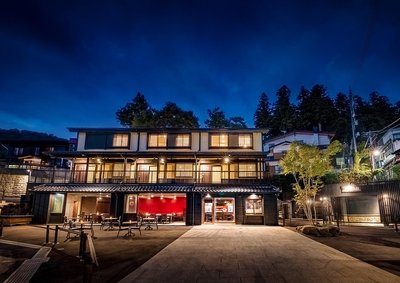
Ryokan Sakaya
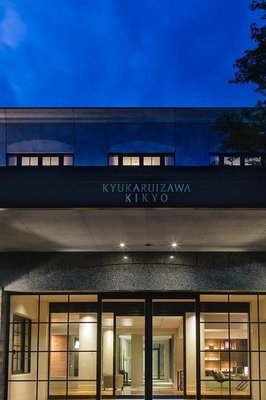
Kyukaruizawa Kikyo, Curio Collection by Hilton
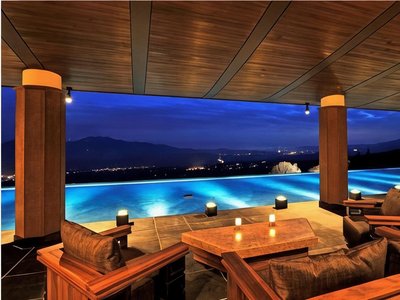
Akakura Kanko Hotel
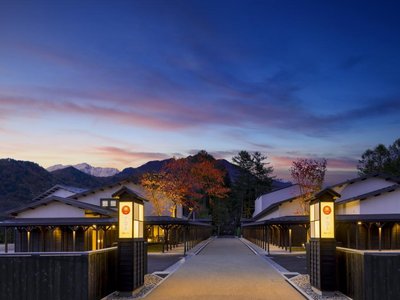
Hoshino Resorts KAI Alps
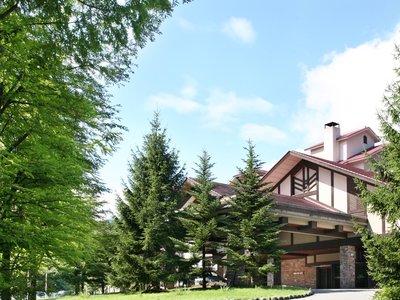
Hakuba Tokyu Hotel
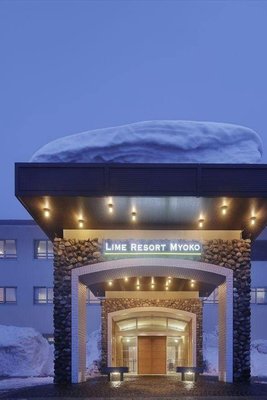
Lime Resort Myoko
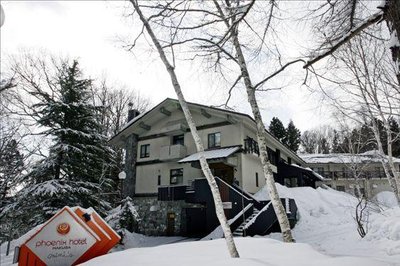
Phoenix Hotel by Hhg
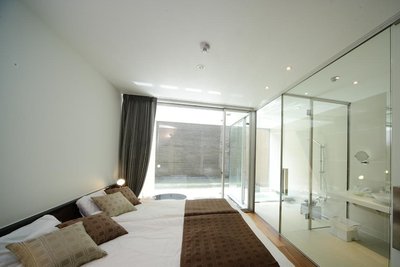
Four Seasons Yuzawa Quattro
Courtyard by Marriott Hakuba
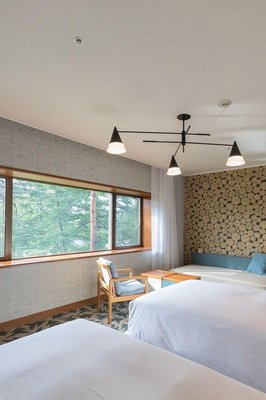
Karuizawa Prince Hotel East
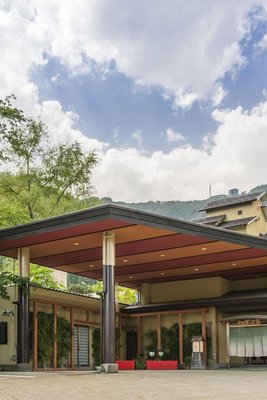
Shosenkaku Kagetsu
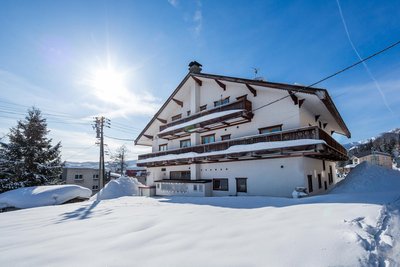
Marillen Hotel by Hhg
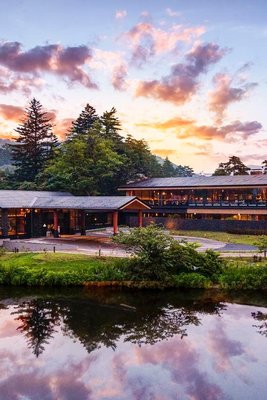
Karuizawa Prince Hotel West
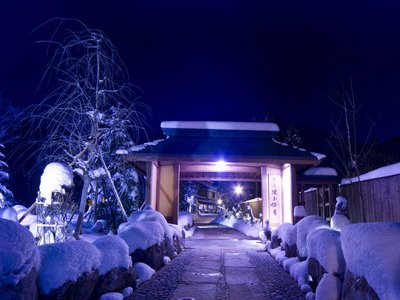
Miyama Ouan
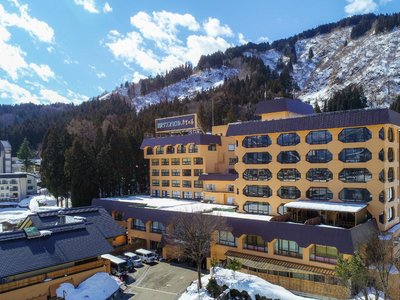
Yuzawa Grand Hotel
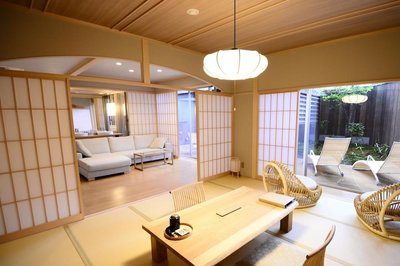
Hakone Gora Byakudan

Toba International Hotel Shiojitei
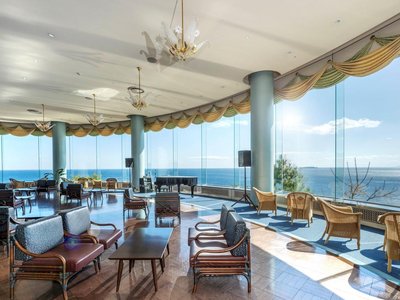
Hotel New Akao
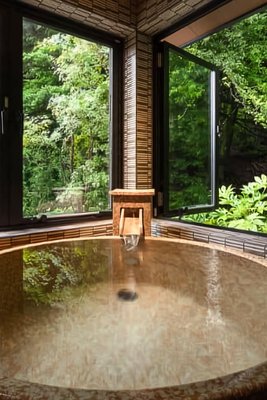
Hakkai Konohanakan

Onyado Nono Asakusa Bettei Hot Spring
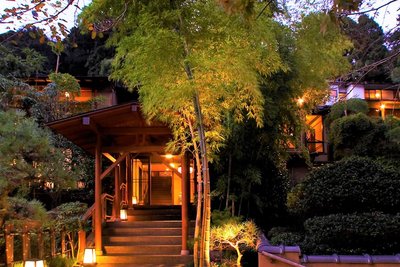
Shiki wo Ajiwau Yado Yamano Chaya
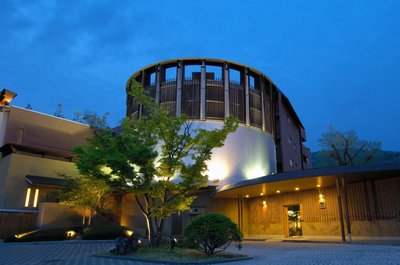
Hoshino Resorts Kai Matsumoto
The Address Akakura
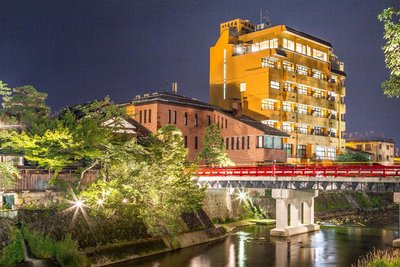
HONJIN HIRANOYA BEKKAN
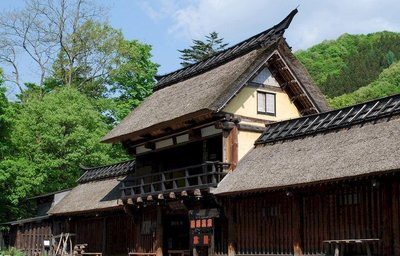
Kayabukinosato Yakushionsen Hatago
Hotel Futaba
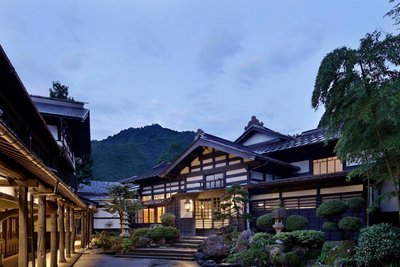
Ryugon

Tokinoniwa
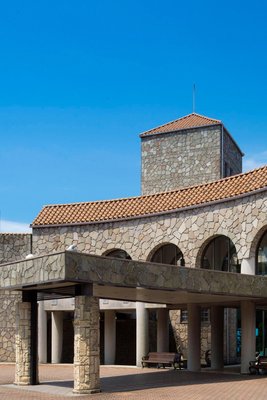
Izumigo Hotel Altia Toba
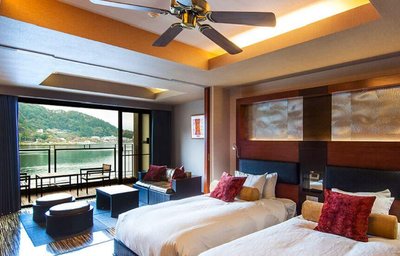
The Kukuna
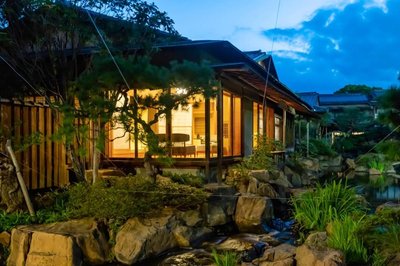
Tokiwa Hotel
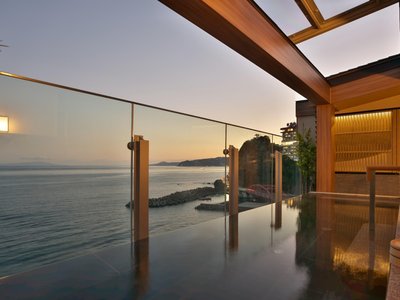
Hotel New Sagamiya
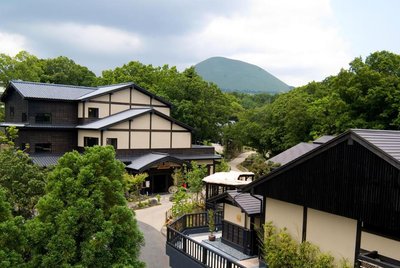
Mori no yu Kira No Sato 【Reopening on December 22, 2025】
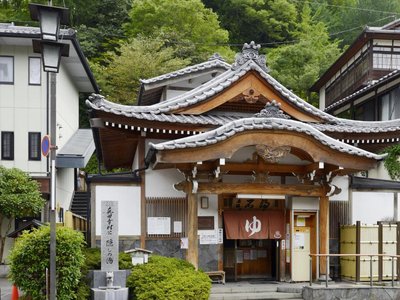
Nakamatsuya Ryokan
Okada Ryokan Warakutei
Hakone Gora Byakudan
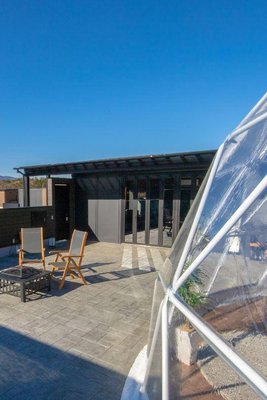
Panoramic Mt. Fuji Views from All Rooms – Vision Glamping Resort & Spa Yamanakako
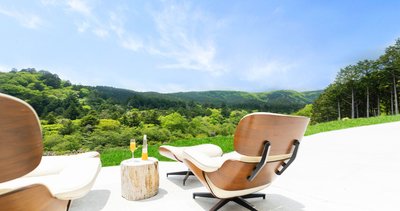
Shelter Garden Nikko
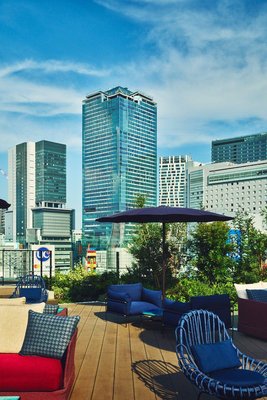
Hotel Indigo Tokyo Shibuya

TIAD, AUTOGRAPH COLLECTION
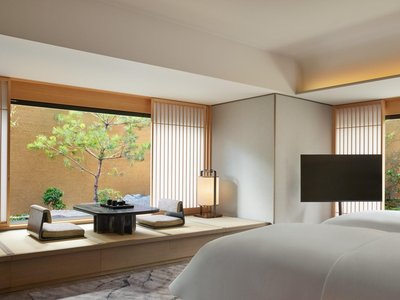
Dusit Thani Kyoto
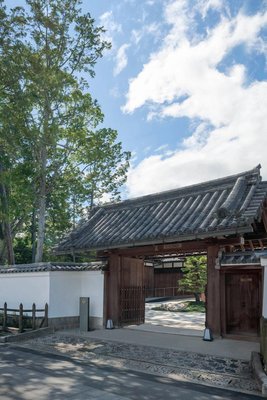
Shisui, a Luxury Collection Hotel, Nara

Hilton Kyoto
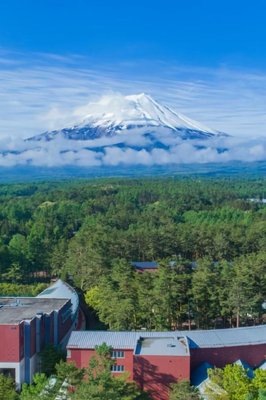
Forest Village (Fuji Premium Resort)
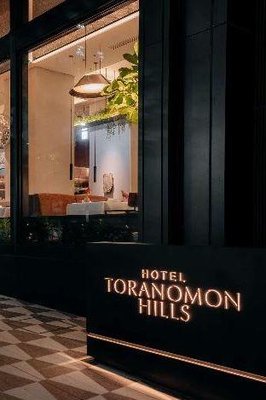
Hotel Toranomon Hills
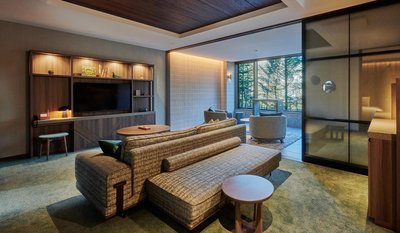
Fufu Kyu-Karuizawa Restful Forest
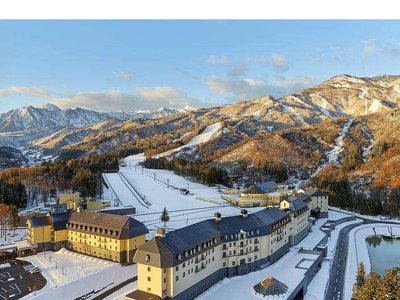
Lotte Arai Resort
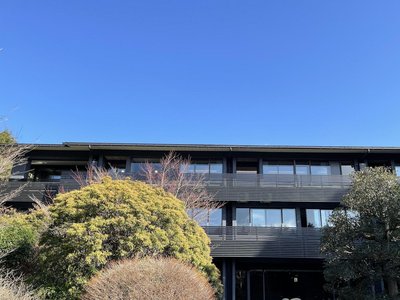
Sengokubara Cocon
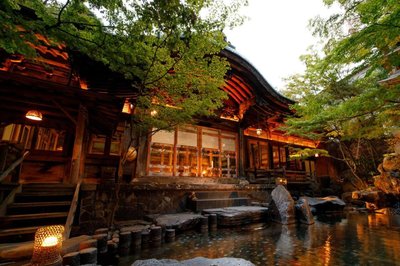
Shoraiso
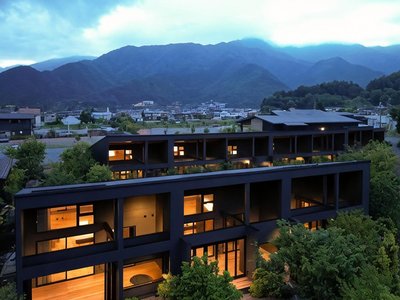
7C Villa and Winery
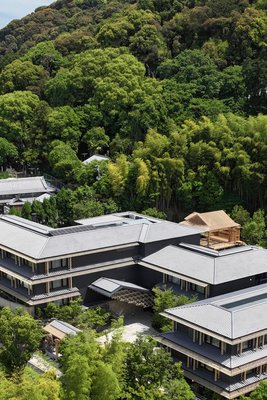
Banyan Tree Higashiyama Kyoto

Hotel la Vigne Hakuba by Onko Chishin
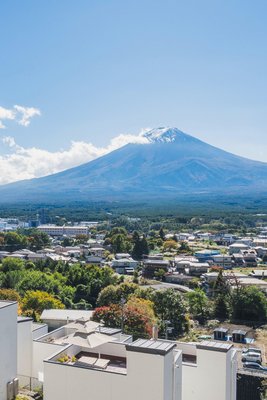
THE TOKI FujiKawaguchiko
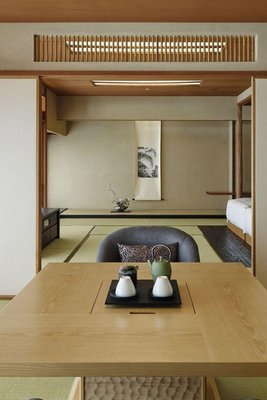
Takanawa Hanakohro (in Grand Prince Hotel Takanawa)
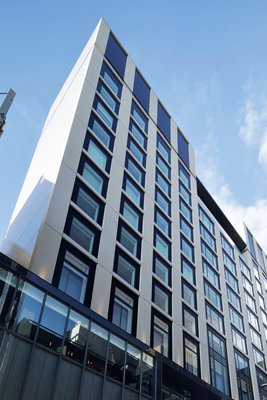
Hyatt Centric Ginza Tokyo
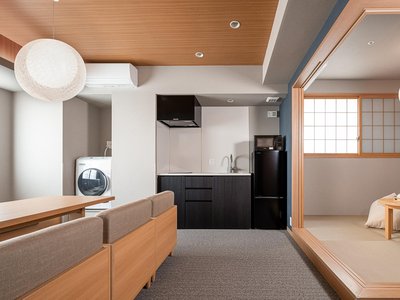
MIMARU SUITES Tokyo Asakusa
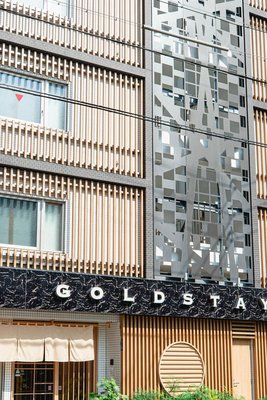
Gold Stay Nagoya OSU
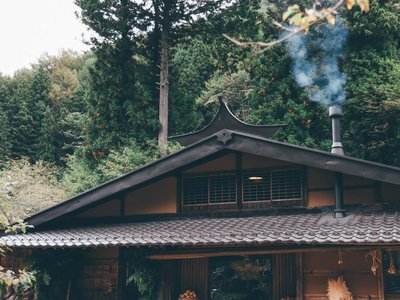
La Terra Resort
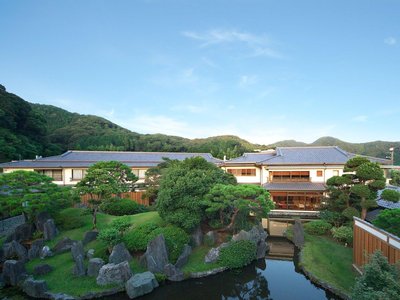
Kagetsutei

karaksa hotel colors Tokyo Yaesu

HOTEL GROOVE SHINJUKU, A PARKROYAL Hotel

GOLD STAY Nagoya Sakae
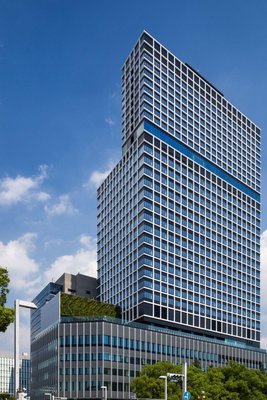
The Royal Park Hotel Iconic Nagoya
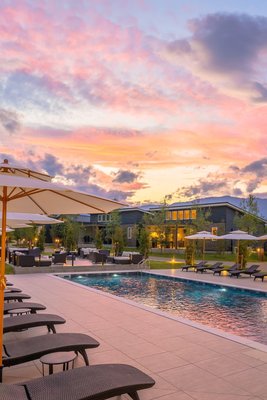
Awaumi Fujikawaguchiko Resort
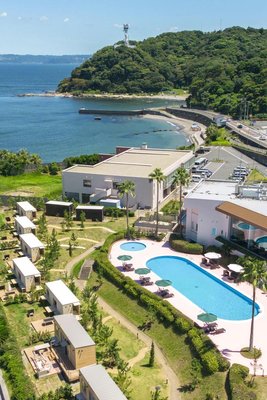
La vista Yokosuka Kannonzaki Terrace
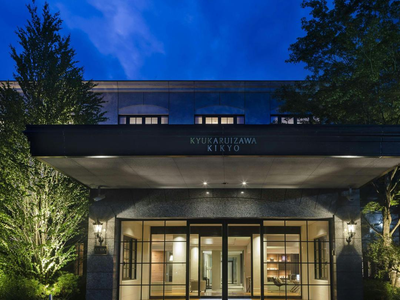
Fufu Karuizawa Wind of Sunshine
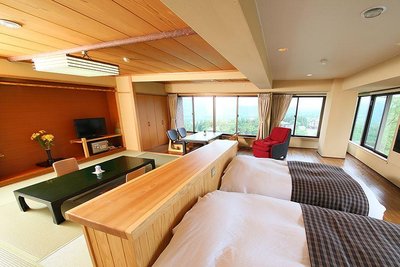
Hotel Taiko, Akakura Onsen

Scapes the Suite
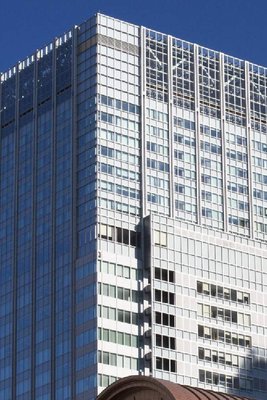
Hotel Metropolitan Tokyo Marunouchi
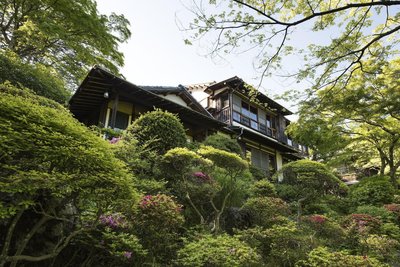
Gora Kansuiro
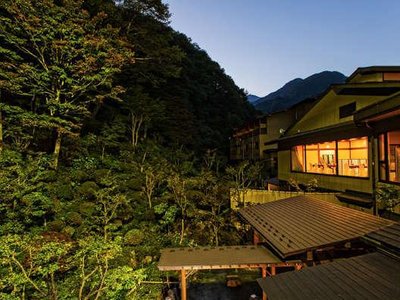
Futari Shizuka
Naspa New Otani
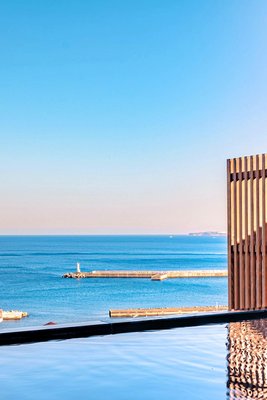
HOTEL KANICHI
Hotel Futaba
Ryugon
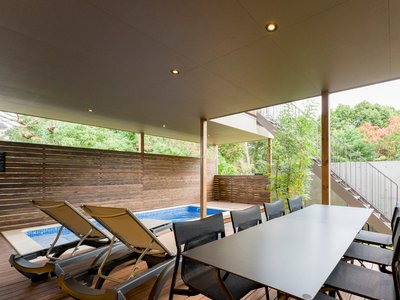
Rakuten STAY VILLA Kamogawa
Awaumi Fujikawaguchiko Resort
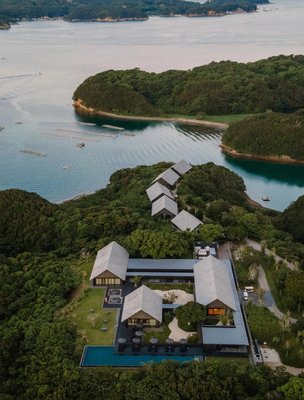
Amanemu
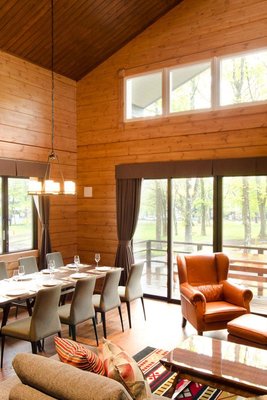
The Prince Villa Karuizawa
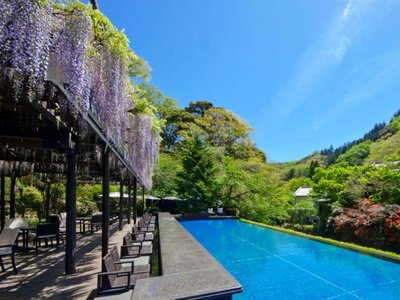
Tofuya Resort & Spa Izu
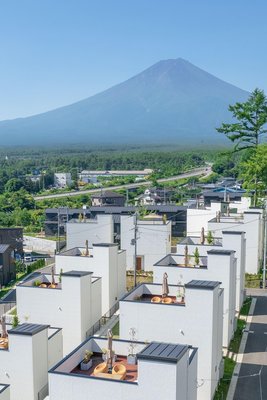
Fuji Granvilla -TOKI-
Hakone Gora Byakudan
Hotel New Akao
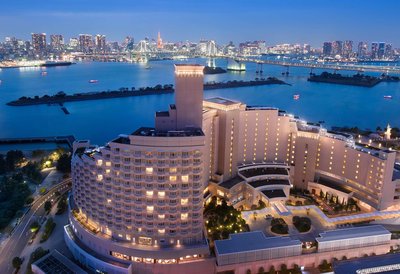
Hilton Tokyo Odaiba
JW Marriott Hotel Tokyo
The Prince Karuizawa
Izumigo Hotel Altia Toba
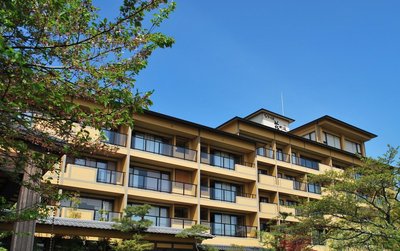
BIWAKO HANAKAIDO
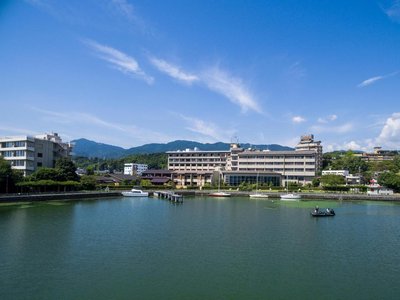
Biwako Ryokusuitei
The Kukuna
Hotel New Sagamiya
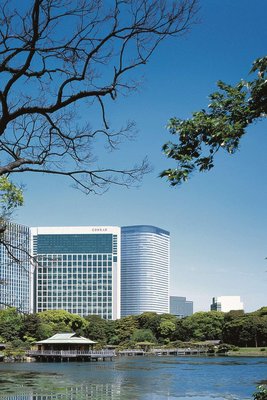
Conrad Tokyo
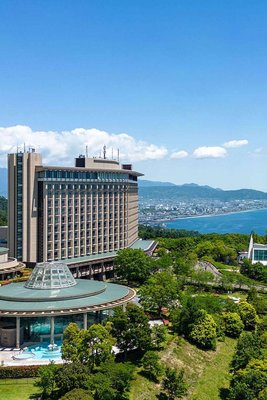
Hilton Odawara Resort & Spa
Hoshinoya Karuizawa
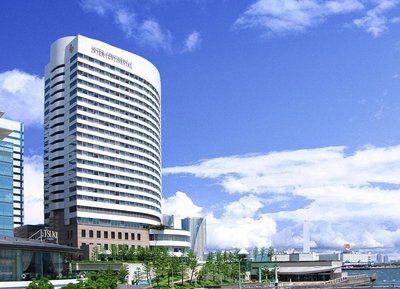
InterContinental Tokyo Bay
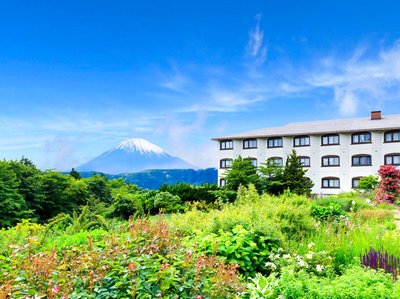
Hotel Green Plaza Hakone
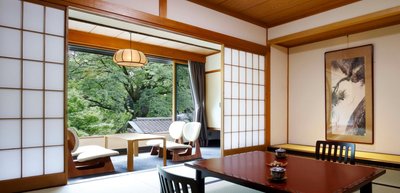
Yoshiike Ryokan
Akakura Kanko Hotel
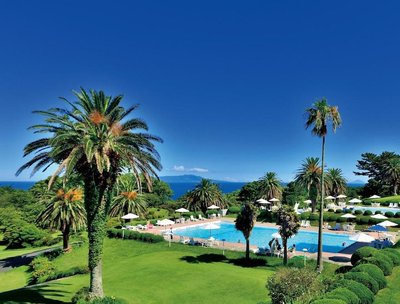
Kawana Hotel
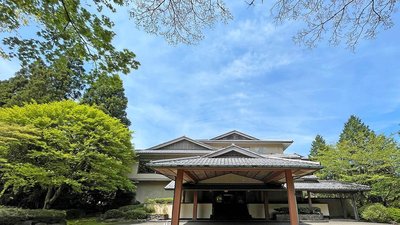
Ryuguden
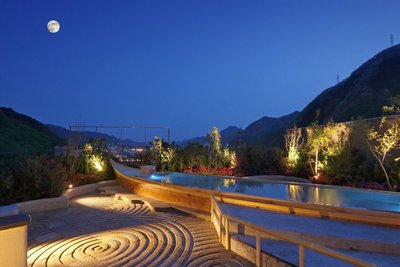
Asaya
Bellustar Tokyo, A Pan Pacific Hotel
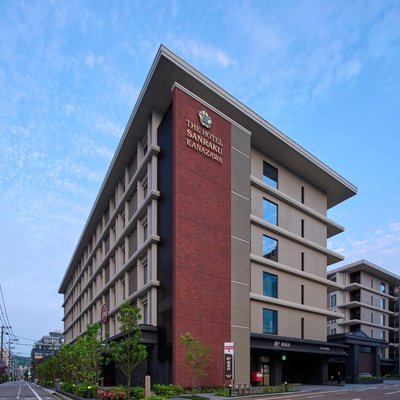
The Hotel Sanraku Kanazawa 21th December 2022 Open
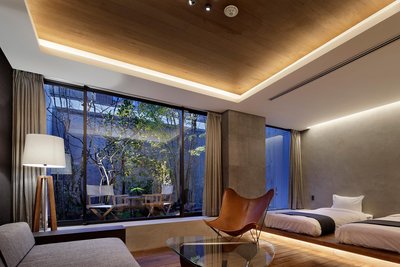
22 PIECES
JW Marriott Hotel Tokyo
Andaz Tokyo Toranomon Hills- A Concept by Hyatt

The Thousand Kyoto
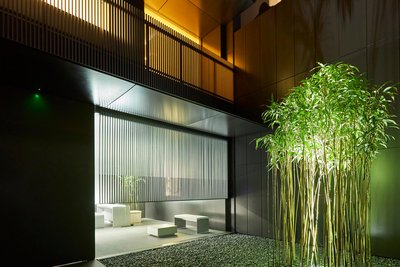
Mogana
GOOD NATURE HOTEL KYOTO
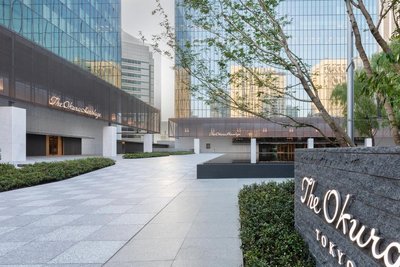
The Okura Tokyo
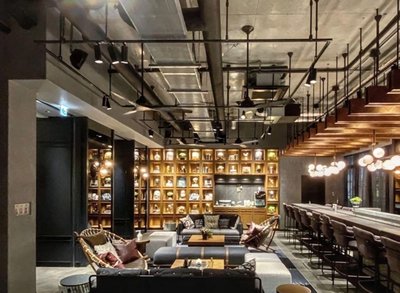
The Lively Azabujuban Tokyo
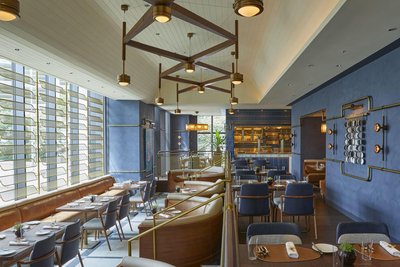
Kimpton Shinjuku Tokyo
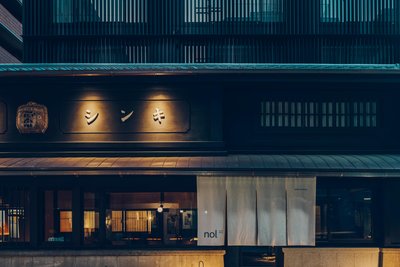
Nol Kyoto Sanjo

HOTEL K5
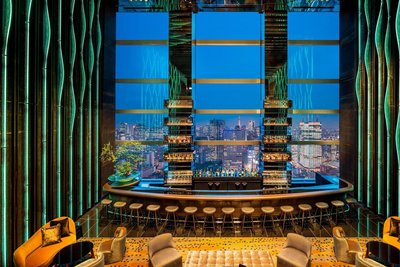
The Prince Gallery Tokyo Kioicho, a Luxury Collection Hotel
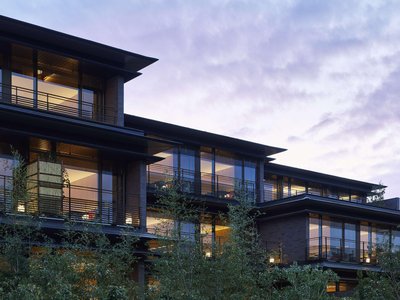
Garrya Nijo Castle Kyoto

Hotel Kanra Kyoto
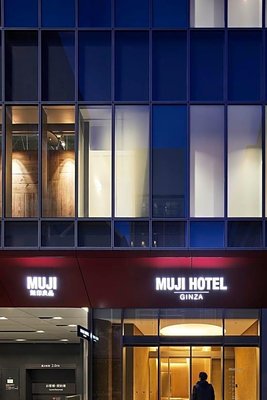
Muji Hotel Ginza
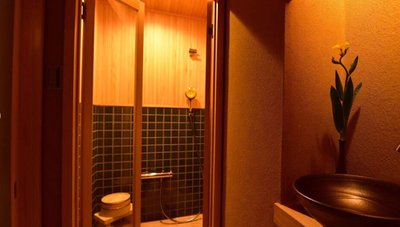
Yado Kiramachi
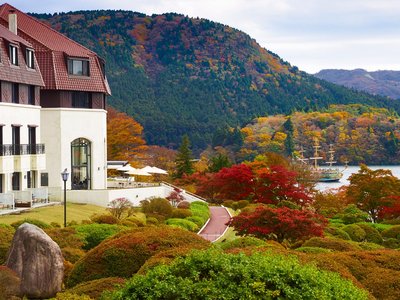
Hotakajyo
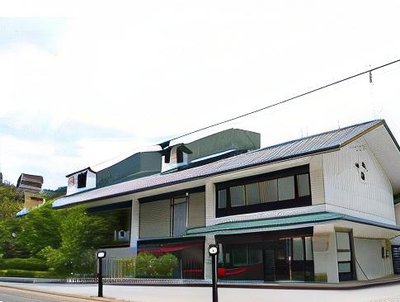
Auberge Suzukane
Onyado Nono Asakusa Bettei Hot Spring
Shiki wo Ajiwau Yado Yamano Chaya
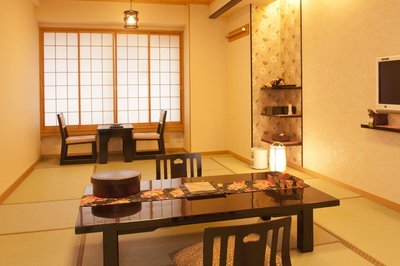
Matsui-Bekkan Hanakanzashi
Hoshino Resorts Kai Matsumoto
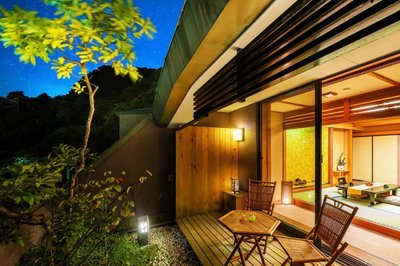
Konjakutei
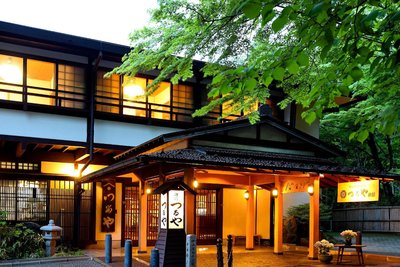
Tsuruya Ryokan
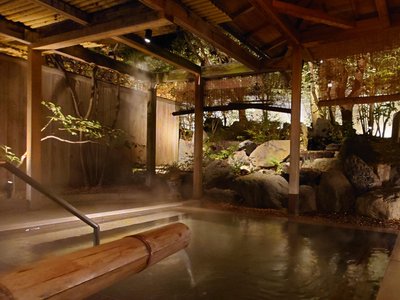
Kasuga Hotel
Nakamatsuya Ryokan
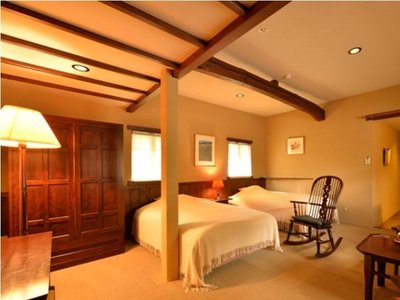
Ryokan Sugimoto
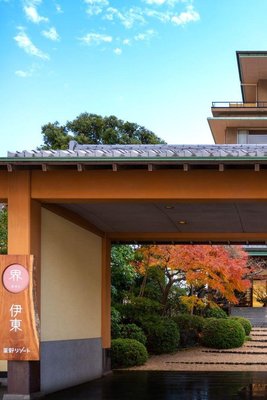
Hoshino Resorts Kai Ito
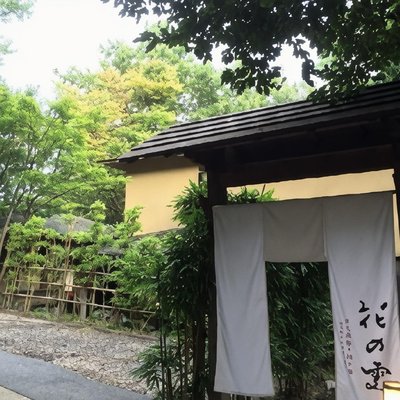
Hana No Kumo
Yoshiike Ryokan
Hotel Gajoen Tokyo
Gora Hanaougi
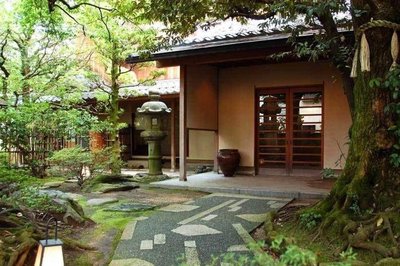
Kocho
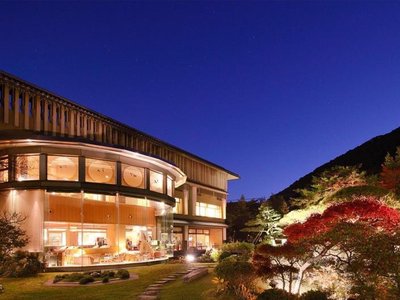
Shikisai Ichiriki
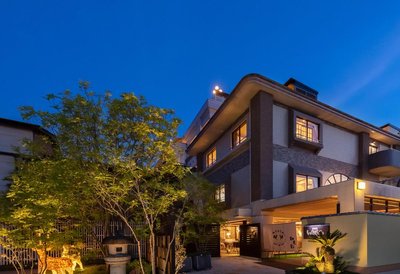
Hotel New Wakasa

Rakuten STAY VILLA Nasu
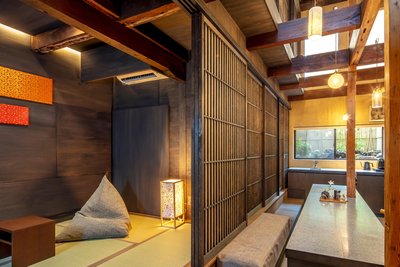
Kyo No Oozora Kihana
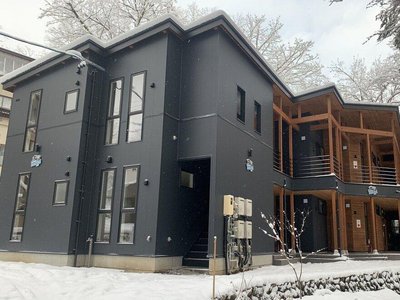
Hakuba Gondola Apartments
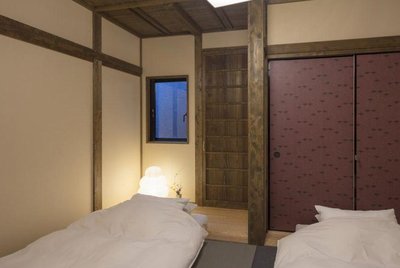
Hanagoromo Machiya House
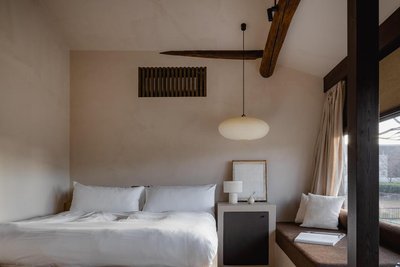
Maana Kiyomizu
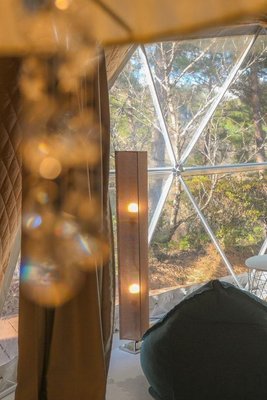
glampark Gekkabijin Nagano
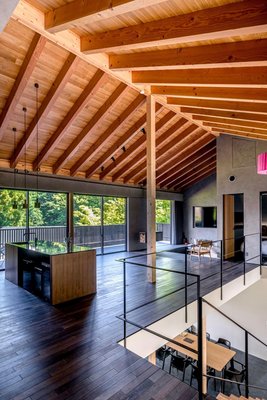
MONS GORA

Phoenix Chalets by Hhg
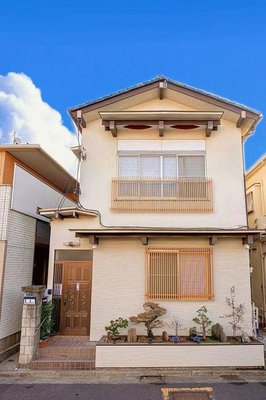
Tokyo Star House-Shinkoiwa
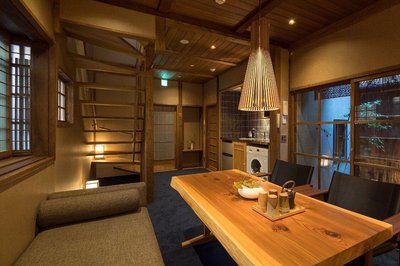
Bonbori an Machiya House
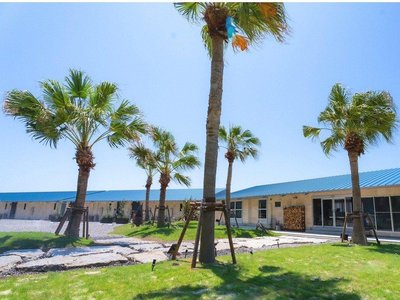
Glamping&Resort Wood Design Park Noma
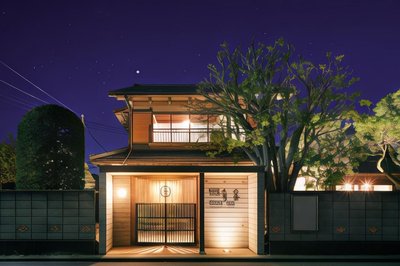
Machi-Jyu
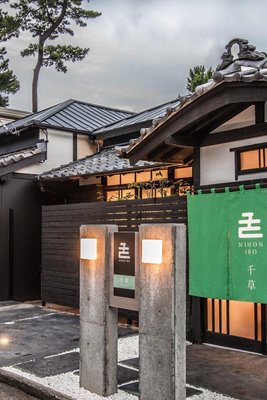
Nihon Iro
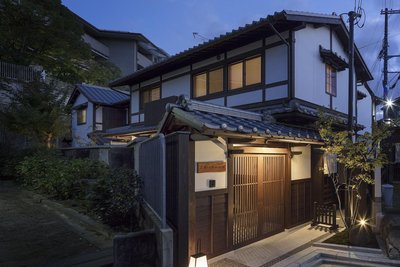
The Machiya Villa Sanjo Shirakawa Koji
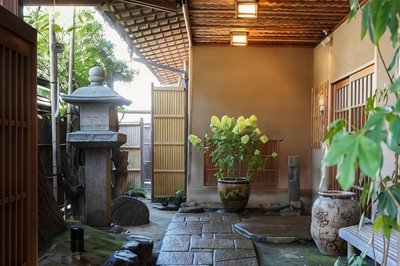
Ryokan Asadaya
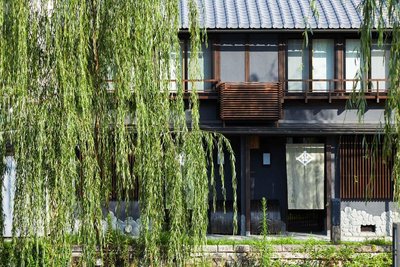
Gion Shirakawa No Yado

Kitashirakawa Natural Radium Onsen
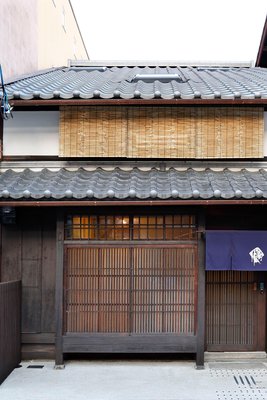
Kyo No Ondokoro Kamanza Nijo #2
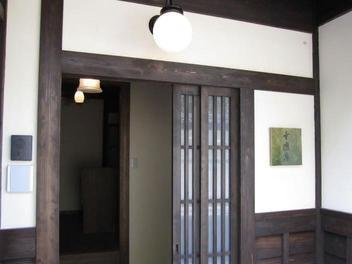
Gion Koyu an Machiya House
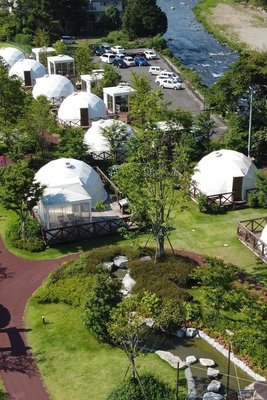
Ufufu Village
Frequently Asked Questions about Traveling to Narusawa
Questions You Might Need to Know About Traveling to Narusawa
For an authentic cultural experience, stay at Narazawa Mura Ryokan, a centuries-old guesthouse nestled along the Narazawa River. The property features tatami rooms with exposed wooden beams, private onsen baths, and daily tea ceremonies led by local elders. Guests can participate in seasonal rituals like plum blossom harvesting and traditional paper lantern making. The inn’s garden showcases native cherry trees and stone karesansui gardens, reflecting Zen aesthetics. Located just 10 minutes from Mount Fuji's foothills, it offers panoramic views of snow-capped peaks and lush forests, perfect for mindful retreats.
The riverfront district near Narazawa Bridge offers the most serene and picturesque lodging options. Here, boutique ryokans like Kawase Kaze No Ie provide rooms with floor-to-ceiling windows facing the flowing river and surrounding cedar forests. The area is pedestrian-friendly, with easy access to ancient rice terraces, local craft workshops, and quiet forest trails. Many accommodations offer complimentary shuttle service to nearby viewpoints like Hinata Lookout, where you can witness breathtaking sunrises over Mount Fuji. This tranquil zone is perfect for nature lovers seeking peace and immersion in rural Japanese life.
Visitors to Narazawa Village can take part in rare hands-on traditions such as hand-pressed plum wine fermentation and woodblock printing using local cherry bark. During summer, join the Fire Festival at Fuji Base, a sacred ritual involving bonfires and drumming under the stars. For food enthusiasts, try the mountain vegetable tempura served at Narazawa Market Kitchen, made from ingredients harvested that morning. Seasonal events like Autumn Leaf Drawing Contests and Winter Lantern Walks also offer immersive cultural engagement, often hosted by elderly villagers sharing stories passed down through generations.
Yes, Narazawa Kids Forest House is a top-rated family-friendly option featuring spacious multi-generational suites, a children’s playroom with handmade toys, and guided forest exploration trails. Families can rent bikes or electric carts to explore the Narazawa Wetlands and streamside fishing zones. Weekly activities include nature storytelling sessions and yuzu bath-making workshops. The property also hosts family-friendly festivals like the Spring Rain Dance, where kids wear raincoats and dance in puddles. With free shuttle service to the train station and ample parking, it’s ideal for stress-free family getaways.
Nighttime in Narazawa Village shines with stargazing events at the Narazawa Sky Observatory, located atop a hill overlooking the valley. With minimal light pollution, visitors can view the Milky Way and shooting stars through telescopes provided by local astronomers. Some lodges, like Hoshino Yado, feature open-air onsen pools where guests soak while gazing at constellations. During winter, the Festival of Lanterns illuminates the riverbank with hundreds of handcrafted paper lanterns. Evening programs also include live shamisen music performances and warm miso soup tastings, creating a deeply peaceful mountain atmosphere.
For genuine Yamanashi regional flavors, visit Narazawa Ichiba Canteen, a bustling market-style eatery where locals sell fresh produce and prepared dishes daily. Try their signature Narazawa River Eel Sushi and wild mountain vegetable tempura cooked in local oil. Another must-try is white peach mochi, filled with sweet peach paste and wrapped in banana leaf. Many guesthouses offer dining-with-the-villagers experience, where families serve home-cooked meals in their traditional kitchens. These intimate dinners often include seasonal specialties like fuji-mushroom stew and rice cake with plum syrup, offering a true taste of village life.
Near Narazawa Village, the Seven Falls of Narazawa River is a must-see, a series of cascading waterfalls surrounded by moss-covered rocks and ancient cedars. Hike the Forest Path to Mount Fuji Viewpoint, which reveals sweeping vistas of the iconic peak framed by evergreens. The Hinata Grassland offers panoramic meadows perfect for sunrise photography, while the Old Cherry Tree Grove hosts seasonal blossom viewing. All trails are well-marked and accessible, with rest areas and interpretive signs explaining local flora and fauna. The area is also home to rare species like the Japanese serow, making it a prime destination for eco-tourism.
Public transport includes buses from Omiya Station (30 minutes away), with direct links to Narazawa Village Center. For greater flexibility, rent an electric bike or shared e-car from the village hub. Most guesthouses offer free shuttle services to major attractions like Fuji Base Trailhead and Narazawa Market. During the Car-Free Days, all motorized vehicles are restricted, encouraging walking or cycling. GPS-enabled apps from the Yamanashi Tourism Board provide real-time route planning and multilingual audio guides for self-guided tours.
Narazawa Village celebrates four distinct seasons: Spring Cherry Blossom Tea Ceremony, where guests sip tea beneath blooming sakura; Summer Fire Festival at the base of Mount Fuji, featuring fire dances and drum circles; Autumn Leaf Drawing Contest, drawing artists from across Japan; and Winter Lantern Walk, illuminating the riverbank with glowing paper lanterns. Each event includes traditional food stalls, craft booths, and storytelling sessions. Advance HopeGoo is recommended, especially for the Lantern Walk, which sells out quickly. Special packages at local ryokans often include entrance tickets and exclusive dining experiences.
Guesthouses in Narazawa Village emphasize harmony with nature through materials like cedar wood, thatch roofing, and stone foundations. Notable examples include Mori no Mado, whose structure uses reclaimed timber and features large glass walls to blur indoor-outdoor boundaries. Many rooms incorporate tatami flooring, sliding shoji screens, and heated floors for comfort. Outdoor spaces often include dry rock gardens, bamboo fences, and natural water channels mimicking mountain streams. The design philosophy centers on simplicity, sustainability, and mindfulness—offering guests a meditative retreat rooted in Japanese tradition and ecological respect.
Narusawa Overview
City Summary
Narusawa Village, located in Yamanashi Prefecture, Japan, is a tranquil village nestled at the foot of Mount Fuji. Known for its stunning views of Mount Fuji, lush forests, and clear lakes, it is an ideal destination for those seeking to escape the hustle and bustle of city life. Narusawa is a paradise for hikers and offers abundant hot spring resources, allowing visitors to enjoy nature while experiencing authentic Japanese onsen culture.
Must-See Attractions
Key attractions in Narusawa include the Fuji Subaru Line 5th Station, Narusawa Ice Cave, and Aokigahara Forest. The Fuji Subaru Line 5th Station is the starting point for climbing Mount Fuji and offers spectacular mountain views. The Narusawa Ice Cave is a natural ice cave with ice pillars visible even in summer. Aokigahara Forest is a mysterious and beautiful woodland perfect for adventurous travelers. Additionally, the village's hot spring inns are a must-try experience.
Food Guide
Narusawa's culinary culture is heavily influenced by the Mount Fuji region. Recommended dishes include "houtou" (a thick noodle soup) and "Fuji lava grill," both made with local fresh ingredients. The village also has many small restaurants and hot spring inns serving traditional Japanese cuisine, allowing visitors to enjoy delicious food while immersing themselves in Japanese culture.
Transportation Guide
Transportation in Narusawa primarily relies on buses and taxis. Buses from Tokyo or other cities in Yamanashi Prefecture take about 2-3 hours to reach Narusawa. Attractions within the village are close to each other, making walking or renting bicycles convenient. For those planning to visit the Fuji Subaru Line 5th Station, it's advisable to check bus schedules in advance to avoid missing the last bus.
Best Time to Visit
The best times to visit are spring (April to June) and autumn (September to November), when the weather is pleasant and Mount Fuji's scenery is most breathtaking. Summer (July to August) is the peak climbing season, so accommodations should be booked early. Winter (December to February) is ideal for those who enjoy snowscapes and hot springs.
Travel Tips
- Climbing Mount Fuji requires proper gear and physical preparation; check weather conditions in advance.
- Aokigahara Forest has complex terrain; follow guides or markers to avoid getting lost.
- Hot spring inns have strict bathing etiquette; learn and adhere to the rules.
- Nighttime transportation in Narusawa is limited; plan your itinerary accordingly.
- Some attractions require entrance fees; carry cash.
- Respect local culture by avoiding loud noises and damaging the natural environment.
Useful Information
The official language in Narusawa is Japanese. Some tourist spots and inns offer English services, but learning basic Japanese phrases is helpful. The village has good internet coverage, with free Wi-Fi available at most inns and public places. Cash is the primary payment method, though some inns and restaurants accept credit cards. For medical emergencies, there is a small clinic in the village, but serious cases may require travel to hospitals in Yamanashi Prefecture. Travel insurance is recommended for unexpected situations.