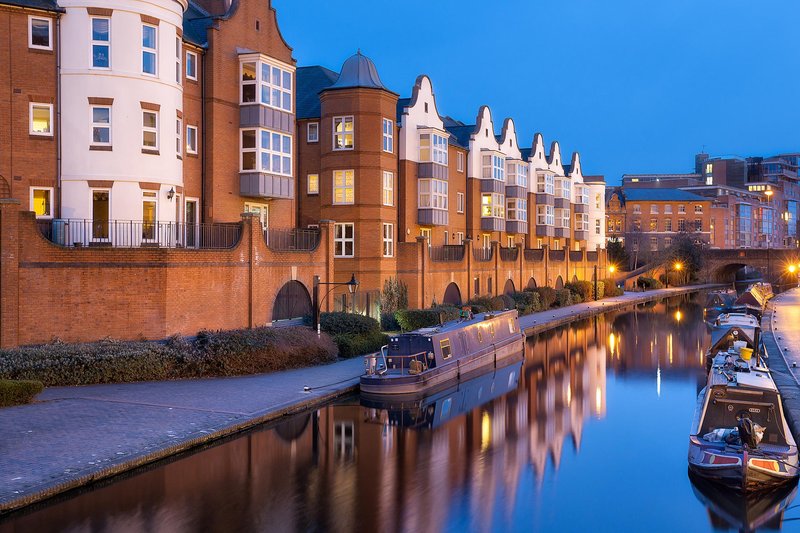
Hotels in New Romney
Discover your perfect stay in New Romney.
New Romney(United Kingdom) Travel 2026: Cheap Flights, Hotels & Top Attractions
Popular Landmarks in New Romney
Discover the most iconic attractions in New Romney
Recommended Hotels in New Romney
Find the perfect place to stay in New Romney
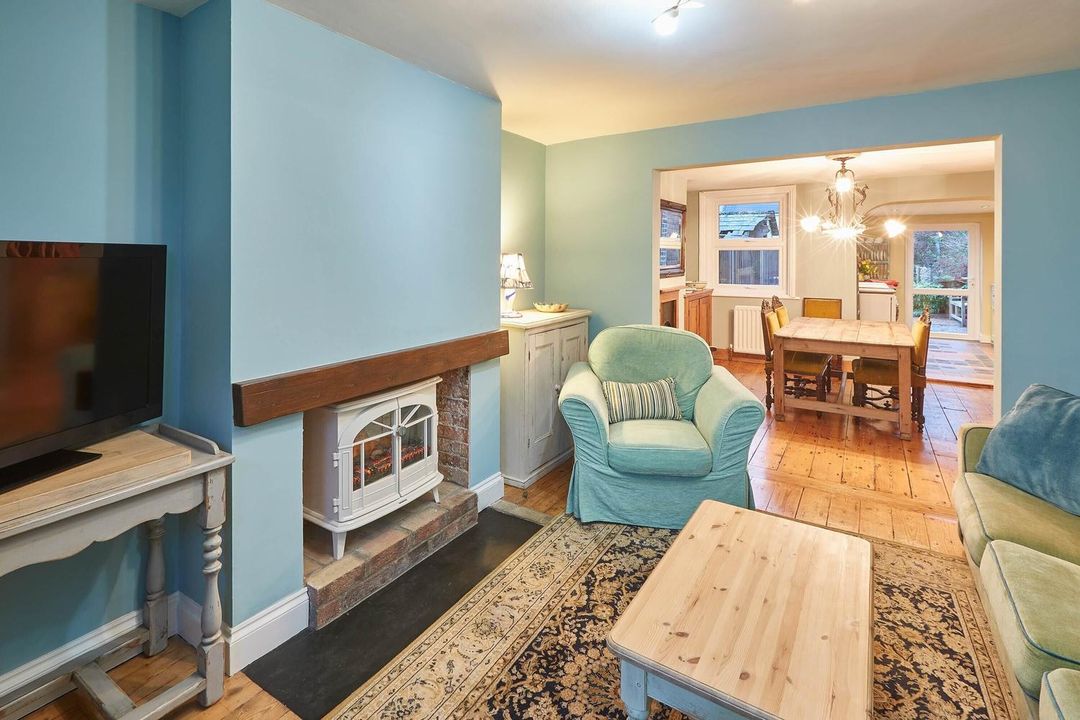
Tilldene
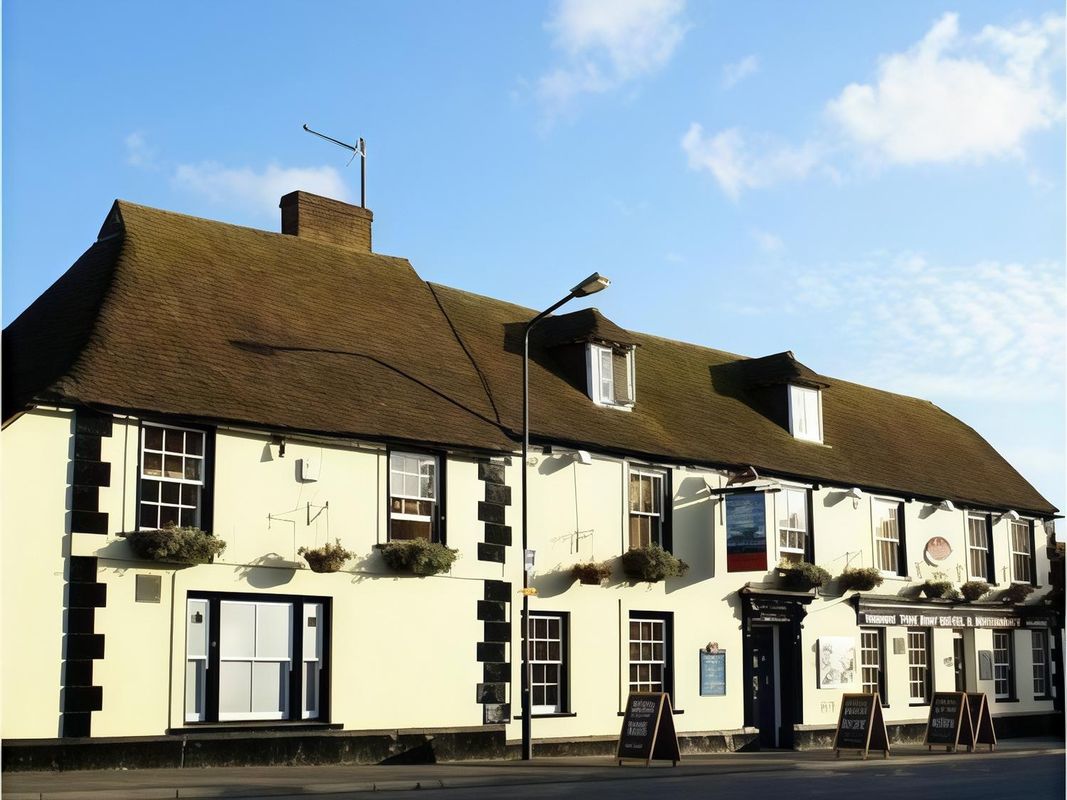
The Ship Hotel
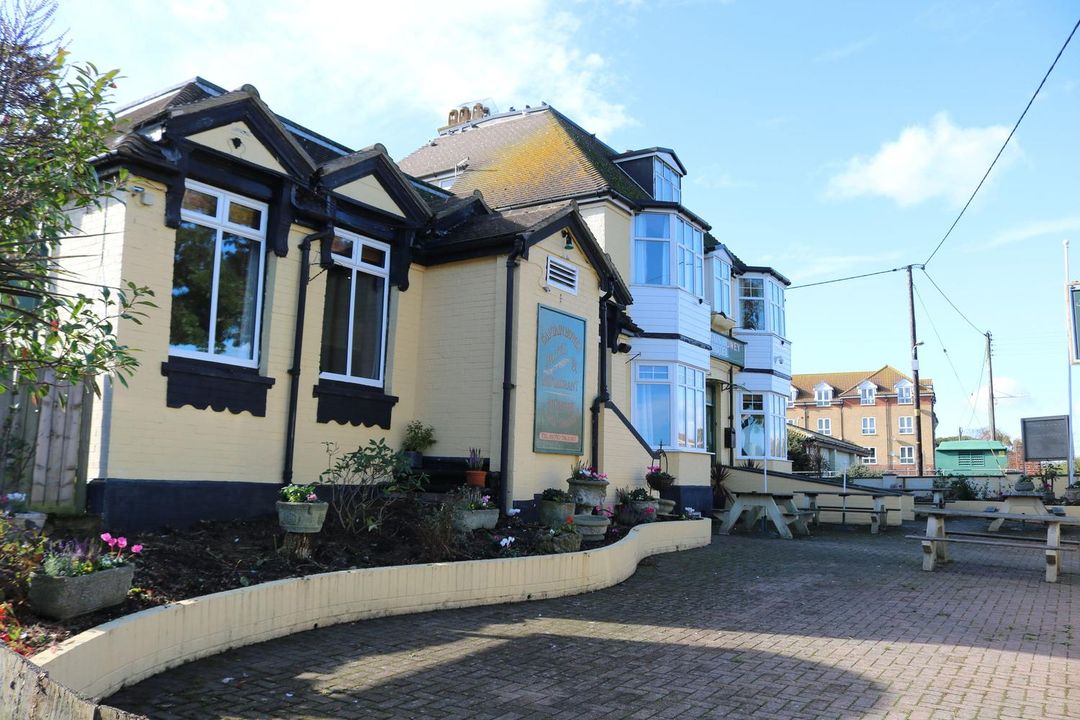
Captain Howey Hotel
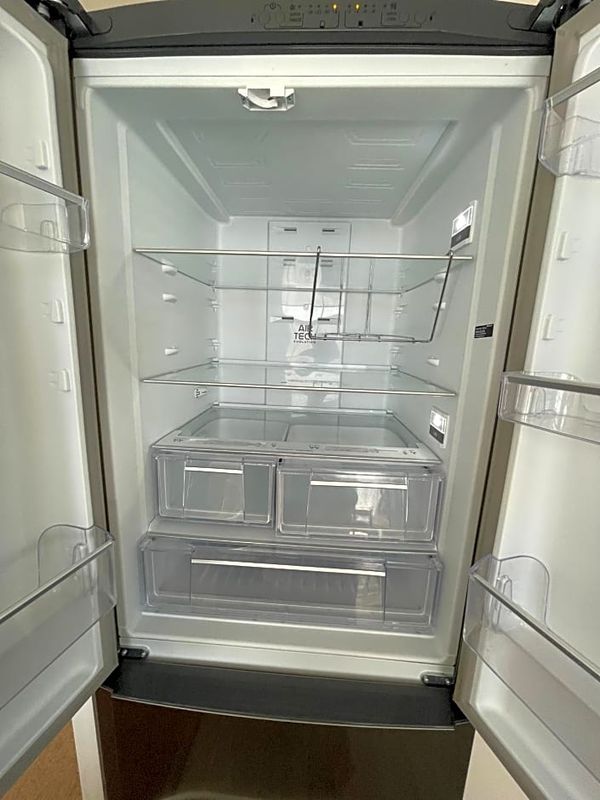
Romney Lodge
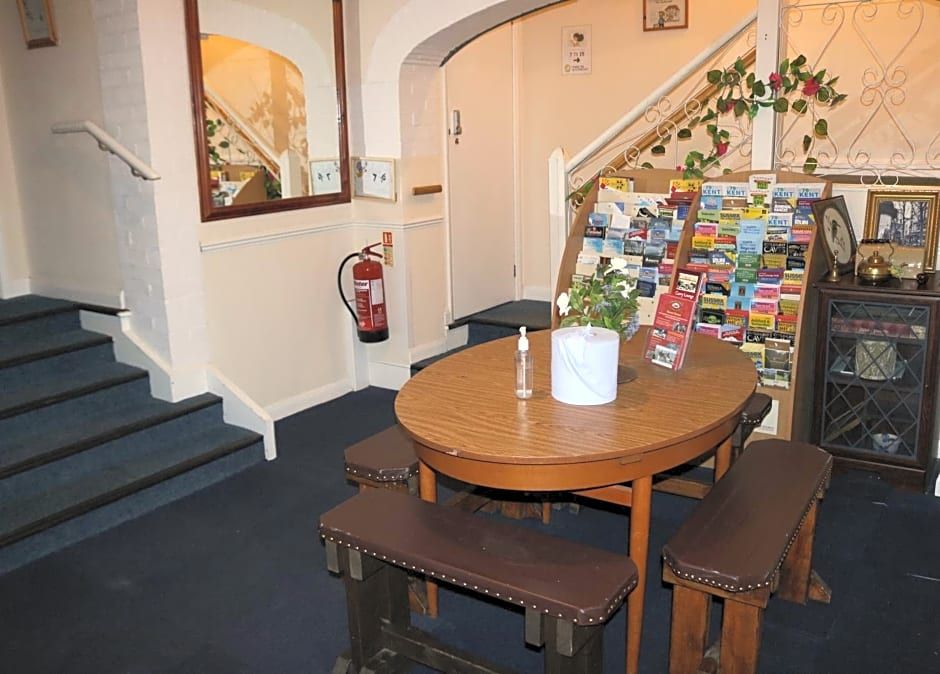
Littlestone Hotel
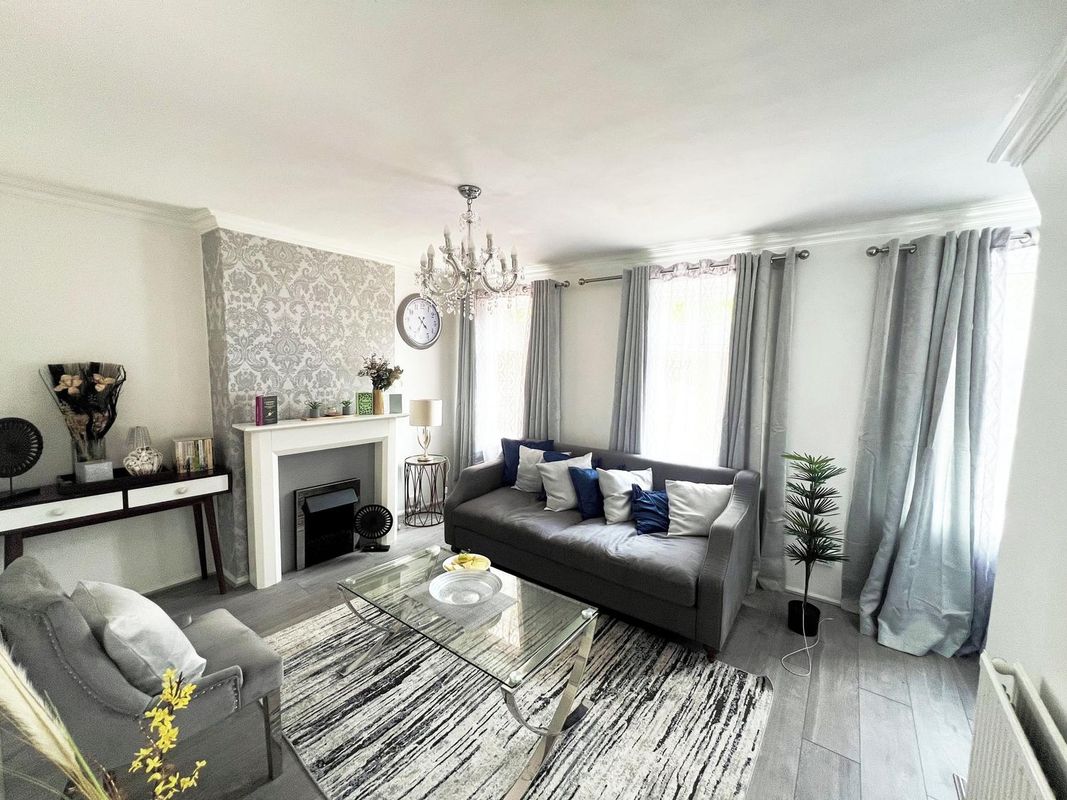
Suspire House -sleeps6-garden-bbq-coastal Retreat
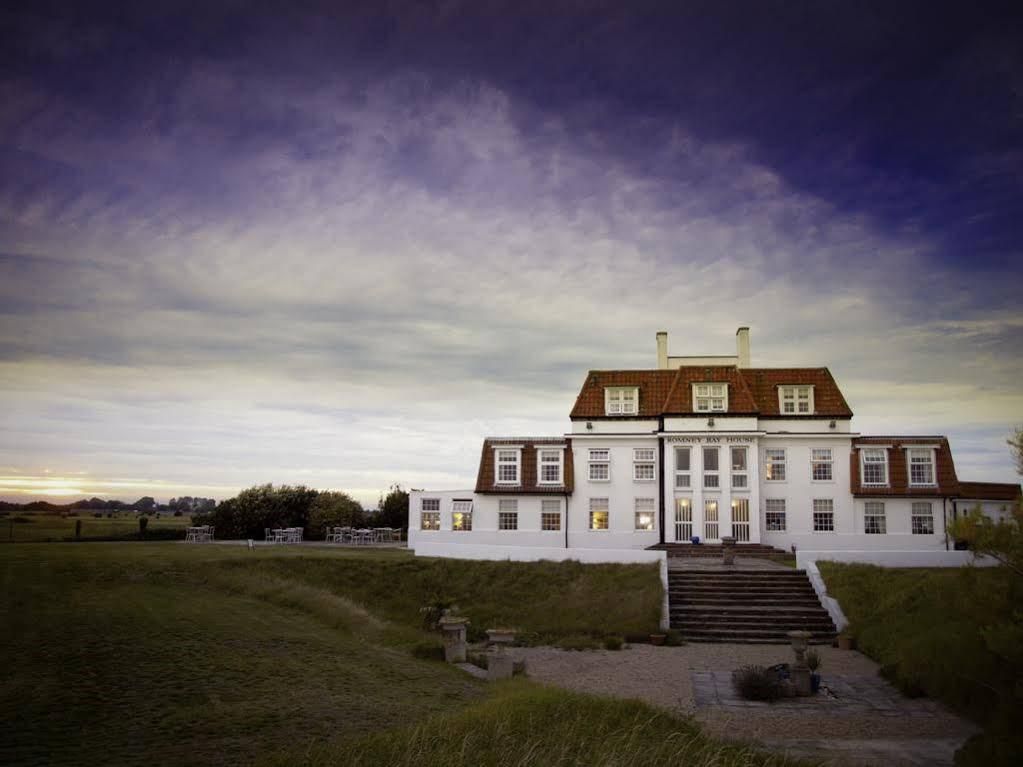
Romney Bay House Hotel
Frequently Asked Questions about Traveling to New Romney
Questions You Might Need to Know About Traveling to New Romney
In Romney Marsh, the top boutique hotel is The Old Vicarage Hotel, a beautifully restored 19th-century vicarage nestled beside the RSPB Romney Marsh Nature Reserve. This elegant retreat offers individually designed rooms with period details, plush furnishings, and private gardens overlooking the marshland. Guests enjoy complimentary access to local walking trails, guided birdwatching tours, and traditional English afternoon tea served with homemade scones.
Another standout choice is The Royal Oak Inn, a charming country pub converted into a cozy inn, featuring exposed timber beams, a stone fireplace, and a rustic-chic interior. Located just steps from the River Rother, it provides easy access to kayaking and riverside strolls. Both properties emphasize sustainability, use locally sourced ingredients, and offer personalized guest experiences that capture the authentic spirit of rural Kent.
The historic town centre of Romney Marsh is the most ideal area for peaceful, scenic accommodations. Surrounded by ancient churches, cobbled lanes, and lush green spaces, this district offers a tranquil escape while remaining close to key attractions like St. Peter’s Church and the Market Square. Many boutique inns and self-catering cottages here—such as Hillside Cottages and The Old Vicarage—are set along the riverfront, providing serene views of rippling waters and willow trees.
The area enjoys low light pollution and minimal traffic, making it perfect for early morning walks or evening stargazing. Rooms facing the water often feature large windows and private balconies, enhancing the connection to nature. With no chain hotels or commercial developments, this zone preserves the timeless charm of traditional English countryside living, ideal for travelers seeking calm and authenticity.
Romney Marsh offers immersive cultural experiences rooted in its rich maritime and agricultural heritage. One must-try activity is the guided wetland tour with RSPB, where expert naturalists lead visitors through tidal channels and saltmarshes to spot rare birds like the Eurasian Spoonbill and Black-tailed Godwit.
During autumn, attend the Romney Marsh Agricultural Show, showcasing local farming traditions, handmade cheeses, and traditional crafts such as basket weaving and sheep shearing. On weekends, join the Heritage Craft Days at the Old Post Office Museum, where you can learn pottery-making, wool spinning, or candle-dipping using historical techniques.
For history lovers, visit St. Peter’s Church, home to medieval stained glass and a centuries-old bell. These experiences blend ecology, tradition, and storytelling, offering a deep insight into the region’s identity beyond tourism.
Romney Marsh Beach is a pristine, undeveloped stretch of coastline ideal for low-impact outdoor adventures. Early mornings are perfect for coastal walks along the tidal path, where you can discover seashells, driftwood, and even rare shorebirds like the Curlew.
Families enjoy sandcastle building, beachcombing, and low-tide exploration of rock pools teeming with crabs and starfish. During summer, organized kayaking and paddleboarding sessions are available on the calm waters of the River Rother, allowing safe navigation through reed beds and hidden creeks.
The beach also hosts seasonal events like children’s nature workshops and eco-art installations, encouraging environmental awareness. With no crowds or commercial facilities, it remains one of England’s most unspoiled coastal gems—ideal for those seeking stillness and connection with nature.
Near Romney Marsh, the crown jewel is the RSPB Romney Marsh Nature Reserve, a vital sanctuary for over 200 bird species including the Greater Flamingo and Dunlin. The reserve features elevated viewing hides, interpretive panels, and guided walks led by conservation experts.
Adjacent to it lies the Thames Estuary Delta, a dynamic estuarine ecosystem where tidal flows shape mudflats rich in marine life. Here, visitors can explore ancient salt marshes, abandoned fish traps, and historic defensive earthworks dating back to Roman times.
The Romney Marsh Greenway, a 12-kilometer cycle and walking trail, links these sites and passes through wildflower meadows, orchards, and small villages. It’s perfect for biking, birdwatching, or photography. Combined, these areas form a living museum of ecological and historical significance, offering unparalleled access to England’s lesser-known natural wonders.
Romney Marsh is renowned for its farm-to-table cuisine centered around local produce and wild-harvested ingredients. Must-try dishes include slow-roasted Romney Marsh lamb, tender and flavorful, often served with roasted root vegetables and rosemary jus.
At The Salt Cellar, a waterfront restaurant, diners enjoy freshly harvested oysters, cockles, and sea urchin paired with artisanal sourdough and house-made pickles. The menu changes daily based on the tide and catch.
Don’t miss the Romney Marsh Farmers Market, held every Saturday, where you can sample handcrafted cheeses, heirloom apple jam, and lavender honey from nearby hives. Local breweries offer tasting flights of traditional malt beer and herbal ales made with foraged herbs.
For a true taste of the region, book a family-style dinner at a historic cottage, where meals are prepared with recipes passed down through generations—think hearty stew, creamy leek soup, and buttery scones.
Romney Marsh boasts several well-preserved historic structures that reflect its strategic role in medieval trade and defense. St. Peter’s Church, built in the 13th century, stands out with its distinctive circular tower and stunning medieval stained glass, some of which depict biblical scenes and local saints.
The Old Post Office Museum, once a key stop on the 18th-century postal route, now houses exhibits on Victorian mail delivery systems, old maps, and original letterpress machines. It also displays artifacts from the Romney Marsh Coastguard Station, highlighting the area’s maritime safety efforts.
Nearby, the Romney Marsh Dock Ruins reveal remnants of a 17th-century dock used to transport wool and grain. Stone foundations, mooring rings, and shipwreck fragments tell stories of bustling port activity. These sites collectively offer a compelling glimpse into the region’s past as a vital link between inland Kent and the sea.
Absolutely—Romney Marsh is an excellent destination for families seeking a safe, engaging, and nature-rich holiday. The RSPB Wetland Explorer Trail includes child-friendly stations with interactive displays, touch tanks, and scavenger hunts tailored for ages 5–12.
Local farms host hands-on workshops where kids can feed goats, collect eggs, ride ponies, or make their own woven baskets. The Romney Marsh Beach has gentle slopes and shallow waters, perfect for toddlers and young children to play safely.
Many accommodations, including The Old Vicarage Hotel and Hillside Cottages, provide free cribs, high chairs, and kids’ activity packs. Some even offer family cooking classes or nighttime storytelling sessions under the stars. With no busy shopping districts or loud nightlife, the pace is naturally calm, making it ideal for stress-free family bonding.
While Romney Marsh lacks major rail hubs, it’s well-connected via bus and car. The Stagecoach 600 bus runs daily between Canterbury and Maidstone, stopping at the town center—journey time is about 45 minutes. For airport transfers, minibus services operate from London Gatwick and Heathrow upon reservation.
Driving is convenient; the village is accessible via the A2 and A256 roads, with free parking at Market Square Car Park and Church Lane. For eco-conscious travelers, bike rental services offer electric and traditional bikes to explore the Romney Marsh Greenway, a 12-km paved trail linking wetlands, farms, and villages.
Although the Romney Marsh Railway Station closed in the 1960s, nearby Maidstone East Station connects to London Bridge via Southeastern trains (approx. 1 hour). HopeGoo transport in advance is recommended, especially during peak season.
The best time to visit Romney Marsh is late spring to early summer (May to June). During this period, the weather is mild (12–18°C), with long daylight hours ideal for exploring wetlands and coastal paths.
This is also the peak season for bird migration, when species like the Redshank, Avocet, and Peregrine Falcon are frequently spotted. The Romney Marsh Agricultural Show and Farmers Market are held during these months, offering authentic local experiences.
Summer brings more tourists and occasional high tides that may limit access to certain trails. Autumn and winter are rainy and foggy, reducing visibility and comfort for outdoor activities. Therefore, late spring offers the optimal balance of pleasant weather, abundant wildlife, and vibrant community events—perfect for nature lovers and cultural explorers alike.
New Romney Overview
City Summary
New Romney is a historic small town in the southeast of England, located in the Romney Marsh area of Kent. Known for its medieval architecture, tranquil countryside scenery, and rich historical heritage, the town was once a significant medieval port. Today, it attracts visitors with its unique marshland ecosystem and coastal landscapes, making it an ideal destination for those seeking a peaceful escape from urban life.
Must-See Attractions
Key attractions in New Romney include St. Nicholas Church, a Norman church with a thousand-year history and a distinctive leaning tower. Romney Marsh is a paradise for nature lovers, offering hiking and birdwatching opportunities. The New Romney Light Railway, a historic narrow-gauge railway, takes you through picturesque countryside. The town's medieval streets and traditional pubs are also worth exploring.
Food Guide
New Romney's culinary scene features traditional British cuisine, with recommendations including Kentish Pie and fresh seafood. Local pubs serve craft beer and cider, paired with classic fish and chips. Family-run tearooms offer English afternoon tea, complete with scones and clotted cream.
Transportation Guide
Public transport in New Romney relies mainly on buses and trains. From London, it takes about 1.5 hours by train to Ashford, followed by a bus or taxi to New Romney. Walking is the most convenient way to get around town, as attractions are close together. Renting a car is also a good option for exploring the surrounding countryside and coastline.
Best Time to Visit
The best time to visit is spring (April to June) and autumn (September to October), when the weather is mild and crowds are smaller. Summer (July to August) can be warm but busy, while winter (November to March) is quieter but colder.
Travel Tips
- Respect local historic buildings; avoid touching or climbing on them.
- Wear comfortable shoes for walking in the marshland.
- Book accommodation in advance, especially during peak summer season.
- Bring a windproof jacket, as coastal winds can be strong.
- Engage with locals, who are often friendly and knowledgeable about the town's history.
- Check tide times for the marshland to avoid hazards.
Useful Information
English is the primary language in New Romney. Most places accept credit cards, but small shops may only take cash. ATMs are limited, so carrying some cash is advisable. Mobile coverage is generally good, though some rural areas may have weak signals. For emergencies, dial 999. Pharmacies and medical facilities are available in town, but serious medical issues may require travel to Ashford or London. The local voltage is 230V, with Type G sockets.
Other Cities You Might Like
Explore more amazing destinations