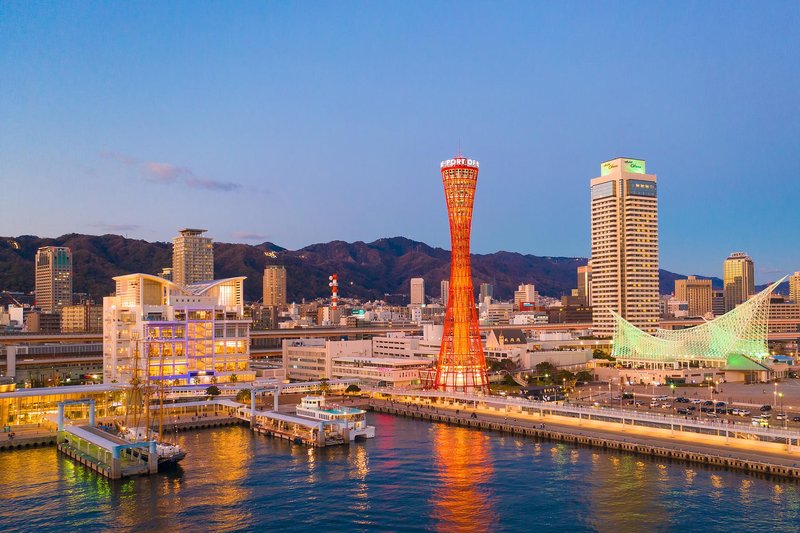
Hotels in Nikaho
Discover your perfect stay in Nikaho.
Nikaho(Japan) Travel 2026: Cheap Flights, Hotels & Top Attractions
Popular Landmarks in Nikaho
Discover the most iconic attractions in Nikaho
Recommended Hotels in Nikaho
Find the perfect place to stay in Nikaho
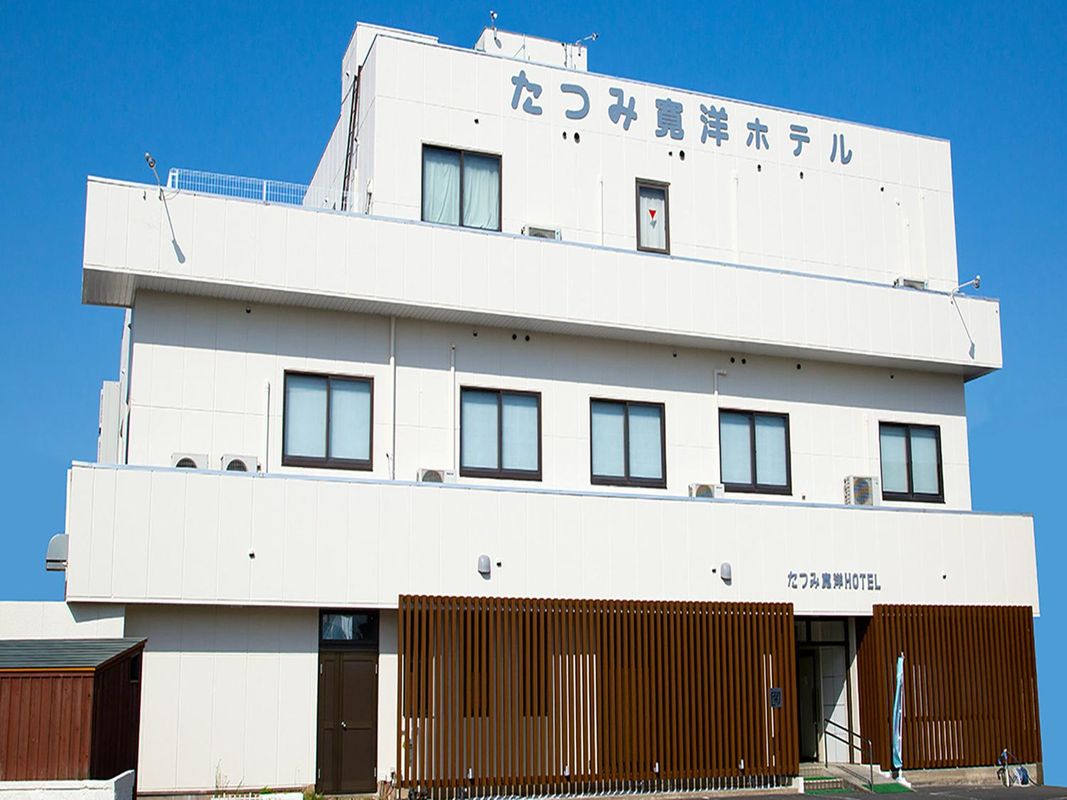
Tabist Tatsumi Kanyo Hotel

Sannemu Onsen
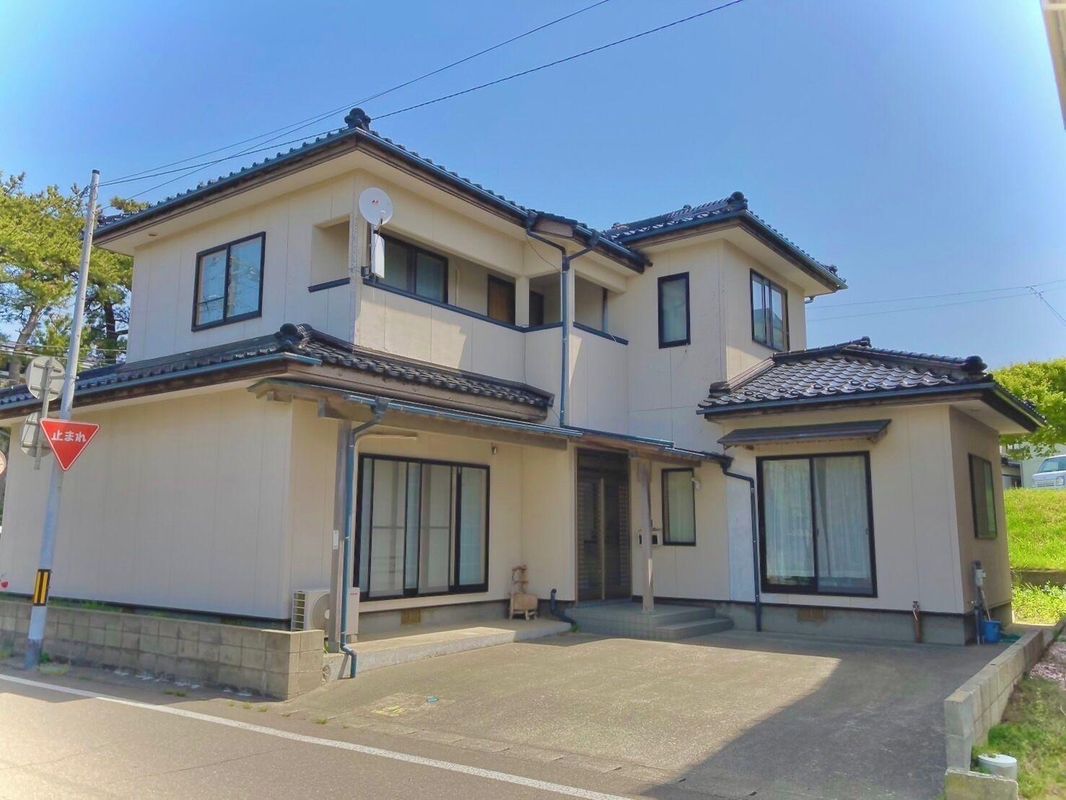
yamaoh yado&cafe
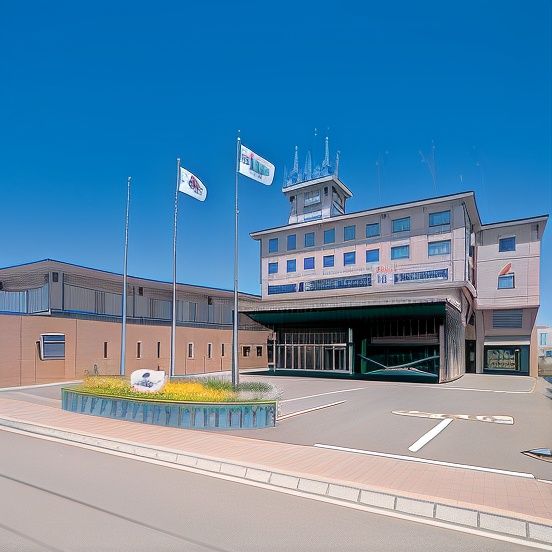
Hotel Excel Kikusui
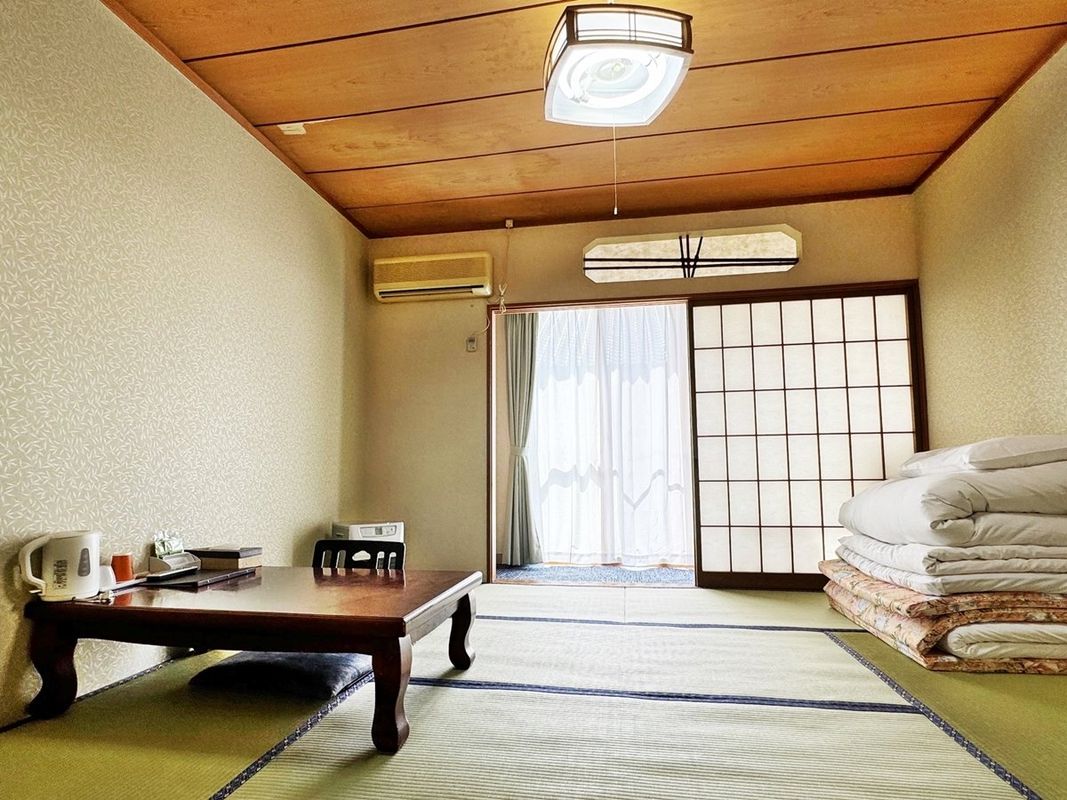
Gakko-No-Sumika
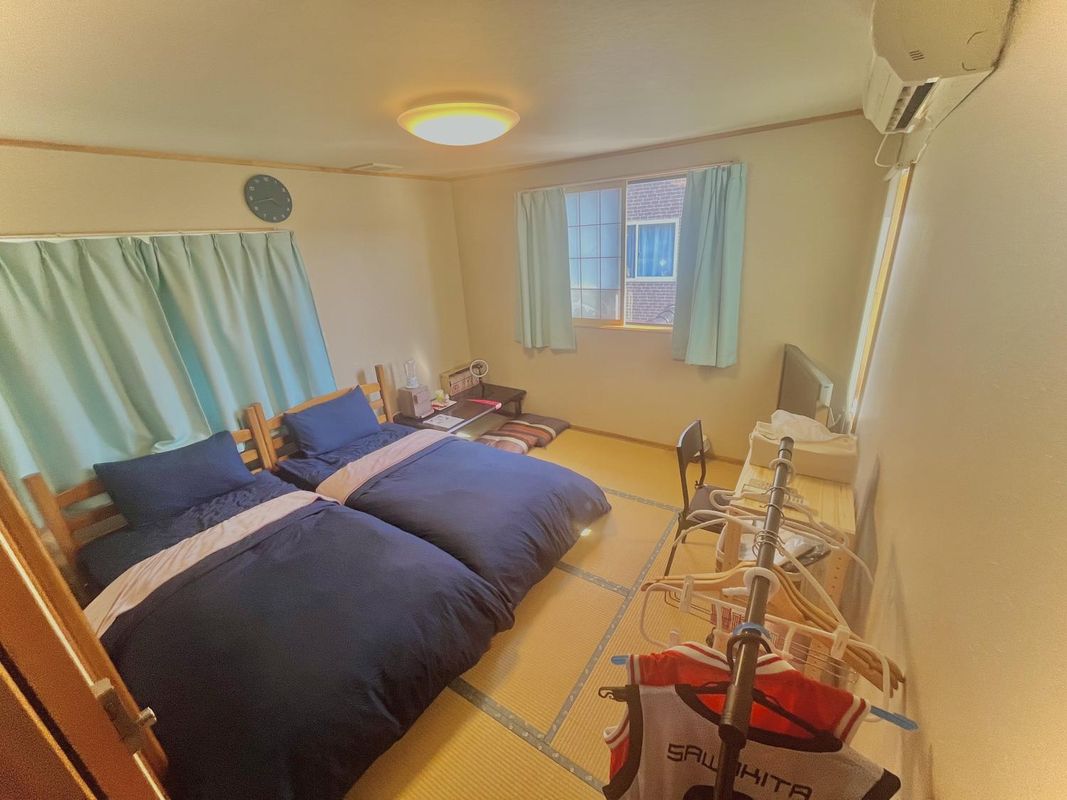
Yamaoh Yado & Cafe
Best Hotels in Nikaho
Discover curated hotel collections in Nikaho

Rakuten STAY VILLA Nasu

chillout glamping zao
Pres de La Mer
Shikimitei Fujiya
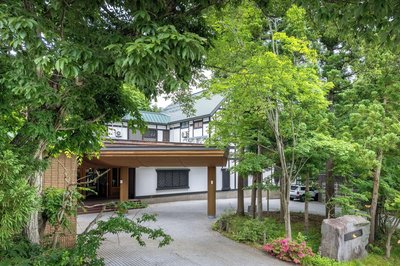
Forest Resort Yamanote Hotel
Frequently Asked Questions about Traveling to Nikaho
Questions You Might Need to Know About Traveling to Nikaho
In Naoetsu City, the top choice for a traditional Japanese experience is Naoetsu Onsen Daihoten Hotel, located near the city center and adjacent to Naoetsu Shrine. This ryokan-style hotel features authentic tatami rooms, wooden beams, and an indoor-outdoor onsen bath fed by natural hot springs. Guests can enjoy seasonal kaiseki meals using local ingredients like Akita rice and fresh seafood from nearby ports.
For a more immersive cultural stay, consider Yama no Sato Minka, a restored Edo-period farmhouse converted into a boutique guesthouse. It offers private garden access, traditional tea ceremonies, and opportunities to participate in local farming activities such as rice planting or harvesting. The hotel emphasizes sustainability and heritage preservation, making it ideal for travelers seeking authenticity.
Staying in the city center district ensures easy access to public transport, museums, and scenic walking paths along the Oyū River, blending modern convenience with timeless charm.
The best area for accommodation in Naoetsu City is the city center, especially around Naoetsu Station and Central Park. This district offers excellent connectivity via the Akita Railway Line and local bus services, providing quick access to key attractions such as the Akita Prefectural Museum, Naoetsu Shrine, and Oyū Onsen.
Hotels here, like West Naoetsu Hotel, provide modern amenities including free shuttle services to nearby onsens, heated flooring, and private balconies overlooking green spaces. Many accommodations also feature traditional design elements such as shoji screens and sliding doors, blending comfort with cultural aesthetics.
Additionally, the Old Town District (Takagata Area) preserves Meiji-era stone-paved streets and wooden buildings, offering a charming atmosphere for travelers interested in historical architecture. Staying near Municipal Hall or Central Park allows guests to enjoy evening walks along illuminated riverside promenades, experiencing the city’s peaceful rhythm firsthand.
Must-try cultural experiences in Naoetsu City include visiting the Akita Prefectural Museum, which houses extensive collections on rice cultivation traditions and regional crafts. The museum regularly hosts exhibitions related to the famous Akita Kanto Festival, featuring handcrafted lanterns and historical reenactments.
Guests can also participate in washi paper-making workshops at Naoetsu Washi Craft Studio, where they learn traditional papermaking techniques using local mulberry fibers. Each handmade sheet becomes a unique souvenir.
Another highlight is agricultural immersion programs, where visitors join local farmers during spring planting or autumn harvest seasons. These hands-on activities include rice transplanting, field cleaning, and tasting freshly cooked Akita rice and homemade sake.
Evenings offer storytelling sessions led by elder residents, sharing legends about Mount Hakkoda and the mythical Yakusha Yorozu, deepening understanding of the city's spiritual heritage and folklore.
Naoetsu City boasts high-quality hot springs, particularly Oyū Onsen, located just east of the city center. The mineral-rich waters are classified as weakly alkaline bicarbonate springs, known for improving skin health and relieving joint stiffness.
The Oyū Onsen Street hosts dozens of ryokans and public baths, including Oyū Onsen Kaikan and Yuya Sanpu, both offering indoor and outdoor open-air baths with mountain views. Some facilities even feature panoramic rooftop saunas and cedar steam rooms.
The Naoetsu Onsen Daihoten Hotel provides a shared public bath open until 10 PM, ideal for post-sightseeing relaxation. Nearby, the Onsen Foot Bath Plaza allows free foot soaking, perfect for casual visitors. The natural thermal water flows directly from underground sources, maintaining consistent temperature and purity—ideal for long-term therapeutic use.
Yes, Naoetsu City is highly suitable for family travel, thanks to its child-friendly facilities and rich nature-based learning opportunities. The Central Park and Oyū River Walking Path offer spacious playgrounds, picnic areas, and shaded rest zones, perfect for parents and kids alike.
The Akita Prefectural Museum features interactive exhibits designed for children, including simulated farming games, washi paper crafting stations, and traditional costume dressing-up corners. These engaging activities teach cultural values through play.
Many hotels, such as West Naoetsu Hotel, provide family suites, kid-sized toiletries, and dedicated family onsen hours. Additionally, farm tours at Tanata Farm allow children to pick strawberries, feed ducks, and observe egg-laying cycles, fostering curiosity about agriculture.
With quiet streets, low traffic, and welcoming locals, Naoetsu offers a safe, relaxed environment ideal for creating lasting family memories.
Must-try local dishes in Naoetsu City include Akita Rice Balls (Tsukudani Gohan), made with sticky rice and pickled fish, offering a savory, umami-rich flavor. Another standout is Akita Beef Sukiyaki, served at Oyū Onsen Kaikan Restaurant, featuring tender beef slices simmered in a sweet soy broth with vegetables and tofu.
Don’t miss Salmon Sushi, crafted from fresh salmon caught in local waters, paired with vinegared rice and nori. It’s available at street stalls and specialty restaurants throughout the city.
A popular local snack is Azuki Red Bean Mochi (Akita Anko Mochi), sold at Naoetsu Market, with soft glutinous outer layers and sweet red bean paste filling—perfect as a souvenir.
Many guesthouses offer "Local Ingredient Dinners," featuring seasonal produce like wild mushrooms, river fish, and homegrown vegetables, prepared by chefs who emphasize regional taste and sustainability.
Transportation in Naoetsu City is surprisingly convenient despite its small size. The main hub is Naoetsu Station, served by the Akita Railway Line, connecting directly to Akita City (approx. 45 minutes) and other regional towns like Daisen and Nakakoma.
An extensive local bus network covers major attractions, including the Akita Prefectural Museum, Oyū Onsen, and Central Park, with frequent schedules and affordable fares. Several hotels, such as Naoetsu Onsen Daihoten and Oyū Onsen Kaikan, offer free shuttle services from the station to their properties.
For exploring rural areas, bicycle rental is widely available across the city, with routes along the Oyū River Trail leading through rice fields and forested hills. Riders can enjoy scenic views of terraced paddies and seasonal blooms.
Travelers are encouraged to use the JR Pass or Akita Regional Transportation Ticket, which significantly reduce costs for intercity travel and enhance overall journey efficiency.
The peak tourist season in Naoetsu City occurs during spring (March to May) and autumn (September to November). Spring brings the Cherry Blossom Festival at Naoetsu Shrine, where thousands of sakura trees bloom, attracting visitors for photo walks, traditional dance performances, and local food markets.
Autumn is highlighted by preparations for the Akita Kanto Festival, when communities begin crafting elaborate lanterns for the annual parade. The weather remains mild, ideal for outdoor exploration along the Oyū River Trail and viewing vibrant fall foliage in Central Park and Naoetsu Forest Park.
Additionally, the Winter Onsen Festival in December features lantern lighting ceremonies and torchlight processions at Oyū Onsen, creating a warm, festive atmosphere. Avoid visiting during the rainy season (July–August) due to humidity and potential disruptions to sightseeing plans.
Worth-visiting historical buildings in Naoetsu City include Naoetsu Shrine, dating back to the early Edo period. Its architecture features a classic Ryōbu style roof covered with thatched straw, and it hosts traditional rituals during festivals, preserving deep-rooted spiritual practices.
Another significant site is the Former Naoetsu Office Building, originally built during the Meiji era as a government administrative center. Now transformed into the Naoetsu City Historical Archives, it displays original documents, uniforms, tools, and maps illustrating the city’s development.
The Takagata District preserves several Edo-period wooden houses, such as the Sato Family Residence, complete with traditional dōzō storage sheds, earth floors (dozō-ma), and hanging shoji screens. Some homes are open to visitors, offering guided tours that showcase daily life in pre-modern Japan.
These structures not only reflect architectural heritage but also serve as living links to the community’s identity and collective memory.
Highlights of Naoetsu City’s natural scenery include the terraced rice fields surrounding the Oyū River, especially stunning in spring when they transform into lush green waves. These paddies are ideal for walking, photography, and experiencing rural tranquility.
During summer, the Oyū River becomes a popular spot for stream crossing (kawadoko) activities, where visitors walk barefoot through clear, cool waters surrounded by ferns and cherry trees. The area is perfect for families and nature lovers.
Autumn brings breathtaking foliage displays in Central Park and Naoetsu Forest Park, where maple trees blaze in red and gold. Weekly Foliage Illumination Events light up the pathways at night, creating a magical atmosphere.
The Naoetsu Mountain Trail winds through pristine forests, passing wildlife sightings like deer and squirrels. At the summit, panoramic views stretch over the entire city and distant Mount Hakkoda. Early mornings or late afternoons are best for enjoying the serene beauty of this hidden gem.
Nikaho Overview
City Summary
Nikaho City, located in Akita Prefecture, Japan, is a small town renowned for its stunning natural beauty and rich cultural heritage. The city is famous for its picturesque coastlines, particularly the "Nikaho Golden Beach," with its clear waters and expansive sandy shores. Nikaho also boasts well-preserved historical sites, including Edo-period architecture and temples, reflecting its deep cultural roots. Additionally, the city is a prominent agricultural area in Akita, known for its fresh seafood and high-quality rice, making it an ideal destination for experiencing authentic Japanese rural charm.
Must-See Attractions
Must-see attractions in Nikaho include the "Nikaho Golden Beach," a perfect spot for sunsets and ocean views, with swimming opportunities in summer. History enthusiasts should visit "Kanoura Shrine," a centuries-old shrine surrounded by serene and mystical scenery. The "Nikaho City Museum" offers insights into the local history and culture. For nature lovers, Mount Chokai nearby provides excellent hiking and trekking opportunities.
Food Guide
Nikaho's cuisine highlights seafood and local produce. Don't miss "Akita Hinai-jidori" (local chicken) and fresh fish dishes from Nikaho. "Salt-grilled ayu" (sweetfish) is a summer specialty, best paired with Akita's premium rice. The city is also known for its "pickled seafood," especially mackerel marinated in local soy sauce. For dessert, try "Akita's mochi dumplings," known for their chewy texture and mild sweetness.
Transportation Guide
Public transport in Nikaho primarily relies on buses, with several routes connecting major attractions and stations. From Akita City, take the JR Uetsu Line to "Nikaho Station," about a 1-hour ride with frequent services. Consider purchasing the "Akita Free Pass" for unlimited travel on designated buses and trains. Renting a car is another convenient option, with clear road signage. Note that some remote attractions have limited bus services.
Best Time to Visit
The best times to visit Nikaho are spring (April-May) and autumn (September-October), when the weather is mild. Summer (June-August) is ideal for beach activities but crowded. Winter (December-February) offers snowscapes but requires preparation for cold and heavy snowfall.
Travel Tips
- Respect local customs, especially at shrines.
- Use sunscreen and follow safety guidelines at beaches.
- Some restaurants only accept cash.
- Winter drivers should ensure snow tires are equipped.
- Keep noise levels low in public areas.
- Bring water and snacks as some attractions lack facilities.
Useful Information
Japanese is the primary language; English signage is rare, so a translation app is helpful. Convenience stores and malls offer free WiFi, but coverage is limited—consider renting a pocket WiFi. Cash is widely used, though some shops accept Visa/MasterCard. For emergencies, dial 110 (police) or 119 (ambulance). Pharmacies and convenience stores are abundant. Note that rural areas may have weak signal coverage; offline maps are recommended.