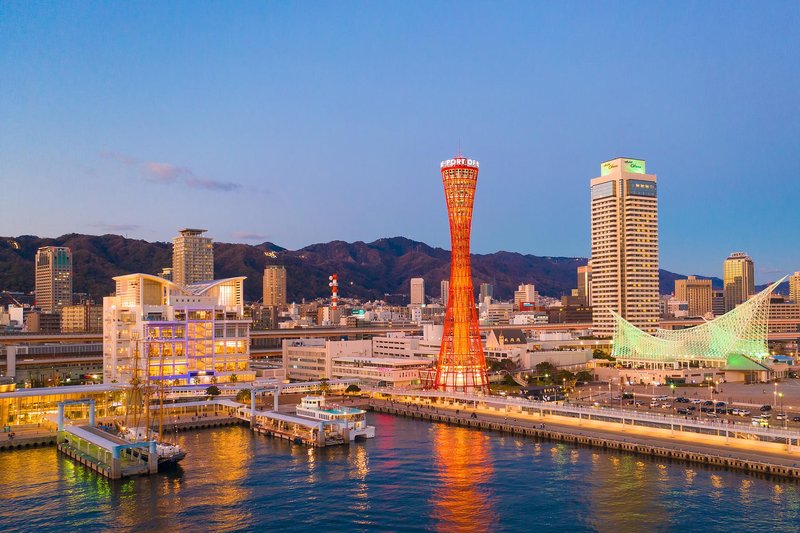
Hotels in Nishiawakura
Discover your perfect stay in Nishiawakura.
Nishiawakura(Japan) Travel 2026: Cheap Flights, Hotels & Top Attractions
Popular Landmarks in Nishiawakura
Discover the most iconic attractions in Nishiawakura
Recommended Hotels in Nishiawakura
Find the perfect place to stay in Nishiawakura
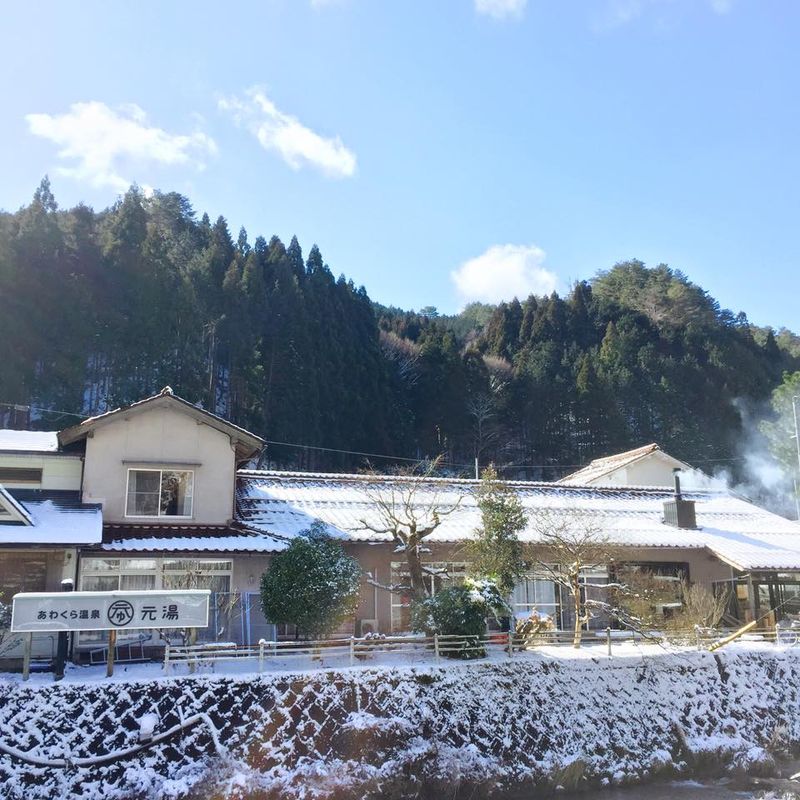
Awakura Onsen Motoyu
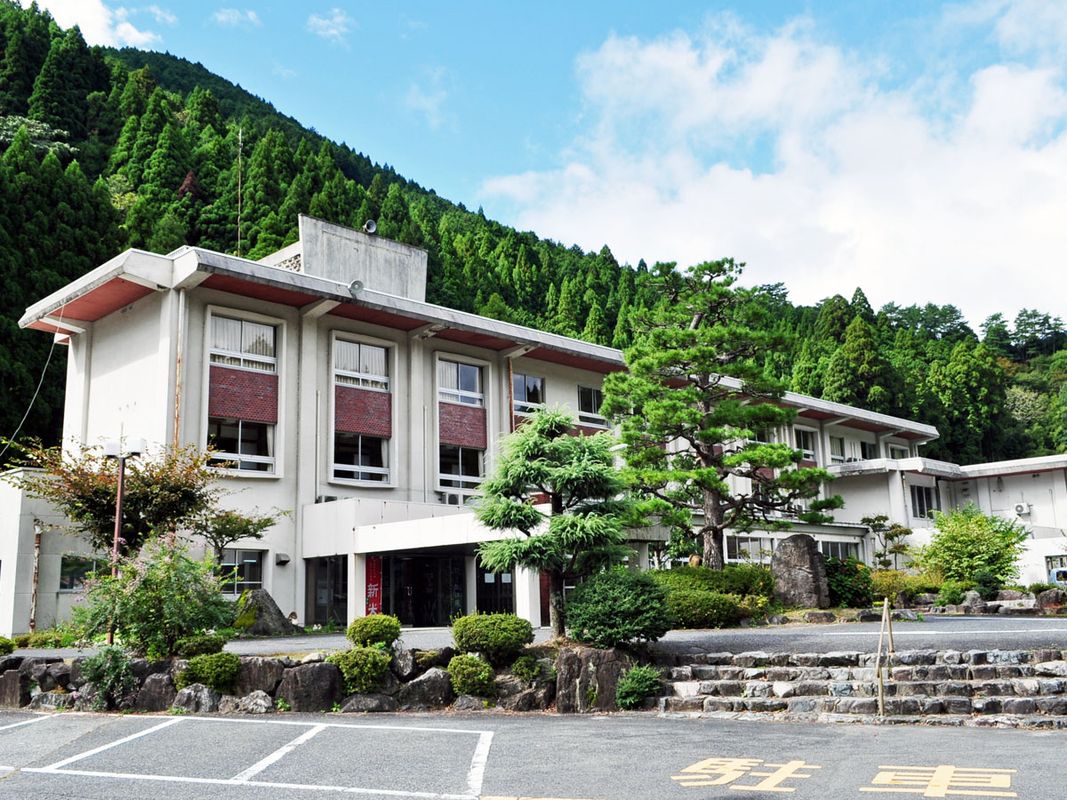
Awakuraso
Best Hotels in Nishiawakura
Discover curated hotel collections in Nishiawakura

XYZ Private Spa and Seaside Resort
Osaka Marriott Miyako Hotel
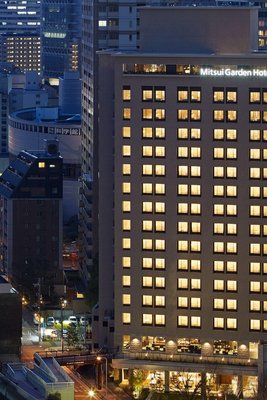
Mitsui Garden Hotel Osaka Premier
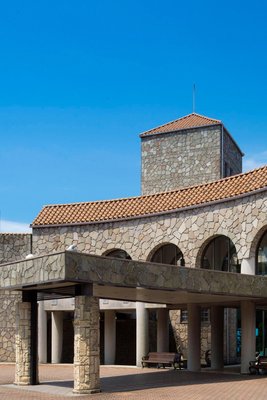
Izumigo Hotel Altia Toba
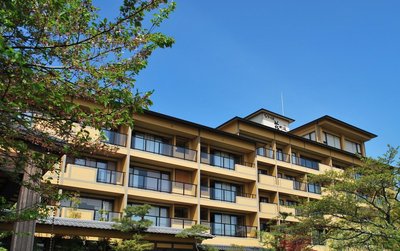
BIWAKO HANAKAIDO
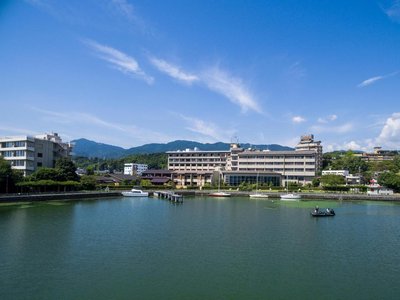
Biwako Ryokusuitei
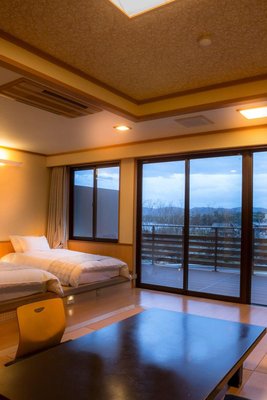
Hotel Kitanoya
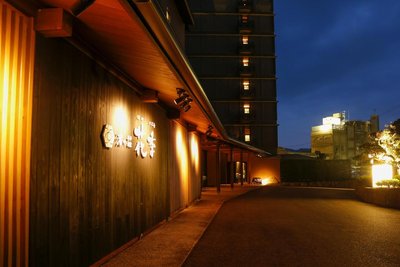
Hanagoyomi
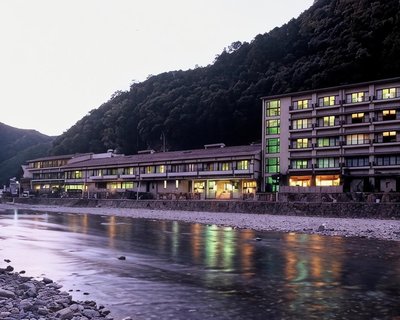
Kawayu Onsen Fujiya

Hotel La Suite Kobe Harborland

AoAwo Naruto Resort
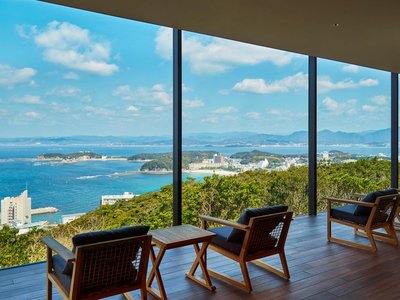
Infinito Hotel and Spa
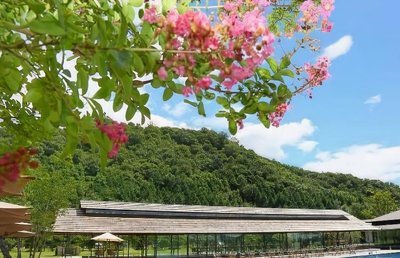
Bella Vista Spa and Marina Onomichi
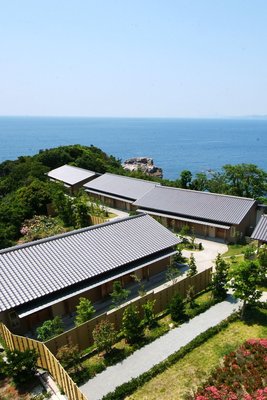
Hamachidorinoyu Kaisyu
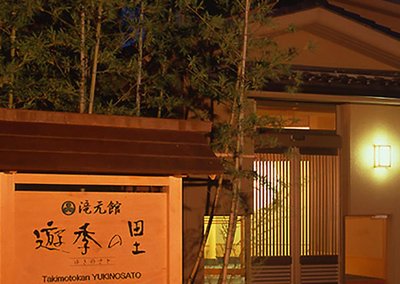
Takimotokan Yuki No Sato

Kaike Shogetsu
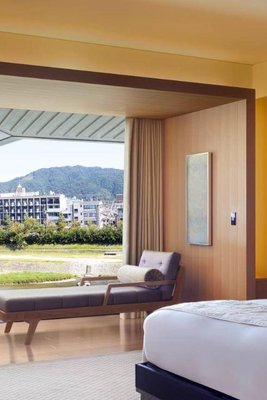
The Ritz-Carlton, Kyoto
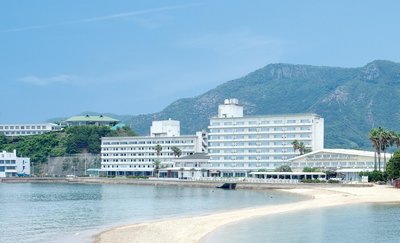
Shodoshima International Hotel
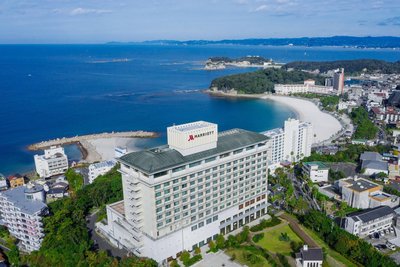
Nanki-Shirahama Marriott Hotel
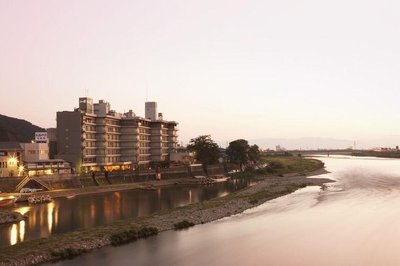
Juhachiro
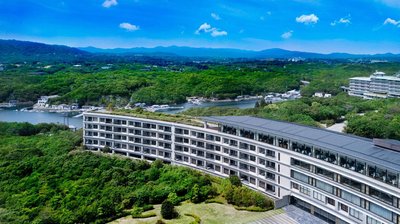
Shima Kanko Hotel the Bay Suites
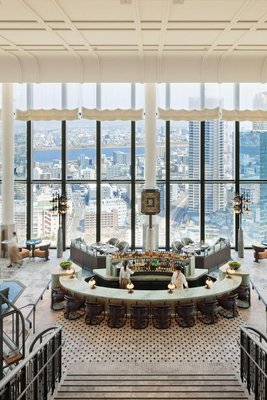
Waldorf Astoria Osaka
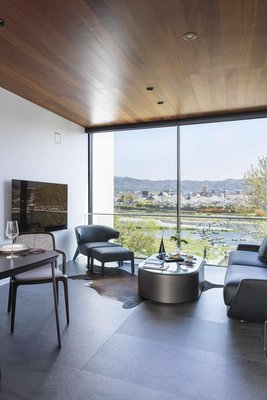
Kamo Residences by Reflections
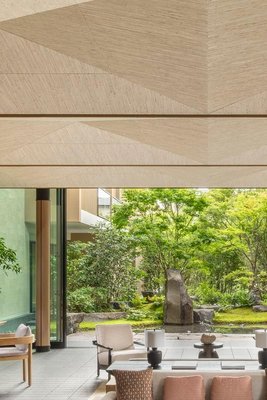
Six Senses Kyoto
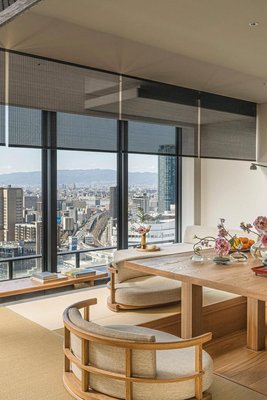
Four Seasons Hotel Osaka

Patina Osaka

The Ritz-Carlton, Osaka
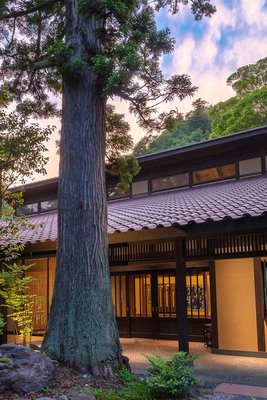
Arimasansoh Goshobessho

The Hiramatsu Hotels & Resorts Kashikojima
The Ritz-Carlton, Kyoto
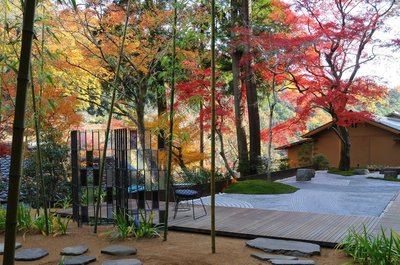
HOSHINOYA Kyoto
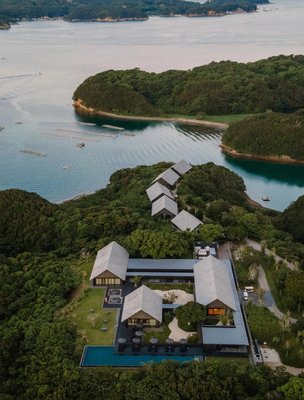
Amanemu
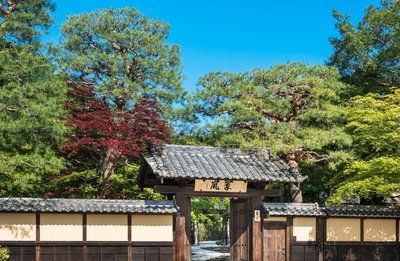
Suiran, a Luxury Collection Hotel, Kyoto
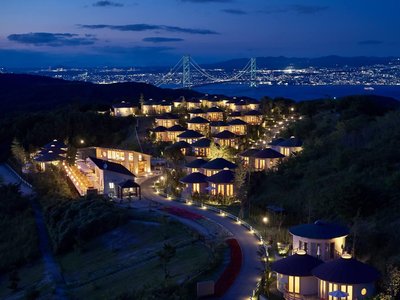
Grand Chariot Hokutoshichisei 135°
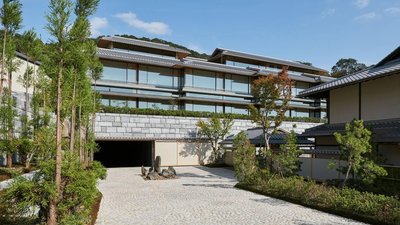
Park Hyatt Kyoto
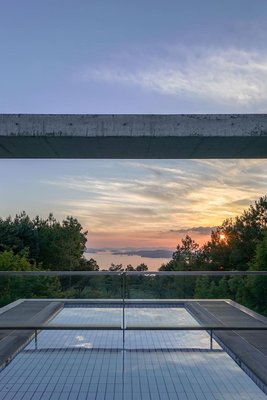
SETOUCHI RETREAT by Onko Chishin
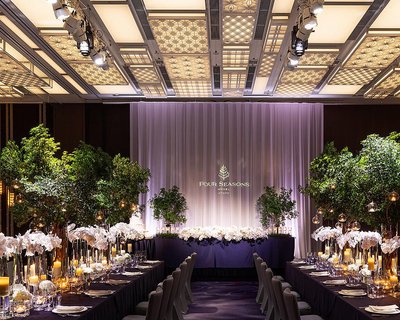
Four Seasons Hotel Kyoto

The Hotel Seiryu Kyoto Kiyomizu - a Member of the Leading Hotels of the World-
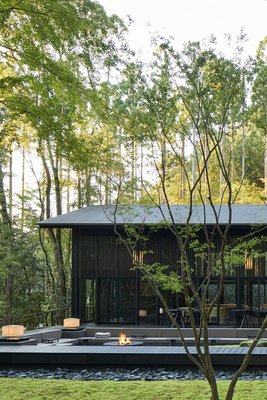
Aman Kyoto
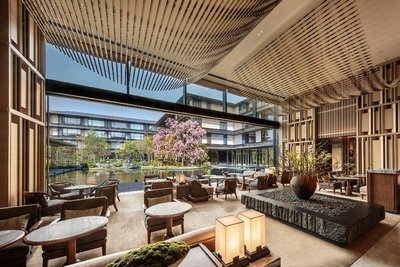
Hotel the Mitsui Kyoto, a Luxury Collection Hotel & Spa
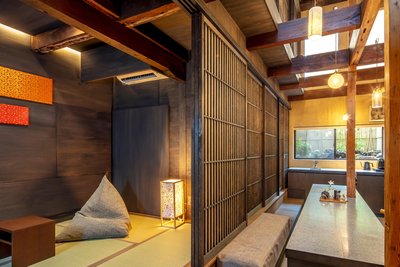
Kyo No Oozora Kihana
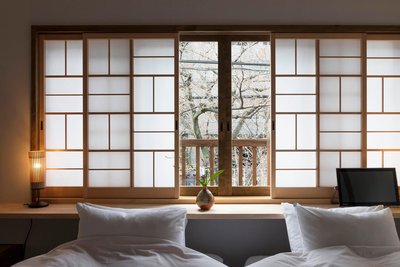
Hanagoromo Machiya House
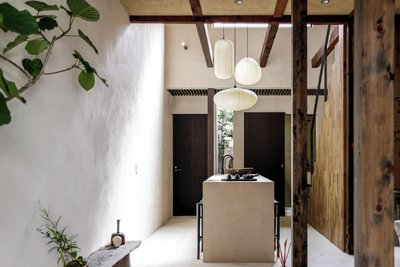
Maana Kiyomizu
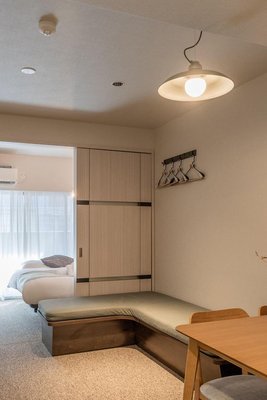
Apartment Hotel 11 Shinsaibashi
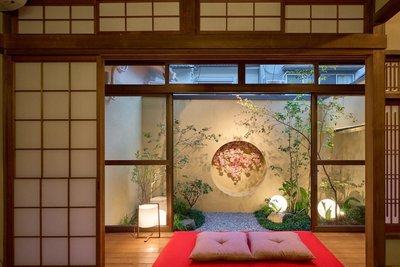
KONJAKUSO Osaka Tengachaya "NIHONCHA" Tea & Relax
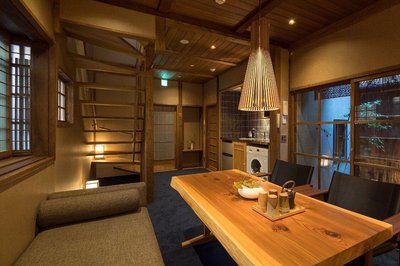
Bonbori an Machiya House
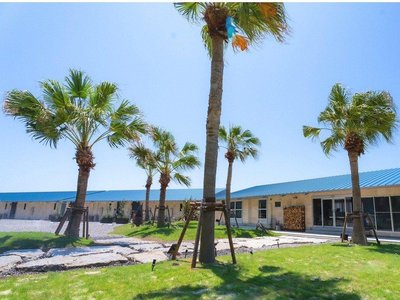
Glamping&Resort Wood Design Park Noma
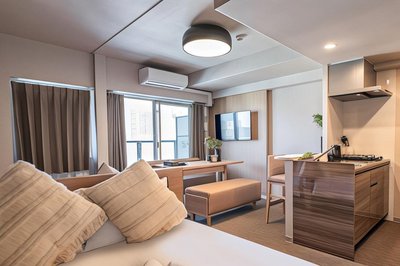
Apartment Hotel 11 Shinsaibashi III
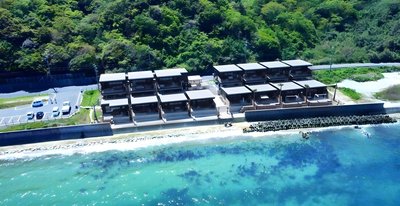
Solavilla Umi Terrace Minamiawaji
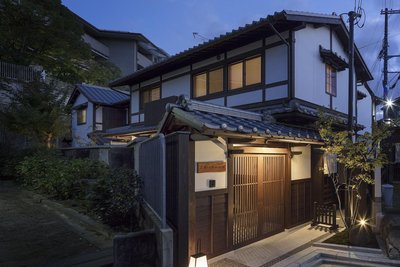
The Machiya Villa Sanjo Shirakawa Koji
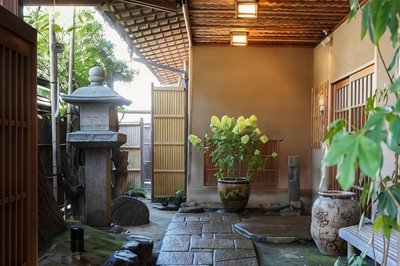
Ryokan Asadaya
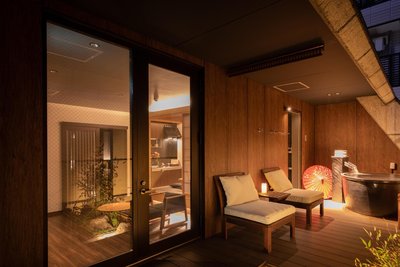
Konjaku-So Dotonbori
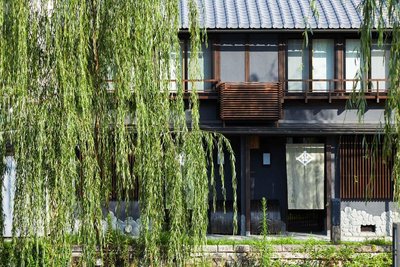
Gion Shirakawa No Yado

Kitashirakawa Natural Radium Onsen
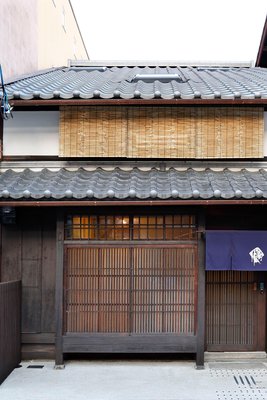
Kyo No Ondokoro Kamanza Nijo #2
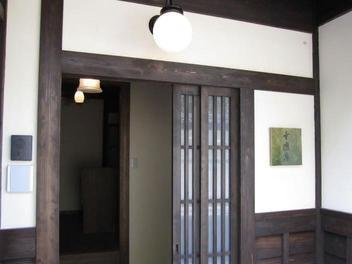
Gion Koyu an Machiya House
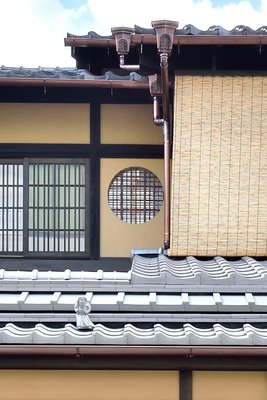
Kyo No Ondokoro Gokomachi Ebisugawa #3

Sana Mane - Glamp Domes
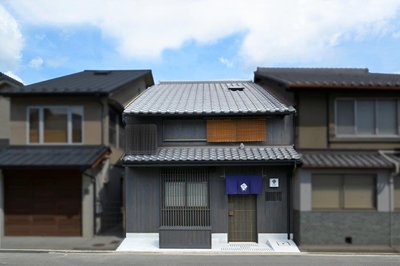
Kyo No Ondokoro Goshonishi #6
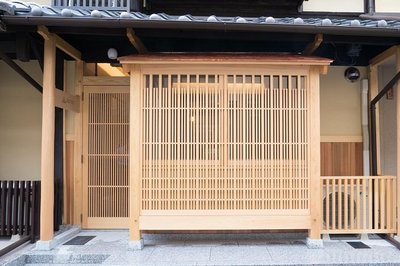
Kyomachiya Suite Rikyu
Frequently Asked Questions about Traveling to Nishiawakura
Questions You Might Need to Know About Traveling to Nishiawakura
In Nishisozuka Village, stay at Nagahama House, a beautifully restored 100-year-old wooden farmhouse turned boutique inn. This traditional Japanese ryokan features tatami rooms, sliding shoji doors, and an authentic rural atmosphere. Guests enjoy homemade Okaya-style meals using local ingredients, including fresh river fish and seasonal vegetables. The inn offers hands-on experiences like washi paper-making workshops and guided forest walks along the Ogawa River. With its serene setting near the historic Nishisozuka Bridge, it’s perfect for travelers seeking cultural immersion and peaceful retreats in rural Okayama.
The best time to visit Nishisozuka Village is spring (March–May) and autumn (October–November). During spring, cherry blossoms frame the Ogawa River and surrounding hills, while autumn paints the forests in golden hues. These seasons offer ideal weather for hiking on the village’s scenic trails and visiting the Washi Paper Workshop. The Spring Green Festival and Autumn Harvest Fair celebrate local traditions with craft markets, folk performances, and traditional food stalls. Avoid summer humidity and winter cold for the most comfortable experience of this tranquil mountain village in Okayama Prefecture.
Visitors to Nishisozuka Village can participate in authentic washi paper-making, a centuries-old craft preserved here. At the Nishisozuka Washi Craft Center, guests learn the full process—from harvesting kozo bark to hand-pulping and sheet-forming—then create their own personalized paper. The annual Washi Art Festival features exhibitions by master artisans, live demonstrations, and traditional puppet theater. For deeper insight, join a historic waterwheel house tour, where you’ll discover how ancient irrigation systems sustained farming life. These immersive activities offer a rare glimpse into Japan’s rural heritage and the sustainable values of Okayama’s mountain communities.
Yes, Nishisozuka Village is highly family-friendly. Many guesthouses offer kids’ activity kits including nature scavenger hunts, rice planting demos, and pottery-making sessions. The Ogawa River trail system is safe and well-marked, perfect for family walks with views of wildflowers and birds. Local farms host farm-to-table lunch events where kids help harvest vegetables. Some inns even provide family cabins with private gardens and outdoor fire pits. With minimal traffic and no crowds, children can freely explore nature. Easy access from Okayama Station via local bus makes it convenient for parents seeking a calm, educational, and enriching getaway.
Nishisozuka Village is surprisingly accessible despite its rural location. Take a local bus from Okayama Station to "Nishisozuka Village Office" (approx. 40 minutes), or rent a car for flexibility. Once there, a free village shuttle bus connects major sites like Nishisozuka Bridge, the Washi Workshop, and the Ogawa Trailhead. Bicycles are available for rent, offering scenic rides through quiet countryside roads. Signage includes English and Chinese translations, and many locals speak basic English. With reliable transport options and a welcoming community, the village offers a seamless experience for international travelers seeking authenticity without hassle.
Try Okayama-style buckwheat noodles (Kōkōmen) made from locally grown buckwheat—light, chewy, and served in a clear broth. Another must-try is Washi-maki Onigiri, rice balls wrapped in handmade washi paper, filled with pickled plum, grilled fish, or seaweed. Fresh Ogawa River trout, grilled or steamed, is a regional specialty with delicate flavor. Many guesthouses host traditional cooking classes, where you can make persimmon jam and homebrew sake. These dishes reflect the village’s deep connection to nature and sustainable living, offering a delicious taste of rural Okayama’s culinary soul.
The top photo spots include the Nishisozuka Bridge, a centuries-old wooden structure spanning the Ogawa River, especially stunning at sunrise when mist floats over the water. The ancient timber houses lining the village streets, with their gray tiles and low eaves, resemble living postcards. The Ogawa River walking path offers panoramic shots of flowing water, bamboo groves, and distant mountains. Don’t miss the Washi Paper Garden, where white paper lanterns hang like stars above a stone courtyard—perfect for twilight photography. These serene, timeless scenes capture the essence of Japanese rural beauty and are ideal for both landscape and portrait photography.
Stay near the Nishisozuka Bridge area for the best balance of convenience and charm. This zone is central to all major attractions: just a 5-minute walk to the Ogawa River trail, Washi Workshop, and village center. Accommodations here are mostly restored traditional farmhouses, featuring wooden beams, tatami floors, and private garden courtyards. Many offer private hot springs (onsen) and evening tea ceremonies under the stars. Being close to the bridge also means peaceful nights with minimal light pollution—ideal for stargazing. It’s the perfect base for those wanting to immerse themselves in the village’s authentic atmosphere.
Absolutely. Nishisozuka Village is ideal for solo travelers seeking peace and self-reflection. The village’s slow pace allows for journaling, sketching, or simply sitting by the Ogawa River listening to nature. Many guesthouses offer single rooms with shared tea spaces, encouraging quiet conversations with fellow travelers. Daily programs include morning meditation sessions, forest bathing walks, and evening lantern tours. The community is warm and welcoming, with locals often inviting guests to share stories or tea. With no tourist crowds and plenty of space to breathe, it’s a sanctuary for introspection and personal renewal.
Couples can enjoy a sunset stroll across Nishisozuka Bridge, watching the sky turn gold over the Ogawa River. Stay at a romantic ryokan with a private garden, where dinner is served under paper lanterns with local delicacies like grilled trout and sake. Participate in a shared washi paper-lit boat ceremony, releasing handcrafted lanterns down the river as a symbol of love. Some inns offer couples’ onsen baths overlooking the mountains, perfect for quiet conversation under the stars. The village also features a love tree adorned with handwritten wishes. These intimate, meaningful moments make Nishisozuka Village a dream destination for couples seeking connection and tranquility.
Nishiawakura Overview
City Summary
Nishiawakura Village, nestled in the northern mountains of Okayama Prefecture, is hailed as "Japan's primordial landscape". This serene hamlet boasts vast forests and pristine rivers, offering an escape from urban chaos. It's renowned for its "100-Year Forest Project", a pioneering initiative harmonizing sustainable forestry with eco-tourism.
Must-See Attractions
Must-visit spots include Awasu Shrine, an ancient sanctuary encircled by towering cedars. The "Forest School" organizes nature activities like hiking and tree studies. In winter, the village illuminates its woods with enchanting light displays. Don't miss workshops where visitors craft wooden souvenirs using traditional techniques.
Food Guide
Savor Okayama-style "kama-meshi" rice cooked with mountain ingredients in iron pots. Winter visitors should try "ayu no shioyaki" (salt-grilled sweetfish). Local cafes serve desserts made with forest honey and wild berries, paired with artisanal coffee.
Transportation Guide
Drive 2 hours north from Okayama City via Route 373. Alternatively, take a bus from JR Tsuyama Station (50 minutes, 4-6 daily). No public transport within the village; rent bicycles (¥1000/day) or hike. Winter visitors should equip snow tires for mountain roads.
Best Time to Visit
Prime seasons are May-June (fresh greenery) and October-November (autumn foliage), with mild temperatures and fewer crowds. July-August offers cooler retreats but higher humidity. December-February has magical snowscapes though some facilities close.
Travel Tips
- Forest etiquette: Never collect plants or enter restricted areas
- Cash essential: Few businesses accept cards, carry sufficient yen
- Insect prep: Bring repellent, especially for forest hikes in summer
- Noise control: Maintain low volume to respect wildlife and residents
- Pack-out policy: No public trash bins; carry all waste out
- Onsen manners: Shower thoroughly before entering hot spring baths
Useful Information
Basic Japanese helps; multilingual guidebooks are available. Limited WiFi coverage - prep a Japan SIM card. Emergency contacts: #9110 (police) or Village Office (+81-868-79-2111). Only small clinics exist locally; major medical issues require Tsuyama City Hospital. Cash dominates; nearest ATM is 15km away in Mimasaka City.