Hotels in Nishigō
Discover your perfect stay in Nishigō.
Nishigō(Japan) Travel 2026: Cheap Flights, Hotels & Top Attractions
Popular Landmarks in Nishigō
Discover the most iconic attractions in Nishigō
Recommended Hotels in Nishigō
Find the perfect place to stay in Nishigō
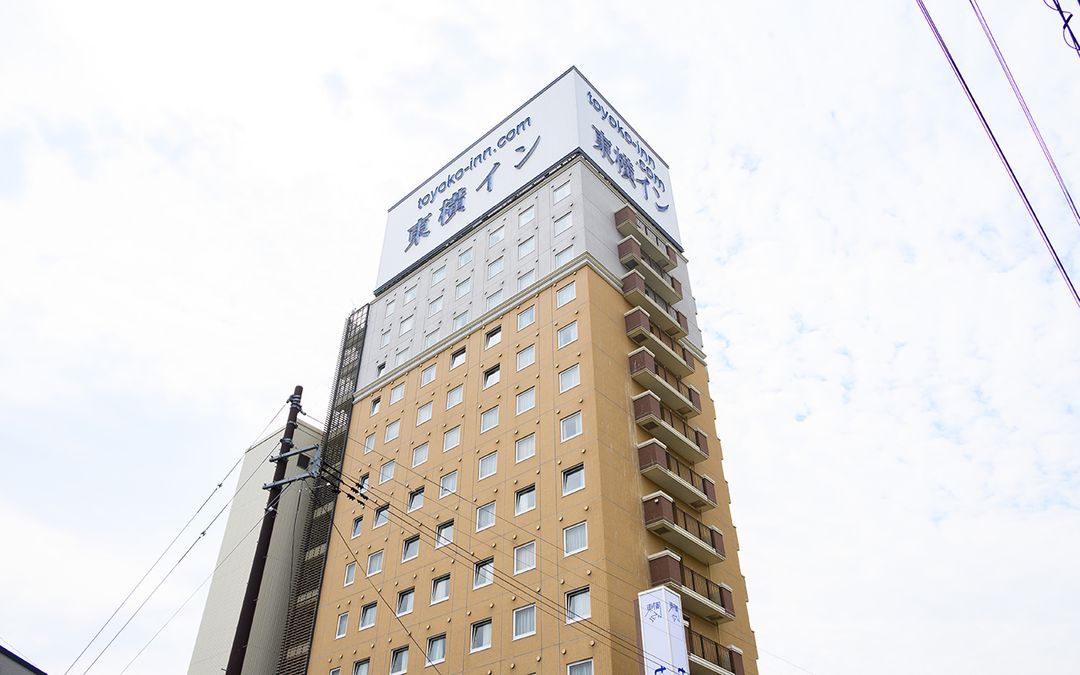
Toyoko Inn Shin-shirakawa Ekimae
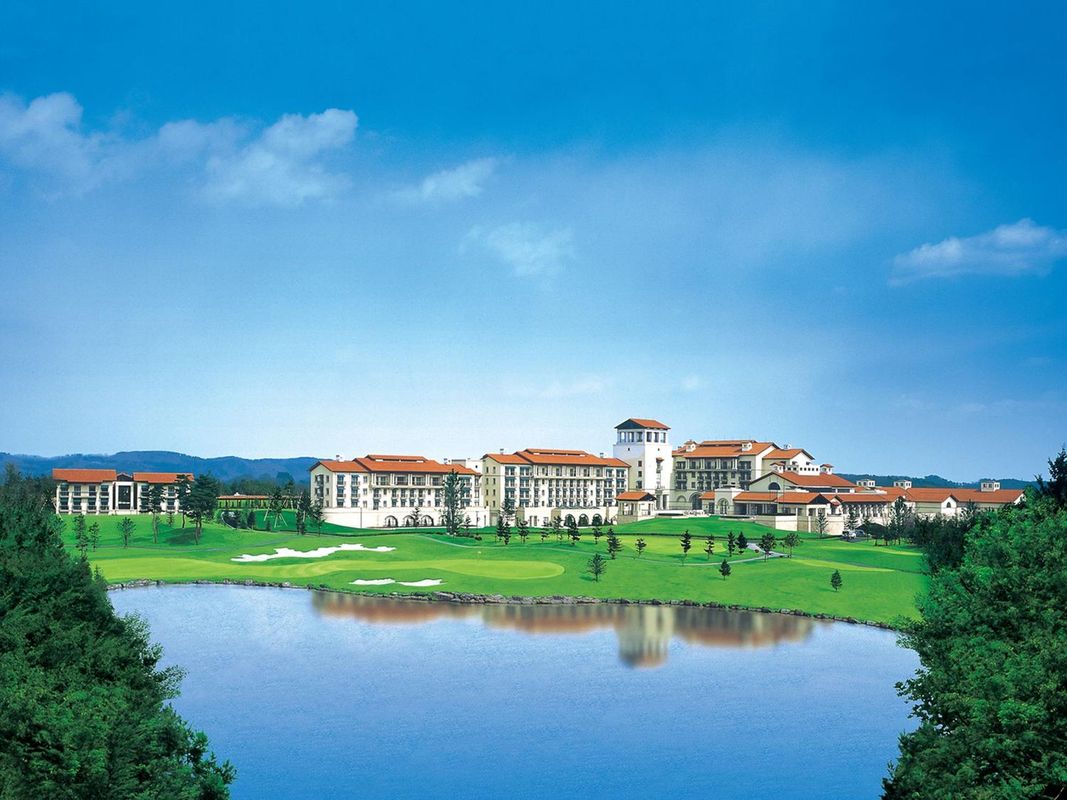
Grand XIV Nasu Shirakawa the Lodge
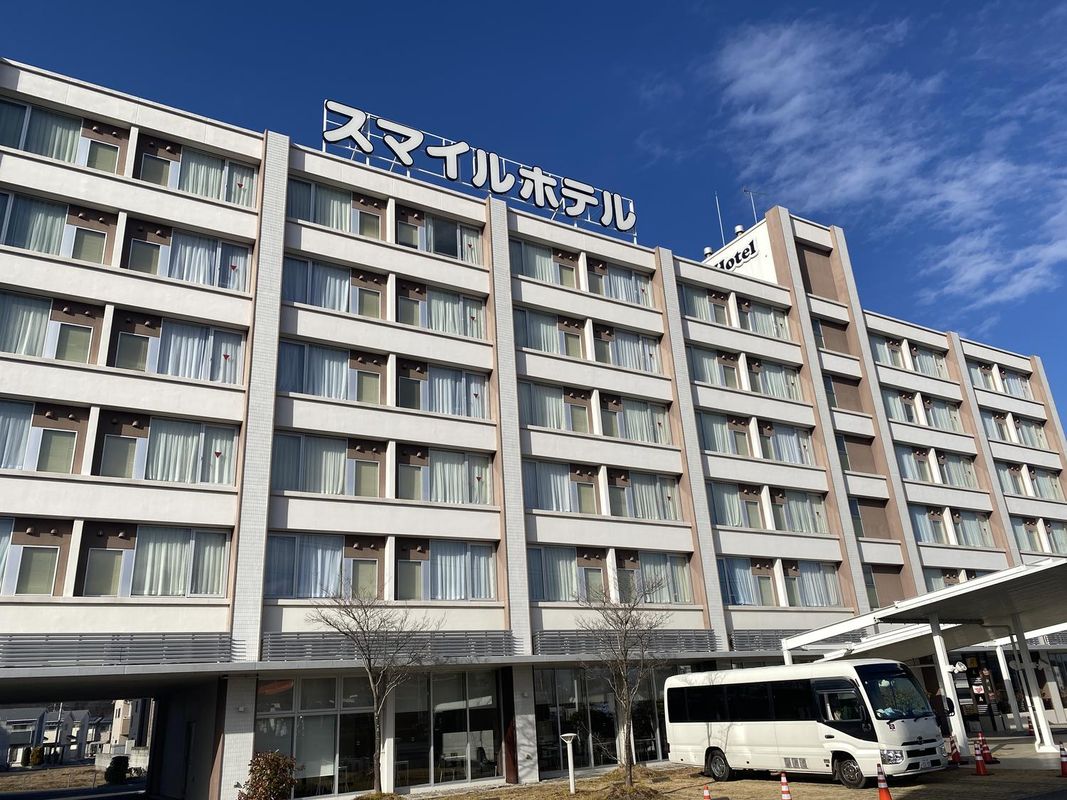
Smile Hotel Shirakawa
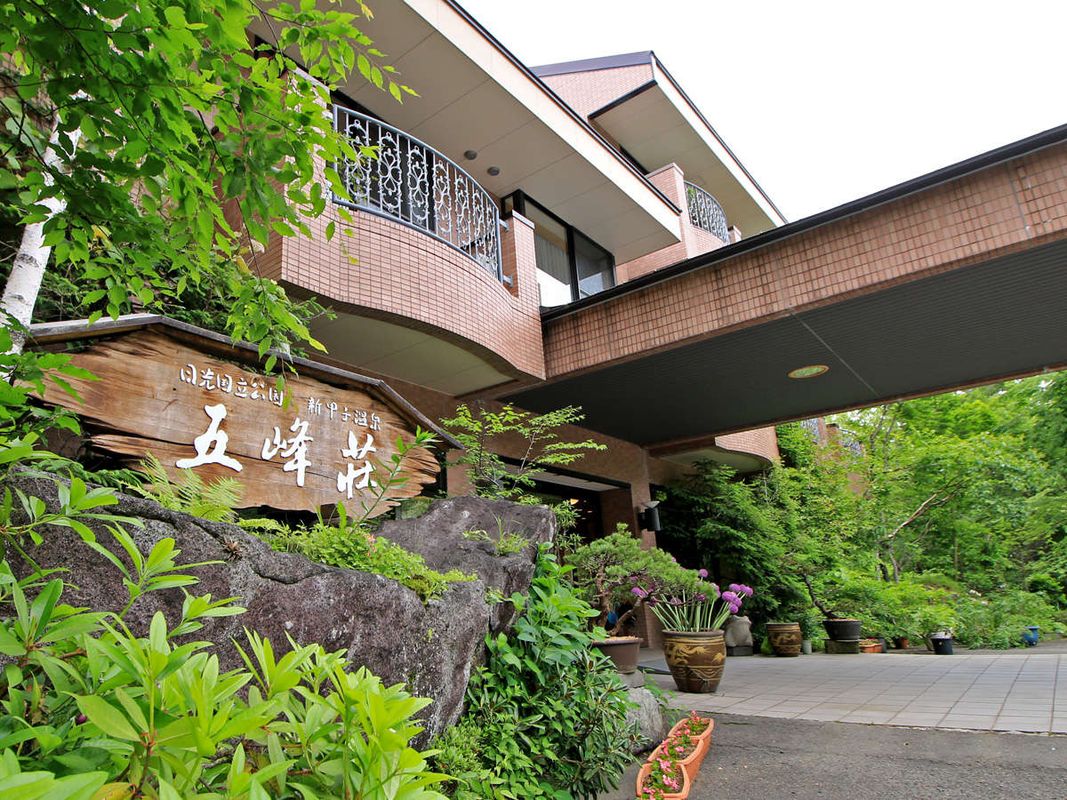
Gohousou
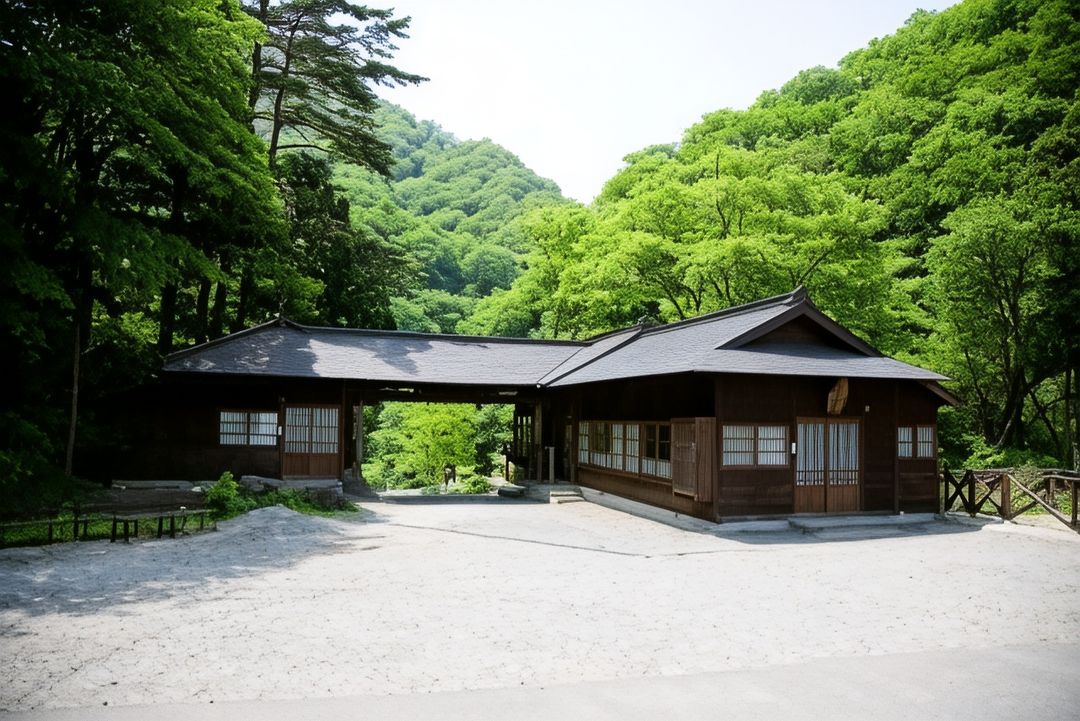
Motoyu Kashi Onsen Ryokan Daikokuya
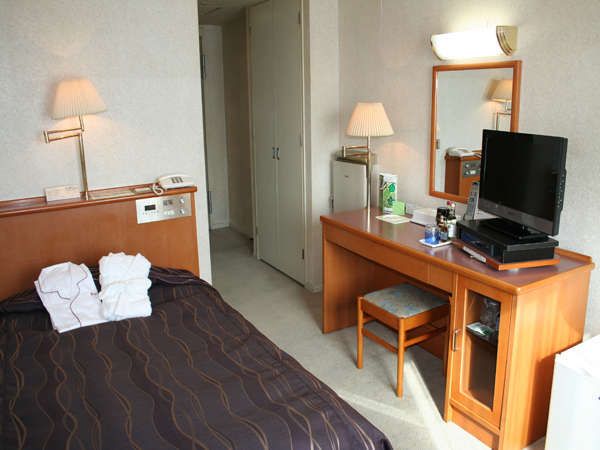
Tokyo Daiichi Hotel Shinshirakawa
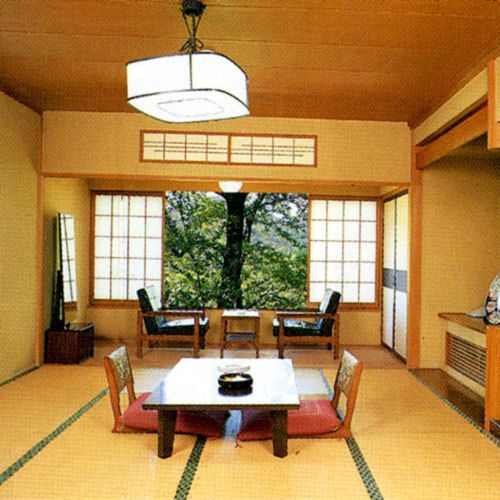
Shinkashi Onsen Kashi Kogen Fujiya Hotel
Best Hotels in Nishigō
Discover curated hotel collections in Nishigō
MIMARU SUITES Tokyo Asakusa
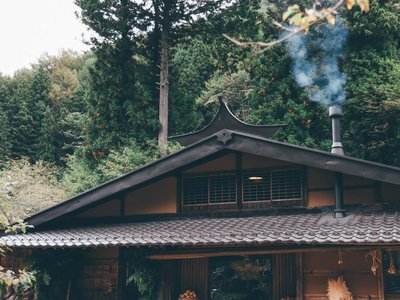
La Terra Resort

karaksa hotel colors Tokyo Yaesu
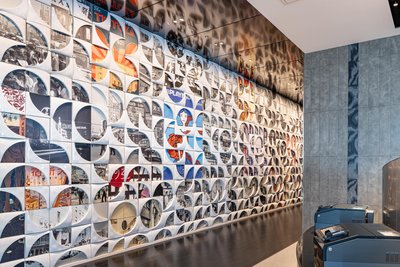
HOTEL GROOVE SHINJUKU, A PARKROYAL Hotel

EN Resort Grandeco Hotel
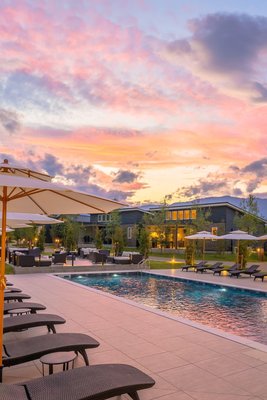
Awaumi Fujikawaguchiko Resort
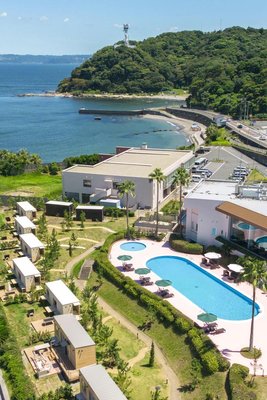
La vista Yokosuka Kannonzaki Terrace
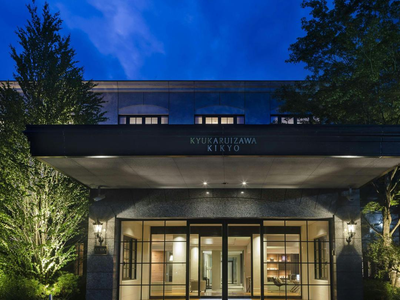
Fufu Karuizawa Wind of Sunshine
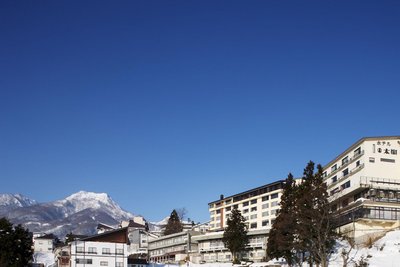
Hotel Taiko, Akakura Onsen
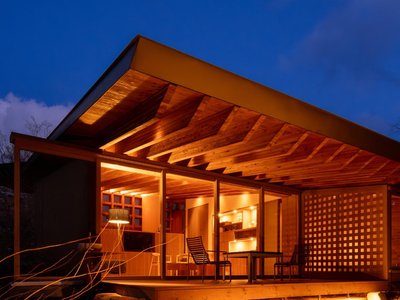
Nasu Mukunone
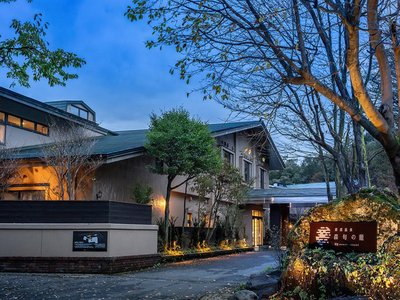
Nasu Onsen Shinshun no Kago Hewitt Resort

Scapes the Suite
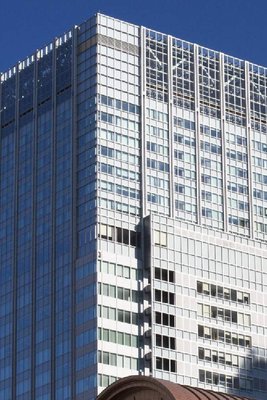
Hotel Metropolitan Tokyo Marunouchi
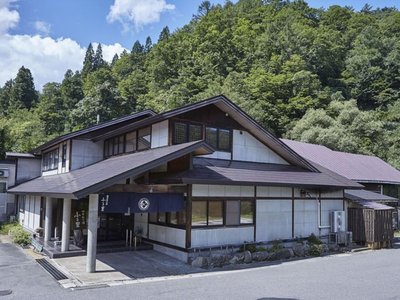
Fulsato
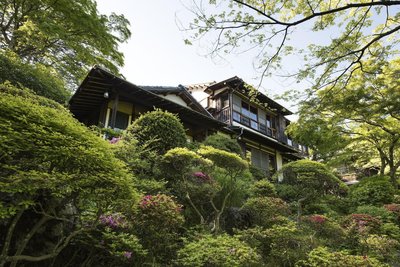
Gora Kansuiro
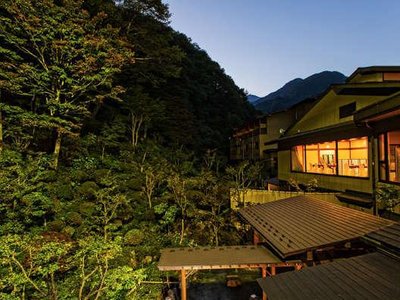
Futari Shizuka
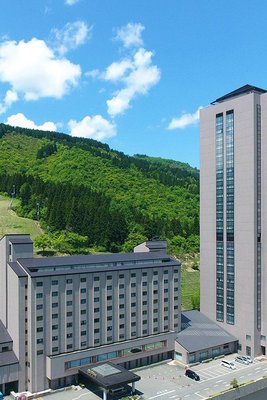
Naspa New Otani
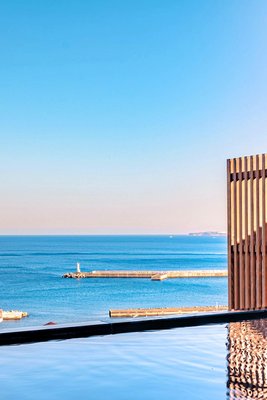
HOTEL KANICHI
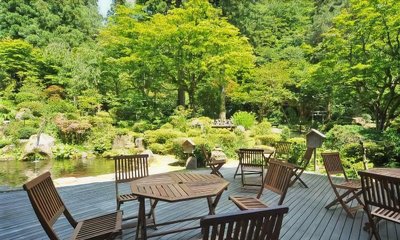
Choseikan
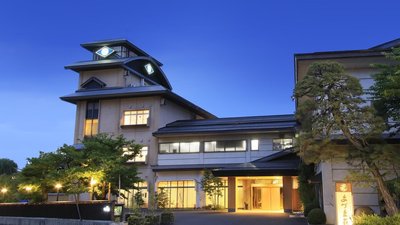
Shouhakutei Azumaso
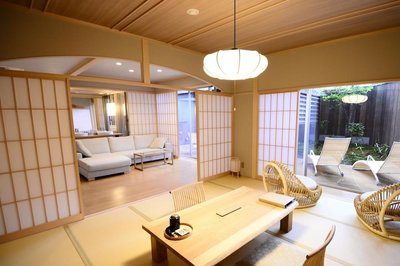
Hakone Gora Byakudan
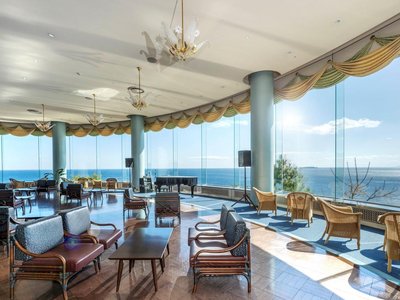
Hotel New Akao
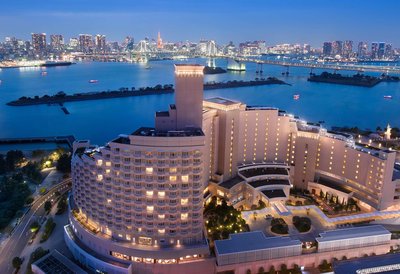
Hilton Tokyo Odaiba
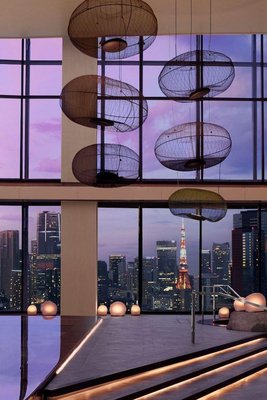
JW Marriott Hotel Tokyo
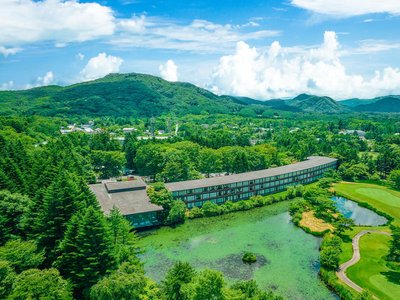
The Prince Karuizawa

The Kukuna
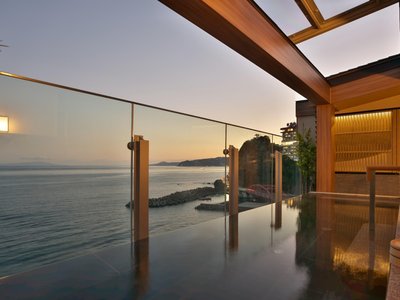
Hotel New Sagamiya
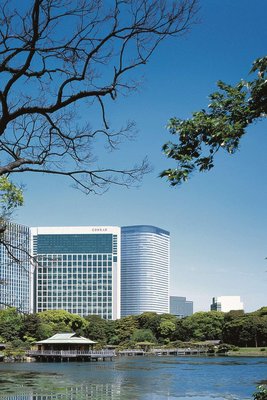
Conrad Tokyo
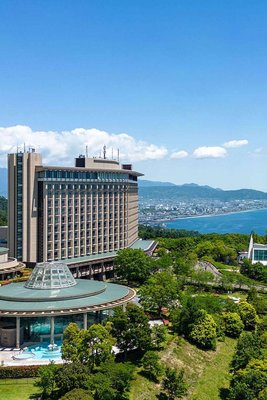
Hilton Odawara Resort & Spa
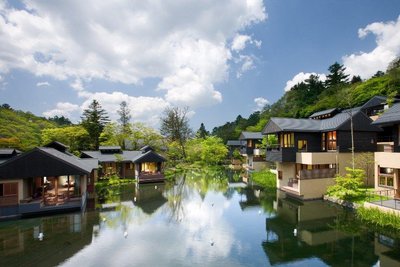
Hoshinoya Karuizawa
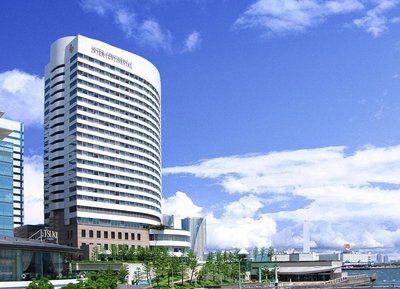
InterContinental Tokyo Bay
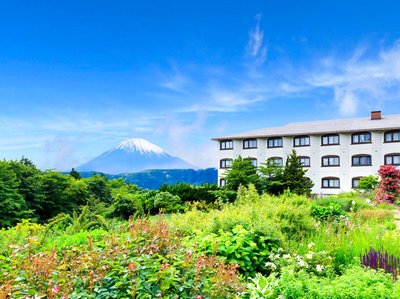
Hotel Green Plaza Hakone
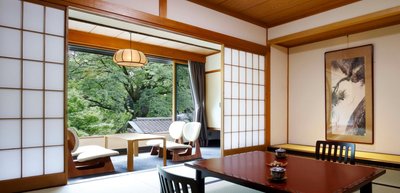
Yoshiike Ryokan
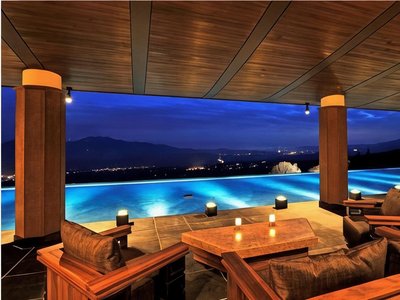
Akakura Kanko Hotel
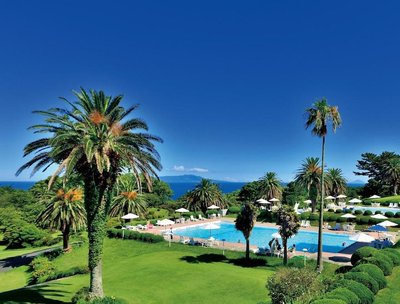
Kawana Hotel
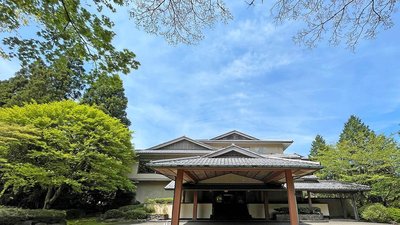
Ryuguden
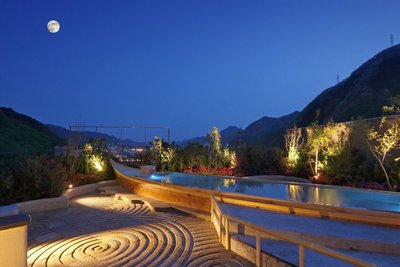
Asaya
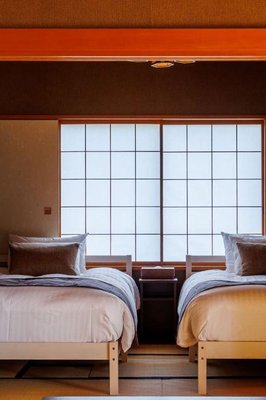
Sado Resort Hotel Azuma
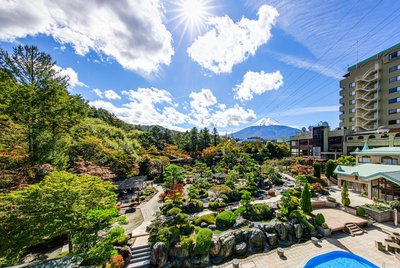
Kaneyamaen
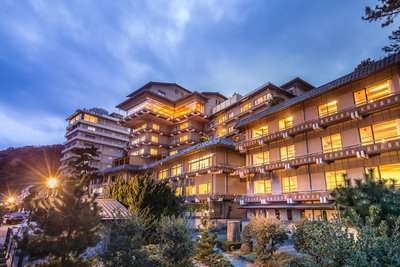
Bousui
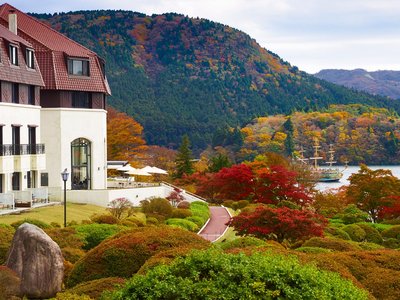
Hotakajyo
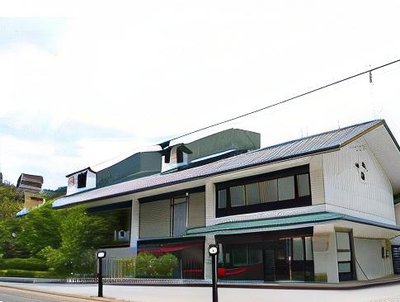
Auberge Suzukane

Onyado Nono Asakusa Bettei Hot Spring
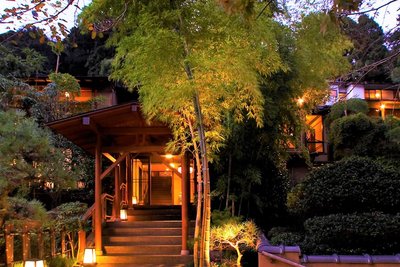
Shiki wo Ajiwau Yado Yamano Chaya
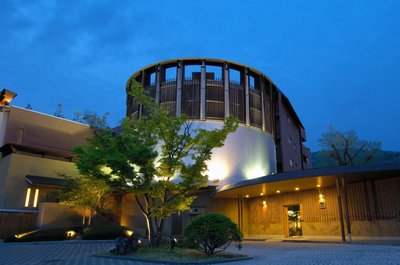
Hoshino Resorts Kai Matsumoto
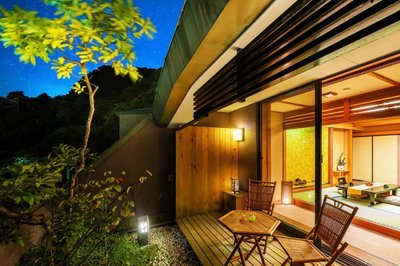
Konjakutei
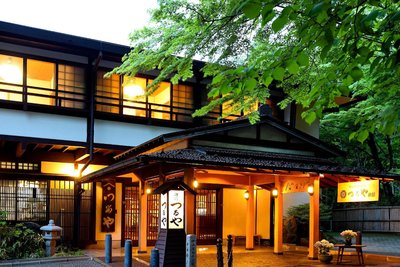
Tsuruya Ryokan
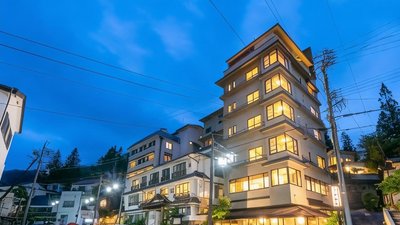
Nakamatsuya Ryokan
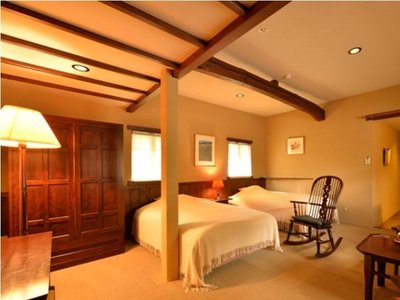
Ryokan Sugimoto
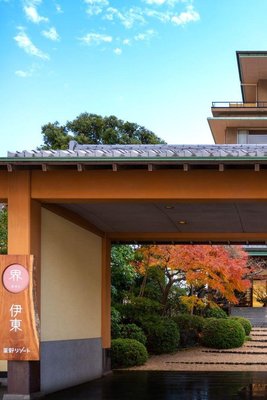
Hoshino Resorts Kai Ito
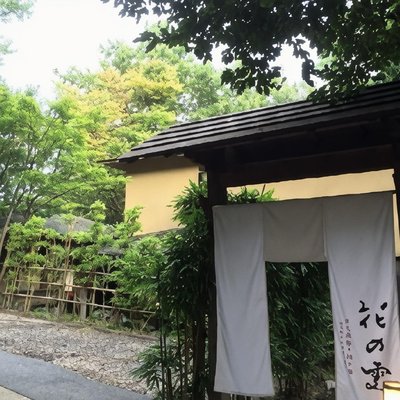
Hana No Kumo
Yoshiike Ryokan
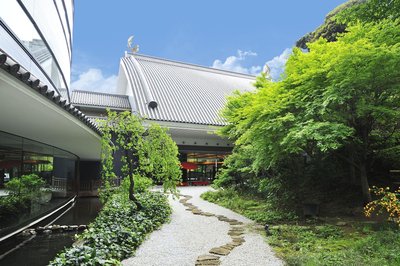
Hotel Gajoen Tokyo
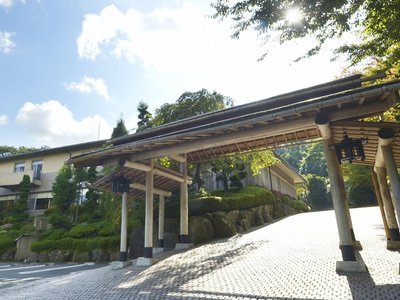
Gora Hanaougi
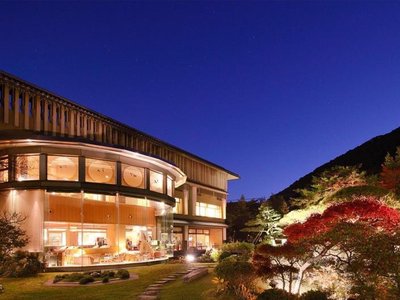
Shikisai Ichiriki
Sado Resort Hotel Azuma
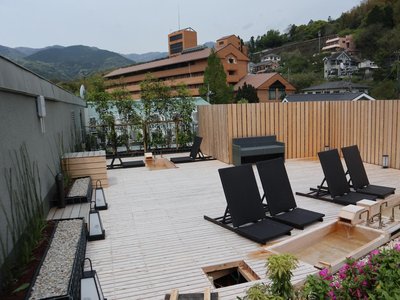
Fukiya Ryokan
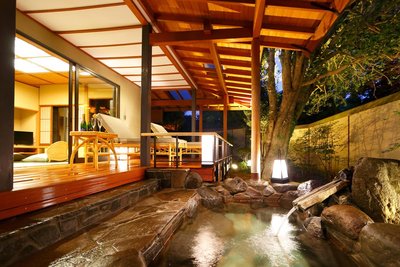
Yoshiharu Ryokan – Izu Nagaoka Onsen
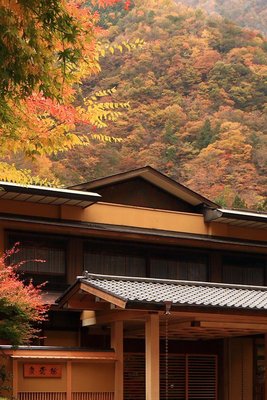
Nishiyama Onsen Keiunkan
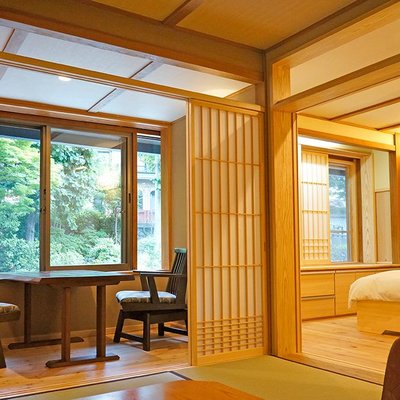
Sumiyosiya Ryokan
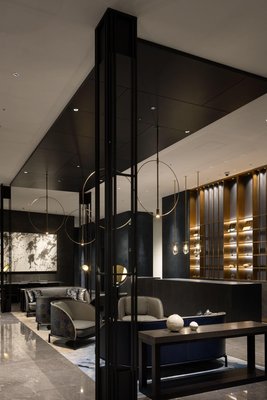
Bellustar Tokyo, A Pan Pacific Hotel
JW Marriott Hotel Tokyo
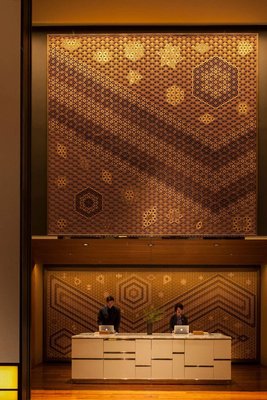
Andaz Tokyo Toranomon Hills- A Concept by Hyatt
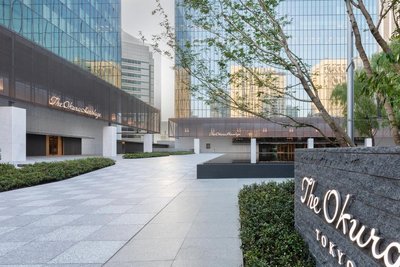
The Okura Tokyo
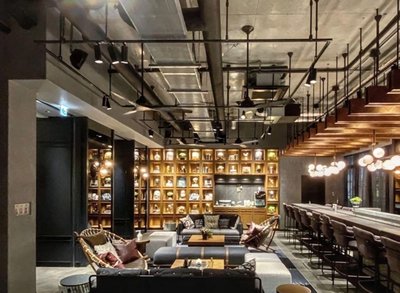
The Lively Azabujuban Tokyo
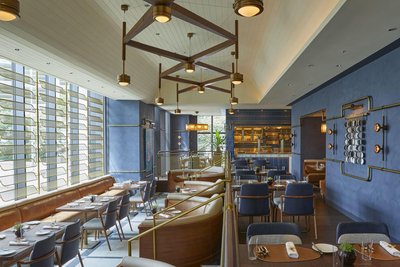
Kimpton Shinjuku Tokyo

HOTEL K5
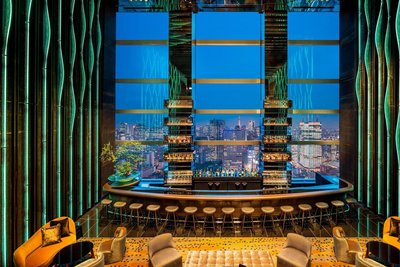
The Prince Gallery Tokyo Kioicho, a Luxury Collection Hotel
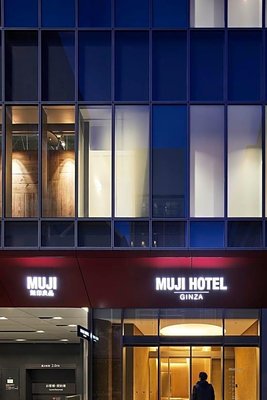
Muji Hotel Ginza
Bellustar Tokyo, A Pan Pacific Hotel
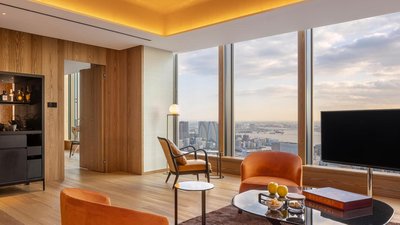
Bvlgari Hotel Tokyo
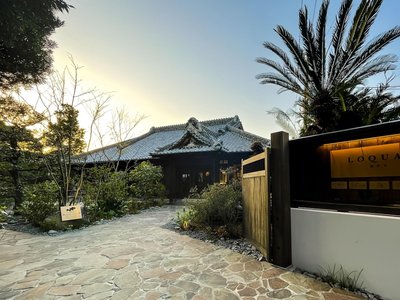
Loquat Nishiizu
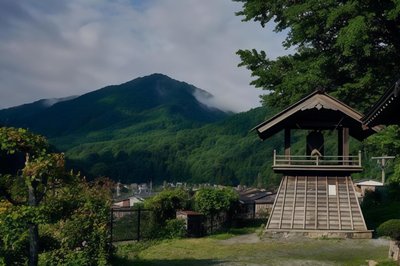
Byaku Narai
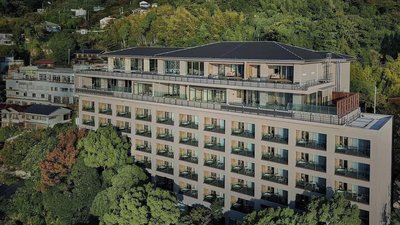
Atami Izusan Karaku
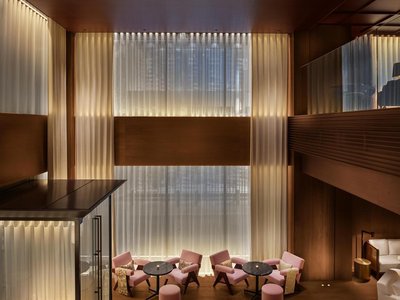
The Tokyo Edition, Ginza
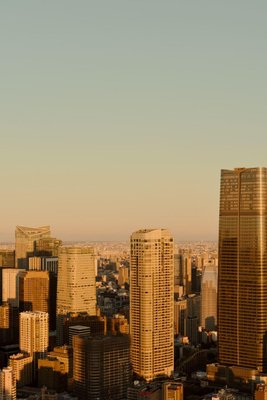
Janu Tokyo
JW Marriott Hotel Tokyo
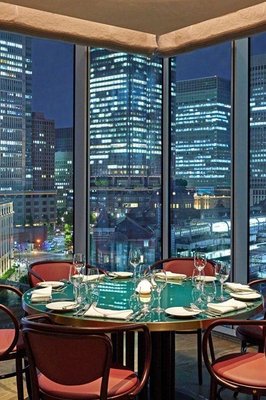
Four Seasons Hotel Tokyo at Marunouchi

Mandarin Oriental, Tokyo
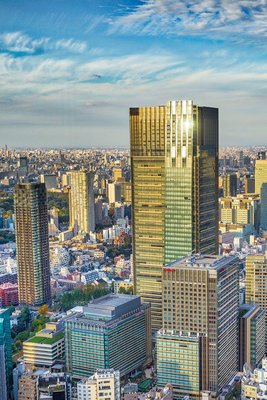
The Ritz-Carlton, Tokyo
Andaz Tokyo Toranomon Hills- A Concept by Hyatt
Hoshinoya Karuizawa
Hotel Gajoen Tokyo
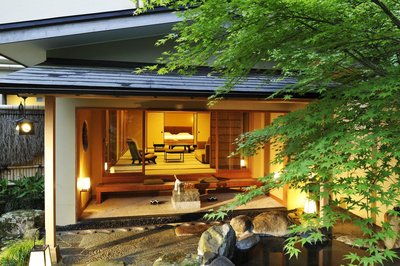
Gora Kadan
Gora Hanaougi
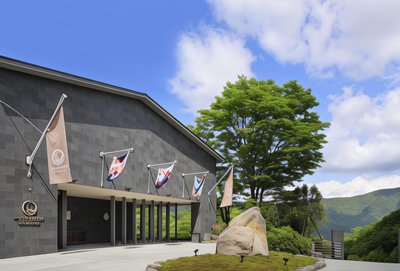
The Hiramatsu Hotels & Resorts Sengokuhara Hakone

Abba Resorts Izu - Zagyosoh
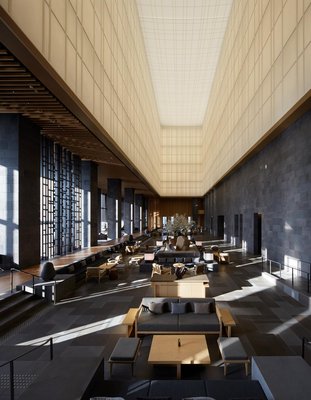
Aman Tokyo
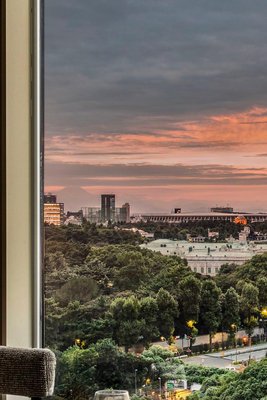
Hotel New Otani Tokyo, Executive House Zen
Hakone Gora Byakudan
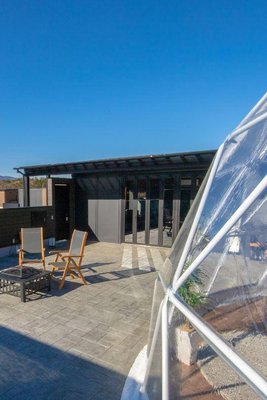
Panoramic Mt. Fuji Views from All Rooms – Vision Glamping Resort & Spa Yamanakako
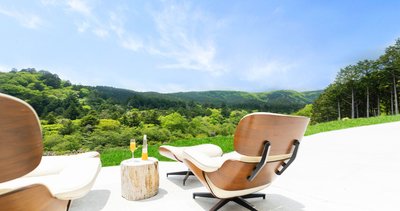
Shelter Garden Nikko
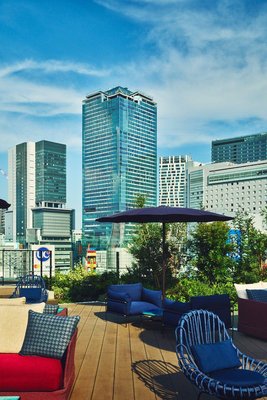
Hotel Indigo Tokyo Shibuya
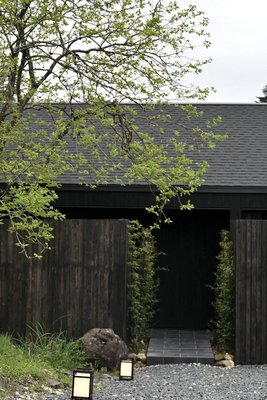
THE LAKOTAN
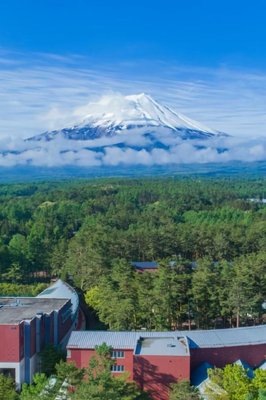
Forest Village (Fuji Premium Resort)

Hotel Toranomon Hills
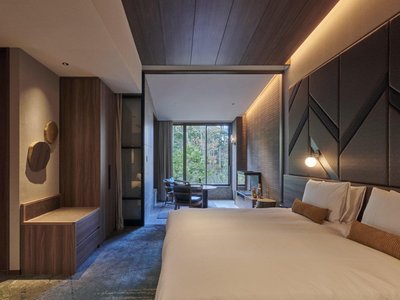
Fufu Kyu-Karuizawa Restful Forest
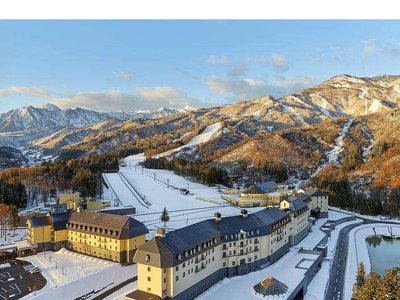
Lotte Arai Resort
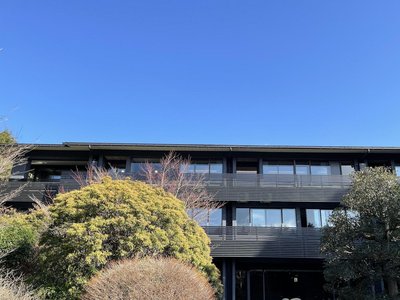
Sengokubara Cocon
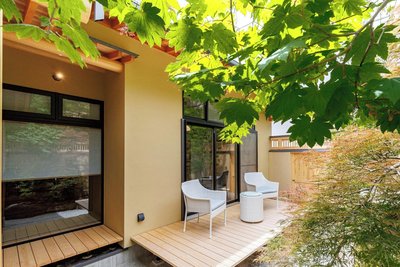
Shoraiso
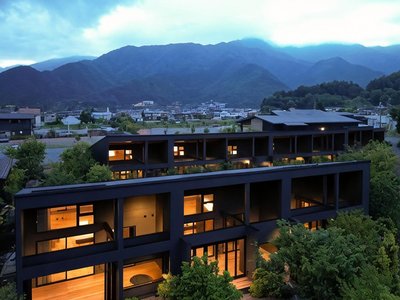
7C Villa and Winery

Hotel la Vigne Hakuba by Onko Chishin
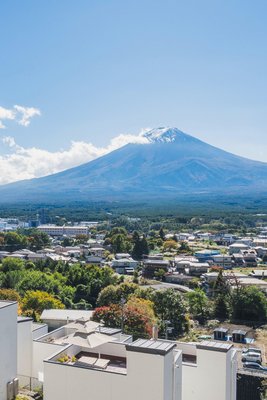
THE TOKI FujiKawaguchiko
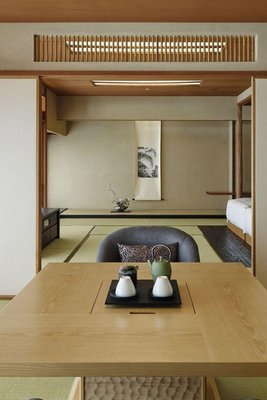
Takanawa Hanakohro (in Grand Prince Hotel Takanawa)
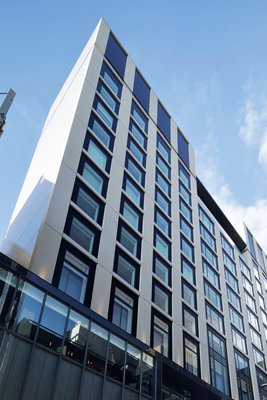
Hyatt Centric Ginza Tokyo
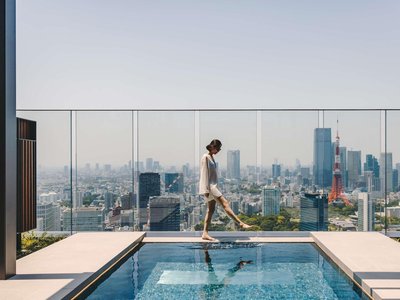
Fairmont Tokyo
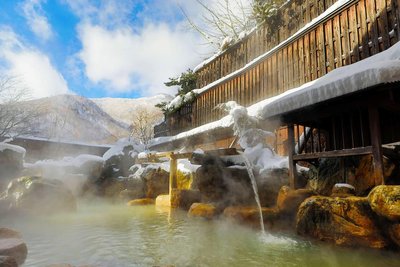
Miyamaouanbekkan yumegurinoyado hirayukan
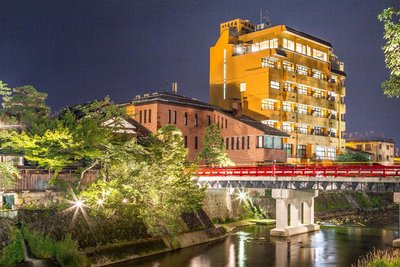
HONJIN HIRANOYA BEKKAN
The Prince Karuizawa
Bvlgari Hotel Tokyo
Four Seasons Hotel Tokyo at Marunouchi
Mandarin Oriental, Tokyo
The Ritz-Carlton, Tokyo
Andaz Tokyo Toranomon Hills- A Concept by Hyatt
Gora Kadan
Hotel New Otani Tokyo the Main
Aman Tokyo
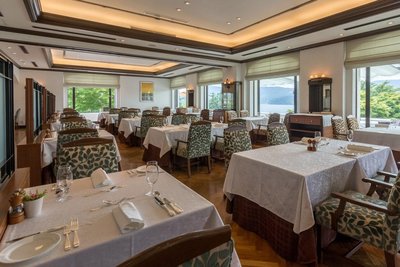
Odakyu Hotel de Yama
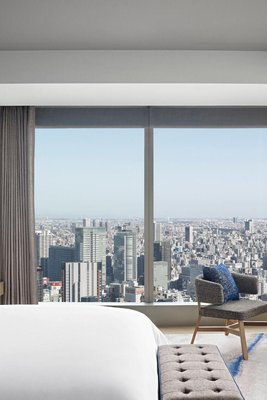
Four Seasons Hotel Tokyo at Otemachi
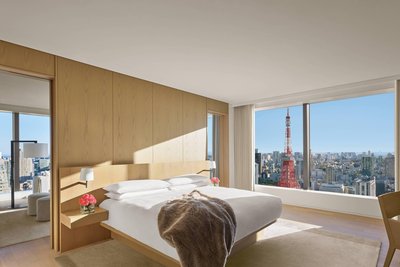
The Tokyo Edition, Toranomon
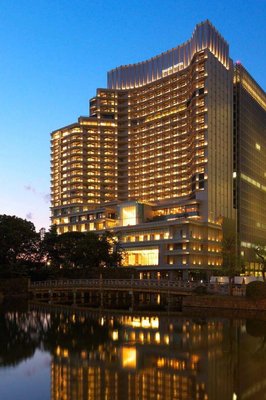
Palace Hotel Tokyo
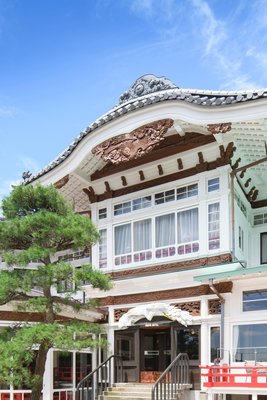
Fujiya Hotel
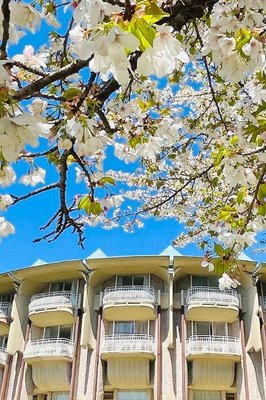
The Prince Hakone Lake Ashinoko
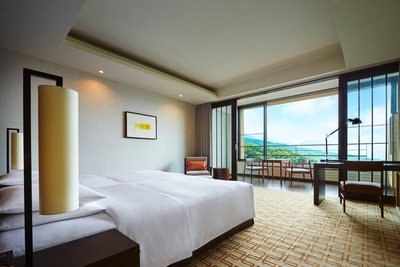
Hyatt Regency Hakone Resort and Spa
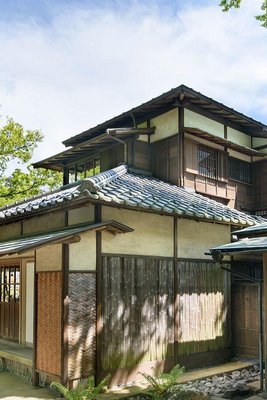
Hakone Suishoen
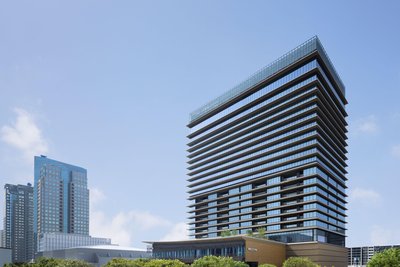
The Westin Yokohama

The Peninsula Tokyo

Imperial Hotel, Tokyo

Rakuten STAY VILLA Nasu
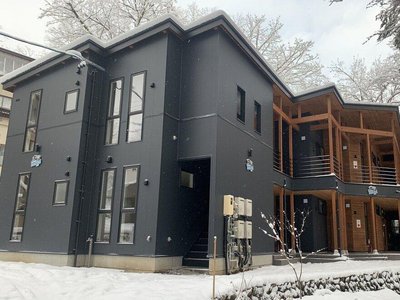
Hakuba Gondola Apartments
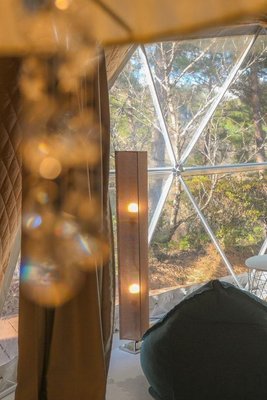
glampark Gekkabijin Nagano
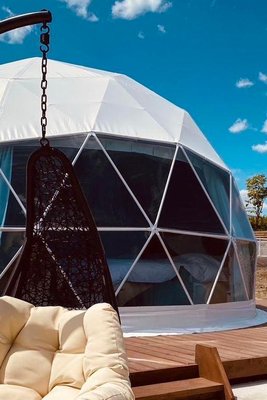
chillout glamping zao
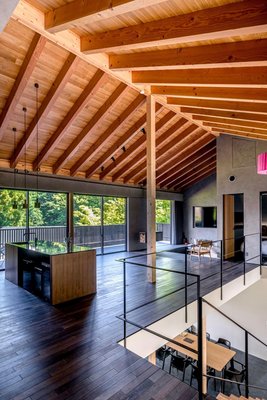
MONS GORA
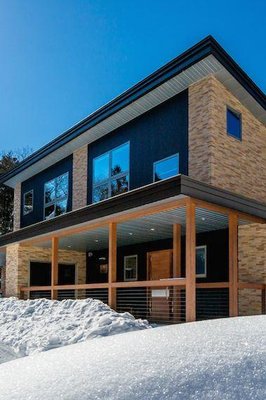
Phoenix Chalets by Hhg
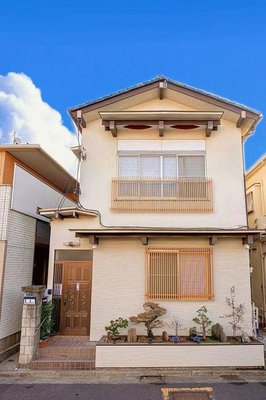
Tokyo Star House-Shinkoiwa
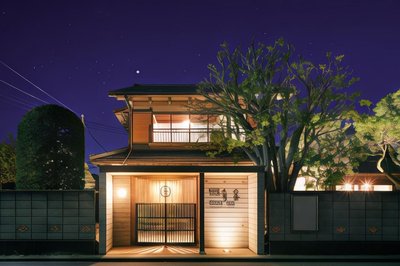
Machi-Jyu
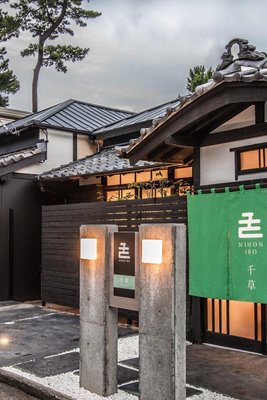
Nihon Iro
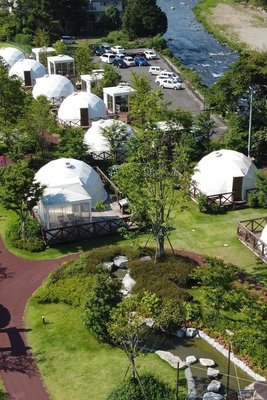
Ufufu Village
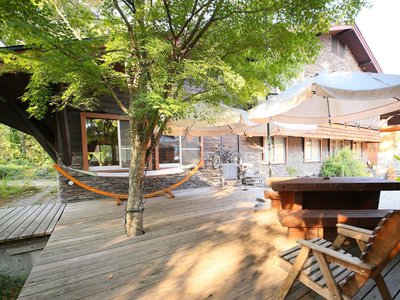
Kunugi Relaxation with 4 Modern Rooms

Modern Ryokan Kishi-ke

Petals Tokyo - Floating Hotel

The Flow Kamakura
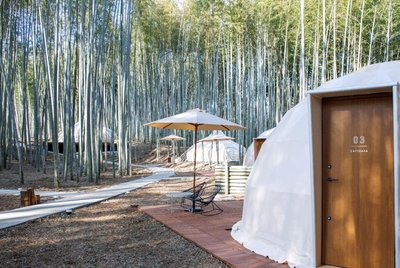
THE BAMBOO FOREST
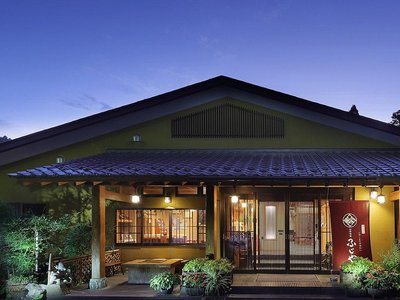
Shikimitei Fujiya
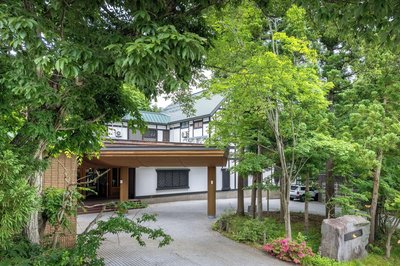
Forest Resort Yamanote Hotel
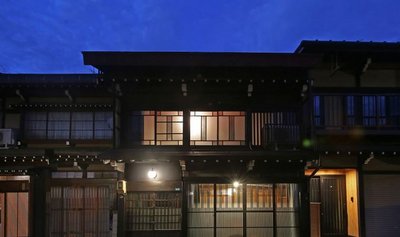
Iori Stay Hida
Frequently Asked Questions about Traveling to Nishigō
Questions You Might Need to Know About Traveling to Nishigō
In Nishigun, the top boutique inn is Yamagata Kōfū Ryokan, nestled beside Lake Okuyama. This heritage property blends traditional northeast Japanese woodcraft with modern comfort, featuring tatami rooms and floor-to-ceiling windows overlooking seasonal mountain views. Each room includes a private onsen bath, and guests enjoy locally sourced kaiseki meals using fresh lake fish and mountain vegetables. Another standout is Shin'etsu River Cottage, a secluded riverside cabin offering tranquil mornings by the stream and stargazing at night. Both inns provide intimate, authentic experiences away from crowds, reflecting the quiet charm of rural Fukushima.
The best times to visit Nishigun are autumn (October–November) and spring (April–May). Autumn brings vibrant maple forests around Lake Okuyama, creating stunning photo opportunities with fiery reds and golds. Spring offers blooming cherry blossoms and lush greenery along the Shin'etsu River. Don’t miss the Shin’etsu River Lantern Festival in late September, where thousands of paper lanterns line the riverbank, casting a magical glow over the water. Avoid summer heat and winter snow for more comfortable travel conditions while enjoying nature’s full splendor.
Yes, Nishigun is ideal for family travel. The region offers safe, nature-rich environments perfect for kids. Explore the Shin’etsu River Family Trail, a child-friendly path with safety railings and educational signs about local wildlife. Visit Nishigun Farm Experience Center for hands-on activities like rice planting and homemade tofu-making. During summer, enjoy the Mountain Summer Festival, featuring fireworks and traditional dance performances. With low population density and minimal traffic, families can relax in peaceful surroundings, making it a rare, stress-free getaway.
The standout hot spring hotel is Shin'etsu Onsen Ryokan, located on the northern shore of Lake Okuyama. Its century-old outdoor onsen baths draw mineral-rich waters from deep underground, known for skin-softening benefits. Rooms feature traditional tatami flooring and private soaking tubs. Daily meals include kaiseki cuisine made with local lake trout and mountain-grown ingredients, paired with house-brewed sake. Wake up to mist rising over the lake—this serene morning ritual is unforgettable. The blend of history, luxury, and natural beauty defines the true essence of a Japanese ryokan experience.
The most convenient route from Tokyo is taking the JR Tohoku Main Line to Koriyama Station, then transferring to Fukushima Transportation Bus for a 2-hour ride to Nishigun. Total travel time is about 3.5 hours, with reliable schedules. For greater flexibility, rent a car via the Tohoku Expressway, which takes approximately 3 hours through scenic countryside. Note that public transport is limited due to the remote location—book ahead or consider private transfers. Ideal for travelers seeking a peaceful, off-the-beaten-path journey.
Must-try dishes in Nishigun include Okuyama Trout Sushi, made with freshly caught lake trout—delicate and rich in flavor. Try wild mountain vegetable tempura, featuring foraged greens like ferns and dandelion, lightly fried to perfection. Don’t miss Fukushima Mochi, soft rice cakes made from local short-grain rice, often served with sweet red bean paste. Local specialties also include Shin’etsu River crab, steamed or stir-fried with ginger, delivering a savory taste of the region. Many inns serve a mountain village set meal with fermented vegetables, grilled fish, and miso soup—highlighting sustainable, farm-to-table traditions.
For ultimate tranquility, stay in the western lakeside zone of Lake Okuyama. This remote area features only a few secluded cottages and private homes, surrounded by dense forest and far from main roads. Shin’etsu Lakeview Retreat is a top choice: a timber-framed cabin with soundproof glass, underfloor heating, and direct access to a private onsen. A 10-minute walk leads to the quiet riverbank, perfect for early-morning walks or fishing. Unlike the village center, this zone has no commercial noise, making it ideal for meditation, stargazing, or complete digital detox. Peace reigns here.
Nishigun offers immersive cultural experiences. Join a Shin’etsu River Weaving Workshop to learn traditional wooden loom techniques and create your own linen piece. Attend the Village Shrine Festival in June, featuring lion dances, taiko drumming, and community prayers. Participate in a foraging tour guided by locals who teach you to identify edible wild plants and prepare them into meals. You can also try lacquerware crafting, shaping small bowls or jewelry with hand-painted finishes. These hands-on activities connect visitors deeply with the region’s heritage and foster meaningful interactions with residents.
Key natural attractions in Nishigun include Lake Okuyama, famed for its mirror-like surface reflecting mountains and sky—perfect for photography. The Lake Okuyama Cycling Path (18 km) winds along the shoreline, ideal for biking or jogging. Explore the Shin’etsu River Waterfall Group, especially White Heron Falls, a 30-meter cascade ideal for summer cooling. Hike to Mifune Mountain Viewpoint for panoramic vistas of the valley and lake—especially breathtaking during autumn foliage. For adventure seekers, the primeval forest trail hosts deer sightings and diverse wildlife. These pristine landscapes showcase the untouched beauty of rural Fukushima.
Absolutely. Nishigun is a photographer’s dream. Capture the ethereal lake reflections at dawn or sunset, especially during autumn when the colors explode across the water. Use long exposures to smooth the flow of Shin’etsu River waterfalls. The red maple forests in fall offer dramatic backdrops for wide-angle shots. The ancient shrine architecture and stone lanterns, framed by moss and mist, evoke timeless Japanese aesthetics. At night, escape light pollution and photograph the Milky Way with clarity. Bring a tripod, polarizing filter, and extra batteries—every moment here is frame-worthy, offering a visual narrative of serenity and nature’s grandeur.
Nishigō Overview
City Summary
Nishigo Village, located in Fukushima Prefecture, Japan, is a charming rural area known for its stunning natural landscapes and rich traditional culture. With vast rice fields, clear rivers, and beautiful mountains, the village offers breathtaking views throughout the year, especially during the cherry blossom season in spring and the vibrant autumn foliage. Nishigo's agricultural heritage is profound, allowing visitors to experience traditional farming life and local cuisine.
Must-See Attractions
Key attractions in Nishigo include the Yamato River Embankment Cherry Blossom Path, a must-visit in spring; the Nishigo History and Folklore Museum, showcasing local heritage; and the scenic countryside, perfect for hiking or cycling. The village's summer festivals also provide a unique cultural experience.
Food Guide
Nishigo's cuisine revolves around farmhouse dishes, with highlights like fresh rice balls and mountain vegetable meals. The village is also famous for its handmade soba noodles, served with locally produced soy sauce and green onions for a distinctive flavor.
Transportation Guide
Public transportation in Nishigo relies on buses and car rentals. Buses from Fukushima or Koriyama cities take about 1 to 1.5 hours to reach the village. While there’s no subway, renting a car is highly recommended for exploring the surrounding nature. Check bus schedules in advance and note the last departures.
Best Time to Visit
The best times to visit are spring (March to May) and autumn (September to November), when the weather is pleasant and scenery at its finest. Summers are humid, while winters may bring snow, appealing to snowscape lovers.
Travel Tips
- Respect local customs: Follow traditional etiquette during festivals.
- Eco-friendly travel: Carry a trash bag as bins are scarce.
- Book activities early: Farming experiences require reservations.
- Wear comfortable shoes: Some sites involve walking.
- Bring cash: Many shops and activities don’t accept cards.
- Check operating hours: Rural businesses may close early.
Useful Information
Japanese is the primary language spoken in Nishigo, so learning basic phrases is helpful. Mobile coverage is good, though weaker in remote areas. Cash is widely used, with limited card acceptance. Medical facilities are minimal—pack essential medications and seek hospitals in nearby cities for emergencies. The local tourist center provides maps and travel advice.