Hotels in Nishikatsura
Discover your perfect stay in Nishikatsura.
Nishikatsura(Japan) Travel 2026: Cheap Flights, Hotels & Top Attractions
Popular Landmarks in Nishikatsura
Discover the most iconic attractions in Nishikatsura
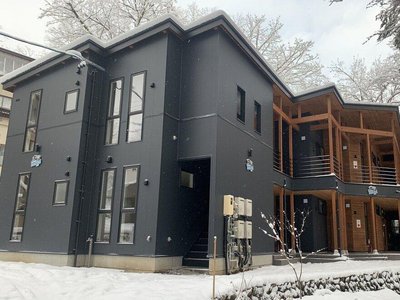
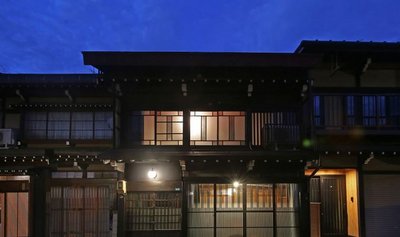
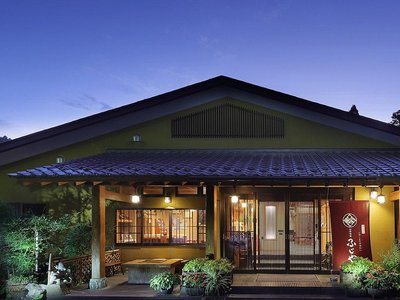
Recommended Hotels in Nishikatsura
Find the perfect place to stay in Nishikatsura
Best Hotels in Nishikatsura
Discover curated hotel collections in Nishikatsura



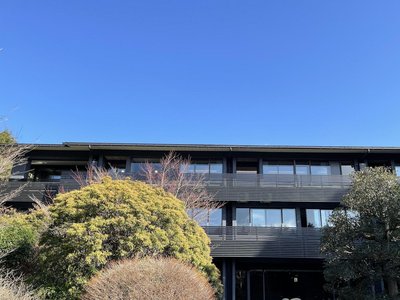
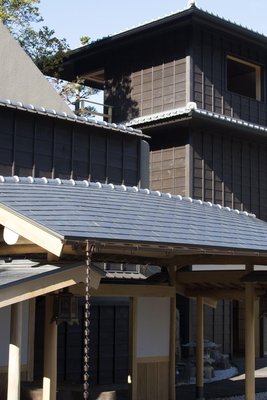
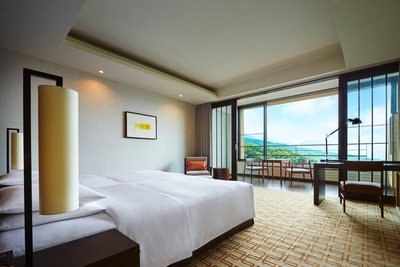

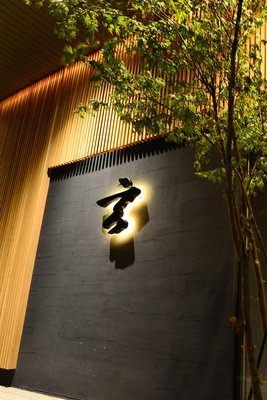
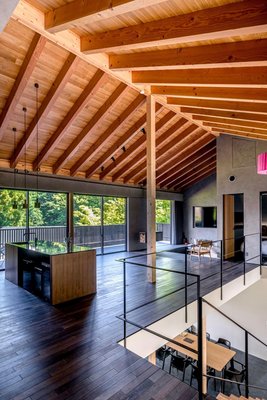
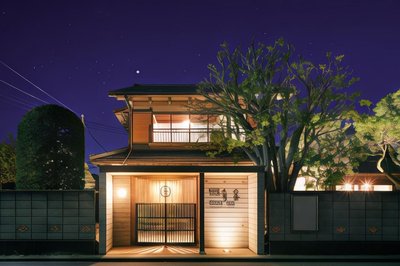


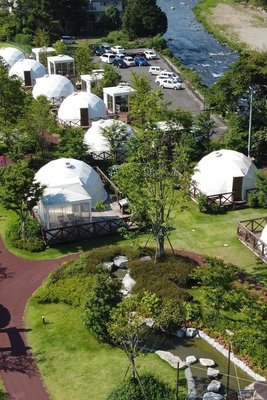
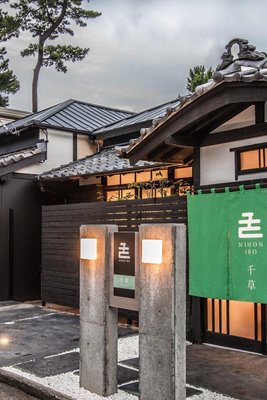

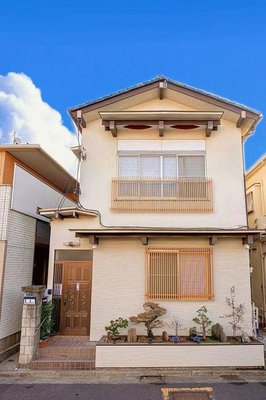
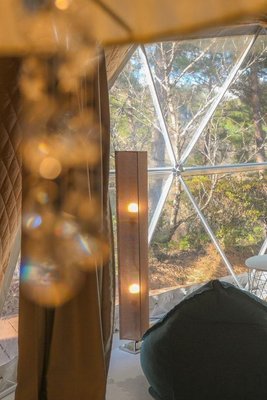
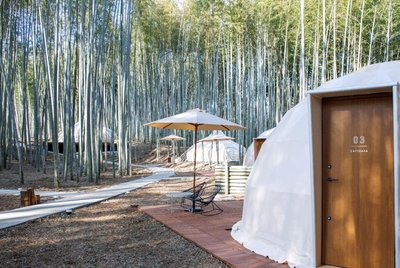
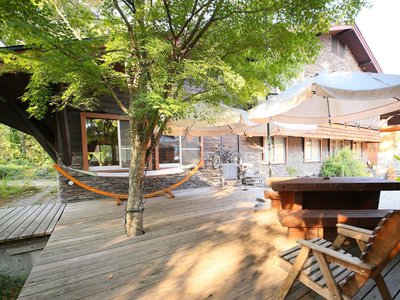


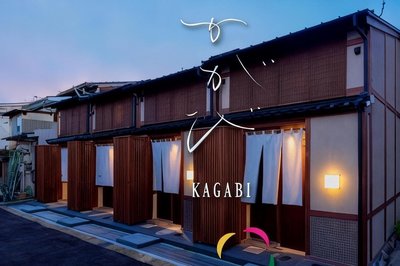
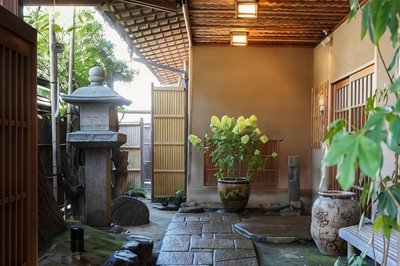

Frequently Asked Questions about Traveling to Nishikatsura
Questions You Might Need to Know About Traveling to Nishikatsura
Nishikatsura Overview
City Summary
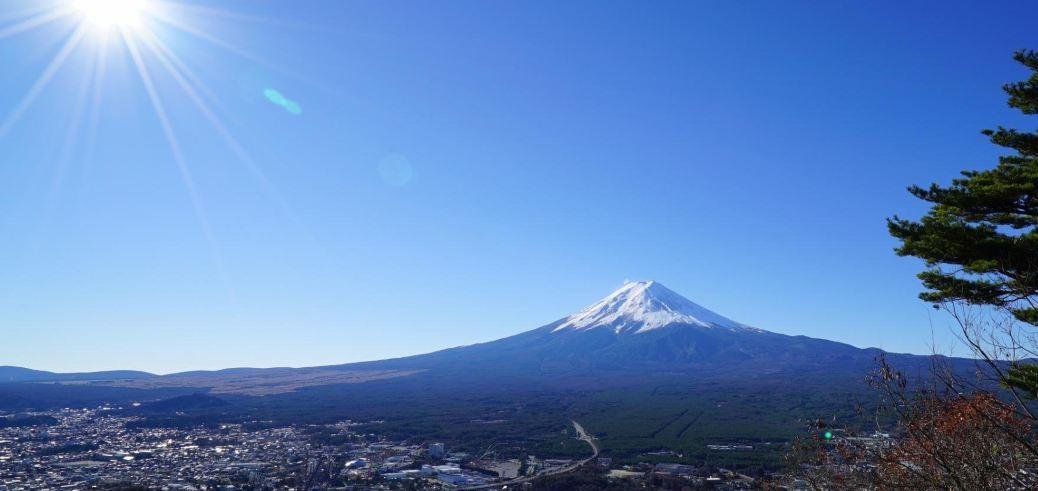
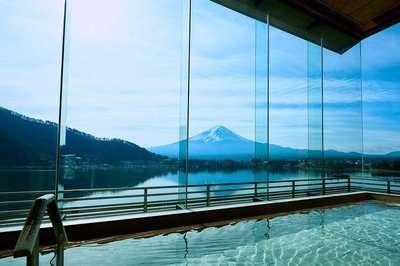
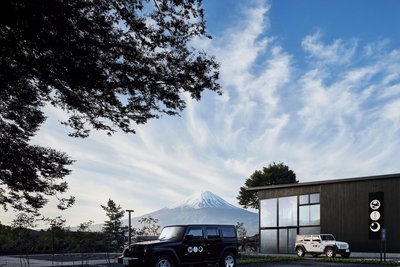
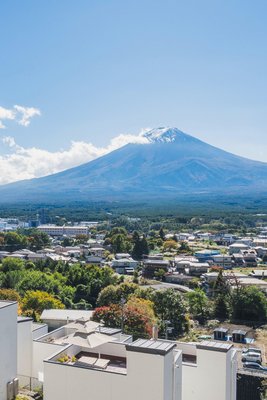
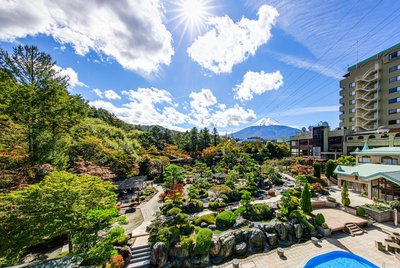
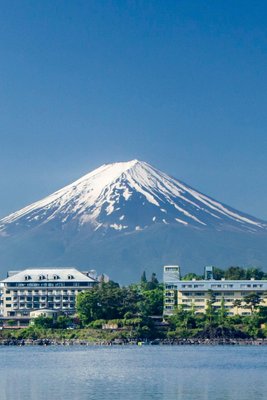
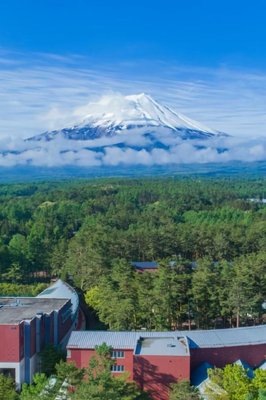
Nishikatsura Town is located in Yamanashi Prefecture, Japan, known for its stunning natural scenery and tranquil atmosphere. The town offers breathtaking views of Mount Fuji, abundant hot spring resources, and traditional Japanese rural culture. Visitors can enjoy a peaceful retreat away from urban hustle and experience authentic countryside life.
Must-See Attractions
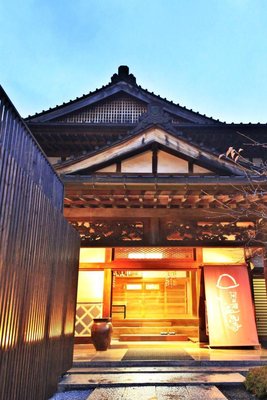
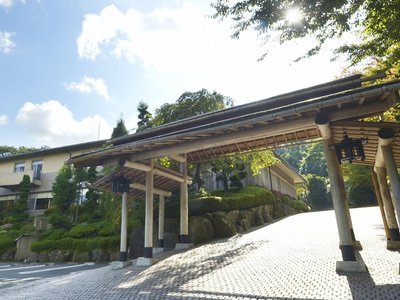
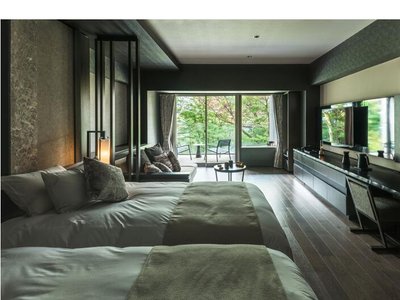
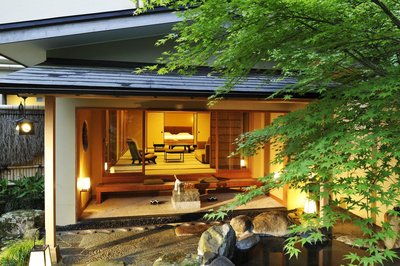
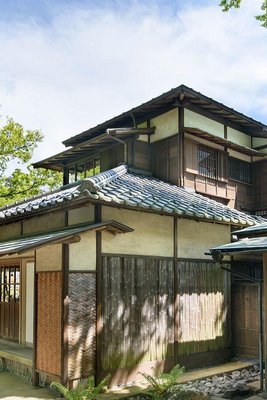
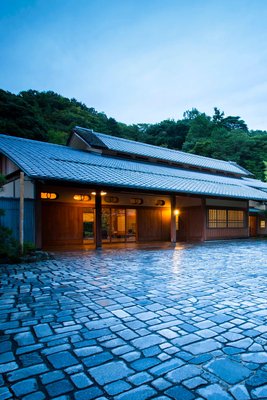
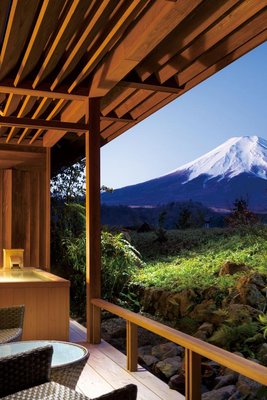
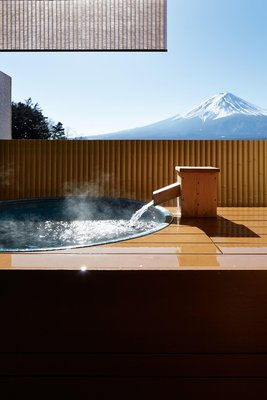
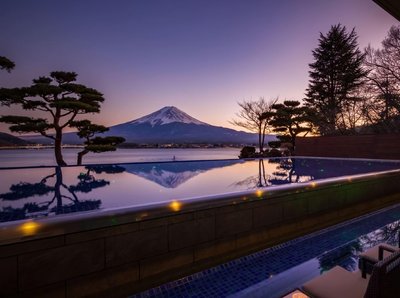
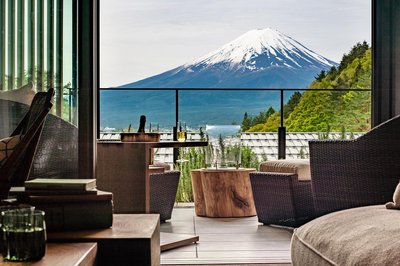
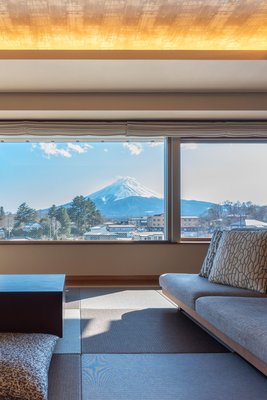
Must-see attractions include scenic spots around Nishikatsura Town offering views of Mount Fuji, especially the iconic "upside-down Fuji" at dawn. Traditional Japanese ryokan (inns) with hot springs provide a cultural stay, some featuring open-air baths. Local temples and shrines, such as Nishikatsura Shrine, are also worth visiting for cultural immersion.
Food Guide
Food recommendations highlight "Houtou," a Yamanashi specialty noodle dish cooked in miso soup with seasonal vegetables. Local fresh peaches and grapes are seasonal must-tries, particularly in summer and autumn.
Transportation Guide
Transportation mainly relies on buses and rental cars. Buses from Tokyo or other parts of Yamanashi Prefecture can reach Nishikatsura Town. There are no train stations in the town, so renting a car is advisable for exploring surrounding areas. Public transport schedules are limited, so check timetables in advance.
Best Time to Visit
Best time to visit is during spring and autumn when the weather is mild, ideal for outdoor activities. Summer offers fruit-picking, while winter showcases Mount Fuji's snowscape. Avoid domestic travel peaks like Golden Week to minimize crowds.
Travel Tips
1. Respect local culture: Maintain quietness in shrines and temples. 2. Carry cash: Some small businesses may not accept cards. 3. Onsen etiquette: Shower before entering hot springs; swimwear is prohibited. 4. Eco-friendly travel: Dispose of trash properly to preserve cleanliness. 5. Language prep: Learning basic Japanese phrases is helpful. 6. Comfortable attire: Wear walking shoes, especially for natural sites.
Useful Information
Practical info: Japanese is primary; English is limited—translation apps are useful. Good network coverage; most lodgings offer free Wi-Fi. Medical facilities are limited; bring essential medications. Cash is preferred, though some hotels/large shops accept cards. Emergency numbers: 110 (police) or 119 (ambulance).