Hotels in Nishiwaga
Discover your perfect stay in Nishiwaga.
Nishiwaga(Japan) Travel 2026: Cheap Flights, Hotels & Top Attractions
Popular Landmarks in Nishiwaga
Discover the most iconic attractions in Nishiwaga
Recommended Hotels in Nishiwaga
Find the perfect place to stay in Nishiwaga
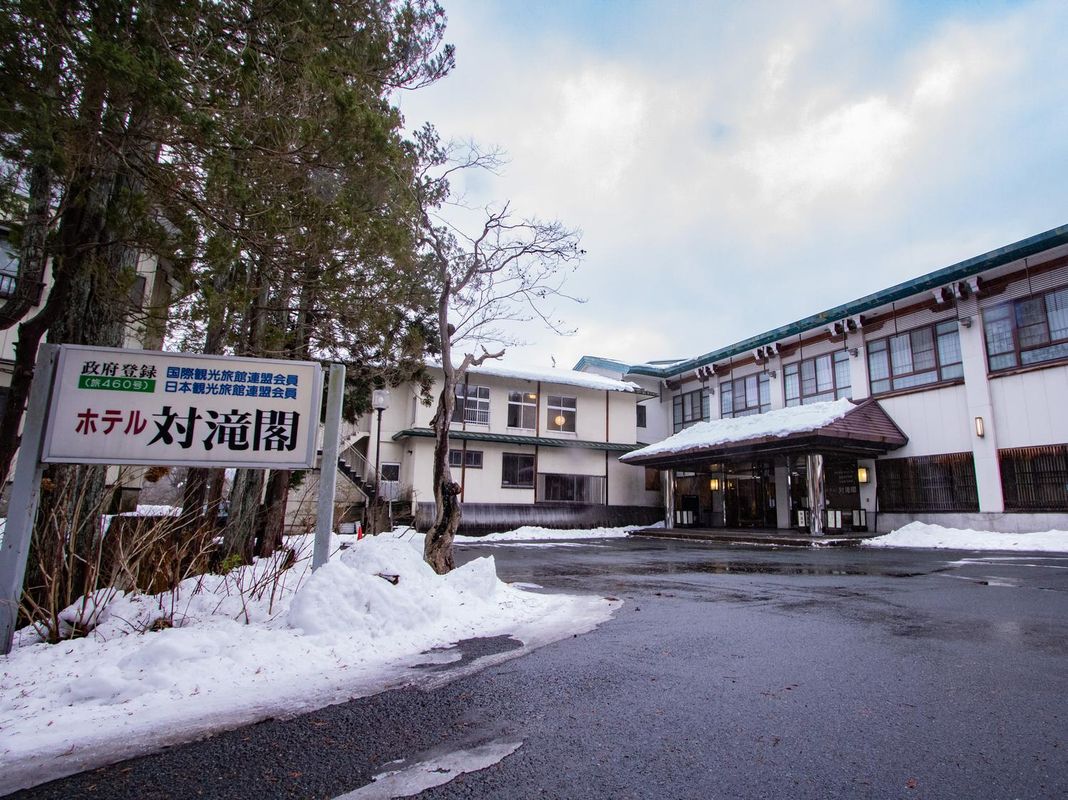
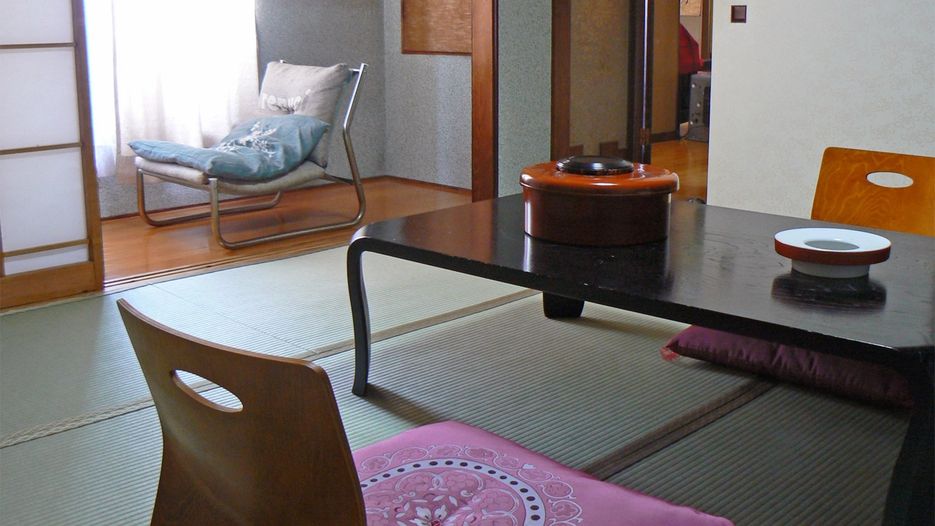
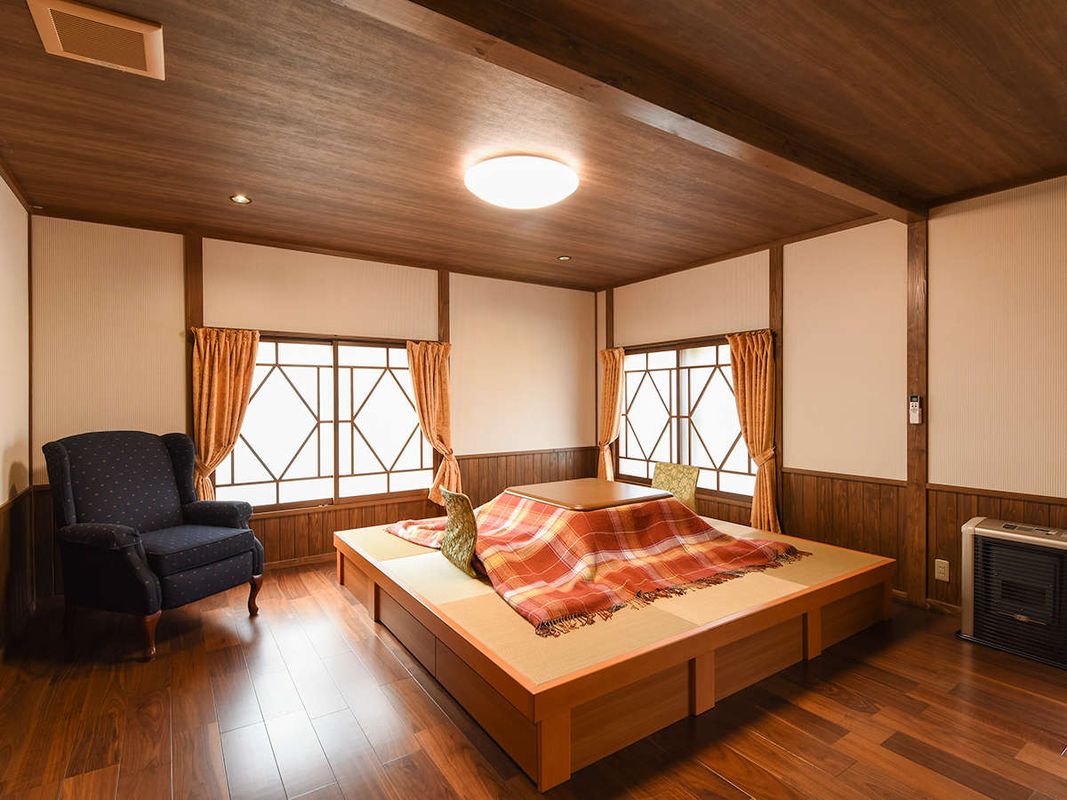
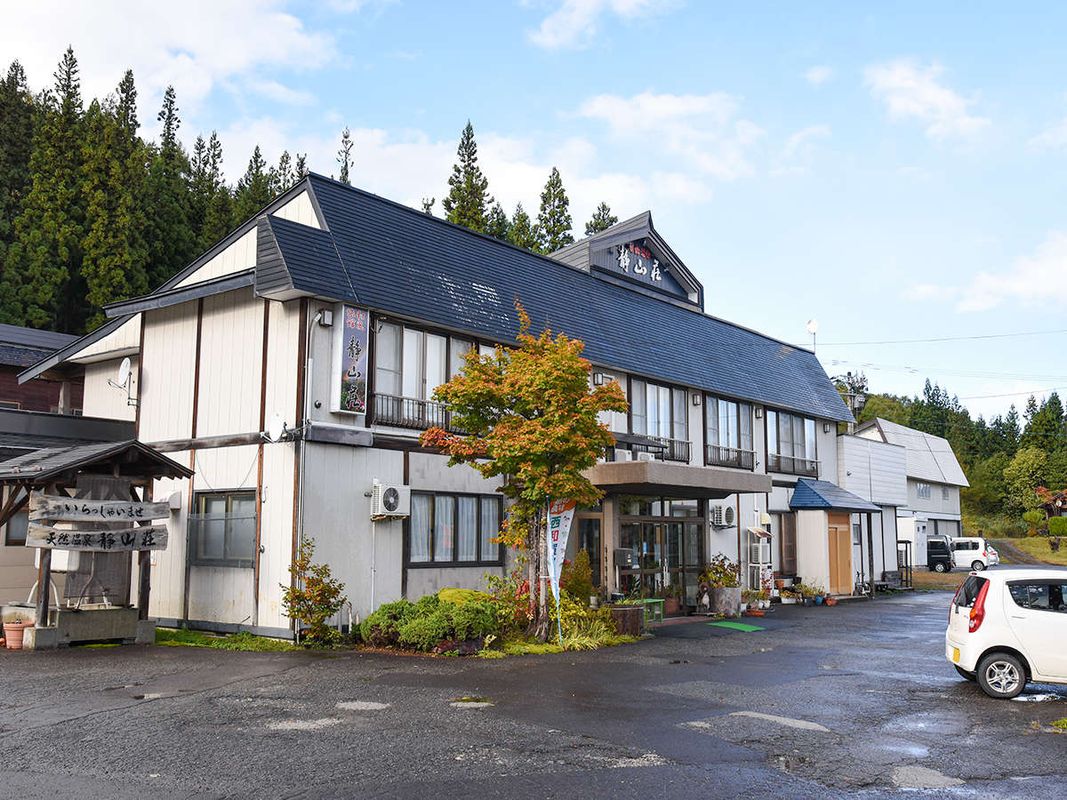
Best Hotels in Nishiwaga
Discover curated hotel collections in Nishiwaga








Frequently Asked Questions about Traveling to Nishiwaga
Questions You Might Need to Know About Traveling to Nishiwaga
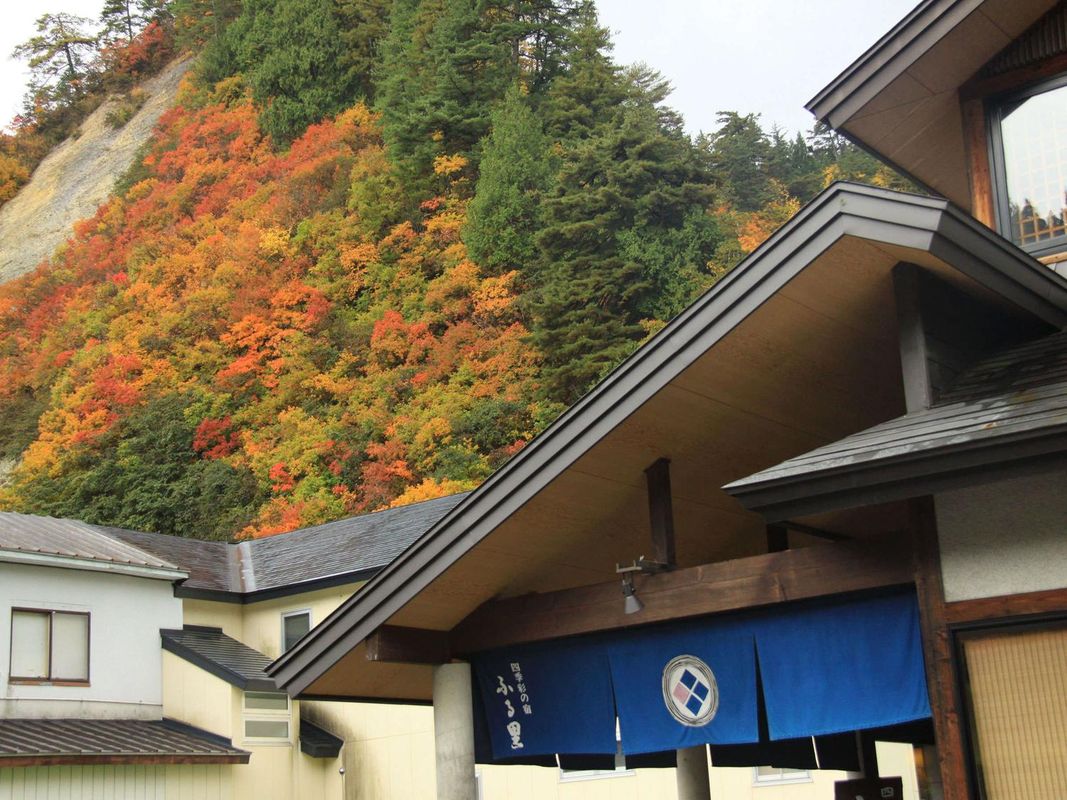
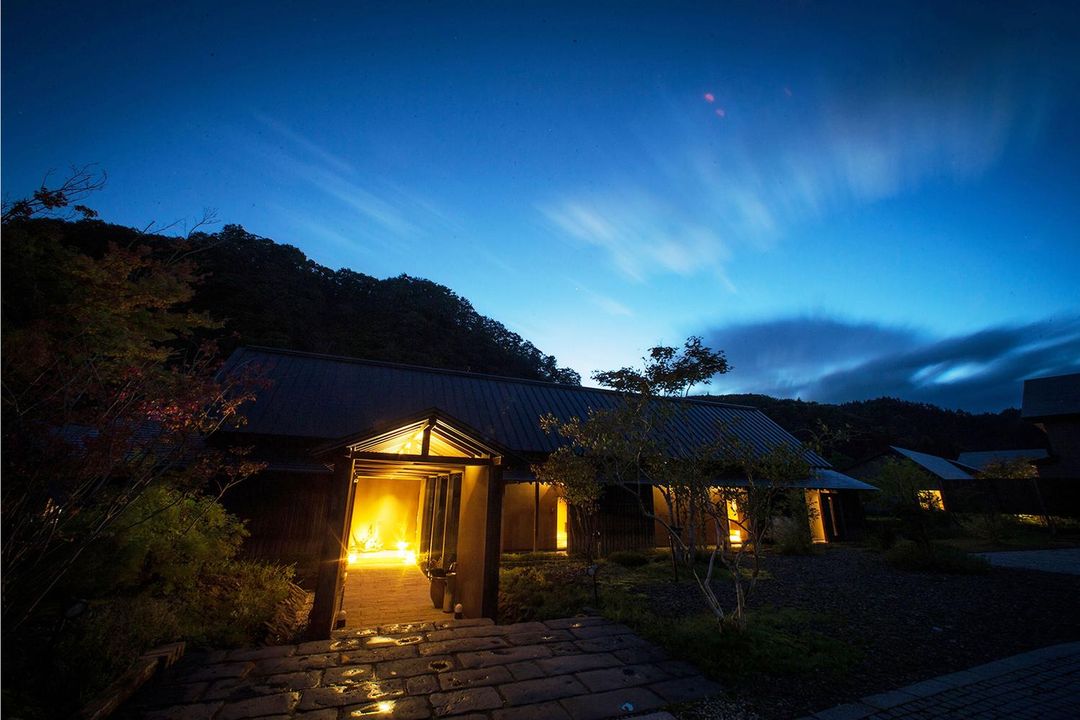
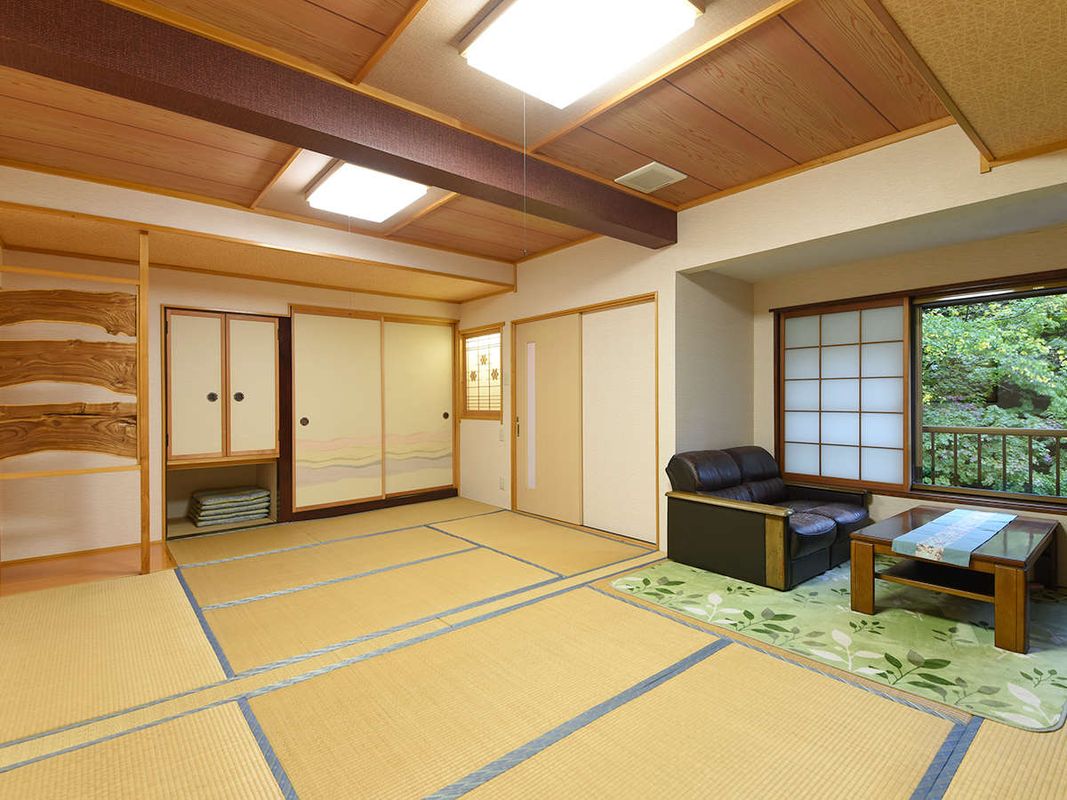
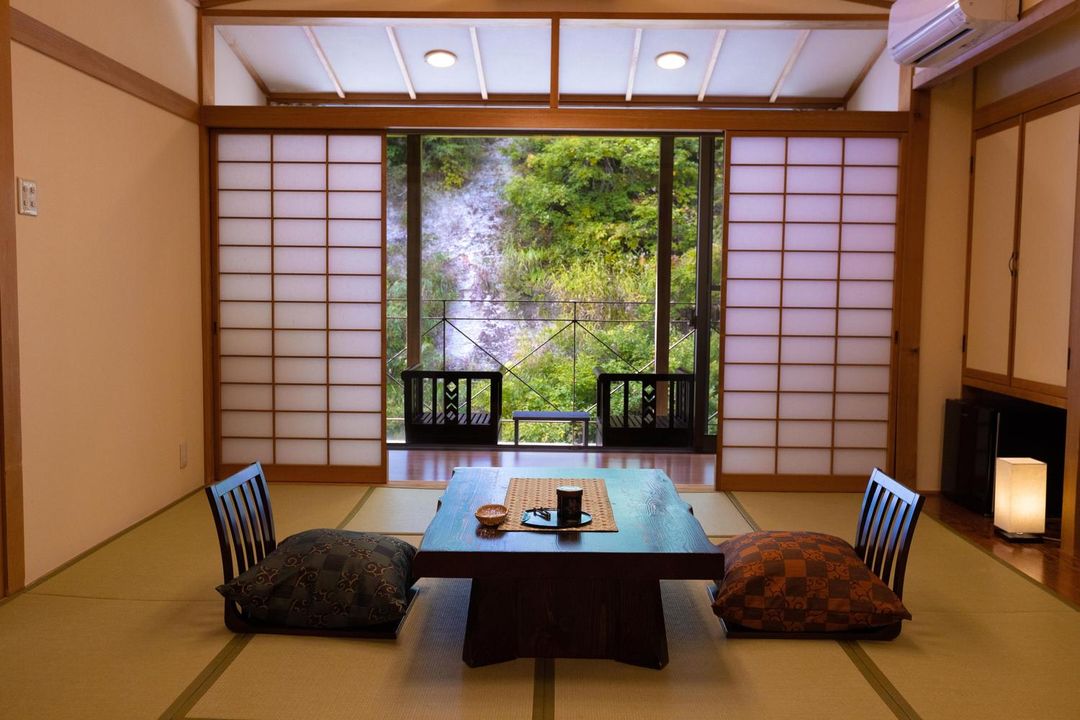
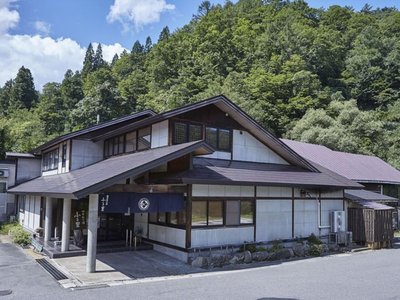
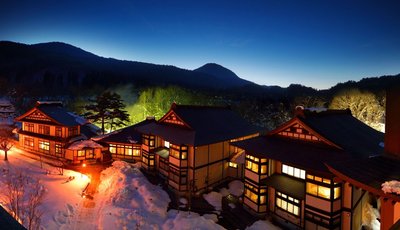
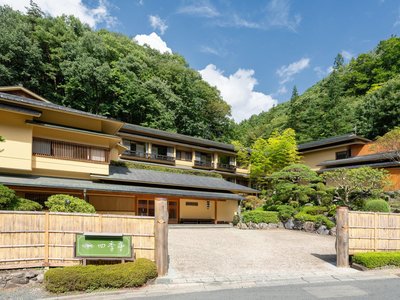
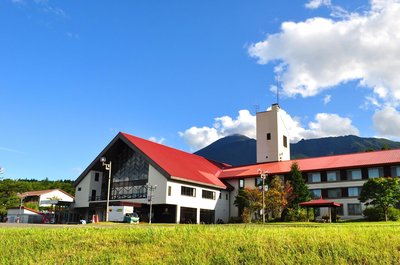
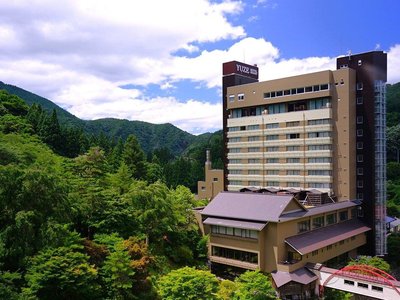
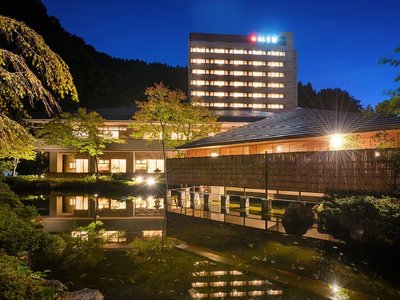
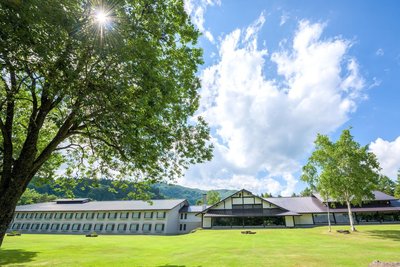
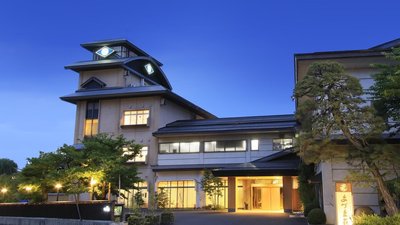
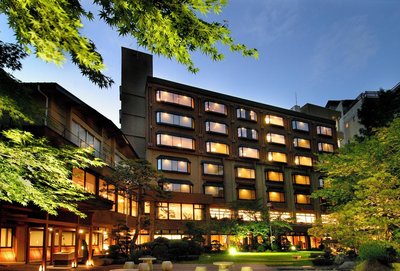
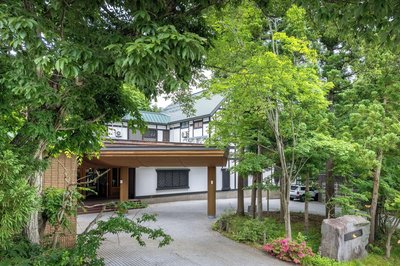
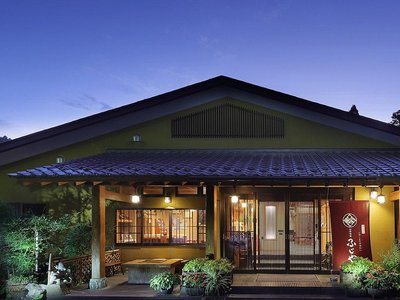
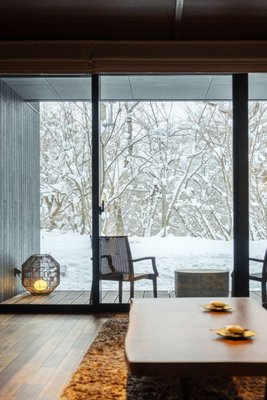
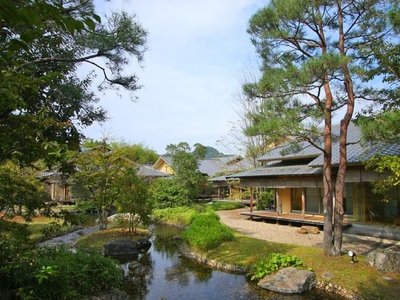
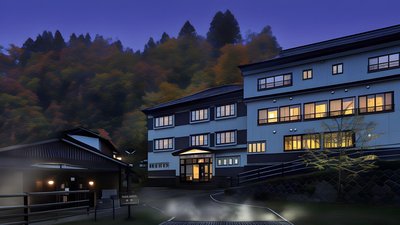
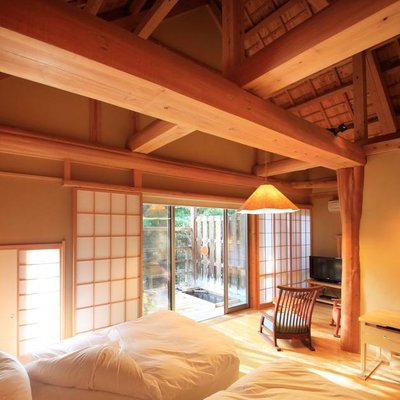
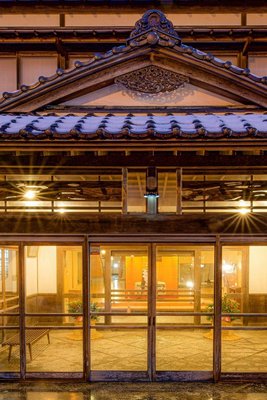
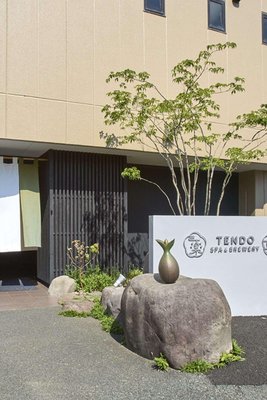
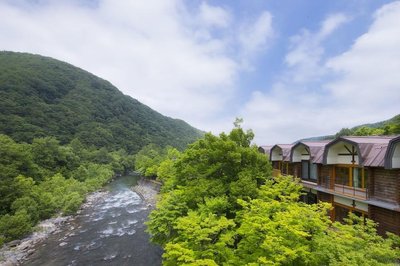
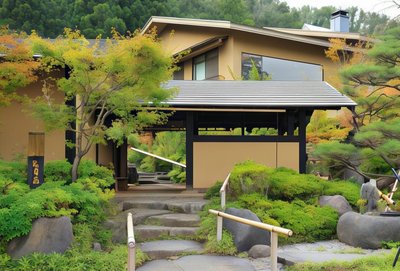
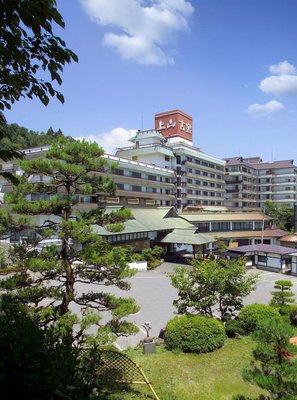
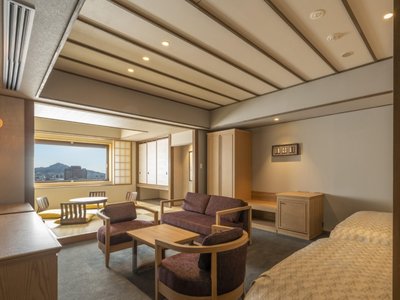
In Nishikawa Village, stay at Nishikawa Onsen Ryokan, a traditional Japanese inn nestled beside the Kitakami River. This ryokan blends Iwate Prefecture's natural serenity with authentic Shinto-inspired architecture, featuring tatami rooms, wooden beams, and views of misty mountain valleys. Guests enjoy farm-to-table kaiseki meals made from local produce and unwind in private onsen baths fed by mineral-rich springs. The inn also hosts seasonal workshops like lacquerware crafting and rice farming heritage tours, offering immersive insight into Tohoku’s rural traditions.
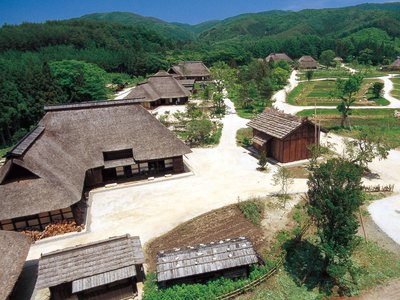
The ideal time to visit Nishikawa Village is autumn (October–November). During this season, the Kitakami River valley bursts into vibrant hues of red and gold as maple and ginkgo trees blaze across the hillsides—especially stunning along the Oigawa Gorge trail. The crisp, clear weather is perfect for hiking the Iwate Mountain foothills or touring the Old Farmhouse Museum. Additionally, the village hosts the Nishikawa Harvest Festival, where visitors can savor freshly cooked sweet potato rice and miso sake, immersing themselves in local agricultural heritage and community spirit.
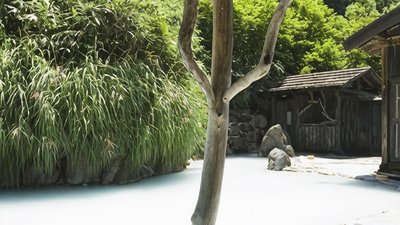
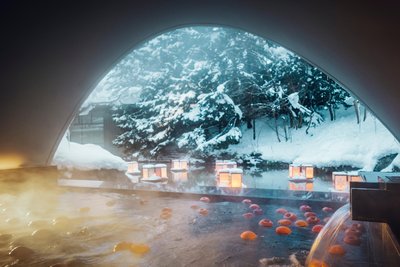
The hot springs in Nishikawa Village are renowned for their sodium bicarbonate-rich waters, known locally as "Beauty Springs" for their skin-smoothing properties. The most famous source, Oigawa Onsen, draws water from 300 meters underground, rich in minerals that soothe nerves and improve circulation. Many ryokans, including Nishikawa Onsen Ryokan, feature open-air baths (rotenburo) with panoramic views of the Kitakami River and surrounding mountains. Some sites even preserve Edo-period stone bathhouses, adding historical depth to the bathing experience.
Must-see natural attractions in Nishikawa Village include Oigawa Gorge, famed for its dramatic cliffs and crystal-clear streams perfect for hiking and photography; Iwate Mountain Foothill Trails, winding through ancient forests and wildflower meadows; and the Kitakami River Wetlands, a prime birdwatching site hosting winter flocks of white egrets and great blue herons. Don’t miss Aomori Mountain Observation Deck, offering sweeping views of the Kitakami Plain and distant Ōu Mountains, ideal for sunrise and cloud-sea photography.
Must-try local specialties in Nishikawa Village include sweet potato rice—a savory-sweet dish made with locally grown tubers and rice; Kitakami River trout, grilled or steamed to highlight its delicate texture; and miso sake, a rich, fermented beverage crafted from regional soybeans and rice. Also notable is Nishikawa tofu, prized for its silky texture and deep umami flavor, often served in soups or cold salads. Sample these dishes at local markets or family-run eateries, many of which offer bento boxes perfect for picnics in scenic spots.
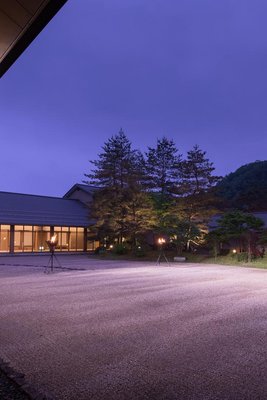
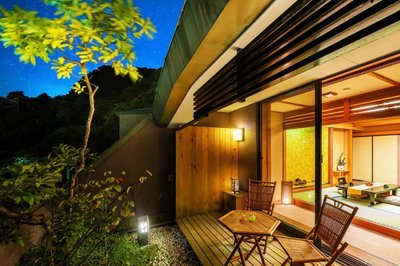
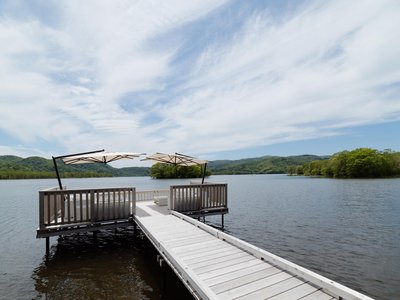
The best areas for lodging in Nishikawa Village are the Oigawa Onsen District and the Old Town Center. The former clusters traditional ryokans near the Oigawa Gorge and hot spring streets, ideal for travelers seeking tranquility and easy access to nature. The latter offers proximity to the Old Farmhouse Museum and local market, perfect for cultural immersion. Both districts feature low-density residential layouts with serene surroundings. Opt for guesthouses with private gardens or terrace views overlooking the Kitakami River and distant mountains—ideal for stargazing under the pristine night sky.
Recommended cultural experiences in Nishikawa Village include lacquerware workshops, where you craft your own Japanese urushi piece using traditional techniques; rice farming tours, guided by local farmers through seedling planting and harvesting, with hands-on opportunities to use ancient wooden plows; and washi paper-making sessions, learning to craft handmade paper from kōzo bark. These activities take place at the Old Farmhouse Museum or local cultural centers, with flexible scheduling for families and groups. Additionally, the annual Nishikawa Cherry Blossom Festival features traditional dance, tea ceremonies, and folk music performances.
Nishiwaga Overview
City Summary
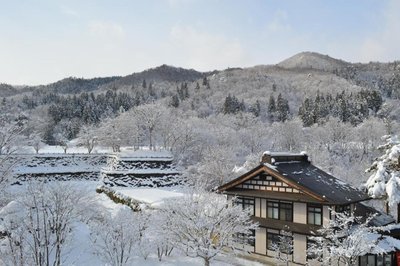
Nishiwaga Town, located in the southern part of Iwate Prefecture, Japan, is a tranquil town surrounded by mountains, renowned for its hot springs and natural scenery. The rural landscapes and traditional Japanese architecture blend seamlessly, offering a glimpse into the countryside charm. In winter, Nishiwaga becomes a paradise for skiers, while other seasons are perfect for hiking and hot spring retreats.
Must-See Attractions
The hot springs in Nishiwaga are a must-visit, especially the famous "Yuda Onsen," known for its mineral-rich waters. For hiking enthusiasts, Mount Waga offers breathtaking views from its summit. To immerse in local culture, visit the Nishiwaga Town Folk Museum to learn about the region's history and traditions.
Food Guide
Nishiwaga's cuisine is influenced by its mountainous environment, with wild vegetable dishes and river fish being local specialties. Try "sansai tempura" (mountain vegetable tempura) and "iwana shioyaki" (salt-grilled char), which highlight the natural flavors of the ingredients. The local soba noodles are also a delicacy, known for their delicate texture and mild wheat aroma.
Transportation Guide
Public transportation in Nishiwaga is limited, so renting a car or taking a bus is recommended. From Morioka, take the JR Tohoku Main Line to Kitakami Station, then transfer to a bus to Nishiwaga. Within the town, walking or renting a bicycle is ideal. In winter, be prepared for snow-covered roads and consider using snow tires or shuttle services.
Best Time to Visit
The best time to visit Nishiwaga is autumn (September to November), when the weather is cool and the mountains are adorned with vibrant foliage. Winter (December to February) is ideal for skiing, but be mindful of the cold and snow. Spring and summer are great for hot springs and hiking.
Travel Tips
- Onsen Etiquette: Wash thoroughly before entering the hot spring, and no swimwear is allowed.
- Winter Warmth: Nishiwaga gets very cold in winter; pack warm clothing and non-slip shoes.
- Cash Payments: Some rural areas may not accept credit cards, so carry sufficient cash.
- Respect Local Culture: Maintain quiet and follow rules when visiting shrines or traditional sites.
- Waste Disposal: Japan has strict waste sorting; dispose of trash as instructed.
- Language: English proficiency is low in rural areas; learn basic Japanese or use a translation app.
Useful Information
Language: Japanese is the main language; English is rarely spoken. Download a translation app. Internet: Some areas may have weak signal; download offline maps in advance. Payment: Cash is preferred; few shops accept credit cards. Carry enough yen. Emergency Care: Nishiwaga has small clinics; for serious cases, go to Morioka's larger hospitals. Emergency Numbers: Dial 110 for police and 119 for ambulance in Japan. Voltage: 100V, Type A plugs (same as Taiwan); no adapter needed.









