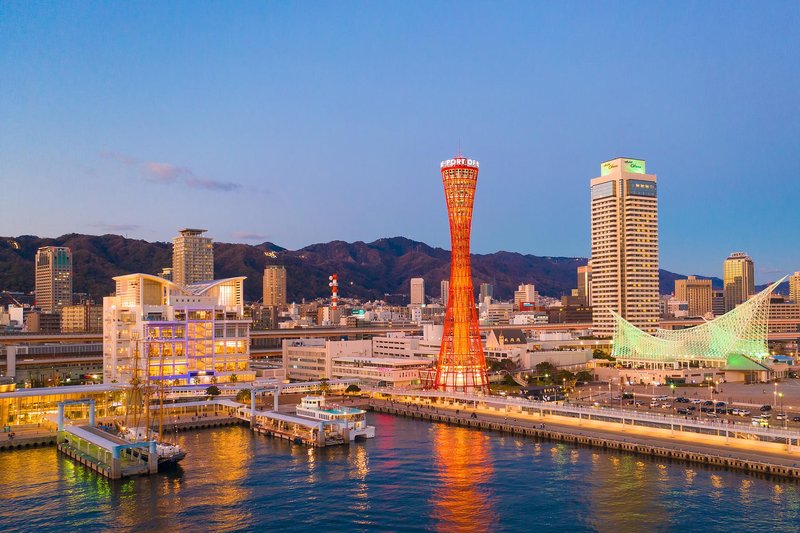
Hotels in Nishiwaga
Discover your perfect stay in Nishiwaga.
Nishiwaga(Japan) Travel 2026: Cheap Flights, Hotels & Top Attractions
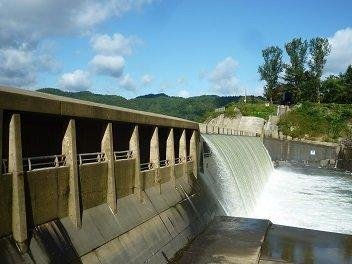
Popular Landmarks in Nishiwaga
Discover the most iconic attractions in Nishiwaga
Recommended Hotels in Nishiwaga
Find the perfect place to stay in Nishiwaga
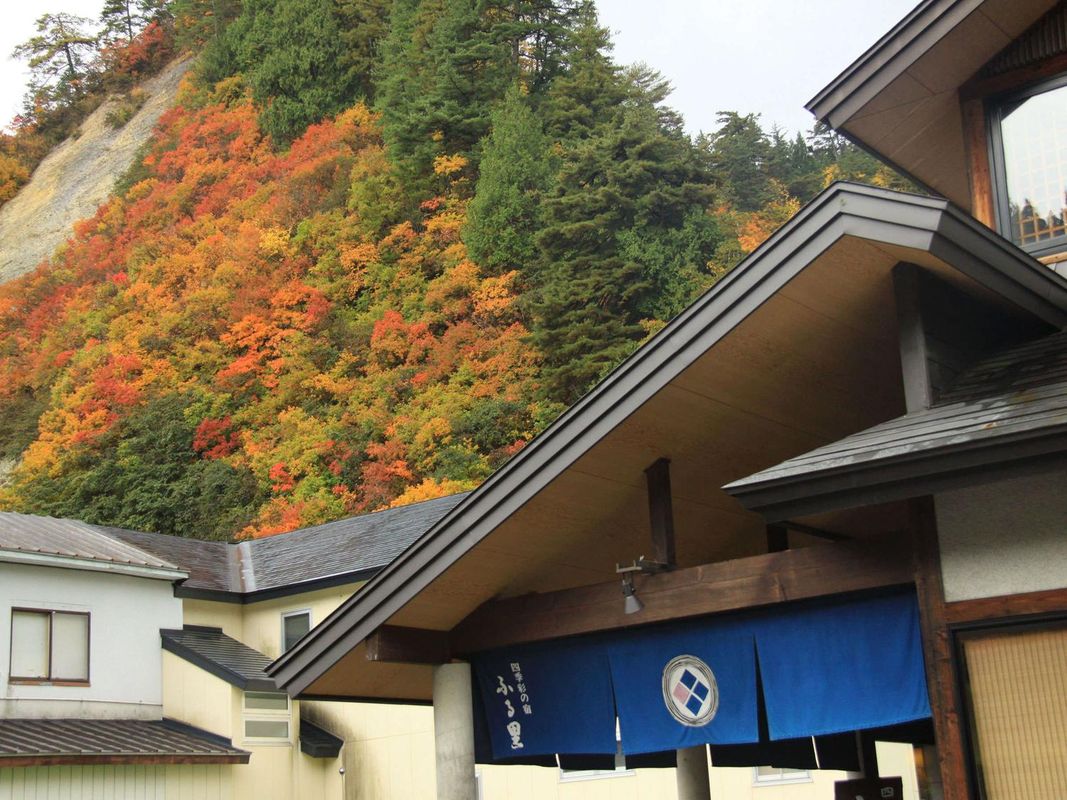
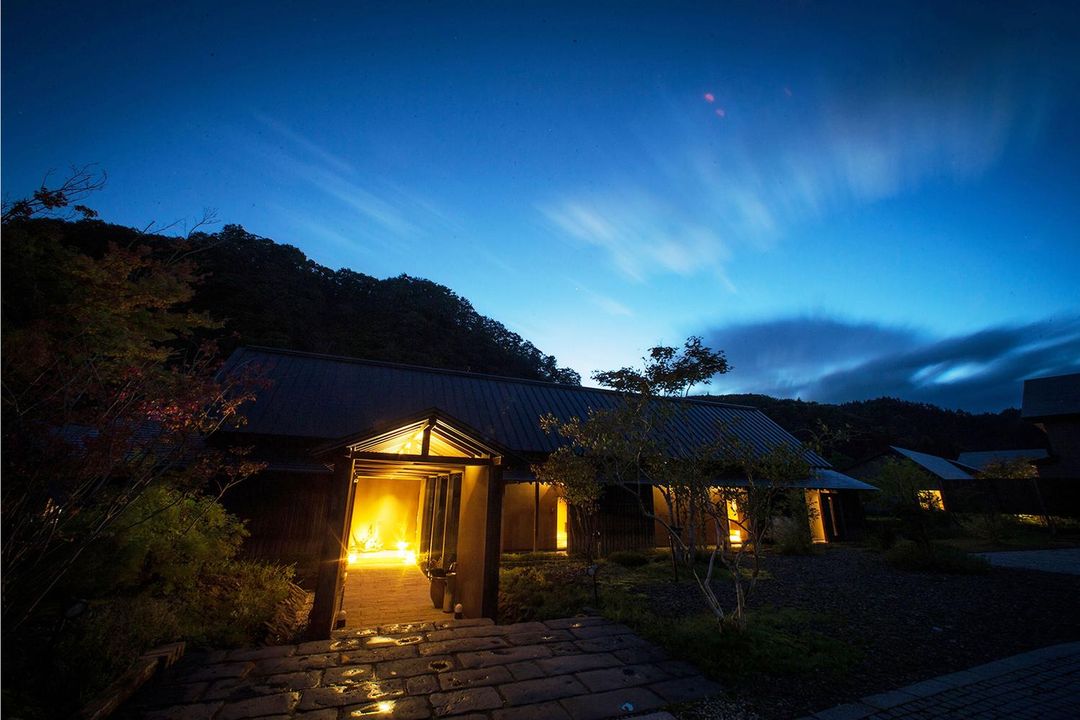
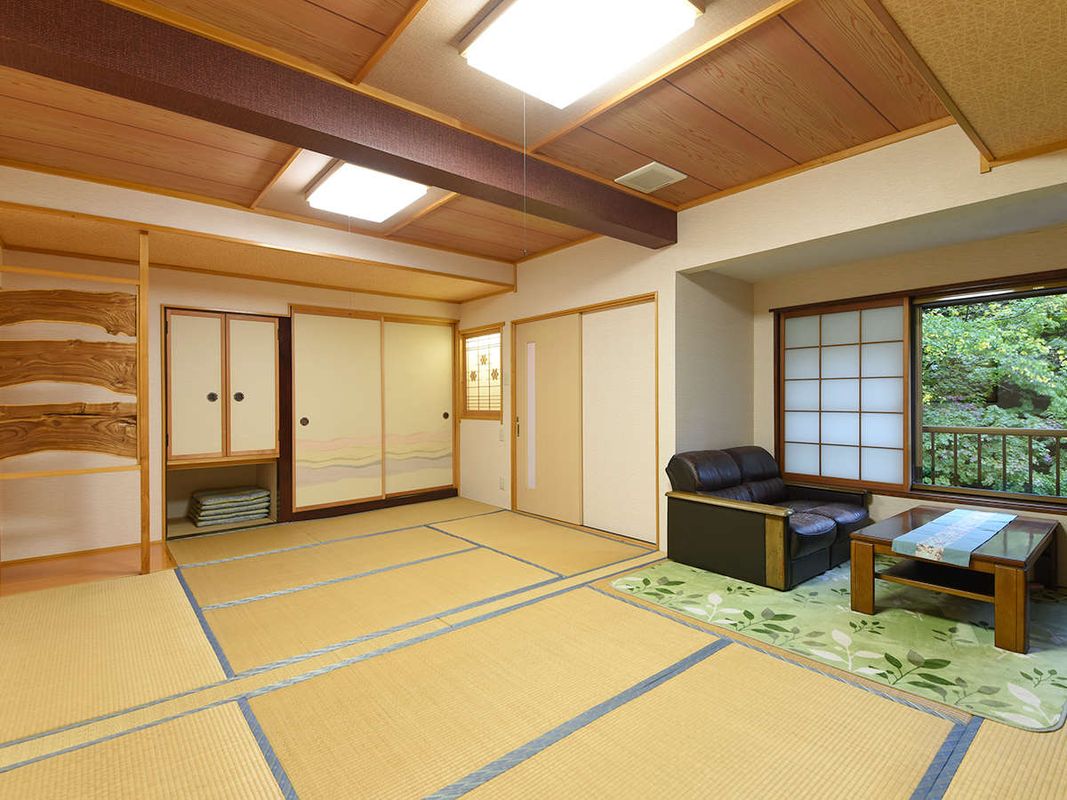
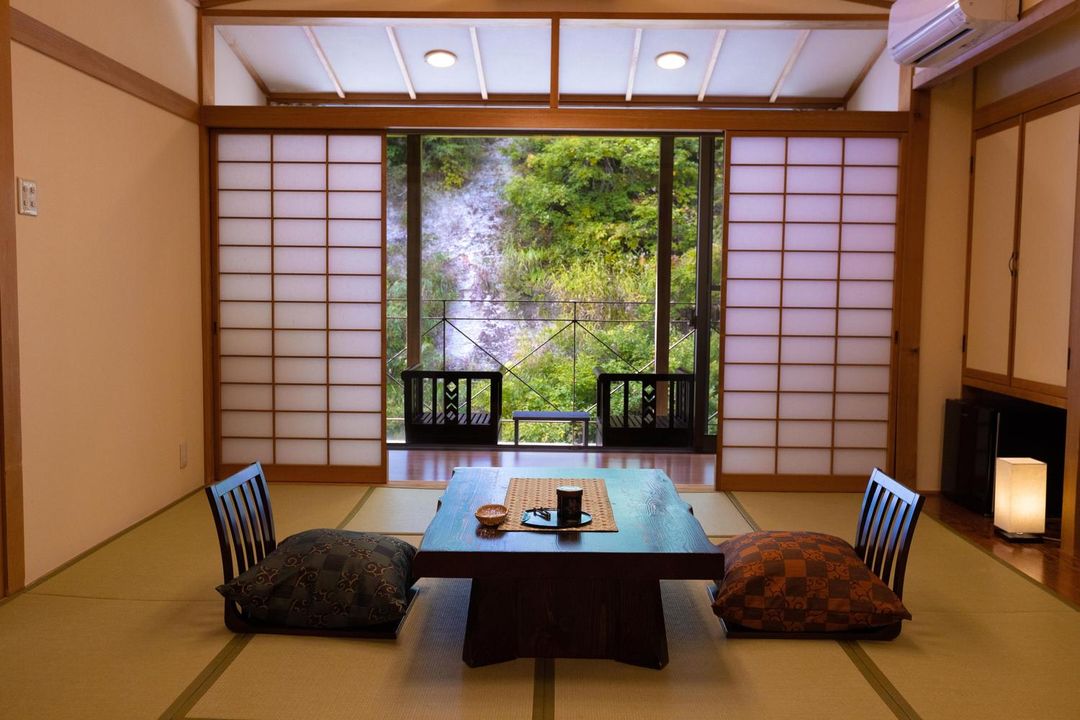
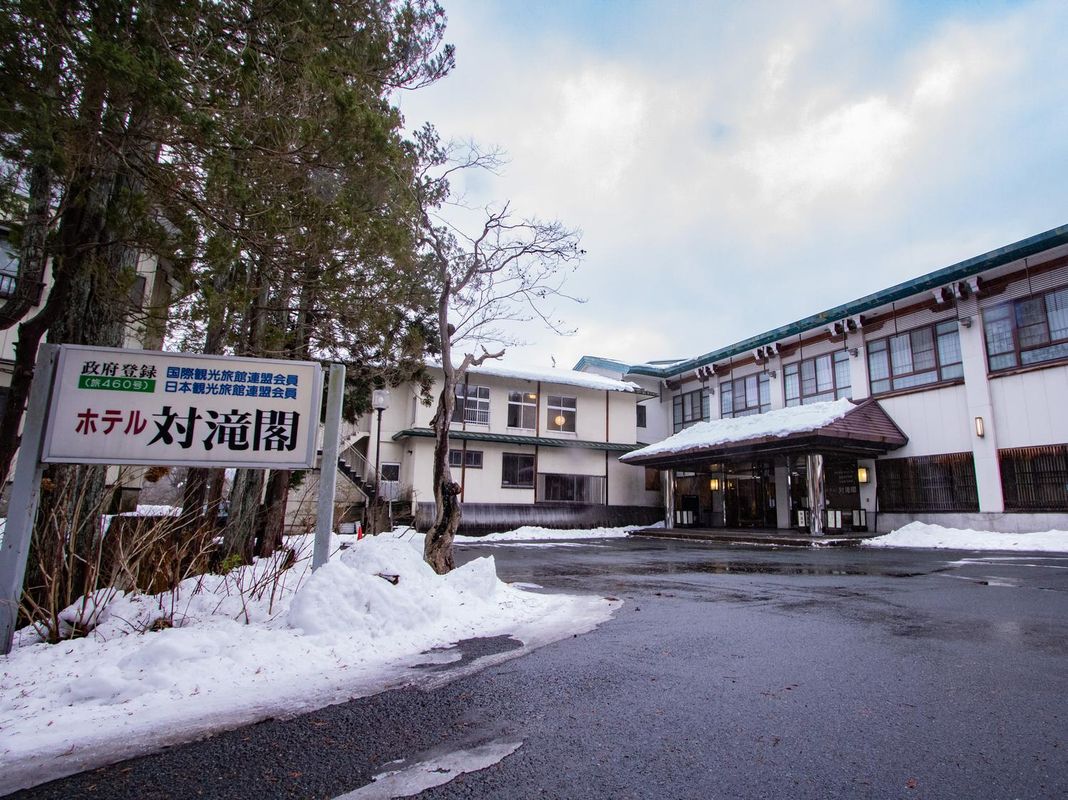
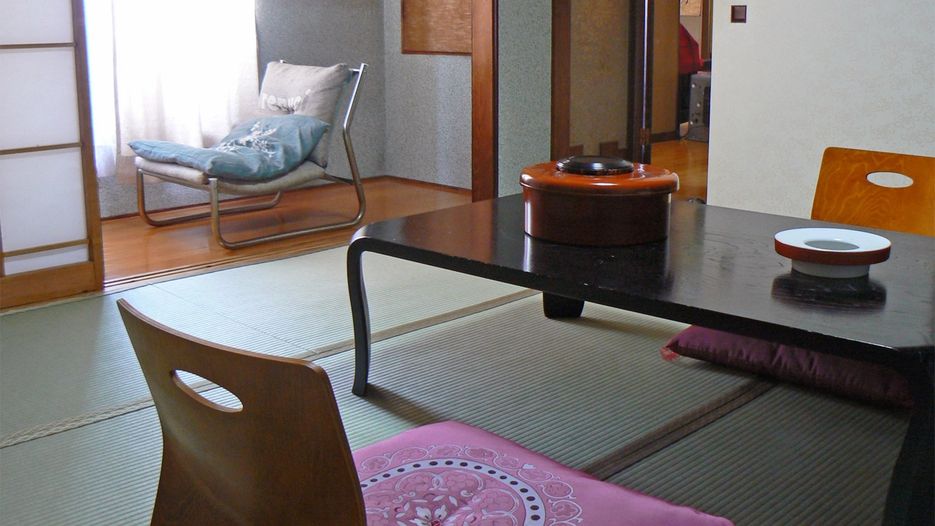
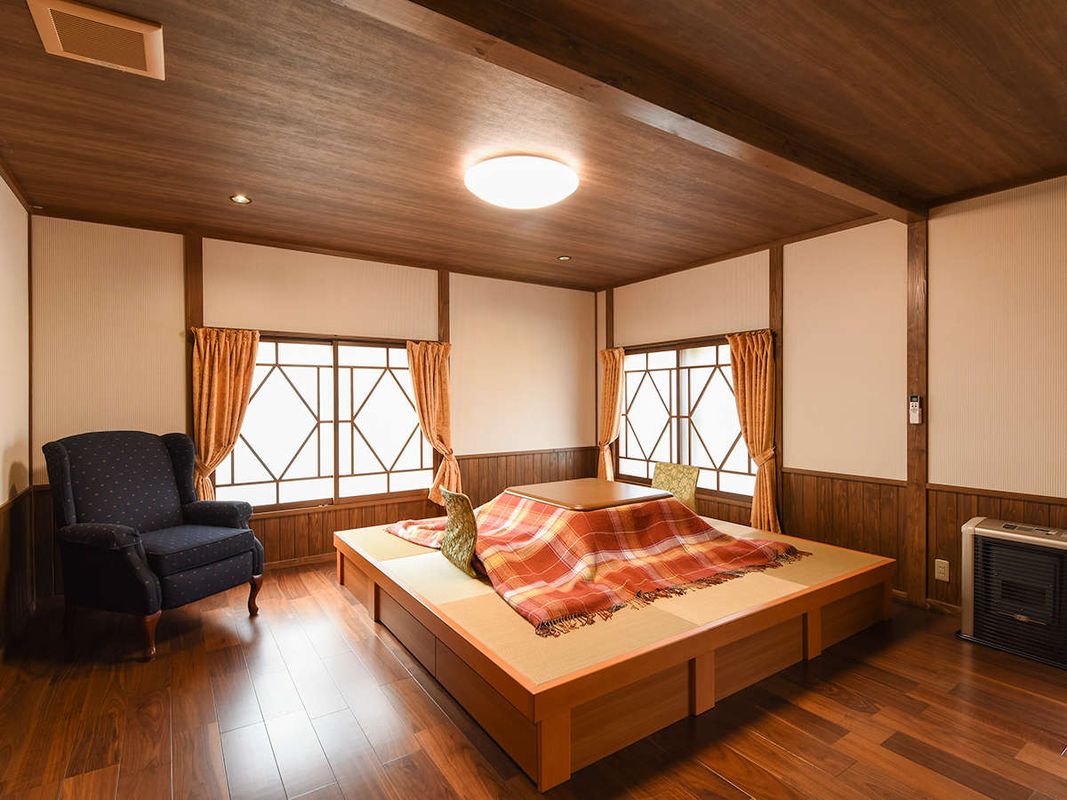
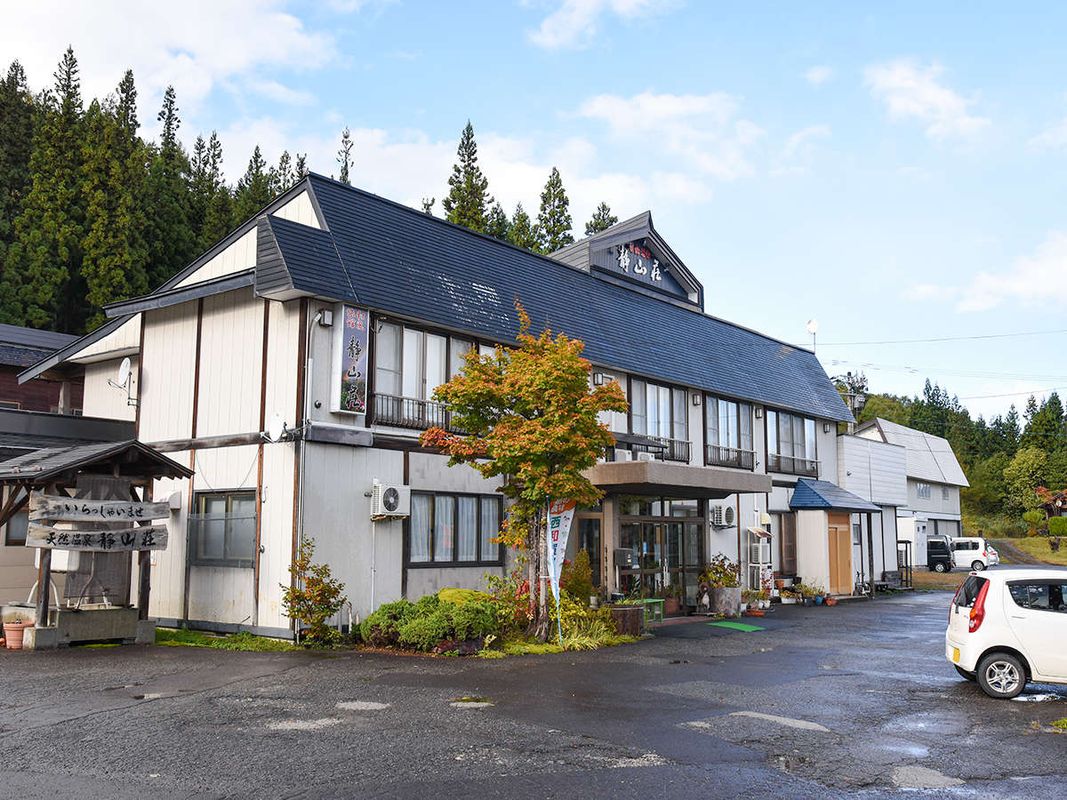
Best Hotels in Nishiwaga
Discover curated hotel collections in Nishiwaga
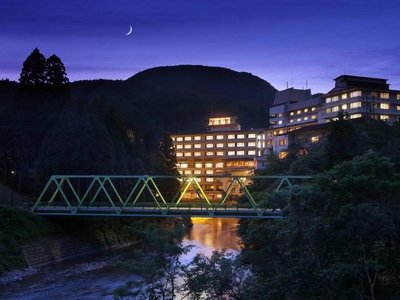
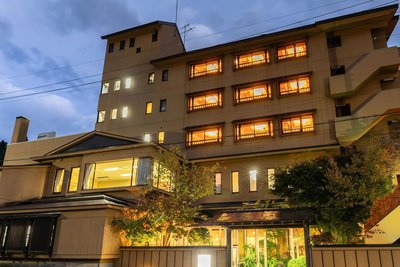
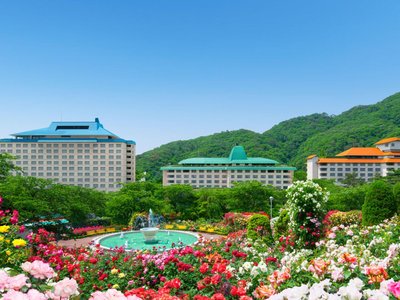




Frequently Asked Questions about Traveling to Nishiwaga
Questions You Might Need to Know About Traveling to Nishiwaga
Nishiwaga Overview
City Summary
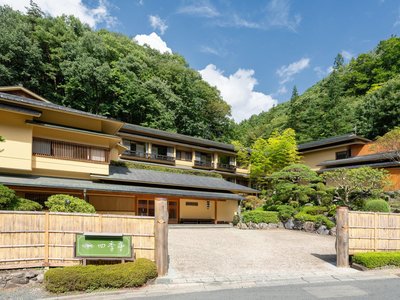
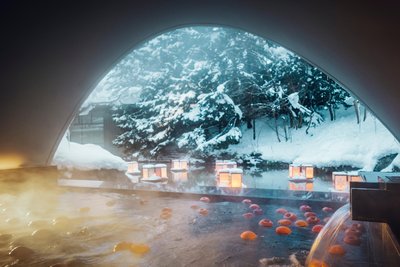
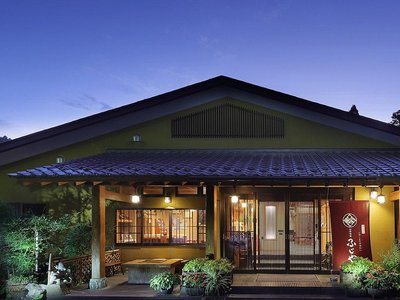
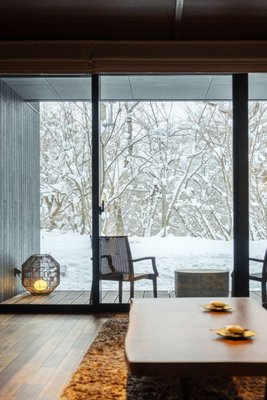
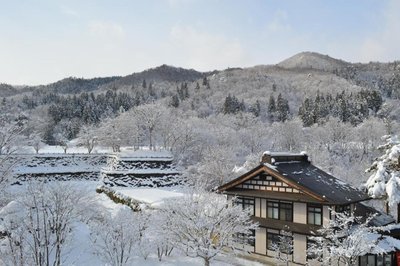
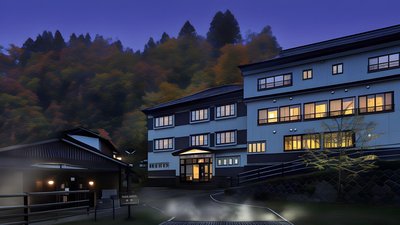
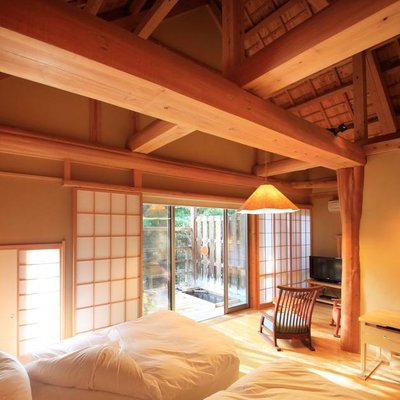
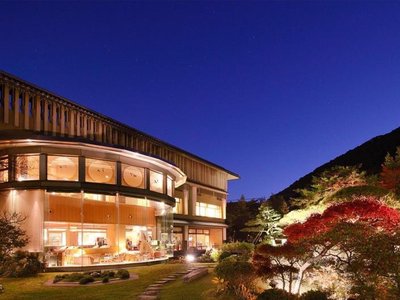
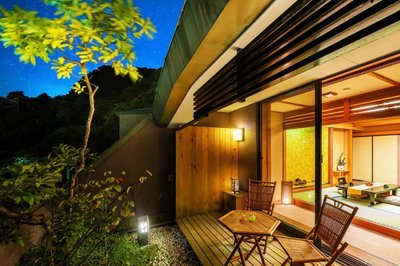
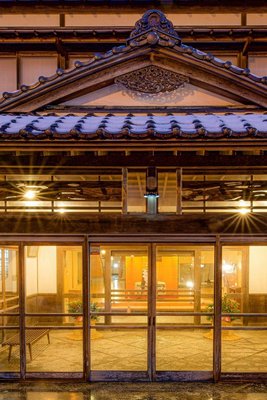
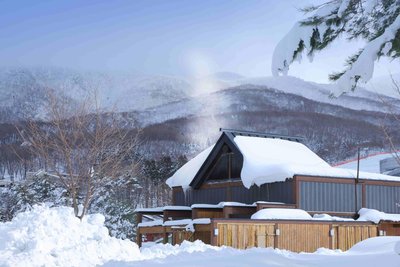
Nishiwaga Town, located in the southern part of Iwate Prefecture, Japan, is a tranquil town surrounded by mountains, renowned for its hot springs and natural scenery. The rural landscapes and traditional Japanese architecture blend seamlessly, offering a glimpse into the countryside charm. In winter, Nishiwaga becomes a paradise for skiers, while other seasons are perfect for hiking and hot spring retreats.
Must-See Attractions
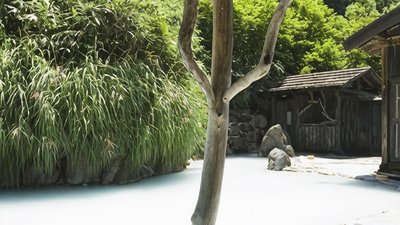
The hot springs in Nishiwaga are a must-visit, especially the famous "Yuda Onsen," known for its mineral-rich waters. For hiking enthusiasts, Mount Waga offers breathtaking views from its summit. To immerse in local culture, visit the Nishiwaga Town Folk Museum to learn about the region's history and traditions.
Food Guide
Nishiwaga's cuisine is influenced by its mountainous environment, with wild vegetable dishes and river fish being local specialties. Try "sansai tempura" (mountain vegetable tempura) and "iwana shioyaki" (salt-grilled char), which highlight the natural flavors of the ingredients. The local soba noodles are also a delicacy, known for their delicate texture and mild wheat aroma.
Transportation Guide
Public transportation in Nishiwaga is limited, so renting a car or taking a bus is recommended. From Morioka, take the JR Tohoku Main Line to Kitakami Station, then transfer to a bus to Nishiwaga. Within the town, walking or renting a bicycle is ideal. In winter, be prepared for snow-covered roads and consider using snow tires or shuttle services.
Best Time to Visit
The best time to visit Nishiwaga is autumn (September to November), when the weather is cool and the mountains are adorned with vibrant foliage. Winter (December to February) is ideal for skiing, but be mindful of the cold and snow. Spring and summer are great for hot springs and hiking.
Travel Tips
- Onsen Etiquette: Wash thoroughly before entering the hot spring, and no swimwear is allowed.
- Winter Warmth: Nishiwaga gets very cold in winter; pack warm clothing and non-slip shoes.
- Cash Payments: Some rural areas may not accept credit cards, so carry sufficient cash.
- Respect Local Culture: Maintain quiet and follow rules when visiting shrines or traditional sites.
- Waste Disposal: Japan has strict waste sorting; dispose of trash as instructed.
- Language: English proficiency is low in rural areas; learn basic Japanese or use a translation app.
Useful Information
Language: Japanese is the main language; English is rarely spoken. Download a translation app. Internet: Some areas may have weak signal; download offline maps in advance. Payment: Cash is preferred; few shops accept credit cards. Carry enough yen. Emergency Care: Nishiwaga has small clinics; for serious cases, go to Morioka's larger hospitals. Emergency Numbers: Dial 110 for police and 119 for ambulance in Japan. Voltage: 100V, Type A plugs (same as Taiwan); no adapter needed.