Hotels in Noda
Discover your perfect stay in Noda.
Noda(Japan) Travel 2026: Cheap Flights, Hotels & Top Attractions
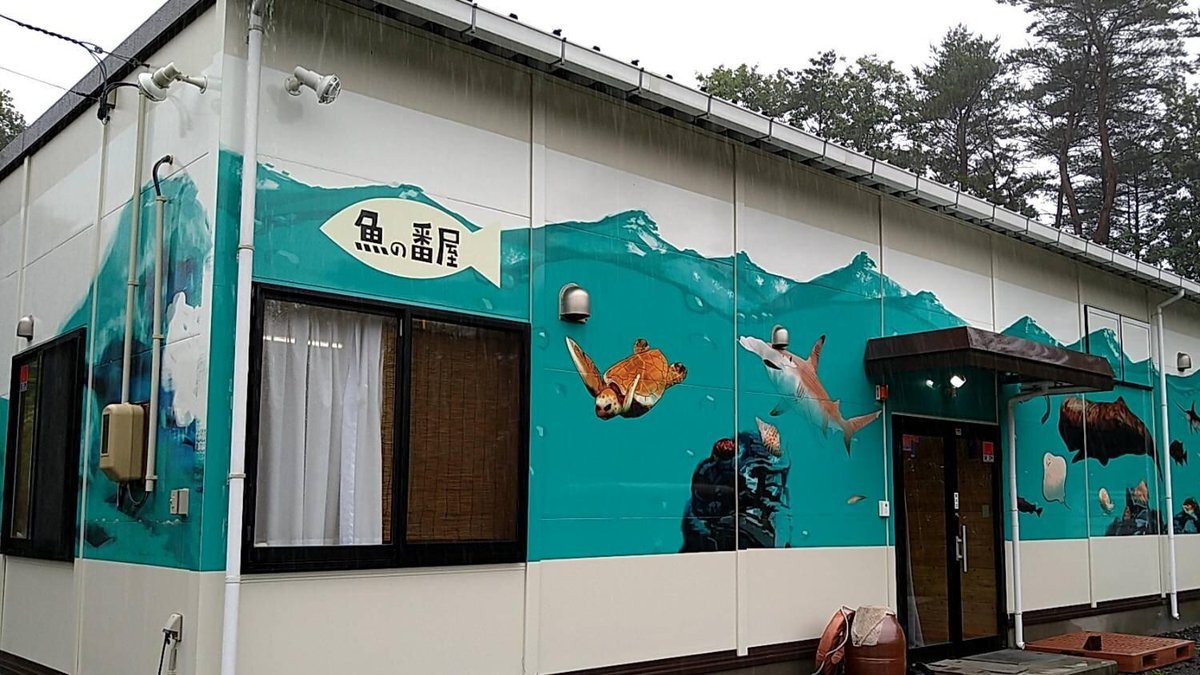
Popular Landmarks in Noda
Discover the most iconic attractions in Noda
Recommended Hotels in Noda
Find the perfect place to stay in Noda
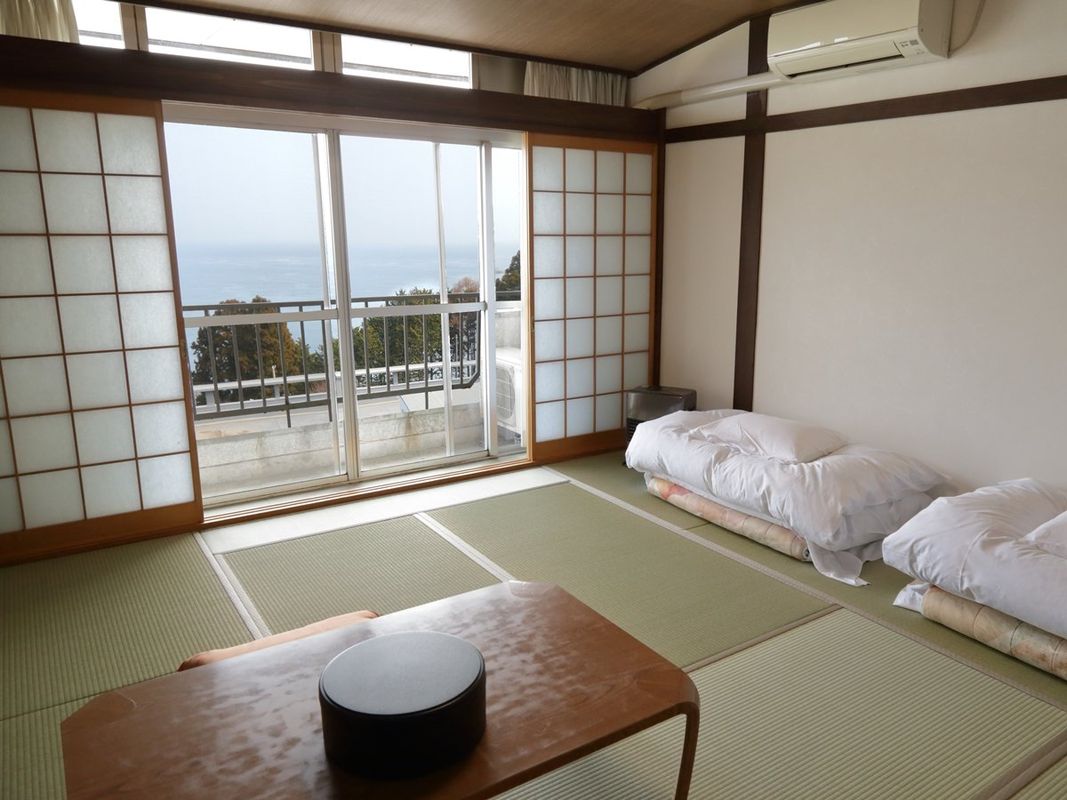
Best Hotels in Noda
Discover curated hotel collections in Noda



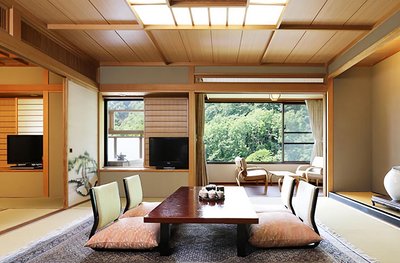
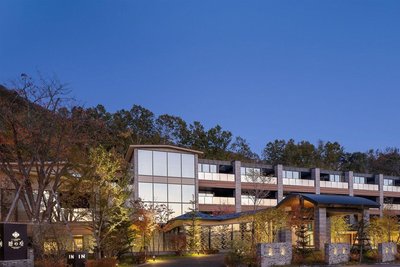
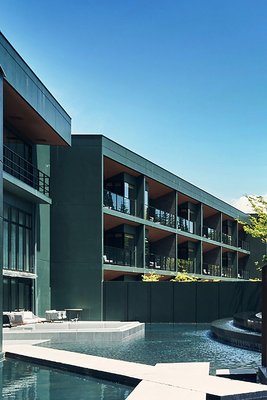
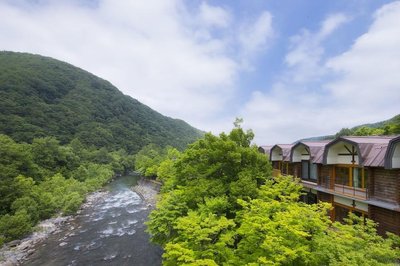

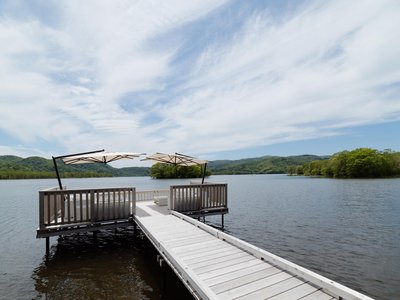
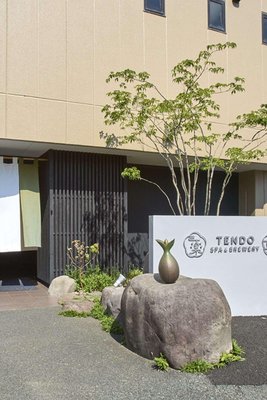
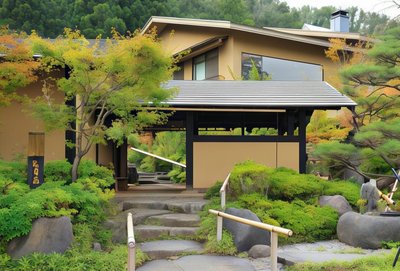
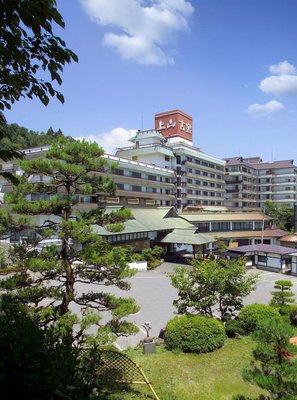

















Frequently Asked Questions about Traveling to Noda
Questions You Might Need to Know About Traveling to Noda
Noda Overview
City Summary
Noda Village is a tranquil coastal village located in the northern part of Iwate Prefecture, Japan, renowned for its unspoiled natural beauty and traditional fishing culture. With its expansive coastline and abundant marine resources, it offers an ideal setting to experience rural Japanese life. The village also attracts visitors with its hot springs and local cuisine, particularly fresh seafood and traditional Japanese dishes.
Must-See Attractions
In Noda Village, must-see attractions include Noda Coast, where visitors can admire the stunning Pacific Ocean views and unique rock formations. Noda Village Hot Springs are perfect for relaxation, famous for their therapeutic properties. The village's traditional fish market offers a glimpse into the daily lives of local fishermen and the chance to savor the freshest seafood. History enthusiasts can explore the Noda Village Historical Museum to learn about the village's heritage.
Food Guide
Seafood cuisine is central to Noda Village's food culture, especially sashimi and sea urchin rice bowls, made with freshly caught seafood. The village's salted seafood products, such as salted salmon and dried bonito, are also local specialties. Additionally, traditional ryokan inns serve multi-course Japanese meals, including kaiseki cuisine and onsen tamago (hot spring eggs).
Transportation Guide
Transportation in Noda Village mainly relies on buses and taxis. Buses from major cities like Morioka take about 2 hours to reach the village. With no subway system, renting a car or using local taxis is recommended for flexible exploration. Note that public transportation is infrequent, so planning ahead is crucial. Self-driving visitors can use National Route 45, which offers scenic views along the way.
Best Time to Visit
The best time to visit is during spring (April to June) and autumn (September to November), when the weather is mild and crowds are smaller. Summer (July to August) is hot but ideal for beach activities and local festivals. Winter (December to February) is cold with limited transportation, but the hot springs are especially inviting.
Travel Tips
- Respect local customs: Noda Village maintains a traditional atmosphere; observe etiquette, such as keeping quiet in ryokan.
- Carry cash: Many small shops and restaurants do not accept credit cards.
- Mind transportation schedules: Buses are limited, and missing the last one could strand you.
- Try local specialties: Like sea urchin and salted seafood, unique to Noda Village.
- Dress appropriately: Winter requires warm clothing; summer calls for sunscreen.
- Learn basic Japanese: English is not widely spoken; simple phrases help with communication.
Useful Information
Language in Noda Village is predominantly Japanese, with limited English; a translation app is useful. Internet coverage is decent but may be spotty in remote areas—download offline maps in advance. Payment methods rely heavily on cash, though some ryokan and restaurants accept credit cards. The village's medical facilities are basic; for emergencies, larger hospitals in nearby cities are advisable. Pharmacies are scarce, so bring essential medications. Post offices and ATMs are concentrated in the village center but have limited operating hours—plan your financial needs ahead.









