Hotels in Nola
Discover your perfect stay in Nola.
Nola(Italy) Travel 2026: Cheap Flights, Hotels & Top Attractions
Popular Landmarks in Nola
Discover the most iconic attractions in Nola
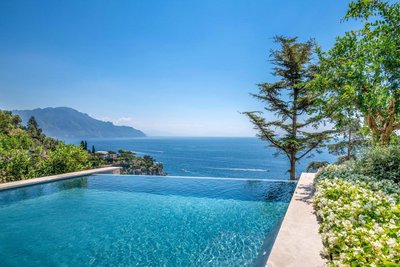
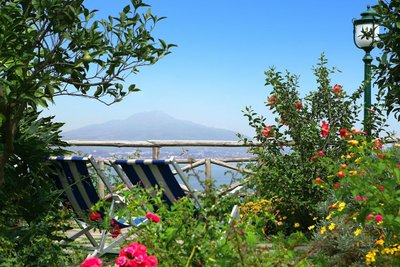
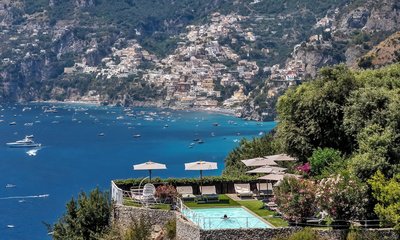
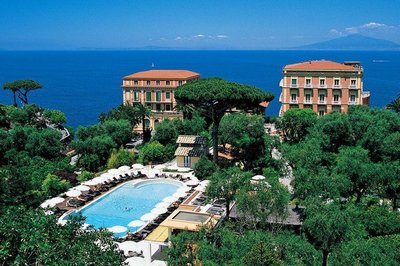
Recommended Hotels in Nola
Find the perfect place to stay in Nola
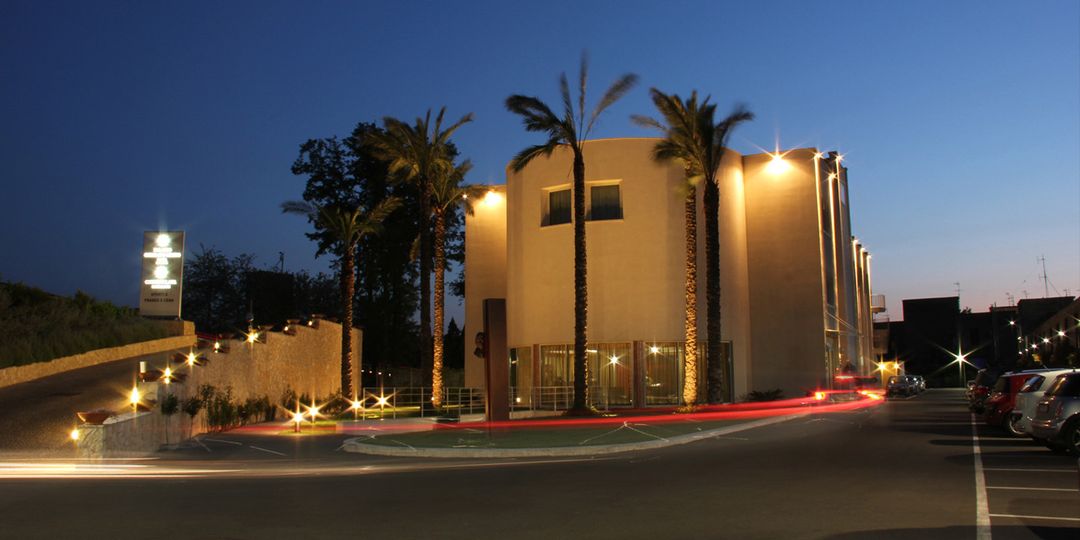


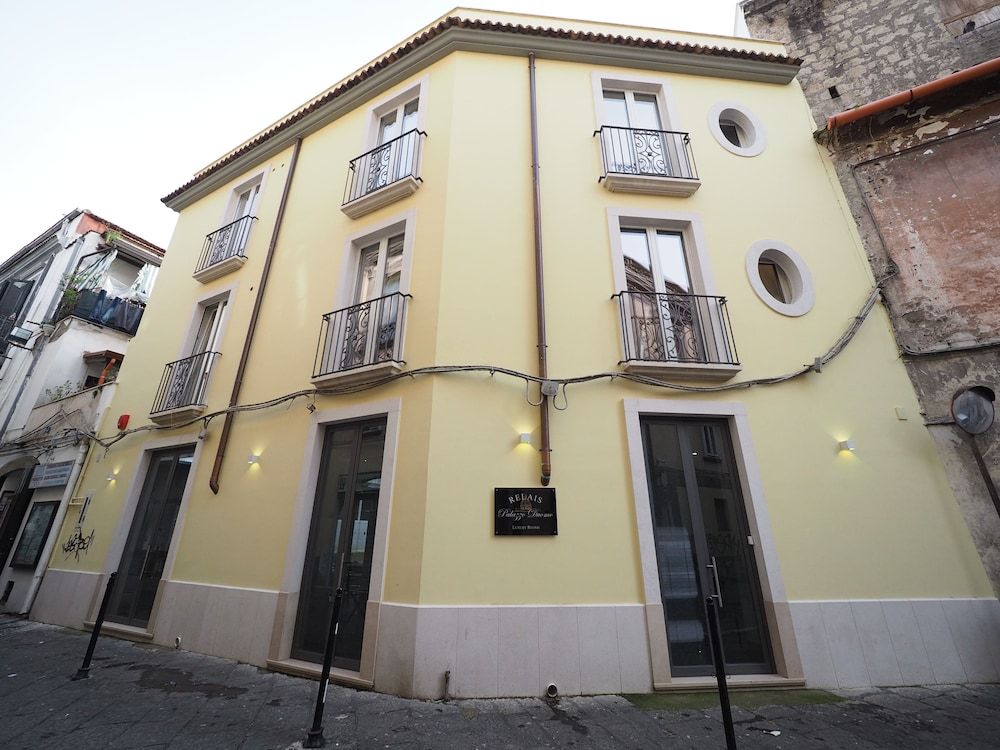
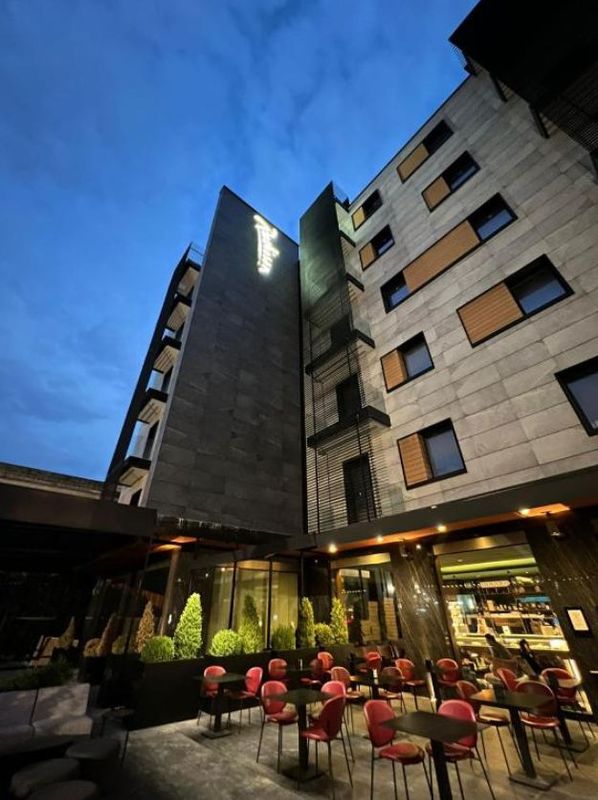

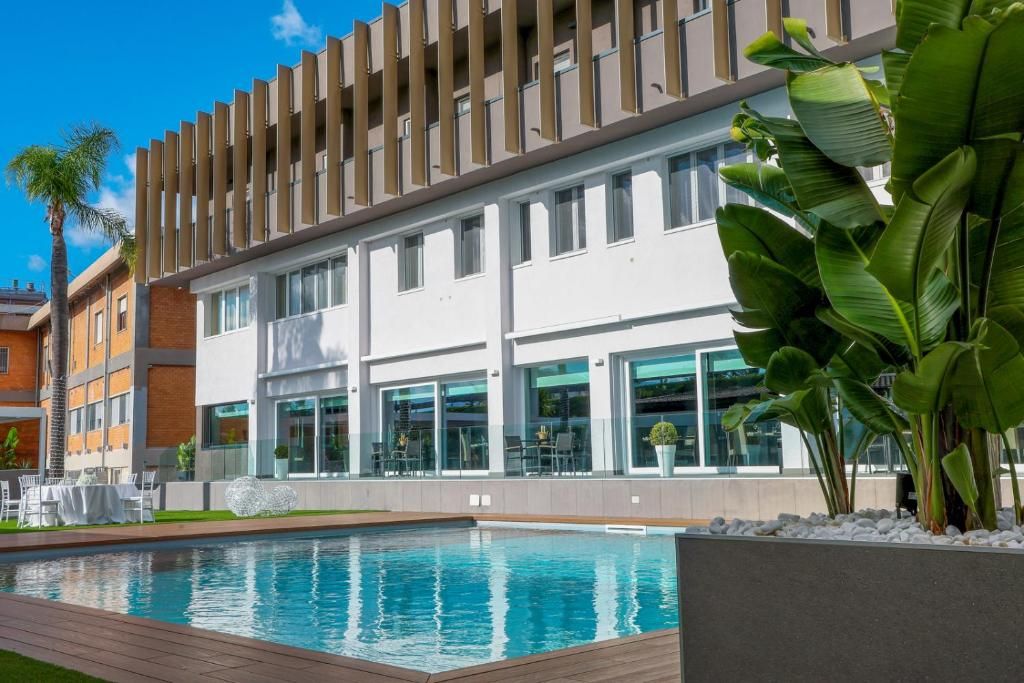

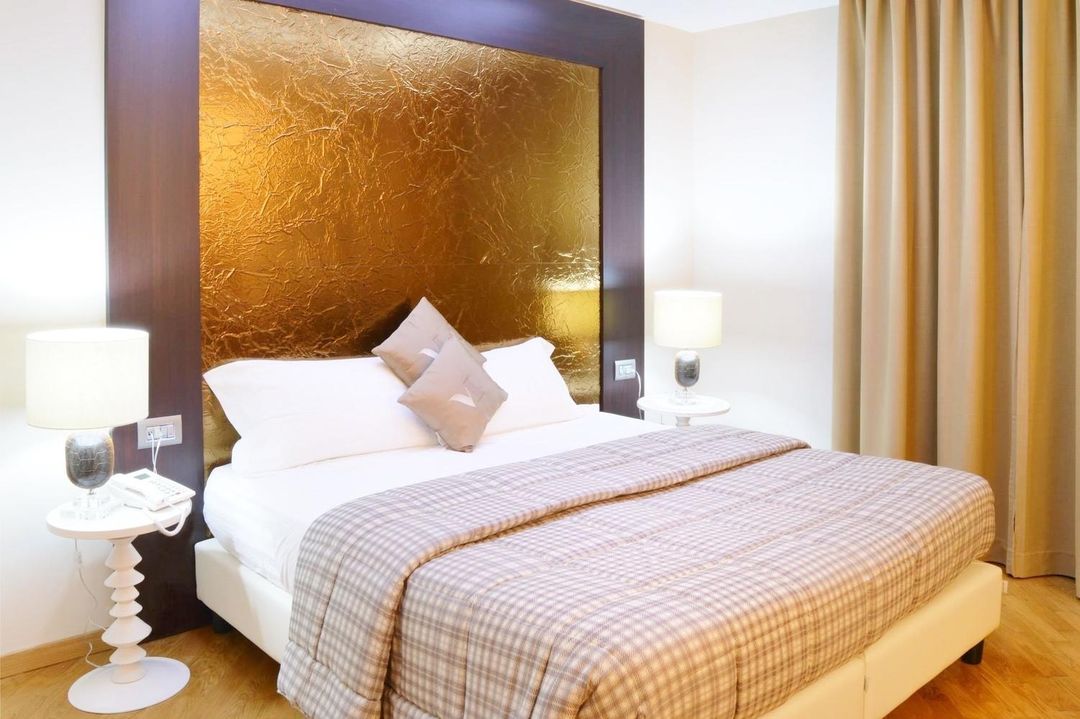
Best Hotels in Nola
Discover curated hotel collections in Nola











Frequently Asked Questions about Traveling to Nola
Questions You Might Need to Know About Traveling to Nola
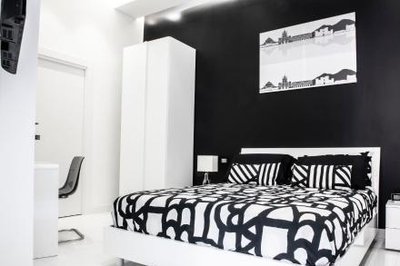
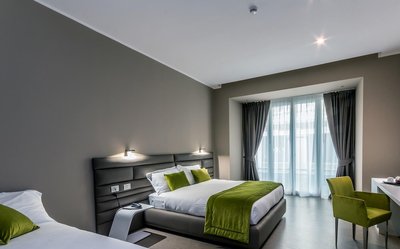
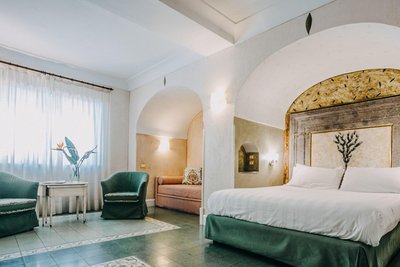
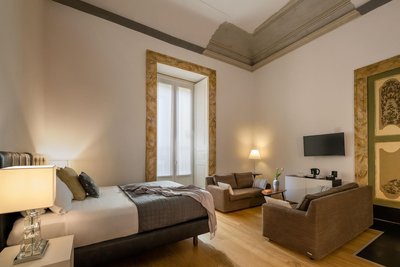
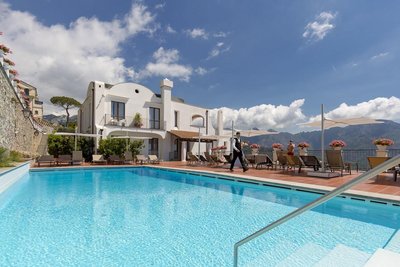
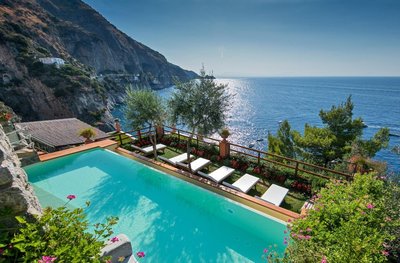
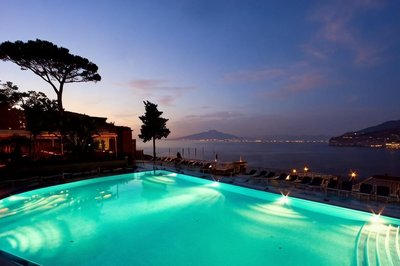
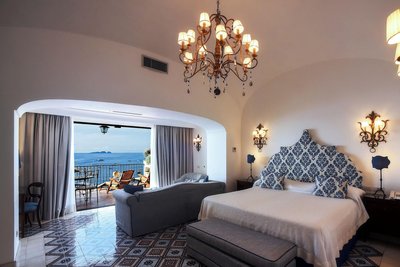
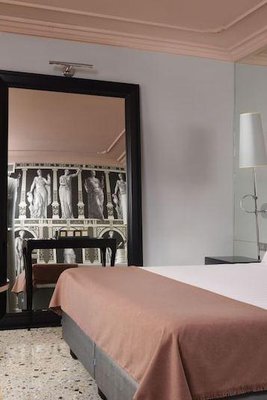
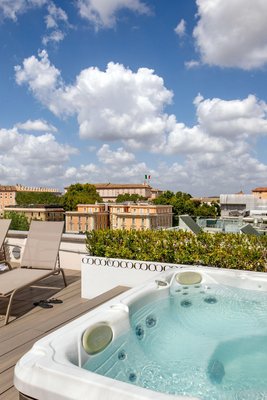
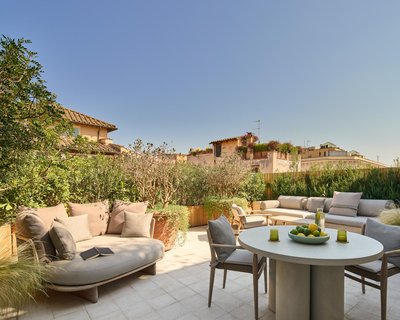
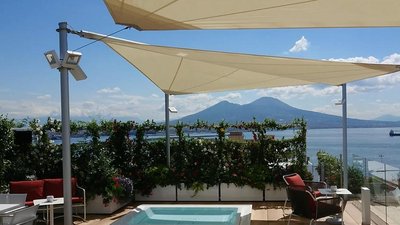
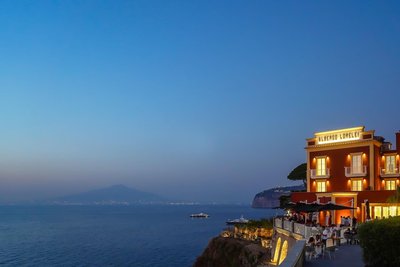
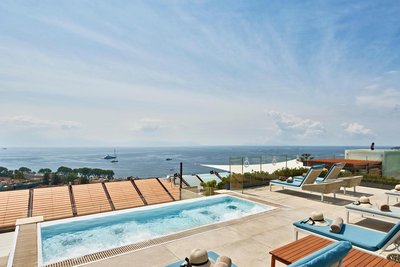
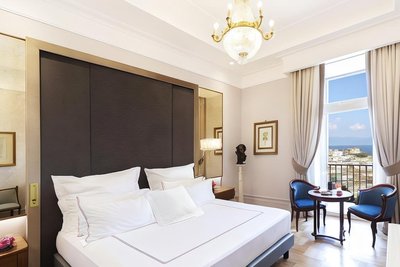
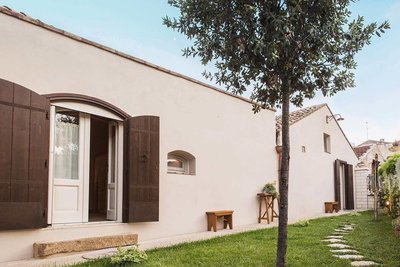
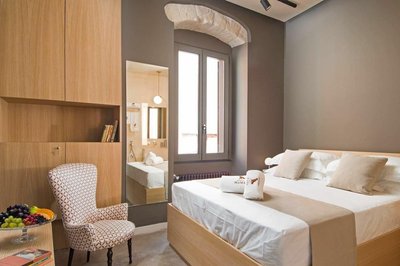
In Nola, Italy, the top boutique hotel is Hotel Villa Caracciolo, a restored 18th-century villa nestled in the historic center. Its elegant rooms blend ancient stone architecture with modern comforts, featuring handcrafted furniture and private terraces overlooking olive groves.
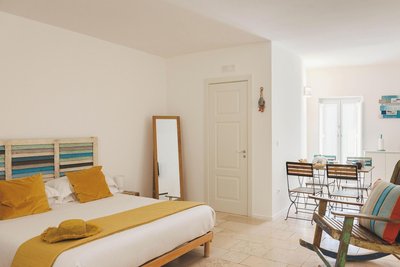
Another standout is Agriturismo La Rocca, a converted medieval castle set amidst vineyards and hills, offering rustic-chic suites with panoramic views of the Campania countryside. Both properties emphasize local craftsmanship, serving traditional dishes like Sagne e fagioli and house-made wines.
These boutique stays provide intimate, personalized service and are ideal for travelers seeking authenticity and cultural immersion in one of Italy’s oldest towns. Guests enjoy exclusive access to underground Roman tunnels and seasonal harvest festivals.
The most authentic local experience in Nola can be found in the historic center (Centro Storico), particularly around Piazza Municipio and Via Roma. This district preserves narrow cobbled streets, family-run shops, and centuries-old churches like Chiesa di Santa Maria Assunta.
Here, daily life unfolds with farmers selling fresh produce at the morning market, barbers crafting espresso at corner cafés, and elders playing chess under shaded porticos. The rhythm of village life remains untouched by mass tourism.
For deeper immersion, visit during Festa della Castagna (Chestnut Festival) in October, when the town fills with roasted chestnuts, folk music, and traditional dances. Local families open homes for dinner events, offering guests a true taste of Neapolitan hospitality.
This area is also perfect for wandering without maps—just follow the scent of baking bread and laughter echoing through alleyways.
In Nola, must-do cultural experiences include:
-
Visiting the Archaeological Park of Ancient Nola, a remarkably preserved Roman city with intact streets, baths, and residential ruins dating back to 2nd century BCE.
-
Participating in the Festa della Castagna (Chestnut Festival), held annually in October, where locals celebrate with street food, live music, and artisan stalls.
-
Taking a guided tour of the underground caves used by ancient inhabitants for storage and shelter—some still bear original carvings.
-
Sampling Sagne e fagioli, a local pasta dish made with handmade noodles and red beans, considered a symbol of peasant resilience.
-
Attending a traditional wine-tasting event at an agriturismo, where you can sample Vino Bianco di Nola, a crisp white wine made from Fiano and Greco grapes.
These experiences offer deep insight into Nola’s identity as a cradle of Italian civilization.
Yes, Nola is easily accessible from Naples, located just 30 kilometers (18 miles) away. The fastest way is via Regional Train (Trenitalia Regionale) from Nola Station to Napoli Centrale, taking only about 40 minutes.
Many hotels, including Hotel Villa Caracciolo and Agriturismo La Rocca, offer complimentary or paid shuttle services to and from Naples Airport or central station.
Alternatively, driving along the SS16 highway takes roughly 35–40 minutes and allows flexible stops en route—perfect for visiting nearby sites like Pompeii, Herculaneum, or the Amalfi Coast.
For tourists seeking both tranquility and urban access, Nola provides an ideal base: peaceful countryside living with seamless connections to Naples’ cultural and historical hubs.
Must-try foods in Nola include:
-
Sagne e fagioli: A hearty dish of handmade twisted pasta served with red beans, tomato sauce, and pecorino cheese—a staple of peasant cuisine since the Middle Ages.
-
Pasticciata di Nola: A savory layered pie made with minced meat, onions, eggs, and pastry, resembling a cross between lasagna and a shepherd’s pie.
-
Vino Bianco di Nola: A crisp, aromatic white wine crafted from native Fiano and Greco grapes, often enjoyed with seafood or local cheeses.
-
Biscotti di Nola: Traditional honey-and-orange-flavored cookies, perfect as souvenirs or dessert after meals.
-
Frittelle di Castagna: Fried chestnut dough balls, a seasonal treat especially popular during autumn festivals.
Many restaurants and agriturismi serve these dishes authentically, often using recipes passed down through generations. Pair them with local wine for a full sensory journey into Campanian culinary heritage.
Absolutely, Nola is highly suitable for family travel. Its safe, quiet streets and welcoming community make it ideal for children and parents alike.
The historic center features child-friendly parks like Piazza del Popolo, where kids can play near fountains while adults sip espresso. Family-run trattorias welcome young diners with high chairs and kid-sized portions.
Nearby attractions include Pompeii, a fascinating archaeological site perfect for teaching history through exploration, and Mount Vesuvius, where families can hike to the crater rim and enjoy stunning views.
Several hotels, such as Agriturismo La Rocca, offer family suites, playgrounds, and themed activities like Roman-themed scavenger hunts or grape-picking workshops. With low tourist density and rich cultural offerings, Nola delivers a meaningful, relaxed family adventure.
Summer in Nola is hot and dry, with average temperatures ranging from 28°C to 35°C (82°F to 95°F), especially from July to August. Sunlight is intense, and humidity can be high.
However, due to its inland location in Campania, Nola enjoys slightly cooler nights than coastal areas—temperatures often drop to around 20°C (68°F) after sunset.
The best time to visit is May to June or September to October, when the weather is mild, sunny, and perfect for exploring ancient ruins and hiking trails.
If traveling in summer, plan outdoor activities early in the day or late afternoon. Stay hydrated, wear sun protection, and choose accommodations with air conditioning and shaded courtyards—such as Hotel Villa Caracciolo—for comfort.
Top photo spots in Nola include:
-
Chiesa di Santa Maria Assunta: Its white façade and stained-glass windows create striking contrast, especially at golden hour.
-
Ancient Nola Archaeological Park: Cobblestone streets, collapsed columns, and overgrown vegetation offer cinematic ruins perfect for historical or artistic shots.
-
Piazza Municipio: The heart of the town, framed by old buildings, fountains, and café tables—ideal for candid street photography.
-
Agriturismo La Rocca’s vineyard terrace: Overlooking the valley, this spot offers sweeping panoramic views, especially at sunrise with mist rising over the hills.
-
Hidden alleyways and stone staircases: Narrow passages lined with flower boxes and ivy add charm and mystery to your shots.
Use a polarizing filter to reduce glare on stone surfaces, and shoot during the golden hours (before 9 AM and after 6 PM) for soft, natural lighting.
Nightlife in Nola is calm and community-focused, perfect for those seeking relaxation over partying.
Main gathering spots include Piazza del Popolo, where locals gather at small bars and cafés for coffee, wine, or aperitifs after dinner. Some venues feature live acoustic music or poetry readings.
Hotels like Hotel Villa Caracciolo host seasonal events such as wine tastings, candlelit dinners, or stargazing evenings with local astronomers.
For more energy, visitors can take a short drive to Naples (30 minutes), where vibrant nightlife thrives with clubs, jazz bars, and seaside lounges.
But in Nola itself, the night is defined by silence, stars, and the gentle rustle of wind through ancient stones—making it a sanctuary for those who appreciate quiet beauty.
The official language in Nola is Italian, but many locals speak Neapolitan dialect, especially in informal settings and among older residents.
Most hotel staff, restaurant workers, and tour guides understand basic English, particularly in tourist areas and larger establishments like Hotel Villa Caracciolo and Agriturismo La Rocca.
Tourist information centers provide brochures in English, and key signs in major sites are bilingual.
Learning simple Italian phrases—like "Grazie" (Thank you), "Per favore" (Please), or "Dove si trova...?" (Where is...?)—can greatly enhance interactions and show respect for local culture.
Overall, language barriers are minimal, especially for travelers interested in authentic, off-the-beaten-path experiences.
Nola Overview
City Summary
Nola is a historic city in the Naples province of Italy, renowned for its ancient Roman heritage and religious culture. The city is famous for its ancient architecture, traditional festivals, and cuisine, making it an excellent destination for exploring southern Italian culture. Its core appeal lies in its deep historical roots and unique local charm.
Must-See Attractions
Key attractions in Nola include the Basilica di San Paolo, the Museo Archeologico di Nola, and ancient Roman ruins. Visitors can also participate in local traditional festivals, such as the famous "Festa dei Gigli," to experience the rich religious and cultural atmosphere.
Food Guide
Nola's cuisine is predominantly Neapolitan, with must-try street foods like "Pizza Fritta" and "Cannoli." The city is also known for its high-quality wines and traditional Italian pasta dishes, such as "Lasagna" and "Ravioli."
Transportation Guide
Public transportation in Nola mainly relies on buses and trains. It takes about 30 minutes by train from central Naples to reach Nola. Walking is the primary mode of transportation within the city, with some attractions accessible by local buses. It is advisable to check train schedules in advance and avoid peak travel times.
Best Time to Visit
The best times to visit are spring (April to June) and autumn (September to October), when the weather is pleasant and there are fewer tourists. Summer (July to August) can be hot, but it offers the chance to experience local festivals.
Travel Tips
- Nola's streets are narrow, so comfortable walking shoes are recommended.
- Italian is the primary language; learning a few basic phrases can be helpful.
- Dress modestly when visiting churches.
- Nola is generally safe, but keep an eye on your belongings.
- Local dining times are late—lunch is usually after 1 PM, and dinner after 8 PM.
- Tipping is not mandatory, but leaving small change is appreciated.
Useful Information
The official language in Nola is Italian, but basic English is commonly understood in tourist areas. The local currency is the Euro (EUR), and credit cards are widely accepted, though carrying some cash is advisable. Internet coverage is good, and visitors can purchase local SIM cards or use international roaming. The emergency number is 112, and travel insurance is recommended for unexpected situations.