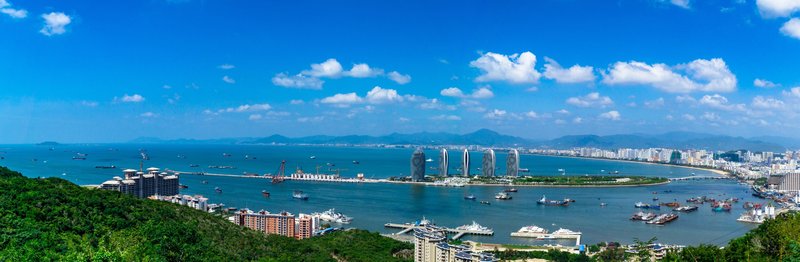
Hotels in Non Thai
Discover your perfect stay in Non Thai.
Non Thai(Thailand) Travel 2026: Cheap Flights, Hotels & Top Attractions
Popular Landmarks in Non Thai
Discover the most iconic attractions in Non Thai
Recommended Hotels in Non Thai
Find the perfect place to stay in Non Thai
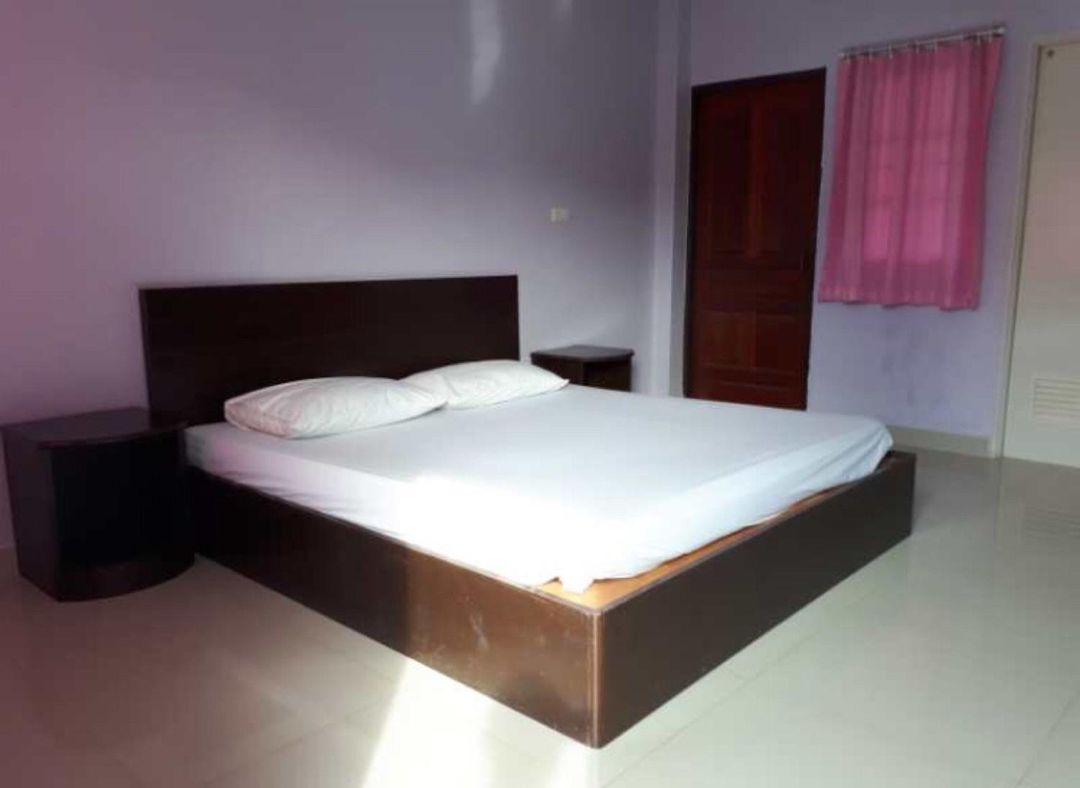
Niran Resort
Best Hotels in Non Thai
Discover curated hotel collections in Non Thai
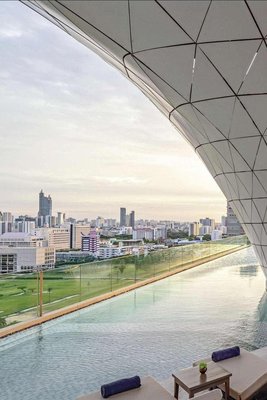
Waldorf Astoria Bangkok
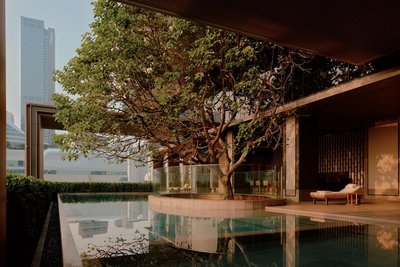
Aman Nai Lert Bangkok
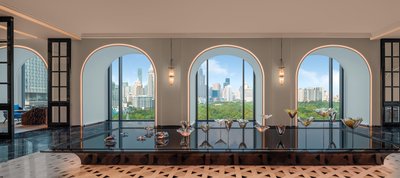
The Ritz-Carlton, Bangkok

Te Mata Glamping
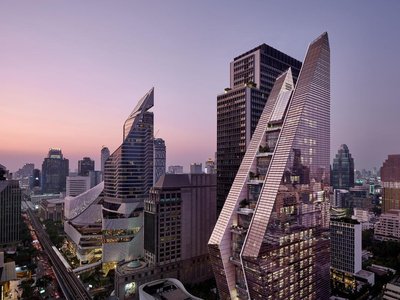
Rosewood Bangkok
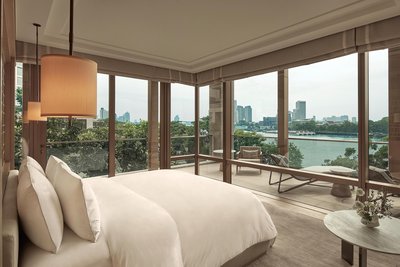
Capella Bangkok
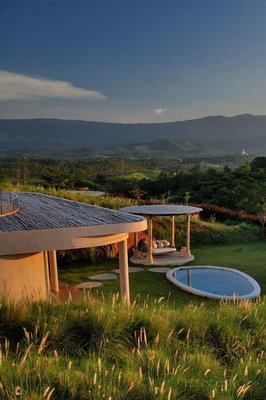
Sala Khaoyai
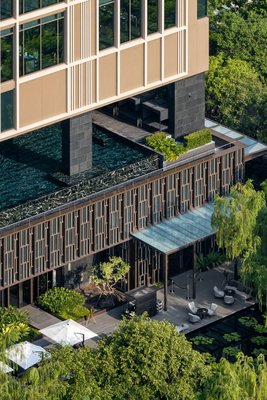
Kimpton Maa-Lai Bangkok
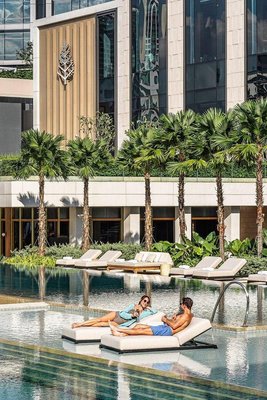
Four Seasons Hotel Bangkok at Chao Phraya River
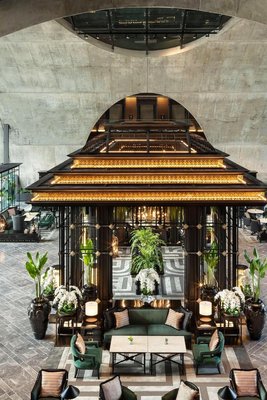
Sindhorn Kempinski Hotel Bangkok
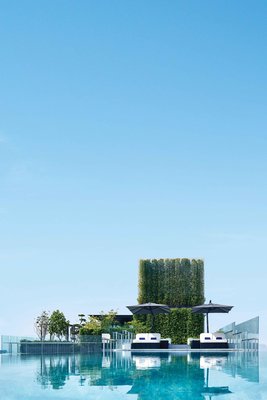
137 Pillars Suites Bangkok
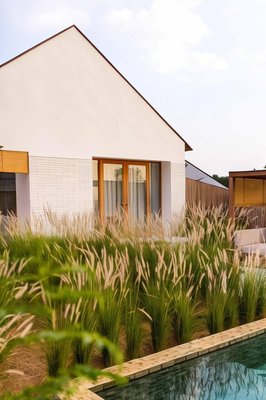
Roukh Kiri Khaoyai, The Centara Collection
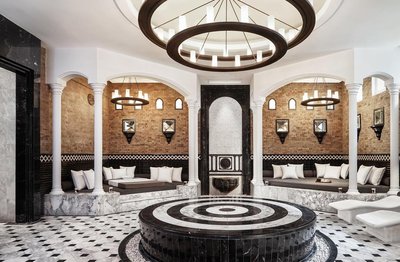
The Siam
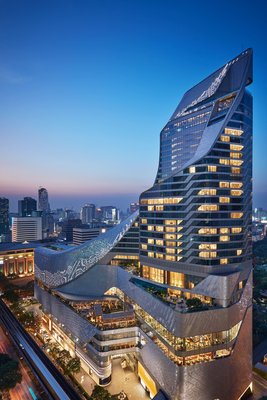
Park Hyatt Bangkok
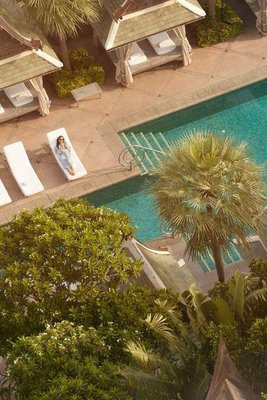
The Peninsula Bangkok
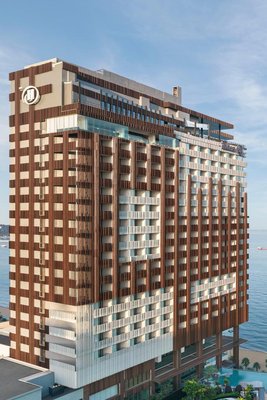
Hilton Pattaya

InterContinental Khao Yai Resort
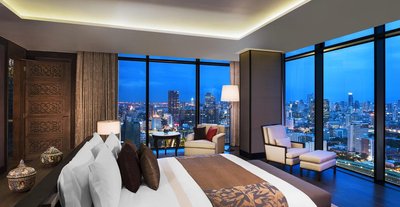
The St. Regis Bangkok
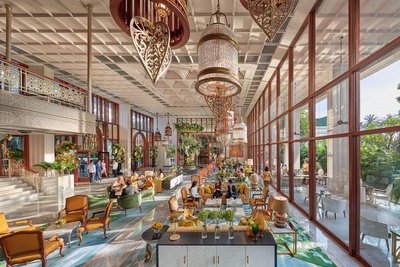
Mandarin Oriental Bangkok
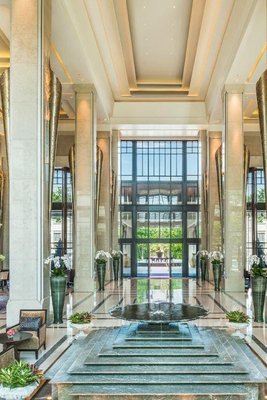
Siam Kempinski Hotel Bangkok
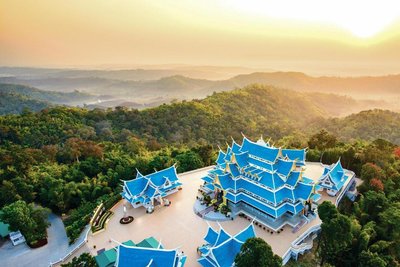
Isan Golf & Adventure Hotel
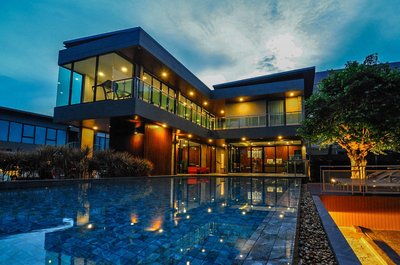
The S Block Condotel
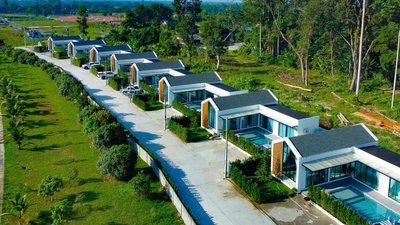
Villa Paramount 2
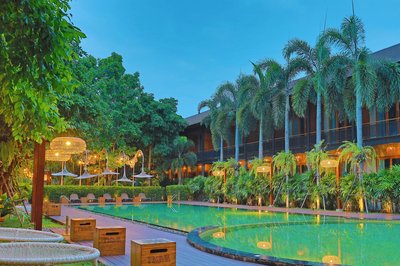
The Buffalo Amphawa
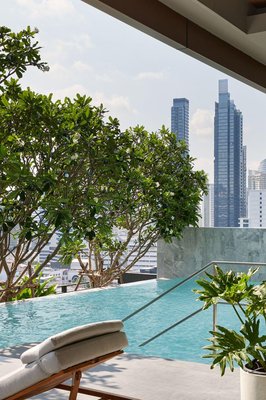
dusitD2 Samyan Bangkok

Samed Tamarind Beach Resort
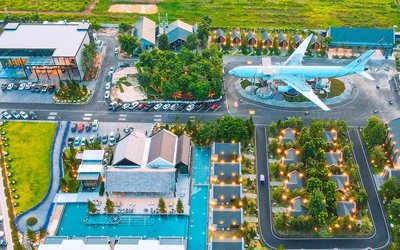
See Stars & Forest Resort
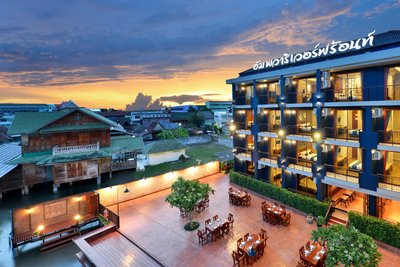
Amphawa Riverfront Hotel
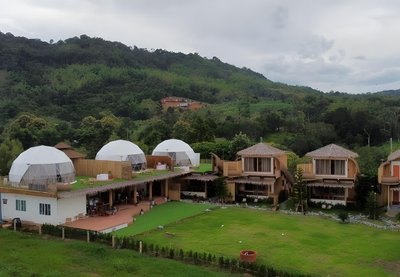
Cirrus Valley Hill Resort
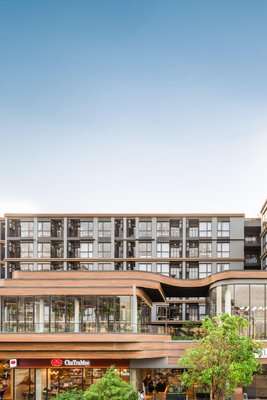
Salaya One Hotel & Service Apartment
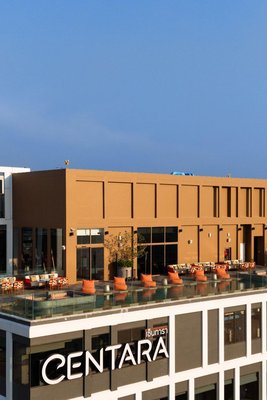
Centara Ayutthaya
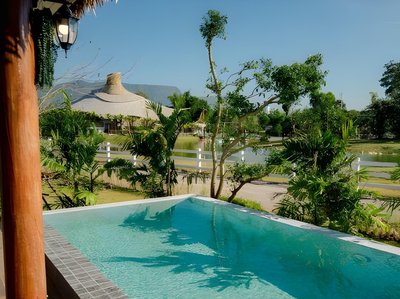
Plenary Khaokho
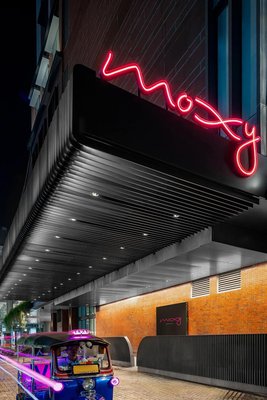
Moxy Bangkok Ratchaprasong
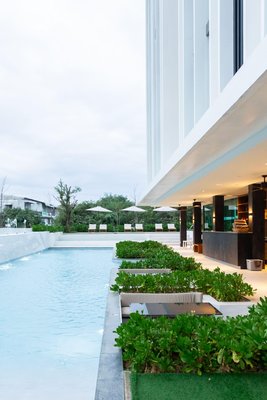
GOOD Nakhonsawan Hotel
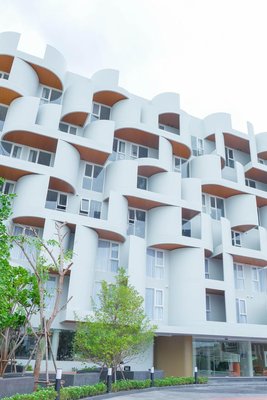
Maybis Hotel
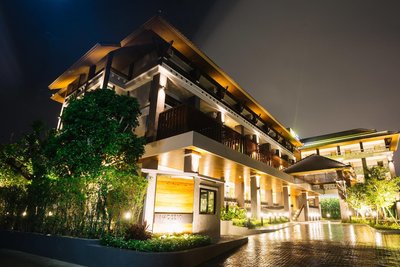
Nadee 10 Resort & Hotel
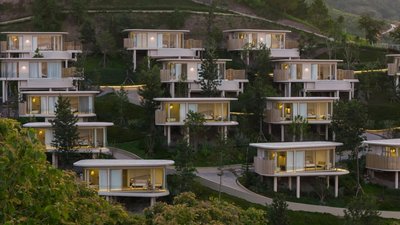
Kirirhom Khao Kho
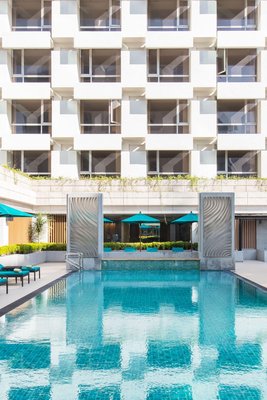
Holiday Inn Bangkok
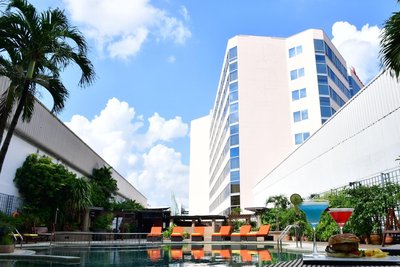
Centara Udon
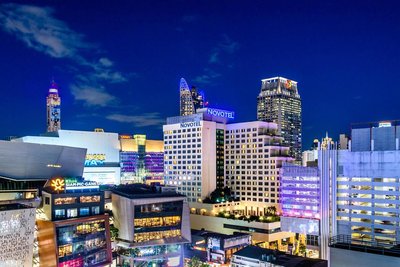
Novotel Bangkok on Siam Square
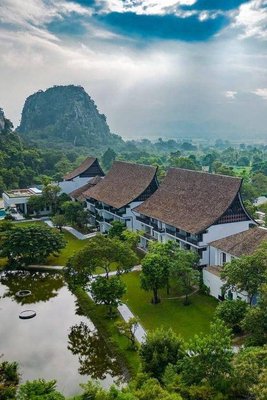
The Soul Resort
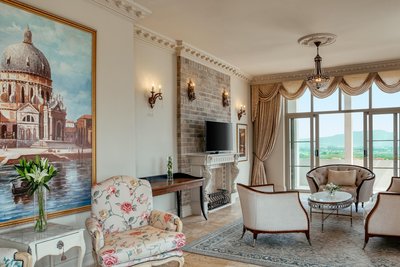
Mövenpick Resort Khao Yai
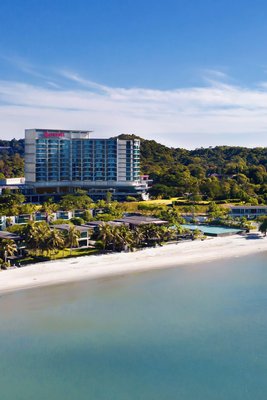
Rayong Marriott Resort & Spa
The Ritz-Carlton, Bangkok
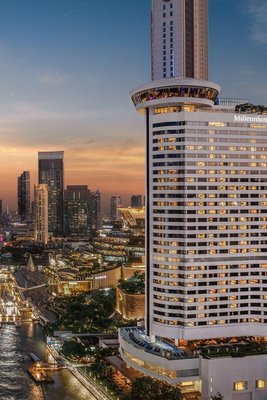
Millennium Hilton Bangkok
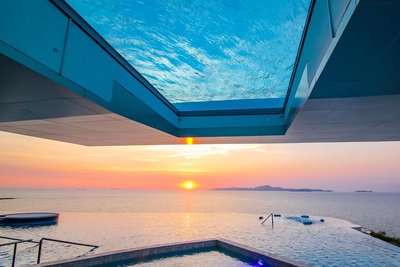
Royal Cliff Beach Hotel Pattaya
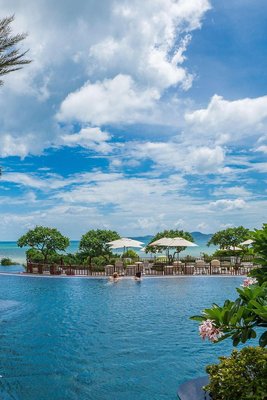
Royal Cliff Grand Hotel Pattaya
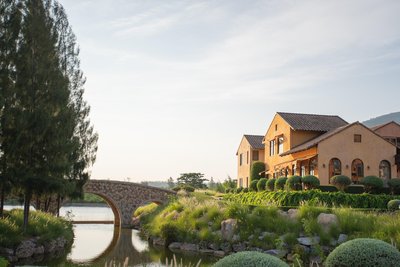
Toscana Hotel la Casetta
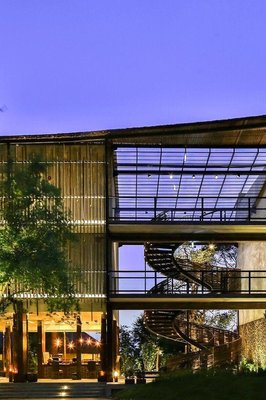
U Pattaya
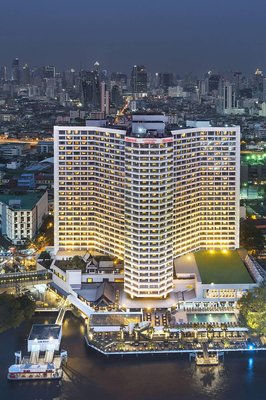
Royal Orchid Sheraton Riverside Hotel Bangkok
Sala Ayutthaya
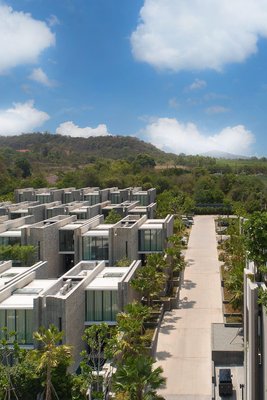
Oceanphere Pattaya Villa by Elite Suites

Na Tree Tara Riverside Resort Amphawa Damnoensaduak
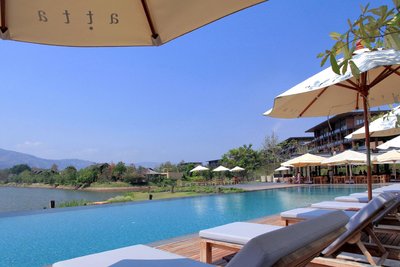
atta Lakeside Resort Suite
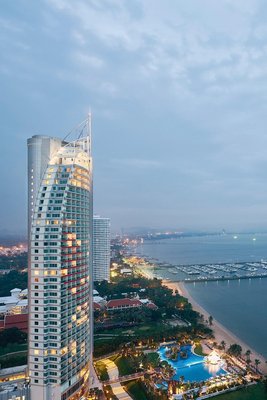
Mövenpick Siam Hotel Na Jomtien Pattaya
Capella Bangkok
Sala Khaoyai
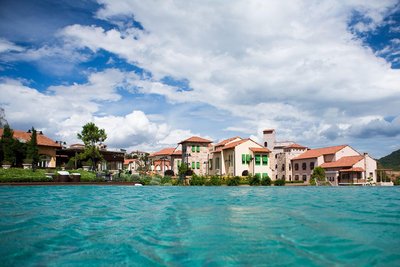
Toscana Town Square Suites
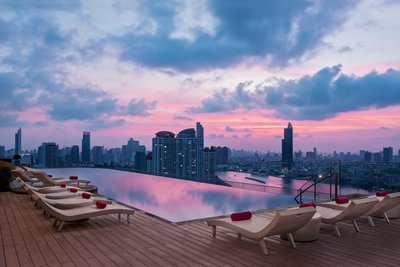
Avani Plus Riverside Bangkok Hotel
Four Seasons Hotel Bangkok at Chao Phraya River
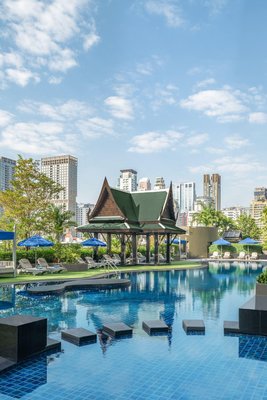
The Athenee Hotel, a Luxury Collection Hotel, Bangkok
Sindhorn Kempinski Hotel Bangkok
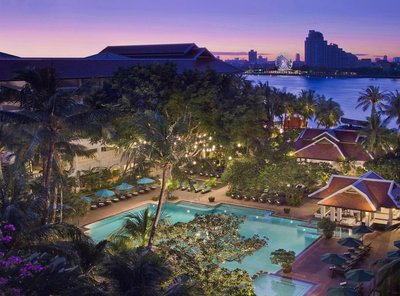
Anantara Riverside Bangkok Resort
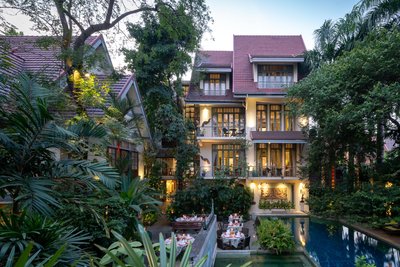
Ariyasom Villa
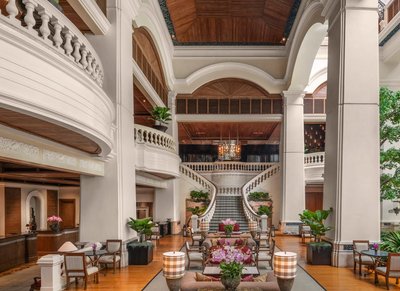
Grand Hyatt Erawan Bangkok
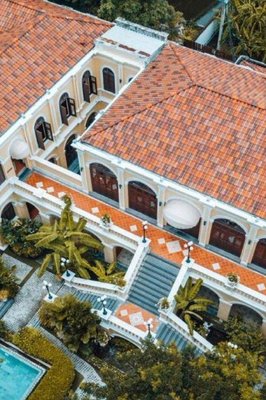
Praya Palazzo
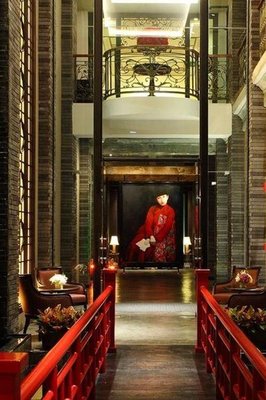
Shanghai Mansion Bangkok
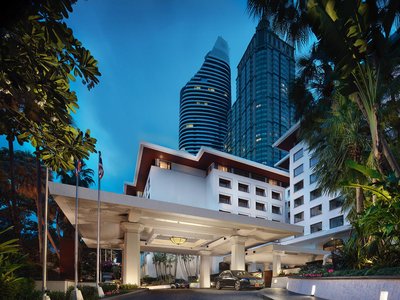
Anantara Siam Bangkok Hotel
Mandarin Oriental Bangkok
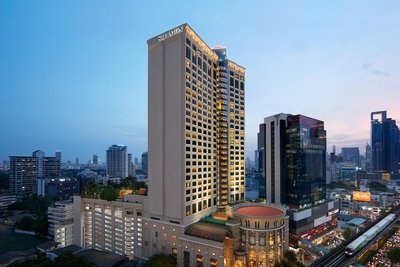
Sheraton Grande Sukhumvit, a Luxury Collection Hotel, Bangkok
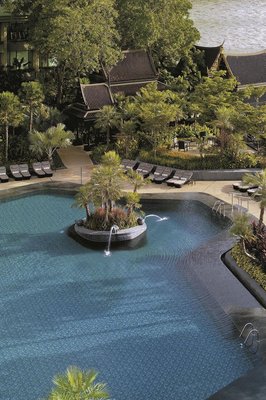
Shangri-La Bangkok
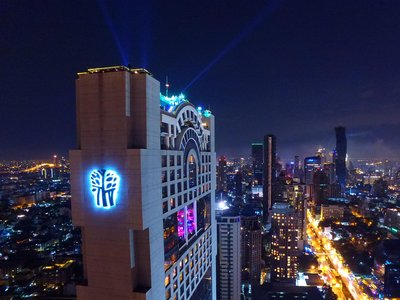
Banyan Tree Bangkok
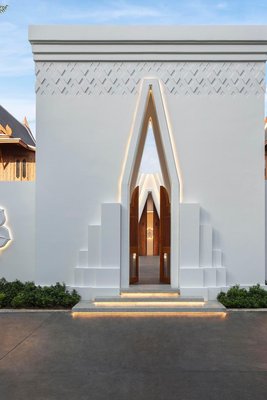
The Sukhothai Bangkok
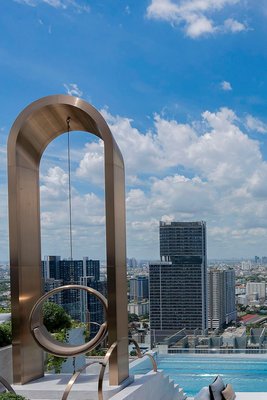
INNSiDE by Meliá Bangkok Sukhumvit
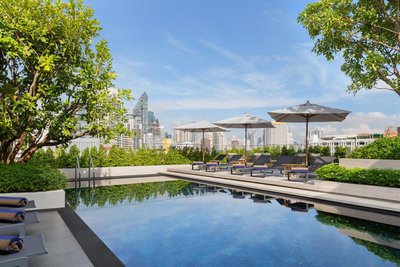
Madi Paidi Bangkok, Autograph Collection (Marriott international)
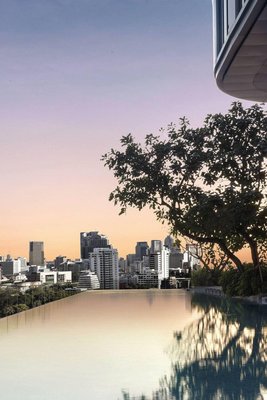
SO/ Bangkok
Waldorf Astoria Bangkok
The Ritz-Carlton, Bangkok
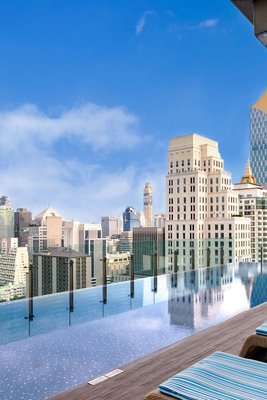
Hotel Indigo Bangkok Wireless Road
Toscana Hotel la Casetta
The Athenee Hotel, a Luxury Collection Hotel, Bangkok
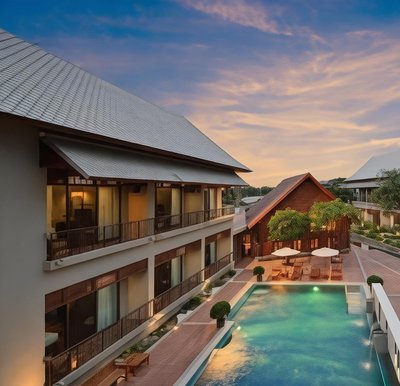
Plakan Resort
Oceanphere Pattaya Villa by Elite Suites
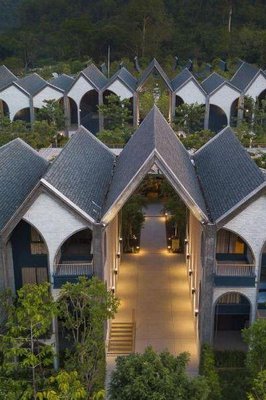
Hotel Labaris Khao Yai
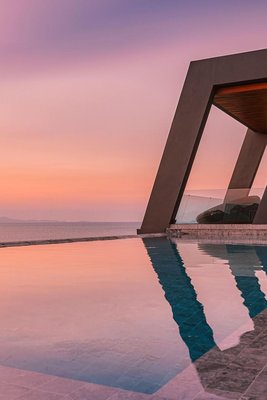
MASON
Rosewood Bangkok
Capella Bangkok
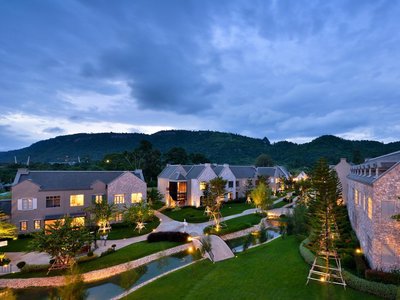
Thames Valley Khao Yai
Sala Khaoyai
Toscana Town Square Suites
Kimpton Maa-Lai Bangkok
Four Seasons Hotel Bangkok at Chao Phraya River
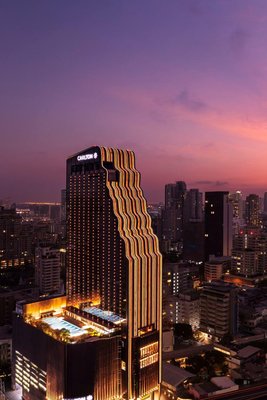
Carlton Hotel Bangkok Sukhumvit
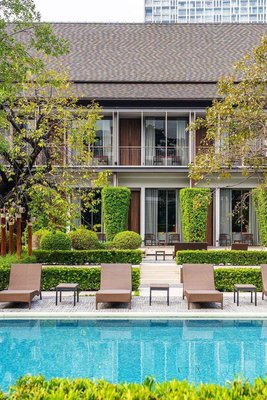
Villa Deva Resort & Hotel Bangkok
The Soul Resort
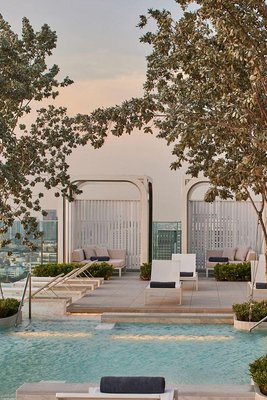
Eastin Grand Hotel Phayathai
Mövenpick Resort Khao Yai
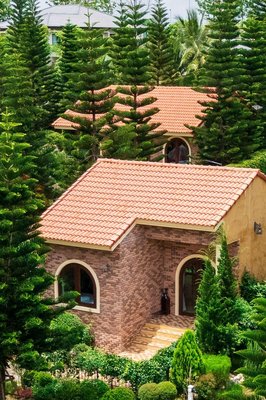
Miranda's House Khaokho
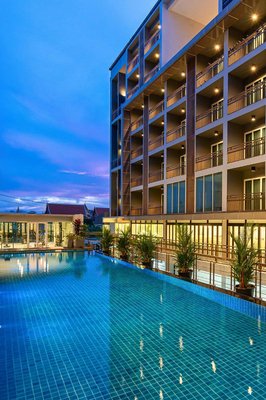
Tisha Hotel
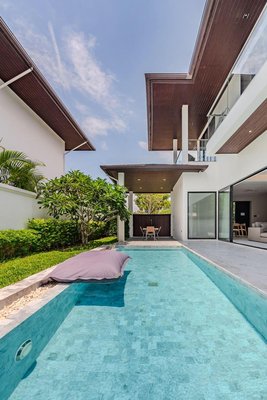
Argo Pattaya Resort and Villas
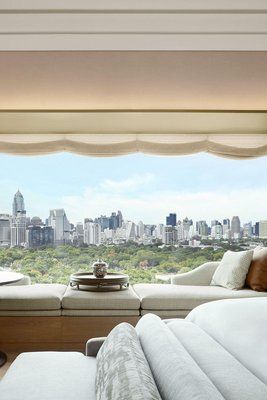
Dusit Thani Bangkok
Rayong Marriott Resort & Spa
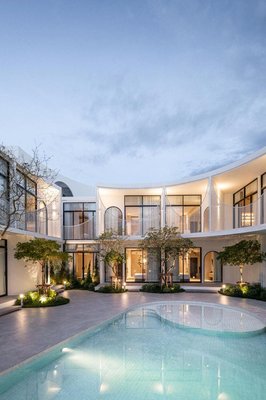
Halff Hotel
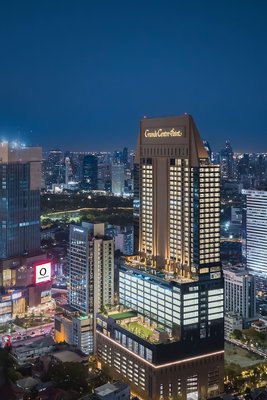
Grande Centre Point Lumphini Bangkok
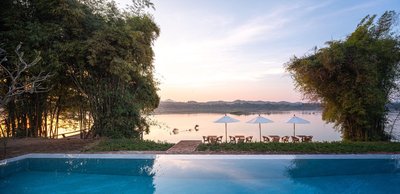
Nachan The Antique Courtyard
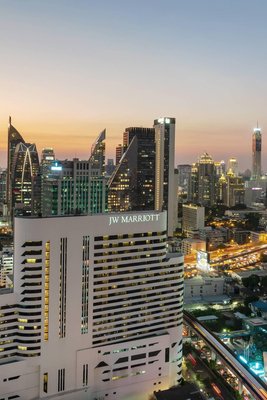
JW Marriott Hotel Bangkok
Millennium Hilton Bangkok
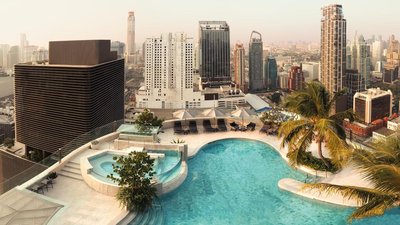
InterContinental Bangkok
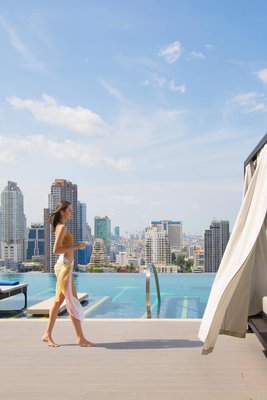
Bangkok Marriott Hotel the Surawongse
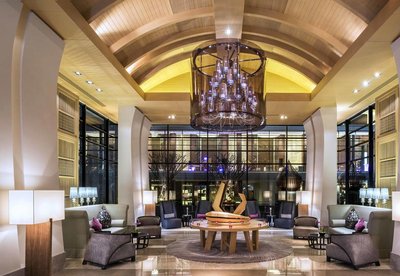
Le Méridien Suvarnabhumi, Bangkok Golf Resort & Spa
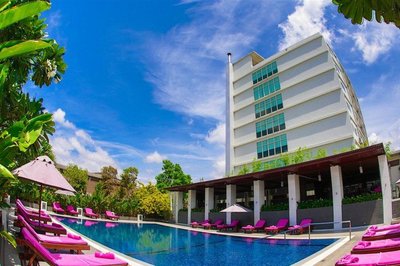
Amaranth Suvarnabhumi Hotel - Free Suvarnabhumi Airport Shuttle
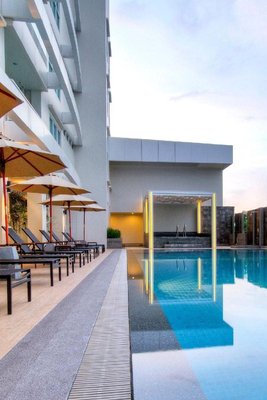
Classic Kameo Hotel & Serviced Apartments, Ayutthaya
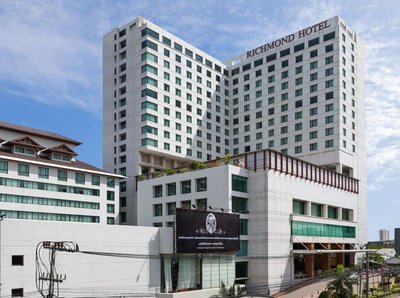
Grand Richmond Stylish Convention Hotel
INNSiDE by Meliá Bangkok Sukhumvit
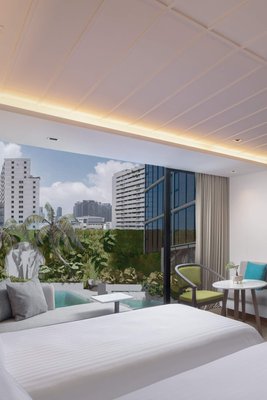
Nysa Hotel Bangkok Sukhumvit 11
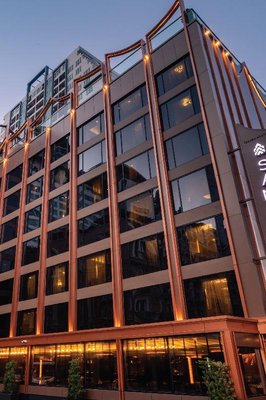
Samala Hotel Bangkok
Aman Nai Lert Bangkok
The Ritz-Carlton, Bangkok
JW Marriott Hotel Bangkok
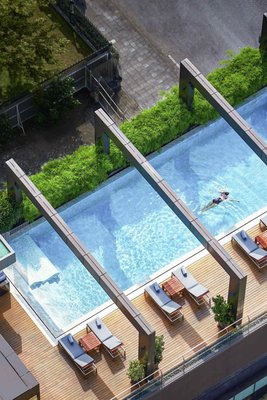
VIE Hotel Bangkok, MGallery Hotel Collection
The Athenee Hotel, a Luxury Collection Hotel, Bangkok
Royal Orchid Sheraton Riverside Hotel Bangkok
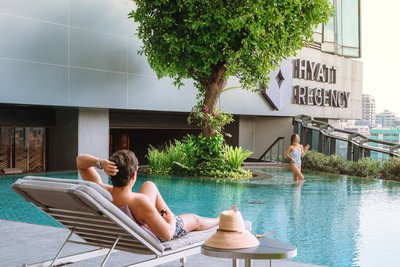
Hyatt Regency Bangkok Sukhumvit
Rosewood Bangkok
Capella Bangkok
Sindhorn Kempinski Hotel Bangkok
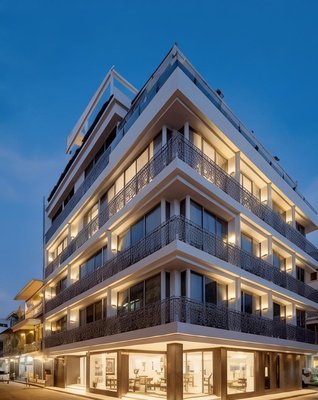
Riva Arun Bangkok
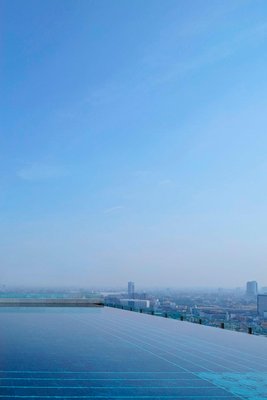
137 Pillars Residences Bangkok
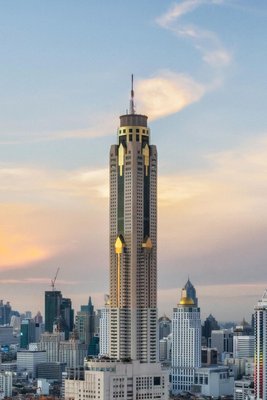
Baiyoke Sky Hotel Bangkok
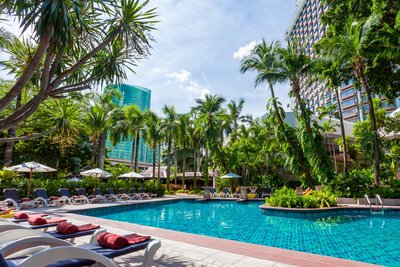
Centara Grand at Central Plaza Ladprao Bangkok
Grand Hyatt Erawan Bangkok
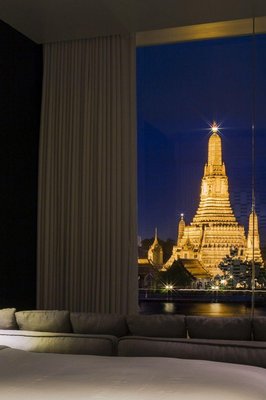
Sala Rattanakosin Bangkok
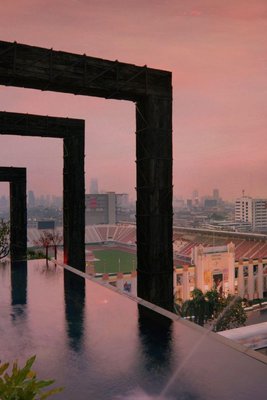
Siam@Siam Design Hotel Bangkok
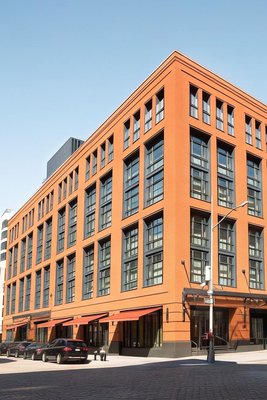
Hotel Barrière Fouquet's New York
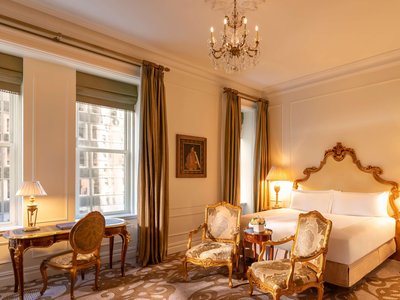
The Plaza - A Fairmont Managed Hotel
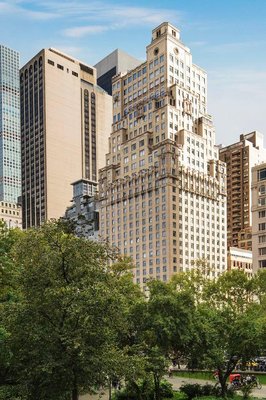
The Ritz-Carlton New York, Central Park
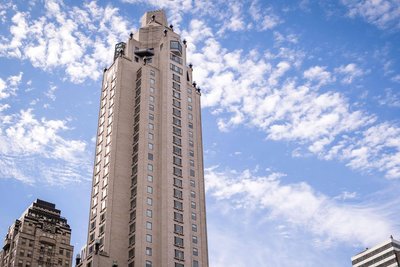
Four Seasons Hotel New York
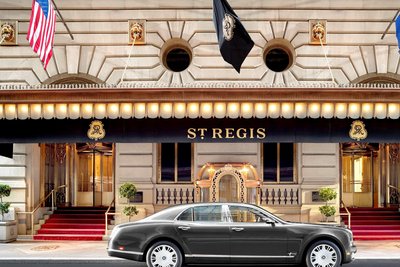
The St. Regis New York
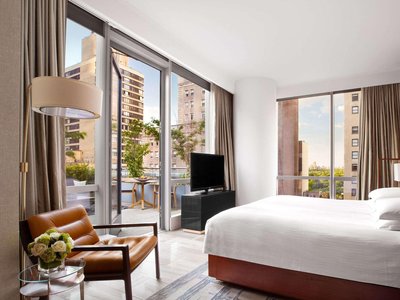
Park Hyatt New York
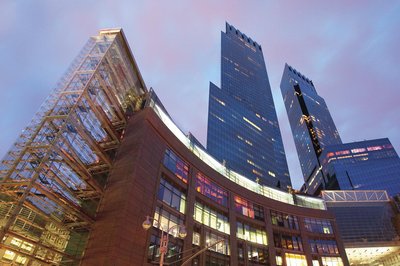
Mandarin Oriental New York
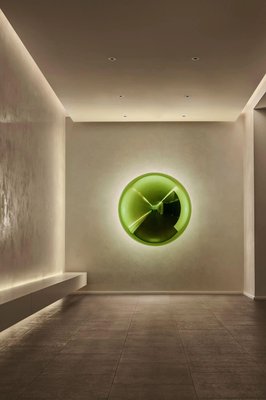
Times Square Edition New York
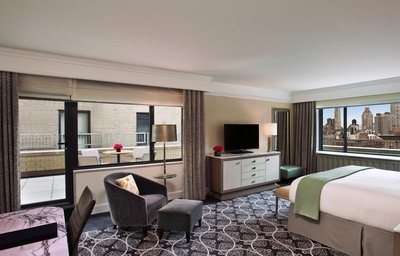
Loews Regency New York Hotel
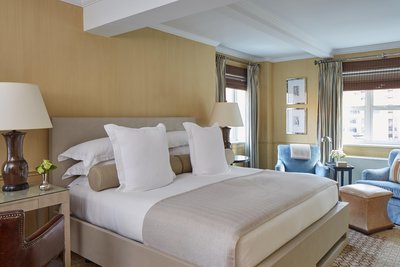
Lowell Hotel
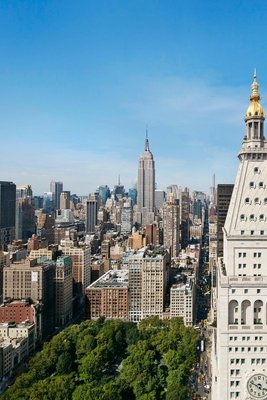
New York Edition
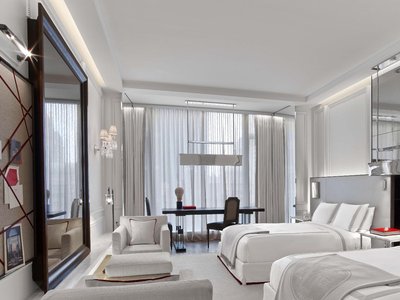
Baccarat Hotel New York
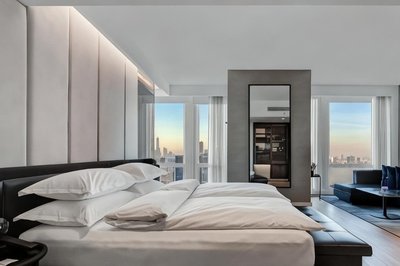
Equinox Hotel New York

Four Seasons Hotel New York Downtown
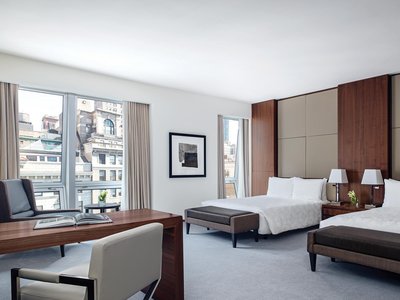
The Langham, New York, Fifth Avenue
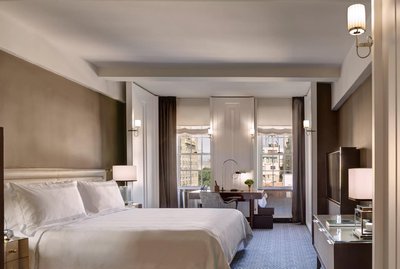
The Carlyle, A Rosewood Hotel

The Chatwal, in the Unbound Collection by Hyatt
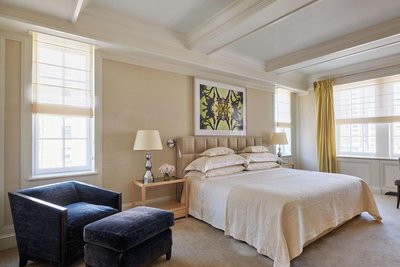
The Mark New York
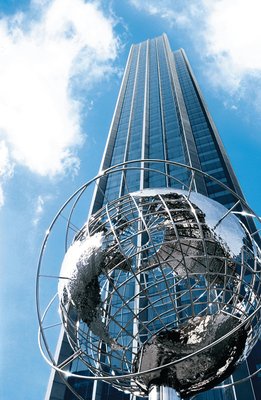
Trump International Hotel & Tower® New York
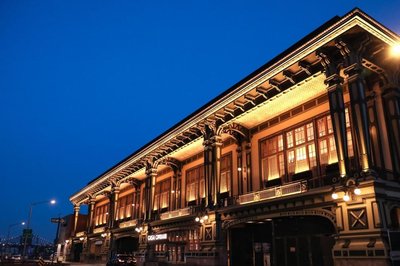
Casa Cipriani New York
Frequently Asked Questions about Traveling to Non Thai
Questions You Might Need to Know About Traveling to Non Thai
In Nong Khae District, the best hotel with lakeside views is Nong Khae Lake Resort, nestled along the tranquil Nong Khae Lake. This eco-friendly retreat offers bamboo villas with private decks overlooking the water, traditional Thai architecture, and daily organic farm-to-table meals. Guests can join handwoven silk workshops, practice morning yoga by the lake, or visit the nearby Phra That Nong Khae Temple, a spiritual landmark believed to house sacred relics. The resort also hosts seasonal lantern festivals, creating magical evenings. With its serene ambiance and cultural immersion opportunities, it’s ideal for travelers seeking peace and authenticity.
Another standout is Nong Khae Heritage Homestay, where local families welcome guests into their homes, sharing stories, farming traditions, and homemade meals. Both options prioritize sustainability and community connection, making them perfect for meaningful travel.
The Lakefront Area of Nong Khae District is the most peaceful and nature-rich destination for travelers seeking tranquility. Surrounded by lush rice fields, forests, and the calm waters of Nong Khae Lake, this region features eco-lodges like Nong Khae Lake Resort and Nong Khae Ya House, offering direct access to walking trails, birdwatching spots, and sunrise views. The air is crisp and clean, ideal for meditation or forest bathing. Nearby attractions include the ancient Phra That Nong Khae Temple and traditional villages where locals still practice rice cultivation and textile weaving. Evening strolls along the lakeshore, under starlit skies, enhance the sense of serenity. While the area is less commercialized, basic amenities are available, and many lodges provide bicycles or motorbike rentals for exploring. It's the ultimate escape for those craving connection with nature and slow living.
Visitors to Nong Khae District can immerse themselves in authentic cultural experiences. Participate in the Loy Krathong Festival by crafting and releasing handmade lotus-shaped lanterns on Nong Khae Lake, symbolizing letting go of negative emotions. Explore the Phra That Nong Khae Temple, where monks conduct daily alms rounds—guests may join to offer food and learn about Buddhist practices. Join a traditional Lanna-style weaving workshop, learning to handcraft intricate patterns using vintage looms. Experience rice planting and harvesting ceremonies at local farms, followed by tasting freshly ground sticky rice cakes. These activities are led by villagers, emphasizing heritage preservation and sustainable tourism. Travelers don’t just observe culture—they become part of it.
In Nong Khae District, must-try local dishes include Khao Chae—a refreshing dish of fragrant rice served with coconut milk, fresh mango, peanuts, and orchid petals; Sai Oua, a spicy northern Thai sausage made with lemongrass, chili, and pig blood; and Gai Thung, chicken grilled inside bamboo tubes, delivering smoky, aromatic flavor. Don’t miss Nong Khae Tofu Rolls, crispy fried tofu wrapped in herbs and dipped in tangy fish sauce. For a true taste of the region, visit the Nong Khae Night Market, open every evening from 6 PM, featuring over 30 stalls selling street food, handmade crafts, and live folk music. Many dishes use ingredients sourced from nearby organic farms, reflecting the district’s commitment to natural, sustainable cuisine.
Yes, Nong Khae District is highly suitable for family travel. Families can enjoy hands-on experiences such as family bamboo rafting on Nong Khae Lake, where children can paddle and spot fish and birds. At local eco-farms, kids can plant rice, feed goats, and help harvest vegetables. Traditional pottery workshops let children shape clay into animals or cups, fostering creativity. The Phra That Nong Khae Temple offers child-friendly guided tours with illustrated stories and interactive elements. Evenings feature family lantern-making sessions during the Loy Krathong festival, creating lasting memories. Most homestays and resorts provide cribs, high chairs, and kid-safe play areas. With low crime rates, gentle pace, and warm communities, Nong Khae offers a safe, enriching environment for all ages.
The most convenient way to reach Nong Khae District from Nakhon Ratchasima (Korat) is by intercity bus, which runs regularly with a journey time of about 2 hours. Buses depart from Nakhon Ratchasima Central Bus Terminal and arrive at Nong Khae District Bus Station. Tickets cost around 100 THB ($3 USD). Alternatively, private car hire is available for 800–1,200 THB ($25–35 USD) per trip, ideal for families or groups seeking flexibility. Upon arrival, rent an electric scooter or motorcycle taxi to explore the area. Some resorts offer complimentary pickup services. Note that road conditions are generally good, but avoid traveling during the rainy season (May–October) due to potential flooding. Planning ahead ensures a smooth journey.
The best time to visit Nong Khae District is from November to February, when temperatures range between 18–26°C (64–79°F), humidity is low, and skies are clear. This period is ideal for outdoor activities like lake walks, temple visits, and cultural festivals such as Loy Krathong and the Harvest Festival. The scenery is vibrant, with lush greenery and blooming flowers. Avoid March to May, the hot season, when temperatures exceed 35°C (95°F), making outdoor exploration uncomfortable. The rainy season (June–October) brings frequent downpours, occasional road closures, and muddy paths, though it enhances the region’s verdant beauty. For optimal comfort and cultural engagement, plan your trip during the dry winter months.
The most photogenic spots in Nong Khae District include Nong Khae Lake at sunrise, where mist rises above the still water, reflecting the surrounding hills and temples—a perfect scene for landscape photography. The Phra That Nong Khae Temple stands out with its golden spire and red walls, framed by ancient banyan trees and stone carvings. During festivals, the lantern corridor leading to the temple glows with hundreds of flickering lights, creating a dreamlike atmosphere. Eco-lodges like Nong Khae Lake Resort feature bamboo villas built into terraced gardens, offering stunning shots of rural life and natural harmony. The bamboo bridge over rice paddies and farm pathways lined with wildflowers are also popular backdrops. Bring a wide-angle lens and tripod for golden hour shots. These locations attract both amateur and professional photographers seeking authenticity and beauty.
Accommodation costs in Nong Khae District vary by category. Budget stays like local homestays or hostels range from 300–600 THB ($9–18 USD) per night, offering basic but clean facilities. Mid-range options such as lakeside eco-resorts or boutique guesthouses cost 1,200–2,500 THB ($35–70 USD) per night, including breakfast, private balconies, and access to cultural activities. Luxury accommodations, including private villa suites with lake views, start at 3,500 THB ($100 USD) and can exceed 6,000 THB ($175 USD) for premium packages with private pools and personal concierge. Overall, prices are significantly lower than in Bangkok or Chiang Mai. HopeGoo in advance, especially during peak seasons, often unlocks discounts. A 3-night stay typically saves 10–15%, making it a budget-friendly destination for quality experiences.
Major festivals in Nong Khae District include Loy Krathong, held annually in November, when thousands release floating lotus lanterns on Nong Khae Lake, creating a breathtaking spectacle of light. Every five years, the Phra That Nong Khae Temple hosts a grand Opening Ceremony, drawing pilgrims and tourists for religious rituals, drumming, and traditional dances. The Harvest Festival (Bon Phrai) in December celebrates the rice harvest with village-wide feasts, folk performances, and ceremonial offerings. During Obon Festival, the community holds candlelit processions and chanting sessions at temples. These events reflect deep-rooted Buddhist and animist traditions, strengthen community bonds, and offer visitors rare insights into local spirituality. Check local calendars before visiting to experience these culturally rich celebrations firsthand.
Non Thai Overview
City Summary
Amphoe Wang Nam Khiao is a small district in Nakhon Ratchasima Province, Thailand, known for its tranquil rural scenery and traditional Thai culture. It boasts abundant natural resources and Buddhist temples, making it an ideal getaway from urban noise.
Must-See Attractions
Must-see attractions include Wat Ban Rai, famous for its unique architecture and exquisite murals; Phu Luang Wildlife Sanctuary, perfect for nature and wildlife lovers; and local markets, offering a glimpse into Thai rural life.
Food Guide
Food recommendations feature Som Tam (green papaya salad), Khao Neeo Mamuang (mango sticky rice), and local grilled dishes, all classic Thai rural delicacies.
Transportation Guide
Transportation options suggest renting a motorbike or private car due to limited public transport. Buses from Nakhon Ratchasima's main city are available but infrequent.
Best Time to Visit
Best time to visit is from November to February, when the weather is cool and ideal for outdoor activities.
Travel Tips
- Respect dress codes at local temples.
- Bring sunscreen due to strong sunlight.
- Learning basic Thai phrases aids communication.
- Avoid touching others' heads, as it's a Thai taboo.
Useful Information
Useful information: Thai is the main language, with English spoken in tourist areas; cash is recommended as credit cards are less accepted; local network coverage is good, with SIM cards available; emergency services can be found at major hospitals in Nakhon Ratchasima.