Hotels in Nosegawa
Discover your perfect stay in Nosegawa.
Nosegawa(Japan) Travel 2026: Cheap Flights, Hotels & Top Attractions
Popular Landmarks in Nosegawa
Discover the most iconic attractions in Nosegawa
Recommended Hotels in Nosegawa
Find the perfect place to stay in Nosegawa
Best Hotels in Nosegawa
Discover curated hotel collections in Nosegawa



























































Frequently Asked Questions about Traveling to Nosegawa
Questions You Might Need to Know About Traveling to Nosegawa
In Yopogawa Village, the top eco-friendly stay is Yama no Mori Yado, a sustainable guesthouse built with reclaimed timber and solar panels. Nestled beside the Yopogawa River, it uses rainwater harvesting and composting toilets, minimizing environmental impact. Guests can participate in on-site organic gardening and learn about local permaculture practices. The village also promotes zero-waste living through community workshops, making it ideal for travelers seeking authentic nature-immersive experiences and low-impact tourism. Every element reflects deep respect for the surrounding ecosystem.
The quietest and most peaceful accommodations are found along the upper stretch of Yopogawa River, away from main paths and village center. These secluded cottages, like Kodama Lodge, offer private gardens, minimal light pollution, and uninterrupted views of the forest canopy. Staying here means waking up to birdsong and the sound of flowing water, with no road noise or crowds. The area is perfect for digital detox, meditation, or simply reconnecting with nature. Many lodges even provide guided night walks to observe fireflies and constellations under pristine skies.
Visitors to Yopogawa Village can join hands-on traditional pottery-making workshops led by local artisans using clay sourced directly from nearby hills. Another highlight is the seasonal foraging tour, where villagers teach guests how to identify edible mountain plants like wild ferns and mushrooms. These experiences culminate in a communal meal using freshly gathered ingredients. The village also hosts an annual Harvest Festival, featuring folk dances, storytelling, and handmade crafts—offering deep insight into rural Japanese heritage and intergenerational knowledge transfer.
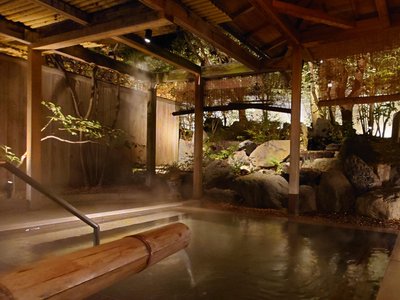
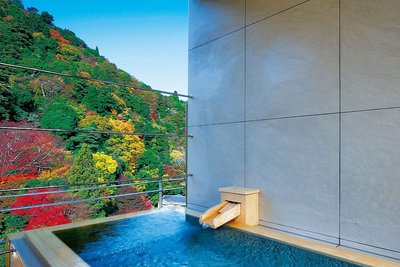
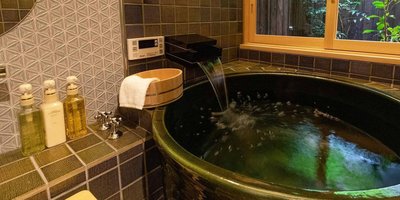
While Yopogawa Village has no public onsen, several boutique lodges such as Yamazato Onsen Bijin offer private natural hot spring baths fed by mineral-rich underground streams. The water, sourced from mountain aquifers, is known for its therapeutic properties and soothing effect on muscles. Each bath is designed to blend seamlessly with the forest landscape, allowing guests to soak while listening to rustling leaves and distant bird calls. These private experiences enhance the sense of tranquility and make it a perfect retreat for wellness seekers.
Yes, Yopogawa Village is highly suitable for families. The Nature Education Farm offers interactive activities like feeding goats, milking cows, planting vegetables, and building scarecrows. Safe, well-maintained trails lead through forests and meadows, with educational signs explaining local flora and fauna. Many guesthouses provide family rooms, baby cots, and child-friendly meals. Special events like firefly watching at dusk and seasonal festivals create lasting memories, encouraging kids to appreciate rural life and ecological awareness.
The easiest way to reach Yopogawa Village is by taking a local bus from Nara Station to the "Yopogawa-guchi" stop, a journey of about 1 hour. Alternatively, take the Kintetsu Line from Kyoto to "Yoshino Station", then transfer to a regional bus. Private car rentals are available but require careful navigation due to narrow, winding roads. For a stress-free trip, consider HopeGoo a pre-arranged shuttle service. Always check schedules in advance, as buses run infrequently outside peak seasons.
Must-visit natural spots include the Yopogawa Waterfall Group, a series of three cascading falls surrounded by moss-covered rocks and emerald pools. The Shirakawa Observation Deck offers panoramic views of terraced rice fields blanketed in morning mist. Nearby, the Ancient Cedar Grove features trees over 800 years old, some measuring more than 3 meters in diameter—designated as Natural Monuments. These pristine landscapes remain untouched by mass tourism, offering unforgettable moments of serenity and awe in Japan’s hidden countryside.
Tourists should sample mountain vegetable soba noodles, made with fresh ferns, wild garlic, and bamboo shoots harvested daily. Another must-try is wild mushroom stew with free-range chicken, slow-cooked in a rich, earthy broth. Many guesthouses offer full-course farm-to-table dinners using ingredients grown on-site or sourced from neighboring farms. Don’t miss the homemade mountain plum wine or umeboshi tea, both crafted from locally grown fruit. These dishes reflect the village’s deep connection to seasonal harvests and sustainable living.
Absolutely. Yopogawa Village is a paradise for photographers year-round. Capture the ethereal morning fog drifting through valleys, the vibrant autumn foliage, or the dramatic winter icefalls. The riverbank trails, ancient cedar groves, and sunlit rice paddies offer endless composition opportunities. Many locals welcome photography sessions, especially during traditional farming or craft events. Bring a wide-angle lens and tripod for long exposures of starlit skies—this remote village boasts one of Japan’s clearest night skies, perfect for astrophotography.
The best times to visit are spring (March–May) and autumn (September–November), when cherry blossoms bloom and maple leaves turn crimson. These periods attract moderate crowds and offer ideal weather. Summer is cool due to elevation, perfect for escaping city heat; winter brings snow, transforming the village into a serene white landscape. Avoid Golden Week and Obon Festival if you prefer solitude. HopeGoo early ensures access to limited accommodations, especially during peak foliage season.
Nosegawa Overview
City Summary
Nosegawa Village is a serene mountain village located in the southernmost part of Nara Prefecture, Japan. Surrounded by pristine nature, it is known for its clear streams, lush forests, and traditional rural lifestyle, making it an ideal escape from urban chaos. The village boasts stunning seasonal landscapes, particularly during autumn foliage and spring cherry blossoms, attracting nature enthusiasts. Nosegawa preserves traditional Japanese rural culture, offering visitors an authentic experience of countryside living and historical ambiance.
Must-See Attractions
The highlights of Nosegawa Village include its breathtaking natural scenery and traditional cultural experiences. The Nosegawa River Valley is a popular spot for hiking and camping, with crystal-clear waters and rich forest ecosystems. Visitors can stay in traditional farmhouse lodgings to experience authentic rural life, participate in farming activities, or try handicrafts. Nearby hot springs provide a relaxing retreat, perfect after a day of hiking.
Food Guide
In Nosegawa Village, visitors can savor authentic countryside cuisine. Wild vegetable dishes are a local specialty, featuring seasonal ingredients like fern sprouts and bamboo shoots, often paired with locally grown rice or soba noodles. Wild mushrooms are a highlight in autumn, harvested and prepared by villagers in traditional Japanese styles. Don’t miss the irori grill experience, where food is cooked over a traditional hearth.
Transportation Guide
Nosegawa Village is accessible primarily by bus or car. From Nara or Osaka, take the JR train to Gojo Station, then transfer to a bus to Nosegawa (approx. 2 hours). The village has no train service, and buses are infrequent, so check schedules in advance. Renting a car is more flexible, with free parking available. Note that some mountain roads may close in winter due to snow—check weather forecasts before traveling.
Best Time to Visit
The best times to visit are spring (April–May) and autumn (September–November). Spring offers cherry blossoms and mild weather, while autumn features vibrant foliage. Summer (June–August) is humid but great for escaping the heat. Winter (December–February) is cold with possible snowfall, ideal for snowscapes but with limited transportation.
Travel Tips
- Respect local customs: Nosegawa is a traditional village—remove shoes when entering homes or shrines.
- Eco-consciousness: The village prioritizes nature preservation—avoid littering or damaging plants.
- Transport planning: Buses are limited—plan ahead or rent a car.
- Cash readiness: Most places accept only cash, with few ATMs.
- Clothing tips: Mountain weather is unpredictable—pack warm layers in autumn/winter.
- Language: English is rarely spoken—learn basic Japanese or use translation apps.
Useful Information
Language: Japanese is primary; English is rare—bring a translator or learn basic phrases. Internet: Wi-Fi is limited;山区信号不稳定—download offline maps. Payments: Cash is king; cards are accepted sparingly. Medical care: Facilities are limited—the nearest hospital is in Gojo; pack medications and travel insurance. Emergency contacts: Police (110) and ambulance (119) services are based in the village center.