Hotels in Nosegawa
Discover your perfect stay in Nosegawa.
Nosegawa(Japan) Travel 2026: Cheap Flights, Hotels & Top Attractions
Popular Landmarks in Nosegawa
Discover the most iconic attractions in Nosegawa
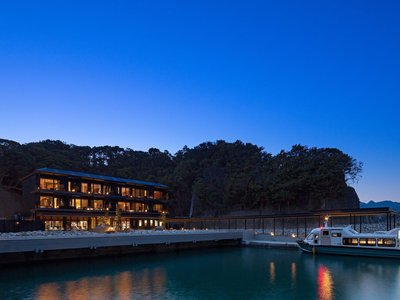
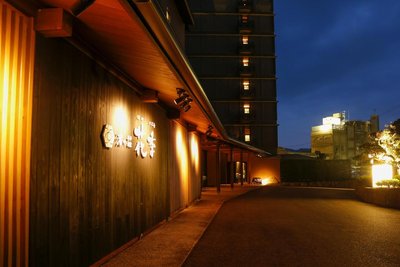
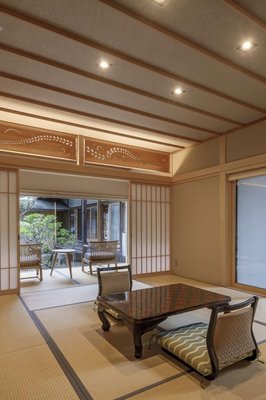
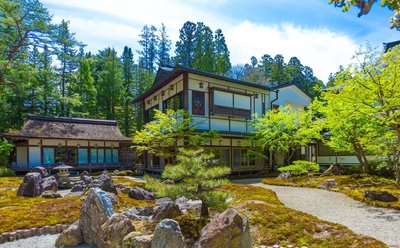
Recommended Hotels in Nosegawa
Find the perfect place to stay in Nosegawa
Best Hotels in Nosegawa
Discover curated hotel collections in Nosegawa


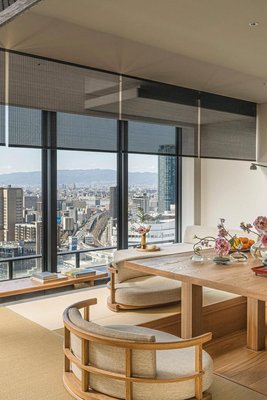

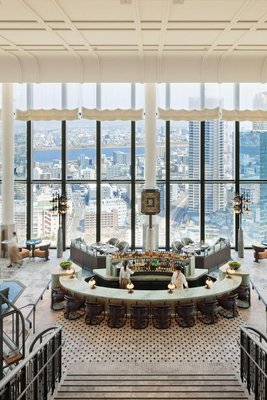
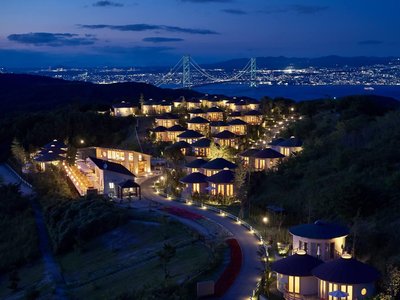
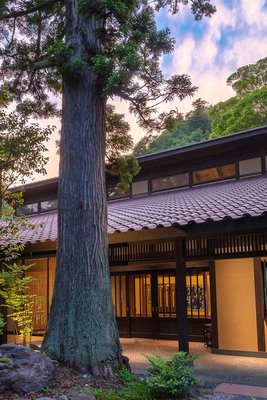

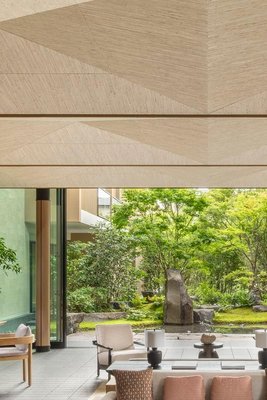

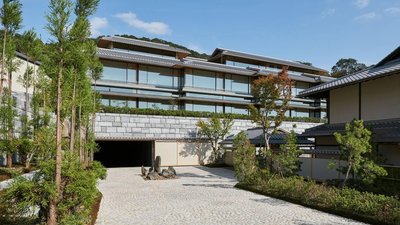
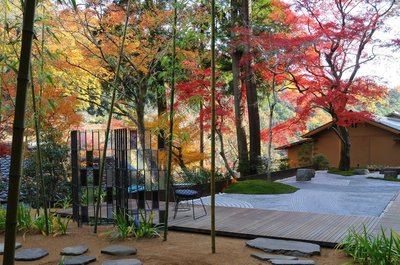
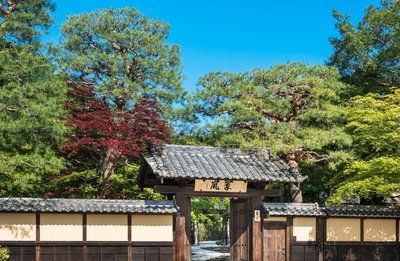


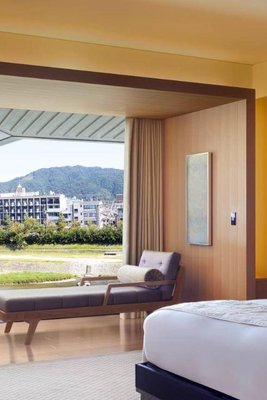

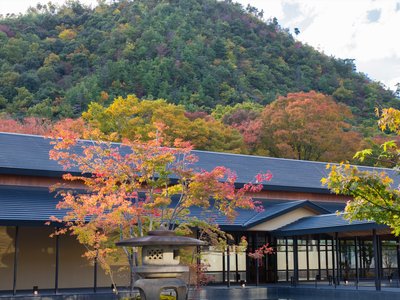
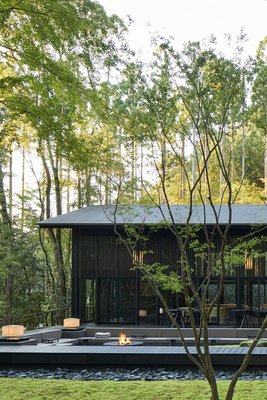

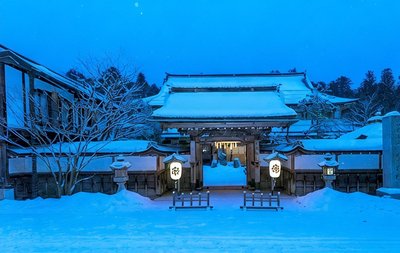
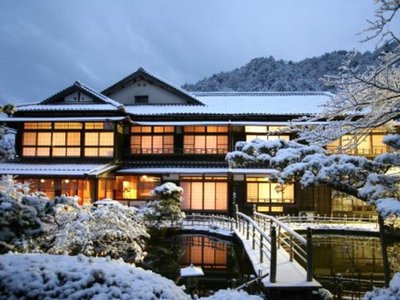
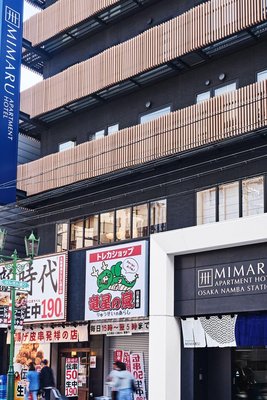

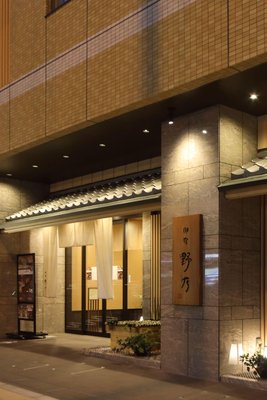































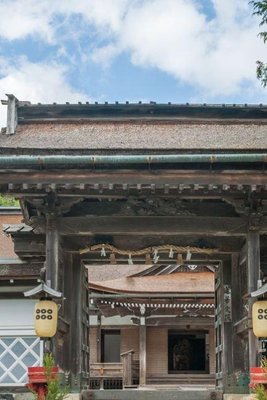
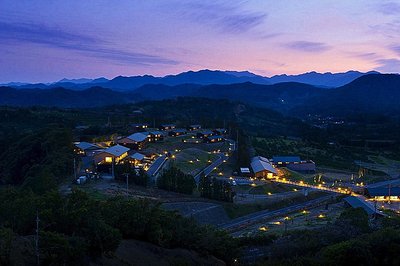







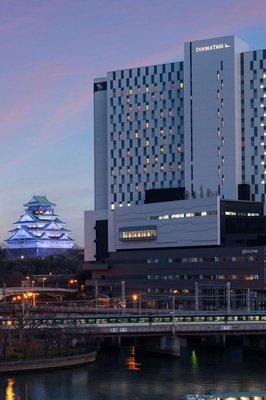








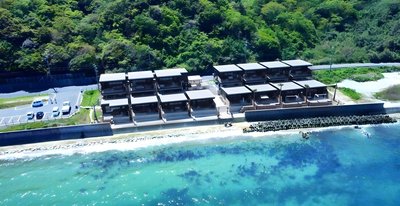

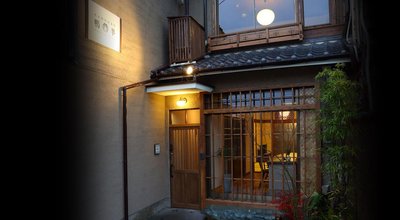
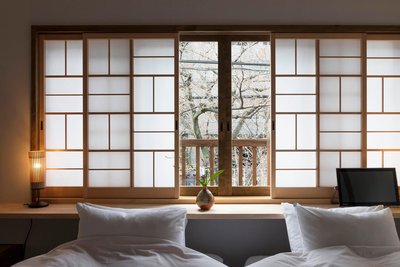
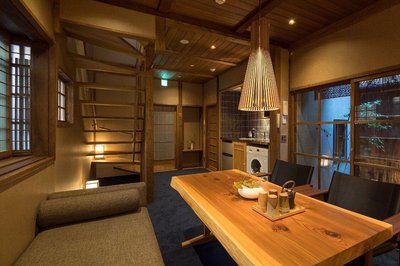
Frequently Asked Questions about Traveling to Nosegawa
Questions You Might Need to Know About Traveling to Nosegawa
Nosegawa Overview
City Summary
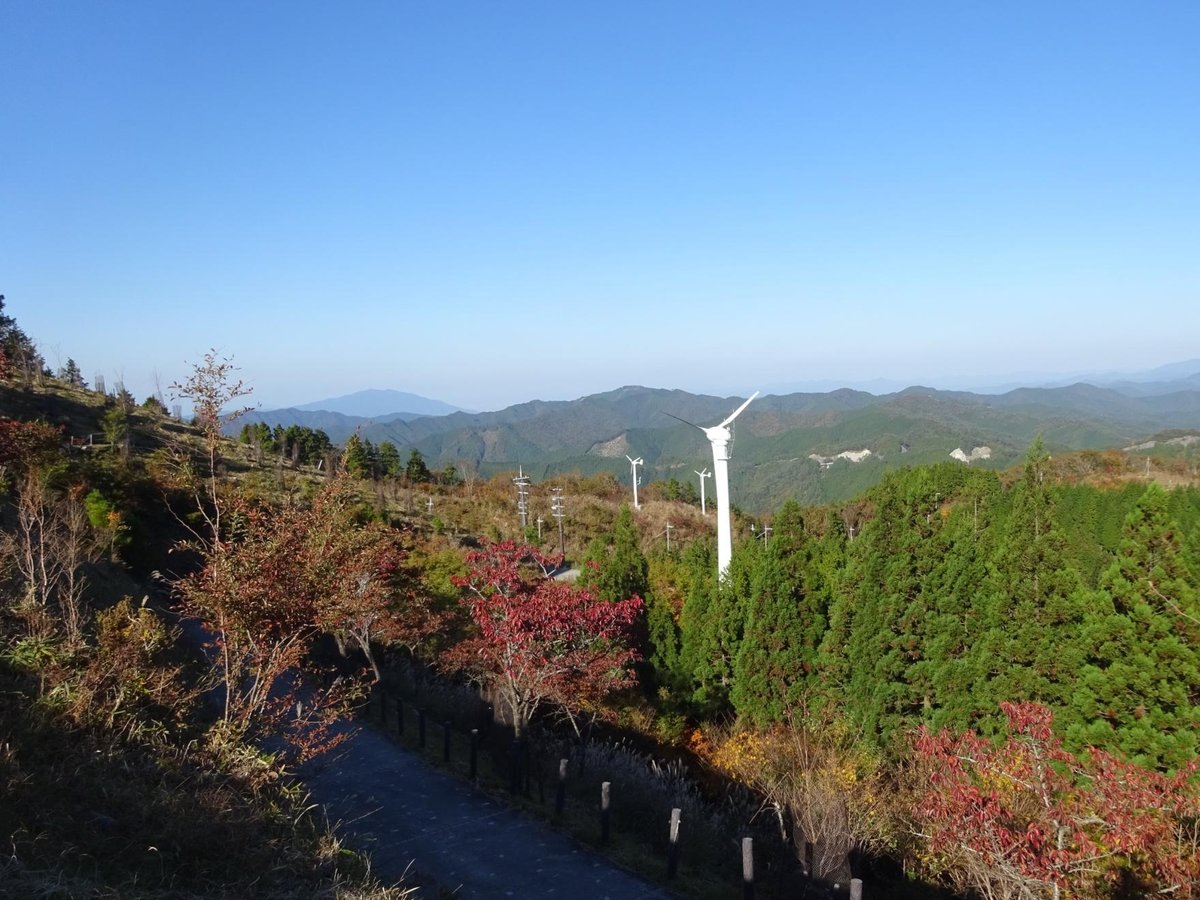
Nosegawa Village is a serene mountain village located in the southernmost part of Nara Prefecture, Japan. Surrounded by pristine nature, it is known for its clear streams, lush forests, and traditional rural lifestyle, making it an ideal escape from urban chaos. The village boasts stunning seasonal landscapes, particularly during autumn foliage and spring cherry blossoms, attracting nature enthusiasts. Nosegawa preserves traditional Japanese rural culture, offering visitors an authentic experience of countryside living and historical ambiance.
Must-See Attractions
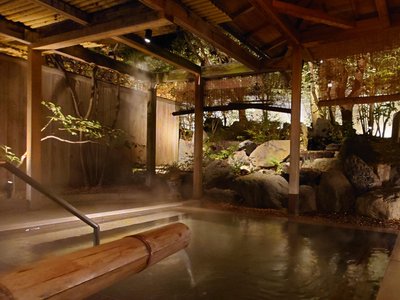
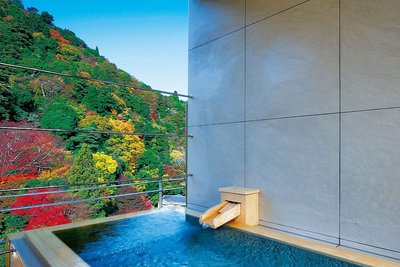
The highlights of Nosegawa Village include its breathtaking natural scenery and traditional cultural experiences. The Nosegawa River Valley is a popular spot for hiking and camping, with crystal-clear waters and rich forest ecosystems. Visitors can stay in traditional farmhouse lodgings to experience authentic rural life, participate in farming activities, or try handicrafts. Nearby hot springs provide a relaxing retreat, perfect after a day of hiking.
Food Guide
In Nosegawa Village, visitors can savor authentic countryside cuisine. Wild vegetable dishes are a local specialty, featuring seasonal ingredients like fern sprouts and bamboo shoots, often paired with locally grown rice or soba noodles. Wild mushrooms are a highlight in autumn, harvested and prepared by villagers in traditional Japanese styles. Don’t miss the irori grill experience, where food is cooked over a traditional hearth.
Transportation Guide
Nosegawa Village is accessible primarily by bus or car. From Nara or Osaka, take the JR train to Gojo Station, then transfer to a bus to Nosegawa (approx. 2 hours). The village has no train service, and buses are infrequent, so check schedules in advance. Renting a car is more flexible, with free parking available. Note that some mountain roads may close in winter due to snow—check weather forecasts before traveling.
Best Time to Visit
The best times to visit are spring (April–May) and autumn (September–November). Spring offers cherry blossoms and mild weather, while autumn features vibrant foliage. Summer (June–August) is humid but great for escaping the heat. Winter (December–February) is cold with possible snowfall, ideal for snowscapes but with limited transportation.
Travel Tips
- Respect local customs: Nosegawa is a traditional village—remove shoes when entering homes or shrines.
- Eco-consciousness: The village prioritizes nature preservation—avoid littering or damaging plants.
- Transport planning: Buses are limited—plan ahead or rent a car.
- Cash readiness: Most places accept only cash, with few ATMs.
- Clothing tips: Mountain weather is unpredictable—pack warm layers in autumn/winter.
- Language: English is rarely spoken—learn basic Japanese or use translation apps.
Useful Information
Language: Japanese is primary; English is rare—bring a translator or learn basic phrases. Internet: Wi-Fi is limited;山区信号不稳定—download offline maps. Payments: Cash is king; cards are accepted sparingly. Medical care: Facilities are limited—the nearest hospital is in Gojo; pack medications and travel insurance. Emergency contacts: Police (110) and ambulance (119) services are based in the village center.









