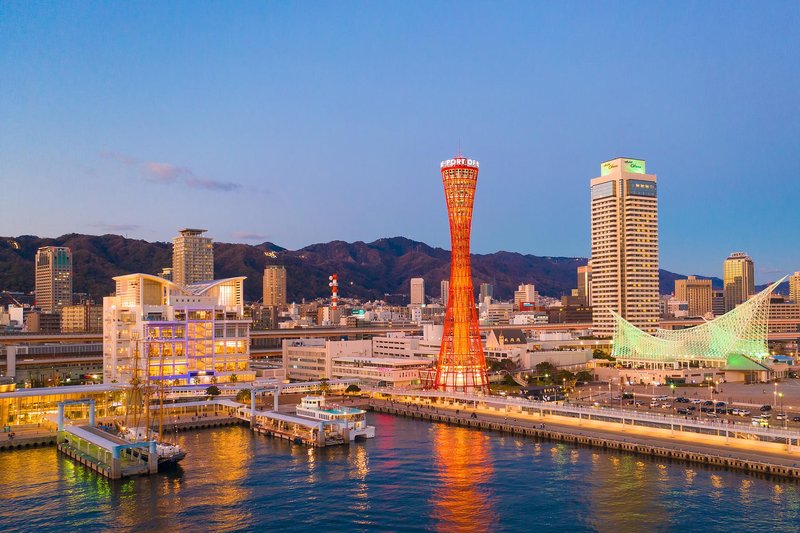
Hotels in Noto
Discover your perfect stay in Noto.
Noto(Japan) Travel 2026: Cheap Flights, Hotels & Top Attractions
Popular Landmarks in Noto
Discover the most iconic attractions in Noto
Recommended Hotels in Noto
Find the perfect place to stay in Noto
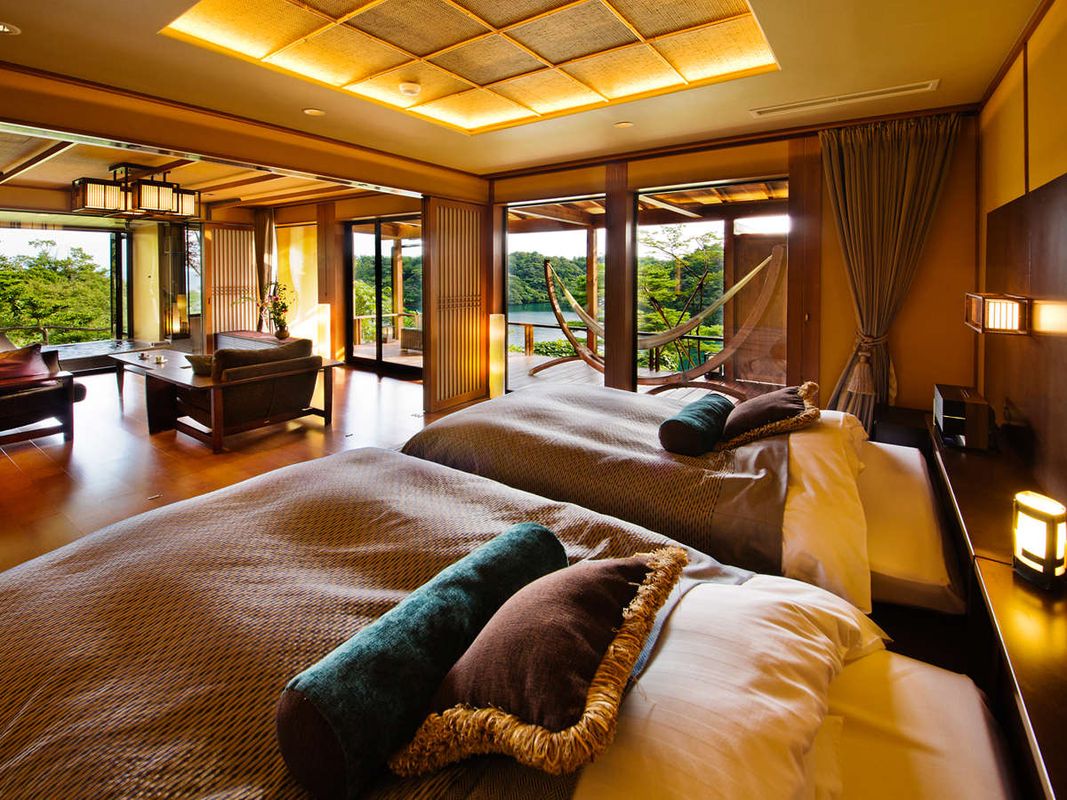
Noto Hyakurakusou
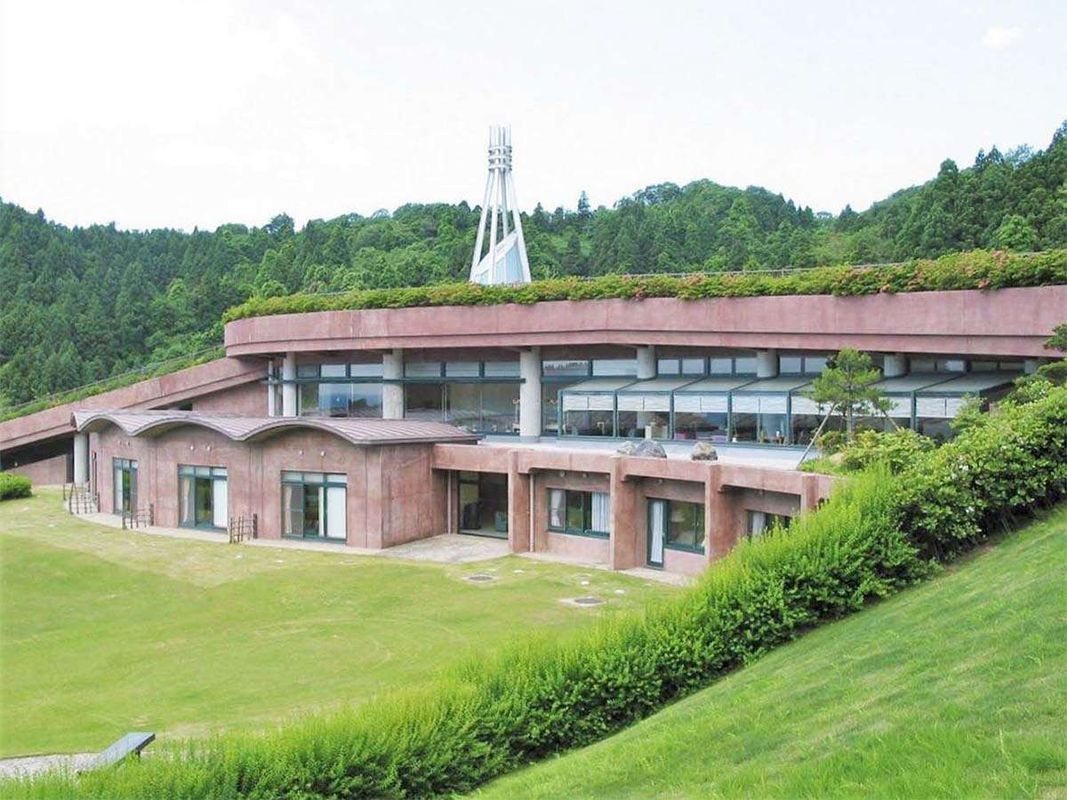
Mawaki Pole Pole
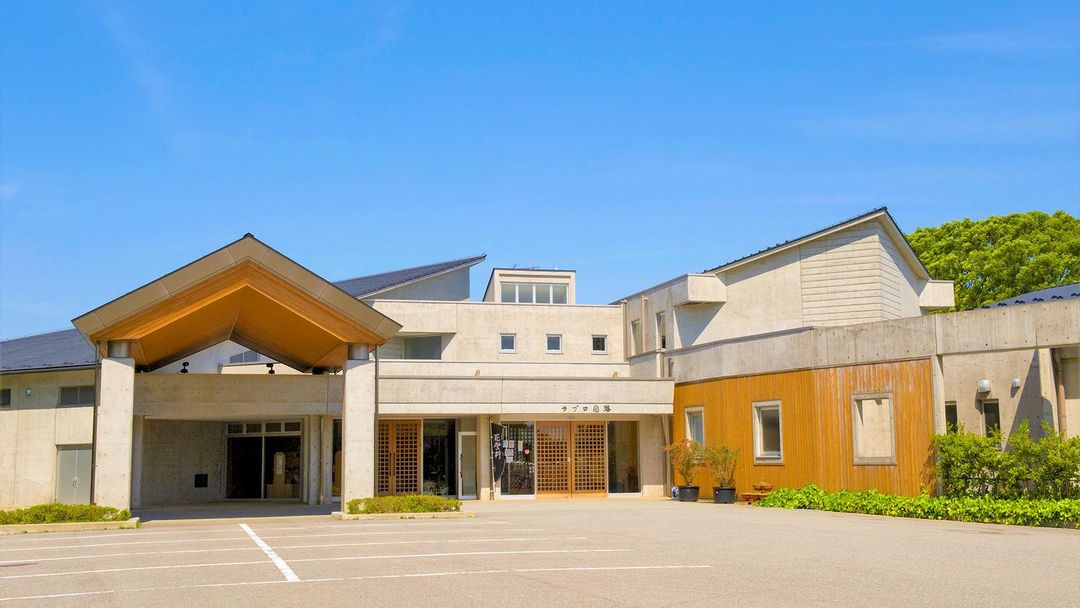
Lovero Koiji
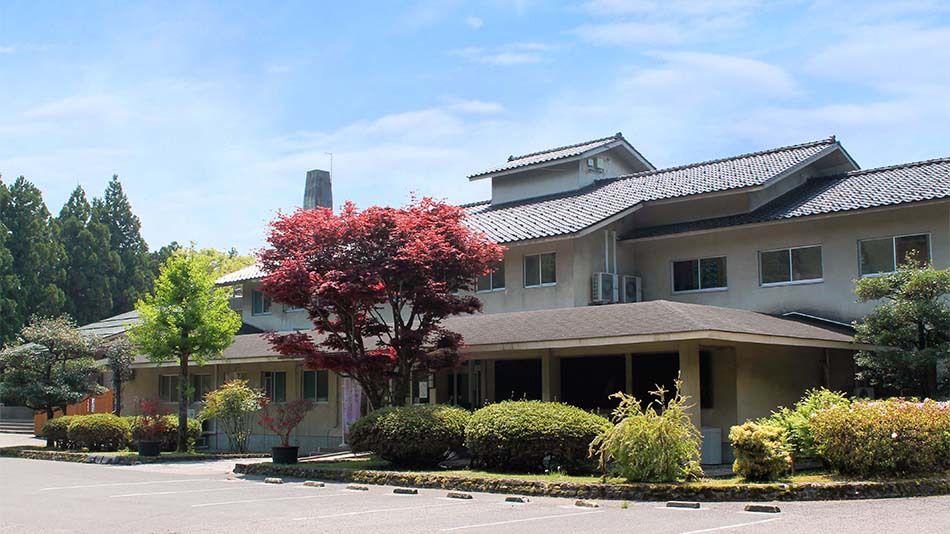
Noto Ushitsusou
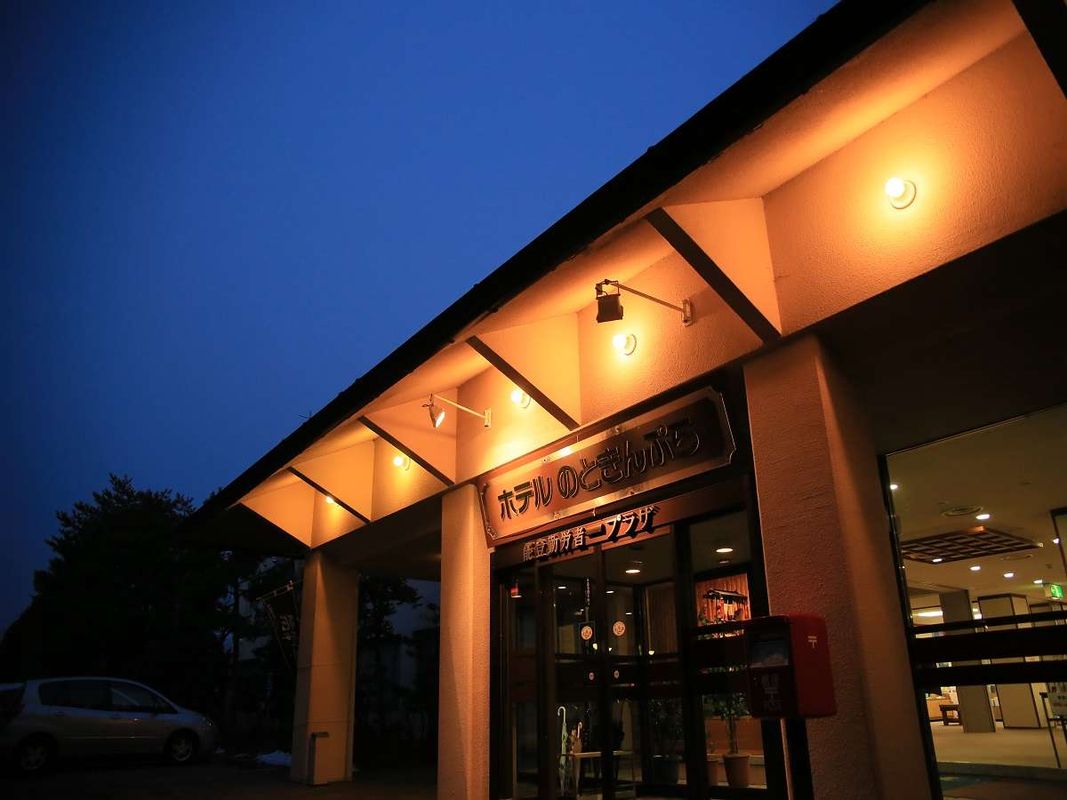
Hotel Noto Kinpura
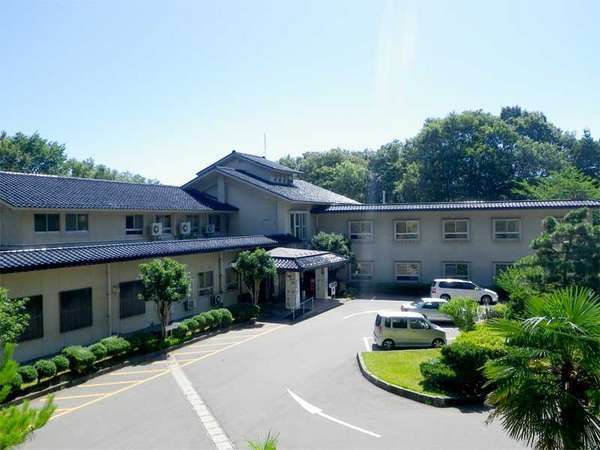
Yanagidasou
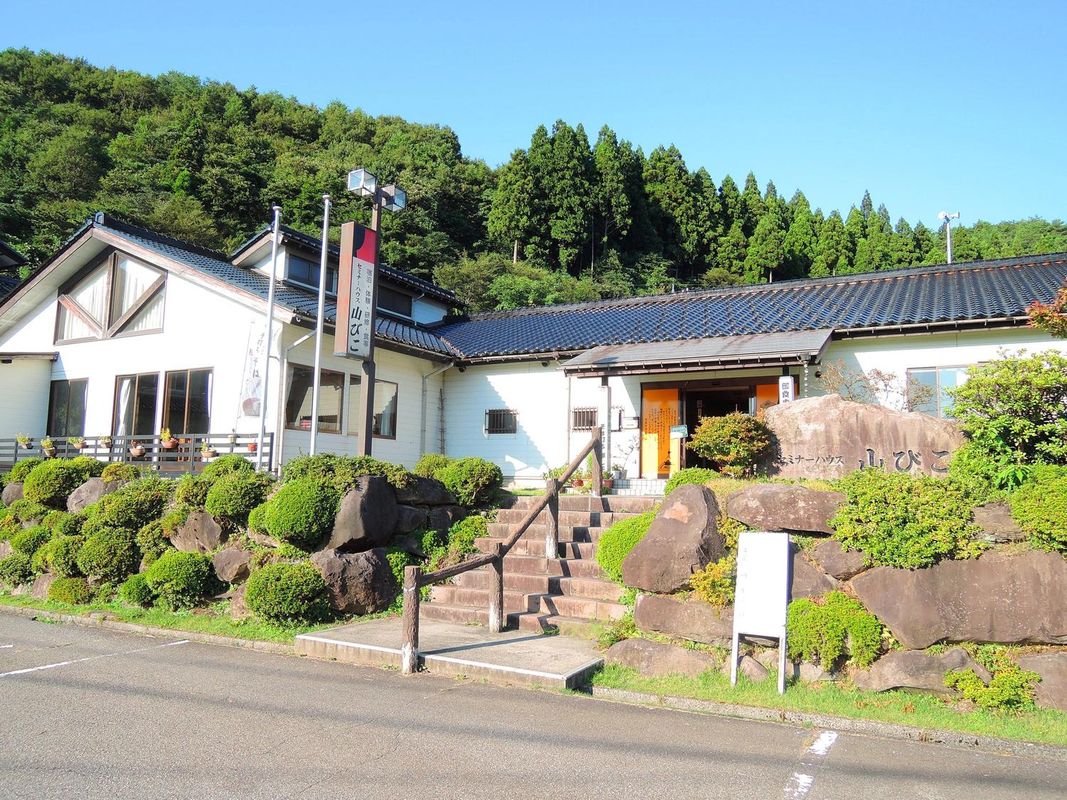
Seminar House Yamabiko
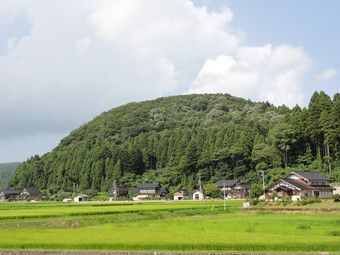
Shunran No Yado
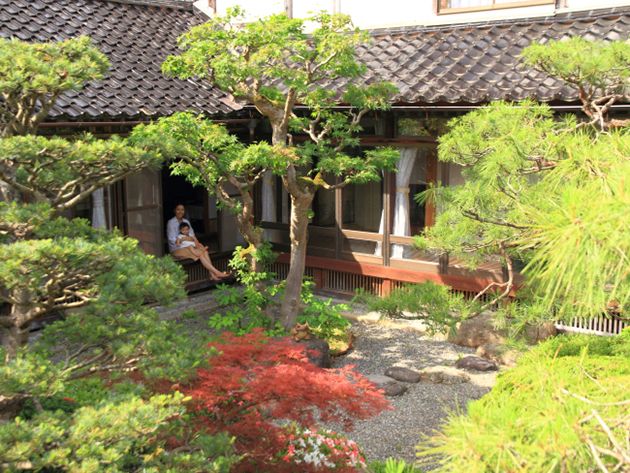
Noukaminshuku Yuka-an
Best Hotels in Noto
Discover curated hotel collections in Noto
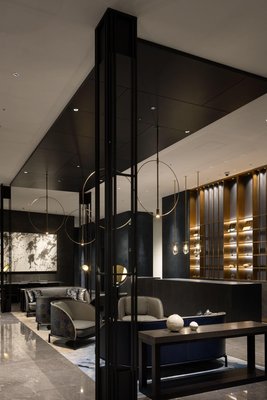
Bellustar Tokyo, A Pan Pacific Hotel
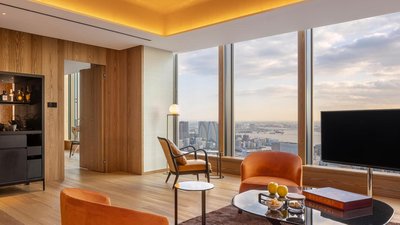
Bvlgari Hotel Tokyo
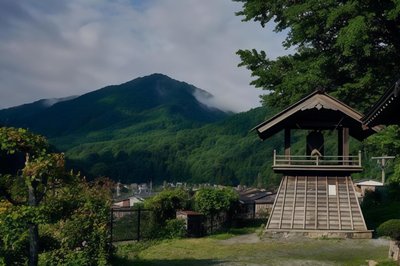
Byaku Narai
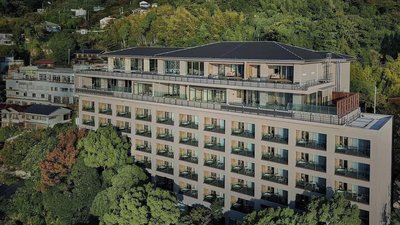
Atami Izusan Karaku
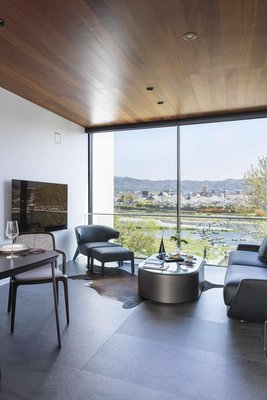
Kamo Residences by Reflections
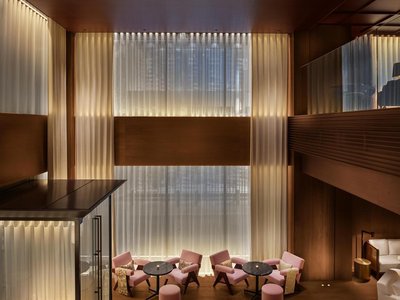
The Tokyo Edition, Ginza
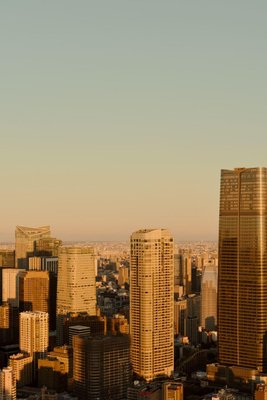
Janu Tokyo
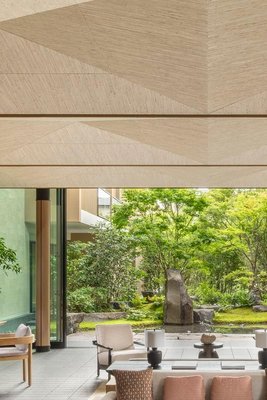
Six Senses Kyoto
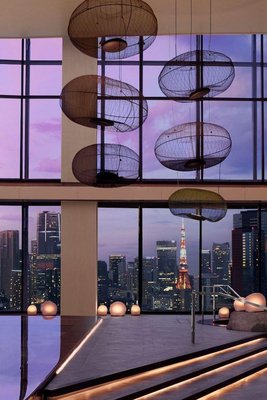
JW Marriott Hotel Tokyo
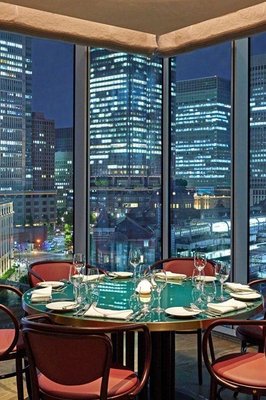
Four Seasons Hotel Tokyo at Marunouchi

Mandarin Oriental, Tokyo
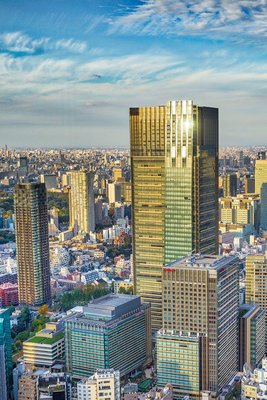
The Ritz-Carlton, Tokyo
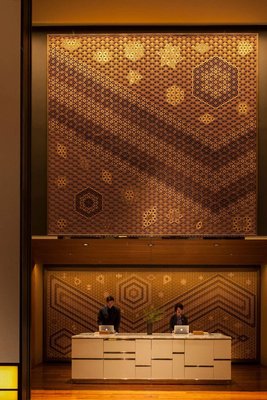
Andaz Tokyo Toranomon Hills- A Concept by Hyatt
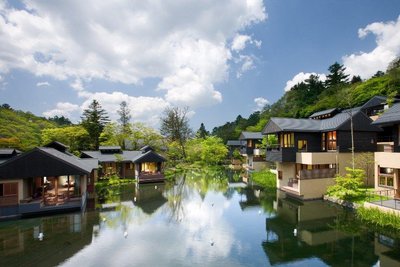
Hoshinoya Karuizawa
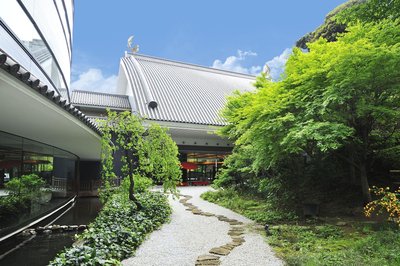
Hotel Gajoen Tokyo
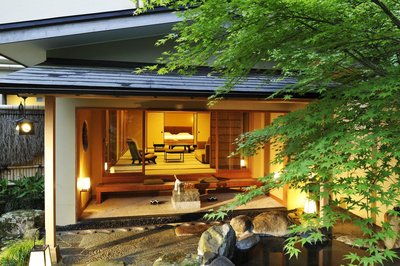
Gora Kadan
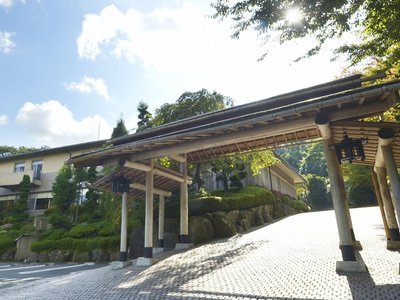
Gora Hanaougi
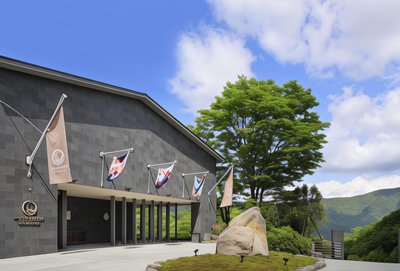
The Hiramatsu Hotels & Resorts Sengokuhara Hakone
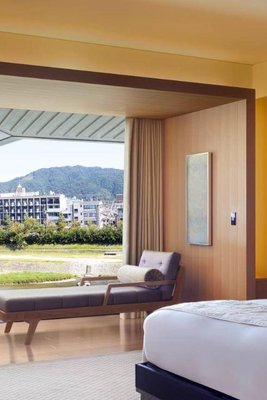
The Ritz-Carlton, Kyoto
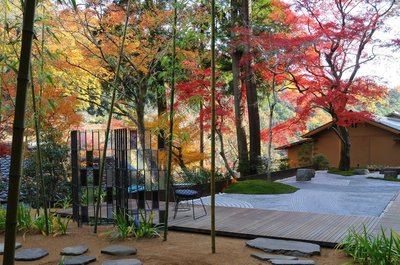
HOSHINOYA Kyoto
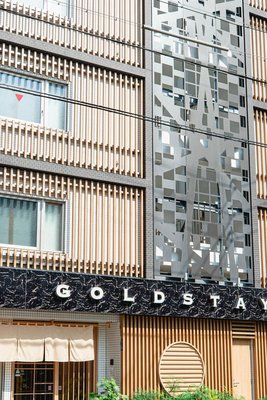
Gold Stay Nagoya OSU
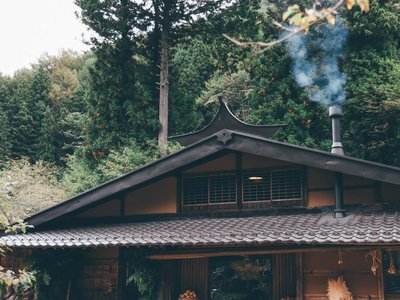
La Terra Resort
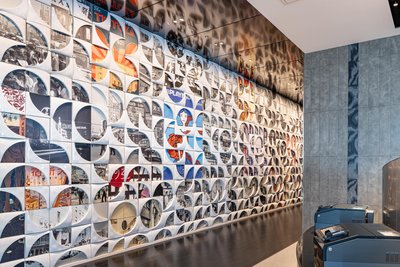
HOTEL GROOVE SHINJUKU, A PARKROYAL Hotel
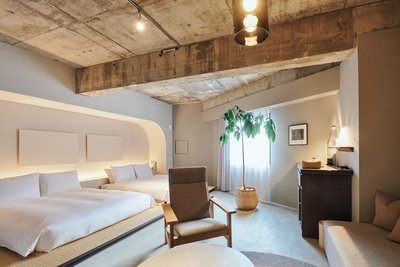
Korinkyo

EN Resort Grandeco Hotel
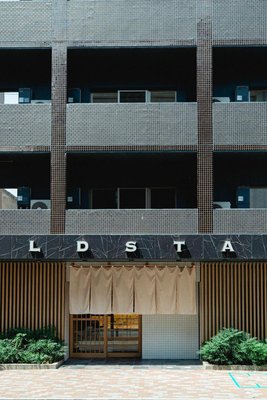
GOLD STAY Nagoya Sakae
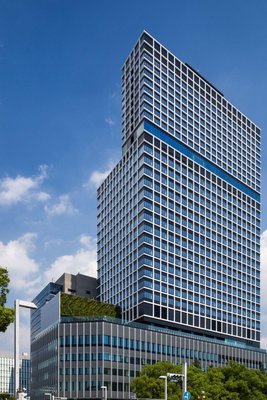
The Royal Park Hotel Iconic Nagoya
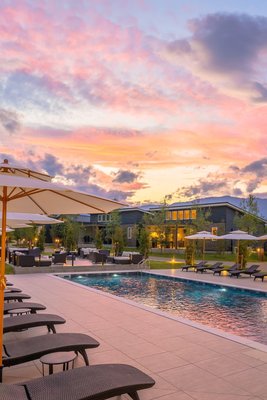
Awaumi Fujikawaguchiko Resort
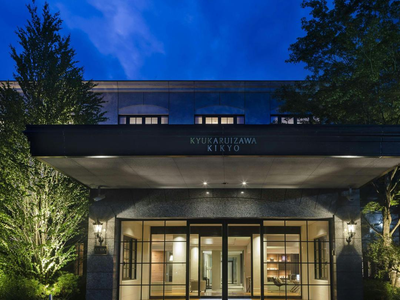
Fufu Karuizawa Wind of Sunshine
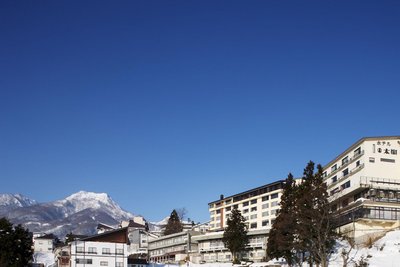
Hotel Taiko, Akakura Onsen
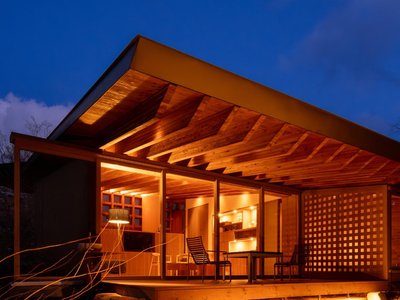
Nasu Mukunone
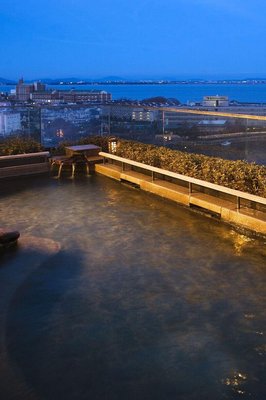
Yumotokan
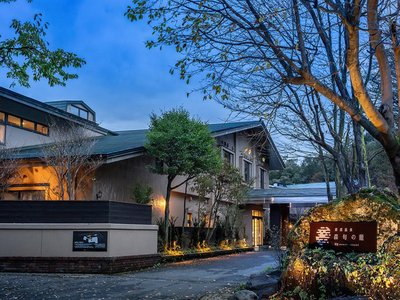
Nasu Onsen Shinshun no Kago Hewitt Resort
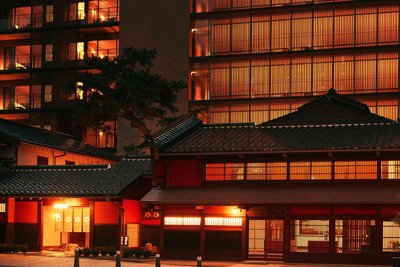
Hoshino Resorts Kai Kaga
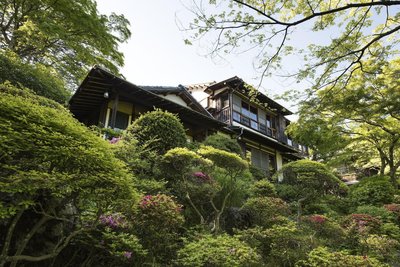
Gora Kansuiro
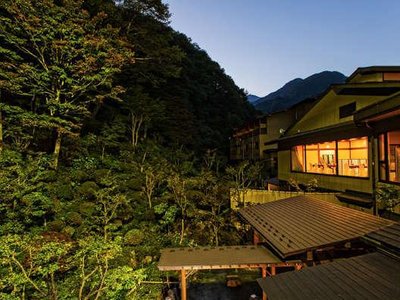
Futari Shizuka
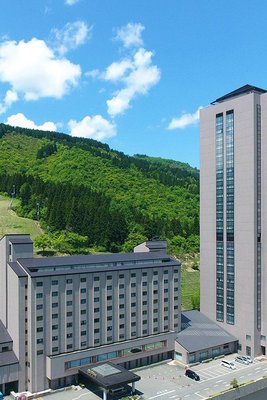
Naspa New Otani

Taikyourou
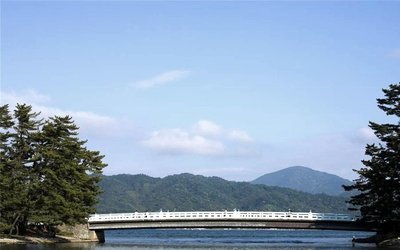
Monjusou Shourotei
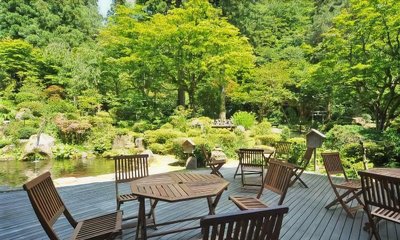
Choseikan
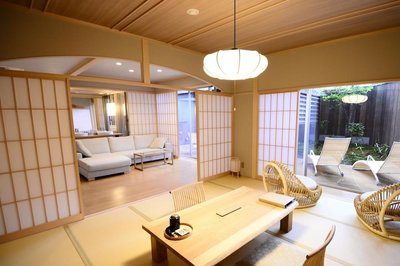
Hakone Gora Byakudan
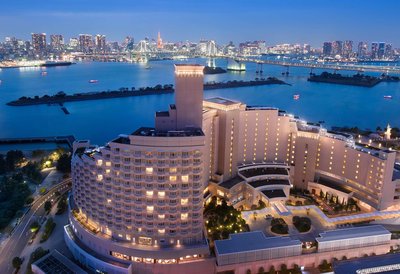
Hilton Tokyo Odaiba
JW Marriott Hotel Tokyo
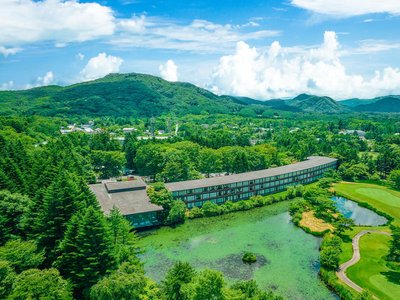
The Prince Karuizawa
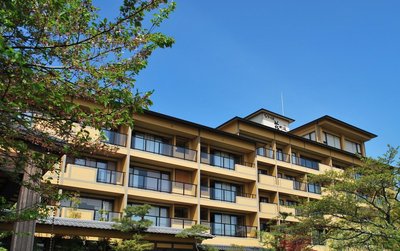
BIWAKO HANAKAIDO
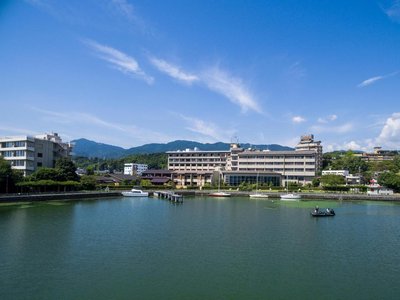
Biwako Ryokusuitei
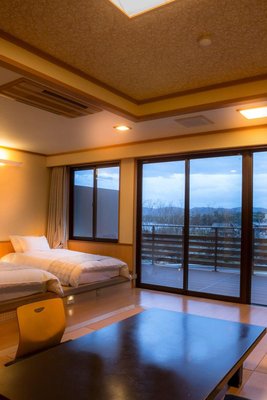
Hotel Kitanoya

The Kukuna
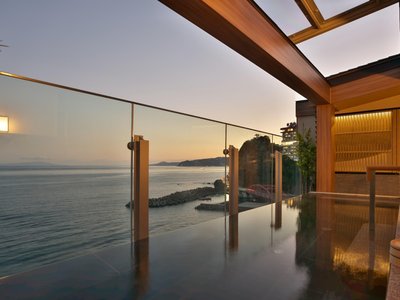
Hotel New Sagamiya
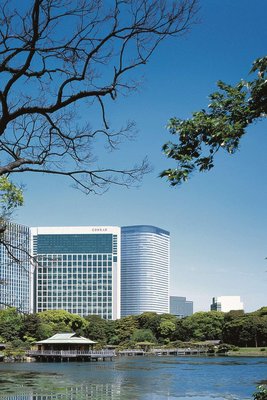
Conrad Tokyo
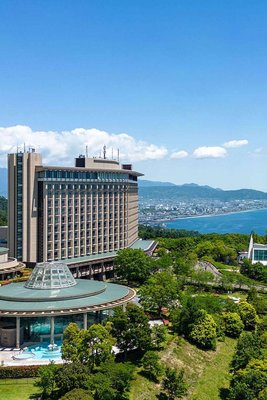
Hilton Odawara Resort & Spa
Hoshinoya Karuizawa
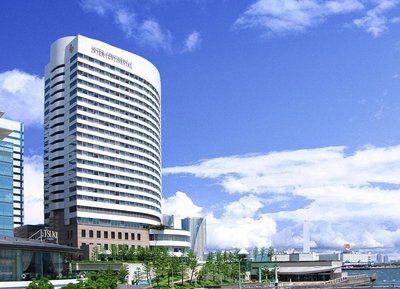
InterContinental Tokyo Bay
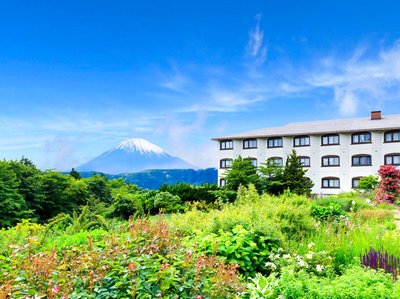
Hotel Green Plaza Hakone
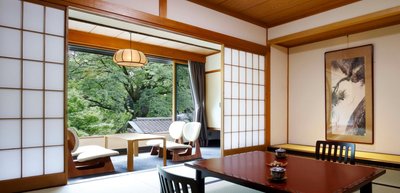
Yoshiike Ryokan
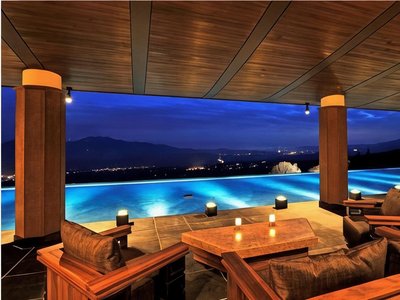
Akakura Kanko Hotel
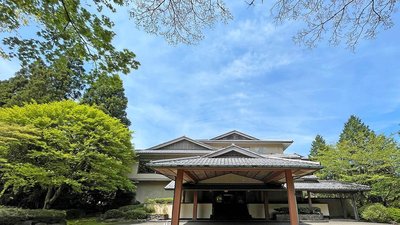
Ryuguden
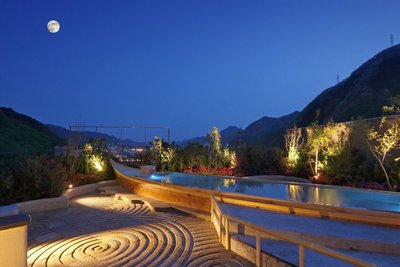
Asaya
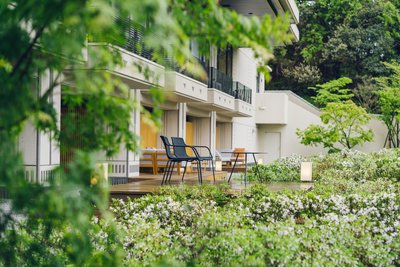
Hoshino Resorts Kai Enshu
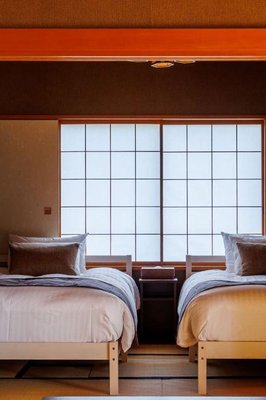
Sado Resort Hotel Azuma
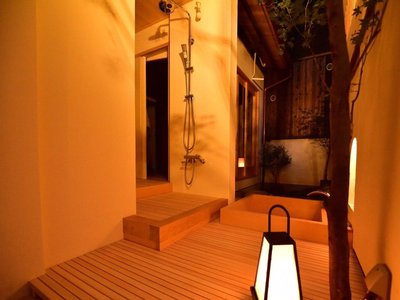
Yado Kiramachi
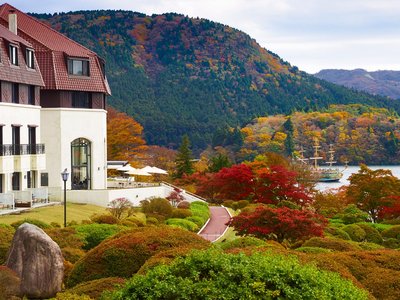
Hotakajyo
Auberge Suzukane

Onyado Nono Asakusa Bettei Hot Spring
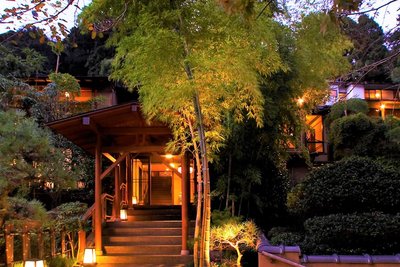
Shiki wo Ajiwau Yado Yamano Chaya
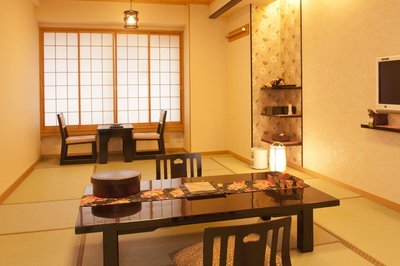
Matsui-Bekkan Hanakanzashi
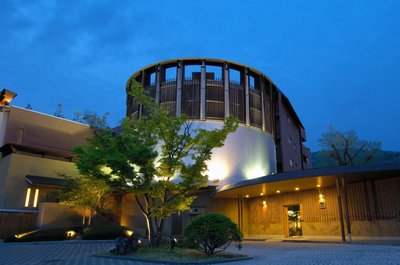
Hoshino Resorts Kai Matsumoto
Taikyourou
Monjusou Shourotei
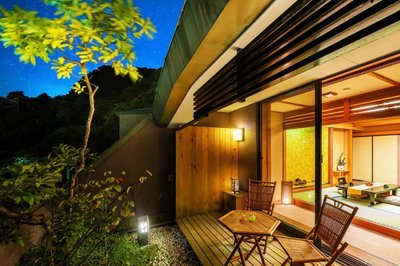
Konjakutei
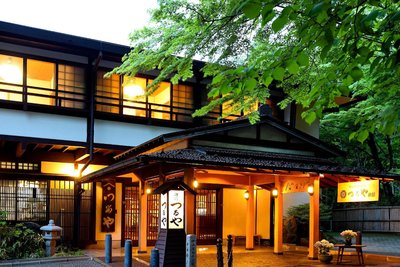
Tsuruya Ryokan
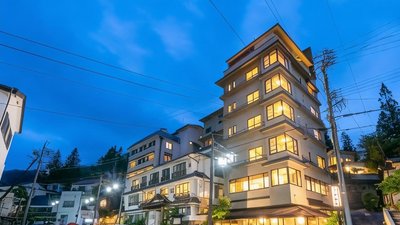
Nakamatsuya Ryokan
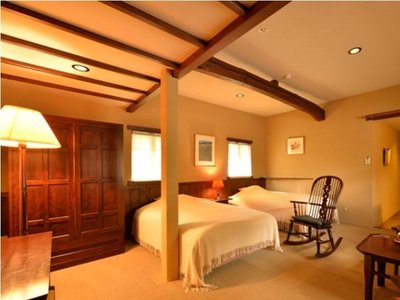
Ryokan Sugimoto
Yoshiike Ryokan
Hotel Gajoen Tokyo
Gora Hanaougi
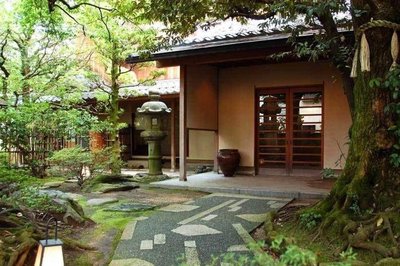
Kocho
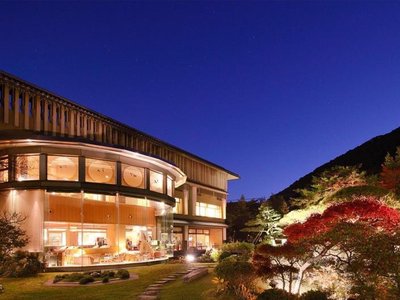
Shikisai Ichiriki
Sado Resort Hotel Azuma
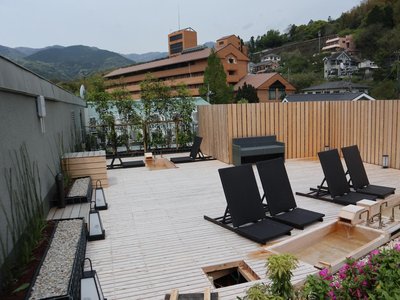
Fukiya Ryokan
Bellustar Tokyo, A Pan Pacific Hotel
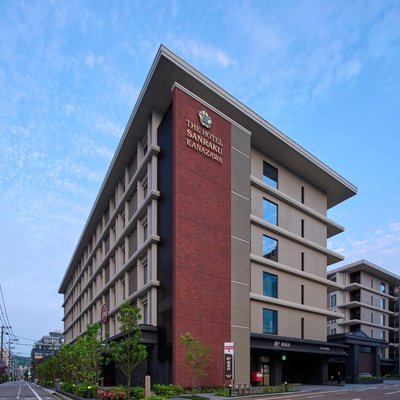
The Hotel Sanraku Kanazawa 21th December 2022 Open
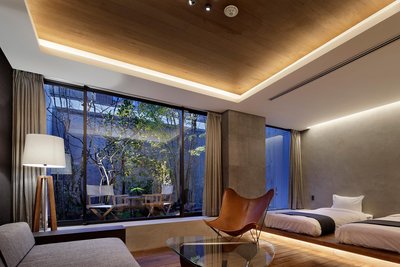
22 PIECES
JW Marriott Hotel Tokyo
Andaz Tokyo Toranomon Hills- A Concept by Hyatt

The Thousand Kyoto
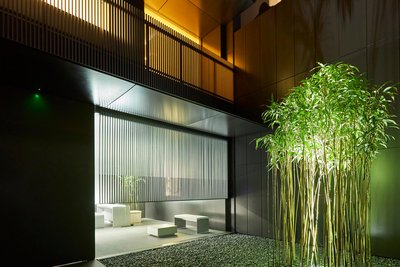
Mogana
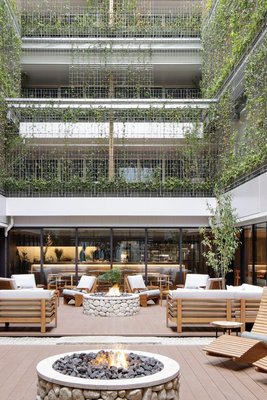
GOOD NATURE HOTEL KYOTO
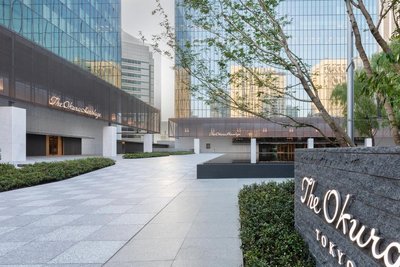
The Okura Tokyo
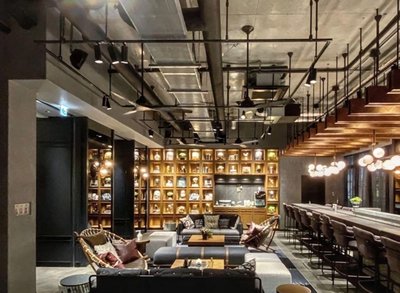
The Lively Azabujuban Tokyo
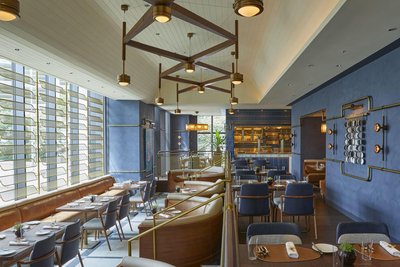
Kimpton Shinjuku Tokyo
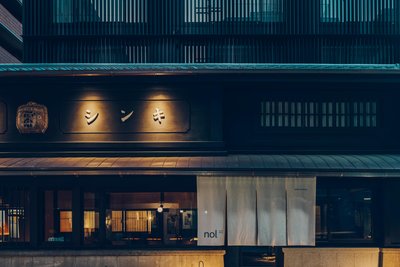
Nol Kyoto Sanjo

HOTEL K5
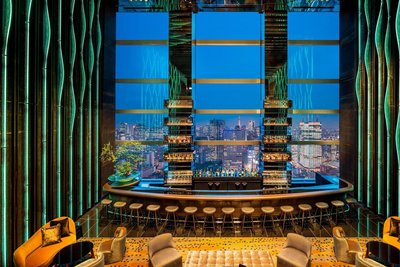
The Prince Gallery Tokyo Kioicho, a Luxury Collection Hotel
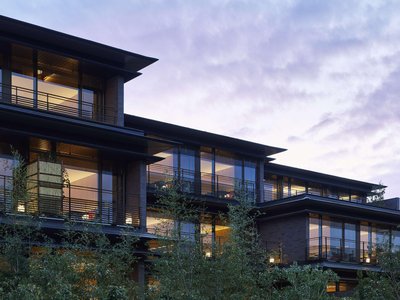
Garrya Nijo Castle Kyoto
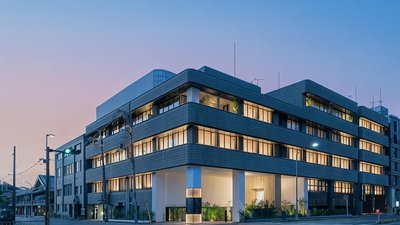
Hotel Kanra Kyoto
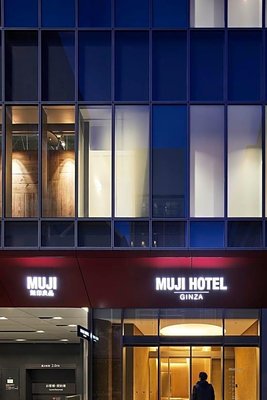
Muji Hotel Ginza
Hakone Gora Byakudan
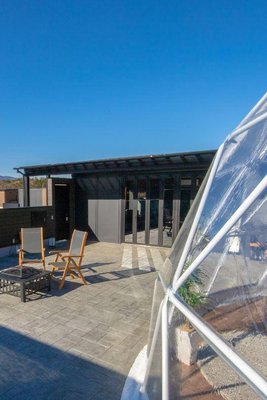
Panoramic Mt. Fuji Views from All Rooms – Vision Glamping Resort & Spa Yamanakako
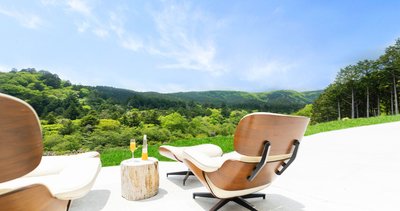
Shelter Garden Nikko
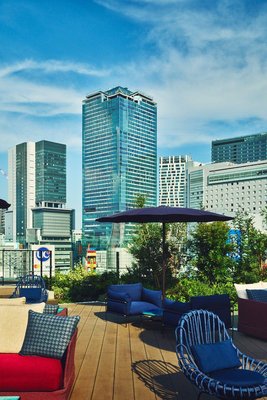
Hotel Indigo Tokyo Shibuya
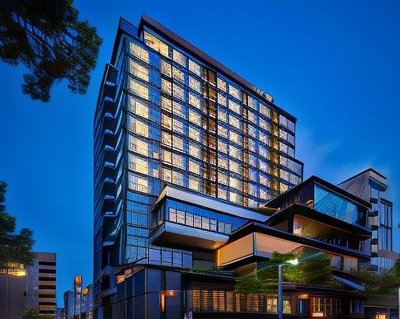
TIAD, AUTOGRAPH COLLECTION
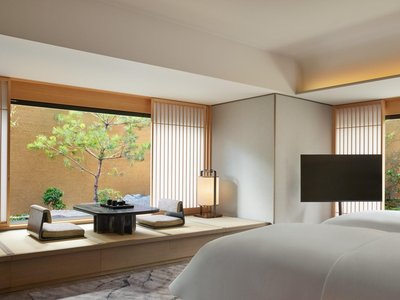
Dusit Thani Kyoto
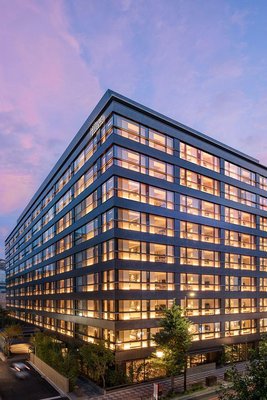
Hilton Kyoto
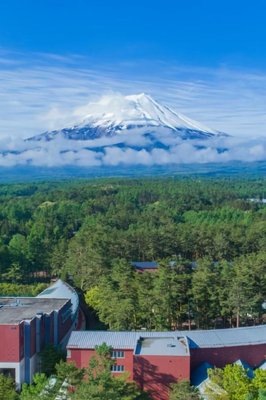
Forest Village (Fuji Premium Resort)
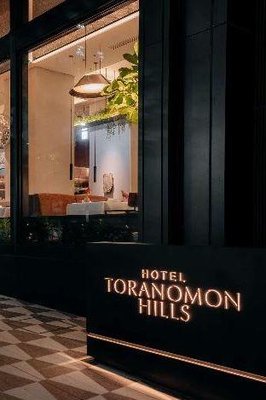
Hotel Toranomon Hills
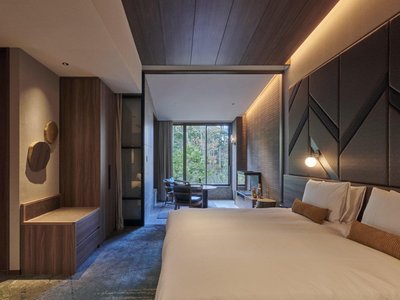
Fufu Kyu-Karuizawa Restful Forest
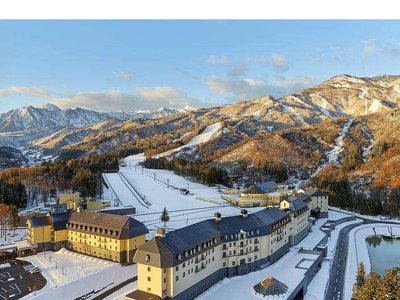
Lotte Arai Resort
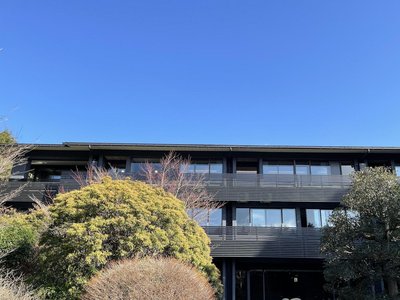
Sengokubara Cocon
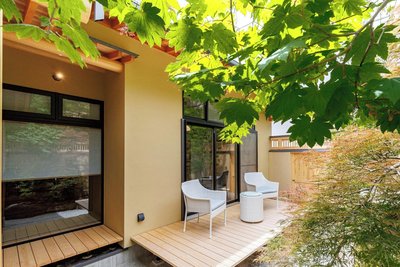
Shoraiso
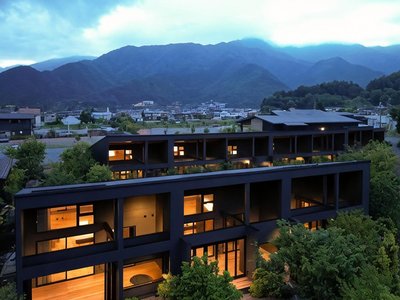
7C Villa and Winery
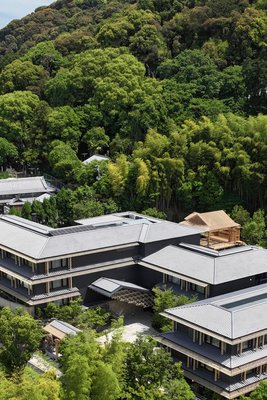
Banyan Tree Higashiyama Kyoto

Hotel la Vigne Hakuba by Onko Chishin
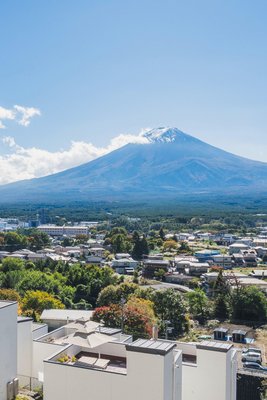
THE TOKI FujiKawaguchiko
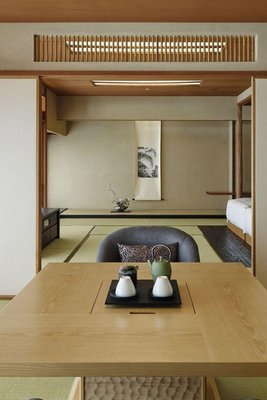
Takanawa Hanakohro (in Grand Prince Hotel Takanawa)
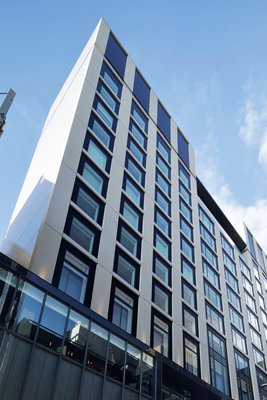
Hyatt Centric Ginza Tokyo
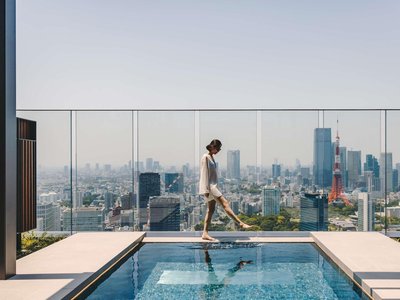
Fairmont Tokyo
Bvlgari Hotel Tokyo
Four Seasons Hotel Tokyo at Marunouchi
Mandarin Oriental, Tokyo
The Ritz-Carlton, Tokyo
Andaz Tokyo Toranomon Hills- A Concept by Hyatt
Gora Kadan
The Ritz-Carlton, Kyoto

Hotel New Otani Tokyo the Main
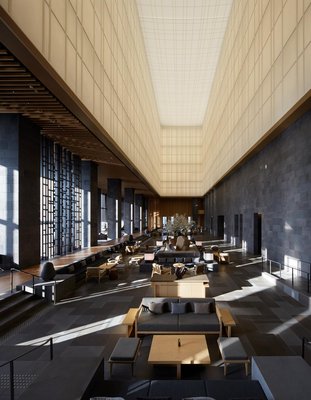
Aman Tokyo
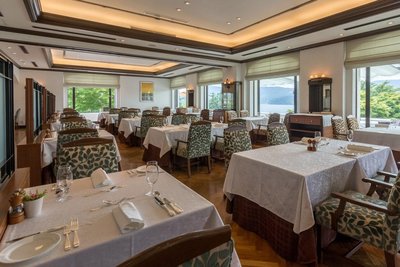
Odakyu Hotel de Yama
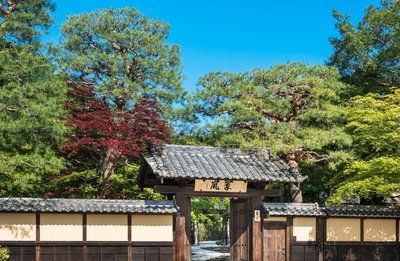
Suiran, a Luxury Collection Hotel, Kyoto
GOOD NATURE HOTEL KYOTO
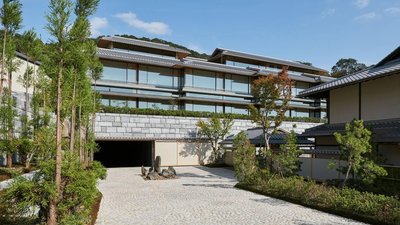
Park Hyatt Kyoto
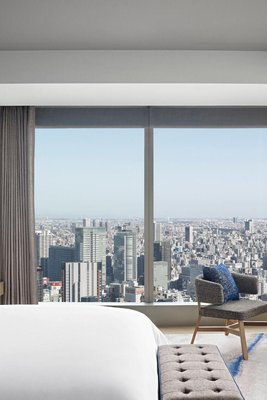
Four Seasons Hotel Tokyo at Otemachi
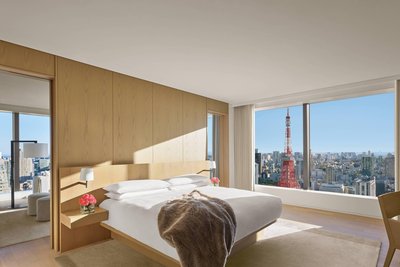
The Tokyo Edition, Toranomon
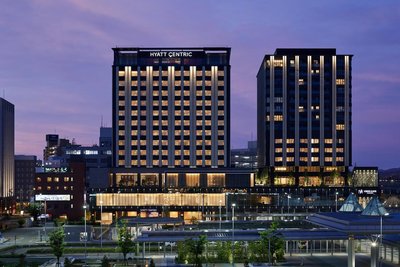
Hyatt Centric Kanazawa
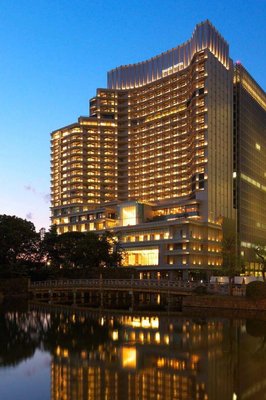
Palace Hotel Tokyo
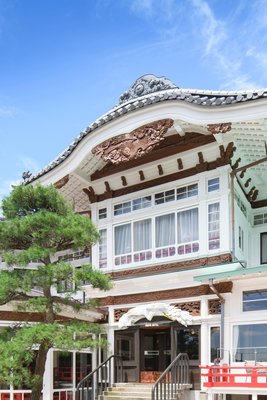
Fujiya Hotel
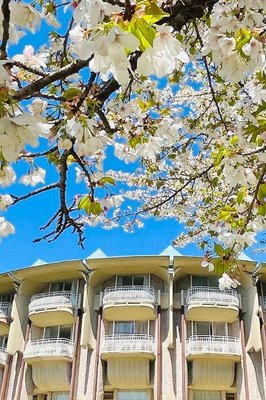
The Prince Hakone Lake Ashinoko
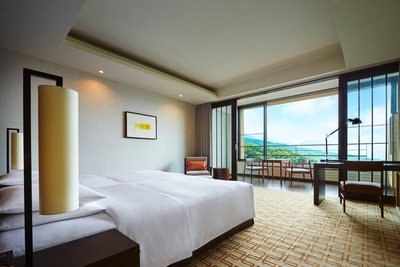
Hyatt Regency Hakone Resort and Spa
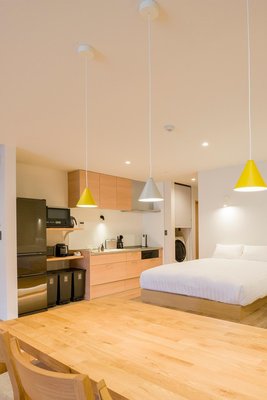
Rakuten STAY VILLA Nasu
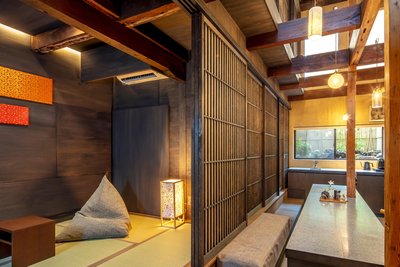
Kyo No Oozora Kihana
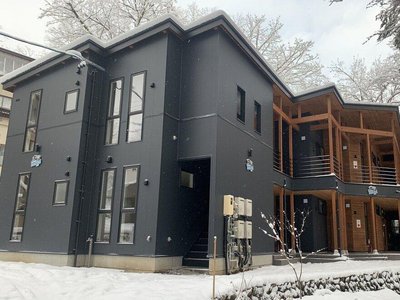
Hakuba Gondola Apartments
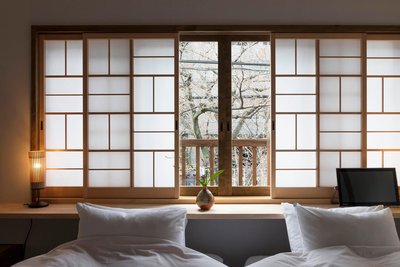
Hanagoromo Machiya House
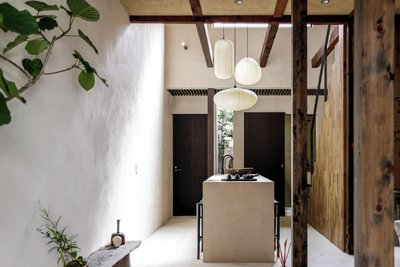
Maana Kiyomizu
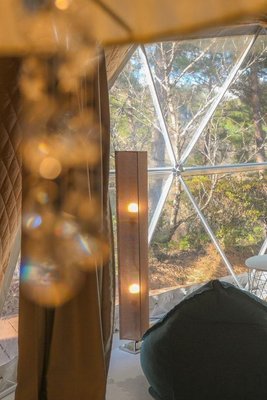
glampark Gekkabijin Nagano
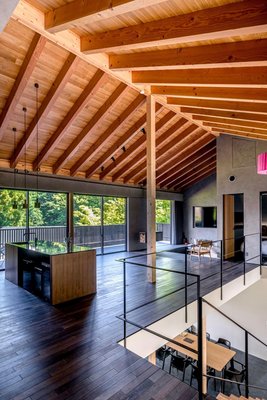
MONS GORA
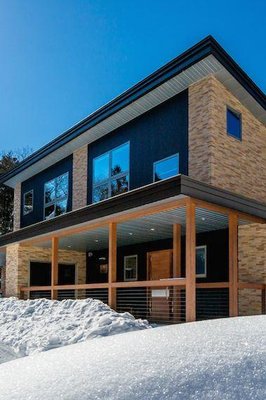
Phoenix Chalets by Hhg
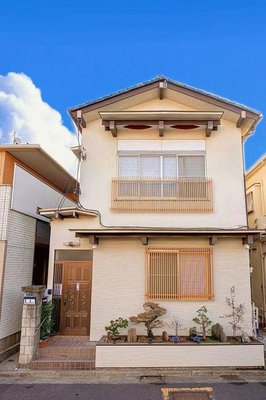
Tokyo Star House-Shinkoiwa
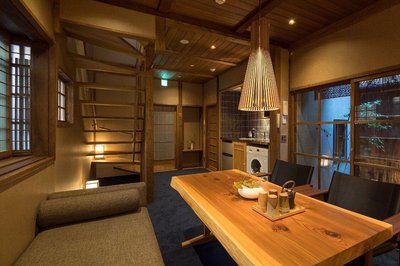
Bonbori an Machiya House
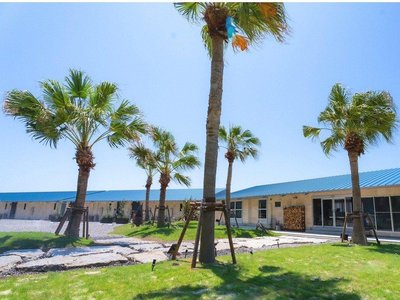
Glamping&Resort Wood Design Park Noma
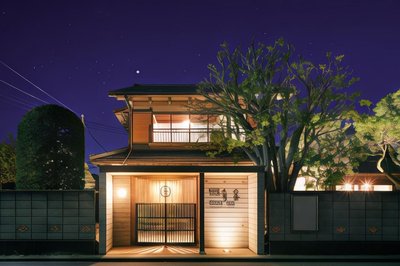
Machi-Jyu
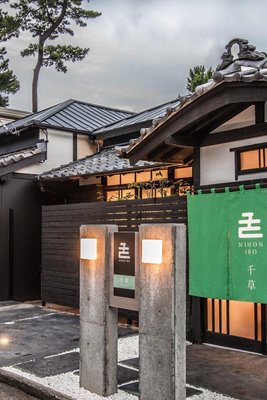
Nihon Iro
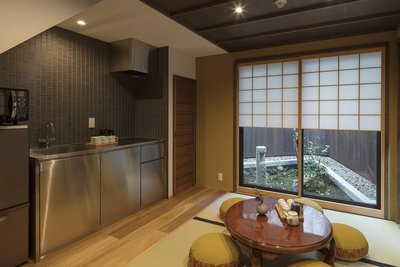
The Machiya Villa Sanjo Shirakawa Koji
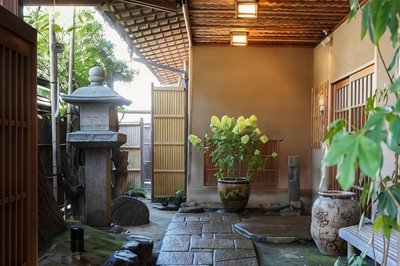
Ryokan Asadaya
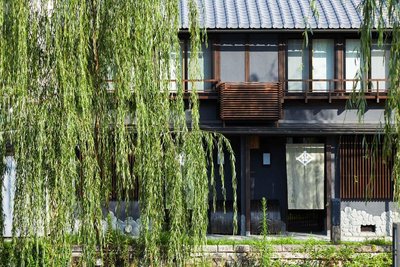
Gion Shirakawa No Yado

Kitashirakawa Natural Radium Onsen
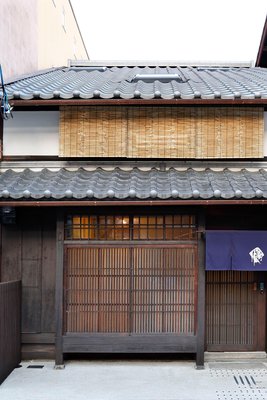
Kyo No Ondokoro Kamanza Nijo #2
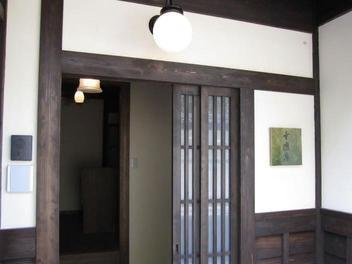
Gion Koyu an Machiya House
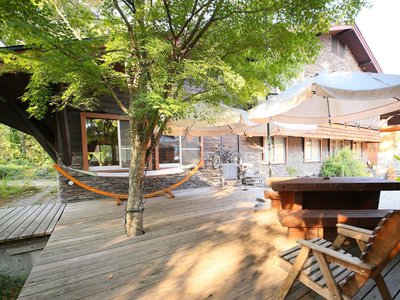
Kunugi Relaxation with 4 Modern Rooms
Frequently Asked Questions about Traveling to Noto
Questions You Might Need to Know About Traveling to Noto
In Noto Town, stay at Noto Peninsula Cottage, where guests can join daily sea woman (ama) tours to witness traditional shellfish harvesting. The inn also offers hands-on lacquerware workshops at the Noto Lacquer Art Museum, crafting your own mini box using centuries-old techniques. Each evening features a traditional tea ceremony with local matcha and wagashi, accompanied by live performances of Tsuwano flute music. During spring, participate in the Hanami Festival, enjoying picnics under cherry blossoms with seasonal kaiseki meals, immersing yourself in the rhythm of nature and heritage.
The Ohno District (central Noto Town) is ideal for both convenience and scenic views. This historic district lies near Noto Airport and major sightseeing routes, with preserved Edo-period machiya houses lining Tekegawa Riverwalk. Stay at Noto Town Ryokan, a boutique guesthouse with a Zen-style garden blending rice paddies and dry landscape rockwork. From here, you’re steps away from Noto Peninsula Lighthouse and Kitagata Shrine, making it perfect for travelers seeking authentic culture and easy access to natural landmarks.
At Noto Farm Stay, enjoy full-immersion farm-to-table cuisine featuring fresh Tekegawa river fish, locally grown black bean rice, and pickled mountain vegetables. Breakfast includes handmade tofu and seasonal seaweed. Dinner is a custom Noto kaiseki meal prepared with ingredients harvested that day. Guests can take part in fish processing workshops and learn to cook clay-pot rice over a wood-fired kiln. During winter, attend the uni festival, savoring freshly harvested sea urchin with premium sake—experiencing "from sea to table" at its finest.
Yes, Noto Kids Nature House is a top choice for families. It features a dedicated children’s forest playhouse, eco-education garden, and safe rice paddy walking trails. Kids can participate in ama storytime, shell mosaic art classes, and nighttime firefly watching. The property includes infant beds, child-sized utensils, and daily local dialect song sessions led by elders. With guided nature walks and interactive farming experiences, children learn through play while connecting deeply with Noto’s traditions.
Noto Onsen Spa stands out with mineral-rich waters sourced from 1,200 meters underground, rich in sulfur and beneficial for skin health. The resort uses all-wood architecture with open-air baths (rotenburo) offering panoramic views of the Tekegawa River and distant mountains. Experience the stargazing bath, open only at night under minimal light pollution. Some rooms include private onsen tubs and tatami living spaces, blending Japanese minimalism with modern comfort—ideal for relaxation amid serene surroundings.
Stay at Noto Snow Quiet House, nestled atop a 450-meter hill with regular snowfall from December to February. The retreat features heated indoor-outdoor spaces, kitchen hearths, and private onsen pools. Activities include snowshoe hikes, ice fishing on frozen Tekegawa River, and evening storytelling sessions about Noto woodcarving legends. At night, enjoy a snowlit tea ceremony by the fire, gazing at drifting flakes through large glass panels—perfect for tranquil winter escape.
Yes, Noto Light & Shadow Lodge is designed specifically for photographers. Inspired by the Noto Peninsula Lighthouse, the structure uses translucent glass and metal mesh to create dynamic light patterns. Each room features adjustable blackout curtains and floor-to-ceiling windows ideal for capturing sunrise over the river or twilight coastal scenes. The lodge hosts dawn photography excursions to Kitagata Shrine’s hilltop viewpoint and provides a darkroom for film development. Guests can print black-and-white photos on-site, preserving the quiet beauty of Noto in timeless form.
Noto Independent Design House is a standout among independent lodges. Housed in a repurposed elementary school, the building blends post-war concrete with exposed timber beams. Interior spaces feature movable partitions for flexible layouts, along with custom-built furniture and projected star ceilings. The shared space includes a book exchange corner and a hand-drawn map wall encouraging guest contributions. Surrounded by century-old pine forests and terraced fields, this eco-conscious retreat appeals to those seeking architectural uniqueness and harmony with nature.
Plan a 3-day cultural journey: Day 1 at Noto Town Ryokan with ama tour and lacquerware workshop; Day 2 at Noto Farm Stay for fish processing class and clay-pot rice cooking; Day 3 at Noto Onsen Spa for stargazing bath and tea ceremony. Daily activities include local dialect song lessons, evening river walks, and seasonal festival visits, paired with kaiseki dinners and regional sake tastings. Guided by local elders, this itinerary ensures deep engagement with Noto’s natural rhythms, history, and daily life.
For ultimate privacy, choose Noto Snow Quiet House, a secluded retreat set high above the valley with limited guest capacity. Each suite features private onsen tubs, indoor-outdoor fireplaces, and soundproofed walls. Guests enjoy personalized services like private chef dinners and customized nature walks. The property emphasizes silence and solitude, with no public Wi-Fi—only analog reading lamps and hand-carved wooden furnishings. Perfect for couples or solo travelers seeking spiritual renewal amidst untouched winter landscapes.
Noto Overview
City Summary
Noto-cho is located in the Noto Peninsula of Ishikawa Prefecture, Japan, renowned for its stunning natural landscapes and rich traditional culture. It offers some of Japan's most pristine fishing village scenery, abundant seafood, and unique Noto folk culture, making it an ideal destination for experiencing rural tranquility and tradition.
Must-See Attractions
Must-visit attractions in Noto-cho include Wajima Morning Market, one of Japan's three major morning markets, bustling with local charm; Senmaida Rice Terraces, a breathtaking sight; and Noto Kongo, with its dramatic coastline and unique rock formations. Additionally, Noto Folk Village provides deep insights into local traditional lifestyles.
Food Guide
Noto-cho is famous for its fresh seafood. Recommended dishes include Noto beef, Wajima-nuri bento, and the local specialty seafood bowl. Street food like grilled oysters and Noto don are also must-tries.
Transportation Guide
Transportation in Noto-cho primarily relies on buses and car rentals. Buses from Kanazawa or Toyama can take you to Noto-cho. Intra-city buses are limited, so check schedules in advance. Renting a car is the most flexible way to explore the Noto Peninsula, but be mindful of potential snow in winter.
Best Time to Visit
The best times to visit are spring (April-May) and autumn (September-November), when the weather is pleasant and the scenery is stunning. Summer (June-August) is lively but humid, while winter (December-February) is cold and snowy.
Travel Tips
- Respect local culture: Noto-cho has many traditional ceremonies; observe quietly and respectfully.
- Plan transportation: Bus schedules are limited, so plan ahead.
- Dress appropriately: Warm clothing is needed in winter, and sun protection in summer.
- Carry cash: Some small shops may not accept credit cards.
- Eco-consciousness: Noto-cho's natural beauty is pristine; avoid littering.
Useful Information
Language: Japanese is the primary language; English is not widely spoken, so learn basic phrases or use a translation app. Internet: Wi-Fi is available in urban areas but may be weak in rural spots. Payment: Cash is preferred, though some shops accept cards. Emergency: Noto-cho has small clinics, but serious cases may require hospitals in Kanazawa or Toyama.