Hotels in Obama
Discover your perfect stay in Obama.
Obama(Japan) Travel 2026: Cheap Flights, Hotels & Top Attractions
Popular Landmarks in Obama
Discover the most iconic attractions in Obama
Recommended Hotels in Obama
Find the perfect place to stay in Obama
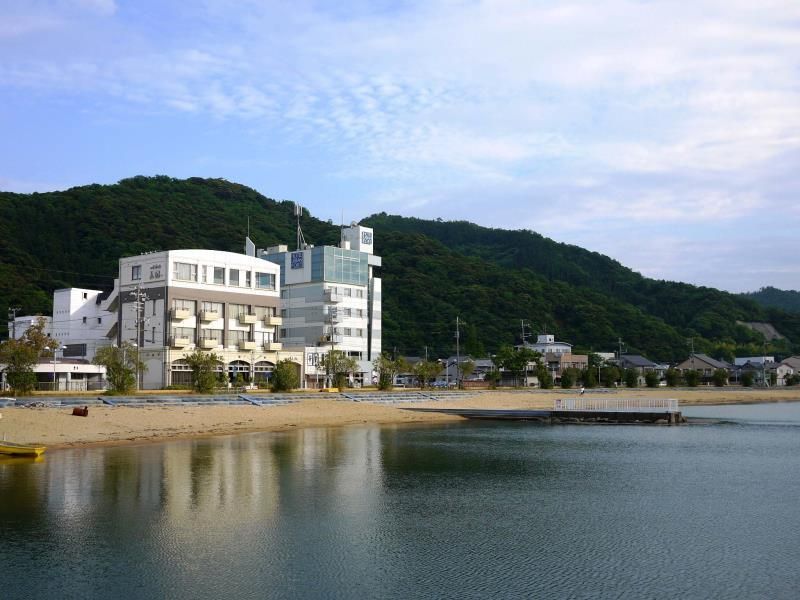
Hotel Hanatsubaki
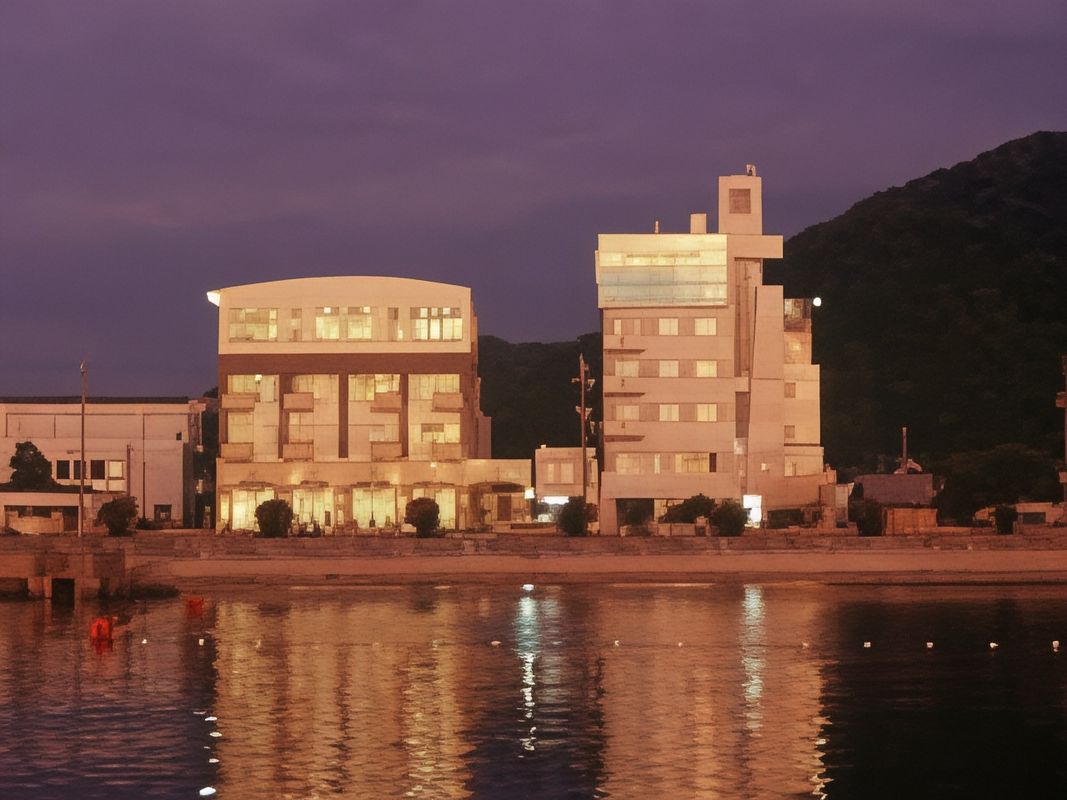
Hotel Urban Port
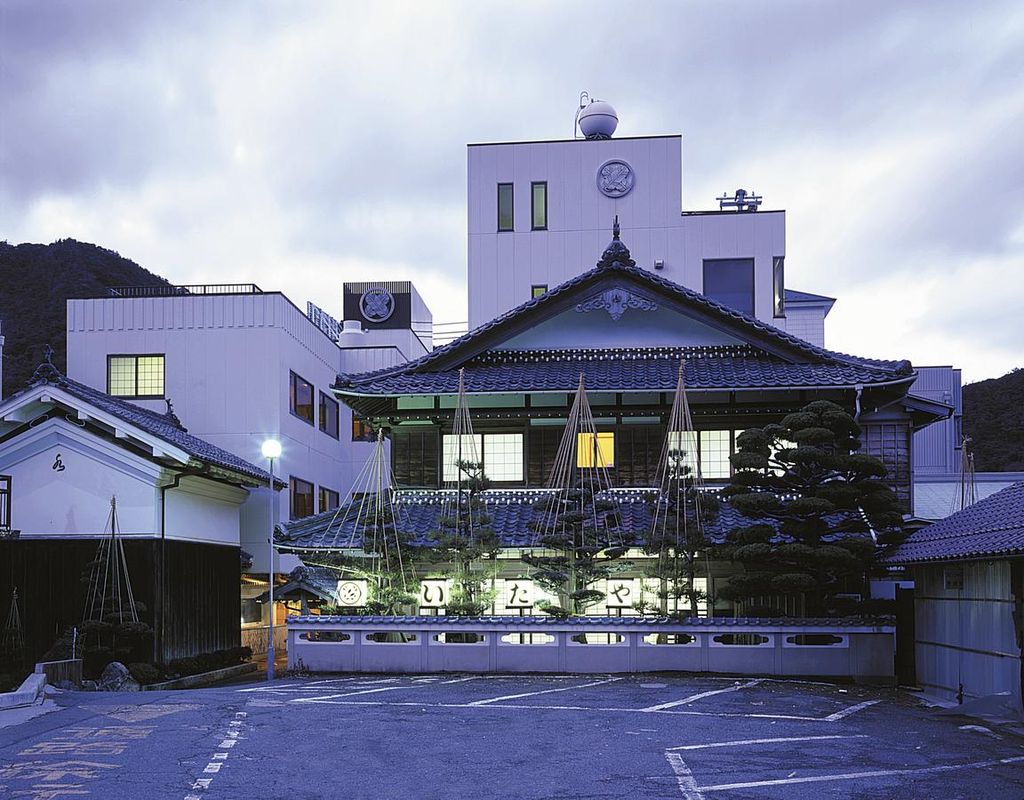
Itaya Ryokan
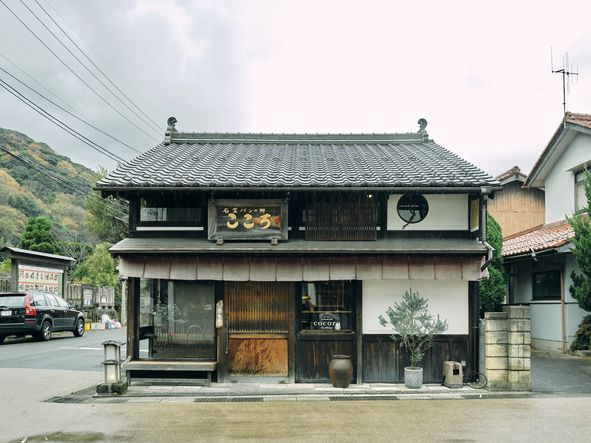
Obama Machiya Stay
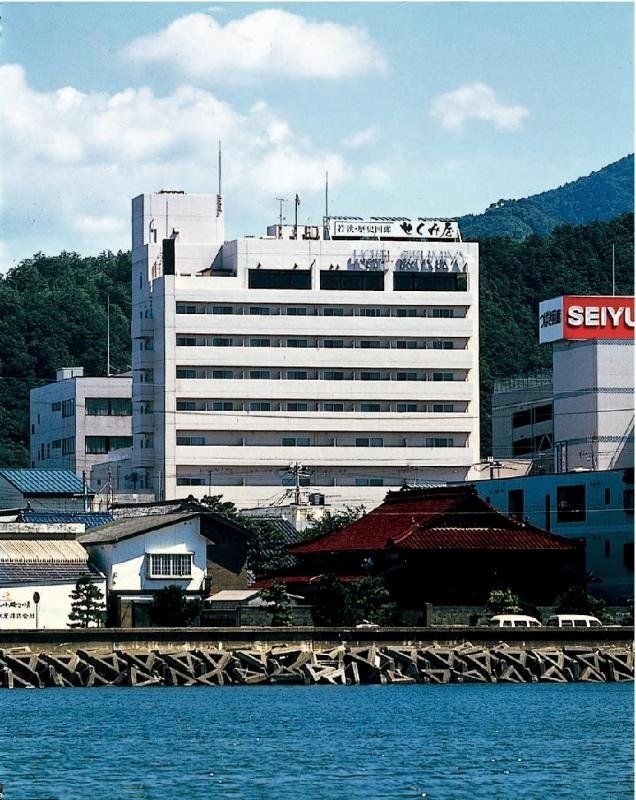
Hotel Sekumiya
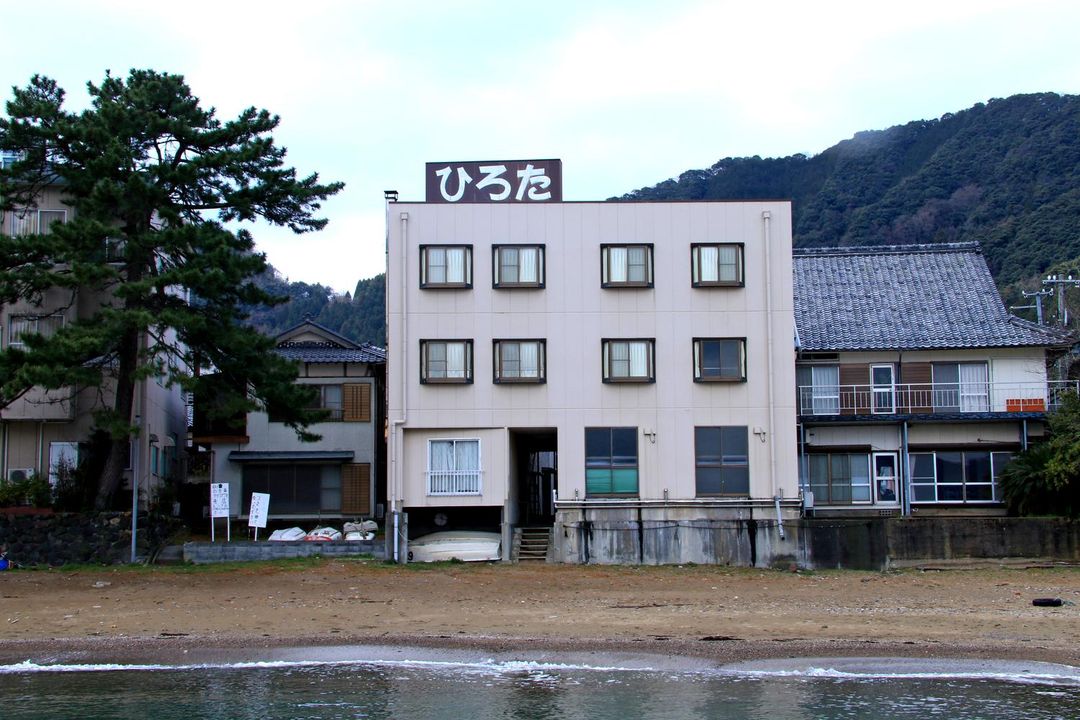
Tabi wo Kanaderu Hirota
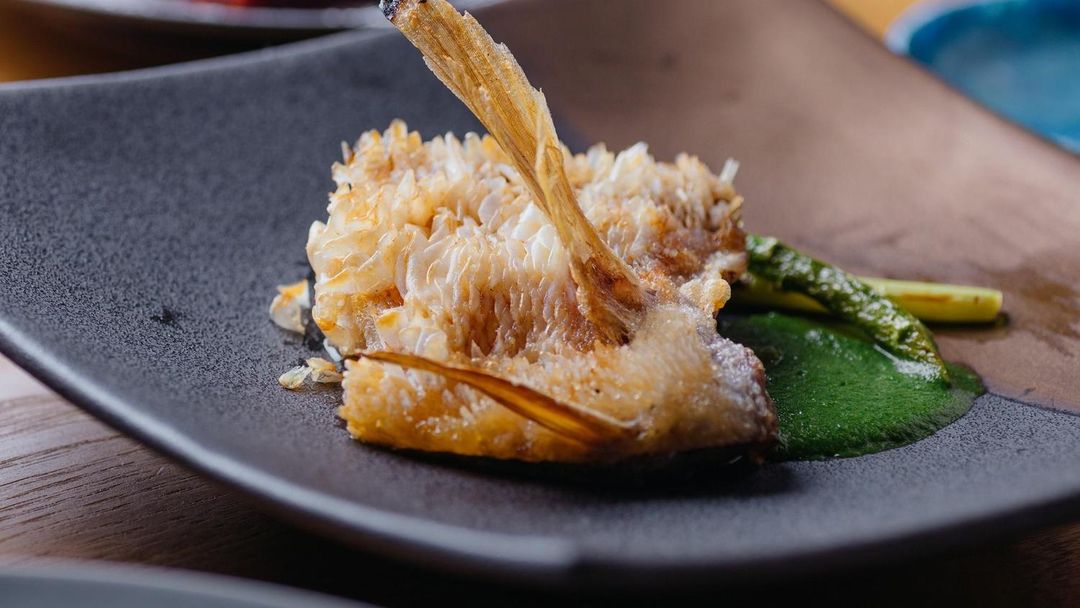
sea-auberge shitsumi
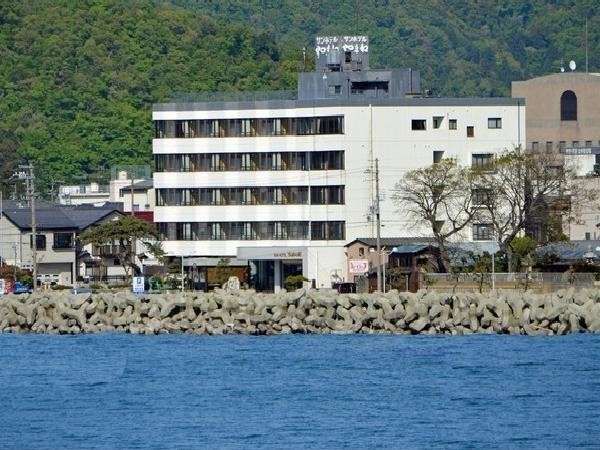
Sun Hotel Yamane
Best Hotels in Obama
Discover curated hotel collections in Obama

Shima Kanko Hotel the Bay Suites
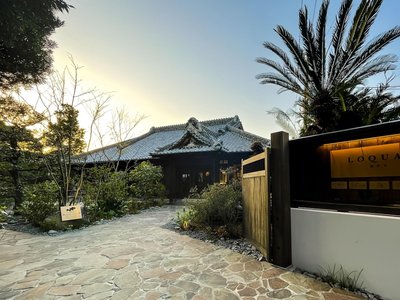
Loquat Nishiizu
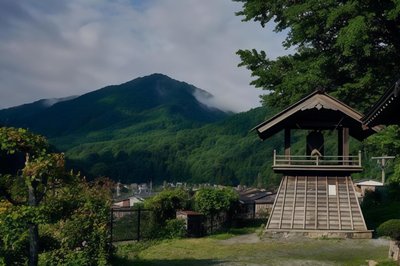
Byaku Narai
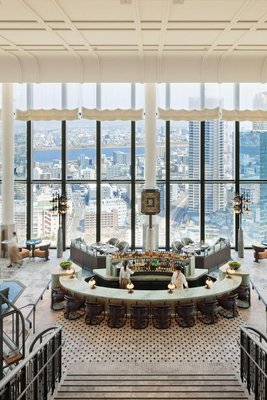
Waldorf Astoria Osaka
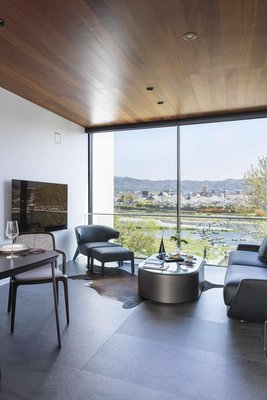
Kamo Residences by Reflections
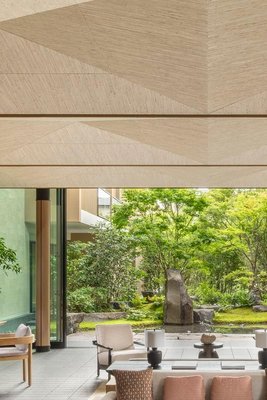
Six Senses Kyoto
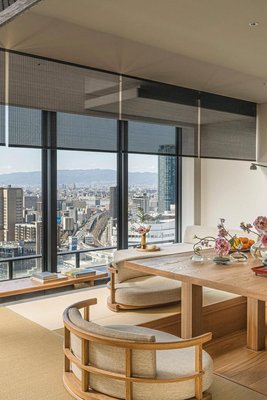
Four Seasons Hotel Osaka
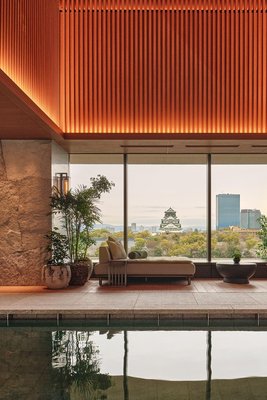
Patina Osaka
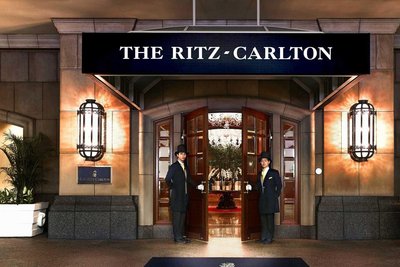
The Ritz-Carlton, Osaka
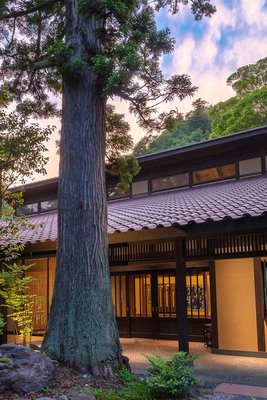
Arimasansoh Goshobessho
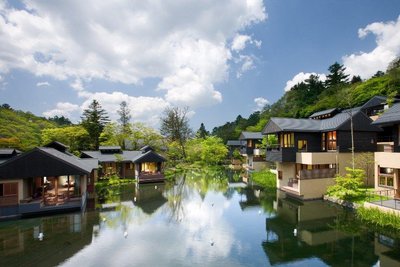
Hoshinoya Karuizawa
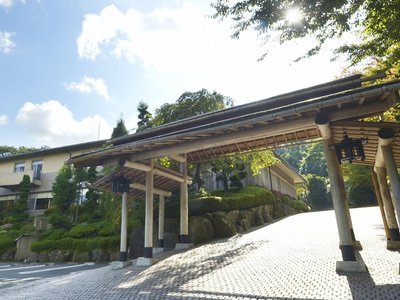
Gora Hanaougi
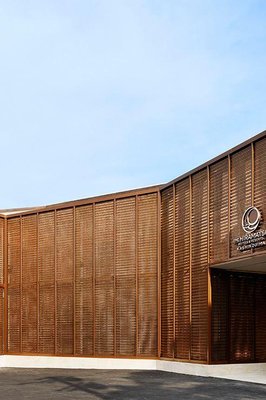
The Hiramatsu Hotels & Resorts Kashikojima
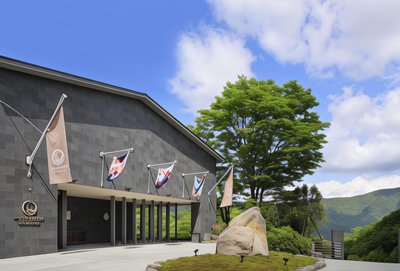
The Hiramatsu Hotels & Resorts Sengokuhara Hakone
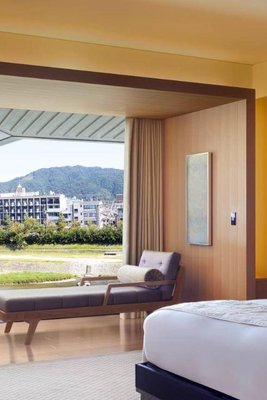
The Ritz-Carlton, Kyoto
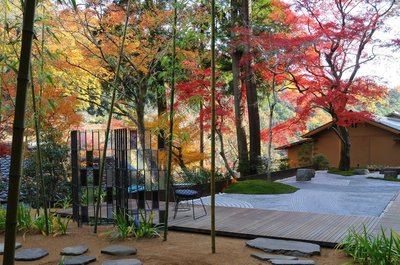
HOSHINOYA Kyoto
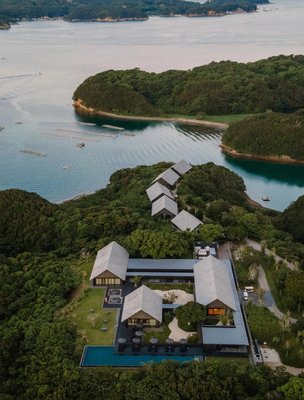
Amanemu
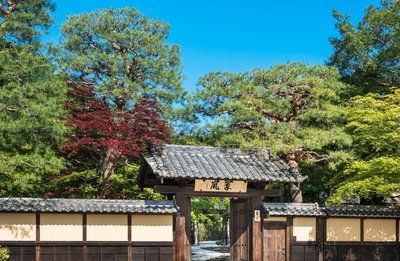
Suiran, a Luxury Collection Hotel, Kyoto
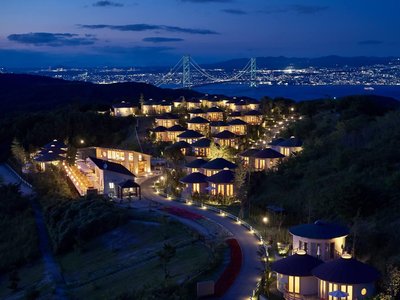
Grand Chariot Hokutoshichisei 135°
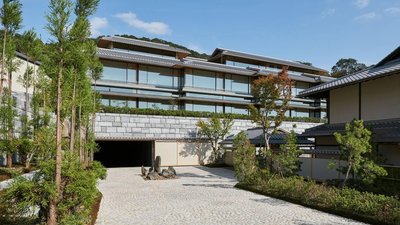
Park Hyatt Kyoto
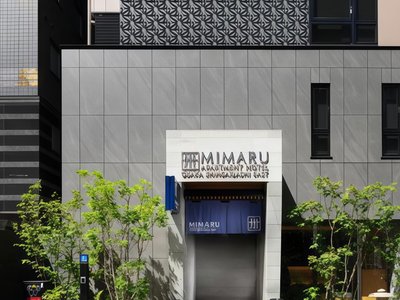
MIMARU Osaka Shinsaibashi East

Toba International Hotel Shiojitei
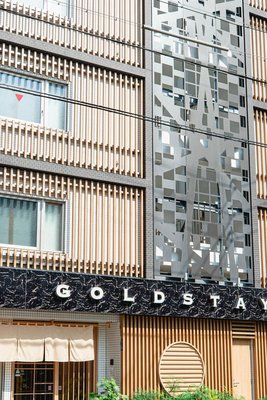
Gold Stay Nagoya OSU
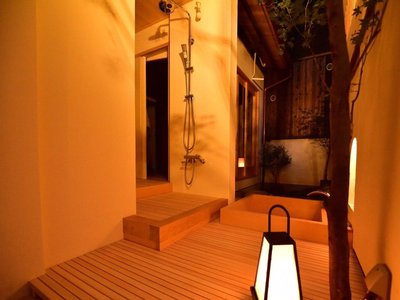
Yado Kiramachi
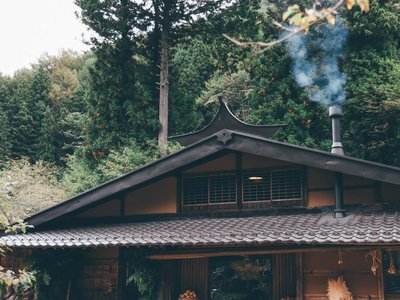
La Terra Resort
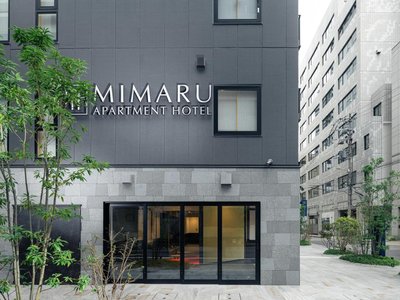
MIMARU Osaka Shinsaibashi North
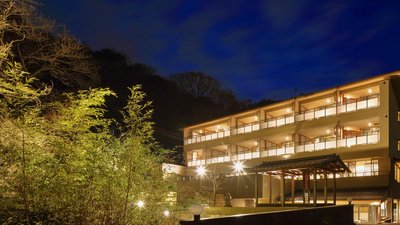
Okuno Hosomichi
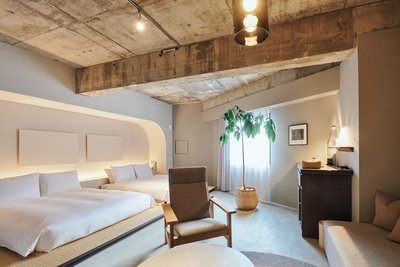
Korinkyo
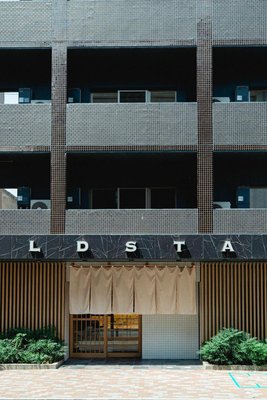
GOLD STAY Nagoya Sakae
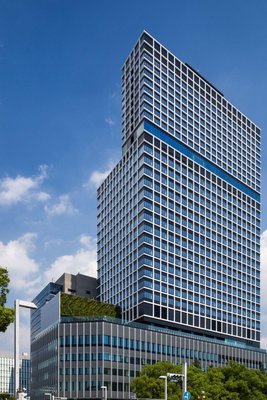
The Royal Park Hotel Iconic Nagoya
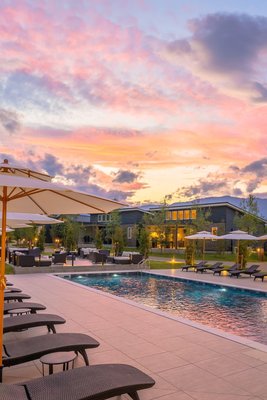
Awaumi Fujikawaguchiko Resort
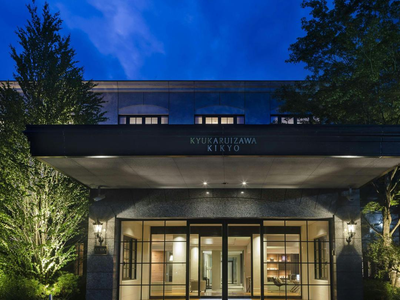
Fufu Karuizawa Wind of Sunshine
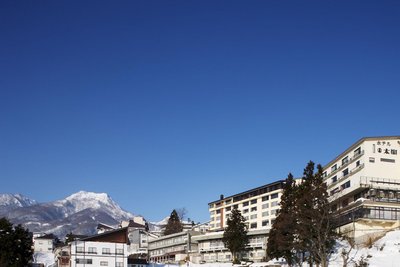
Hotel Taiko, Akakura Onsen
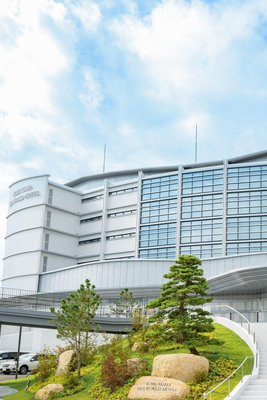
Kobe Suma Sea World Hotel
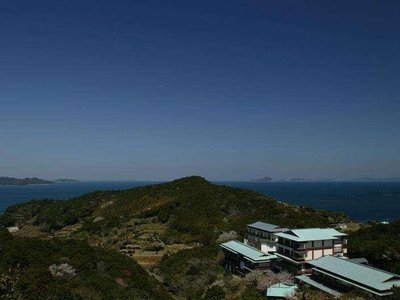
Hanashinsui
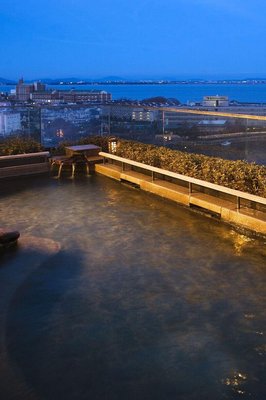
Yumotokan
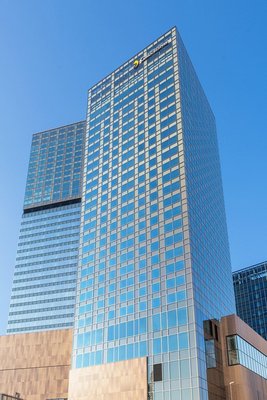
Hotel Hankyu GRAN RESPIRE OSAKA
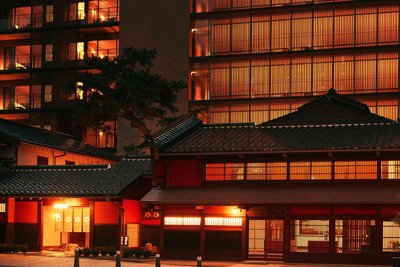
Hoshino Resorts Kai Kaga
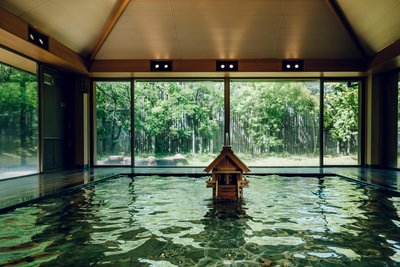
Hoshino Resorts KAI Tamatsukuri
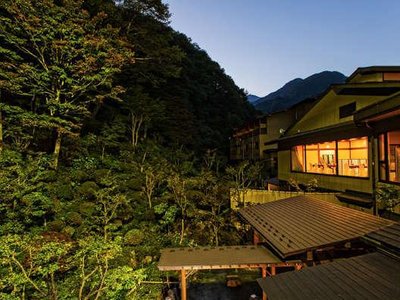
Futari Shizuka
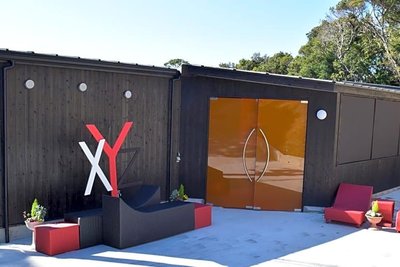
XYZ Private Spa and Seaside Resort
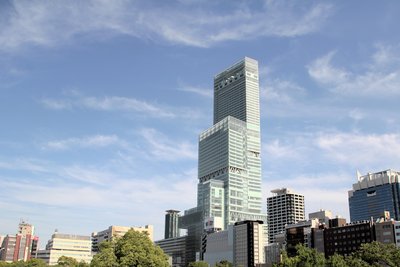
Osaka Marriott Miyako Hotel
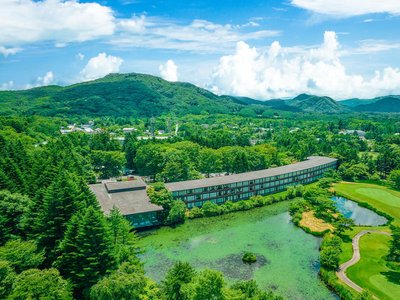
The Prince Karuizawa
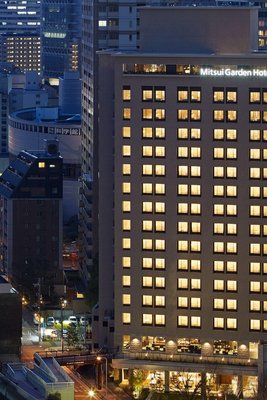
Mitsui Garden Hotel Osaka Premier
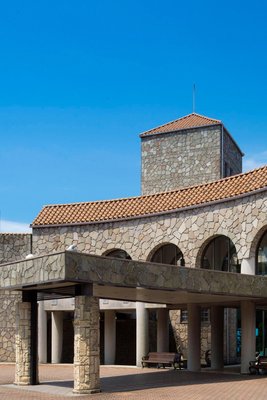
Izumigo Hotel Altia Toba
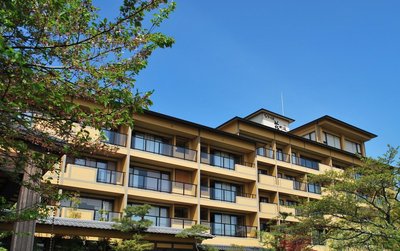
BIWAKO HANAKAIDO
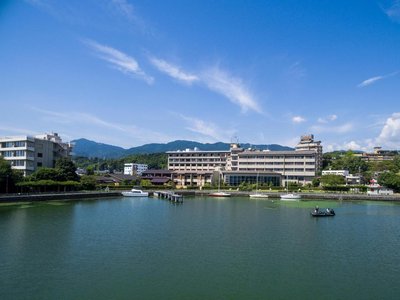
Biwako Ryokusuitei
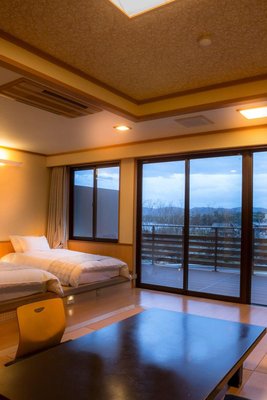
Hotel Kitanoya
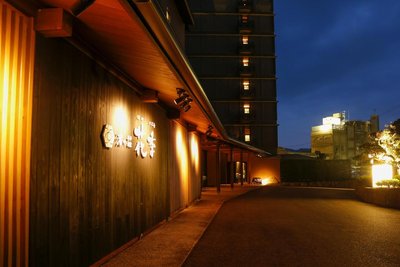
Hanagoyomi
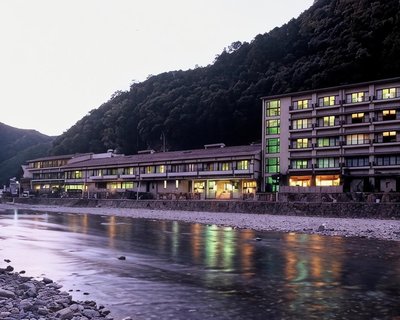
Kawayu Onsen Fujiya
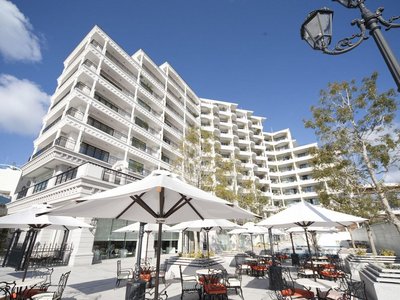
Hotel La Suite Kobe Harborland
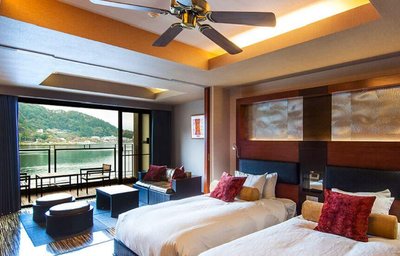
The Kukuna
Hoshinoya Karuizawa
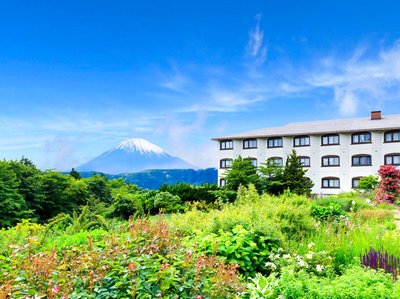
Hotel Green Plaza Hakone
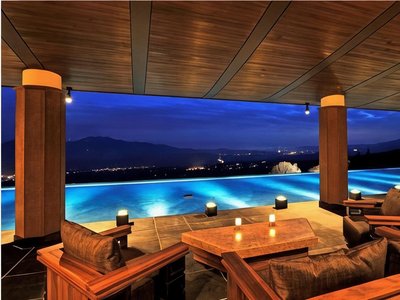
Akakura Kanko Hotel

AoAwo Naruto Resort
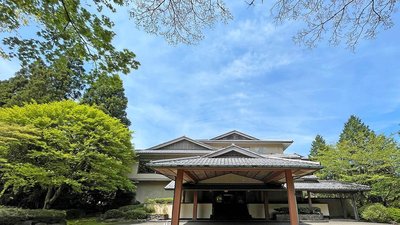
Ryuguden
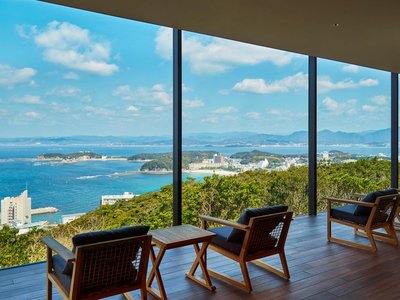
Infinito Hotel and Spa
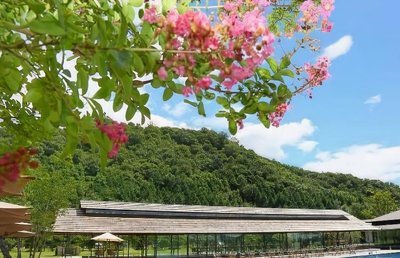
Bella Vista Spa and Marina Onomichi
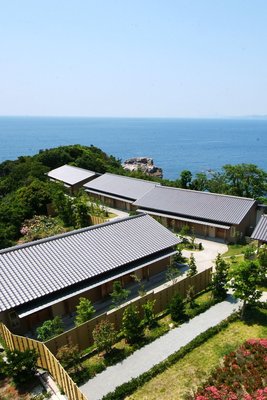
Hamachidorinoyu Kaisyu
Yado Kiramachi
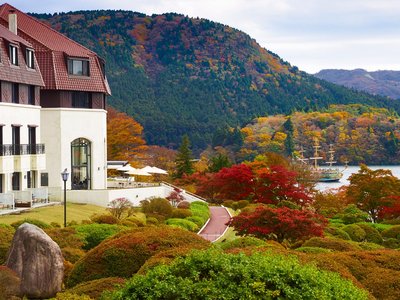
Hotakajyo
Arimasansoh Goshobessho
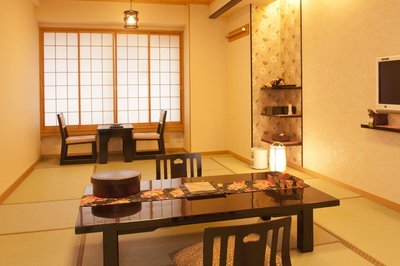
Matsui-Bekkan Hanakanzashi
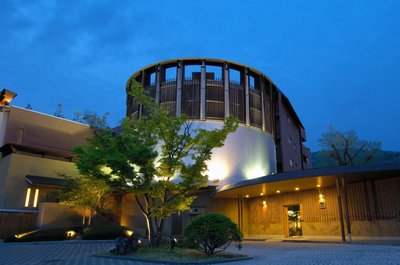
Hoshino Resorts Kai Matsumoto
Hoshino Resorts KAI Tamatsukuri

Taikyourou
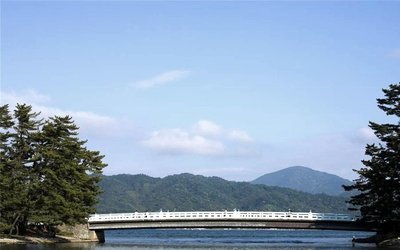
Monjusou Shourotei
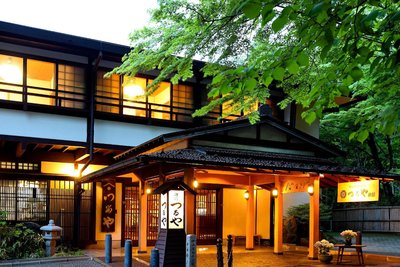
Tsuruya Ryokan
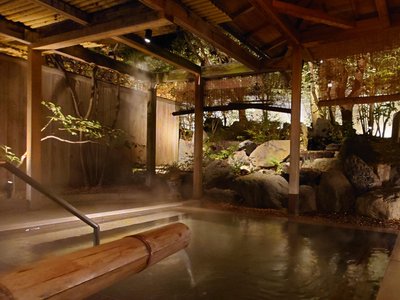
Kasuga Hotel
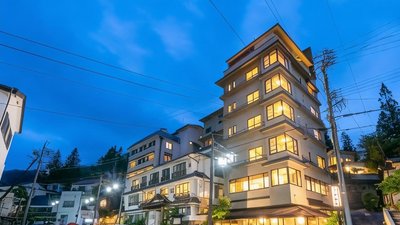
Nakamatsuya Ryokan
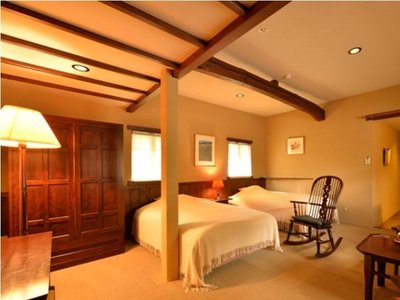
Ryokan Sugimoto
Gora Hanaougi
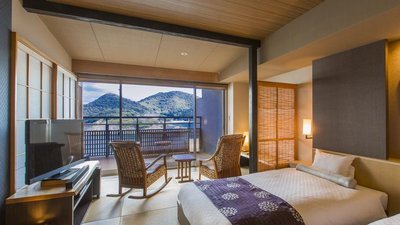
Migiwatei Ochi Kochi
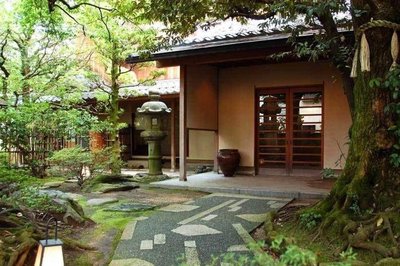
Kocho
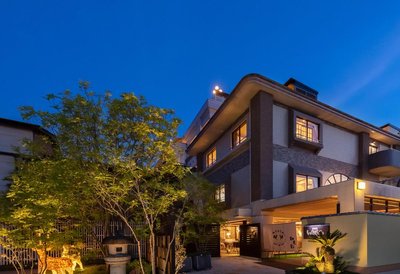
Hotel New Wakasa
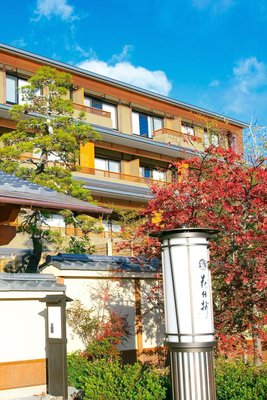
Kyoto Arashiyama Onsen Kadensho (Kyoritsu Resort)
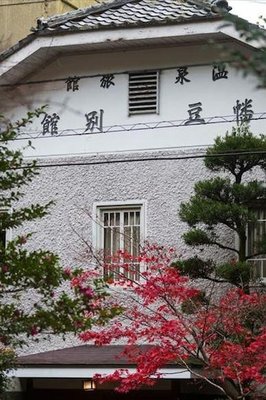
Oku-Mikawa・Yuya Onsen HAZU Bekkan
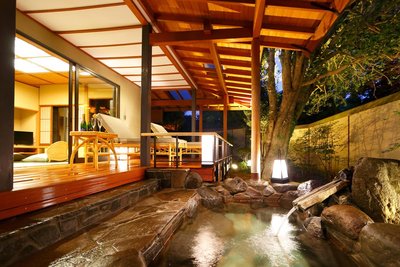
Yoshiharu Ryokan – Izu Nagaoka Onsen
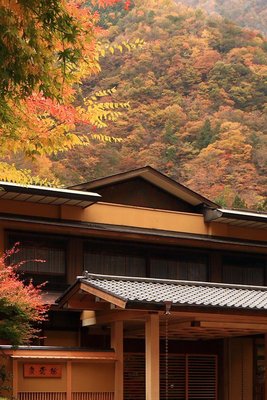
Nishiyama Onsen Keiunkan
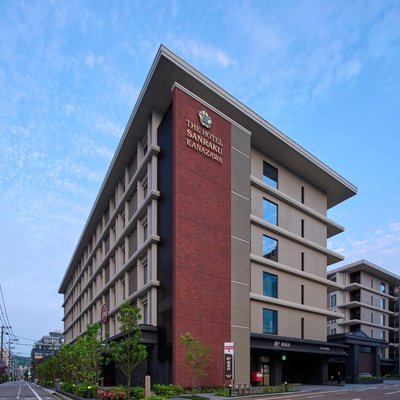
The Hotel Sanraku Kanazawa 21th December 2022 Open
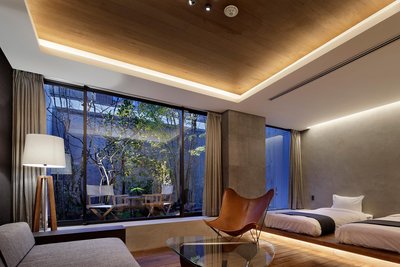
22 PIECES
The Ritz-Carlton, Osaka
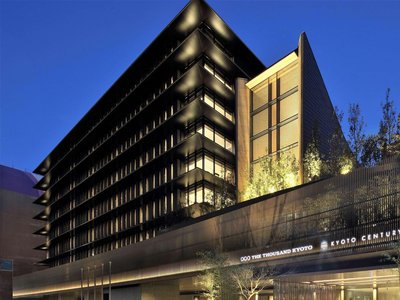
The Thousand Kyoto
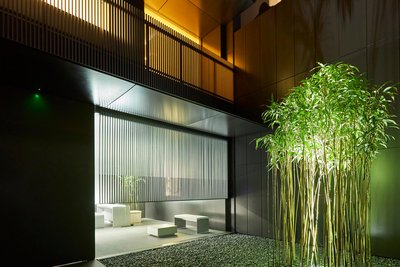
Mogana
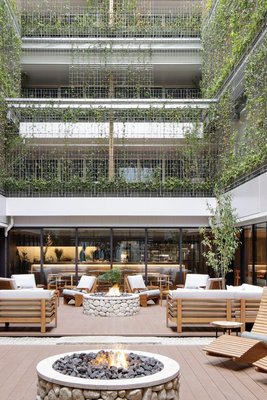
GOOD NATURE HOTEL KYOTO
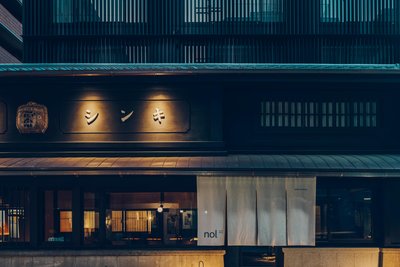
Nol Kyoto Sanjo
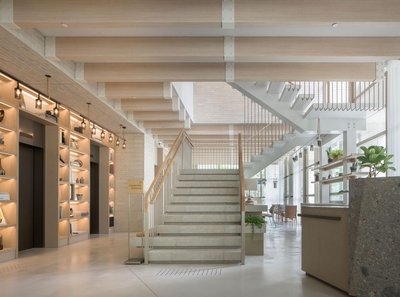
Zentis Osaka
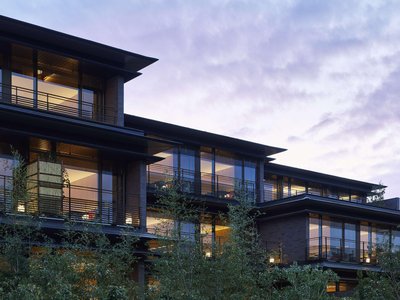
Garrya Nijo Castle Kyoto
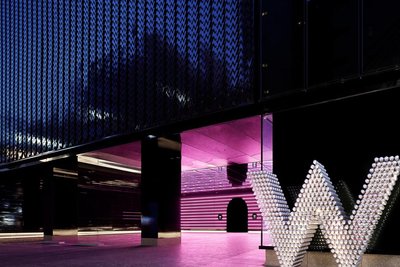
W Osaka
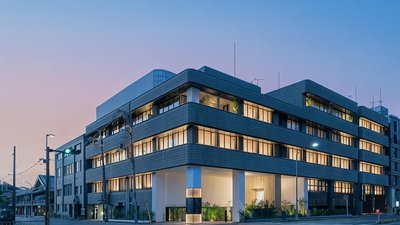
Hotel Kanra Kyoto
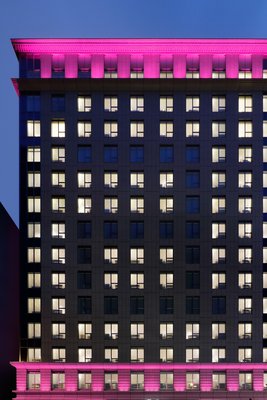
Aloft Osaka Dojima
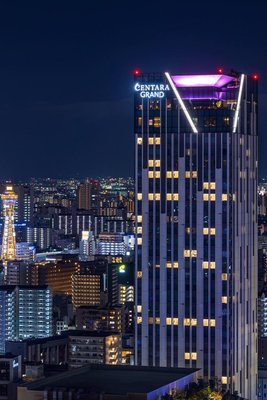
Centara Grand Hotel Osaka
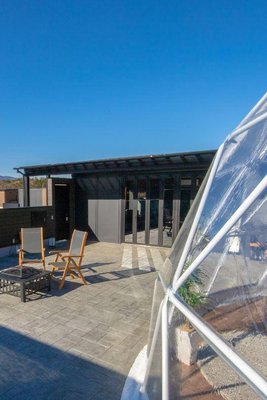
Panoramic Mt. Fuji Views from All Rooms – Vision Glamping Resort & Spa Yamanakako
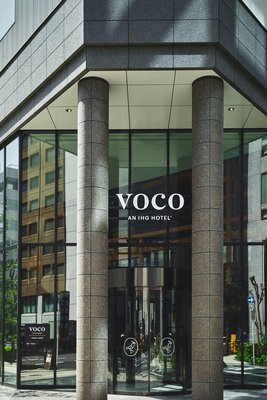
voco Osaka Central
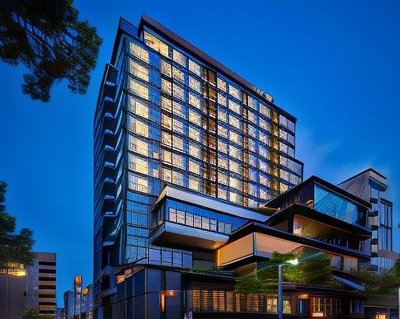
TIAD, AUTOGRAPH COLLECTION
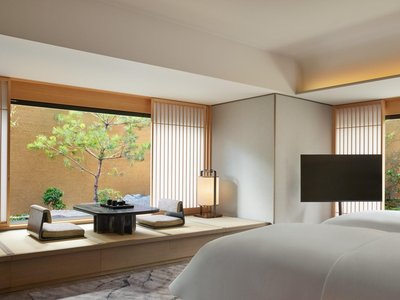
Dusit Thani Kyoto
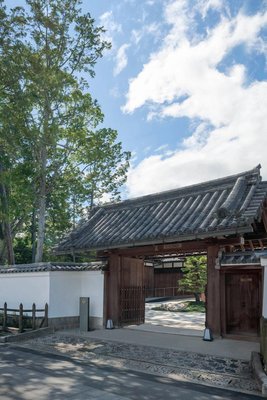
Shisui, a Luxury Collection Hotel, Nara
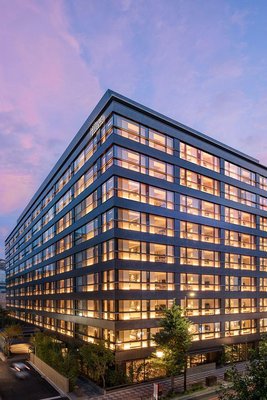
Hilton Kyoto
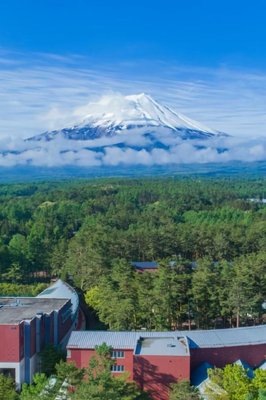
Forest Village (Fuji Premium Resort)
Osaka Marriott Miyako Hotel
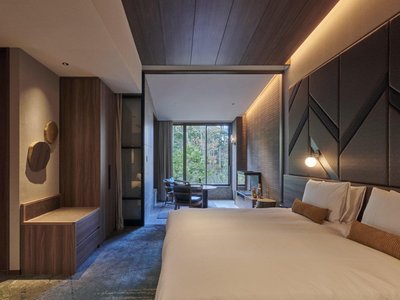
Fufu Kyu-Karuizawa Restful Forest
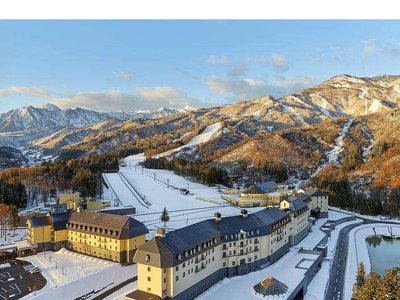
Lotte Arai Resort
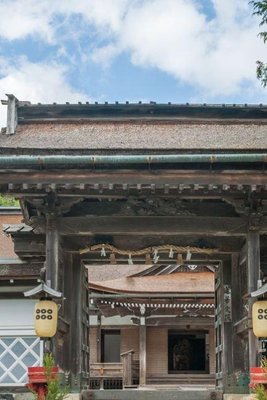
Koyasan Rengejoin
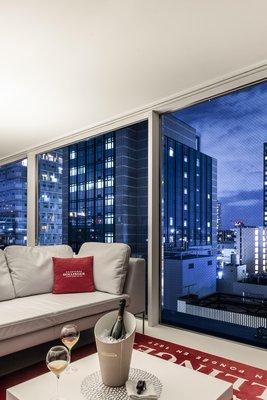
CUVÉE J2 HOTEL OSAKA by Onko Chishin
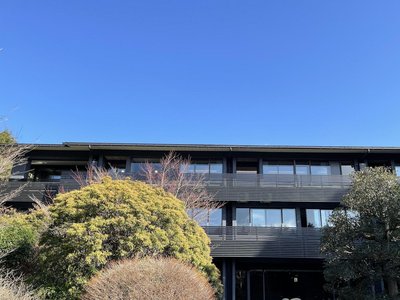
Sengokubara Cocon
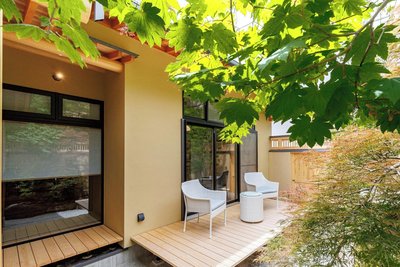
Shoraiso
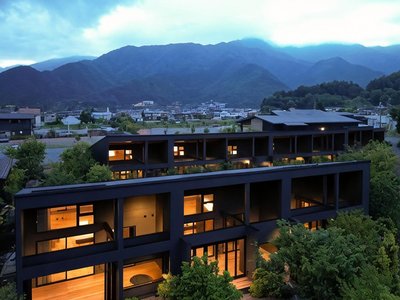
7C Villa and Winery
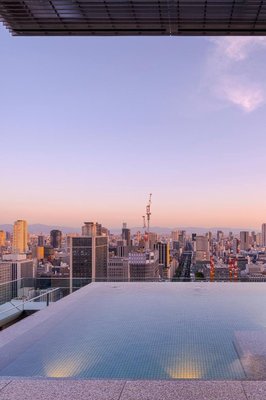
Candeo Hotels Osaka The Tower
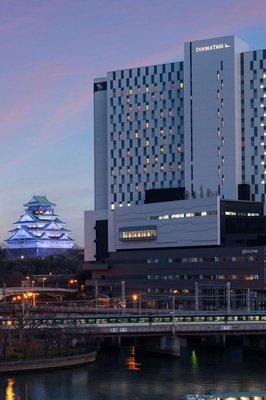
DoubleTree by Hilton Osaka Castle
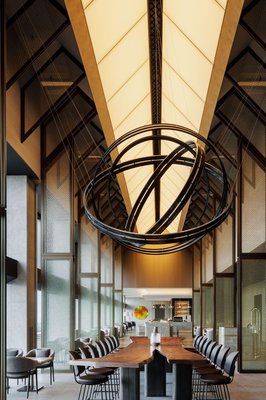
The Osaka Station Hotel, Autograph Collection
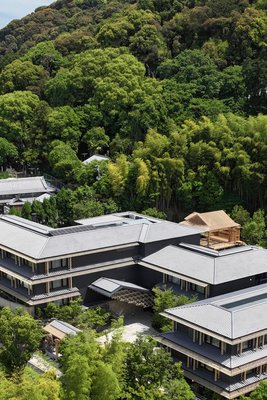
Banyan Tree Higashiyama Kyoto
Osaka Marriott Miyako Hotel
The Ritz-Carlton, Osaka
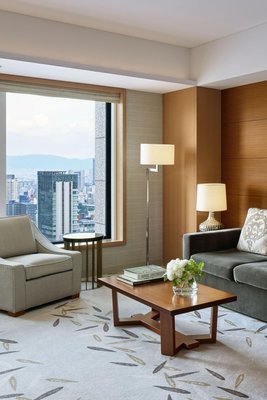
InterContinental Hotel Osaka
The Ritz-Carlton, Kyoto
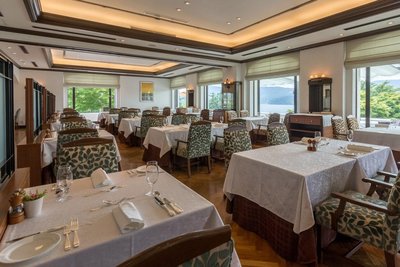
Odakyu Hotel de Yama
Suiran, a Luxury Collection Hotel, Kyoto
GOOD NATURE HOTEL KYOTO
Park Hyatt Kyoto
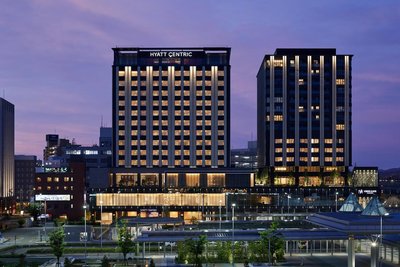
Hyatt Centric Kanazawa
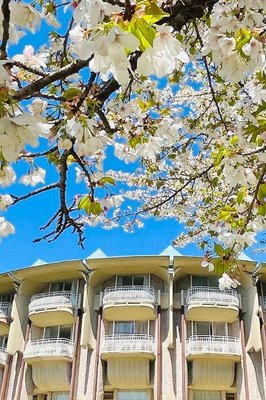
The Prince Hakone Lake Ashinoko
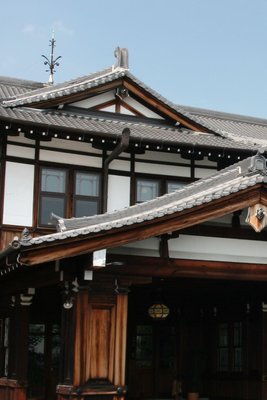
Nara Hotel
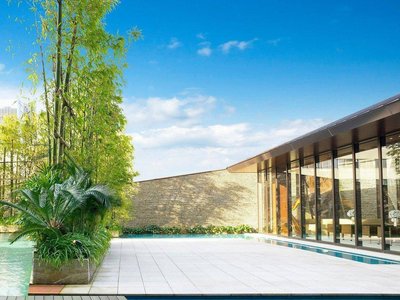
ORIENTAL HOTEL
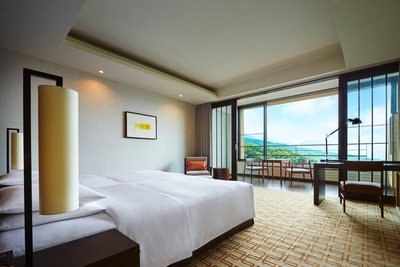
Hyatt Regency Hakone Resort and Spa
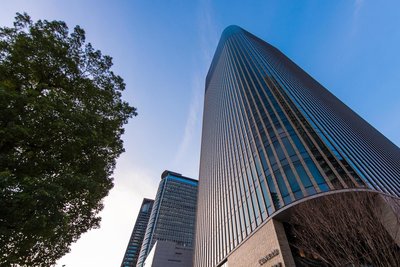
Conrad Osaka
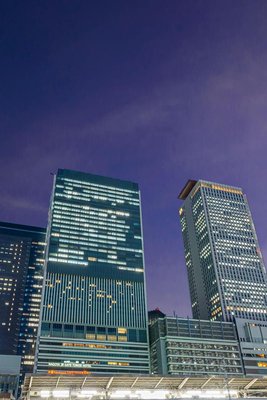
Nagoya JR Gate Tower Hotel (JR-Central Hotels)
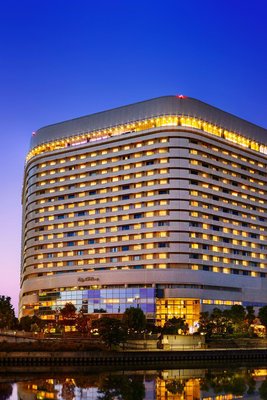
Hotel New Otani Osaka
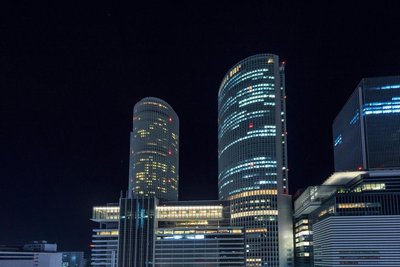
Nagoya Marriott Associa Hotel
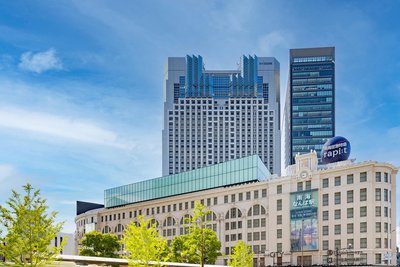
Swissotel Nankai Osaka
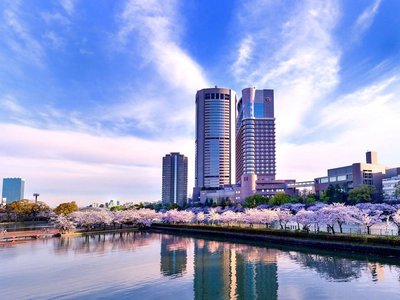
Imperial Hotel Osaka
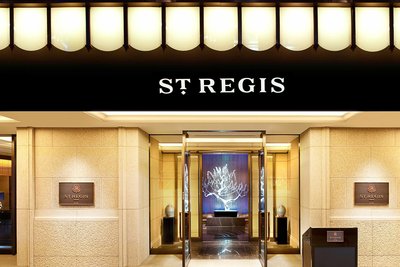
The St. Regis Osaka
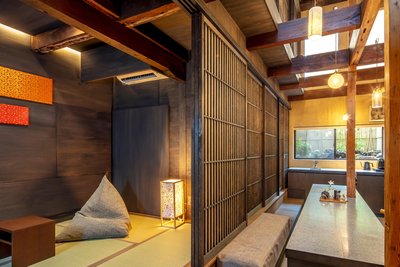
Kyo No Oozora Kihana
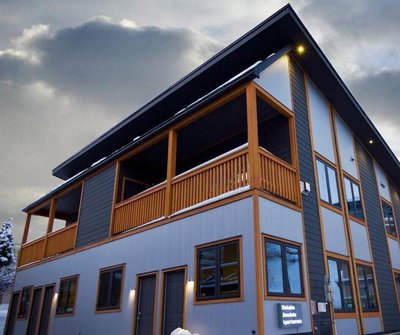
Hakuba Gondola Apartments
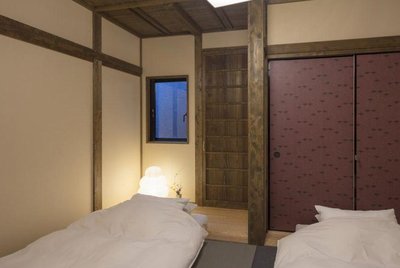
Hanagoromo Machiya House
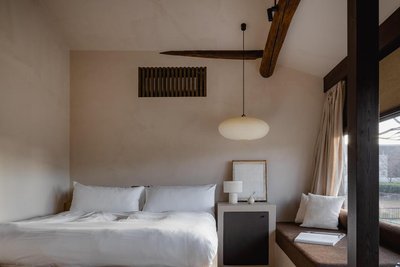
Maana Kiyomizu
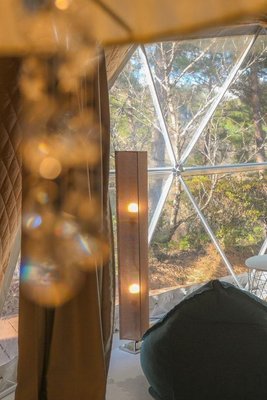
glampark Gekkabijin Nagano
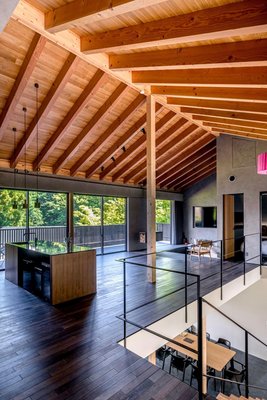
MONS GORA
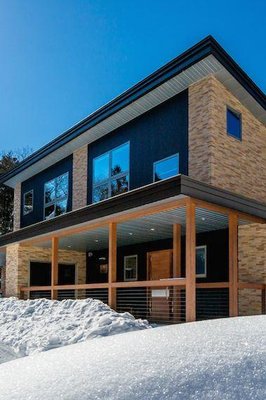
Phoenix Chalets by Hhg
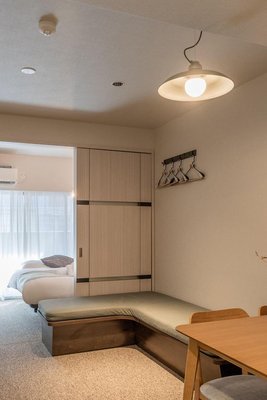
Apartment Hotel 11 Shinsaibashi
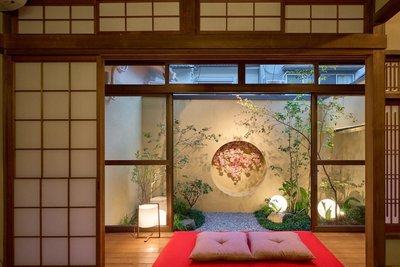
KONJAKUSO Osaka Tengachaya "NIHONCHA" Tea & Relax
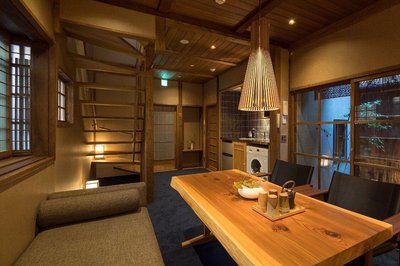
Bonbori an Machiya House
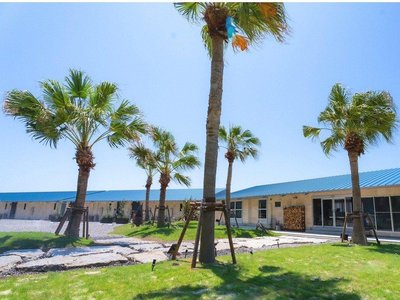
Glamping&Resort Wood Design Park Noma
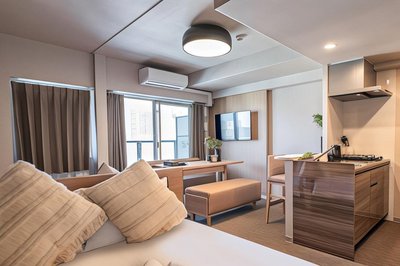
Apartment Hotel 11 Shinsaibashi III
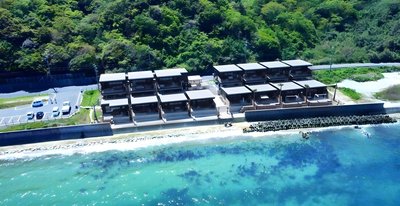
Solavilla Umi Terrace Minamiawaji
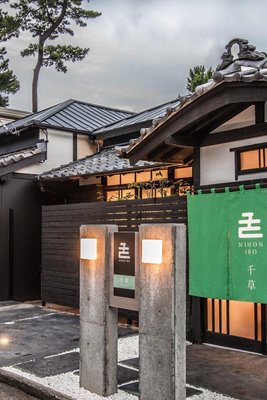
Nihon Iro
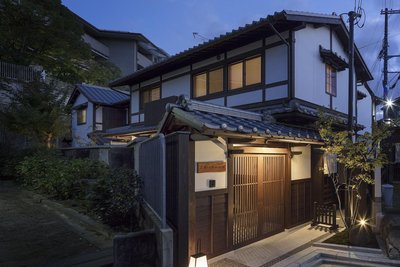
The Machiya Villa Sanjo Shirakawa Koji
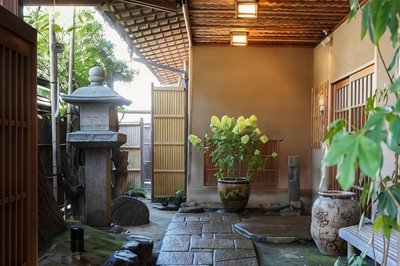
Ryokan Asadaya
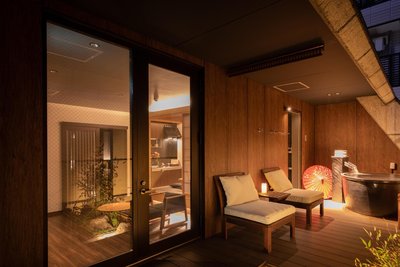
Konjaku-So Dotonbori
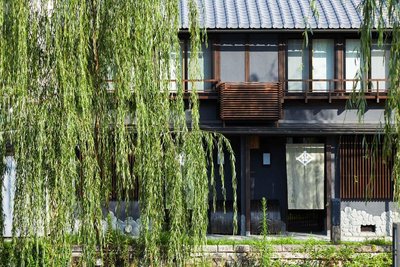
Gion Shirakawa No Yado

Kitashirakawa Natural Radium Onsen
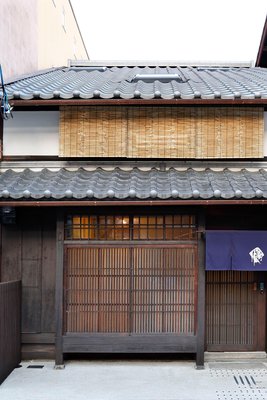
Kyo No Ondokoro Kamanza Nijo #2
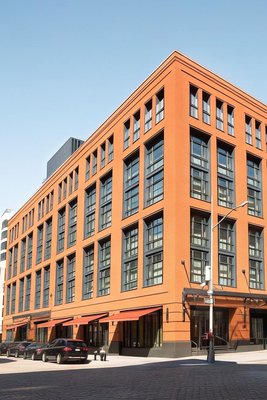
Hotel Barrière Fouquet's New York
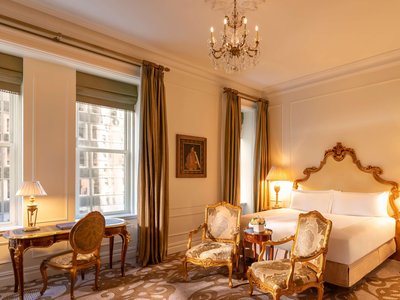
The Plaza - A Fairmont Managed Hotel
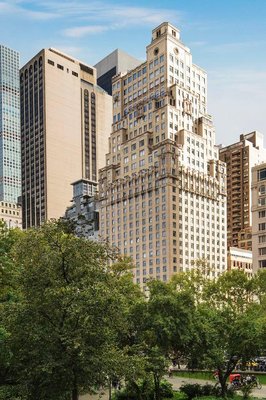
The Ritz-Carlton New York, Central Park
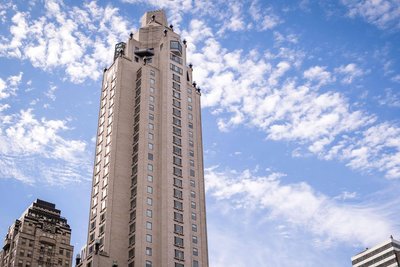
Four Seasons Hotel New York
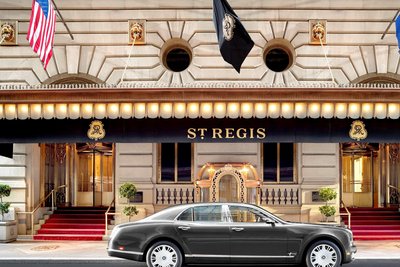
The St. Regis New York
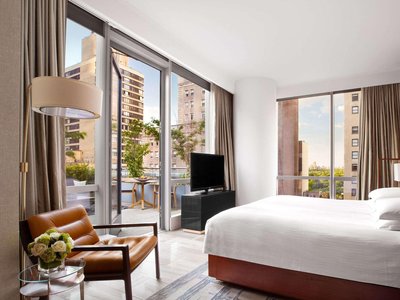
Park Hyatt New York
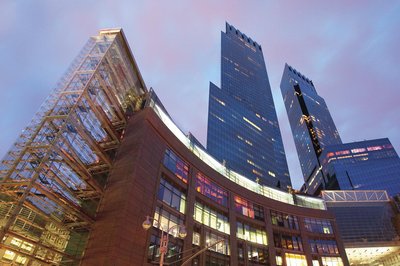
Mandarin Oriental New York
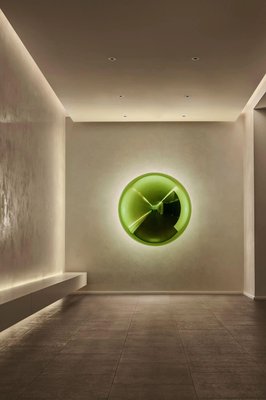
Times Square Edition New York
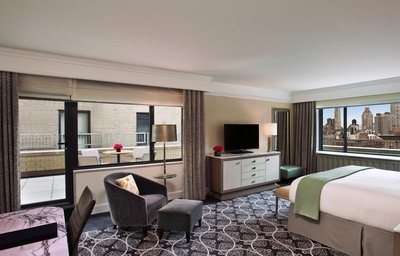
Loews Regency New York Hotel
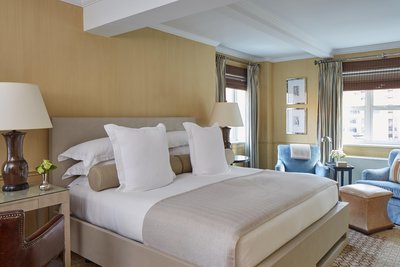
Lowell Hotel
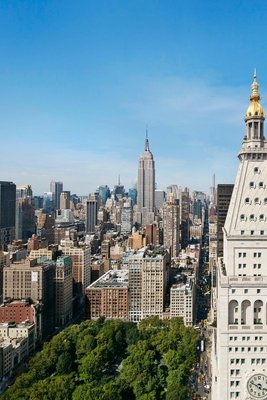
New York Edition
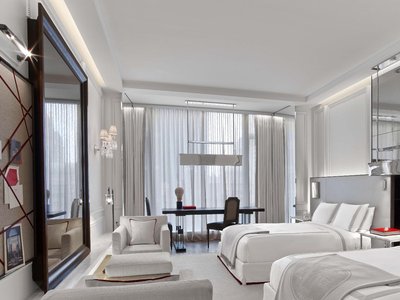
Baccarat Hotel New York
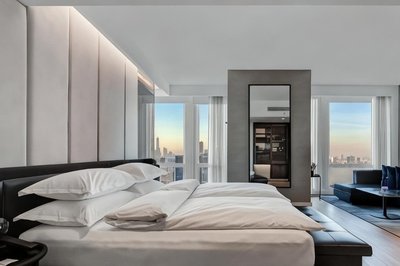
Equinox Hotel New York
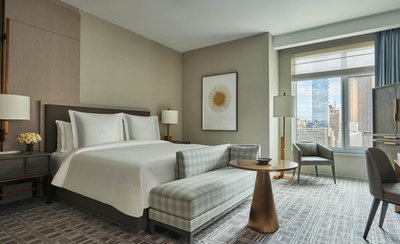
Four Seasons Hotel New York Downtown
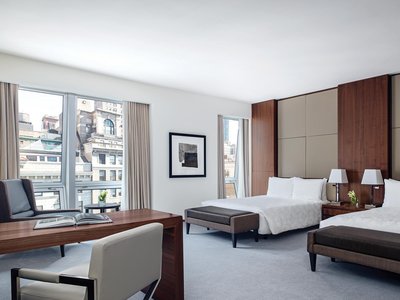
The Langham, New York, Fifth Avenue
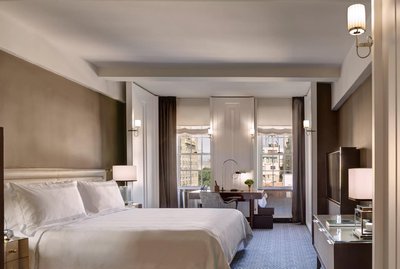
The Carlyle, A Rosewood Hotel

The Chatwal, in the Unbound Collection by Hyatt
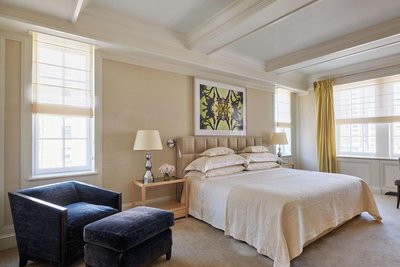
The Mark New York
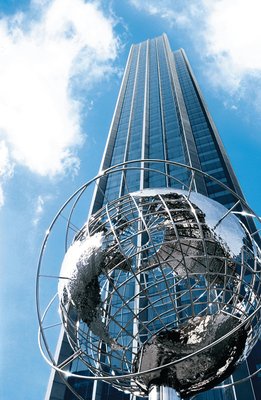
Trump International Hotel & Tower® New York
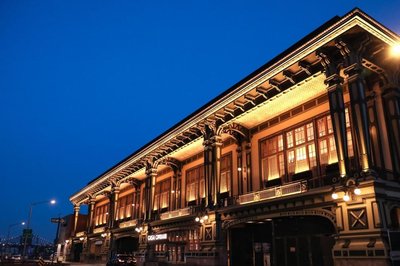
Casa Cipriani New York
Frequently Asked Questions about Traveling to Obama
Questions You Might Need to Know About Traveling to Obama
In Omae City, the top choice for sea views is Ominato Hotel, offering panoramic vistas of the Japan Sea from its premium ocean-facing rooms. The hotel features traditional Japanese tatami rooms combined with modern amenities, and guests can enjoy sunrise breakfasts on the private balcony. Nearby, Umikaze Ryokan provides a more intimate experience with access to a shared hot spring bath overlooking the waves. Both properties offer direct access to Omae Port, where you can witness daily fishing boat arrivals and local seafood markets. Staying here ensures immersion in Omae's coastal lifestyle and serene maritime ambiance.
For first-time visitors, the central district near Omae Station and Omae Port offers the most convenient base. This area combines easy access to public transport, local shops, and dining options, including fresh seafood stalls at the morning market. Walking along the coastal promenade at sunset reveals stunning views of the Japan Sea, while nearby attractions like Omae Shrine and Tide Sound Bridge add cultural depth. Accommodations here range from budget-friendly guesthouses like Umi Kaze Guesthouse to mid-range lodges such as Shimokita Inn, all providing authentic local charm and seamless connectivity to key sights.
Omae City hosts the annual Omae Fishing Lantern Festival in August, where hundreds of lanterns float on the harbor waters, creating a breathtaking night spectacle. Visitors can also participate in traditional mackerel drying workshops, learning techniques passed down through generations. At the Omae Municipal Museum, exhibits trace the region’s history from Jomon-era fishing practices to modern marine sustainability efforts. For a deeper connection, join a local family for a seafood preparation session, where you’ll learn to prepare salt-cured amberjack—a regional specialty—while hearing stories of life by the sea. These experiences highlight Omae’s deep-rooted respect for the ocean.
The must-try dishes in Omae City are Omae Mackerel Sushi and Salt-Cured Amberjack Sashimi. The mackerel is carefully cured using time-honored methods, resulting in a rich, umami-packed flavor, while the amberjack is preserved with local salt to enhance texture and freshness. Visit Omae Port Market Restaurant for the freshest catch delivered daily. Pair your meal with a chilled glass of Fukui sake or a local craft beer. Some hotels, like Umikaze Ryokan, even offer take-home Seafood Breakfast Boxes, perfect for travelers wanting to bring a taste of Omae back home.
Yes, Omae Family Resort is ideal for families, featuring a children’s pool, outdoor play areas, and hands-on activities like kelp-making workshops and mini-fishing trips. The resort offers connecting rooms and baby amenities, including cribs and high chairs. Located just 5 minutes from Omae Coastal Park, kids can build sandcastles and collect shells. Special packages include guided tours to the Omae Shrine and Lantern Festival, ensuring a memorable and educational experience for all ages. The staff speaks English and provides multilingual activity schedules.
For couples seeking romance, Umikaze Villa offers secluded, private wooden cottages with ocean-view decks and heated indoor hot tubs. The property specializes in couples’ dinner experiences—featuring locally sourced seafood and wine pairings—served under the stars on a rooftop terrace. During the Fishing Lantern Festival, guests can book a special stargazing dinner with candlelit tables and live folk music. Many rooms include traditional Japanese elements like shoji screens and futons, enhancing the tranquil, intimate atmosphere. It’s an ideal escape for those wanting privacy, natural beauty, and emotional connection.
Top photo spots in Omae City include the Omae Lighthouse at dawn, when soft light reflects off the water, and the Tide Sound Bridge during golden hour, framing the harbor in warm hues. The red torii gate at Omae Shrine surrounded by ancient pine trees creates dramatic silhouettes, especially during cherry blossom season. Don’t miss the sea caves and rock formations along the coastal trail—perfect for wide-angle shots and time-lapse videos. For night photography, the Fishing Lantern Festival offers long-exposure opportunities with glowing lanterns drifting across the bay. Bring a tripod and visit early to avoid crowds.
Yes, many hotels in Omae City provide guided cultural tours. Ominato Hotel and Umikaze Ryokan offer free or low-cost excursions including morning market visits, kelp farming demonstrations, and local dialect storytelling sessions led by elder residents. Tours often include hands-on participation, such as crafting traditional fishing nets or preparing seasonal dishes. Duration ranges from 2 to 3 hours, typically scheduled in the late afternoon or early evening. Some hotels also bundle these experiences into cultural discovery packages, which include materials, guides, and transportation—ideal for travelers seeking authentic local engagement.
Absolutely. Omae City is highly accessible by car, with a smooth 40-minute drive from Fukui Station via National Route 160. The city has well-maintained roads, ample parking at Omae Port and Central Plaza Underground Garage, and many hotels offering complimentary shuttle services. Renting a car allows easy access to scenic coastal routes, hidden coves, and viewpoints like Tide Sound Rock and White Egret Mountain Overlook. Driving along the coastline is particularly rewarding in spring and autumn, when the sea and sky blend into vibrant hues. Self-drive is the best way to explore Omae’s quiet, unspoiled beauty.
Omae City has a temperate maritime climate—hot, humid summers and cold, snowy winters. Choose hotels with air conditioning and heating systems, such as Ominato Hotel and Shimokita Inn, for comfort year-round. In summer, opt for rooms with cross-ventilation or sea breezes; in winter, prioritize south-facing rooms or those with underfloor heating. Be cautious during the rainy season (June–September), as low-lying areas may flood—avoid ground-floor rooms near the coast. Hotels often provide rain gear rentals and non-slip shoe covers, helping travelers stay safe and dry.
Obama Overview
City Summary
Obama City, located in Fukui Prefecture, Japan, is a coastal city known for its rich history and natural beauty. It is famous for its traditional fishing culture and hot springs, as well as being an important port on the Sea of Japan. The streets of Obama retain the charm of the Edo period, offering visitors a glimpse into the past.
Must-See Attractions
Key attractions in Obama City include the ruins of Obama Castle, Wakasa Kokubunji Temple, and the Seoromon rock formations. Obama Castle ruins are a must-visit for history enthusiasts, while Wakasa Kokubunji Temple showcases ancient Buddhist culture. Seoromon features stunning rock formations carved by waves. Visitors can also enjoy the local hot springs for relaxation.
Food Guide
Obama City is renowned for its seafood, especially crab and mackerel. Don't miss the "Wakasa Mackerel Sushi" and "Crab Hot Pot," which are local specialties. Street food like "Grilled Mackerel Skewers" and "Seafood Rice Bowls" are also worth trying.
Transportation Guide
Public transportation in Obama City is primarily bus-based, with several routes connecting major attractions. A one-day bus pass is recommended for cost savings. From Fukui or Kyoto, take the JR train to Obama Station, which takes about 1.5 to 2 hours.
Best Time to Visit
The best times to visit are spring (March to May) and autumn (September to November), when the weather is pleasant and crowds are smaller. Summers are hot but great for beach activities, while winters are cold but ideal for hot springs.
Travel Tips
- Respect local customs, such as removing shoes before entering temples.
- Obama's seafood is very fresh, but be mindful of food allergies.
- Cameras are usually prohibited in hot spring bathing areas.
- Public transport schedules are limited, so check timetables in advance.
- Some attractions require entrance fees; cash is preferred.
- Sun protection is essential in summer, and warm clothing in winter.
Useful Information
The primary language in Obama is Japanese, with some English signage at tourist spots. WiFi coverage is limited, so consider purchasing a local SIM card. Cash is the main payment method, though credit cards are accepted at larger stores and hotels. For emergencies, dial 110 (police) or 119 (ambulance). Pharmacies and hospitals are mainly located in the city center.









