Hotels in Ochi
Discover your perfect stay in Ochi.
Ochi(Japan) Travel 2026: Cheap Flights, Hotels & Top Attractions
Popular Landmarks in Ochi
Discover the most iconic attractions in Ochi
Recommended Hotels in Ochi
Find the perfect place to stay in Ochi
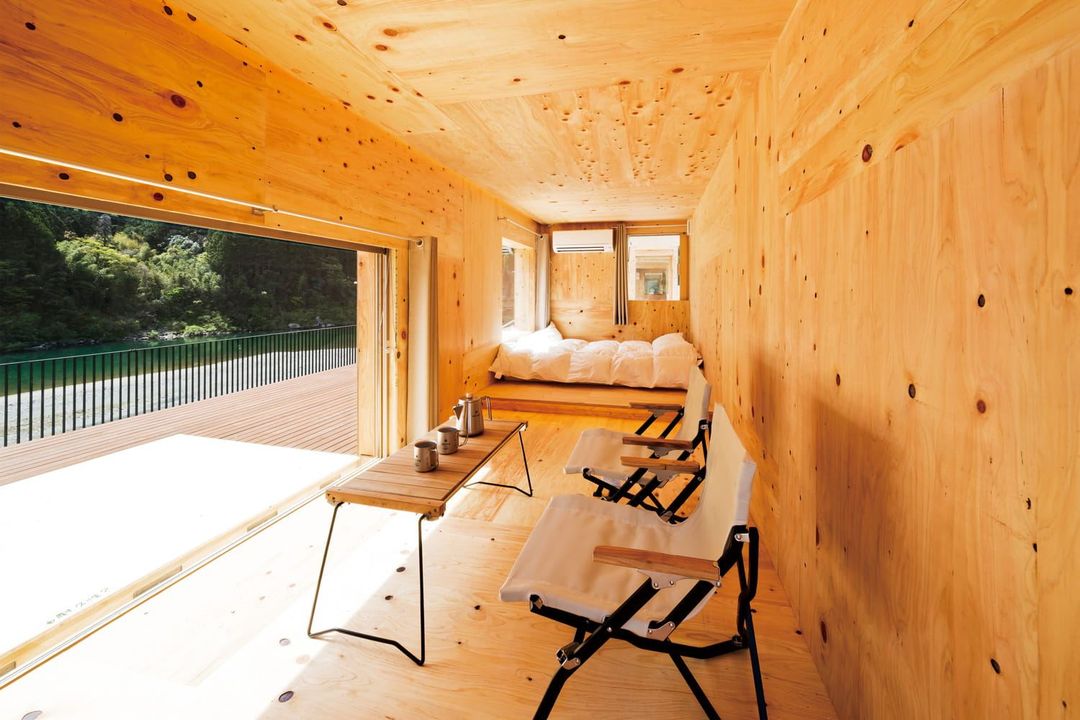
Snow Peak OCHI NIYODOGAWA Campfield
Best Hotels in Ochi
Discover curated hotel collections in Ochi

22 PIECES

The Ritz-Carlton, Osaka

The Thousand Kyoto

Mogana

GOOD NATURE HOTEL KYOTO

Nol Kyoto Sanjo

Zentis Osaka

Garrya Nijo Castle Kyoto

W Osaka

Hotel Kanra Kyoto

Aloft Osaka Dojima

Kyo No Oozora Kihana
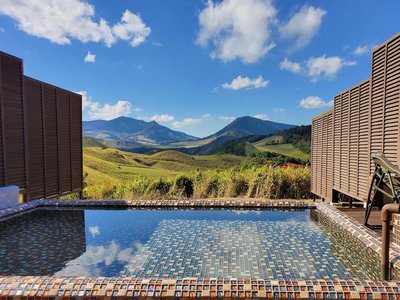
Grand Verde Resort

Hanagoromo Machiya House

Maana Kiyomizu

Apartment Hotel 11 Shinsaibashi

KONJAKUSO Osaka Tengachaya "NIHONCHA" Tea & Relax

Bonbori an Machiya House

Apartment Hotel 11 Shinsaibashi III
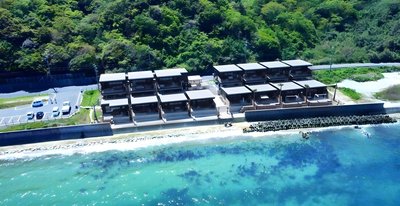
Solavilla Umi Terrace Minamiawaji
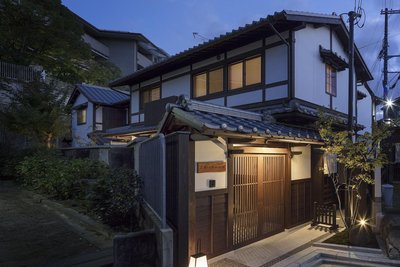
The Machiya Villa Sanjo Shirakawa Koji

Konjaku-So Dotonbori
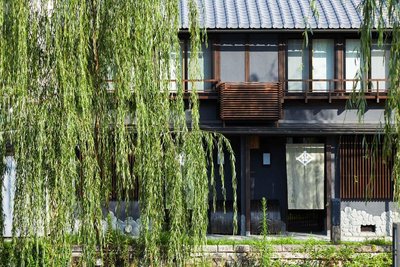
Gion Shirakawa No Yado

Kitashirakawa Natural Radium Onsen
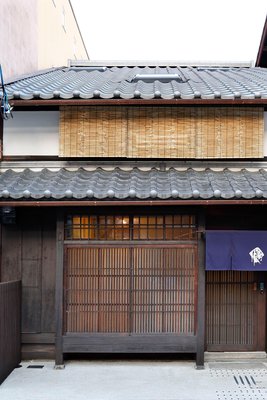
Kyo No Ondokoro Kamanza Nijo #2
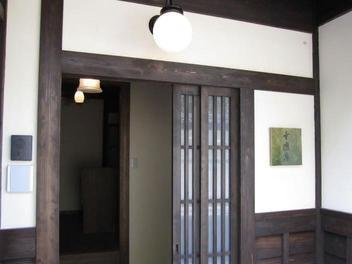
Gion Koyu an Machiya House
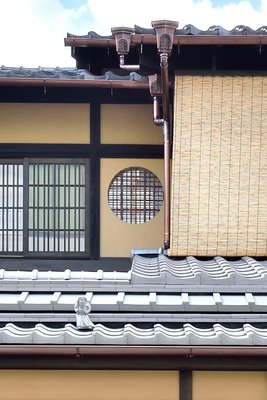
Kyo No Ondokoro Gokomachi Ebisugawa #3

Sana Mane - Glamp Domes
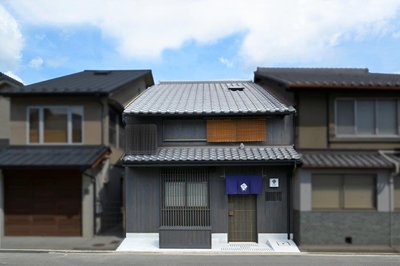
Kyo No Ondokoro Goshonishi #6
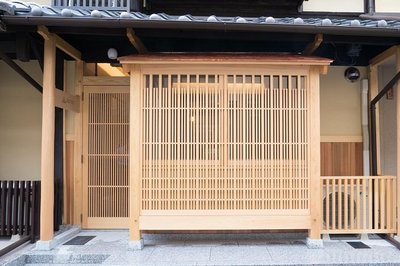
Kyomachiya Suite Rikyu

Kyoisuke

The Ritz-Carlton, Fukuoka
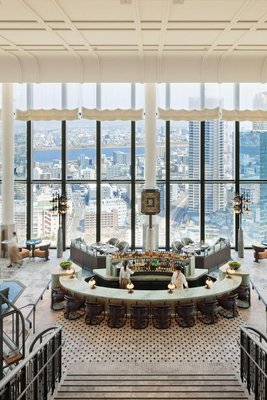
Waldorf Astoria Osaka

Kamo Residences by Reflections

Six Senses Kyoto
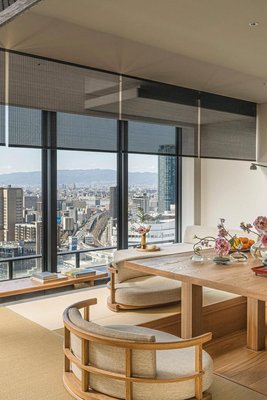
Four Seasons Hotel Osaka

Patina Osaka
The Ritz-Carlton, Osaka
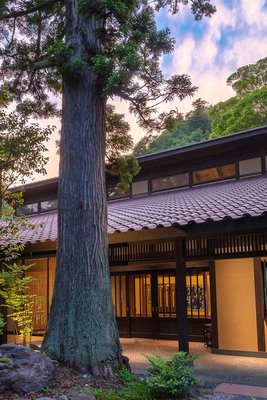
Arimasansoh Goshobessho

The Ritz-Carlton, Kyoto
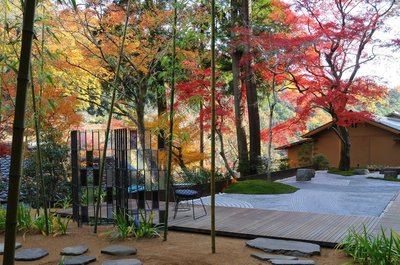
HOSHINOYA Kyoto
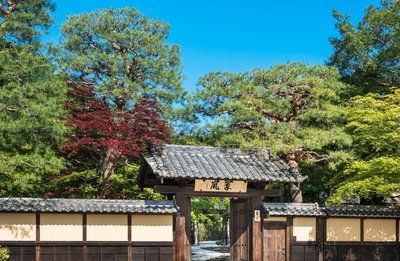
Suiran, a Luxury Collection Hotel, Kyoto

Grand Chariot Hokutoshichisei 135°
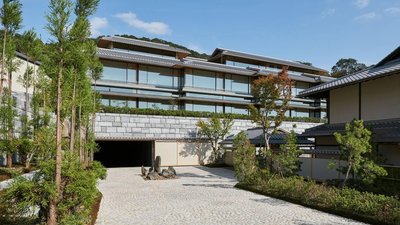
Park Hyatt Kyoto

SETOUCHI RETREAT by Onko Chishin

Four Seasons Hotel Kyoto

The Hotel Seiryu Kyoto Kiyomizu - a Member of the Leading Hotels of the World-
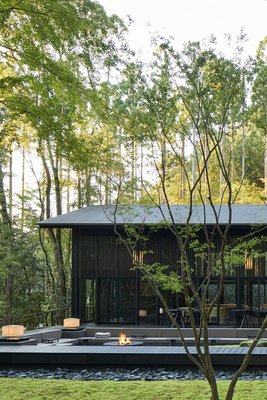
Aman Kyoto
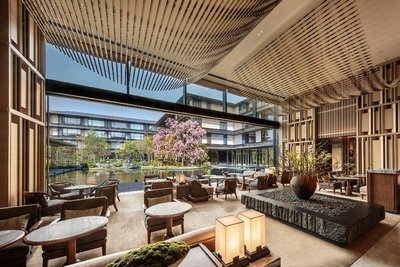
Hotel the Mitsui Kyoto, a Luxury Collection Hotel & Spa
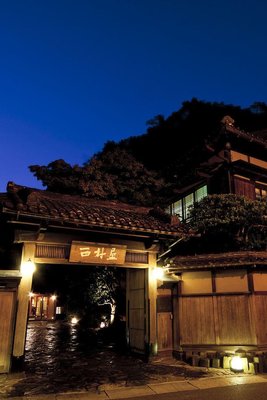
Nishimuraya Honkan
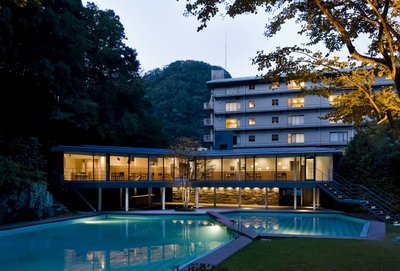
Kinosaki Onsen Nishimuraya Hotel Shogetsutei
Frequently Asked Questions about Traveling to Ochi
Questions You Might Need to Know About Traveling to Ochi
In Yonchi Town, the top choice for mountain-view accommodations is Yama no Yado Mountain Lodge, nestled at the foot of the Shikoku Central Mountains. This eco-friendly ryokan offers panoramic vistas of dense forests and distant peaks from its private balconies and open-air baths. The lodge uses locally sourced timber in its design and features traditional Japanese tatami rooms with futons and sliding shoji screens.
Guests can enjoy a morning ritual of soaking in the natural hot spring waters, rich in minerals and known to soothe muscle fatigue. On-site, the restaurant serves farm-to-table cuisine using wild mountain vegetables, highland black pork, and organic rice grown by local farmers. Special seasonal experiences include guided foraging tours in spring and stargazing nights in autumn. With only eight rooms, it ensures privacy and intimate service—perfect for travelers seeking tranquility and connection with nature.
The ideal area for nature lovers is the Tosa Riverbank District, especially around Yonchi Bridge and Tanaka Area. This region offers direct access to the Tosa River Trail, a scenic 4-kilometer path winding through clear streams, moss-covered rocks, and shaded groves. It’s perfect for early morning walks, birdwatching, and spotting fireflies during summer.
This zone also hosts the Yonchi Town Historical Archives, showcasing traditional farming tools and ironwork from the Edo period. The low population density means minimal light pollution, making it one of Japan’s best spots for night sky viewing. Several guesthouses offer night hikes led by local guides who share stories about constellations and forest ecology. Staying here maximizes immersion in the town’s untouched natural beauty and deep cultural heritage.
Visitors to Yonchi Town must not miss the Tosa River Festival (held annually in August) and the Wild Herb Foraging Workshop. The festival features traditional costumes, paper lantern processions along the river, and energetic taiko drum performances that reflect the community’s strong rural spirit.
The Wild Herb Foraging Workshop allows guests to explore the hillsides with local elders who teach how to identify edible plants like ferns, bamboo shoots, and dandelion roots. These ingredients are then used in cooking classes to prepare dishes such as mountain vegetable tempura and wild herb miso soup. Many guesthouses host these sessions, offering hands-on learning in sustainable living. Some even provide storytelling evenings under the stars, where elders recount Shikoku legends—creating unforgettable connections to place and tradition.
The standout feature of Yonchi Town’s onsen ryokan, particularly Seiryu-no-Sato, is its natural spring water source—a rare thermal spring rich in bicarbonate and sodium, known for improving skin health and easing joint pain. The ryokan’s entire structure is built from sustainably harvested wood, blending seamlessly into the surrounding forest.
Each room includes a private outdoor bath overlooking a serene garden, while some premium suites offer indoor-outdoor bathing areas. Guests enjoy multi-course kaiseki meals made with ingredients sourced directly from local farms: highland black pork, organic rice, and wild mushrooms. The ryokan also provides exclusive forest guided walks and night sky observation sessions, led by knowledgeable locals. With limited capacity and personalized service, it delivers an authentic, peaceful retreat deeply rooted in Shikoku’s natural rhythms.
For families, Yonchi Nature Home is the ideal accommodation. Designed with kids in mind, it features a dedicated kids’ activity room stocked with magnifying glasses, insect kits, and plant identification guides, encouraging exploration of the nearby Tosa River and forest trails.
The property offers family-friendly activities such as planting local red sweet potatoes, crafting traditional washi paper, and participating in evening paper boat launches on the river. Parents can join their children in nature storytelling sessions under the stars, where local elders share tales of Shikoku’s mythical creatures.
All meals are made with organic, child-safe ingredients, and the menu includes balanced nutrition plans. Located just a 5-minute walk from Yonchi Natural Park, it’s perfect for hiking, picnicking, and wildlife watching. Its family-oriented design and educational programs make it a top pick for meaningful, immersive travel.
Must-try local delicacies in Yonchi Town include Tosa River Sashimi, Mountain Vegetable Tempura, and Highland Black Pork Grilled Meat. Tosa River Sashimi features fresh-caught trout and ayu, lightly salted and served with lemon and seven-spice blend—delicate and briny, highlighting the purity of the river’s water.
Mountain Vegetable Tempura is a seasonal highlight in spring, made with wild ferns, bamboo shoots, and dandelion roots, fried to perfection in a thin batter. It’s crispy outside, tender within, and bursting with earthy flavor. Highland Black Pork, raised freely in the mountains, has a rich marbled texture; try it grilled or in a hot pot with local vegetables.
Many guesthouses and small restaurants offer farm-to-table food workshops, where guests can select ingredients from a local market and cook together. Additionally, the Yonchi Handcrafted Sake Brewery welcomes visitors for tastings of pure rice sake brewed with water from the Tosa River—light, fruity, and slightly sweet. These culinary experiences bring the essence of place to life.
The best times to visit Yonchi Town are spring (March to May) and autumn (September to November). Spring brings blooming cherry blossoms along the Tosa River, while wild mountain herbs begin to emerge—ideal for foraging and walking through lush greenery. Temperatures hover between 15–20°C, perfect for outdoor adventures.
Autumn transforms the Shikoku Central Mountains into a fiery tapestry of red and gold maple and ginkgo leaves. The crisp air enhances visibility, making summit views breathtaking. This season also marks the harvest of black pork and sweet yams, featured in seasonal menus. Avoid summer rains and winter colds—these two seasons offer optimal weather, fewer crowds, and full immersion in the town’s natural and cultural rhythm.
Top natural attractions in Yonchi Town include the Tosa River Trail, Shikoku Central Mountains Hiking Path, and Yonchi Natural Park. The Tosa River Trail stretches 4 km along crystal-clear waters, passing cascading waterfalls, smooth stone beds, and firefly habitats (summer only)—ideal for photography and quiet reflection.
The Shikoku Central Mountains Hiking Path leads up to elevations over 1,200 meters, where panoramic views stretch across the town and beyond to the Pacific Ocean. Clear days reveal glimpses of Kyushu Island. Along the trail are rest stops and lookout platforms, suitable for intermediate hikers.
Yonchi Natural Park spans vast forests and wetlands, home to native species like the Japanese serow and night herons. Interpretive signs explain local ecosystems, and guided night walks allow visitors to observe nocturnal wildlife. Together, these sites define Yonchi Town’s identity as a hidden gem of Shikoku’s green heart.
The most convenient way to reach Yonchi Town is by taking the Kochi Electric Railway to Yonchi Station, then transferring to a local bus or renting a bicycle. The station has a tourist information center offering maps and schedules.
For those driving, National Route 56 provides scenic access through forested landscapes—especially beautiful during cherry blossom and autumn foliage seasons. Free parking is available at many guesthouses and public lots.
Eco-conscious travelers can opt for the eco-bike tour, renting electric bikes to ride along the Tosa River waterfront (approx. 10 km). Stops include foraging zones and onsen huts. Additionally, the Yonchi Town Tourist Bus runs several times weekly, connecting major sights and accommodations at low cost. Check timetables in advance to avoid missing the last return trip.
Top souvenirs from Yonchi Town include dried mountain vegetables, handcrafted sake, and washi paper crafts. Dried mountain vegetables—made from spring-harvested ferns, bamboo shoots, and dandelion roots—are naturally sun-dried, preserving flavor and nutrients. They’re excellent for soups or stir-fries and come in elegant packaging.
Handcrafted sake is brewed using local rice and water from the Tosa River, resulting in a clean, fruity, and slightly sweet profile. Bottles often feature hand-painted labels, adding artistic value. Many breweries offer tasting sessions.
Washi paper crafts—made from mulberry bark—are a traditional craft in the region. Items include bookmarks, greeting cards, and lanterns, each uniquely textured and environmentally friendly. Several guesthouses offer workshops where visitors can create their own piece. These thoughtful, sustainable gifts beautifully represent Yonchi Town’s harmony with nature and culture.
Ochi Overview
City Summary
Ochi Town, located in Kochi Prefecture, Japan, is a tranquil village surrounded by nature. Known for its stunning mountain views and traditional rural atmosphere, it is an ideal retreat from urban hustle. Visitors can enjoy outdoor activities like hiking and hot springs while immersing in the local history and culture.
Must-See Attractions
Must-see attractions in Ochi Town include Yokogura Mountain Natural Park, perfect for hiking and seasonal scenery. The Ochi Town History and Folklore Museum showcases local heritage. Don’t miss hot springs like Yokogura Onsen for relaxation.
Food Guide
Ochi Town’s cuisine features local produce and traditional Japanese dishes. Try Kochi’s famous bonito dishes, like katsuo tataki. Fresh mountain vegetables and farm-to-table produce are also highlights.
Transportation Guide
Transport in Ochi Town relies on buses and car rentals. From Kochi City, take a bus (approx. 1 hour). Attractions are close, ideal for walking or biking. Check bus schedules in advance. Driving offers more flexibility.
Best Time to Visit
The best times to visit are spring (March-May) and autumn (September-November), with mild weather. Summers are hot, while winters may have snow, but hot springs are delightful.
Travel Tips
- Respect local customs; wash before entering onsens.
- Mountain weather is unpredictable; pack layers and rain gear.
- Shops have short hours; plan meals/shopping ahead.
- Drive carefully on narrow mountain roads.
- Some attractions require reservations.
- Carry cash; credit cards are rarely accepted.
Useful Information
Japanese is the main language; English is limited. Download a translation app. Mobile coverage is good but may be spotty in mountains. Cash is preferred; few places accept cards. For emergencies, call 119. Travel insurance is recommended.