Hotels in Odemira
Discover your perfect stay in Odemira.
Odemira(Portugal) Travel 2026: Cheap Flights, Hotels & Top Attractions
Popular Landmarks in Odemira
Discover the most iconic attractions in Odemira
Recommended Hotels in Odemira
Find the perfect place to stay in Odemira
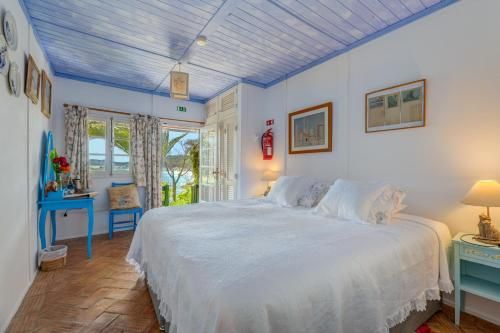
Paradise in Portugal
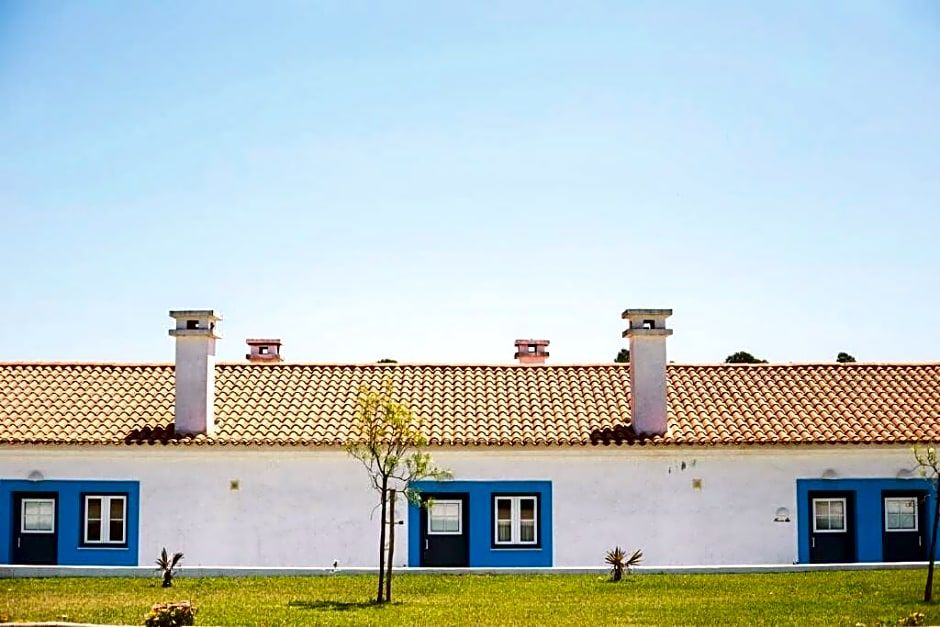
Herdade Do Freixial - Turismo Rural
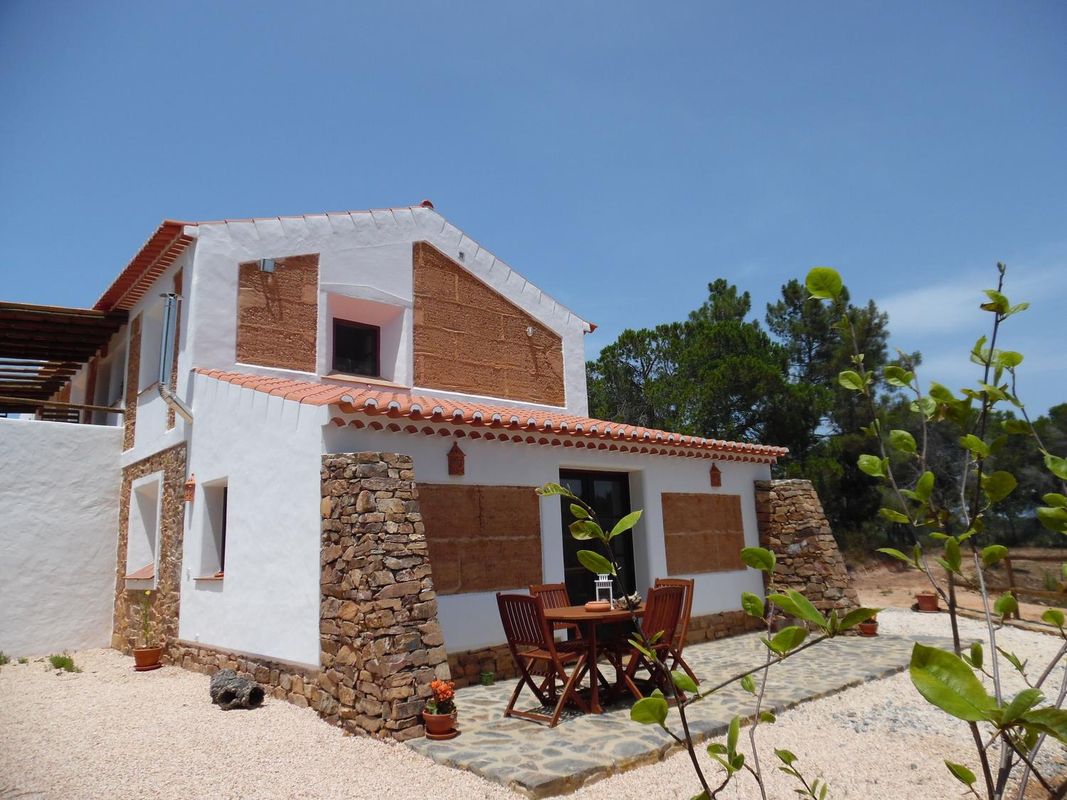
Quinta Das Beldroegas - Casas de Campo
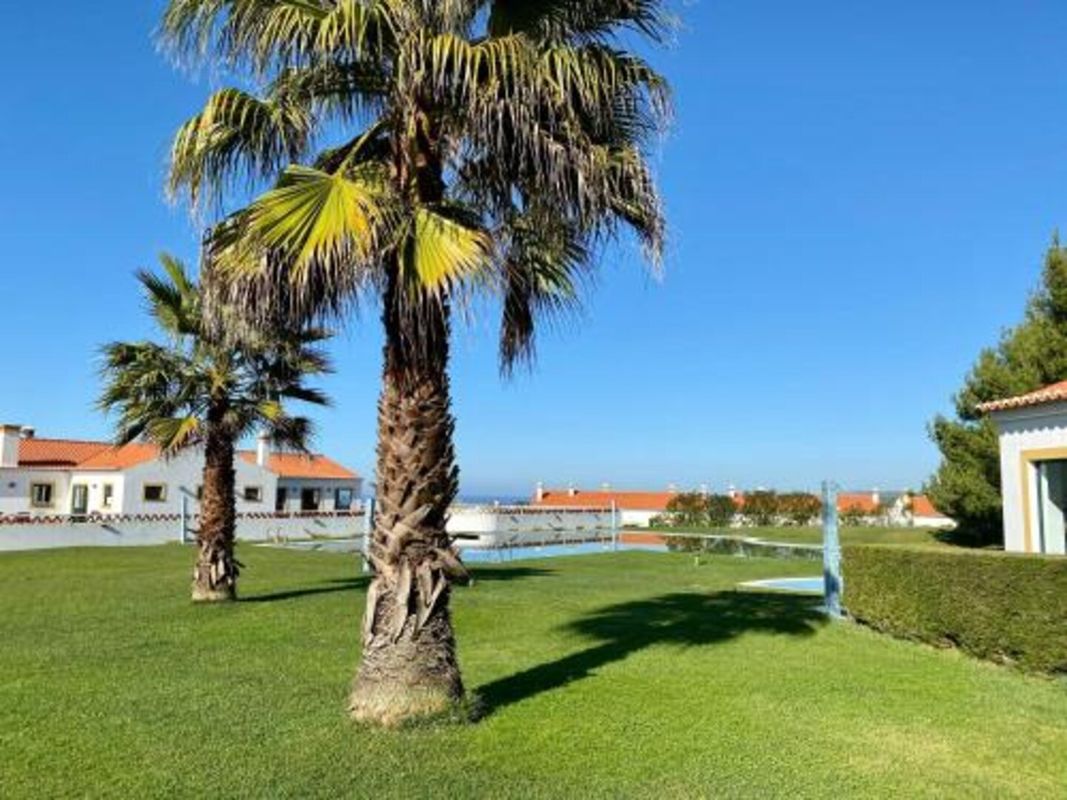
Monte Carvalhal da Rocha
Teima, Alentejo SW
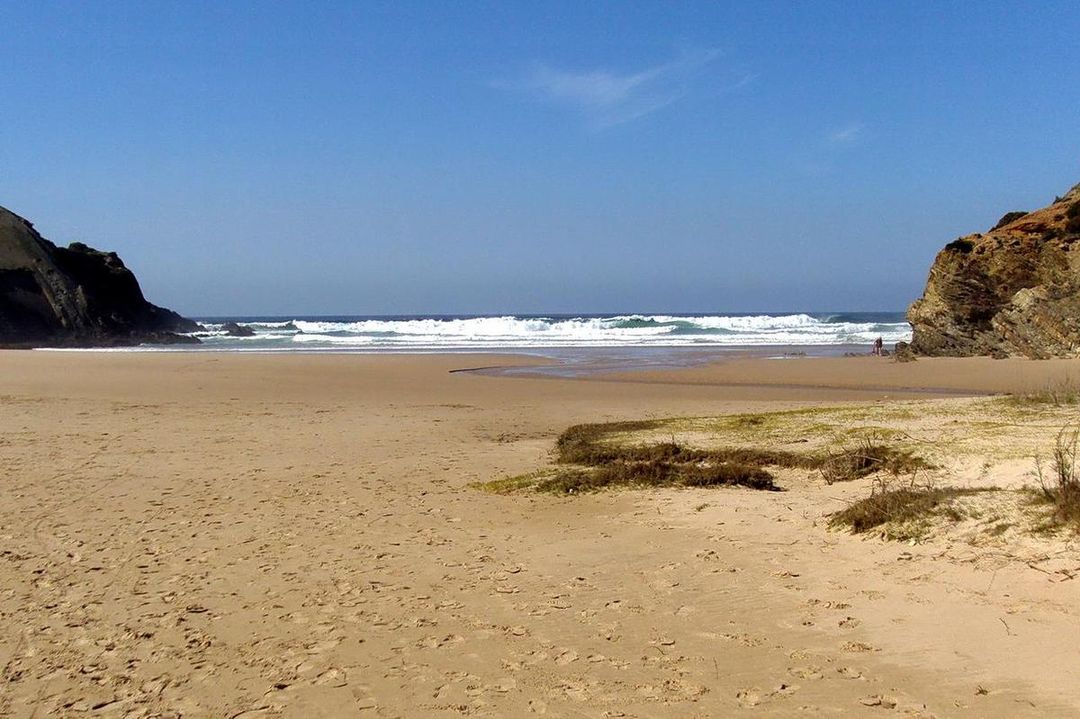
Salgadinho Casa de Campo & Selao da Eira Velha
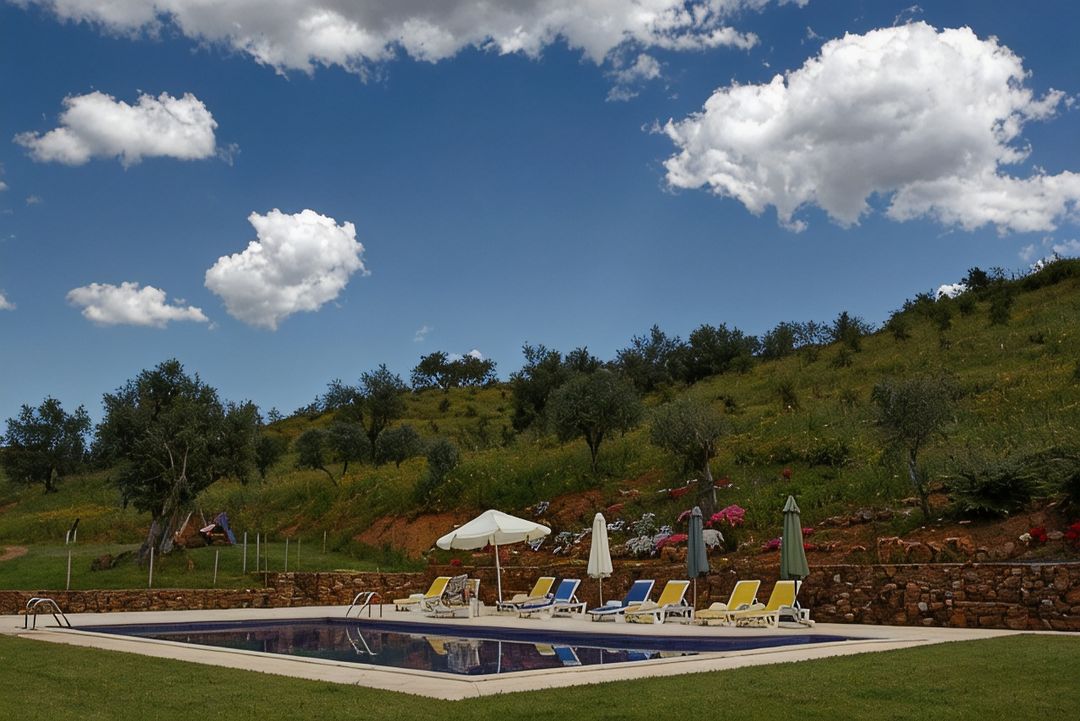
Quinta do Chocalhinho Agroturismo & Spa
Best Hotels in Odemira
Discover curated hotel collections in Odemira
Sublime Comporta Country Retreat & Spa
Vermelho Melides - Relais & Châteaux

Memmo Príncipe Real - Design Hotels
Verdelago Resort

Verride Palácio Santa Catarina

Four Seasons Hotel Ritz Lisbon
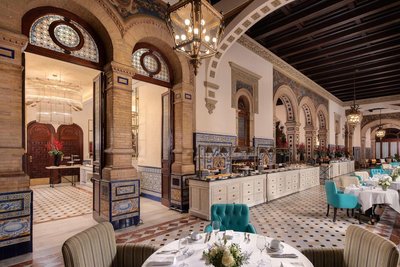
Hotel Alfonso XIII, a Luxury Collection Hotel, Seville
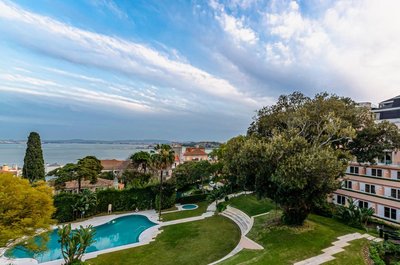
Olissippo Lapa Palace – The Leading Hotels of the World
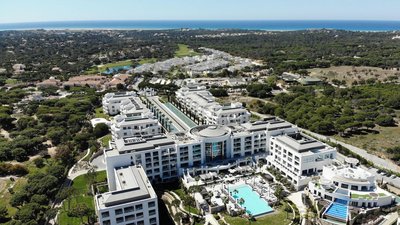
Conrad Algarve
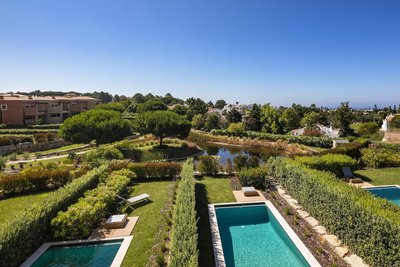
Vale de Milho Village
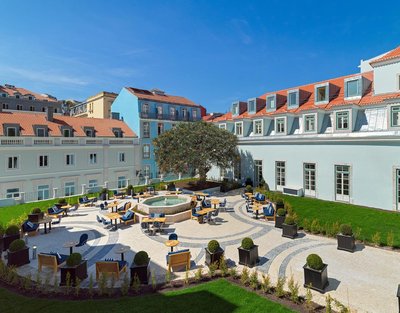
The One Palácio da Anunciada
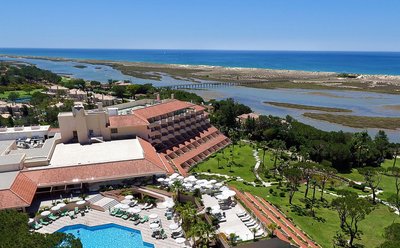
Hotel Quinta do Lago
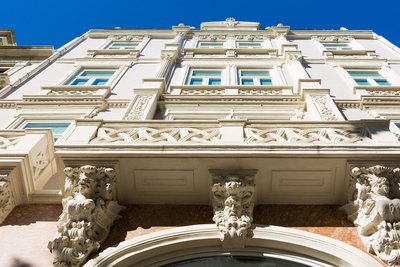
Hotel Valverde Lisboa - Relais & Chateaux
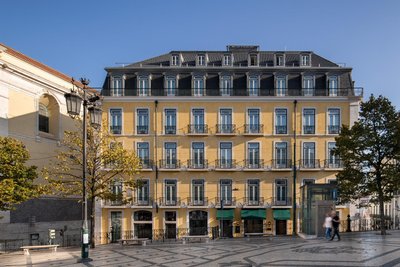
Bairro Alto Hotel

Domes Lake Algarve, Autograph Collection
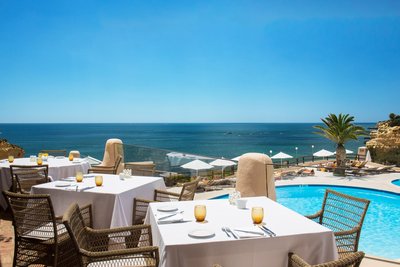
Vilalara Grand Hotel Algarve

Penha Longa Resort
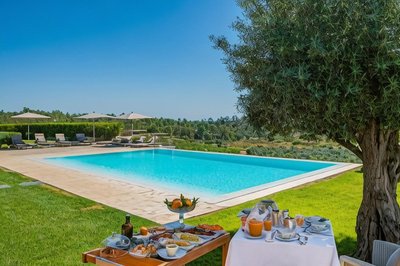
Herdade da Malhadinha Nova - Relais & Châteaux
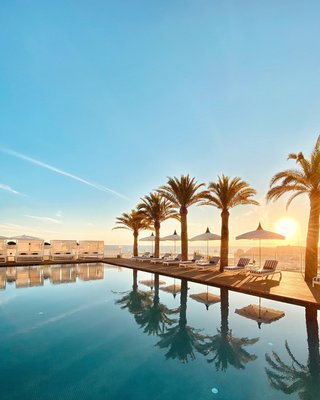
Bela Vista Hotel & Spa - Relais & Chateaux
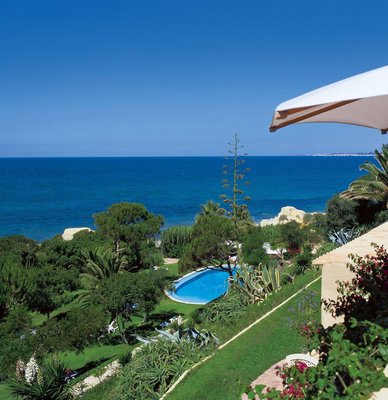
Vila Joya

Martinhal Lisbon Oriente
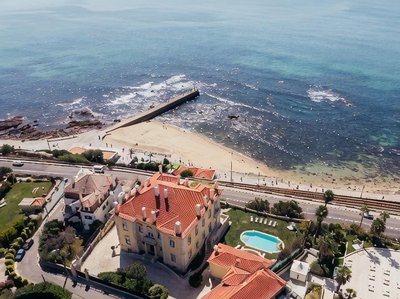
Estoril Vintage Hotel
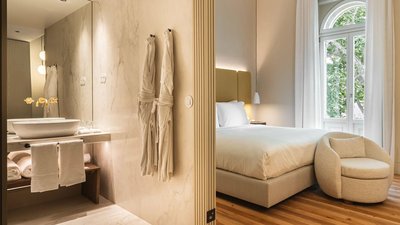
Artsy Cascais
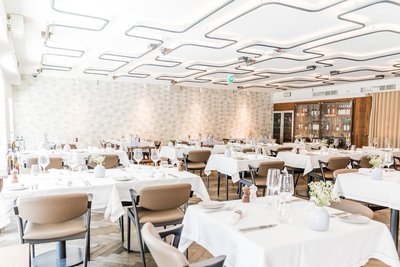
Corpo Santo Lisbon Historical Hotel
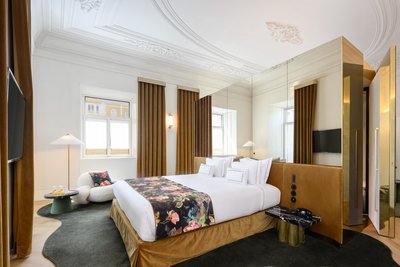
Montebelo Vista Alegre Lisboa Chiado Hotel
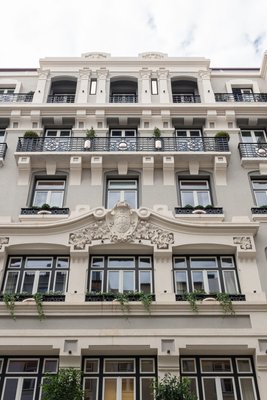
Art Legacy Hotel
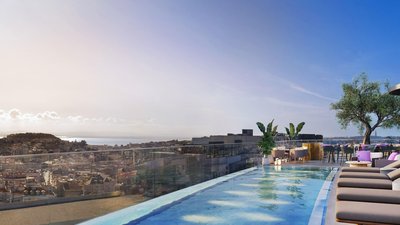
ME Lisbon
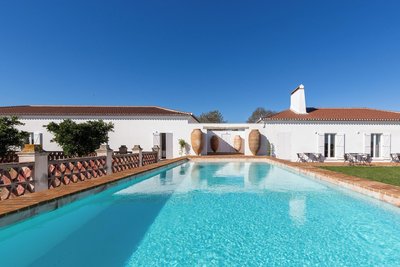
Cenoura-Brava Villas & Suites.

Áurea Museum by Eurostars Hotel Company
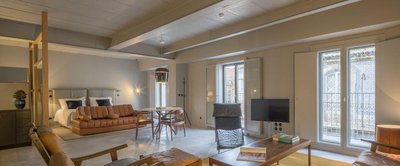
Raw Culture Art & Lofts Bairro Alto
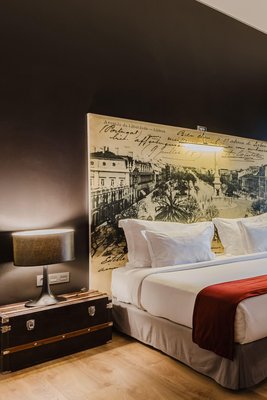
138 Liberdade Hotel

Sheraton Lisboa Hotel & Spa
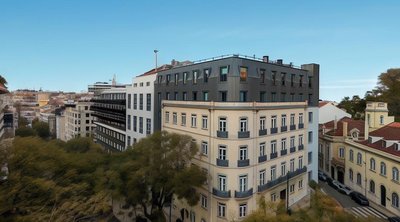
The Vintage Hotel & Spa – Lisbon

Dom Pedro Lisboa Hotel, a member of Radisson Individuals

Altis Grand Hotel
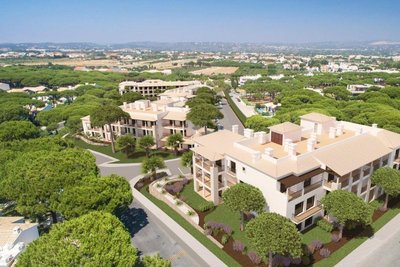
Pine Cliffs Gardens

Altis Belem Hotel & Spa, a Member of Design Hotels

Altis Avenida Hotel

EPIC SANA Lisboa Hotel
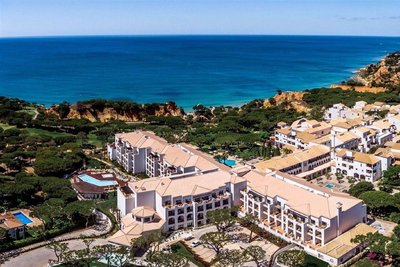
Pine Cliffs Village
Estoril Vintage Hotel
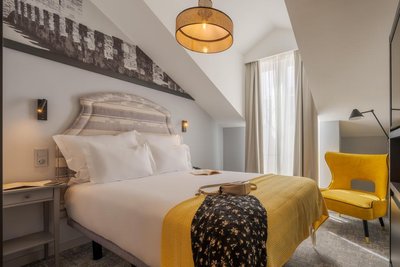
Pousada Alfama
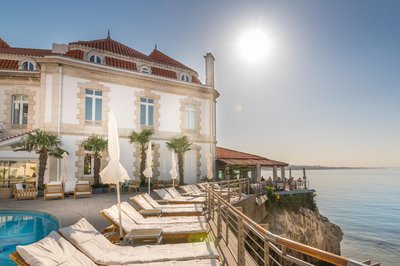
The Albatroz Hotel
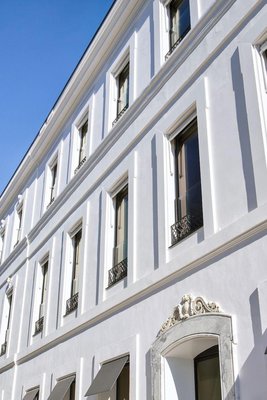
Hotel Kivir
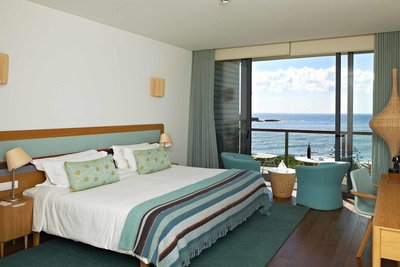
Martinhal Sagres Beach Family Resort Hotel
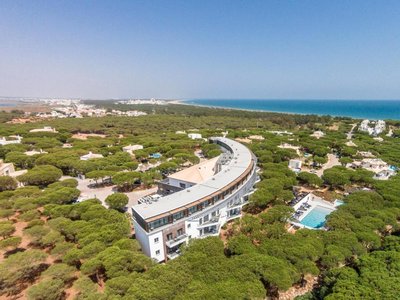
Octant Praia Verde
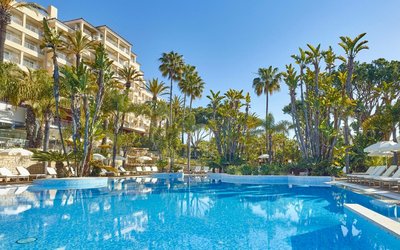
Ria Park Hotel & Spa
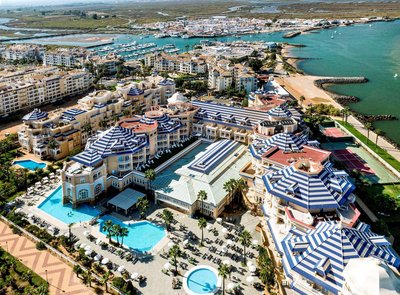
Melia Isla Canela
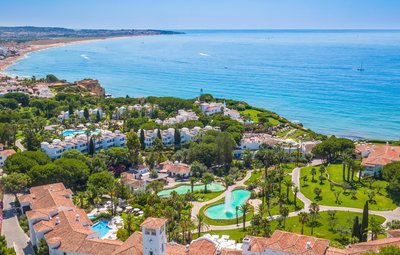
Vila Vita Parc

The Beachfront - Praia d'El Rey Golf & Beach Resort
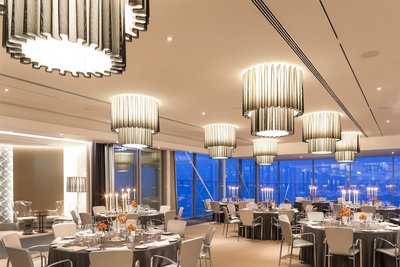
MYRIAD by SANA Hotels
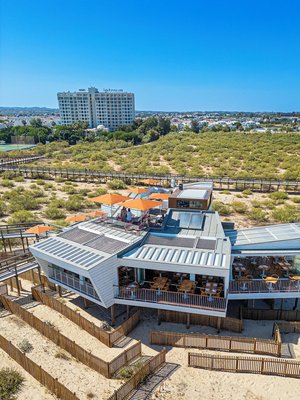
Eurotel Altura
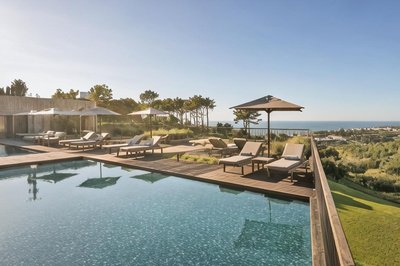
Immerso Hotel, a Member of Design Hotels
Corpo Santo Lisbon Historical Hotel
Raw Culture Art & Lofts Bairro Alto
The Vintage Hotel & Spa – Lisbon
Dom Pedro Lisboa Hotel, a member of Radisson Individuals
Hotel Alfonso XIII, a Luxury Collection Hotel, Seville
Altis Belem Hotel & Spa, a Member of Design Hotels
EPIC SANA Lisboa Hotel
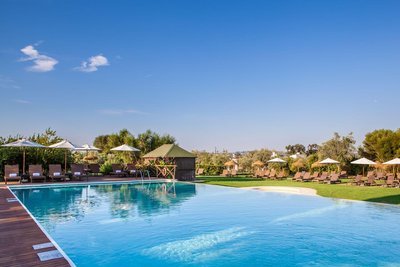
Convento do Espinheiro, Historic Hotel & Spa
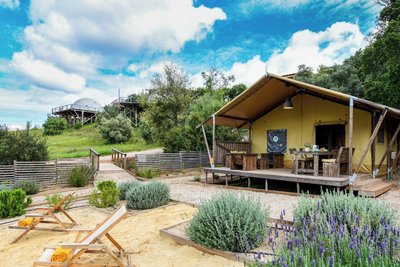
Wecamp Reserva Alecrim

Torre de Palma Wine Hotel, Monforte, a Member of Design Hotels
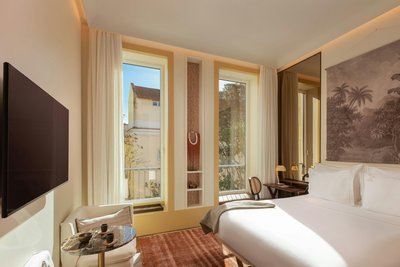
The Ivens, Autograph Collection
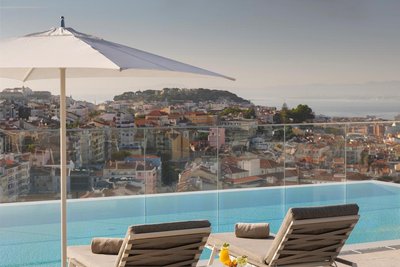
EPIC SANA Marquês Hotel
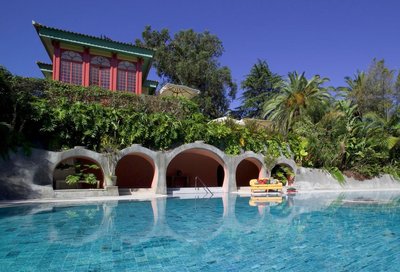
Pestana Palace Lisboa Hotel & National Monument - the Leading Hotels of the World

Hotel Avenida Palace
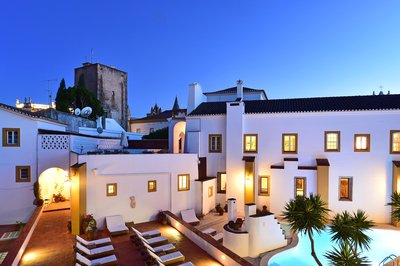
Pousada Convento de Evora – Historic Hotel
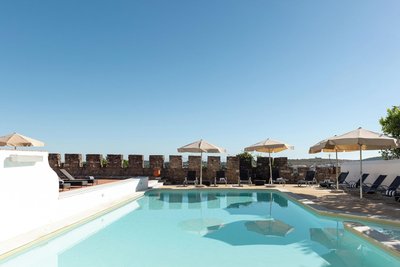
Pousada Castelo de Estremoz – Historic Hotel
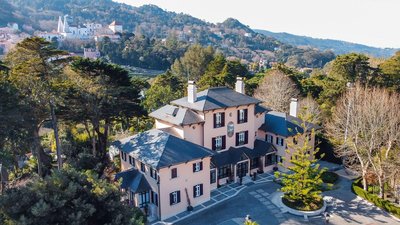
Sintra Marmoris Palace
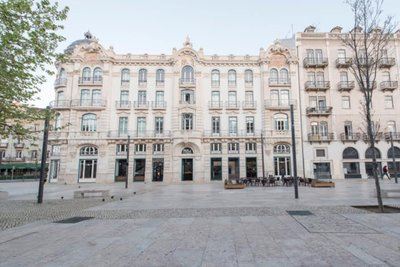
1908 Lisboa Hotel

AlmaLusa Comporta
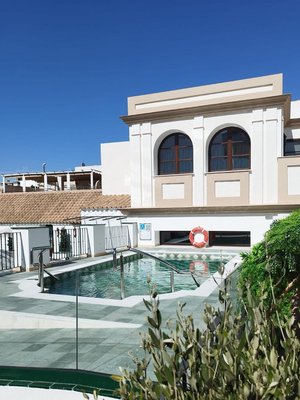
Hotel Casa Palacio Don Ramón
Memmo Príncipe Real - Design Hotels
Corpo Santo Lisbon Historical Hotel

Hotel da Baixa
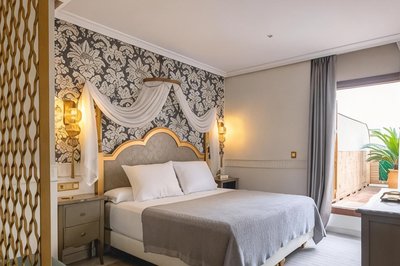
Hotel Gravina 51
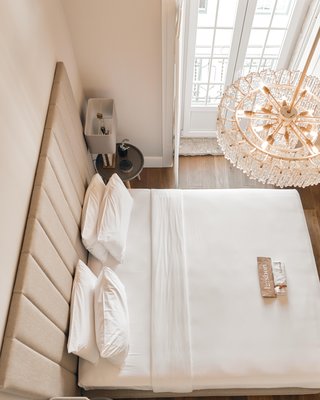
Dare Lisbon House
The One Palácio da Anunciada
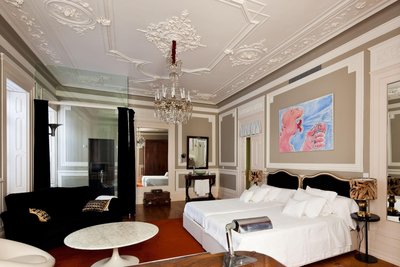
Palacete Chafariz Del Rei - by Unlock Hotels
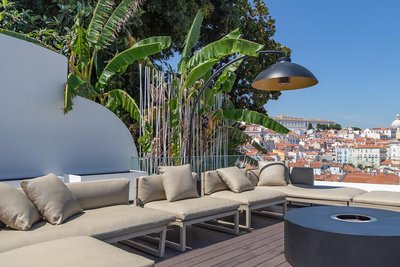
Memmo Alfama - Design Hotels

BessaHotel Liberdade
Hotel Valverde Lisboa - Relais & Chateaux
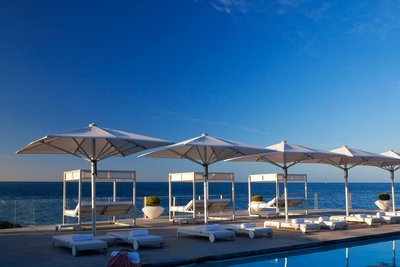
Farol Hotel
The Albatroz Hotel
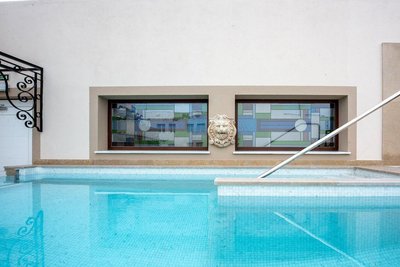
Hotel Casa Palacio María Luisa
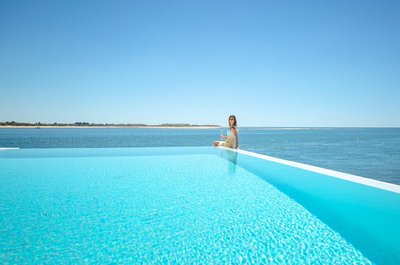
Bordoy Grand House Algarve
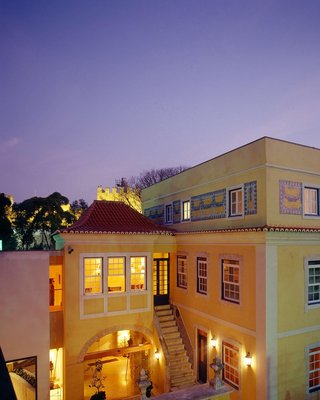
Solar do Castelo - Lisbon Heritage Collection - Alfama
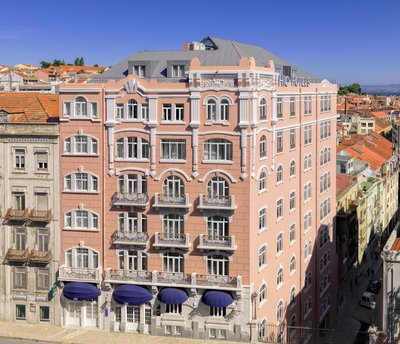
H10 Duque de Loule
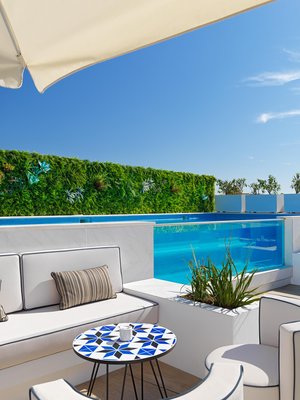
H10 Casa de la Plata
Bela Vista Hotel & Spa - Relais & Chateaux
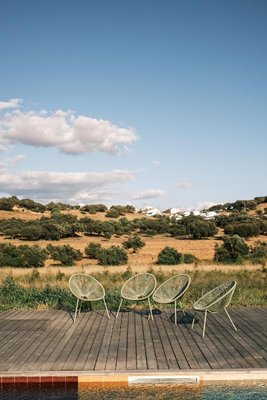
Viva! Farmhouse
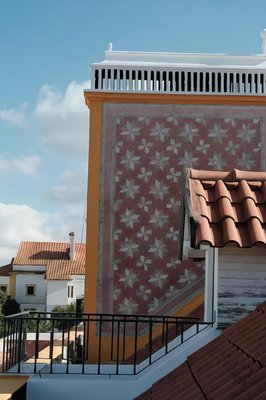
Lilases Boutique House & Garden
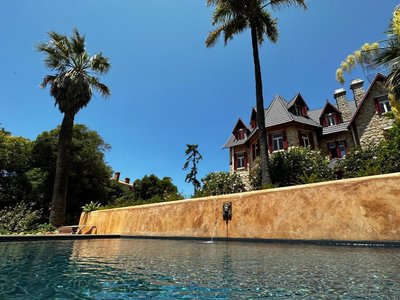
Chalet Ficalho
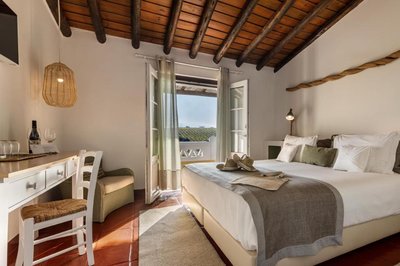
Herdade Do Sobroso Wine & Luxury Boutique Hotel

Monte Gois Country House e Spa
Frequently Asked Questions about Traveling to Odemira
Questions You Might Need to Know About Traveling to Odemira
In Odemira, the standout boutique stay is Casa de Santa Maria, a meticulously restored 19th-century manor turned intimate guesthouse. Nestled in the historic center, it blends traditional Alentejan stone architecture with modern comforts. Another gem is Solar dos Corvos, a former estate transformed into a luxury eco-lodge with private gardens and panoramic views of the surrounding hills. Both properties emphasize local craftsmanship, serve homemade breakfasts featuring regional honey and bread, and offer personalized tours to nearby vineyards and caves—perfect for travelers seeking authenticity and charm in a serene setting.
The historic center (Centro Histórico) is ideal for first-time visitors. This compact, walkable district features cobblestone streets, centuries-old buildings, and easy access to key landmarks like the Igreja Matriz de Nossa Senhora da Oliveira and the weekly farmers’ market. Staying here offers immersion in local life, with many guesthouses and small pensions providing warm hospitality. It’s also the perfect base for day trips to nearby attractions such as Gruta de São Miguel and the Pedra Rócha village. The area is quiet at night, making it safe and peaceful for solo or family travelers.
Odemira offers authentic cultural immersion through its traditional pottery workshops. Visit Cerâmica de Odemira to create your own glazed ceramic piece using local clay and age-old techniques. The town also hosts the annual Festa da Senhora festival, featuring folk dances in period costumes, live music, and artisanal food stalls. For history lovers, guided tours of the Gruta de São Miguel cave reveal prehistoric rock art and ancient human remains. You can also join a wine-tasting tour at local vineyards producing Vinho Alentejano, a full-bodied red wine celebrated across Portugal.
The Igreja Matriz de Nossa Senhora da Oliveira is Odemira’s most iconic landmark. Built in the 16th century, this Baroque-style church features intricate stucco façades, a striking bell tower, and an interior adorned with religious paintings and carved wooden altars. Located in the heart of the old town square, it serves as both a spiritual and cultural hub. During weekends, the church hosts open-air concerts and art exhibitions, offering a glimpse into the community’s traditions. Nearby, the Paço Municipal (Town Hall) and remnants of the old prison add historical depth to the visit.
Yes, Odemira is highly suitable for families. The town is small, safe, and pedestrian-friendly, with wide sidewalks and green spaces. Stay at Casa do Lago, a family-run guesthouse with a garden and kids’ play area, and enjoy hands-on activities like grape harvesting tours and honey farm visits. Weekly markets feature fresh produce and handmade snacks perfect for children. Local guides often tailor family-friendly walks to include storytelling and interactive elements, making it both educational and fun. The relaxed pace allows parents and kids to explore at their own rhythm.
Odemira’s cuisine highlights Alentejo’s rustic flavors. Must-try dishes include Bolo de Mel, a dense honey cake made with wildflower honey and flour, often served with coffee at breakfast. Try roasted lamb with olive oil potatoes and arroz de marisco (seafood rice), prepared with fresh catches from nearby coastal villages. At Tavira Restaurant or Taberna do Povo, you’ll find seasonal menus showcasing local ingredients. Don’t miss a tasting of Vinho Alentejano, a bold red wine grown in the region’s sun-drenched vineyards—perfect paired with the hearty meals.
Most of Odemira’s main sights are within walking distance in the historic center. For destinations beyond, rent a car or take the ER102 regional bus to reach Gruta de São Miguel or Pedra Rócha. Many guesthouses and tour operators provide pickup services for guided excursions. Clear signage and free maps are available at the tourist office. Biking is also popular along the scenic Ribeira de Odemira river path. Public transport is limited after dark, so having a vehicle is recommended for evening outings or weekend trips.
Accommodation in Odemira ranges from €60–80 per night for budget guesthouses like Pensão Avenida, to €120–180 for mid-range boutique hotels such as Solar dos Corvos. Historic Pousadas (heritage inns) start at €200, including breakfast and guided tours. Prices rise by 20–30% during summer (July–August). HopeGoo early is advised, especially for stays over three nights. Overall, Odemira offers excellent value compared to other Portuguese destinations, making it ideal for extended stays and immersive travel.
Odemira’s nightlife is calm and authentic. Adega do Gato is a favorite local bar serving house-made Alentejo red wine and tapas, occasionally hosting live folk music. Café Central transforms into a cozy literary café in the evenings, with poetry readings and acoustic sets. For livelier options, drive 30 minutes to Sines or Tavira on the coast, where restaurants and bars stay open later. In Odemira, evenings are perfect for strolling, enjoying a glass of wine under the stars, or joining a spontaneous community gathering—ideal for those seeking tranquility and connection.
Absolutely. Odemira offers rich photographic opportunities: sunlit stone houses, dramatic shadows cast by arched doorways, and the golden-hour glow over the old town square. Capture the Igreja Matriz facade at sunrise, when the light enhances its ornate stucco details. The Gruta de São Miguel entrance reveals natural rock formations and deep textures perfect for macro and landscape shots. Early mornings (6:30–7:30 AM) are ideal for candid street photography with minimal crowds. Bring a tripod and wide-angle lens to fully capture the town’s timeless beauty and atmospheric depth.
Odemira Overview
City Summary
Odemira, located in the Beja District of Portugal, is a charming small town known for its rural landscapes and traditional Portuguese culture. Surrounded by rolling hills and the Mira River, it offers a peaceful retreat for those seeking nature and outdoor activities. The town's rich history and serene atmosphere make it a hidden gem in the Alentejo region.
Must-See Attractions
Key attractions in Odemira include the Igreja de São Salvador, a Gothic-style church, and the scenic Mira River, perfect for hiking or cycling. The local market is a great place to experience traditional crafts and fresh produce. Don't miss the chance to explore the surrounding countryside, which is dotted with picturesque villages.
Food Guide
Odemira's cuisine features traditional Portuguese dishes such as Ensopado de Borrego (lamb stew) and Porco Preto (black pork). Fresh river fish like trout and eel are also popular. Pair your meal with a glass of Alentejo wine, renowned for its quality and flavor.
Transportation Guide
Driving is the most convenient way to get around Odemira, as public transport is limited. From Lisbon, take a train to Beja and then a bus or rental car to Odemira. The town itself is walkable, but a bike or car is recommended for exploring the countryside. Note that some rural roads are narrow and require careful driving.
Best Time to Visit
The best times to visit are spring (March to May) and autumn (September to November), when the weather is mild and crowds are smaller. Summer (June to August) can be hot but is ideal for outdoor activities. Winter (December to February) is quieter and offers a chance to experience the town's tranquil atmosphere.
Travel Tips
- Respect local customs: Odemira is a conservative town, so avoid loud behavior.
- Dress comfortably: Light clothing and sturdy shoes are recommended for outdoor activities.
- Carry cash: Some rural shops may not accept credit cards.
- Sun protection: Summers can be very sunny, so bring sunscreen and a hat.
- Learn basic Portuguese: A few phrases can go a long way in connecting with locals.
- Be eco-conscious: Help preserve the natural beauty by not littering.
Useful Information
Language: Portuguese is the main language; English is understood in tourist areas. Internet: Wi-Fi is available in town centers, but signal may be weak in rural areas. Payment: Credit cards are accepted in larger establishments, but cash is preferred in small shops. Emergency: Odemira has a medical center; dial 112 for emergencies. Electricity: 220V, plug types C/F; bring an adapter if needed.