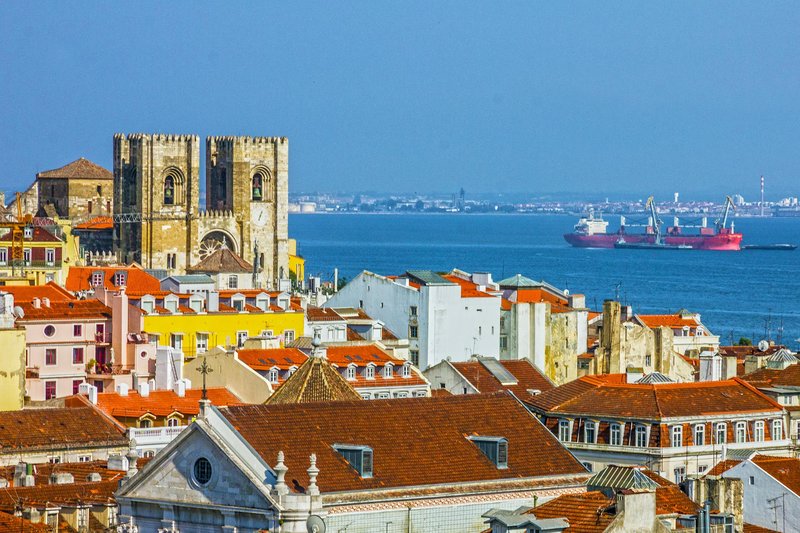
Hotels in Oeiras
Discover your perfect stay in Oeiras.
Oeiras(Portugal) Travel 2026: Cheap Flights, Hotels & Top Attractions
Popular Landmarks in Oeiras
Discover the most iconic attractions in Oeiras
Recommended Hotels in Oeiras
Find the perfect place to stay in Oeiras
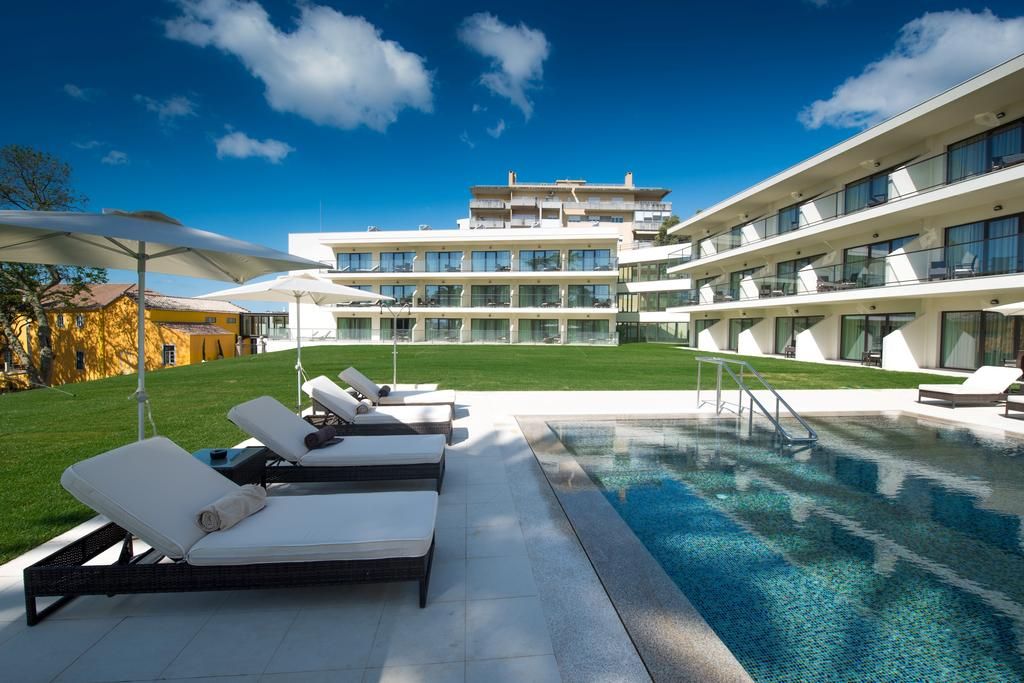

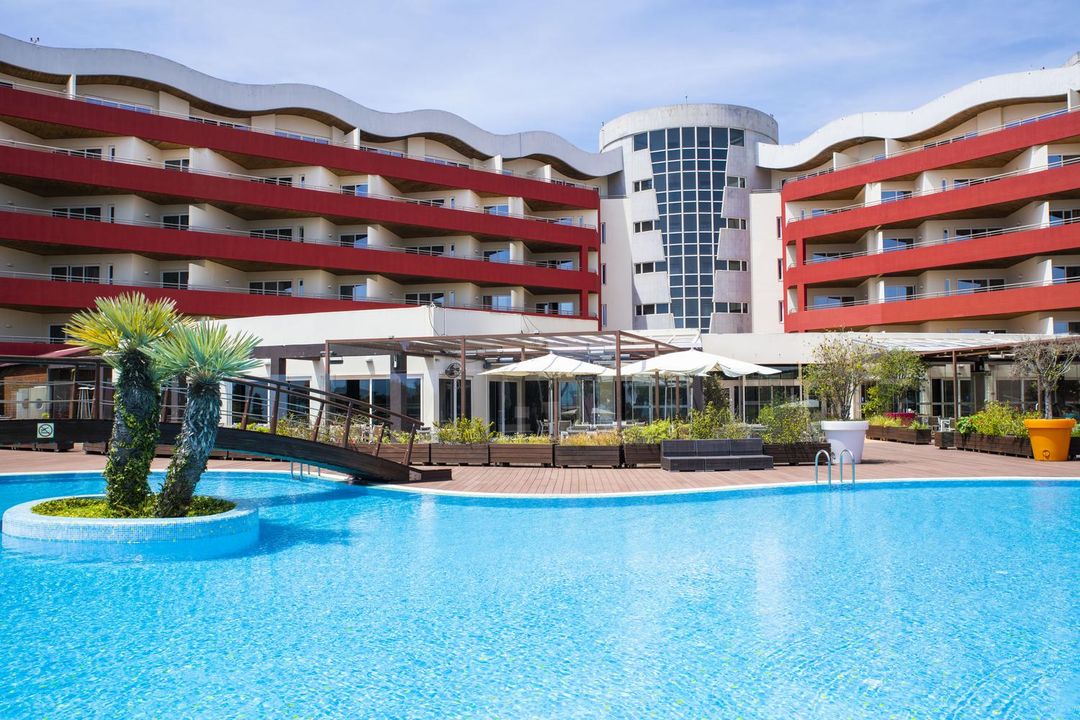
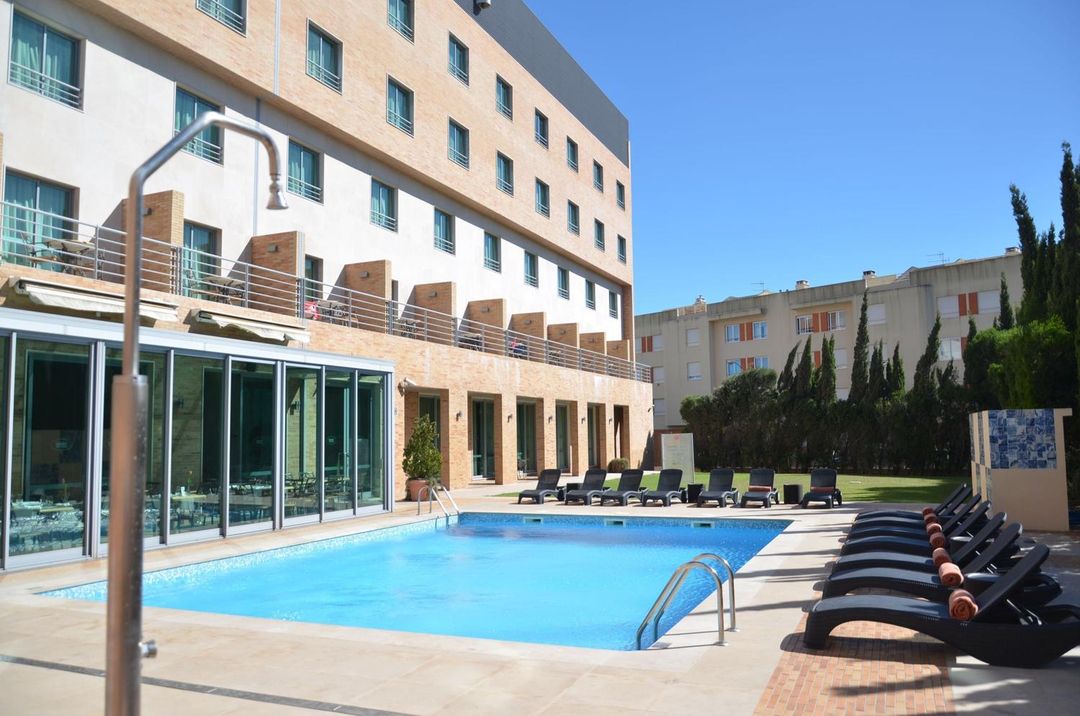
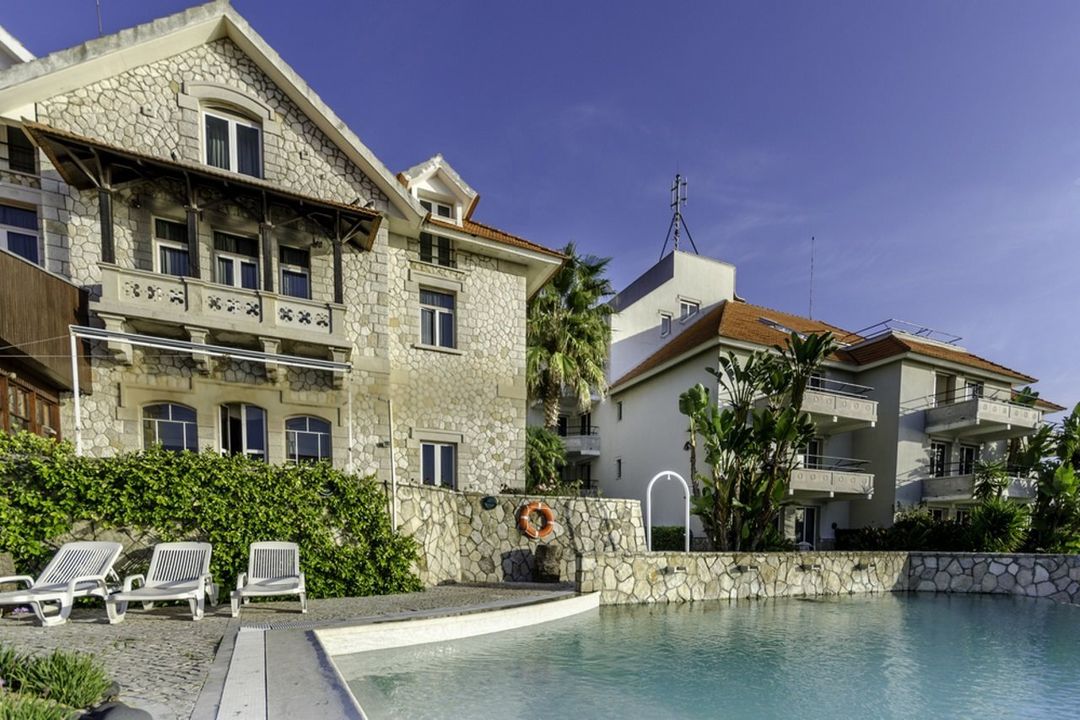
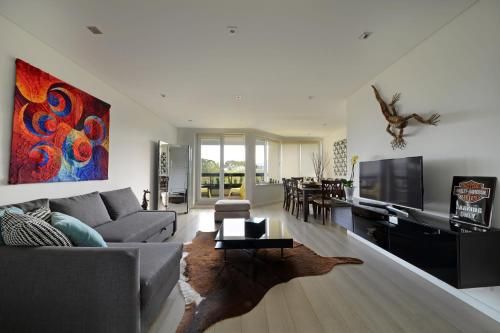
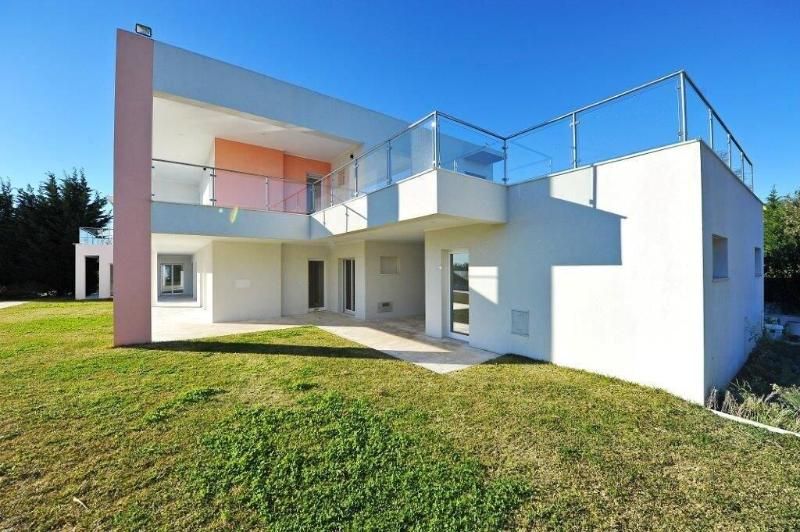

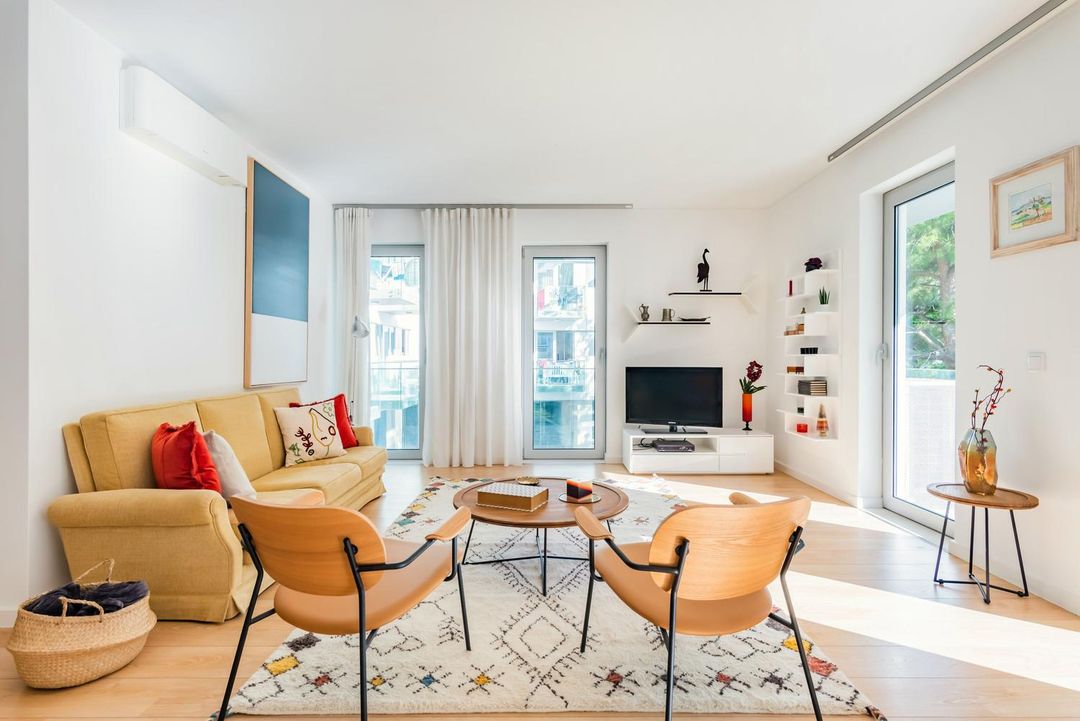
Best Hotels in Oeiras
Discover curated hotel collections in Oeiras






























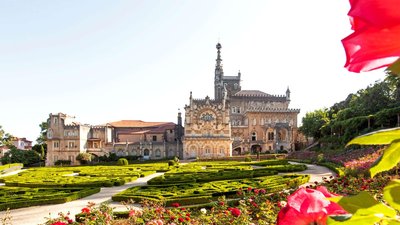

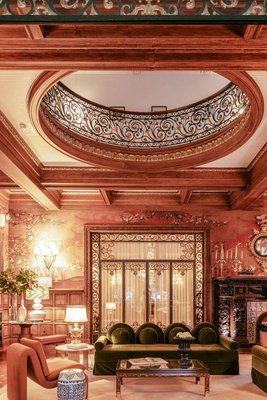
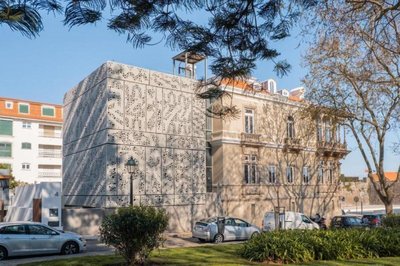

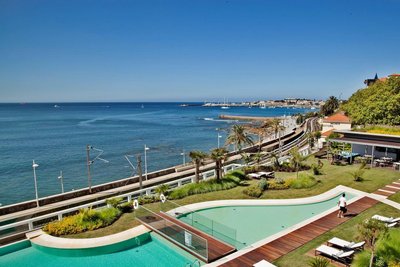























Frequently Asked Questions about Traveling to Oeiras
Questions You Might Need to Know About Traveling to Oeiras
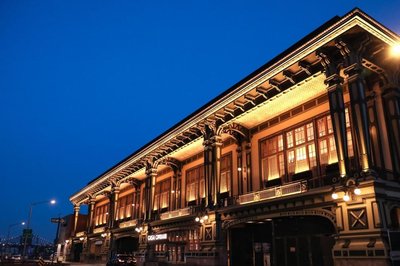
In Óbidos, the top-rated hotel with historic charm is Hotel Alcântara, housed in a restored 17th-century manor. Its stone façade, arched windows, and traditional Portuguese tiles blend seamlessly with modern comforts. Located steps from the São João Baptista Church and within walking distance of the medieval walls, it offers guests an authentic immersion in the town’s past.
Another standout is Casa das Paredes, a former farmstead transformed into a boutique guesthouse with original timber beams and hand-painted ceramics. Both properties provide breakfast featuring local honey, cheese, and fresh bread—true taste of the Tagus Valley. Guests enjoy private gardens, rooftop terraces, and access to guided heritage walks. Ideal for travelers seeking character-rich stays rooted in regional history and culture.
The Historic Center (Centro Histórico) is the best district for first-time visitors to Óbidos. This pedestrian-only zone is enclosed by well-preserved medieval walls and features cobbled streets, colorful doors, and centuries-old buildings. It’s home to key landmarks like the Church of Our Lady of the Assumption, the Town Hall Square, and the Central Market, where you can sample local specialties such as honey cheese tarts and grape preserves.
The area is lively yet peaceful, perfect for strolling at any time of day. Many small boutiques and artisan shops line the alleys, offering handmade crafts and souvenirs. Evening lightings create a magical atmosphere, ideal for photography. Staying here ensures immediate access to culture, cuisine, and architecture—making it the heart of the city’s identity and the ideal base for exploring the Tagus Valley.
In Óbidos, don’t miss the Feast of Our Lady of the Assumption (May), a vibrant religious festival featuring processions through the medieval walls, traditional costumes, and floral offerings. Locals gather in the Town Hall Square to sing folk songs and share homemade treats.
Join a traditional pottery workshop at one of the village studios—learn to shape clay using age-old techniques passed down for generations. The resulting piece makes a meaningful souvenir. For a unique evening experience, attend a stargazing night tour hosted by local guides who narrate myths linked to constellations visible over the Tagus Valley. These experiences offer deep insight into the town’s spiritual roots, craftsmanship, and connection to nature.
Must-try dishes in Óbidos include Cozido à Portuguesa de Óbidos, a rich stew made with lamb, pork, beans, and root vegetables, slow-cooked to perfection and served with black bread. Another highlight is Pastel de Mel e Queijo, a sweet-savory tart filled with wild honey and local sheep cheese—crispy on the outside, creamy inside.
Visit the Central Market (Mercado Municipal) to try dried fruit jams, artisanal sausages, and freshly baked sourdough. For a full sensory experience, dine at O Canto do Galo, a family-run restaurant that uses only ingredients sourced from nearby farms. Their seasonal menus change monthly, reflecting the rhythms of the Tagus Valley. These culinary traditions showcase the region’s agricultural heritage and love for simple, honest flavors.
The most photogenic spots in Óbidos are the clock tower of the Church of Our Lady of the Assumption, whose pink sandstone facade glows under golden hour light. Capture stunning portraits against its intricate carvings and arches.
The Tagus River Walkway is another favorite—winding paths flanked by lavender, citrus trees, and river views. During spring, cherry blossoms frame the scenery like a living painting. For panoramic shots, head to the Town Hall Square viewing platform, where you can photograph the entire walled town nestled between hills and water.
Don’t overlook the narrow alleyways with painted doors and iron balconies—perfect for candid street photography. These locations combine architectural beauty, natural light, and cultural authenticity, making them ideal for travel photographers seeking timeless European charm.
Yes, public transportation in Óbidos is convenient for both locals and tourists. The Óbidos Train Station connects directly to Lisbon's Santa Apolónia Station via CP Regional Trains, with service every 30 minutes and a journey time of about 40 minutes. Buses also run regularly from Lisbon and surrounding towns.
Within the town, the historic center is entirely pedestrian-friendly, with no cars allowed. Walking is the best way to explore. For longer excursions, electric bike rentals are available near the main square, allowing quick access to nearby vineyards, ruins, and countryside trails. Most hotels and attractions offer free shuttle services or parking. Overall, Óbidos combines accessibility with a car-free urban design, making travel easy and eco-conscious.
Óbidos has a quiet, community-oriented nightlife perfect for those seeking relaxation. After 7 PM, most bars close, but a few traditional tascas remain open until midnight, serving local wines, craft beer, and tapas like fried fish balls and garlic shrimp.
On weekends, the Town Hall Square hosts live music events featuring fado and Portuguese folk bands, drawing crowds to sit on grassy lawns and enjoy performances under the stars. Some boutique hotels organize stargazing evenings with astronomy guides sharing stories behind constellations visible above the Tagus Valley.
While there are no nightclubs or loud venues, this tranquility is part of the town’s charm. The absence of commercial noise allows visitors to truly connect with the rhythm of rural life and experience a slower, more authentic pace of evening enjoyment.
In Óbidos, families will enjoy visiting the Óbidos Children’s Museum, which features interactive exhibits on farming, animals, and local history—children can play “farmer for a day” and learn how food grows. Nearby, the Tagus River Family Trail has playgrounds, sand pits, and shaded picnic areas, ideal for relaxed afternoons.
Each summer, the Little Farmer Festival invites kids to plant tomatoes, pick grapes, milk goats, and make honey candies—all under expert guidance. The Family Farm Experience (Fazenda Familiar) offers pony rides, animal feeding, and wine-making workshops. All activities are safe, supervised, and designed to teach environmental awareness and teamwork. These programs ensure children engage meaningfully while parents enjoy scenic walks and local cuisine.
Hotel prices in Óbidos vary by category and season. Budget options like Casa das Paredes Hostel start at €60–80 per night, offering shared rooms and basic amenities. Mid-range hotels such as Hotel Alcântara charge €120–160 per night, including breakfast and free Wi-Fi, with spacious, stylish rooms.
For luxury stays, Vila do Rio Hotel & Spa offers private pools, spa treatments, and gourmet dining at €250–350 per night. Prices rise 20–30% during peak season (June–September), so HopeGoo early is recommended. Compared to Lisbon, Óbidos provides excellent value—ideal for travelers wanting quality accommodations without high costs, especially those interested in heritage stays and countryside retreats.
The best time to visit Óbidos is spring (March–May) and autumn (September–October). Temperatures hover between 15–22°C, with sunny days and mild nights—perfect for outdoor exploration. Spring brings blooming cherry trees and lavender fields along the Tagus River, creating dreamy photo backdrops.
Autumn is harvest season, with local festivals celebrating wine, honey, and dried fruits. The crowds are smaller, and hotel rates remain stable. Winter (November–February) sees occasional rain but offers cozy indoor experiences like pottery classes and candlelit dinners. Summer (June–August) is hot and busy, though festive events occur. For a balance of comfort, beauty, and cultural access, spring and autumn are ideal.